logo mobile sidebar
support-image-mobile
Share your ideas with our local expert team - we’re here to listen and help you shape a meaningful journey through Indochina.
(+84) 868 663 993
Asia Leading Tour Operator 2025
tripadvisor travelers choice awards 2024
Travelers' Choice Awards 2025

Author: Linh Nguyen

Sao Beach Phu Quoc – The Secret Paradise Of Pearl Island

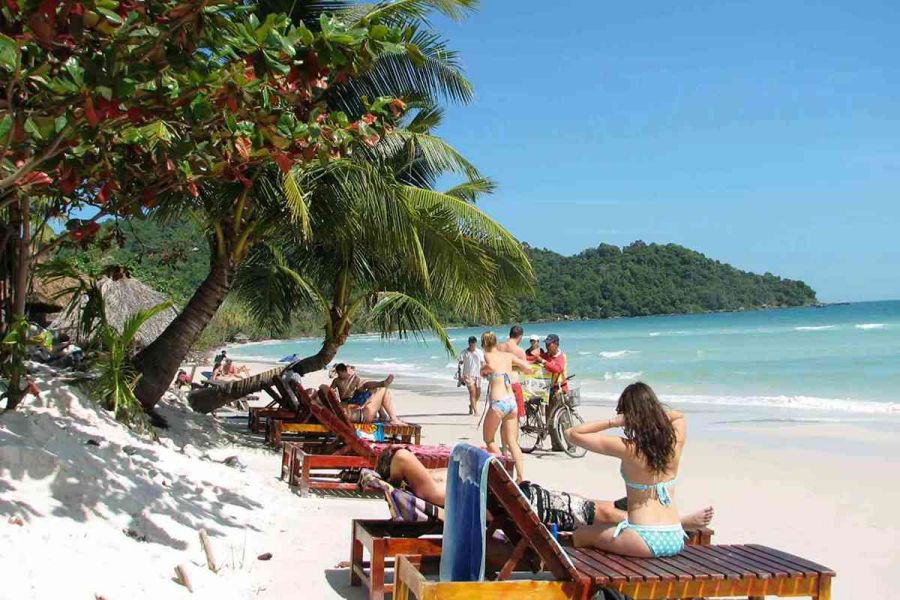
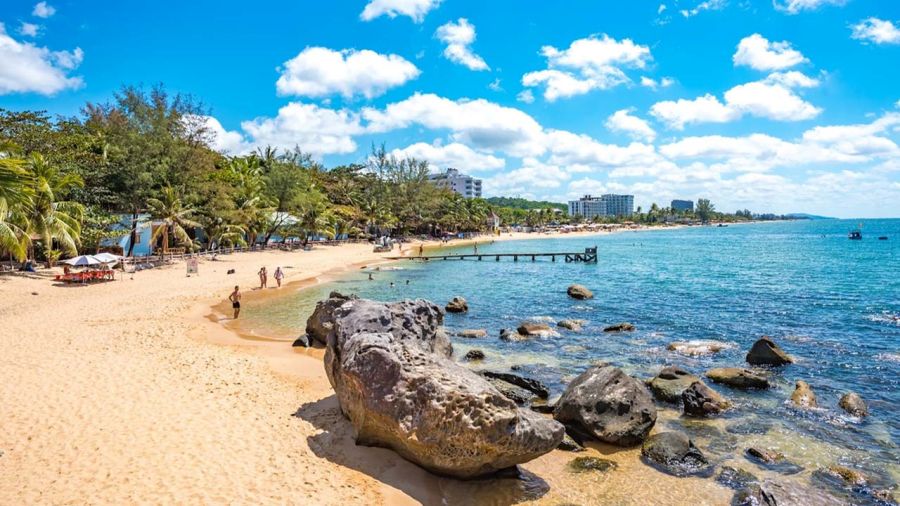
Sao Beach, one of the best beaches in Phu Quoc has to offer, with powdery white sand and crystal water. It is ideal to relax, swim, or lounge while enjoying the natural beauty of the island in its surroundings.

Introduction To Sao Beach
Sao Beach 2

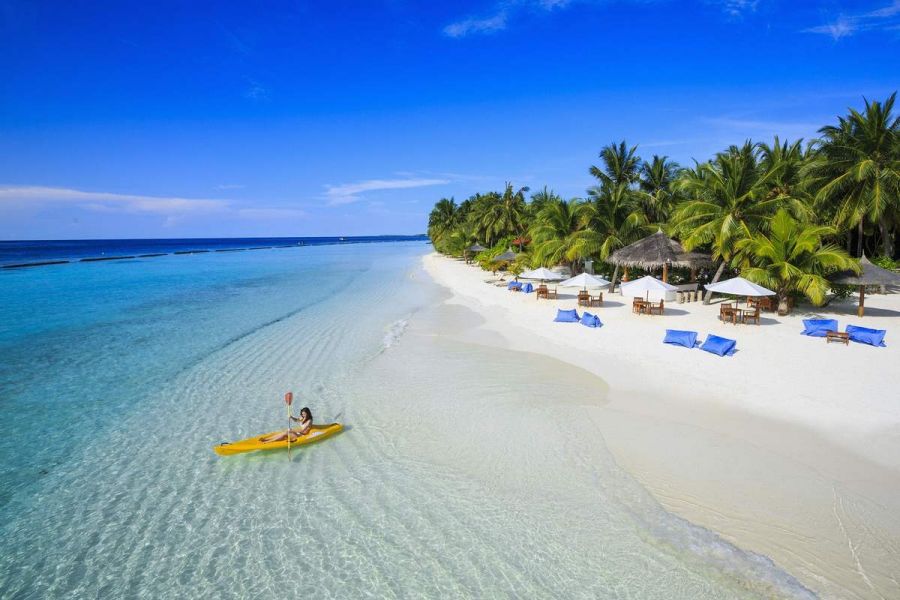
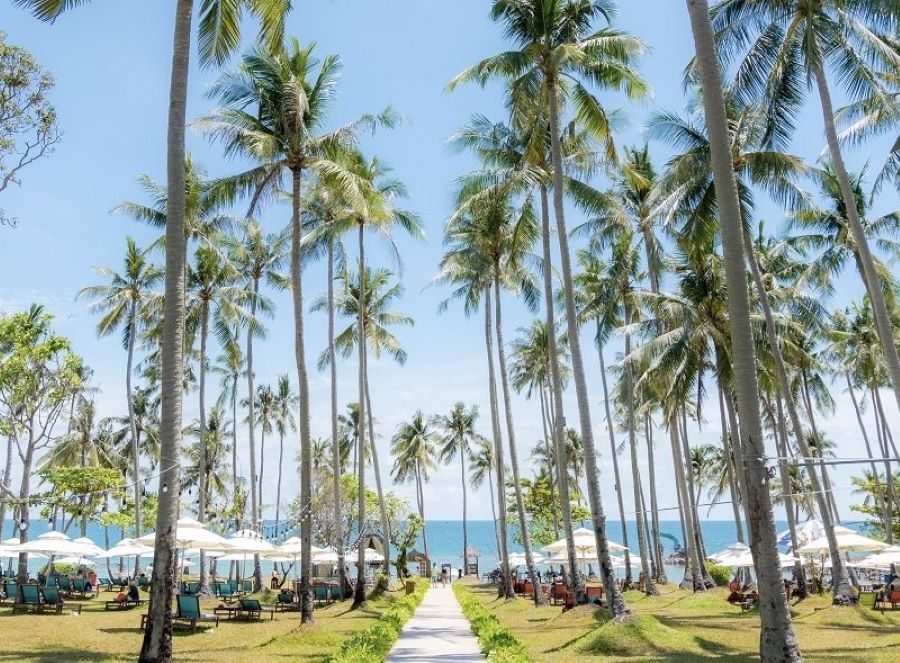
One of the most breathtaking and popular beaches in Phu Quoc is Sao Beach with its powdery white sand, clear emerald water, and relaxing atmosphere. Located on the island’s southeast coast, this seven-kilometre stretch of beach is met with gentle waves and swaying coconut palms in the sea breeze, and is an oasis that allows us to unplug from the busy city lifestyle that the majority of us live.

Sao Beach boasts calm, shallow water, making it an ideal spot to swim, relax, sunbathe, or try something more adventurous like kayaking or snorkeling. The beach has some seaside restaurants offering fresh fish and tropical cocktails, so you can unwind and relax in the sun. Whether you want to leisurely spend time lounging on the sun-kissed beach or go home with some postcard worthy photographs, Sao Beach will offer you a coastal experience surrounded by breathtaking scenery that will forever be in your memories.

History Of Sao Beach

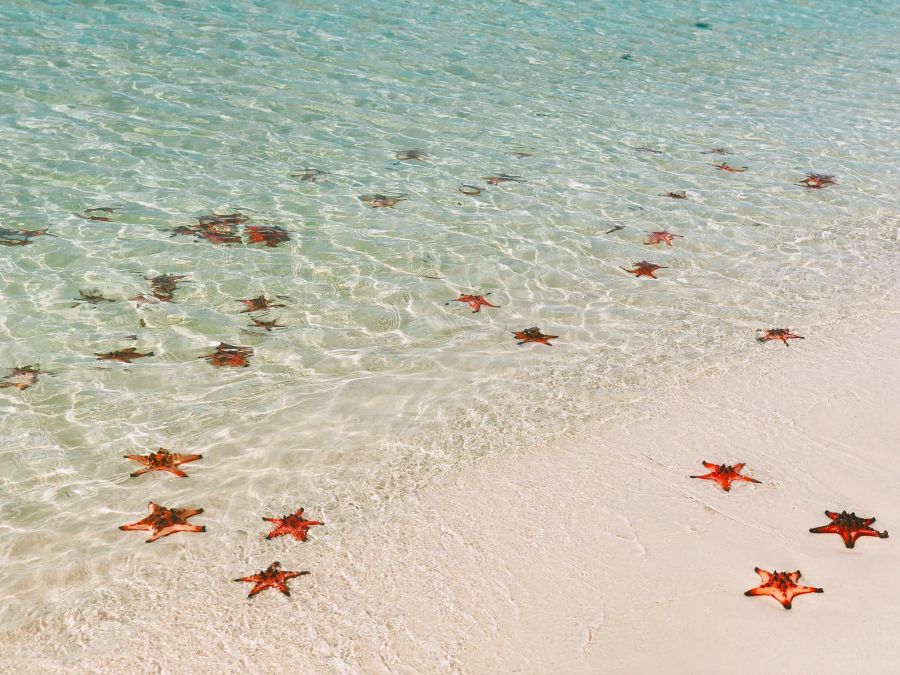
As the local folklore goes, Sao Beach’s name was derived from the starfish that once filled the width of its shore. Each night, as the sun sank, thousands of twinkling starfish would emerge onto the white sands, illuminated by the moonlight, creating a truly enchanting view to experience. This astonishing natural phenomenon was responsible for coining the name “Sao Beach” from the word “star,” implying it was special compared to any other beach found on Phu Quoc Island.

Top 5 Iconic Attractions In Sao Beach

Sao Beach is renowned not just for its fine powdery white sand and turquoise water but also for the adventures and attractions that will make your time there memorable. Here are the iconic places you cannot miss when you’re wandering around this tropical oasis.

The White Sand Shoreline
The White Sand Shoreline

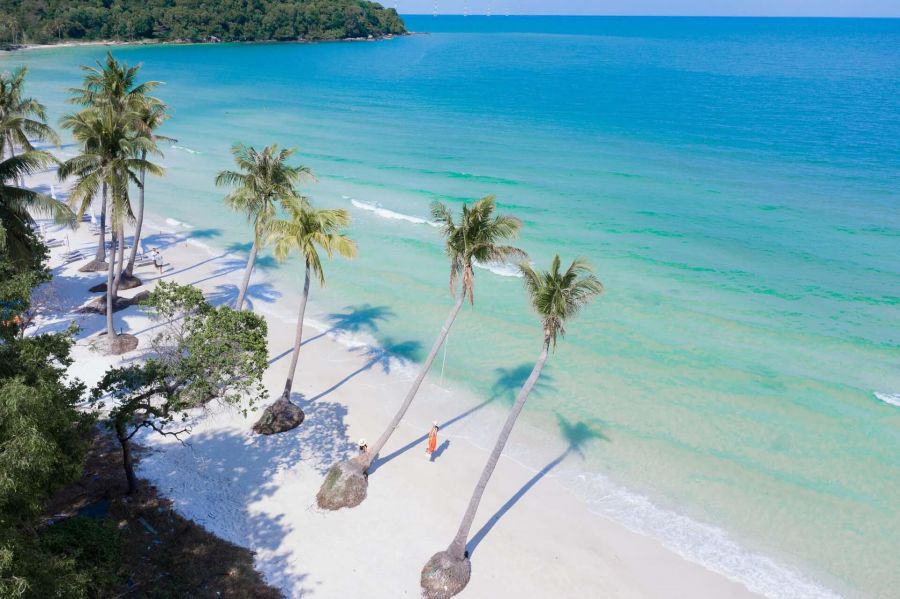
With a length of 7 kilometers, Sao Beach has white sand that is so soft and smooth that it feels like walking on pillows (or silk). With both a gentle curve and the calm, transparent water, you can easily swim, lounge, and bask in the sun.

The Coconut Tree Swing

One of the most photographed spots at Sao Beach is a wooden swing that hangs from a tall coconut tree. For those Instagram lovers, this is another place you have to visit. Sitting on the swing with the turquoise water behind you is by far the best type of tropical picture.

Bars And Café On The Beach
Bars And Café On The Beach

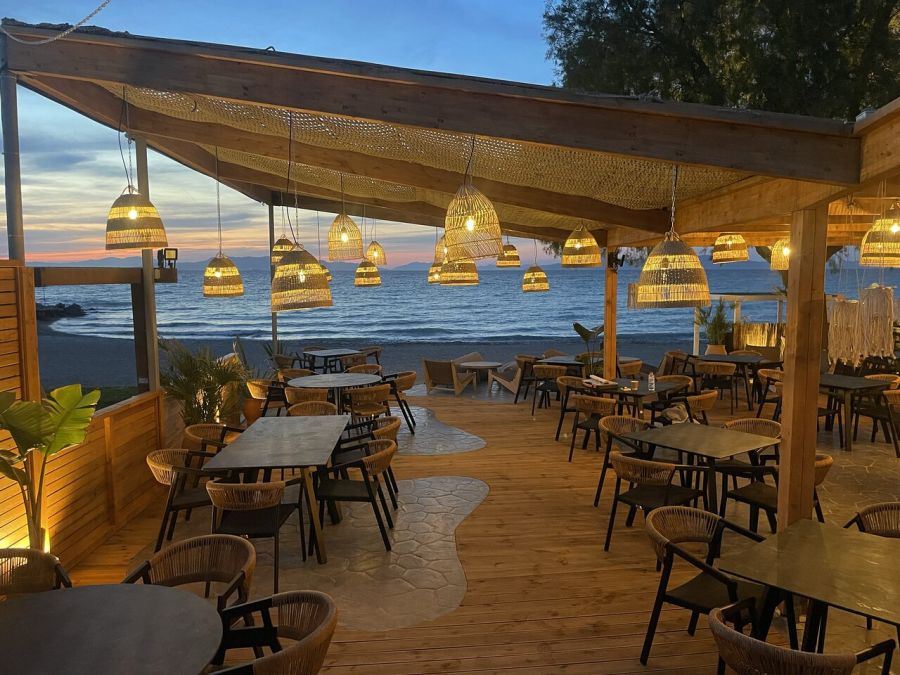
On the beach, you’ll find lovely beach cafés and bars where you can sip tropical juices, coconut water, and eat fresh seafood. Having a cold drink in your hand and gazing at the ocean is a great way to relax, wind down, and soak in your beach day.

Coral Viewing Area

Off the main shore, there are shallow reefs where colorful corals and fish can be viewed. You can book a snorkeling tour to see the aquatic sights up close.

The Spectacular Sunrise Point
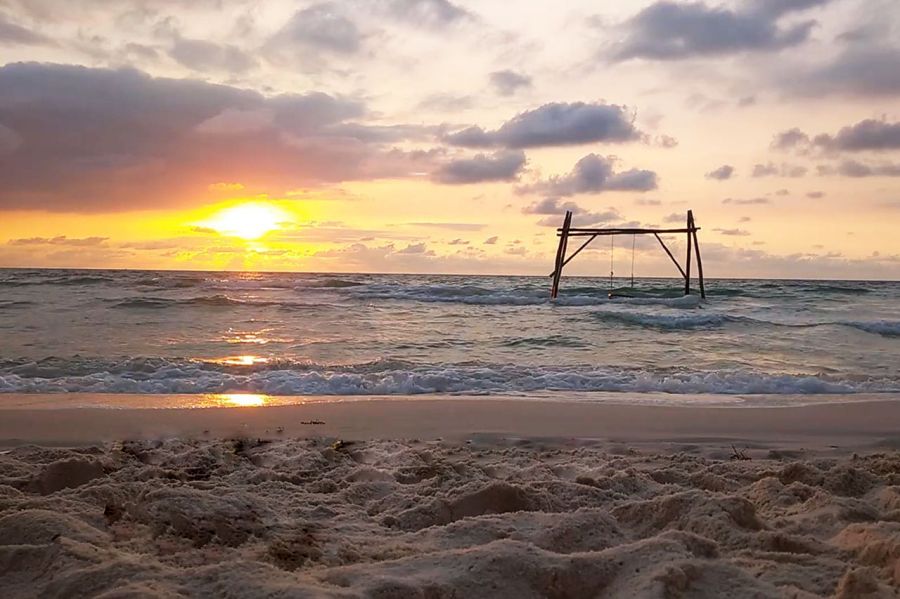
The Spectacular Sunrise Point

Sao Beach faces east, making it one of the best places in Phu Quoc to see a spectacular sunrise. You’ll want to arrive early to watch the sun slowly creeping over the still sea – it’s peaceful and, quite unbelievably, one of the top highlights of the day.

7 Unforgettable Experiences You Shouldn’t Miss

Sao Beach is not simply a venue for admiring the turquoise sea and the white sand: it is an experiential destination for nature, adventure, and local life. Here is a list of the activities every traveler must try to make the most of their stay.

Swim And Sunbathe On The Soft White Sands
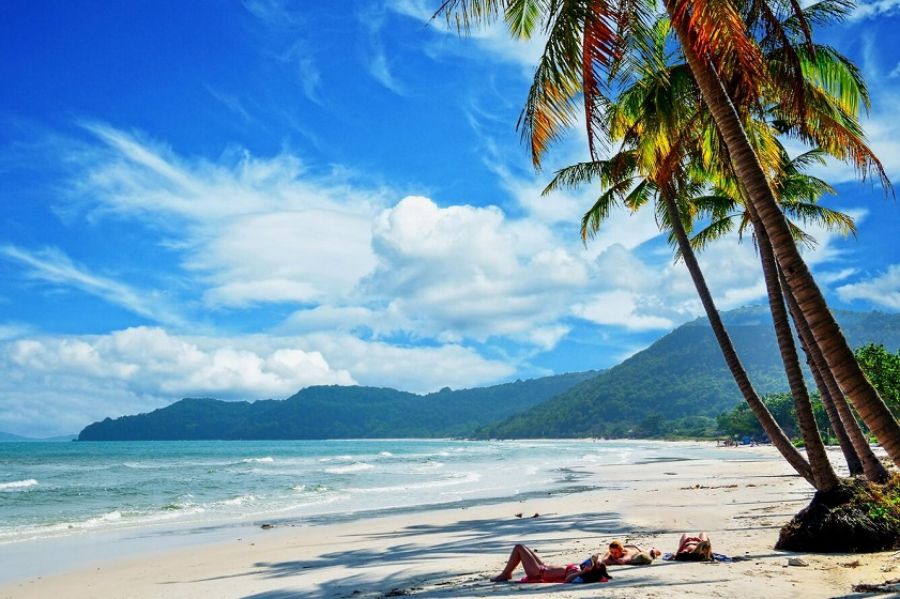
Sunbathe On The Soft White Sands

Sao Beach measures over 7 kilometers and is known for its soft white sand that feels like cream beneath your feet. Unlike many beaches with golden or dark sand, Sao Beach has soft white sand that shimmers in the sun, creating a beautiful contrast with the clear blue water. The gentle and shallow sea is also family-friendly, safe for children or anyone who can’t or does not know how to swim.

Experience Snorkeling To Discover The Underwater Landscape

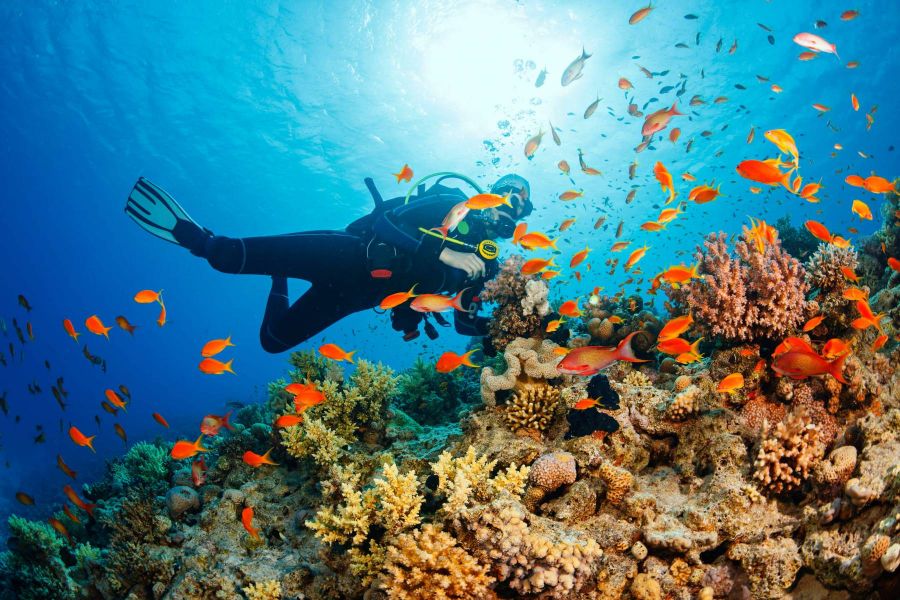
Owing to the water clarity and tranquility, Sao Beach is one of the best areas in Phu Quoc for snorkeling. Below the surface, the colorful coral reefs and playful fish come to life as you explore the richness of ocean life. A local snorkeling tour can be arranged with prices from 300,000 to 1,500,000 VND, depending on trip duration and depth.

Take Great Photos At Sao Beach
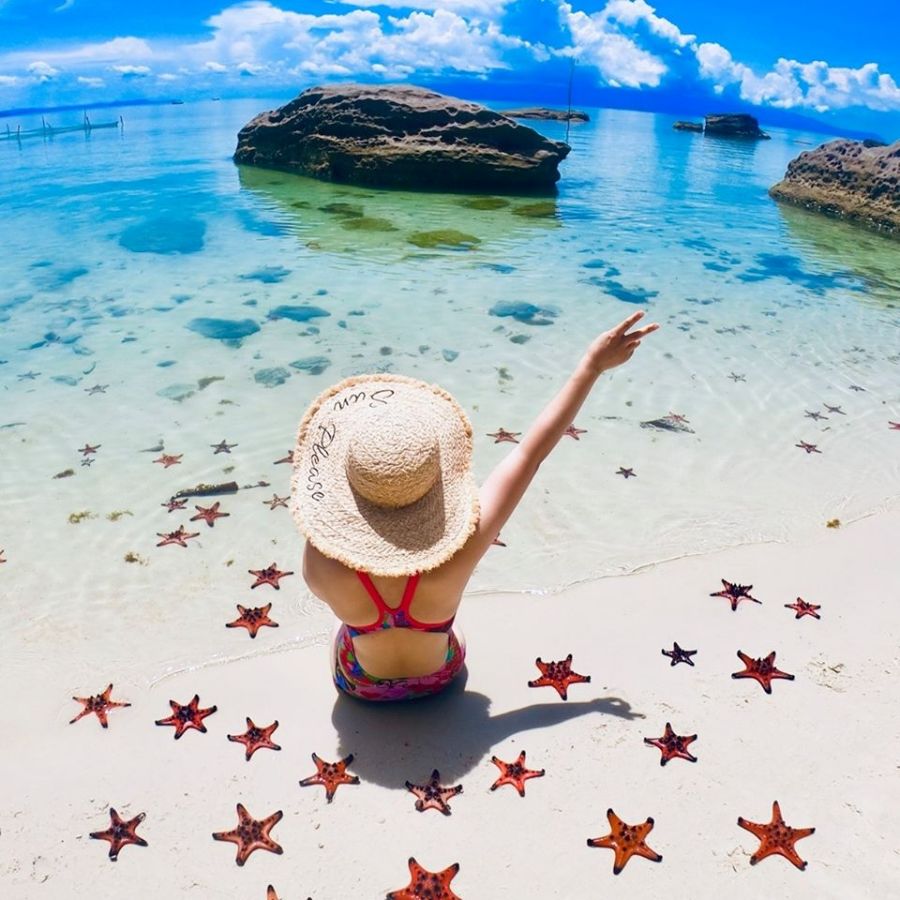
Take Great Photos At Sao Beach

Sao Beach is a perfect location for photography enthusiasts and couples looking for romantic shots. The long white beach, emerald water, and picturesque swings beneath the palm trees are an ideal setting for your vacation photos. Whether it is the tranquil blue sea or the sunrise lighting up the sky, you will find great photo opportunities here at every turn.

Witness The Enchanting Sunrise Over The Sea

There is something undeniably magical about seeing the sunrise at Sao Beach. As the sun’s first beams of light shimmer on the peaceful sea, the entire beach lights up with golds and pinks. You can take a tranquil stroll, hear the peaceful sounds of the waves, or simply sit on the sand and live in the moment. It is that kind of peaceful photo opportunity that allows you to feel deeply connected to nature and even yourself.

Attempt Sea Kayaking On The Coast

Attempt Sea Kayaking On The Coast

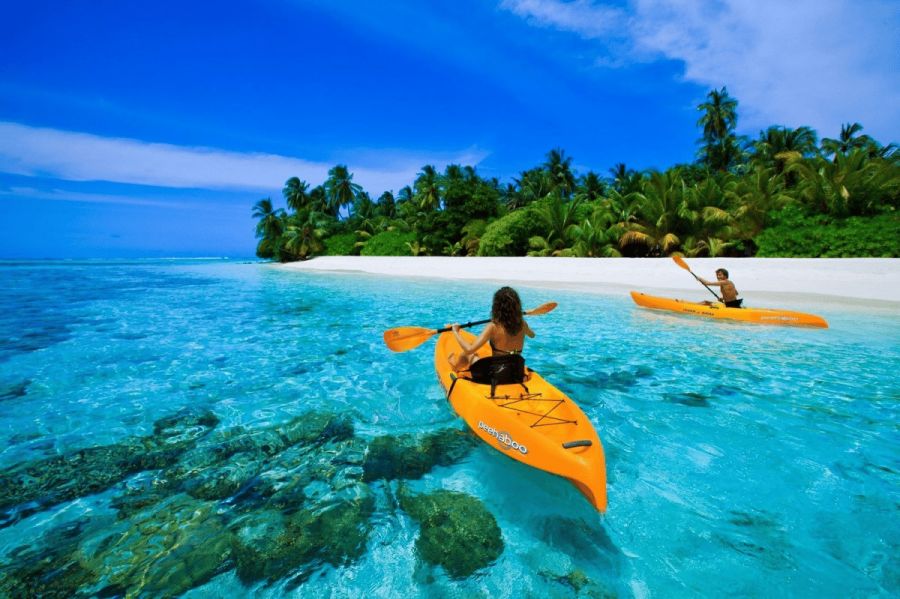
If you are an adventure seeker, kayaking is one of the most enjoyable activities to do at Sao Beach. Glide through the calm and clear waters while taking in the surrounding scenic nature. Kayaking is enjoyable whether you attempt it by yourself or with friends, and gliding along the gentle waves is relaxing and exhilarating. Kayak rentals start at about 100,000 VND per hour, which is a very small price for an unforgettable experience.

Join A Night Squid Or Fishing Tour

As the sun sets, Sao Beach becomes a completely different experience. You can feel the locals’ way of life by going on a night fishing tour or a squid-catching tour. Under the stars, you can listen to fishermen tell their stories and maybe slip a line or two in, with the chance of catching your own dinner. Having your catch cooked and eating right off the boat can be just the way to cap an amazing day.

Feel The Rush With Water Sports

Feel The Rush With Water Sports

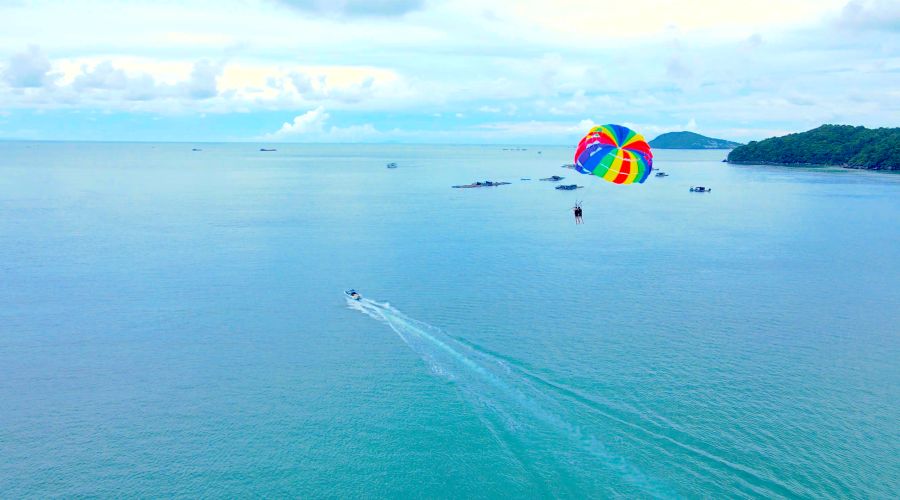
If you’re in search of an adrenaline rush, Sao Beach will not disappoint. You can push your limits by taking part in activities such as jet skiing, parasailing, or a banana boat. They all deliver the fun and thrill of being on the water while accessing a different view of the ocean. Be sure to follow the safety guidelines so that you can just have fun and laughter with friends.

Experience Fresh And Flavorful Seafood

A trip to Sao Beach would not be complete without trying the delicious seafood. With shrimp, roasted mackerel, herring salad, grilled scallops, sea urchin, and much more to experience the bounty of the ocean in the rich and savory flavors of the sea.

As well as cafes and restaurants lining the shore serving freshly caught seafood that is grilled, steamed, or stir-fried with garlic. Don’t forget to order Phu Quoc herring salad with its cool and tangy taste that embodies fresh seafood. The experience of eating seafood while listening to the sound of the waves and breeze will be among the great experiences of your trip at Sao Beach.

Entrance Fee

There is no entrance fee to Sao Beach, so you can absolutely visit the area freely. If you want to use a hammock or beach chair, umbrella, or freshwater shower, you will have to pay a small fee. Prices vary according to what service you select. For example, hammocks or umbrellas will be about 30,000 VND, beach chairs about 50,000 VND, and a freshwater shower will be about 20,000 VND.

Best Time To Visit Sao Beach
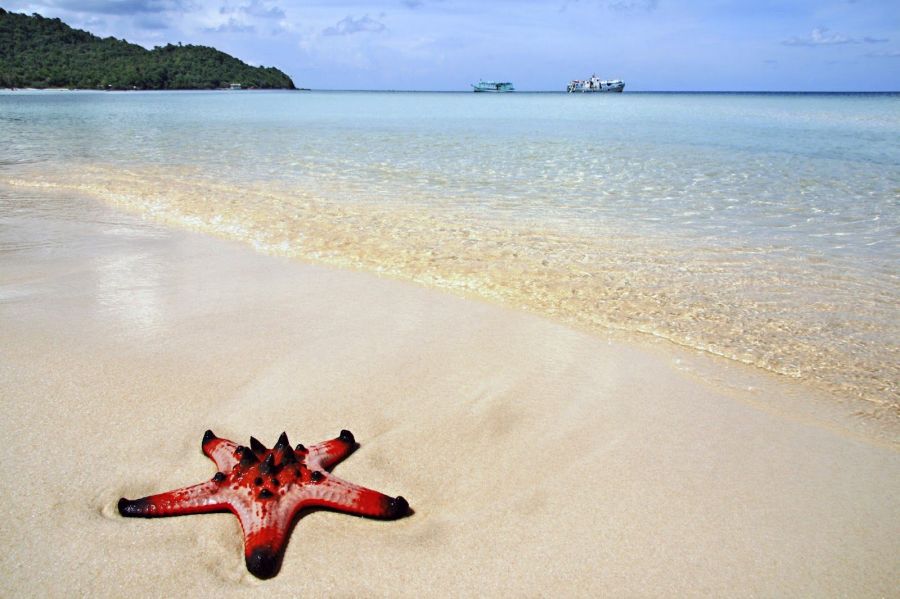
Sao Beach 3

The ideal time to go to Sao Beach in Phu Quoc is from June to October, when the weather is calm, the sea is clear, and the waves are lower. While many beaches on the island contend with the southwest winds, Sao Beach has natural protection and is a great place to swim and relax.

During this time of year, the beach has softer sunshine with a light breeze, perfect for activities and charming photographs. You can walk across the soft white sand, enjoy the blue-green water, or lounge under one of the many coconut trees. Visiting Sao Beach during this time of year allows you to escape to a peaceful tropical paradise, and there are many great photo opportunities.

How To Get To Sao Beach

There are two main options for travelers wanting to go to Sao Beach:

Motorbike

If you’re a thrill-seeker, motorbiking to Sao Beach is a great option. Make sure you have a driver’s license and that your bike is in good condition to ride. Alternatively, you can rent a motorbike for around 100,000 – 150,000 VND per day in Phu Quoc.

Car Or Taxi

If you’re departing from Duong Dong town, it takes around 40 minutes to get to Sao Beach by car or taxi. Fares are around 360,000 VND one-way.

If you prefer to ride the motorbike, you will need to take Tran Hung Dao Street south from Duong Dong quay, continue onto National Road 46 for about 20 minutes until you’ve crossed a small bridge near Bai Sao village. Continue on the “7UP” signboard road to the end with three turns for Long Beach Restaurant, Lang Toi, and My Lan. These three roads will all go to the beach, but most travelers recommend using Long Beach because it is often the easiest to access.

Although the road might be rough, prepare to see some beautiful ocean views along the way. Don’t hesitate to ask locals for directions because the Phu Quoc people are thought to be warm and welcoming.

Things To Know Before Traveling To Sao Beach

Before going to Sao Beach, it is always best to prepare thoroughly so that you can get the most fun out of your trip! Here is some helpful advice to facilitate your visit and improve your photos:

  • Try fun poses like kneeling or sitting on the sand; casually standing under a coconut tree; walking along the shore; posing against the sunlight; or sitting on a palm tree swing for those “so deep” Instagram shots.
  • After swimming, you can use the paid freshwater shower service at the beach. The fee also includes a small pack of shampoo and a plastic bag for your wet clothes.
  • Remember your swimsuit, hat, sunglasses, sunscreen, flip-flops, and cash for the small shops or servicing, as they may not accept cards.
  • Avoid the heat and get the best lighting by getting to the beach early in the morning or late afternoon.
  • Please keep the beach clean and do not leave trash behind to assist in maintaining the natural beauty of Sao Beach.

Final Thoughts: Is Sao Beach Worth Visiting?

The scenery at Sao Beach is picture-perfect, with calm turquoise waters and soft white sand like silk, which is worth exploring. Whether you’re relaxing, exploring adventures, or taking stunning photos, this tropical paradise has it all. Start planning your unforgettable trip to Phu Quoc with Seni World so that you can experience Sao Beach in the way that you will remember the most.

Travel Pro Tips To Long Beach, Phu Quoc For Natural Lovers

Long Beach in Phu Quoc is an impressive segment of 15 km with golden sand, clear turquoise water, and palm trees lining the shore, an ideal place for beach relaxing, swimming, and enjoying the sunset on Vietnam’s tropical island getaway.

Introduction To Long Beach

Long Beach Phu Quoc 2

Located on the northwestern coast of Phu Quoc Island, Long Beach is one of Phu Quoc’s most stunning and peaceful beaches, stretching infinitely along the ocean’s edge. Long Beach draws guests in with its soft, golden-colored sand and turquoise waters and its relaxing ambiance. The gentle slope towards the ocean and the calm waves make it quick to swim in, lie on the beach, or go for long beach walks, all while listening to the soft sound of waves on the beach.

Apart from the beauty of nature, Long Beach serves as a central hub for experiences throughout Phu Quoc. Long Beach is only 24 km from both Phu Quoc International Airport and Duong Dong town, so it remains easy to reach while also ensuring untouched beauty. Here, travelers can engage in water activities, such as snorkeling or kayaking, or take a boat trip to nearby islands.

History Of Long Beach

Fishing by the Seashore

The background of Long Beach relates to the unspoiled natural beauty that has been reflective of Phu Quoc for many years. The beach is around 15 kilometers long, beginning at Ganh Dau Cape and continuing to Cua Can. It received its name, “Bãi Dài,” meaning “Long Beach,” simply because it is long. In fact, Long Beach was once an isolated beach area that was surrounded by dense tropical forest and clear blue waters, which was mainly enjoyed by fishermen or small coastal habitats peacefully co-existing with nature.

In 2008, it was voted by ABC News as one of the world’s most beautiful, unspoiled beaches, which offered some visibility for this quiet corner of Vietnam. Since that time, Long Beach has made modest improvements for tourism and is now one of Phu Quoc’s resort destinations serving travelers around the globe. However, Long Beach has still held onto its pristine charm of golden sand, crystal water, and the measured pace of island life, and all without diffusion, which grabs the attention of any arriving traveler!

Unique Structure Of Long Beach

Long Beach runs in northwest Phu Quoc Island for more than 15 kilometers from Cua Can to Mui Ganh Dau. The beautiful beach is 24 kilometers north of Phu Quoc International Airport and is very convenient for tourists to visit. Its unbroken, unperturbed beach, soft white sand, and tranquil, crystal-clear waters provide a peaceful, idyllic setting ideal for sunbathing, swimming, or sunset viewing.

7 Unforgettable Experiences You Shouldn’t Miss

Long Beach is more than beautiful scenery – it is about the experiences that stay with you long after you leave. From sunbathing on soft white sand to exciting water sports, you will want to experience these activities while you are in the tropical paradise.

Relax On The Beach And Sunbathe

Relax On The Beach And Sunbathe

Long Beach features an endless stretch of pristine white sand with gently wavering turquoise waves. This is a perfect spot for an easy swim or sunbathing in a relaxed environment. You will feel the golden sun on your skin while you lounge under swaying coconut palms.

Many guests enjoy an iced coconut drink while lounging, or perhaps reading a good book, while listening to the rhythmic sounds of the waves breaking on the shore. The calm, shallow water is perfect for couples and families alike.

Snorkeling To Discover Colorful Coral Reefs

The transparent water at Long Beach provides an exciting experience of vibrant coral reefs and tropical fish depictions. It is heaven for snorkelers wanting to experience everything up close and personal in the ocean. There are guided snorkeling tours, which provide everything you need to snorkel and also provide professional instructor guidance.

Or, if you have experience, you can always rent snorkeling equipment and receive information on where to kayak. Beneath the water, you will see colorful aquatic life swim through the coral gardens, reminding you of the beautiful and amazing aspects of nature.

Kayaking On The Calm Blue Sea

Kayaking On The Calm Blue Sea

If you enjoy relaxing and the activity of kayaking, you must try it at Long Beach. Choose a kayak rental from a beach kiosk and paddle out across the calm, transparent water with a panorama of the ocean. While beautiful, this is a peaceful experience of gliding over the lake in gently swimming waves with views of the coastline, where there is golden sand, forest greens, and lots of blue water. The meditative rhythm of paddling in calm, ocean blue water, while being outside in the expanse, is a perfect respite from the world.

Experience Paradise By Parasailing

If you’re looking for an exciting experience, parasailing over Long Beach will surely leave your heart racing. With experienced instructors, you can experience flying high above the ocean, being immersed in the feeling of the wind and freedom, while taking in the breathtaking island below. Looking down from above, the expanse of the beach seems to go on for miles, perfectly framed by the emerald green forests and sapphire sea. You can also pick up some excitement with alternative ocean experiences in Phu Quoc, such as jet skiing, banana boat rides, or water skiing, while you’re parasailing.

Camp Under the Stars

Camp Under the Stars

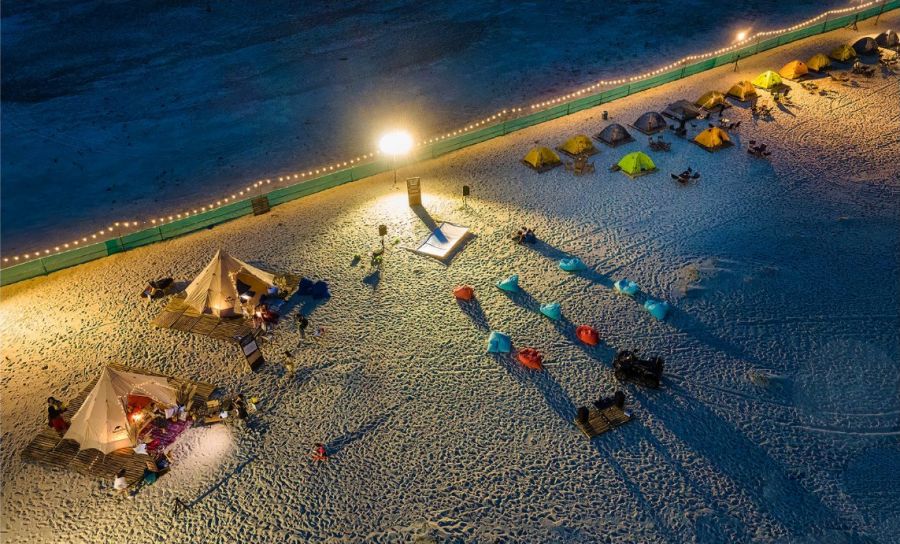
Another experience would be spending a night sleeping on the beach. Set up your tent, roast some seafood on an open fire, and tell campfire stories under the stars. You can purchase seafood from local markets nearby and have your own beach BBQ. When the sun rises, and you wake up to one of the most serene moments, you’ll never forget that beautiful sunrise over the ocean.

Fishing by the Seashore

Fishing is another popular pastime at Long Beach, especially if you enjoy a mellow, contemplative pastime. You can bring your own fishing equipment or rent locally and fish away from the shoreline or in a small boat. Fishing is a truly relaxing way to experience the calm seas while waiting for a catch. Many visitors enjoy cooking the fish they catch right on the beach for an easy and delicious meal.

Enjoying a Seafood Feast

Enjoying a Seafood Feast

A trip to Long Beach would not be a Long Beach trip without experiencing the seafood. Have the famous Phu Quoc herring salad, which is a very light dish made from fresh fish, herbs, coconut, and spices. Try Bun Ken, the island’s signature noodle dish made from fried fish and coconut milk, as well as Nam Tram mushrooms, which are eaten only on the island.

In between meals, local snacks such as Banh Kheo or Banh Bo Thot Not or another sweet island dessert may provide a nice feeling between meals. Every dish has the special Phu Quoc flavor of freshness, authenticity, and coastal feeling.

Entrance Fee

Long Beach in Phu Quoc does not have a common entrance fee. You can visit and enjoy the beach and everything it has to offer without paying anything. But if you want to visit attractions in Grand World Phu Quoc (in the Long Beach area), there may be some activities that would require separate tickets.

For example, you can go to the Teddy Bear Museum or the Venice River area, but they would charge a small fee to go in. This flexible setup gives the visitor agency to choose what experience they want without having to worry about paying for the scenery of the beautiful beach.

Best Time To Visit Long Beach

Snorkeling To Discover Colorful Coral Reefs

Long Beach in Phu Quoc is a destination that can be visited year-round, as every season has something to boast. The greatest time period to see Long Beach is in the months of November to March or possibly even April to June, as these months tend to have pleasant temperatures and very little rain, making it ideal for sightseeing and outdoor activities.

In all dry months in Phu Quoc, the sea is calm and clear, so swimming, snorkeling, or taking stunning photos of the golden beach is perfect. Whether you want to chill out under the sun or check out the colorful coral reefs right off Long Beach, you should be fully refreshed from your time spent “on the sunny beach”.

How To Get To Long Beach

When you get to Duong Dong Town, which is the central area of Phu Quoc Island, you can reach Long Beach easily by renting a motorbike or a self-driving car. There are two ways to reach Long Beach:

  • Option 1: You drive from Duong Dong Town to Vung Bau Beach, then continue in that direction to Long Beach.
  • Option 2: You head from Duong Dong Town to Cua Can, then you turn left again toward Vinpearl Phu Quoc, where Long Beach is located on the road next to this large resort area.

The road to Long Beach is relatively clear and simple, allowing traveling options to be flexible. The following are available for travelers who have different needs when choosing transportation:

  • Motorbike: Renting a motorbike is flexible and is a common option for traveling on the island. You should expect to pay, for example, between 120,000 – 150,000 VND for a bike of your choice to rent per day.
  • Taxi: A taxi can be taken for a more comfortable and less of a stress option for travel. Duong Dong Town to Long Beach usually costs between 300,000 – 400,000 VND to take a taxi, depending on the taxi company. An example of a taxi company that has a trusted reputation in Phu Quoc includes Mai Linh, Xanh SM, and Sun Taxi.
  • Bus: A budget travel option could include Bus Route 11 (Duong Dong – Ganh Dau), for around 40,000 VND, or each way. Traveling on this route can be a good way to discover the island.

Things To Know Before Traveling To Long Beach

Experience Paradise By Parasailing 3

To help ensure that you have a worry-free and more enjoyable visit to Long Beach, here are some simple travel tips that you should remember before traveling to this tropical paradise. These simple notes will ensure that you don’t miss out on the natural beauty and serenity of Phu Quoc’s most beautiful beach.

  • Due to locals and travelers, Long Beach is still beautiful and clean, so please help it stay that way by not littering, cleaning up after yourselves, and using ecologically responsible services at the beach.
  • Keep an eye on the warning flags and follow any beach regulations for your safety. You should also avoid swimming at night or during bad sea conditions.
  • With Long Beach being a public beach, please secure your personal items if you’re swimming or participating in outdoor activities at the beach.
  • Make sure to pack your sunscreen, sun hats, and sunglasses to protect against the tropical sun, and don’t forget to have insect spray, swimwear, and a towel for a successful day at the beach.
  • Before your trip, investigate accommodations, restaurants, and activities, especially if traveling during the high season. It may save you time and money by booking in advance.
  • The people of Phu Quoc are friendly and warm. Don’t hesitate to ask locals for their favorite food, fun experiences, or helpful information about visiting Long Beach.

Final Thoughts: Is Long Beach Worth Visiting?

Long Beach is a suitable destination for travelers who are looking for a relaxing yet still energizing escape! Located with endless golden sands that lap at the edge of clean blue water, it provides the perfect balance between opportunity for leisure and adventure. You can take a swim or lie on the beach and watch the sun slip below the horizon, so the experience is breathtaking. Plan the trip of a lifetime with Seni World and witness the beauty of Phu Quoc’s seaside paradise!

Discover Local Life At Ham Ninh Fishing Village, Phu Quoc

Ham Ninh Fishing Village is a peaceful place located on Phu Quoc Island. Visitors to Ham Ninh will get to see the beauty of Phu Quoc’s traditional fishing life and have great views of the sea.

Introduction To Ham Ninh Fishing Village

Ham Ninh Fishing Village 2

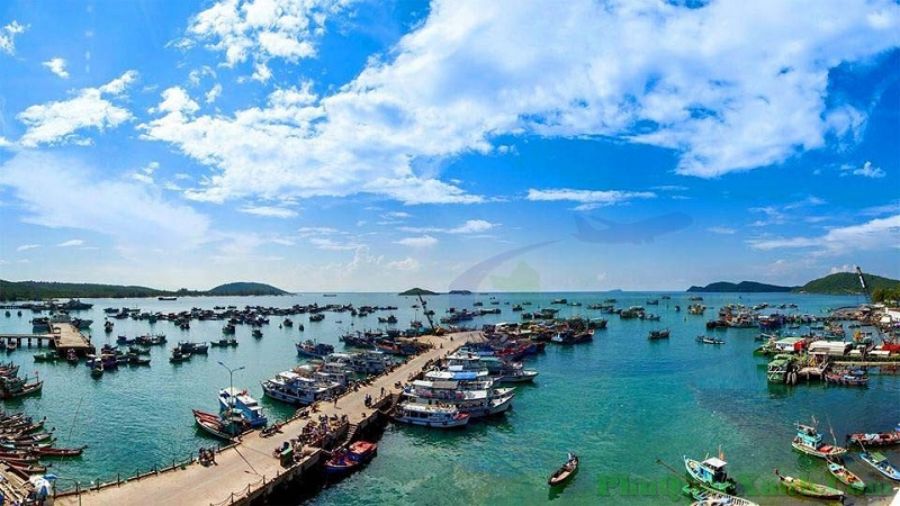
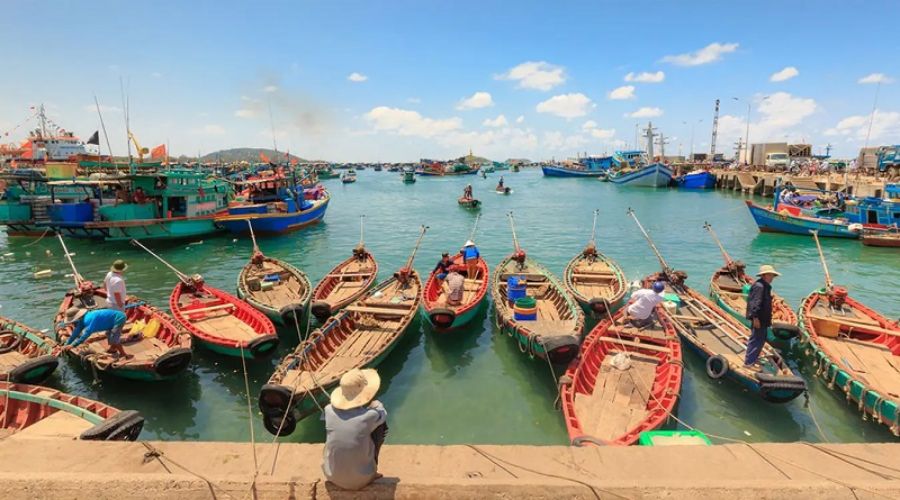
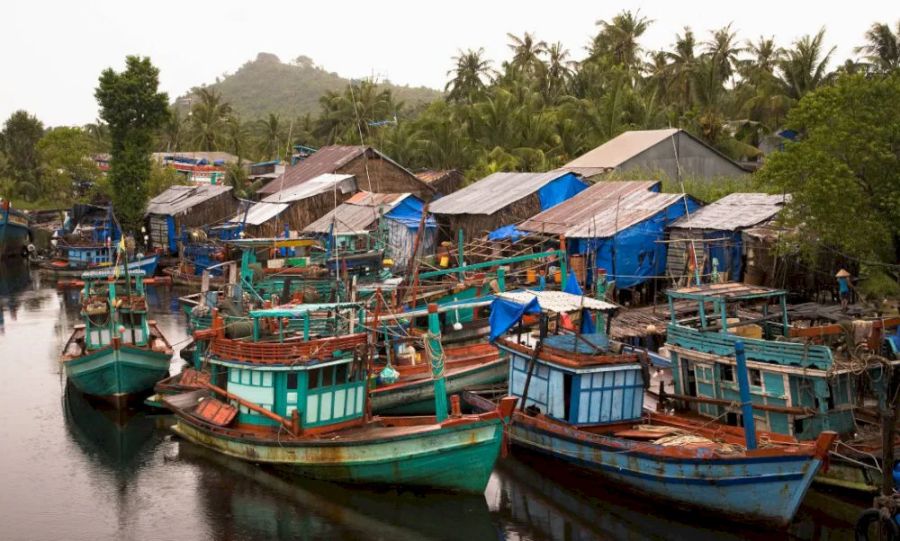
Ham Ninh Fishing Village is situated on the eastern shore of Phu Quoc Island and is one of the oldest and most beautiful villages on the island. With Ham Ninh Mountain in the background and the endless blue sea ahead, the village is untouched, rustic, and has a slow pace of life. Fishing boats bob gently in the water next to wooden stilts used as homes, while the local villagers go about their daily business as they have for centuries. The smell of the ocean and fishing village fills the air, and the setting is a scene from old coastal Vietnam, with time all but forgotten.

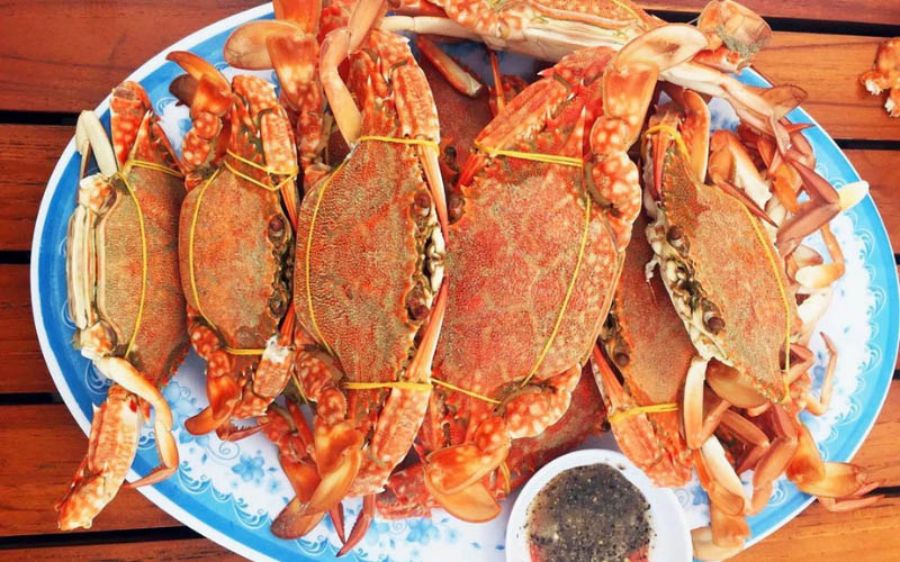
Visitors are drawn to Ham Ninh not only for the scenery but also for the real local experience. It is a perfect spot to recognize fishermen, eat freshly caught seafood, and take in stunning sunrises that light the bay. In particular, Ham Ninh crab is well-known: sweet, firm, and best enjoyed right by the sea. A peek into the village is a glimpse into the soul of Phu Quoc, simple, natural, and invariably beautiful.

History Of Ham Ninh Fishing Village

The precise establishment date of Ham Ninh Fishing Village is unknown. It is speculated that when Phu Quoc Island remained wild and uninhabited and was often referred to as “a wild land without human habitation,” various small groups of fishermen from other coastal areas arrived to take advantage of the plentiful resources of the sea and gradually built their dwellings along the shore.

Through time, the calm sea and natural protection of Ham Ninh made it suitable as a safe anchorage for occasional trading boats and fishing boats. While Duong Dong Port had bustling and roaring waves, Ham Ninh was quiet and safe for boats to berth and rest.

Top 5 Iconic Attractions In Ham Ninh Fishing Village

Ham Ninh Fishing Village is not only a place to admire the tranquil beauty of Phu Quoc, but also a destination that features many interesting attractions. Each corner of the fishing village attractions from the beautiful pier to seafood stores, has something special to explore.

Bai Vong Pier

Bai Vong Pier

Bai Vong Pier is one of the exits for items entering Phu Quoc from the mainland. This spot provides a beautiful perspective of fishing boats coming and going, and, in the early morning, is one of the most spectacular areas to gather to watch the sun rise. The calm atmosphere and coastal breezy air make this spot a fantastic area for pictures for travelers.

Pearl Farming Area

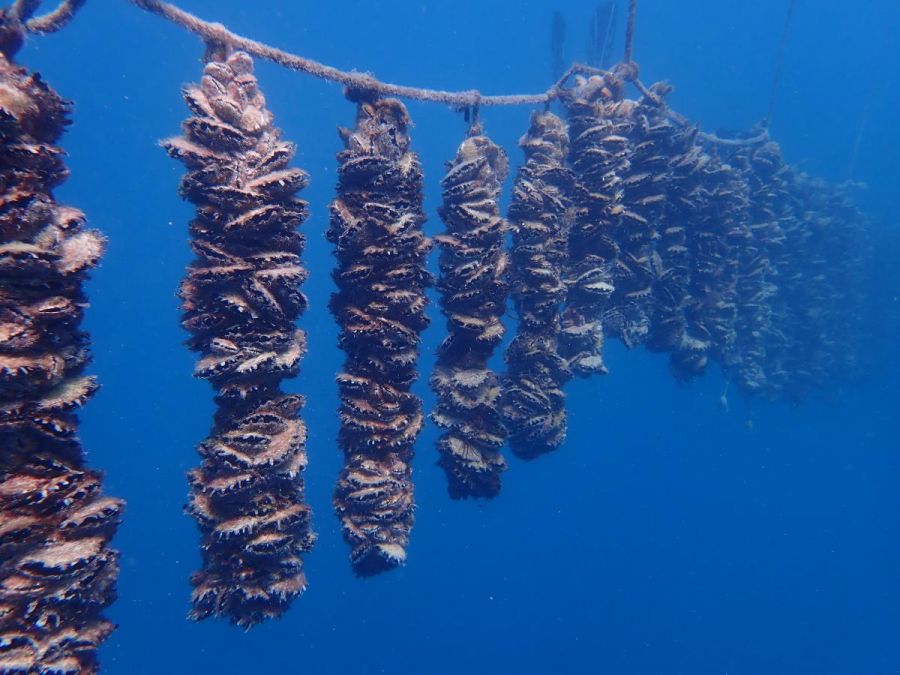
You can also visit a pearl farming attraction that is one of the more unique experiences in Ham Ninh, which provides you with the opportunity to witness or find out about the farming and harvesting of natural pearls. The experience can also be usefully involved in the ability to buy genuine pearl jewelry as a quality and valuable part of the trip.

Floating Seafood Restaurants

Floating Seafood Restaurants

These unique restaurants built on stilts above the sea are a must-see. You get to eat freshly caught squid, crab, and scallops while peacefully gazing out to sea at a 360-degree view. The taste of the sea in a gentle atmosphere is part of the experience.

Ham Ninh Beach

Ham Ninh Beach is celebrated for its clear water and shallow beach extending far out to sea. At low tide, a vast sandbank appears, and the symmetrical lines and angles are striking and vary throughout the day, perfect for a walk, photos, and appreciating the simplicity of a fishing village.

Ham Ninh Market

Ham Ninh Market

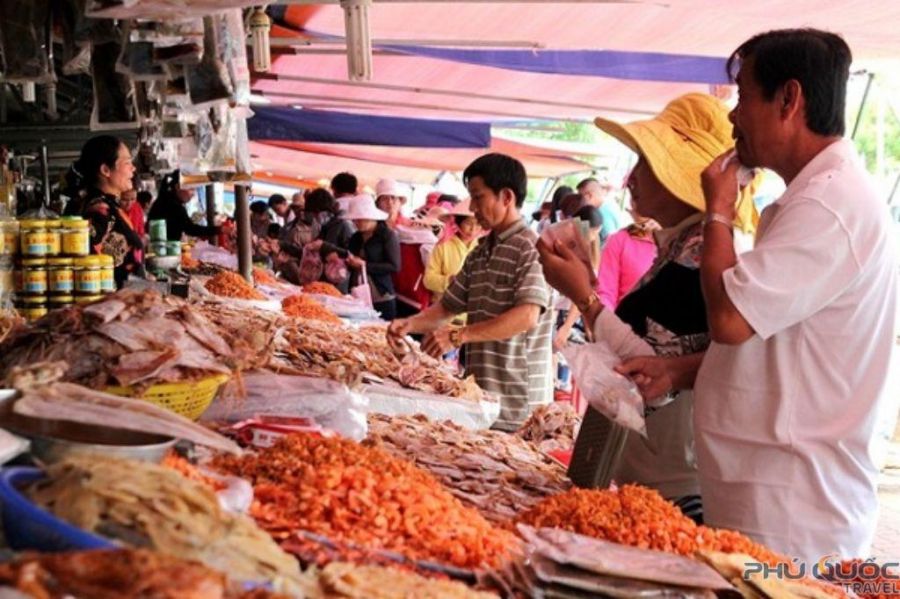
Ham Ninh Market is located right at the center of the village. Vendors sell a variety of seafood, dried specialties, and souvenirs. This is an excellent way to experience daily local life while sampling delicious products and doing your tourist shopping.

7 Unforgettable Experiences You Shouldn’t Miss

When you visit Ham Ninh Fishing Village, you will find a side of Phu Quoc that is serene, picturesque, and authentic. This small fishing village is much more than just a great view; you will feel the pulse of the village as you immerse yourself in life there. During your visit, you simply must experience the following.

Watch The Sunrise And Sunset Over the Sea

Watch The Sunrise And Sunset Over the Sea

Ham Ninh Fishing Village is one of the few places on Phu Quoc where you will be able to witness the sun rise and set at different points in the day. In the morning, as daylight breaks, the first part of the sun illuminates the placid waters, and you will see fishing boats drifting in the distance. The fresh cool sea breeze brushes by, the sound of the waves, and the glow from the warm sun washes over you as your world transforms into a magical moment for peace and restoration.

As evening takes hold, the sky becomes a beautiful canvas of orange, pink, and gold as the sun sets. To spend such quiet moments watching the day begin and end has a lasting impression long after you leave.

Savor The Renowned Ham Ninh Crab

Your voyage to Ham Ninh will not be complete without trying its renowned crab, one of the most famous specialties in Phu Quoc. Fresh crab is caught from the waters, and the fresh-cracked, sweet, tender, and firm meat of crabs is awesome. The locals prepare the crabs by steaming or grilling them with salt and chilli to maintain the freshness of the flavor. Best of all, the dish is very affordable, meaning that everyone can taste the iconic flavor of the island.

Live Like A Local Fisherman

Live Like A Local Fisherman

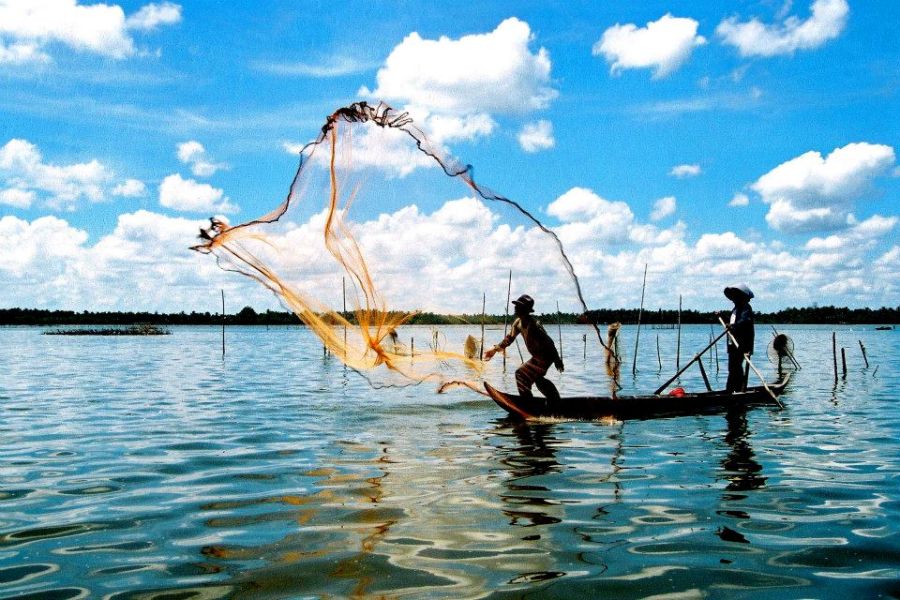
If you’re curious what it’s like to live by the sea, Ham Ninh is the place for you. Join the fishermen on their regular day-to-day flow – leaving from the market, early morning on longtail boats, casting nets, or capturing fish or squid.

Some tours even let you go diving for sea urchins or snorkeling along the coral reef to get a better look at the marine world that feeds their community. A chance to engage in marine life allows you to experience the dedication and skill, and strength of the village that has spent their lives connected to the ocean.

Visit Lively Ham Ninh Market

You can’t visit Ham Ninh without visiting the busy floating market – a colorful place where the life of the sea meets the life of man. Fishermen bring catches of the day (fish, squid, shrimp, shellfish, etc.), which glisten from the morning sunshine.

You’ll smell the ocean and hear the giggles of the traders as you wander through the market. You can purchase fresh seafood at very affordable prices or grab a quick meal at a stall near the dock. It’s also great for souvenirs of dried fish, seaweed, or pearls. Walking through this market, you’ll get a glimpse of the heart of the community that is humble, hardworking, and full of life.

Get Around The Pearl Farms

Get Around The Pearl Farms

For a view into one of Phu Quoc’s most interesting local handicrafts, the pearl farms in the vicinity of Ham Ninh are a good option. The farms raise the oysters in the local clean coastal water and carefully develop them for years when needed to produce the pearls. The pearls are then extracted, cleaned, and polished by hand before being presented. The Pearl Farms also sell jewelry, necklaces, rings, earrings, and so on as mementos or gifts.

Swim In The Calm Blue Waters

The beaches near Ham Ninh are blessed with pristine beauty – stretches of soft white sand, gentle waves, and crystal blue water. Here, you can escape the hustle and bustle of the city and simply float in the sun, while enjoying the warm embrace of the sea. The shallow waters allow for safe swimming, suitable for families with children, and the serenity of the surrounding areas allows you to fully unwind.

Capture Images On The Wooden Bridge

Capture Images On The Wooden Bridge

The extended wooden bridge that extends into the sea has now become a symbol of Ham Ninh Fishing village, where there is harmony between sky, sea, and land. While stepping along the wooden bridge, you’ll hear the soft creaking of the wood under your feet, coupled with the wind from the surroundings on your face. It is the perfect spot to take photos, especially at sunrise or sunset when the light reflects golden illusions across the water.

Entrance Fee

Ham Ninh fishing village is completely free to enter, and you can explore the village in your own fashion without any entrance fee. There is no need to book your tickets; you can simply visit at a time that is convenient for you.

In the case of free entry to Ham Ninh fishing village, you still need to pay if you want to do optional experiences such as eating at floating seafood restaurants, buying local specialties, or seeing nearby pearl farming areas.

Best Time To Visit Ham Ninh Fishing Village

Ham Ninh Fishing Village 3

The ideal time to go to Ham Ninh Fishing Village depends on the experience you are seeking. Early morning time (around 5:00 – 6:00 AM) is the best way to see the sunrise over the calm sea and watch the fishermen returning after a long night of fishing, and buy the freshest seafood at the best prices.

Late afternoon time (around 5:00 – 6:00 PM) creates an especially romantic date as the sun sets in the west, coloring the sky and the water in glimmers of gold. Later at night, you can sit back and enjoy a good seafood dinner at one of the floating restaurants along the coast – it’s a local experience not to miss.

How To Get To Ham Ninh Fishing Village

Reaching Ham Ninh Fishing Village is a simple process, with two main options for travelers.

  • Option 1: Starting in the center of Duong Dong Town, you will travel northeast for approximately 20 kilometers. The road is in good condition and very nice, taking you directly into Ham Ninh Commune in under 30 minutes.
  • Option 2: If you are coming from the mainland, you can take a speedboat from Ha Tien directly to Ham Ninh Fishing Village Pier. Alternatively, if you are traveling from Rach Gia, you can take a ferry to Bai Vong Port and then travel 4 kilometers by taxi or motorbike to the village.

Things To Know Before Traveling To Ham Ninh Fishing Village

Before exploring the coastal settlement of Ham Ninh Fishing Village, it is a good idea to make careful preparations to make your time at this charming seaside destination as fulfilling as possible. The following are general suggestions that will help you have a safe, enjoyable, and memorable experience.

  • Bring the necessary medications, such as motion sickness tablets, allergy tablets, and, if need be, something to help ease digestion if you experience sudden stomach issues during the coastal visit.
  • Before your outing, check the weather. Skip the trip if it’s raining heavily or the seas are rough.
  • When buying seafood at the local markets, observe how the sellers prepare the food to make sure they are selling fresh, high-quality food.
  • Check pricing first so that you may avoid being charged too much or being scammed by other tourists.
  • If you are boating or joining in any activities in the water, make sure that you are using their safety equipment and taking directions from their tour guides.
  • Respect the local community and the local environment, don’t litter, and in general, think about responsible tourism if you want to spend time here.

Final Thoughts: Is Ham Ninh Fishing Village Worth Visiting?

Ham Ninh Fishing Village is genuinely a hidden gem of Phu Quoc, where you get to experience the sheer, yet simple, beauty of island life in a classic coastal community. From the tranquil scenery of wooden houses on stilts to the bustling seafood market, you can also appreciate the stunning sunrise over Ham Ninh’s seascape village. If you are making plans for your trip to Phu Quoc, do not forget to take the time to visit this lovely fishing village of Ham Ninh, and Seni World is honored to become your trusted companion in providing unique travel experiences.

Hon Thom Island – Phu Quoc’s Sunlit Entertainment Haven

Hon Thom Island, also called Pineapple Island, is a tropical paradise located in southern Phu Quoc. With its beautiful water, lush greenery, and fun activities, it’s a place you can go to relax, but it definitely has adventure as well.

Introduction To Hon Thom Island

Hon Thom Island

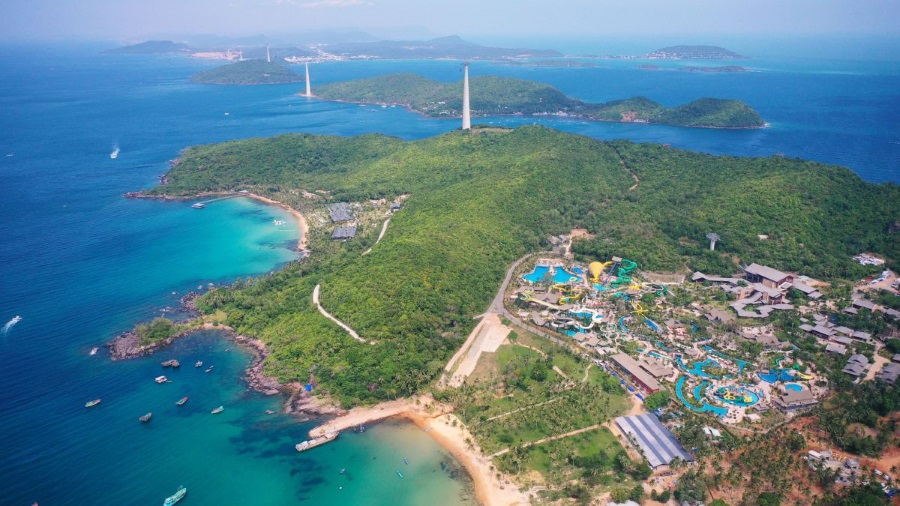
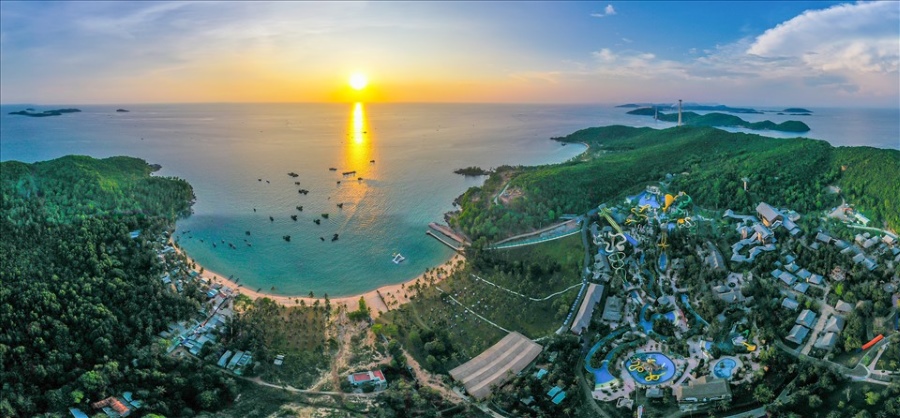
Hon Thom or “Pineapple Island”, is the largest island in the An Thoi Archipelago, located at the southern tip of Phu Quoc, Kien Giang Province. With an area of around 5.7 km², it features beautiful white-sand beaches (Bai Nam, Bai Nom, Bai Chuong, Bai Trao), clear marine waters, green coconuts, and calm bays. It provides a pristine natural wilderness experience with modern facilities and tourism leisure activities.

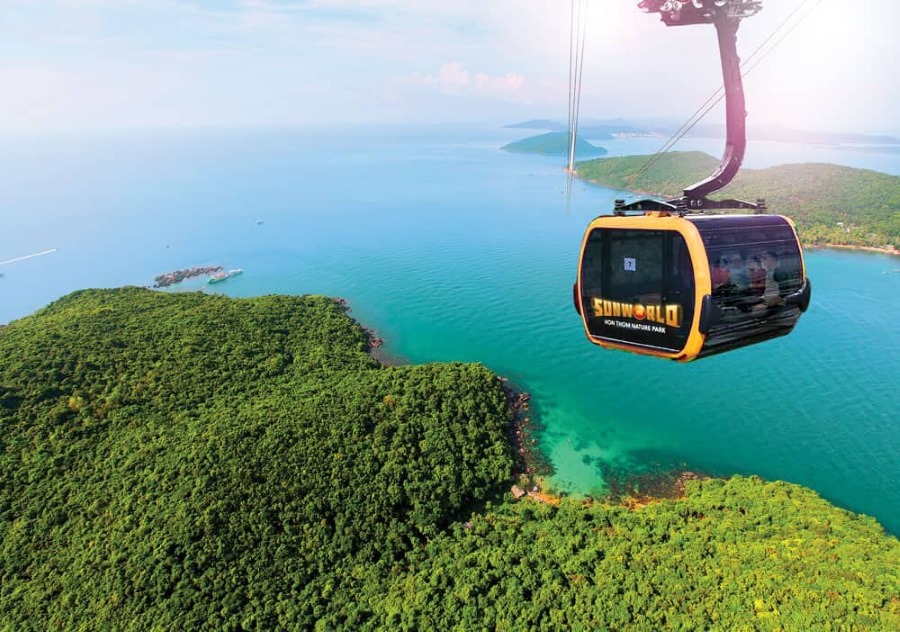
What makes Hon Thom so attractive is the combination of adventure, entertainment, and relaxation. Visitors travel to Hon Thom on the world-record tri-cable over-sea cable car from An Thoi, which covers a vast expanse of the sapphire waters of the Archipelago. On the island itself, you can find the Sun World Hon Thom complex, Aquatopia Water Park, sea sports, coral snorkeling, and a resort-style experience. It is a versatile island entertainment aspect, whether you seek lounging at a beach, submerged marine life, or family fun.

History Of Hon Thom Island

Local legend has it that centuries ago, people from Central Vietnam came to the small island to mine grinding stones; after their work, they planted pineapple trees that they had also brought from their homeland. Over the years, the island became populated with these pineapples with their enticing scent, which led to the name of “Hon Thom,” meaning “Pineapple Island.”

Hon Thom is also one fair-sized island of only a few in southern Phu Quoc, which has long been home to settlers. Residents primarily earn a living from cage fish farming and offshore fishing in a way of life that has retained its simplicity and coastal vitality through generations.

Unique Structure Of Hon Thom Island

Unique Structure Of Hon Thom Island

Hon Thom Island, commonly referred to as the “Maldives of Vietnam,” captivates visitors with its breathtaking turquoise sea, tall coconut trees, and soft white sandy beaches that appear to run infinitely along the coast. The water glistens and shines in the sun, scattering dazzling light all around the island like a mirror, which leads to a dream-like experience of being in paradise.

As the largest island in the An Thoi Archipelago, Hon Thom is around 3.5 km long, 1.2 km wide, and covers over 3 km². The untouched beauty of Hon Thom Island, the gentle waves, and the beautiful beaches such as Bai Nom, Bai Nam, and Bai Chuong are just perfect for nature lovers.

Another interesting aspect of Hon Thom life is the adaptation of the locals to the winds. Although only approximately 3,000 people live on the island, most families own two houses, one on the eastern side of the island and the other on the western side of the island. The ability to live in two houses is a convenient way to adapt to the two different wind seasons (Gio Nam, Gio Truong). This ultimately makes life on the island much more comfortable and safer throughout the year.

6 Unforgettable Experiences You Shouldn’t Miss

Hon Thom Island has the perfect combination of adventure, relaxing landscapes, and island spirit. Whether you want the thrill of water sports or the serenity of nature, each experience offers something special for every type of traveler.

Kayaking Across The Calm Water

Kayaking Across The Calm Water

If you prefer a more relaxing experience, kayaking is another way to experience the unique splendor of Hon Thom. Paddle through the warm, crystal-clear waters while you admire the plush mountains, listen to the gentle rhythm of the water, and allow yourself to unwind as the light sea breeze stirs your thoughts. The pace of the kayak is natural and allows a slow and detailed examination of the view, the sunset colors, and birds sitting on rocks. This is one experience you will never want to forget. The rental is approximately 200,000 VND for 120 minutes.

Jet Ski Adventure

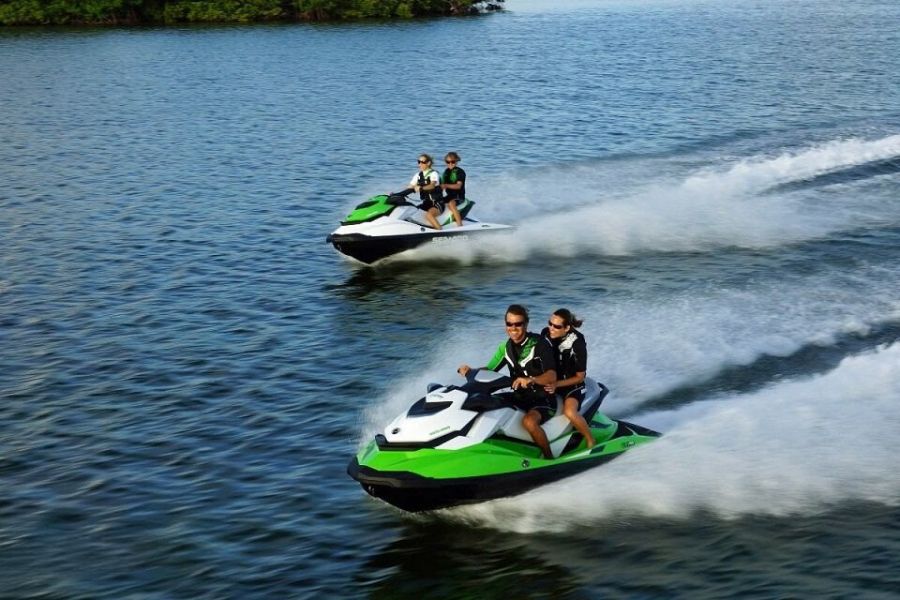
The thrill of riding a jet ski over Hon Thom’s turquoise sea will get your heart racing. Jet skiing is like riding a scooter, using balance and a calm state of mind while dodging the splash from the sea breeze. You can either drive or enjoy a guided experience behind an expert. Nothing compares to cruising over the open sea and breathing in the scent of salt and sunshine. The rate is about 550,000 VND for 10 minutes, and every second is worth it!

Sea Walking At Namaste Coral Park

Sea Walking At Namaste Coral Park

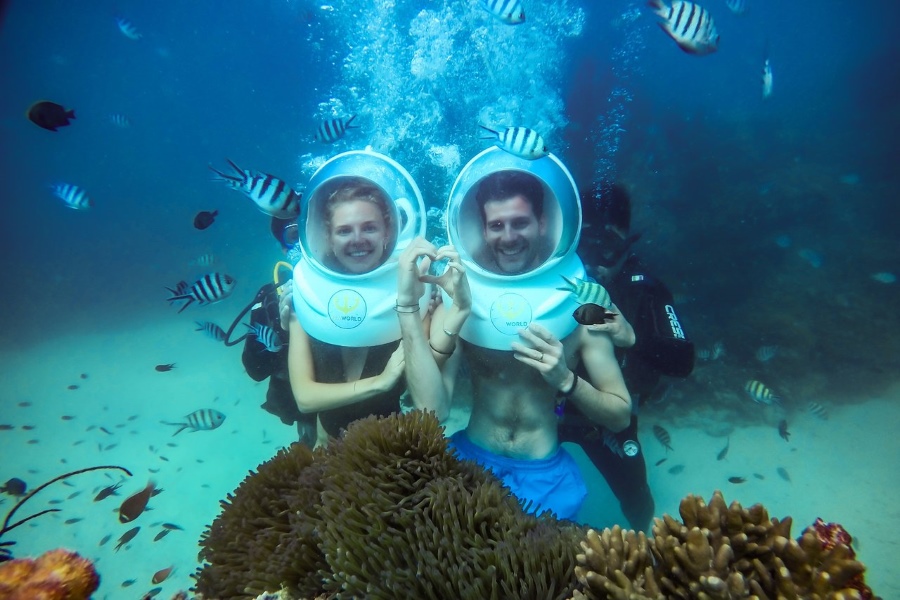
Namaste Coral Park is located in Ky Lan Cape, which is home to more than 100 marine species and 200 kinds of colorful corals. Namaste Coral Park is known as Phu Quoc’s first coral conservation center, which is modeled to look like a little underwater world, complete with sand paths and tall rock walls. You’ll have a special diving helmet while you take a stroll across the ocean floor and see the fish up close! It can feel a bit relaxing, but also a little magical experience in Phu Quoc.

Parasailing Over The Ocean

Elevate your excitement to the next level with parasailing – one of the most thrilling experiences on Hon Thom. Once you safely ascend upward, you’ll be amazed by the bird’s eye views of the stunning, white, sandy beaches of the island. Depending on the wind, you may be able to fly solo or as a tandem crew. High above the ocean, you may feel a sense of stillness as you behold the splendor of the view below you. Prices are 700,000 VND per person; definitely a bargain for such an exhilarating venture.

Canoe Tour Around An Thoi Islands

Canoe Tour Around An Thoi Islands

Moving past Hon Thom is the An Thoi of many beautiful small islands such as Hon Gam Ghi, Hon May Rut again, and Hon Mong Tay. Join the canoe tour and hit the three or four islands in one day, while it’s a fun, affordable, exciting adventure. You can snorkel at each island, fish, and even eat lunch in a little floating restaurant. The dessert won’t be something you’ll want to miss, especially after swimming in the ocean, and that is to see the sunset over the ocean!

Enjoy The Local Dishes Of Phu Quoc

No journey to Hon Thom is complete without sampling the well-known seafood dishes Phu Quoc is famous for. You can enjoy fresh herring salad, grilled scallops dipped in onion fat, steamed crabs, or grilled Grouper wrapped in foil. Each dish is packed with local flavors and caught straight from the ocean. If you’d like to have a complete dining experience, head to one of the restaurants in Sun World Hon Thom that are set on the beach, where food and ocean views combine.

Entrance Fee

Hon Thom Island 3

Knowing the entrance and cable car prices for Hon Thom Island before your trip can help you plan out your budget. Prices will vary depending on whether you decide to include admission to Sun World Hon Thom Nature Park, a major attraction on the island.

Opening hours: 9:00 AM – 5:00 PM daily.

Ticket Type Adults Children (1m – 1.4m) Children (under 1m)
Round-trip cable car (includes Sun World Hon Thom Nature Park) 700,000 VND/person 550,000 VND/person Free
Round-trip cable car (without Sun World Hon Thom Nature Park) 400,000 VND/person 300,000 VND/person Free

Best Time To Visit Hon Thom Island

Would you like an unforgettable trip to Hon Thom Island? You should pick the right time to admire the natural beauty to the fullest!

  • Dry season (from November to April): This is the best time to travel to Hon Thom. The weather is sunny, pleasant, and stable, the sea is calm, and it is the perfect time for cable car rides and water activities.
  • Rainy season (from May to October): You can still travel to Hon Thom, but it is best to check the weather forecast and have a backup plan in case you have rain and rough seas.

How To Get To Hon Thom Island

Cable car to Hon Thom Island

Visitors have two main options for arriving to Hon Thom Island from Phu Quoc: boat or cable car, both leaving from An Thoi Town in Phu Quoc District, Kien Giang Province. Each option offers its own experiences; one option immerses you in the rhythm of the sea, while the other option allows you to view stunning panoramic views from above.

By Boat To Hon Thom Island, Phu Quoc

Every day, boats run frequently and on set schedules from An Thoi Port to Hon Thom Island to accommodate travelers looking to explore the southern part of Phu Quoc. In the morning, there are two scheduled departures from An Thoi at 9:30 AM and 11:30 AM. Then in the afternoon, the scheduled return times from Hon Thom to An Thoi are 1:45 PM, 2:30 PM, and then the last boat at 5:00 PM.

The journey lasts approximately 30 minutes, giving travelers time to enjoy the emerald-tinted sea and gentle waves, and then scattered islands along the way. This experience is a magnificent way to see the coast at an affordable price of around 50,000 VND per person.

Additionally, if you would like to see an amazing sunset along the Gulf of Thailand, you can catch the last boat at 5:00 PM. At this hour, the sky produces a magnificent sight with stunning colors that will reflect off the ocean.

By Hon Thom Cable Car, Phu Quoc

The Hon Thom Cable Car, which goes nearly 7,900 meters from An Thoi Station, is presently the longest three-wire sea-crossing cable car in the world. During the ride, you get to float over Hon Roi, Hon Dua, and finally arrive at Hon Thom Island, where you can enjoy the spectacular “bird’s-eye view” of the blue waters of Phu Quoc, the beautiful green islands, and the fishing boats gliding across the sea.

Another unique feature of using the cable car is that you can check in at both An Thoi and Hon Thom Stations. An Thoi Station is designed in a style inspired by Mediterranean architecture that feels like an ancient Roman arena and has stone pillars and rustic brick walls, making it a perfect spot for Instagram photos.

Things To Know Before Traveling To Hon Thom Island

Hon Thom Island 4

Prior to traveling to Hon Thom Island, you will want to invest a little time in preparing before enjoying a great island experience. Here are some helpful recommendations for your trip:

  • Purchase your cable car tickets in advance to beat the line in case you have to wait a little while, especially on the weekends and holidays.
  • If you swim, plan on bringing your swimwear and flip-flops, and a few waterproof pouches for your phone and valuables.
  • That sun can be really strong, so sunscreen, a hat, and sunglasses may want to have in your bag also.
  • Keep a little cash on hand because some food stalls and local shops may not accept the card.
  • Be sure to check the weather in advance to travel before you arrive or during the rainy season.
  • Be on time to get the best views from the cable car and spend more time at Sun World Hon Thom Nature Park.

Final Thoughts: Is Hon Thom Island Worth Visiting?

Anyone who wants adventure and relaxation on Phu Quoc should visit Hon Thom Island. The island is a perfect tropical getaway with beautiful natural scenery, blue water, and the world’s longest sea-crossing cable car. People can snorkel among colorful coral reefs, experience the rides at Aquatopia Water Park, or relax on a sandy beach shaded by tropical trees. Honor Thom Island is waiting for you to discover its charms and plan your next island escape with Seni World today!

Dinh Cau Temple: Spiritual, Nature, And Unique Architecture

The Dinh Cau Temple attracts travelers not only by its pristine and unique beach, but also by the tradition of wishing for protection, prosperity, and good fortune. Seni World’s travel guide will show you its history, attractions, and travel tips.

Introduction To The Dinh Cau Temple

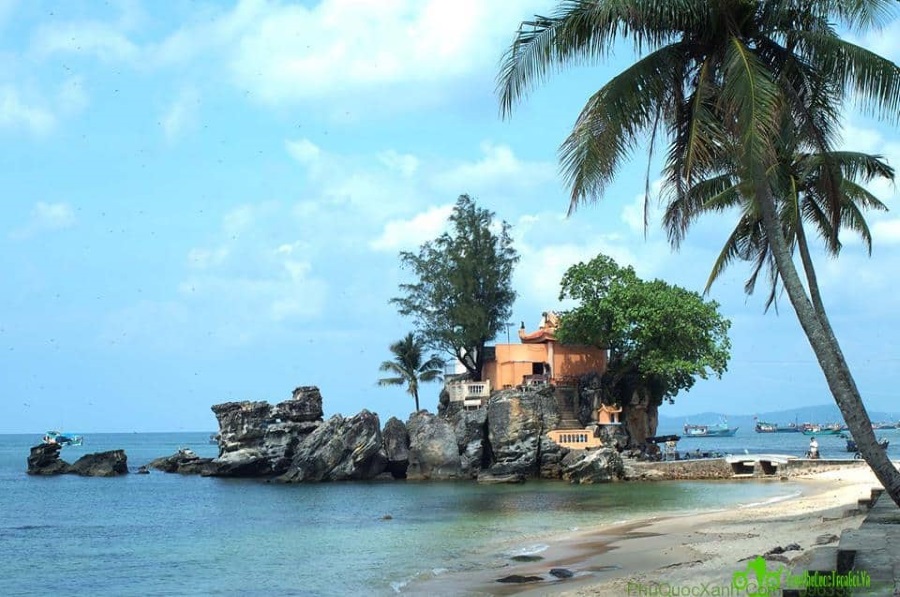
Dinh Cau Temple from above

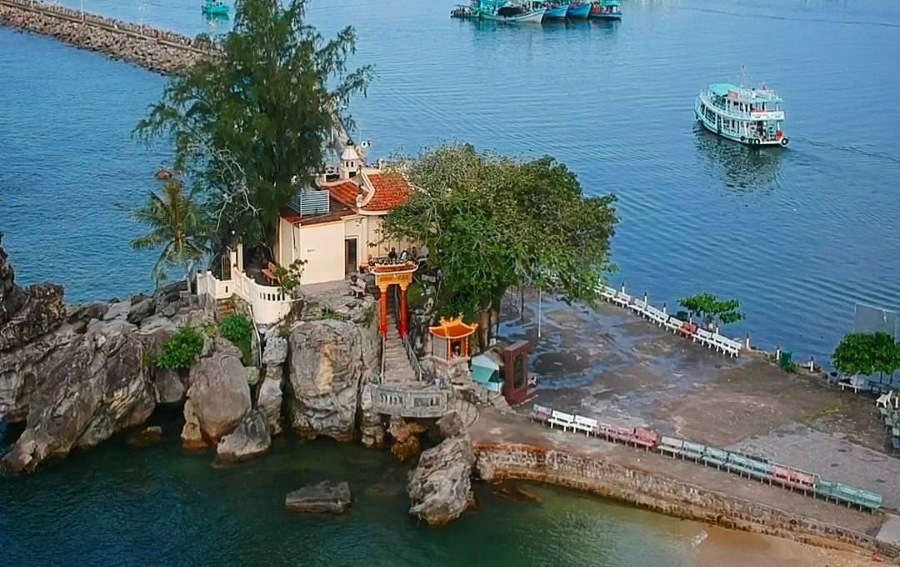
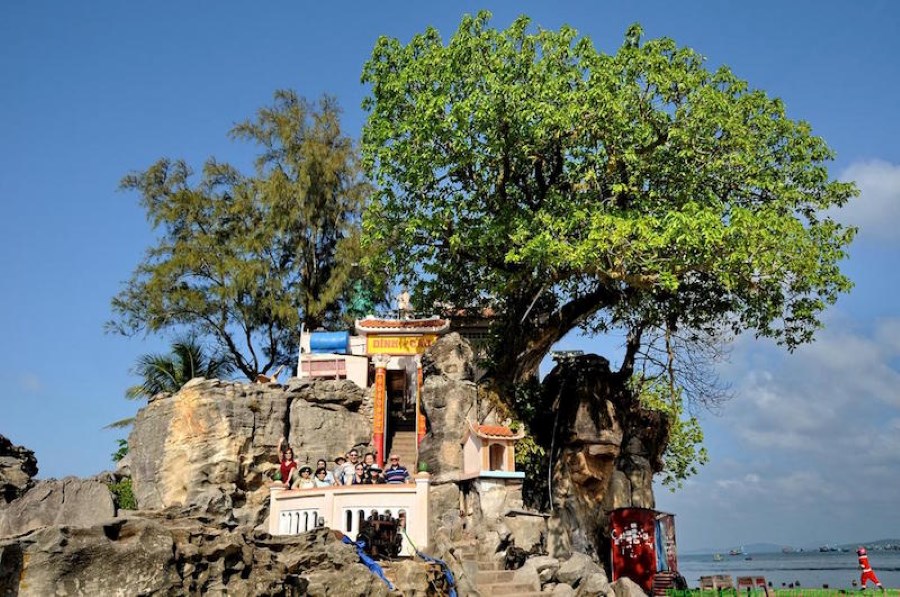
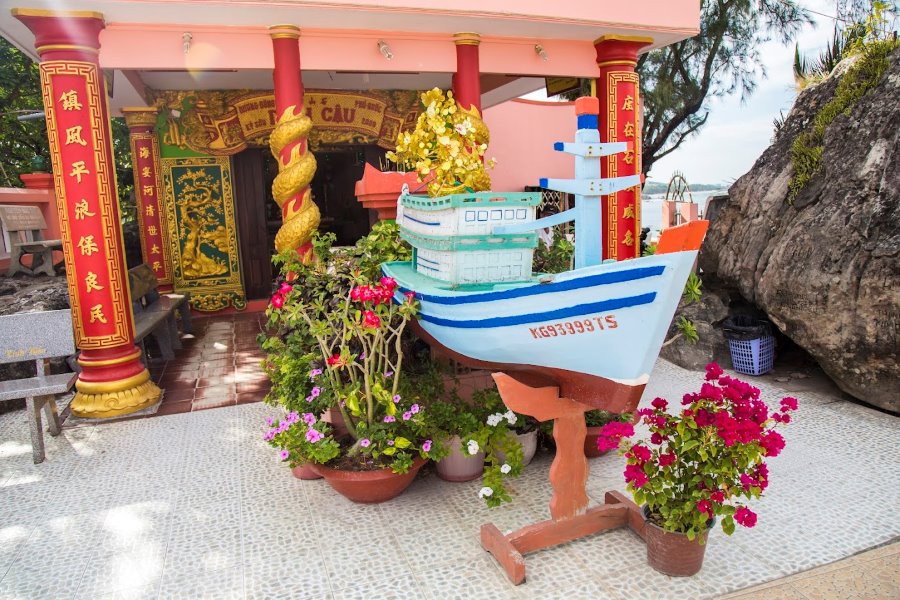
Dinh Cau Temple, also known as Cau Temple or Dinh Cau Rock, is one of the most sacred and symbolic destinations in Phu Quoc. Dinh Cau Temple is situated on a dramatic rocky promontory overlooking the stunning sea at the mouth of the Duong Dong River. Therefore, the temple has both religious meaning and captivating natural beauty.

The local people and vacationers arrive at this attraction not only to witness its pristine and unique beach, but also to wish for protection, prosperity, and good fortune. With its brilliant architecture, spiritual atmosphere, gentle sea breeze, and panoramic sunset views, Dinh Cau Temple perfectly captures the peaceful and mystical appeal of Phu Quoc Island.

History Of The Dinh Cau Temple

According to the Phu Quoc legend, Dinh Cau Temple was built in the 17th century after fishermen mysteriously survived an extremely fierce storm by finding shelter on the rocky cape. Believing this place to be blessed by divine powers, the local people built a spiritual temple to honor the ocean gods who shield local sailors and fishermen living and working on and around the island.

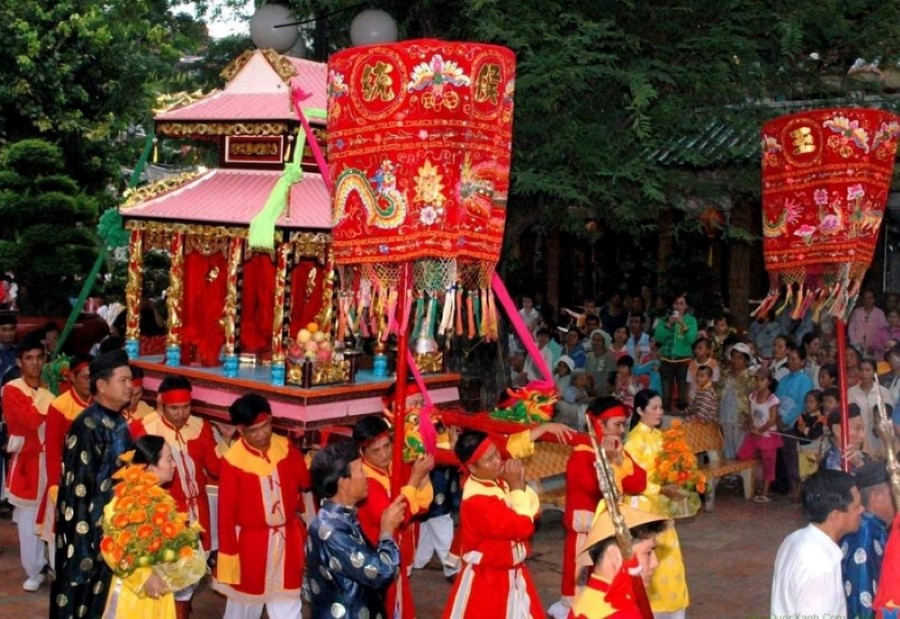
Over the centuries, Dinh Cau Temple has become an iconic and important religious and cultural image for the local people in Phu Quoc. Every year, on the 15th and 16th days of the 10th lunar month, the local people celebrate Dinh Cau Festival. This event attracts both worshippers and vacationers alike to pay respects and honor the island’s deep and strong connection to the sea.

3 Unique Architecture Of The Dinh Cau Temple

The Dinh Cau Temple has a unique architecture that is situated on a dramatic rocky promontory overlooking the stunning sea at the mouth of the Duong Dong River, traditional Vietnamese design, and the harmonious fusion of nature and architecture. Here are 3 unique architectural features of the iconic Dinh Cau Temple on Phu Quoc Island:

Temple On A Rocky Cape Overlooking The Sea

Temple On A Rocky Cape Overlooking The Sea

Thing highlighted thing that makes Dinh Cau Temple really tremendous is its scenic location. The temple is constructed on a rugged rocky cape that juts out into the wonderful sea at the mouth of the Duong Dong River. The architecture appears to rise upward and naturally from the rocks, harmoniously mixing nature’s raw splendor with human craftsmanship.

This special positioning brings a breathtaking view of the coastline and the fishing port, as well as conveys the temple’s religious role as a sacred guardian of the island’s fishermen. From sunrise to sunset, the surrounding area of Dinh Cau Temple continuously changes in both color and mood, changing it into an impressive masterpiece laid out through nature.

Dragon-Flanked Stairway To The Shrine

A signature point of Dinh Cau Temple is its gorgeous long staircase leading up to the primary shrine, and flanked by 2 dragon sculptures. These complicated and colorful dragons represent energy, safety, and divine strength in the Vietnamese tradition and culture. Mountaineering these steps is one of the must-try things to do in Phu Quoc to have a religious ascent closer to the sacred realm above.

Every step of this unique staircase offers an opportunity for vacationers to witness the sea and sky, making them feel a sense of anticipation as they approach the temple gate. The winding staircase is also a beautiful sight for memorable photography, which is considered an iconic bridge between the earthly world of normal people and the divine.

Traditional Vietnamese Roof With Curved Eaves

Traditional Vietnamese Roof With Curved Eaves

The Dinh Cau Temple’s roof showcases traditional Vietnamese art design with gracefully and elegantly curved eaves that sweep upward like waves. This is a visual and closer connection between the temple and the sea. Decorated with ceramic tiles and iconic motifs, the roof is graceful and useful, protecting the interior from heavy tropical rains and permitting air to flow in obviously.

At the roof’s edges, complex dragon and phoenix decoration and ornaments showcase the balance and harmony of yin and yang (Am and Duong in Vietnamese), as well as male and female energies. This concentration on detail is not only the best aesthetic splendor but also deep-rooted religious beliefs that define the traditional Vietnamese temple architecture.

3 Unforgettable Experiences You Shouldn’t Miss At The Dinh Cau Temple

Not only can you witness the unique architectural features of the famous Dinh Cau Temple, but you can also find out and enjoy cultural experiences in this well-known attraction in Phu Quoc. Here are 3 cultural experiences you should not miss when visiting the attractive area around the Dinh Cau Temple:

Watching The Sunset From Dinh Cau Cape

Watching The Sunset From Dinh Cau Cape

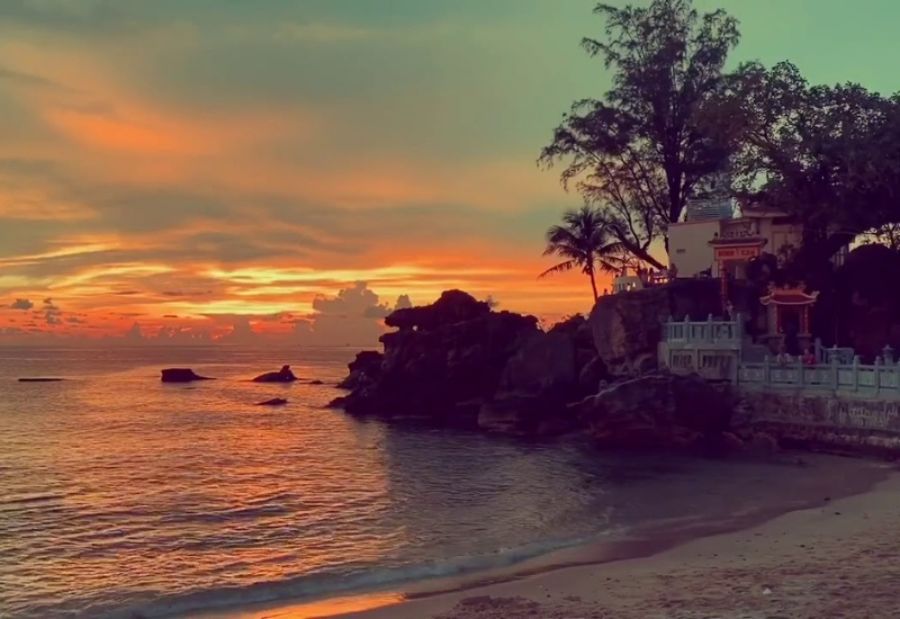
Visiting Dinh Cau Temple, you can not miss out on witnessing the vibrant sunset from its rocky cape. When the sun dips underneath the horizon, the sky changes into colorful shades of orange, purple, and gold, imaging beautifully across the sea. The Dinh Cau Temple’s silhouette towards the glowing sky creates the iconic sights in Phu Quoc, impressing both the local people and travelers to see and photograph.

This moment is more than just seeing the great view, it is a peaceful energy that makes you sense related to the natural island and rhythm. The sound of mild waves, the ocean breeze, and the fragrance of burning incense from the temple mix collectively to make an environment of tranquility, serenity, and marvel that stays with you long after you say goodbye to this destination.

Experiencing The Dinh Cau Festival

Experiencing The Dinh Cau Festival

In case your journey is in the period of the Dinh Cau Festival, which is held yearly on the 15th to 16th days of the 10th lunar month, you can have a chance to witness one of Phu Quoc’s most colorful cultural and traditional celebrations. The temple becomes dynamic with lanterns, prayers, and lively processions as hard-working fishermen and the hospitable local people gather to honor the ocean gods for shielding them all year and ensuring full catches.

During the festival, the atmosphere is filled with traditional and nice music, the aroma of delicious local street meals, and a sense of team spirit amongst islanders. This is a great opportunity for vacationers to learn how the historical maritime traditions of Phu Quoc continue to thrive today. The occasion flawlessly combines devotion, festivity, and community, so it makes an unforgettable and valuable experience that you will remember forever.

Enjoying Panoramic Views Of Duong Dong Town

From the temple’s terrace, you can unwind in the whole views of Duong Dong Town, the fishing harbor, as well as the endless blue seas. Early morning or late afternoon are the wonderful times for you to capture amazing photos of this scenery when the sun is light and tender, and the water shimmers like glass.

Besides, you can see local fishing boats go in and out of the harbor, communicate with the local people, and understand more about the society on this island. This experience offers both a visual treat and a great sense of tranquility for everyone.

Entrance Fee Of The Dinh Cau Temple

Dinh Cau Temple 2

The entrance fee to the Dinh Cau Temple in Phu Quoc is free. Therefore, you can freely arrange a wonderful trip to this attraction with your family and friends without thinking about the ticket.

Opening Hours Of The Dinh Cau Temple

The opening hours of the Dinh Cau Temple are from 07:30 am to 08:30 pm. Sometimes, during the dry season (from October to April), which is the best time to visit Phu Quoc in general and the Dinh Cau Temple in particular, this attraction can be crowded. This is the reason why the open hours of the Dinh Cau Temple can vary. You need to check and confirm with the Dinh Cau Temple’s manager before coming to this place to visit.

How To Get To The Dinh Cau Temple

In the journey to explore the Dinh Cau Temple in Phu Quoc, you should choose the right way to have a pleasant, happy, and low-priced trip. Here are hints from Seni World about how to get to the well-known Dinh Cau Temple in Phu Quoc:

Starting Point Transportation Options Estimated Time Details & Tips
Duong Dong Town Center Walk, motorbike, or taxi About 5 to 10 minutes The Dinh Cau Temple is located right at Dinh Cau Cape, at the mouth of the Duong Dong River. You can walk from the night market and the beach area to the Dinh Cau Temple.
Phu Quoc International Airport Taxi or private car About 15 to 20 minutes (about 10 kilometers) You can take a taxi or private car trip on the main route through Tran Hung Dao Street toward Duong Dong Town.
Long Beach or Long Beach Resorts Motorbike or taxi About 15 to 25 minutes Let’s follow Tran Hung Dao Street north. The Dinh Cau Temple is at the end of Dinh Cau Street and near the fishing port.
An Thoi Town (South Phu Quoc) Car or motorbike About 35 to 45 minutes (about 25 kilometers) You will take the DT46 road heading north to Duong Dong Town. Roads are very well-paved and beautiful along the coast.
Grand World Phu Quoc (North) Car or motorbike About 45 to 55 minutes (about 35 kilometers) You need to follow the TL47 road south through Ganh Dau and Cua Can toward Duong Dong Town. You will pass various brilliant beaches along the way.

Things To Know Before Traveling To The Dinh Cau Temple

Inside Dinh Cau Temple

To have a fascinating, comfortable, suitable, and safe trip to the Dinh Cau Temple in this Phu Quoc itinerary, you should remember the following important travel tips. These tips will help you investigate this place conveniently, but still respect the culture, history, and tradition, as well as protect yourself best:

  • Check the weather forecast: Dinh Cau Temple is on a rocky cape, so strong winds or rain may make it slippery, making it very dangerous. Therefore, you need to carefully check the weather forecast before reaching it.
  • Visit early morning or late afternoon: Arriving at the temple at these times, you can avoid crowds and enjoy the pleasant and cooler weather.
  • Dress respectfully: Don’t forget to wear modest and polite clothing (like shoulders and knees covered) because Dinh Cau Temple is a sacred attraction. Moreover, you must remove your shoes before entering the main worship hall.
  • Be silent politely: You must avoid loud talking or taking selfies when going inside the temple, where everyone is praying.
  • Respect the environment: Don’t litter on the rocks or near the sea to keep this religious place clean and beautiful.
  • Combine your adventure: You should combine your trip to Phu Quoc Night Market, Dinh Cau Beach, or Duong Dong fishing port. In case you don’t know how to schedule this journey suitably, contact Seni World for consulting to have an exciting full-day itinerary.

Final Thoughts: Is The Dinh Cau Temple Worth Visiting?

The Dinh Cau Temple is one of the most sacred and symbolic destinations in Phu Quoc, which has a unique architecture that is situated on a dramatic rocky promontory overlooking the stunning sea at the mouth of the Duong Dong River, traditional Vietnamese design, and the harmonious fusion of nature and architecture. If you want to go to Dinh Cau Temple and receive support for the visa process, let’s contact Seni World, a reputable tour operator from Vietnam. We are here to help you from A to Z on your trip.

Tranh Waterfall: Enjoy The Beauty And Serenity Of Nature

Tranh Waterfall in Phu Quoc is the best destination for travelers who love pristine landscapes and the mild rhythm of tropical nature. Seni World’s travel guide will show you its history, nature, opening hours, attractions, and important travel tips.

Introduction To The Tranh Waterfall

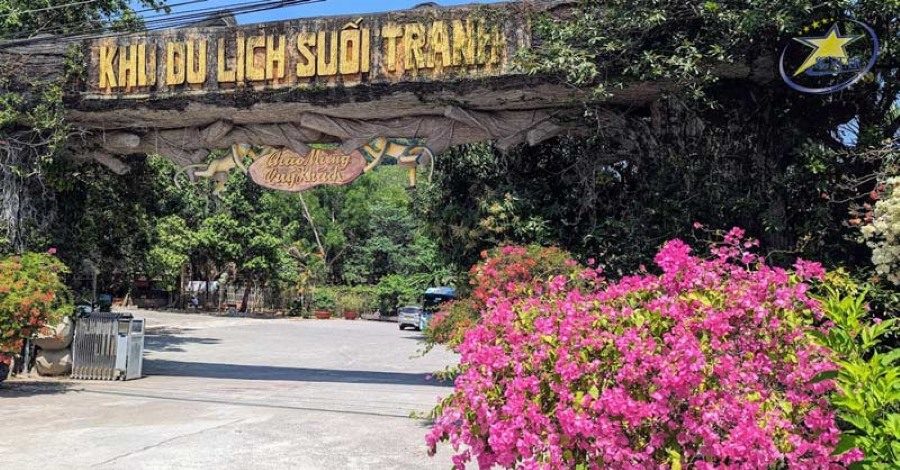
Tranh Waterfall

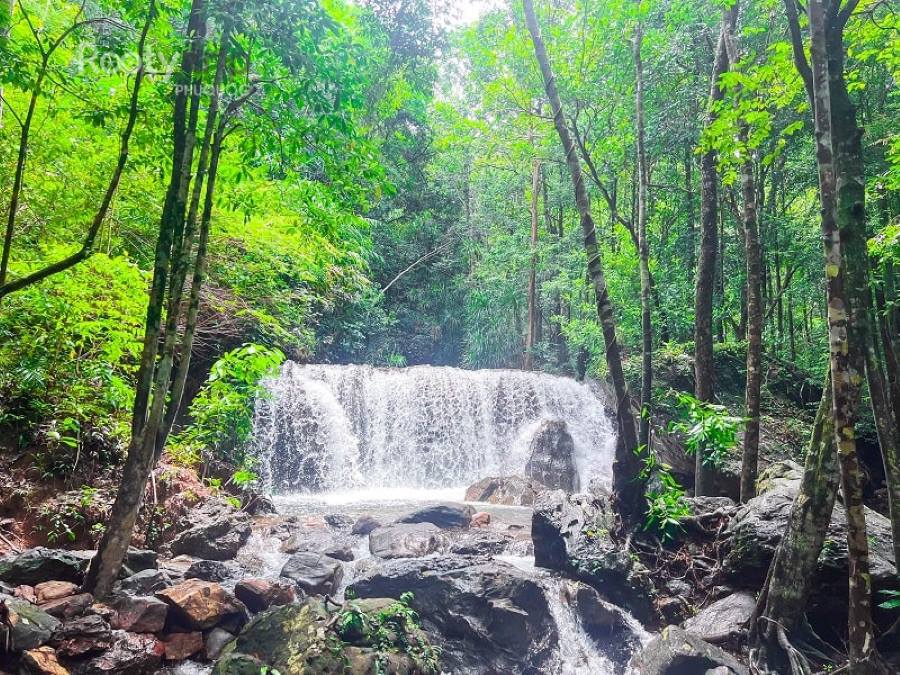
Tranh Waterfall, or Suoi Tranh, is one of the most wonderful natural attractions in Phu Quoc Island, located approximately 9 kilometers southeast of Duong Dong Town. Tranh Waterfall is surrounded by lush, green forest, mossy rocks, and colourful flowers. It stretches over 15 kilometers, flowing gently from the Ham Ninh mountain range.

Tranh Waterfall’s tranquil vibe, cool air, and beautiful natural surroundings make it a favorite travel site for both local and international vacationers who are looking to loosen up, hike, or just want to take amazing photos amidst nature’s artwork.

History Of The Tranh Waterfall

The name Tranh Waterfall means “painting stream,” stimulated by the waterfall’s poetic splendor that resembles a gorgeous landscape painting. Local people here tell of fairies, who descended to bathe in its crystal-clean waters at Tranh Waterfall, adding a touch of fable to its appeal.

Through the years, Tranh Waterfall has become a natural retreat and a symbol of Phu Quoc’s concord with nature and folklore. At present, Tranh Waterfall has been developed as a travel area, yet it still preserves almost all of its untouched and serene nature.

Top 5 Iconic Attractions At The Tranh Waterfall

Tranh Waterfall is an attractive and captivating cascade, where cool and clear water flows down over mossy rocks that are surrounded by green, lush jungle. Visiting here, you can interestingly unwind in the 5 iconic attractions with your family and friends:

The Main Waterfall Cascade

The Main Waterfall Cascade

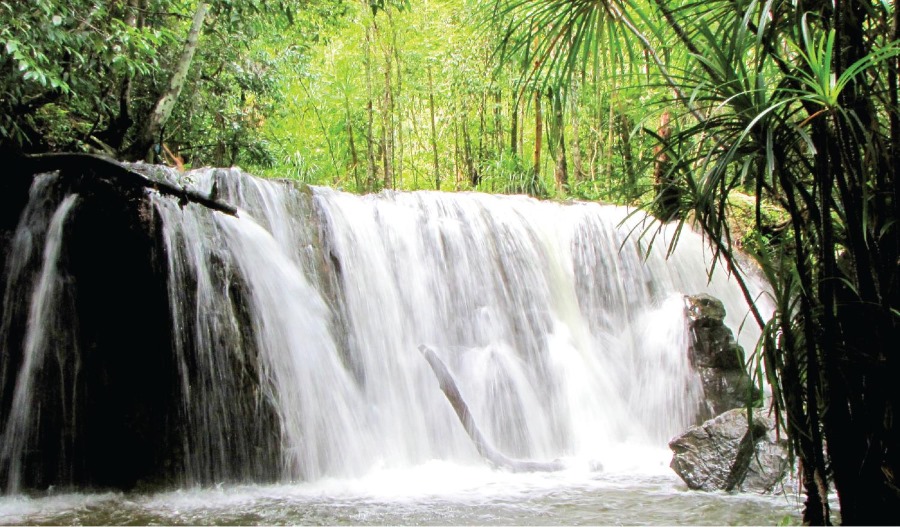
The highlight of Tranh Waterfall is its attractive and captivating cascade, where cool and clear water flows down over mossy rocks that are surrounded by green, lush jungle. During the rainy season, Tranh Waterfall becomes an energetic torrent, making a refreshing mist and a dynamic symphony of speeding water. This natural splendor is best for relaxing, taking photos, and immersing yourself in the serene sounds of nature.

During the dry season, even though the flow is gentler, Tranh Waterfall is still a peaceful and photogenic area. Vacationers can freely climb closer to the cascade to feel the great spray or unwind in a tranquil picnic along the stream with family and friends. This is one of the most wonderful things to do in Phu Quoc for travelers who love pristine landscapes and the mild rhythm of tropical nature.

The Forest Trail To The Waterfall

Before going to the main waterfall, vacationers will go through a colorful 300-meter forest path. This is an impressive thing about this adventure. The trail winds through greenery, bamboo groves, and small stone bridges. So you will have a special flavor of Phu Quoc’s wild part. There are many beautiful areas where you can take memorable photos and enjoy the peace.

Along the way, you can hear the great sounds of birds, cicadas. Besides, you can also hear the pretty rush of clear water along your steps. You will enjoy the cool under this shaded way. Let’s have a joyful walk and set the feeling before you reach the main destination. It makes the trip more exciting, particularly for travelers who love the green and lush nature.

Picnic And Relaxation Zones

Picnic And Relaxation Zones

Tranh Waterfall is not only a sightseeing area, but it is also a preferred local picnic destination. There are numerous shaded regions with wood benches and open clearings for travelers to enjoy lunch with the great sounds of nature. Some vendors nearby additionally sell coconuts, snacks, as well as tropical fruits.

You can have a chance to spend hours relaxing, chatting, and reveling in the peaceful vibe. Whether or not you come with your family or friends, these picnic zones at Tranh Waterfall provide a proper environment of nearby relaxation and natural beauty.

Folk Art And Mythical Sculptures

Scattered along the path and near the Tranh Waterfall’s entrance are precise sculptures inspired by Vietnamese myths and legends. You can see carvings of beautiful fairies, amazing dragons, and legendary creatures that tell the story of the Tranh Waterfall’s name.

These creative factors add cultural richness to your journey, mixing human fascinating ideation with natural splendor. This place is both a wonderful area for you to take excellent photos and a chance for you to explore the local folklore in Phu Quoc.

Natural Swimming Areas

Natural Swimming Areas

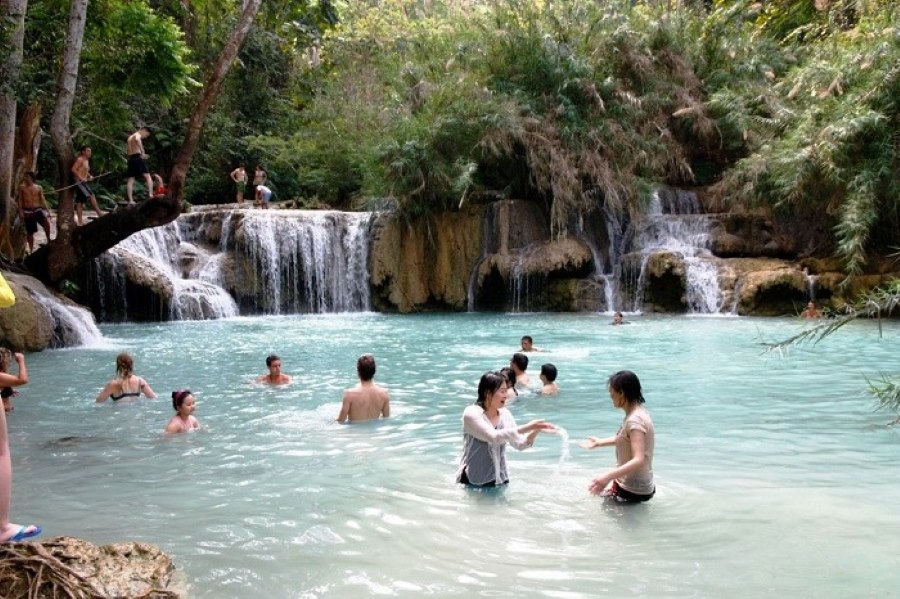
Tranh Waterfall is famous for its clear and shallow pools that attract various sightseers to cool off after the short and energetic hike. The water is very clean and fresh, flowing lightly from the stream above. Many travelers take a quick dip or just soak their toes or feet while reveling in the encircling greenery.

Swimming at this place is secure and enjoyable, particularly for families and couples. The perfect combination of tropical woodland air and the soothing sound of water at the Tranh Waterfall makes this Southern Vietnam itinerary unforgettable.

3 Unforgettable Experiences You Shouldn’t Miss At The Tranh Waterfall

Not only can you investigate the iconic attractions of Tranh Waterfall, but you can also find out and unwind in cultural experiences in this well-known spot. Here are 3 cultural experiences you should not miss when visiting the amazing area around Tranh Waterfall:

Discovering The Hidden Caves Behind The Falls

Discovering The Hidden Caves Behind The Falls

Beyond Tranh Waterfall is a small network of mysterious caves hidden in the rock partitions. It is one of the lesser-known travel sites. Inside, you can have an opportunity to enjoy a mixture of cool, misty environment and mystery. It is the best for quiet relaxation from the tropical heat.

These caves also connect with local legends. They tell tales of forest fairies and nature spirits who protected them. With the soft sunlight, they create an amazing and spiritual travel zone for travelers who are looking for beautiful views and excitement.

Witnessing Tranh Waterfall By Moonlight

For travelers who like to stay late in the day, Tranh Waterfall becomes a surprisingly peaceful scene beneath the moonlight. The forest quiets down, and the silver mirrored image of the moon on the cascading water makes a romantic, almost airy glow.

This is a perfect environment for couples or nature lovers who are searching for a unique and memorable experience. Especially, the cool night air, the sound of naughty crickets, and the sparkling water make Tranh Waterfall one of Phu Quoc’s most poetic and brilliant nighttime destinations.

Seeing Flora And Wildlife

Seeing Flora And Wildlife

Tranh Waterfall is a perfect place for you to see Phu Quoc’s various flora and fauna, consisting of wild orchids, ferns, and different types of butterflies along the path. In case you are lucky, you can have a chance to see many types of small animals like pretty squirrels, colourful birds, and lizards in the sunlight.

Bring a camera, and you can easily see the lively surroundings around Tranh Waterfall. The mixture of green nature, pretty flowers, and enjoyable wildlife world activity changes a simple woodland stroll into a great exploration of Phu Quoc Island’s natural images.

Entrance Fee Of The Tranh Waterfall

Here is a table that Seni World has summarized the Tranh Waterfall entrance fees. These fees can barely vary according to the real-time journey season:

Visitor Type Entrance Fee Notes
Adults 30,000 VND This is the typical ticket for general adult visitors.
Children 20,000 VND This fee usually applies to younger children. The fee may depend on the height or age of each child.

Opening Hours Of The Tranh Waterfall

Suoi Tranh tourist area

The opening hours of the Tranh Waterfall are from 07:00 AM to 09:00 PM. Sometimes, the opening hours of this place are from 06:00 AM to 09:00 PM.

During the rainy season (Phu Quoc from May to October), when Tranh Waterfall is at its most beautiful and powerful, it can be very crowded. This is the reason why the open hours of the Tranh Waterfall can vary. So you need to carefully check and confirm with Tranh Waterfall’s manager before buying the ticket and coming to visit this attraction.

How To Get To The Tranh Waterfall

In the adventure to explore the Tranh Waterfall in Phu Quoc, you should select the right way to have a comfortable, enjoyable, and economical trip. Here are hints from Seni World about how to get to the Tranh Waterfall in Phu Quoc:

Departure Point Transportation Option Estimated Time Directions & Notes
Phu Quoc International Airport Taxi or motorbike From 15 to 20 minutes You will head east through the DT47 road toward Ham Ninh Fishing Village, then turn onto Tranh Waterfall Eco-Tourism Road. The route is simple and well signposted.
Duong Dong Town Center Taxi or motorbike From 25 to 30 minutes Let’s follow Tran Hung Dao Street south, turn onto the DT47 road toward the airport, then continue east to Tranh Waterfall. This route is beautiful, passes through forests and small villages.
An Thoi Town (South Phu Quoc) Taxi or private car From 30 to 35 minutes Go from the DT46 road north to the Duong To area, then follow the DT47 road east to Tranh Waterfall. These roads are paved and very suitable for both cars and bikes.
North Phu Quoc (Grand World or Vinpearl Area) Taxi or private transfer From 60 to 70 minutes You need to drive south through the DT975 road to Duong Dong Town, then connect to the DT47 road toward Ham Ninh Fishing Village. It is a long but beautiful and impressive trip.
Ham Ninh Fishing Village Motorbike or bike From 10 to 15 minutes The final destination is located very close. You just need to follow the local signs west toward Tranh Waterfall. It is a great option for a short countryside ride.

Things To Know Before Traveling To The Tranh Waterfall

To have a captivating, pleasant, suitable, and safe trip to the Tranh Waterfall in this Phu Quoc itinerary, you should remember the following essential travel tips. These tips will help you discover this place conveniently, but still respect the culture, nature, and society, as well as protect yourself best:

  • Wear comfortable footwear: You need to wear comfortable shoes or sandals with a good grip on this journey because the path can be uneven and slippery.
  • Bring swimwear: In case you plan to swim in the natural pools at Tranh Waterfall, let’s prepare swimwear and a towel.
  • Carry insect repellent: Particularly during the rainy season, you need to bring insect repellent to avoid mosquito bites.
  • Protect your electronics: Don’t forget to bring a waterproof bag to protect your electronics, like the camera or your smartphone, from splashes.
  • Respect the natural environment: When exploring the waterfall and the surrounding areas, you must avoid leaving trash or food behind to protect the natural environment.
  • Combine your trip: You should combine your adventure to Tranh Waterfall with nearby areas on Phu Quoc Island, like Ham Ninh Fishing Village, or Truc Lam Ho Quoc Pagoda. In case you don’t know how to arrange this journey suitably, contact Seni World for consulting to have an interesting full-day itinerary.

Final Thoughts: Is The Tranh Waterfall Worth Visiting?

Tranh Waterfall is an impressive and gorgeous cascade, where cool and clear water flows down over mossy rocks that are surrounded by green, lush jungle. You can enjoy the wonderful sounds of birds, cicadas, and the pretty, distant rush of clear water guiding your steps. If you want to go to Tranh Waterfall and receive support for the visa process, let’s contact Seni World, a reputable tour operator from Vietnam. We are here to help you from A to Z on your Tranh Waterfall discovery trip.

Phu Quoc Prison: A Historical And Meaningful Attraction

The Phu Quoc Prison showcases visitors with a solemn perception and insight into the resilience and staying power of both Vietnamese soldiers and patriots. Seni World’s travel guide will show you its history, architecture, opening hours, transportation, and travel tips.

Introduction To The Phu Quoc Prison

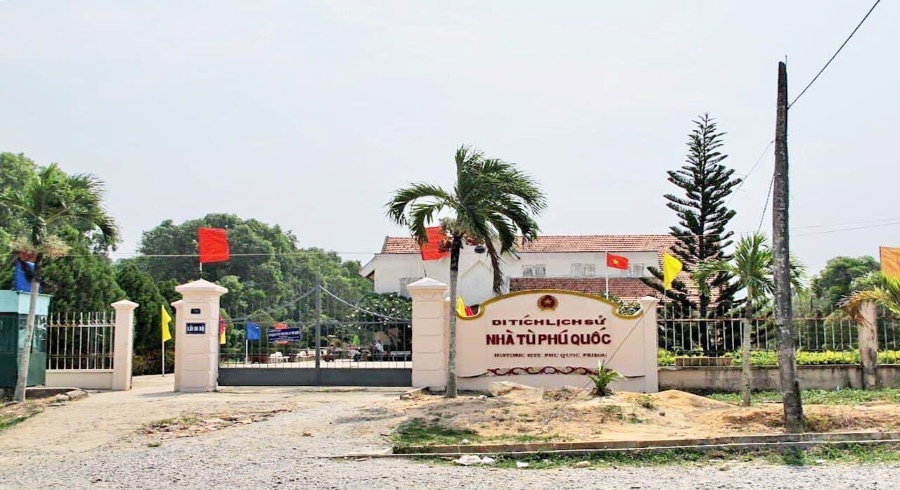
Gate of Phu Quoc Prison

Phu Quoc Prison, also called the Coconut Tree Prison, is one of the most haunting yet meaningful and historically significant attractions in Phu Quoc. Located in the southern part of Phu Quoc Island, as well as near An Thoi Town, this destination has now become a history museum that preserves the painful memories of Vietnam’s wartime to protect the country’s past.

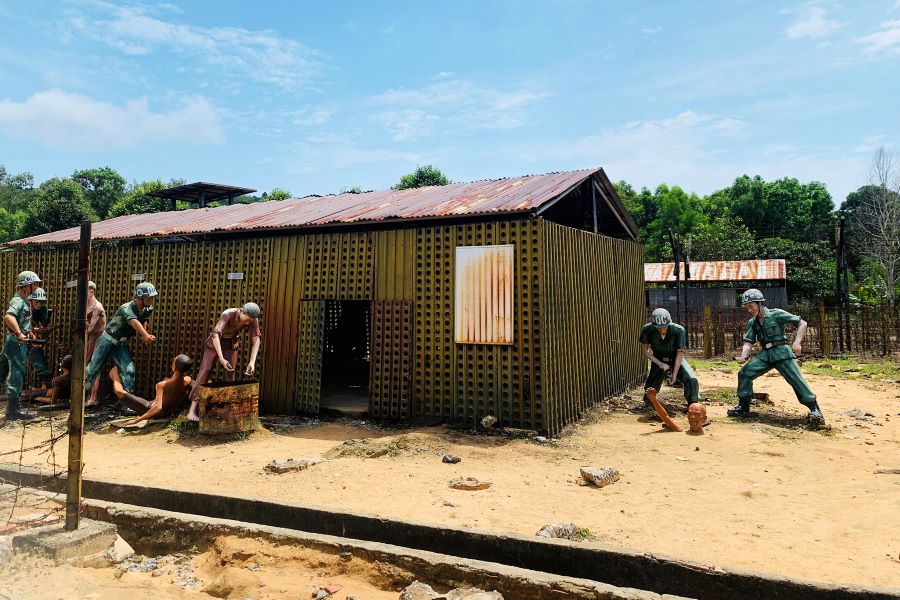
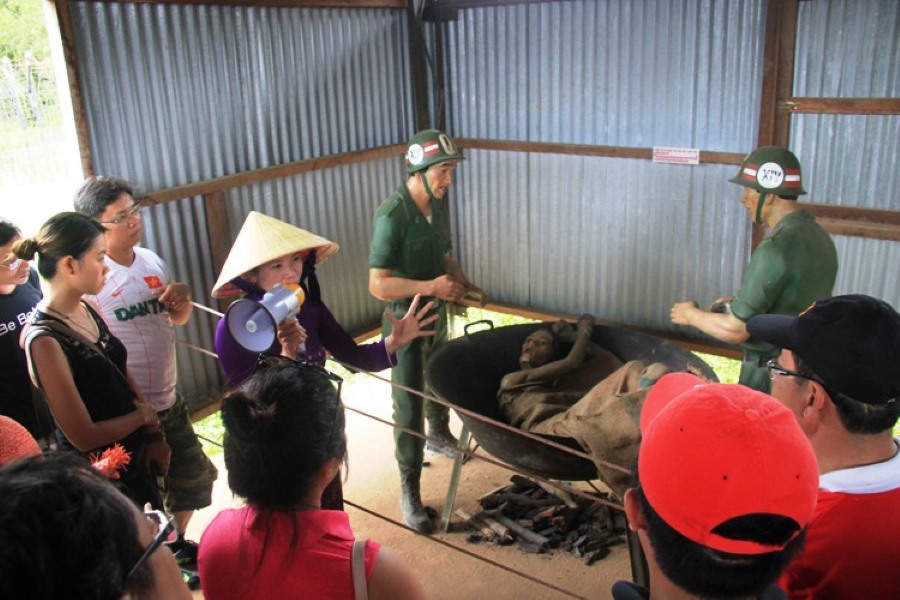
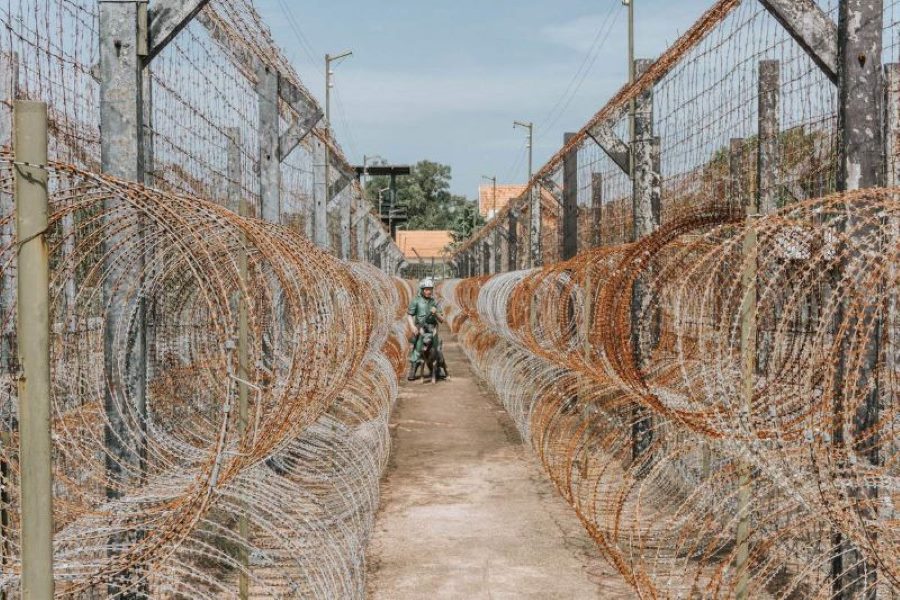
The prison is built to resemble its wartime layout, having reconstructed cells, many barbed-wire fences, and torture reveals. All of them showcase visitors a solemn perception and insight into the resilience and staying power of both Vietnamese soldiers and patriots. At present, Phu Quoc Prison is known as a historical reminder and a valuable educational place that promotes remembrance and peace.

History Of The Phu Quoc Prison

Built by French colonialists in the 1950s and then used during the Vietnam War, under the former South Vietnamese government supported by the U.S, Phu Quoc Prison is the place where once detained more than 40,000 Vietnamese revolutionaries and soldiers. This prison was acknowledged for its harsh conditions as well as inhumane treatment, and many intense torture methods were inflicted on inmates.

After the reunification of Vietnam in 1975, Phu Quoc Prison was preserved as a historic and meaningful monument to honor the valuable sacrifices of those who suffered for Vietnam’s national independence. At present, Phu Quoc Prison is officially recognized as a Special National Relic Site, highlighting Vietnam’s tragic yet heroic conflict for freedom.

3 Unique Architecture Of The Phu Quoc Prison

The Phu Quoc Prison has now become a history museum that preserves the painful memories of Vietnam’s wartime to protect the country’s past. Here are 5 unique architectural features of the well-known and meaningful Phu Quoc Prison.

Harsh Colonial Design Reflecting Historical Reality

Harsh Colonial Design Reflecting Historical Reality

The Phu Quoc Prison’s layout is an image of the cruel reality of wartime incarceration, with many dense clusters of small, constrained cells crafted from corrugated iron and barbed wire. The design was consciously planned to harshly control all the prisoners’ motion and visibility. It ensures maximum surveillance and minimal prisoner escape.

Besides, the usage of extremely small, dark spaces and minimum ventilation highlighted isolation and punishment. The architecture shows both a detention facility and a psychological weapon. However, it also offers the view of the resilience of people who endured it.

Distinctive Zoning For Control And Segregation

The Phu Quoc Prison complex is separated into different zones, consisting of A, B, C, and D, and each serves a specific function, such as detention regions, interrogation, and torture rooms. This system is a strategic building technique, dividing groups of prisoners to prevent communication and rebellion.

Every zone was separated by excessive fences, pinnacles with barbed wire, and watchtowers to increase security. Nowadays, these divisions help tourists easily visualize the architecture’s oppressive system as well as the strict hierarchy that was imposed within its walls in the past.

Use Of Harsh Materials For Climate And Control

Use Of Harsh Materials For Climate And Control

Built under a tropical climate, almost the Phu Quoc Prison’s materials, like iron sheets, timber planks, and barbed wire fences, absorbed heat, turning the cells into suffocating packing containers under the sun. This was a bad and intentional tactic to strengthen prisoner suffering.

Moreover, at this place, ventilation was nearly nonexistent. From an architectural side, this material selection demonstrates how layout can be weaponized. Today, it is a chilling reminder of the way even basic construction and systems can be used to control and dehumanize.

3 Unforgettable Experiences You Shouldn’t Miss At The Phu Quoc Prison

Not only can you understand more about the unique architectural features of the famous Phu Quoc Prison, but you can also find out and enjoy cultural experiences in this well-known destination. Here are 5 cultural experiences you should not miss when uncovering the wonderful area around the Phu Quoc Prison:

Exploring The Historical Exhibition Area

Exploring The Historical Exhibition Area

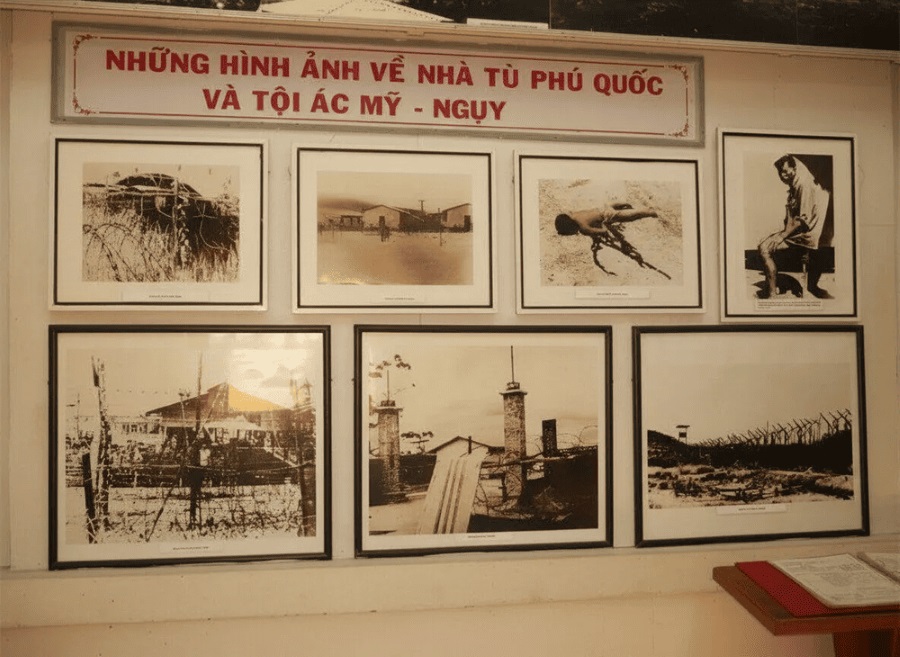
Your adventure of Phu Quoc Prison in this Southern Vietnam itinerary starts with the exploration of the historical exhibition site, where preserved artifacts, documents, and photos demonstrate the island’s painful yet heroic past. Every item, like prisoners’ makeshift gear, simple hand-written letters, tells a wonderful story from endurance to courage and hope.

Travelers, especially international visitors, can take their time reading personal accounts at this place and then watching real documentaries that bring the stories in each video to life. This will be a sobering and memorable occasion that develops the emotional tone for the rest of your adventure in Phu Quoc.

Paying Respects At The Memorial Monument

Paying Respects At The Memorial Monument

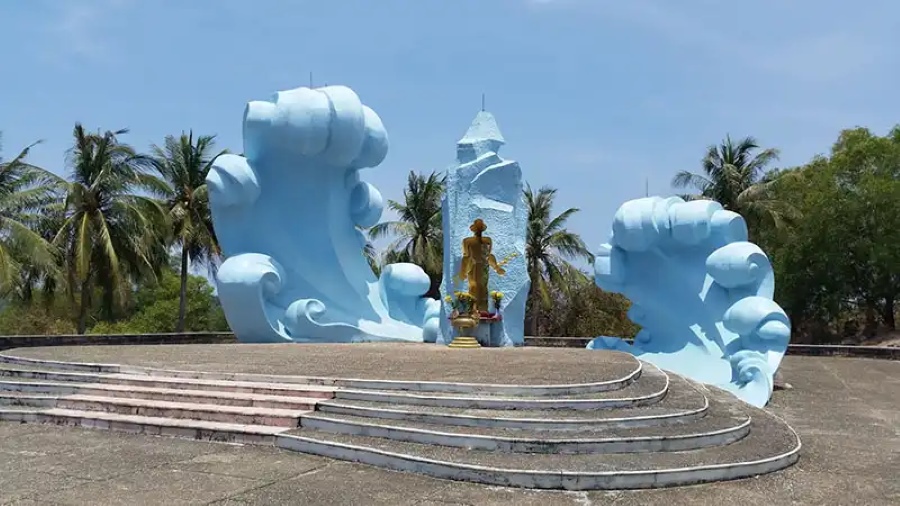
After witnessing the intensity of Phu Quoc Prison, you can find solace at the Memorial Monument, a remarkable sculpture of prisoners strongly breaking their chains. Visiting the monument of the prison creates a powerful emotional balance.

Surrounded by green, peaceful gardens and stone pathways, this destination honors the countless souls who suffered and died here. Many vacationers light incense or just stand in silence, thinking about the price of peace, appreciating all the freedom, resilience, and the unyielding will to survive.

Joining A Guided Tour For Deeper Insight

Joining A Guided Tour For Deeper Insight

To sincerely understand and feel the depth of the Phu Quoc Prison’s stories, don’t forget to join a local guided excursion. They will share with you various stories of bravery, team spirit, and survival, which were frequently passed down from their family members who lived through the struggle. These real stories change the prison from a static museum into a dwelling narrative of human emotion.

Moreover, guided trips will also encourage you to enter regions regularly omitted by casual visitors. Therefore, you can have an opportunity to have a richer and unforgettable experience of the history of Vietnam that connects the country’s past and present in a deeply personal way.

Entrance Fee Of The Phu Quoc Prison

Here is a table that Seni World has collected the entrance fees of the Phu Quoc Prison. These fees can slightly vary according to the real-time travel season:

Visitor Type or Service Entrance Fee Notes
General admission Free of charge Visitors of all nationalities can enter the Phu Quoc Prison without paying.
Tour guide service (optional) From 100,000 to 200,000 VND per session In case you book a local guide to explain history in more depth, you need to pay this fee.
Other extra services (booklets or audio guide) Often in the same range: from 100,000 to 200,000 VND It is suitable for you if you need additional historical materials or guided walkthroughs.

Opening Hours Of The Phu Quoc Prison

Phu Quoc Prison 2

Seni World has also summarized all the typical daily opening hours of the Phu Quoc Prison for travelers. Thanks to them, you can schedule a convenient and suitable adventure to the iconic and meaningful destinations in Phu Quoc:

  • Morning hours: From 07:30 am to 11:30 am.
  • Afternoon hours: From 01:30 pm to 05:00 pm.

During the dry season (from October to April), which is the best time to visit Phu Quoc in general and the Phu Quoc Prison in particular, this attraction can be very crowded. This is the reason why the open hours of the Phu Quoc Prison can be different. So you need to carefully check and confirm with the Phu Quoc Prison’s manager before coming to visit.

How To Get To The Phu Quoc Prison

In the journey to explore the Phu Quoc Prison, you should select the right way to have a suitable, pleasant, and economical price. Here are hints from Seni World about how to get to the Phu Quoc Prison.

Departure Point Transportation Option Estimated Time Directions & Notes
Phu Quoc International Airport Taxi or private car About 15 to 20 minutes You need to head south along the DT46 road toward An Thoi Ward. The Phu Quoc Prison is well-signposted and located near the coastal road.
Duong Dong Town Center Taxi or motorbike About 35 to 40 minutes Let’s go on Tran Hung Dao Street south, then continue to the An Thoi area. On this route, you can see beautiful coastal scenery and several local villages.
An Thoi Cable Car Station (Sunset Town or Cable Car Station) Taxi or motorbike About 5 to 10 minutes The Phu Quoc Prison is located just northwest of the An Thoi area, about 5 kilometers from the Hon Thom Cable Car Station. This route is very suitable for a combined trip.
North Phu Quoc (VinWonders or Grand World Area) Taxi or private transfer About 60 to 70 minutes Let’s follow the DT975 road south along the island’s main coastal highway. This road is long but has great views of forests and local fishing villages.
From Hotels in Duong To Area Motorbike or taxi About 25 to 30 minutes The Duong To area is between the Phu Quoc International Airport and Duong Dong Town. You will go on the DT46 road south directly to the Phu Quoc Prison. Parking is available near the entrance.

Things To Know Before Traveling To The Phu Quoc Prison

Phu Quoc Prison 3

To have a fascinating, pleasant, positive, and safe trip to the Phu Quoc Prison in this Phu Quoc itinerary, you should remember the following important travel tips. These tips will help you uncover this destination conveniently, but still respect the culture, history, and society, and protect yourself best:

  • Go early in the morning: You can avoid the midday heat in Phu Quoc and revel in a quieter and peaceful atmosphere for reflection.
  • Wear comfortable shoes: Phu Quoc Prison is a large site, and you need a fair amount of walking on uneven ground. Therefore, wearing comfortable shoes is perfect for you.
  • Protect yourself under the sun: Don’t forget to bring a hat, sunglasses, and a bottle of water. Phu Quoc Prison is mostly open-air, and it can have a very hot climate. These sun gears can protect you from the sun.
  • Dress modestly and politely: This is a respectful action for the memory of people who suffered in Phu Quoc Prison in the past.
  • Be respectful: Phu Quoc Prison is a memorial attraction honoring war victims, not a common tourist site. Therefore, you must be respectful when visiting every place in the prison.
  • Avoid loud conversations or laughter: Especially when you go near reconstructed prison cells, you must avoid loud conversations and laughter to show your respect for this historical attraction.
  • Photography rule: Photography is allowed in Phu Quoc Prison, but you need to remember that avoid using flash inside certain exhibits.
  • Bring cash: Some small services or souvenirs at this place may not accept online payments or cards, so cash is king.
  • Combine your journey: You should combine your adventure to Phu Quoc Prison with nearby attractions on this island, such as the An Thoi Cable Car or Sao Beach. In case you don’t know how to schedule this trip suitably, contact Seni World for consulting to have an exciting full-day itinerary.

Final Thoughts: Is The Phu Quoc Prison Worth Visiting?

The Phu Quoc Prison is an iconic destination in Phu Quoc that showcases visitors with a solemn perception and insight into the resilience and staying power of both Vietnamese soldiers and patriots. If you want to take a Phu Quoc Prison adventure, as well as consult things to see and do in this area, and receive support for the visa process, let’s contact Seni World, a reputable tour operator from Vietnam. We are here to help you from A to Z on your Phu Quoc Prison discovery trip.

Kiss Bridge: The Romantic Spirit Of Phu Quoc Sunset Coast

The Kiss Bridge is an iconic travel destination in Phu Quoc, which has the impressive beauty of connection, love, and the romantic spirit of this island. Seni World’s travel guide will show you its history, attractions, and important travel tips.

Introduction To The Kiss Bridge In Phu Quoc

Kiss Bridge from Sunset Town

The Kiss Bridge in Phu Quoc is located in the Sunset Town of An Thoi, which stretches prettily over the ocean. The bridge includes 2 curved designs that almost touch, only 30 centimeters apart. This is a symbol of love, connection, and harmony. Built to beautify the frame of the sunset, the Kiss Bridge is a perfect destination for couples and vacationers searching for romantic views, attractive architecture, and unforgettable moments to take memorable photos, in opposition to the island’s captivating coastal surroundings.

History Of The Kiss Bridge In Phu Quoc

Italian architect Marco Casamonti

The Kiss Bridge was created, conceptualized, and designed by world-famous Italian architect Marco Casamonti and officially opened to everyone in early 2024. The bridge was inspired by Michelangelo’s “The Creation of Adam,” representing 2 souls reaching out to each other.

Not only have a meaningful meaning, but the Kiss Bridge also has advanced engineering techniques to resist sea winds and tides, which has an elegant balance between art and structure. At present, the Kiss Bridge is an image of modern Vietnamese creativity and love, mixing European artistry with Phu Quoc’s natural beauty.

3 Unique Architecture Of The Kiss Bridge In Phu Quoc

The Kiss Bridge is an iconic travel destination in Phu Quoc, which shows the meaning of 2 souls reaching out to each other, as well as highlighting the romantic spirit of Phu Quoc’s sunset coast through the special design. Here are 3 unique architectural features of the famous Kiss Bridge in Phu Quoc:

Symbolic Twin Arches Highlighting Love And Connection

Symbolic Twin Arches Highlighting Love And Connection

The Kiss Bridge has 2 elegantly curved arches that stretch out from opposite sides of the sea, nearly touching in the middle and about 30 centimeters apart. This careful gap is similar to the moment of an almost kiss, pointing to the impressive beauty of connection and love.

Inspired by Michelangelo’s “The Creation of Adam,” the image shows the meaning of 2 souls reaching out to each other, as well as highlighting the romantic spirit of Phu Quoc’s sunset coast. Built from high-strength metal and glass, the twin arches can face up to coastal winds while still keeping a graceful and light look.

Seamless Integration With Nature

One of the most amazing factors of the Kiss Bridge’s design is its seamless connection to the surroundings. During dusk, the curved metal frames of Kiss Bridge reflect the golden light of this time, and at night, modern LED systems softly illuminate the bridge, making a dreamy and floating effect above the waves.

Kiss Bridge is a sustainable idea in designing for minimal environmental impact. Materials also ensure sturdiness and corrosion resistance, and the foundation of Kiss Bridge was built to avoid harming the marine ecosystem. Therefore, this is an excellent model for sustainable coastal architecture.

Panoramic Viewing Experience

Panoramic Viewing Experience

The Kiss Bridge is not just a walkway. It is one of the perfectly designed attractions in Phu Quoc for viewing the most incredible sunsets. Its open-air structure brings 360-degree panoramic perspectives of the sea, the skyline, as well as the surrounding areas. Each curve of the bridge serves as a frame for the natural landscape.

The walkway’s glass panels of the Kiss Bridge increase the immersive enjoyment for visitors, so you can have an opportunity to see the water right beneath your feet. You will feel like floating between sky and sea. Therefore, the architecture of the Kiss Bridge heightens the strong connection between people and nature.

3 Unforgettable Experiences You Shouldn’t Miss At The Kiss Bridge In Phu Quoc

Not only can you discover the unique architecture of the Kiss Bridge in Phu Quoc, but you can also find out more about and enjoy cultural experiences in this well-known site. Here are 3 cultural experiences you should not miss when visiting the attractive area around the Kiss Bridge in Phu Quoc:

Taking Memorable Photos At The “Kissing Point”

Taking Memorable Photos At The “Kissing Point”

Your adventure to Phu Quoc will not be complete without taking memorable photos at the famous “Kissing Point” of the Kiss Bridge, where the 2 bridge tips nearly touch. The sweeping curves and beautiful sea backdrop make every side wonderful.

You should arrive at this spot during the golden hour or twilight, when natural light softens the environment and highlights the metallic hues of the architecture. Whether it is a romantic couple’s photo or a solo one, the “Kissing Point” is always an iconic place for you in this Southern Vietnam itinerary.

Enjoying The Spectacular Light Show At Night

When night falls, the Kiss Bridge becomes brilliant with a magical light show. The LED system, with waves of color, synchronized with gentle background music and the harmony, natural rhythm of the sea, which changes the whole area into a wistful coastal splendor.

Witnessing the bridge during the light show is a multi-sensory experience. You can have a chance to revel in the cool breeze, listen to the sound of the sea, and watch colourful lights dance throughout the waves. This is a moment where art, technology, and nature connect, adding more romance beneath the starry Phu Quoc sky.

Joining Special Events And Festivals

Joining Special Events And Festivals

The Kiss Bridge is an energetic venue for cultural events, music shows, and romantic festivals. During these occasions, you can enjoy many different activities, such as fireworks over the ocean, Valentine’s Day celebrations, and local vacation performances.

Each activity brings travelers a new layer of emotion to the bridge’s story. Surrounded by joyful laughter, vibrant lights, and the great sea’s sound, it is the strong connection to the island’s party spirit, and a perfect way to understand more about the meaning of the Kiss Bridge, a dwelling image of togetherness and love.

Entrance Fee Of The Kiss Bridge In Phu Quoc

Here is a table that Seni World has summarized the entrance fees of the Kiss Bridge in Phu Quoc. These fees can slightly vary according to the real-time travel season:

Visiting Time Adult (higher than 1 meter) Child (under 1 meter) Notes
Before 04:00 PM 50,000 VND Free This fee applies to Phu Quoc residents or general visitors. Children under 1 meter will be free.
From 04:00 pm to 08:00 PM 100,000 VND Free This fee applies in peak time or sunset hours when crowds are expected.
Visitors from other provinces and cities (non-residents) during sunset or peak times 200,000 VND Free Higher fee for non-local visitors during sunset or peak times.

Opening Hours Of The Kiss Bridge In Phu Quoc

Sunset Town

Seni World has also collected all the opening hours of the Kiss Bridge in Phu Quoc for vacationers. Thanks to them, you can arrange a comfortable and suitable adventure to this highlighted destination in Phu Quoc:

Bridge Section Opening Time Closing Time
North Wing (North Bridge) 07:00 AM 11:00 PM daily
South Wing (South Bridge) 07:00 AM 08:45 pm, then the bridge reopens from 09:45 PM to 11:00 PM

During the dry season (from October to April), which is the best time to visit Phu Quoc in general and the Kiss Bridge in particular, this place can be crowded. This is the reason why the open hours of the Kiss Bridge can be different. So you need to carefully check and confirm with the Kiss Bridge’s manager before arriving and buying the ticket.

How To Get To The Kiss Bridge In Phu Quoc

In the adventure to visit the Kiss Bridge in Phu Quoc, you should select the right way to be convenient, pleasant, and have a budget-friendly price. Here are hints from Seni World about how to get to the Kiss Bridge in Phu Quoc.

Departure Point Transportation Option Estimated Time Directions & Notes
Phu Quoc International Airport Taxi or private car About 15 to 20 minutes You need to go on the DT975 road south toward Sunset Town in An Thoi Ward. The Kiss Bridge is located near the Sun Premier Village Primavera area.
Duong Dong Town Center Taxi or motorbike About 35 to 40 minutes Let’s go ahead South along Tran Hung Dao Street, then continue to go to An Thoi. You will need to look for the signs for “Sunset Town – Kiss Bridge”. This road is very beautiful, but it can be busy in the afternoon.
An Thoi Cable Car Station (Hon Thom Cable Car) Walk or electric shuttle About 5 to 10 minutes The Kiss Bridge is just a short walk if you start from the cable car station. The electric carts are available for you to have easy access.
North Phu Quoc (VinWonders or Grand World Area) Taxi or private transfer About 60 to 70 minutes You will drive along the DT975 road or the coastal highway toward the south of Phu Quoc. This is a long but attractive ride with ocean views.
From Hotels in Duong To Area Motorbike or taxi About 25 to 30 minutes The Duong To area is midway between the Phu Quoc International Airport and Duong Dong Town. You need to head south following the signs to An Thoi. Then, let’s park and buy the ticket at the ticket counters that are available near the bridge entrance.

Things To Know Before Traveling To The Kiss Bridge In Phu Quoc

Watch sunset from Kiss Bridge

To have an interesting, comfortable, joyful, and safe trip to the Kiss Bridge in this Phu Quoc itinerary, you should remember the following essential travel tips. These tips will help you investigate this attraction conveniently, but still respect the culture and society, and protect yourself best:

  • Buy your ticket in advance: In case you visit the bridge during peak time, let’s buy the ticket in advance, because lines can get long around sunset.
  • Check the weather forecast: Before having an adventure to this place, you need to check the weather forecast. Let’s go to the bridge when the sky is clear to have the best photos, and avoid the heavy rain.
  • Arrive early: You should arrive at least 30 minutes before sunset. Therefore, you can find an excellent viewing spot and say no to crowds.
  • Wear comfortable shoes: At the bridge, you will need to walk a long distance from the parking area or shuttle drop-off point to the bridge, so don’t forget to wear comfortable shoes.
  • Protect your skin: You need to apply sunscreen and a hat in case you visit the bridge in the morning or early afternoon when the sun is intense.
  • Combine your trip: You should combine your adventure with nearby attractions in Phu Quoc, such as the An Thoi Cable Car or the Kiss of the Sea show. If you don’t know how to arrange this trip suitably, contact Seni World for consulting.

Final Thoughts: Is The Kiss Bridge In Phu Quoc Worth Visiting?

Not only has a meaning of 2 souls reaching out to each other, but The Kiss Bridge in Phu Quoc also has advanced engineering techniques to resist sea winds and tides, which is an elegant balance between art and structure. If you want to take a Kiss Bridge in Phu Quoc adventure, as well as consult things to see and do in this destination, and receive support for the visa process, let’s contact Seni World, a reputable tour operator from Vietnam. We are here to help you from A to Z on your Kiss Bridge in Phu Quoc discovery trip.

Phu Quoc To Ho Chi Minh Transportation Details And Best Travel Options

The Phu Quoc to Ho Chi Minh route connects Vietnam’s most loved island with its busiest southern city. It’s a popular journey for travelers who want to explore both the relaxed beach life and the vibrant local culture.

Overview Of Phu Quoc To Ho Chi Minh

Lots of visitors in southern Vietnam travel from Phu Quoc back toward the mainland after enjoying beaches, fresh food, and relaxation. Though only a quick flight, about sixty minutes, Ho Chi Minh City offers a stark contrast: energetic, bustling, brimming with sights. Conveniently, it serves as a springboard for onward travel, whether home or deeper into Vietnam.

Often, visitors combine coastal relaxation with exploration of the nation’s vibrant urban heart. A little seaside followed by a dive into contemporary life makes for a good mix. Getting to the city isn’t hard; you just need to pick the route that fits your schedule and preferences. If perhaps you fancy soaking up the scenery or simply sampling what southern Vietnam offers, this short trip is for you.

How Far Is It From Phu Quoc To Ho Chi Minh City?

How to get to Ho Chi Minh City from Phu Quoc

Phu Quoc Island isn’t far from Ho Chi Minh City, just 380 kilometers as the crow flies, a quick hop within Vietnam. However, going overland coupled with a ferry ride stretches that journey to around 450-500 kilometers, contingent upon whether you depart from Ha Tien or Rach Gia. These two harbors nestle within the Mekong Delta, acting as handy connections between the island and southern Vietnam.

If you prefer a leisurely pace, consider the ferry alongside driving; this lets you experience the Mekong Delta’s scenery. From Phu Quoc Island, the Ha Tien ferry ride lasts approximately ninety minutes, then it’s a six-or seven-hour drive, roughly 315 kilometers, into Ho Chi Minh City. Alternatively, the Phu Quoc–Rach Gia path involves a two-and-a-half to three-hour ferry crossing, followed by a five- to six-hour drive (approximately 270 kilometers).

How To Travel From Phu Quoc To Ho Chi Minh City?

Transportation between Phu Quoc Island and Ho Chi Minh City is well-developed, offering both speed and scenery. The options below help you decide which route fits your time, budget, and travel style best.

By Flight

Phu Quoc To Ho Chi Minh City by flight

Getting between Phu Quoc Island and Ho Chi Minh City is quickest by plane, particularly if you want an uncomplicated flight. The Phu Quoc to Ho Chi Minh flight runs consistently throughout the year, with more frequent schedules during the peak travel season from November to April. Most routes go directly from Phu Quoc International Airport (PQC) to Tan Son Nhat International Airport (SGN), and the average Phu Quoc to Ho Chi Minh flight time is around one hour.

The airports themselves feel new; you’ll find coffee shops, currency services, alongside places to relax before your flight. Expect brief hold-ups when the weather turns, particularly later in the day during wetter months. Get there ninety minutes ahead of takeoff, especially if you have an international connection.

Aspect Details
Travel Time The flight takes around 55 to 70 minutes, depending on weather and air traffic. Direct flights are available throughout the day, while connecting routes are rare and usually not necessary.
Airport Locations Phu Quoc International Airport (PQC) is located in Duong To Commune, about 10 km from Duong Dong Town. Tan Son Nhat International Airport (SGN) sits in Ho Chi Minh City’s Tan Binh District, roughly 7 km from the city center.
Estimated Price One-way fares typically range from 700,000 to 1,700,000 VND, depending on season, booking date, and airline promotions. Prices rise around public holidays such as Tet and weekends.
Best For Ideal for travelers who value speed, comfort, and reliability. Perfect for families, business travelers, or anyone with connecting international flights from Ho Chi Minh City.
Safety Notes Having your passport or ID ready and keeping liquids under 100 ml in your carry-on makes check-in easier. Your trip also tends to run more smoothly if it falls around Phu Quoc’s best travel season from November to April.

By Bus Or Minivan (Ferry Combination)

Phu Quoc To Ho Chi Minh City by bus

To get from Phu Quoc to Ho Chi Minh City without spending much, take a bus, which mixes boat trips with road travel. First, a ferry carries you to the mainland; subsequently, a bus or van winds its way through the Mekong Delta until you arrive at the city. The Phu Quoc to Ho Chi Minh bus route usually follows either Phu Quoc to Ha Tien, then on to Ho Chi Minh City, or Phu Quoc via Rach Gia toward Ho Chi Minh City.

Journey length varies between 8 to 11 hours, influenced by waves, boat times, and also road congestion. Services generally leave before sunrise or shortly following midday, aiming to get you into town by nightfall. Though lengthy, the journey remains secure while revealing glimpses of South Vietnam, as paddies alongside bustling river marketplaces.

Vehicle Type Route Description Travel Time Notes & Tips
Standard Bus + Ferry (Ha Tien Route) Ferry from Phu Quoc to Ha Tien (about 1.5 hours), then bus from Ha Tien to Ho Chi Minh City (around 6–7 hours). 8–9 hours total This route is shorter by sea but longer on land. It suits travelers who want more bus departures. Bringing a light jacket and a small pillow can make the ride more comfortable.
Standard Bus + Ferry (Rach Gia Route) Ferry from Phu Quoc to Rach Gia (about 2.5–3 hours), followed by bus to Ho Chi Minh City (around 5–6 hours). 9–10 hours total The ferry ride is longer, but the road journey is slightly shorter. Choosing this route helps avoid the busier Ha Tien terminal during peak season.
Tourist Sleeper Bus A combination of ferry and long-distance sleeper bus with reclining seats and air conditioning. 8–10 hours total Offers more comfort and overnight options. You can lie flat and rest through most of the road trip. Booking one or two days in advance is recommended, especially on weekends.
Limousine Minivan (9–16 seats) Ferry connection to the mainland, then shared limousine-style minivan to the city. 8–9 hours total Smaller vehicles mean fewer passengers and smoother travel. Some services include hotel pickup in Phu Quoc and drop-off at central Ho Chi Minh hotels.

By Private Car

Phu Quoc To Ho Chi Minh City by private car

A private car journey between Phu Quoc Island and Ho Chi Minh City offers the most comfort and flexibility for travelers who prefer to control their own schedule. The trip combines a short ferry ride from Phu Quoc to the mainland with a long drive through the Mekong Delta. After arriving at either Ha Tien or Rach Gia, you can continue on a private vehicle directly to the city. The drive takes around 6 to 7 hours, depending on traffic, and most routes pass through local towns such as Can Tho and My Tho.

Private cars are more expensive than buses, but the comfort and convenience often make up for the cost. You can stop for food, photos, or a short break whenever you like, and the air-conditioned cabin helps make the long ride easy to manage.
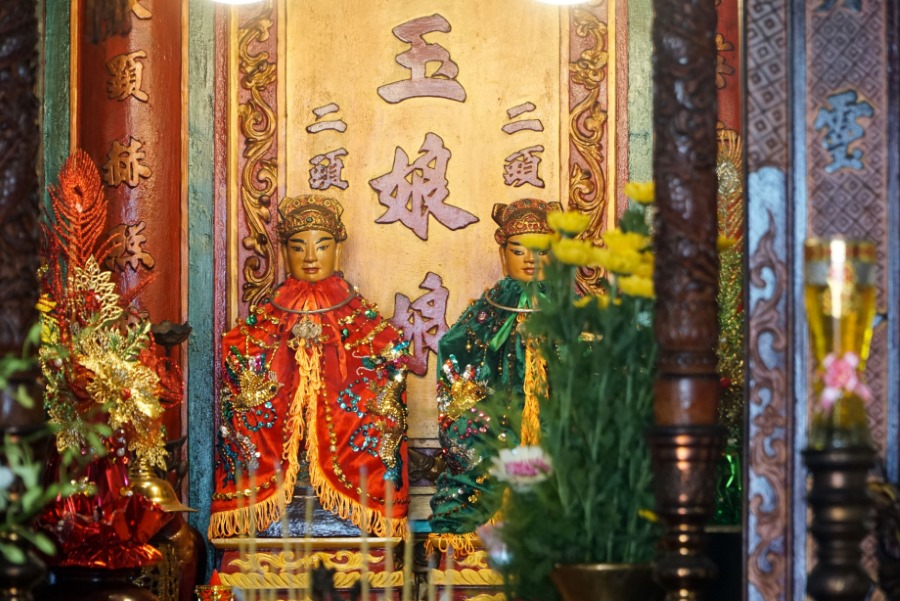
Vehicle Type Estimated Price (one-way) Estimated Travel Time Notes & Tips
4-Seater Sedan Around 9,000,000 – 12,000,000 VND for the full journey, including the ferry connection. 8–9 hours, depending on route and traffic. Suitable for solo travelers or couples with light luggage. The most compact and economical private option. Early booking ensures a better vehicle choice.
7-Seater SUV or MPV Approximately 13,000,000 – 16,000,000 VND, including ferry transfer. About 8–9 hours on average. Offers more space and comfort, perfect for small families or groups with moderate luggage. A good balance between price and convenience.
16-Seater Minibus Around 18,000,000 – 22,000,000 VND, depending on season and number of stops. Around 9–10 hours total travel time. Best for larger groups of 8–12 people. The vehicle allows more storage for luggage and can make additional stops on request during the journey.

By Motorbike

Phu Quoc To Ho Chi Minh City by motorbike

A motorbike trip between Phu Quoc and Ho Chi Minh City is an adventure favored by experienced riders. The route combines a ferry crossing from the island to the mainland with long stretches of rural and highway roads. From Phu Quoc, travelers board the ferry to Rach Gia or Ha Tien, then continue by road through the Mekong Delta before reaching the city.

The distance from Phu Quoc Island to Ho Chi Minh City is roughly 370 to 400 kilometers, including the ferry section from the island to the mainland. The total travel time ranges from 8 to 11 hours, depending on the chosen route, ferry schedules, and road conditions. It’s safer to complete the journey in two days, staying overnight in Can Tho or My Tho.

Aspect Details
Route Option 1 Phu Quoc → Rach Gia (by ferry) → Can Tho → My Tho → Ho Chi Minh City. This is the most direct and commonly used route, with smooth roads and plenty of fuel stops.
Route Option 2 Phu Quoc → Ha Tien (by ferry) → Chau Doc → Long Xuyen → Ho Chi Minh City. Slightly longer but more scenic, passing near the Cambodian border and rural towns.
Distance Around 450–500 kilometers, including the ferry segment.
Estimated Travel Time Around 10–12 hours in total; best completed over two days for a safer, more relaxed trip.
Suggested Stops Rach Gia for local seafood and markets, Can Tho for the floating market, and My Tho for short rest breaks before entering the city.
Safety Notes Helmets and proper riding gear are required. Carry rain protection and check your motorbike’s condition before boarding the ferry. Avoid riding at night, as lighting on rural roads is limited.

Tips For Traveling From Phu Quoc To Ho Chi Minh City

Even though this route is simple, a few small preparations can make your trip smoother and more comfortable. These tips help you enjoy more of Phu Quoc’s best experiences along the way.

  • Ferry schedules rarely line up exactly with bus arrivals. So, if you get a combined ticket from a single provider, double-check that the bus holds its departure until passengers arrive via ferry.
  • If you’re on the Rach Gia ferry, snag a seat near the back; it’s where you’ll feel less rocking when out on the waves.
  • Forget scrambling for deals right before you go. In Phu Quoc, snagging cheaper plane or boat tickets means using local apps or even stopping at a ticket shop instead of waiting to book online at the eleventh hour.
  • For gorgeous photos, catch an early ferry – the Gulf of Thailand alongside the Mekong looks stunning in morning light.
  • If the ocean’s choppy, Ha Tien offers a quicker trip; it crosses less open water. Conversely, choose Rach Gia on calm days; its roadways become more agreeable alongside placid waves.
  • Phu Quoc ferries begin passenger check-in forty-five minutes before leaving; however, they strictly stop accepting passengers fifteen minutes beforehand. It’s wise to arrive ahead of time; otherwise, you might need to wait for the subsequent boat.
  • Tet or holiday travel means tickets vanish quickly, often within a few days, alongside price hikes. Securing reservations early is key on this line.

Final Thoughts

Getting between Phu Quoc Island also Ho Chi Minh City feels straightforward, a real treat while touring southern Vietnam. A trip from Phu Quoc to Ho Chi Minh frequently provides a lovely change of pace, swapping beach days for adventures. Need help booking travel, figuring out transportation, or planning an entire Vietnamese adventure? We can handle everything, ensuring smooth sailing throughout.

Phu Quoc To Da Nang Journey With Reliable Transportation Choices

Moving from Phu Quoc to Da Nang feels like tracing Vietnam’s coastline from calm to vibrant. It’s a trip where you swap soft sands and sunsets for ancient streets, lantern-lit nights, and a taste of central life.

Overview Of Phu Quoc To Da Nang

Folks often pair Phu Quoc with Da Nang on a Vietnam trip, as they showcase contrasting vibes. While Phu Quoc offers tranquility alongside its shores, boasting gentle beaches, vibrant reefs, plus delectable seaside meals, it’s a completely different experience from Da Nang. Compared to its neighbors, Da Nang vibrates with life, with sleek hotels, tasty food stalls, alongside places brimming with history like Marble Mountains or old Hoi An. It’s a spot where you can unwind while also discovering new things, conveniently close by.

For those craving diverse experiences, maybe a romantic getaway, family fun, or an individual journey through Vietnam – this itinerary delivers. Both destinations welcome tourists easily, offering accommodations, transportation choices, alongside guided tours. A brief stay in each reveals Vietnam’s coastline; serene beaches down south give way to bustling city life further north.

How Far Is It From Phu Quoc To Da Nang?

How to get to Da Nang from Phu Quoc

Phu Quoc to Da Nang distance is about 940 kilometers as the crow flies. Because Phu Quoc sits way down south, it’s an island, so you can’t drive or take a train directly there. Flying gets you there fastest, though often with a brief connection through either Ho Chi Minh City, depending on who you fly with. Flights take between two and four hours, with many departing daily.

If you want a relaxed journey, take a ferry alongside buses or trains. Ferries leave Phu Quoc for Ha Tien or Rach Gia. Then, head toward Da Nang via bus or rail. Expect around a day to three days traveling by land, contingent on where you pause. Though lengthy, this route offers a glimpse into Vietnam’s diverse scenery, which some find deeply rewarding. Coordinating your plans with favorable conditions in Phu Quoc will ensure easier transit alongside pleasant times.

How To Travel From Phu Quoc To Da Nang?

Reaching Da Nang from Phu Quoc takes a mix of sea and mainland travel, yet it’s simpler than most travelers expect. You can decide between quick flights or slower journeys that let you see more of Vietnam along the way.

By Flight

Phu Quoc To Da Nang by flight

If you want a quick, simple trip, flying from Phu Quoc to Da Nang could be just what you need. Many Vietnamese airlines operate the Phu Quoc to Da Nang flight daily, departing from Phu Quoc International Airport. The average Phu Quoc to Da Nang flight time is around one hour and forty minutes on a nonstop route. However, if you choose to fly via Ho Chi Minh City, expect the trip to last somewhere between two and four hours.

Flights offer a swift journey while still giving you control over plans. Each airport boasts contemporary design alongside straightforward layouts; you’ll find signs in English plus supportive personnel readily available. Checking in goes without a hitch; moreover, many carriers enable online check-in for faster departures. When you travel between June and October, when rain often falls, plan for possible holdups.

Aspect Details
Travel Time Direct flights take around 1 hour and 40 minutes. The total travel time via Ho Chi Minh City ranges from 2.5 to 4 hours, depending on layover duration.
Airlines Vietnam Airlines, Vietjet Air, and Bamboo Airways serve this route. Direct services run seasonally, while flights via Ho Chi Minh City operate every day.
Estimated Price Ticket prices are typically between 1,200,000 and 2,800,000 VND (around 50–110 USD), depending on airline, season, and booking period.
Luggage Policy Checked baggage is usually included in full-service fares. Low-cost carriers may charge extra, so reviewing baggage details before payment is recommended.
Best For Travelers who want a quick, comfortable, and reliable way to connect the southern island with central Vietnam.
Notes Both airports maintain international safety standards and have clear facilities for foreign travelers. Passengers should arrive about 90 minutes before departure to allow time for check-in and security. Morning flights tend to depart more punctually during the rainy months.

By Bus (Ferry Combination)

Phu Quoc To Da Nang by bus

Getting from Phu Quoc to Da Nang via bus is a lengthy, economical journey combining boat travel alongside roads. Initially, a ferry carries passengers from Phu Quoc to Ha Tien; the trip lasts approximately an hour and a half, though this varies based on the elements. Once you reach the mainland, numerous buses leave Ha Tien heading toward Da Nang, usually during dusk or nightfall. Because the route stretches over 1,000 kilometers, plan for around a day or even a bit longer, factoring in boat rides alongside stops along the way.

If you aren’t pressed for time or simply want a deeper look at rural Vietnam, this travel option fits well. Overnight buses typically offer comfortable seating, sometimes even little cabins where you can sleep. Getting tickets through dependable sources or directly at Ha Tien station makes snagging a spot simpler, especially since schedules are posted there.

Vehicle Type Price (VND & USD) Travel Time Notes & Tips
Standard Sleeper Bus ~900,000–1,100,000 VND (36–45 USD) 24–30 hours This is the cheapest option but also the most crowded. Cabins can feel narrow during long rides, and buses make several roadside stops. Carrying a blanket or travel pillow helps make the journey more comfortable.
Cabin / VIP Sleeper Bus ~1,200,000–1,500,000 VND (48–60 USD) 24–30 hours These buses feature private cabin-style berths with more personal space and better air conditioning. Tickets often sell out quickly during weekends or holidays, so early booking is recommended.
Limousine Minivan (9–16 seats) ~1,300,000–1,800,000 VND (52–72 USD) 24–28 hours Limousine-style vans provide fewer passengers per vehicle and more comfortable reclining seats. Some operators offer hotel pick-up in Ha Tien and drop-off in Da Nang, saving you one transfer.

By Private Car (Ferry Combination)

Phu Quoc To Da Nang by private car

A private car trip from Phu Quoc to Da Nang gives you full control of the journey and lets you travel at your own rhythm. First, a quick ferry ride, roughly ninety minutes, delivers you from Phu Quoc to Ha Tien. Afterward, it’s onto Highway 1A, rolling through places like Nha Trang, Quy Nhon, plus Tuy Hoa until you reach Da Nang. It’s over 1,100 kilometers, typically an 18-20 hour drive, though that shifts with breaks.

Road trips run a higher price tag compared to taking the bus; however, they deliver a level of personal space alongside freedom unavailable on crowded routes. It’s up to you, departure times, pit stops, length of visits – everything is your call. If you’re traveling with family or a little crew, this offers a really relaxed way to experience Vietnam’s coast.

Vehicle Type Estimated Price (one-way) Estimated Travel Time Notes & Tips
4-Seater Sedan Around 10,000,000–12,000,000 VND (≈ 390–470 USD) 18–20 hours with short breaks Compact and comfortable, best for solo travelers or couples with light luggage. Early booking often secures lower rates.
7-Seater SUV Approximately 13,000,000–16,000,000 VND (≈ 510–630 USD) About 18–20 hours Provides extra space for luggage and passengers, ideal for families or small groups who prefer a relaxed schedule.
16-Seater Minibus Around 18,000,000–22,000,000 VND (≈ 700–870 USD) Around 18–20 hours, depending on stops Suitable for larger groups or private tours. Some companies allow you to request meal or photo breaks along the route for a smoother trip.

By Train (Ferry Combination)

Phu Quoc To Da Nang by train

For those wanting a leisurely route from Phu Quoc to Da Nang, consider traveling by train. First, the Phu Quoc to Da Nang ferry leg takes you from the island to either Ha Tien or Rach Gia, generally within ninety minutes. From there, a bus connects you to Ho Chi Minh City’s main railway station for the next stage of the trip. The Phu Quoc to Da Nang train continues north along Vietnam’s coast, passing seaside towns like Nha Trang, Quy Nhon, and Tuy Hoa before reaching Da Nang. Expect roughly a day and a half on the rails.

Expect spacious seating, cool air, and the opportunity to relax in a private cabin rather than remain seated throughout the journey. The journey takes more time, involving a couple of changes, yet showcases stunning countryside scenes alongside the shore.

Aspect Details
Travel Time The full trip from Phu Quoc to Da Nang takes around 24 to 30 hours, including the ferry, bus, and train segments. The train portion from Ho Chi Minh City to Da Nang lasts 16–18 hours.
Cabin Types Soft seat (with AC): A popular option for daytime travel, offering comfortable seats and wide windows.

Hard seat (fan only): The cheapest choice but less comfortable, especially in hot weather.

Soft sleeper (4-berth cabin): The best option for overnight trips, with air-conditioned cabins and privacy.

Estimated Price Ferry tickets cost about 300,000–350,000 VND, bus to Ho Chi Minh City around 250,000–350,000 VND, and train fares range from 900,000 to 1,800,000 VND depending on the seat type.
Best For Travelers who prefer a slower journey, want to enjoy the scenery, or plan to explore several cities along the route.
Notes Train schedules can be checked and booked through dsvn.vn or local agents. Carry your passport for ticket collection. Light snacks, bottled water, and motion-sickness tablets make the long journey more comfortable.

Tips For Traveling From Phu Quoc To Da Nang

The trip from Phu Quoc to Da Nang involves a ferry and at least one mainland transfer, so the more you plan around connection times, the smoother your day will be.

  • Morning ferries are better than afternoon ones, primarily because sea conditions worsen after midday, and cancellations will certainly follow with delays.
  • Flying through Ho Chi Minh City is far more speedy than taking the ferry followed by the bus, as the transfer is within a couple of buildings, and travel time is all under four hours.
  • Ferry and bus schedules in Ha Tien are managed by different companies, so you want to check the arrival time of your ferry prior to booking your bus ticket if you are leaving the same day.
  • Some ferries stop for a few hours during the monsoon months when wind speeds are above a threshold. If you have a single backup day, this gives you options if your boat simply cannot leave on schedule.
  • If you are travelling by yourself or as a small group, the cost of a private car from Ha Tien to Da Nang, split among travellers, is similar to purchasing an established bus ticket, but conserves nearly half a day of travel time by combining trips.
  • If you’re coming to Da Nang, preferably try to arrive before 7:00 P.M. The smaller hotels will close their check-in desks early, and if you’re searching for late-night food down by the riverfront, the options begin to dwindle after 10:00 P.M.

Final Thoughts

The journey between Phu Quoc and Da Nang takes you between two different moods of Vietnam, the more relaxed tempo of an island to the more vibrant souls of the central coast. This gives you a chance to have the best experiences in Phu Quoc, but also take advantage of Da Nang and the cultural richness of a city like Da Nang within a single trip. If you have any needs about arranging transportation, tickets, or custom itineraries, Seni World will be there to help you with local knowledge, securing your experience in Vietnam from start to end.