logo mobile sidebar
support-image-mobile
Share your ideas with our local expert team - we’re here to listen and help you shape a meaningful journey through Indochina.
(+84) 868 663 993
Asia Leading Tour Operator 2025
tripadvisor travelers choice awards 2024
Travelers' Choice Awards 2025

Author: Linh Nguyen

Bac Sum Pass: One Of Ha Giang’s Most Scenic Mountain Roads

The stunning Bac Sum Pass has steep inclines and declines, breathtaking misty views, and important historic significance. Its position as the road to the Dong Van Karst Plateau makes it an ideal way for adventurous travellers to view the area.

Introduction To Bac Sum Pass

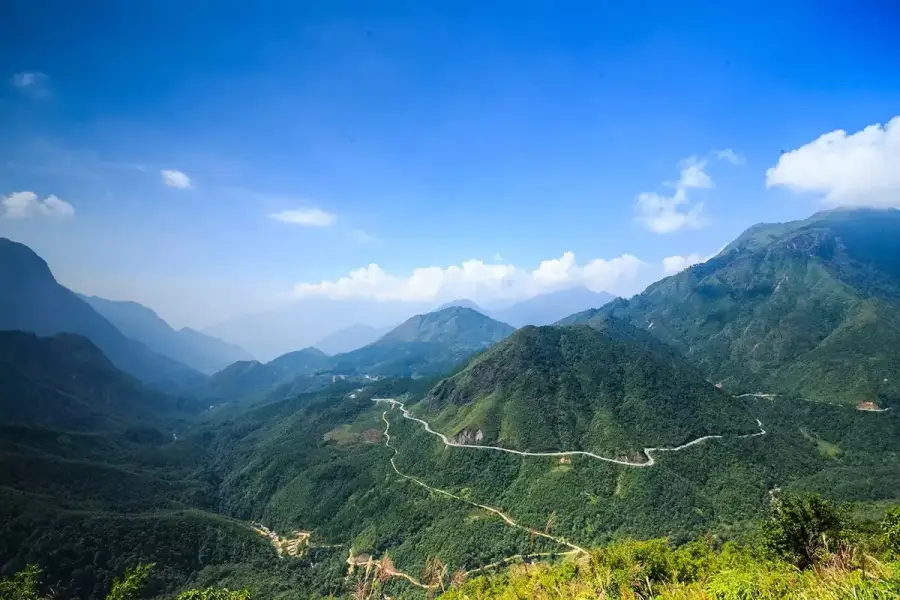
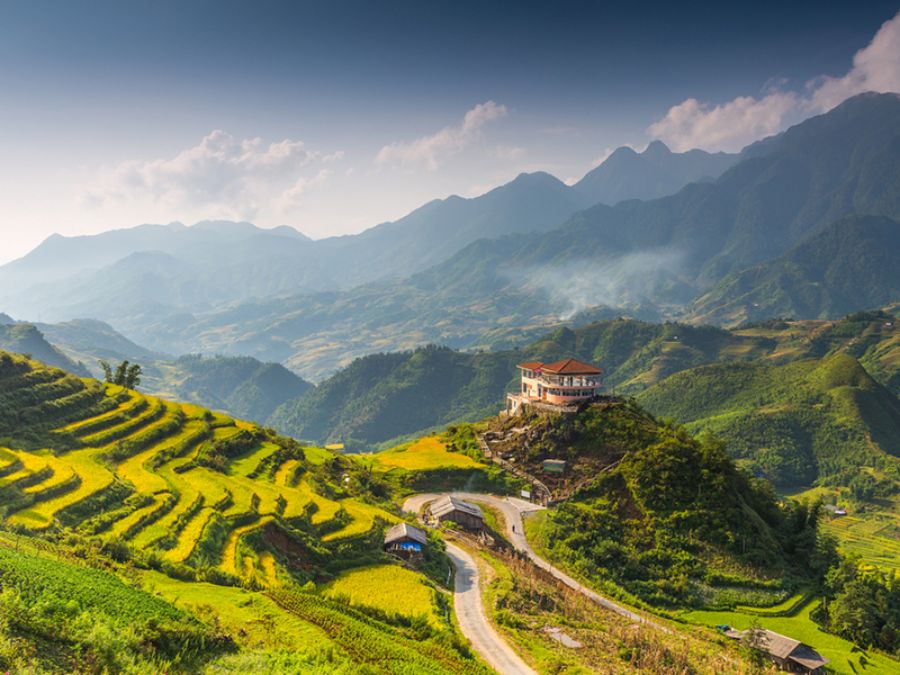
Bac Sum Pass, known locally by the name Dốc Bắc Sum, represents one of the most breathtaking mountain passes in the area of Ha Giang Province, and it begins the first dramatic mountainous ascent as soon as the famous Ha Giang Loop tour starts. Located in the mountain pass route stretching through the area between the city of Ha Giang and Quan Ba District, the pass is specifically known for its mountainous incline, sharp turns, and ever-changing scenery. As the route begins to ascend to Bac Sum Pass, the surrounding landscape slowly develops, beginning with the overviews of the lowland areas transitioning into the overviews of the limestone mountains, forests, and highlands.
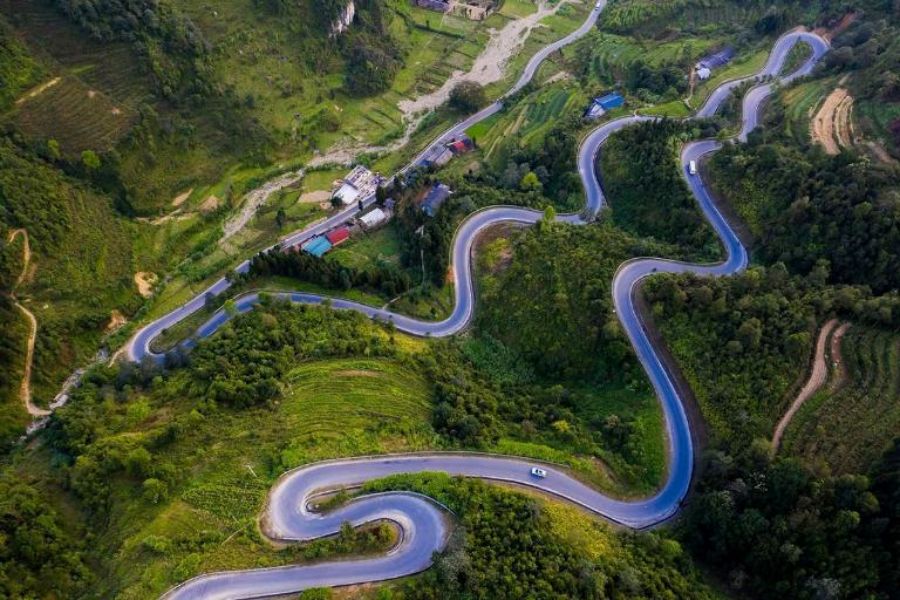
Bac Sum Pass One Of Ha Giang’s Most Scenic Mountain Roads

Taking a trip to Bac Sum Pass takes you beyond merely traveling from one location to another – it is an experience about appreciating the value of the journey. There are breathtaking spots along the pass that you can use to appreciate the view of the hills, valleys, and clouds moving through mountain peaks that will surely fascinate you when viewed early in the morning or after it has rained. Whether you enjoy adventure, nature, or photography, Bac Sum Pass has something to offer that will surely fascinate you as you journey through Northern Vietnam.

History Of Bac Sum Pass

Bac Sum Pass is not only a mountain road but also a significant part of Vietnam’s history during the struggle against French Colonialism. Further, it was a natural resource to Vietnamese soldiers and, therefore, a means of communication for moving troops, material supplies, and important items throughout the mountainous area through its mountainous highlands.

The current use of the Bac Sum Pass continues to be very significant in terms of socio-economic development by increasing the ease of travel and trade between remote places and Ha Giang City, and improving the local economy. Furthermore, Bac Sum Pass has become an attractive destination for many tourists because of its historical sites and beautiful landscapes, for both backpackers looking for adventure and individuals who enjoy taking photographs of the landscape. Bac Sum Pass is a gateway to the famous Quan Ba Heaven Gate, Quan Ba Twin Mountains, and the legendary Happiness Road; thus, a must for visitors traveling to Ha Giang.

4 Unforgettable Experiences You Shouldn’t Miss

Bac Sum Pass is more than a mountain road. It’s an experience that includes abundant nature, regional flavors, and memories that will last a lifetime. From cloud chasing early in the morning to understanding the ethnic culture near Ha Giang, this will give you the feel of Ha Giang like never before.

Chasing Clouds and Watching Sunrise at Bac Sum Pass

Cloud hunting at Bac Sum Pass is reputed to be only ever possible once in a lifetime for both nature enthusiasts and photo enthusiasts. The most picturesque part of this activity is at a wide curve near the summit, where individuals can stick around while waiting for morning.
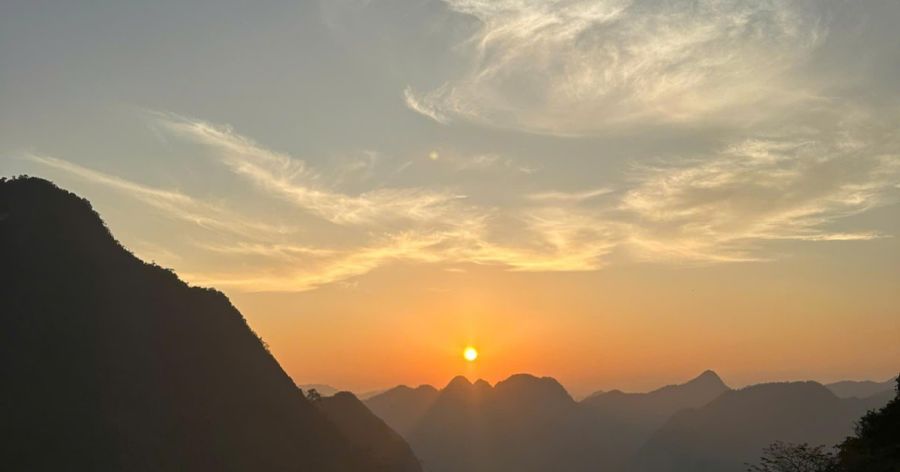
Chasing Clouds and Watching Sunrise at Bac Sum Pass

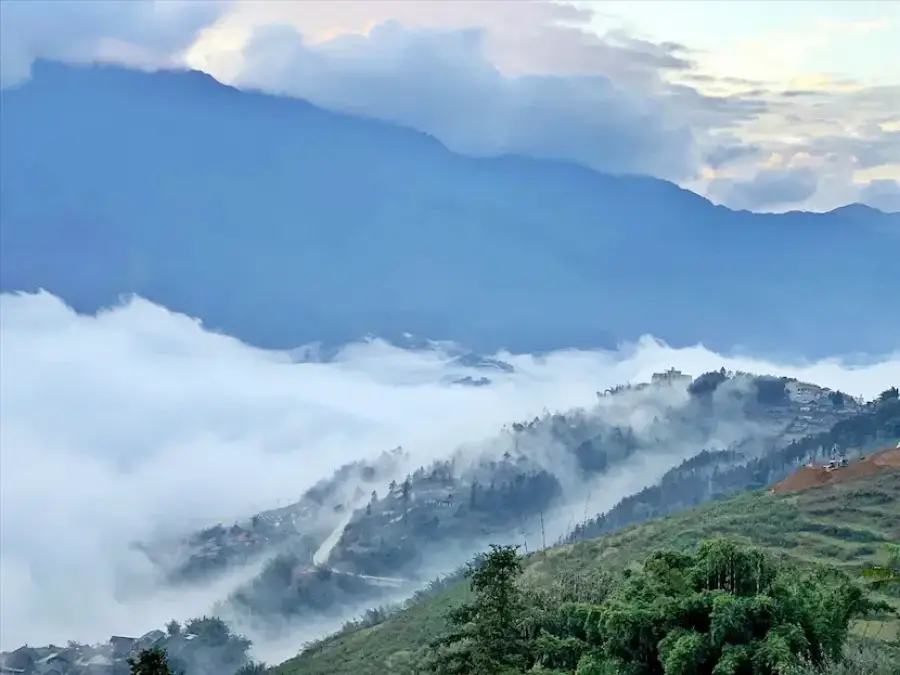
In early morning hours, huge clouds flow into the valley slowly, incorporating a dreamland of white clouds beneath your feet. With rising morning sun rays, golden lighting pours through white clouds, lighting up hills made of grass and roadways. It could be quite chilly during this bout, so an outfit consisting of a jacket along with a hot drink will increase your comfort level during this experience. The most excellent opportunity to experience this phenomenon of transitioning from night into daylight will arrive if you arrive between 5:30 a.m. and 6:30 a.m.

Enjoying Street Foods Along the Pass

As far as food spots are concerned, Bac Sum Pass does not qualify as a culinary destination. The food stalls along the way add a pleasant element to the journey. These food stalls include simple restaurants that serve hot food such as Au Tau rice porridge, grilled eggs, and buckwheat pancakes. These are a treat to have in the crisp mountain air. If you move ahead towards the Quan Ba region, you shall find a variety of food spots. These include local dishes such as Thang Co, nậm pịa, and corn alcohol. These give a glimpse into the lives of ethnic minorities residing in the highlands. This adds significance to your travel.

Making A Stop At Iconic Curves And Viewpoints

Bac Sum Pass offers you a route chiseled by the mountains themselves: sharp climbs, hairpin curves, and slopes that tumble away towards peaks that loom large. And around every turn, a new panorama opens up: valleys shrouded in fog, mountain ranges stretching off towards the horizon, and vistas that come alive at every turn.
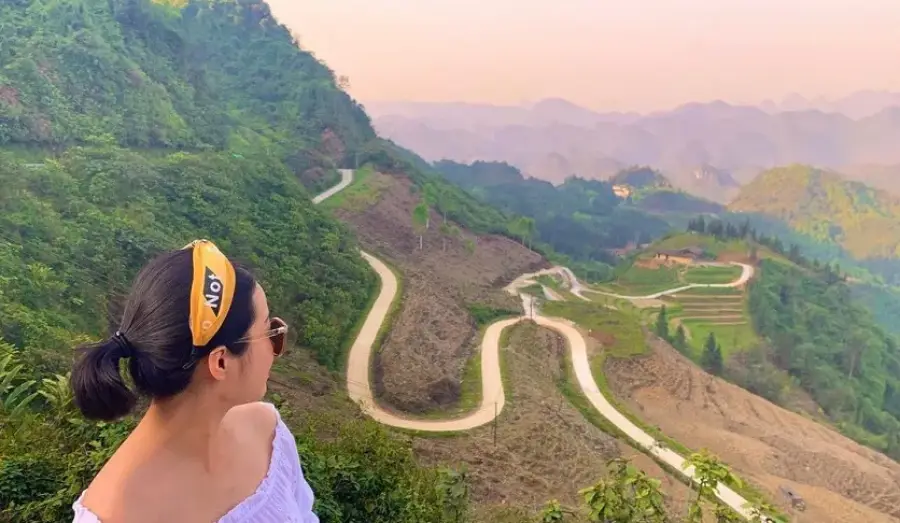
Making A Stop At Iconic Curves And Viewpoints

Visitors often halt at designated viewpoints to admire photo ops, stretch their legs, and absorb Ha Giang’s breathtaking grandeur. The best photo ops will likely occur early in the day or towards the end of the day when the sun’s colors will be softer and more nuanced. Nonetheless, common sense must be exercised: choose wide, prominent spots to halt, avoid obstructing traffic, and remember that this route can be quite narrow and challenging for novice motorists.

Exploring Nearby Attractions After Bac Sum Pass

Just beyond the pass, the road widens out to a few of Quan Ba’s most celebrated attractions. Starts right at the pass, the Quan Ba Heaven Gate delivers its own views of the mist-shrouded valleys and mountain peaks, especially dramatic around sunrise or following a sprinkle of rain. Nearby preside the Quan Ba Twin Mountains, the distinctive appearance of which is entered into the local folklore.
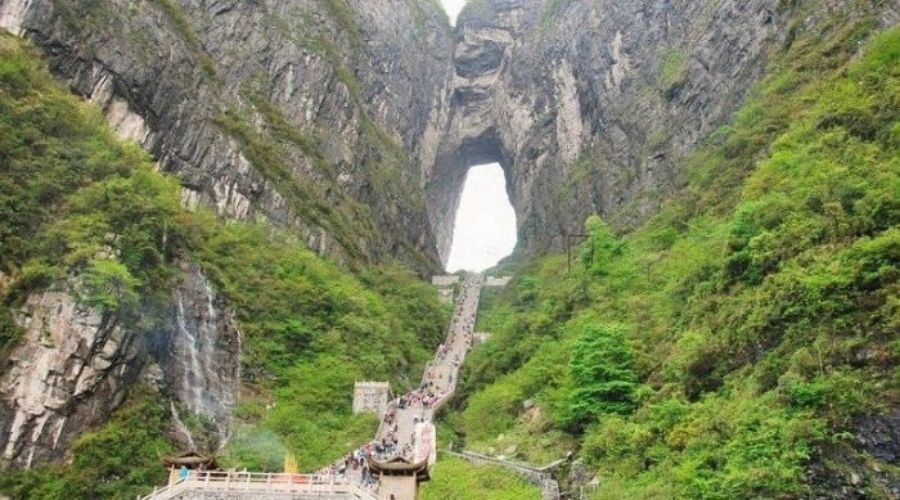
Exploring Nearby Attractions After Bac Sum Pass

Down at the foot of the pass, the Dao and Tay communities will give you a glimpse into everyday living in the local homes, the agricultural cycles, and the ethnic traditions. A visit to the villages allows you to pause the journey, have a few words with the locals, and get a regular, firsthand experience of the province of Ha Giang, aside from its natural scenery.

Entrance Fee

Bac Sum Pass is a natural mountain pass located in Ha Giang. The cost to visit this attraction is free. But visitors must be responsible for paying for their own expenses, including renting a motorbike if they rent one. Additionally, there might be certain spots managed by village residents along the pass where a small fee will be requested to maintain cleanliness.

Best Time To Visit Bac Sum Pass

Bac Sum Pass has two main times to visit, both October-November and February-March. October to November sees the hills of Ha Giang turn from brownish-green to a stunning light pink and white due to the blooming of buckwheat flowers, which provide an incredible background for photos and visiting sites. This is an excellent time for cloud hunting (when the sunrise appears at about 5:30 – 6:30 AM), and the mist gently moves through the mountains that give Bac Sum Pass its heavenly appearance.

If you want a peaceful and romantic experience, then you can also go to Bac Sum Pass during the spring months of February to March. The hills will be dotted with pink (peach) and white (plum) flower blossoms along the winding road during this time. The weather during this time is pleasant – mild, fresh, and comfortable. Perfect for slow exploration, great pictures, and viewing the quiet and lovely beauty of Bac Sum Pass without many visitors.

How To Get To Bac Sum Pass

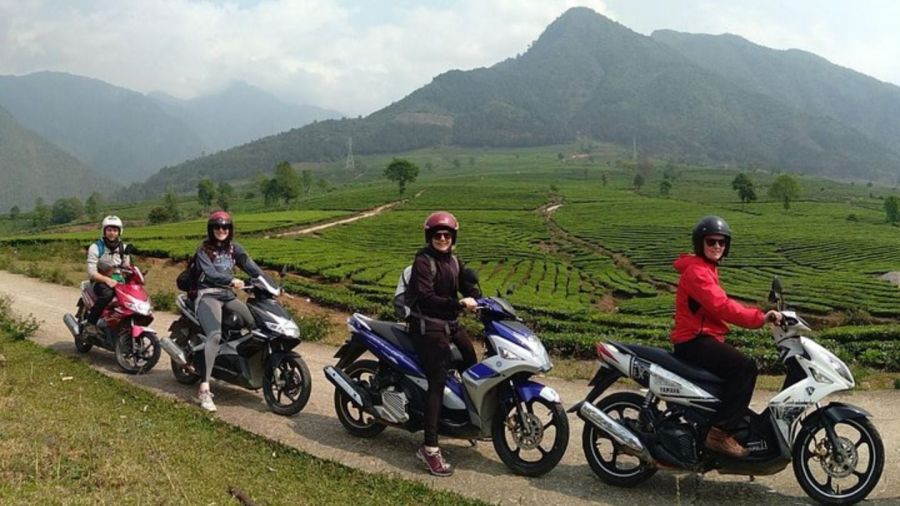
For most people, the best way to experience Bac Sum Pass is on a motorbike. The roads that pass through the mountains provide a unique experience where one can feel the natural charm of Ha Giang, from the limestone mountains to the fresh mountain air. The journey on the motorbike may not be the easiest, but it is definitely the most adventurous for those interested in exploring the northeastern part of the Vietnamese highlands.
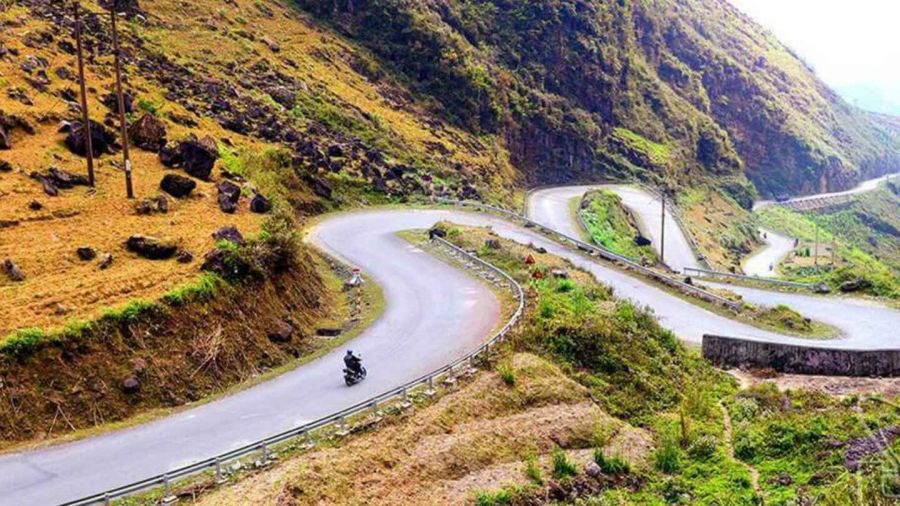
How To Get To Bac Sum Pass

From Hanoi

Hanoi is the most popular departure point for travelers traveling from Vietnam to Ha Giang. Ha Giang City is approximately 300 kilometers from Hanoi, and taking a sleeper bus from My Dinh Bus Station offers the best possibility. Sleeper buses typically depart from 9:00 PM until 5:00 AM, and to travel to Ha Giang City, it takes about 6-7 hours.

Another consideration is that ticket prices vary between 8 and 14 USD for one way, depending on the company. Various bus companies like Hai Van, Hung Thanh, and Bang Phan are some of the better-known carriers. Once you arrive in Ha Giang City, you can either rent a motorcycle or go for a local tour to get started on your next leg of your trip.

From Ha Giang City

Bac Sum Pass is approximately 32 kilometers from Ha Giang City along the route of National Route 4C, and is reached by starting from the city centre along National Route 2 before continuing to National Route 4C, heading towards Minh Tan Commune. Bac Sum Pass starts very close to Ban Thang Bridge.

The cost of renting a motorbike in Ha Giang is between $6 and $8 USD per day, based on the type of motorcycle. Although Google Maps is a useful resource for navigation, it is important to drive carefully because there are steep grades and sharp curves in the pass.

Things To Know Before Traveling To Bac Sum Pass

Bac Sum Pass is a mountain pass that is considered to be one of the first passes that lead to Ha Giang. It is notorious for its steep slopes, curves, and mountainous landscape. Prior preparations can assist you when you decide to ride through this pass and enjoy its wild scenery.
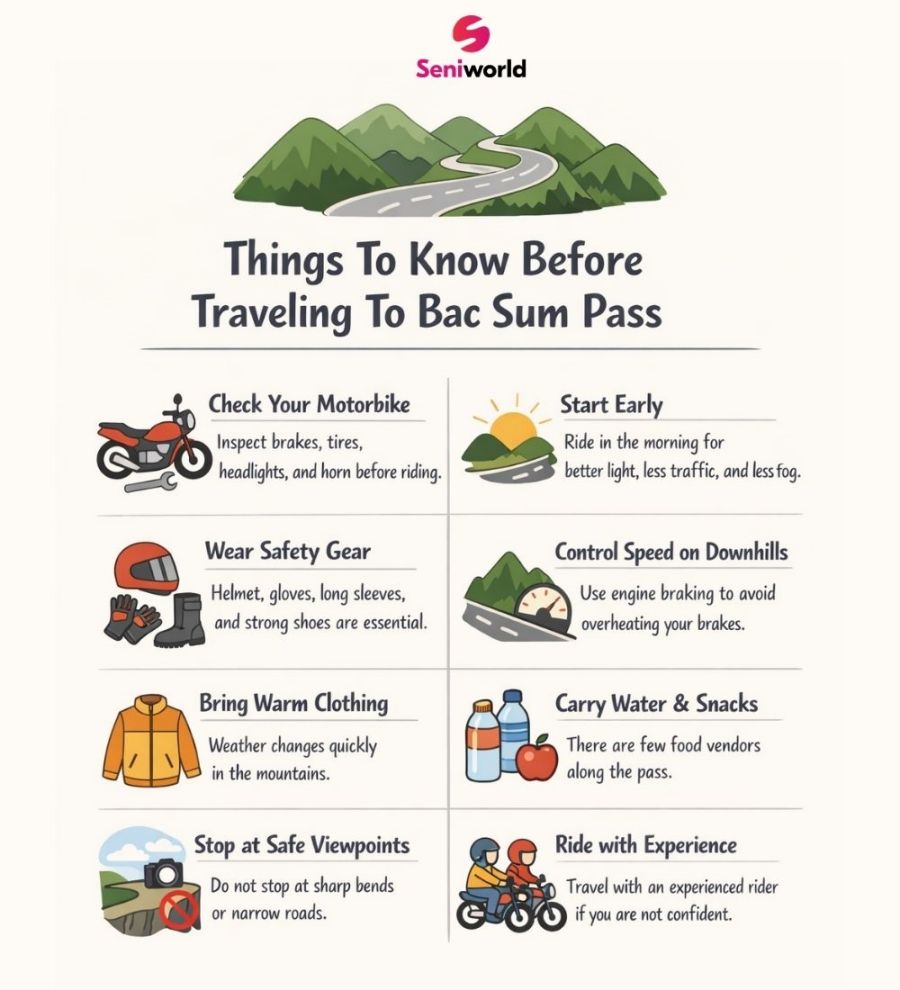
Things To Know Before Traveling To Bac Sum Pass

  • Before you begin, check your motorbike thoroughly, paying particular attention to the brakes, tires, headlights, and horn, as the pass will entail long downhill sections and sharp bends where technical difficulties can rapidly become hazardous.
  • Your trip should begin early in the morning when there will be fewer vehicles on the road. Additionally, the sunshine will ensure that there is no fog, and the roads will be well-lit for your cycling.
  • You should wear proper safety gear like a good quality helmet, gloves, long sleeves, and strong shoes to shield yourself from the effects of the wind and road conditions.
  • Control your speed on the downhill slopes by engine braking as opposed to relying only on brakes to avoid brake overheating and improve stability.
  • Bring a warm jacket or windbreaker, as the weather changes quickly at the mountain pass, especially in the early morning hours or when the rain is light.
  • Pack sufficient drinking water as well as some snacks, as there are few vendors selling food along the path of Bac Sum Pass.
  • Select safe and broad viewpoints for photo stops instead of stopping at sharp bends or narrow roads where approaching traffic might not notice you in time.
  • If you are not experienced at motorbike riding, travel with an experienced bike rider if necessary, especially if it is your first time riding on such rugged mountains as those of Ha Giang.

Final Thoughts: Is Bac Sum Pass Worth Visiting?

The Bac Sum Pass is definitely a must-visit for travelers who wish to experience the untamed nature of Ha Giang right at the beginning of their travels. The Bac Sum Pass has roads that wind through mountains, providing breathtaking views that range from exciting to peaceful. This is one of those regions that will give you a feel of the scale of Ha Giang. Experience Ha Giang with Seni World to enjoy your travels through the Bac Sum Pass safely, comfortably, and with a greater understanding of its attractions.

Sin Chai Village Sapa With Authentic Hmong Mountain Life

Sin Chai Village was a quiet Black Hmong hill tribe village near Sapa that was also famous for mountainous landscapes, authentic wooden houses, and the authentic lifestyle of the people there.

Introduction To Sin Chai Village

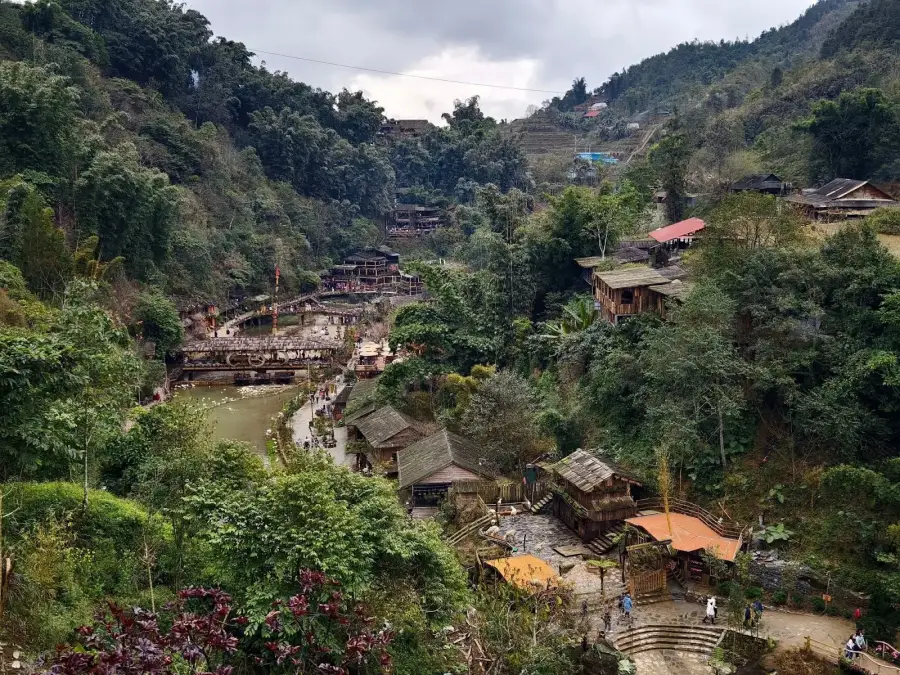
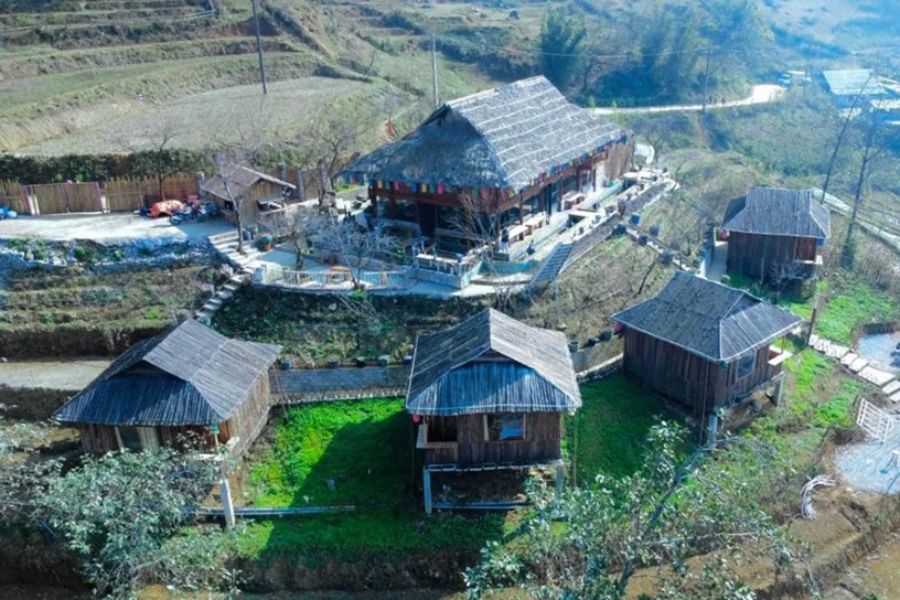
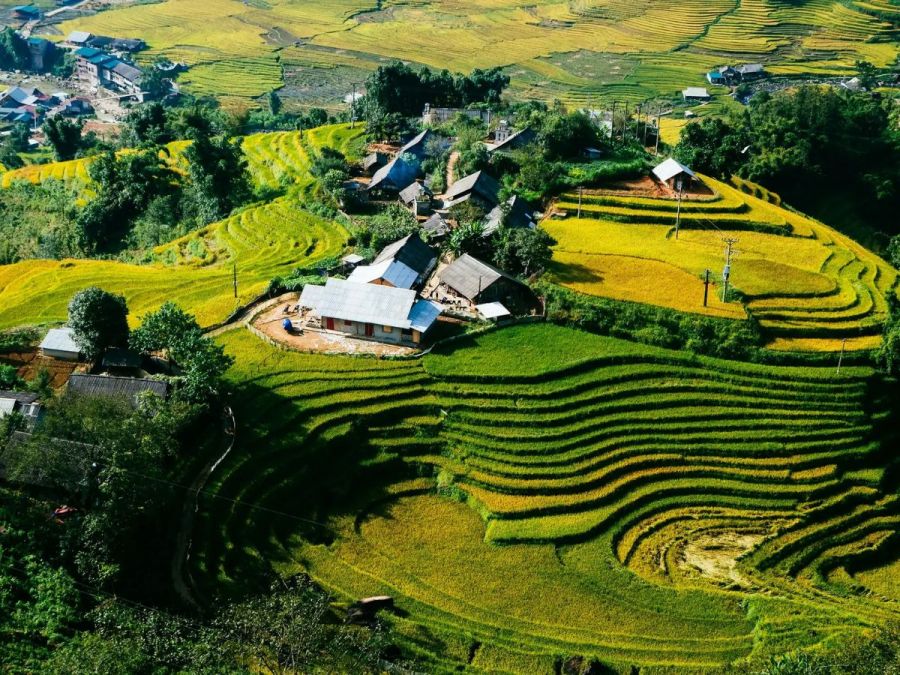
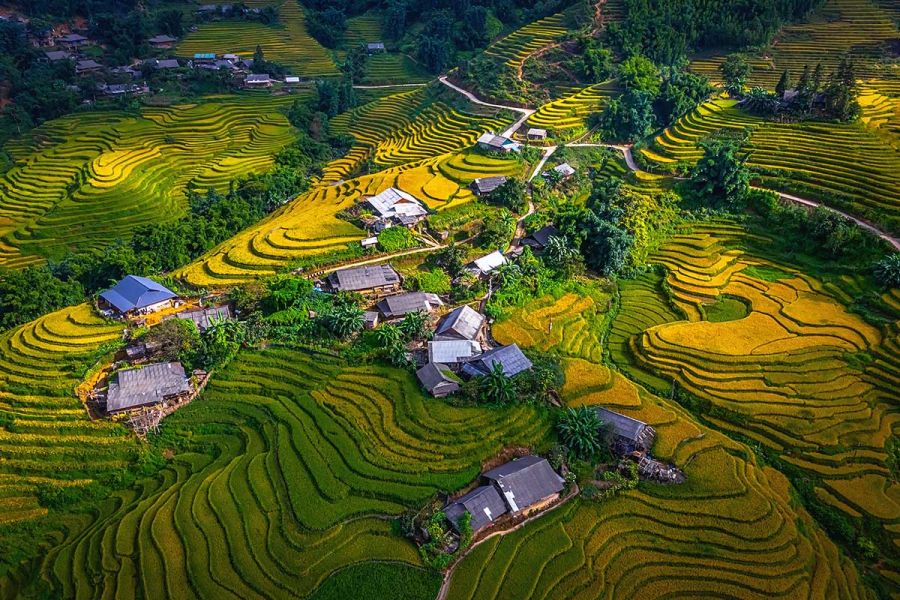
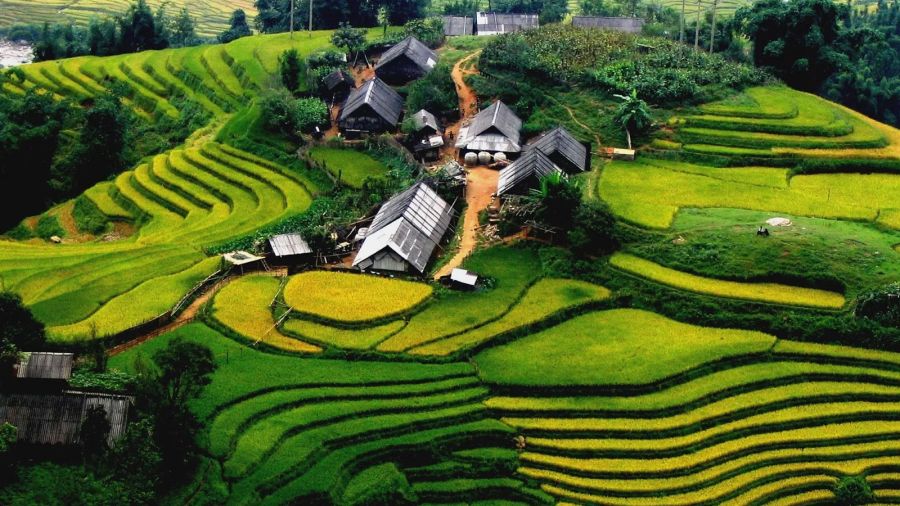
Nestled at the base of the Hoang Lien Son Mountain Range, Sin Chai Village is an idyllic and traditional mountain community that boasts spectacular views and an authentic rural lifestyle. It is surrounded by terraced rice crop fields, verdant hills, and cool mountain breezes. It is a remote Hmong settlement located within walking distance of Sapa.

Introduction To Sin Chai Village

Sin Chai Village is the place to visit if you wish to immerse yourself in the culture and everyday life of the Black Hmong people. It is a remote village where traditional wooden dwellings, indigo-dyed garments, and age-old customs thrive. Visitors can expect to go trekking through beautiful, densely wooded trails, watch the creation of woven textiles and herbal medicines, and take in all the hospitality of the villagers. Sin Chai offers the traveller an authentic cultural experience into the highland beauty of Vietnam.

History Of Sin Chai Village

The name Sin Chai represents both its original meaning as well as its cultural purpose, as it reflects the H’mong, who have inhabited this area since ancient times and created their terraced fields and forest-covered mountains.

History Of Sin Chai Village

Hmong means “the Hmong”, while Chai refers to a village or settlement. Together, the term represents “the village of the Hmong”. The name evokes images of a simple, rustic community that exists in harmony with nature. For centuries, Sin Chai Village has represented highland culture and thus has preserved many of the original customs, farming methods, and ways of life that continue to provide an opportunity for visitors to experience authentic cultural experiences in Northern Vietnam.

Top 5 Iconic Attractions In Sin Chai Village

Sin Chai Village is not where you come for iconic sights but for intimate, significant spots that together form an upland setting, serene and characteristic of the region. In every nook of the village, there exists an intimate affinity between the Black Hmong tribes, nature, and their culture.

The Terraced Rice Fields of Sin Chai

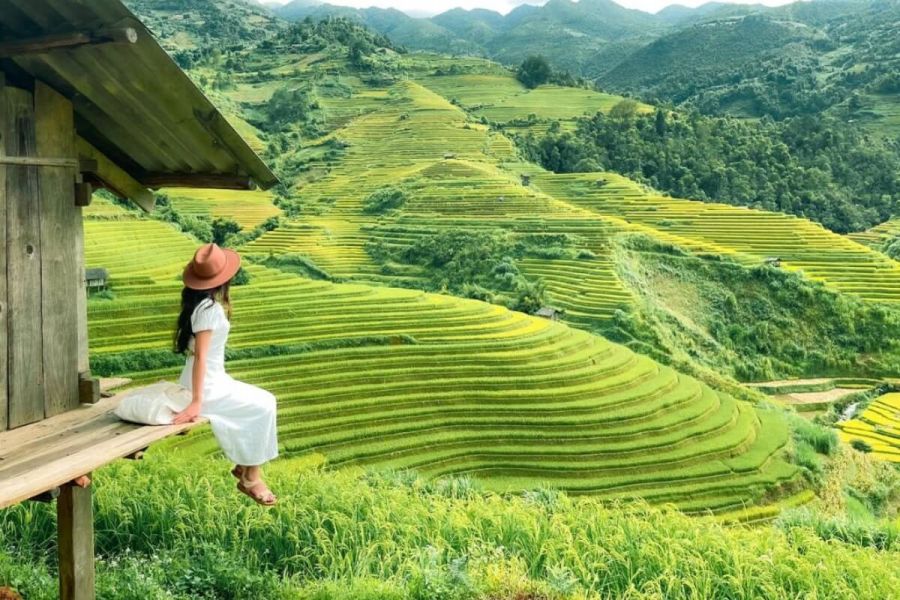
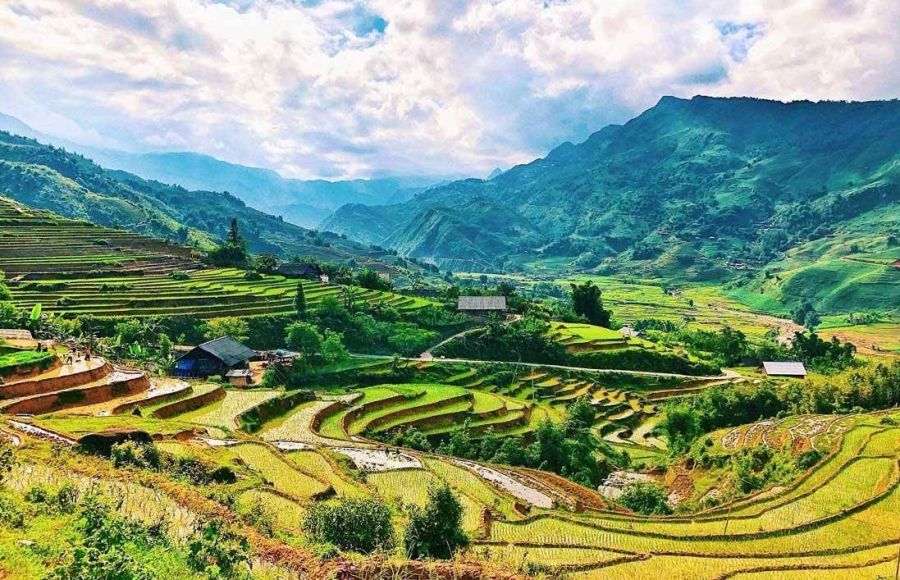
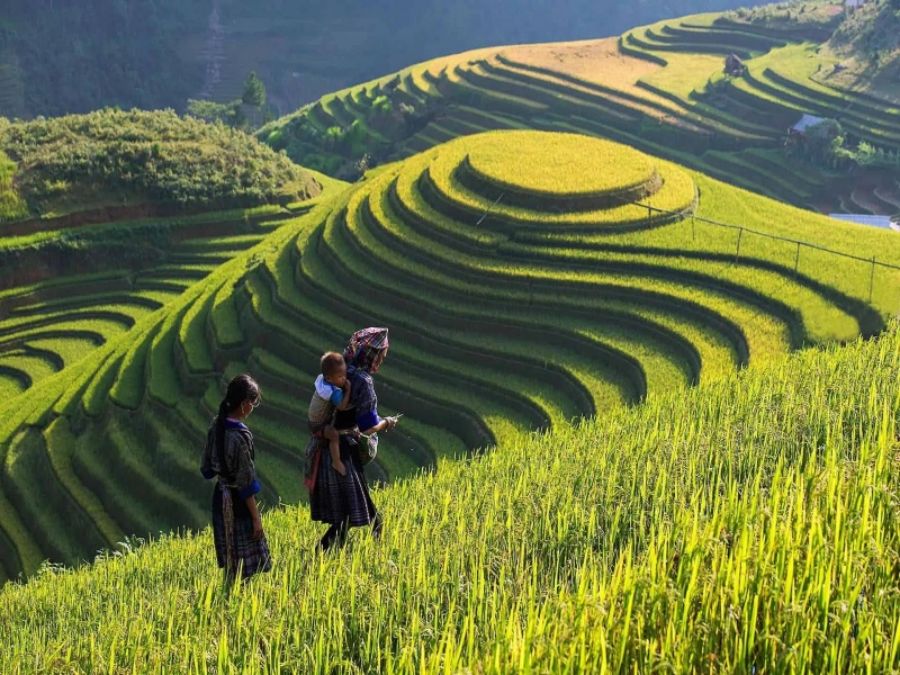
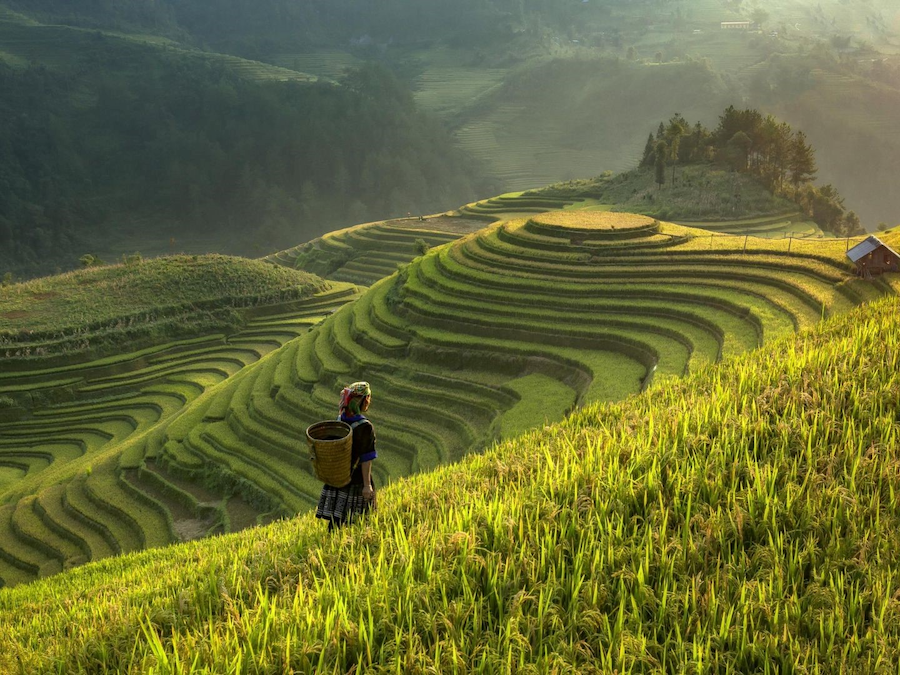
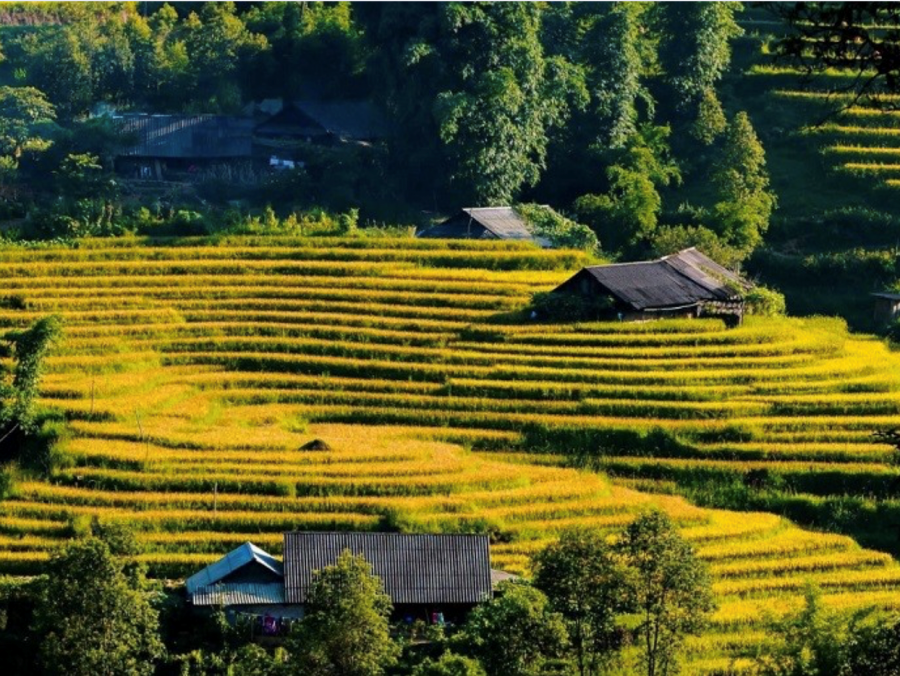
Terraced rice fields are one of the most recognizable natural formations in Sin Chai Village and are set in a beautiful slope down a mountain range. These carefully manicured fields change with the seasons from a young green plant to golden waves in harvesting seasons. Taking a walk along these fields is not only an option to get a great view but also to watch farmers tilling in their fields with minimal farming aid. Early morning and late afternoons are ideal to visit when a soft touch and fog create a serene atmosphere.

The Terraced Rice Fields of Sin Chai

Traditional Black Hmong Housing

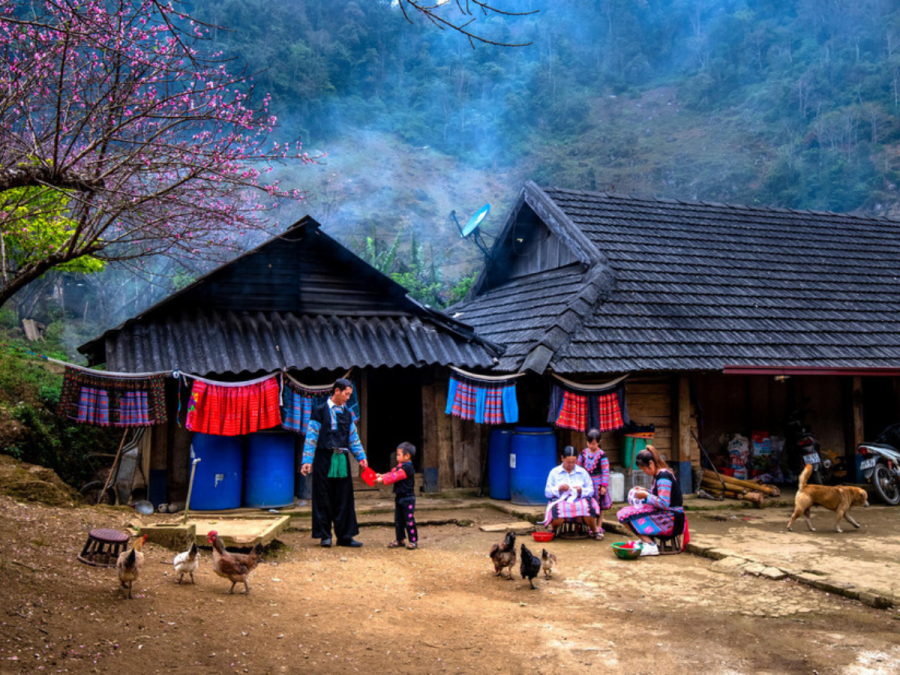
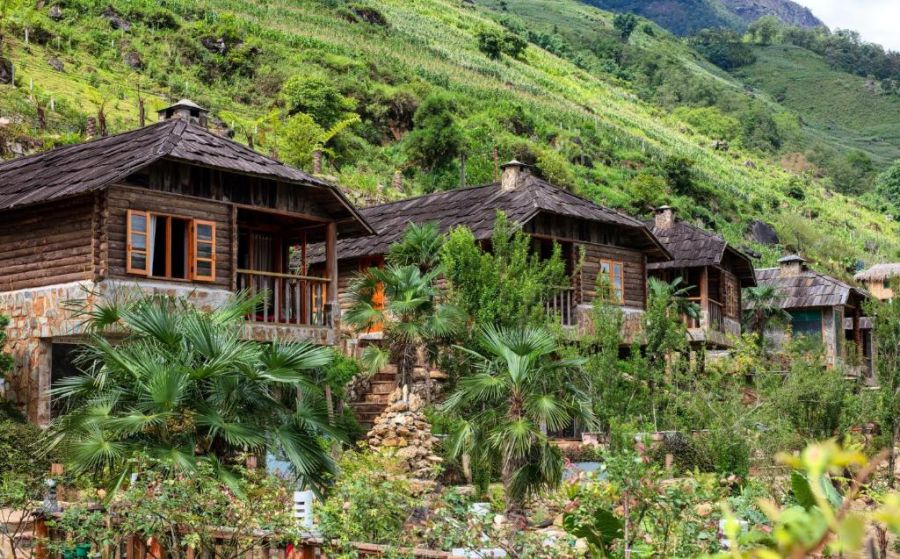
In this village, houses of the Black Hmong community, made of wood, stone, and earth, are scattered about. The dwellings are low-set and robust, providing much protection from cold air and rainfall, which is a suitable condition in the mountainous regions. The houses, in fact, are quite basic but cozy, usually gathering the members of each family around a cooking fire. An experience in this region enables the visitors to have a glimpse into the lifestyle, traditions, and close-knit families of the people.

Traditional Black Hmong Housing

Village Paths and Stone Trails

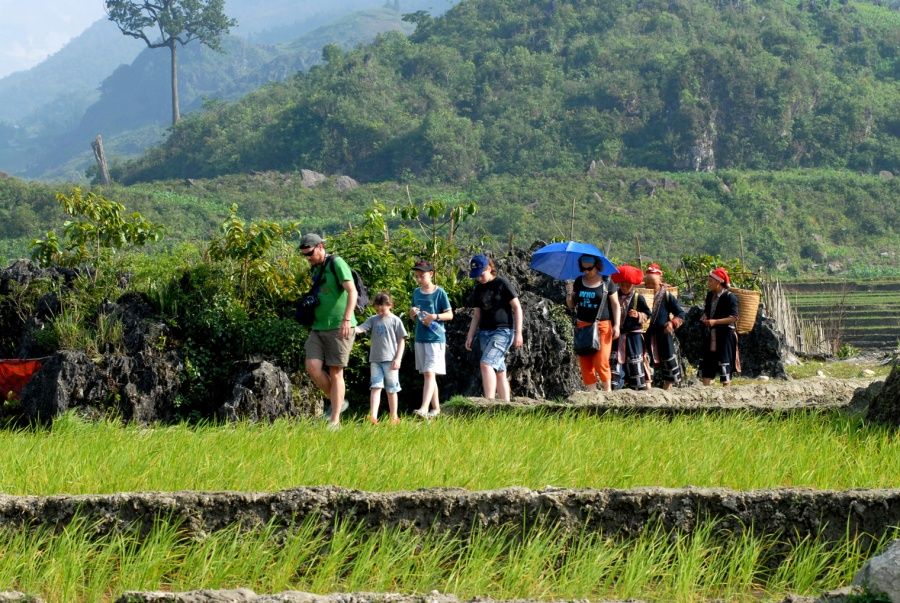
The pedestrian trails in Sin Chai Village add fascination on their own to the overall experience. These trails connect homes, farmlands, and gardens, and help tourists traverse through village life. As you walk through these trails, you will observe children at play, elders relaxing, and farmers with baskets of farm fresh crops. The trails further lead you to serene points of view of valleys and mountains.

Village Paths and Stone Trails

Surrounding Mountains and Viewpoints

The surrounding mountains of Sin Chai Village provide an impressive natural landscape and are also home to some impressive viewing spots in the region. From these elevated locations, travelers are able to appreciate scenic views of valleys, hills, and cloud formations. The viewing spots are also ideal during the early morning hours and sunset moments when the scenery assumes a rich hue due to the incoming sunlight.

Surrounding Mountains and Viewpoints

Local Gardens and Farming Areas

Small gardens and farmlands surrounding the village introduce visitors to the self-reliant lifestyle that the Black Hmong people live. Within these gardens, vegetables, corn, herbs, and rice are cultivated. The gardens, which appear simple, bear the wisdom that has been acquired over the years concerning how to plant and grow crops within the mountainous terrain.

Local Gardens and Farming Areas

5 Unforgettable Experiences You Shouldn’t Miss

A more relaxed and authentic experience can also be found in Sin Chai Village. Here, the lifestyle seamlessly merges into the landscape. You can experience this through interactions with the locals to moments of serenity in the midst of magnificent surroundings.

Trek through Mountain Trails and Terraced Rice Fields

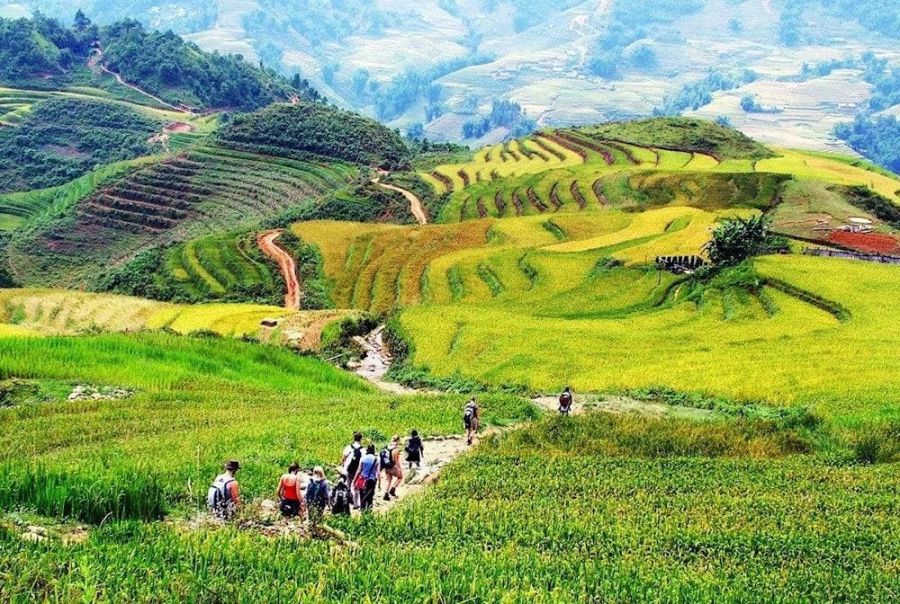
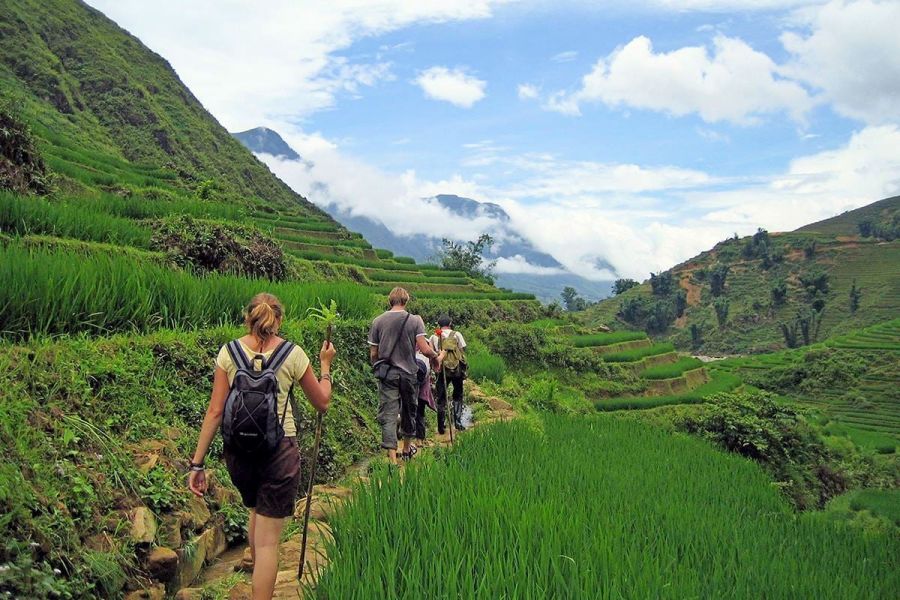
An amazing experience in Sin Chai is walking the scenic trails through terraced rice fields and climbing to the higher mountain trails. The trails will lead you through lush green hillsides and past fields of gold, where you may capture unlimited picture-perfect moments!

trek through Mountain Trails and Terraced Rice Fields

This trek also provides a unique opportunity to observe what is done on a daily basis by the farmers in the area and how they have such an important role in the structure of the village community. We encourage you to wear comfortable shoes and to take a local guide to have the best and safest time possible while trekking through these beautiful areas.

Live and Experience the Daily Life of the Black Hmong People

Staying overnight at a homestay with a Black Hmong family in Sin Chai Village is an experience that you will always remember. By staying with a Black Hmong family, you get to see the lifestyle of their everyday life, which has not changed for many generations.

Live and Experience the Daily Life of the Black Hmong People

You can help cook on the wood fire when preparing meals, see how food is traditionally cooked, or you can sit around the hearth at night and tell stories. The meals served are very basic; however, they will be good because they will consist of homegrown vegetables and local ingredients. The homestay also provides you with the opportunity to feel comfortable and safe while also being part of the family. You will need to follow the house rules and the behaviour expected in that area so that you get the most out of your time there and respect your homestay family.

Admire Traditional Architecture and Village Scenery

When you walk through Sin Chai Village, it feels as though you have been transported back in time. The homes are made of timber or stone with earth as the base, making them suitable for living in the mountainous environment, and they blend well into the surrounding area. There are narrow paths that connect the different groups of houses; these paths lead through gardens, animal pens, and small courtyards. The design of each house shows the blend of traditional knowledge and customs that have been passed down from generation to generation by the Black Hmong.

Admire Traditional Architecture and Village Scenery

Walking slowly through the village allows you to observe the details of these design features as well as to see how people live in their everyday lives and to take beautiful photographs, especially during the early morning, when the mist floats softly around the tops of the roofs.

Join Seasonal Farming and Traditional Handicraft Activities

Visitors can take part in seasonal farming activities like planting rice, harvesting crops, and drying corn and rice close to their homes, depending on the time of year. Visitors will learn about the demanding work and patience that are needed to survive in the mountains, and they will experience these activities firsthand.

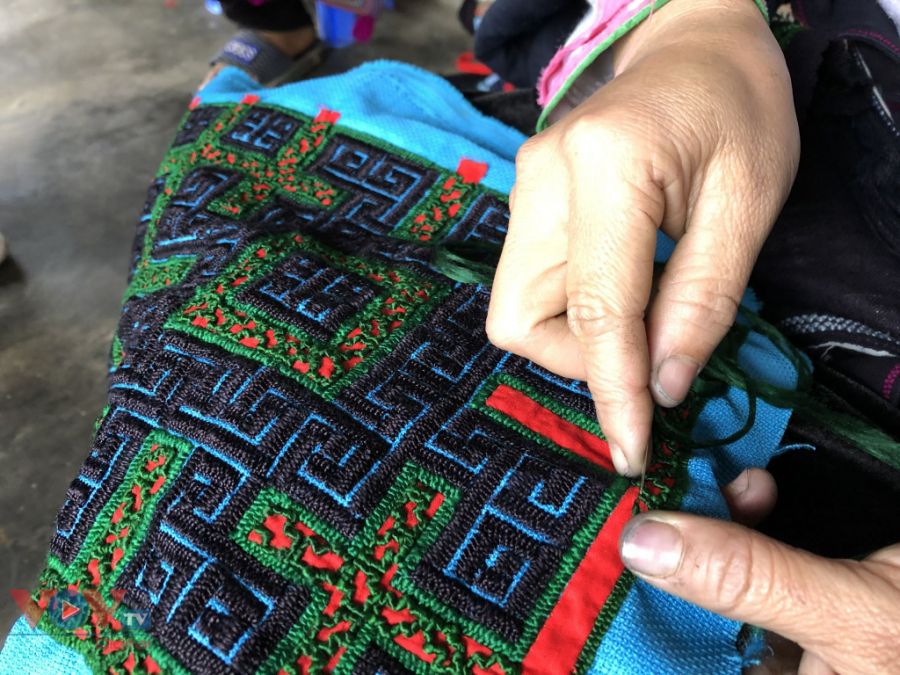
In addition, visitors will see traditional handicrafts, such as weaving and embroidery, which serve as an important part of their cultural identity. Seeing local women create patterns by hand allows visitors to gain a better understanding of the significance of traditional clothing and the time commitment associated with creating each item. Experiencing these activities will enhance visitors’ appreciation for the culture of the village.

Enjoy Sunrise, Sunset, and Magical Cloud-Hunting Moments

The position of Sin Chai Village high up allows for many opportunities to see and experience clouds and sunrises. The valley is filled with thick clouds in the early morning, giving it an ethereal appearance as we look toward a distant mountain range that is illuminated by the sunrise. At the same time as we are watching the sun rise over the high peaks of the mountain range, the light casts a warm golden glow across the terraced fields and rooftops at sunset, creating a tranquil and romantic atmosphere.

These times of day are ideal for photography, meditation, or just appreciating the beauty of untouched nature. A great reward for simply being in Sin Chai Village is that you are able to enjoy an experience that will provide some of the greatest views of your trip if you arrive at Sin Chai Village with warm clothes and wake early.

Entrance Fee

The majority of visitors to Sin Chai Village visit after they have visited Cat Cat Village. The entrance fee for Cat Cat Village is approximately 6 USD for adults and 3 USD for children, whereas Sin Chai Village currently does not charge an entrance fee, allowing guests to visit and see how local people live without having to pay an extra charge.

Best Time To Visit Sin Chai Village

Depending on the type of scenery and culture that you’re looking for in Sin Chai Village, the best time to visit is generally September through to October in Sa Pa (rice harvest season), as it transforms the terraced fields into golden waves with the aroma of ripe sticky rice in the air. It creates great conditions for photographing! October to November is the buckwheat flower season. Soft pink and purple fields bloom across the mountains, and there’s a cool, dry climate and festive atmosphere.

In December, yellow mustard often blankets the hillsides, and they contrast beautifully against misty mornings and chilly days. From January to February, visitors can enjoy the Lunar New Year celebrations, come see the peach blossoms in full bloom, and look for clouds, so it’s an excellent opportunity for cultural exploration and great mountain romance!

How To Get To Sin Chai Village

Visitors can easily and quickly access Sin Chai Village since it’s located near Sapa Town. The mountainous terrain is not very challenging. Therefore, most travelers will find the route to Sin Chai much simpler than they expected. The village is located beyond Cat Cat Village, so visitors can begin their discovery in Cat Cat, then, after finishing their time there, spend only a few minutes travelling to enjoy Sin Chai Village.

Motorbikes can be rented in Sapa for approximately 5-8 USD per day, allowing travelers to explore at their own pace. Tourists who choose to participate in a tour package will most likely have an opportunity to include a visit to Sin Chai Village in their itinerary as part of the service offered by the travel agency’s vehicle. In contrast, individuals who prefer to travel independently and are fit enough to do so would rather go it alone to Sin Chai Village.

The best way to experience Sin Chai Village is by trekking from Sapa. Trekking this route will provide you with an opportunity to see the stunning natural beauty throughout the journey, including gorgeous terraced rice paddies and breathtaking mountain vistas. Bring plenty of drinking water and some light snacks, as there are not many shops available along the trail! It’s recommended to wear walking shoes that are comfortable and durable to safely navigate the steep, hilly areas so that you can enjoy your trek to the fullest!

Things To Know Before Traveling To Sin Chai Village

Before entering Sin Chai Village, here are a few things that one should know in advance to ensure a smooth and respectful visit to the community. These tips will enable one to better connect with the Black Hmong community.

  • Permission should always be sought to visit a local’s home. Visiting without permission is viewed as impoliteness by the local community. If in the locality, thorny branches, green leaves, or barriers made of woven material are visible near the entrance of homes, it is prohibited to gain entry through the structure when these objects are visible.
  • When sharing meals, exercise caution with seating arrangements and avoid areas close to the family altar or where senior citizens are normally seated, as such zones carry spiritual or cultural significance.
  • During meals, it is important to wait for ancestral prayers or blessings from the host before eating and refrain from rushing for food or overturning your plate once finished.
  • Be sure to follow your host’s directives if you are Overnight guests, and never point your feet at the altar when sitting, which will be seen as disrespect.
  • Drinking water and some snack foods should be brought with you when wandering around the village since there are no facilities in this quiet rural settlement.
  • Wear comfortable footwear, as village paths may often be steep, muddy, or slippery, particularly during the rainy season.
  • Clothing should be modest, avoiding the display of skin, to be respectful of the local culture.
  • Always ask for permission before photographing people, dwellings, and daily activities, especially if the community is private about their culture.

Final Thoughts: Is Sin Chai Village Worth Visiting?

Travelers looking for untouched nature and real ethnic culture will find a lot to love about Sin Chai Village. In addition to being home to a peaceful atmosphere, the Black Hmong way of life and beautiful trekking opportunities create a great deal of connection between the mountains of Sapa and Sin Chai Village. This experience is different from most tourist areas where you’re likely to encounter many tourists, while in Sin Chai you can expect to meet local people without many others around you. With Seni World, you can find out about Sin Chai Village and have a truly authentic and memorable experience.

Bac Ha Market Guide: Colorful Culture Of Northwest Vietnam

Every Sunday, the hill tribes make their way to Bac Ha Market to buy and sell goods, to exchange ideas and customs, as well as to display their colourful dress, local cuisine, and rich culture of the Northwest region of Vietnam.

Introduction To Bac Ha Market

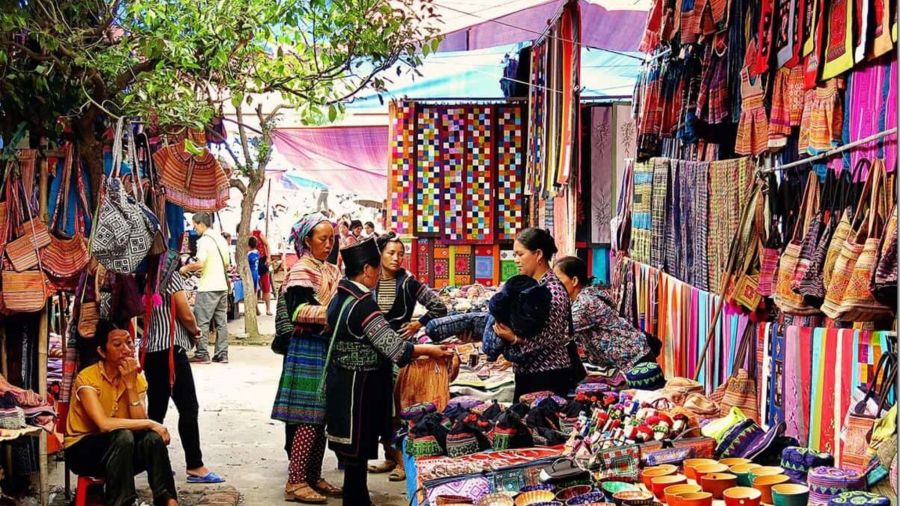
Held every Sunday in Bac Ha District of Lao Cai Province, Bac Ha Market is one of the most famous markets in Northern Vietnam. People from a number of different ethnic minority groups, such as Flower H’Mong, Dao, Tay, and Nung, meet to sell and buy goods, create and establish friendships, and demonstrate the spirit of community. Located in a beautiful part of the Northwest Highlands, Bac Ha Market is one of a kind and a place you would be hard-pressed to find elsewhere.

-Bac-Ha-Market-Guide-Colorful-Culture-Of-Northwest-Vietnam

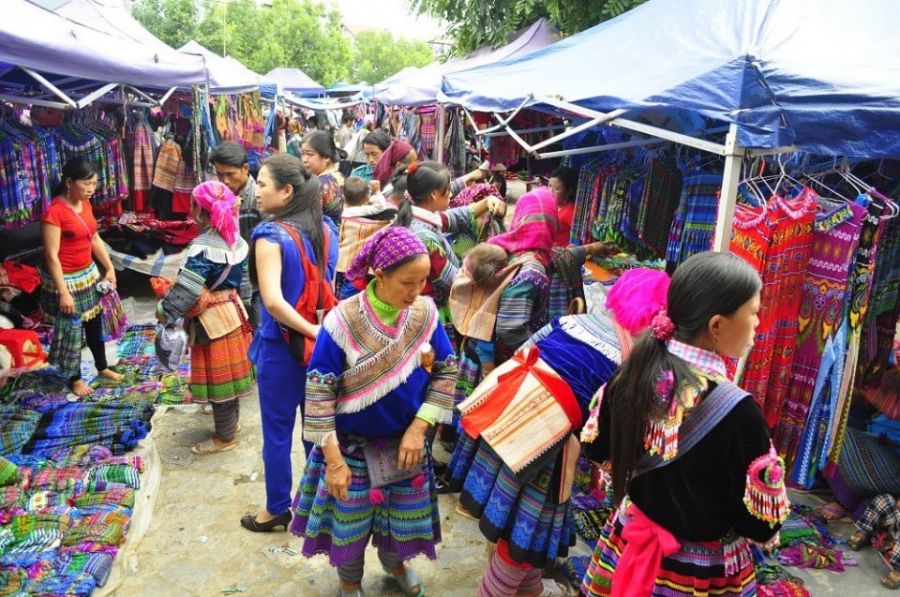
The reason tourists are attracted to Bac Ha Market is that they get to experience the market, but also get a full cultural experience. Tourists enjoy shopping in the market for bright, colorful traditional costumes and brocaded textiles. Tourists purchase handmade crafts and fresh local produce. Each day, a vibrant and lively livestock market can be found at Bac Ha Market. In addition to the commercial side of Bac Ha Market, travelers are afforded the opportunity to experience the everyday lives, traditions, and culture of the highland ethnic groups in Vietnam, making the market an extraordinary and unique destination.

History Of Bac Ha Market

For centuries, Bac Ha Market has served the local ethnically diverse communities within the Lao Cai highlands. It has branched out from its original purpose of being a location where people would exchange commerce into a location where they would socialize with one another, share cultural pursuits, seek marriage, and help to hold their communities together.

Even though Bac Ha Market has changed over time, the essence of the original Bac Ha remains intact, and it has continued to serve as a center for commerce and culture. On Sunday mornings, both local residents and visitors come together in large groups to experience the colors, cultures, and excitement of the Northwest highland region.

Top 3 Iconic Attractions In Bac Ha Market

Bac Ha Market is also considered one of the largest and most lively highland market in Lao Cai and the Northwest part of Vietnam as a whole. It is as if one is about to step into a living painting, as we shall explore some of the most famous parts of the Bac Ha Market.

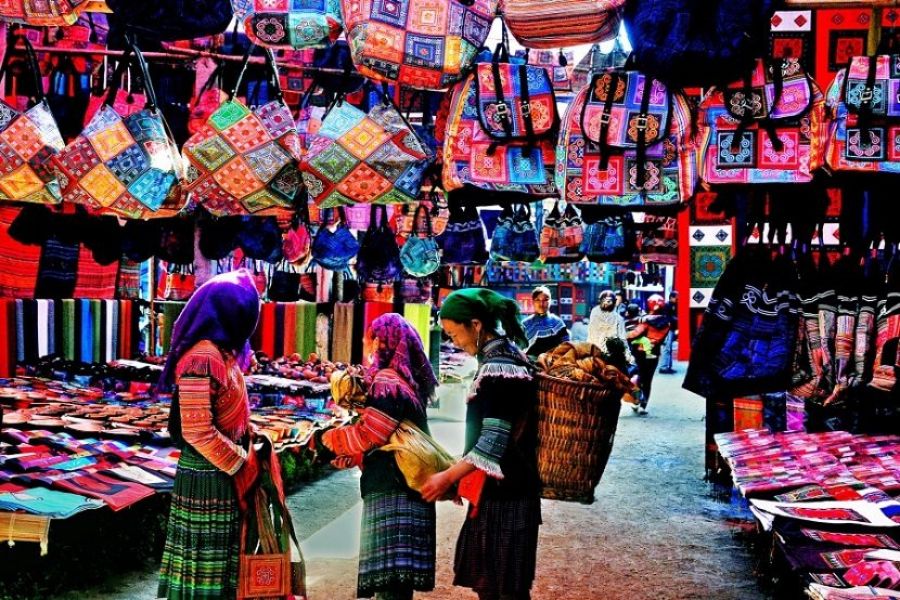
Colorful Brocade And Handicraft Section

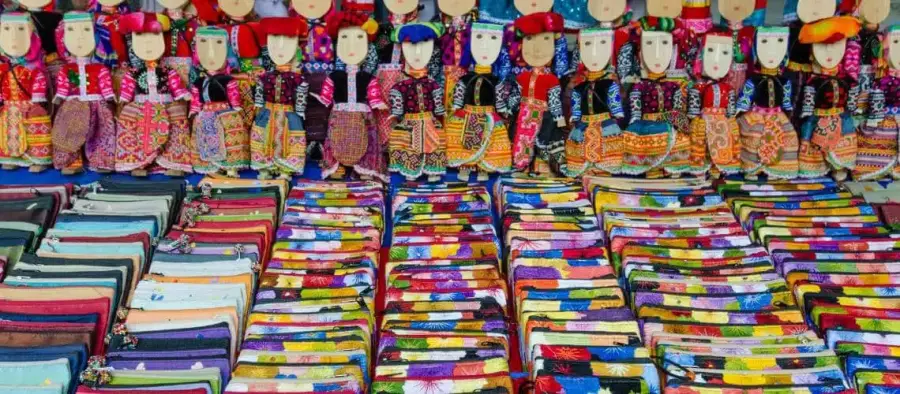
The gift shops of Bac Ha Market are among the most attractive ones because the fabrics used to decorate market stalls are very colorful and intricate. The process of creating each item of brocade is done entirely by hand, and in some instances, this can take up to a year to complete. Traditional clothing, handbags, scarves, and even dolls made of brocade are sold in this part of the market. Additionally, due to the time and effort that goes into creating them, the price of these items is not very low. Silver jewelry crafted using intricate ethnic designs is also sold in this market.

Colorful Brocade And Handicraft Section

Local Food And Lao Cai Specialties Area

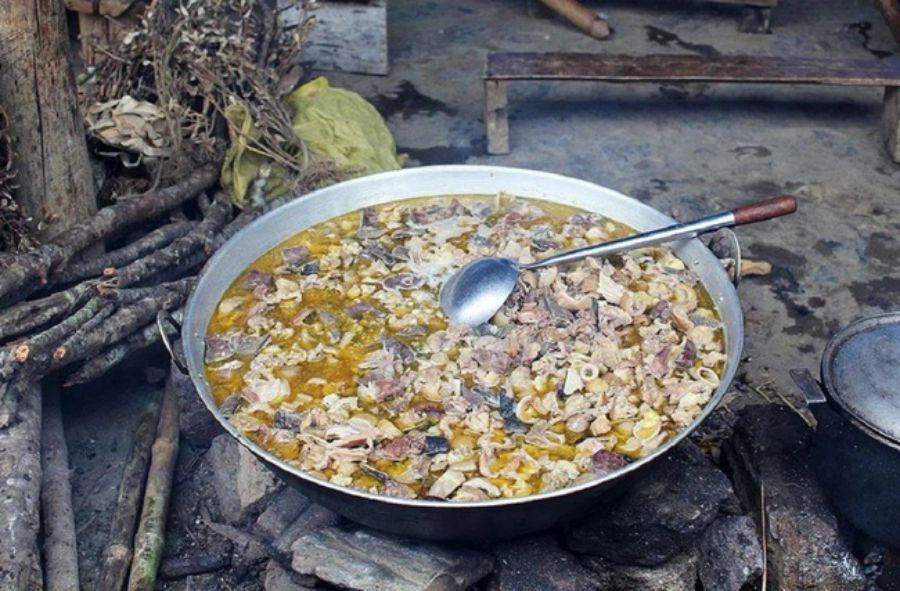
A trip to Bac Ha is unfinished without paying a visit to the food stalls, which are where the culinary delights of the Northwest are represented. Tourists have the chance to sample local specialties like thắng cố, corn cakes, corn wine, and other local foods like Pho Chua, Men Men, and corn wine stored in large containers. Sharing a hot meal with the locals while enjoying a sip of corn wine is the best way to experience living in the mountains.

Local Food And Lao Cai Specialties Area

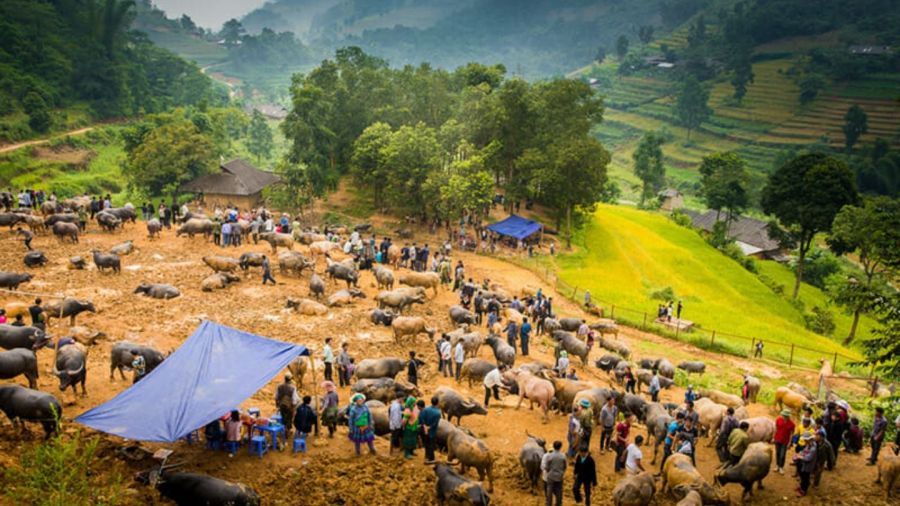
Lively Livestock Trading Area

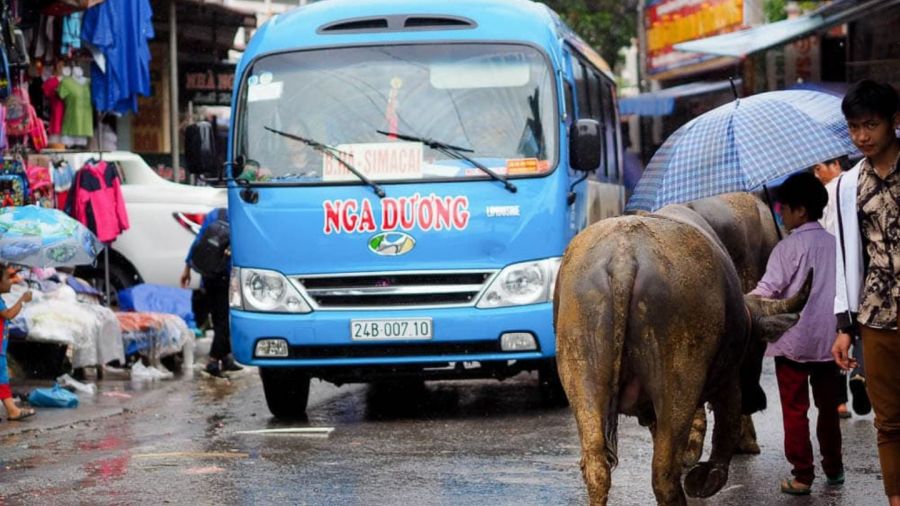
The livestock area is the most distinctive part of Bac Ha Market and is a true embodiment of the culture of the highlands. The area is characterized by the fact that the most important animals for the economic activities of the locals, namely buffalo and horse, are traded here. There is a high likelihood that the visitor might come across black pigs, Bac Ha dogs known for their intelligence and soft fur, and other small animals.

Bac Ha Market is not only a place for shopping but also an experience of colors and culture. Exploring the iconic spots exposes the visitor to the essence of the Northwest and forms memorable experiences in Lao Cai.

 Lively Livestock Trading Area

5 Unforgettable Experiences You Shouldn’t Miss

Bac Ha Market serves not only as a shopping destination, but as a meeting place for food, culture, tradition, and community to all come together in vibrant and meaningful ways. Here are a few entries that will let you experience the culture of Bac Ha Market and the atmosphere of this location.

Taste Signature Highland Dishes

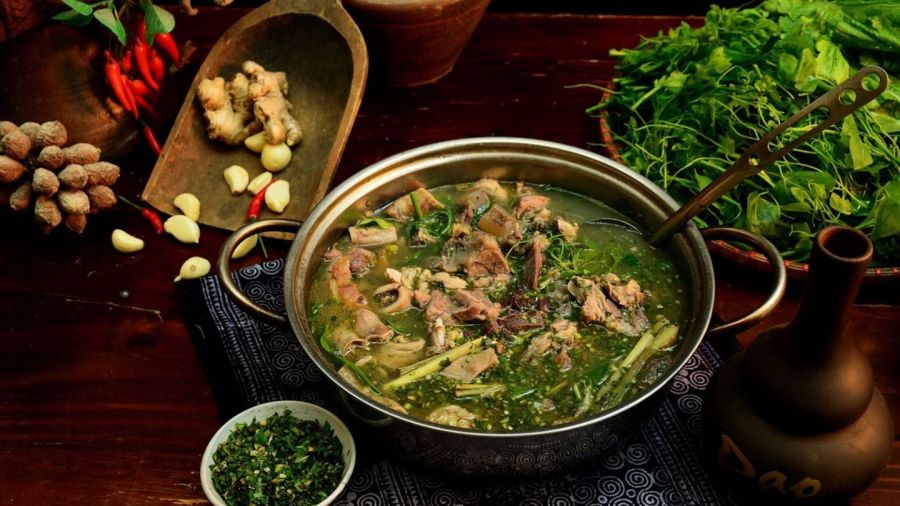
At Bac Ha Market, sampling local cuisine offers visitors insights into the local culture, allowing them to learn about Bac Ha’s many spices while eating a warm bowl of the most popular dish from Bac Ha, called thắng cố or horse meat stew. Often made with beef or buffalo and more than 20 mountain spices including cardamom, ginger, cinnamon, lemongrass, and mắc khén pepper, it is served in a pot that is shared between families and friends, and eaten with cups of strong corn wine. This creates a feeling of community and warmth that came to define the character of Bac Ha Market.

Taste Signature Highland Dishes

In addition to thắng cố, there are many other wonderful dishes such as sour pho with duck, mèn mén (cornmeal dumplings), buckwheat cake cooked over hot coals, five-coloured sticky rice, and smoked buffalo meat. Each dish reflects the daily lives and traditions of the people living in the highlands.

Explore Local Specialties and Traditional Products

The Bac Ha Market contains many unique sections that include food vendors, brocade vendors, livestock vendors, blacksmiths’ corners, and agricultural products. The majority of the products sold here are either grown or produced locally, such as fresh vegetables and herbs from the mountains, corn wine, hemp, and meat products. The highlight of the market is the Bac Ha dog market, where locals trade the native Bac Ha dog breed, one of the four most famous dog breeds in Vietnam. As you explore these areas, you will gain a comprehensive insight into the area’s economy, way of life, and relationship with nature.

Discover the Beauty of Brocade And Handicrafts

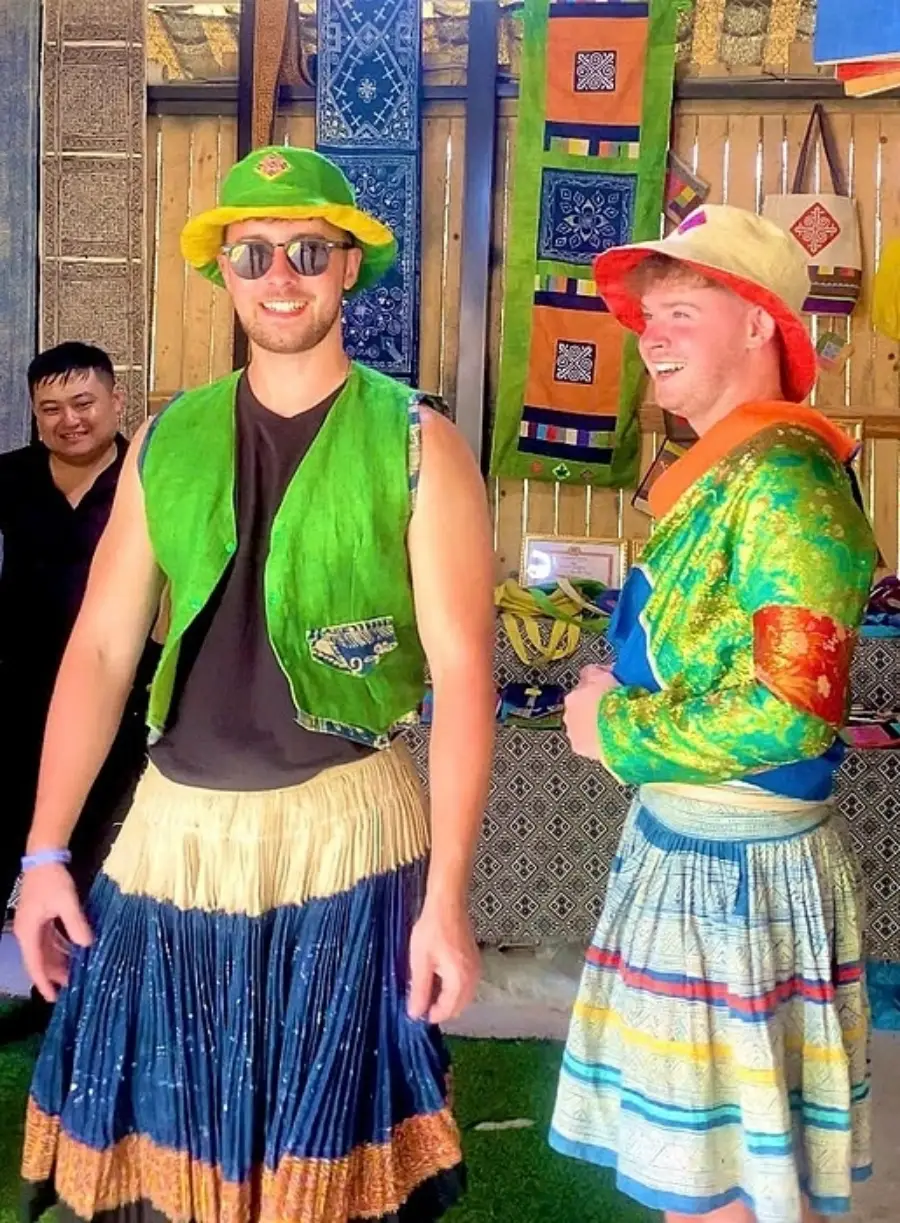
The brocade section at Bac Ha Market is very impressive with all the colours and the different styles of brocade garments (dresses, bags, scarves, wallets, etc.). Make sure you pay attention when visiting as you will find two types of brocade: mass-produced items and handmade items. Handmade brocade is created wholly by hand; it can take anywhere from a few weeks to a few months to finish a piece, with designs that represent the mountains, flowers, and animals of the respective ethnic groups. The markets also feature stalls for wax-resist dyeing demonstrations, which were a traditional H’Mong dyeing method using beeswax to create intricately patterned cloths.

Discover the Beauty of Brocade And Handicrafts

Experience Ethnic Culture And Every Day Life

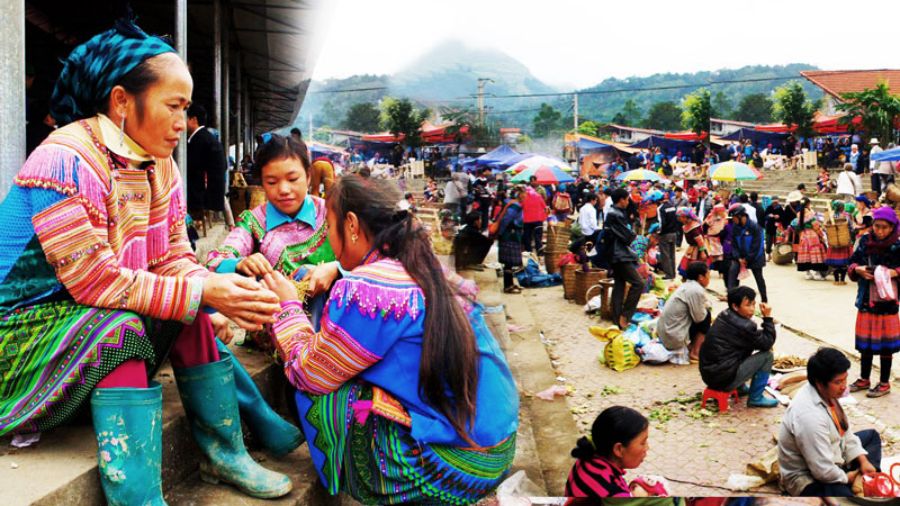
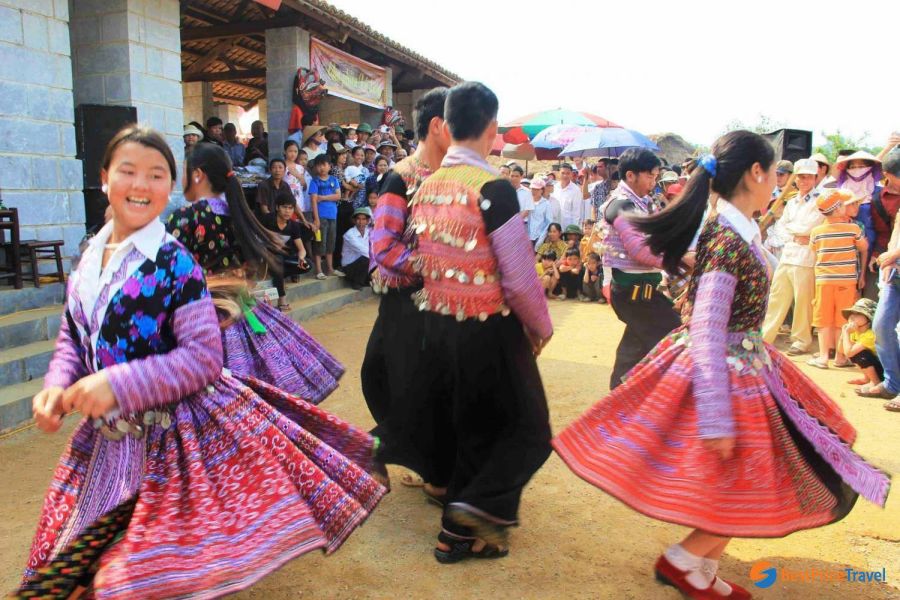
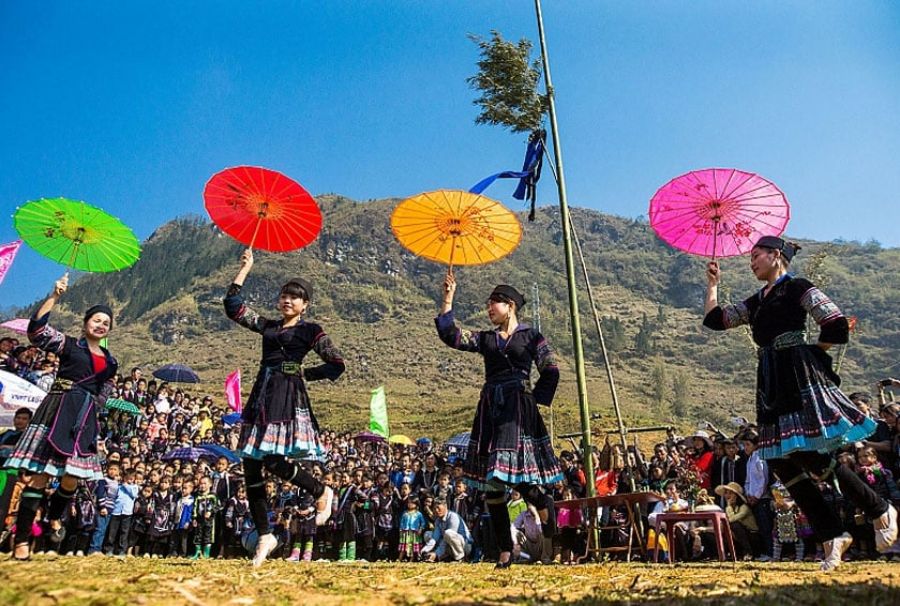
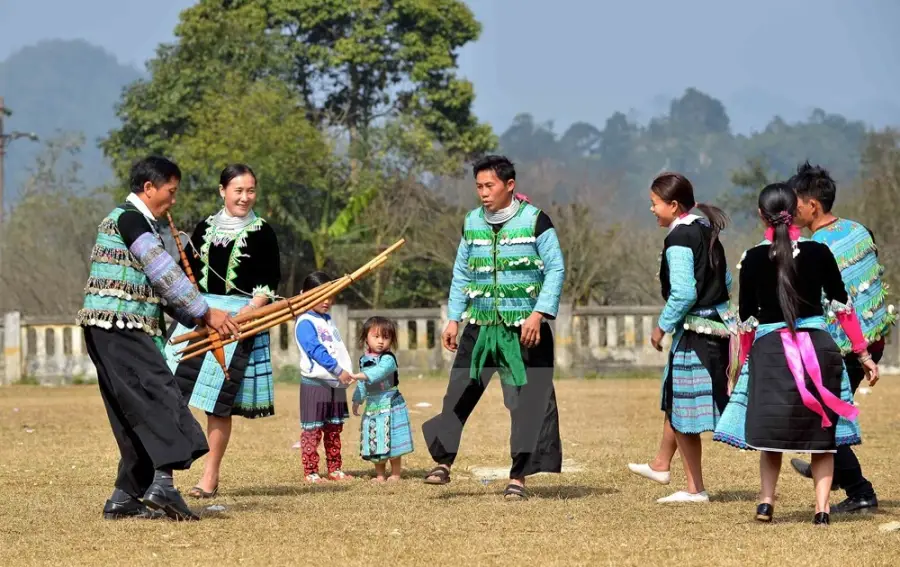
Present-day Bac Ha Market is today’s equivalent of what used to be a traditional cultural location. Many locals wear beautiful ethnic clothing and this creates an extremely vivid, colorful image. Additionally, at special times of the year visitors may enjoy experiences such as H’Mong flute dancing, singing, and Indigenous games. These times represent true insight into the spiritual and social culture of indigenous people living in the higher elevations.

experience Ethnic Culture And Every Day Life

Appreciate the Setting of the Bac Ha Love Market

Bac Ha Market’s atmosphere is not only one of commerce but is also a love market for a variety of young adults from many ethnic cultures. Young men and women arrive at the Bac Ha Market to socialise with friends, sing love songs, and sometimes find romance. Young men and women wear their finest traditional costumes during market hours. The sounds of flutes being played, laughter, and soft chatter between people create a very romantic ambience and make it a truly unique and human experience for those who are there to see it.

Appreciate the Setting of the Bac Ha Love Market

Entrance Fee

All are welcome to experience Bac Ha Market, as there is no charge to enter this traditional local marketplace. When visiting, customers only pay for what they select to purchase, including items such as food, handicrafts, and locally produced goods.

Opening Hours

The Bac Ha Market occurs every Sunday, typically from 7:00-8:00 AM until 2:00-3:00 PM, when, as such, the hours are the busiest and the market is the most colourful of all ethnic minorities wearing their ethnic attire, as they do, which gives the perfect opportunity for an assortment of cultural and local shopping experiences.

A Saturday Night Market takes place between 8:00-10:30 PM, where there are many vendors selling various dishes and local products, and cultural dance performances. For the most enjoyable experience, visit the market on Sunday morning early, before Peak Season, so you can really appreciate the energy and excitement of the Sunday morning market.

How To Get To Bac Ha Market

If you are intending to visit Lao Cai on a weekend, you should not miss the Bac Ha Market. To get to Bac Ha Market from Lao Cai City, you should depart on National Highway 70, turn left towards Bac Ngam village, and proceed another 30 km further to Bac Ha. The driving journey takes about 3 hours. Be warned that the routes pass along mountainous passes that might be a bit tricky, especially when you are on a motorbike.

How To Get To Bac Ha Market

If you are coming from Sapa, the distance of the journey will be around 135 km. Although it is mountainous, the picturesque landscape of valleys and paddy fields makes it a scenic route. You can hire a motorbike costing around USD 6-8 per day or opt for a car, where the cost of a one-way journey will be around USD 70-100. It is always safe to go by car, especially when it is raining.

Things To Know Before Traveling To Bac Ha Market

Before heading to Bac Ha Market, some preparation will help you enjoy this lively highlands market experience more comfortably and meaningfully. These helpful tips are set out below and are designed for first-time visitors to Bac Ha Market.

Things To Know Before Traveling To Bac Ha Market

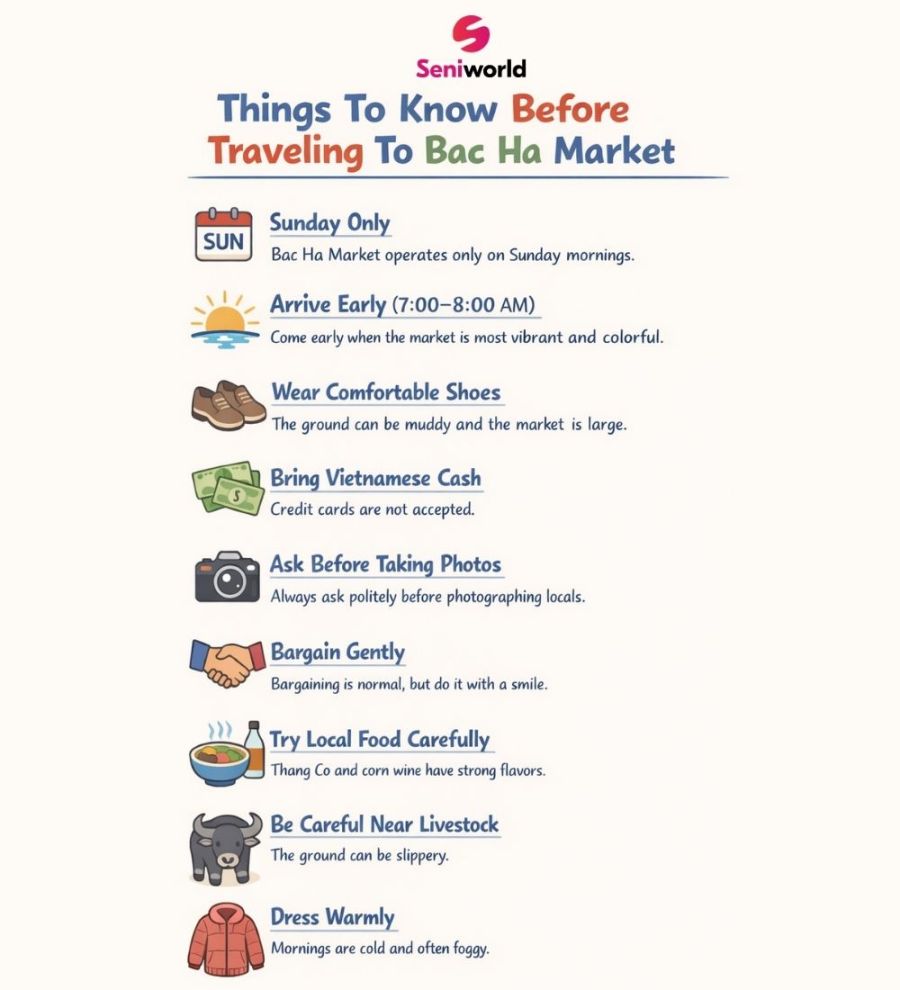
  • Bac Ha Market operates only on Sunday mornings, so you must plan your journey accordingly so as not to miss the marketplace altogether.
  • If possible, try to arrive early, preferably between 7:00 and 8:00 AM, when the market is most vibrant, colorful, and occupied by the locals in their traditional attire.
  • It is always important to wear comfortable and sturdy shoes, as the market size is quite vast and the land can be muddy in case of rain.
  • Bring Vietnamese money with you, as credit cards are not accepted, and change may be a problem during peak times.
  • You must always ask nicely before snapping pictures, especially when taking photos of the local market vendors, senior citizens, and kids. This is to show respect.
  • Bargaining at the market is normal, but one needs to bargain with a gentle touch and while smiling, remembering the work that goes into products that are handmade.
  • When you decide to try local food such as Thang Co or corn wine, you should consume it slowly because it has strong tastes unfamiliar to foreigners.
  • The area around livestock trading can be particularly slippery, so be cautious. In addition, the area is a place where the livestock move freely.
  • Dress modestly and warmly, as the early morning climate here around Bac Ha is quite chilly and often foggy because of the mountains.

Final Thoughts: Is Bac Ha Market Worth Visiting?

Bac Ha Market is definitely worth visiting for all adventure seekers who are eager to experience the real cultural essence of northern Vietnam. From its colorful ethnic costumes and bustling marketplace to the warm and hospitable nature of the local community, Bac Ha Market is certainly much more than a tourist destination. Bac Ha Market is where culture is still preserved in its traditions, and stories are shared in colorful expressions of everyday life. Join Seni World to explore Bac Ha Market in the right way and experience the most memorable travel moments in Vietnam.

Love Market Sapa – Where Love Songs Fill The Mountain Night

Love Market Sapa is a cultural event that is unique because it sees the gathering of different ethnic minorities who come together to mingle and sing love songs. Sapa is one of the destinations that tourists visit to experience the nightlife of Vietnam.

Introduction To Love Market Sapa

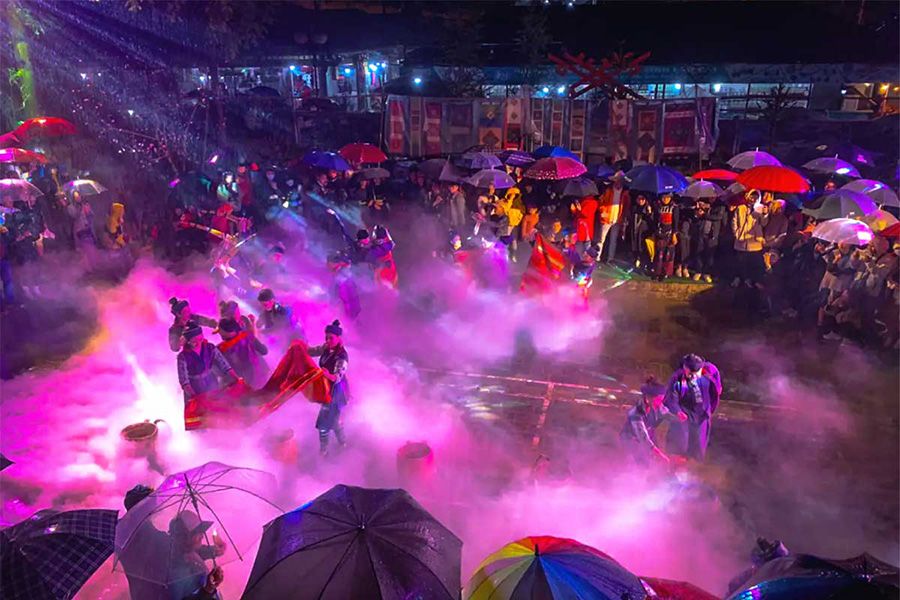
Love Market Sapa – locally referred to as Cho Tinh Sa Pa – is one of the most distinctive and culturally diverse attractions in Northern Vietnam. Traditionally held every Saturday evening, Love Market is an open-air gathering that unites many different ethnic minorities (H’Mong, Dao, Tay, Giay, etc) to sing, dance, barter, and socialize beneath the stars. The Love Market started out as a social venue where young men and women would meet and express their love for one another through folk songs, but has evolved into an energetic and colourful celebration of the highlands and their culture.

Love Market Sapa Where Love Songs Fill The Mountain Night

Visitors to Love Market Sapa come not only for the shopping experience but also to participate in an ongoing cultural festival. Traditional music, vibrant costumes, and loving conversation, mixed with the aromas of fresh local food, combine with the coolness of the mountain air to make it a truly captivating experience. Whether you’re browsing handcrafted textiles, sampling local food, or simply watching young ethnic couples exchanging songs and smiles, Love Market provides an amazing opportunity to experience the culture of the Northwest firsthand.

History Of Love Market Sapa

There is no specific or agreed-upon date for when the Love Market of Sapa began, but it has been suggested by elder members of Sapa’s communities that initially, every Saturday was designated as a day to meet up with people whom you had spent much of the week working alongside in your fields. This market day would be the one day that multiple villages would come together to share stories and drink fermented corn liquor, and share bowls of Thang Co and trade local produce or agricultural tools.

The purpose of this weekly gathering was not primarily for trading, as with any other type of market, but rather as a social event for the local young men and women from Dao and H’Mong ethnic backgrounds to meet and sing songs to one another while playing traditional instruments, and being able to look for possible partners while gathering weekly. The Love Market of Sapa evolved from being solely a trading market to a social event focusing on courtship and connection building as part of a unique culture.

6 Unforgettable Experiences You Shouldn’t Miss

Love Market Sapa provides visitors with multiple opportunities to experience an emotional, colorful, and very memorable cultural journey. This includes theatrical performances and scenic locations that make up this vibrant cultural marketplace. There are several things you won’t want to miss when attending Love Market Sapa.

Traditional Cultural Performances

At Love Market Sapa, the spirit of traditional performances is located within the heart of the event, luring travelers into the heartbeat of the night. During the dark, the market is packed with folk songs, classical dances, and gentle love tunes sung by H’Mong and Dao communities. The sound of flutes, drums, and khen began to go up into the mountainous atmosphere, weaving a warm and touching atmosphere.

Traditional Cultural Performances

These moments go beyond entertainment. They capture local customs, courtship traditions, and the rich cultural identities of the highland peoples. If you visit, come closer, observe cautiously, and feel free to join the dance to really plunge into this authentic cultural experience.

Try Local Highland Specialties

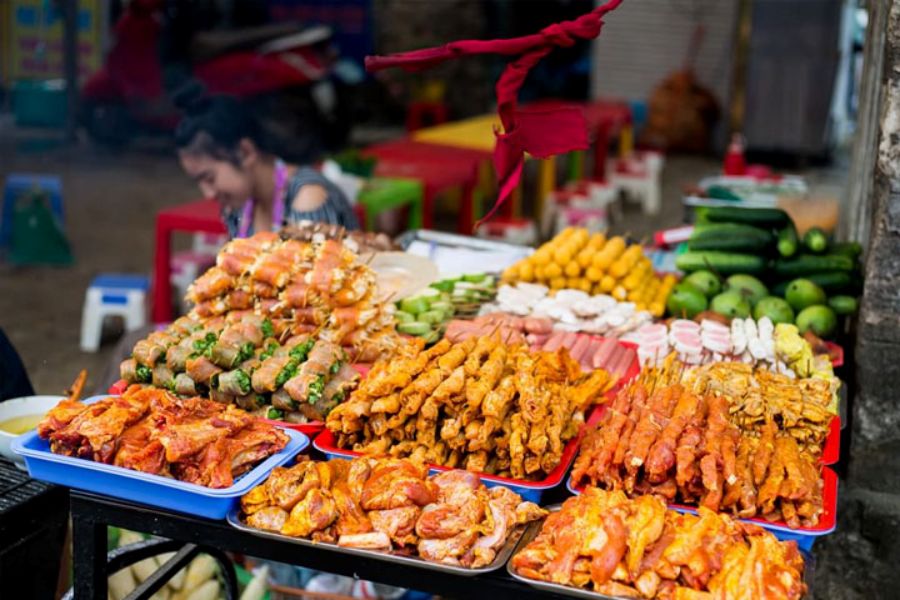
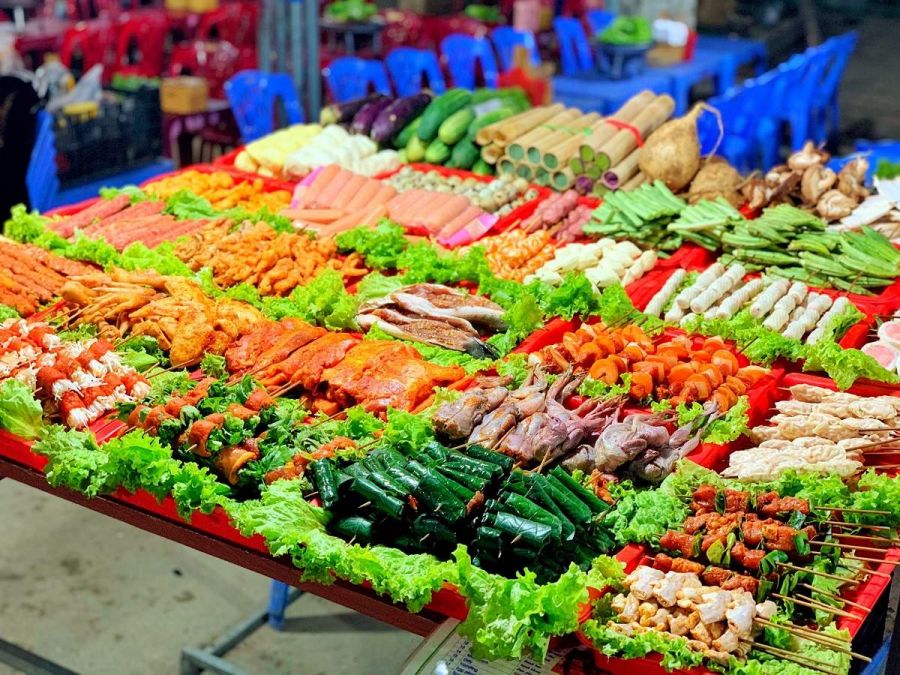
Eating at Love Market Sapa is about more than just sustenance. It is an experience that is an integral part of the culture. In the cool ambiance of the evening, the sights and smells of the food stalls lined up present a mouthwatering culinary option of grilled delicacies spiced with aromatic Mac Khen pepper, such as the meat of water buffalo, pork, and beef rolled with mustard greens, along with other vegetables.

try Local Highland Specialties

Moreover, the sizzling noise and scent of the food in the evening atmosphere find it difficult to be resisted, and visitors do not miss the opportunity to relish Thang Co, a cuisine of the H’Mong tribes, which is enjoyed along with corn wine or apple wine.

Shop for Handmade Souvenirs

Travelers can bring a little piece of Sapa and its local culture back home with them. As you wander through the colorful brocade fabric-covered stalls at Love Market, you will come across unique handmade items, including scarves, bags, bracelets, wallets, and traditional clothing. All of these items are handcrafted by local craftspeople and represent various symbolic meanings associated with love, happiness, and good fortune.

Shop for Handmade Souvenirs

These souvenirs look very simple, but they have been made with many hours of skill and a history spanning hundreds of years. By supporting local sellers when purchasing items for your trip, you are also supporting the livelihoods of the ethnic minority communities who make these items, giving your purchase even more significance.

Explore O Quy Ho Pass Nearby

O Quy Ho Pass, near Sa Pa’s Love Market, is a must-see for those who want some adrenaline. One of the longest and most awe-inspiring mountain passes in Vietnam, O Quy Ho Pass boasts a lot of steep downhill twists, with some pretty sweet deep valley and high peak views.

Explore O Quy Ho Pass Nearby

The thrill of riding or driving along O Quy Ho pass is all the more exciting early in the morning or late afternoon when the clouds are drifting past you along this winding road. Many people go to O Quy Ho Pass after visiting the Love Market so that they can experience both the cultural beauty of the Love Market and the magnificent natural beauty of the O Quy Ho Pass in a single trip.

Visit Ham Rong Mountain

If you’re looking to relax and unwind after experiencing the energetic vibe of Love Market Sapa, Ham Rong Mountain is a perfect location for peace and tranquility. One of the most exciting features of Ham Rong Mountain is Cloud Yard.

Visit Ham Rong Mountain

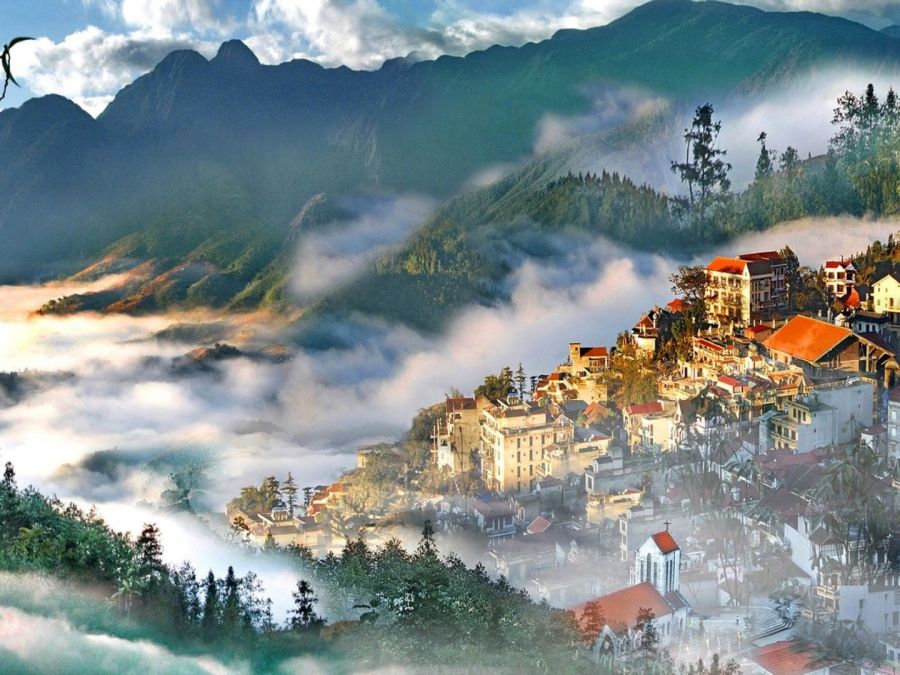
Here, you can look down onto the town of Sapa, watching the fluffy white clouds move quietly across beneath you. The journey to get to Cloud Yard features beautiful flower gardens, winding stone paths, and other spectacular viewing areas, where you will be treated to incredible views of the surrounding mountains, as well as a complete aerial view of Sapa. This viewpoint is a big draw for photographers as well as individuals seeking a quiet place to enjoy the sunset after the chaos of the night market.

Discover Cat Cat Village

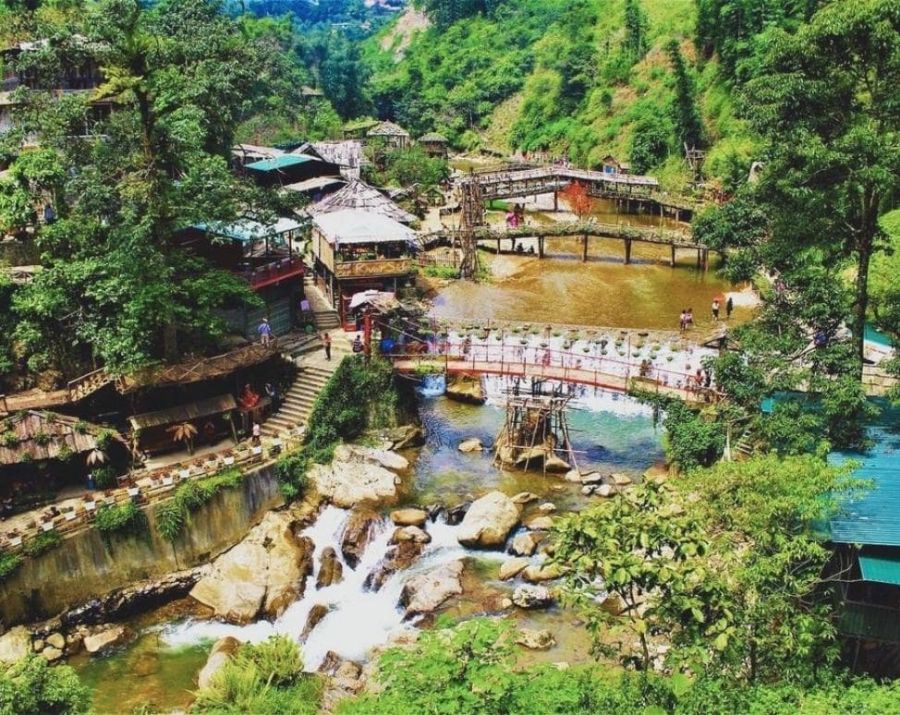
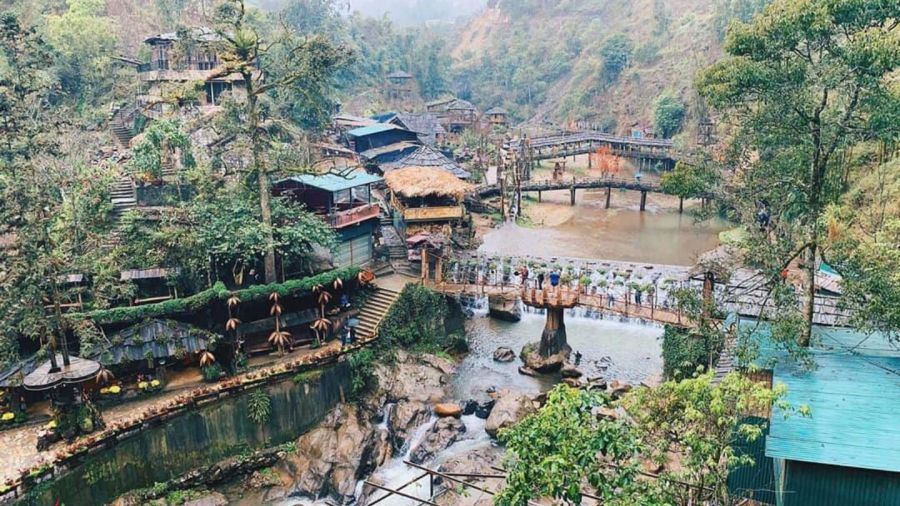
Cat Cat Village is a popular ethnic minority village located near Sapa, which is very easy to get to and enjoy your time there. The village allows you to see some of the natural lifestyle of the H’Mong People as well as their weaving and dyeing techniques.

 Discover Cat Cat Village

You will be able to walk along scenic paths and see different regions full of colourful textiles, waterfalls, and terraced agricultural lands. Many visitors to the village enjoy combining their visit with the Love Market, as it offers them a greater insight into some of the cultural aspects of the H’Mong People, the music, the costumes, and the customs seen at the Love Market.

Entrance Fee

Love Market Sapa does not charge an admission fee. As this festival occurs in the main square of Sapa Town, where cultural exchange activities occur, entry to the festival is free. However, visitors are likely to buy and eat food from local street vendors at Love Market Sapa, as well as purchase souvenirs and enjoy various forms of entertainment that can be found on-site during the Love Market Sapa Festival.

Best Time To Visit Love Market Sapa

Previously, Love Market Sapa only occurred once per year, so it was not easy for tourists to access this cultural experience. Nowadays, the market is conducted every Saturday evening between 6:00 PM and continues into the evening and allows tourists to enjoy local customs, experience cultural shows, and sample traditional food from Sapa while participating in an exciting, imaginative setting.

How To Get To Love Market Sapa

The Love Market of Sapa takes place at the center of the town, right in front of the Stone Church. This location makes it very easy for people to visit the Love Market of Sapa since it would only take a few minutes to walk to the place from most hotels.

How To Get To Love Market Sapa

If you like a little bit of light exercise, an evening stroll following dinner is just what the doctor ordered. Take a walk around town and time your market visit just right so that you can absorb all of the wonderful atmosphere, merry crowds of people, folk songs, and the hauntingly melodious bamboo flutes wafting through the cool mountain breeze.

Another convenient and environmentally friendly transport system available in Sapa town is the electric shuttle bus. The electric shuttle bus reduces the amount of pollution generated by transport in the region, maintaining the cleanliness of the environment in the Northwest highland regions. Costing only about USD 0.25 for a one-way journey, it is very convenient to get to Love Market Sapa.

If you want to feel free and flexible, take a motorbike for rent. You can easily find rental services in Sapa, while many shops will deliver the bike right to your hotel.

Things To Know Before Traveling To Love Market Sapa

Love Market Sapa is more than a tourist destination. It is a place where local traditions and emotions are expressed. To gain the full experience and respect local traditions in Vietnam, you need to prepare some important items before visiting.

  • Love Market – Sapa normally happens on Saturday nights, from about 6:00 PM, so try to get there early to get the best spot and atmosphere before the place gets filled.
  • It is important to dress warmly during autumn and winter since it gets quite chilly at night in Sapa, and the market is conducted outdoors.
  • It is always important to get permission prior to taking photographs of the locals, especially the couples that are involved in the local courtship rituals.
  • If you are purchasing street food or handmade products, always have some cash with you because most of the stalls do not accept cards or digital payments.
  • Try local grills and drinks, but only eat them in moderation, and prefer stalls that are busiest as they tend to be fresher.
  • Make sure your personal effects are secure, as the markets tend to get crowded.
  • You have to avoid loud behavior and inappropriate jokes since Love Market Sapa is an important cultural event.
  • You can combine your visit with a walk around the town of Sapa later in the evening to breathe the fresh night air.

Final Thoughts: Is Love Market Sapa Worth Visiting?

The Love Market of SaPa is definitely a destination worth visiting if you are seeking a genuine experience of the Northwest highland culture. The SaPa love market is more than a market. It is a cultural space where music, traditions, emotions, and collective spirit converge into a warm and unforgettable environment. Observing couples of different ethnic communities showing their love through songs of love in their traditions, appreciating their colorful traditional clothes, as well as trying local cuisine, are all experiences of a genuine kind. Allow Seni World to take you through this magical experience of culture to discover SaPa in a most meaningful way.

Heaven Gate Sapa: A Breathtaking View Above The Clouds

Heaven Gate Sapa, which is located near the summit of O Quy Ho Pass, is the point at which you can witness cloud formations and the beauty of the incredible mountainous scenery. When you arrive at Heaven Gate Sapa, it is as if you are suspended in mid-air and can see everything below you!

Introduction To Heaven Gate Sapa

The highest point of the ancient O Quy Ho Pass, Heaven Gate Sapa, is the most famous viewpoint in Northern Vietnam. Located at an elevation exceeding 2000 metres, Heaven Gate Sapa provides an extraordinary view that extends to the Hoang Lien Son mountain range, deep valleys, winding roads that weave through mountain landscapes, and the ever-changing cloudscapes of the sky. On a clear day, visitors may be fortunate enough to catch a glimpse of the magnificent Fansipan peak, creating a dramatic backdrop that exemplifies the natural beauty of Sapa.

introduction To Heaven Gate Sapa

Heaven Gate Sapa is special not just because of the beauty it offers, but because of the awe that one experiences as soon as one sets foot there. Just standing there is an experience akin to reaching out and touching the heavens themselves, where the cool mountain breeze, the sea of clouds, and the warmth of the sun all seem to merge to create something out of a fantasy novel. One not only comes to see the beauty but to encounter the journey itself, riding along one of Vietnam’s most famous passes in the mountains, taking pictures, and watching the moods of the mountains change from dawn till dusk.

History Of Heaven Gate Sapa

Heaven Gate Sapa, aptly named for its stunning setting at the peak of O Quy Ho Pass, is located at an elevation of over 2,000 meters above sea level. The different layers of cloud floating in the atmosphere combine perfectly with the majestic mountain landscape and create the illusion of opening a portal to the sky. Standing in such a beautiful location gives visitors an opportunity to take in such a vast expanse of nature, like entering into a fantasy land between Heaven and Earth.

Heaven Gate has become a significant representation of the Northwest Highlands, with many people appreciating the magnificent views it provides, as well as the incredible feelings one experiences when visiting this magical place. Feelings that are overwhelming, humbling, and deeply rooted in the spectacular beauty of the Hoang Lien Son mountain range.

6 Unforgettable Experiences You Shouldn’t Miss

Heaven Gate Sapa is more than a scenic spot because it is a comprehensive tourism site that brings you nature, adventure, culture, and fun. Whether it is an adrenaline-pumping drive in the mountains or a peaceful spiritual moment, every moment at Heaven Gate Sapa enhances your Sapa experience.

Conquer The Road To Heaven Gate Sapa

The journey to Heaven Gate Sapa is much more than a destination. It’s about taking one of the most beautiful mountainous road trips in Northern Vietnam! It is a long road that runs up to the famous O Quy Ho Pass that takes you on an ascending path full of sharp turns and steep drops, with one side being a deep valley, and the other side a rugged mountain face.

 Conquer The Road To Heaven Gate Sapa

Tempestuous weather patterns along this route create many unique moods along the way. On a clear day, the view of multiple layers of mountains can be breathtaking. But as the weather changes, a thick fog may roll in around you, wrapping the road in mystery. The best way to see this pass is by bike. You will be able to experience the wind on your skin as you ride and the trees nearby when you go fast down this pass. However, if you do go during the winter or very early in the morning, make sure that you dress warmly and ride slowly since fog and icy patches may occur.

Visit O Quy Ho Pagoda For Peace And Reflection

The site known to many as “O Quy Ho Pagoda” is a rare place to find peace and solitude in the tumultuous atmosphere of the Hoang Lien Son Mountains, which are often perceived as dramatic and chaotic in nature. Unlike the busy and overpopulated Buddhist temples that can be found elsewhere, this one is intimately related to the surrounding environment. It is a collection of large stone quartz statues depicting images of Buddha, set within a natural environment that allows for an easy integration with the entire surrounding area.

Visit O Quy Ho Pagoda For Peace And Reflection

When entering the pagoda, one will find that all other sounds have disappeared, giving way to the gentle rustling of the wind and the intermittently distant sounds of birds chirping. Visitors come to this pagoda not just to offer prayer for their health, to find peace, or to obtain fortune, but also to use this location as a way to decompress and reflect after a long journey. You can sit quietly and observe the clouds drifting over the mountain peaks and, in doing so, discover the delicate equilibrium between the serenity of one’s spirituality and the strength of nature.

Check In At O Quy Ho Heaven Gate

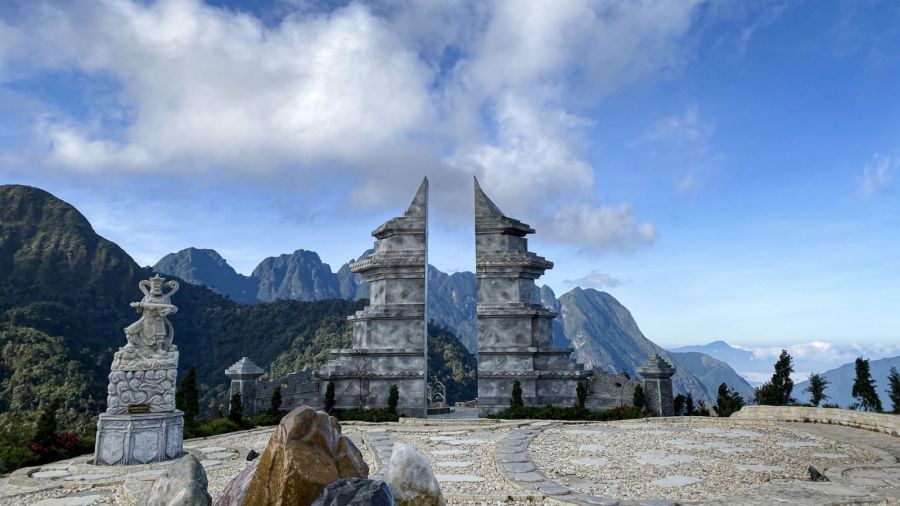
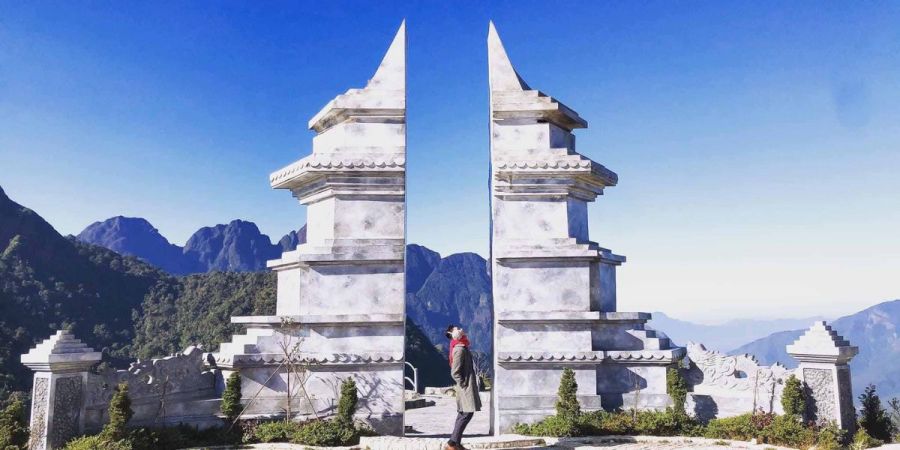
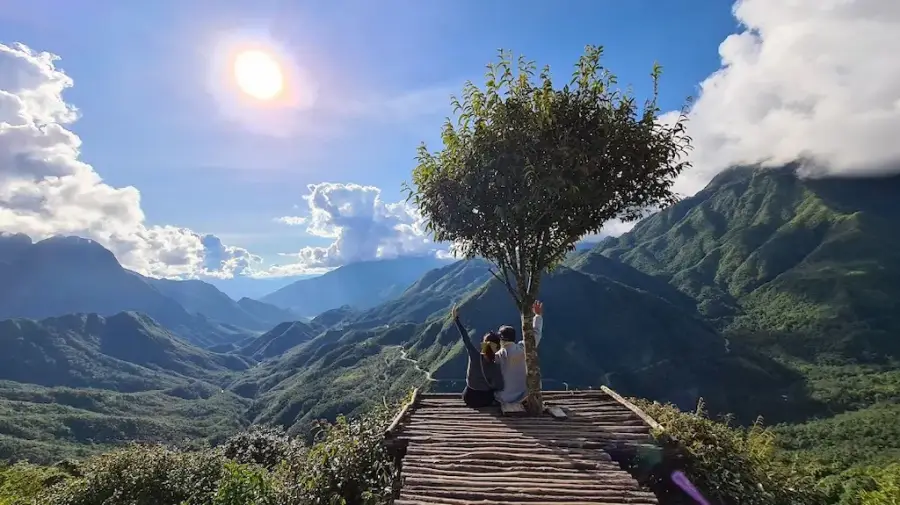
O Quy Ho Heaven Gate stands as a lookout point hovering high between the earth and sky. This location allows you to appreciate all that surrounds you with a breathtaking view of the Green Valley and multiple layers of mountains stretching far away in a way where you can barely see them because they are so far away from you.

Check-In-At-O-Quy-Ho-Heaven-Gate

Early in the morning, the sunlight filters through the mist and creates many different colours that can produce an ethereal look to your photos, whereas later in the afternoons, the golden tones highlight the contours of the mountains and floor space. The presence of fog will make everything look almost ethereal and create a surreal feel that makes it seem like you are floating in mid-air. Every visit provides a unique photograph as well as experience since each visit is different.

Feel Adrenaline With Thrilling Outdoor Games

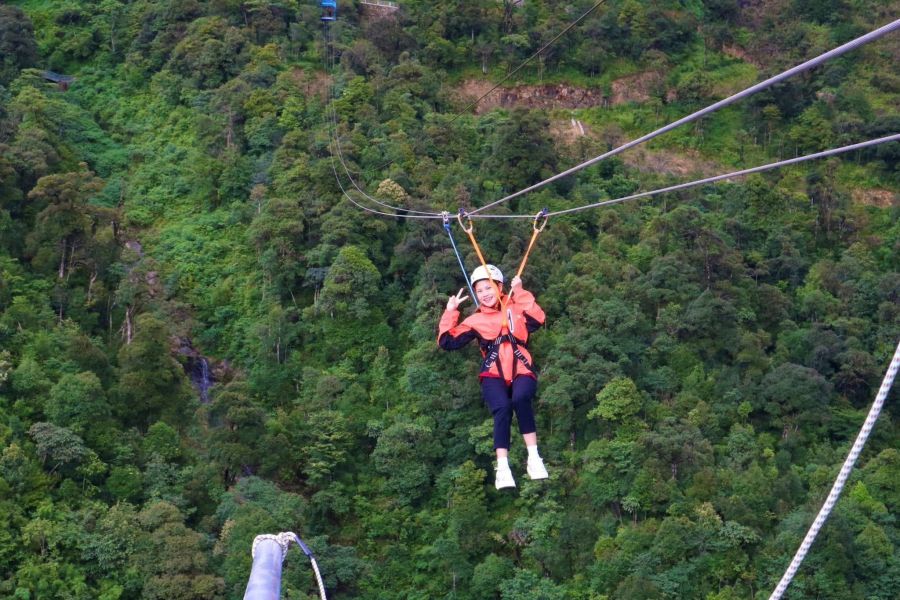
If you’re an adrenaline junkie, then you will love playing at Heaven Gate Sapa. Ziplining provides an unparalleled way to experience flying over the lush green valleys and tall trees below you. As you zip through the air, you will be able to see the mountains from an entirely different viewpoint than when you are standing on them. The staff is experienced, and teamwork involved in rock climbing ensures that your body and your mind both have what it takes to make it to the top.

Feel Adrenaline With Thrilling Outdoor Games

Those who challenge themselves to ride the sky bike must use both balance and good judgment as they pedal their way through the air. A more freeing activity is riding on the giant swing, which gives riders the thrill of soaring forward at a rapid pace, with endless views stretching across the Northwest highlands.

Join Authentic Northwest Cultural Activities

Visitors to Heaven Gate Sapa will be amazed by the chance to learn about the unique cultural heritage of many of the area’s Northwest ethnic groups. While visiting Heaven Gate, visitors will see many traditional dances, their musicians dressed in colorful costumes, while musicians play traditional songs that reflect the sounds of nature. Participating in some of the hands-on activities (such as weaving, embroidery, or wearing traditional clothing) gives visitors the opportunity to gain an understanding of the time and skill it takes to produce these crafts, which have been passed down for generations.

 Join Authentic Northwest Cultural Activities

These experiences at Heaven Gate Sapa give insight into the daily lives, values, and traditions of these Northwest ethnic groups. You can purchase unique handcrafted items made by local artists and thus support the continued practice of these traditional forms of art.

Enjoy The Diverse Flavors Of Sapa Cuisine

To fully experience Heaven Gate Sapa, one must indulge in the area’s unique highland culinary offerings. Locally grown products such as wild boar, black chicken, salmon, sturgeon, and various kinds of mushrooms are used in addition to distinctive spices such as mac khen, doi seeds, and others.

enjoy The Diverse Flavors Of Sapa Cuisine

Meals made in the highlands are typically characterized by the cold climate and way of life. They tend to be simple with bold flavors, warm and comforting with deep satisfaction. Eating inside a warm and inviting space while staring outside at the foggy mountain peaks provides an additional level of coziness and authenticity. The taste of these meals will often stay with the visitor long after they return home from Sapa.

Entrance Fee

Before planning a trip to Heaven Gate Sapa at O Quy Ho Pass, it is essential to know its current entrance fee. Entrance fees for this attraction have been grouped by age and height sections.

Visitor Type Ticket Price
Adults 120,000 VND / person
Children (1m – 1.4m) 60,000 VND / person
Children under 1m Free

Best Time To Visit Heaven Gate Sapa

While many people think about being in Heaven Gate Sapa throughout the year, each season offers a different type of atmosphere. Knowing what types of weather, colors, and sights will be present during each season can help you find out when is the best time for you to enjoy all that Heaven Gate has to offer.

Spring (March – May)

Spring in Sapa at the beginning of Spring is still very chilly, just like winter. At the top of the pass, the view from Heaven Gate is often covered in soft colors of grey to blue, creating this tranquil, foggy atmosphere. As Spring goes on into late April to early May, the weather begins to become warmer, and flowers start to bloom. At this point, you have one of the best times to appreciate the beautiful views in this area as Sapa begins to awake with newly bloomed colors and lots of sun.

Best Time To Visit Heaven Gate Sapa

Summer (June – August)

Summer is characterized by warm sunshine and bright green grass at Heaven Gate Sapa. It is during this time that many local fruit trees will be producing the best fruits of peaches, plums, and wild apples. Looking out from Heaven Gate on a clear day provides great views down to the entire Hoang Lien Son range. At this time of year, the terraced rice fields below will begin to take on a beautiful, bright green color as the young rice plants continue to grow and develop.

Autumn (September – October)

The period from July to August represents the rainy season in Sapa when the roads leading to Heaven Gate will be much more difficult to travel along. However, September and October are recognised as the best time to visit due to improved weather conditions and travel possibilities. The rice terraces will shine with amazing golden colours during these months. Also, it is a great time of year for clouds – they will look beautiful and provide stunning photo opportunities as they float around the pass.

Winter (November – February)

Heaven Gate Sapa during the winter months is an especially romantic and intense time due to the cold weather. The mountains are often covered with frost or sometimes with snow. These dramatic vistas look as if they could have come from a movie; for those with a love of adventure, these amazing frozen mountains and misty peaks will leave an unforgettable memory.

How To Get To Heaven Gate Sapa

To the Heaven Gate Sapa, the journey is also a fun activity, since the path to get to the top goes through the most spectacular passes within Northern Vietnam. Note below to ensure the right route and means of transport are used to get to the destination safely and comfortably.

Directions To Heaven Gate Sapa

To reach Heaven Gate from Sapa Town, you will need to travel approximately 20-25 minutes by car towards the Northwest. Head Northwest on Thac Bac Road for about 1km, then turn left onto National Highway 4D (Dien Bien Phu Road).

Continue straight until you come to the top of O Quy Ho Pass, where you will arrive at Heaven Gate Sapa Ecotourism Area. This is the entrance to Heaven Gate with the best view. Remember to allow for potential traffic delays and determine the route based on the weather patterns at the time you are travelling.

Transportation Options To Heaven Gate Sapa

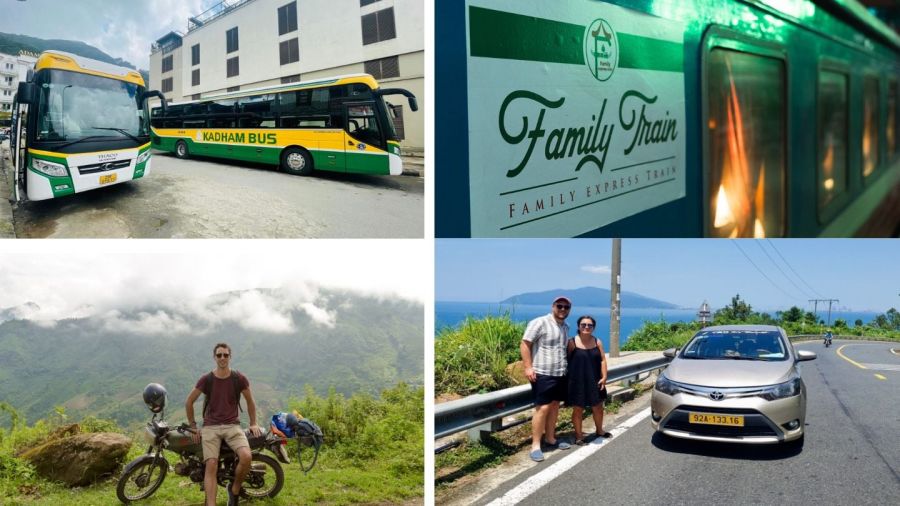
Tourists can access Heaven Gate Sapa by motorbike, taxi, and personal car according to the preference and budget of each tourist.

Transportation Options To Heaven Gate Sapa

  • Motorbike: This is the most versatile option and the most preferred one for adventure enthusiasts who want to tackle the windy roads of the O Quy Ho Pass. You can bring your own motorbike or hire one for USD 4-6 per day, or hire a motorbike taxi for about USD 3.5-4 per ride.
  • Taxi: Taking a taxi is a better option if you are accompanied by your kids, seniors, or if it is your first time riding through the mountains. Taking a taxi costs between USD 4 to USD 5.
  • Car: If you opt to use your own car or a tour car, you enjoy the advantage of flexibility, especially when traveling in a group and when you need to carry additional equipment. The costs of renting a car depend on the type of car, the period, and the route to be taken.

Things To Know Before Traveling To Heaven Gate Sapa

For an elevated experience of Heaven Gate Sapa, planning will greatly improve your trip, due specifically to variable weather and difficult roads. Make sure to get familiar with these four key things to help you enjoy the scenery of Heaven Gate safely and comfortably.

  • The weather is unpredictable; it can go from clear to cloudy within an hour, so always pack a light jacket or windbreaker, especially if you are planning to arrive before noon or after four o’clock.
  • The morning provides the best opportunity for seeing the clouds and sunrise, but take note that there might be very heavy fog. Therefore, allow yourself enough time for travel and pay close attention while travelling along the pass.
  • If travel is by motorbike, check that your brakes and tyres are in good condition. The steep and winding O Quy Ho Pass leads to Heaven Gate.
  • Remember to wear comfortable shoes with a good grip. Some of the viewpoints, stairways, and photo spots might be slippery if misty or raining.
  • Bring cash in small denominations, as not all services, food vendors, or souvenir shops will take cards.
  • To experience Heaven Gate Sapa in peace, try to avoid visiting during busy periods (public holidays, weekends). Heaven Gate Sapa will get crowded during the busiest times.
  • Make sure your mobile or camera is fully charged. Due to how fast the scenery changes, it is unlikely that you will have access to charging facilities once you reach the site.
  • Abide by all safety barriers and warnings, particularly when photographing around steep cliffs and high viewpoints.
  • If traveling with young children or older family members, consider taking a car instead of a motorbike.

Final Thoughts: Is Heaven Gate Sapa Worth Visiting?

A trip to Heaven Gate Sapa is definitely worthwhile for any traveler who wishes to experience the dramatic beauty of Vietnam’s North Mountain region. From this magnificent viewpoint, you will see miles of beautiful blue valleys, white fluffy clouds, and majestic white mountain peaks, which provide an incredible, tranquil experience in addition to a powerful experience. Heaven Gate is also a chance to take time out, relax, breathe the fresh air, and connect with the earth. Book your tour with Seni World for a smooth and organized trip to Heaven Gate.

Lao Chai Village: Stunning Terraced Fields And H’Mong Culture Guide

Lao Chai is a charming rural village of the H’mong ethnic minority, situated deep in Muong Hoa Valley of Sapa. This region is famous for its breathtaking terraced rice paddies, stilt houses, and rich cultural identity, giving visitors an insight into rural life in northern Vietnam’s mountains.

Introduction To Lao Chai Village

Lao Chai Village is a scenic ethnic minority settlement located in the centre of Muong Hoa Valley (7-8 km southeast of Sapa Town). It is known for its beautiful terraced rice fields, winding streams, and rural setting, which are completely different from the hustle and bustle of the cities around the world. The changing landscape at Lao Chai depicts the transition between Season and Rest, similar to the transition from the lush green fields of Summer into the Golden colours of Autumn, making it a popular spot for nature enthusiasts and photographers alike.

introduction To Lao Chai Village

Natural beauty aside, visitors to Lao Chai Village are also attracted by the rich culture and traditions of the Black H’Mong and Giay people, who have lived in this area for hundreds of years. Walking down narrow trails, you will see homes made from wood and other materials, nice people going about their lives, and there are many opportunities to take part in daily life by seeing local customs, handicrafts, and food. Walking, or trekking for those that want to trek, from Sapa to Ta Van Lao Chai provides an opportunity to experience and learn about the rich cultural history and charm of the northern highlands of Vietnam.

Top 6 Iconic Attractions In Lao Chai Village

A trip to Lao Chai Village would not be complete without visiting its most famous sites. Each location is a journey to the rich culture, natural beauty, and way of life of the Black H’Mong and Giay communities in Lao Chai Village.

Muong Hoa Valley

Located inside the Muong Hoa Valley, Lao Chai Village has been called a “poetic muse” of Sapa. The rice terraces stretch beautifully through the hills, painting a breathtaking picture of a colorful tapestry of green, golden, and brown depending on the season. During the wet season, the rice fields mirror the color of the sky, while in spring, the fields regain their bright green color. However, as soon as Autumn sets in, the rice fields glow like a golden masterpiece. Trails of the valley and by the side of the stream allow visitors to observe fish swimming in the clear waters.

Muong Hoa Valley

Furthermore, the sound of the Muong Hoa stream provides a gentle background melody while soaking up the sights of this breathtaking scenery. Sunrise and sunset moments would be truly magical as the soft mist covers the whole valley, making this natural scenery a dream to see.

Lao Chai Suspension Bridge

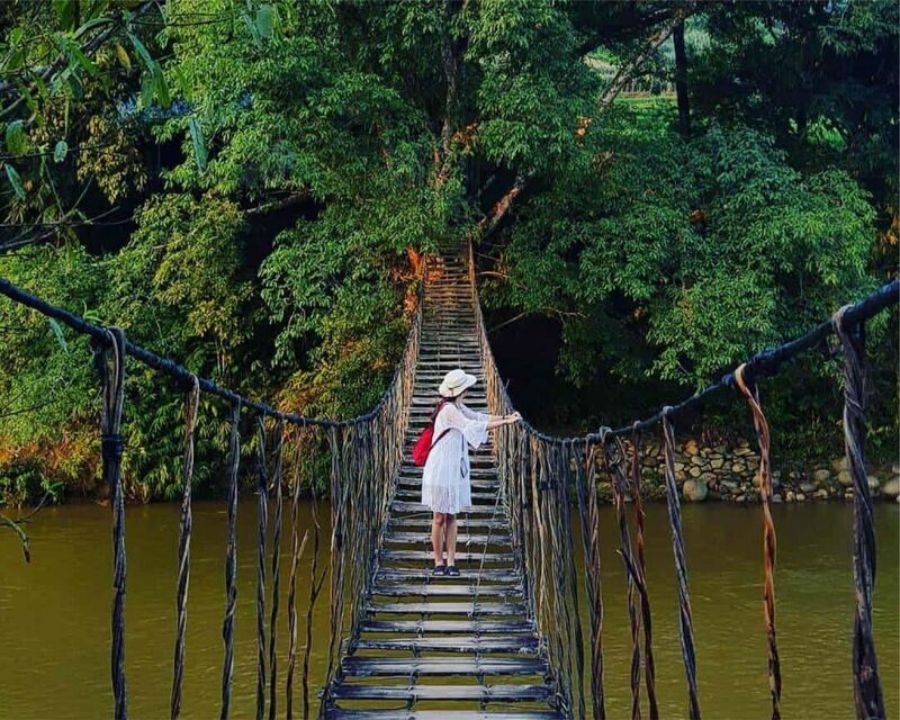
Extending over the peaceful Muong Hoa River is the elegant Lao Chai Suspension Bridge, which not only acts as a means to cross over to the other side of the village but is also a popular sightseeing spot. On the bridge, tourists can enjoy the day-to-day activity of farmers cultivating their lands, children playing near the riverbank, and handicraft vendors lining the walkway. Additionally, come rainy days, wildflowers grow around the bridge to provide an ambiance that looks straight out of a fairy tale. This is also an ideal location to take photographs of the village’s surroundings.

Lao Chai San 2 Suspension Bridge

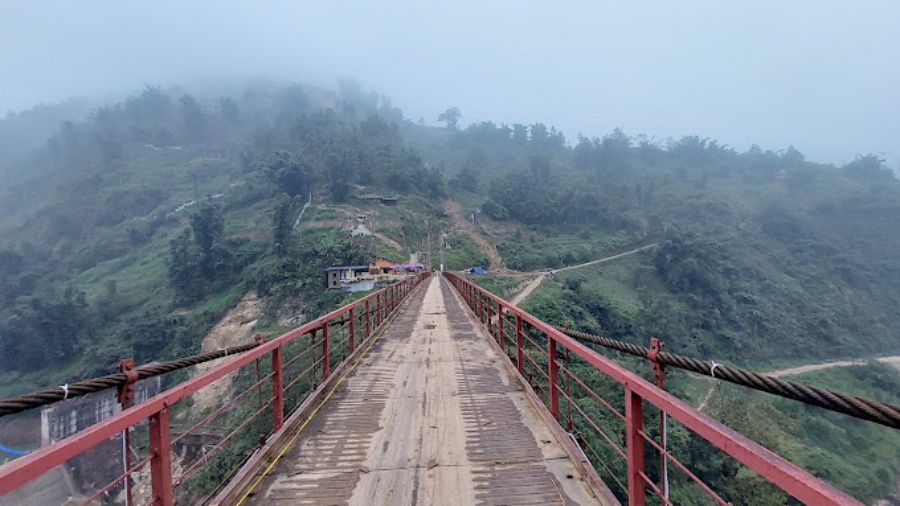
Unlike its counterpart in Lao Chai Village, Lao Chai San 2 spans over the reservoir of Y Linh Ho with a modern cable suspension system. Its red cables appear suspended over the water, harmoniously mixing with the morning fog. It is one of the must-visit places for trekkers, photographers, or nature enthusiasts, especially during May or June when golden butterflies are abundant. From this spot, trekkers can capture a striking view of the valley and reservoir with modern installations harmoniously coexisting in nature.

 Lao Chai San 2 Suspension Bridge

Ta Van Girl Shrine

Hidden behind a small hill, Ta Van Girl Shrine is a religious sanctuary for the locals. The shrine honors the figure of the Muong Va girl, who exists as a god in the folk belief of the Upper Northern Mountains. The site is a serene place that allows tourists to acquaint themselves with the particular spiritual culture of the H’Mong and Giay ethnic groups.

Moreover, during the festivals and Tet holidays, tourists have the opportunity to observe the ‘Hau Dong’ ritual. By visiting the shrine, tourists can experience the cultural and religious beliefs of the residents of Lao Chai Village.

Ta Van Girl Shrine

Provincial Road 152

The route to Lao Chai, especially in the Muong Hoa Valley, is one of the favorite places to stop over to admire the panorama. From there, tourists can have a comprehensive view of Lao Chai, Ta Van, and the surrounding mountains as they come out from the misty clouds. The scenic areas to stop over on the route to Lao Chai have become favorite locations of photographers and adventure tourists to capture the beauty of Northwest Vietnam in different seasons.

Y Linh Ho Hydroelectric Dam

Located beneath the Lao Chai San 2 Bridge, the Y Linh Ho Hydroelectric Dam is an unobtrusive but essential part of the scenery, providing the village and surrounding areas with electricity. Despite the fact that the dam itself is rather small, it combines perfectly with the natural scenery of the terrain. The sound of the water that rushes when the dam releases water during the rainy season reverberates throughout the valley as if singing an endless concert amidst the mountains. Coming here allows tourists to see the combination of sustainable development and pristine landscapes that characterize Lao Chai.

7 Unforgettable Experiences You Shouldn’t Miss

Tourists visiting Lao Chai Village can get a true feel for the lifestyle, culture, and beauty of Sapa’s ethnic minority groups. Tourists will experience a variety of activities while visiting the village, such as exploring the amazing terraced rice paddies, participating in lively local festivals, and generally experiencing something new and exciting to enhance their understanding of northern Vietnam.

Check In At Terraced Rice Fields

The terraced rice fields in Lao Chai are no doubt one of the most striking things about this village. These rice fields cover the hills around Lao Chai, changing with each season from green to gold. Nature brings out these striking changes when plants turn golden during harvest season, but turn brown thereafter. However, these fields can also serve as a walking route that could lead tourists to some great photography sessions or even inspire tourists with the hard work that goes on in these rice fields. Taking pictures of these rice fields during sunrise is one of the most fascinating things about Lao Chai.

 Check In At Terraced Rice Fields

Visit The Local Weekend Market

Weekends are when the local markets in Lao Chai are set up, and they are what bring colors, aromas, and sounds to the village. It is at this place that you get to see handmade fabrics, traditional garments, and handicrafts made by the Black H’Mong and Giay ethnic groups. Produce from their farms, cuisine, as well as herbs with rich aromas, are also sold at this market in an effort to give you a taste of village life.

Visit The Local Weekend Market

Engage In Local Festivals

Attending Lao Chai during spring or special occasions gives visitors the opportunity to experience the colorful celebrations inherent among locals. The celebrations involve local games, group dances, singing, and performances by bonfires. The events are filled with joy and energy, offering a rich opportunity to experience the cultures of the H’Mong and Giay communities. The experience enables visitors to interact with locals, observe their ancient traditions, and understand the significance associated with the events.

Engage In Local Festivals

Treks through Hidden Trails And Scenic Paths

Lao Chai has many natural surrounding features like hills, bamboo trees, and streams, which make it an attractive destination for trekkers. Trekking routes differ depending on the terrain and allow the visitor to explore villages, rivers, and secret waterfalls that lie deep within the mountains.

 Treks through Hidden Trails And Scenic Paths

All the routes are characterized by breathtaking scenery and the chance to participate in village life by observing people like the farmer tending to the fields or the children walking to school. Trekking gives the visitor an opportunity to get away from the city and get connected, as well as find some quiet time in the peaceful surrounding scenery.

Learn Traditional Handicrafts

Visitors have the opportunity to interact with the locals and understand various arts and crafts like weaving, embroidery, and natural dyeing. By experiencing it firsthand, the hard work that goes into the preparation of each fabric and piece of apparel becomes apparent. One can learn the art of creating small items as souvenirs and understand the hard work that goes into it. It is also a great way of interacting with the locals.

Learn Traditional Handicrafts

Homestay And Cultural Exchange

An overnight stay at Lao Chai homestay gives an incomparable chance to learn about the lifestyle of the villagers. The stay allows the tourist to engage with the daily chores of the villagers, such as the preparation of meals on the wood fire, tending to the animals, or even the preparation of herbal medicine. Living with the family allows the tourist to learn about the culture of the H’Mong and Giay ethnic groups, as well as learn about the ceremonies performed by the locals.

 Homestay And Cultural Exchange

Optional: Bamboo Rafting On The Stream

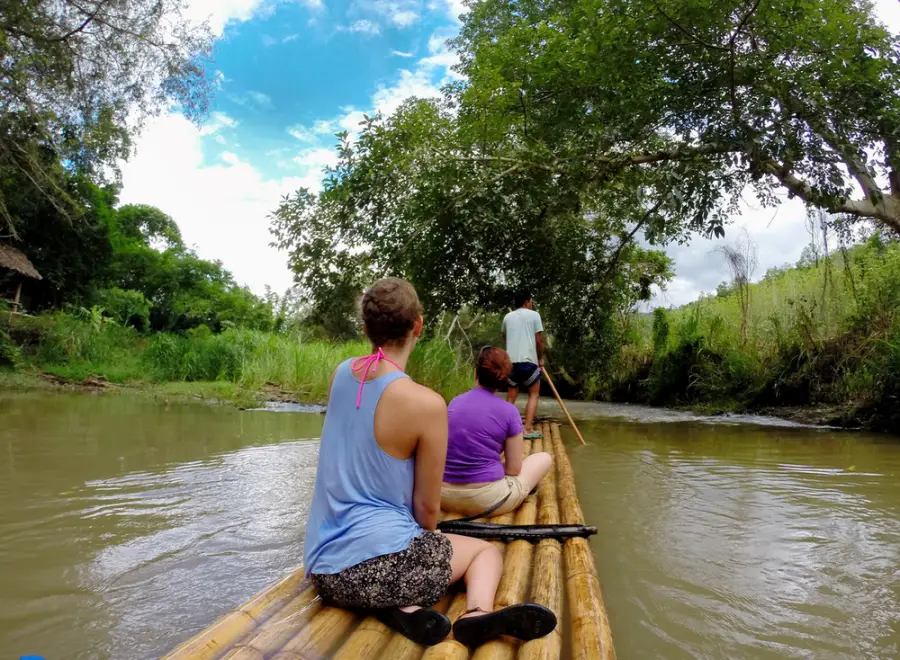
This action will appeal to those with an adventurous spirit! These small waterways are perfect for bamboo rafts. Travelers can ride on the smooth, still water without having to paddle, “create waves” or “appear clumsy”; they simply enjoy the calmness of the water while viewing the beautiful reflection of Rice Terraces upon the still surface of the water and listening to the gentle sounds of nature as they pass by. Bamboo rafting provides a serene, reflective atmosphere in which travelers can take time to enjoy the tranquillity and majestic beauty of their environment.

 Optional Bamboo Rafting On The Stream

Entrance Fee

In order to enter Lao Chai Village, a joint entrance ticket to the entire Muong Hoa valley area is required:

  • Adults: 150,000 VND (6 USD)
  • Children aged 6-12: 100,000 VND (4 USD)
  • Children under 6: free of charge

Note: Prices may vary depending upon the season.

At the same time, you can combine your trip to Lao Chai with other villages in the vicinity, like Ta Phin or May Village. These options are also breathtakingly beautiful and full of rich cultural experiences.

Best Time To Visit Lao Chai Village

Lao Chai Village is picturesque any time of the year, but there are three particular times to take in the full beauty and poetic scenery of this area:

  • During the water-filled phase (May to June), the early rains of summer turn the paddy fields into giant mirrors, reflecting the blue sky and moving clouds. It appears as if the paddy fields are coming alive after a long dry season, a phase so mesmerizing as to be almost magical.
  • During the lush green phase (July-August), the entire valley remains draped in green. The pleasant climate and clear weather make it ideal for a stroll through the region. One can take the opportunity to inhale the fresh air and appreciate the balance of nature and the village.
  • In the golden harvest season, when September gives way to October, the whole village radiates an aura of bright yellows from the mature rice. The aroma of mature rice wafts in the air, symbolizing a good harvest season and welcoming tourists to absorb the colorful essence of nature.

Best Time To Visit Lao Chai Village

How To Get To Lao Chai Village

From the center of Sapa, go to the Love Market, then turn onto Cau May Street. At the T-junction, turn left onto Muong Hoa Road and proceed on Provincial Road 152. After the Thuan Duyen grocery store, turn right to enter Muong Hoa Valley, and after a few hundred meters, you will be in Lao Chai Village. The distance of around 7 km would take some 20 minutes by the following transport:

  • Motorbike: Recommended for those who enjoy adventure and traveling on mountainous roads. Motorbike rental costs between 100,000 and 150,000 VND (4 to 6 USD)/day, while a motorbike taxi will cost between 50,000 and 70,000 VND (2-3 USD)/trip.
  • Car: It is suitable for large groups of people, families that travel with older people, or children. Its charge is approximately 100,000 to 120,000 VND (4 to 5 USD).

Things To Know Before Traveling To Lao Chai Village

Before going to Lao Chai Village, it is significant to be prepared in order to appreciate the beauty of nature as well as the culture. Here are the tips for your safe, enjoyable, and respectful visit to the village.

  • Dress in layers and wear proper trekking shoes, as the weather in Sapa may change drastically, and trekking in the fields may require proper shoes with a strong grip.
  • If you are going to the gardens during the peak summer months, do not forget to take a hat, sunscreen, and sunglasses to protect your skin from harsh UV rays.
  • Be mindful of local norms when visiting residential areas, and never enter a home without permission, or sit alongside altars unless specifically invited.
  • Bring drinking water and snacks, as there are few stores inside the village, and the hike through the rice fields can be strenuous.
  • If you intend to photograph the local population, it is always better to seek their permission first, particularly old people or those undertaking rituals.
  • Money should be carried in small denominations for spending, as cards and large denominations are not accepted in most stalls and homestays in the village.
  • Timing your visit early in the morning will allow you to capture the misty sunrise amidst the terraced fields, which will also be less crowded.
  • Refrain from trekking along the edges of rice terraces, as they may be slippery and narrow. Consider hiring a guide for your trek, as they possess knowledge of the area.

Final Thoughts: Is Lao Chai Village Worth Visiting?

Lao Chai Village offers natural scenery and ethnic culture at the same time, while providing a peaceful retreat from city life. People find both the scenery from the terraced rice fields and the kindness of the Black H’Mong and Giay people make it feel like each moment is real and unforgettable. Hiking in this area allows you to see how these people live, eat their food, and create handicrafts, which is ideal for both photographers and cultural travellers alike. Book your trip with Seni World and enjoy all the beautiful sights and peaceful atmosphere that are found in Lao Chai Village, in northern Vietnam.

Ta Van Village

Ta Van Village Travel Guide: Culture, Scenery And Local Life

Ta Van village is an ethnic village of peace, which is situated in Sapa, known particularly for its terraced fields of paddy, the breathtaking Muong Hoa Valley, and the local culture of the people there, making it the most suitable destination for trekking and discovery.

Introduction To Ta Van Village

Ta Van Village is a picturesque rural village located in the stunning Muong Hoa Valley in the Sapa region of Northern Vietnam, and is famous for its rice fields and breathtaking scenery of the surrounding mountains and valleys. Ta Van Village is inhabited by the Giay and H’Mong ethnic minorities and provides a tranquil retreat for tourists seeking a glimpse of authentic hill tribe life in a secluded environment that is not thronged by large tourist flows.

Introduction To Ta Van Village

People are attracted to Ta Van Village because of its beautiful scenery and rich culture, which allows you to stroll through paths along rivers, discover paddy fields that vary with different seasons, and experience encounters with locals as they perform their routine activities, such as weaving, farming, and making handicrafts. Whether you hike through nature, discover their culture, or stay in their homestays, Ta Van Village is definitely a destination that lets you experience the northwest region of Vietnam in its highlands in your own unique way.

History Of Ta Van Village

Ta Van Village in Sapa is named after the H’Mong language, which is believed to refer to a “large arc”, shaped like a bow over the Muong Hoa Valley. Located in the shadow of the Hoang Lien Son range, Ta Van Village is where H’Mong, Red Dao, and Giay ethnic groups have lived for many centuries, modifying their environment by terracing their fields for growing rice but retaining their unique culture and attachment to nature, making it as authentic as it is today.

Top 3 Iconic Attractions In Ta Van Village

Ta Van Village is lucky to possess picturesque terraced fields, streams, and mountains in addition to many other attractions in and around this lovely location in the north of Vietnam.

Terraced Rice Fields

The terraced fields of Ta Van Valley are one of the most photographed attractions of the village and are truly humbling experiences for visitors. The fields have been dug into the sides of the mountain by the hard work of various ethnic groups and are truly reflective of their resourcefulness and dedication.

The terraced fields of Ta Van Valley

During the water pouring ceremony, which takes place between May and June, the fields shine like bright pieces of silver, reflecting the sky and mountainsides perfectly. These fields look golden from September through October, and it is truly one of the most photographed landscapes of Vietnam, which is Sapa’s pride and joy and is especially tranquil no matter what time of the year you choose to visit.

Muong Hoa Stream

Winding through the valley, the Muong Hoa Stream brings a touch of romance to the scenery of Ta Van. With the gurgling waters and the cool mountain air, it is a sight that brings peace to the soul and soothes one’s nerves. Along the banks of the stream, one would see locals washing vegetables, children playing in the waters, or plying the lands just adjacent. During the morning hours or in the afternoons, the mist that arises from the waters brings a poetic charm.

Mountains of the Hoang Lien Son Range

Ta Van Village is located in the shadow of the Hoang Lien Son range of mountains and thus gives Ta Van its fresh climate and a feeling of vastness in terms of natural scale and environment. Indeed, the valleys surrounding Ta Van offer infinite opportunities for hill trek photography and sightseeing, as Ta Van sits in the valley protected by the aforementioned range of mountains that provide a natural cooling breeze and thus a refreshing atmosphere far from the hustle and bustle of urban life.

Mountains of the Hoang Lien Son Range

7 Unforgettable Experiences You Shouldn’t Miss

The Ta Van Village provides a unique blend of adventure, culture, and nature. It is a tourist hub of choice for those who want to experience a genuine encounter while traveling to the Northern Highland Regions of Vietnam. There are activities and experiences that help unlock the spirit of this beautiful place.

Trekking From Lao Chai to Ta Van

The most famous trek in the Sapa area has to be the one from Lao Chai to Ta Van, which passes through rice terraces, forests of bamboo, and villages of ethnic minorities. The trek goes along scenic routes of Muong Hoa Valley and provides observation of the lifestyle of H’mong and Giay people. The trek is considered quite easy and accessible for beginners, and, at the same time, there are enough places for photographs and resting. This trek gives you a great chance to immerse yourself in nature and ethnic minorities at a relaxed pace.

Trekking From Lao Chai to Ta Van

Visiting Traditional Giay Ancient Houses

One of the cultural attractions in Ta Van is visiting the wooden houses of the Giay ethnicity. Actually, some of these houses are even more than 90 years old, such as those of Hoang Din or Lo A Mu. These are all made of wood gathered in the forest and contain floors of compacted soil. Walking into such houses is as if entering a museum. One is treated to stories through the things used, which hold traditions of this community.

Exploring Local Ethnic Culture

Ta Van is a habitat to a number of ethnic groups such as H’Mong, Red Dao, and Giay people. One of the most interesting aspects of Ta Van is its traditional weaving of textiles. The local women of this place are experts at weaving these brocade textiles. On Saturdays and Sundays, the highland market of Ta Van becomes a hub of activity with vendors offering fresh produce from their farms in the wilderness of Vietnam. The best way to soak in local experiences is to take a walk through Ta Van highland market.

exploring Local Ethnic Culture

Experiencing a Red Dao Herbal Bath

After a long day of trekking, a Red Dao herbal bath is one of the most relaxing experiences you can have in Ta Van. A herbal bath consists of a mixture of more than 20 herbs that are boiled and then poured into a wooden bathtub. A herbal bath has long been a traditional activity of the Red Dao tribe, and it has the effect of relieving fatigue in the muscles, boosting blood circulation, and rejuvenating the body as a whole. A herbal bath in the natural setting of the forest, surrounded by the cool mountain air, is one of the most rejuvenating experiences.

Experiencing a Red Dao Herbal Bath

Discovering the Sapa Ancient Rock Field

Not far from Ta Van is the Sapa Ancient Rock Field, which is an interesting archaeological destination covered with large stones bearing strange symbols and markings engraved on them. These carvings have been found to relate to some civilizations that existed in the Muong Hoa Valley, which gives this destination some air of intrigue as well. Visiting this destination offers visitors a chance to immerse in both walking and archaeology as they enjoy scenic views of paddy fields and mountains that surround it.

Discovering the Sapa Ancient Rock Field

Photographing Terraced Fields and Natural Landscapes

Ta Van is a paradise for nature lovers and photographers with its beautifully cascaded rice fields and mountain range scenery. Many of the best spots for photography can be accessed easily from Ta Van village and will enable you to take wonderful pictures without having to trek much. Depending on the season, the rice fields will either sparkle with water, turn gold with ripened rice, or look lush green with the Clear blue sky full of majestic mountains and trees. Early morning and late afternoon are the best times for photography in Ta Van Village.

Photographing Terraced Fields and Natural Landscapes

Participating in Local Hand

For a deeper experience of the culture of Ta Van, one could participate in some hands-on classes organized by local families. Cooking classes would familiarize you with local cuisine like the five-colored sticky rice or men men, while batik classes would allow you to experience the fun of wax-resist dyeing. Herbal classes would provide you with information on mountain plants and how they are processed into herbal teas or local baths. These hands-on classes would allow you to take back home a piece of local culture – a product you would have made yourself.

participating in Local Hand

Entrance Fee

Although Ta Van Village does not charge a set entrance fee, because it is a residential community that welcomes all visitors, if you are participating in a guided tour, staying in a homestay, visiting someone’s home, or utilizing local services, it is customary and respectful to pay the price discussed and agreed upon with regard to these services.

Always ask your guide or host ahead of time for the cost of these services and be prepared to pay accordingly for any services, meals, or handmade goods that you would like to utilize or purchase during your time at Ta Van Village.

Best Time to Visit Ta Van Village

Every season in Ta Van Village gives you a different insight into the beauty and rhythm of life in the Vietnamese highlands in the north. Depending on your preferences regarding misty views, golden rice fields, or experiences, here is your guide to visiting during each of these seasons:

Cloud-hunting season (September to April)

It is believed that this is the most mystical time in Ta Van, when soft white clouds move lazily across the valleys and mountain slopes, making it look as if it is in a world of dreams. The mornings are particularly breathtaking, as the mist envelops the rice paddies and homes, making it perfect for treks and photography enthusiasts looking to take pictures that exemplify the poetic side of Ta Van.

Cloud-hunting in ta van village

Golden Rice season (late September and April)

During this time, Ta Van is painted gold as the ripened rice fields line the hills in a breathtaking, patchwork effect. It is very busy, but this is one of the most beautiful times of the year, with so many things to see and do, from exploring the village, snapping pictures, and experiencing the culture.

Water-Pouring Season (May to June)

At the beginning of a rice-planting cycle, farmers water the terraced land, creating giant mirror landscapes reflecting the sky and mountain ranges around them. The area exudes a freshness of life, presenting a different beauty compared to the harvesting periods. It is a great period to take landscapes and closely monitor farm activities.

Water-Pouring Season in ta van village

Plum blossom season (mid-February)

Though short, this is a lovely season. For around two to three weeks, Ta Van is dotted with blooming plum blossoms, creating lovely scenery in the village. It is the perfect moment to take leisurely walks, click photos of flowers, or simply enjoy the peace and serenity of village life.

Plum blossom season in ta van village

How To Get To Ta Van Village

The journey to Ta Van Village is also a pleasure and is part of the fun, as you pass through the beautiful Muong Hoa Valley on your way. From Sa Pa Stone Church, move along Cau May Street to Muong Hoa Road. It will take you about 11 km until you approach the Ta Van checkpoint; proceed for another 1 km along the stream. Shortly after, you will see a small red iron bridge crossing the river, which is actually the entrance to Ta Van Village. Based on your preference for travel, you can opt for any of the following options:

By motorbike

Bike rentals are another good option for adventurous tourists, giving them flexibility and the freedom to take pictures on the way. Those who take this route can enjoy breathtaking views of rice fields and valleys but are likely to encounter tough roads, especially in the wet season. The cost for renting a motorbike in Sapa is around 100,000-300,000 VND per day.

By taxi

Taxis are the most secure and convenient way, and this is even more true when you are transporting luggage or are traveling in bad weather conditions. Taxis are also fairly accessible in Sapa, and it would cost you around 15,000 VND (about 0.58-1.00 USD) per kilometer.

By trekking or walking

Nature and culture enthusiasts will find that trekking from Sapa to Ta Van Village is among the most gratifying ways to get there. There are also numerous guided trekking packages available as day or multi-day activities so that you can walk through villages, rice paddies, and bamboo forests while being educated on the local customs. This trekking option is best suited for someone who has good physical health and will allow you to be most immersed in the Ta Van culture.

Things To Know Before Traveling To Ta Van Village

A visit to Ta Van Village can be a serene and authentic Highland experience, but being a bit prepared can make your travels to and around this location a bit easier. The following tips can be very useful if you are visiting this area for the first time.

  • Wear sturdy trekking sandals or hiking boots, as there are dirt trails and stone steps in Ta Van, which may be quite slippery in rainy conditions.
  • Bring cash in small denominations, as there are no ATMs in the village and cards are not accepted in most homestays, shops, or other village facilities.
  • Dress modestly when walking through the village and entering local houses since Ta Van is a residential area of Giay, H’Mong, and Red Dao ethnic minorities.
  • It is advisable that you embark on your trekking activities in the early morning to avoid the scorching sun and have a clear view of the rice fields and Muong Hoa Valley.
  • It is important to request permission before photographing locals, especially children, and to avoid intrusive photography during daily activities.
  • Take enough light rainfall and sun protection clothing, considering that the mountainous regions may experience frequent variations in the course of the day.
  • Try to stay at a local homestay if possible to learn about their cuisine and culture and to appreciate a peaceful rural setting once the day-trippers depart.
  • Plan on having poor phone reception and a weak Wi-Fi signal, a fact of life in Ta Van and a definite appeal of a slow-travel experience in this village.
  • It is a gesture of respect for nature to remove your trash and follow the trails to preserve the rice terraces and the natural surroundings.

Final Thoughts: Is Ta Van Village Worth Visiting?

A trip to Ta Van Village is definitely worth considering for those looking for a serene getaway that is full of natural wonders and local culture. The village is surrounded by terraced rice fields, serene rivers, and mystic mountain ranges, providing a pace that feels incredibly refreshing to the soul. In this place, encounters with the Giay and H’Mong communities, stay experiences in local homestays, and trekking activities are combined to produce memories that last a lifetime. Seni World will take you to Ta Van Village to experience the soul of Sapa in authentic, inspiring, and motivating experiences.

Why Y Linh Ho Village Is Sapa’s Best Off-the-Beaten-Path Stop

Sapa’s Y Linh Ho Village is a tranquil settlement located in the Muong Hoa valley, which features terraced rice paddies and lofty mist-covered hills, and embodies the rich local culture of the H’mong people. Visitors can enjoy the serenity of this village and have access to various natural attractions.
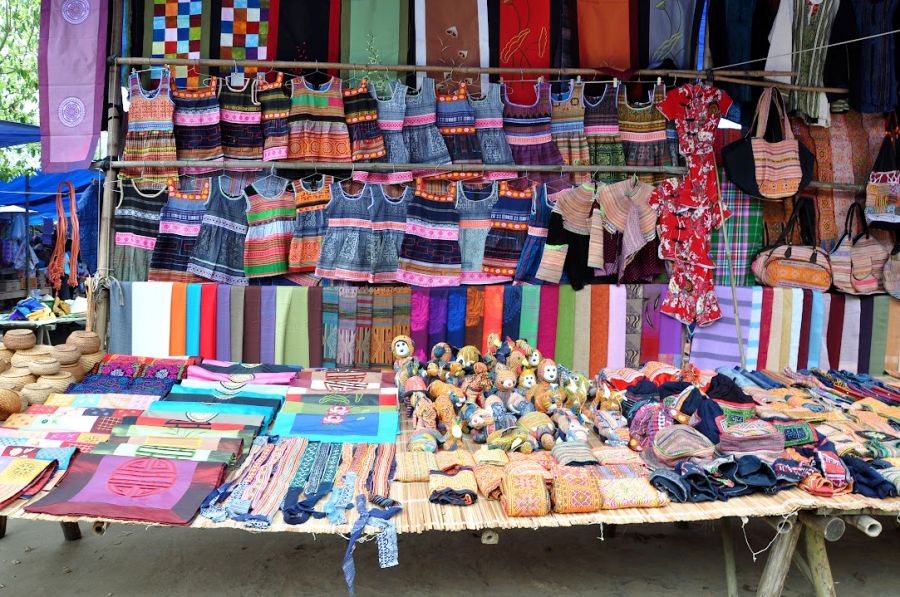
Introduction To Y Linh Ho Village

Located within the scenic Muong Hoa Valley, bordering the Sapa area of northern Vietnam, Y Linh Ho Village is a remote village that offers visitors a tranquil haven amongst the stunning landscape of terraced rice fields, verdant summits, and traditional ethnic village communities, although it is not as developed for tourism as the surrounding areas of Sapa. It is an ideal destination for those who seek an authentic experience with nature and traditional culture.

Linh Ho Village

Many people visit Y Linh Ho to view the daily lifestyles of the H’Mong and Dao people living in the area, as well as to hike through winding dirt trails that follow streams and rice paddies, discovering beautiful vistas throughout the Hoang Lien Son mountain range. A combination of traditional weaving and indigo dyeing, as well as the unique cuisine, gives Y Linh Ho’s visitors an opportunity to gain a deeper appreciation of life in the northwest highlands of Vietnam.

History Of Y Linh Ho Village

The village of Y Linh Ho is believed to be named after its founder, “Ly Linh Ho.” The Dao are believed to have “reclaimed and settled this land” many generations ago. The H’Mong people adopted this name and retained it as a sign of respect for the founder’s contribution, while at the same time creating a unique cultural and historical identity for the mountainous area of Sapa.

While the town today consists mostly of H’Mong residents, there remain several Dao families, and it retains its tranquil, natural beauty, which can be connected to the area’s rich history, traditions, and its connection to the environment.

6 Unforgettable Experiences You Shouldn’t Miss

Hidden from the busiest treks in Sapa, Y Linh Ho Village offers you an invitation to experience the stripped-down, rewarding nature of beauty, wherein nature and true highland culture are what define experience. It’s all about substance, not flash, about trails that are uneventful, about interactions that are genuine, and about the valley unfolding in a different, more authentic way.

Walking Through the Terraced Rice Fields of the Muong Hoa Valley

A stroll through Muong Hoa’s rice terraces is the essence of enjoy-. Paths wind you through terraced rice paddies that change color from rich greens of spring through summer’s soft gold. Meanwhile, you listen to streams bubbling, observe farmers tending their lands, and see mountains fading away in mists. It is a slow and immersive experience where you absorb the rhythm of life in the highlands and take great shots without any deadlines.

Walking Through the Terraced Rice Fields of the Muong Hoa Valley

Try on Traditional H’Mong Clothes for Photos

Wearing traditional H’Mong clothing provides a direct connection to the culture at Y Linh Ho. Locals can rent colorfully sewn clothing in a variety of styles. Not only does wearing traditional clothing improve your photographs, it also expresses the love and care the artisans put into making each item. Among the lush fields or the homes made of bamboo in the background, a truly engaging experience can be achieved.

Try on Traditional H’Mong Clothes for Photos

Discover the Cuisine and Daily Life of the H’Mong People

Visiting the many local eateries and cafes in Y Linh Ho will provide you with an insight into H’Mong tradition and how they live day to day. You can see women dye fabric using natural indigo, weavers creating traditional cloth, and women cooking meals over a wood fire.

Discover the Cuisine and Daily Life of the H_Mong People

The traditional meals served there include thang co (a dish of boiled meat), grilled “cap nach” pork, sticky rice and corn cakes. These traditional meals exemplify the frugal and simple way of mountain life. Having meals or chatting with the locals will be enriching experiences far above the run-of-the-mill sightseeing tours.

Cross Over the Lao Chai San 2 Bridge

Crossing the Lao Chai San 2 Bridge gives you access to a less-frequented section of the Muong Hoa Valley. This wooden suspension bridge crosses a small, slow-moving stream, with terraced fields on one side and mist-covered, high, steep mountains on the other.

Cross Over the Lao Chai San 2 Bridge

Many tourists stop to take photos as well as to enjoy the natural beauty around them of both the mountains and the valleys. As the primary entrance into Y Linh Ho Village, the bridge provides a sense of the peaceful, tranquil journey that is ahead.

Peaceful Village Trekking

Y Linh Ho offers an alternative trekking experience for adventurers looking for quiet trails. The village’s routes offer the opportunity to see rice paddies, forests, and small villages, allowing you to see first-hand how people in rural areas live.

Peaceful Village Trekking

On your trek, you will likely see children playing, farmers working their land, and buffalo grazing near the trail. The emphasis when trekking in this area is not on how fast you can get to the end of the course but rather on the things you see and experience along the way. Trekking is a means to step off the beaten path and come closer to nature and the people who live in these remote regions of Vietnam.

Rustic Village and Landscape Photography

For those who love photography, Y Linh Ho Village provides a never-ending source of images. From old wooden houses and dirt paths to farmers carrying baskets of produce over rice paddies, all subjects are natural and unposed. Imagine photographing the gentle light and mist during early morning hours or the soft hues of evening as the sun sets over the valley. These beautiful moments allow a photographer to capture the heart of highland communities and create a meaningful visual documentary for years to come.

Rustic Village and Landscape Photography

Entrance Fee

The small village of Y Linh Ho in Sapa does not charge any official entrance fee in contrast to larger villages such as Cat Cat, which tend to charge an entry fee for visitors. Y Linh Ho is also a traditional H’Mong village located in a very picturesque valley with beautiful rice terraces where visitors are able to walk, trek and take pictures as much as they like without paying anything to do so.

However, visitors should plan to pay for some small services such as eating at a local restaurant or staying in a local homestay, and wear comfortable walking shoes and have enough energy to explore Y Linh Ho.

Best Time To Visit Y Linh Ho Village

The best time to visit Y Linh Ho Village is during its water season from April to May. At this time, rainwater pours into the rice fields, making them reflect the sky and mountains. This is just ideal for photographers and other artists to capture the poetic beauty of Y Linh Ho Village. It is also one of its best times with beautiful scenery.

Another great time to visit Y Linh Ho Village is during the harvest season, which takes place between August and September, with golden rice fields in the mountains and a bustling scene of cultivation taking place in the rice fields throughout the day. The autumn season, which takes place between September and November, is ideal because it is filled with pleasant cool weather with bright skies, making hiking pleasant. There is also a great time suited for those who enjoy misty scenery, which takes place between December and January.

How To Get To Y Linh Ho Village

There is no direct way to get to Y Linh Ho Village, but you have two options: either trek or ride a motorbike. Both have scenic views but may be challenging for tourists who are less physically mobile.

By Trekking

The trek will begin from Sapa Town, go to Cat Cat Village, and proceed to Lao Chai San 2 Bridge. After which, you can proceed to Y Linh Ho Village, which is nestled serenely amidst mountains and rice paddy fields. The total distance is about 3.5 to 4 km and should take approximately 1.5 to 2 hours to finish. The time usually depends on your pace.

Trekking to Y Linh Ho Village

Throughout the route, the terrain goes from paved walking paths to rocky or muddy terrain, especially during rainy conditions. This trail will be most appreciated by active travelers, particularly hikers, looking for a chance to discover real, rural life. Opportunities for photography are endless, from the golden fields of rice terraces to the mountain vistas, right on down to the activities of everyday villagers.

By Motorbike

From the town of Sapa, take Provincial Road 152 south towards Lao Chai. Turning after about 3 kilometers from Lao Chai San, you will take a small turnout towards Y Linh Ho village. The drive will take about 15 to 20 minutes. This is certainly faster and much more convenient than taking the other route, especially with travelers with time constraints.

to Y Linh Ho Village by motorbike

When approaching Y Linh Ho, you will find that the road is steeper and narrower. This may be difficult, particularly when it is slick from rain. In good weather, you will enjoy the beautiful scenery of the mountains and an element of adventure. However, in inclement weather, such as rain or thick fog, you may face danger. In addition, sharp turns and rough roadways make this path unsuitable for novices or those who are not accustomed to mountainous terrain.

Things To Know Before Traveling To Y Linh Ho Village

Y Linh Ho Village is a picturesque but quite distant place, making it a must to prepare for a visit there. The tips provided below are the key to a safe and successful trip to the serene highland village so that you can experience all the best it has to offer.

  • It is recommended that you wear trekking shoes because village trails and terraced rice fields sometimes have uneven spots and may be muddy after the rains.
  • Bring water and snacks because the hike takes about 1.5 to 2 hours.
  • Always check the weather before heading out, because trail conditions can become difficult with fog, rain, or sometimes ice.
  • It would be good to have some cash with you since credit cards and ATMs are not available in the village. People also prefer cash transactions.
  • Layers should be worn to allow for adaptation to possible changes in weather when you are at elevated altitudes.
  • Be respectful of local customs and privacy when photographing villagers or accessing private property. It is always polite to ask for permission.
  • Start the climb early in order to escape the rain of the afternoon and ensure sufficient lighting for the trek back, especially where the path can be less visible when the sun has set.
  • It is recommended to hire a local guide or ask for directions, which can be helpful for navigating through to destinations and even learning H’Mong culture if that is desired.
  • You can expect minimal facilities such as toilets or rest stops, but the village is still quite rural, and this is, of course, all part of the appeal.

Final Thoughts: Is Y Linh Ho Village Worth Visiting?

Y Linh Ho Village is definitely worth exploring for people in search of unspoiled nature, culture, and a laid-back pace of life that can be enjoyed in remote areas and away from crowded tourist hotspots. The rice fields, mountains, and indigenous H’Mong tribes of this area will give you an immersive experience. The hiking in this region will be very personal and uncommercial, so you will have the chance to interact with the local people. So, in case you are looking for something different in nature, culture, or even peace, then Y Linh Ho Village might be the place for you.

Where To Stay In Vung Tau And Top Places For A Coastal Getaway

Finding where to stay in Vung Tau is part of discovering how the city moves between calm mornings and lively evenings. The right area can change your trip completely, turning a short visit into a smooth coastal escape.

Top Places To Stay In Vung Tau

Vung Tau offers a mix of stays that fit how you want to explore the coast. Each place connects easily with the sea, local food, and the many experiences worth trying across the city that keep the city lively from morning till night.

Front Beach

Front Beach (Bai Truoc) is the heart of the city. It’s close to ferry piers, restaurants, and the breezy seafront park, ideal for travelers who want city convenience without giving up the sea view.

Fusion Suites Vung Tau ★★★★★

Fusion Suites Vung Tau

Just off Truong Cong Dinh at Le Quy Don, Fusion Suites isn’t far from Front Beach Park. You’ll spot it easily, it’s the high-rise with a glassy exterior alongside a rooftop pool gazing out over Vung Tau Bay. These rooms generally include a little kitchen corner alongside seating, more akin to an apartment rental instead of just another hotel stay.

What people love about this hotel is that it centers around feeling good. Each visitor gets a free daily spa session, while the dining options feature fresh, healthy food. A five-minute stroll gets you to the hydrofoil pier; alternatively, a fast cab ride delivers you to the cable car at Nui Lon. The place works well for those wanting modern ease alongside cafes, the beach, then brief excursions across the peninsula.

Grand Hotel Vung Tau ★★★★

Grand Hotel Vung Tau

The Grand Hotel occupies a prime spot on Nguyen Du Street, directly across from Front Beach Park’s greenery. It’s among the city’s earliest hotels, holding onto an understated charm despite continuous updates inside. Guest rooms feature spacious layouts, dark wooden furnishings accompany gleaming floors with numerous options boasting balconies that overlook either the ocean or the park’s lush landscape. Folks seeking lodging in central Vung Tau frequently notice how this place blends cozy feels alongside local character.

It’s a good value spot; rooms generally begin at $30 nightly. A great spot means everything for visitors. From the front door, a quick five-minute stroll gets you to either the boardwalk or where the ferries leave; also, cozy coffee shops are nearby. The team handles work trips alongside vacations, offering reliable, effortless assistance. Though not chasing fads, this hotel consistently feels good, right where the city hums.

Muong Thanh Vung Tau Hotel ★★★★

Muong Thanh Vung Tau Hotel

As part of a popular Vietnamese hotel group, it delivers what people anticipate: clean, cozy spaces boasting sizable windows plus unpretentious wood furnishings. Most guest rooms face either the cityscape or have glimpses of the ocean; upper levels enjoy cooler air. Nightly prices generally range from $33 to $60, a bit less than comparable four-star options, offering good value.

The place has what you need: a pool outside, a spa, a tiny gym, alongside a restaurant serving both Vietnamese fare also Western options available throughout the day. Its spot is great for quick getaways: Front Beach Park is just a five-minute stroll away, fresh seafood joints on Truong Cong Dinh are nearby, while a speedy cab ride delivers you to the cable cars up Nui Lon. Considering its price point, it’s still a sensible pick for visitors wanting to get around Vung Tau easily.

Back Beach

Back Beach, locals call it Bai Sau, creating a long stretch of sand along Thuy Van Road. It’s where many people go to enjoy the ocean, because you’ll find cafes, restaurants serving fresh seafood, alongside hotels right on the shore.

The Imperial Hotel & Resort Vung Tau ★★★★★

The Imperial Hotel & Resort Vung Tau

The Imperial offers immediate access to the sand, a rarity around here. It doesn’t resemble typical seaside hotels; instead, old-world elegance is inspired by British colonial design, marble hallways, antique furnishings, alongside glittering chandeliers. A nearby private beach club provides sunbeds, fresh towels, alongside drinks delivered directly to where you relax on the shore. Expect room costs between $70–$180 nightly, shifting with both the outlook and time of year.

The Imperial isn’t just beautiful; it has everything you need for a getaway, three pools, a spa, tennis, alongside various restaurants. It’s built for taking things easy, from mornings with breakfast to quiet evenings. Some might find the styling somewhat old-fashioned, yet the helpful staff, coupled with its location on the beach, make this place a standout. It’s ideal for those seeing the area for the first time or pairs desiring a classic seaside stay close to everything.

Pullman Vung Tau ★★★★★

Pullman Vung Tau

Pullman Vung Tau stands just behind Thuy Van Road, a short walk from the beach and the main promenade. The hotel brings a modern, international feel to the city’s coastal lineup. Rooms are bright and open, designed in neutral tones with full-length windows facing either the sea or the hills. It is a comfortable base for travelers looking for where to stay in Vung Tau that combines style and practicality. Average rates sit around $96 per night, with weekend prices higher when local visitors fill the coast.

Pullman is especially strong on facilities. It offers a large outdoor pool, a gym with ocean glimpses, and a restaurant serving fresh Vietnamese dishes beside familiar international options. Service is professional yet friendly, reflecting the brand’s usual standards. For business travelers, couples, or families who prefer a polished hotel with space to unwind, Pullman feels both cosmopolitan and relaxed, a clear favorite among the top choices for where to stay in Vung Tau.
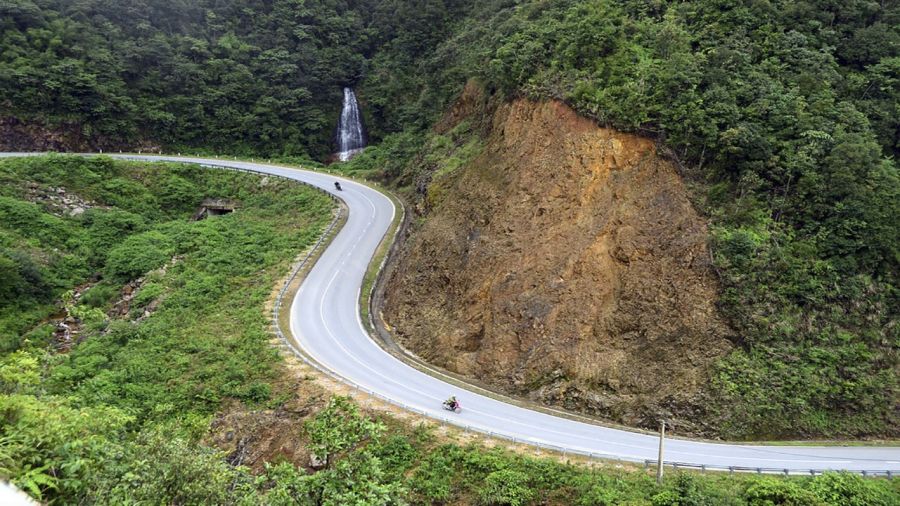
VIAS Hotel Vung Tau ★★★★★

VIAS Hotel Vung Tau

Right along Thuy Van Road, VIAS Hotel stands out with its contemporary design and ocean-facing façade. Opened in recent years, it caters to travelers who like a resort look without leaving the convenience of the city. There’s a rooftop infinity pool with panoramic sea views, often cited as one of the best in town.

Prices typically range between USD75 and 95 per night. Guests often mention the clean design and quiet atmosphere despite the central location. For those searching for where to stay in Vung Tau that blends beach access, modern comfort, and striking views, VIAS makes an easy recommendation.

Premier Pearl Hotel Vung Tau ★★★★

Premier Pearl Hotel Vung Tau

Premier Pearl sits at the northern end of Back Beach, slightly removed from the busiest area but still facing the sea. Rooms are tidy and modern, with soft lighting, smart TVs, and partial sea views from many floors. Guests often highlight the friendly front-desk team and quick check-in process. Rooms here start from around USD 46 per night, a fair price given the view and comfort level.

Facilities include an indoor pool, spa, and restaurant serving both Vietnamese and Western menus. What sets it apart is balance; you get beach access just across the road, yet avoid the heavy crowds that gather closer to the Imperial and Pullman area. For travelers who want to find where to stay in Vung Tau, which offers a quieter take on Back Beach, Premier Pearl strikes that middle ground between location, design, and value.

Thuy Van Area

Running parallel to Back Beach, Thuy Van Road forms the heart of Vung Tau nightlife. It’s a great choice if you enjoy staying close to the sea while feeling the city’s energy after dark.

Malibu Hotel Vung Tau ★★★★

Malibu Hotel Vung Tau

Malibu Hotel sits just a short block from Thuy Van Road, giving guests quick access to both the beach and the main entertainment spots. The building feels clean and contemporary, with a cool white-and-teal palette and spacious rooms equipped with wide desks and tall windows. For travelers wondering where to stay in Vung Tau that lets you enjoy nightlife without sacrificing rest, Malibu finds that balance well.

Inside, the restaurant serves both local and Western dishes, while the ground-floor café is a popular stop for morning coffee before a swim. You can walk to evening seafood stalls, casual bars, or simply stroll along the promenade after dinner, all within minutes of the hotel’s front door. Rates usually start around USD65 per night, positioning it as a comfortable mid-to-upscale option for beachgoers.

The Cap Hotel Vung Tau ★★★★

The Cap Hotel Vung Tau

The Cap Hotel combines boutique design with coastal charm. Inside, rooms are modern yet warm, with light wood furniture and small balconies. The property includes a rooftop pool, gym, and a restaurant that opens early for breakfast, making it convenient for travelers who like to start the day outdoors. Average rates range from USD 45 to 100 per night, depending on room type and season.

The Cap works especially well for guests seeking where to stay in Vung Tau that feels personal and stylish. Many travelers use it as a base for weekend trips. You can enjoy mornings at the beach, afternoons exploring the Jesus Christ statue or local markets, and nights spent between rooftop drinks and quiet cafes nearby.

Tips To Choose Where To Stay In Vung Tau

Before selecting where to base your stay in Vung Tau, it can be helpful to consider how you would like to spend your time in the city: slow and quiet or busy and social? A few tips may help in your search and improve your overall experience.

  • Consider the energy of a weekday versus a weekend. Every Friday evening, once visitors from Ho Chi Minh City arrive, Vung Tau transforms into a bustle of action. A hotel that feels calm midweek may be lively by Saturday night.
  • If you are deciding to stay somewhere in Vung Tau for a short break, it is recommended to use this will save you time and provide opportunities to see Vung Tau without hopping in a taxi.
  • Long-stay travelers or remote workers may prefer smaller hotels and serviced apartments that are located down the quieter back street, such as Nguyen An Ninh, that are close enough to a beach and restaurants but offer easier access to Wi-Fi and necessary supplies.
  • Be mindful of noise at night. Both Back Beach and Thuy Van are fun after dark, but they do not quiet down until late, so if a peaceful night’s sleep is important to you, ask for a higher floor or a room that does not face the main road.
  • When comparing rates, keep in mind that many properties include breakfast or access to a spa or parking; little things can make a big difference after a few days’ stay.
  • The best time to book is midweek or outside of public holidays, and during the most popular tourist times, early planning may be necessary.

Final Thoughts

Finding where to stay in Vung Tau is really about choosing the version of the city you want to wake up to. If you plan ahead and match your stay with your pace, even a short trip here can feel surprisingly complete. A good room, a morning walk by the beach, and a table set with fresh seafood at sunset are often all you need to understand why people keep coming back. For tailored advice or help arranging your next coastal getaway, reach out to Seni World, our local team can guide you to the best experiences and places to stay across Vung Tau and Vietnam beyond.

Vung Tau Nightlife Experiences With Food Music And Coastal Charm

Vung Tau nightlife unfolds along the coast with open-air markets, beach bars, and late cafés where locals gather after the heat fades. Nights here feel easy and alive, centered on food, sea air, and the city’s quiet energy.

Top 5 Things To Do In Vung Tau Nightlife

Evenings in Vung Tau tend to revolve around food, sea breeze, and unhurried time outdoors. Experiencing the Vung Tau at night is also the easiest way to understand how locals actually spend their free time, which is what makes Vung Tau nightlife feel welcoming for visitors.

Explore Vung Tau Night Market

Explore Vung Tau Night Market

As dusk settles, Vung Tau Night Market springs to life near Thuy Van Street, bustling well into the night. It’s celebrated for its laid-back seafood eateries, gift shops, also little carts offering treats to go. Many visitors head there immediately after dark; it’s a convenient locale to dine, browse, and observe others, requiring no planning.

People come here for the seafood, squid, shrimp, clams, and scallops chilled on ice before being grilled with garlic, scallions, chili, or simply butter. For something lighter than a meal, there’s flan, coconut ice cream, and even traditional Vietnamese sweets. As night falls, particularly on Fridays or Saturdays, the paths fill up, making finding a spot tricky. Getting there just prior to seven helps with both navigating the bustle likewise securing seating.

Spend The Evening At Beachfront Bars Along Back Beach (Bai Sau)

Spend The Evening At Beachfront Bars Along Back Beach (Bai Sau)

Back Beach, known locally as Bai Sau, transforms into a laid-back haven along Thuy Van Street at Vung Tau nightlife. Forget booming clubs; instead, picture breezy beachfront spots where you can unwind. You can enjoy drinks like cocktails or ice-cold beer right there on the sand. It’s popular with visitors who want that ocean vibe minus the daytime bustle or need to take a dip.

Beachside spots as Gazebo Beach Club, Vung Tau Beach Club, among them, offer chill vibes. People arrive for sunbeds or beanbags overlooking the ocean, which brings cooler temperatures and a calmer mood. Expect fire shows or DJs on weekends; during the week, things are relaxed with gentler sounds. It’s great for pairs wanting quiet waterside moments, likewise fitting for little gatherings desiring a relaxed, beachy vibe over city bustle.

Visit Vung Tau Lighthouse For A Scenic Night View

Visit Vung Tau Lighthouse For A Scenic Night View

Not far from Back Beach, on Nui Nho Hill, stands the Vung Tau Lighthouse, still guiding ships into port. Built in the late 19th century, it’s equally known for the stunning cityscape revealed when night falls. A well-kept trail winds upward, tucked under the trees, with little spots for pictures. Most people show up about half past five, hoping to catch the last light before nightfall, though the park closes at nine.

From up top, you can see both Front Beach likewise Back Beach, even the Christ statue. Near the lighthouse, a small cafe serves coconut coffee together with fruit smoothies, all while facing the sea. As dusk settles, a driver makes those twisting routes feel safer, and a cab works well. The lighthouse visit is easy. From up there, you grasp Vung Tau’s layout: beaches meet the working port as darkness arrives.

Visit Rooftop Bars For A City And Sea View

Visit Rooftop Bars For A City And Sea View

Vung Tau boasts rooftop bars sprinkled around its center, also along Back Beach. They give you high-up looks spanning the bay right through to the nearby hills. Two favorites are Sky Garden Bar, Way Up on the 19th story of Fusion Suites, alongside Infinity Lounge, close to Thuy Van Street. People seeking quiet evenings with drinks head to Sky Garden; meanwhile, Infinity really picks up steam closer to the weekend, welcoming visitors together with locals.

Rooftop bars generally unlock their doors near five, staying lively till twelve. Get there soon after opening to catch the sun dip below the horizon prior to when coastal lights twinkle. Up high, a breeze offers relief; combined with both cityscape and sea glimpses, they become perfect destinations for unwinding. You can find fruity Vietnamese drinks alongside wine or beer, accompanied by snacks like grilled squid, clams, otherwise fries. Because seating is generally outside, bring a jacket when it gets breezy.

Try A Late-Night Spa Or Foot Massage

Try A Late-Night Spa Or Foot Massage

After sunbathing in Vung Tau, visitors can easily find a spa. Numerous tidy, affordable options line Tran Hung Dao and Thuy Van Streets, often remaining open late – until eleven at night – so you can relax following an evening meal. You can get treatments lasting as little as half an hour, a fast foot massage, perhaps, or opt for longer experiences involving things like warm stones, fragrant herbs, even coconut oil applied across your whole body. For instance, Lan Rung Spa, located within the resort, boasts skilled therapists alongside views of the sea. Alternatively, Paradise Spa, close to the golf club, specializes in age-old Vietnamese methods.

Most places accept drop-in customers, yet a quick phone call is useful on busy days or when there’s a celebration. Often, they offer tea or will wash your feet beforehand. Though cleanliness has gotten better lately, looking at what others say online or checking with your hotel remains a good idea. Really, a nighttime massage feels like the perfect way to end a day in Vung Tau; convenient, readily available, it complements a relaxed evening beautifully.

What To Eat In Vung Tau At Night

Vung Tau is known for its fresh seafood and simple coastal dishes that show how locals really eat. Food stalls and small restaurants stay open late, serving a mix of classic southern recipes and local specialties. Eating out at night is one of the easiest ways to experience Vung Tau nightlife in a relaxed, local way.

Banh Khot Vung Tau (Mini Savory Pancakes)

Banh Khot Vung Tau (Mini Savory Pancakes)

Banh khot is the dish most travelers associate with Vung Tau. Each small pancake is made from rice flour and coconut milk, fried until crisp, and topped with shrimp. It’s eaten with fresh herbs, pickled papaya, and fish sauce mixed with chili. The flavor is rich but clean, and locals often share several plates while chatting over drinks.

Where to try: Banh Khot Goc Vu Sua at 14 Nguyen Truong To Street is the most famous spot. Co Ba Vung Tau also serves reliable versions until late evening.

Lau Ca Duoi (Stingray Hotpot)

Lau Ca Duoi (Stingray Hotpot)

This hotpot uses stingray simmered in a light, slightly sour broth with pineapple and tamarind. The fish is sliced thin, cooked with greens and rice noodles, and eaten with chili and lime. It’s popular among families for dinner and works well for travelers looking for a warm, filling local meal.

Where to try: Lau Ca Duoi 40 Hoang Hoa Tham and Lau Ca Duoi Truong Cong Dinh are the most visited local choices.

Hai San Nuong (Grilled Seafood)

Hai San Nuong (Grilled Seafood)

Seafood is the main draw of Vung Tau’s evening food scene. Small grills line the streets around Front Beach and Thuy Van Street, with trays of clams, squid, and prawns displayed on ice. Everything is cooked to order, usually with garlic, chili, or scallion oil. Eating fresh seafood outdoors is one of the most typical local experiences, and most vendors stay open until late at night.

Where to try: Vung Tau Night Market near Front Beach and Ganh Hao on Tran Phu Street both serve fresh grilled seafood with clear prices and ocean views.

Oc Len Xao Dua (Stir-Fried Snails With Coconut Milk)

Oc Len Xao Dua (Stir-Fried Snails With Coconut Milk)

This dish appears on nearly every seafood menu in Vung Tau once the evening begins. Small spiral snails are stir-fried with coconut milk, lemongrass, and chili until the sauce turns thick and fragrant. Diners usually pick out the meat with a toothpick, then sip the remaining sauce, which tastes both creamy and spicy. Locals often order it alongside grilled scallops or clams, making it part of a casual seafood feast rather than a main meal.

Where to try: Oc Tu Nhien on Le Quy Don Street serves the dish with consistent quality and quick service. Another busy option is Oc 5 Tang on Nam Ky Khoi Nghia Street, a favorite spot for locals after 8 p.m.

Banh Canh Ghe (Crab Noodle Soup)

Banh Canh Ghe (Crab Noodle Soup)

Thick tapioca noodles sit in a mild, clear broth made from pork bones and seafood. Each bowl comes topped with crab meat, fish cake, and a little fried shallot. Diners often add chili, pepper, or a squeeze of lime for brightness. The soup is filling but not heavy, which makes it ideal for dinner after a day at the beach.

Where to try: Banh Canh Ghe 69 on Hoang Hoa Tham Street is the most popular choice, known for its flavorful broth and fresh crab. Banh Canh A Rom near Back Beach is another dependable place with late hours and generous portions.
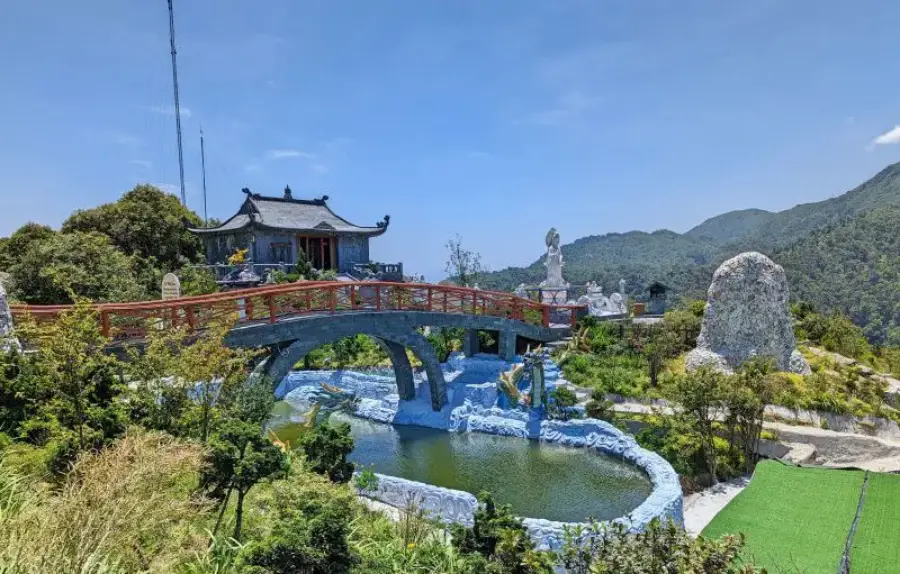
Tips To Experience Vung Tau By Night

Once you learn to navigate Vung Tau nightlife, staying out is easy and enjoyable. Knowing the little things can make the difference between a fun, busy night and a tiring, stressful night.

  • The Back Beach area tends to be more of a party scene on weekends, so often, a more relaxing night can be had further away towards the Front Beach area or Tran Phu Street.
  • You can see the best views of the city lights from the lighthouse or a rooftop bar such as Sky Garden, which is best to arrive at just before sundown.
  • After 9:00 PM, the beach bars around Back Beach offer what can be loud music. For those who want a relaxing beach experience, stopping in at a beach bar a little earlier allows these sounds to mix with the sounds of the sea instead of covering them up.
  • Night squid tours typically run more smoothly during the best time to visit Vung Tau (December to April), when the water is clearer. During rainy months, operators often shorten the trip to stay close to the coast.
  • On holidays, many visitors from Ho Chi Minh City flock to Vung Tau, and by the evening, Thuy Van Street can be completely congested, making walking or cycling a pleasant mode of transport throughout the night.
  • If you plan to eat seafood, checking where the locals are lined up is usually a good bet for fresher seafood, as many stalls grill seafood they received only that morning, and close when they sell out.
  • Families staying near Front Beach usually go to Tao Phung Park after dinner, and the bike rentals (which have LED lights on them) and the snack vendors are open until about 10:00 PM.

Final Thoughts

Evening in Vung Tau carries calm confidence. What defines Vung Tau nightlife is not noise or bright lights but the sense of ease that comes from eating well, walking by the sea, and being part of ordinary life for a few hours. For travelers who want to plan deeper journeys through Vietnam’s seaside towns, Seni World offers on-the-ground advice, local contacts, and tailored routes built around real experiences.