


The Ao Dai Museum offers a meaningful journey into Vietnam’s cultural heritage, showcasing the evolution of the traditional ao dai through history, design, and personal stories, all set in a peaceful riverside setting near Ho Chi Minh City.
Introduction to the Ao Dai Museum
The Ao Dai Museum is one of Ho Chi Minh City’s most meaningful cultural attractions, dedicated to preserving and celebrating Vietnam’s traditional costume. Nestled in a tranquil riverside setting, the museum showcases the evolution of the ao dai through different historical periods, featuring original garments, photographs, and stories linked to Vietnamese identity. More than a display space, the museum offers visitors an immersive experience that connects fashion, history, and culture in a calm, natural environment away from the city’s hustle.
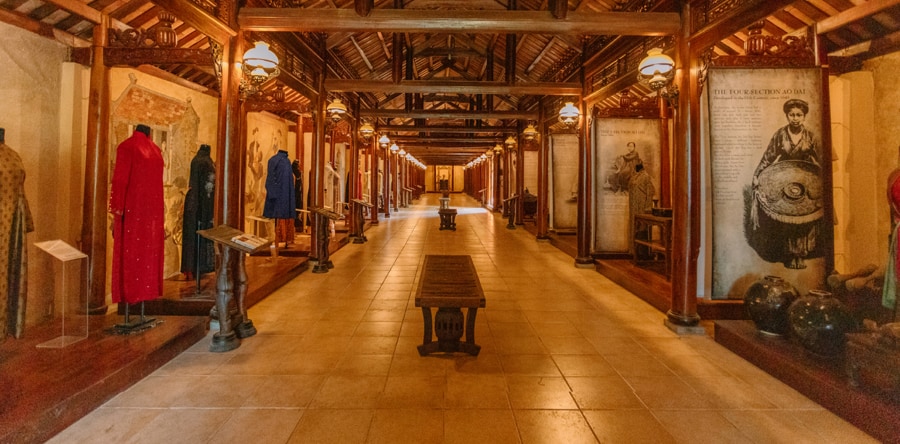
Visiting the Ao Dai Museum allows travelers to gain deeper insight into the elegance and symbolism of the ao dai, a timeless icon of Vietnamese culture. The museum’s well-curated exhibitions, traditional architecture, and scenic surroundings make it ideal for cultural exploration, photography, and relaxation. Whether you are a history enthusiast, culture lover, or first-time visitor to Vietnam, the Ao Dai Museum provides a unique and memorable experience that enriches any travel itinerary.
History of the Ao Dai Museum
The Ao Dai Museum was established with the mission of preserving and honoring the ao dai, Vietnam’s most iconic traditional costume. Founded by renowned fashion designer Si Hoang, the museum was created as a cultural space where history, art, and national identity intersect. From its early beginnings, the museum has collected valuable ao dai garments worn by influential figures, artists, and ordinary Vietnamese women, reflecting different eras and social contexts throughout Vietnam’s history.
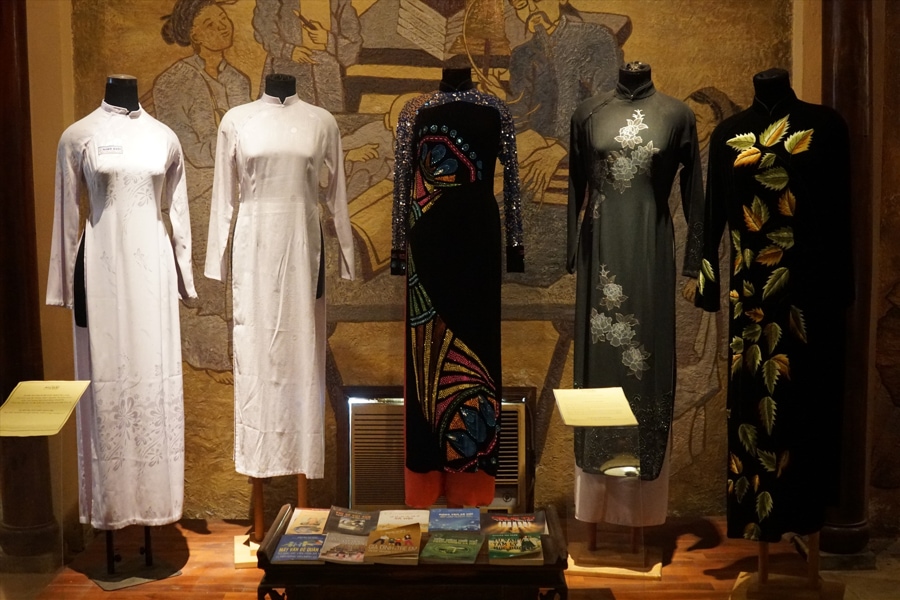
Over time, the Ao Dai Museum has grown into a respected cultural institution, highlighting the deep-rooted traditions associated with the ao dai. Beyond fashion, the museum tells stories of Vietnamese customs, craftsmanship, and aesthetic values passed down through generations. Its architecture and landscape are inspired by traditional Vietnamese houses, reinforcing a sense of heritage and continuity. Today, the Ao Dai Museum stands as both a historical archive and a living cultural destination, helping visitors understand how the Ao Dai remains relevant in modern Vietnamese life.
Unique Architecture Of Ao Dai Museum
The Ao Dai Museum stands out for its harmonious blend of traditional Vietnamese architecture and natural landscape. Each structure within the complex is thoughtfully designed to reflect cultural symbolism while creating a peaceful, immersive visitor experience.
Exterior Architecture
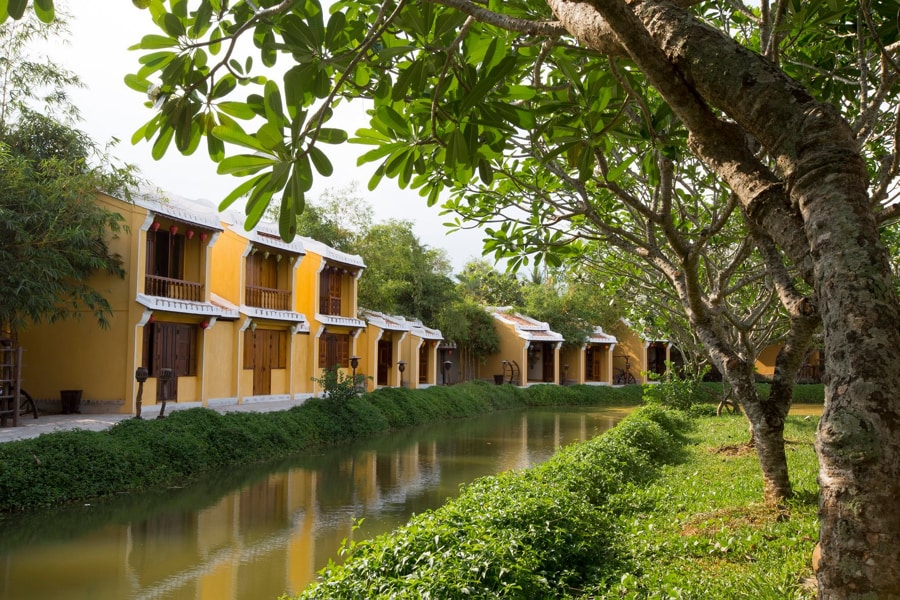
The exterior of the Ao Dai Museum is inspired by traditional southern Vietnamese houses, featuring wooden structures, tiled roofs, and open spaces surrounded by lush gardens and waterways. Pathways curve gently through the landscape, connecting display areas with lotus ponds, bamboo groves, and stone bridges. This design not only reflects rural Vietnamese life but also creates a calm atmosphere that enhances cultural exploration. The use of natural materials helps the museum blend seamlessly into its riverside setting.
Interior Architecture
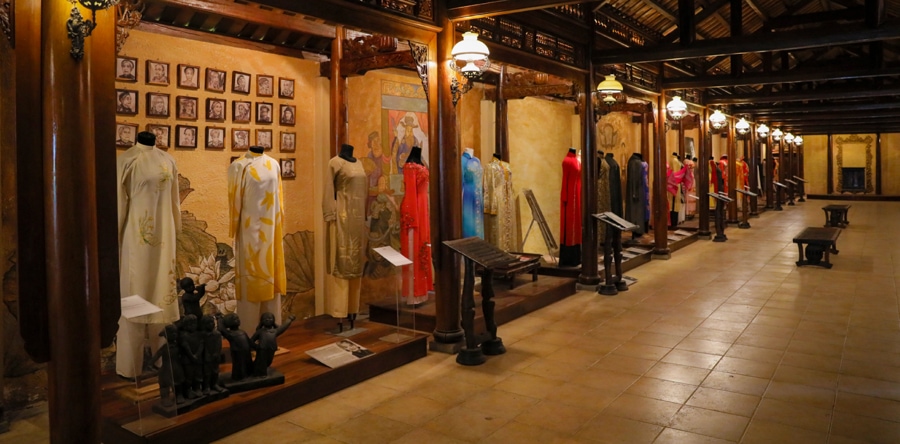
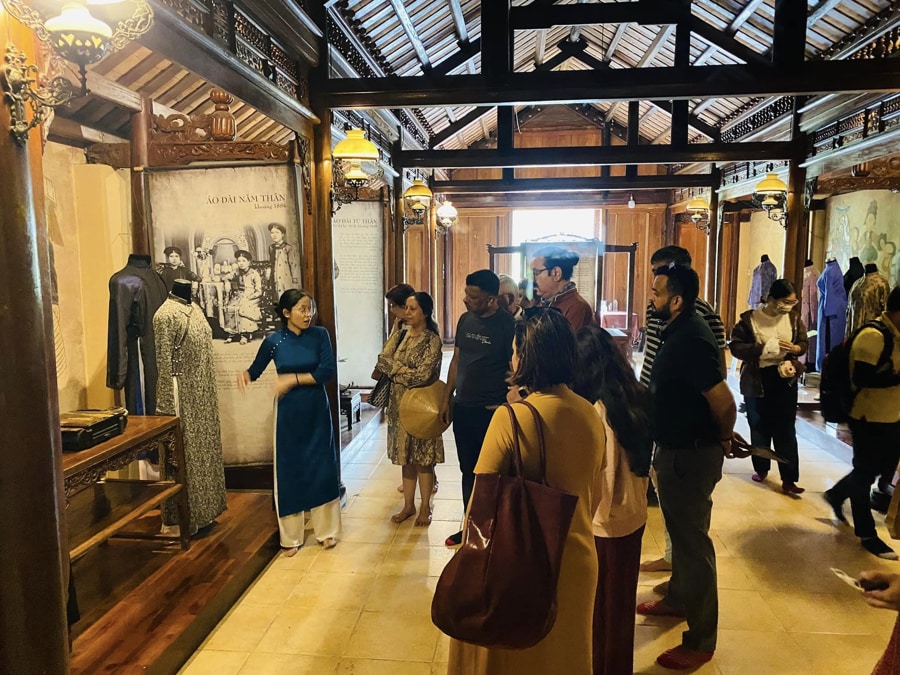
Inside, the museum’s exhibition halls are designed to feel warm and intimate, using wood, soft lighting, and open layouts. Display spaces are carefully arranged to guide visitors through the historical evolution of the ao dai, allowing each garment to stand out. Traditional decorative elements, such as carved panels and heritage motifs, add depth to the experience. The interior architecture balances functionality and aesthetics, encouraging quiet reflection and appreciation of Vietnamese cultural artistry.
3 Unforgettable Experiences You Shouldn’t Miss
Two experiences define a visit to the Ao Dai Museum: cultural immersion and peaceful discovery. Below are unforgettable activities that allow visitors to connect deeply with Vietnamese heritage through fashion, history, and tradition.
Admire Historical Ao Dai Collections
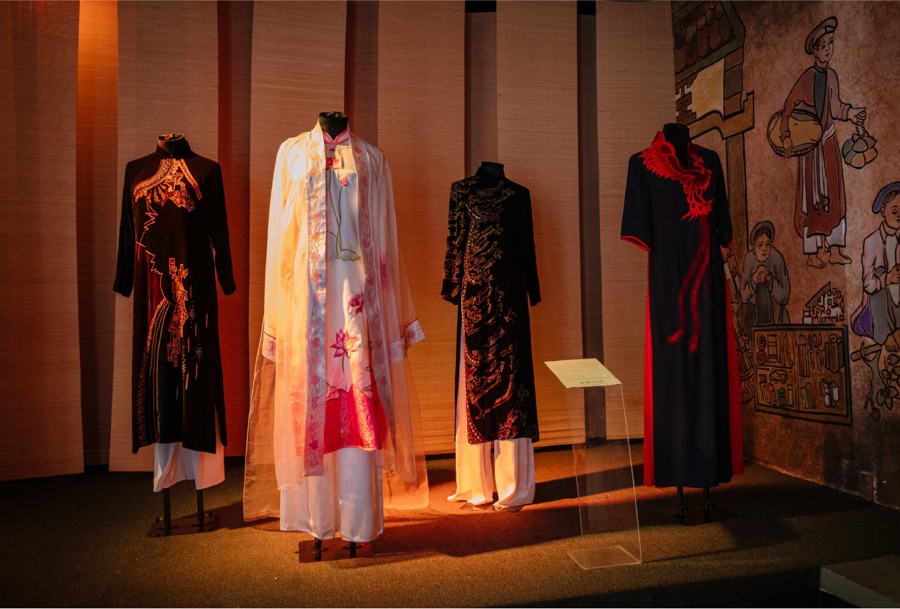
One of the most memorable experiences at the Ao Dai Museum is exploring its rich collection of historical ao dai. These garments represent different eras of Vietnamese history and were worn by notable figures, artists, and everyday women. Each ao dai tells a story through its fabric, colors, and design details, reflecting social values and aesthetic changes over time. Visitors gain a deeper understanding of how the ao dai has evolved while remaining a powerful symbol of Vietnamese identity and cultural pride.
Experience Traditional Vietnamese Architecture
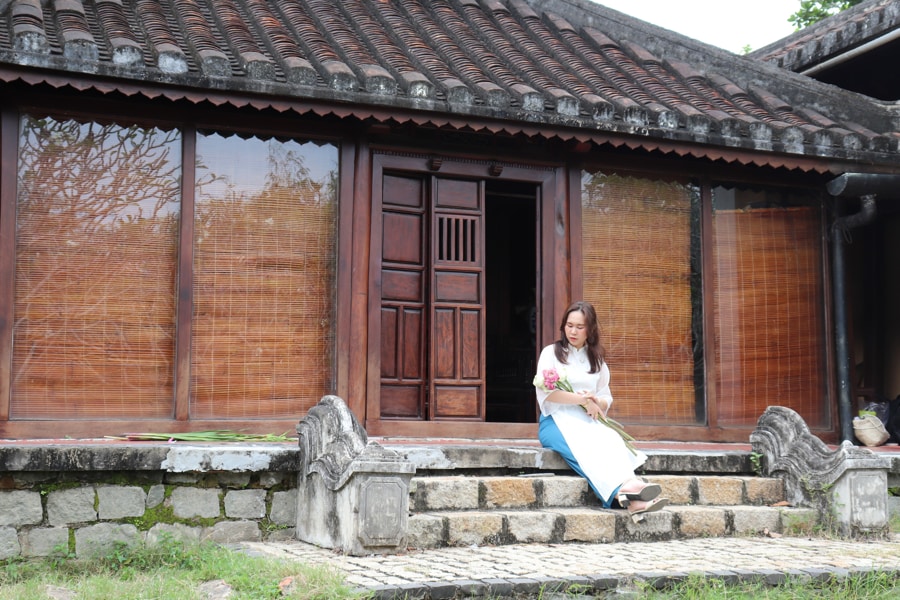
Walking through the Ao Dai Museum allows visitors to experience traditional Vietnamese architecture in a peaceful natural setting. The museum complex features wooden houses, tiled roofs, lotus ponds, and garden pathways inspired by southern rural homes. Every architectural detail is designed to blend harmoniously with the surrounding landscape, creating a calm and authentic atmosphere. This immersive environment helps visitors slow down, appreciate traditional design, and feel connected to Vietnam’s cultural roots beyond the exhibition spaces.
Enjoy Ao Dai Wearing and Photography Experiences
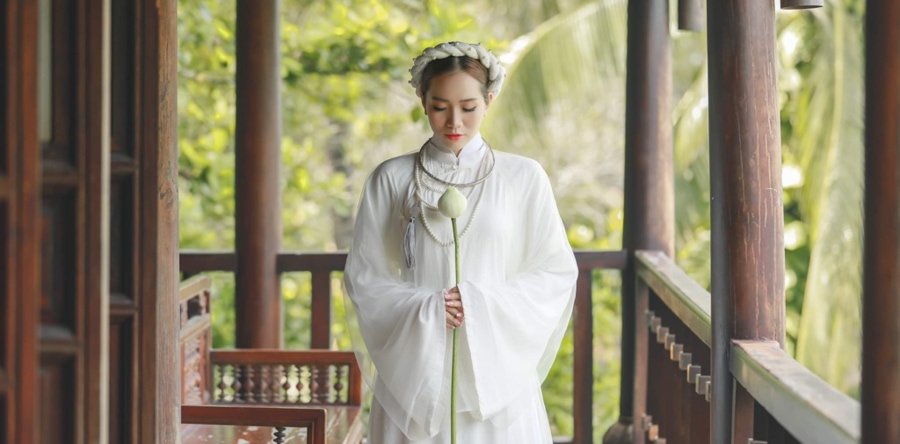
Wearing an ao dai and taking photos within the museum grounds is an unforgettable highlight for many visitors. The scenic backdrop of gardens, wooden houses, and riverside views creates perfect photo opportunities. This experience allows travelers to engage directly with Vietnamese culture rather than simply observing it. Whether visiting as a couple, family, or solo traveler, capturing moments in traditional attire adds a personal and meaningful memory to the journey through the Ao Dai Museum.
Entrance Fee
The Ao Dai Museum offers affordable entrance fees, making it an accessible cultural attraction for international visitors exploring Ho Chi Minh City. Ticket prices are clearly structured, allowing travelers to easily plan their visit without worrying about high costs or complicated policies.
| Ticket Type | Price (VND) | Approx. Price (USD) | Notes |
| Adult Ticket | 50,000 | 2.00 USD | Applicable to most international visitors |
| Student / Child | 30,000 | 1.20 USD | Student ID required for discount |
| Children under 2 | Free | Free | No ticket required |
| Disabled Visitors | Free | Free | Free admission policy |
| Group Tickets (10+ people) | Discount available | Varies | Advance contact recommended |
Note: Ticket prices may change over time. Visitors are advised to check locally for the most up-to-date information before visiting.
Opening Hours
The Ao Dai Museum is generally open daily from 8:30 AM to 5:30 PM, allowing visitors plenty of time to explore its exhibitions and outdoor spaces at a relaxed pace. Mornings are ideal for sightseeing, as the weather is cooler and the museum is quieter, especially on weekdays. During weekends and public holidays, the museum may receive more local visitors, so arriving early helps ensure a more peaceful experience.
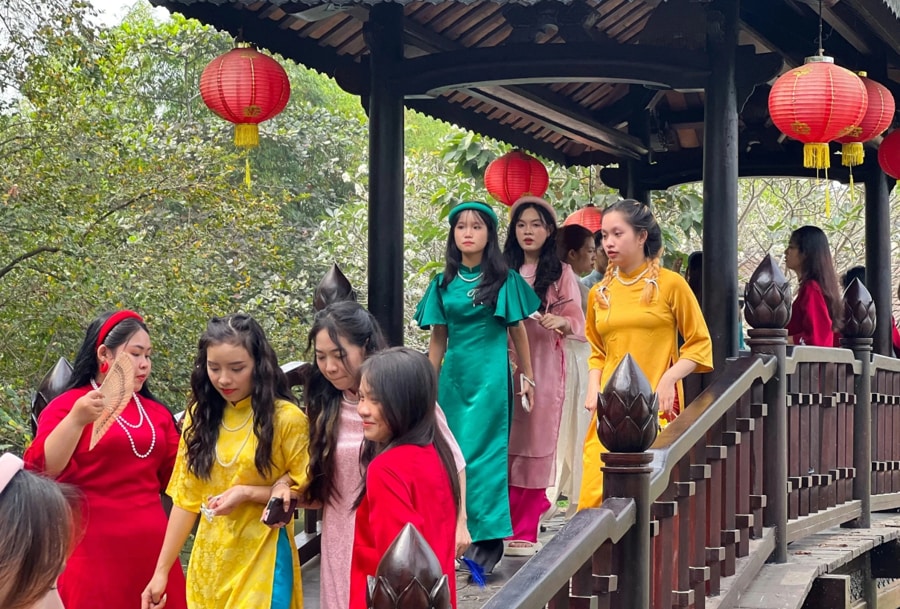
The best time to visit the Ao Dai Museum is during the dry season from December to April, when Ho Chi Minh City enjoys pleasant weather and minimal rainfall. This period is considered the peak travel season, offering perfect conditions for walking around the gardens and taking photos in traditional ao dai. Visiting between 8:30 AM and 10:30 AM or after 3:30 PM provides comfortable temperatures and softer natural light for photography.
How To Get To Ao Dai Museum
Getting to the Ao Dai Museum is straightforward, with several transportation options suitable for international visitors. Depending on your budget and travel style, you can choose private, public, or ride-hailing services for a smooth journey.
| Transportation Method | Estimated Time | Price (VND) | Approx. Price (USD) | Notes |
| Taxi / Ride-Hailing Car | 40–50 minutes | 250,000–350,000 | ~10–14 USD | Comfortable and convenient for tourists |
| Private Car | 40–50 minutes | 500,000–700,000 | ~20–28 USD | Ideal for families or groups |
| Motorbike | 45–60 minutes | 80,000–120,000 (fuel) | ~3–5 USD | Requires a valid driving license |
| Bus + Taxi | 70–90 minutes | 30,000–60,000 | ~1.5–2.5 USD | Budget option, less convenient |
Notes: International visitors should choose taxis or ride-hailing services for safety and convenience, while motorbike travel requires a valid license and confidence navigating busy local traffic conditions in Ho Chi Minh City.
Things to Know Before Traveling to Ao Dai Museum
Before visiting the Ao Dai Museum, preparing a few practical details will help you enjoy a smooth and meaningful cultural experience. These essential travel tips are especially useful for international visitors exploring Vietnamese heritage for the first time.
- Visit early in the morning to avoid crowds, enjoy cooler weather, and have more time to explore exhibitions and outdoor garden areas comfortably.
- Wear comfortable clothing and shoes, as the museum grounds include walking paths, gardens, and traditional houses spread across a large outdoor area.
- Bring cash in small denominations, since some services or nearby vendors may not accept international credit cards or digital payments.
- Check the weather forecast in advance, especially during the rainy season, to plan indoor visits and protect cameras or personal belongings.
- Respect cultural values by dressing modestly when entering exhibition halls showcasing traditional costumes and historical Vietnamese heritage.
- Allocate at least two hours to fully explore the museum, including exhibition spaces, architecture, gardens, and photography areas.
- Ask staff about ao dai wearing and photo experiences, as these activities may require advance registration or additional fees.
- Combine your visit with nearby cultural attractions to optimize travel time, as the Ao Dai Museum is located outside the city center.
FAQs About Ao Dai Museum
Travelers often have common questions before visiting the Ao Dai Museum, especially regarding tickets, activities, and travel planning. The following frequently asked questions help international visitors better prepare for a smooth and enjoyable cultural experience.
Is the Ao Dai Museum suitable for international visitors?
Yes, the Ao Dai Museum is very welcoming to international visitors. Exhibitions are clearly organized, and many displays include English explanations to help foreigners understand the history and cultural significance of the ao dai. The peaceful setting, friendly staff, and visual storytelling make it easy to explore even without deep prior knowledge of Vietnamese culture.
How much time should I spend at the Ao Dai Museum?
Most visitors spend around two to three hours exploring the Ao Dai Museum. This allows enough time to view exhibitions, walk through traditional architecture, enjoy the gardens, and take photos. Visitors interested in ao dai history or photography may wish to stay longer for a more immersive experience.
Can visitors wear ao dai at the museum?
Yes, visitors can participate in ao dai wearing and photography experiences at the museum. These services may require an additional fee and are usually arranged on-site. Wearing ao dai allows travelers to connect more personally with Vietnamese culture while capturing memorable photos in a traditional setting.
Is the Ao Dai Museum suitable for families and children?
The Ao Dai Museum is suitable for families and children, offering open spaces, gardens, and educational exhibits. Children can learn about Vietnamese culture through visual displays, while parents enjoy a calm environment ideal for cultural exploration and relaxation.
Final Thoughts: Is the Ao Dai Museum Worth Visiting?
The Ao Dai Museum is truly worth visiting for travelers seeking an authentic cultural experience in Ho Chi Minh City. Its rich exhibitions, traditional architecture, and peaceful natural setting offer deep insight into Vietnam’s heritage. Whether you enjoy history, photography, or cultural exploration, this destination delivers lasting memories. For a well-planned visit and meaningful cultural journeys across Vietnam, let Seni World guide you to inspiring destinations and unforgettable travel experiences.


Related articles


