


Apsara Dance is the most famous classical performance art of Cambodia, which has been named after celestial dancer carvings found in the Angkor temples. Its elegance, costumes, and sacred music have all been inspired by the cultural heritage of the Khmer civilization.
Introduction to Apsara Dance
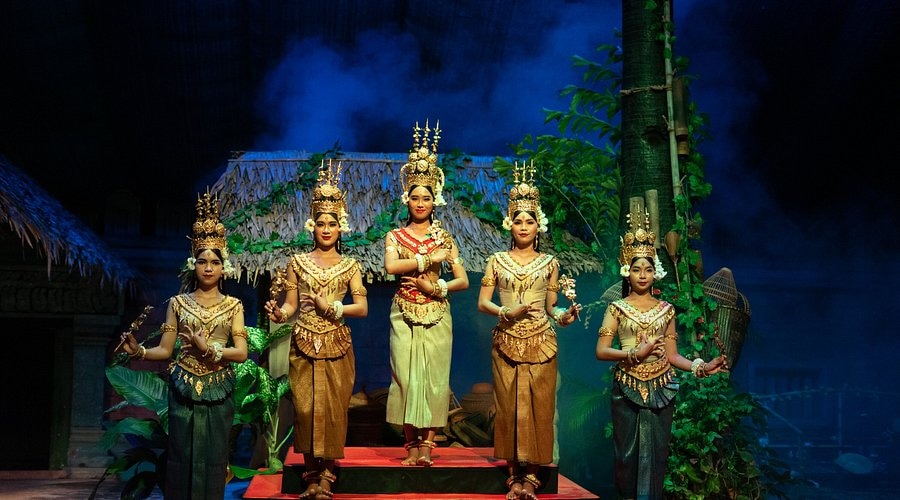
The Apsara Dance is a classical Cambodian performance and one of the most recognizable symbols of the rich heritage of the Khmer Civilization. The performance comprises beautiful female dancers adorned in expertly designed costumes modeled on the Apsaras, the mythological figures depicted in the sculptures of the ancient Khmer temples of Angkor Wat.
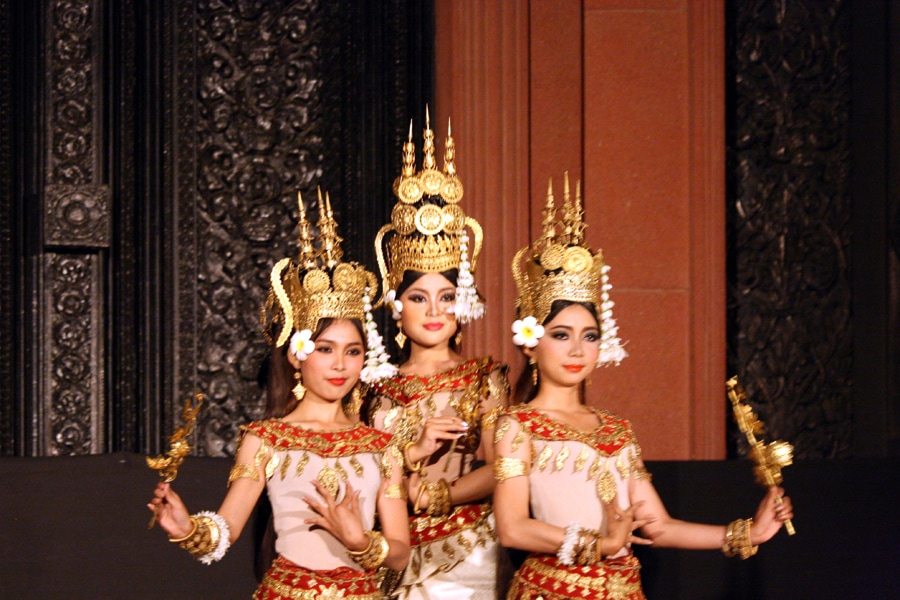
Attending an Apsara Dance performance is a must-visit activity in the itinerary of any visitor to Cambodia because it provides a glimpse into the artistic soul of the country. The Apsara Dance is a highly stylized dance performance that was hitherto a preserve of the royal courts and temple rituals in ancient Cambodian culture, but has been brought back to life by performance centers such as the Apsara Theatre.
History of The Apsara Dance
The history of the Khmer civilization, the Apsara Dance traces its roots back during the rule of King Suryavarman II (1113-1145), the enlightened leader who lost no time in constructing the magnificent Angkor Wat temple. Under such glory, the dance was considered a holy court dance, which was only within the purview of royalty and spirits. This was inasmuch as the dance was themed after the heavenly dancers’ depiction on the walls at Angkor.
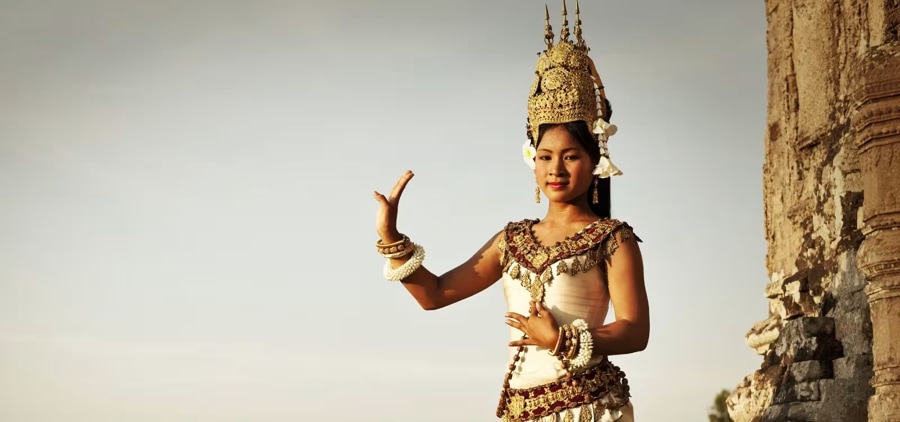
This valuable tradition almost disappeared during the Khmer Rouge reign, which suppressed all art, religion, and learning, leading to the deaths of many performing artists. Yet a handful of surviving dancers secretly maintained it. When the reign was over, Apsara Dance recovered, expanding from its royal tradition to all of Cambodia and its neighboring nations, and now represents a symbol of resistance to all those who were determined to erase it.
Top 4 Iconic Performances In Apsara Dance
Apsara is more than just a style of dance; it encompasses a complex performance art. Every version of the dance provides a distinct method of engagement with the history, beliefs, and artistic expression of the Khmer civilization.
Classical Dance
The Classical Apsara Dance is a highly stylized form of dance that symbolizes the essence of Apsara as interpreted through the sculptures found at the temples of Angkor. The performers execute movements in a slow and graceful manner while utilizing traditional hand gestures, nuanced expressions on their faces and poise within the body, as they tell the stories of the period associated with the Angkor Empire.
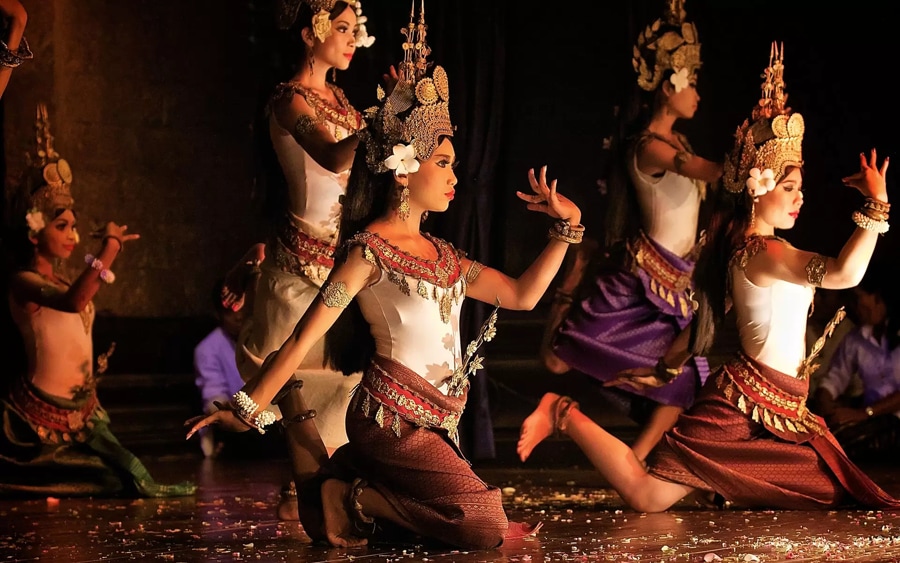
Costumes include ornate silk dresses, gold crowns, and other ceremonial jewelry. It is considered both an expression of reverence for the sacredness of the arts and a reflection of the royal ceremonial events that took place in Angkor, as well as the mythology surrounding Apsara.
Folk Dance
Folk Dance is typified by the celebration of energizing spirit, and therefore, the dance is often seen as a contrast to the more formal characteristics of Classical Dance. The dances often reflect many of the rhythms associated with agricultural life in rural areas of Cambodia and also contain rhythms and movements that correlate with daily life as well as community festivals. Folk Dancers perform pieces such as “Good Harvest” or the “Romantic Fishing” dance, which depict agricultural work and courtship as well as the beauty of Khmer village life through its simplicity and warmth.
Shadow Puppet Theater
Shadow Puppet Theatre is an artistic medium with unique visuals and symbolism resulting from combining music, storytelling, and artistry. The presentation of the puppets is done by manipulating the shadow of the large leather puppets on a white screen, where the silhouette creates an animated scene that visually tells a story.
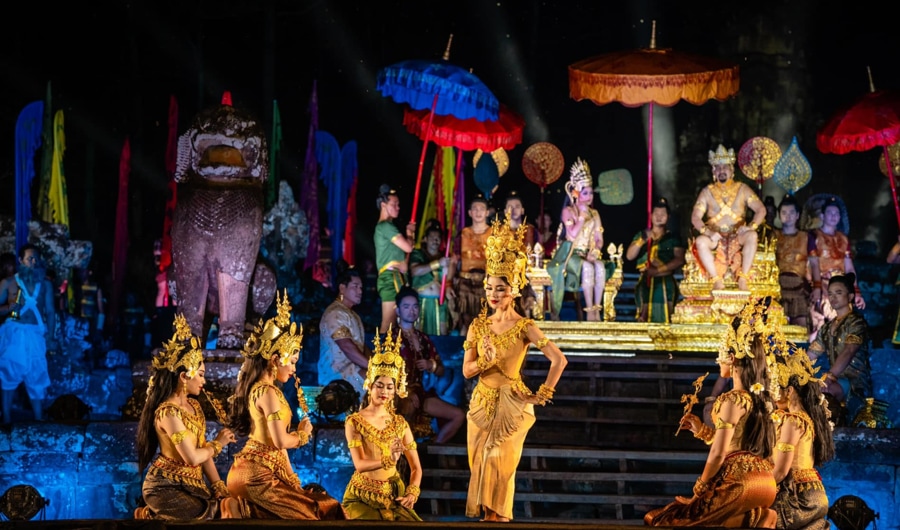
Shadow Puppet Theatre provides an opportunity to witness dramatic scenes from long ago told in the ancient manner. Sbek Thom focuses on the sacred stories of the Reamker, and Sbek Touch expresses legendary heroes and their fight with love, providing audiences with an opportunity to experience a magical journey based on an ancient form of storytelling.
Lakhon Khol
The Reamker epic serves as a source of inspiration for Lakhon Khol, an art form that combines elements of theatre and dance with an emphasis on the use of masks. The Lakhon Khol performance incorporates stylized movements to tell the story of various characters, including gods, demons and warriors engaged in a battle.
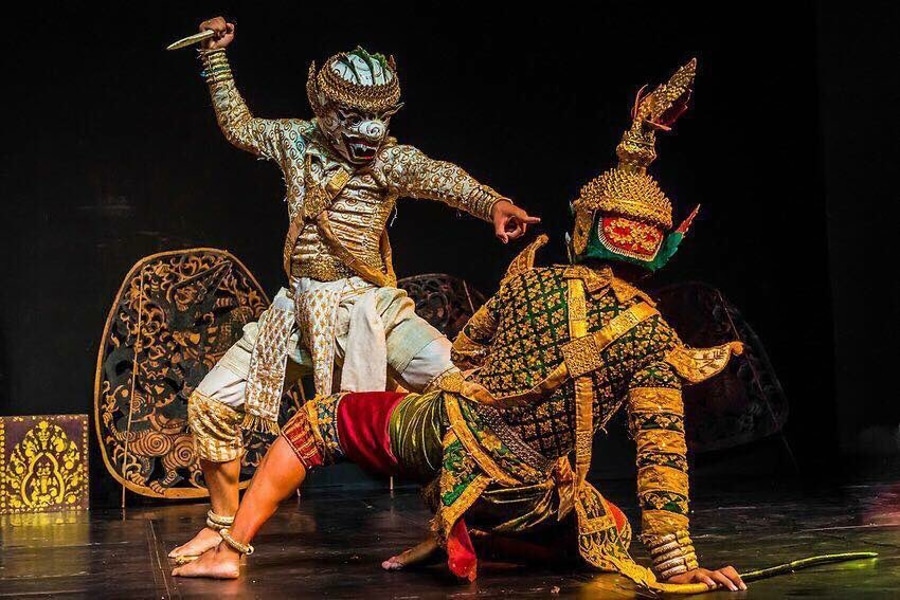
There is a great deal of physical exertion involved in executing the dance of Lakhon Khol, requiring many years of training in order to be able to accomplish this demanding form of performance. Traditionally, this type of dance is performed by male dancers only, making it one of the most intense and dramatic forms of Cambodian classical performance.
6 Unforgettable Experiences You Shouldn’T Miss
To get that deeper appreciation for the beauty of this traditional form of dance, you must experience some of the many unforgettable moments from an Apsara Dance Performance.
Watching The Dance from Up Close
When sitting closer to the stage at a performance, the beauty and precision of each movement become apparent. Each controlled step and every curved finger of the dancer is not random but rather follows a strict set of rules, handed down from generation to generation. By sitting closer, you will also be able to observe subtle details like how the dancer looks at the audience, how they move their face and the rhythm with which they breathe as they tell the emotions and divine stories that are derived from the mythology of Angkor.
Experience The Hypnotic Quality of Live Pinpeat Music
When you attend a Pinpeat orchestra performance live, you will get to hear the intoxicating sounds of drums, gongs, and xylophones played by traditional musicians who have dedicated years to creating beautiful rhythms. The sounds act as musical cues for dancers to remain in perfect synchronization with one another, making dancing feel alive and connected to Cambodian ritual culture.
Traditional Khmer Dinner and Apsara Show
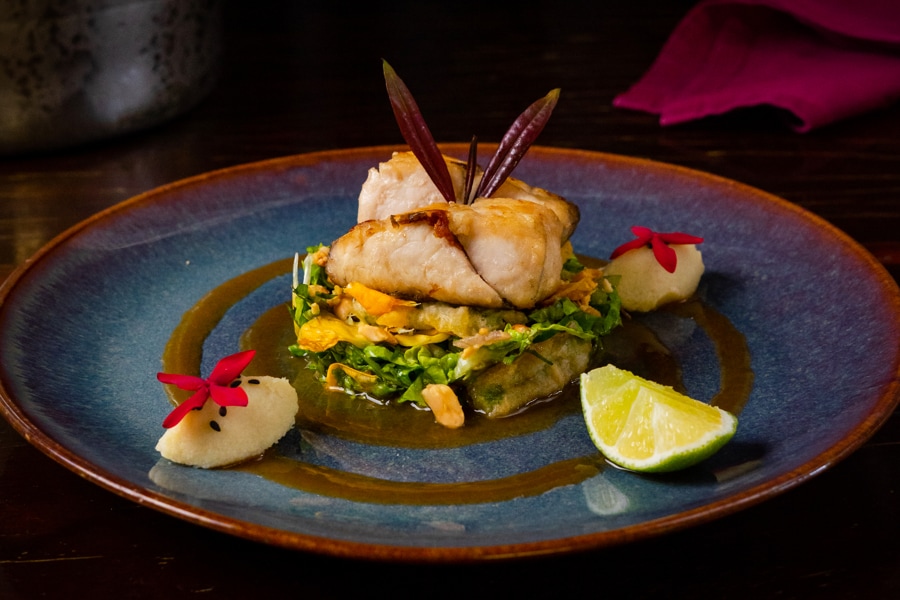
An Apsara Dinner Show is a great way to get a feel for Khmer culture in a more relaxed atmosphere while enjoying some traditional Khmer food and drink as you watch the performance. The performance consists of several acts, each telling a different story with its own costumes and dance styles. By having the combination of a cultural experience, food, and performance on the same night, you can enjoy an entire evening of local food, music, and dance, making it a great choice for travelers who want to experience the culture as best they can in one evening.
Gaining Insight Into Symbolism Through Gesture
Understanding the symbolism in the performers’ movements and gestures can be one of the most enjoyable parts of this dance experience. Each gesture has a connection with or represents an environmental element, an emotion, an animal, or a deity. It creates a silent form of communication that tells the stories of an ancient culture. When you understand what each gesture means, even the smallest acts of the dancer take on great significance. The performance goes from being a pleasant visual to a detailed storytelling of the culture.
Pay Attention to Costume and Jewelry Detail
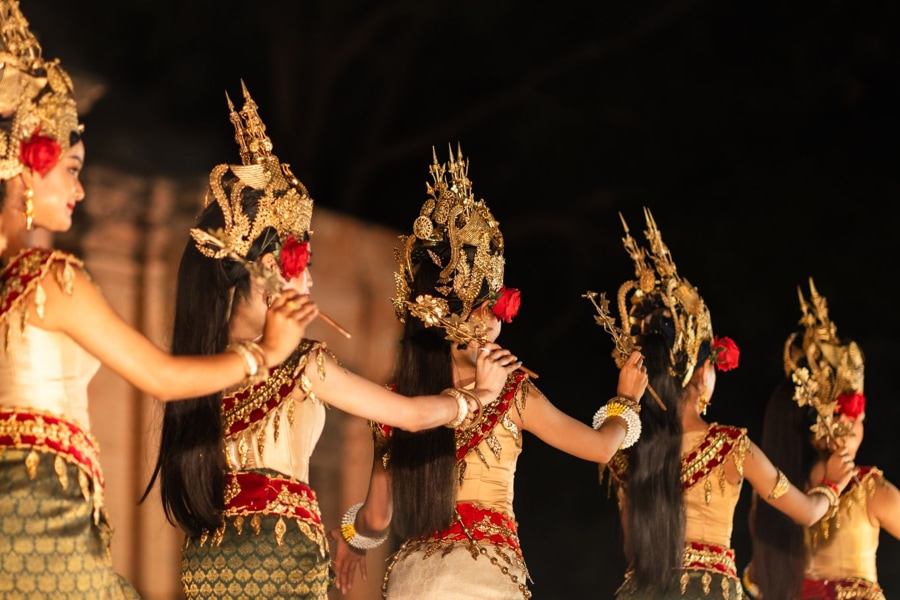
The ornate costumes worn by performers are an example of the beauty of traditional craftsmanship (i.e., gold crowns, embroidery, jewelry with symbols), as they represent the dancer’s place in the celestial world. By focusing on the small details within these costumes, you will begin to see how they add to the storytelling and help to define a dancer’s status, character, and interaction with the divine representation of Apsara Dance.
Meeting Performers Post Performance
Many locations where you see the Apsara Dance allow you to meet and even take pictures with the dancers after the show. Not only do you get to see the performers in person and ask questions about their training/everyday life, but you can also create a connection to the dancer through your interaction, which may cause you to feel greater appreciation for the amount of time and dedication required to perform Apsara Dance beautifully.
Entrance Fee
A comprehensive Khmer Dinner and Apsara Dance Show package typically costs approximately USD 40 per guest. This price will give you the opportunity to experience both the culinary culture and the traditional dance at the same time. Mid-range restaurant prices generally range from USD 20 to USD 50, depending on the quality of the restaurant and the level of skill of the performers and cuisine.
For the greatest value, it is advisable to dine at restaurants that are situated within large hotel properties, where you can view professional Apsara dancers performing while enjoying traditional Khmer Food that is prepared by professional chefs. These experiences are truly worth the price of admission.
Opening Hours
Typically held during the evening hours, Apsara Dance Shows can be conveniently combined with dinner or a leisurely night of culture in Siem Reap. However, it is important to check the show clock for each individual location and plan accordingly to ensure your arrival early to secure a good seat for the performance.
| Venue | Days | Show Time |
| Kanell Dinner Show | Every day | 7:30 PM – 9:30 PM |
| Koulen Restaurant | Every day | 7:30:00 PM |
| Park Hyatt Siem Reap | Monday, Wednesday, Friday, Sunday | 7:00 PM – 8:00 PM |
| Raffles Grand Hotel d’Angkor | Wednesday, Friday, Sunday | 7:00 PM – 8:00 PM |
| Temple Balcony | Every day | 7:30 PM – 9:30 PM |
| Smile of Angkor | Every day | 7:30 PM – 8:45 PM |
Things to Know Before Watching The Apsara Dance
Before engaging in an Apsara Dance show, it is essential to consider some tips, which can make your engagement with the performance even more significant and comfortable. The following points will enable you to properly appreciate the cultural significance of the Apsara Dance and avoid any misinterpretation of the performance.
- It is a good idea to arrive early to ensure prime seating locations, particularly in cases where the seating will not be assigned.
- Dress modestly, especially if you are performing in a cultural center or a temple-related venue, as a sign of respect.
- Before you read, take a look at the brief introduction to the story or characters involved, as you would benefit from understanding the symbolism of the hand gestures and movements involved.
- It is best to avoid flash photography and video, as this might distract the performers and other guests attending the ceremony.
- Keep quiet during the performance if you want to enjoy the traditional music and expressions exhibited by the dancers.
- Opt for seats that are slightly farther back if possible, as these tend to have a better view of group formations and synchronized movement patterns.
- If the program features dinner, come hungry but not pressed for time to enjoy the experience of eating Khmer food and the cultural performance.
Final Thoughts: Is Apsara Dance Worth Visiting?
Cambodia’s Apsara Dance offers an exceptional opportunity to witness the heritage of the Cambodian people. The Apsara dance combines graceful dancing, symbolic hand gestures, and intricate costumes, based on carvings from Angkor. The Apsara dance represents the stories of Cambodia’s history and beliefs. Watching an Apsara Dance performance will take you on a journey through many centuries of Khmer culture. If you would like to see Apsara Dance in person and find a more fulfilling cultural experience in Cambodia, consider traveling with Seni World.


Related articles


