logo mobile sidebar
support-image-mobile
Share your ideas with our local expert team - we’re here to listen and help you shape a meaningful journey through Indochina.
(+84) 868 663 993
Asia Leading Tour Operator 2025
tripadvisor travelers choice awards 2024
Travelers' Choice Awards 2025

Author: Content Seniworld

13 Local Dishes To Experience the Best Food In Luang Prabang 2026

Food in Luang Prabang reflects river life, herbal notes, and deep-rooted culinary traditions. These dishes offer a soft glimpse into the city’s charm and invite travelers to enjoy a warm, memorable food journey.

Dishes To Experience the Best Food In Luang Prabang

Khao Piak Sen (Lao Fresh Rice Noodle Soup)

Khao Piak Sen is what comfort food is like: thick homemade noodles wafting through a thin, light broth derived from boiled chicken or pork bones. Crispy fried shallots offer a punch, fresh chives provide a sting, and a squirt of lime rounds it all up. You’ll find it littered across Luang Prabang as soon as the sun rises; the perfect start to your day without much fanfare.

Khao Piak Sen (Lao Fresh Rice Noodle Soup)

Where to try Khao Piak Sen in Luang Prabang:

  • Xieng Thong Noodle House at 03 Kingkitsarath Road makes fresh noodles and offers a soup base made from traditional means.
  • Pho Khao Piak, located in Ban Vat Sene, attracts locals each morning due to the intact flavors as meals come quickly.
  • Phou Si Noodle Shop on Manomai Road serves large portions and has a homestyle atmosphere. It’s not fancy, but it gets the job done just like the best family meals used to.

Laap (Lao Minced Meat Salad)

Laap contains minced meat with lime, hot chili, fish sauce, and roasted rice crumbs, packing every bite with tart and punchy surprises. In Luang Prabang, they pile it high with jungle greens, adding earthy aromas and crunchy textures. Each bite transitions from tang to salty to spicy without a break for reflection, indicative of how Laotians eat with gusto.

Laap (Lao Minced Meat Salad)

Where to try Laap in Luang Prabang:

  • Tamarind Restaurant, located in Ban Vat Sene, does its best with herbs mixed with the perfect punch every time.
  • Atsalin Restaurant on Kingkitsarath Road does this best due to its strong, authentic flavor.

Tam Mak Hoong (Lao Green Papaya Salad)

Tam Mak Hoong packs more punch than Thai som tam, bold with saltiness from fermented fish sauce but cut through by zesty lime and spicy chili. The shredded papaya holds the flavors well, giving a blend that’s tangy, fiery, and full of kick. This one doesn’t fade. Every bite stays strong, sticking in your mind way past Laos. Pair it with sticky rice or charred meat, maybe eat it on the curb, and you’ve got lunch sorted.

Tam Mak Hoong (Lao Green Papaya Salad)

Where to try Tam Mak Hoong in Luang Prabang:

  • Night Market Papaya Stall (Sisavangvong Rd) serves the boldest, most traditional Lao style.
  • Tamarind Restaurant in Ban Vat Sene serves milder dishes, good for those trying it for the first time.
  • Lao Kitchen LPQ (Khem Khong Rd) is known for clean flavors and balanced seasoning.

Mok Pa (Steamed Mekong Fish in Banana Leaves)

In the food scene in Luang Prabang, Mok Pa grabs attention by bundling Mekong fish in banana leaves along with lemongrass, dill, basil, or chili. Steam softens every piece while lifting a strong herbal scent, clearly Lao in character. Served with sticky rice, it ties back to local experiences that shape a typical day in Luang Prabang. Travelers often link this meal to low-key cultural moments there, because it mirrors riverside living plus generations-old kitchen wisdom.

Mok Pa (Steamed Mekong Fish in Banana Leaves)

Where to try Mok Pa in Luang Prabang:

  • Tamarind Restaurant (Ban Wat Sene) features Mok Pa in its tasting menu.
  • Dyen Sabai (Ban Phan Luang) offers a smoky, fragrant version.
  • Manda de Laos (Ban Phonheuang) prepares a refined, aromatic plate.

Khao Jii (Lao Baguette Sandwich)

Khow Jee’s got a crazy crisp roll, stuffed with pâté or grilled meat, plus herbs and sharp pickles, a perfect quick bite to start the day. Bite into it and you’ll hear a light crack, yet the middle stays soft, so stuff doesn’t fall out. Flavors don’t shout, they just feel warm, like French tricks mixed with local street vibes.

Khao Jii (Lao Baguette Sandwich)

Where to try Khao Jii in Luang Prabang:

  • Le Banneton Café (Kingkitsarath Rd) bakes the best baguette in town.
  • Morning market food stands on Sisavangvong Road offer quick bites at low prices.
  • Night Market Vendors (Sisavangvong Rd) offer hearty fillings late into the evening.

Grilled Mekong Fish

Grilled Mekong fish shows how close the town is to the river, seasoned simply with lemongrass and garlic, tossed on glowing coals. The outer layer gets crunchy; inside, it’s tender with a hint of natural sugar, explaining why so many recipes here taste like they come straight from the water. A small bunch of raw herbs, along with a sharp dipping sauce, lifts each bite, balancing out the richness. It works perfectly for travelers after something hearty but not heavy, particularly in drier months when Luang Prabang feels its most pleasant.

Grilled Mekong Fish

Where to try Grilled Mekong Fish in Luang Prabang:

  • Riverside BBQ spots on Khem Khong Road dish out entire grilled fish, pulled straight from the heat.
  • Dyen Sabai (Ban Phan Luang) brings a punchy taste, each bite loaded with smoke and depth – seasoning hits the sweet spot.
  • Lao Garden Restaurant along Kingkitsarath Road makes tender fish dishes with newly picked fragrant herbs.

Nam Khao (Crispy Rice Salad)

Nam Khao packs fried rice bits tossed with fresh herbs, ground pork, and roasted nuts, while a squeeze of lime adds zing to each crunchy mouthful. Found across Luang Prabang, this snack grabs attention fast outside, snaps, and inside slowly turns tender once the sauce soaks through. Tangy notes mix with savory hints, just enough heat lingering beneath, making it hard to stop eating.

Nam Khao (Crispy Rice Salad)

Where to try Nam Khao in Luang Prabang:

  • Coconut Garden in Ban Xieng Mouane dishes out meals that are crisp, well-put-together. One bite shows care went into each ingredient; nothing feels off or tossed together by chance.
  • Tamarind Restaurant at Ban Wat Sene whips up a fresh take, packed with herbs, sharp on flavor, yet light on fuss.
  • Night Market Vendors (Sisavangvong Rd) offer affordable, flavorful servings.

Sticky Rice (Khao Niaw)

Sticky Rice sits at the heart of daily food in Luang Prabang, steamed inside bamboo tubes until tender, slightly sweet, but still firm enough to hold together. Rather than crumbling, it stays solid, making it perfect for scooping up grilled chunks or crisp salads without spills. Since it’s so practical, nearly every gathering includes a basket of it nearby. Eat it warm with smoky morsels or fiery dips, you’ll taste why it matters beyond hunger.

Where to try Sticky Rice in Luang Prabang:

  • Morning vendors along Sisavangvong Road whip up fresh food daily, hot and waiting once you show up.
  • Tamarib restaurant sits in Ban Wat Sene, dishing out sticky rice with local meals, giving real flavor minus the hassle.
  • Family Kitchen LPQ, along Khem Khong Street, serves soft, flavorful sticky rice matched with homemade-style meals.

Khao Poon (Lao Coconut Curry Noodle Soup)

Khao Poon mixes thin rice noodles into a creamy curry soup spiced up with lemongrass, galangal, and chili. Warmth spreads through each spoonful, lifted by a hint of natural sugar taming the mild heat. Chicken or fish, pulled apart fine, thickens the mix slightly, whereas chopped herbs sprinkled on top bring freshness along with vivid looks. This meal acts lively during celebrations but still hugs you like home.
Khao Poon (Lao Coconut Curry Noodle Soup)

Where to try Khao Poon in Luang Prabang:

  • The Phousi Market Soup Stalls (Phousi Market) serve traditional, flavorful bowls.
  • Atsalin Restaurant on Kingkitsarath Road serves food like home cooking.
  • Indigo Café (Sisavangvong Rd) makes a mild, traveler-friendly bowl.

Or Lam (Luang Prabang Stew)

Or Lam cooks low and slow, chunks of eggplant, mushrooms, spicy chilies, and lemongrass, along with tender buffalo, all blending into a rich, hearty blend. Rather than a sharp burn, you get a tingling warmth from sakhaan pepper wood, found only near Luang Prabang. The smoky depth isn’t loud; it creeps through softly but lingers long after. It’s humble on the surface, though totally memorable.

Where to try Or Lam in Luang Prabang:

  • Manda de in Laos, sometimes called Ban Phonheuang, brings a gentle, aromatic twist.
  • Tamarind Restaurant (Ban Wat Sene) includes Or Lam in its tasting menu.
  • House of Luang Prabang (Ban Xieng Thong) serves up a warm, no-frills vibe.

Fried Riverweed (Kaipen)

Kaipen uses Mekong riverweed – dried under the sun with sesame – and turned crispy through frying. Thin and fragile, it cracks at a touch, dissolving into a rich, nutty taste. When eaten with Jaew Bong chili dip, it turns into a crave-worthy bite, mixing sweetness, saltiness, along heat. This snack stands out as one of Luang Prabang’s rarest treats.

Fried Riverweed (Kaipen)

Where to try Kaipen in Luang Prabang:

  • Night Market Kaipen Stalls on Sisavangvong Road offer crisp, fresh sheets now, then.
  • Tamarind Restaurant at Ban Wat Sene serves Kaipen alongside dips made in-house, also offering a tasty mix that stands out without trying too hard.
  • Home-cooked batches come from Family Kaipen Sellers near Ban Xieng Mouane.

Buffalo Jerky (Sien Savanh)

Buffalo Jerky gets soaked in garlic, while lemongrass adds a zesty kick, soy sauce deepens the taste, plus just a hint of sugar. After that, it dries under the sun before hitting the grill for a rich, smoky edge. Chewy but soft inside, it goes down easily without needing to gnaw. Taste-wise, expect something strong and full-salty with depth, that’s loved either on its own or taken home as a gift. Pair it with an ice-cold drink; suddenly, the local obsession makes sense.

Buffalo Jerky (Sien Savanh)

Where to try Buffalo Jerky in Luang Prabang:

  • Night Market jerky spots on Sisavangvong Road cook slices right when you ask. While some reheat old batches, these fire up new cuts just for you.
  • Dyen Sabai, over in Ban Phan Luang, dishes out jerky together with sticky rice meals.
  • Local Delis on Kingkitsarath Road offer sealed packs – good for people passing through.

Night Market BBQ & Grilled Skewers

Night Market BBQ serves charred pork, chicken, fish, or veggies cooked on hot coals. The taste stays simple, salty, a touch sweet, full of smoke, best right when it’s pulled off the flame. This spot’s an easy entry into Luang Prabang nightlife, where food carts brighten sidewalks, and visitors hop between grills. Since the stands pack close together, trying each flavor takes almost no walking.

Where to try Night Market BBQ in Luang Prabang:

  • Night Market BBQ Lane on Sisavangvong Road gets packed – crowds flock here because options pop up everywhere.
  • Mekong Riverside Grills on Kem Khong Road serves grilled sticks while you look at the water.
  • Local BBQ spots near Ban Vat Sene offer tasty meals at low prices.

Final Thoughts

Food in Luang Prabang holds the heart of Laos, calm, cozy, built by waterways, woods, and old family ways, particularly if you show up at just the right moment. Herbal broths, crunchy river greens, and gentle noodle bowls, they slot into place alongside everything there is to see or try in town, adding depth to your feel for this protected spot. If you want support exploring Luang Prabang’s best dishes and prefer a seamless travel plan from a Vietnam tour you can rely on, Seni World is here to guide you through a smooth, meaningful culinary journey in Laos.

Where To Stay In Luang Prabang: Best Locations And Hotel Options

Choosing where to stay in Luang Prabang can shape how you move through its temples, riverside lanes, and quieter neighborhoods. Each area offers a different pace, so picking the right base helps shape a smoother experience.

Top 10 Places To Stay In Luang Prabang

Luang Prabang blends riverside calm with temple mornings and a long list of things to do in and around the old town. If you are choosing where to stay in Luang Prabang, these ten places are often mentioned first when travelers swap stories about the city.

MONSANE Villa

MONSANE Villa’s close to Foreigner Street, where smoky grill scents drift through the air while Night Market lights flicker nearby. You’ll find clean, no-frills rooms, perfect after temple visits or sunset views on the Mekong. Prices usually run between 33 and 44 USD per night, so it’s an easy pick if you’re looking for something cheap but central.

MONSANE Villa

What sticks with people is how smooth the morning feels right from the start. Nights bring soft voices from the marketplace, maybe some laughs or calls across stalls; yet folks picking MONSANE tend to crave this kind of nearness. Works well for buddies walking everywhere, lone explorers loving convenience, or anyone keen on catching Luang Prabang’s pulse without booking rides each time they move.

Villa Khili Phousi

Villa Khili Phousi is set behind a garden packed with blooming hydrangeas. Once you walk in, the Night Market’s chaos fades into calm. On certain days, it feels like your own secluded garden spot, people dipping into the tiny pool before morning heat kicks in. Being here means peace comes easily. Explore temples at your pace, hop over the bamboo bridge, and return slowly on foot instead of hunting down a tuk-tuk.

Villa Khili Phousi

Rooms are cozy, nothing fancy, yet guests tend to recall the attention more than how things look. Some comments mention workers preparing morning meals ahead of time – helpful for catching first departures. Prices usually land between $39 and $51. Booking happens ’cause it’s near everything while still quiet, calm, but not flimsy, a spot that eases the pace after hours of exploring Luang Prabang.

Queen’s House

A night at Queen’s House generally runs about $38-$43, yet that’s not what sticks. It’s located near the edge of the strip, right where the Night Market kicks off – so near you could walk there barefoot and reach the lights and vendors before 60 seconds pass. Folks frequently find themselves upgraded quietly, no request needed, while little extras get sorted naturally, almost like it’s second nature.

It often draws lone explorers or pairs looking to stay right in the action, yet tucked into a place that doesn’t feel huge or cold. Step out for street food after dark, wander back later, then climb up to your room without really checking the clock. If you’re flipping through spots trying to find somewhere in Luang Prabang that’s handy but cozy, this spot hits just right, low-key appeal that makes guests return again and again.

Villa Oasis

Villa Oasis stands away from noisy crossroads, keeping things peaceful. At its core lies a swimming area surrounded by plants, where visitors lounge with novels or icy beverages. Guest rooms face either this inner yard or tucked-away tree-filled nooks; everything feels laid-back without trying too hard. Prices at night usually hover around $51 to $86, landing somewhere between basic lodging and a fancy getaway.

Villa Oasis

This spot works well for those who like being close to the historic area yet need a calm spot to relax after busy hours. Maybe you’ll check out shrines in the morning, return during the afternoon sun, then unwind in the water before stepping out again for evening street stalls. If you’re picking where to stay in Luang Prabang that gives real breaks without cutting out discovery, this villa will be a perfect match.

Merry Riverside Hotel

Merry Riverside Hotel is tucked in by a peaceful part of the river, mornings roll in with wide-open sights and a soft wind drifting from the surface. Many folks pick it since heading into the old town means an easy stroll along the riverside trail instead of dealing with busy roads. It stays tidy and simple: breakfast comes in a cozy area looking out on the water, while rooms give light vibes but don’t feel squeezed.

Merry Riverside Hotel

Folks dig how, after spending hours at spots like Kuang Si or Pak Ou, they can come back and just sink into something quieter. You can walk to the Night Market in about ten minutes, and still avoid the nighttime bustle, so paying $43-$54 seems reasonable when your window looks out on water, not roads. If you’re comparing spots and want somewhere near Old Town while keeping that relaxed early-day vibe, this place works well. Merry Riverside just feels like a solid match.

My BanLao Hotel

My BanLao Hotel gives off resort vibes instead of typical urban stay energy. One pool’s up front, another hides near the back, while room sizes surprise in a good way, clean, spacious, nothing cramped. You’re not right in the thick of old town traffic, though shuttles zip back and forth regularly, so it doesn’t matter much. Rates usually begin at about $103 per night, with most people feeling the price pays for peace, not proximity.

My BanLao Hotel

Families end up here since there’s room for children to run around while parents chill with a cold one. Pairs dig the clean setup waiting after rough hikes or market trips. One usual day is lazing by the water in the AM, hopping on a ride downtown for food and picks later, unwinding quietly at dusk near their rooms. When folks stay multiple nights, this flow hits just right for Luang Prabang life.

The Secret Luang Prabang

The Secret Luang Prabang gets picked a lot by visitors looking for a chill starting point. It’s tucked into a peaceful side of town, just steps from trails leading to shrines, cafés, or the bustling Night Market later on. After wandering around for a while, you can come back to calm rooms and relax, no ride needed to do it all again. This low-key ease is that’s why folks keep typing its name when hunting for spots to crash in Luang Prabang.

The Secret Luang Prabang

What this place gives you is a solid setup: simple, no flashy extras. The team takes care of transport, tours, drop-offs, plus washing clothes, all smooth, no stress. You’ll likely pay between 54 and 59 bucks per night. If you’re after rest without distraction, this spot fits just right, a calm, practical stop that stays out of your way.

Sofitel Luang Prabang

A night at Sofitel Luang Prabang? More like slipping into a hidden courtyard tucked within the streets. What stands out isn’t flashy; it’s how everything breathes calm: leafy lanes dappled in shade, open spaces that stay fresh past noon, plus stillness you wouldn’t expect just steps from shops. Folks tend to ease up once they arrive, often changing what they’d planned because simply being there starts shaping their trip.

Sofitel Luang Prabang

The real benefits come without hassle; there’s a spa right here, a helpful crew, also easy plans for outings to Kuang Si or along the Mekong. Downtown’s just a quick trip off, still plenty choose to hang back at night since the vibe feels so quiet. Prices begin near $310, putting Sofitel on the pricier side in Luang Prabang. Even so, what you get holds up: space for yourself, care for small details, plus a relaxed spot letting you soak in the city however suits you.

Avani+ Luang Prabang Hotel

Avani+ Luang Prabang Hotel stands in a super handy spot, just steps from the Night Market and packed with cafes nearby, which means you can wander most places without needing transport. Inside, it spills out into an airy courtyard featuring a sleek pool; meanwhile, rooms go for a tidy, global look that feels right at home after days on the road. Expect to pay about $260 per night.

Avani+ Luang Prabang Hotel

Getting around from this spot is pretty straightforward. Early food offerings take place right beyond the local area, eateries stretch along the central street on either side, while excursion rides pick folks up at the front with no hassle. Travelers weighing options in Luang Prabang usually go for Avani+ since it’s close to downtown yet skips the worn touches found in vintage lodgings.

Maison Dalabua

Maison Dalabua stands out in Luang Prabang thanks to its peaceful vibe and lotus-filled ponds, tucked quietly near the historic center. Guests stay in rooms that open onto spacious green gardens. A small spa runs here, alongside a solid dining spot where meals hit the mark more often than not. The swimming zone feels roomy, perfect for those after relaxation but still keen on staying close to urban life.

Maison Dalabua

The spot’s great for checking out sights. Just a short walk, less than ten minutes, to hit cafes, tiny temples, or the UNESCO area, but it still feels quiet once you’re back. Prices usually run from 254 to 320 USD, based on the time of year. Partners like plants and space for themselves; those picking spots in Luang Prabang tend to go to Maison Dalabua because it’s handy without being hectic.

Tips To Choose Where To Stay In Luang Prabang

Finding where to stay in Luang Prabang depends on how you want to move through the city, so these quick tips help you narrow your options fast.

  • If you want to walk to most attractions often feel most comfortable staying near the UNESCO peninsula, where temples, cafés, and morning alms-giving are all within a short radius.
  • Travelers who like walking to most sights usually stay near the UNESCO peninsula, where temples, cafés, and the morning alms-giving sit within a small radius.
  • Those who prefer slow, quiet mornings often choose the Nam Khan riverside, which feels calmer and gentler than the Mekong-facing streets.
  • Your choice between a boutique guesthouse and a resort-style stay also depends on the best time to visit Luang Prabang, since hotter months make shaded gardens and pools far more useful.
  • Anyone planning multiple trips to Kuang Si or Pak Ou will benefit from staying somewhere with easy road access, as pickups move faster outside the narrow lanes of the old town.
  • Visitors to the area for food often like to stay within walking distance of the Night Market, especially if planning to eat street food over several evenings, and they are not transporting their food home.
  • Visitors during the holiday peak usually enjoy staying where they can eat in-house since lines are long at restaurants in the old town after 6 PM.
  • Guests who like to explore early in the morning should stay at a hotel within a short walk of Mount Phousi to avoid navigating dim and unknown streets before sunrise.

Final Thoughts

Once you know your pace, deciding to stay in Luang Prabang is much easier to decide. Regardless of when you visit, the right hotel can enhance your stay as much as activities do, especially when you enjoy moving about and returning to calm spaces. Seni World can help inform your choices if you need to focus on your options or want to book a stay, arrange transfers and experiences, or schedule a full itinerary in Vietnam or elsewhere in Southeast Asia.

14 Amazing Things To Do In Luang Prabang For Your Bucket List

Before you discover Luang Prabang, note that the former royal capital is rich in heritage, culture, temples, and brilliant natural beauty. Here are some of the cannot-miss moments to engage in on your trip!

Discover The Luang Prabang Old Quarter

Walking through the Old Quarter of Luang Prabang feels like a step back to a slower and more graceful time in life. Here, visitors will find old Buddhist temples, peaceful alleyways, and traditional wooden homes that keep local identity alive.

Old Quarter of Luang Prabang

As you wander through town, you will see golden temples and shrines, and charming architecture from the French colonial days, mingled nicely with Laotian styles. It’s a wonderful place to learn about the history of the town and its spiritual background. At every corner, there is something interesting, from mini craft shops to peaceful gardens. The Old Quarter is all about cultural discovery, but it also brings you the peace and charm that Luang Prabang is known for.

Visiting The Royal Palace

Going to the Royal Palace is an introduction to one of Luang Prabang’s esteemed historical highlights that helped shape the city we experience today. Built in the early 20th century, the palace incorporates traditional Laotian customs while mixing in fine elements of French colonialism. Visitors can see their royal collection, visit beautiful artworks, lacquerware, and many other treasured artifacts remaining from the Lane Xang dynasty.

Visiting The Royal Palace in luang prabang

The grounds around the palace feature lovely gardens and an impressive temple that is home to the also sacred Prabang Buddha statue. Exploring the grounds provides travelers with a greater understanding of the cultural and political history of Laos. It is a fantastic museum and a wonderful cultural experience in the heart of the city tomorrow.

Exploring Sreaced Atmosphere At Wat Mai

A visit to Wat Mai provides an insight into a stunning temple situated directly within Luang Prabang. Wat Mai’s intricate details and shiny, golden exterior make it one of the most visually appealing temples in the city. It continues to be an important part of spiritual life in the community, and accommodates many of the most common Buddhist events in Luang Prabang. Many festivals and ceremonies concerning Buddhist practice occur here and attract participants from both the community and visiting tourists.

wat mai temple

As travelers walk around the temple grounds, they will observe quiet prayer sites, beautiful murals, and traditional wooden buildings. Simply put, it is a great space to see some of the cultural and spiritual traditions that shape life in Luang Prabang each day.

Visiting Unique Whisky Village

A trip to Whisky Village offers travelers an opportunity to visit one of the most unique cultural stops on the Mekong River. The village is simply known for the production of handcrafted rice whisky with unique flavors local to Laos. Here, travelers can observe traditional distilling techniques.

Travelers can also sample a variety of liquors made from infused herbs and fruits or even preserved animal meats. Each bottle has a story about local craftsmanship and has been shared with family over many generations. Buying whisky helps sustain the community whilst ensuring that the traditional industry survives in the region. For the majority of travelers, it provides a truly memorable experience with authentic rural Lao culture.

Unique Whisky in Whiskey Village

Enjoying The Refreshing Kuang Si Waterfalls

Experiencing Kuang Si Waterfalls is one of the most stunning outdoor experiences in Luang Prabang. The waterfalls have multiple tiers, all flowing through turquoise pools set amongst lush jungle scenery. The main waterfall falls close to 60 meters in height, creating mist and noise, echoing in the jungle.

You can swim in the emerald cool pools, snap a picture, or just relax in the tranquil surroundings. Not only is it a beautiful outing, but it is also next to a couple of wildlife rescues to make for an educational trip. Kuang Si is an unforgettable escape from the city, regardless of whether you have experience in nature or not.

Kuang Si Waterfall

Climbing Wat Chom Si On Mount Phousi

Ascend Wat Chom Si on Mount Phousi for a memorable experience at one of Luang Prabang’s highest, most famed, and well-known lookout points. Travelers will ascend approximately 328 steps to the stupa that crowns the peak. Along the way, visitors will pass shrines, statues, and spiritual symbols that give the mountain its sacred ambiance.

Once visitors reach the top, the view is breathtaking, with vistas of the old city, the Mekong River, and the mountains surrounding Luang Prabang. Many people come here to experience the sunset in a peaceful place every day, as it is romantic and very beautiful. It is important to note that this place can serve as a peaceful destination that embraces both stunning vistas and cultural significance.

Wat Chom Si On Mount Phousi

Visiting Majestic Pak Ou Caves

The experience of visiting Pak Ou Caves starts with a peaceful cruise on the Mekong River, surrounded by peaceful forests and limestone formations. The caves have thousands of Buddha statues left by worshippers over the centuries. The statues are small, mostly wooden, to large seated Buddhas, adding a mythical feel to the atmosphere.

Upon entering the caves, one feels they have stepped foot into a place of ancient spiritual significance. The caves are certainly not only artistic wonders, but they also embody a profound and sincere devotion and identity of the Lao people. It’s a rich cultural experience and one of the highlights for any expedition along the Mekong.

Touring The Elephant Conservation Center

Exploring the Elephant Conservation Center is a great experience for anyone interested in wildlife conservation and sustainable travel. The center provides a safe home for elephants who used to work in logging or similar jobs, and provides them with rehabilitation or humane care. Participants have the opportunity to feed elephants, observe their natural habits, and take part in educational programs and volunteering.

Touring The Elephant Conservation Center

The staff also provides great information about ongoing conservation efforts for elephants, as well as the other challenges they are now facing in their habitat in Laos. Spending some time at the Elephant Conservation Center supports conservation efforts and long-term eco-ethics. It provides an awesome opportunity to connect with nature and contribute to ethical tourism in Luang Prabang.

Observe The Morning Monk Almsgiving Ceremony

At around 5:30 AM, Luang Prabang begins to stir, and the streets fill with the tranquil view of monks clad in saffron robes walking barefoot as they go about their daily morning alms round. The townspeople sit quietly along the side of the road, offering sticky rice, a piece of fruit, or a small treat to the monks as an act of generosity and spiritual practice.

Observe The Morning Monk Almsgiving Ceremony

It is possible for onlookers to openly and respectfully participate in the act of making offerings to the monks, so long as they find a seat along the roadside that allows for the tradition to be dignified and genuine. This is an opportunity to see something beyond the visual aspect of the experience by interpreting Buddhist concepts of humility and observing the relationship between monks and the citizens. Watching the morning ritual, or even participating as a visitor, is one of the best and most significant ways to comprehend and embrace the heart of Luang Prabang.

Experience The Mekong River By Boat

Exploring the Mekong River by boat is one of the most relaxing and scenic activities in Luang Prabang. The journey is different from cruising the Mekong Delta in Vietnam, as this section of the Mekong is upstream. It only takes sailors into nature, limestone mountains, and picturesque small villages along the riverbank.

Travelers can take short cruises or half-day excursions upstream to visit caves and local life among the beautiful natural landscape. Sunset cruises can only be bathed in warmth and glow as the river is painted in golden sky hues, while the entire town comes to life with lights. Meals back in the ancient city will be close to a special day of visual wonder, romance, and beauty. Bravo!

Explore Traditional Silk Weaving

At Ock Pop Tok, the weaving workshop provides visitors with an even greater appreciation for the fine textile tradition in Laos. The artisans guided visitors through the amazing process of creating beautiful silks and complex textiles, from silkworm cultivation and fiber extraction to natural dyeing and the handweaving of silk intricacies. It is more than simply a workshop as it also houses a café, a restaurant, garden areas, and lovely views of the river.

Explore Traditional Silk Weaving

Visitors have the option to observe the artisans or engage in short workshops to try their hand at dyeing fabric or weaving their own piece. The experience reflects the extraordinary talents of the local weavers and an effort to uphold a craft that has been passed down from generation to generation, community to community.

Shop At The Night Market

The night market in Luang Prabang is a great place to relax after a busy day of sightseeing. In contrast to bustling markets elsewhere in Southeast Asia, this one is relaxing and enjoyable, allowing one to shop in a comfortable and low-stress atmosphere.

Each evening from 5:00 PM to 11:00 PM, Sakkaline Street becomes a long path filled with stalls selling handicrafts, including textiles, silver jewelry, lanterns, paintings, bamboo works, and souvenirs crafted by local artists. Visitors have the opportunity to walk leisurely and stop and chat with vendors to find special gifts that capture the charm of Laos. Food stalls selling locally prepared food are also nearby, making this an entertaining place to shop and also sample local flavors.

Enjoy A Night Out At Bars And Pubs

While Luang Prabang is known for its temples and architecture, it also offers a small but fun nightlife scene when it’s time to relax. The biggest bar in town is called Dao Fa, and it has the feel of a local bar in Vietnam, with a relaxed style and vibe. Usually, when you order a few beers, the bar will clarify how many drinks you have ordered and offer a bucket of popcorn with your drinks order. The average bill is usually around 150,000 KIP/person.

Utopia in Luang Prabang at night

Also popular with international travelers is a pub called Utopia, which is a bit more stylish than Dao Fa. Located down a particularly deep alley, it is hidden and hard to find until you arrive. However, when you arrive, it is a warm and inviting place filled with other travelers enjoying the ambience. This space is perfect for chilling, talking with friends, or catching a sunset on a terrace before the pub closes around 11:00 PM.

Savor Local Delights In Luang Prabang

For any traveler looking to really get a feel for the city, it is important to explore the local food scene. You will warm up in the morning with Khao Soy, a savory noodle soup, offering tender beef or pork, fresh herbs, and a tangy dipping sauce. In addition, Ka Nom Krok, sweet coconut pancakes, are sold at night markets and are perfect with a crispy crust but creamy and soft inside.

Sticky Rice (Khao Niew) in Lao

Sticky Rice (Khao Niew) in Lao is a typical dish served regularly, eaten with anything from grilled meats, fish, and fresh vegetables, and you will get a good sense of authentic local life. And you should certainly try Ping Kai, which is grilled chicken, marinated in flavoursome spices (you won’t make chicken like this at home!) and usually served with sticky rice and a spicy dipping sauce!

Final Thoughts

Luang Prabang is a place that combines culture, nature, and spiritual charm, offering travelers an abundance of unforgettable experiences. The quiet and meaningful Alms Giving Ceremony at the ancient temples, to the adventures of nature at its beautiful waterfalls, every moment feels authentic. To make the most of your time together and to plan the perfect experience, Seni World will assist you in creating the experience of a lifetime.
The Best Time To Visit Luang Prabang For A Memorable Journey

The best time to visit Luang Prabang is from November to February, which is the cool and dry season. The weather is pleasant, and it has cool mornings and evenings. Read Seni World’s guide to understand the weather and tips.

Where Is Luang Prabang?

The city of Luang Prabang is one of the oldest cities in the Northern region of Laos and is located in Southeast Asia on the confluence of the Mekong River and the Nam Khan River. This unique location gives the city both A scenic riverfront as well as strategic significance throughout the course of the city’s history. Luang Prabang has a beautiful backdrop of lush green mountains and valleys, and the atmosphere is peaceful and centered on a rich cultural history that has been well preserved.

temple in luang prabang

The city is roughly 300 kilometres north of the capital city of Vientiane, and it can be easily reached by either domestic flights, international flights, or via highways from several neighbouring countries (e.g. Thailand and Vietnam). Luang Prabang is a UNESCO World Heritage site, making it an attraction for tourists from around the globe to come and explore the temples, colonial buildings, Luang Prabang nightlife, and natural beauty of Luang Prabang. It is an excellent destination for both immersion into the rich culture as well as enjoying outdoor pursuits.

What Is The Best Time To Visit Luang Prabang?

The best time to visit Luang Prabang is during the cool and dry season (from November to February), when temperatures range from 15 to 25 °C. At this time, the climate is pleasant for uncovering temples, waterfalls, and walking pleasantly. This period brings travelers clear blue skies, green landscapes after the monsoon, as well as perfect conditions for outdoor activities. The cool and dry season is also the top tourism season, particularly around Christmas and the Lunar New Year.

a peaceful day in luang prabang

Also called the best time to go to Luang Prabang is the shoulder season (from March to April), which is the hot and dry season. This is a remarkable time for sightseeing with fewer crowds, even though temperatures can climb above 35°c. Ordinarily, the dry season gives the best combination of weather, scenery, and excellent conditions for reveling in the beauty of Luang Prabang.

Besides, you should say goodbye to visiting from May to October, known as the rainy or monsoon season, in case you want to enjoy the great weather. At this time, although rainfall brings lush greenery and economic fees, some outdoor activities may be postponed or cancelled.

Luang Prabang Weather Overview By Season

Luang Prabang has three seasons in a year, including cool and dry season, hot and dry season, as well as rainy or monsoon season. Seni World has summarized the Luang Prabang weather by month and also the Luang Prabang temperature by month for you to refer to. So, you to easily follow and arrange a great trip:

Season Months Temperature (°C) Typical Weather Experience
Cool and dry season November to February From 15 to 25 At this season, Luang Prabang weather is pleasant, and it has cool mornings and evenings. The humidity is low, and the sky is clear, which is wonderful for sightseeing and outdoor adventures.
Hot and dry season March to April From 28 to 38 It is very hot in the afternoons, and it has dry air, resulting in fewer tourists. These conditions are excellent for sightseeing if travelers can handle the heat.
Rainy or monsoon season May to October From 24 to 32 Frequent rains at this season, and the humidity is high. You can enjoy lush scenery at more economical prices. Sometimes, there are occasional travel disruptions due to rain.

The Cool And Dry Season (From November To February)

The cool and dry season, which is from November to February, is exactly the best time to visit Luang Prabang. Temperatures range from light to pleasantly warm for the whole day. Evenings can be refreshingly cool, particularly in December and January. The skies are usually clear, the humidity is low, and the rainfall is minimal. You will freely stroll for sightseeing around the Old Town, and see the city’s symbolic sunset viewpoints along the Mekong River.

Kuang Si Waterfall

This season is wonderful for outdoor activities, consisting of hiking to Kuang Si Waterfall, exploring ethnic villages, and cruising along the Mekong River. With the climate at its best, vacationers can increase, and attractions can be crowded. Accommodation prices will also be higher, especially around major holidays, such as Christmas and the Lunar New Year. However, the cool and dry months are still the best choice for traveling. There are many brilliant things to do in Luang Prabang, both enjoying the natural and cultural sides.

The Hot And Dry Season (From March To April)

The hot and dry season in Luang Prabang, which is from March to April, brings considerably hotter temperatures. You can enjoy a more intense tropical feeling. Daylight highs can be from 35°C to 38°C, so it is really hard for you to take part in a mid-day exploration. Humidity will increase, and rain remains scarce, so landscapes can also appear drier and dustier. You can choose mornings and late afternoons, when it is better, for sightseeing, temple visits, and UNESCO-listed Old Town discovery.

pi mai festival in laos

This period is acknowledged for the Lao New Year or Pi Mai, which is in mid-April. This is one of the most colourful and happiest festivals in Laos. Visitors can enjoy conventional ceremonies, unique water-splashing celebrations, and cultural performances. They fill the streets with a dynamic vibe. The lively atmosphere, as well as unique cultural occasions, make the hot and dry season in Luang Prabang a memorable time. This is also the best time to visit Luang Prabang.
The Rainy Or Monsoon Season (From May To October)

The rainy or monsoon season in Luang Prabang, which is from May to October, has frequent showers, higher humidity, and green landscapes. Rain commonly happens in short, heavy bursts and regularly in the late afternoon or evening. All of them make the mornings here relatively clear for sightseeing. Temperatures are still warm. The countryside will be most colourful, with rice fields, mountains, and green forests. Some days in this period can be quite wet. It is fresh and less dusty in comparison to the dry months.

Tad Sae waterfall in luang prabang

This season also gives a more tranquil tourism experience, as visitor crowds thin out and lodging fees drop appreciably. Waterfalls like Kuang Si and Tad Sae are at their fullest and most dramatic conditions. Nature excursions are perfect. However, some activities like trekking or enjoying long boat journeys may be affected by slippery terrain or different water levels. Although there is some occasional discomfort, the monsoon season is still great for travelers to unwind in the appeal of Luang Prabang, especially for budget vacationers.

Tips For Visiting Luang Prabang In Different Seasons

To have a convenient, interesting, happy, and safe trip in Luang Prabang, not only will you find out the destinations, but you also need to remember the following important travel tips. With these useful tips, you can have a Luang Prabang itinerary more comfortably, as well as protect yourself more effectively:

  • Pack layers in the cool and dry season: Both mornings and evenings in Luang Prabang can get surprisingly chilly, so you need to prepare layers to ensure your health.
  • Book accommodations in the cool and dry season: Don’t forget to book hotels early during peak months of the cool and dry season, especially from December to January, because tourism is at its highest.
  • Use sunscreen in both cool and hot seasons: Even in cool weather, the UV index in Luang Prabang remains high year-round. Therefore, you must use sunscreen whenever you go out during this journey.
  • Stay hydrated in the hot and dry season: Temperatures in the hot and dry season can reach 38°C, as well as humidity makes it feel hotter. So you must drink enough water to ensure your health. Besides, let’s choose accommodations with air-conditioning and a pool if you go to Luang Prabang in March or April.
  • Wear suitable apparel in the hot and dry season: For comfort while strolling around, you should wear breathable and light clothing during the hot season in Luang Prabang.
  • Choose convenient shoes and prepare a waterproof bag in the monsoon season: In the rainy season, it will be muddy or slippery trails, so you need to wear comfortable shoes with grip at this time. Besides, don’t forget to carry a waterproof bag to protect your electronics, like a smartphone or a digital camera, as well as your valuables, during rain showers.
  • Bring mosquito repellent in the monsoon season: Especially in wetter months, insects are more active. Therefore, let’s prepare mosquito repellent in your baggage whenever going out.
  • Be flexible with your travel plans in the monsoon season: Occasional storms may delay many outdoor activities, so you should carefully schedule your travel plans at this time, particularly check boat tours, which can be affected by river levels. If you still do not know how to customize this trip, contact Seni World for more consulting.

FAQs About The Best Time To Visit Luang Prabang

Seni World also listed some FAQs to help you understand more about the best time to visit Luang Prabang. Let’s see them more below!

Is Luang Prabang wonderful for family travel year-round?

Of course, Luang Prabang is very suitable for your family traveling together year-round, as long as you have a careful tourism plan around heat or rain with appropriate activities, both outdoor and indoor ones.

take photos in luang prabang

Will transportation be affected during the rainy or monsoon season?

During the rainy or monsoon season in Luang Prabang, river levels and slippery roads may cause occasional delays for you, particularly for boat adventures. Therefore, you should check the weather before booking a boat trip to ensure your safety and complete enjoyment.

When is the best time to visit Luang Prabang for trekking?

The best time to visit Luang Prabang for trekking is during the cool and dry season (from November to February). At this time, Luang Prabang has comfortable temperatures and firm trails, which are excellent conditions for trekking.

When is the best time to visit Luang Prabang for taking photos?

The best time to visit Luang Prabang for taking photos is also during the cool and dry season, when this city has clear skies. Besides, the rainy season is also great for photography because of lush landscapes and dramatic waterfalls.

Are sunsets in Luang Prabang better in certain seasons?

Sunsets in Luang Prabang are brilliant during the cool season. At this time, it has clearer skies and vibrant colors, so sunsets are more attractive and memorable for travelers.

Final Thoughts: Is Luang Prabang Worth Visiting?

The best time to visit Luang Prabang is from November to February, when the weather is cool and dry. The weather is pleasant, and it has cool mornings and evenings. So you can enjoy outdoor activities, consisting of strolling for sightseeing around the Old Town, seeing the city’s symbolic sunset viewpoints along the Mekong River, hiking to Kuang Si Waterfall, investigating ethnic villages, and cruising along the Mekong. If you want to learn more about this Luang Prabang trip, like what to do and where to stay in Luang Prabang, and receive support for the visa process, let’s contact Seni World, a reputable travel operator.

Ho Chi Minh To Phan Thiet: Dynamic City To Relaxed Beaches

There are many different ways for vacationers to go from Ho Chi Minh to Phan Thiet, such as motorbike, bus, minivan, private car, and train. Based on your budget and demand, select the right way to have a brilliant journey.

Overview Of Ho Chi Minh To Phan Thiet

The adventure from Ho Chi Minh to Phan Thiet brings travelers a comfortable escape from the dynamic city to peaceful beaches and attractive local fishing villages. Along the way, you can have an opportunity to enjoy beautiful countryside views, try authentic flavors in local roadside eateries, and experience the serene rhythms of rural Vietnam before arriving in the wonderful coastal vibe of Phan Thiet.

ho chi minh city

How Far Is It From Ho Chi Minh To Phan Thiet?

The Ho Chi Minh to Phan Thiet distance is about 190 to 250 kilometers by road, depending on your specific direction taken. With the distance above, the regular Ho Chi Minh to Phan Thiet travel time is about 4 to 8 days with stops (by motorbike), from 4 to 6.5 hours (by bus or minivan), about 4.5 to 6 hours (by private car), and from 4 to 4.5 hours (by train).

How To Travel From Ho Chi Minh To Phan Thiet?

Traveling from Ho Chi Minh to Phan Thiet, you can select numerous types of transportation, consisting of a motorbike, a bus, a minivan, a private car, or a train. In this section of this article, Seni World will show you how to get from Ho Chi Minh City to Phan Thiet.

By Motorbike

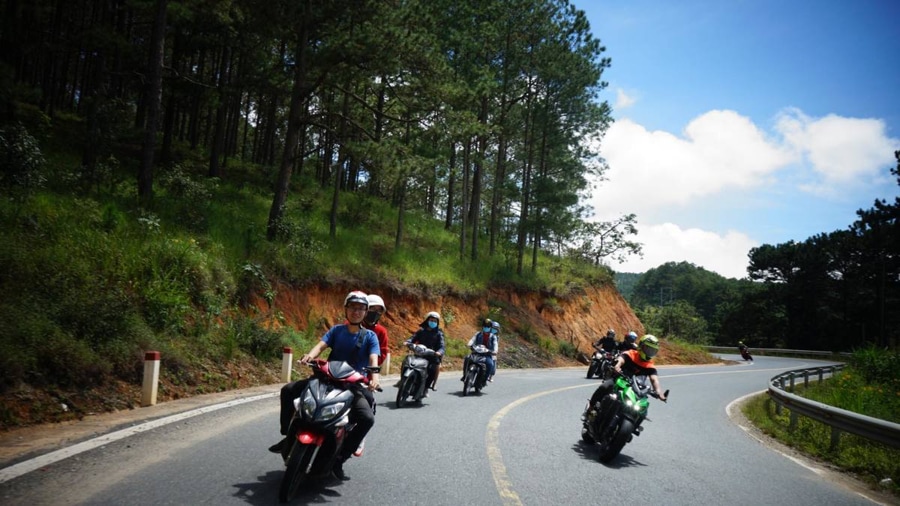
Visiting from Ho Chi Minh to Phan Thiet by motorbike is an adventurous and flexible trip for travelers who love freedom on this Southern to Central Vietnam itinerary. You can stop everywhere along the way to take memorable photos and discover mysterious attractions. This is also an affordable choice, great for backpackers or solo tourists who love exploring hidden sites.

ho chi minh to phan thiet by motorbike

However, this adventure can be quite long and tiring for riders. The roads can be busy, and sometimes, it is very difficult with heavy trucks, uneven surfaces, or sudden weather situations. Besides, baggage space is limited, and you will need to carefully prepare fuel, protective equipment, and suitable relaxation plans to ensure safety and comfort. Therefore, it is not a good choice for inexperienced riders, particularly when going at night or during the wet season.

Aspect Option 1 (National Highway 1A, also called QL1A) Option 2 (DT 719 Coastal Route) Option 3 (Vung Tau scenic route)
Route Ho Chi Minh City → Bien Hoa → Long Khanh → Phan Thiet Ho Chi Minh City → Bien Hoa → Long Thanh → Long Hai → Lagi → Phan Thiet Ho Chi Minh City → Vung Tau → Lagi → Ke Ga → Phan Thiet
Distance About 190 to 220 kilometers About 200 to 230 kilometers About 220 to 250 kilometers
Travel Time 4 to 6 hours (non-stop) 5 to 7 hours (non-stop) 6 to 8 hours (recommended stop in Vung Tau or Lagi)

By Bus Or Minivan

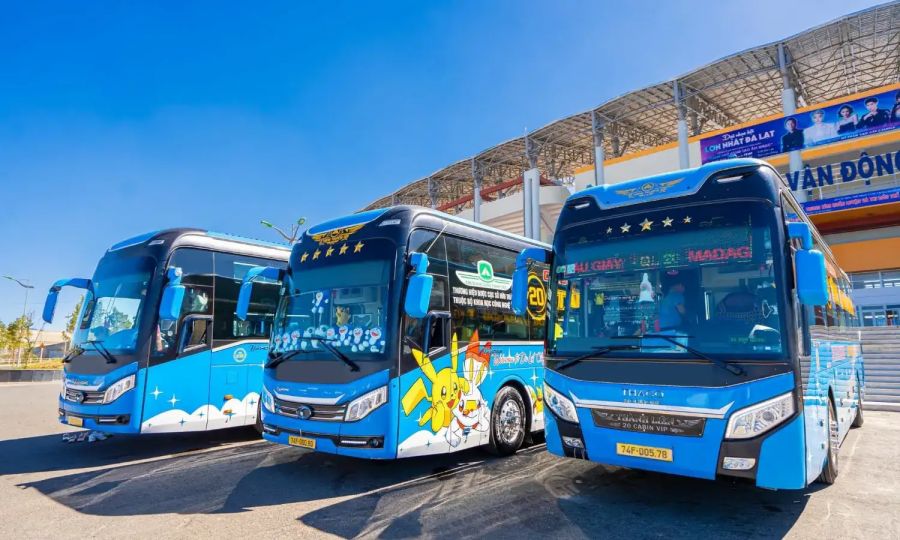
The Ho Chi Minh to Phan Thiet bus or minivan trip is one of the most comfortable and economical choices for most travelers. Modern sleeper buses and minivans have air conditioners, reclining seats, free Wi-Fi, and suitable stops along the way. You will not worry about driving or navigation. Many operators provide hotel pick-up or drop-off in both destinations.

Ho Chi Minh to Phan Thiet by bus

Vehicle Type Price (VND) Travel Time Notes
Standard Sleeper Bus About 180,000 – 300,000 VND (per person) About 4.5 – 6 hours Seats can be changed into sleeper beds, and the transportation is usually air-conditioned. It can be crowded during weekends and holiday seasons, but it is really a budget-friendly selection for most travelers.
VIP Sleeper Bus About 250,000 – 450,000 VND (per person) About 4 – 5.5 hours It has more spacious sleeper cabins, privacy curtains, modern USB charging ports, and sometimes free Wi-Fi. So VIP sleeper buses are a comfortable choice for overnight or long journeys.
Limousine Minivan About 300,000 – 600,000 VND (per person) About 3.5 – 4.5 hours This has fewer seats but larger, softer leather chairs as well as smooth ride quality. Limousine van can drop off at the hotel in Phan Thiet or Mui Ne. It is wonderful for vacationers who like comfort and enjoyment.
Open Tour Bus About 200,000 – 400,000 VND (per person) About 5 – 6.5 hours This type of transportation is very flexible for pick-up or drop-off points and regularly consists of stops near famous beaches in Mui Ne. It is great for travelers who want to have a relaxed trip with attractive stops.

By Private Car

Touring from Ho Chi Minh to Phan Thiet by private car, travelers can enjoy a cozy and flexible feeling, at their own pace, with door-to-door service. You can stop anywhere along the way to see captivating views, enjoy traditional foods, or take a short rest. It is a pleasant transportation in comparison to riding a motorbike or following a fixed bus or minivan schedule.

ho chi minh to phan thiet by By Private Car

Car Type Estimated Price (VND) Travel Time Best For
4-Seater Sedan About 2,000,000 – 2,800,000 VND (one-way) About 4.5 – 5.5 hours Solo vacationers or couples who want to relax with privacy, flexibility in stops, and a smooth, direct ride.
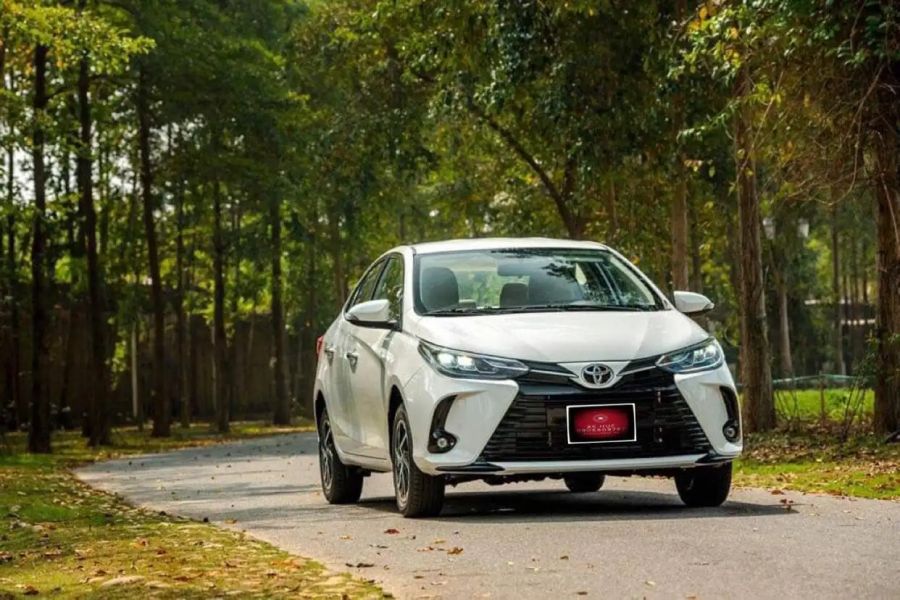
7-Seater SUV/MPV About 2,500,000 – 3,200,000 VND (one-way) About 4.5 – 6 hours Small families or communities of 3 to 5 members who need more luggage and baggage space, as well as a comfortable ride.
9-16-Seater Minibus About 3,000,000 – 4,000,000 VND (one-way) About 5 – 6 hours Larger groups who love journeying together comfortably with more legroom and strong air-conditioning.
VIP Limousine Van About 3,500,000 – 5,000,000 VND (one-way) About 4.5 – 5.5 hours Tourists who love premium comfort, pleasant leather reclining seats, and modern amenities like charging ports and free Wi-Fi.

By Train

The Ho Chi Minh to Phan Thiet train trip is a relaxed, safe, and scenic option for travelers, especially when you travel from December to April, which is the best time to visit Phan Thiet. Trains have spacious seats, modern air-conditioning, restrooms, and snack offerings. This is a great selection for vacationers who prefer a smooth and reliable journey without worrying about the heavy traffic or climate conditions.

ho chi minh to phan thiet by train

Cabin Type Estimated Price (VND) Travel Time Best For
Soft Seat About 180,000 – 250,000 VND (one-way) About 4 to 4.5 hours Economical travelers who want to enjoy a comfortable but low-priced option with air-conditioning and coastal views.
Soft Berth About 350,000 – 450,000 VND (one-way) About 4 to 4.5 hours Small communities or families who like privacy and convenience. It is wonderful for resting or taking photos during the trip.
Hard Seat About 150,000 – 200,000 VND (one-way) About 4 to 4.5 hours Backpackers or short-term tourists seeking the most affordable fare and a local experience. However, it is less comfortable.
VIP Cabin About 1,000,000 – 1,500,000 VND (one-way) About 4 to 4.5 hours Travelers who prefer high-end, pleasant, privacy, and space. It is the best selection for travel couples or business trips.

Tips For Traveling From Ho Chi Minh To Phan Thiet

If you want to have an exciting, pleasant, and safe trip from Ho Chi Minh to Phan Thiet, you need to learn more about the important travel tips. Seni World has collected them for you to have a wonderful adventure.

  • Book your transportation and accommodation early: Particularly during weekends and holidays when all buses, trains, and accommodations fill up quickly, you need to book the transportation and lodging in advance to ensure availability.
  • Avoid traveling during peak hours: The peak hours between Ho Chi Minh and Phan Thiet are Friday evening and Sunday afternoon. You need to avoid these times to skip heavy traffic when leaving or turning back to Ho Chi Minh City.
  • Protect your skin: Let’s bring sunscreen with a high level of SPF, sunglasses, and a hat, because the sun can be very strong in the coastal area.
  • Prepare cash in your baggage: Don’t forget to keep some cash in Vietnam Dong or VND, because some small local eateries and roadside stops will not accept cards or online payments.
  • Charge your electronics before departure: Not all transportation choices have charging ports, so you need to charge your electronics fully before departure.
  • Stay hydrated during the trip: It is very important to stay hydrated during the adventure to ensure your health, especially if you choose to travel by motorbike in the strong sun the way.
  • Bring motion sickness pills: If you are sensitive to winding coastal roads, don’t forget to bring motion sickness pills in your baggage on this journey.
  • Download offline maps: If you plan to ride a motorbike, you need to download offline maps to ensure navigation, even during periods without electricity.

Recommended Stops Along The Way

Going from Ho Chi Minh to Phan Thiet by motorbike is an adventurous way to unveil Vietnam’s coastline, mountain views, and cultural towns. Here are some suggested stops depending on your selected route.

Long Khanh

Located approximately 70 kilometers from Ho Chi Minh City, Long Khanh is a serene town acknowledged for its lush fruit orchards and pretty local coffee shops. Tourists regularly visit here to try many different types of fresh tropical fruits, including rambutan, durian, and mangosteen, based on the season. This is an enjoyable stop for you to revel in rural southern life and take a break to refresh your energy before continuing your adventure to Phan Thiet.

long khanh town at night

Lagi Beach

Lagi Beach is a fascinating seaside city along the coastal route, which is good for a lunch or a short walk around the beautiful beach. This place is very famous for its fresh seafood, local restaurants, quiet shoreline, and traditional fishing villages. Lagi Beach brings travelers a tranquil escape from the highway, as well as a view of authentic coastal life in Southern-Central Vietnam.

Ke Ga Lighthouse

Placed on a small island about 25 kilometers before arriving in Phan Thiet, Ke Ga Lighthouse is one of Vietnam’s oldest and most brilliant lighthouses. You can stop here to take a short but exciting boat journey to the island, climb the lighthouse for panoramic perspectives, or enjoy the rocky coastline and cool, fresh sea breeze. This is a wonderful photo stop and a unique historical destination that adds adventure and scenery to this road trip.

Ta Cu Mountain

Ta Cu Mountain is about 30 kilometers South of Phan Thiet, which is a great stop for nature lovers and vacationers who are interested in cultural sites. You can take a cable vehicle or hike up Ta Cu Mountain to witness the huge reclining Buddha statue, one of the largest in Vietnam, and surrounded by green, lush forest. You can unwind in both religious calm and delightful viewpoints overlooking the countryside at this place.

ta cu mountain

Final Thoughts

Traveling from Ho Chi Minh to Phan Thiet, you can choose various types of transportation, consisting of an adventurous motorbike, an affordable bus or minivan, a comfortable private car, and a pleasant train. This choice will be based on your demand, budget, and your favorite. If you want to take a trip from Ho Chi Minh City to Phan Thiet, know more about things to do in Phan Thiet as well as Ho Chi Minh City, and receive support for the visa process, let’s contact Seni World, a reputable tour operator from Vietnam.

Ho Chi Minh To Vung Tau: A Brilliant Southern Vietnam Trip

There are many different ways for travelers to travel from Ho Chi Minh to Vung Tau, like motorbike, bus, minivan, private car, hydrofoil, and ferry. Based on your cost and demand, select the right way to have a memorable adventure.

Overview Of Ho Chi Minh To Vung Tau

The adventure from Ho Chi Minh to Vung Tau is one of the most popular short yet famous trips in Southern Vietnam. Ho Chi Minh City is the most dynamic and modern city in Vietnam, which impresses vacationers with its brilliant skyscrapers and colorful nightlife. Vung Tau attracts travelers with its relaxing beaches, oceanfront coffee shops, fresh local seafood restaurants, and captivating coastal viewpoints.

dynamic Ho Chi Minh city

How Far Is It From Ho Chi Minh To Vung Tau?

The Ho Chi Minh to Vung Tau distance is about 95 to 120 kilometers by road, based on your specific direction taken. With the distance above, the usual Ho Chi Minh to Vung Tau travel time is about 2.5 to 4.5 hours with stops (by motorbike), from 2 to 3.5 hours (by bus or minivan), about 2 to 3 hours (by private car), from 1.5 to 2 hours (by hydrofoil), and about 30 to 45 minutes (by ferry).

How To Travel From Ho Chi Minh To Vung Tau?

Going from Ho Chi Minh to Vung Tau, you can choose various types of transportation, consisting of a motorbike, a bus, a minivan, a private car, or a hydrofoil. In this section of this blog, Seni World will show you how to get from Ho Chi Minh City to Vung Tau.

By Motorbike

Journeying from Ho Chi Minh to Vung Tau by motorbike is one of the most comfortable and enjoyable road adventures in Southern Vietnam. The distance between the two cities is relatively short. Along the way, you can choose to stop at beachside coffee shops, visit seafood villages, explore mangrove forests, and take ferries for wonderful photos. It is also a cheap and flexible way to travel for adventurous travelers.

Ho Chi Minh To Vung Tau by motorbike

However, this Southern Vietnam itinerary by motorbike can be challenging on weekends and vacations, when traffic increases drastically, particularly on Highway 51. Some sections will have construction areas, heavy trucks, or dusty roadside. The climate can be very hot, sometimes has unexpected rain, which can make driving uncomfortable. If you are an inexperienced rider, it will be a relatively hard way.

Aspect Option 1 (National Highway 1A and Highway 51) Option 2 (Expressway or Highway 51) Option 3 (Coastal scenic Route via Can Gio)
Route Ho Chi Minh City → Dong Nai Bridge → QL51 → Vung Tau Ho Chi Minh City → Long Thanh → QL51 → Vung Tau Ho Chi Minh City → Nha Be → Can Gio → Ferry to Vung Tau
Distance About 95 kilometers About 100 kilometers About 120 kilometers
Travel Time From 2.5 to 3 hours From 2.5 to 3.5 hours From 3.5 to 4.5 hours

By Bus Or Minivan

The Ho Chi Minh to Vung Tau bus or minivan trip is one of the most convenient and lowest-priced options. The journey is short, and there are common departures all day. Some high-end operators also have door-to-door pickup, saving tourists both effort and time. Therefore, for travelers who are searching for a pleasant, flexible, and especially more affordable option than the Ho Chi Minh to Vung Tau taxi trip, bus, or minivan is the best.

Ho Chi Minh To Vung Tau by minivans

Vehicle Type Price (VND) Travel Time Notes
Standard Bus About 120,000 – 160,000 VND (per person) About 2.5 – 3.5 hours This is the most affordable choice with various daily departures. Seats are basic and simple, great for budget tourists. However, the ride can be less convenient during peak hours and weekends.
Limousine Minivan About 180,000 – 260,000 VND (per person) About 2 – 2.5 hours Limousine minivans have spacious and soft seats, strong air-conditioning, and fewer passengers, so you can enjoy a smoother ride. They can offer free water and Wi-Fi for travelers.
VIP Limousine About 250,000 – 350,000 VND (per person) About 2 hours VIP limousine vans have extra-wide leather seats, more legroom, fewer passengers, as well as high-end customer service. So it is an excellent selection for travelers who love comfort during the trip.
Shuttle Bus from Tan Son Nhat Airport About 200,000 – 300,000 VND (per person) About 2.5 – 3 hours This is a comfortable option if you are arriving in Ho Chi Minh City directly by plane. These shuttles will take you from the Tan Son Nhat International Airport to Vung Tau without needing to go into the city center. So it will save the transfer time.

By Private Car

The Ho Chi Minh to Vung Tau private car journey is the most comfortable and free way for travelers. You can go whenever you want and customize your Vung Tau – Ho Chi Minh itinerary with stops along the way. The adventure is not only a travel, but it is also a real immersion in relaxation at your very own pace.

Car Type Estimated Price (VND) Travel Time Best For
4-Seater Sedan About 1,300,000 – 1,800,000 VND (one-way) About 2 – 2.5 hours Solo visitors or couples who like a private, direct, and convenient ride without sharing the vehicle.
7-Seater SUV/MPV About 1,600,000 – 2,300,000 VND (one-way) About 2 – 2.5 hours Families or small communities of 3 to 5 people who want to have extra baggage space and seating comfort.
9-16-Seater Minibus About 2,000,000 – 3,200,000 VND (one-way) About 2 – 3 hours Larger groups or business trips that offer spacious seating and the ability to move together conveniently.
VIP Limousine Van About 2,300,000 – 4,000,000 VND (one-way) About 2 – 2.5 hours Vacationers who value luxurious comfort with reclining leather seats, free Wi-Fi, bottled water, and a smoother ride.

By Hydrofoil

Travelling from Ho Chi Minh City to Vung Tau by hydrofoil is one of the fastest and most convenient ways. You will revel in a smooth journey along the beautiful Saigon River as well as coastal waterways without the traffic jams like going on highways. This type of transportation is also a brilliant choice for travelers who are prone to motion sickness on winding roads.

ho chi minh city to vung tau by hydrofoil

Aspect Details
Operator GreenlinesDP.
Departure Pier (Ho Chi Minh City) Bach Dang Wharf, District 1
Arrival Pier (Vung Tau) Cau Da Pier (Front Beach), Vung Tau
Estimated Price (VND) The Ho Chi Minh to Vung Tau hydrofoil price includes:

  • For adults: From 250,000 to 350,000 VND (per person, one-way)
  • For children: From 150,000 to 200,000 VND (per person, one-way)
Travel Time About 1.5 to 2 hours
Schedule Daily (Commonly 08:00 AM, 10:00 AM, 12:00 PM, 02:00 PM, and 04:00 PM)
Best For Vacationers who want to enjoy a fast, poetic, and comfortable adventure, avoiding traffic jams

By Ferry

The Ho Chi Minh to Vung Tau ferry trip is a quick and scenic choice, especially from December to April, which is the best time to visit Vung Tau. Besides, you can say no to road traffic completely. Moreover, ferries from Ho Chi Minh City to Vung Tau operate multiple times a day, so it brings flexibility for travelers in making travel plans and arranging the itinerary.

The Ho Chi Minh to Vung Tau ferry trip

Aspect Details
Departure Pier (Ho Chi Minh City) Tac Suat Wharf, Can Thanh Town, Can Gio District
Arrival Pier (Vung Tau) The old wharf area in Vung Tau
Travel Time From 30 to 45 minutes
Estimated Price (VND) The Ho Chi Minh to Vung Tau ferry price includes:

  • Passenger: 70,000 VND per person
  • Motorbike: 50,000 VND per vehicle
  • Car (from 4 to 9 seats): 350,000 VND per vehicle
Schedule The Ho Chi Minh to Vung Tau ferry time is from 06:00 AM to 06:00 PM every day, with the last trip at 05:00 PM
Best For Travelers who love a fast and scenic trip, and have more opportunities to take memorable photos of the water scenes

Tips For Traveling From Ho Chi Minh To Vung Tau

take beautiful picture in vung tau beach

If you want to have a comfortable and safe trip from Ho Chi Minh to Vung Tau, you need to find out more about the important travel tips. Seni World has collected them for you to have an interesting and memorable adventure.

  • Book transportation tickets in advance: If you plan to travel on weekends, the peak travel seasons, or on holidays, you need to book the transportation tickets in advance to avoid sold-out seats.
  • Say no to traveling during peak hours: The peak hours from Ho Chi Minh City to Vung Tau are on Friday evening and Sunday afternoon. Let’s skip these heavy times to avoid traffic jams. You can choose to start the trip to Vung Tau earlier in the evening on Friday, and turn back to Ho Chi Minh City earlier in the afternoon on Sunday.
  • Tips for traveling on a ferry: You need to arrive from 20 to 30 minutes early to secure good seats. Besides, let’s choose to sit near windows on the ferry for scenic views as well as reduced motion sickness.
  • Ensure your health: You need to apply a high level of SPF sunscreen and wear sunglasses, because Vung Tau is hot and sunny most of the year. Moreover, don’t forget to stay hydrated, particularly if you are walking or spending your time at the beach under the sun.
  • Bring motion sickness remedies: If you are prone to car or bus sickness on the roads, let’s bring motion sickness remedies.
  • Check weather forecasts: Don’t miss out on checking weather forecasts carefully, particularly during the rainy season, to say no to rough waves and ferry delays.
  • Bring small cash: Cash is king. You can easily pay for snacks and rest stops, as well as some seafood stalls along the way. In some areas in Vung Tau, local vendors will not accept cards or online payments.

Recommended Stops Along The Way

Traveling from Ho Chi Minh to Vung Tau, travelers can have an opportunity to revel in an interesting experience, with cool coastal breezes, unique mangrove forests, and poetic seaside roads. Here are some suggested and highlighted stops along the way:

My Xuan

Being a comfortable mid-route stop, My Xuan (Ba Ria) is known for its local eating places and pretty coffee shops, which are the best for a fast rest. My Xuan has a mixture of industry and countryside, so it brings tourists an opportunity to recharge before reaching the coastal city of Vung Tau.

Long Hai

Before arriving in Vung Tau, you should go to Long Hai to relax at captivating seashores, local seafood stalls, and attractions like the Dinh Co Temple. You can choose to swim, take photos on the windswept shoreline, or taste fresh seafood here. It is a suitable choice for travelers who love serene beaches.

Long Hai beach in vung tau

Ba Ria City

Ba Ria is the gateway and the last stop before reaching Vung Tau. It has clean streets, tasty local dishes, and well-known attractions like the Ba Ria Market or Nui Dinh trekking routes. You can stop here to fuel up or enjoy a short stroll before the last stretch to the coast.

Final Thoughts

Going from Ho Chi Minh to Vung Tau, you can select many different types of transportation, like an adventurous motorbike, an affordable bus or minivan, a comfortable private car, a quick hydrofoil, or a scenic ferry. This choice will be based on your favorite, budget, and current demand. If you want to take a journey from Ho Chi Minh City to Vung Tau, know more about things to do in Vung Tau as well as Ho Chi Minh City, and receive support for the visa process, let’s contact Seni World, a reputable tour operator from Vietnam.

Ho Chi Minh To Quy Nhon: A Modern City To A Coastal City

There are various ways for tourists to journey from Ho Chi Minh to Quy Nhon, consisting of motorbike, bus, minivan, private car, train, and plane. Based on your money and demand, choose the right way to have a wonderful adventure.

Overview Of Ho Chi Minh To Quy Nhon

The journey from Ho Chi Minh to Quy Nhon is a great trip from the most modern city of Vietnam to an impressive coastal city in the Central region. Ho Chi Minh City is world-famous for its dynamic streets, modern skyscrapers, and colourful nightlife, while Quy Nhon is very popular for its serene beaches, delicious local foods, and relaxed vibe.

ho chi minh city

How Far Is It From Ho Chi Minh To Quy Nhon?

The Ho Chi Minh to Quy Nhon distance is about 650 to 720 kilometers by road, based on your specific direction taken. With the distance above, the common Ho Chi Minh to Quy Nhon travel time is about 3 to 5 days with stops (by motorbike), from 9 to 12 hours (by bus or minivan), about 10 to 13 hours (by private car), from 11 – 13 hours (by train), and from 1 hour and 10 minutes to 1 hour and 25 minutes. (by plane).

How To Travel From Ho Chi Minh To Quy Nhon?

Journeying from Ho Chi Minh to Quy Nhon, you can select many different types of transportation, such as a motorbike, a bus, a minivan, a private car, a train, or a plane. In this part of this blog, Seni World will show you how to get from Ho Chi Minh City to Quy Nhon.

By Motorbike

Touring from Ho Chi Minh to Quy Nhon by motorbike, you can unveil Vietnam at your own pace, such as stopping at mysterious beaches, pretty fishing villages, lush mountain passes, and local eateries that most vacationers never get to see. For travelers who love photography and an adventurous lifestyle, this route is great for scenic and full of memorable moments.

ho chi minh to quy nhon by motorbike

However, this Southern to Central Vietnam itinerary by motorbike is really long, tiring, and requires strong riding skills. Some highways can have heavy traffic, particularly on National Highway 1A, and some mountain passes, as well as rural roads, may be winding or poorly lit at night. The weather can also affect your visibility and road safety. You will also focus on fuel stops, rest breaks, and lodgings along the way.

Aspect Option 1 (National Highway 1A, also called QL1A) Option 2 (Ho Chi Minh Highway, also called QL14) Option 3 (Mixed route between Coastal and Highland route)
Route Ho Chi Minh City → Phan Thiet → Phan Rang → Nha Trang → Tuy Hoa → Quy Nhon Ho Chi Minh City → Dong Xoai → Buon Ma Thuot → Pleiku → An Khe → Quy Nhon Ho Chi Minh City → Vung Tau → La Gi → Phan Thiet → Bao Loc → Buon Ma Thuot → Quy Nhon
Distance About 650 kilometers About 720 kilometers About 680 kilometers
Travel Time From 12 to 15 hours total (recommended from 3 to 4 days with stops) From 14 to 18 hours total (recommended from 4 to 5 days with stops) From 13 to 16 hours total (recommended from 3 to 4 days with stops)

By Bus Or Minivan

The Ho Chi Minh to Quy Nhon bus or minivan adventure is an affordable and convenient choice. Buses and minivans run frequently all through the day and night, so you can choose the schedule that fits your Quy Nhon – Ho Chi Minh itinerary. For economical tourists, backpackers, and travelers who love traveling overnight, taking a bus or minivan is a practical and green choice.

travel by minivans

Vehicle Type Price (VND) Travel Time Notes
Standard Sleeper Bus About 350,000 – 520,000 VND (per person) About 10 – 12 hours You can change the seats to a sleeper bed, and it usually has air-conditioning. However, it can regularly be crowded and bumpy, particularly during peak holiday seasons.
VIP Sleeper Bus About 450,000 – 750,000 VND (per person) About 9.5 – 11 hours This type of transportation has more spacious beds, privacy curtains, modern USB charging ports, free Wi-Fi, and sometimes massage seats. It is a wonderful balance of convenience and price for overnight travel.
Limousine Minivan About 600,000 – 900,000 VND (per person) About 9 – 10 hours Limousine minivans have fewer seats with larger, softer chairs and smoother ride quality. This is a good choice for vacationers who want comfort and a quieter environment.
Open Tour Bus About 400,000 – 600,000 VND (per person) About 11 – 12 hours Open tour buses have more flexible pick-up and drop-off points. This selection is very suitable for travelers who want to stop and explore during the adventure or who love more flexible arrangements.

By Private Car

Visiting from Ho Chi Minh to Quy Nhon by private car offers great flexibility and luxury. You can freely arrange stops at scenic spots you want along the way, and say no to the strain of a strict schedule. Besides, a private car also brings vacationers as well as their family and friends privacy and comfy surroundings.

Car Type Estimated Price (VND) Travel Time Best For
4-Seater Sedan About 5,500,000 – 7,000,000 VND (one-way) About 10 – 12 hours Solo visitors or couples who love privacy, flexible stops, and pleasant travel without sharing the vehicle.
7-Seater SUV/MPV About 6,500,000 – 8,500,000 VND (one-way) About 10 – 12 hours Small families or groups of 3 to 5 members. It offers more luggage space as well as a smoother ride.
9-16-Seater Minibus About 8,000,000 – 11,000,000 VND (one-way) About 10 – 13 hours Larger groups that have more legroom and the ability to go together comfortably. It commonly consists of strong air conditioning.
VIP Limousine Van About 9,500,000 – 14,000,000 VND (one-way) About 10 – 12 hours Vacationers who prioritize premium comfort, reclining leather seats, and modern amenities such as charging ports and free Wi-Fi.

By Train

The Ho Chi Minh to Quy Nhon train adventure is a scenic journey along Vietnam’s coastline, especially from February to May, which is the best time to visit Quy Nhon. You can unwind in huge windows, pleasant seating, and freely move around the board. The train is usually quieter and safer, with fewer delays in comparison to road travel.

ho chi minh to quy nhon by train

Cabin Type Estimated Price (VND) Travel Time Best For
Soft Seat About 400,000 – 650,000 VND per person About 11 to 13 hours Travelers who are searching for an economical choice with relatively comfortable daytime travel.
Hard Sleeper About 600,000 – 900,000 VND per person About 11 to 13 hours Budget travelers who do not mind less space and want to save their money while still lying down to relax during the trip.
Soft Sleeper About 900,000 – 1,400,000 VND per person About 11 to 13 hours Vacationers who love comfort and privacy during the overnight adventure.
VIP Sleeper (private 2-berth soft sleeper cabin) About 1,600,000 – 2,300,000 VND per person About 11 to 13 hours Couples, seniors, or tourists who want maximum convenience, privacy, and a quieter trip.

By Plane

Going from Ho Chi Minh to Quy Nhon by plane is the fastest and most time-saving choice for travelers. Flights operate all day, so it is very flexible for you to arrange an agenda that fits your adventure. This makes flying the first-rate selection for people who value convenience, comfort, and speed.

ho chi minh to quy nhon by plane

Aspect Details
Flight Duration The Ho Chi Minh City to Quy Nhon flight time is from 1 hour and 10 minutes to 1 hour and 25 minutes.
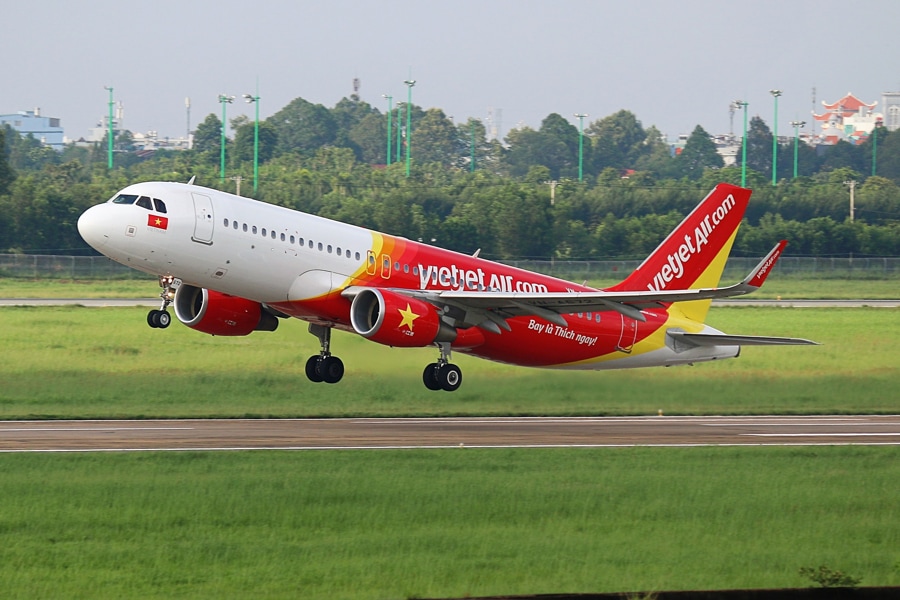
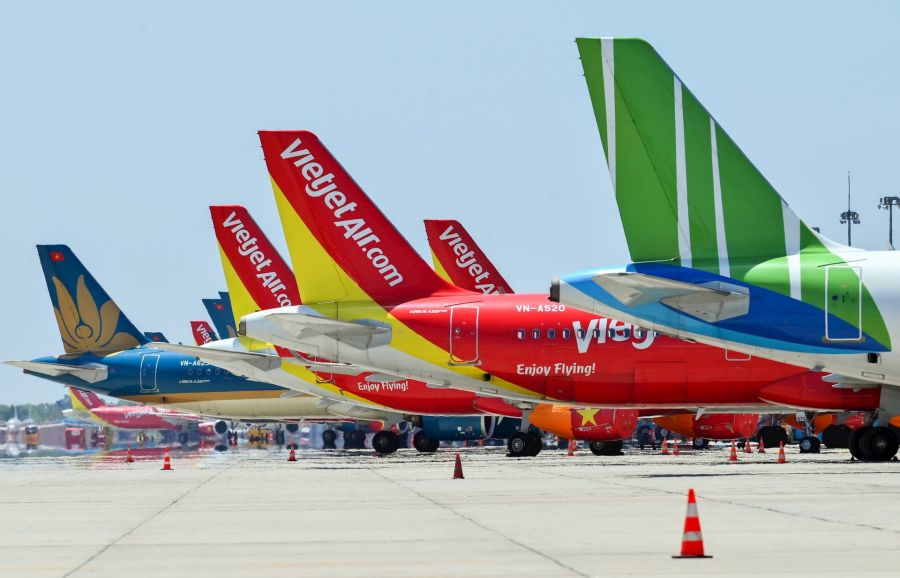
Airlines VietJet Air, Vietnam Airlines, Bamboo Airways, Vietravel Airlines, Pacific Airlines.
Airport in Ho Chi Minh City Tan Son Nhat International Airport (SGN) is located about 8 kilometers from the city center.
Airport in Quy Nhon Phu Cat Airport (UIH) is located about 35 kilometers from the Quy Nhon city center.
Estimated Price (VND) About 800,000 to 2,500,000 VND (based on the peak season, the seasonal promotion, and the promotion of each airline).
Best For Vacationers who love enjoying the fastest and most pleasant way, particularly families or short vacations
Required Documents Passport (global travelers) or ID card (Vietnamese travelers).

Tips For Traveling From Ho Chi Minh To Quy Nhon

If you want to have a comfortable and safe adventure from Ho Chi Minh to Quy Nhon, you need to learn more about the essential travel tips. Seni World has summarized them for you to have a perfect trip.

  • Book transportation in advance: During weekends, holidays, and peak seasons, you should book tickets early to ensure availability, favorable prices, and a seat.
  • Wear comfortable clothes: For convenience on a long tour, especially on overnight trips, you need to wear comfortable clothes.
  • Prepare motion sickness remedies: If you are prone to car or bus sickness on the roads, let’s prepare motion sickness remedies.
  • Bring small cash: Cash is king. You can pay for snacks and rest stops, because in some local areas on the road, vendors will not accept cards or online payments.
  • Stay hydrated at stops: If you are walking or spending more time at the beach under the sun, you need to drink enough water.

Recommended Stops Along The Way

Traveling from Ho Chi Minh to Quy Nhon, you can have a brilliant opportunity to discover Vietnam’s coastline, mountain views, and cultural towns. Here are some suggested stops based on your selected route:

Phan Thiet – Mui Ne

Phan Thiet – Mui Ne is an impressive coastal stop with the golden beaches, huge red and white dunes, water activities, and many different types of fresh seafood. Travelers can loosen up at beach resorts and hotels, discover the Fairy Stream, go to the Po Sah Inu Cham Towers, or just unwind in the pretty oceanfront coffee shops. This is a great halfway point to rest before reaching your destination.

The Po Sah Inu Cham Towers are accessible to visitors every day

Phan Rang – Thap Cham

Known for its dry, sunny weather and unique Cham culture, Phan Rang – Thap Cham is an exceptional stop for travelers to see great architecture, visit lush vineyards, and relax at beautiful beaches. You can choose to go to the ancient Po Klong Garai Cham Towers, uncover salt fields, or visit local grape farms. The coastline here is more serene and wonderful for windsurfing and kitesurfing.

Nha Trang

Nha Trang is an energetic beach city with colourful nightlife, long sandy seashores, exciting island-hopping excursions, and unique mud baths. This is one of the most famous stops for vacationers in the Ho Chi Minh to Quy Nhon adventure, with various local restaurants, superb resorts, and brilliant attractions, such as Ponagar Cham Towers or Hon Mun Marine Protected Area.

Nha Trang in February

Cam Ranh

Cam Ranh is more tranquil than Nha Trang, with its high-end beachfront resorts and hotels along Bai Dai Beach. This is an enjoyable stop for tourists looking for peaceful ocean views, luxurious spas, and mysterious coastlines. Don’t forget to enjoy a serene meal with authentic flavor in Cam Ranh or take a short rest here before continuing the adventure.

Final Thoughts

Journeying from Ho Chi Minh to Quy Nhon, you can select numerous types of transportation, such as a thrilling motorbike, a low-priced bus or minivan, a convenient private car, and a pleasant train or plane. This choice will depend on your demand, money, and your favorite. If you want to take an itinerary from Ho Chi Minh City to Quy Nhon, know more about things to do in Quy Nhon as well as Ho Chi Minh City, and receive support for the visa process, let’s contact Seni World, a reputable tour operator from Vietnam.

Ho Chi Minh To Mui Ne Transport Guide: Best Travel Options

Do you know how to get from Ho Chi Minh City to Mui Ne? This coastal journey is one of Vietnam’s most popular beach getaways, taking travelers from the bustling southern hub to golden dunes, palm-fringed beaches, and a laid-back fishing town.

Overview Of Ho Chi Minh To Mui Ne

Traveling from Ho Chi Minh to Mui Ne is a popular trip for local and international travelers alike. About 200 kilometers from Ho Chi Minh City, Mui Ne is accessible and provides a nice break from the hustle and bustle of Ho Chi Minh City. Trains, buses, and private cars all offer easy access to the destination for a quick weekend getaway or even an extended time along the coast.

ben thanh market in ho chi minh city

Many travelers choose to combine these two destinations to enjoy the best of both worlds – the busy culture, history, and street food of Ho Chi Minh City, or the sun-kissed beaches and sand dunes of Mui Ne. Then, considering the busy city against a quieter resort town, the trip is one of the best little journeys in southern Vietnam.

How Far Is It From Ho Chi Minh To Mui Ne?

The driving distance from Ho Chi Minh to Mui Ne is approximately 220 kilometers, taking about 4.5 to 6 hours. The main highway, named National Highway 1A, takes a relatively straight route, especially going through rural areas, small towns, as well as some scenic views along the way. This route can be preferred because it allows flexibility along the way.

sane dunes in phan thiet

If you’re taking a train, Ho Chi Minh to Phan Thiet is approximately 200 kilometers, and then another 30 kilometers to Mui Ne. The train ride can be a very comfortable ride because it provides a scenic view of the countryside of Vietnam. It would be easy to go from Phan Thiet train station to Mui Ne via a taxi, shuttle bus, or a car, which would take about 40 minutes to reach the beach resort areas as well as the sand dunes.

How To Get From Ho Chi Minh To Mui Ne?

There are many ways to go from Ho Chi Minh City to Mui Ne, making travel quite convenient. It can be conducted through train, bus, private car, or motorbike, depending on personal preference. All of these alternatives can be taken along the southern coast.

By Train And Transfer

Traveling by train from Ho Chi Minh City (Saigon Station) to Phan Thiet is one of the most picturesque and comfortable methods of getting to Mui Ne. This distance will take you about 3 hours and 45 minutes, covering 185 kilometers. Although there is no train that runs directly to Mui Ne, you can make arrangements to either take a taxi, shuttle bus, or motorcycle taxi after you get off at Phan Thiet station to finish the remaining 30-40 kilometers to Mui Ne.

ho chi minh to mui ne by train

At the moment, there are two trains running every day from Ho Chi Minh to Phan Thiet- SPT1 which leaves at 6:40 AM, and SPT4, which leaves at 7:25 AM. The train fare will cost around 170,000 to 400,000 VND, depending on the type of seat you choose and accommodation upgrades. Buses to Mui Ne are available for about 30,000 VND per person onboard the train, saving you time once you’ve arrived. The best way to have a smooth transfer is to avoid getting off at Muong Man Station, as it is a long distance from Phan Thiet City.

  • Duration: 4 – 5 hours by train and 45 minutes transfer
  • Cost: 160,000 – 250,000 VND for the train and transfer fee
  • Best for: Travelers who enjoy comfort and views along the way

By Limousine Buses

Limousine buses can be a very good option for people looking for convenience on the route from Ho Chi Minh City to Mui Ne. The limousine buses have spacious leather seats, some of which can recline as well as have a massage feature. It would take roughly 4.5 to 5 hours.

Most limousine bus companies operate on fixed timetables, so it is always possible to rely on their services, even in high travel seasons. For a relatively low price starting from 250,000 VND per person, a limousine bus is an excellent travel option, as it combines comfort, functionality, and guarantees a smooth ride to the Mui Ne coast.

ho chi minh to mui ne by limousine

  • Duration: 4.5 – 6 hours
  • Cost: 200,000 – 350,000 VND
  • Best for: Budget travelers, solo travelers, or anyone seeking a straightforward ride

By Private Car Or Motorbike

Taking a private car from Ho Chi Minh to Mui Ne is one of the fastest and most flexible ways to travel to this beach destination. The distance from Ho Chi Minh City to Mui Ne is a little over 200-240 kilometers, depending on the route you take, and it takes about 4.5-5 hours to get there. If you take the expressway, it is a smooth ride, but you can also take the coastal route, driving through Binh Chau, Lagi, and Ke Ga Cape, which is a beautiful drive with local coastal towns to stop in and take photos.

ho chi minh to mui ne by private car

If you enjoy the adventure of driving yourself, you are free to stop whenever you like to eat, rest, or enjoy the sights as you drive along. The only thing to be careful of is that a few sections of the highway run with speed limits, and things such as police checkpoints will still be present, so be sure to drive responsibly and obey the traffic laws. Plan out in advance that your car is in good working condition, always fill your tank in Ho Chi Minh, and be sure to bring some water and snacks for the ride.

Means of transportation Duration Cost Best for
Private car 4.5 – 5 hours 2,000,000 – 3,500,000 VND (depending on vehicle size) Families, couples, or groups who value privacy and flexibility
Motorbike 6 – 7 hours 200,000 – 400,000 VND/day rental and additional fuel Experienced riders looking for adventure and flexibility

Tips For Traveling From Ho Chi Minh To Mui Ne

Whether traveling by train, bus, or your own vehicle, some planning can help make your trip to Mui Ne easier and more enjoyable. The following tips can help ensure that you travel safely and comfortably, while still having fun taking the route along the southern coast of Vietnam.

  • Trains are often scenic, but it is recommended to book the transfer from Phan Thiet to your hotel in Mui Ne ahead of time.
  • Buses run often, but it is best to book ahead, especially on weekends and holidays, to ensure there are still seats.
  • Private cars are quicker, but you can stop for food, coffee, or sightseeing along the coast.
  • If you are on a motorcycle, it is best to prepare a rest stop map, check which stations have gas, and be careful while traveling on National Highway 1A.
  • Light clothing, sunscreen, and a hat are recommended, as it does get hot in Mui Ne during the day.
  • Before the heavy traffic leaves Ho Chi Minh City, when people use public transportation or have their own vehicle, it is best to travel around early in the morning or later in the evening.
  • Make sure you have enough cash, as smaller shops and roadside businesses may not accept cards.

Recommended Stops Along the Way

When it comes to traveling from Ho Chi Minh City to Mui Ne by road, it’s a chance to experience the southern charm of Vietnam. As you pass through this region, you will see peaceful beaches, lush forests, and cultural heritage, all of which are worth stopping for.

Long Khanh Town

Long Khanh Town is located about 80 km away from Ho Chi Minh City. It is a small but lively town and well-known for its many fruit orchards and various local markets. Travelers typically stop here to naturally try tropical fruits like rambutan, durian, and mangosteen from local gardens.

long khanh town at night

Not only that, Long Khanh Town is home to a quaint Long Khanh Cathedral, which is both architecturally stunning and a calm place to sit and rest. It is a great opportunity to give your legs a stretch and enjoy the true southern Vietnamese countryside area life before you hop back into your vehicle.

Binh Chau Hot Springs

Located about 150 km from Ho Chi Minh, Binh Chau Hot Springs is a peaceful spot to relax amidst a tropical setting. This is where tourists can unwind in warm mineral springs, experience a mud bath, and cook their eggs in hot springs. It is a very convenient spot to stop over along the way, as it is also close to Mui Ne. There are small hotels, eateries, and other dining facilities.

Ke Ga Lighthouse

Located on a rocky island off the coast of Binh Thuan Province, the Ke Ga Lighthouse attracts many tourists on their Ho Chi Minh-Mui Ne journeys. Constructed in the French colonial era, it is the oldest operational lighthouse in Vietnam. Visitors can take a boat ride to the island, go up 183 steps to the top, and see the scenic views of the ocean. The environment is peaceful, the waters pristine, and the rocks smooth, making it an ideal spot for a stunning photo.

ke ga lighthouse

Phan Thiet City

Before reaching Mui Ne, you’ll have the opportunity to stop off in Phan Thiet, the capital of Binh Thuan Province, which is a bustling beach town. It’s famous for fish sauce production, as well as fish markets, making it a great place to wander down to the dock or taste some of the local cuisine. The Po Sah Inu Cham Towers, located on a nearby hill, give a glimpse into the region’s interesting history, as well as a bird’s-eye view of the coastline.

FAQs About Traveling From Ho Chi Minh To Mui Ne

When planning your trip from Ho Chi Minh to Mui Ne, you may have questions about transportation, duration, and what to expect during your trip. Here are some of the most common pre-trip questions from travelers planning this coastal adventure.

How long does it take to get from Ho Chi Minh to Mui Ne?

Typically, it takes anywhere from 4 to 6 hours to travel from Saigon to Mui Ne by car or bus, depending on the traffic and chosen route. If you take the train, the trip will take about 4 hours to Phan Thiet, with an additional 40-minute transfer to Mui Ne. It is suggested that you start your journey in the early morning in order to avoid traffic through the city and have an easier, more direct route onward.

When is the best time to visit Mui Ne?

The best time to travel to Mui Ne is generally from November to April, when you can expect primarily dry and sunny weather. From November to April, conditions are optimal for kitesurfing, swimming in warm water, and sightseeing in the sand dunes. If you expect adequate light and reasonable air temperatures, you would want to avoid any trips during the rainy season (May to October).

Final Thoughts

A trip from Ho Chi Minh to Mui Ne is short and flexible, with many ways to travel. Whether you travel by train for comfort, go by bus because it is cheaper, take a private car, or enjoy riding on a motorbike, each way is a different experience. With Seni World, you can plan your Mui Ne holiday according to your style, from a short weekend getaway to a longer holiday spent on beaches.

Ho Chi Minh To Da Lat Transport Guide: Best Travel Options

Are you aware of the best way to travel from Ho Chi Minh to Da Lat? The journey into this Central Highland is one of the most scenic land trips, with beautiful winding mountain passes, pine-forested hills, and waterfalls.

Overview Of Ho Chi Minh To Da Lat

Traveling from Ho Chi Minh to Da Lat provides a beautifully different experience, where you leave behind the busy streets of Vietnam’s largest metropolis for the cool and quiet atmosphere of the Central Highlands. The journey takes you along twisting mountain roads through vibrant pine forests and pretty views of the countryside, creating one of the prettiest journeys in southern Vietnam.
Many travelers love to visit these two cities together. After spending time enjoying the energy, culture, and street food of Ho Chi Minh City, a short drive to Da Lat allows relaxing time among nature, pretty lakes, flower gardens, and beautiful vestiges of French colonial architecture. The difference between urban exuberance and peaceful beauty is a well-worn path for many local and foreign visitors from Ho Chi Minh City to Da Lat.

How Far Is It From Ho Chi Minh To Da Lat?

The distance from Ho Chi Minh City to Da Lat is approximately 310 kilometers if you’re taking the road, taking 6 to 8 hours depending on traffic and which direction you decide to go. Whether you choose to go by bus or car, you get to witness the change from city life to rural settings, to curvy roads through the mountains as you approach the Central Highlands.

Alternatively, if you prefer a quicker option, flights from Ho Chi Minh City cover about 230 kilometers, taking only an hour. Despite this, because it is mountainous, sometimes the weather will affect either the travel time or the flight status.

the beautiful dalat

How To Get From Ho Chi Minh To Da Lat?

Traveling from Ho Chi Minh City to Da Lat is a fun trip through the beautiful southern highlands of Vietnam. There are several travel options available to you based on your budget, travel style, and how much time you want to spend on the journey.

By Flight

The fastest and most comfortable option to travel from Ho Chi Minh City to Da Lat is by airplane. The flight route from Tan Son Nhat Airport (SGN) to Lien Khuong Airport (DLI) is roughly 50-60 minutes, allowing you to save plenty of travel time.

fly from the tan son nhat airport

There are about 3-6 direct flights a day from large airlines like Vietjet Air, Vietnam Airlines, and Jetstar. It is best to arrive at the airport at least one hour before your flight for an easy check-in. After arriving somewhere in Da Lat, you have the following options to reach your destination. Lien Khuong Airport, where you will have the option to get a bus or taxi to your hotel, is about 30 km from the center of Da Lat.

  • Duration: 1-hour flight and 45-minute transfer
  • Cost: 1,000,000 – 2,000,000 VND
  • Airlines: Vietnam Airlines, Vietjet Air, Bamboo Airways
  • Best for: Travelers short on time, families, or those who prefer comfort

By Sleeper Bus

Sleeper buses have become one of the cheapest and most popular modes of transport from Ho Chi Minh to Dalat. There are nearly 20-30 sleeper bus departures daily from Mien Dong Bus Station, so you shouldn’t have much difficulty finding a nice time that works for you. Sleeper bus trips, which typically take 6-8 hours, are not just cheap, but they are comfortable, with reclining beds, blankets, and air conditioning.

ho chi minh to da lat by sleeper bus

For a better trip going through the mountain passes, it is a good idea to book a seat on the lower deck, to be exact, between A4 and A9. Always buy your ticket from the bus companies you trust, and always be sure, by policy, to find out the price before you get on.

Some bus services will not charge you for a ride for free to where your accommodations are upon arrival in Dalat.

  • Duration: 6 – 8 hours
  • Cost: 250,000 – 400,000 VND
  • Best for: Budget travelers, overnight journeys

By Private Car

A private car is one of the most comfortable and flexible options to get from Ho Chi Minh to Da Lat. More than being a means of transport, it allows a simple itinerary where you can plan breaks for pics, and stop at coffee farms, waterfalls, and other scenic locations along the way.

ho chi minh to da lat by car

The drive takes between 6 and 8 hours on twisty mountain roads, so it is advisable to leave early in the morning to take in the fresh cool air and avoid traffic congestion.. If you don’t feel confident driving, it is also great to engage the services of a local driver with a private car. Safety is a priority, and it’s great to relax and take in the beautiful scenery in Da Lat.

  • Duration: 6 – 7 hours
  • Cost: from 3,500,000 – 4,500,000 VND (depending on car type)
  • Best for: Families, small groups, or those who value privacy and flexibility

By Motorbike

For those who want an adventure, riding a motorbike from Ho Chi Minh to Da Lat is an unforgettable experience that we strongly recommend as you travel through the highlands of Vietnam. The total distance is about 300-320 kilometers, which will be completed in around 8-10 hours, travelling along the route of Ho Chi Minh City – Long Thanh – Dong Nai – Lam Dong, and crossing the beautiful Prenn Pass into Da Lat.

ho chi minh to dalat by motorbike

On the way, you can stop at Bao Loc Pass to see breathtaking panoramic mountain views and take great photos. The trip will have all the dangers and beauty of riding motorbikes through winding passes with refreshing cool air, while you take in the lush countryside. Ride responsibly, wear warm clothes, and have enough to drink and food for the journey.

  • Duration: 7 – 9 hours
  • Cost: 200,000 – 400,000 VND/day rental and additional fuel costs.
  • Best for: Experienced riders seeking adventure

By Seater Bus

If you’re seeking a convenient and inexpensive way to travel to Da Lat, a seater bus may be the best option. Buses usually have 18 to 45 comfortable seats available, and there are buses operating daily between Ho Chi Minh City and Da Lat. Well-known bus companies include Thanh Buoi, Phuong Trang, and Xuan Hung. The ubiquitous range of ticket prices is between 150,000 and 190,000 VND per person, making this an affordable option for a traveller.

  • Duration: 6 – 8 hours
  • Cost: 150,000 – 190,000 VND/pax/one way.
  • Best for: budget travelers, solo adventurers, or locals who want a quick and affordable way to reach Da Lat.

Tips For Traveling From Ho Chi Minh To Da Lat

dalat in the spring

With some foresight and preparation, traveling from Ho Chi Minh City to Da Lat can be picturesque and exhilarating. Here are some useful tips to help your travel experience run more smoothly and be more enjoyable:

  • The quickest traveling option is to fly, but Lien Khuong Airport is about 30 km from the city center of Da Lat.
  • If you’re interested in an overnight journey, sleeper buses are inexpensive and comfortable. If you would like to take a bus during the weekend or a holiday, book a ticket in advance.
  • If you are riding or driving a scooter, you should be aware that the roads will be windy and the weather can change.
  • On your voyage, you can stop at Bao Loc to visit tea hills, coffee farms, or see the stunning 40-meter-tall Dambri Waterfall.
  • Be sure to pack warm clothes, as the temperature can drop significantly in Da Lat, especially at night.
  • Bring cash in VND to eat at food stalls or local locations, as you may not be able to use a credit card in some rural areas.
  • If you tend to get motion sickness, take your medicine prior to traveling, as the roads will be windy.

Recommended Stops Along the Way

The journey from Ho Chi Minh City to Da Lat includes some spectacular scenery and local rural charm. On the trip, tourists can visit a number of lovely towns and attractions to enjoy Vietnam’s history and natural beauty.

Bao Loc

Halfway to Da Lat, Bao Loc is the perfect refreshing stop and is known for its tea and coffee plantations. Thus, the year-round cool climate in Da Lat and rolling green hills are a soothing retreat from the busy city. The Dambri Waterfall, one of the tallest waterfalls in Vietnam, has been rapidly rising in popularity, and you should visit it.

bao loc at night

You can also visit tea factories to learn how local tea is produced. Bao Loc makes a great stop for some rest, a hot drink, and the mountain breeze before heading off to Da Lat.

Pongour Waterfall

Located about 50 km from Da Lat, Pongour Waterfall is often described as the “most beautiful waterfall in the Central Highlands.” Its multi-level cascades flow across a wide expanse of rocky terrain, creating a powerful, yet graceful, flow of water. This is a great destination for nature lovers and photographers in search of beautiful views. You may hike in the area, lounge by the water, or even share a picnic or snack with friends.

Tuyen Lam Lake

A short drive from Da Lat will lead travelers to Tuyen Lam Lake with its calm waters and pine-covered hills. It is a popular stop for boat journeys, kayaking, and camping. The peacefulness of the lake provides a beautiful contrast to the winding mountain roads you may have just traveled to. Many tourists stop at the lake to relax, take pictures, or have a meal at one of the cafés situated along the lake.

peaceful tuyen lam lake

FAQs About Traveling From Ho Chi Minh To Da Lat

Are you planning to travel from Ho Chi Minh City to Da Lat? Here are some frequently asked questions aimed to help you with your travel preparations and ensure you have a great time exploring the highlands.

Is the road from Ho Chi Minh to Da Lat safe for travel by motorbike?

The ride is beautiful, but the roads are winding and steep. This route is for experienced riders only. Be sure to check your motorbike is in good condition, wear warm clothes, and don’t ride at night.

Can I stop on the way to see things?

Yes! Many travelers will stop in Bao Loc or Di Linh to see the coffee plantations, waterfalls, or just to get coffee. It can be great to make your trip into a mini road trip.

What should I bring when traveling to Da Lat?

During the weather, Da Lat is cool year-round, with especially cool temperatures during the evening. Therefore, pack warm clothes such as jackets and sweaters. Comfortable shoes are necessary for exploring the hills and waterfalls. Be sure to bring your camera, since the scenery is beautiful everywhere!

Is there access to food while traveling to Da Lat?

Yes, along the route, you will find multiple roadside eateries and cafes serving various local Vietnamese dishes. You may consider experiencing eating professionally by enjoying hot noodle soup or drinking coffee while viewing the mountains. It is truly part of the charm of the journey!

Final Thoughts

Traveling to Da Lat from Ho Chi Minh City can involve a quick journey by flight, a comfortable ride on a bus, or an adventurous excursion on a motorbike. The quickest option would be by flight for convenience, consider taking a bus for a mixture of the best cost and ease of ride, and if you travel in a private car, there is flexibility in the options. With Seni World, you have the option of making the trip, according to your timeline, budget, or sense of adventure.

How To Get From Ho Chi Minh To Nha Trang For Your 2026 Trip

Do you know how to get from Ho Chi Minh City to Nha Trang? Many travelers head north along Vietnam’s coastline, with transport options ranging from quick flights to scenic train rides and budget-friendly buses.

Overview Of Ho Chi Minh To Nha Trang

The route from Ho Chi Minh to Nha Trang is one of the most commonly traveled in Southern Vietnam, offering an energetic vibe of a modern city, with the carefree charm of a coastal oasis. Traveling between these should be considered because it allows visitors the chance to appreciate the diversity of Vietnam as they travel from a bustling city to a relaxing beach destination or a remote island.

Saigon Opera House in ho chi minh city

We will plan together Ho Chi Minh City and Nha Trang because of how nicely they fit together, especially because you can enjoy what each city offers. Ho Chi Minh is a cultural and nightlife hub, and Nha Trang is sunshine, blue seas, and relaxation. Whether the aim of your trip is adventure, exploring nature, or relaxing at the beach, increase the ability to take in all three with this trip.

How Far Is It From Ho Chi Minh To Nha Trang?

The distance between Ho Chi Minh and Nha Trang depends on which mode of transportation you choose. If flying, it is approximately 396-397 km in distance between Tan Son Nhat Airport (SGN) and Cam Ranh Airport (CXR), and would take around 1 hour in flight time.

By most estimates, you can drive the National Highway 1A route, and the distance by road lies between 440 – 455 km, depending on the route or temporary road detours. If you ride the train, the distance from Saigon Railway Station to Nha Trang Railway Station is about 411 km. In summary, the distance from Ho Chi Minh to Nha Trang falls in the range of about 396-435 km, and multiple travel options to fit your needs (timing, price point, and/or comfort).

Nha Trang Beach

How To Get From Ho Chi Minh To Nha Trang?

Traveling from Ho Chi Minh City to Nha Trang is easy and convenient, as it provides various modes of transport for all budgets and travel styles. You can fly if you wish to be fast, take the train for views, or, if you are feeling more adaptable, along the coastal route, you can go by bus or private car.

By Flight

Among the fastest and most convenient transportation methods, a flight from Ho Chi Minh to Nha Trang can be considered. Flights are between Tan Son Nhat Airport to Cam Ranh International Airport, which is approximately 35 kilometers from Nha Trang City center. The flight takes around 1 hour, making it ideal for those who want to save time and travel comfortably without long hours of travel.

You can go from Cam Ranh Airport to Nha Trang easily by taxi, shuttle bus, or private transfer. It normally takes around 45 minutes to an hour, depending on how congested it is. Flying is great for business travelers, those on a short getaway, or convenience lovers. Just remember that, if you travel during peak seasons, it’s best to book well in advance if you want the best airfare prices.

ho chi minh to nha trang

Duration: 1 hour 10 minutes flight and 40-minute transfer to the city center

Cost: 1,000,000 – 2,500,000 VND

Airlines: Vietnam Airlines, Vietjet Air, Bamboo Airways

Best for: Time-saving and beach holidays.

By Train

A train journey from Ho Chi Minh to Nha Trang is highly recommended for those who love train travel, beautiful landscapes, and going at the same pace as the train itself. The Reunification Express, or some other trains, SNT1, SNT2, or the Golden Train, are available on this route on a daily basis. The train journey takes anywhere between 7 to 9 hours, offering breathtaking views of the Vietnamese countryside along the way.

Ho chi minh to nha trang

Taking the train is even better if you can grab an overnight train with departure times between 7 p.m. and 8 p.m., allowing you to sleep throughout the journey and arrive early in Nha Trang, ready to begin your adventures there. The Nha Trang train station is located in the heart of the city, allowing you to easily proceed to your hotel or beaches immediately upon arrival. Taking the train is the best mode of transport if you value comfort, safety, and a hint of nostalgia while viewing the rolling landscape of the countryside.

Duration: 6.5 – 8 hours

Cost:

  • Soft seat (A/C): 250,000 – 400,000 VND
  • Hard sleeper: 300,000 – 500,000 VND
  • Soft sleeper: 400,000 – 650,000 VND

Best for: Scenic travel, budget-conscious, and comfortable day journeys

By Sleeper Bus

Taking the sleeping bus from Ho Chi Minh to Nha Trang is one of the most common ways to travel between the two cities, as it is affordable and accessible. There are many bus operators offering the journey, with departures throughout the day or overnight from Mien Dong Station, with the majority of the buses terminating in the city center, allowing tourists to easily access their hotels or the beach, depending on their destination.

ho chi minh city to nha trang by sleeper bus

Because the journey isn’t too long, the night sleeper bus service is also an excellent way, allowing you to comfortably rest on the bus and wake up fresh in Nha Trang the following morning. This is even more ideal if you are backpacking or trying to save on accommodations while continuing with your journey in the safest and most efficient manner possible.

Duration: 8 – 9 hours (overnight options available)

Cost: 250,000 – 400,000 VND

Best for: Budget travelers, overnight journeys to save on accommodation

By Private Car Or Motorbike

Taking a private car or motorcycle from Ho Chi Minh to Nha Trang is ideal for those who value freedom and enjoy car trips with breathtaking scenery. You can stop over in the beautiful seaside towns of Mui Ne or Phan Rang, or even the fishing villages, if you so desire, making your journey a mini-adventure in itself.

There are two main paths you can follow, depending on your car.

Route 1 (about 430 km, only with automobiles, and 8 hours 20 minutes)

Starting from the center of Ho Chi Minh City, one will go through the Thu Thiem Tunnel, followed by the Ho Chi Minh City – Long Thanh – Dau Giay Expressway. Turn right after traveling 55 km, then proceed on National Highway 1A for the last 7 km to the Long Khanh, or Dong Nai, area.

ho chi minh city to nha trang by private car

Proceed on Ho Xuan Huong Street for 6 km before turning back to Highway 1A and continuing to Binh Thuan, with stops in Phan Thiet, followed by Ninh Thuan, with another stop in Phan Rang – Thap Cham, before arriving in Khanh Hoa Province. Proceed for another 70 km on Highway 1A to Nha Trang City.

Route 2 (approximately 420 km, suitable for cars & motorbikes):

Start from Ho Chi Minh City, head towards the Saigon Bridge, then go on Hanoi Highway for 18 km to the Vung Tau intersection overpass. Turn right, go on for another 5 km, then on Vo Nguyen Giap Street for about 12 km before merging with the National Highway 1A. Go straight for another 25 km to Long Khanh, then follow the same route as Route 1 to Nha Trang.

Duration: 8 – 10 hours (or 2-3 days with stopovers)

Cost:

  • Private car: from 5,000,000 VND (one-way, depends on vehicle type)
  • 200,000 – 400,000 VND/day and additional fuel cost

Best for: Adventurous travelers, those who want flexible stops

Tips For Traveling From Ho Chi Minh To Nha Trang

Before you embark on your journey, there are some tips that will help you on your way from Ho Chi Minh to Nha Trang. Regardless of the mode of transport you prefer, you will be able to enjoy the journey with the help of these tips.

  • Flying is faster, but bookings must be made well in advance for the best prices, especially for travel during the summer or Tet holiday periods.
  • The trains are dependable, with the best time to travel being in the daytime, allowing for the appreciation of the coastline scenery.
  • The advantage of sleeper buses is that one can travel the entire night, but those who are light sleepers may want to go by train or air.
  • Road trips are always enjoyable if there are brief stops made in Mui Ne or Phan Rang along the way to rest or go sightseeing.
  • Always check the weather forecast in Nha Trang before you travel, because heavy rainfall can sometimes impact train schedules.
  • Pack lightly, but always have the necessary items with you, for instance, water, food, and a travel pillow.
  • When on a motorcycle, make sure your bike is well-maintained, and always leave early to avoid having to drive at night.

Recommended Stops Along the Way

The journey from Ho Chi Minh City to Nha Trang is part of the fun in itself. En route, you will go through quaint villages, beach resorts, and mountainous paths that will just make the journey even more enjoyable. Some interesting stops you can make before reaching the “city of eternal spring” are these:

Mui Ne

Situated in the Binh Thuan Province, Mui Ne is the ideal place to stop over if you are a beach lover. The city is recognized for its golden dunes, blue waters, and constant wind, hence making Mui Ne a paradise for those who love flying kites or basking in the sunlight. You can opt to go to the White Sand Dune, Red Sand Dune, or even walk along the Fairy Stream. Having a meal of fresh seafood by the beach is another activity you can participate in. The sunrise or sunset over the dune is indeed magical.

Unique Beauty Of White Sand Dunes

Phan Thiet

A mere drive from Mui Ne, the city of Phan Thiet presents itself with its laid-back, more localized beachside ambiance. The city is renowned for its production of fish sauce, in addition to its busy fishing harbor dotted with colorful fishing vessels. Visitors can proceed to explore the Po Sah Inu Cham Towers, the beaches, or enjoy fresh seafood purchases from the markets, among other activities available in the city, which is also an ideal stopover before going on to Da Lat.

Bao Loc

Bao Loc is also known as the “little sister” of Da Lat, providing a calm getaway with its landscape of tea plantations rolling into the hills, covered in mist. You can visit the Dambri Waterfall, one of the highest in the country, or relax with a brew of fresh green tea from the Tam Chau Tea Hill. The climate is also pleasantly chilly, making it an ideal destination for those who love Mother Nature and the calm.

The Pongour Waterfall

Approximately 50 km from Da Lat, the Pongour Waterfall is off the beaten track but definitely worth the extra journey for its breathtaking view, particularly if you are visiting in the rainy season, which is the time the water is at its fullest. You can hike down to the bottom of the falls, which is reached by stairs made from stone, or simply sit there and enjoy the soundtrack of Mother Nature, which is one of the most beautiful waterfalls in the entire South of Vietnam.

Pongour Waterfall

Final Thoughts

There are a variety of options to choose from when traveling between Ho Chi Minh City and Nha Trang, regardless of your travel style. If you are in a hurry, flying is the quickest option. Taking the train to Nha Trang is comfortable and scenic, and taking the bus is the cheapest. The best option if you are thrill-seeking is driving. And with Seni World’s assistance, make it happen at your own pace, style, and budget!