logo mobile sidebar
support-image-mobile
Share your ideas with our local expert team - we’re here to listen and help you shape a meaningful journey through Indochina.
(+84) 868 663 993
Asia Leading Tour Operator 2025
tripadvisor travelers choice awards 2024
Travelers' Choice Awards 2025

Author: Content Seniworld

Don Khon Island Travel Guide: A Hidden Gem In Southern Laos

Don Khon Island is an island in Southern Laos, which has a peaceful feeling, a lot of great views of the Mekong River, and very beautiful natural landscapes. People go to Don Khon Island for the waterfalls, bicycle paths, and to experience local culture, which makes it a great getaway for nature lovers who are looking for peace.

Introduction To Don Khon

Don Khon is one of the most picturesque islands in southern Laos, situated in the serene Si Phan Don (4,000 Islands) area of the Mekong River. The island is famous for its laid-back atmosphere, beautiful landscapes, and friendly inhabitants. For people who are looking for a relaxing getaway from the tourist throngs, Don Khon is an ideal destination. The wooden houses, scenic paths, and magnificent waterfalls on the island are sure to soothe the minds of visitors.
Don Khon Island is an island in Southern Laos
Tourists visit Don Khon because of its beauty, the cycling routes available, and the unique cultural environment. When visiting Don Khon, one gets to explore the powerful Li Phi Waterfall and catch a glimpse of the Irrawaddy dolphins. The peaceful environment and beautiful views of the river attract visitors to Don Khon. It is a unique destination for anyone looking for a peaceful environment.

History Of Don Khon

Don Khon has a long history, and this has been shaped by the mighty Mekong River and the traditional waterway lifestyle of southern Laos. For many centuries, the island has been inhabited by the indigenous people of Laos, and the inhabitants of the island have been engaged in fishing, subsistence farming, and the trade of goods between the islands. This island has gained historical importance since the French colonial period, when a light railway was constructed for the transportation of goods past the mighty Khone Falls.
Remnants of this colonial railway, including old locomotives and bridges, remain today as quiet reminders of Don Khon’s strategic importance in terms of trade. Aside from its colonial history, Don Khon Island offers a rich cultural heritage characterized by Buddhist traditions, community living, and a sense of respect for nature. The various festivities and traditions of the Lao people are still evident in this island, and this gives Don Khon Island a rich cultural and historical heritage.

Top 4 Iconic Attractions In Don Khon

Don Khon Island teems with incredible natural and cultural wonders that showcase the island’s distinctive charm. From the roar of waterfalls to colonial-era relics, each of these attractions promises to give visitors a glimpse of the island’s beauty, its rich cultural heritage, and the serene pace of life along the Mekong River.

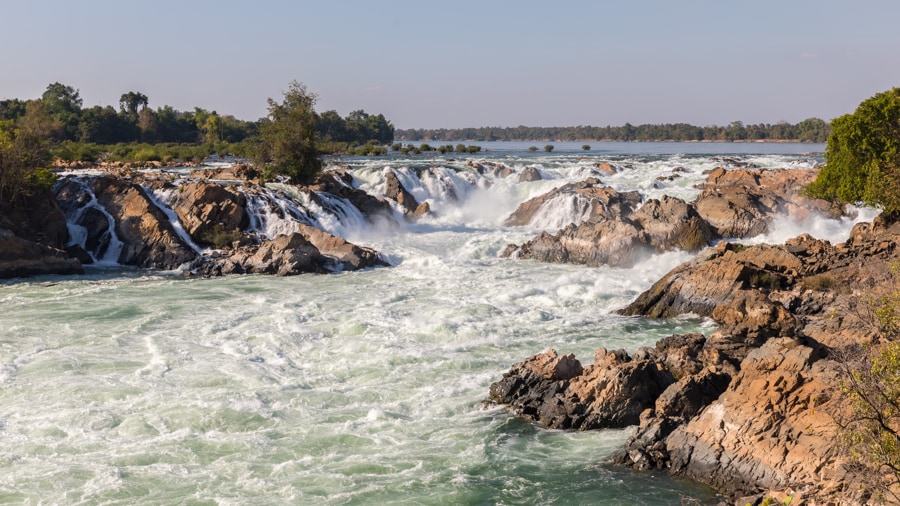
Li Phi Waterfall (Somphamit Waterfall)

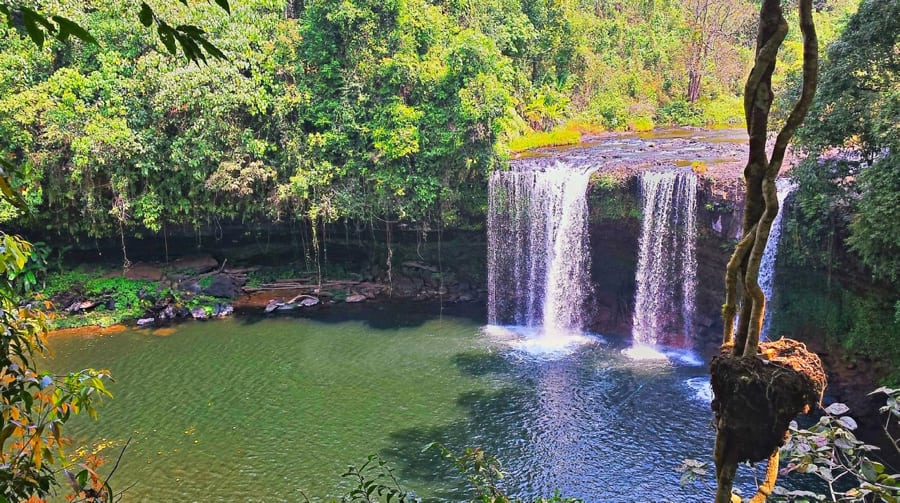
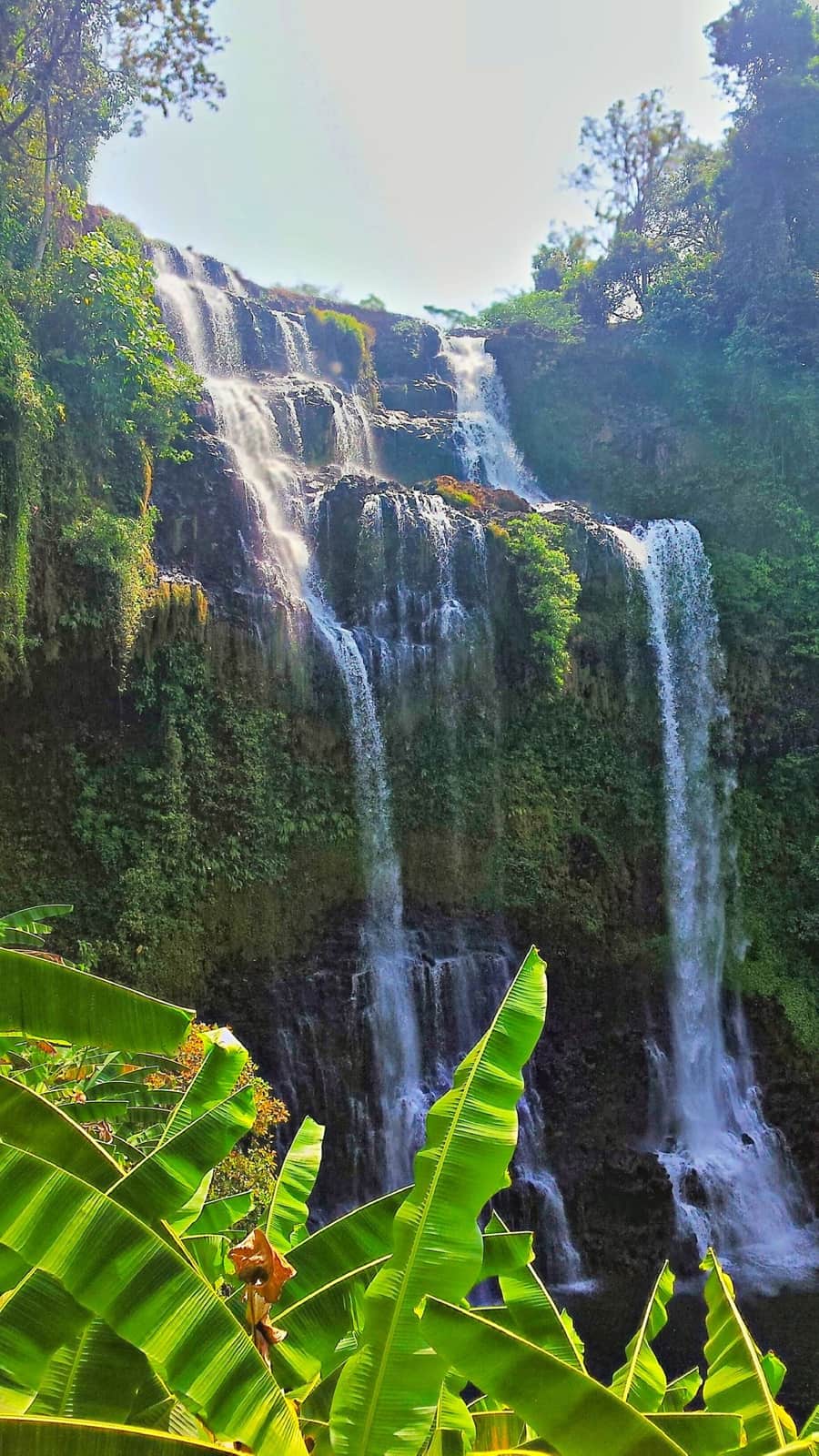
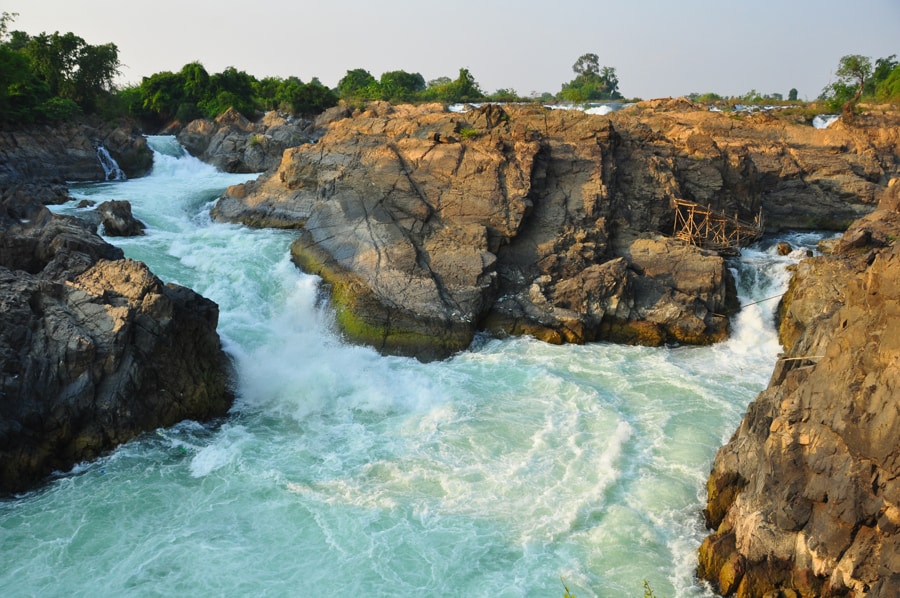
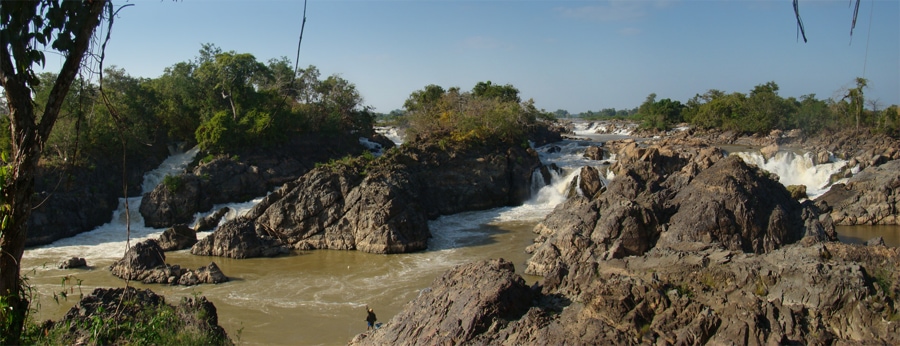
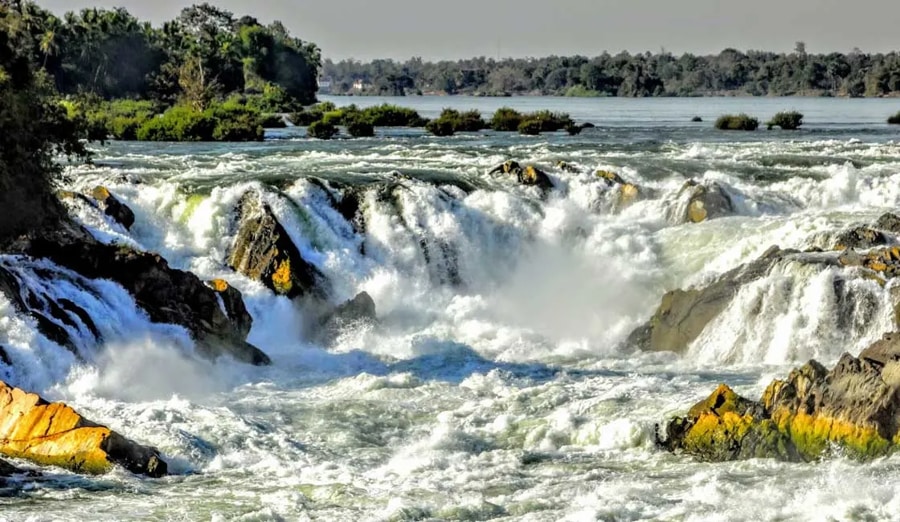
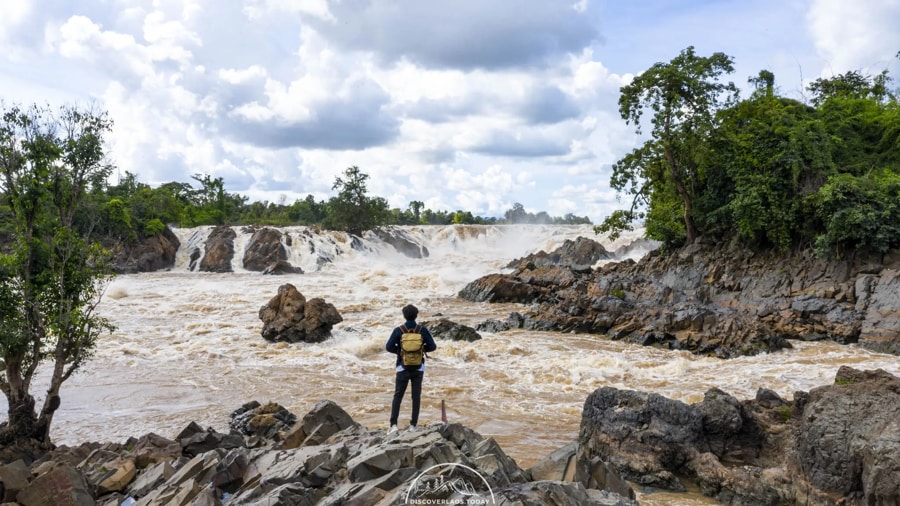
The most spectacular natural sight on Don Khon is the Li Phi Waterfall, also referred to as the Somphamit Waterfall, located on the Mekong River, close to the Cambodian border. The powerful waterfalls flow over rocky beds, presenting an impressive sight amidst green surroundings. The site is visited for the sheer power of nature, photography, and serene views from above the rapids. The spot is also ideal for watching sunsets. It is advised that visitors wear appropriate shoes and tread the paths safely, especially around fast-moving water.
Li Phi Waterfall (Somphamit Waterfall)

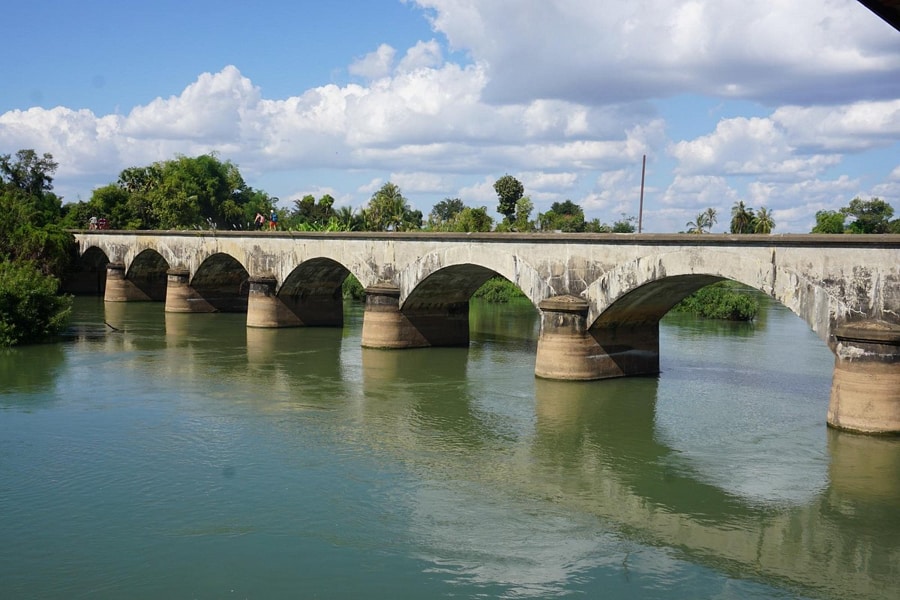
Old French Railway Bridge

The Old French Railway Bridge is one of the landmark sites that showcase the colonial history of Don Khon and the role of the island in the past as a trade hub in the region. The bridge, constructed by the French in the early 20th century, used to connect Don Khon and Don Det as part of the railway system that bypassed Khone Falls. Currently, the bridge can be used by tourists on foot or by bike while taking in the sights of the surrounding scenery and the views of the river.
Old French Railway Bridge

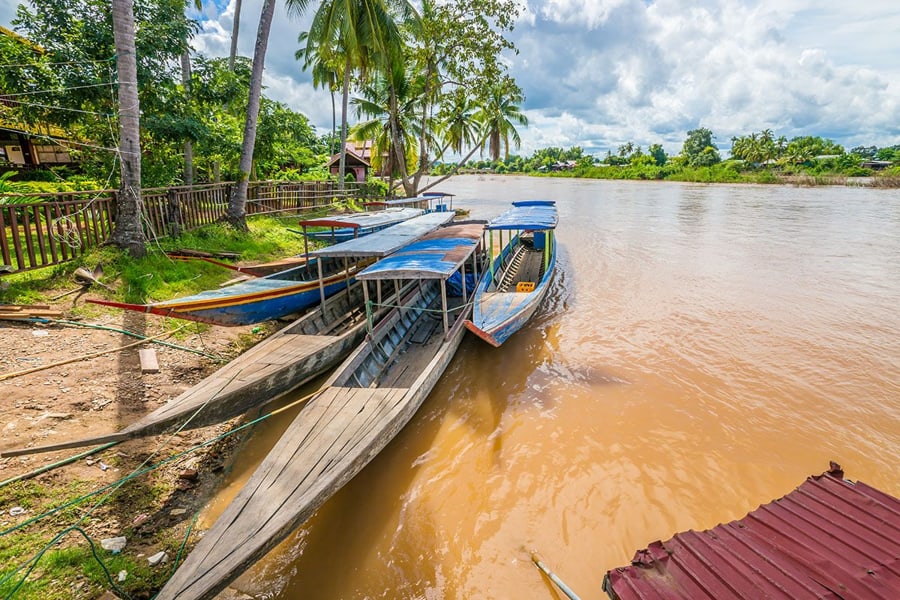
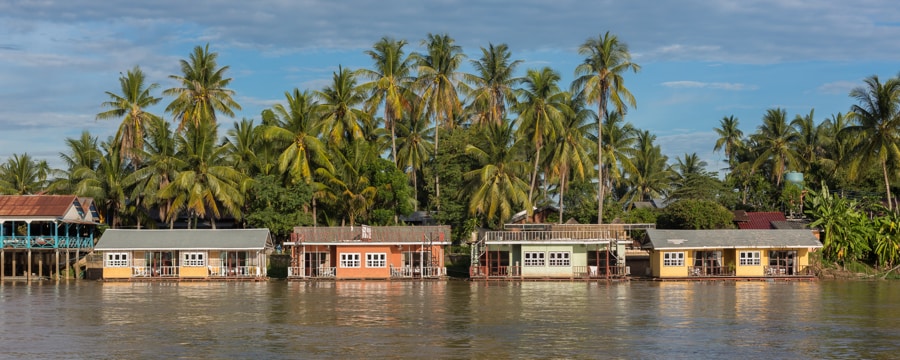
Don Khon Riverside Villages

Riverside villages on Don Khon Island are an authentic experience of traditional island life in Laos. Traditional wooden stilt houses, small family farms, and serene riverfront settings are characteristic of this relaxed and inviting environment. Cycling through the villages, observing traditional fishing techniques, and meeting the friendly locals with their rich cultural heritage make for a wonderful experience. These villages are a great choice for travelers interested in cultural experiences and a relaxed atmosphere, far from the crowds of tourist resorts.
Don Khon Riverside Villages

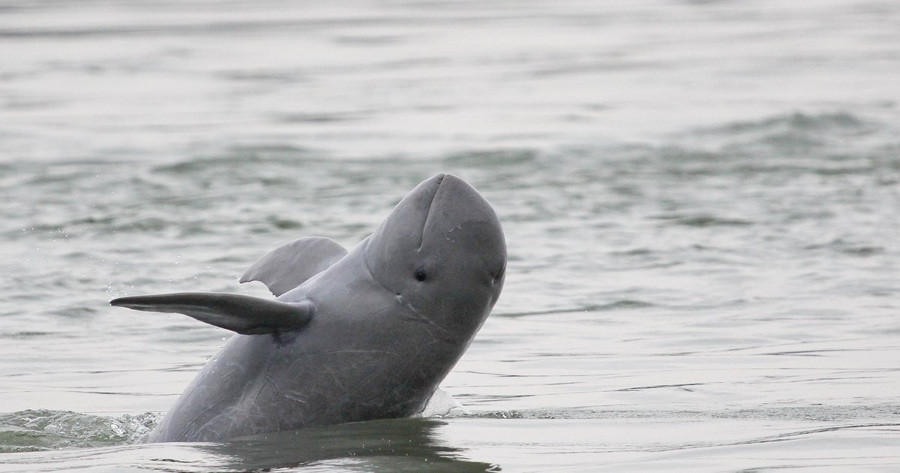
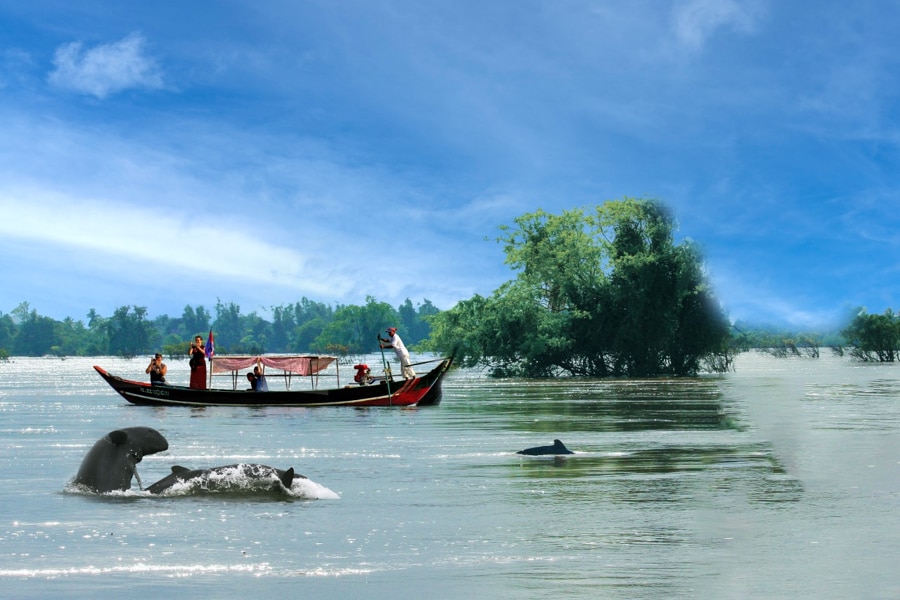
Irrawaddy Dolphin Viewing Area

In the vicinity of the southern tip of Don Khon, one can visit the areas on the Mekong River where the Irrawaddy dolphins are occasionally spotted. These are rare and endangered dolphins, and the chance to view them is a unique experience for nature lovers from across the globe. The best way to view them is on a boat tour, and the best time for the tour would be on a calm morning. Though the chances of viewing the dolphins are never guaranteed, the experience of cruising through the serene waterways of the Mekong River is a unique experience in itself.
watch dolphin

4 Unforgettable Experiences You Shouldn’t Miss

The island offers not only stunning views but also gives vacationers a place to relax, reconnect with nature, and share time with local culture. These experiences will give you the chance to truly appreciate the tranquility of Don Khon and also help make new memories.

Cycle Around The Island’s Scenic Paths

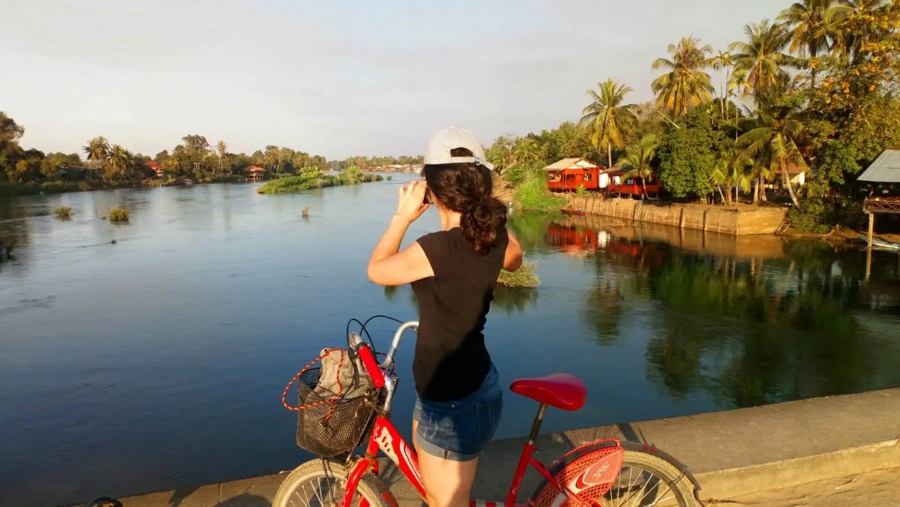
One of the best ways of seeing Don Khon’s relaxed scenery at your own pace is by cycling. Dirt roads lead through rice fields, riverside settlements, and shaded paths of palms, providing a constantly changing view of island life. If you want, you can stop at any time and take photos, visit a small temple, or talk with the locals, who are always friendly. Water and sunscreen are a must, and the best time for a ride is in the morning or in the afternoon, when it’s a bit cooler.
Cycle Around The Island’s Scenic Paths

Visit Li Phi Waterfall At Sunrise Or Sunset

Watching Li Phi Waterfall during sunrise or sunset is a breathtaking sight that emphasizes the raw beauty of the Mekong River. The golden light reflects off the rushing water, creating a dramatic scene that is perfect for photography. There are fewer tourists visiting during early morning or late evening, which makes for a peaceful experience. There is a walking trail that offers various views of the rapids. It is essential to stay only in designated areas while visiting the waterfall, as the rocks around it may be slippery.

Take A Boat Trip To Spot Irrawaddy Dolphins

One of the most unique experiences in Don Khon is the boat tour through the Mekong River in search of the rare Irrawaddy dolphins. These are friendly freshwater dolphins that swim in the calm waters of the river near the Cambodian border. It would be best to take the early morning tour to catch a glimpse of the dolphins and to enjoy the peaceful view of the river surroundings.
Irrawaddy Dolphins
Although the dolphins appear for a very short time, the tour is a relaxing and enjoyable experience as long as the tour operators are environmentally friendly and follow the guidelines of not disturbing the endangered species.

Experience Authentic Riverside Village Life

Visiting the villages on the banks of Don Khon is an ideal way to experience traditional Lao culture. One can see traditional fishing, traditional wooden houses on stilts, and experience the traditional way of living on the banks of the Mekong River. There are many traditional food stalls where delicious Lao food is available, mostly prepared from fresh farm produce. The experience is very serene, and the atmosphere is very friendly and authentic.
Authentic Riverside Village Life

Entrance Fee

If you’re going to visit Don Khon, you should be aware that most of the island is open for visitors to roam around freely, but there are some natural attractions and transportation options nearby that have a nominal fee associated with them. The costs continue to be very affordable for international tourists.
Attraction / Service
Entrance Fee (USD)
Note
Don Khon Island access
Free
No general island entrance fee
Khone Phapheng Falls Visitor Area
About $2.50 per person
Paid at the entrance gate
Local ferry between nearby islands
About $0.50 – $2.00
Depends on distance and boat type
Bicycle rental (optional)
About $1.50 – $3.00 per day
A common way to explore the island
Most travelers find Don Khon very affordable, with minimal entrance costs and budget-friendly transportation. However, always carry small cash in Lao Kip for convenience when paying local fees.

Opening Hours

The Don Khon Island is open for visitation at any time of day, any day of the week, as it is a lived-in island. However, the Li Phi Waterfall and other areas usually allow visitors from around 8:00 AM to 5:00 PM, as ticket counters and other services operate during these times. The boat trips for viewing dolphins usually operate from around 7:00 AM to late afternoons, depending on the weather and river conditions.
The best time to visit Don Khon is during the dry season, which is between November and April, when the weather is favorable for outdoor activities. The early morning or late afternoon is the best time for sightseeing, as the weather is cool and the light is soft. During the rainy season, the island is less crowded, and the scenery is beautiful, but the facilities may be limited.

How To Get To Don Khon

Getting to Don Khon is a picturesque drive through southern Laos, which combines some road time with a brief river crossing. The majority of visitors to this place arrive from Pakse, the nearest major city, where the journey mixes bus, van, and boat rides.
Route / Transport
Estimated Time
Price (USD)
Notes
Pakse → Nakasong (minivan or bus)
2.5 – 3 hours
$8 – $12
Most common route to the 4,000 Islands region
Nakasong → Don Det / Don Khon (local boat)
10 – 20 minutes
$1.50 – $3.00
Boats run frequently during the daytime
Don Det → Don Khon (bridge crossing)
5 – 10 minutes
Free (walk/bike)
Connected by an old French bridge
Motorbike rental in Pakse (self-drive)
Flexible
$8 – $12 per day
Requires a valid driving license
Private car from Pakse
2.5 – 3 hours
$60 – $90 total
Comfortable option for groups
Travel tip: The roads around Pakse are quite good, except for some rural areas where they may be bumpy. If you plan to rent a motorbike, ensure you bring your international driving permit and have some driving experience. The boat services may cease by evening or during bad weather, so it would be best to arrive by evening.

Things To Know Before Traveling To Don Khon

It’s beneficial to be aware of a few useful details before departing for Don Khon, as they can facilitate and enhance your trip. Here are some essential details to make sure you have a relaxing and enjoyable trip to this serene island in southern Laos.
  • Bring enough cash in Lao Kip, as ATMs and card payment facilities are limited on the island. Small denominations are especially useful for boats, rentals, and local eateries.
  • Ensure you carry sufficient cash in Lao Kip, as ATMs and card facilities are scarce on the island.
  • Wear light clothing, sun protection, and comfortable shoes, especially if you plan to explore the island during the day, as the sun is quite strong.
  • When visiting temples, wear modest clothing, and always greet locals nicely. The people on Don Khon live in peace, so do the same.
  • Plan ahead and arrange for boat services in the morning, especially if you want to go dolphin watching. The service is limited in the evenings, and the weather on the Mekong River may not cooperate.

FAQs About Don Khon

For those planning to visit Don Khon, there are mostly practical questions about how to get there, what to do, and what the conditions of travel are. The following commonly asked questions will help you get better prepared and enjoy the tranquility of this island fully:
  1. Is Don Khon suitable for independent travelers?
Don Khon is an excellent choice for solo travelers, especially if you enjoy relaxed traveling and the outdoors. Getting around is no hassle with the chance to cycle or walk, and there are various places ranging from simple accommodation to riverside lodging. The people are friendly and welcoming, so you don’t need a guide, just a bit of planning, because transportation isn’t always easy.
  1. How many days should I spend on Don Khon?
Most tourists spend two to three days on Don Khon, which is enough to explore waterfalls, cycle on the island, and enjoy river activities. Those who want to relax more should spend more time on the island to experience the slow pace of life. It’s an island where you should not rush; therefore, it’s always best to have flexible plans to make your visit more enjoyable.
  1. Is Don Khon family-friendly for travel with children?
Don Khon may be a pleasant destination for families who love nature and peaceful environments. The flat terrain is suitable for cycling, and the guesthouses are spacious. However, families must be aware of the strong currents around the waterfalls and river areas. It is advisable to bring some first aid supplies and plan the trip carefully to ensure a safe and comfortable stay.

Final Thoughts: Is Don Khon Worth Visiting?

Don Khon is a truly unique and special place to visit for any traveler looking to experience peace, beauty, and local culture in southern Laos. With its peaceful and serene atmosphere, rich history, and unique experiences like visiting waterfalls and spotting dolphins, Don Khon is a great respite from other tourist trails. Are you looking to plan your next adventure through Southeast Asia? Look no further than Seni World to experience the timeless charm of Don Khon.

Wat Si Muang – Vientiane’s Most Sacred Spiritual Temple

Wat Si Muang is one of Vientiane’s most iconic spiritual landmarks, best known for the city pillar shrine, along with deeply rooted traditions and beliefs. This site attracts people to pray for their good fortune, safety, and personal blessings.

Introduction To Wat Si Muang

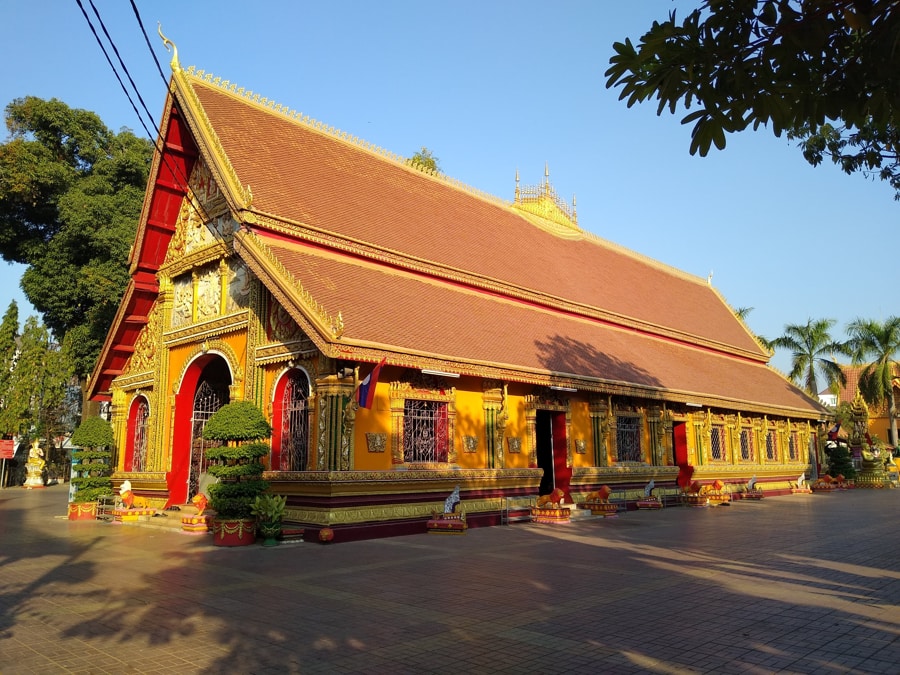
Wat Si Muang is also recognized as the spiritual center of Vientiane City and one of the top attractions in the city. The temple was established in the 16th century and has a connection with the city pillar and the ancient Lao religion. It is usually frequented by locals who pray and seek luck, safety, and success, making this temple a lively and genuine spiritual experience, reflecting the current way of life in Laos.
Wat Si Muang in Vientiane
Visiting Wat Si Muang can provide tourists with a deeper understanding of Lao culture beyond its architectural appeal. Wat Si Muang is a unique religious site in Vientiane because it incorporates both Buddhist and folklore aspects. The fact that it is centrally located, has a warm and inviting atmosphere, and is spiritually significant makes Wat Si Muang a good destination for travelers in Laos.

History Of Wat Si Muang

Wat Si Muang has a rich history that goes back to the time of King Setthathirath in the 16th century, when Vientiane was made the capital of the Lan Xang Kingdom. According to folklore, a pregnant woman named Nang Si died by offering herself during the construction of the city pillar, and her spirit resides inside the shrine, guarding the city and everyone in it.
Over time, Wat Si Muang was transformed into a sacred area where Buddhism combines with ancient beliefs of animism. Even though the majority of the population around the temple is comprised of the Lao ethnicity, one may also meet a number of other unique ethnic groups with deeply rooted faith traditions. The ancient faith traditions have been passed down through generations of people to create Wat Si Muang as a symbol of faith, sacrifice, and continuity.

Unique Architecture Of Wat Si Muang

Wat Si Muang is notable for the architecture reflecting both traditional Lao design and deep spiritual symbolism. Not large in scale, every structure of the temple complex has either a cultural meaning or religious significance.

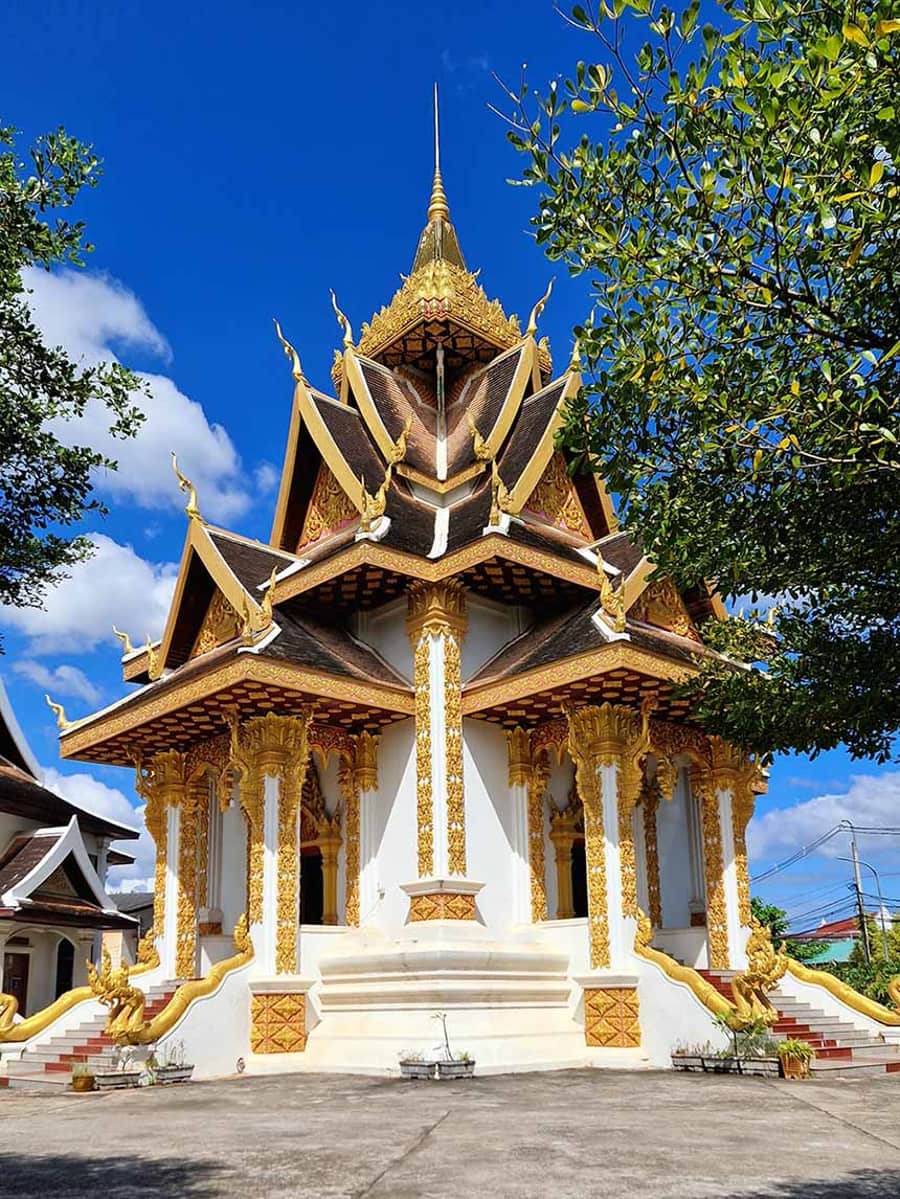
Lotus-Shaped City Pillar Shrine

The lot shape of the city pillar is a spiritual center of Wat Si Muang, which is the reason why locals visit the temple daily. Lotus has a special meaning to the Lao people as it symbolizes purity, rebirth, and security. In legend, this building contains the spiritual essence of the Vientiane protector. Hence, it is a sacred place to make prayers and offerings. This large shape is simple but embodies a significant sense of symbolism, as it has gentle decorations and traditional themes and motifs reminiscent of traditional Lao architecture.
Lotus-Shaped City Pillar Shrine

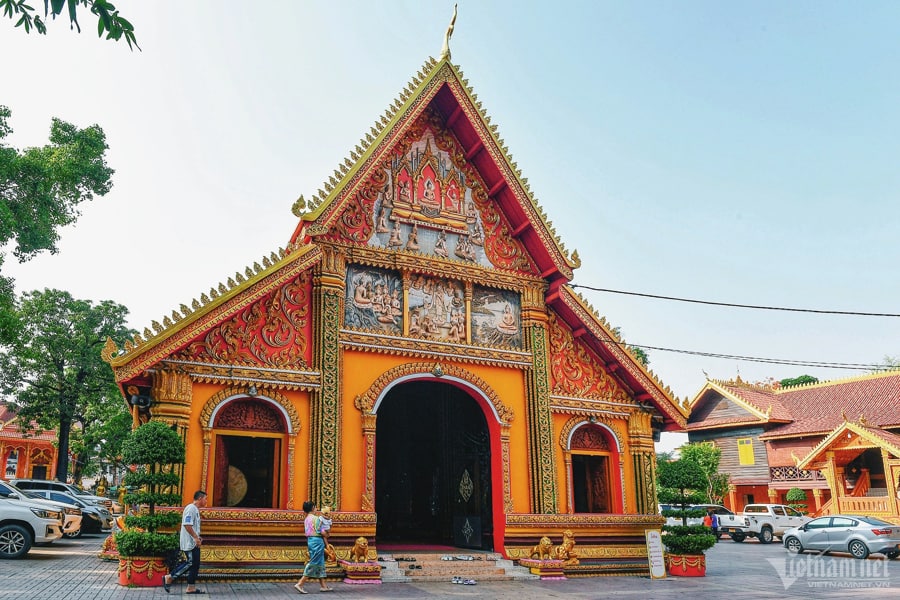
Main Hall And Traditional Lao Design

The main hall of Wat Si Muang is an embodiment of traditional Buddhist architecture in Laos, depicted by the layered roof, wooden beams, and intricate decorations. Upon entering the hall, one can expect to find images of Buddha statues, vibrant murals, and paintings that specifically depict Buddhist teachings and traditional folk tales. This hall is relatively intimate, which enables those who frequent it to pray. As a result of its design, it is considered a fine example of traditional religious architecture in Laos.

3 Unforgettable Experiences You Shouldn’t Miss

But Wat Si Muang is more than spiritual architecture. It’s a meaningful cultural experience that attracts visitors to the local beliefs and daily life. These unforgettable activities will allow travelers to experience life in a temple like the locals, through rituals, traditions, and communal interactions.

Participate In A Traditional Blessing Ritual

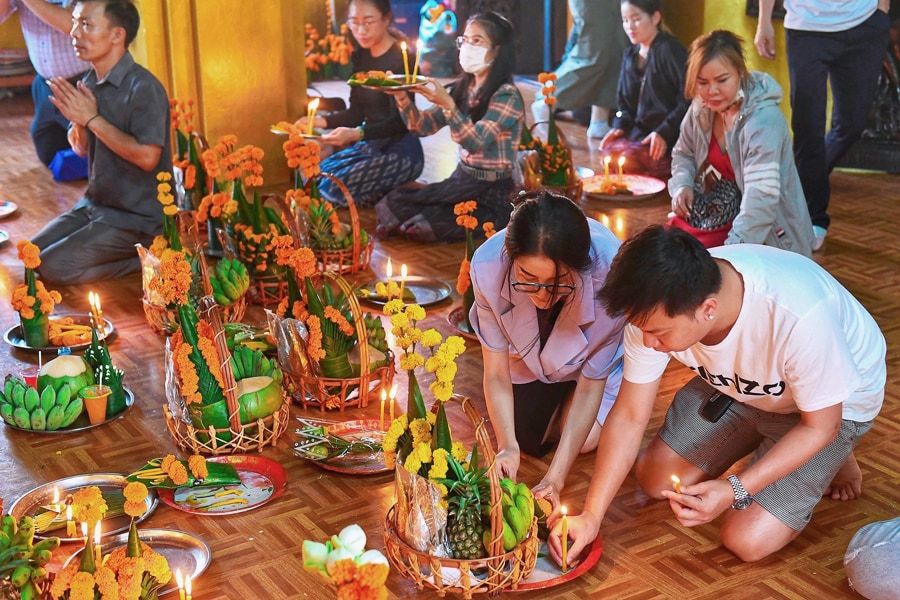
Taking part in a ritual for blessing at Wat Si Muang can prove to be a very personal experience indeed. Many locals can often be seen praying for blessings of good fortune, health, and success by placing flowers, incense, and candles in the city pillar shrine. Tourists are usually permitted to witness or even participate in such rituals and gain a glimpse into the culture and spiritual side of Laos, which goes beyond plain sightseeing.
Participate In A Traditional Blessing Ritual

Observe Local Worship And Daily Life

Gaining knowledge regarding the effect of religion on the lives of people in Laos can be done by spending time in the location of the Wat Si Muang temple and observing some of the locals going about their daily religious rituals. Lao people go to the temple from early morning until late in the afternoon to perform religious rituals. This is the best time for travelers to witness the real religion of the locals rather than the performed ones.
Observe Local Worship And Daily Life

Explore Nearby Local Food And Offerings

Near Wat Si Muang, people sell flowers, incense, candles, and food, which are all offerings made to the temples. Visiting this area will give tourists a sense of commerce at play as well as its spiritual undertone. Most food sold is a mix of simple Lao cuisine, much like any rural Asian country, with traditional cooking methods. Eating the local food or observing its preparation adds another dimension to the cultural experience through its connection to spirituality. If you want to explore more unique experiences in Vientiane, you can read a blog here.

Entrance Fee

The entrance fees to Wat Si Muang are free so that people can explore the temples freely. However, most tourists make a voluntary contribution of a small amount, ranging between USD 1 and 3, to help in the maintenance of these temples and religious activities. If you wish to attend any religious ceremonies in these temples, religious materials such as flowers, incense, and candles can be bought near the entrance at a minimum cost of USD 0.50-2.

Opening Hours

Wat Si Muang opens daily from 6:00 AM to 6:00 PM, and it is open to visitors throughout the day. In the early hours of the morning, it is bustling with locals who come to pray and make offerings before beginning their day. Visiting the temple during these times is a good idea, especially for travelers, as it enables them to enjoy and experience its authentic spiritual essence without any disturbances.
Wat Si Muang opens daily
The best time for one to visit Wat Si Muang is during the dry season in Vientiane, which ranges from November to March. During this period, the weather is relatively pleasant and cool. It should be noted that the period between November and March represents the best time for one to visit Vientiane, since there are more travelers during such festivals and public holidays.

How To Get To Wat Si Muang

Wat Si Muang is located in a convenient spot, as it is close enough for travelers to reach easily by using various transport means and is still located at a considerable distance from the center of the city of Vientiane.
Transport Method
Route and Details
Estimated Time
Approx. Cost (USD)
Taxi
City center to Wat Si Muang
10 to 15 minutes
5 to 8
Tuk-tuk
Available throughout Vientiane
15 to 20 minutes
3 to 6
Motorbike
Self-drive within the city
10 minutes
1 to 2 (fuel)
Bicycle
Suitable from nearby areas
20 to 30 minutes
1 to 3 (rental)
Travelers using motorbikes should hold a valid driving license and wear a helmet. Traffic in Vientiane is generally light, but caution is advised during peak hours and rainy days.

Things To Know Before Traveling To Wat Si Muang

Wat Si Muang is a functioning spiritual site, so as you plan your trip here, considering local customs is unavoidable. Preparing a little ensures you appreciate the temple environment as you observe Lao customs.
  • Dress modestly by covering shoulders and knees when visiting this holy site to show respect; this spiritual place in Vientiane is very much in use.
  • To get a glimpse of how the locals worship, it is better to come early in the morning to Wat Si Muang.
  • Remove your shoes before entering the prayer area and adhere to signs or directions from the caretakers.
  • Always ask permission prior to taking photographs of the monks or locals offering prayers in the area.
  • You should carry some cash for donation or offering, as card facilities and ATMs are not available inside the temple.
  • Noise levels should be kept low, and mobile phones should be silenced to ensure a peaceful and considerate temple ambiance.
  • Be sure to observe rituals quietly, without interrupting the ceremony, even if the reason for visiting these places is to explore their culture.

FAQs About Wat Si Muang

Among travelers who have been to Vientiane, many are interested in the spiritual meaning of Wat Si Muang and how people visit the place. These frequently asked questions help explain what one should expect and how the temple should be experienced respectfully.
  1. Is Wat Si Muang an active religious site or merely a tourist attraction?
Wat Si Muang is an active temple that is important for people’s spirituality in their everyday lives. It is a site of frequent visits, especially for prayer, for people’s luck, protection, and success, especially before crucial events in their lives. Although tourists are also welcome, they should behave appropriately, especially during such processes, so that they can experience the actual spiritual environment of the temple instead of using it as a sightseeing attraction.
  1. Do visitors need to follow any special rules when visiting Wat Si Muang?
No specific permits are required, but a visitor should observe basic temple etiquette when visiting Wat Si Muang. For instance, one must remove their shoes when entering a prayer hall, wear decent clothing, and refrain from loud behavior, etc. Also, it is advised to ask permission when taking pictures of monks and people praying. All of this helps tourists show their respect for the locals and their culture.
  1. What is the ideal duration of stay at Wat Si Muang?
It is believed that most tourists take only 30 to 60 minutes to visit Wat Si Muang. This is enough time for a person to visit and see everything within the main shrine and take a stroll around the temple. Travelers who want to experience more of the local culture may want to linger longer and watch the rituals taking place within the temple.

Final Thoughts: Is Wat Si Muang Worth Visiting?

Wat Si Muang is absolutely worth visiting for travelers who want to understand the spiritual soul of Vientiane beyond the famous landmarks. Its deep-rooted legends, active worship rituals, and welcoming atmosphere offer an authentic glimpse into Lao beliefs and daily life. Easy to access and free to enter, the temple fits perfectly into any cultural itinerary. If you want to experience Wat Si Muang in a more meaningful way, Seni World can help customize a culturally rich and mindful journey through Laos.

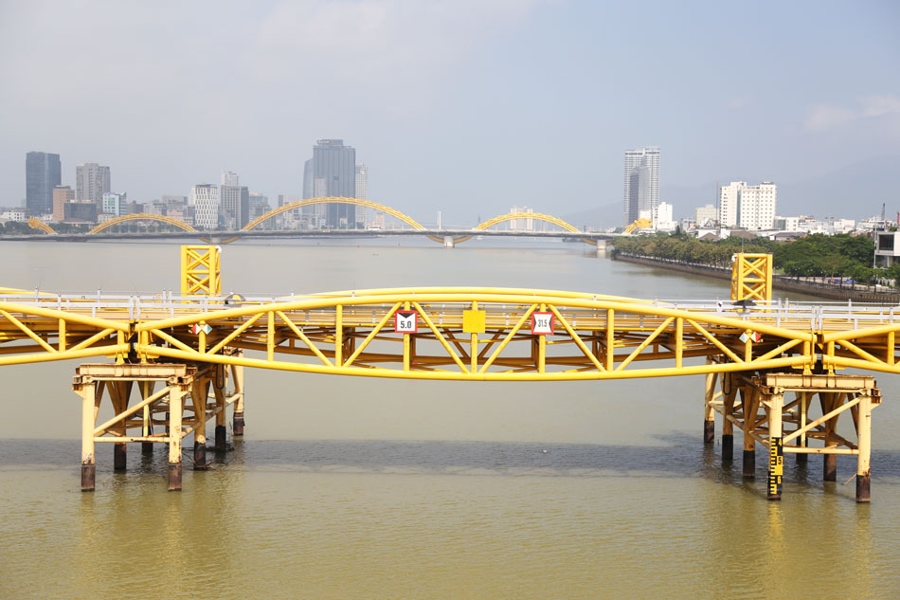
A Witness To Time: The Historic Legacy Of Nguyen Van Troi Bridge

Nguyen Van Troi Bridge in Da Nang is a historic landmark spanning the Han River, known for its distinctive architecture and cultural significance. Now a pedestrian-friendly bridge, it offers scenic city views and a peaceful space for walking, photography, and local experiences.

Introduction To Nguyen Van Troi Bridge

One of the most iconic historic bridges in Da Nang is the Nguyen Van Troi Bridge. This bridge majestically crosses the Han River in central Vietnam. It was constructed in 1965 and was an essential transport artery in the city. Currently, the bridge is maintained for pedestrian use only. It provides a unique blend of history and beauty for visitors. Its unique steel design and old-fashioned look attract many tourists passing through Da Nang.
Nguyen Van Troi Bridge in Da Nang
The bridge is also a popular tourist destination because of its relaxed atmosphere and its offer of a wonderful view of the Han River and skyline. The bridge is particularly popular during sunrise and sunset because of its reflection on the water. The bridge is also a cultural platform where various artistic exhibitions take place occasionally. The bridge is a must-visit attraction because of its accessibility, cultural importance, and peaceful atmosphere.

History Of Nguyen Van Troi Bridge

The Nguyen Van Troi Bridge was established in 1965 during a time of significant growth for infrastructure development in Da Nang. The bridge is unique for its steel truss design. Initially, the bridge was recognized for its importance as a transportation link for the city center and the eastern coastal areas. The bridge held significant strategic importance during the Vietnam War. However, the bridge is also recognized for its association with the development of the city along the Han River.
History Of Nguyen Van Troi Bridge
In the early part of the 21st century, with new bridges having been built to accommodate modern-day traffic, the Nguyen Van Troi Bridge was maintained and repurposed to become a pedestrian bridge. In this way, it has been able to transition from a bridge for transportation to a cultural and historical icon. It has become an icon of the cultural and historical heritage of Da Nang and has been repurposed for public space and other activities.

Unique Architecture Of Nguyen Van Troi Bridge

The Nguyen Van Troi Bridge is unique because of its steel arch structure, which is reminiscent of mid-20th-century engineering. The bridge is different from modern bridges in the city of Da Nang because of its nostalgic look, which is of interest to architecture and history buffs.
Walking on the bridge is like walking back in time because of its symmetrical structure and traditional framework, which is a striking contrast to the modern surroundings. The bridge has become an iconic symbol of the city’s transformation. The structure of the bridge is one of the most recognizable historical landmarks on the Han River waterfront.
Unique Architecture Of Nguyen Van Troi Bridge

3 Unforgettable Experiences You Shouldn’t Miss

Visiting Nguyen Van Troi Bridge is not just an ordinary sightseeing tour, but also an opportunity to experience the rhythm and beauty of Da Nang’s riverbank culture. These experiences will surely make your visit to Nguyen Van Troi Bridge a memorable one.

Enjoy A Scenic Walk Across The Historic Bridge

One of the most relaxing activities that one can do is walk on Nguyen Van Troi Bridge. This is because the bridge is pedestrian-friendly, allowing people to walk comfortably while enjoying the fresh air blowing from the river. During the walk, one has an opportunity to enjoy the scenic view of the Han River, watch local fishing boats, and explore the activities of people living in the city from a peaceful environment. The walk can be done either in the morning or during the sun’s descent.
Enjoy A Scenic Walk Across The Historic Bridge

Capture Stunning Photos Of Da Nang’s Skyline

Nguyen Van Troi Bridge is a paradise for photography enthusiasts who are looking for the best shot of a cityscape. This bridge is strategically located and offers a view of modern bridges, riverfront buildings, and night lighting. During golden hour, the lighting of the sun creates a stunning reflection on the water, which makes the picture look even more colorful and striking. At night, the lighting of the bridges nearby creates a dynamic and modern look for the picture.
Capture Stunning Photos Of Da Nang’s Skyline

Experience The Romantic Riverside Atmosphere At Night

As the sun sets in the evening hours, the Nguyen Van Troi Bridge turns into a peaceful and romantic spot. The night air, the reflections in the Han River, and the lights of the city offer a relaxing environment. Couples take strolls, friends hang out to chat, and sometimes street performances add to the lively atmosphere. From here, you can also witness the lighting up of other nearby bridges in vibrant shades. This peaceful yet lively environment at night makes for an experience to remember.

Entrance Fee

One of the few attractions in Da Nang that tourists may visit for free is the Nguyen Van Troi Bridge. There is no entrance fee that tourists need to pay, which is convenient for tourists on a budget or simply sightseeing.
Tourists can walk on the bridge, enjoy the view from the bridge, and take photos for free. The only charge that tourists may need to pay is parking, which may vary from 0.20 to 0.40 USD, depending on the kind of vehicle.

Opening Hours

Nguyen Van Troi Bridge is open to visitors 24 hours a day, seven days a week, and this makes it one of the most accessible tourist attractions in Da Nang. Since it is a public pedestrian bridge, there are no restrictions on the hours of operation, and tourists are free to walk, sightsee, and take pictures at any time of the day. Visiting the bridge in the early morning hours will give tourists a chance to enjoy the fresh air and scenic views of the river, while an evening visit will give them a romantic experience with the reflection of the city lights on the Han River.
Enjoy A Scenic Walk Across Nguyen Van Troi Bridge
The best time to visit Nguyen Van Troi Bridge is between March and September, when Da Nang is characterized by dry weather and clear skies. During this period, sunset is a great time to visit, as it offers wonderful photography opportunities. However, nighttime is another preferred time to visit this bridge, especially for those who would like to experience cooler weather and watch the activities along the river and the city skyline.

How To Get To Nguyen Van Troi Bridge

Reaching Nguyen Van Troi Bridge is easy and convenient from anywhere in the central part of Da Nang. There are multiple options for transport to suit everyone’s needs and wants. Whether you like to drive, ride, or cruise, it’s easy to get there.
Transport Method
Departure Point
Estimated Time
Price (USD)
Notes
Taxi / Ride-hailing (Grab)
Da Nang city center
5 to 10 minutes
2 to 5 USD
Fastest and most convenient option
Motorbike rental
City center
5 to 10 minutes
5 to 8 USD/day
Requires a valid driving license for foreigners
Private car
Hotel or city center
5 to 10 minutes
10 to 20 USD
Ideal for families or groups
Bicycle
Nearby districts
10 to 20 minutes
1 to 3 USD/day
Best for short distances and scenic rides
Boat tour (Han River)
Han River pier
45 to 60 minutes
10 to 25 USD
Sightseeing cruise passing the bridge
Travel Notes: The roads are easy to drive on, but during peak hours, from 7 AM to 9 AM, and 4 PM to 6 PM, the traffic is quite heavy. If you plan on driving a motorbike, make sure you wear a helmet and have an international driving permit. The boat trips may have fixed times for departure. There are parking spots for motorbikes and bicycles near the ends of the bridge.

Things To Know Before Traveling To Nguyen Van Troi Bridge

Nguyen Van Troi Bridge is a place of timeless charm, scenic views of the river, and a serene ambiance in the midst of Da Nang city. With some preparation, you can enjoy the beauty of this place safely and comfortably in any season.
  • Visit early in the morning or at sunset to enjoy the cooler weather, soft light, and smaller crowds, making it ideal for photography, walking, and taking in the views of the Han River.
  • Check the weather forecast before visiting the site, especially during the rainy season, as the strong winds and sudden rains can greatly impact your walking experience.
  • Wear comfortable walking shoes with good traction, as the bridge may be slippery after the rain, especially when walking on the riverfront areas.
  • Bring your camera or phone with you, as the bridge has great views of the sunrise, sunset, and evening cityscape from different angles.
  • Observe the traffic rules of the place while passing or stopping near the bridge, as the road accommodates vehicles, motorbikes, and people throughout the day, especially during peak hours.
  • Try visiting the place at night, when the lights of the city are reflected on the water, creating a romantic and lively scene, making it a great place for a leisurely evening stroll.
  • Plan your visit to the Han River and the nearby attractions, cafes, and parks for a great day of exploration and experience.

FAQs About Nguyen Van Troi Bridge

Whether you have an interest in architecture, local experiences, or travel convenience, the following additional set of frequently asked questions offers helpful information to enhance your stay at Nguyen Van Troi Bridge.
  1. Can you walk across Nguyen Van Troi Bridge?
Yes, Nguyen Van Troi Bridge is accessible to pedestrians. It is a great place to visit and stroll around. It provides a panoramic view of the Han River, other modern bridges, and Da Nang’s skyline. It is comfortable to walk along this bridge, especially in the evening when the weather is cooler. Many people like to take pictures, have a moment of reflection, and watch boats pass under this bridge.
  1. Are there good photography spots around Nguyen Van Troi Bridge?
One of the best locations for photography in Da Nang is Nguyen Van Troi Bridge, which is favored for its vintage steel design and picturesque river setting. The best spots for photography are on the bridge, on the river banks, and in the parks. The best time for photography is during the early hours of the morning, at dusk, or even at night for an interesting contrast of old design and modern bridges.
  1. What attractions can visitors explore near Nguyen Van Troi Bridge?
There are some popular tourist spots near Nguyen Van Troi Bridge, and it is not difficult to include this place in the larger tourist plan. Some of the popular tourist spots near this bridge include the Han River waterfront, Dragon Bridge, Love Lock Bridge, and the cafes with the views of the Han River. Therefore, this is the best place to visit the riverside scene of Da Nang city.

Final Thoughts: Is Nguyen Van Troi Bridge Worth Visiting?

Nguyen Van Troi Bridge is not only a historical bridge, but it is also a symbol of the beauty, charm, and culture of Da Nang. With the antique architecture, the stunning view of the Han River, and the serene atmosphere of walking on the bridge, you should consider visiting this historical site if you are a lover of photography, tourism, and a leisurely walk. For more inspiring travel guides and hidden gems, explore the world with Seni World.

Tran Thi Ly Bridge Guide: Da Nang’s Architectural Wonder

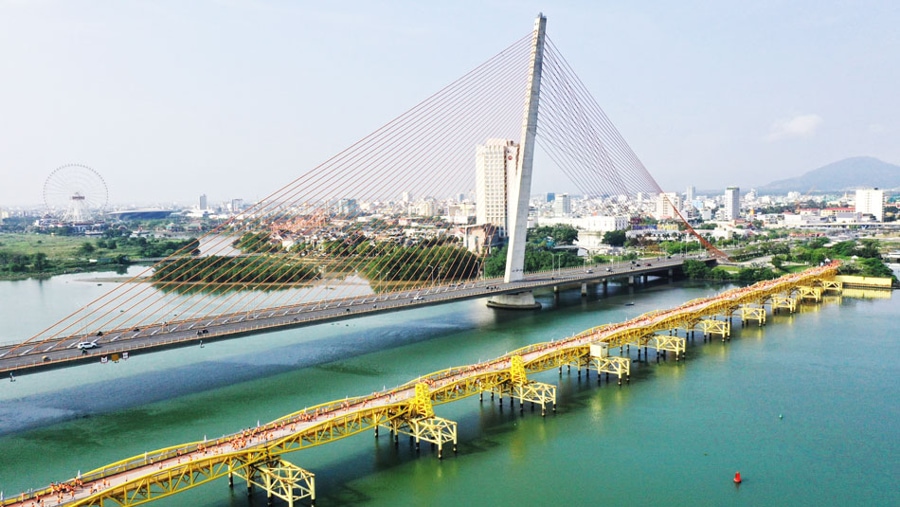
Stretching elegantly over the Han River, Tran Thi Ly Bridge is one of the most recognizable architectural marvels in Da Nang, appreciated for its sleek and contemporary cable-stayed style, combined with its tilting pylon that rises high into the skyline. The beautiful views, refreshing wind, and dazzling colors at night make it an ideal spot for a leisurely stroll, relaxation, and photography.

Introduction To The Tran Thi Ly Bridge

Elevated high above the sparkling waters of the Han River, Tran Thi Ly Bridge has emerged as one of Da Nang’s most recognizable landmarks, and it stands tall not just with pride but with architectural beauty. Dedicated to the memory of Tran Thi Ly, a fearless revolutionary icon who represents strength and hope, this bridge is not just a bridge but a reflection of Da Nang’s growth and vibrancy. With its sleek and modern cable-stayed architecture and white columns reaching high towards the sky, this bridge offers a dramatic contrast to the colorful Da Nang skyline and makes for a great photography opportunity at any time of day.
Tran Thi Ly Bridge is one of the most recognizable architectural marvels in Da Nang
Travelers visiting Da Nang are attracted not only by the beauty of the Tran Thi Ly Bridge but also by the experience it provides. By day, the bridge provides travelers with the opportunity to take in the panoramic views of the surrounding area, and by night, the bridge is bathed in the colors of the changing lights reflected on the water beneath it. Travelers can take in the fresh riverside air by walking or riding their bikes across the bridge and taking in the views of the contemporary architecture of the city. Whether you are an avid photographer, an architecture buff, or someone looking to take in the scenery of the riverside area, the Tran Thi Ly Bridge is an attraction you will not want to miss on your travels to Da Nang.

History Of The Tran Thi Ly Bridge

The story of Tran Thi Ly Bridge mirrors the evolution of the city of Da Nang, which has changed from a small river town to a modern and dynamic seafront metropolis. The first bridge on this site was a railway bridge constructed by the French in 1950 and was initially named De Lattre de Tassigny Bridge. In 1955, the bridge was renamed Trinh Minh The Bridge, replacing the colonial name with a Vietnamese one. Over the years, it has been an important bridge on the Han River, linking settlements on both riverbanks and facilitating rail and road transportation.
However, as the city of Da Nang continued to grow at a tremendous rate, the old bridge was unable to cope with the increasing traffic. The city decided to build a new bridge parallel to the legendary Nguyen Van Troi Bridge and name it after the brave revolutionary Tran Thi Ly, who was admired for her strength and sacrifice. The new cable-stayed bridge was inaugurated on the 29th of March 2013 and serves not just as a bridge but as a cultural icon.

Unique Architecture Of The Tran Thi Ly Bridge

The Tran Thi Ly Bridge, inspired by modern European architecture, is arguably the most unique in terms of design in the country. It is the first cable-stayed bridge in Vietnam that incorporates three-dimensional stay cables, which not only serve the structural purposes of the bridge but also enhance its beauty. The most eye-catching feature is the main pylon, which is tilted at an angle of 12 degrees towards the west and reaches an impressive height of 145 meters. The tilt not only gives the bridge stability but also makes it easily recognizable, especially when seen from the horizon against the Han River skyline.
Unique Architecture Of The Tran Thi Ly Bridge
In addition to its beauty, the bridge is also built with functionality and robustness. The bridge has a width of 35.5 meters, with six lanes for vehicles and two walkways for pedestrians. This means that both vehicles and pedestrians can pass comfortably on the bridge. The bridge has a capacity of up to 32,000 tons, which means that it is highly effective in handling heavy traffic while still being strong and safe. The beauty and functionality of the Tran Thi Ly Bridge make it a remarkable architectural wonder.

4 Unforgettable Experiences You Shouldn’t Miss

The Tran Thi Ly Bridge is more than just a bridge; it is one of the most picturesque spots in Da Nang City. This is especially true during an evening stroll or sightseeing. Whether you visit the bridge during sunrise, sunset, or nighttime, you are sure to have an experience that perfectly encapsulates the modernity of the city.

Capture Stunning Photos From The Bridge Walkways

Crossing the bridge on foot is a must for photography enthusiasts and tourists alike. From the pedestrian paths, you can get a broad and unobstructed view of the Han River flowing calmly below and the busy city scene on either side of the bridge. The cool breeze, blue sky, and sleek cable-stayed design make for a photographer’s paradise.
Capture Photos From The Bridge Walkways
This place has become a popular spot for couples to take their photos, and the reason for this is the soft curves and elegant design of the bridge. Golden hour shots of the sun reflecting off the water and the cables of the bridge make for a great subject.

Watch The Bridge Glow And Change Colors At Night

Tran Thi Ly Bridge comes alive at night with a spectacular light show. This is a sight to behold for both locals and visitors. The bridge is currently equipped with state-of-the-art lights that change color continuously. This illuminates the white bridge in shades of blue, purple, pink, and gold. The reflection of the lights on the river’s surface adds a magical effect to the bridge. It’s almost surreal.
Watch The Bridge Glow And Change Colors At Night
In addition to this, the night air is pleasant for a walk along the river. Some people choose to sit around the bridge to enjoy the sparkling skyline and take photos of the bridge. This is what makes the bridge one of the iconic attractions in Da Nang.

Enjoy Panoramic Views Of the Han River And City Life

If you stand on the bridge, you will enjoy an incredible view from the best vantage point in the city. From this point, you will also see other notable landmarks such as Dragon Bridge, Han River Bridge, and the busy street on the riverbank filled with cafes and restaurants. When night falls, the whole area is lit up, and it is an exciting yet soothing experience with music, street performances, and people exercising or socializing in groups. It is an ideal spot to take in the lively pulse of Da Nang while slowing down and breathing in the fresh air.
Enjoy Panoramic Views Of the Han River And City Life
Right at the foot of Tran Thi Ly Bridge, there is a spacious green lawn that people use as a hangout spot or picnic area. It is an open area of grass under the shade of trees and the cool wind of the Han River, perfect for picnics or hanging out with friends and family.

Have A Relaxing Picnic By Riverside Park

Visitors can enjoy picnicking at the foot of Tran Thi Ly Bridge, where there is ample green lawn space and trees for shade, as well as a breezy, cool breeze coming off the Han River. When you’re ready for a break from your busy day, grab a blanket, bring some food, spend quality time with family or friends, and relax in this open area of grass!
You can enjoy soft colors of the sky as the sun rises every morning, and romantic sunsets as the sun sets in the evening, with the illuminated bridge behind you. During the weekends, the park is full of people enjoying the outdoors by flying kites, riding bicycles, exercising, or playing small outdoor games. It is vibrant and peaceful at the same time. You can relax and enjoy the beauty of Da Nang while living like a local.

Entrance Fee

Visiting the Tran Thi Ly Bridge is totally free of charge. There is no need to pay any entrance fee to visit the site. There is also no need to pay any sightseeing fee. The bridge is available 24 hours a day and 7 days a week for both locals and tourists. This means you can visit the bridge at any time of the day to walk, sightsee, cycle, and take photos. As one of the most iconic architectural sites in Da Nang city, the Han River Bridge is a great spot to visit for free without spending a single dollar.

Opening Hours

As a public transportation and pedestrian bridge, the Tran Thi Ly Bridge is open 24/7, which allows locals and tourists alike to cross, walk, or sightsee at any time of the day. There are no gates or specific operating hours, so you may visit anytime you want for a quick visit or photo opportunity, or an early morning or late-night walk along the Han River.
To get the best out of your experience, the best time to visit this attraction would be during the dry season in Da Nang, from January to August, when the weather is mostly sunny, and the chances of rain are minimal. For the best experience, it would be best to visit the Dragon Bridge either in the late afternoon, between 5:00 and 6:00 PM, when you can witness the beautiful sunset over the river, or after 7:00 PM, when the bridge lights up in a variety of colors.

How To Get To The Tran Thi Ly Bridge

Crossing the Han River, the Tran Thi Ly Bridge is positioned in the area of An Hai Tay Ward in Son Tra District and Thac Gian Ward in Thanh Khe District. It serves as a bridge connecting the city center to the coastal area of Da Nang. It is 1 km away from the Dragon Bridge and 2 km from the Han River Bridge. This makes the bridge a convenient stop for any tourist visiting the area. Due to its strategic location, visitors can access other sites such as My Khe Beach.
  • From Da Nang International Airport: It’s approximately 5 km away, which will take about 10-15 minutes by taxi or ride-hailing apps, and will cost about 4-6 USD.

Da Nang International Airport

  • From the City Center: Simply walk along the Han River promenade or take Bus Route 1 and stop near Dragon Bridge and walk for a few minutes.
  • From Hoi An: It’s approximately 30 km away and will take about 45-60 minutes by motorbike or taxi via Vo Nguyen Giap / Lac Long Quan / coastal road or National Route 1A.
Tip: The bridge has space for cars and motorbikes but also has wide walkways for pedestrians, which are great for walking and sightseeing.

Things To Know Before Traveling To The Tran Thi Ly Bridge

When preparing for a trip to the Tran Thi Ly Bridge, making some preparations ahead of time will allow you to be able to enjoy the experience better and more easily. Because the bridge is both publicly accessible and open for use by vehicles and people alike, remembering some helpful hints will make visiting the bridge a great experience.
  • The best time to visit is during sunset or nighttime for the best view. The bridge is best viewed during the time of day when the sky is painted with different colors or when the LED lights are on.
  • Take the pedestrian walkway. This is important for safety, especially since there are vehicles that pass under the bridge during the daytime.
  • Bring a camera or phone that has night mode. The colorful lights on the bridge are perfect for taking pictures, especially during nighttime.
  • Avoid visiting during bad weather. The sun is quite strong during midday, so it is best to visit during the morning or evening. Rainy weather is also not advisable.
  • Take note of the wind. The bridge is quite windy because of its location. Hats may fly off during strong gusts.
  • Remember that the bridge is a public space. Be mindful of your noise level, do not litter, and respect the people who use the bridge on a daily basis.

Final Thoughts: Is The Tran Thi Ly Bridge Worth Visiting?

Absolutely. Not only is the Tran Thi Ly Bridge a significant structure for traversing the Han River, but it also represents the modernity of Da Nang, combining history, beauty, and architecture. Whether you’re looking for a great spot for a sunset selfie, a leisurely evening walk, or the stunning night lights, the bridge promises a great experience without the need for entrance fees. Its strategic location and the relaxed atmosphere by the river make it a convenient addition to your Da Nang tour. For a hassle-free experience that includes the best of the city and much more, let Seni World craft your ideal city adventure.

Explore Con Dao National Park Islands, Forests, And Wildlife

Con Dao National Park is a natural reserve in the southern region of Vietnam known for its untouched islands, tropical vegetation, and diverse marine life. It is one of the most popular destinations for eco-tourism and adventures involving islands.

Introduction To Con Dao National Park

Con Dao National Park is one of Vietnam’s most famous natural destinations, luring travelers with its unspoiled islands, crystal-clear waters, and the variety of ecosystems within. This park, located off the southern coasts of Vietnam, protects both lush tropical forests and rich marine environments. It is home to coral reefs, mangroves, rare wildlife, and endangered sea turtles, making Con Dao National Park a leading destination for eco-tourism and marine conservation. Its tranquil atmosphere and natural beauty offer a perfect getaway from crowded mainland destinations.
Con Dao National Park
Visiting Con Dao National Park takes visitors to the perfect blend of nature, history, and responsible travel. Ranging from snorkeling and diving in richly protected waters to trekking into the forest and witnessing wildlife, the park offers several unforgettable experiences for nature lovers. Con Dao is ideal for travelers looking for tranquility, responsible tourism, and meaningful connections with Vietnam’s natural heritage.

History Of Con Dao National Park

Con Dao National Park possesses a delicately woven history that owes its origin to both natural and man-made factors. It is understood that Con Dao National Park was declared in 1993 to preserve the exceptional terrestrial and marine ecosystems of the Con Dao archipelago. The terrestrial ecosystems include forests, coral reefs, seagrass, and mangroves. Con Dao National Park is of critical importance for preserving biodiversity in southern Vietnam. This park is now considered one of the country’s most important wildlife-preserving sites.
In the past, there were coastal communities that practiced fishing. The people living in Con Dao, in particular, had developed traditions that were largely influenced by aspects like fishing and boat making, especially in relation to their spiritual associations with the sea. However, currently, these traditions still exist in relation to conservation within Con Dao National Park.

Top 5 Iconic Attractions In Con Dao National Park

Con Dao National Park is famous for its unspoiled islands, diverse marine life, and forest scenery. These three iconic attractions manifest the natural beauty of the park and make it a must-visit destination for eco-tourism and nature lovers.

Bay Canh Island

Bay Canh is one of the most prominent islands inside Con Dao National Park, known for its untouched beaches and turtle conservation projects. The island is blessed with green forests, clean beaches, and coral reefs, offering excellent opportunities for snorkeling and diving. Bay Canh is also known for being the primary nesting site for the endangered species of sea turtles, and visitors with a keen interest in conservation projects also throng this place with a guide.
Bay Canh Island

Hon Tai (Tai Island)

Hon Tai offers an ideal combination of forested hills and turquoise waters. This island is popular for its snorkeling, swimming, and exploration in coral reefs rich in marine biodiversity. Visitors can hike through coastal forests to enjoy panoramic views of the sea. Compared to other attractions in the park, Hon Tai is less crowded, making it ideal for travelers in search of peaceful nature and great scenic photography.
Hon Tai (Tai Island)

Six Senses Beach Area

This locale, situated near the protected zone of the park, showcases the symbiotic relationship between luxury tourism and nature conservation. There are wonderful views to behold, as the seas offer natural peace, while the nearby forests offer trails to hike. There are coral reefs near the waters surrounding the place, providing opportunities for snorkeling. This tourist spot mirrors the beauty of Con Dao’s blend of tourism and conservation.
Beach in Con Dao island

Trails of Tropical Forests

The forest trails at Con Dao National Park take the visitor through thick tropical vegetation, old trees, and various habitats of many animals. These are good for trekking, birdwatching, and nature study. Field guide walks help travelers understand the park’s ecosystems and conservation importance. Forest trails provide a refreshing contrast to island beaches, with the park rich in terrestrial biodiversity.

Coral Reef Conservation Areas

Some of the coral reef zones of Con Dao National Park are considered to be the best protected in Vietnam, and snorkeling as well as diving trips to these zones are handled in a manner that does not harm the environment. It is, therefore, possible to visit the places and observe the various tropical marine life as the traveler contributes to the conservation efforts of the ecosystem.
Coral Reef Conservation Areas

5 Unforgettable Experiences You Shouldn’t Miss

In addition to its picturesque scenery, Con Dao National Park also offers tourists meaningful experiences that involve nature, culture, and responsible travel. These incredible experiences are unforgettable, as they allow visitors to get in touch with the island’s environmental settings.

Snorkeling And Diving Within Protected Waters

Snorkeling and diving are some of the leading activities in Con Dao that many people enjoy in this park, mainly because of its crystal-clear water and live coral reef system. During this activity, visitors are able to explore different and colorful marine life, tropical fish, and healthy coral formations, especially in protected zones. Therefore, it becomes an ideal activity for novices and even for experienced divers due to its safety record.
Snorkeling And Diving Within Protected Waters

Sea Turtle Watching And Conservation Tours

One of the most significant nesting areas of the endangered sea turtles in Vietnam is Con Dao. Here, one can also join a conservation tour, especially during the nesting season, to witness the turtles laying their eggs or releasing the hatchlings. This experience can prove to be a great opportunity to learn about the conservation of the sea turtles while also promoting tourism to the national park.
Sea Turtle Watching And Conservation Tours

Trekking Through Tropical Forests

Trekking through Con Dao National Park’s forest trails is one of the activities that help visitors explore the lush flora, ancient trees, and hidden viewpoints in the park. Trekking through the national park’s trails and guided walks can help visitors learn about the ecosystems and various species found in the park while giving them time to get away from the beach.

Exploring Remote Islands By Boat

A range of boat trips to secluded islands within Con Dao National Park can provide spectacular views, secluded beaches, and pristine nature, which can be swum, snorkeled, and basked in, away from all crowds. These island-hopping trips can bring out the pristine qualities of this national park, as well as an element of adventure and exclusivity for visitors.

Enjoying The Local Cuisine And Island Life

Tasting local seafood and traditional island dishes is an indispensable part of the Con Dao experience. Guests can enjoy fresh fish with local specialties and simple coastal flavors while understanding the culture of the islands. It adds a richness in culture to the journey and allows travelers to connect with local life rather than just nature exploration.
Enjoying The Local Cuisine And Island Life

Entrance Fee

The entrance fee to Con Dao National Park is very reasonable, considering that it will also contribute to the continued conservation of the protected area. For foreign visitors, the entrance fee is around USD 2 to 3, while students and children have discounted fees, and children under the age of six get free entrance to the National Park. One should note that special activities, like turtle conservation, snorkeling, or even hiking in the jungle, have their corresponding fees, which range from USD 10 to USD 30, depending on the chosen activity.

Opening Hours

It is worth noting that Con Dao National Park is open to visits on a daily basis, allowing interested parties to tour the natural surroundings throughout the year. Actually, the hours for visits to the administrative offices and main areas of the Con Dao National Park range from 7:00 AM to 5:00 PM, while activities such as forest trekking, snorkeling, and visiting the turtle conservation areas take place during time slots agreed upon with the authorities.
The best time to travel to Con Dao National Park is during the dry season from December to April, which is seen as the peak travel time to this location. During this time, there is an enjoyable sea environment, and this is a perfect time for snorkeling and a variety of outdoor activities. The rainy season, from May to November, is a good time to enjoy nature, but not all marine activities will be available due to the high seas.

How To Get To Con Dao National Park

As Con Dao National Park is located on an offshore archipelago, the means of access already become worthwhile for the travelers. By air or sea, most visitors reach Con Dao, depending on the city of departure, budget, and travel schedule.
Departure Point
Transport Type
Estimated Time
Approx. Cost (USD)
Notes
Ho Chi Minh City
Domestic flight
1 hour
60 to 120 (one way)
Fastest and most convenient option
Can Tho
Domestic flight
1 hour
50 to 100 (one way)
Limited daily flights
Vung Tau
Speed ferry
3 to 4 hours
30 to 40 (one way)
Scenic sea journey
Soc Trang
Speed ferry
2.5 to 3 hours
25 to 35 (one way)
Popular budget option
Flights are the most reliable mode of transport throughout the year, especially during the rainy months. In addition, ferry services may not be optimal due to rough seas between May and November. Hence, travelers should check the weather. However, motorbikes are for rent on Con Dao Island. A driver’s license is necessary for safety.
Get To Con Dao National Park by ferry

Things To Know Before Traveling To Con Dao National Park

Before visiting Con Dao National Park, travelers should prepare themselves well to ensure that they will have a smooth and responsible island experience. The following tips will help ensure comfort, safety, and respect for the park’s protected natural environment.
  • Bring some lightweight clothes, swimwear, and comfortable walking shoes as well, because the activities involve forest trekking and marine exploration under warm tropical conditions.
  • Carry cash enough for entrance fees, tour charges, and services, as ATMs are limited outside the main town area, so carrying some cash is advisable.
  • All regulations and conservation recommendations should be followed, especially while snorkeling or watching turtles, to ensure the conservation of our marine life and ecosystems.
  • Expected weather and sea conditions in advance, especially when traveling by sea ferry, as rough sea conditions occur during the rainy season.
  • Book your flights, accommodations, and activities well in advance if you plan to visit during the peak season, which ranges from December to April.

FAQs About Con Dao National Park

Planning a trip to Con Dao National Park naturally raises many important questions. However, answering some of these questions can greatly benefit a first-time visitor. In this section, answers to some of these commonly asked questions are given.
  1. Is Con Dao National Park suitable for families and first-time visitors?

Yes, Con Dao National Park is advisable for families, couples, and new visitors who love nature. It is family-friendly as there are opportunities that are very well managed, thus enjoyable for visitors of different ages. Some of these facilities include forest walks, marine tours, and beaches.
  1. Do I need a tour guide to visit Con Dao National Park?

It is also possible to explore these areas on our own, while for other activities such as forest trekking, snorkeling, and turtle conservation, it is always advisable to hire a guide from the licensing authorities, such as for forest trekking, snorkeling, and turtle conservation activities.

Final Thoughts: Is Con Dao National Park Worth Visiting?

Con Dao National Park is indeed a must-visit site for any traveler seeking islands of peaceful beauty, high marine biodiversity, and unique eco-tourism experiences within Vietnam. Its protected coral reefs, sea turtle habitat, tropical rainforests, and serene ambiance make the islands an unmatched combination of adventure and leisure. Indeed, it is a perfect place for nature enthusiasts and travelers interested in sustainable travel with a difference. So, plan your sustainable island-hopping excursion today with Seni World and discover Con Dao Islands like never before!

Tam Dao National Park Travel Guide: Nature, Trails And Views

Located in northern Vietnam, Tam Dao National Park is a scenic mountain retreat known for its cool climate, mist-covered landscapes, and rich biodiversity. Visitors can hike through lush forests and enjoy panoramic views while immersing themselves in nature far from the bustle of city life. According to the Vietnam National Authority of Tourism, the park is home to 1,141 animal species (including 39 endemic species) and 1,436 plant species (with 68 endemic species), as well as rare and valuable flora and fauna.

Introduction To Tam Dao National Park

Tam Dao National Park is one of the most popular natural attractions in northern Vietnam and is situated approximately 70 kilometers to the northwest of Hanoi. The national park covers an area of land that includes Vinh Phuc, Thai Nguyen, and Tuyen Quang provinces and features a cool mountain climate with misty mountains and tropical rainforests. It was established to conserve the biodiversity of the region and offers a variety of flora and fauna, along with other attractions for nature lovers and researchers.
Tam Dao National Park is a scenic mountain retreat
The national park attracts tourists due to the fresh environment and the variety of activities that one can engage in while there. From hiking and viewing the scenery to discovering hidden waterfalls and serene temples, the national park has something to offer everyone. Additionally, the fact that it is near Hanoi makes it an ideal location to escape the hustle and bustle of the city and enjoy the fresh environment and scenery.

History Of Tam Dao National Park

Tam Dao National Park was officially declared in 1996 with the aim of protecting one of the most important mountain ecosystems in northern Vietnam. However, the natural and cultural history of this region goes back much further. In fact, the Tam Dao mountain range has been home to local ethnic groups, particularly the San Diu people, who live in harmony with nature. Their traditional ways of life and beliefs have defined the cultural identity of this region and helped it maintain its connection with nature for so long.
Currently, Tam Dao National Park serves a crucial purpose in terms of conservation and tourism. It conserves biodiversity while offering economic benefits to local communities through eco-tourism activities. The beauty of the park, along with its climate and heritage, makes it a preferred destination for those interested in adventure and cultural experience.

Top 4 Iconic Attractions In Tam Dao National Park

Tam Dao National Park is a vast natural region with a number of attractive sites. Each of these sites provides a unique view of the misty mountains, biodiversity, and spiritual atmosphere of the national park.

Tam Dao Town And Cloud Hunting Viewpoints

Located in the Tam Dao mountain range in Vinh Phuc Province, Tam Dao Town is also known as the “town in the clouds” due to its misty climate and cloud-ridden views. The town is visited for its beautiful views of the surrounding mountains, especially during cloud hunting in the early morning when the mist covers the surrounding valleys. The cool climate, French architecture, and beautiful cafes in Tam Dao Town make it an ideal base for visiting the park and breathing in the fresh mountain air.
Tam Dao Town And Cloud Hunting Viewpoints

Silver Waterfall (Thac Bac)

One of the most beautiful natural sights within the boundaries of the Tam Dao National Park, the Silver Waterfall is located along a forest trail and offers a serene and tranquil atmosphere, with water cascading down the rocky slopes of the mountains. This waterfall offers a short yet beautiful hike through the greenery and the shaded trails, and the serene atmosphere makes it a favorite among nature lovers and those who are looking for a quiet and cool atmosphere within the mountains of Tam Dao.
Silver Waterfall (Thac Bac)

Rung Rinh Peak And Forest Trails

Rung Rinh Peak is considered one of the most popular trekking sites for tourists interested in experiencing the biodiversity of Tam Dao National Park firsthand. The trek takes tourists through dense forests teeming with ancient trees, unique flora, and fauna, giving them the true experience of jungle trekking. At the top of the mountain, tourists are treated to the stunning views of the surrounding mountains and the cool winds, making it an ideal site for adventure seekers interested in experiencing the unspoiled nature of the national park.
Rung Rinh Peak

Tay Thien Zen Monastery And Spiritual Complex

Located on the slopes of the Tam Dao mountains, the Tay Thien Zen Monastery is one of the most important Buddhist pilgrimage sites in Vietnam. Surrounded by hills and fresh mountain air, this site offers a serene spiritual experience that contrasts beautifully with the untamed beauty of the park. Travelers can access this site via a cable car or by strolling through scenic paths with views of the valley below. While this site has spiritual importance, it also offers a serene place for reflection and meditation, and an opportunity to explore the culture of the Tam Dao mountains.
Tay Thien Zen Monastery And Spiritual Complex

4 Unforgettable Experiences You Shouldn’t Miss

Visiting Tam Dao National Park provides visitors with opportunities to enjoy scenic beauty and multi-cultural experiences as well as variety in adventure. Activities such as mountain climbing and spirituality provide opportunities for adventure to experience the true beauty of Tam Dao National Park.

Trek Through Lush Mountain Forests

One of the most rewarding ways to experience the biodiversity in Tam Dao National Park is hiking. The park has well-marked trails that lead you through dense tropical forests teeming with ancient trees, rare flora, and beautiful birdlife. As you go further up, the climate becomes cooler, and the views become spectacular, with mountain vistas opening up between the misty layers. Trekking in Tam Dao National Park is an experience that no enthusiast should miss.
Trek Through Lush Mountain Forests

Go Cloud Hunting At Scenic Viewpoints

Tam Dao is especially famous for its breathtaking cloud hunting experiences, especially in the early morning. From a high viewpoint around Tam Dao Town and other peaks, tourists can observe the rolling clouds slowly passing over the valleys. The changing misty atmosphere is magical and seems almost dreamlike. The experience is especially loved by photographers and those who love nature, where the mountains seem to float above a sea of white clouds.
Go Cloud Hunting At Scenic Viewpoints

Visit Tay Thien Zen Monastery For Spiritual Reflection

A visit to the Tay Thien Zen Monastery is a wonderful cultural and spiritual experience within the national park. This peaceful retreat is set amidst the mountains and forests and provides a serene environment for a visit. The monastery can be accessed via a cable car or walking trails with wonderful views of the surrounding area. The peaceful environment and beautiful surroundings make for a unique and memorable visit to Tam Dao.
Visit Tay Thien Zen Monastery For Spiritual Reflection

Discover Local Mountain Cuisine And Fresh Air Retreats

After exploring the natural scenery, most tourists choose to rest at Tam Dao Town while enjoying local dishes from the mountains. The local food is a highlight, and the restaurants offer a pleasant atmosphere with a cool climate that is perfect for dining outdoors while taking in the scenery. The scenery is breathtaking, and a cool climate is always a welcome sight, especially after a day of adventure.

Entrance Fee

Know the costs of entrance fees into Tam Dao National Park will assist potential visitors when making plans to visit. Entrance fees are not high so that people from both inside and outside Vietnam can easily go and experience nature in its purest form.
Visitor Type
Entrance Fee (USD per person)
Note
Adults
2.50
Standard admission
Students (with valid ID)
0.80
Must present student identification
Children
0.40
Standard child ticket
Children under height limit (per park regulation)
Free
Height requirement determined by park policy
Note: Visitors eligible for discounted tickets should bring valid identification. Entrance fees may change depending on current park policies.

Opening Hours

The opening hours of Tam Dao National Park are from 7:00 AM to 5:30 PM, which is quite suitable for tourists to explore the park. The park is open every day, and tourists can visit any time of the year. However, the opening hours might vary slightly based on weather conditions or park regulations. It is always better to visit the park early in the morning to enjoy a cool atmosphere and a peaceful environment.
The most suitable time to visit Tam Dao National Park is between September and April, as the weather is cool, dry, and perfect for outdoor activities. The early morning hours provide a beautiful misty atmosphere, which is perfect for sightseeing. Spring and autumn are also excellent times to visit, with pleasant weather and a beautiful landscape.

How To Get To Tam Dao National Park

Tam Dao National Park is located near Hanoi, making it an ideal destination for nature lovers looking for a gateway for the weekend. There are many ways of getting to Tam Dao, depending on individual budgets, comfort, and experience.
Transport Option
Route From Hanoi City Center
Travel Time
Estimated Cost (USD)
Notes
Private car / taxi
Direct drive via Noi Bai – Lao Cai Expressway then mountain road to Tam Dao
1.5 to 2 hours
35 to 60 per car (one way)
Most comfortable and flexible option
Motorbike rental
Self-drive north from Hanoi through Vinh Phuc Province to Tam Dao mountain road
2 to 2.5 hours
8 to 12 rental/day + fuel (3 to 5)
Scenic but steep mountain roads
Limousine van (shared)
Pick-up in Hanoi Old Quarter to Tam Dao town
2 to 2.5 hours
8 to 15 per person
Comfortable shared transport
Public bus + taxi
Bus from Hanoi to Vinh Yen, then taxi to Tam Dao
2.5 to 3 hours
5 to 8 total
Budget-friendly but less direct
Travel tips: If you plan to go by motorbike, you should ensure you have a valid license and are comfortable driving in steep and winding mountain roads. It is advisable to check the weather forecast before you start your journey. Sometimes the roads may be shrouded in a thick fog. In addition, you should ensure you have enough fuel before you start the journey. It is advisable to drive during the day.

Things To Know Before Traveling To Tam Dao National Park

By preparing in advance, you will not only enjoy your visit to Tam Dao National Park safely and comfortably but will also gain a deeper understanding of the mountain weather, terrain, and traveling conditions.
  • Check the weather before visiting, as Tam Dao’s mountainous climate is prone to sudden changes in weather, especially in terms of fog, rain, and temperature.
  • Wear comfortable shoes with good grip, especially if you plan on hiking, as the mountain trails may be steep, uneven, and slippery, especially if it has been raining or in areas where the trees are shaded, causing moss to grow on the ground.
  • Bring an extra jacket or wear something light, as the mountain climate is generally cooler than Hanoi, especially in the early morning or in the evenings, when the mountain air becomes quite chilly.
  • Bring enough drinking water and snacks if you plan on hiking, especially if you plan on hiking long trails, as facilities are limited in the forest.
  • When traveling by motorbike, make sure you have a valid license, a full tank, and functioning brakes, especially when driving on Tam Dao mountain roads, which may be steep, winding, and sometimes foggy.

FAQs About Tam Dao National Park

When planning a trip to the Tam Dao National Park, several questions often arise, and the following are useful answers to the most common ones, helping make your visit a pleasant and well-planned one.
  1. Is Tam Dao National Park suitable for beginner hikers?
Yes, there are trails for different fitness levels at Tam Dao National Park, and some of the trails are for beginners. The trails are marked, and some of them are accessible from Tam Dao Town. However, some of the trails are quite challenging, and visitors need to plan carefully before embarking on the trails.
  1. Can you visit Tam Dao National Park as a day trip from Hanoi?
Yes, Tam Dao National Park is one of the most popular day trips from Hanoi due to the short distance to get to the destination, which is merely two hours. Some people start their day early in the morning and return in the evening. However, spending a night in the national park provides more time to enjoy the cool climate.
  1. What should you pack for a trip to Tam Dao National Park?
Visitors are advised to carry comfortable shoes for walking, light clothing for changing temperature conditions in the mountains, and rain gear during wet months of the year. It is also advisable to carry water, snacks, and sun protection during any outdoor activities at the site. If planning to hike long trails, a backpack, repellents, and a fully charged phone or camera are necessary items to carry during the visit.

Final Thoughts: Is Tam Dao National Park Worth Visiting?

Tam Dao National Park is a cool mountain retreat with a mix of cool weather, biodiversity, viewpoints, and cultural sites within a short day’s journey from Hanoi. Its misty atmosphere, varied hiking trails, and serene environment make it a great destination for nature enthusiasts and day trippers. Are you looking for your next nature adventure? Let us at Seni World help you find your next adventure and make it easy for you to explore the most beautiful destinations in Vietnam.
Pu Mat National Park: A Hidden Nature Reserve in Vietnam

Pu Mat National Park is one of the largest protected areas in central Vietnam, recognized by its rich biodiversity of dense forests with rare wildlife. The park offers nature-based experiences, trekking routes, and opportunities for eco-friendly and responsible travel.
Introduction To Pu Mat National Park

One of the most notable and significant natural tourist sites is the Pu Mat National Park, located at the border between Laos and Nghe An, a province in Vietnam. The huge and vast territory of tropical forests, rivers, and mountains is part of the Western Nghe An Biosphere Reserve, which is listed as a UNESCO reserve. The Pu Mat National Park is famous for its biodiversity, offering precious and rare species of flora and fauna, particularly for tourists interested in visiting natural zones and reserves.
Pu Mat National Park is one of the largest protected areas in central Vietnam
Travelers who visit Pu Mat National Park should look for untouched nature and genuine experiences in an outdoor atmosphere. In the park, travelers can engage in nature treks, wildlife viewing, river exploration, and cultural experiences with various ethnic minority groups. Unlike other tourism hubs, Pu Mat presents an environment where travelers can relax and enjoy nature and responsible tourism experiences in the wilds of Vietnam, away from crowds and chaos.

History Of Pu Mat National Park

Pu Mat National Park was officially established in 2001 by Vietnam in a quest to preserve what has turned out to be one of the greatest tracts of primary forests left in Vietnam. The park is situated in Nghe An Province on the border with Laos. The main purpose of creating this park was to preserve scarce wildlife, diverse ecosystems, and water basins of great significance. This Park has thus turned out to be a core zone of the Western Nghe An Biosphere Reserve.
lake in pu mat national park
In the past, Pu Mat has also provided a home to many ethnic minorities such as the Thai, Kho Mu, and H’Mong people. These ethnic groups have lived in harmony with nature and have practiced farming activities with a deep connection to nature. These traditional activities of ethnic minorities add to the cultural value of the place. In short, Pu Mat has found a special place due to its diverse cultural and natural values.

Top 3 Iconic Attractions In Pu Mat National Park

Pu Mat National Park boasts several landscapes and natural monuments, including those that especially point out its ecological richness. These iconic tourist attractions showcase the forests, rivers, and wildlife within Pu Mat National Park in ways that are both immersive and unforgettable for visitors.

Khe Kem Waterfall

Khe Kem Waterfall is among the most renowned attractions in Pu Mat National Park, loved for its powerful flow and immaculate surroundings. It lies among dense forests, thereby guaranteeing a refreshing and dramatic natural setting, especially during the rainy season. Visitors can enjoy short hikes to reach the falls, listen to the sound of cascading water, and experience the raw beauty of the park. Ideal for nature photography, relaxation, and travelers seeking a quiet escape deep within protected landscapes.
Khe Kem Waterfall

Primary Tropical Forest Trails

As one of Vietnam’s most biodiverse ecosystems, Pu Mat’s primary forest trails give travelers an opportunity to explore this biological gem. The trails cross dense jungles, ancient trees, and lush vegetation teeming with rare species of wildlife. Travelers can join guided treks to learn about the native forest, wildlife habitats, and conservation activities. Walking on these forest trails enables one to appreciate the untouched nature of this park while promoting eco-tourism, focusing on nature studies and environmental awareness.
Primary Tropical Forest Trails

Local Ethnic Villages

Apart from that, a number of ethnic villages surround Pu Mat National Park, offering a chance for cultural insight into natural exploration. The Thai, Kho Mu, and H’Mong communities lead very traditional lifestyles related to the forest. Travelers will be allowed to visit villages to see the architecture, daily activities, and long-standing customs of the locals. Such cultural exchange provides depth to the journey, understanding how human beings and nature have survived together in the region for many years.

3 Unforgettable Experiences You Shouldn’t Miss

While Pu Mat has more to offer than just natural scenery, the park welcomes travelers for deep connections with nature and local culture. These life-changing experiences help to visit become a meaningful journey for guests in search of authenticity and responsibility.

Guided Trekking To Explore The Forest

Guided trekking in Pu Mat National Park forms one of the most rewarding experiences. The walks through primary tropical forests enable guests to observe rare plant species, learn about wildlife habitats, and understand local guides’ insights into conservation. The slow pace during trekking provokes the sense of awareness of sounds, textures, and changes in the landscape. This experience is ideal for travelers wanting to appreciate the park’s biodiversity while having insight into how fragile ecosystems are protected and preserved.

Experience Local Ethnic Culture And Daily Life

Visiting ethnic villages nearby can give tourists a new experience in terms of culture, aside from visiting and discovering nature. Tourists can see and learn from wooden houses, farming, and the lifestyles of Thai, Kho Mu, and H’Mong people. Just having a meal with locals or learning from them is a wonderful way to make a connection with this experience. This experience shows tourists how locals can be in harmony with nature and preserve their own traditions.
Experience Local Ethnic Culture And Daily Life

Enjoy Local Dishes Prepared From Forest Ingredients

Tasting local food is an unavoidable pleasure during a visit to Pu Mat National Park. Many dishes are prepared with fresh ingredients sourced from forests and rivers nearby, reflecting seasonal availability and traditional cooking methods. Meals are often simple yet flavorsome, showcasing aspects of local lifestyle and sustainable food practices. Enjoying regional cuisine also enables tourists to connect with places through taste while supporting community-based tourism and local livelihoods.

Entrance Fee

Pu Mat National Park requires a small entrance fee. This will assist in the conservation of resources within the park. The entrance fee required of international visitors ranges from $2-$3 per person, while Vietnamese citizens are required a lesser amount of $1-$2 per person. Children and residents are given free entrance to the park based on certain conditions. Additional costs may be required for those who wish to explore a variety of sites through the services of guides. This comes under a different arrangement and will have to be paid to a different guide.

Opening Hours

Pu Mat National Park operates throughout the year from 7:00 AM to 5:00 PM daily. This presents a large window of time for tourists to enjoy exploring different routes in the park. Tourists have enough time to visit routes in the forest, a waterfall, and villages near the forest. During rainy periods, some routes for trekking in the park are inaccessible. Tourists should plan to venture into the forest as early as possible in the day.
Pu Mat National Park operates throughout the year
The ideal time to visit Pu Mat National Park is in its dry season in Vietnam, from October through April, when the temperature is cool and access to all the trails is easy. The peak season is, however, between December and February, when the conditions become ideal for trekking, observation of wildlife, and outdoor activities.

How To Get To Pu Mat National Park

The journey to Pu Mat National Park is quite accessible, and you can choose from various means of transportation depending on your origin and personal preferences. The park can most conveniently be accessed through Vinh City, which is the closest transportation hub located in central Vietnam.
Transport Method
Route & Details
Estimated Time
Approx. Cost (USD)
Private Car
Vinh City to Con Cuong District, then to the park entrance
3 to 3.5 hours
60 to 90 per car
Taxi
Direct taxi from Vinh City
3 hours
70 to 100
Motorbike
Vinh City → Highway 7 → Con Cuong
3 to 4 hours
10 to 15 (fuel)
Bus
Vinh Bus Station to Con Cuong, then a local taxi
4 to 5 hours
5 to 8
Travelers choosing motorbikes should hold a valid driving license and be comfortable with mountainous roads. During the rainy season, road conditions may be slippery, so extra caution is advised.

Things To Know Before Traveling To Pu Mat National Park

Visiting Pu Mat National Park is fulfilling, but being well-prepared allows you to enjoy its natural beauty safely and responsibly. Here are some essential tips that one needs to keep in mind before planning a visit for a comfortable, smooth, and fruitful experience.
  • Bring light hiking shoes with you, as the trails in the forest can be muddy. The rainy season is from May to September.
  • Prepare insect repellent and long-sleeved clothing to avoid mosquitoes and forest insects that thrive in tropical environments.
  • Respect ethnic communities that live locally by asking for permission prior to photo taking and learning some cultural etiquette when visiting villages.
  • Remember to bring plenty of cash with you, as ATMs and card payment facilities are scarce in the area around the park.
  • Employment of local guides for trekking tracks will ensure safety, help conserve nature, and provide greater insights into the diversity of flora and fauna, as well as local cultures.
  • Also, weather forecasts should be checked in advance because, as mentioned earlier, heavy rainfall might cause visibility issues.
  • Keep Pu Mat clean by not littering, and also respect the rules that have been established to preserve such a sensitive ecosystem.

FAQs About Pu Mat National Park

Generally, travelers have questions before visiting Pu Mat National Park, and these questions may include safety, activities, and travel plans. Below are some of the questions you may have, which will help you better plan and have a meaningful experience at the national park.

Is Pu Mat National Park suitable for first-time nature travelers?

Pu Mat National Park caters to the first-time, nature-loving traveler who wants an outdoor experience with a little light adventure. Although many routes are complicated in Pu Mat, some areas are quite accessible without guides, and one can do easy forest walks, village visits, and river trips if not highly advanced in hiking. Taking a guide improves the safety element and adds depth to understanding the wildlife, plants, and culture of the locals, which may enhance the enjoyment of a beginner visitor.

Can a visitor see wildlife at the Pu Mat National Park?

Notably, it is possible to see wildlife within Pu Mat National Park. For instance, rare species like langurs, civets, and birds are found in the national park. However, it is noteworthy that wild animals are mostly located deep in the national park. Therefore, hiking early in the morning can enhance the possibility of seeing wildlife. Notably, reconnaissance tours can be conducted to observe rare wildlife within the national park.

Are overnight stays allowed inside Pu Mat National Park?

Overnight stays in the park are possible in certain areas of the Pu Mat National Park. These areas include the use of eco-lodges and homestay programs. With the approval of the park authorities, camping can be allowed in certain designated areas of the national park. During the overnight stay, a person can enjoy the atmosphere of the forest and the life of the nearby villagers.

Final Thoughts: Is Pu Mat National Park Worth Visiting?

Pu Mat National Park is an unmissable site for those travelers who want to engage in nature as well as culture that is less exploited. If you want to have a connection with nature and culture in central Vietnam, you cannot miss this beautiful national park. If you want a real connection with nature, you can ask Seni World to organize for you a unique traveling experience in this beautiful park. They have experienced tour guides who will help you create unforgettable moments.

Ba Be National Park: Nature’s Masterpiece In North Vietnam

This beautiful nature reserve, located deep in the mountains of Ba Be National Park, is one of the most beautiful eco-destinations in northern Vietnam. Famous for its green waters of Ba Be Lake, towering limestone cliffs, waterfalls, and dense tropical forests, this national park has something to offer at every turn. One can enjoy serene boat rides, jungle treks, cave explorations, and authentic experiences of ethnic communities of nearby villages.

Introduction To Ba Be National Park

Situated deep in the heart of Bac Kan Province, located in the northern part of Vietnam, Ba Be National Park is a breathtakingly beautiful place with a reputation for its unspoiled forests, rugged limestone mountain ranges, and one of the largest natural freshwater lakes in all of Southeast Asia, namely the Ba Be Lake. This is a haven for nature lovers and travel enthusiasts, providing a peaceful retreat for those who want to get away from the hustle and bustle of urban living.
mountains of Ba Be National Park
However, Ba Be National Park is not just about the scenic views. It is also about the authentic cultural experiences. The national park is inhabited by several ethnic minority groups, including the Tay, Dao, and Hmong ethnic groups. Travelers can explore the tranquil waterways of the national park, hike through the jungles, explore the hidden waterfalls, or explore the caves and listen to the echoes of the geological history of the national park. Ba Be National Park is a great destination for those who want to explore the natural beauty and cultural heritage of Vietnam.

History Of Ba Be National Park

At the heart of the national park is the Ba Be Lake, which is considered to be one of the largest natural fresh lakes in Vietnam. Measuring an area of about 500 hectares and stretching over eight kilometers in length, the lake also reaches two kilometers in width and can go as deep as 35 meters. The name “Ba Be” literally translates to “Three Lakes” because of the way it is naturally segmented into three parts, Pe Lam, Pe Lu, and Pa Leng. These lakes combine to create a vast and serene lake surrounded by mountains made of limestone and covered in tropical forests.
The ecological and cultural significance of Ba Be Lake has been recognized both domestically and internationally. In March 1995, the World Freshwater Lakes Conference held in the U.S. listed Ba Be as one of the 20 special freshwater lakes in the world that need to be protected and conserved. In the following year, Ba Be National Park was officially listed as a national historical and cultural site. In 1997, the Vietnam National Commission for UNESCO nominated the park as a World Natural Heritage site.

Top 7 Iconic Attractions In Ba Be National Park

Recognized as one of the most outstanding natural wonders of Vietnam, Ba Be National Park is a vast biosphere reserve and a significant Ramsar site on limestone mountains. From hidden caves, green lakes, waterfalls, and sacred ponds, every corner of this national park is a treat for nature lovers, promising a plethora of stunning views and biodiversity.

Puong Cave

Puong Cave, which is situated in the northern area of the park, is a beautiful limestone cave formed by the Nang River over thousands of years. The cave is 300 meters long, with both ends exposed, and has vertical cliffs and interesting stalactites of all shapes and sizes. Over 20 species of bats call this cave home, giving it a lively, mysterious feel.
Puong Cave
Visitors typically travel through the cave by boat, gliding smoothly through the cool air, taking in the interesting rock formations. The temperature remains a pleasant 18-20°C, making this a cool, memorable experience during your visit to Ba Be.

Widow Island

Floating serenely in the middle of Ba Be Lake, Widow Island appears as a small emerald treasure floating on top of serene blue waters. This island, formed from layered rocks of limestone, is covered in greenery, giving it a picturesque look that is ideal for photography. This island is part of every tour on Ba Be Lake, allowing visitors to walk on its shores or simply take in the serene environment. This island has a legend that connects it to an endearing tale of a widow, giving it cultural significance in addition to its beauty.
Widow Island

Dau Dang Waterfall

About four kilometers away from Puong Cave, the wild water of Dau Dang Waterfall captivates travelers. Located between two ranges of limestone mountains, the waterfall freely flows over large rocks, forming three separate sections. Some parts of the waterfalls are dramatic, while other parts of the waterfalls are dreamy. The sound of rushing water can be heard throughout the valley, giving this place a sense of adventure. It is also one of the favorite places for photography, especially for those who enjoy dramatic scenery.
Dau Dang Waterfall

Ao Tien Pond

The quiet freshwater lake, known as Ao Tien Pond, is connected to Ba Be Lake by underground rivers. Due to the fact that it does not have any outlet or input, the water is crystal clear and calm, reflecting the sky like a mirror. It is inhabited by a variety of aquatic flora and fauna, and it is a sacred site for the locals. It is recommended for visitors to appreciate the scenery without interfering with the water, but it is a perfect spot to unwind and connect with nature.
Ao Tien Pond

Ba Be Lake

At the heart of the national park is the Ba Be Lake, which is considered the “green jewel” of Bac Kan Province. This lake is surrounded by towering limestone mountains and dense forests. Its surface reflects clouds and cliffs like a giant mirror. A popular activity in the national park is taking a boat trip across the lake. There, tourists can see caves, islands, and stilt villages. The lake provides fresh air and a soothing atmosphere. A visit to the national park would not be complete without seeing this iconic natural wonder.
Ba Be Lake

Hua Ma Cave

Hua Ma Cave, which is located at 350 meters above sea level on the southern side of the lake, is famous for its enormous size and mysterious beauty. After passing a staircase on the hillside, one enters a huge cave with colorful stalactites and stalagmites of various shapes, such as curtains, towers, or even mythical creatures. According to local legends, the cave used to be filled with strange sounds, which gave it a spiritual reputation. Today, it is a great destination for adventure lovers and photographers, since the surreal rock formations make every step feel like entering another world.
Hua Ma Cave

Tham Phay Cave

Similar to Son Doong Cave, which is found in Quang Binh, Tham Phay is one of the least explored and most adventurous caves in the area. Located deep within the forest near Co Don Mountain, it is not easy to reach this cave, but the journey is well worth it. As you make your way into the heart of this beautiful cave, you will be treated to the stunning stalactites, rivers, and other rock formations. While the journey is quite challenging, the unspoiled beauty of this cave is what makes it one of the most rewarding experiences for travelers who love adventure.
Tham Phay Cave

4 Unforgettable Experiences You Shouldn’t Miss

Ba Be is not just a place to look at scenery from afar. It is a place where you can actively engage in activities on the lakes, forests, caves, and villages, and each of these activities will take you closer to the raw beauty of Ba Be.

Take A Scenic Boat Trip Across Ba Be Lake

Taking a boat ride on Ba Be Lake is perhaps the most iconic activity in the park, and it is the best way to understand its sheer size and beauty. As you cruise on the lake, you will see towering cliffs and forests reflected on its surface like a mirror. This leisurely pace will give you time to take in fresh air, listen to birds chirping, and simply enjoy your surroundings.
Take A Scenic Boat Trip Across Ba Be Lake
A boat trip is arguably the most popular activity on Ba Be Lake. It’s the perfect way to gain some insight into the size and beauty of this area. While traveling across this lake, you are surrounded by steep cliffs, with images of your reflection appearing on the surface of the lake, surrounded by forest.

Kayak Or Swim In Crystal-Clear Waters

Kayaking or swimming allows you to engage in the absolutely beautiful area of Ba Be and its natural scenery and habitat. With a kayak, you also have the chance to explore quieter places, such as hidden corners, backwaters and shorelines that you would not be able to reach when using larger boats.
You may see fish gliding underneath you, and perhaps see butterflies flittering about the riverbanks. Swimming in the cool waters of the river on a lovely day after a long day of hiking or sightseeing provides you with a great way to relax! Enjoying a simple activity such as this has the ability to combine both enjoyment and peace in one experience!

Trek Through Forest Trails To Caves And Waterfalls

With densely wooded pathways throughout the jungles and diverse terrains, Ba Be National Park has everything that a trekking enthusiast could want. Trekking routes take you through lush tropical forests, over wooden bridges, and ascend into the heights of rolling hills, providing plenty of opportunities to view natural wonders such as Dau Dang Falls or stunning limestone caves.
Trek Through Forest Trails To Caves And Waterfalls
As you make your way through this forest, you may come across plants that are not found anywhere else, birds with unusual colours, and possibly even some rare wildlife. Some of these trails are easy to hike and appropriate for novices, while others are more challenging for those looking for an adventure. Hiking here is similar to stepping back into a world that has never been altered or developed.

Stay Overnight In A Traditional Tay Homestay

A night spent in one of the nearby villages of the park will provide a unique opportunity to experience culture at a much deeper level than simply observing sights during the day. Many Tay ethnic family members host visitors and allow them to stay overnight in their traditional wooden stilt homes, which allows you to witness first-hand what daily life is like for them living in the mountains. Each guest has the opportunity to have their host prepare traditional meals for them and tell them stories about local legends and customs.
Nights tend to have a calmer sense of acoustics because most of the sound from the city is replaced by that from nature’s creatures and the lake. Waking up to the mountains’ obscured peaks amid the mist with a breeze of countryside-fresh air is very refreshing. The welcoming and connection to culture adds to the importance and quality of your stay in this area.

Entrance Fee

Prior to visiting Ba Be National Park, it is worth noting that the park has its own entrance fees for visiting the lake, caves, and boat services. These fees are reasonable and are used to support conservation activities.

Entrance Ticket And Service Prices

Service Adults Children
Ba Be Lake entrance ticket ~$3 ~$1.75
Hua Ma Cave ticket ~$2 ~$1

Boat Tour Prices (Per Boat)

Route Duration Price (USD)
An Ma Temple route 30–60 mins ~$13
An Ma Temple – Lake – Widow Island 1.5–2 hrs ~$26
Dau Dang Waterfall – Lake – Widow Island 2.5–3 hrs ~$35
Puong Cave – Lake – Widow Island 3.5–4 hrs ~$52
Puong Cave – Dau Dang – Lake – Widow Island 4.5–5 hrs ~$52

Best Time To Visit Ba Be National Park

The location of Ba Be National Park, which is surrounded by ancient limestone mountains and vast primary forests, provides a source of fresh air and a cool, pleasant climate. The climate of this national park is always pleasant due to its highland location. Therefore, this national park is suitable for outdoor activities during any season of the year. The season you visit this national park during will depend on the season.
  • April – October (Rainy and Humid Season): This season, rain showers are quite common, forests are green, and waterfalls are powerful.
  • November – February (Cold Season): In this season, temperatures can go as low as 0°C, and mornings are foggy.
  • February – April (best time to visit): Dry, cool, and comfortable weather, ideal for outdoor activities.
  • 9-10th of Lunar January (Early Spring): A good time to attend the Ba Be Lake Festival and explore Tay and Nung ethnic traditions.

How To Get To Ba Be National Park

Ba Be National Park is situated 220 km from Hanoi and can be accessed by road, making it an easy 2-3 day trip from the capital. The length of time it takes to travel varies by method of transportation, but usually takes between 3 and 5 hours, and provides wonderful scenery of the northern mountains and countryside of Vietnam.

By Car Or Bus

This is the easiest and most comfortable way for tourists to get to the destination. From Hanoi, it is recommended to take the route via Ring Road 3 and Thanh Tri Bridge, then take the Hanoi-Thai Nguyen Expressway and proceed to National Highway 3 to Bac Kan Province. After arriving in Phu Thong Town, take Provincial Road 258 for about 40 km to reach Ba Be Lake.
The cost of a bus from Hanoi to Bac Kan is about 150,000-200,000 VND (6-8 USD) per person. For the route from Bac Kan City to the national park, it will take about 100,000-150,000 VND (4-6 USD) by taxi or motorbike taxi. This route is smooth and convenient, and it is recommended for families and tourists who prefer to avoid driving.

By Motorbike

If you are a fan of adventure and want a flexible mode of transport, then a motorbike is the best way to travel and explore the countryside. From Hanoi, you can travel along National Highway 3 towards Thai Nguyen, passing through Dinh Hoa, Cho Chu, and Bang Lung, and finally reaching Ba Be. The travel time will be around 4-5 hours and will provide a scenic view of the mountain ranges, rice paddies, and villages of ethnic minorities.
Rental of a motorbike in Hanoi is quite cheap, around 120,000-180,000 VND per day, or around 5-7 USD. But the road conditions are quite narrow, so you should wear proper gear and ride the bike carefully. This mode of transport is best suited for backpackers who want a flexible and adventurous travel experience.

Things To Know Before Traveling To Ba Be National Park

Ba Be National Park is a serene and unspoiled tourist spot, and it is always a good idea to be somewhat prepared for your visit, which will make your adventure more comfortable. Knowing what to expect will make your adventure more enjoyable.
  • Wear comfortable hiking shoes. Many of the attractions require visitors to walk through forest trails, rocky terrain, or slippery steps near waterfalls and caves.
  • Bring insect repellents and sunscreen. The park is surrounded by jungle and water, and mosquitoes and strong sun are common, especially during summer.
  • Bring cash for various services. ATMs are limited, and most homestays, boat rides, and small businesses accept cash only.
  • Homestay for a night. Staying a night in a Tay community will provide a richer cultural experience, and you can enjoy the lake at sunset or sunrise.
  • Check the weather before trekking or going on a boat ride. Rainfall will make the trekking route muddy, and a boat ride will be less enjoyable.
  • Wear light but warm clothing. It will be cool in the mountainous area, especially from autumn to spring.

Final Thoughts: Is Ba Be National Park Worth Visiting?

Absolutely. Ba Be National Park is a rare gem that provides a serene atmosphere of lakes, forests, waterfalls, and ethnic villages. Therefore, it is a perfect getaway to nature. Whether you cruise around Ba Be Lake, trek through the jungle, or stay in a stilted ethnic house, it is all serene and refreshing. This is a perfect destination for travelers who enjoy eco-tourism, adventure, and culture. For a smooth and meaningful adventure to Ba Be, let us plan it for you and provide you with the best of the best.

Cat Ba National Park: Preserving The Heart Of Vietnam’s Island Life

Cat Ba National Park is a protected natural site situated in the north of Vietnam, renowned for its biodiversity, limestone mountains, tropical forests, and marine environments. It is a popular destination for nature lovers, walkers, and wildlife enthusiasts from all over the world.

Introduction To Cat Ba National Park

Cat Ba National Park is one of the most significant national parks and protected areas in Vietnam, covering an area on Cat Ba Island in Hai Phong City. The national park’s location includes tropical rainforest, limestone cliffs, marshland, and coastal areas, making it a UNESCO Biosphere Reserve, which caters to a variety of flora and fauna, including endangered species such as the Cat Ba langur, and a mix of jungle and aquatic surroundings, thus making it a premier spot for ecotourism.
Cat Ba National Park is a protected natural site situated in the north of Vietnam
Visiting Cat Ba National Park means immersing oneself in untouched nature, all while hiking, observing the wildlife, or enjoying scenic views. Well-marked trails wind through the dense forest upwards toward panoramic peaks, overlooking Lan Ha Bay. It is also relatively close to Hanoi and Halong Bay, and for this reason, the park will be a perfect addition to one’s northern itinerary of Vietnam, especially for adventure travelers who seek biodiversity and sustainable tourism experiences.

History Of Cat Ba National Park

Cat Ba National Park was officially established in 1986 to protect the rich forest and marine ecosystems of the island. The park was developed on the largest island in the Cat Ba Archipelago, near Halong Bay, due to the increased pressure from the environment because of logging, hunting, and coastal development. In 2004, Cat Ba was recognized by UNESCO as a Biosphere Reserve because of its global ecological importance. The park protects some of the very important limestone forests, mangroves, coral reefs, and freshwater lakes, making it one of Vietnam’s most diverse conservation areas.
Cat Ba langurs in cat ba national park.jpg
Centuries have passed on Cat Ba Island, where the Kinh communities have been dependent on fishing, small-scale farming, and forest resources. Offshore, traditional fishing villages developed sustainable livelihoods in tune with seasonal weather and marine life. Today, these long-standing livelihoods coexist with conservation and eco-tourism, preserving both cultural heritage and natural balance. It is this amalgamation of history, community life, and environmental protection that gives Cat Ba National Park its unique identity.

Top 4 Iconic Attractions In Cat Ba National Park

Cat Ba National Park offers a wide range of natural attractions, all of which are situated in various areas such as forests, mountains, and the coastline. These attractions showcase unique features of Cat Ba National Park.

Trung Trang Cave

One of the most impressive geological formations inside Cat Ba National Park is the magnificent Trung Trang Cave, with limestone formations developed over millions of years, reaching over 300 meters in length with an impressive display of stalactites and stalagmites of different shapes, lit up for visitors to see as they walk through the passage of this accessible cave, located on the main road through the national park, providing a cool retreat from the forest surroundings, as well as an appreciation of karst topography, so prevalent in northern Vietnam.
Trung Trang Cave

Ngu Lam Peak

Ngu Lam Peak is the highest and most popular viewpoint inside the area of Cat Ba National Park. Reaching this peak requires a hike of a moderate level through dense tropical forest, passing by wooden walkways and stone steps. From the top, the visitors can see a panorama of the limestone hills and the surrounding bays of Cat Ba Island. Well-marked, it is suitable for nature lovers seeking adventure, photography opportunities, and a deeper connection with the park’s natural environment.
Ngu Lam Peak

Kim Giao Forest

Kim Giao Forest is an area within the park known for its rare hardwood tree varieties, which were formerly used for the construction of royal architecture. The experience of trekking in this part of the park allows the visitor to immerse themselves in the forest’s peace, surrounded by nature and old growth. The trails inform visitors about the ecological and historical importance of Kim Giao Wood, providing a pleasant, educational experience. This area demonstrates the function of the park in the natural heritage preservation of Vietnam.
Kim Giao Forest

Viet Hai Village

Viet Hai Village, being small and isolated, lies within the boundary of Cat Ba National Park. One can visit the village through hiking or boating routes. By visiting Viet Hai, travelers can experience and learn about rural island culture. Specifically, travelers can visit rural houses, rice fields, and fish ponds, and get a glimpse of how people live in harmony with nature, especially in the midst of the forest. Viet Hai Village can be recommended to travelers, particularly those interested in community-based tourism.
Viet Hai Village

3 Unforgettable Experiences You Shouldn’t Miss

In addition to sightseeing, Cat Ba National Park provides travelers with a wide range of experiences that allow them to interact closely with nature, society, and the outdoors. This provides a rich experience of the natural riches found at the park.

Hike To Ngu Lam Peak

One of the most exciting experiences to have in Cat Ba National Park is hiking to Ngu Lam Peak. Hiking to this peak involves walking through a tropical forest with wooden paths, making it suitable for most visitors in the area. On this trail, visitors are able to see indigenous plant and animal life in the area while enjoying the fresh mountain air. At the peak, tourists have the chance to enjoy the views of the limestone hills in the area.
Hike To Ngu Lam Peak

Explore Viet Hai Village

One can also explore Viet Hai Village, where they can experience the traditional life of the people living on the islands in the national park. The villages are located in the midst of the forest and the mountains, making it a serene and tranquil place to be in. One can walk and cycle through the rice fields and villages, gaining further insights into the rural lifestyle and the people who live in the region.

Wildlife Observation And Nature Photography

The park is home to a wide range of flora and fauna. Bird watchers, reptile enthusiasts, and rare mammal species like the Cat Ba langur may be spotted in their natural habitat by taking a walk early in the morning. The scenic view of the area is good enough to capture in one’s camera even without spotting any of the above. This is a good experience for nature lovers.
Cat Ba langur in cat ba national park

Entrance Fee

The entrance fee at Cat Ba National Park is reasonable and suitable for all travelers. For adults, the entrance fee costs about 3 USD per person. However, children and students can enjoy the reduced rate if they present their identification documents. Children below a certain height are allowed to visit the national park for free. There might be additional charges for those wishing to visit particular attractions within the national park.
Note: The entrance fee can fluctuate slightly during weekends and other public holidays.

Opening Hours

Cat Ba National Park working hours are from 7:00 AM to 5:00 PM daily, giving visitors enough time to explore the hiking trails, viewpoints, caves, and the surrounding villages. Most places to visit within the national park, like the Ngu Lam Peak and Trung Trang Cave, operate within the above-stated working hours. Visitors should get to the Cat Ba National Park as early as possible in the morning to avoid the crowd and make the most out of the activities available within the park.
Cat Ba National Park open daily
The best time to visit Cat Ba National Park is between October and April, since the weather condition is relatively cooler and drier, making it perfect for hiking and sightseeing. The peak season for tourism in the national park normally falls between May and August, which is the summer holiday season. It is therefore relatively warm and humid during this time. If you would like to avoid crowds, then you should consider weekdays in October and March.

How To Get To Cat Ba National Park

Getting to Cat Ba National Park is easy for international travelers from Hanoi and other coastal towns for international travelers, as there are various options available. The choice of route depends on the available funds, travel time, and desired comfort.
Transportation
From
Travel Time
Estimated Cost (USD)
Notes
Bus and Ferry
Hanoi
4 to 5 hours
15 to 20
The most popular and budget-friendly option
Private Car and Ferry
Hanoi
3.5 to 4 hours
120 to 150
Flexible and comfortable for groups
Train and Ferry
Hanoi-Hai Phong
4 to 5 hours
18to 25
Scenic route requires transfers
Motorbike
Hanoi
5 to 6 hours
8 to 12 (fuel)
For experienced riders only
When going to Cat Ba National Park, visitors must bring along a valid Vietnamese or international license if they are going by motorbike. There have been some fluctuations in the time of ferry departure, which is usually due to weather disturbances such as summer storms. Fuel stations are limited in Cat Ba, making the roads quite narrow along the winding roads.

Things To Know Before Traveling To Cat Ba National Park

Before visiting Cat Ba National Park, tourists should be well-prepared in order to get the best out of this diverse natural site. These are some tips for tourists to have a smooth and safe experience at the site.
  • Wear comfortable shoes for walking on trails in the forest, along rocky paths, and in humid conditions during hiking and outdoor exploration.
  • Bring enough water, sunscreen, and insect repellent since it can be quite hot, sunny, and buggy in the tropical climate.
  • Get there early in the morning, when it’s cooler and less crowded; this will also give you a better chance of seeing some wildlife.
  • Carry small cash for entrance fees, ferries, and local services, most of which don’t accept card payments.
  • Check the weather forecast in advance, as heavy rain or storms might affect the operation of ferries, trails, and other outdoor activities.
  • Respect all park rules by staying on marked trails and avoiding litter to help protect fragile ecosystems.
  • Consider joining guided tours to have in-depth experiences regarding biodiversity and wildlife conservation, and local community life.

FAQs About Cat Ba National Park

During their tour, tourists are usually curious about several issues regarding their visit to Cat Ba National Park. The answers to these frequently asked questions below are meant for international tourists visiting the iconic site.

Is Cat Ba National Park appropriate for tourists who are not skilled hikers?

Yes, Cat Ba National Park is suitable for different levels of travelers, as some trails require moderate hiking while others are easy even for beginners, since they are properly marked. In addition, visitors can explore the park easily, including the caves or Viet Hai Village, without the need for vigorous hiking. Furthermore, such tours are offered for those wanting a relaxing experience while exploring the natural beauty of the park.

Is Cat Ba National Park advisable for tourists who are not good hikers?

Yes, Cat Ba National Park is appropriate for different categories of travelers, since, while some of the routes may require moderate hiking, others can be walked easily even for beginners, as they are well-marked. Also, tourists can explore the national park easily, either the caves or the Viet Hai Village, without the need to hike hard. Additionally, these tours are offered for those who want to relax while exploring the natural beauty of the park.

How should Cat Ba National Park be included in a visit to other attractions in the area?

It is also common for tourists to combine their Cat Ba National Park experience with a Lan Ha Bay cruise, kayaking, and/or a visit to a beach on Cat Ba Island. This ensures a well-rounded experience for the tourist as they will have managed to experience nature and the sea within a few days. This makes it a suitable option in any northern Vietnam itinerary.

Final Thoughts: Is Cat Ba National Park Worth Visiting?

Cat Ba National Park is definitely worth visiting for travelers who are looking for adventure, nature, and authentic nature experiences in Vietnam’s northern region. With its range of tropical forest, limestone formations, nice hiking routes, and surrounding coastal areas, Cat Ba National Park has so much to offer visitors, unlike any ordinary sightseeing area. From hiking routes and village explorations, Cat Ba has definitely something to offer travelers in terms of nature experiences. Plan your visit to Cat Ba National Park, Vietnam, through Seni World.

Cat Tien National Park Travel Guide For Nature Lovers In 2026

Cat Tien National Park is viewed as one of the biggest and most important protected areas in the nation, known for its exceptional biodiversity, ancient tropical forests, and unique species of flora and fauna. Situated in the southern part of the nation, the park covers vast lowland rainforest ecosystems inhabited by endangered species, ancient vegetation, and rich river systems. Due to its ecological value and well-preserved natural scenery, Cat Tien National Park is now one of the most important eco-tourism centers in the nation, visited by many nature enthusiasts, wildlife enthusiasts, and adventure seekers.

Introduction To Cat Tien National Park

Cat Tien National Park is one of the best-known natural wonders in Vietnam, which actually plays a critical role in the lives of the individuals who visit it. For nature and eco-tourism enthusiasts, Cat Tien National Park in southern Vietnam is an essential destination. Generally, Cat Tien National Park offers an extraordinary experience in the lap of Mother Nature while learning more about its preservation. The serene vibe of Cat Tien National Park, along with its sublime beauty, makes it an awesome escape from the hurly-burly of city life.
Cat Tien National Park is one of the best-known natural wonders in Vietnam
By visiting the Cat Tien National Park, tourists get the opportunity to explore genuine jungle adventure experiences or various forms of eco-tourism. These range from wildlife watching, bird-watching, cycling, hiking, to night safari activities. Cat Tien is a perfect holiday spot for anyone who needs a break to get some fresh air.

History Of Cat Tien National Park

Cat Tien National Park has a rich history that can be attributed to the influences of nature and human activities in the region. Cat Tien was officially recognized as a national park in 1998. Its primary aim was to safeguard one of the most significant remaining blocks of lowland tropical forest in Vietnam. At the onset of conservation activities, there was an impact of wars and the resulting deforestation activities, hence the need for conservation. Currently, Cat Tien National Park safeguards biodiversity and special wildlife species found in southern Vietnam.
Over the years, Cat Tien has been inhabited by indigenous ethnic groups like the Ma, Stieng, and Chau Ma ethnic groups. They have lived in harmony with nature through their traditional farming practices, hunting, and religiosity, with traditional practices closely linked to nature. The traditional practices and longevity of these cultures are the defining characteristics of Cat Tien National Park currently.

Top 5 Iconic Attractions In Cat Tien National Park

Cat Tien National Park boasts a variety of landscapes and ecosystems that create a combination of wildlife, forests, and rivers for visitors. These iconic attractions show the natural beauty of this park and unforgettable eco-tourism experiences.

Bau Sau (Crocodile Lake)

Bau Sau, also called Crocodile Lake, is the most popular site to visit in Cat Tien National Park. This conservation wetland area is where the endangered Siamese crocodile and bird species live. Going to Bau Sau requires passing through the forest by trekking or riding a bicycle. The journey is a fun experience. Bau Sau is the best place to visit if your aim is to see wildlife and nature in their raw state. You should spend the night nearby to immerse yourself in the tranquility.
Crocodile in Bau Sau (Crocodile Lake)

Nam Cat Tien Tropical Forest

The Nam Cat Tien area of the forest allows travelers to view the thick jungle of the tropical rainforest and the incredible biodiversity of the region. This area is suitable for trekking and walking through the jungle with guides to observe unique flora. This area of the forest represents the heart of the Cat Tien National Park and is best suited for those who enjoy traveling through the jungle to enjoy the unspoiled beauty of the region.
Giant Tree on the Nam Cat Tien Tropical Forest

Tien Islet (Dao Tien)

Tien Island serves as a conservation center specializing in the protection of primates that are endangered, such as gibbons and langurs. Situated in the middle of the Dong Nai River, guests can visit the island on a guided tour. Learn about wildlife rescue and its conservation while observing animals in semi-natural habitats. Tien Island is an educational and meaningful stop, especially for travelers interested in sustainable tourism and the preservation of wildlife.
Tien Islet (Dao Tien)

Heaven Rapids (Ghenh Ben Cu)

Heaven Rapids is a beautiful spot for a relaxing riverside setting with rocky rapids. During the dry season, tourists can sit alongside the river and either have picnics or take photos of the running water with the background of the forest trees. This destination provides a relaxed activity as opposed to trekking routes and is suitable for tourists who want to have a relaxing time within the jungle of Cat Tien National Park.
Heaven Rapids (Ghenh Ben Cu)

Night Safari Experience

Night safari is one of the most unique activities to engage in while visiting the Cat Tien National Park. As the name suggests, night safari takes place at night, whereby tourists get to explore various forest roads accompanied by park rangers to sight rare forest animals such as deer, porcupines, civets, among many others. This is a rare opportunity to view the park as the night comes alive with a flurry of activities by wild animals.
Night Safari in Cat Tien National Park

5 Unforgettable Experiences You Shouldn’t Miss

In addition to natural attractions such as the landscape and wildlife, Cat Tien National Park provides unique, hands-on experiences that will allow you to touch and feel the jungle rhythm. Such experiences will surely give you the most memorable experiences.

Join A Night Safari Adventure

One of the most thrilling activities that can be undertaken at the Cat Tien National Park is a night safari. This is where tourists get the chance to venture into the jungle roads under the cover of darkness with the guidance of rangers and get to see different species of deer, porcupines, Civets, and boars. This is the most thrilling moment in the jungle as suddenly, you get to see different species of forest animals.
Join A Night Safari Adventure

Trekking Through Tropical Rainforest Trails

Treks through the park’s rainforest environment enable tourists to explore ancient trees, plants, and ecosystems. Guided nature walks help the tourist learn about the various plants, medicinal plants, and the diverse ecosystems found in the park. The park offers nature walks of various difficulty levels, which are appropriate for beginners as well as experts. Trekking is the most appropriate activity for nature lovers, as they get to breathe fresh air while actively engaging in physical activities.

Cycle Through Forest Paths

Cycling is another enjoyable and relaxing means of traveling through Cat Tien National Park. One can hire a bicycle and cycle through the wide forest roads. The surroundings are filled with giant trees and sounds of animals. Cycling can offer travelers great flexibility that allows them to visit many sites along the way. This is suitable for families or those who want to enjoy nature at a slower pace.
Cycle Through Forest Paths

Visit Indigenous Ethnic Villages

Visiting ethnic minority villages in the surrounding area can also offer great insight into how local indigenous peoples traditionally lived. The local communities that can be encountered in this way include the Ma and Stieng races. By doing so, one can gain valuable insight into their traditional modes of husbandry and their close connections to nature and the forest.

Enjoy Birdwatching And Wildlife Observation

Cat Tien National Park, in particular, is a haven for bird lovers as there are hundreds of bird species found in the park along with many other rare species. The best time to visit is early in the morning or in the afternoon. Whether you are a beginner or an experienced nature lover, this is a great way to see some wonderful sights in one of the most protected areas in Vietnam.
Enjoy Birdwatching And Wildlife Observation

Entrance Fee

The knowledge of entry charges would help travelers manage their finances during travel. The following is an outline of entry charges to Cat Tien National Park in Vietnam, which would be beneficial to international tourists:
Visitor Type
Entrance Fee (USD)
What’s Included
Notes
Adults (16+)
2.50
Park entrance + ferry crossing
Most common ticket
Students
0.80
Park entrance (student ID required)
International ID accepted
Children (6-15)
0.40
Park entrance
Must be accompanied by adults
Children under 6
Free
Full access
No ticket required
Note: Entrance fees are subject to change and may vary slightly depending on local policies or seasons. Some services and activities inside the park may require additional fees.

Opening Hours

Cat Tien National Park operates on a daily basis, giving visitors an opportunity to explore its natural attractions during the entire year. The opening hours of Cat Tien National Park’s main entrance vary, typically from 7:00 AM to 5:00 PM. Other activities, including staying inside the park, have scheduled hours that have been agreed upon with park authorities. Visitors are recommended to visit the park during the early hours of the morning when it is cool, quiet, and easier to spot wild animals.
The best time to visit the park is between the months of December and April. This is the dry season, which is peak travel time for the park. Trekking through the forest trails is relatively easier, and wildlife is more visible. Outdoor activities, such as trekking and cycling, are fun during these months. The rainy season is from May to November.

How To Get To Cat Tien National Park

Reaching Cat Tien National Park is very easy and comfortable from major southern cities in Vietnam, so it is an accessible destination for either short or even longer eco-adventure journeys. Accordingly, visitors can take their preferred transport modes depending on comfort, budget, and travel style, by a private car, bus, or motorbike.
Departure City
Transport Type
Estimated Time
Approx. Cost (USD)
Notes
Ho Chi Minh City
Private car
3.5-4 hours
$90-120 / car
Most comfortable, flexible stops
Ho Chi Minh City
Bus and ferry
4-5 hours
$8-12 / person
Budget-friendly, popular option
Ho Chi Minh City
Motorbike
4-5 hours
$5-8 (fuel)
Requires a valid license & experience
Da Lat
Private car
4-5 hours
$100–-130 / car
Scenic mountain-to-forest route
Note that the road to Cat Tien National Park is generally in good condition and open throughout the year, though extra care is required during the rainy season from May to November. As the park is accessible by motorbike, an international or Vietnamese driving license is required for foreign travelers, and bus users will have to take a short ferry ride upon arrival at the entrance gate.

Things To Know Before Traveling To Cat Tien National Park

Before traveling to Cat Tien National Park, it is advised that time be taken to prepare to get the best from your travel experience. These tips are useful to international travelers to ensure their comfort and enjoyment in Vietnam’s unique natural environment.
  • Packing appropriate clothing, like lightweight long sleeves, comfortable fabrics, and sturdy walking shoes, may also prove to be helpful while roaming around the forest and natural outdoor environments.
  • You will need insect repellent as well as sunscreen, as mosquitoes are present, especially during the early morning, afternoon, and rainy season.
  • Bring enough cash to cover entrance fees, food, rentals, and activities, as ATMs and card payment facilities are very limited inside the park.
  • One should observe respect for wildlife by maintaining a safe distance from animals and obeying park rangers at all times.
  • Book your guided tours, as well as activities such as night safaris and Crocodile Lake treks, in advance, as there may be a limitation of visitors on a daily basis.
  • Start your outdoor activities as early as you can, so you can take advantage of cooler temperatures, fewer people around, and an increased chance of seeing wild animals.
  • Before you leave, it would be better to check weather updates, especially before the rainy season, as the heavy rainfall might affect the road conditions.

FAQs About Cat Tien National Park

If you have plans to visit Cat Tien National Park, some questions may occur to you before visiting the site. Below are some common questions that help travelers prepare and plan the visit to the site with confidence.

Is Cat Tien National Park good for first-time visitors and families?

Yes, Cat Tien National Park is suitable for first-time visitors, families, and those who love nature. The park offers easy walking trails, cycling routes, guided tours, and safe accommodations that can cater to different ages and experience levels among travelers.

How many days should I stay in Cat Tien National Park?

The majority of tourists visit Cat Tien National Park for a duration of a day or two. This allows sufficient time for trekking and sightseeing, while also covering all major attractions and participating in a night safari.

Final Thoughts: Is Cat Tien National Park Worth Visiting?

Cat Tien National Park is truly a must-visit for any traveler who is looking for a genuine and authentic exploration of Vietnam’s natural splendor and rich wealth of wildlife. The park is a perfect getaway for anyone who wants to escape the hustle and bustle of the city. The park offers a wealth of activities that will surely make for a wonderful journey for any visitor. Visit Cat Tien National Park today with Seni World and witness the beauty of nature at its finest.