logo mobile sidebar
support-image-mobile
Share your ideas with our local expert team - we’re here to listen and help you shape a meaningful journey through Indochina.
(+84) 868 663 993
Asia Leading Tour Operator 2025
tripadvisor travelers choice awards 2024
Travelers' Choice Awards 2025

Author: Content

15 Best Things To Do In Sapa To Have Memorable Moments

There are many interesting things to do in Sapa for you to have memorable moments, like going trekking, cloud-hunting, reaching the Mount Fansipan, exploring the nature and local culture,… Let’s read Seni World’s blog below to know more!

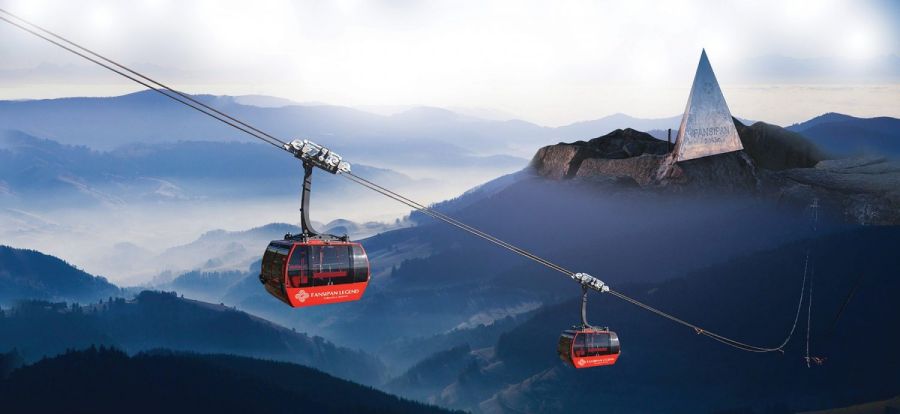
Reach The Mount Fansipan By A Cable Car
Reach The Mount Fansipan By A Cable Car

The first choice of things to do in Sapa is to reach Mount Fansipan, the highest peak in Vietnam, by cable car. In particular, this activity ought to be at the leading edge for adventure fans. This is also an easy and simple trekking way for travelers who love convenience.

When starting this cable car journey, you can have a chance to witness panoramic views of Sapa attractions such as Sapa’s valleys, wonderful rice paddies, and rugged but impressive mountains. This trip will add a further element of adventure to your experience. Don’t forget to take beautiful photos here.

The price ticket rate for a cable car to Mount Fansipan:

  • Adults: 750,000 VND per person.
  • Children: 550,000 VND per child.

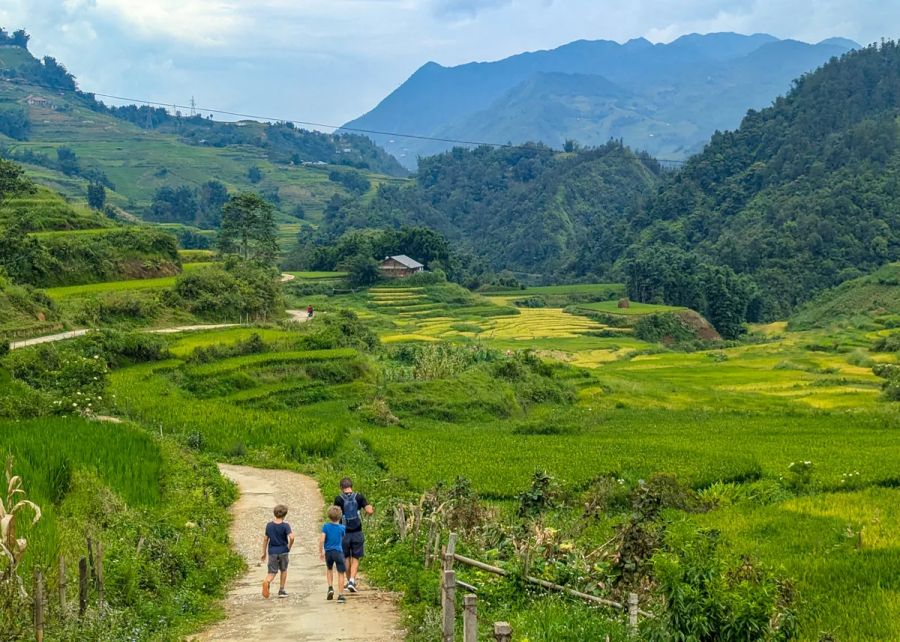
Go Trekking In Sapa
Go Trekking In Sapa

When it comes to the mountain area, one of the top things to do in Sapa is trekking. The raw and captivating beauty of natural scenery here makes it a paradise for both Vietnamese and global travelers who are trekking lovers. Various trekking routes are very suitable for all levels of trekkers, from easy walks for amateurs to challenging ones for skilled adventurers.

There are many world-famous trekking trails in Sapa for you. Let’s save them for a chance to try. Seni World will customize for you the perfect trekking adventure as your favorite:

  • Fansipan Summit
  • Muong Hoa Valley
  • Trail in the Ta Giang Phing Village
  • Cat Cat Trail in the Sin Chai Village
  • Sa Seng Trail in the Hau Thao Village
  • Lao Chai Trail of Ta Van in the Y Linh Ho Village

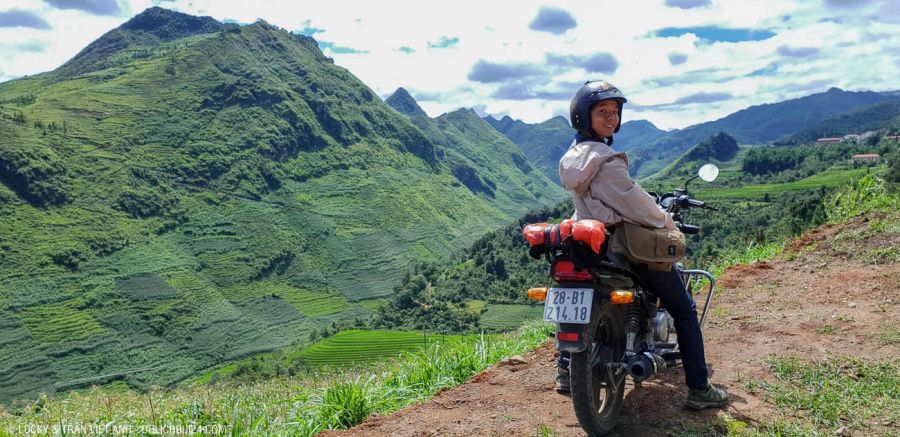
Take A Motorbike Journey
Take A Motorbike Journey

Next, one of the great things to do in Sapa is to take a motorbike tour. This activity is an interesting and exhilarating point for motorbike fans. You can have an opportunity to unveil Sapa’s hidden but attractive regions at your own pace. Besides, a motorbike tour is also a cost-saving option for budget-friendly travelers.

Using a motorbike not only lets you easily capture pretty perspectives, but also offers the possibility to explore a number of the most scenic routes in this area. During this journey, you can be taken surprised by the famous Tram Ton Pass, the huge O Quy Ho Pass, and the brilliant terraced rice fields.

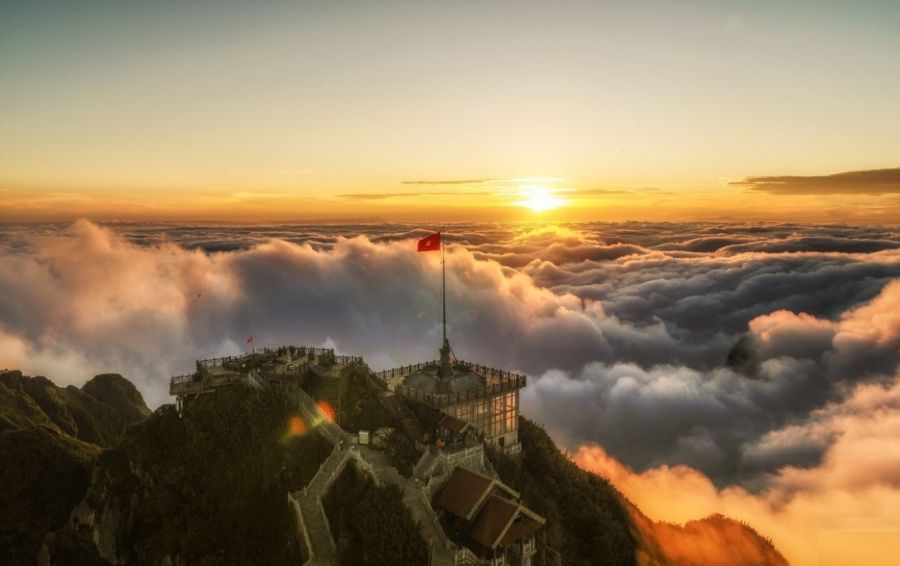
Cloud-Hunting As A Hot Trend
Cloud-Hunting

Nowadays, the trend “cloud-hunting” is one of the not-to-be-missed things to do in Sapa. With its high position amidst many rugged and challenging mountains, Sapa Town is regularly shrouded in a mysterious and beautiful veil of clouds. This makes a mesmerizing and dream-like setting for both Vietnamese and global travelers who are trend-catchers.

As you step into the misty hills and stand here, you will feel an otherworldly connection with nature and revel in the quiet and peacefulness of this moment. There are many “cloud-hunting” spots in Sapa for you. Let’s save them for a chance to try:

  • Fansipan Mount
  • Ham Rong Mount
  • Hang Da Village
  • Pao’s Sapa Hotel

Walk Through The Glass Bridge
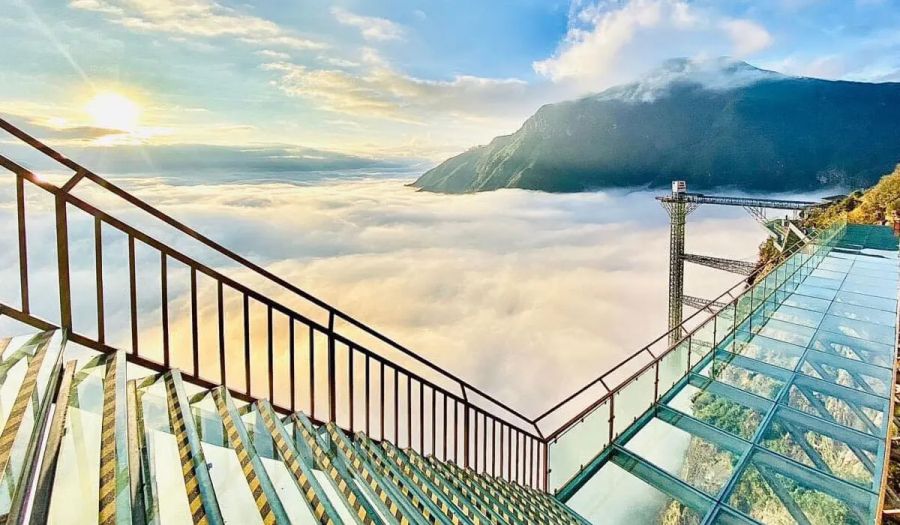
Rong May Glass Bridge

In case you want to have a challenging feeling, don’t forget to try walking through the glass bridge, one of the best things to do in Sapa. The surface of the glass bridge is placed about 60 meters away from the mountain wall, giving you the special feeling of being suspended in mid-air.

Standing and walking on the glass bridge, you may have a slight sensation of “butterflies in your stomach”, in particular when you look down into the deep abyss underneath. However, at this moment, you will feel the joy and the surprise about the breathtaking scenery of Vietnam’s most dazzling “Four Great Passes”.

The price ticket rate for exploring the glass bridge:

  • Adults: 400,000 VND per person.
  • Children: 200,000 VND per child.

Visit The Sapa Museum To Learn About Ethnic Cultures
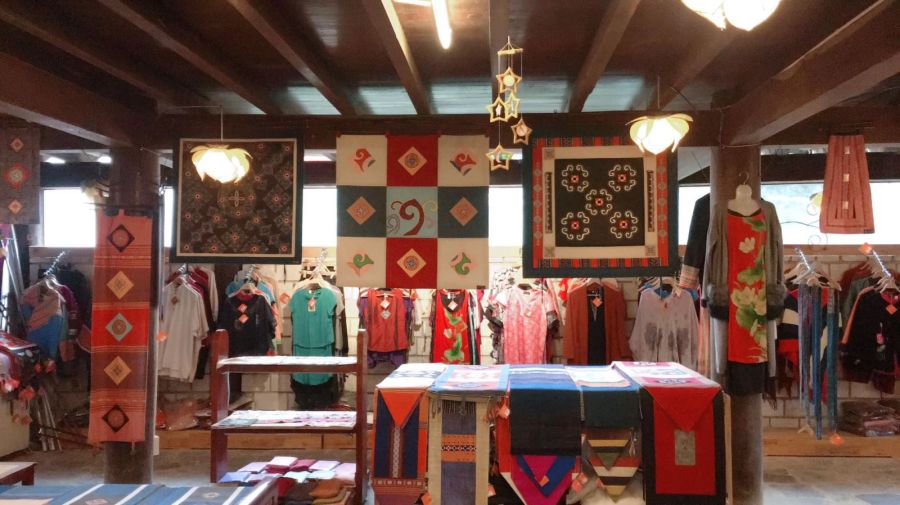
Inside Sapa Museum

When discussing what to do in Sapa, uncovering the great ethnic cultures here is a must-visit activity for travelers. For more interesting information, specifically the local people’s lifestyle, cultures, and historic traditions of the local minorities, you should go to the Sapa Museum and explore them.

The Sapa Museum saves about 200 artifacts, models, numerous publications, as well as documentaries of ethnic groups consisting of the Hmong, Xa Pho, Tay, Ha Nhi, Giay, and Red Dao. Here, you can also learn about the records of Sapa town’s history, spiritual practices, the wonderful way of life, and the unique costumes of each ethnic group.

Take Memorable Pictures With The Ancient Rock Field
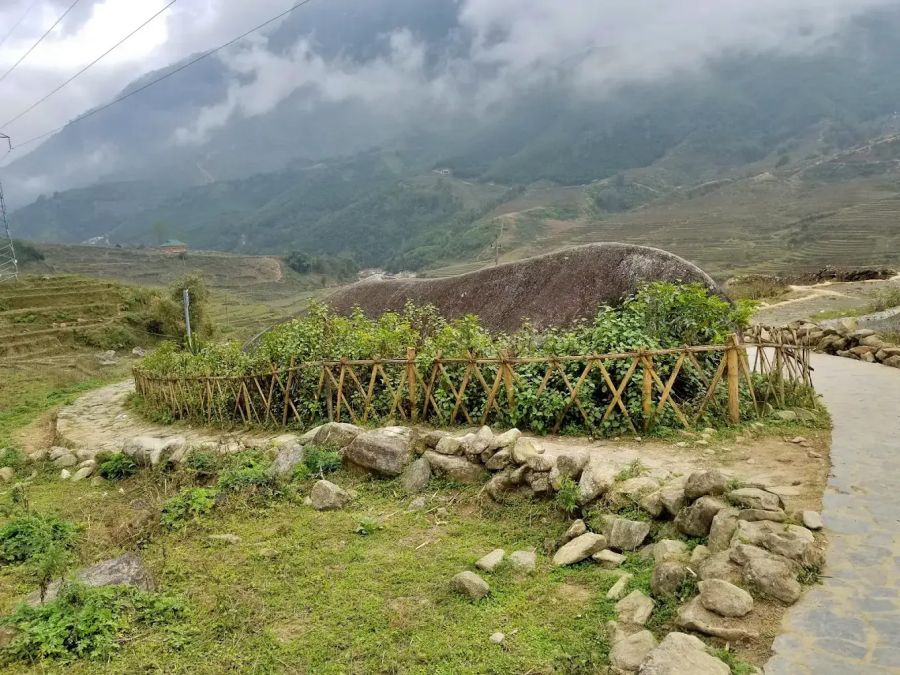
Ancient Rock Field

Other things to do in Sapa include discovering the ancient Rock Field, finding out more interesting historical stories here, and taking memorable photos of its motifs. According to the Vietnam Airlines information, the ancient Rock Field is positioned on Muong Hoa Valley’s steep mountain roads, which consists of more than 200 various-sized boulders.

No matter its unattractive look when seen from a distance, you will still be impressed by the fascinating and wonderful patterns on the rocks’ surface. The carvings show off 11 forms of unique images of the human, and will be a great heritage of the human.

Investigate The Sapa Stone Church
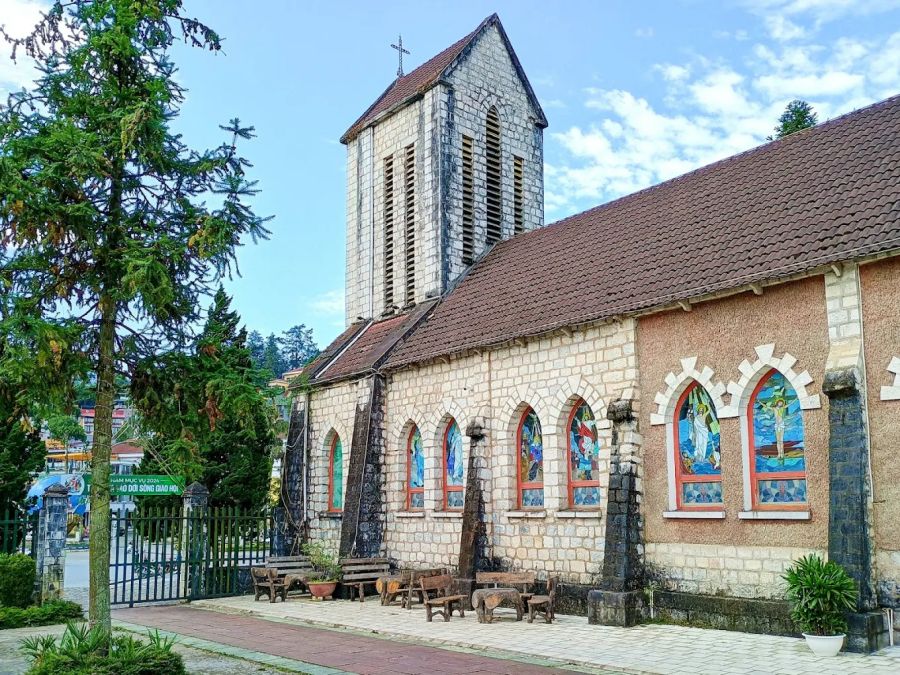
Sapa Stone Church

Inspired and built in the French architectural style, the Sapa Stone Church is a rare architectural work in Sapa that still keeps the spirit and beauty of Catholic Architecture. Therefore, when traveling to Sapa, don’t forget to visit one of the must-visit places in Sapa Town.

Seni World will customize diverse cultural activities for you in the Sapa Stone Church trip, from learning more about its unique structure to seeing local religious ceremonies. At this place, you can freely take beautiful photos with your friends and family a peaceful vibe, which is a retreat from the busy city.

Enjoy The Raw Splendor Of Nature In The Silver Waterfall
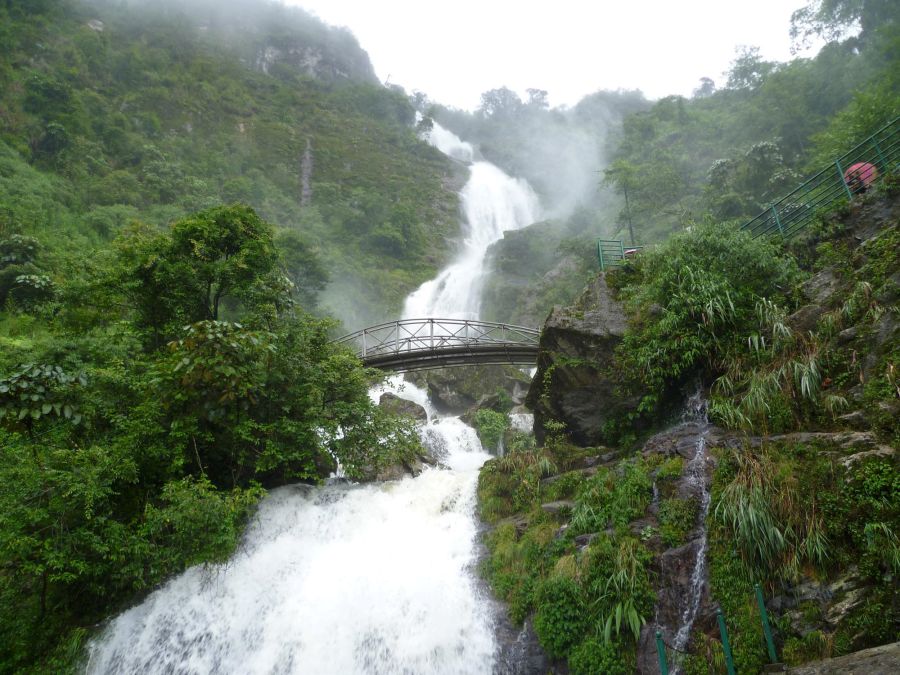
Enjoy The Raw Splendor Of Nature In The Silver Waterfall

Surrounded by way of green and lush scenery, Thac Bac (the Silver Waterfall) provides travelers with one of the perfect places to visit in Sapa. When seeing the cascading waters glisten, you can feel it like silver flowing in the sunlight, making a mesmerizing view and attracting everyone. This is also the reason that this waterfall is called “the Silver Waterfall”.

Whether you choose to walk along the pretty scenic paths or unwind in the soothing and peaceful atmosphere, the Silver Waterfall in Sapa Town makes sure that you will have an unforgettable adventure into the center of untouched nature. Let’s take some memorable photos with your friends and family here.

Rappelling At The Love Waterfall
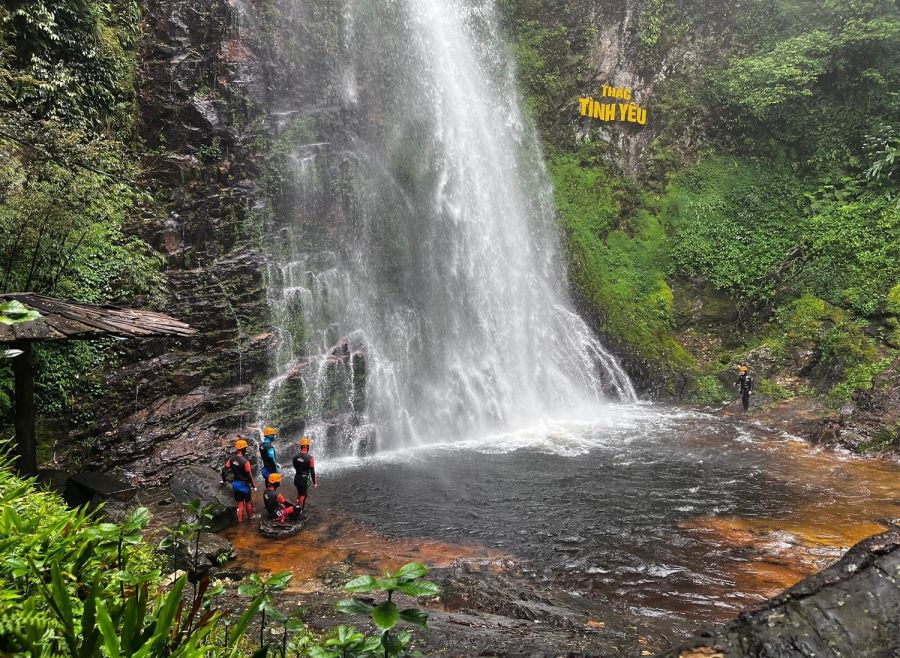
Rappelling At The Love Waterfall

If you are a thrill-seeker, the thrilling rappelling journey at Love Waterfall is one of the best things to do in Sapa. You can rest assured because you will be led by a highly experienced and skilled guide with very detailed information and instructions.

Rappelling at the Love Waterfall will bring you a really strong and thrilling experience, which is surrounded by breathtaking natural scenery. However, this adventure requires your physical endurance and resolution. Therefore, you need to be careful and make certain to train frequently before taking part in this.

The price ticket rate for rappelling at the Love Waterfall:

  • Entrance ticket: 70,000 VND per adult and 30,000 VND per child.
  • Rappelling at the Love Waterfall: 3,100,000 VND per person (about 120 USD).

Explore The Local Villages
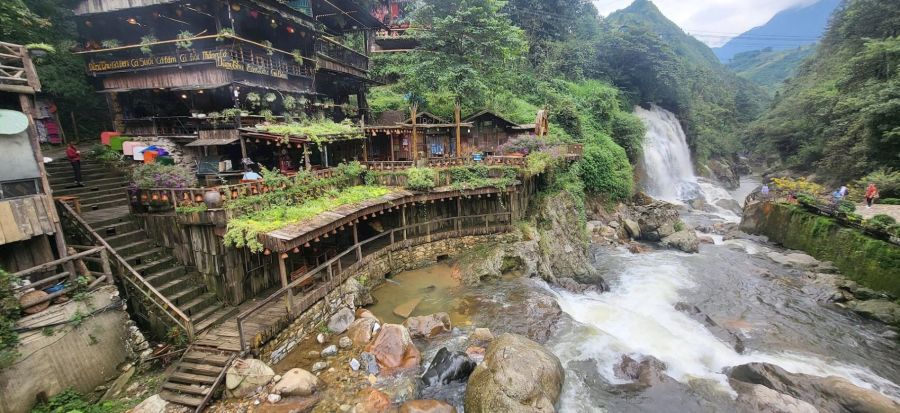
Cat Cat Village

One of the best things to do in Sapa is to visit the beautiful local villages, consisting of Ta Van Village, Ta Phin Village, Cat Cat Village, Lao Chai Village, Sau Chua Village, Ban Ho Village, Hang Da Village, and Sin Chai Village. These villages are the most explored tourist sights.

The local villages of Sapa are located in this town’s rugged mountains, and each people group here has a unique culture and lifestyle. When visiting them, you can have an opportunity to fully immerse yourself in the particular cultures of different Vietnamese ethnic minority groups.

Enjoy The Red Dao Herbal Baths
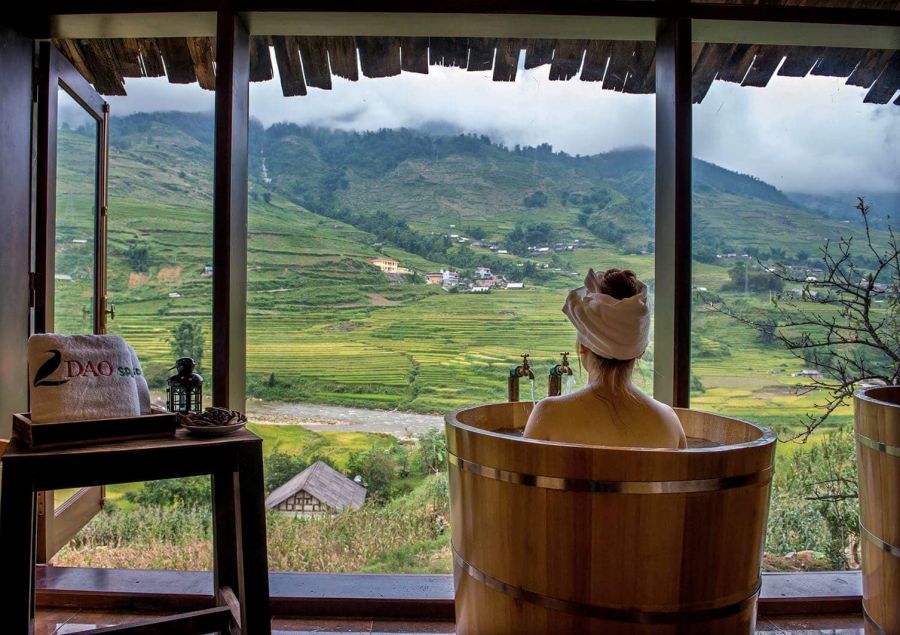
Enjoy The Red Dao Herbal Baths

If you ask what to do in Sapa when raining, Seni World will give you a hint: try Red Dao herbal baths. Sapa is the “hometown of rare herbal remedies”, so the traditional Red Dao herbal baths are a unique experience in this misty town. You will increase your health and body, especially when it rains and cools, thanks to this activity.

Enjoy Red Dao herbal baths, you will immerse yourself in a wooden bathtub crafted from Pomu timber. The special bathwater is meticulously and carefully prepared with 77 various healthy types of herbs, consisting of 5 to 10 scarce herbs that the Red Dao people acquire from the deep forests. This natural herbal mixture provides a relaxing experience, alongside abundant energy. From there, your joints and bones will be restored, and your body will be detoxified effectively.

Unwind At Bathing In The Hot Spring In Ban Ho Village
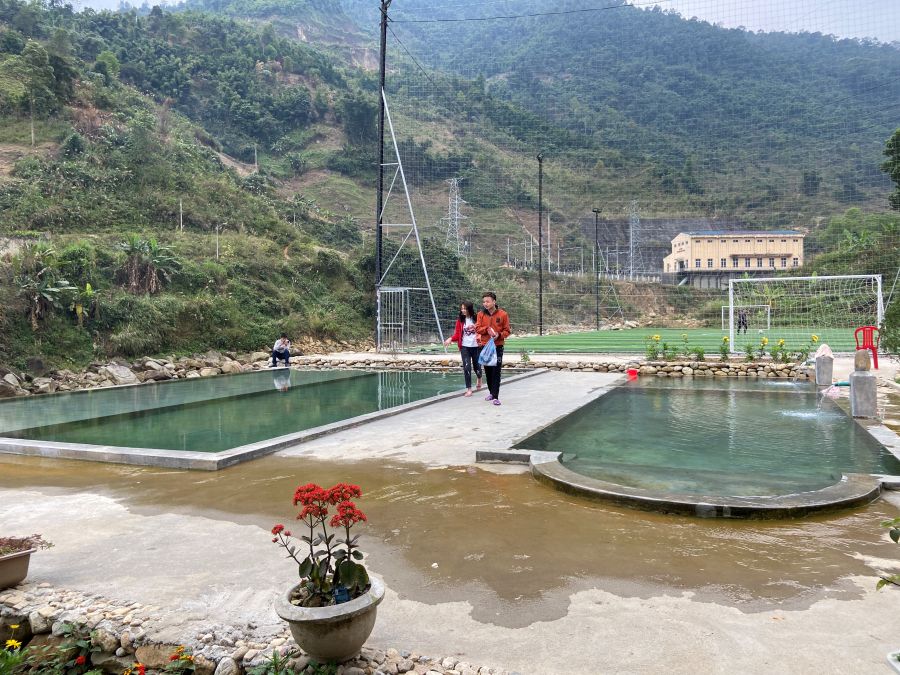
The hot mineral bath area was invested by the people of Ban Ho.

There are many places to see in Sapa, and you can not miss out on the Ban Ho Village, especially bathing at the hot spring in this destination. With soothing herbal thermal waters, you will refresh yourself and feel luxurious relaxation after many energetic adventures.

The unique point of this hot spring is its changing water temperature at different times. If you arrive at this place in the warm season of natural surroundings, the water turns refreshingly cool. But on cold days, as the air temperature becomes lower, the hot spring water can reach up to 40℃.

Revel In Local Foods
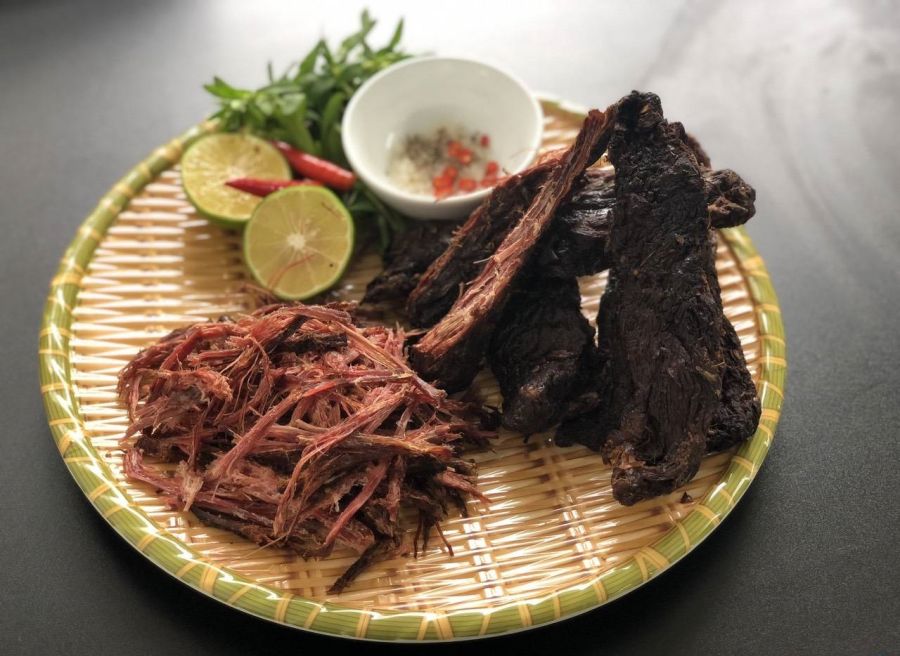
Smoked Buffalo Meat

Sapa is not only a destination for adult travelers, but it is also a perfect place for children and kids. There are many things to do in Sapa with kids and children, one of them is savoring the greatest local specialties. The delicious foods in Sapa are a harmonious mixture of numerous ethnic cultures, so they are flavorful dishes with the natural elements and the mountainous vibes.

On your trip of exploration with your friends, family, your kids and children, let’s try Sapa’s well-known and unique dishes like:

  • Thang Co (Horse Meat Hot Pot)
  • Trau Gac Bep (Smoked Buffalo Meat)
  • Ruou Tao Meo (Tao Meo Wine)
  • Lau Ca Hoi (Salmon Hot Pot)
  • Xoi Ngu Sac (Five-Color Sticky Rice)
  • Com Lam (Bamboo-Tube Rice)

Buy Local Handicrafts As Unique Souvenirs
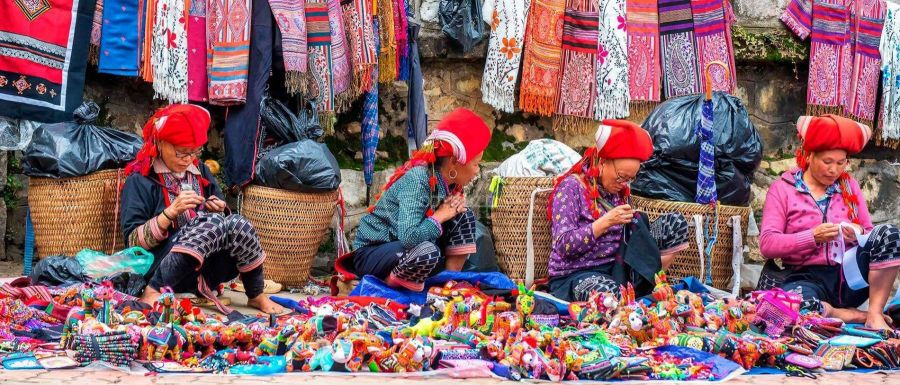
Buy Local Handicrafts As Unique Souvenirs

In both Sapa and the town’s surrounding areas, you will find diverse local markets where you can buy local handicrafts and special souvenirs. There are many different small stores with homemade and handmade things like leather bags, musical instruments, and ornaments with unique patterns showing the local ethnic cultures.

For a fascinating shopping trip with authentic things, you should go to some truly local markets in small villages. At these places, you will see the most authentic and exquisite handmade items at affordable prices. Moreover, you may have the opportunity to talk with the artisans to know more about their proud craftsmanship.

Final Thoughts: Is Sapa Worth Traveling?

Sapa is a paradise for both Vietnamese and global travelers who want to enjoy the natural attractions and thrilling, energetic activities in a cool atmosphere. If you want to take a Sapa trip, as well as consult interesting things to do in Sapa, and receive support for the visa process, let’s contact Seni World, a reputable tour operator from Vietnam. We are here to help you from A to Z on your Sapa Town discovery journey.

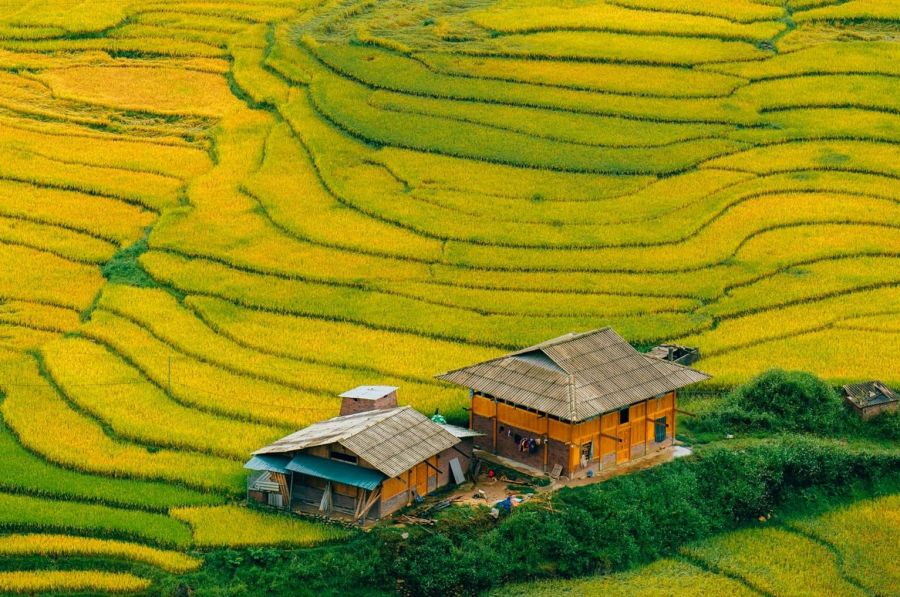
Best Time To Visit Sapa To Enjoy Wonderful Attractions

Knowing the best time to visit Sapa is not only saying goodbye to bad weather conditions, but it also allows you to see attractions and have memorable experiences. Read Seni World’s guide to know the best time to visit Sapa.

Where Is Sapa?

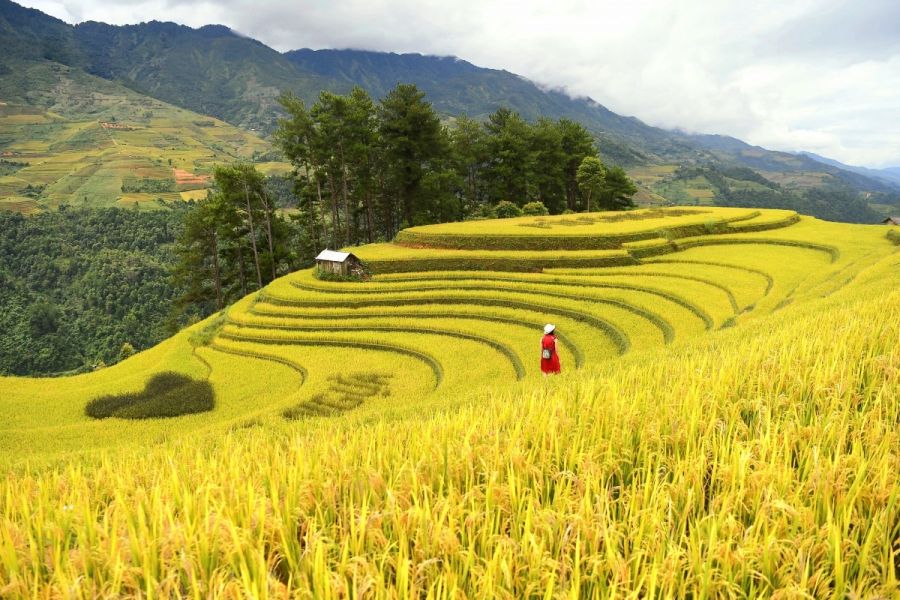
Y Ty in the harvest season

Sapa is a wonderful mountain town in the Northwestern highlands of Vietnam, close to the Chinese border, and about 315 km Northwest of Hanoi, the capital of Vietnam. It is located amidst the Hoang Lien Son mountain range, which has the Fansipan Mountain, called the “Roof of Indochina”. Travel to Sapa, you can also see the highest peak in Vietnam, Laos, and Cambodia (about 3,143 meters).

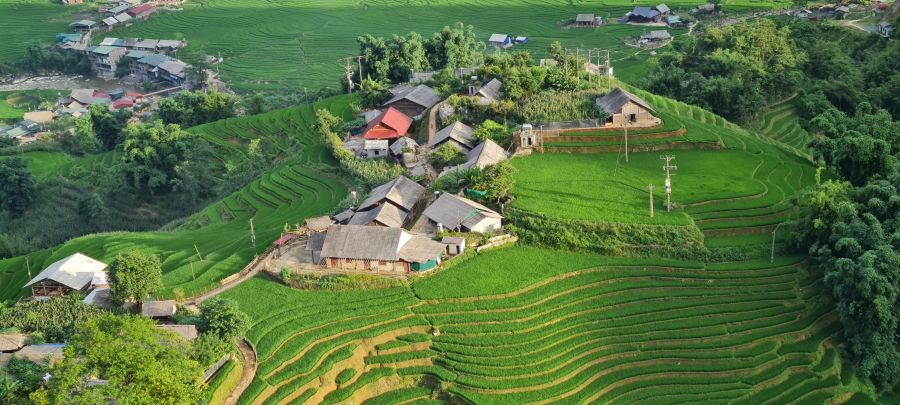
Sapa has its altitude (around 1,600 meters above sea level), so this town enjoys temperate weather, providing a pleasing and comfortable feeling. The most well-known iconic image of Sapa is its impressive terraced rice fields, made by local farmers over generations. Besides, Sapa has some awesome ethnic minority groups of Vietnam, such as the H’mong, Palaung, Tay, Giay, and Xa Pho. Their appreciated cultures, conventional costumes, specific customs, as well as wonderful handicrafts, are a widespread draw for travelers.

What Is The Best Time To Visit Sapa?

The best time to visit Sapa is from March to May (Spring) and from September to November (Autumn). During these periods, the Sapa climate is generally best with sunny days and cool nights. Moreover, in the Spring and the Autumn, Sapa has clear skies, comfortable temperatures, as well as has minimal rainfall.

  • Spring, from March to May, changes Sapa Town to a lush green paradise with various blooming flora and alive landscapes. Spring is the best time to visit Sapa if you are a trekking lover, especially trekking via the verdant valleys. With this activity, you can have the opportunity to see the culture and daily life of local people, and enjoy outdoor activities in mild temperatures.
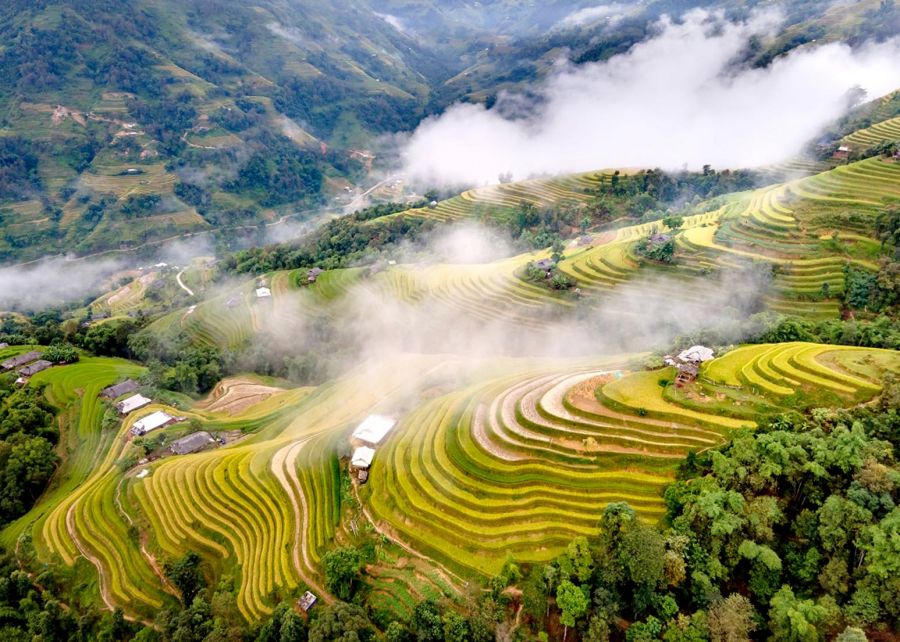
  • Autumn, from September to November, also attracts many travelers. The cooler temperatures and decreased rainfall create the best the to visit Sapa if you want to sightseeing attractions and photography. Autumn in Sapa is world-famous for its brilliant golden rice terraces. Many travelers all over the world consider this time to be a perfect time to go to Sapa, particularly for photographers and nature fanatics.

Sapa Weather Overview By Season

After knowing when is the best time to visit Sapa, Seni World will show you detailed information about the Sapa weather by month and by season, the scenery, activities, as well as holidays. Thanks to that, you will easily choose the most suitable time to travel to Sapa for yourself.

Season Sapa weather Sapa temperature
Spring (March to May) Mild and pleasant. March is still cool, but April and May are warmer. From 10°C to 20°C
Summer (June to August) The warmest period of Sapa, but it is still cooler than the lowlands of Vietnam. From 17°C to 24°C
Autumn (September to November) Mild and pleasant. September is comfortable, but October and November are cooler. From 15°C to 20°C
Winter (December to February) The coldest period of the year, with nights and early mornings, can be freezing. From 0°C to 10°C

Spring (from March to May):

Sapa in Spring

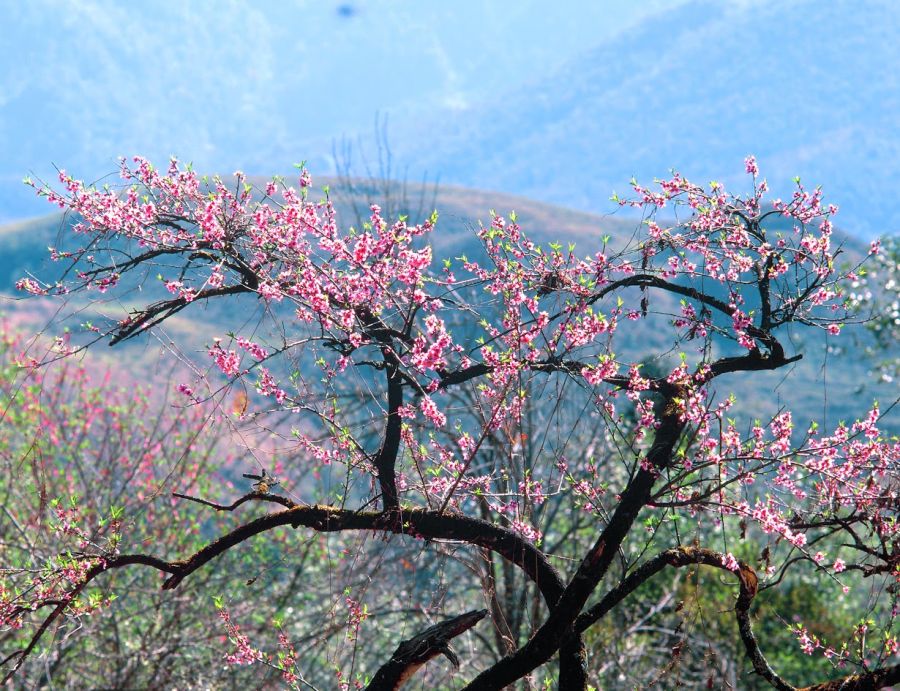
The scenery becomes alive with many different types of blooming flowers, like peach, plum, and cherry blossoms (in particular late February and March). The rice fields are also being prepared for planting, and the comfortable atmosphere brings stunning beauty. This is the best time to visit Sapa if you want to enjoy trekking, biking, and unwinding in the clean mountain air. Spring is also the best time to visit Sapa rice fields.

You can witness and take part in many local holidays in the Spring, such as the Gau Tao Festival of H’mong people, the Roong Pooc Festival of Giay people, the Village Sweeping Ceremony of Xa Pho people, and the Giao Duyen Singing Festival (Courtship Duets Festival) of Red Dao people.

Summer (from June to August):

Sapa in Summer

This is the best time to travel to Sapa Vietnam, if you love the natural scenery. The rice fields in Sapa are green, lush, and colourful, and beautiful waterfalls are at their fullest. You can have a chance to see “4 seasons just in 1 day” with these changing weather patterns in this town. This time, Sapa is commonly less crowded than peak travel seasons, probably offering better promotions.

You can witness and take part in many local holidays in the Summer, such as the Nao Cong Festival for H’mong, Dao, and Giay people, the Wine and Flower Festival, the Sapa Summer Festival, and the Horse Racing Festival In The Clouds.

Autumn (from September to November):

Sapa in Autumn

That is the best month to visit Sapa Vietnam’s golden terraced rice fields. From late August to early October, the rice ripens, so the hillsides become a captivating background of golden shades. This is the best time to go to Sapa Vietnam, if you are trekking lovers, or “cloud-hunting” trend catchers on Fansipan. Autumn is the top travel season, so Sapa will have greater crowds and higher prices for both lodging and transport.

You can witness and take part in many local holidays in the Autumn, such as the New Rice Festival, the Mid-Autumn Festival, the Sapa Autumn Festival of H’mong people, and the Banana Flower Festival of the Xa Pho people.

Winter (from December to February):

Sapa in Winter

Winter is the best time of year to visit Sapa if you want to experience the “winter in a tropical area”. The winter in Sapa has a unique and starkly stunning panorama, in particular when it snows. This time, peach and plum blossoms will add more colors. You will see wonderful snow, a unique landscape in Vietnam. Besides, this is not the top travel season, so fewer travelers and you will have a chance to enjoy the cold weather here.

You can witness and take part in many local holidays in Winter, such as the Sapa Winter Festival (Sapa – Snowy Paradise), the Highland Tet Market, the Lunar New Year Festival, and the Fire Dance Festival of Red Dao people.

Tips For Visiting Sapa In Different Seasons

After choosing the best time to visit Sapa, you must save some important travel tips below. This will help you to have a wonderful trip, no matter what season you travel.

  • Layering is the first must-have: Sapa weather can change hastily, frequently experiencing “4 seasons just in 1 day”. Therefore, you need to have layers so you can adapt to temperature changes.
  • Robust shoes: In 4 seasons, in case you plan to trek, don’t forget to choose pleasant, comfortable, and water-proof trekking shoes. Moreover, your shoes must have a true grip.
  • Cultural focus: Sapa is the home of many ethnic minority groups of Vietnam, so you must be respectful of their customs. In particular, let’s ask permission before taking pictures of them, and if you want to have more memories, buy the authentic handicrafts from the villages. Besides, avoid giving candy or money to children and kids here.
  • Cash is king: Even as Sapa Town has ATMs, cash is still king, especially in far-flung villages and local markets.
  • Protect your health: You need to bring first-aid kit packages, mosquito repellent (especially when traveling in hot and wet months), sunscreen, and personal medicinal drugs.
  • Be careful on all roads: Be careful when walking on slippery paths in Sapa Town, in particular after rain or when it is misty.
  • Keep your body enough water: Always carry a clean water bottle alongside, and don’t drink ice without a trusted source.
  • Book lodging & transportation earlier: In peak season of traveling, it is very important for you to book in advance both accommodation and transportation. This will help you to comfy your choice and undoubtedly better offers.

FAQs About The Best Time To Visit Sapa

Sapa in Watering Season

Seni World also has some FAQs to help you understand clearly about the best time to visit Sapa. Let’s see them more below!

When is Sapa the maximum crowded?

Sapa tends to be most crowded in peak seasons (from March to May and from September to November), and in some Vietnamese holidays like the Lunar New Year or the Mid-Autumn Festival. Besides, weekends are also crowded, because the domestic tourists will choose this town to travel to.

When is the “watering season” for the rice paddies?

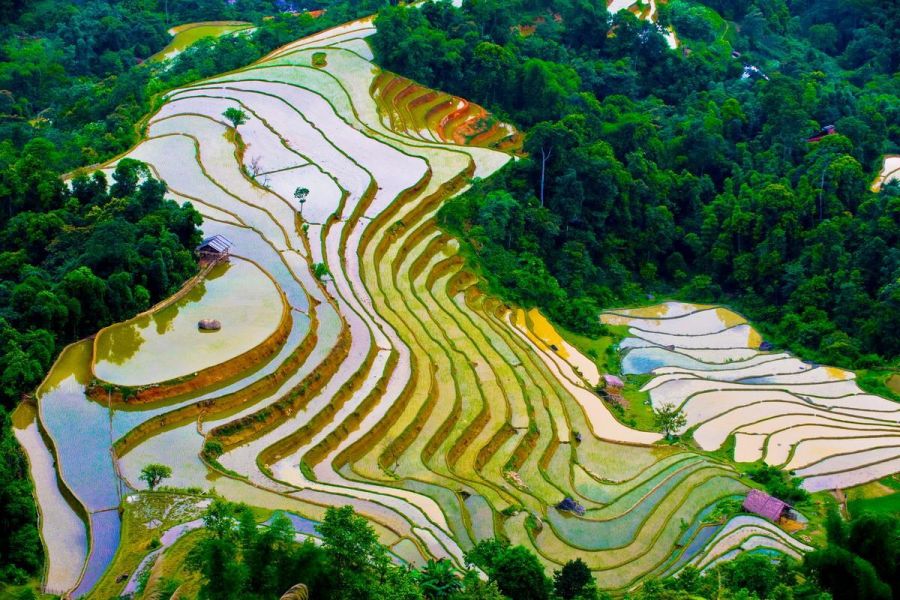
The “watering season” in Sapa generally happens from April to early May, when local farmers flood the terraced fields to prepare for planting. This makes brilliant reflective “mirrors” for the landscape, so this is called the “watering season”.

Should travelers visit Sapa in the rainy season?

Yes. While trekking is probably greater tough than the dry season due to mud, the natural scenery is perfectly lush and green. Moreover, waterfalls are at their fullest, and this destination often has fewer crowds, leading to an extra serene enjoy. However, you need to prepare items and tools for rain.

What should I pack when traveling in Sapa based on the season?

Based on 4 seasons, you should prepare and pack carefully these items below:

  • In the Spring or Autumn: You should focus on layers, such as a light sweater or jacket for cool mornings and evenings, and t-shirts for hotter days. Remember, always wear robust walking shoes.
  • In the Summer: You should wear lightweight, quick-drying clothing, a rain jacket, or a poncho. Don’t forget waterproof shoes or sandals with a great grip.
  • In the Winter: Let’s focus on warm layers like fleece, down jacket, hat, gloves, water-resistant and insulated boots. This time, the temperatures will be very cold.

Why is Sapa called the “winter wonderland” in the Winter?

The Winter in Sapa is cold and regularly foggy, and sometimes, temperatures fall below freezing. Whilst the rice fields are barren, they still give a unique, mystical feeling. They also have surprising snowfall, attracting travelers who search for the “winter wonderland” in Vietnam.

Final Thoughts: Is Sapa Worth Visiting?

The best time to visit Sapa is from March to May (Spring) and from September to November (Autumn). These days, you can freely trek, see attractions, and take part in local festivals. If you want to learn more about Sapa Town, consult travel tips, and receive support for the visa process, let’s contact Seni World, a reputable tour operator. We are here to help you from A to Z on your Sapa discovery journey.
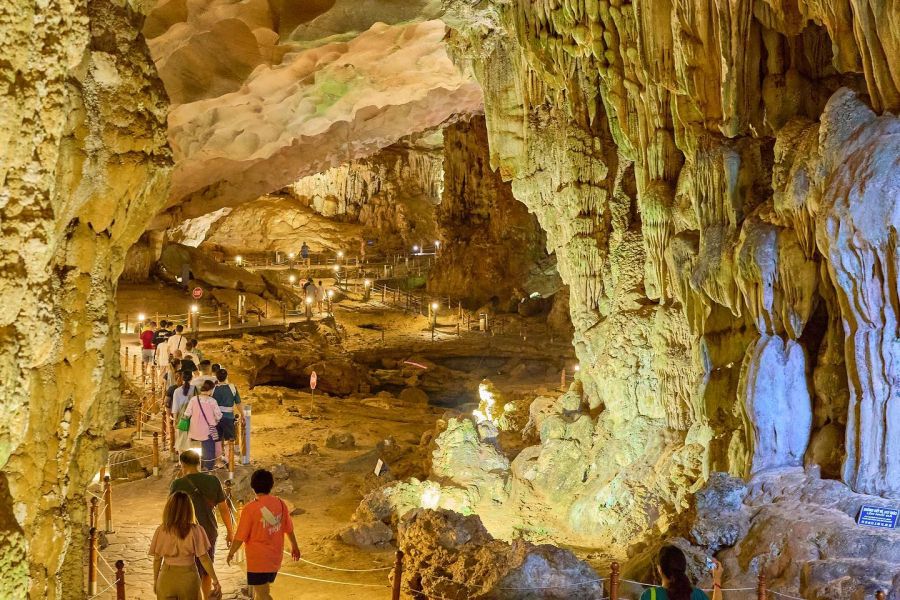
Vietnam In August: Traveling Happily No Matter The Weather

Vietnam in August is one of the best times for travelers in this country and worldwide to travel to. If you want to visit here, read Seni World’s guide to know about the weather, the best places, and travel tips.

Is August A Good Time To Visit Vietnam?

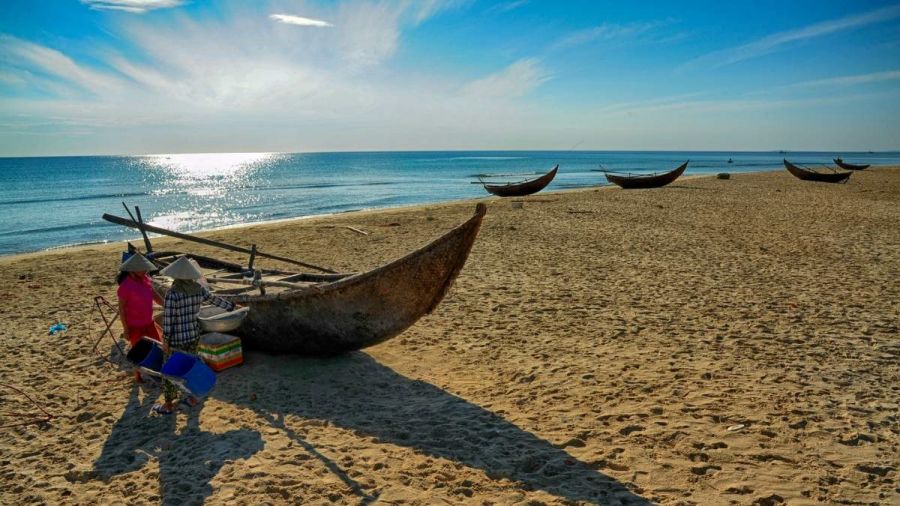
Binh Minh Beach

Traveling to Vietnam in August has many pros, especially at this time, when it is the rainy season, landscapes are green and lush, rice paddies are rich, as well as waterfalls are impressive and powerful. In the North and South, there are fewer crowds, so the prices of accommodations and flights are lower. Although it will have typhoon increases at the end of this month, the weather in Central Vietnam is still a perfect choice for the beach, especially in early August. Moreover, you can try many different fresh and delicious tropical fruits.

Arriving in Vietnam in August also has some challenges for both Vietnamese and global travelers. Vietnam will be very hot and humid, which can make travelers unaccustomed to tropical climates feel unwell. Both Northern and Southern Vietnam are in the rainy season, so it can affect outdoor activities badly. Central and Northern Vietnam also have heavy rains, strong winds, as well as flooding, which makes it a challenge to visit some destinations like Halong Bay.

However, the disadvantages are really negligible compared to the advantages; therefore, if you prepare carefully, why not plan a trip to Vietnam in August? And if you need more information about the weather of Vietnam in July, the best places to visit, travel tips,… to prepare for this adventure, Seni World will show you more in sections below.

What’s The Weather Like In Vietnam In August?

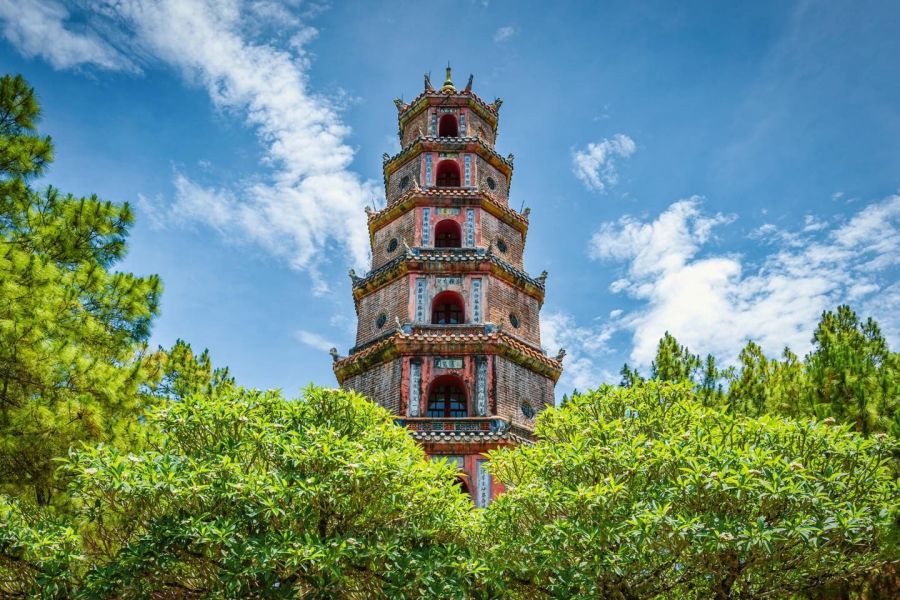
Thien Mu Pagoda

With detailed knowledge about the Vietnam temperature in August, you can easily decide the destinations to visit in this S-shaped country. Let’s see in our parts below!

Northern Vietnam

Delta areas (like Hanoi) are from 30°C to 32°C. Mountainous areas (like Ha Giang, Sapa Town) are from 21°C to 24°C. The climate is hot and humid, and it is the rainy season. August is one of the wettest months of the year.

Northern Vietnam has frequent and heavy afternoon downpours and thunderstorms in August (severe but brief). This region also has a high hazard of typhoons and tropical storms.

Central Vietnam

Famous travel destinations (like Hue Vietnam, Da Nang, and Hoi An) are from 29°C to 30°C. At this time, the dry season extends, and rainfall increases significantly.

Early August has high sunshine. Heavy rainfall is expected in late August. The risk of typhoons may include extreme flooding and strong winds.
Southern Vietnam

Famous travel destinations (like Ho Chi Minh City, the Mekong Delta, Phu Quoc Island) are from 28°C to 29°C. The climate is hot and humid, and it is the rainy season. August is one of the wettest months of the year.

Regularly, every afternoon, heavy downpours and thunderstorms (severe but brief) occur. Mornings and evenings are dry and sunny.

Best 8 Places To Visit In Vietnam In August

While Northern and Southern Vietnam are one of the wettest months of the year, and don’t have too many travelers, the Central region is a wonderful choice due to the hot and dry season. Let’s see the top 8 best places to visit in Vietnam in August, or where to go in Vietnam in August, below!

Hoi An Ancient Town

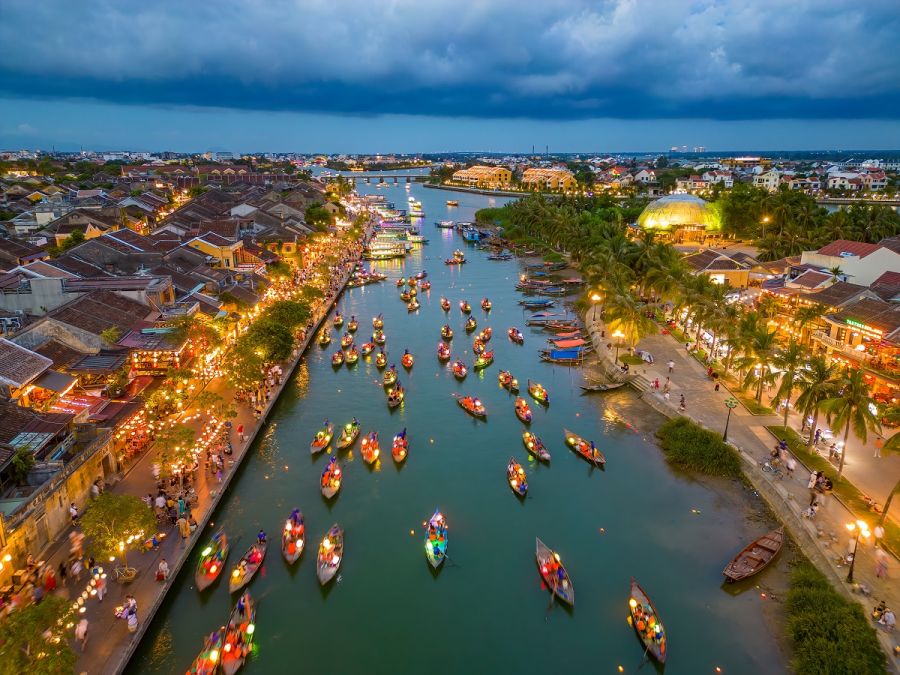
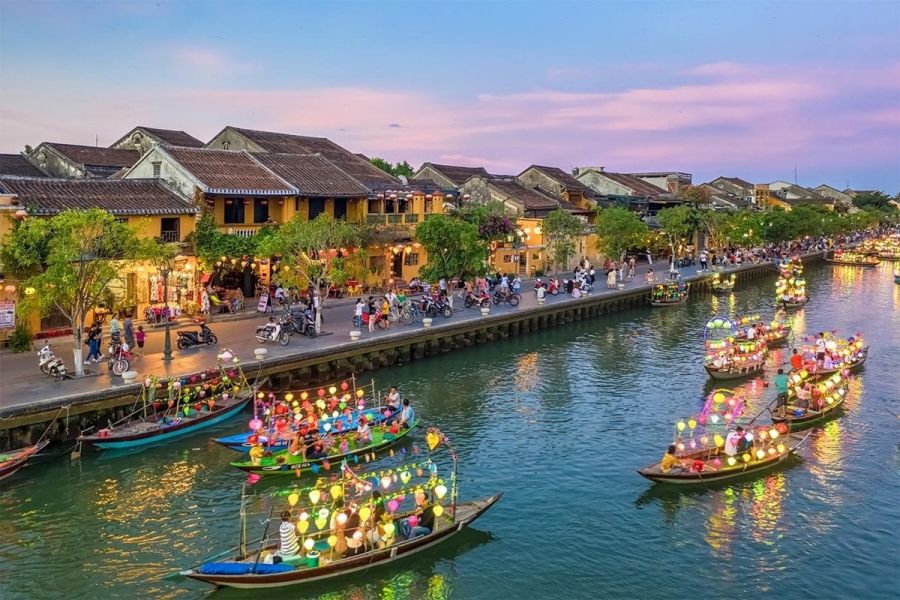
Thu Bon River by night

Hoi An Ancient Town is dry and hot, but will have tropical storms. Therefore, this is the best time for you to explore the Hoi An Ancient Town (UNESCO World Heritage), Hoi An Night Market, My Son Sanctuary (Cham ruins), book a boat on the Thu Bon River, and unwind on the An Bang Beach.

Hue

The weather in August in Hue is dry and hot in early August. So you can have an opportunity to uncover Hoang Thanh Hue (Imperial City), Royal Tombs (Minh Mang, Tu Duc, and Khai Dinh), Thien Mu Pagoda, and book a boat on the Huong River.

Nha Trang

Vinpearl Nha Trang

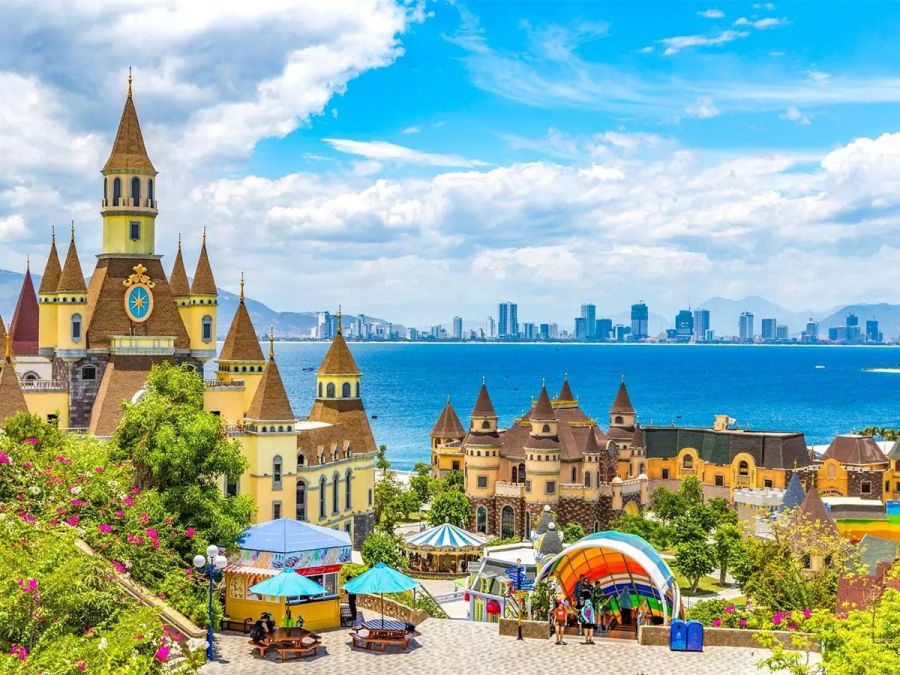
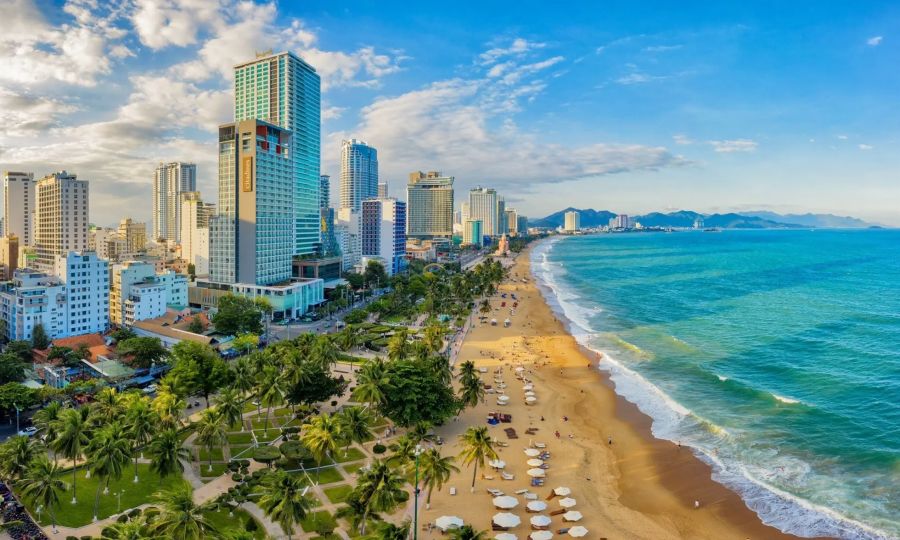
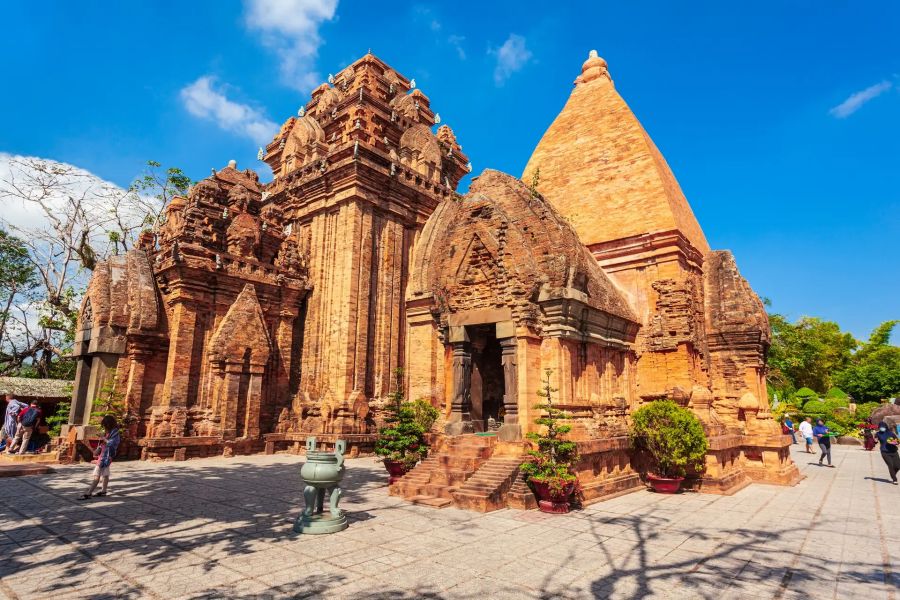
Nha Trang, Vietnam in August has comfortable weather compared to other areas, with less rain even as the rainy season. You should take a trip to visit the Po Nagar Cham Towers, Vinpearl Land Nha Trang, enjoy Nha Trang Beach, and try many different types of seafood.

Da Lat

This time, Da Lat is in the peak rainy season, pleasantly cool, and has less sunshine than the dry season. Don’t forget to catch the trend “cloud-hunting” at the Cau Dat Tea Hill, explore the Crazy House, the Valley Of Love, the Xuan Huong Lake, the Da Lat Flower Garden, and the Linh Phuoc Pagoda.

Phu Quoc Island

Bai Dai Beach

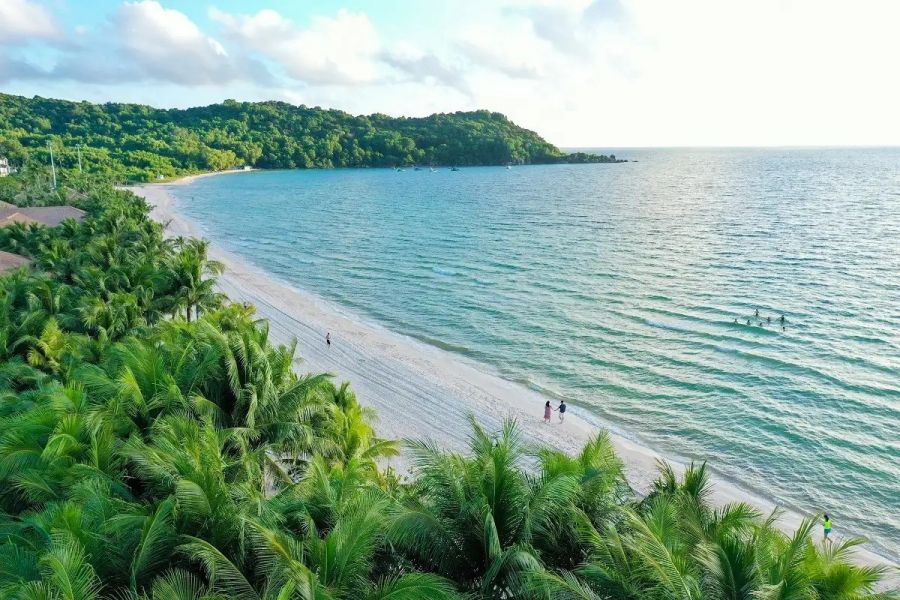
The weather in August on Phu Quoc Island is the rainy season, and it is expected to have heavy rains in the afternoon. Let’s discover Long Beach, Khem Beach, Sao Beach, and go to beautiful Suoi Tranh Waterfall, and the Vinpearl Safari Phu Quoc.

Halong Bay

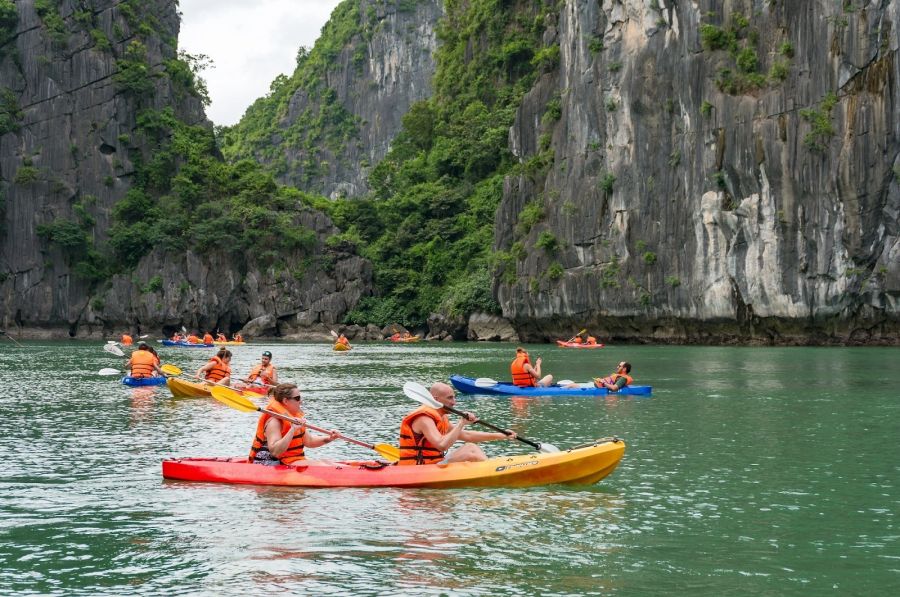
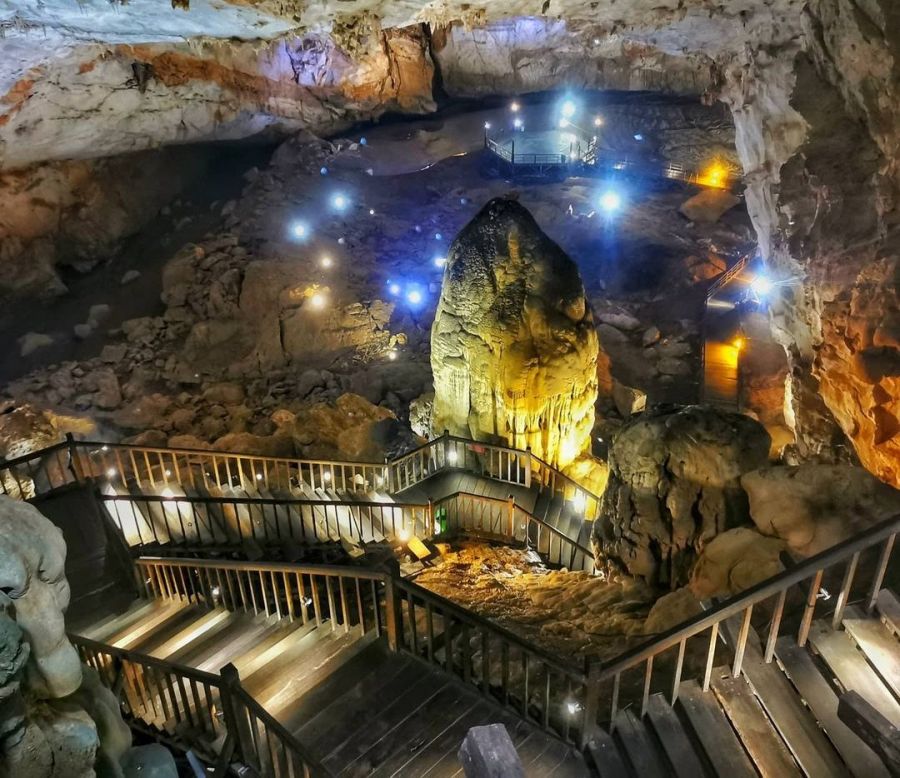
Halong Bay has a hot and humid season, and also has a high risk of typhoons and tropical storms. You can arrange to investigate iconic limestone karsts on a cruise, kayak, swim, discover the Sung Sot Cave, and visit world-famous fishing villages.

Hanoi

Ta Hien Street in the morning

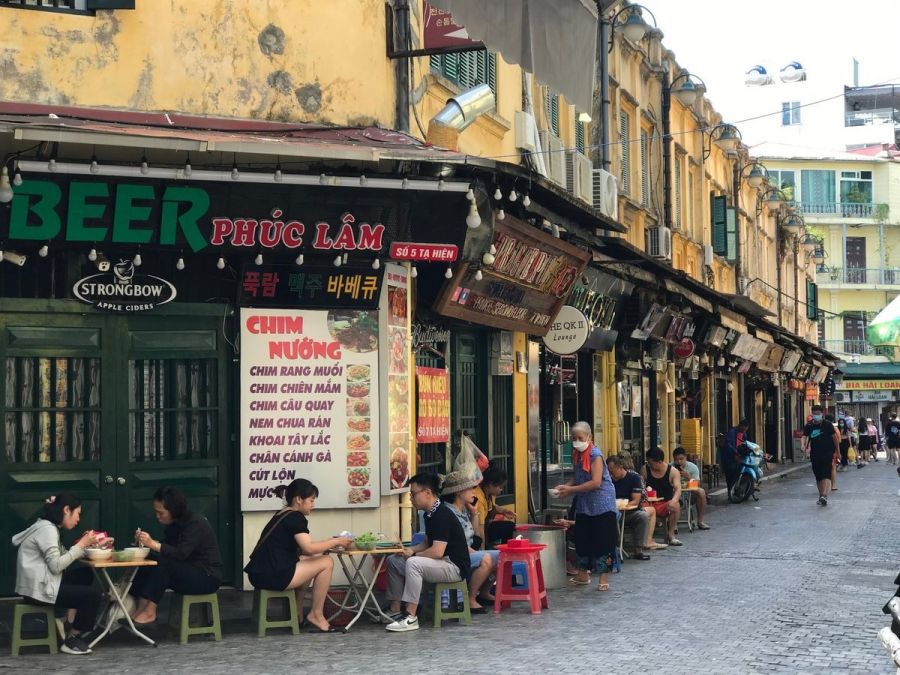
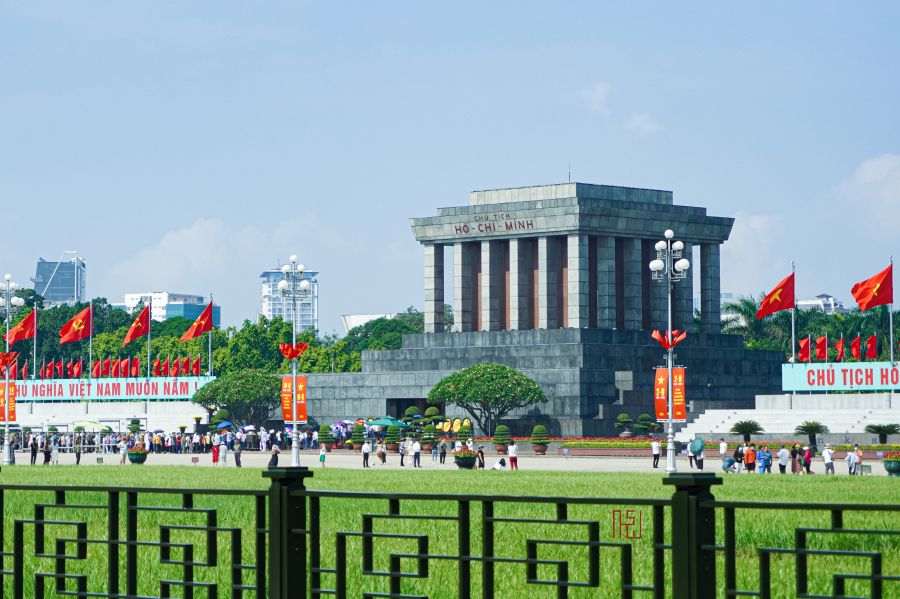
Hanoi, the capital of Vietnam in August has the hot and humid season, and it is one of the wettest months of the year. If you have enough preparation, you can navigate the Hanoi Old Quarter, the Temple of Literature, the Hoan Kiem Lake, the Ngoc Son Temple, the Ho Chi Minh Mausoleum, and the Hoa Lo Prison.

Ho Chi Minh City

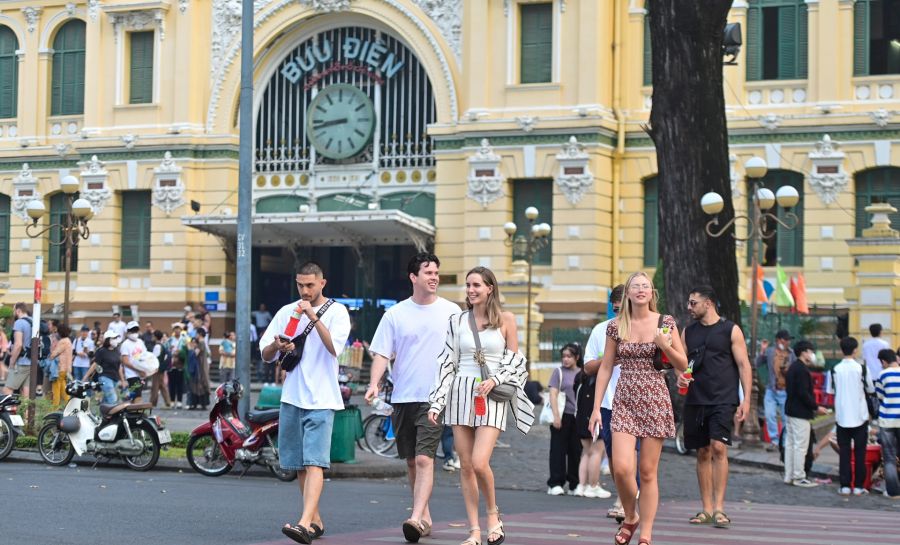
Ho Chi Minh City has a hot and humid season with daily afternoon downpours and thunderstorms in the evening, and dry weather in the morning. This time, let’s unveil the Reunification Palace, the War Remnants Museum, the Notre Dame Cathedral, the Central Post Office, and the famous iconic Ben Thanh Market.

Mekong Delta

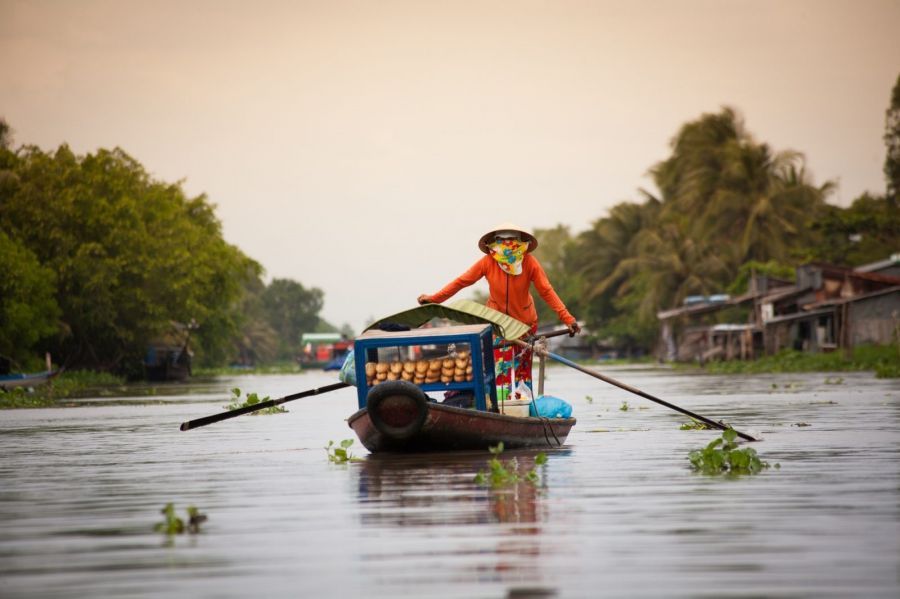
Cai Rang floating market

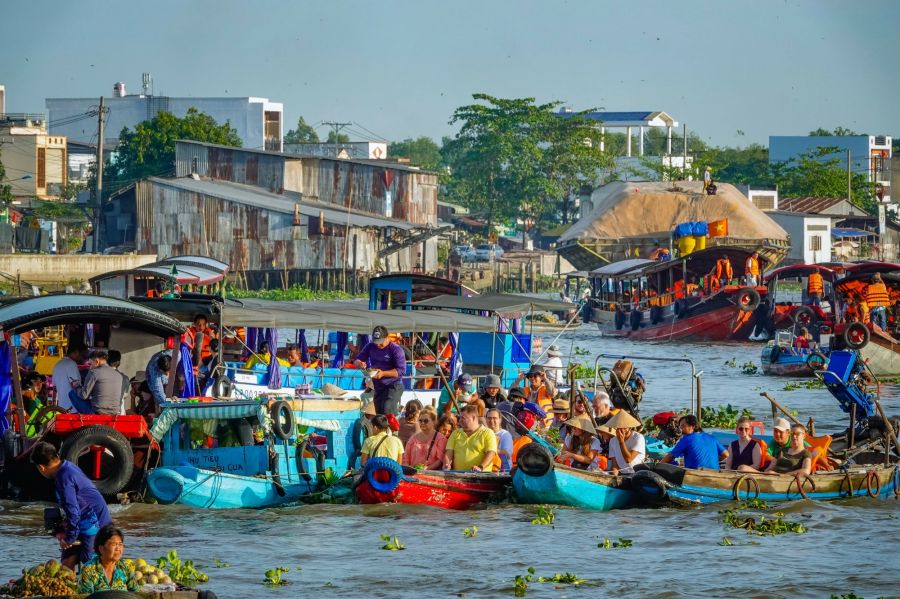
In August, the Mekong Delta has the hot and humid season, and it is very wet. You can easily visit Cai Rang or Cai Be Floating Market, and traditional local workshops. Don’t forget to book boat trips through beautiful canals and waterways.

What To Pack For Vietnam In August

Not only in Vietnam, but whenever you travel anywhere, you still need to focus on clothing, footwear, as well as other items, tools, and documents. Let’s see what to pack for Vietnam in August in the part below:

  • Apparel: You should select the t-shirts, tank tops, shorts, skirts, sundresses, mild hoodies or sweaters, light-weight lengthy pants, and light-weight lengthy-sleeved shirts,…
  • Footwear: The best footwear for you is sneakers, different types of shoes which might be at ease for walking, sandals, or waterproof sandals, flip-flops,…
  • Health protection: Bring sunscreen, insect repellent, a fundamental first-aid kit, hand sanitizer, non-prescription medicines, travel-sized toiletries, small towels,…
  • Electronics: At this time, don’t forget the charger, phone, and digital camera, eSIM for both SMS calling and data features,…
  • Cash and documents: There’s a passport with at least 6 months out of your departure date, a visa or visa approval letter, neighborhood money (VND), and USD, credit or debit cards,…
  • Different crucial things: They consist of a small umbrella, sunglasses, a raincoat, a hat or cap, a personal water bottle, a small backpack, a dry bag, a laundry bag, or a small lock,…

Travel Tips For Visiting Vietnam In August

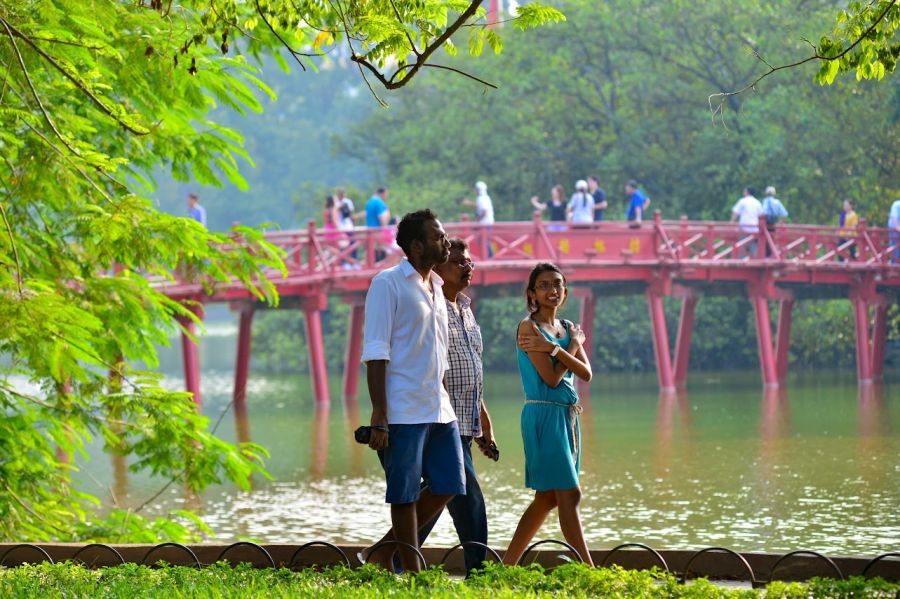
Tourists walk around Hoan Kiem Lake

For a perfect trip to Vietnam in August, not only learning more about the best places to visit, things to do, or what to pack for Vietnam in this month, you must focus on the important travel tips below:

  • Select mild, breathable clothing with the material is from cotton, linen, or brief-drying synthetics. So you can feel comfortable in the heat and humidity.
  • Usually bring a compact umbrella or a light-weight rain jacket for the frequent, and utilize water-proof baggage or dry sacks to guard all your electronics, documents, and valuables from rain and humidity.
  • Live well-hydrated by drinking lots of water, and keep in mind electrolyte liquids to say no to the fluid loss because of sweating.
  • Check weather forecasts daily and carefully, and be flexible with your itinerary.
  • Book in advance internal flights if you want to have a maximum efficient way to travel between areas. However, it may be stricken by climate.
  • Put on comfortable, flexible, and brief-drying footwear because the road can turn out to be moist, or puddles can form after rain.
  • Focus on all the food and drink, and in case you buy street food, let’s choose safe and clean shops.
  • Drink bottled water and avoid ice until you make sure it is crafted from purified water to ensure your health.
  • Appreciate all local customs and traditions, in particular when going to temples or pagodas, remember dressing modestly and politely (shoulders and knees covered).
  • Study a few basic Vietnamese terms like “Xin Chao” (hello there) and Xin Cam On (thank you) to enhance community interactions.

Final Thoughts: Why Is August A Great Month To Explore Vietnam?

Vietnam in August is the perfect choice for you to have an exciting summer journey, from the North to the South, and especially Central Vietnam. If you want to learn more about Vietnam, what to wear in Vietnam in August, as well as consult travel tips, and receive support for the visa process, let’s contact Seni World, a reputable tour operator. We are here to help you from A to Z on your trip to Vietnam.

Vietnam In July: One Of The Best Times To Travel To

Vietnam in July is one of the best times for travelers in this country and worldwide to travel to. If you want to visit here, read Seni World’s guide to know about the weather, the best places, and travel tips.

Is July A Good Time To Visit Vietnam?

Silver Waterfall

If you choose to travel in the North and South, you will generally meet fewer crowds due to the rainy season. Therefore, the prices of flights and lodgings will be lower, and you can have a chance to see green, rich rice paddies and waterfalls flowing at their strongest level. In particular, Central Vietnam has dry and sunny weather, so this area is perfect for you to unwind on beach holidays. Besides, Vietnam in July includes many different and unique cultural festivals. Don’t forget to come here this time to join them.

Alongside the pros above, Vietnam in July also has some cons that you need to note. From the North to the South will be hot and very humid, and often exceeding 30°C. Unluckily, Northern and Southern Vietnam at this time are in the rainy season, with regular heavy showers and thunderstorms every afternoon, which may disrupt your adventure. There are also some risks of both typhoons and tropical storms, especially in Central Vietnam in late July. Sometimes, mist and rain will reduce your views in some destinations, such as Halong Bay.

However, the disadvantages are really negligible compared to the advantages; therefore, if you prepare carefully, why not plan a trip to Vietnam in July? And if you need more information about the weather of Vietnam in July, the best places to visit, travel tips,… to prepare for this adventure, Seni World will show you more in sections below.

What’s The Weather Like In Vietnam In July?

DIFF 2025

Knowing the whole weather from the North to the South of Vietnam will help you have an overview about the climate of Vietnam in July. From there, you will easily choose the destinations to visit in this country.

Northern Vietnam In July

Delta areas (like Hanoi) are from 28°C to 35°C. Mountainous areas (like Ha Giang, Sapa Town) are from 18°C to 24°C. This is the peak summer in the North, hot and humid, and the rainy season.

Based on forecasting, regularly heavy, afternoon downpours and thunderstorms. Rains may be severe, but they will be brief, and it has the sunshine. Humidity may be very high, making you feel greater oppressed. Roads in mountainous regions like Ha Giang can become slippery or very easy to localized flooding after heavy rains.

Central Vietnam

Famous travel destinations (like Hue, Da Nang, Hoi An) are from 28°C to 34°C. This is the dry and hot season with much sunny.

Central Vietnam in July is the perfect time to travel to Da Nang and Hoi An, especially to the beaches. While it is dry, there is still a slight risk of tropical storms or early typhoons in late July, as well as surprisingly heavy rains and strong winds. Hue can have the greater rain than Da Nang and Hoi An; however, nonetheless, much less than the Northern and Southern Vietnam.

Southern Vietnam

Famous travel destinations (like Ho Chi Minh City, the Mekong Delta, Phu Quoc Island) are from 25°C to 32°C. The climate at this time is hot and humid, and this is the rainy season.

Based on forecasting, it frequently has afternoon downpours and thunderstorms. Like the Northern region, those rains are frequently quick-lived (about an hour or two) and commonly arise in the afternoon. Therefore, mornings and evenings are typically dry and sunny. Humidity is very high.

Best 7 Places To Visit In Vietnam In July

Although Central Vietnam has the perfect weather for traveling in Vietnam in July, other provinces and cities in the North and the South are still a wonderful choice if you customize a suitable schedule. Let’s see the top 7 best places to visit in Vietnam in July below!

Da Nang – Hoi An

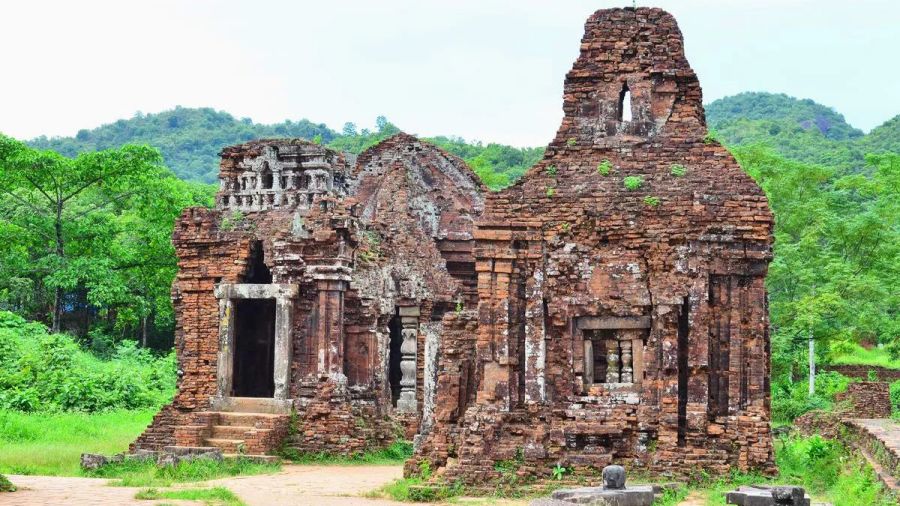
My Son Sanctuary

Da Nang – Hoi An is sunny and dry, with high humidity. Visiting these destinations, you should uncover the Marble Mountains in Da Nang, discover Hoi An Ancient Town (UNESCO World Heritage site) on foot or by bike, see iconic lantern-lit streets in the evening, unwind at An Bang Beach, go to My Son Sanctuary (historical Cham ruins),…

Hue

The weather in July in Hue is dry and hot, although it may receive slightly more rain than the coastal area. Therefore, it is very suitable for you to visit Dai Noi Hue (Imperial City), the Thien Mu Pagoda, find out the history of Royal Tombs of Khai Dinh and Minh Mang, revel in a luxurious dragon boat trip at the Huong River, and try Hue’s unique imperial cuisine.

Mui Ne – Phan Thiet

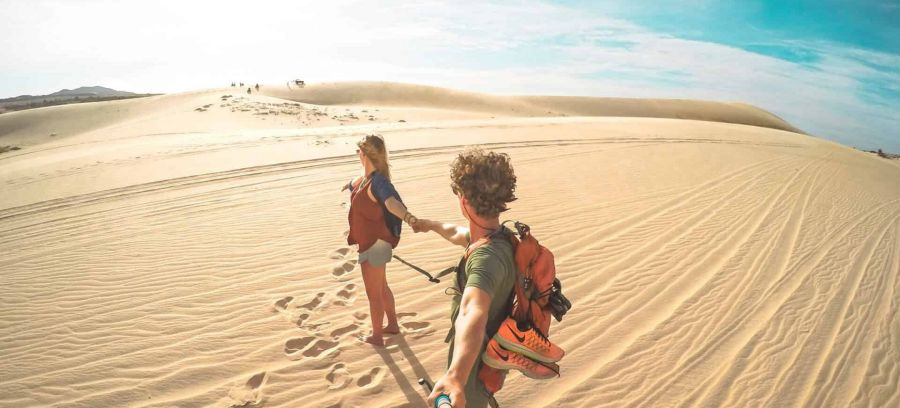
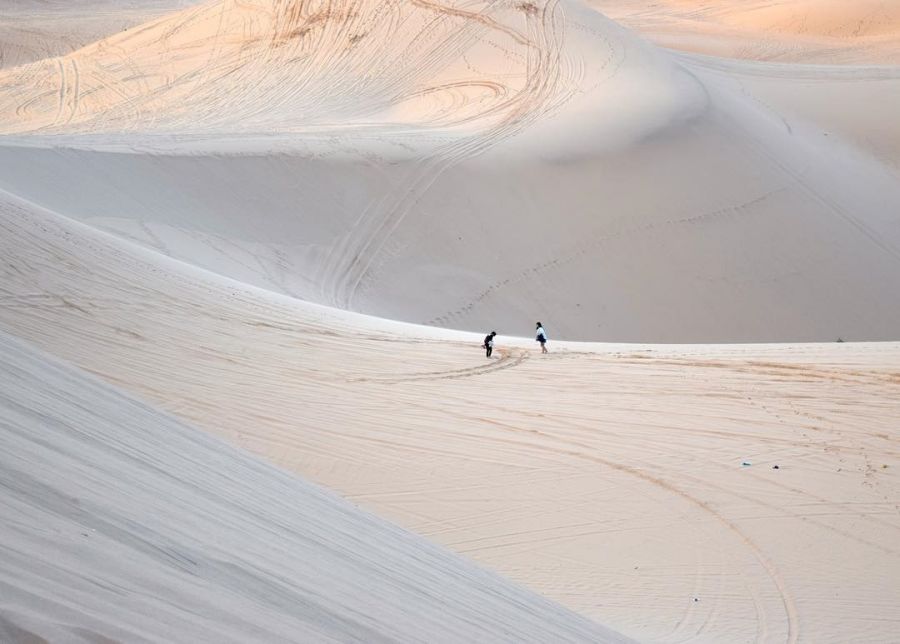
White Sand Dunes

Mui Ne – Phan Thiet has dry weather and many sunny days. This time, let’s explore the symbolic Red and White Sand Dunes, unwind on sandboarding, go to the Fairy Stream, and unveil the nearby fishing village. You can also try exciting kitesurfing or windsurfing, and eat many types of fresh seafood.

Ninh Binh

The weather in July in Ninh Binh is hot and humid, and already the rainy season. There are many activities for you to enjoy, but booking a scenic sampan boat journey to see the unique karsts and green rice paddies at Trang An or Tam Coc is the best. You can climb to the Mua Cave top to have a large view, and visit the Dinh – Le Temples, as well as the Bich Dong Pagoda.

Halong Bay

Sung Sot Cave

Halong Bay, Vietnam in July is hot, humid, and it is part of the rainy season, and sometimes has heavy showers. You should have an overnight cruise to discover many iconic limestone karsts, take part in water activities like going kayaking or swimming in secluded coves, or going to beautiful caves like Sung Sot Cave, and eat fresh seafood on the cruise.

Hanoi

This time, Hanoi, the wonderful capital of Vietnam, is hot, humid, it is the rainy season, and has frequent afternoon downpours. You can navigate the Hanoi Old Quarter, Hoan Kiem Lake, Ngoc Son Temple, the Temple of Literature, and the Hoa Lo Prison Museum, or enjoy traditional water puppet shows.

Ho Chi Minh City

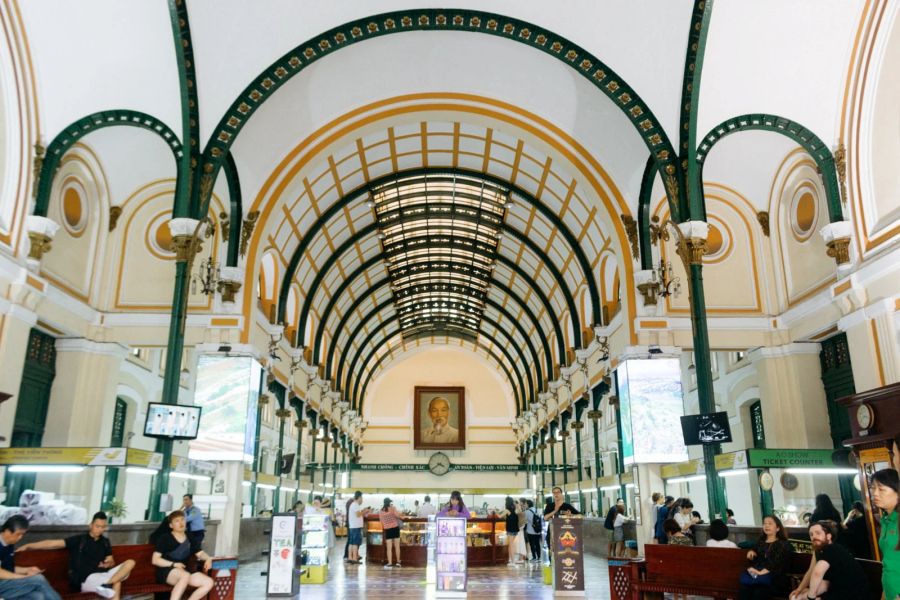
Saigon Central Post Office

Ho Chi Minh City in July is hot and humid during the rainy season with daily afternoon downpours, which are heavy but commonly quick-lived. If you prepare carefully, you can easily explore the Notre Dame Cathedral, the Central Post Office, the Reunification Palace, and the War Remnants Museum. Besides, don’t forget to go to the Ben Thanh Market to eat street food, and revel in nightlife in District 1.

What To Pack For Vietnam In July

Traveling to Vietnam in July, you will be in a mixture of hot, humid weather and the rainy season throughout most regions (although Central Vietnam is generally dry, it is still super hot). Therefore, when searching for the answer to the question of what to pack for Vietnam in July, you will see some hints like lightweight, breathable, and fast-drying material, along with necessities for both sun safety and rain.

  • Clothing: You should choose the t-shirts, tank tops, shorts, skirts, sundresses, light hoodies or sweaters, lightweight long pants, and lightweight long-sleeved shirts,…
  • Footwear: At this time, let’s select shoes or sneakers, which are comfortable for walking, sandals or waterproof sandals, flip-flops,…
  • Health protection: Ring sunscreen, insect repellent with DEET or picaridin, basic first-aid kit, hand sanitizer, personal medications, travel-sized toiletries, small towels,…
  • Electronics: At this time, don’t forget portable power bank, charger, phone, and digital camera, eSIM for both SMS and data features,…
  • Money and documents: There is a passport with a minimum of 6 months from your departure date, a visa or visa approval letter, local currency (VND), and USD, credit or debit cards,…
  • Other important things: They include a small umbrella, a personal water bottle, a small backpack, a dry bag, sunglasses, a raincoat, a hat or cap, a laundry bag, a small lock,…

Travel Tips For Visiting Vietnam In July

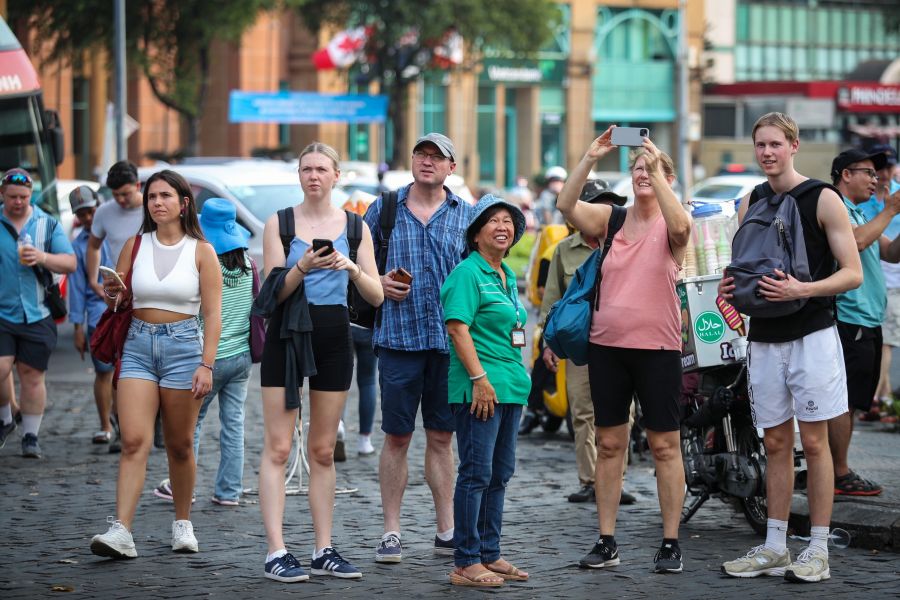
Tourists in Ho Chi Minh City

For a perfect trip to Vietnam in July, not only searching for the best places to visit, things to do, or what to wear in Vietnam in July, you must focus on the important travel tips below:

  • Wear light and breathable clothing crafted from cotton or linen materials to stay comfortable in the hot and humid weather of Vietnam in July.
  • Continually carry a small umbrella or a lightweight rain jacket to avoid brief, afternoon downpours.
  • Stay hydrated by drinking enough water, and replenish electrolyte beverages to say no to fluid loss.
  • Plan indoor activities besides outdoor activities in Northern and Southern Vietnam so as not to waste time when there are the heaviest rains.
  • Use insect repellent, especially in the evenings, in rural areas, and watery regions like the Mekong Delta.
  • Keep your electronics and document files in water-resistant bags or dry sacks, in particular when enjoying boat trips or heavy rain.
  • Be flexible and customize your travel plans, as tropical storms or typhoons, especially early July in Central Vietnam, can cause disruptions. If you don’t know how to customize your journey in Vietnam in July, let’s contact Seni World. We will consult you.

Final Thoughts: Why Is July A Great Month To Explore Vietnam?

Vietnam in July is the perfect choice for you to have a summer journey, from the North to the South, and especially Central Vietnam. If you want to learn more about Vietnam, as well as consult travel tips, and receive support for the visa process, let’s contact Seni World, a reputable tour operator. We are here to help you from A to Z on your Vietnam trip.

Vietnam in November: Where To Go To Enjoy Fall Colors

Vietnam in November is considered a perfect seasonal shift, bringing mild, dry days that are great for travel. The article below provides information about regional climates, must-visit places, and how to make the most of your November getaway.

Is November A Good Time To Visit Vietnam?

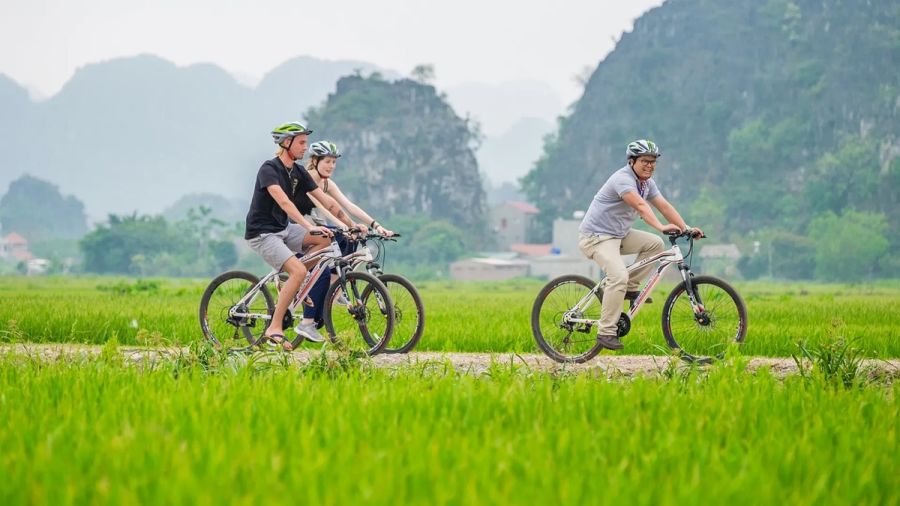
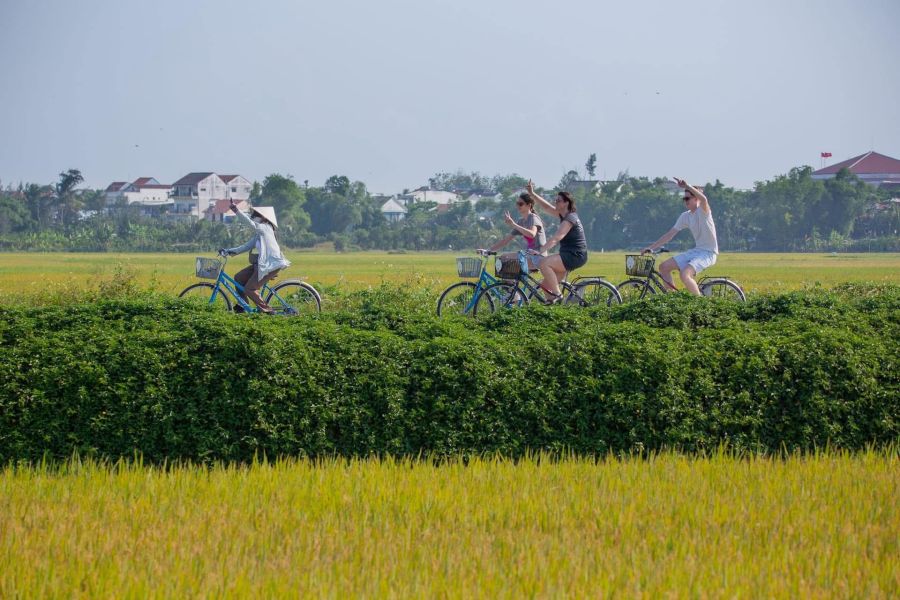
Cycling in Ninh Binh

Yes, November is considered one of the best months. Vietnam climate in November is fairer and better compared to the rainy months of the year. It’s a transitional period that signals the end of the monsoon season in the south and cooler, dry days in the north, making for pleasant travel conditions in the country overall.

The Vietnam weather in November is temperate, one of the greatest benefits. The northern regions, such as Hanoi and Sapa, have refreshing air with lower humidity, and are ideal for outdoor activities and trekking. Up south, both Ho Chi Minh City and Phu Quoc are heading into the start of the dry season with long sunny days perfect for lazing on the beach and exploring.

Yet, regarding disadvantages, Central Vietnam can sometimes be subject to lingering rains, and even get flooded. Some cities, including Hue and Da Nang, will be wet, and tourists going there should keep an eye on the weather and bring along an umbrella.

What’s The Weather Like In Vietnam In November?

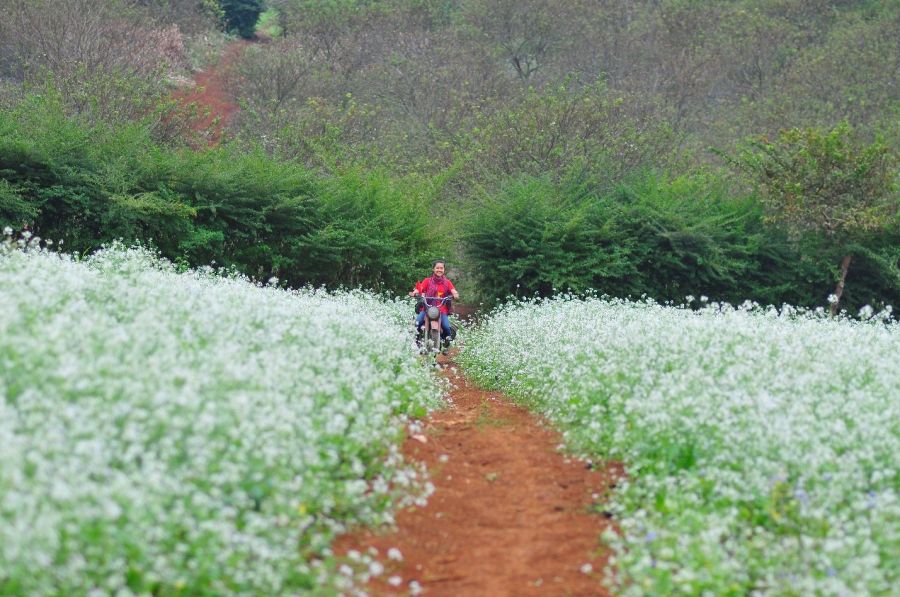
White mustard flowers bloom in Moc Chau

November weather in Vietnam is very different between the north, center, and south of the country, and will have something appealing for every kind of traveler.

North Vietnam In November

The northern areas are cool and dry in November. The average temperature is between 19°C and 26°C (66°F to 78°F). It’s the perfect time for trekking, sightseeing, and hot air ballooning. The refreshing atmosphere and unspoilt sky, together with picturesque mountainous terrains such as those in Sapa and Ha Giang, all make them more stunning.

Central Vietnam In November

November can bring heavy rain and sometimes flooding to the Central regions. Hoi An and Hue can see a fair amount of rain, so it is worth checking the forecasts and being ready for showers as well. But the temperatures are comfortable, between 22°C – 27°C (71°F – 81°F) degrees Fahrenheit, so you can enjoy some exploring between the showers.

South Vietnam In November

The south is sunny and dry by November, bringing the dry season. Average temperatures hover between 24°C and 30°C (75°F and 86°F). It’s time to enjoy the beach or explore the city. Ho Chi Minh City and Phu Quoc are especially appealing now.

10 Best Places To Visit In Vietnam In November

With such a varied climate and geography, Vietnam has something for everyone in November, from temperate mountains in the north to sun-soaked beaches in the south, and from lively urban environments to natural landscapes. Here are the top attractions you should visit in November.

Sapa

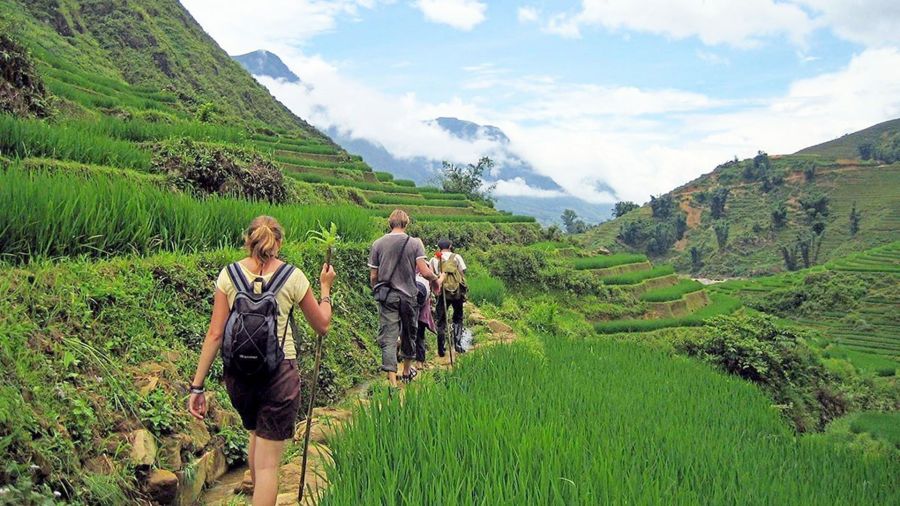
Sapa trekking

While the renowned rice paddies have passed their best, it is still a gorgeous sight, particularly if early winter mist is still hanging on the valley floors. Trekking trails through villages such as Cat Cat, Lao Chai, and Ta Van are less crowded and lead to more personal cultural experiences with H’mong, Dao, and Tay people in the area.

Ha Giang

If you are a true lover of nature and photography, Ha Giang in November should be up your alley. This province, furthest to the north, erupts with color in large fields of blooming buckwheat flowers. The fragile pink and purple blooms that snake up and down the steep limestone mountainsides.
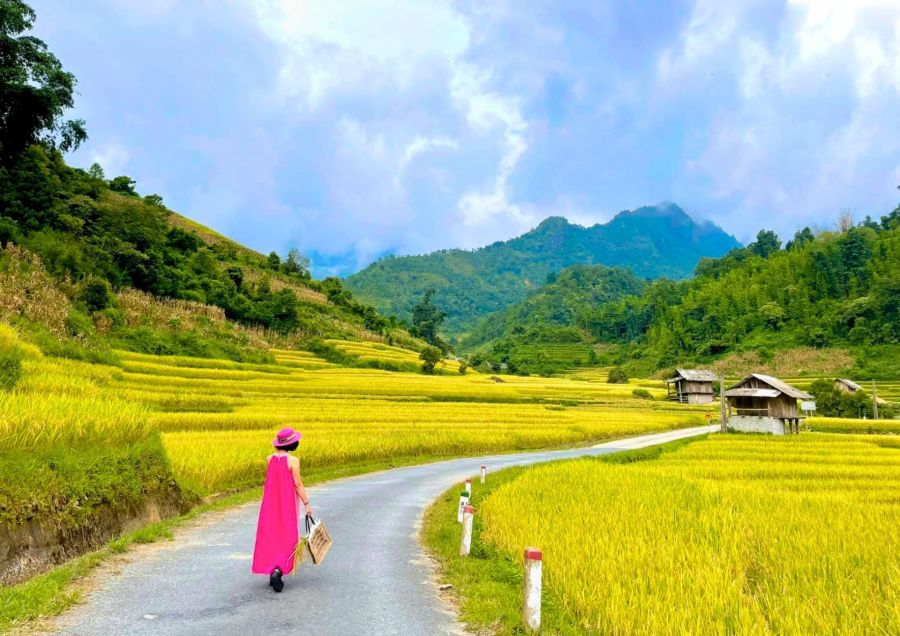
Cool, lovely weather makes it perfect for motorbike rides on the famous Ha Giang Loop, where you can hit Ma Pi Leng Pass, the Đong Van Karst Plateau, and Meo Vac. This area also has ethnic minority markets, where tourists can enjoy the real northern life of Tay, Hmong, and Nung.

Hanoi

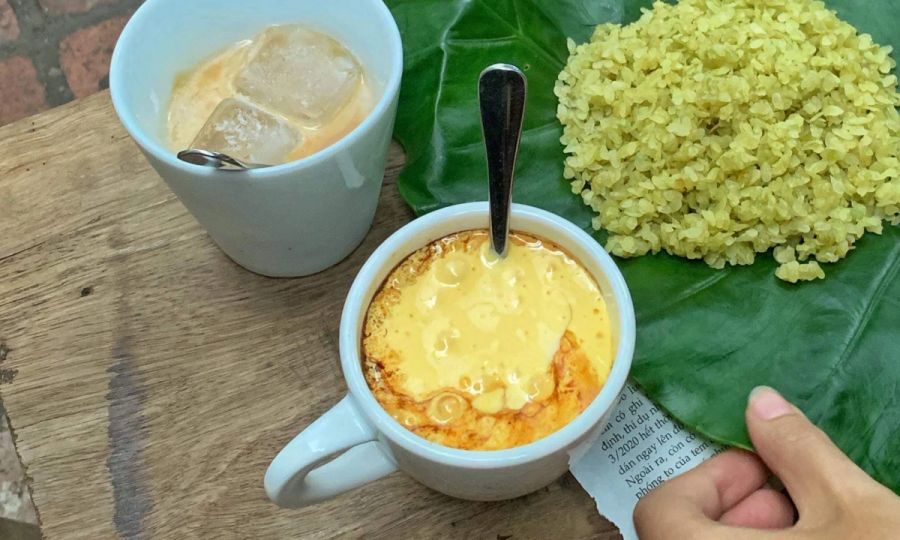
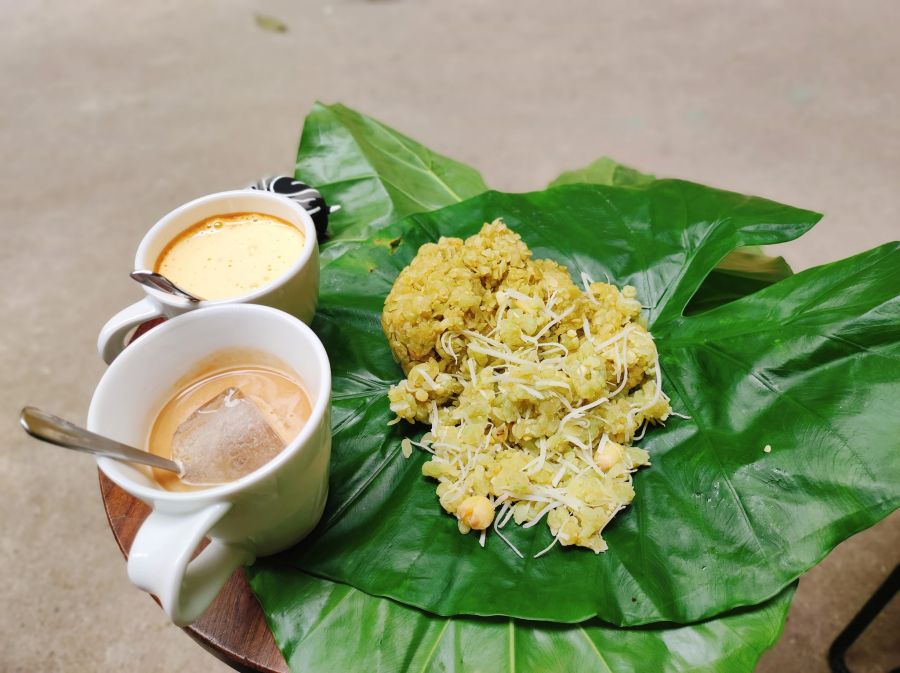
Enjoy egg coffee and green rice in Hanoi Old Quarter

November is said to be the most romantic season in Hanoi. The city is swathed in fall light; gold leaves drift down tree-lined boulevards. The air quality is cool and dry, ideal for strolling outdoors around Hoan Kiem Lake or sipping hot egg coffee in a French colonial coffeehouse in the Old Quarter.

Cultural destinations like the Temple of Literature, One Pillar Pagoda, and Hoa Lo Prison can be more enjoyable to explore without the oppressive summer heat. November also sees local flower vendors beginning to sell seasonal blooms such as daisies and chrysanthemums, further adding to the city’s nostalgic appeal.

Ninh Binh

Ninh Binh features the same dramatic karst landscape that characterizes Halong Bay, but on land. In November, the region is quiet and cool, ideal weather for a boat ride through the Trang An or Tam Coc’s rambling valleys.

The rainy season is over, so you can enjoy the weather riding bicycles near rice paddies and limestone cliffs or climbing to the mountaintop Mua Cave viewpoint. Don’t skip a visit to Bai Dinh Pagoda, Southeast Asia’s biggest complex of Buddhist temples.

Hoi An

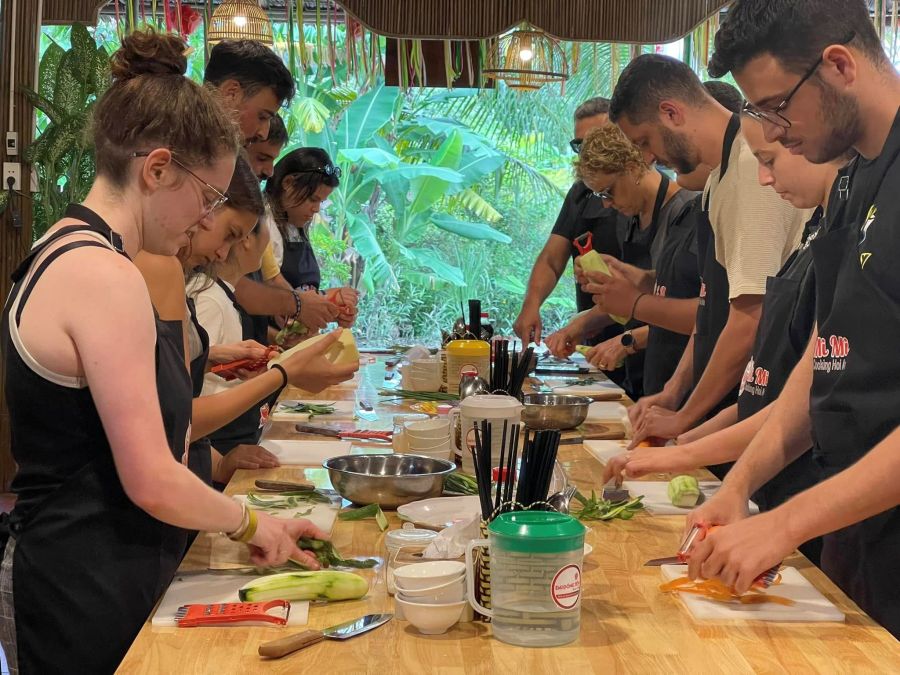
Cooking class in Hoi An

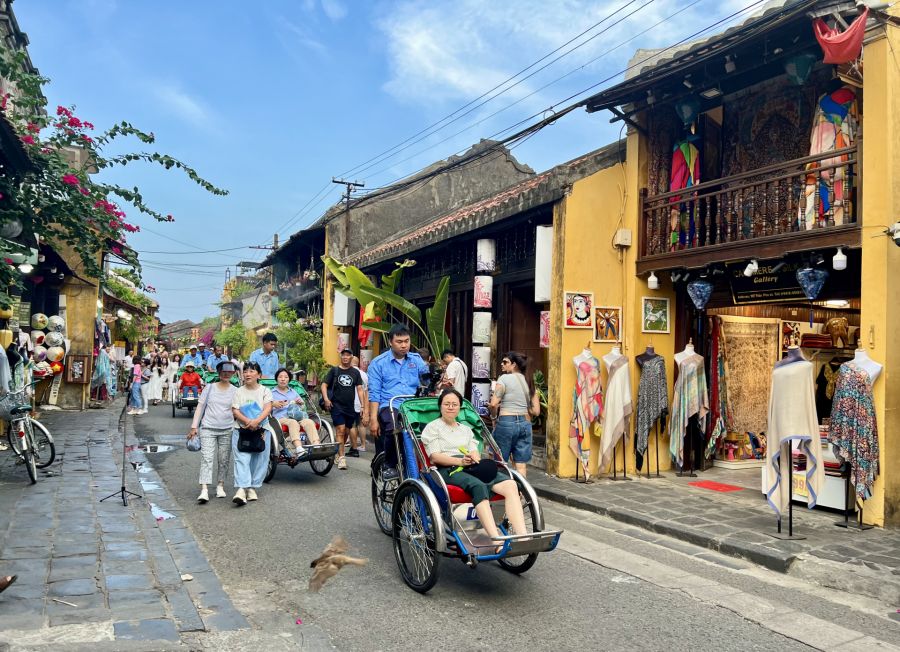
Hoi An shifts into drier season mode in mid- to late November, which enables visitors to explore its World Heritage ancient town in more comfort. You can enjoy its lantern-lit streets, preserved architecture, and join cooking classes. Do plan your visit to coincide with the monthly Lantern Festival, when the streets glow by candlelight and floating lanterns cover the Thu Bon River.

Da Lat

Situated in the Central Highlands, Da Lat enjoys cool, dry weather in November. Its French colonial villas, pine forests, and flower gardens give the city a distinctly European feel, setting it apart from other destinations in Vietnam. The air is fresh, and with temperatures ranging from 15 to 23 degrees, it’s a perfect time to visit Truc Lam Zen Monastery, stroll by Xuan Huong Lake, or check out the nearby strawberry fields, hydrangea farms. November is a great month to try some seasonal produce and new florals.

Ho Chi Minh City

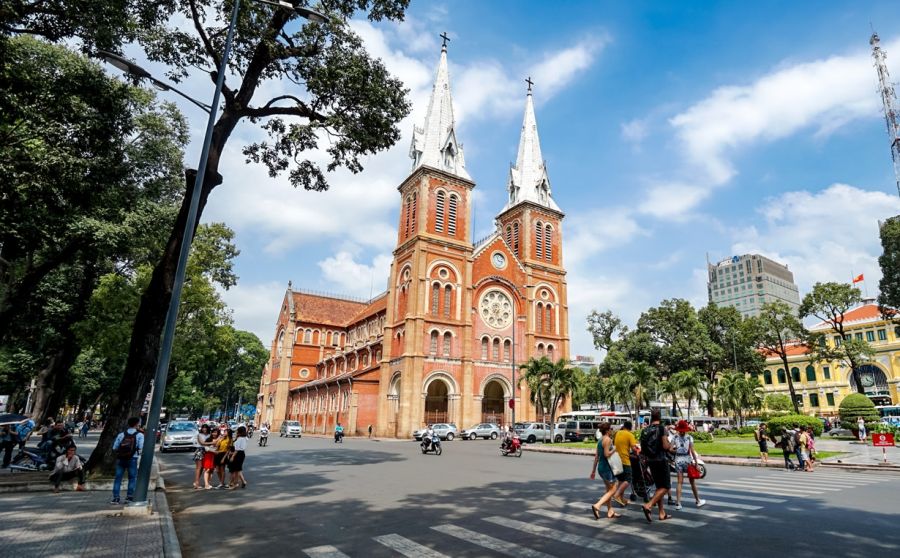
Notre Dame Cathedral of Saigon

November is the start of the dry season in southern Vietnam, which is just perfect for exploring Ho Chi Minh City. It’s not scorchingly hot, it rarely rains, and you can spend long days sightseeing. The activities suggested are to explore French colonial-period buildings such as Saigon Central Post Office and Notre-Dame Cathedral, see history-packed museums, and peruse Ben Thanh Market for souvenirs.
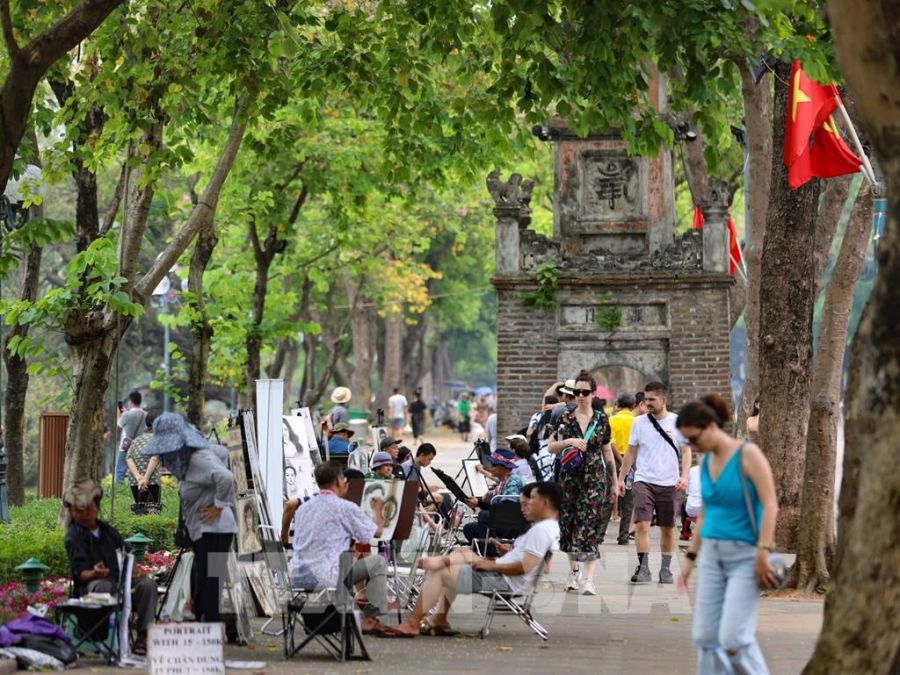
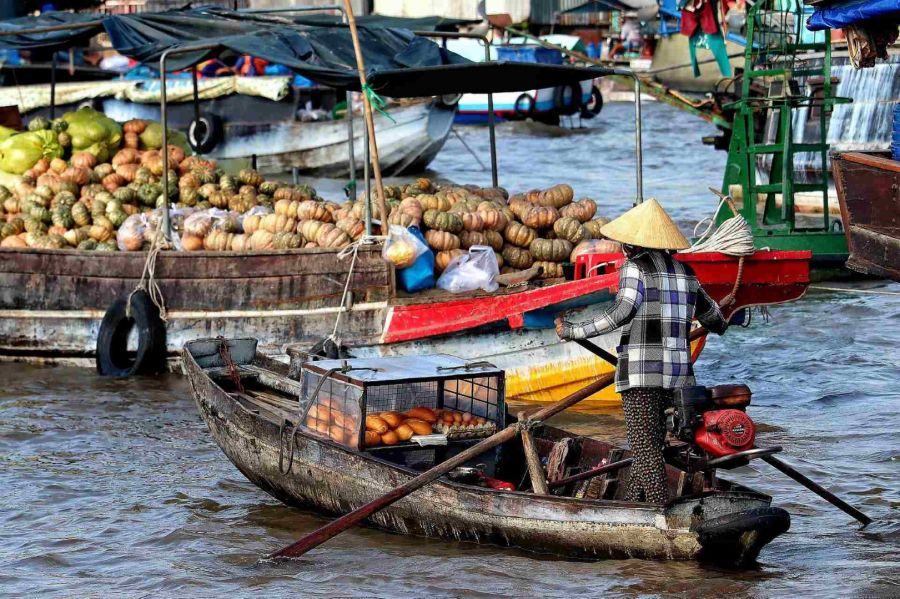
Mekong Delta

November is an excellent month to visit the Mekong Delta. The rivers are full and the weather is dry. It’s fruit harvest time, and the floating markets, like Cai Rang and Phong Dien, teem with life when dawn’s early light fills boats piled high with tropical produce. Cruising the narrow canals, visiting local workshops, and staying in the homes of families along the river will give you a good cultural experience.

Buon Ma Thuot

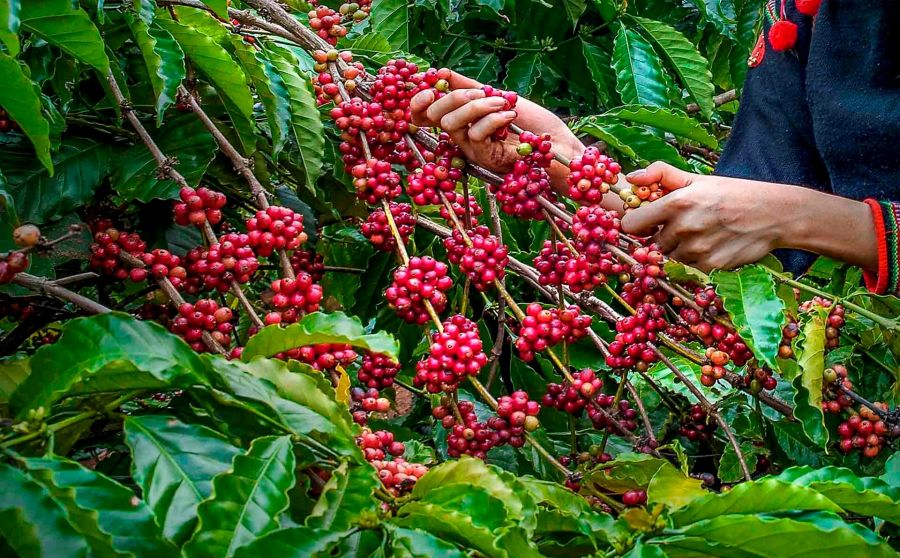
Buon Ma Thuot in coffee harvest season

It would be imperfect without Buon Ma Thuot when mentioning places to visit in Vietnam in November. As the city of coffee in Vietnam, Buon Ma Thuot is an ideal destination for those wanting to discover ethnic culture in the Central Highlands in November. It’s the time for the coffee harvest, so you can take coffee garden tours, try locally roasted coffee, and visit the architecturally eye-catching World Coffee Museum. Besides, the cool, dry weather is perfect for hiking around signature waterfalls such as Dray Nur and Dray Sap, or visiting Ede and M’nong villages, where you learn about indigenous culture and listen to gong music.

Moc Chau

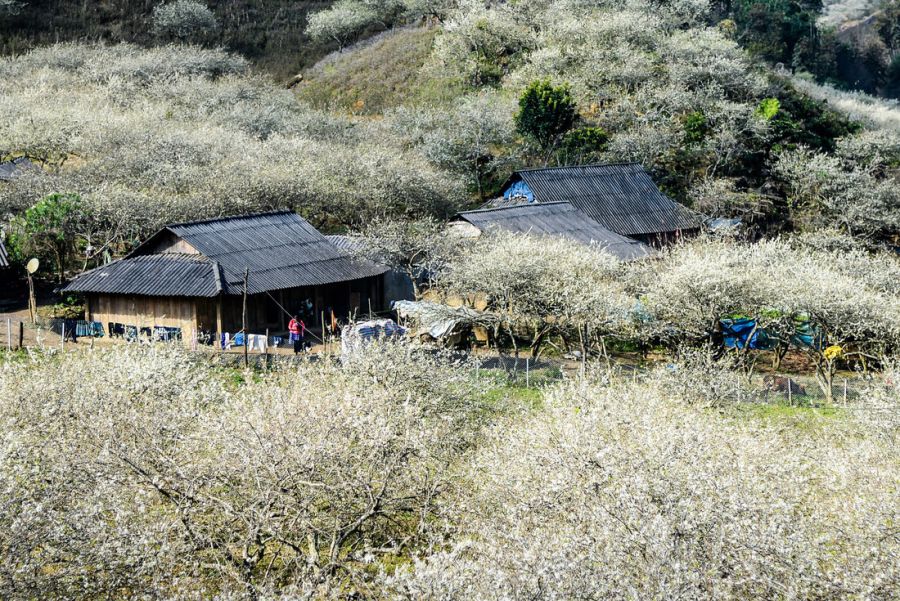
In November, Moc Chau wears a thick white coat of wild mustard flowers spread over both the valleys and hillsides. The cold and refreshing atmosphere of the plateau, coupled with the unsoiled flowers and setting, paints an idyllic vista. Other than that, you can visit ethnic villages, the heart-shaped tea hills, Dai Yem waterfall, or Bat cave in a quiet atmosphere with fewer travelers compared to the high season.

What To Pack For Vietnam In November

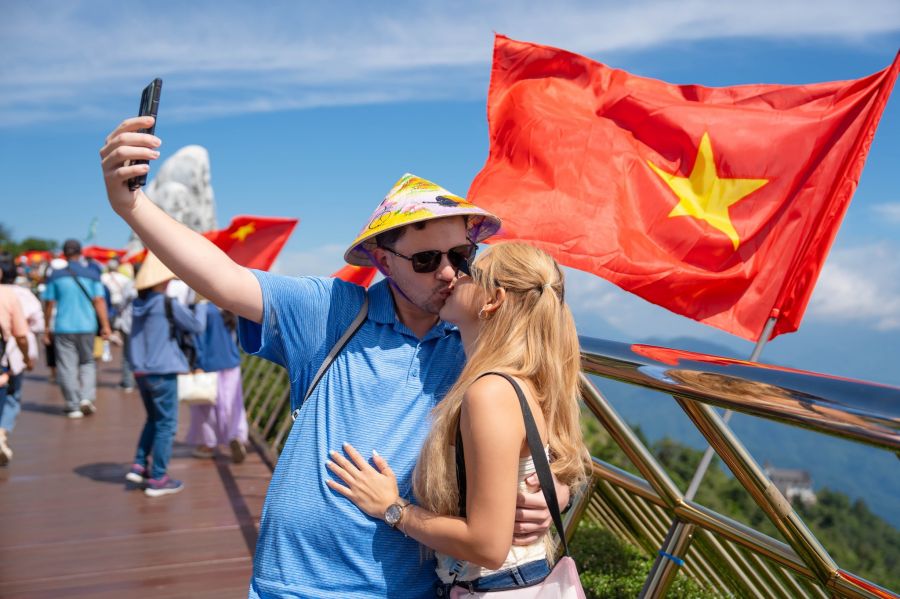
Tourist couple check-in at Golden Bridge

Packing for travel to Vietnam in November involves striking a balance among regional climates and diverse activities. As covering 1,600 kilometers from north to south, Vietnam temperature in November varies drastically by region. Therefore, what to wear in Vietnam in November depends on where you are going.

In North Vietnam (Hanoi, Sapa, Ha Giang), it can get as low as 15°C (59°F), especially in the mountains. Be sure to pack a warm jacket, long-sleeve shirts, thermal layers, and comfortable walking shoes for cooler nights and any hikes you may take. In addition, a light scarf and hat will be useful should there be wind or mist.

In Central and Southern Vietnam, it’s still warm and tropical, with November being one of the wettest months for the region. For these areas, light clothing, T-shirts, shorts, dresses, as well as comfortable sandals or sneakers, will be your staples. A small rain jacket or umbrella is helpful, as if you are visiting central destinations such as Hue or Hoi An, there can still be showers.

Don’t leave home without sunscreen, bug spray (especially if you’re visiting the Mekong), a hat, and reusable water bottles for side trips. If you visit religious or cultural sites, you may want to bring at least one modest outfit (shoulders and knees covered) to abide by local customs.

Travel Tips For Visiting Vietnam In November

Before heading to Vietnam to enjoy cooler weather in the north, drier weather in the south, and brimming with vitality and culture, here are some important travel tips to make your trip smooth, safe, and unforgettable.

  • Plan according to the region: With the change from north to south in climate, it is good to avoid taking in too much at once. If you want cool, misty weather and fall foliage, head to the northern highlands in early November. For those on the trail of warmth and sunshine, southern destinations like Phu Quoc or the Mekong Delta bring drier weather and colorful cultural experiences.
  • Book the popular spots in advance: Despite not being as busy as in December or January, November is the start of the high season, with especially popular destinations like Sapa, Hoi An, or Phu Quoc starting to fill up. Renting a car, booking hotels, and purchasing domestic flights well in advance is recommended.
  • Embrace cultural events: It is also a culturally packed season to go in November. You may run into traditional festivals in the northern villages, flower seasons like buckwheat in Ha Giang, or the Da Quy (wild sunflower) season in Da Lat. Consult local listings to make your visit coincide with these special local traditions.
  • Prepare for local transport and road trips: The sky is clear in November, making it a lovely time to go on scenic motorbike rides, such as in Ha Giang, Ninh Binh, or Da Lat. Be sure to pack appropriate riding gear, maps or navigation apps, and have a basic knowledge of local traffic laws. If you’re not comfortable on two wheels, you can always hire a driver or join a guided motorbike tour instead.
  • Health and safety: Protect yourself with repellents, wear thin long sleeves in the evening, and sleep under mosquito nets where necessary. Also, bring basic medicines and make sure your travel insurance covers motorcycle-related accidents, which are not uncommon.

Final Thoughts: Why November Is A Great Month To Explore Vietnam

Vietnam in November is impressive with lovely weather and varied scenery. Hiking in the north, visiting ancient temples in the center, or visiting the southern beaches, November offers the perfect setting for a memorable adventure. Ready to begin your trip to Vietnam? Let SeniWorld support you, create the ideal itinerary, and help you feel the beauty of Vietnam.

Vietnam in October and the Best Places to Visit

Vietnam in October welcomes travelers with a calmer rhythm and a refreshing change in the air. This guide will walk you through where the weather shines and how to enjoy Vietnam at its best.

Is October A Good Time To Visit Vietnam?

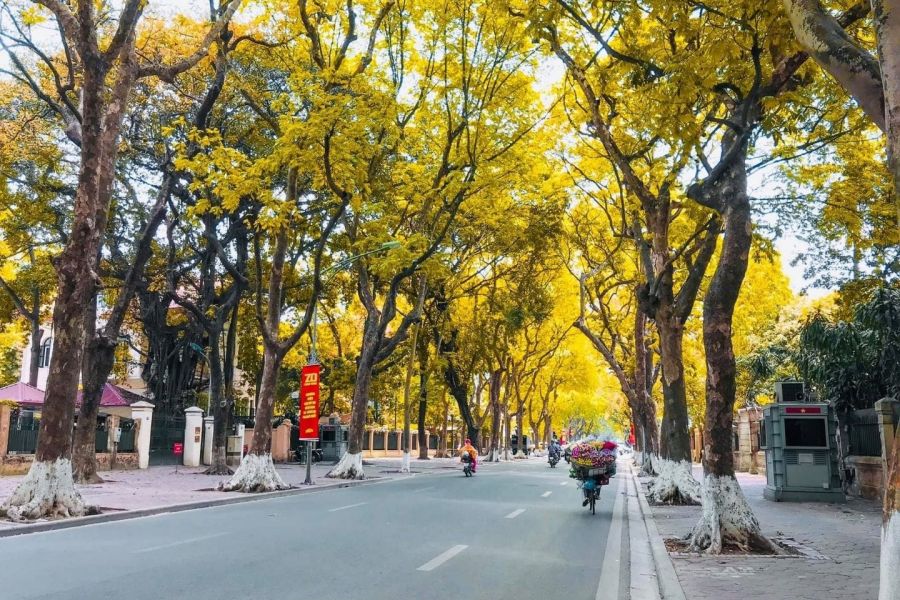
Phan Dinh Phung Street in Autumn

People who love cool weather and peaceful settings should consider visiting Vietnam in October. In the north, it gets less humid and nicer, with temperatures averaging between 22°C and 26°C during the daytime. It’s a good time for trekking or slow scenic drives.

Hanoi, in the autumn, offers its people calm days and pleasant mornings. Ho Chi Minh City and the Mekong Delta benefit from lots of dry weather, warm climates, and comfortable humidity. Hue and Hoi An, cities by the ocean in Central Vietnam, usually experience storms or heavy rain in October’s early days. By late October, the weather sometimes improves, but conditions still vary, so it’s wise to check local forecasts and stay flexible.

October is a good match for travelers who enjoy nature, culture, and quieter roads. It’s not ideal for those chasing constant sunshine or beach time. But if you prefer cool mornings, scenic routes, and fewer crowds, this is a rewarding time to explore.

What’s The Weather Like In Vietnam In October?

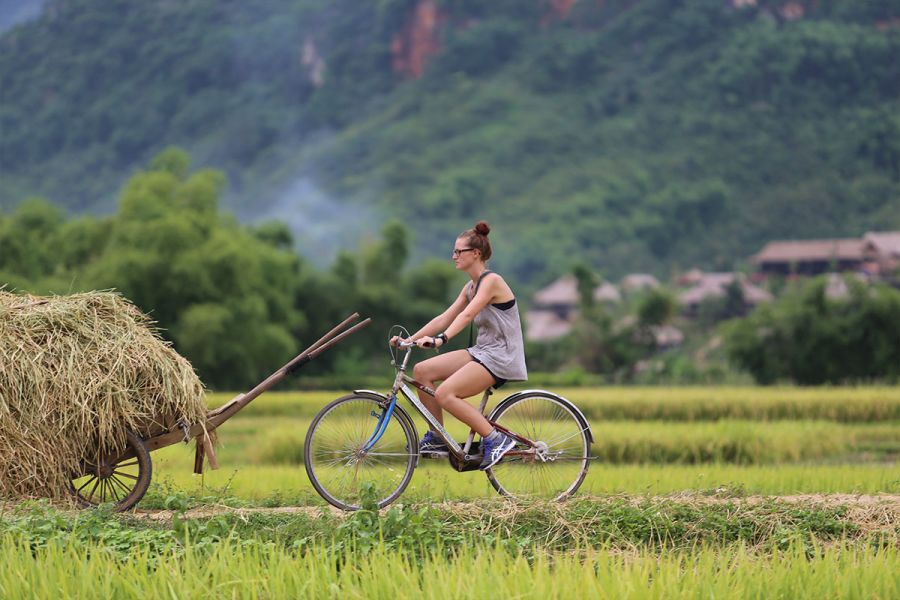
Cycling in Mau Chau

The Vietnam weather in October begins to shift, creating a mix of climates across the country. Temperatures typically range from 22°C in the highlands to around 31°C in the southern plains. Overall, the Vietnam climate in October is cooler, drier, and more breathable compared to the sticky summer months.

Northern Vietnam in October

October is one of the most comfortable months to explore the north. Cities like Hanoi enjoy a light breeze and lower humidity, with daytime temperatures between 22°C and 26°C. Rainfall is minimal, and skies are often clear. In the mountains, places like Sapa and Ha Giang turn golden as the rice terraces ripen for harvest. The cool air makes trekking and outdoor activities far more pleasant than in the hot summer or chilly winter months. Early mornings can feel brisk, so a light jacket is useful.

Central Vietnam in October

It is the central area that is hit with the greatest climate instability this season. The first half of October often brings lots of rain, powerful winds, and occasional storms to Hue, Da Nang, and Hoi An. In low areas, flooding often occurs. Even on dry days, sudden downpours can still sweep in without warning. Later in the month, weather conditions may start to improve, but it’s still important to monitor forecasts. If you’re visiting the central coast, flexible travel plans are key.

Southern Vietnam in October

The southern regions experience the drier months. In Ho Chi Minh City, the Mekong Delta, and Phu Quoc, sunlight is more common, and rains do not last as long. The temperature usually ranges between 26°C and 31°C, making the weather feel less steamy. The feeling of warmth in the air is pleasant and no longer overpowering. As the weather gets more comfortable, you can enjoy boat rides, cycling, or visiting floating markets, perfect activities for Vietnam in October.

Best 7 Places To Visit In Vietnam In October

Northern Vietnam shines in October. The air is dry, the skies are clear, and harvest season brings golden rice fields and quiet beauty to the hills. If you’re planning a trip this month, Vietnam in October offers some of the most rewarding landscapes and cultural experiences in the north.

Ha Giang

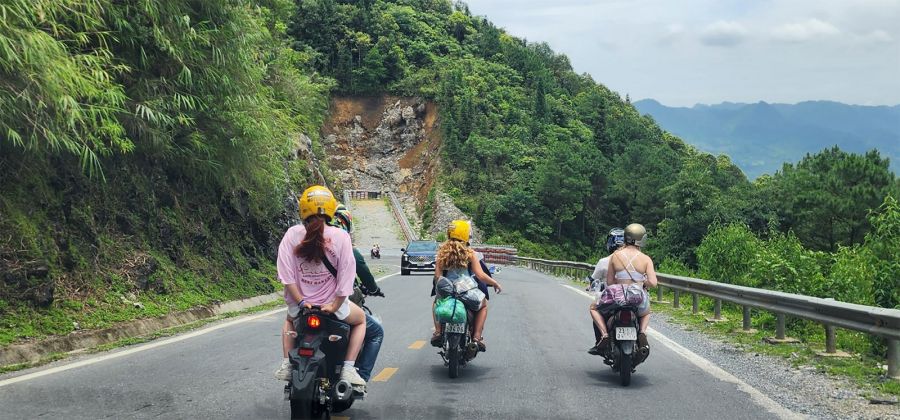
Experience Ha Giang motorbike tour

October is one of the best months to visit Ha Giang. The roads are dry, the views are sharp, and the temperature is just right for long motorbike rides. This is also the beginning of the buckwheat flower season, when soft pink fields stretch along the mountain slopes. Villages like Dong Van and Meo Vac feel peaceful after the summer rain, and the scenery around Ma Pi Leng Pass looks even more dramatic under clear skies. It’s a good time to travel slowly, meet locals, and take in the vastness of Vietnam’s far north.

Mu Cang Chai

Further south, Mu Cang Chai reaches the end of its rice season. The terraces glow gold across the hills of La Pan Tan and Che Cu Nha, attracting photographers and hikers alike. The weather is dry and cool enough for trekking, and mornings are often misty in the best way. Unlike more popular destinations, Mu Cang Chai remains quiet in October, offering a more personal view into rural life.

Sapa

Visit villages in Sapa in harvest season

Sapa in October still feels alive with the colors of harvest, even as the last rice is being cut. The trails to villages like Ta Van and Lao Chai stay dry and easy to walk, and the mountain air is crisp without being cold. Views stretch far across the valley, with layers of mist and sunlight shifting throughout the day. This is also a good time for cultural visits, as the pace of life in ethnic minority villages settles into its post-harvest rhythm.

Mai Chau And Pu Luong

Mai Chau and Pu Luong offer peaceful alternatives to the rugged northern highlands. Within only a few hours of Hanoi, you can see stilt houses, acres of rice fields, and peaceful walking routes. In October, the weather stays mild and breezy. So it’s perfect for cycling through Thai villages, joining a family cooking class, or walking forest paths lined with bamboo.

Hanoi

Walk around Hoan Kiem Street

Hanoi is at its best in October. The summer humidity fades, and a light autumn breeze returns. Trees start to turn yellow around the lakes, and the mornings feel crisp without being chilly. It’s the perfect time to walk the streets, try local coffee, or sit by West Lake as the city slows down just a little. Hanoi in October invites you to enjoy the small things, whether that’s a stroll through the Old Quarter or a quiet morning in a garden café.

Da Lat

Da Lat avoids much of the central coast’s heavy rain, making it a pleasant inland retreat. The weather is cool and dry, with daytime temperatures sitting comfortably around 18°C to 24°C. Morning fog rolls over the pine hills, and wildflowers begin to bloom again. Whether you’re café-hopping, visiting waterfalls, or just walking along the lake, Da Lat offers a clean, romantic feel in October.

Ho Chi Minh City And The Mekong Delta

Cai Rang floating market

By October, the south starts to feel more settled as rain becomes occasional rather than daily. Streets in Ho Chi Minh City begin to dry out, and daily life picks up a lighter rhythm. This is a good time to explore the city’s heritage sites, enjoy rooftop views, or take a short trip to the Mekong Delta. In the delta, water levels are still high, making it ideal for boat trips through canals and floating markets, while the weather stays manageable for outdoor visits. All these are part of the charm of traveling to Vietnam in October.

What To Pack For Vietnam In October?

You won’t need bulky gear, but smart packing makes a real difference, especially if you’re visiting more than one region of Vietnam.

Northern Vietnam

In October, the north starts getting cooler, and it is particularly noticeable in areas such as Sapa or Ha Giang. Pack long pants, light sweaters, and a jacket with you. You may want to put on a light scarf during the early morning or in the evening. If you’re trekking, comfortable shoes with good grip are essential, and so are quick-dry clothes in case of unexpected rain. The air is fresh but dry, so some basic moisturizer or lip balm can come in handy too.

Central Vietnam

Rain is still common on the central coast. In places like Hue or Hoi An, you’ll want a light rain jacket or a foldable umbrella with you most days. Opt for practical clothes that dry quickly, instead of cotton, and have a small daypack lined with plastic to protect your belongings. Even during wet weather, it’s still warm, so no need for heavy layers.

Southern Vietnam

The weather in the south is becoming drier, yet short showers still happen. You’ll be comfortable with breathable shirts, light trousers or shorts, and a wide-brim hat. It doesn’t take up much space, but a small poncho can be surprisingly handy on a hike. Since insects might be active in the region, remember to bring repellent if you go to the Mekong Delta or stay outside.

Note: A few things that work everywhere

A reusable water bottle and sunscreen are both helpful, especially if you’re outdoors often. Having a few things like a simple first-aid kit, a mobile charger, and a dry bag can truly help in an emergency.

Travel Tips For Visiting Vietnam In October

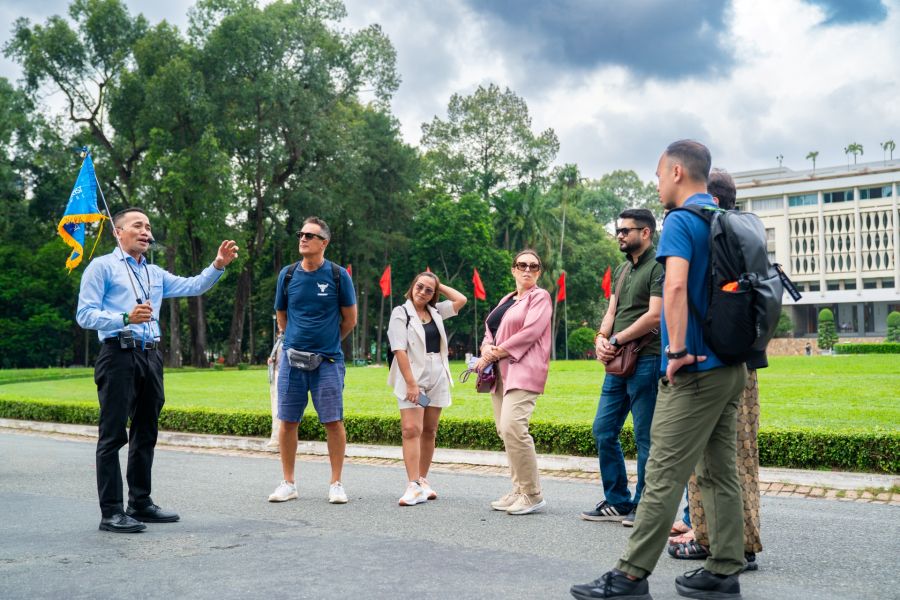
Tourists visit Independence Palace

You can enjoy tour to Vietnam, but being ready ahead helps a lot. Since each region has different travel conditions, some simple tips can help your trip go more easily.

  • The weather in central Vietnam can be unpredictable, so it’s best to check forecasts before moving between cities.
  • Rain and flooding are common in Hue and Hoi An through the first half of October.
  • October is a popular time for local travelers in the northern highlands, so early booking is always a good idea.
  • Most of the time, light clothing is best, but you should also have a waterproof jacket or poncho for sudden showers.
  • Some homestays in rural areas don’t accept card payments, so carrying cash is often necessary.
  • Mosquitoes remain active in southern and forested regions, so insect repellent is worth packing.
  • Rice harvest festivals are common in remote northern villages, and locals can help you find them.
  • Fog often rolls in after sunset in the mountains, which makes evening travel more difficult.
  • Sunsets come earlier in October, so it’s better to plan hikes or outdoor trips to finish before dark.

Final Thoughts: Why October Is A Great Month To Explore Vietnam

Vietnam in October feels different in a good way; it’s not festival season or peak travel time, which may explain why the country feels closer. The weather makes travel easier in many parts of the country, especially in the north. If you’re thinking of coming, this might be a good time. Seni World offers local insight and steady support along the way.

Top Places & Local Travel Tips for Vietnam in September

Vietnam in September brings a quiet charm to Vietnam as summer fades and autumn begins. It’s a good time to travel, as the heat eases, Independence Day spirit fills the air, and landscapes nationwide are at their most picturesque.

Is September A Good Time To Visit Vietnam?

Vietnam in Independence Day

Yes, and for many travelers, Vietnam in September is one of the best times of the year. The Vietnam climate in September becomes more pleasant, with cooler air in the north and more sunshine in the south. Travel costs also drop after the summer rush, making flights and hotels easier on the budget.

Meanwhile, the Mekong Delta begins its flood season, a unique time when rivers rise and everyday activities take place on boats. It’s the best moment to experience floating markets and seasonal specialties you won’t find any other time of year. And early in the month, the spirit of Independence Day fills the streets with color, pride, and celebration.

That said, rain may still appear in central Vietnam, and humidity lingers in the south. But in most cases, these conditions won’t affect your travel plans significantly. Vietnam in September is a great fit for travelers who want to avoid crowds, enjoy dramatic scenery, and connect more deeply with local life. It’s ideal for photographers, couples, and anyone seeking a slower, more meaningful way to experience Vietnam.

What’s The Weather Like In Vietnam In September?

Life of locals in Mekong Delta

Vietnam weather in September is in transition. While it’s not fully dry in all regions, temperatures start to ease, and travel conditions improve overall. Here’s what to expect in each part of the country:

Northern Vietnam in September

The north starts to cool down after the peak of summer, though daytime temperatures in cities like Hanoi can still feel hot and humid. Rain remains common, mostly in short afternoon bursts. If you’re heading into the highlands like Sapa, Ha Giang, or Mu Cang Chai, you can expect fresher air and breathtaking scenery. This is when the rice terraces turn gold and the hills light up with harvest activity. It’s a great time for trekking, motorbike routes like the Ha Giang Loop, or photography trips into remote villages.

Central Vietnam in September

The rainy season continues along the central coast. In Hue, Da Nang, and Hoi An, sudden showers and overcast skies are part of the typical September weather. But in return, mornings are often dry. It’s the best time to enjoy a walk through the old town, relax on the beach, or have a quiet coffee by the river. Vietnam in September is no longer too crowded with tourists, so you can have space to explore the old town of Hoi An more slowly. This time is also very suitable for taking short trips to My Son Sanctuary or the Marble Mountains.

Southern Vietnam in September

September in the south remains firmly in the wet season. Ho Chi Minh City, Phu Quoc, and the Mekong Delta experience frequent afternoon showers, often intense but usually short-lived. This period marks the beginning of the flood season in the Mekong Delta, when boats replace roads and floating markets buzz with activity. It’s a special time to see how people live and work on the water.

Best 7 Places To Visit In Vietnam In September

Vietnam in September is a wonderful time to explore. With fewer crowds, milder weather, and landscapes coming into their own, it’s the perfect month to enjoy the top places to visit in Vietnam in September at a more relaxed and beautiful pace.

Mu Cang Chai

Terraced fields in harvest season in Mu Cang Chai

In Vietnam in September, Mu Cang Chai is nothing short of breathtaking. The rice terraces are at peak ripeness, blanketing the hills in golden layers. It’s harvest season, and local ethnic communities are busy in the fields, giving you a glimpse of real rural life. Most travelers either ride motorbikes from Hanoi or take a bus to Yen Bai before continuing up. If you’re into photography, this is easily one of the best places to be in Vietnam right now.

Sapa

Just a few hours from Mu Cang Chai, Sa Pa also enjoys its rice season in September. The terraced valleys of Lao Chai, Ta Van, and Cat Cat glow with warm colors, especially during sunrise and sunset. The weather is cooler, making it ideal for trekking or simply wandering through misty villages. It’s less crowded than the peak summer months, but still full of life. Bonus: waterfalls are still flowing, and the views from Fansipan are often clearer than usual.

Hanoi

Hanoi coffee and green rice

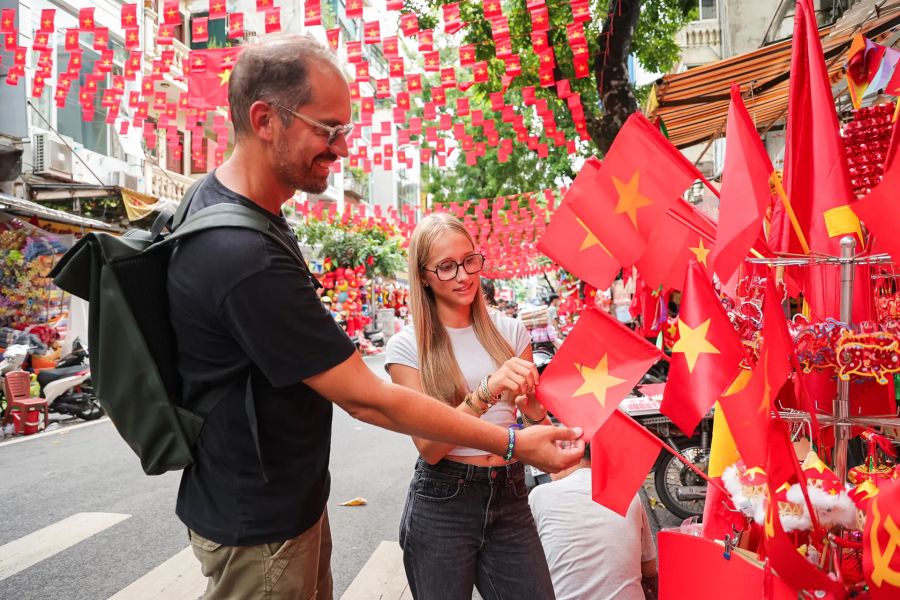
By September, Hanoi starts to soften. The intense summer heat gives way to cooler, more pleasant weather. Locals slow down this time of year, sipping iced tea with Com (Green Rice) on sidewalks or riding motorbikes under milk flower-lined streets. Early September also marks Vietnam’s National Day on September 2nd. The city gets dressed up with red flags and yellow stars. Ba Dinh Square becomes the heart of it all, with parades, music, and people coming to pay tribute to the Ho Chi Minh Mausoleum. September is a special time to feel Hanoi less rushed, more reflective.

Hue

Hue enters a calmer season in Vietnam in September. The weather is more forgiving, and the city feels peaceful. You can walk around the Imperial City without the scorching heat, or take a boat ride on the Perfume River under soft afternoon rain. The royal tombs and pagodas are surrounded by green hills and lotus ponds. Hue in this month isn’t dramatic – it’s quiet, thoughtful, and deeply poetic.

Hoi An

Cycle in Hoi An

Early September still offers good weather in Hoi An, especially before the rainy season sets in. The ancient town glows in the evening, with lanterns lit along the river. Streets are less crowded, and the pace is slower. You can cycle to nearby rice fields, relax at An Bang Beach, or take a cooking class without rushing. If you time your visit with the full moon, the lantern festival is a peaceful highlight, not too touristy, just enough charm.

Quy Nhon

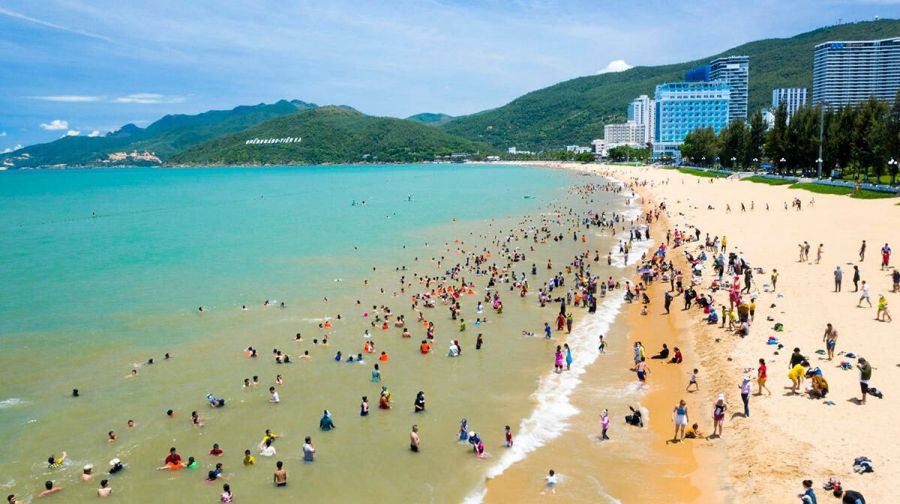
Quy Nhon has an atmosphere that’s calm yet bustling at the same time. The beaches are very broad and always well taken care of, plus the water is clear with gentle, easy waves. People in the area often go to Bai Xep due to its clean sand and simple seafood restaurants on the seafront. Ky Co Beach is found further south and has shockingly turquoise water, together with high rocky cliffs. Morning is an ideal time to swim or snorkel since the sun is not too bright yet. Evenings get much cooler in September, inspiring you to stroll by Quy Hoa beach or enjoy a seat at Surf Bar.

Mui Ne

White Sand Dunes

September in Mui Ne has both sunshine and rain, with more dry days expected toward the end. Red Sand Dunes shine at sunrise, and reaching the top allows you to observe the returning fishing boats. Close by, the White Sand Dunes are larger and seem even more open, and they feel especially peaceful on weekdays when there aren’t many people around. Suoi Tien (Fairy Stream) is an eye-catching place in the area. Mui Ne is vibrant, yet it never gets too busy. You can still visit the attractions and restaurants in September without having to deal with crowds.

What To Pack For Vietnam In September

September in Vietnam brings a mix of cool breezes up north, humid warmth in the center, and tropical rain in the south. What you pack will depend a lot on where you’re headed and how you plan to spend your time in Vietnam in September.

Clothing

You’ll need lightweight, breathable clothes for most of the day, especially if you’re visiting cities like Hue, Hoi An, or Ho Chi Minh City. Cotton shirts and loose-fitting trousers will help you stay cool and dry in the humid weather. If you’re heading to the north, it’s worth packing a light sweater or jacket. The mornings in Hanoi can feel crisp by late September, and places like Sa Pa can get chilly at night. Long sleeves and full-length pants also come in handy when visiting temples or traveling through areas with mosquitoes.

Footwear

Comfortable walking shoes are a must, whether you’re exploring Hanoi’s Old Quarter or strolling along the lantern-lit streets of Hoi An. If Sa Pa or Mu Cang Chai is your hiking spot, make sure to pack shoes that won’t slip on muddy and bumpy tracks. If you are going to the beach in Quy Nhon or Mui Ne, sandals or flip-flops are your best choice for walking by the seaside and taking them off when you get on a boat.

Rain Protection

Although September isn’t peak rainy season everywhere, short showers are still common, especially in central and southern regions. A compact, lightweight rain jacket or poncho will make a big difference. You might also want to carry a small umbrella, especially if you’ll be out exploring during the day.

Other Essentials

You should always bring bug spray when you plan to go outside in the evening or rural areas. Cloudy days don’t mean you can skip the sunscreen in Vietnam, because the UV levels are always high. A water bottle will help you drink enough, and a daypack is great for hikes or any outing. If you’re heading into the mountains, consider packing some basic medication for motion sickness or altitude sensitivity.

Travel Tips For Visiting Vietnam In September

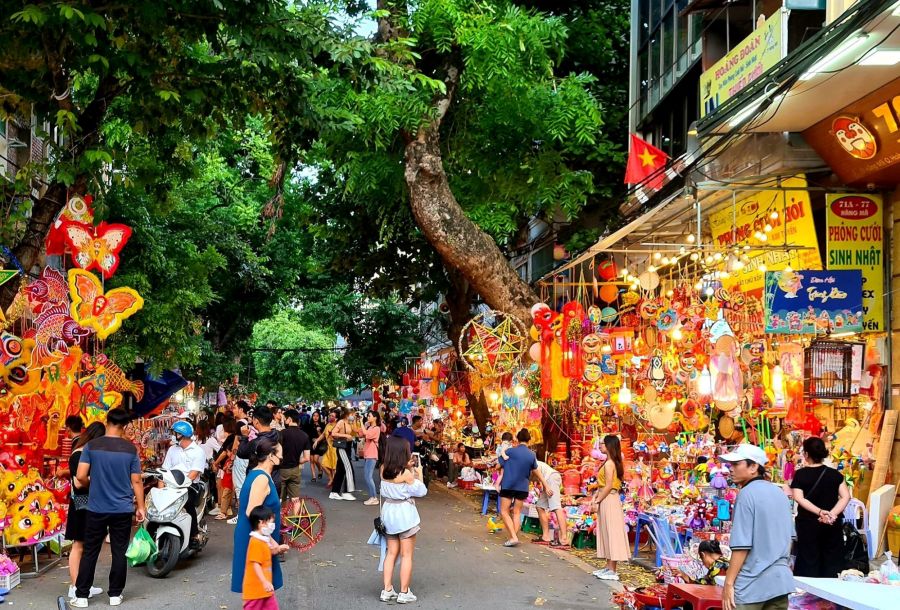
Mid Autum Festival in Vietnam

Traveling in Vietnam in September can be incredibly rewarding, but a little preparation goes a long way. Here are some practical tips to help you make the most of your trip:

  • The weather in the north can be cool in the mornings and evenings, so it’s worth bringing a light jacket if you’re heading to places like Sa Pa or Mu Cang Chai.
  • In central and southern regions, short rain showers are still common, especially in the afternoons. Having a compact umbrella or a foldable raincoat in your day bag often comes in handy.
  • Festival crowds can sneak up on you. If your visit overlaps with the Mid-Autumn Festival, especially in cities like Hanoi or Hoi An, it’s smart to book trains, buses, or hotels a few days in advance.
  • Roads in the mountains can get muddy after rain, so if you plan to trek or ride a motorbike, make sure your footwear can handle rough paths.
  • Mosquitoes are more active in humid and rural areas, especially after a rain. A good insect repellent will save you a lot of itching.
  • ATMs aren’t always easy to find in remote towns, and not every restaurant or homestay takes cards. It’s better to carry some cash, just in case.
  • The air quality and light in the early morning are especially nice in September, making it a perfect time for walks, hikes, or even a bowl of hot noodles by the street.
  • Storms in central Vietnam can delay a few things, but they usually pass quickly. Locals are used to it, and most travelers just wait it out with a coffee or a book.

Final Thoughts: Why September Is A Great Month To Explore Vietnam

Vietnam in September brings out a quieter, more authentic side of the country. The landscapes are at their best, the weather feels fresh, and the pace of travel slows just enough to let you enjoy it all. It’s a great time to discover the country on your own terms. If you want a trip thoughtfully planned with real local knowledge, SeniWorld is here to guide you every step of the way.

Traveling Vietnam In June With Weather Tips And Hotspots

Vietnam in June brings hot days, scattered tropical showers, and fewer international tourists—perfect for beach escapes and cultural adventures. If enjoying green scenery and saving on travel sounds good, maybe this month will have something new for you.

Is June A Good Time To Visit Vietnam?

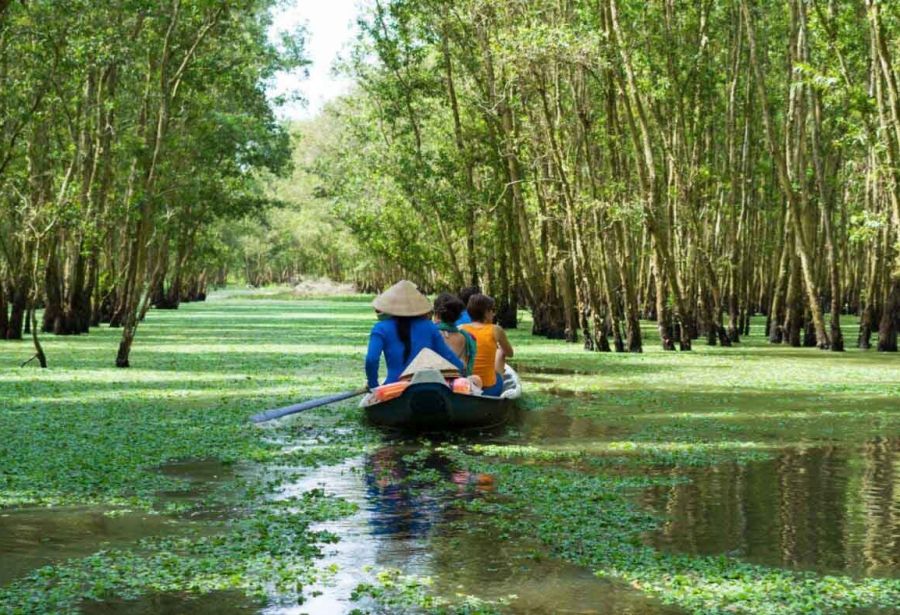
Mekong Delta boat trip

Absolutely—Vietnam in June can be a rewarding time to visit, especially if you enjoy tropical vibes, vibrant greenery, and fewer tourist crowds. The Vietnam weather in June usually features daytime temperatures between 32°C and 34°C (89°F and 93°F). Many Vietnamese travelers make summer trips in June, so coastlines are especially crowded at this time.

One of the pros of traveling to Vietnam in June is the vibrant summer atmosphere, with numerous festivals and bustling cities and beaches full of energy. The early monsoon rains bring lush greenery to the northern and rural areas, making the landscape especially beautiful and perfect for photography. Coastal cities such as Da Nang, Hoi An, and Quy Nhon usually enjoy more hours of sunlight and less rainfall compared to many areas in the north and south. However, Quy Nhon can still experience some afternoon showers in June, even though it is generally drier than those regions.

Note: While central Vietnam tends to be drier, afternoon showers are still frequent in the north and south, and early-season tropical storms may affect coastal areas. Tourist demand also increases during this time, especially on weekends, which can drive up prices for flights and accommodations.

Vietnam in June is best for travelers who don’t mind the heat and humidity and want to explore the country’s vibrant nature during its greenest time. Vietnam in June is ideal for travelers who enjoy sunbathing and beach time, along with vibrant local festivals. Yet, those who dislike heat or want little humidity may be more comfortable traveling during the fall or spring.

What’s The Weather Like In Vietnam In June?

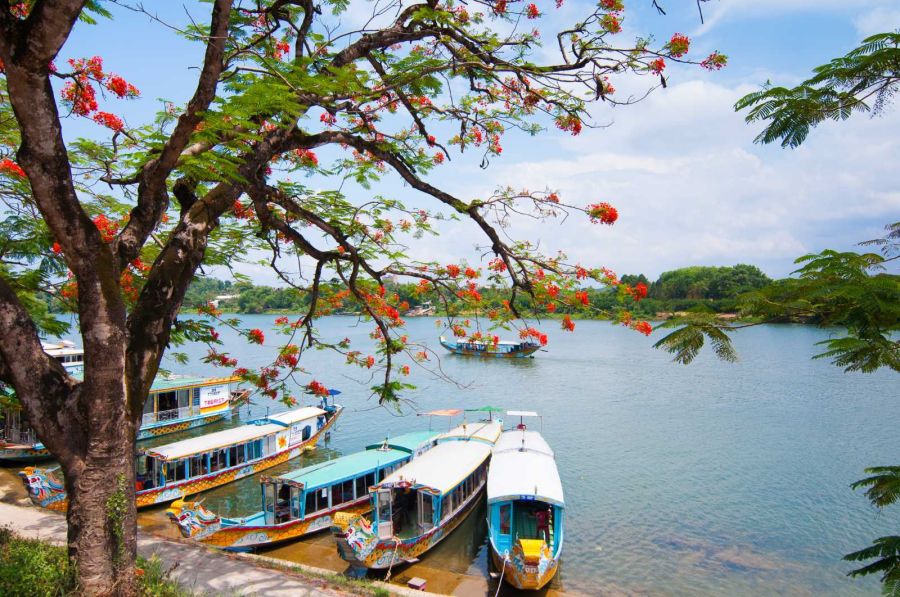
Perfume River boat trip

You’ll find June in Vietnam to be very hot, humid, and lively, so travel plans may change depending on which part of the country you’re visiting. The Vietnam climate in June usually brings sunny mornings, with rain becoming more common later in the day.

North Vietnam In June

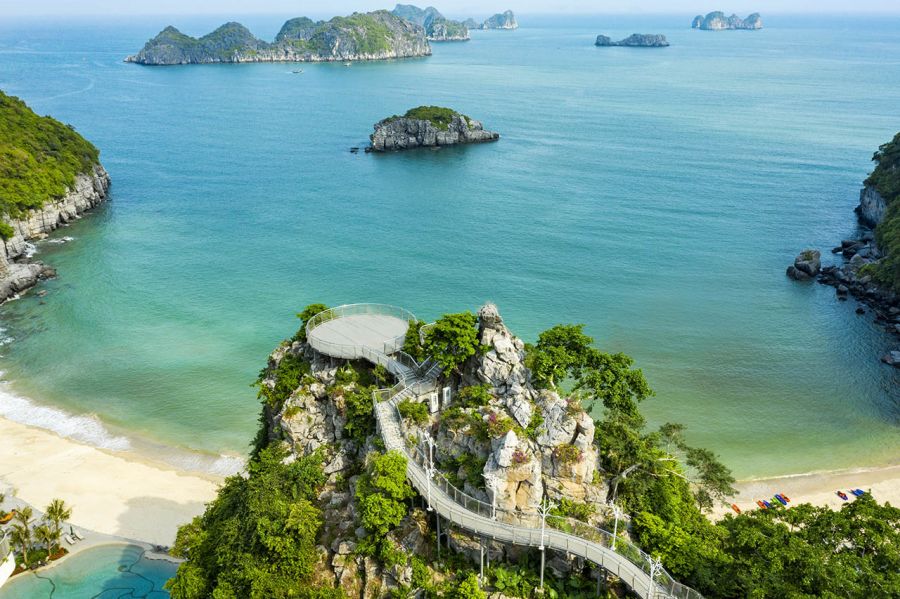
The heat and humidity are strongest in northern Vietnam during June. Most of the time, the temperatures are between 28°C and 36°C, and the heat in lowland regions can be tough to handle, for example, in Hanoi. People are drawn to places such as Ha Long Bay, Cat Ba Island, and Co To Island because of their fresh air and lovely views from the sea.

During June, you can see emerald seas, green islands, and bright blue skies everywhere. There is no clear wet season in this part of Vietnam like there is in the south. However, showers and heavy rain tend to appear a bit later in the month.

Central Vietnam In June

Central Vietnam is generally known to experience the best weather in June. Most of the year in Hue, Da Nang, and Hoi An is warm, with bright days, little rain, and water suitable for swimming. The temperature is about 27–34°C, but because of the coastal air, the heat is not as intense as in the north.

This region is a sweet spot for travelers visiting Vietnam in June. My Khe is a great spot for sun lovers, but Hoi An is normally dry and open for sightseeing. Water enthusiasts will enjoy June for boating or swimming along the Perfume River.

South Vietnam In June

It is the peak of the rainy season in southern Vietnam during June. Daytime highs are generally between 26°C and 33°C, and there are regular, short, but intense downpours mainly in the late afternoon. While mornings remain mostly dry and sunny, it’s wise to carry an umbrella or poncho, especially if you’re exploring Ho Chi Minh City or taking boat tours in the Mekong Delta.

There’s still plenty to see at Phu Quoc Island in June, although the weather might not be the same every day. Fast-changing weather or rough waters may stop the operation of ferries and related activities. So it’s best to keep your itinerary flexible and check forecasts regularly.

Best 6 Places to Visit in Vietnam in June

A lot of people decide to travel to Vietnam in June. Although some areas can be hot and rainy in the afternoons, there are still plenty of great places to visit in Vietnam in June. If you organize ahead, you can reach the best beaches and highlands, no matter the tropical heat of the month.

Cat Ba Island

Cat Ba Island

Near Ha Long Bay in northern Vietnam, Cat Ba provides visitors with an enjoyable mix of beach relaxation and exciting activities. Temperatures usually stay at about 28°C in June. Sometimes it rains briefly, but mornings are almost always clear, allowing you to enjoy kayaking, hiking, or seeing the bay by boat. Just keep in mind it’s a busy season, so booking ahead is recommended.

Ninh Binh

Ninh Binh isn’t known for being a beach town, but its green rice fields and beautiful limestone karsts make it worth visiting in June. At this time of year, boat rides in Trang An or Tam Coc are made even more beautiful by the greenery all around. Temperatures can be hot during the day, so early morning exploration is best, especially if you’re cycling or hiking.

Hoi An and Da Nang

My Khe Beach

Central Vietnam generally enjoys fantastic weather in June, and visitors to Hoi An and Da Nang should be particularly pleased. There are long beaches and great weather in Da Nang, while Hoi An is known for its pretty lanterns, cafes along the river, and architecture recognized by UNESCO. Because it is dry, both cities are perfect for swimming, surfing, or having a calm walk around the old town. You’ll get plenty of sun with only occasional, light showers.

Nha Trang

Located along the south-central coast, Nha Trang is famous for its long beaches and active nightlife. It is typical for June to be hot and humid, with temperatures often above 33°C, but nothing can beat the lovely mornings for swimming, island hopping, or diving. In June, there is very little rain, and most tourists still think it’s one of the best locations in Vietnam for water sports activities.

Quy Nhon

Quy Nhon Beach

A beach spot less known than Nha Trang, Quy Nhon is new to tourism and offers crystal-clear water and sandy beaches. June continues to be mostly dry, when the temperature averaging 32°C. If you prefer a quiet and authentic experience, you’ll love this place. There are many fishing villages to see, as well as rocky bays, and the seafood there is served very fresh.

Da Lat

Enjoying cooler weather than the rest of Vietnam, Da Lat is a great place to hide from the summer heat. Even in June, it doesn’t get very hot, with temperatures ranging from 20°C to 26°C. There is usually an afternoon rain, but the city is beautifully romantic because of the fog and pine trees. It’s perfect for couples, photographers, and anyone looking for a peaceful atmosphere, with activities like flower gardens, waterfalls, and scenic cafes.

Phu Quoc Island

Snorkeling in Phu Quoc

Even though June is the beginning of the rainy season in the south, Phu Quoc still enjoys sunny starts and warm days around 30°C. Most of the rain comes in quick, heavy downpours in the afternoon. As long as you plan your beach or snorkeling time early in the day, you’ll still be able to enjoy much of the island’s beauty. Be sure to create a plan B in case a storm hits, especially when you are boat tripping or diving.

What To Pack For Vietnam In June

Planning is important when packing for Vietnam in June. It is both very hot and humid, and there is sudden rain in lots of regions. Here’s what you should bring to stay comfortable in all three regions.

  • Clothes and Accessories: To keep yourself cool, wear cotton or linen clothes in light shades. Also, don’t forget a wide-brimmed hat and sunglasses to help avoid sunburn. A light umbrella or raincoat can come in handy if it starts raining in the afternoon. For footwear, choose shoes or sandals that are comfortable and dry quickly after beach or wet weather activities.
  • Health and Safety Essentials: Since UV rays reach you even on cloudy days, pack a sunscreen with strong SPF. Wearing mosquito repellent is especially important in rural or tropical areas. It’s also wise to bring any personal medications along with a small first-aid kit. For long trips or shared public toilets, having some hand sanitizer and tissues will make things easier.
  • Gear and Useful Items: Keep your phone and electronics safe by using waterproof pouches or dry bags to prevent damage during rain or boat trips. Additionally, a portable power bank can be very helpful, especially when traveling to areas with unstable electricity. Finally, if you’re bringing electronics, don’t forget to pack a universal adapter compatible with Vietnam’s sockets.

Travel Tips For Visiting Vietnam In June

Cyclo in Hoi An Ancient Town

June is one of the most vibrant yet weather-sensitive months in Vietnam. These practical tips will help you enjoy the most out of your trip without being caught off guard.

  • Try to plan outdoor activities early in the morning when the weather is cooler and drier.
  • Check the daily weather report before you travel, as it can be very different in the north or south.a
  • Carry a rain jacket with you on your motorbike or scooter, and avoid traveling if it’s raining hard.
  • Make reservations for places to stay and get around early, especially if you’re in a well-loved beach city by the locals.
  • Use insect repellent regularly, particularly in the countryside or forested areas.
  • Pack light but prepare for changing conditions — sun, rain, heat, and occasional cool breezes in the mountains.
  • Choose centrally located hotels or homestays to minimize travel time when weather conditions change unexpectedly.
  • Stay hydrated and take regular breaks if you’re walking or cycling under the sun.
  • Don’t forget to try fresh tropical fruits that are in season — June is great for mangosteen, lychee, rambutan, and durian.

Vietnam in June offers rewarding travel experiences for those who come prepared. A little flexibility and the right mindset go a long way in turning unexpected rain into part of the adventure.

Final Thoughts: Why June Is A Great Month To Explore Vietnam

Vietnam in June is not always easy. The sun is strong and rains are sudden, but its vibrant energy stays constant and true. If you enjoy nature that feels alive and local life that doesn’t slow down for tourists, this is the right time to come. And if you need help planning your trip to Vietnam, Seni World is here to guide you through it with care and experience.

Travel Guide For Vietnam In May With Weather And Highlights

There is not a hint of spring left in May in Vietnam. Heat fills the air across the country, but it doesn’t stop people from exploring. You can still enjoy your trip, and this article will tell you how.

Is May A Good Time To Visit Vietnam?

Nha Trang Beach

That depends on what you’re hoping for. Vietnam in May isn’t the headline month in most travel guides, but it often surprises those who come prepared. Vietnam weather in May can be quite diverse. It is getting very hot in the north and central parts of the country, but the south is beginning to receive the first rain of the season. Still, Vietnam in May is not yet in its peak travel season.

May comes with plenty of advantages. There are fewer tourists, prices are usually lower, and the weather along the central coast is sunny and reliable. Northern landscapes are vibrant and green, and cultural sites are more relaxed to explore. On the other hand, afternoons can get very hot, especially in Hanoi and Hue, and southern regions may see brief rain showers. With a bit of planning, though, the weather is manageable and should not get in the way of a good trip to Vietnam.

What’s The Weather Like In Vietnam In May?

Hai Van Pass

Vietnam climate in May is defined by rising heat and increasing humidity across all regions. The temperature rises steadily, and early signs of the summer pattern become more noticeable. It’s not the most comfortable time for everyone, but with the right expectations, it remains very travelable.

Northern Vietnam In May

In May, you can easily tell that summer is starting in Hanoi, Sapa, and Ha Giang. It’s typical for temperatures to be from 25°C to 34°C, and there is plenty of sunshine and rising humidity. The Ma Pi Leng Pass is a beautiful drive in Ha Giang that people like to take before the afternoon rain comes. You will find the weather in Ha Long Bay is perfect in May for taking a boat trip.

Central Vietnam In May

Central cities such as Hue, Da Nang, and Hoi An enjoy some of their best weather in Vietnam in May. Average temperatures hover around 28°C to 35°C, and skies remain mostly sunny. Rain is minimal in this region during May. It’s a great time for the beach, walking through old towns, or riding the Hai Van Pass. In Hoi An, the dry and sunny weather is perfect for wandering the Ancient Town or joining a sunset boat trip on the Thu Bon River. It’s one of the few times in the year when both cultural sightseeing and seaside relaxation are equally rewarding in this area.

Southern Vietnam In May

From May, the rainy season begins in parts of the south, including Ho Chi Minh City, the Mekong Delta and Phu Quoc. Most days have high temperatures, normally at 27°C to 35°C, and humidity can become very high. Nearly every day at noon, the sea and sky are sunny and clear; so Notre-Dame Cathedral and the Ben Thanh Market are good places to explore then. Rides on the Mekong Delta floating markets are best before lunch if you are far south, to avoid crowds. At this time, the countryside starts to turn green, making everything look nice against the background of dry months.

Best 6 Places To Visit In Vietnam in May

The weather in Vietnam in May can be demanding, but it doesn’t make travel impossible. Certain places handle the heat better than others. A few even turn it into an advantage. If you’re looking for the best places to visit in Vietnam in May, below are destinations where this month still offers good days to explore.

Ha Long Bay

Halong Bay kayaking

May is a good time to visit Ha Long Bay as the weather turns warmer and more stable. Temperatures average around 27–29°C, and the skies begin to clear up after the misty spring months. Rain is rare, and visibility improves, making boat cruises more enjoyable. You can spend the day sailing between limestone islands, try kayaking in calm waters, or visit floating fishing villages without the high-season crowds. Vietnam in May brings stunning sunsets over the bay that are especially striking.

Ninh Binh

In May, the area of Ninh Binh is filled with beautiful green fields and reflective streams. It begins to feel really hot around noon, with the temperature climbing to well above 30°C, but the early morning remains nice. Now is a great opportunity to sail down Trang An or Tam Coc because the rivers are full and the scenery is vibrant. It’s possible to climb the hill at Hang Mua for a great view or go to nearby temples like Bich Dong Pagoda. Anyone passing through Vietnam in May can see the natural beauty and old heritage of Ninh Binh.

Quang Binh

Paradise Cave

Phong Nha enters the early stage of its summer season in May, with warm and relatively dry conditions. Average temperatures hover around 29°C, and while humidity rises, heavy rains have yet to begin. That makes this an ideal time for cave adventures and nature exploration. Paradise Cave, Phong Nha Cave, and Dark Cave are all accessible, and the river levels remain safe for boat travel. Trekking in the national park is also possible before the more intense summer climate arrives in June.

Hoi An

Hoi An enjoys continued dry weather and warm days, which make the average temperature 29 degrees in May. Since the main tourist season is still to come, the old town streets are calm, so you can wander at your convenience. You could wander through heritage homes in the morning, bike to the rice fields, or go to An Bang Beach when the waves are calm in the early morning. Evenings become truly special, with lots of lanterns below the bridges and plenty of people enjoying riverside restaurants.

Nha Trang

Po Nagar Tower

A beach holiday in Nha Trang is especially nice during this month. May brings high temperatures of around 31°C, but the sea breeze provides refreshment. Because it rarely rains and the water is very clear, that time is ideal for diving and snorkeling. Visitors can see the nearby islands from boats, lounge on beautiful beaches, or see the Po Nagar Cham Towers. For those who enjoy time at the beach, May is a great time to visit Nha Trang in Vietnam.

Phu Quoc

May signals the beginning of the wet season in Phu Quoc, but don’t be discouraged. Most rain falls in short afternoon bursts, leaving the mornings clear and breezy. Temperatures range from 26°C to 32°C, and humidity climbs slowly. Beach time is best early in the day, followed by lunch at a seaside shack or a visit to local markets. You can enjoy diving and fishing in An Thoi Archipelago if you prepare carefully in advance.

What To Pack For Vietnam In May

Tourists experience Trang An boat trip

To travel comfortably in Vietnam in May, it’s important to pack with both sun and sudden rain in mind. The right gear will help you stay prepared without overpacking.

  • Lightweight clothing: Lightweight clothing is essential for keeping cool when it’s hot outside. A light scarf or shawl can also help in temples or air-conditioned spaces.
  • Sun protection: Vietnam’s sun can be intense in May. Don’t forget a high-SPF sunscreen, sunglasses with UV protection, and a wide-brimmed hat. These are essential, especially if you’re planning time on the beach or walking around cities during the day.
  • Rain gear: Short showers generally happen in the afternoon. You should keep a small umbrella or rain poncho in your day bag at all times. It’s wisdom to put electronics and important papers in ziplock bags or a dry sack, just in case you go on a boat ride
  • Insect protection: Mosquitoes are especially common in rural regions and around water, so you should take steps to defend against them. Bring insect repellent and consider light, long-sleeved clothing if you’re heading into nature. It’s also a good idea to have an anti-itch cream handy too.
  • Basic health supplies: A basic health supply kit should be packed when you travel. Having electrolytes, motion sickness pills, stomach medicines, and painkillers for headaches on hand is practical. May’s heat and humidity can catch travelers off guard.
  • Outerwear for cooler areas: If you plan to visit Sapa, Da Lat, or highland regions, it’s wise to have a light jacket or sweater. At evening and morning hours, it can suddenly seem cool, mostly after a rain has passed.
  • Adapters and travel organizers: Vietnam uses mainly Type A, C, and F sockets. If you’re coming from the UK or North America, bring a plug adapter. Packing cubes or waterproof pouches also help keep things tidy, especially if you’re changing locations often.

Travel Tips For Visiting Vietnam In May

If you get ready for the weather, May can be a great time to explore Vietnam. It is very important to be aware of what you should pack and when to use it.

  • If you want to enjoy the outdoors, do it early in the morning, mostly before 10 AM, since the environment isn’t as hot and humid yet.
  • Rooms with air conditioning are a smart choice when planning a trip to hot cities.
  • You should simply carry a small umbrella or rain poncho in your bag to avoid sudden rain that may pop up in the afternoon.
  • Even if it’s cloudy outside, UV rays are high during May, so be sure to wear SPF 50 or more sunscreen.
  • If you’re visiting a farm, a riverbank, or a forest, put on mosquito repellent before you go outside.
  • You should bring a light piece of clothing to wrap around your shoulders when you go to a temple.
  • It’s necessary to stay hydrated during the day, and people who sweat a lot may find that electrolyte packets make their water more useful.
  • Before going on a boat trip, hike, or motorbike ride, always check the latest weather forecast to avoid sudden weather changes.
  • Since evening temperatures in Đa Lat and Sapa may fall less than 20°C, it’s a good idea to pack a jacket.

Final Thoughts: Why May Is A Great Month To Explore Vietnam

Perfect skies and cool weather are not what you’ll find in Vietnam in May. But it provides more space to explore, more time to relax, and greater freedom than you get in the peak months. It’s pleasant and comforting, though there’s a feeling that the summer crowds are just around the corner. It’s exactly this that makes it authentic. Got your dates in mind? Let Seni World help you fill in the rest. We know how to make May in Vietnam work.

Explore Vietnam In April: Nature Blooms & Culture Shines

Vietnam in April is a wonderful time to visit with sunny weather and less humidity. It’s a great time to attend for travelers, enjoying both cultural adventures and outdoor activities from the North, Central, to the South.

Is April a Good Time To Visit Vietnam?

Halong Bay in April

Yes. April is one of the best months for tourists to travel to Vietnam. It’s a transitional season between spring and summer, meaning the Vietnam climate in April is perfect to explore cities, beaches, and mountain areas in comfort.

The weather is one of the likable things that you can experience while visiting Vietnam in April. Generally, Vietnam temperature in April is hot but not yet oppressive, so, and rainfall is minimal. Together, these factors ensure a pleasant ambiance for exploring the great outdoors and soaking up some of that gorgeous scenery. Also, April brings fewer tourists than high season months, so it’s also a good way to enjoy things more at ease and closer to authentic experiences. If you are one of those people who like hiking in the cool highlands, seeing ancient cities, or just lying on the beach, visiting Vietnam in April will be suitable for you.

Regarding drawbacks, in southern Vietnam, particularly Ho Chi Minh City and the Mekong Delta, temperatures can be quite high, occasionally climbing into the mid-30s Celsius (mid-90s Fahrenheit). In addition, in some years, it can also rain here from time to time with early showers at the ends of the month in central and northern regions.

What’s The Weather Like In Vietnam In April?

Lang Co Bay

Vietnam is divided into three climate regions: North, Central, and South. Therefore, you will have a different experience in each of them, in terms of Vietnam weather in April.

North Vietnam In April

Northern Vietnam, including Hanoi, Sapa, and Ha Giang, is cooler and still feels like spring. Temperatures generally sit between 18 and 28°C (64 and 82°F) with good humidity. Morning fog and intermittent light drizzle help to impart a mystical, atmospheric feeling to regions like Sapa and Ninh Binh. Such an environment is perfect for outdoor activities such as hiking and nature exploration.

Central Vietnam In April

The central regions are starting to be hot. Temperatures range somewhere in the middle, between 24°C and 32°C (75°F – 90°F), and the month dries up, becoming a perfect time of year to holiday at this destination. The temperature is warm enough to explore ancient sites, walk around attractive towns, and lounge next to the beaches in Da Nang or Lang Co Bay.

South Vietnam In April

Southern Vietnam is hotter in April when temperatures hover between 26°C and 35°C (79°F and 95°F). Cities and attractions such as Ho Chi Minh City and Phu Quoc Island enjoy sunlight and dry weather. Beach visits, sunbathing, and marvelling at the unique cityscape in the south are wonderful. The heat can be overwhelming at high noon, but the nights are generally quite cool and enjoyable.

10 Best Places To Visit In Vietnam In April

With good weather all over the country, from misty mountains in the north to sunny beaches in the south, each region has its own unique experiences that come alive in this month.

Ho Chi Minh City

War Remnants Museum

April is the last month of the dry season in Ho Chi Minh City. The weather is usually bright and hot with daytime temperatures hovering around 33 °C (91 °F). However, humidity begins to rise in the lead-up to May.

This energetic metropolis is ideal for travelers who enjoy exploring modern cities with a historical touch. There are great attractions to see, such as the Notre-Dame Cathedral Basilica, the War Remnants Museum, and the Ben Thanh Market. When night falls, enjoy a drink at one of the rooftop bars and enjoy the sunset over the city.

Mekong Delta

The Mekong Delta twinkles in April, enjoying dry weather and navigable rivers. Temperatures are between 28°C and 35°C (82 – 95°F), and while it’s hot, the ocean breeze that flows through the canals provides a hint of relief.

The best way to experience this area is by boat. Enjoy a guided visit to one of the floating markets, either in Cai Rang or Cai Be. You’ll also have the opportunity to wander around tropical fruit orchards, bike along the peaceful village roads, and take part in cooking classes focusing on the delta’s special taste.

Phu Quoc Island

Suoi Tranh Waterfall, Phu Quoc National Park

Among the best places to visit in Vietnam in April, Phu Quoc Island is an ideal option. The sky is dark blue, the water is almost still, and the sun casts shining streaks of light as it is close to 30°C.

Phu Quoc in April is an optional paradise for the laid-back or the water buff. Travelers can relax all day on white-sand beaches, snorkel through coral, and fish in the An Thoi Archipelago or investigate the Phu Quoc National Park. Moreover, the island’s night market is also wonderful, where you can sample fresh seafood and local specialities.

Da Lat

Da Lat is a cool getaway from Vietnam’s tropical heat in April. The city offers cool and comfortable weather with daytime temperatures of 18 – 26°C (64 – 79°F).

Other scenic walks can be taken around Xuan Huong Lake and the colorful Dalat Flower Park, or you can explore architectural landmarks such as the Crazy House and Bao Dai’s Summer Palace. For adventure, try canyoning or a motorbike tour out into the countryside for experiences you won’t forget.

Hoi An

Thu Bon River, Hoi An

The weather in Hoi An during April is warm and dry, with an average daily temperature of 29°C (84°F). Typically, you might take a walk through the old town and see Japanese bridges, Chinese temples, and parts of ancient merchant houses. To be more creative, participate in a lantern-making class or a traditional cooking workshop. The beaches near Hoi An, such as An Bang and Cua Dai, are also good for a little seaside break. In the evenings, floating lanterns and live music transform the Thu Bon River into a magical setting.

Da Nang

Nearby, Da Nang is definitely a good choice for travelers looking for cultural experiences as well as beach time in April. The weather is hot and dry with temperatures over 35°C (95°F).

Relaxing on My Khe Beach is a must-try activity. Or making a short trip to the Marble Mountains to visit pagodas and caves helps you learn more about the culture and history of this area. You can also make a stop at Ba Na Hills to take a photo of the famous Golden Bridge, or get breathtaking views from the top of the Son Tra Peninsula.

Hanoi

Ho Chi Minh Mausoleum

Spring is in full swing in Hanoi in April. The city enjoys a temperate climate with average temperatures ranging between 22°C and 28°C (72°F and 82°F).

April encourages visitors to stroll in the Old Quarter, take a walk around Hoan Kiem Lake. You can also visit cultural sites like the Temple of Literature and the Ho Chi Minh Mausoleum without excessive heat. The city’s parks and lakes burst with flowering trees and plants, making it one of the most beautiful times of year to visit Vietnam’s capital.

Ninh Binh

Only a two-hour ride from Hanoi, Ninh Binh features striking vistas and tranquil rural appeal. You will experience a very different Vietnam in April. The rice paddy is starting to become bright green, and the weather remains dry, with a maximum average temperature of 30°C.

April offers an ideal opportunity to drift along the peaceful waterways of Tam Coc or Trang An, gliding beneath towering limestone cliffs and into tranquil cave tunnels. Visitors can trek to the vista at Mua Cave for a gorgeous panoramic view or check out ancient temples such as Bai Dinh and Hoa Lu.

Sa Pa

Ta Van Village

By April, Sapa slightly escapes from the cold winter, feeling the warmth of spring with the average temperature around 15 to 22°C. The temperature is cool and pleasant enough for outdoor adventuring. Terraced paddy fields begin to turn green and provide spectacular views in the hills.

April is a good month for trekking through ethnic minority villages such as Lao Chai and Ta Van, where visitors can get a taste of the local culture and rural life.

Ha Long Bay

Halong Bay is less hot in April, with the temperature fluctuating between 24°C and 28°C and less rain. You can leisurely float through the bay’s famous seascape of more than 1,600 limestone islets and emerald waters.Visitors can stay overnight on a traditional junk boat with fresh seafood for meals and beautiful sunsets. Sung Sot Cave (Cave of Surprises) provides an intriguing underground journey to explore its dramatic stalactites. For those looking for more active exploration, kayaking in the serenest of lagoons and past floating villages offers up a close-up look at local life.

What To Pack For Vietnam In April?

Tourists cross street nearby Saigon Central Post Office

What to wear in Vietnam in April depends very much on where you’re going and what you’re going to be doing. Because conditions are so changeable with everything from the north, to the center, to the south of the country, you will want clothes that can work for both warm and cooler temps.

You will need light clothing if you plan to go to the south or if you will stay outside during the day. Cotton or linen fabrics are ideal for staying cool in high temperatures. A small umbrella or a light rain jacket could be useful, as you can get caught in occasional drizzles. At the same time, it’s wise to add a light sweater or jacket for cool evenings, especially if you’re traveling to the mountains of the north or the highlands.

When it comes to shoes, bring one pair of comfortable walking shoes, which will be your go-to for city tours as well as hikes in the countryside. Beach locations and laid-back outings come endowed with slippers or sandals.

Also, wearing sunglasses and a broad-brimmed hat and slathering on high-SPF sunscreen will shield you from the strong sun, which is particularly intense in the central and southern reaches of the country.

Travel Tips For Visiting Vietnam In April

While Vietnam in April is a great month for travelling, visiting a foreign country can be quite challenging. So being prepared will give you a better visiting experience. Here are some essential travel tips to help you make the most of your adventure.

  • Keep well-hydrated: In the hot south, bring a water bottle, or you can enjoy fresh coconut water or sugarcane juice. Both are thirst-quenching and delicious ways to cool off.
  • Wear politely and respect the culture: When you are sightseeing around the country at temples, pagodas, and any religious places, follow the local customs to cover your shoulders and knees. Also, always ask before taking photos of people.
  • Plan around major holidays and festivals: April in Vietnam usually falls at the time of Gio To Hung Vuong (the Hung Kings’ Temple Festival), on the 10th of the 3rd lunar month. Places like Phu Tho or Hanoi may be crowded with people celebrating local festivals or public holidays. And don’t forget to check the dates and plan your itinerary accordingly.

Final Thoughts: Why April Is A Great Month To Explore Vietnam

Vietnam in April is great, with good weather, picturesque landscapes, and less of crowds up and down the country. You can get the most out of your travels by planning the perfect April itinerary with local knowledge. And SeniWorld stands out for this. Check out SeniWorld for deluxe touring advice, tailor-made tours, and Vietnam adventure tours.