logo mobile sidebar
support-image-mobile
Share your ideas with our local expert team - we’re here to listen and help you shape a meaningful journey through Indochina.
(+84) 868 663 993
Asia Leading Tour Operator 2025
tripadvisor travelers choice awards 2024
Travelers' Choice Awards 2025

Author: Content

Vietnam in December: Winter Beauty and Year-End Magic

Vietnam in December is cold in the north, but dry in the south. This month will give you everything you’re looking for, as well as all the energy of a cultural festival. Therefore, travelling in December is worthwhile!

Is December A Good Time To Visit Vietnam?
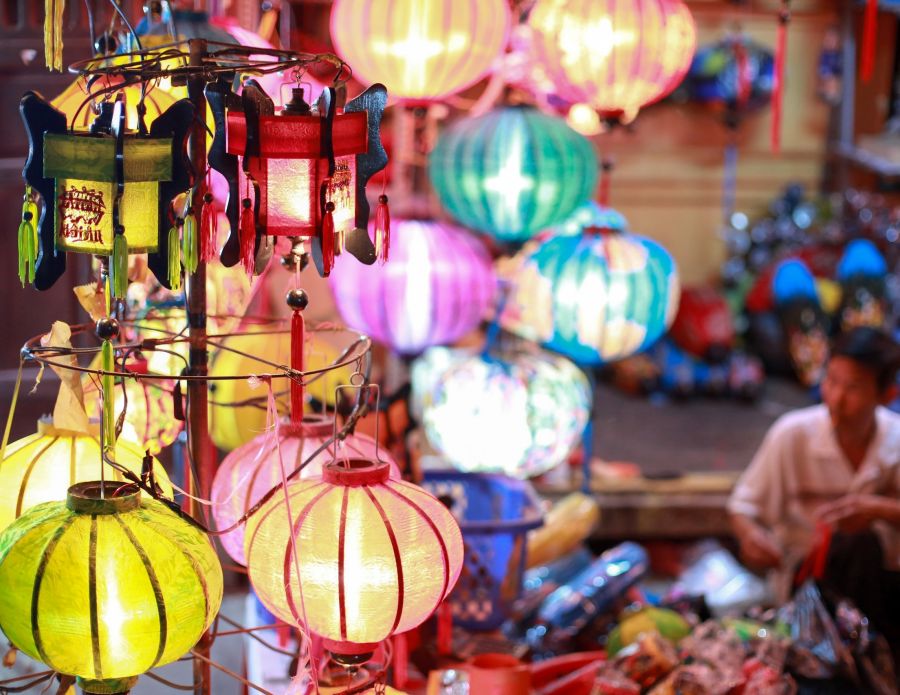
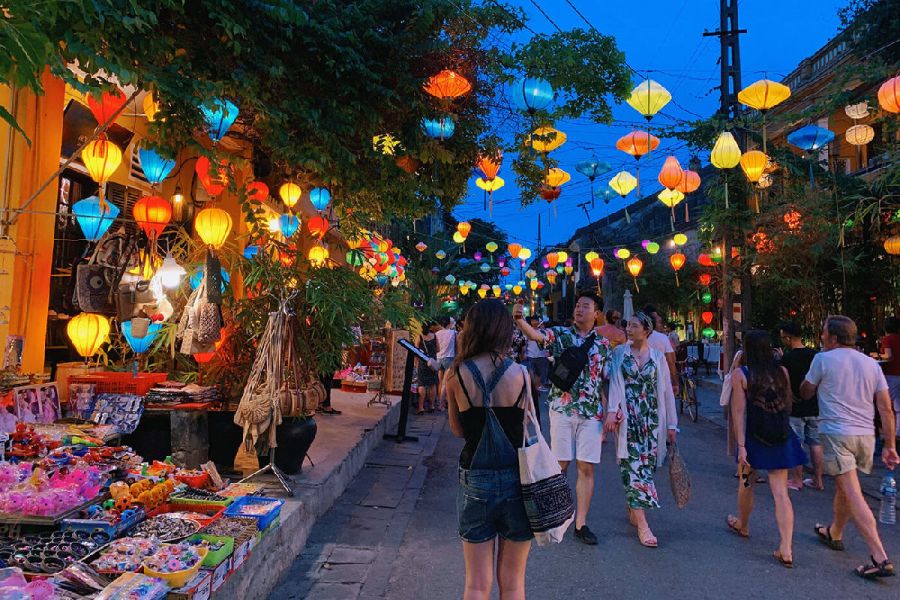
Lantern Festival in Hoi An

Yes. December is a good time to visit when the country is celebrating and the weather is perfect. That makes for a wonderful month of sightseeing, culture, and the outdoors.

The Vietnam climate in December is one of the best things. Mountain areas in the north, like Ha Giang and Sapa, also have crisp, cool mountain air, which is perfect for trekking and admiring the mountainous landscape. And further south still, the rest of the country is hot, dry, and sunny, including Ho Chi Minh City and the Mekong Delta. Central Vietnam could still receive some rain (particularly in the early part of the month), but as the New Year gets closer, the chances of fair weather increase.

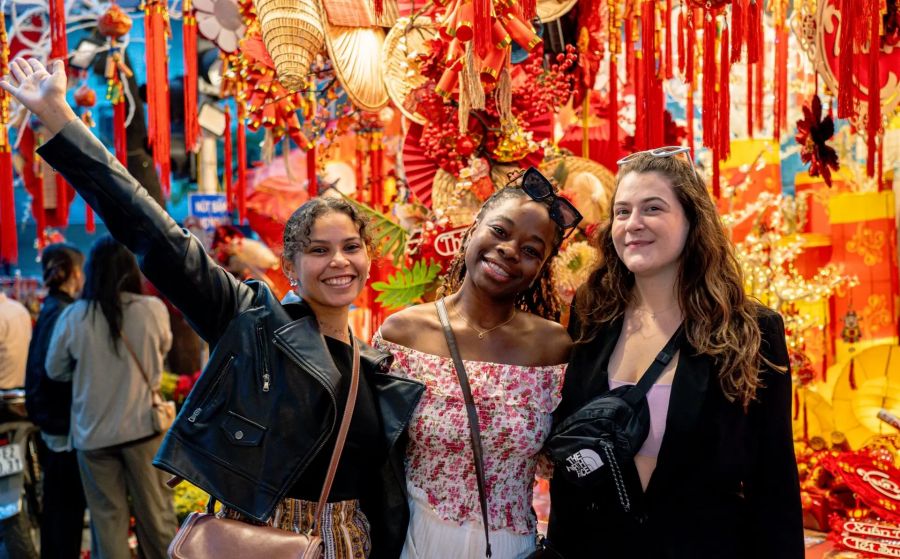
December is teeming with life and celebration. The cities are gaily decorated for Christmas and the Tet holiday. The streets are lit, markets smell fresh, and lines of cultural events in public spaces weave a sense of heritage for visitors.

But keep in mind that December is also Vietnam’s major tourist season. It can be crowded at the major sights and at many hotels, so it’s recommended to book in advance.

What’s The Weather Like In Vietnam In December?
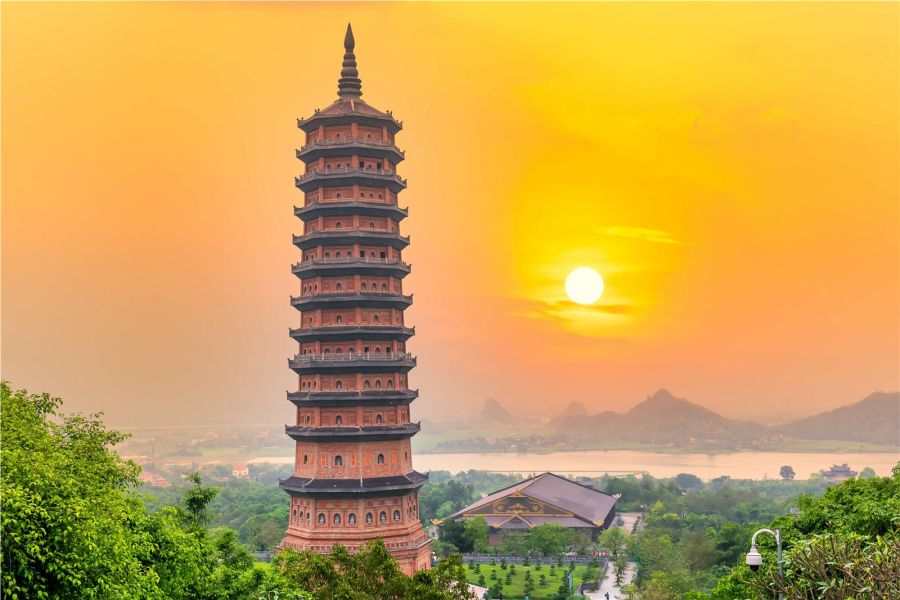
Bai Dinh Pagoda

Vietnam weather in December extends through several climate zones. From the cold mountains up north to the warm beaches down south, a selection of experiences awaits visitors, depending on where they visit.

North Vietnam In December

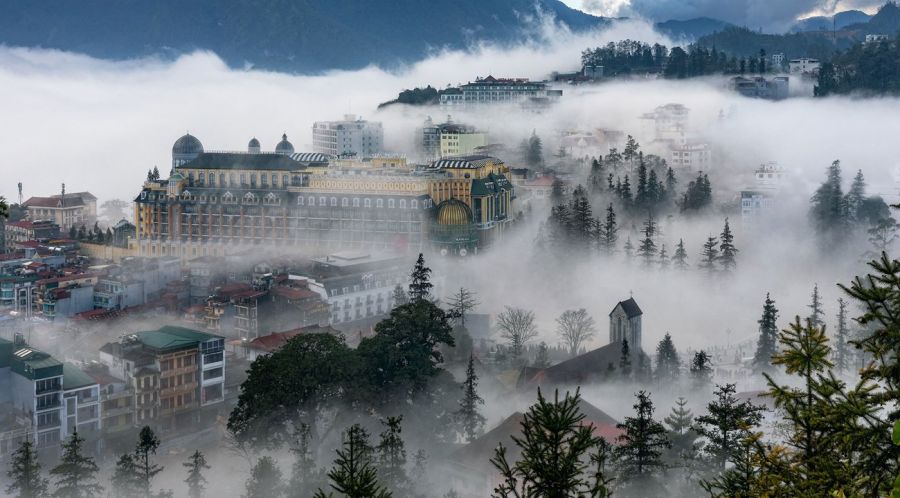
The weather is cool and dry. Accordingly, the temperature is between 15°C to 22°C in the cities; but in the mountains like Sapa, it may be lower than 10°C, in the morning or at night. Mists often cover the high ground and give an enigmatic appearance to the lakes and hills. For those in search of chilly stuff, there are some of the mountain tops that even report frost or a dusting of snow.

Central Vietnam In December

The weather in towns such as Da Nang and Hoi An, and even Hue can still be unpredictable. You might experience rain and clouds during the initial weeks of December as the area is in the transition to the dry season. Yet by the second half of the month, the climate has improved with less rain and temperatures ranging from 22°C to 24°C. The mystical landmarks and beachside towns that dot the area serve as good places to visit, with various holiday festivals happening.

South Vietnam In December

The region is now entering the dry season, which lasts from December into late April. The heat, as usual, is quite high with a day reading 28°C – 32°C and a chilling night of 23°C – 27°C. The clear skies could be affecting humidity levels, which are not as high as they were in earlier months. This is a perfect time for beach enthusiasts and those wishing to explore the great outdoors.

Best 10 Places To Visit In Vietnam In December

From the south to the north, each part of Vietnam has something special in December. From the misty mountains of the north to the sunny isles of the south, the following are the top destinations you shoudn’t miss.

Hanoi
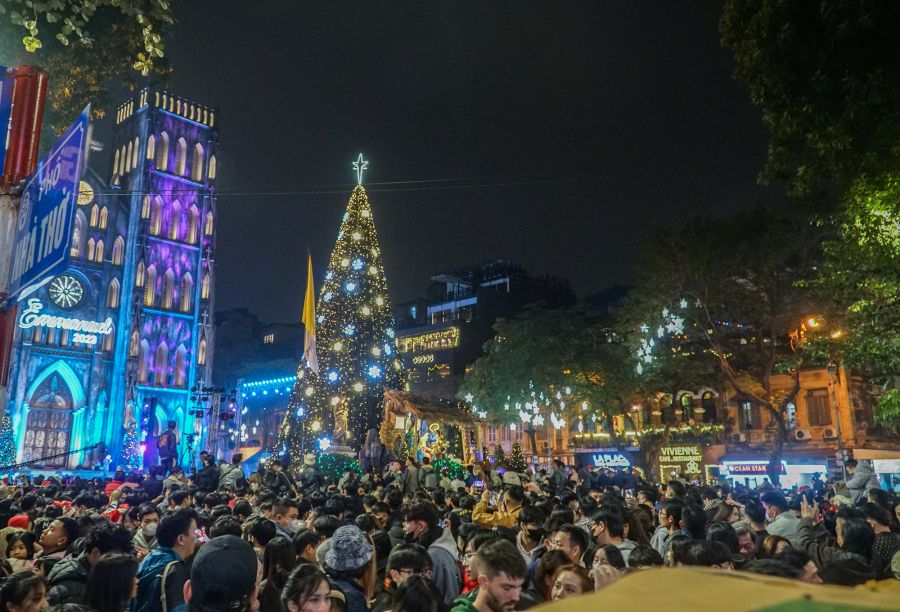
St. Joseph Cathedral of Hanoi in Christmas Day

The weather in December in Hanoi is so good, around 15°C -22°C, thus you can take part in all activities and visit all tourist attractions easily. During the festive period leading up to Christmas and New Year, the French colonial buildings, serene lakes, and lively Old Quarter look especially charming.

One of them is St Joseph Cathedral (Nha tho Lon), an exquisite neo-Gothic church in the city centre, opened at Christmas time. The place is completely decorated with flashing lights, a huge Christmas tree, nativity scenes, and so many locals and tourists packed into the area, all taking phone pictures and enjoying the festive atmosphere.

Sapa

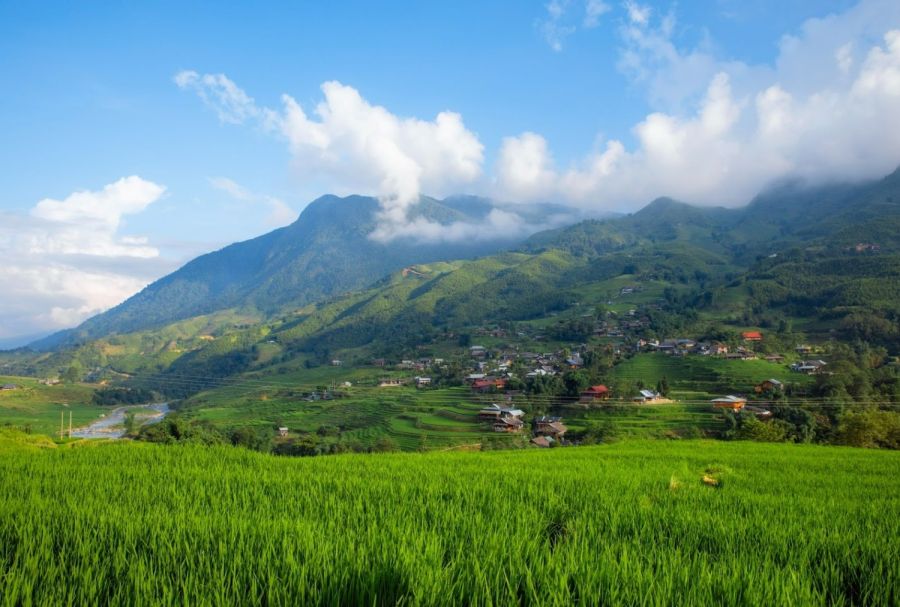
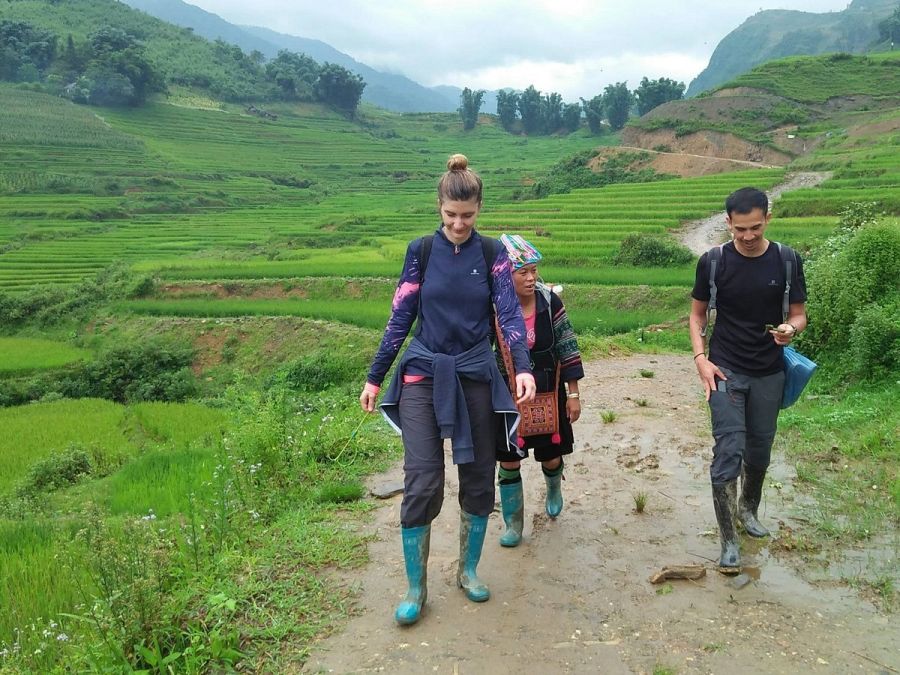
Sapa is an ideal nature and adventure destination for wanderlusters in December. The weather here is cold, and it hits under 10C or lower at times, and everything from the mountains is cloud and fog-covered. It makes for beautiful scenery. You might even see frost on the rice fields in the mornings. December is also perfect for hiking in the surrounding hill tribe villages, such as Lao Chai and Ta Van, to witness the unique culture of the Hmong and Dao.

Ha Giang
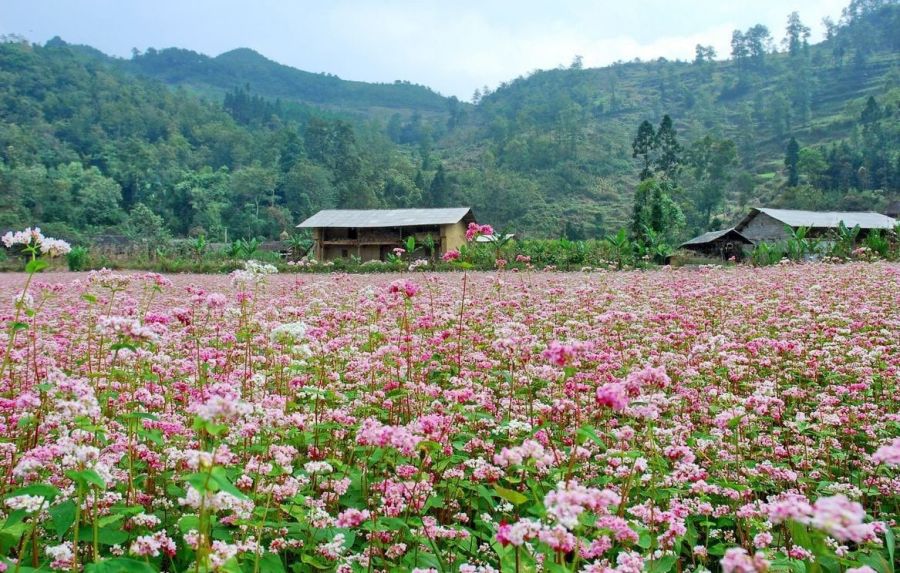
Ha Giang in buckwheat flower season

Among the places to visit in Vietnam in December, Ha Giang is a must. This time is the final opportunity to witness the buckwheat flower season in Ha Giang. The purple rose fields in the rocky plateau produce a view that you will not be able to see anywhere else. The exhilaration of the cool air and the defiant, clear blue sky develops at the same time as the rugged and beautiful scenery of the northern mountains. Similarly, it rained a little this month, which is ideal for a motorcycle trip to Dong Van – Meo Vac.

Ninh Binh

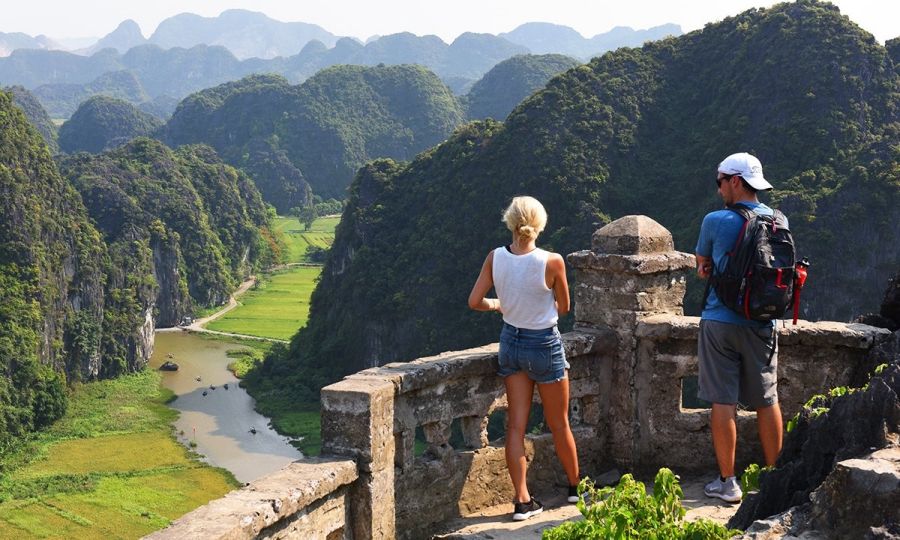
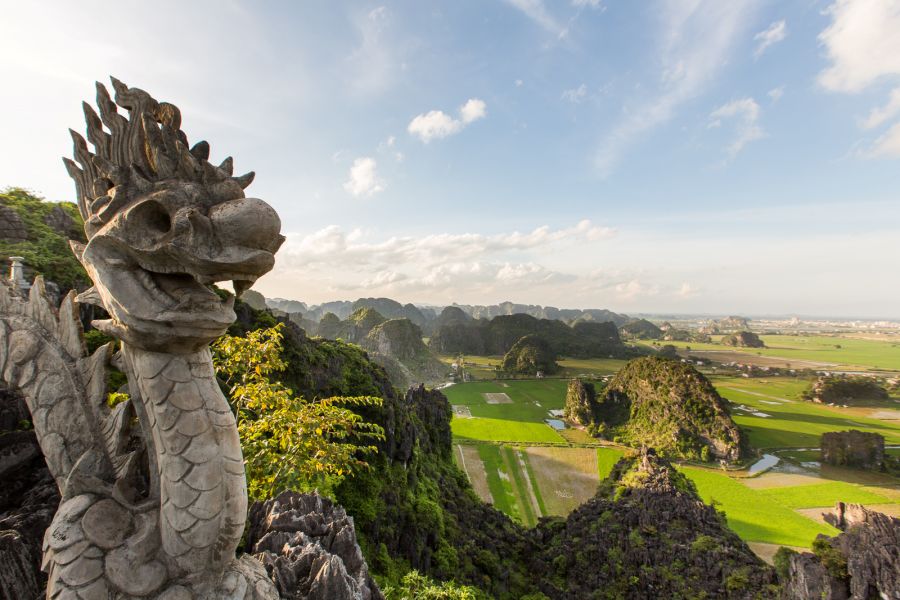
Ninh Binh is so lovely in December. The ambience there is so tranquil, and the temperature is just perfect, between 17°C to 23°C, and the skies are so blue that it makes it the perfect day to head outdoors and explore.

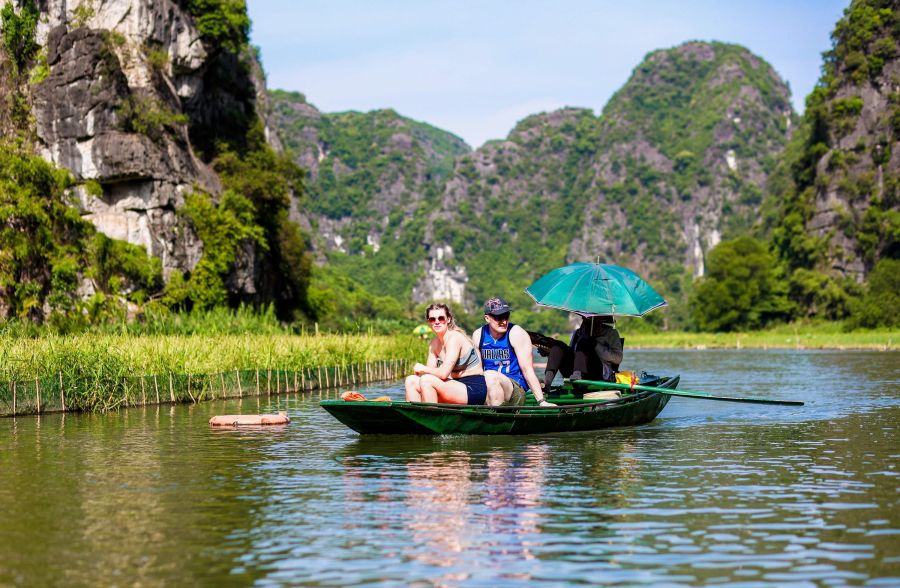
One of the best ways to absorb it all is by hopping on a boat and navigating the Trang An Scenic Landscape Complex or trekking to get the view from Hang Mua Cave. Think glistening sheer limestone cliffs and eerie calm waters shimmering in golden light. And don’t miss out on the Bai Dinh Pagoda! Southeast Asia’s largest Buddhist complex takes on a hushed, wintry mist-shrouded air.

Hue
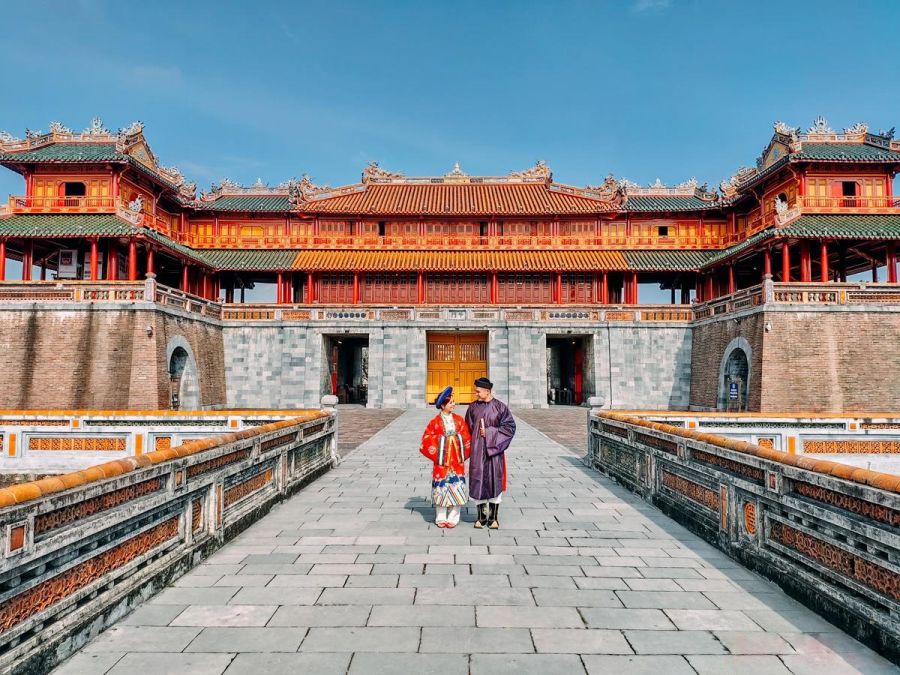
Hue Imperial City

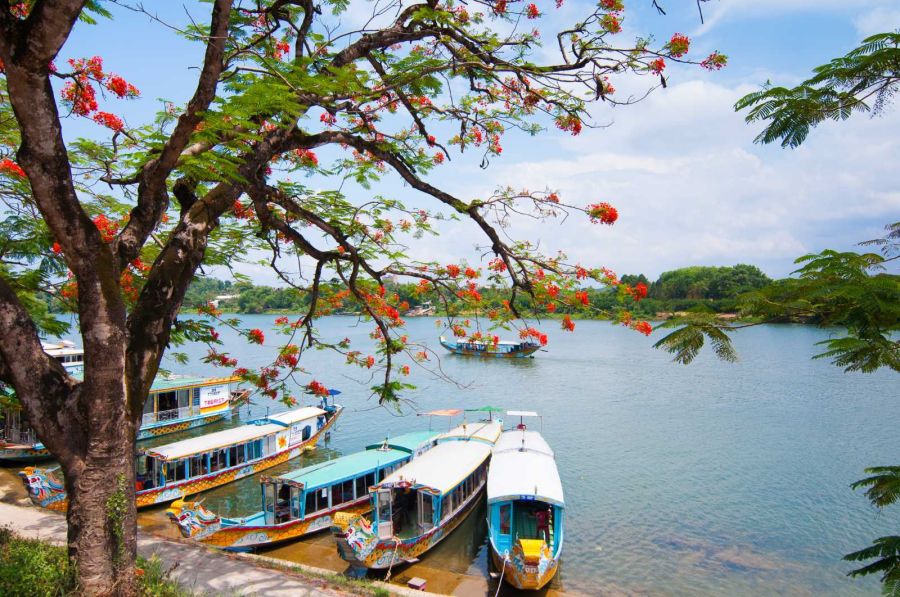
In Central Vietnam, Hue begins to come out of the rainy season in December. It is cooler and less humid, which is perfect for exploring the city’s ancient royal tombs, the Imperial City, and tranquil pagodas. While there is the odd sprinkling of showers, there is nothing more romantic than the mist over the Perfume River, and the lack of tourists brings an even greater atmosphere to the city.

Hoi An

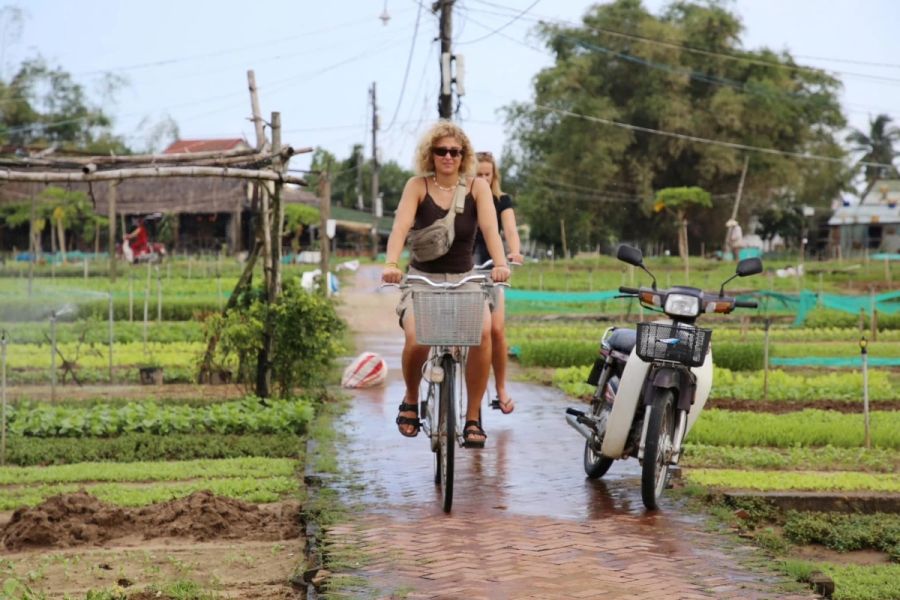
Hoi An is magical in December, especially at Christmas. The charming little town is all aglow right now, with twinkling lights, colorful lanterns, and festive decorations. Cool and mostly dry weather in the months later makes it pleasant to walk the streets, visit tailors, the night market, and nearby rice paddies. If your visit coincides with the Full Moon Lantern Festival, then all the more magic.

Phu Quoc
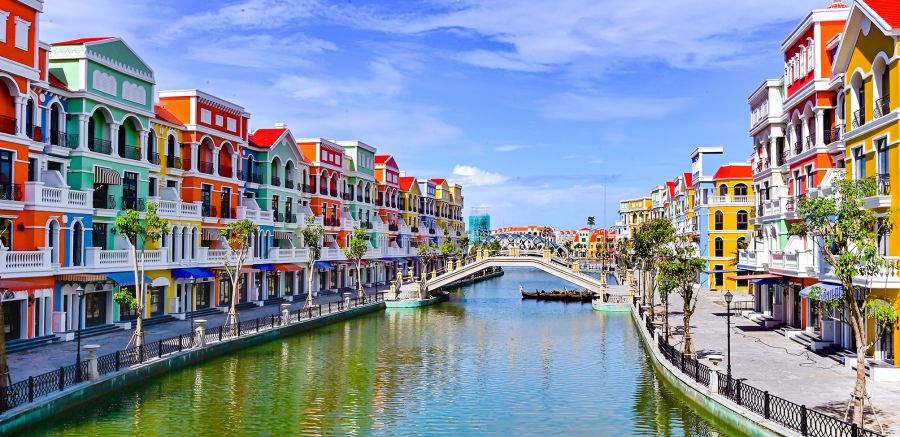
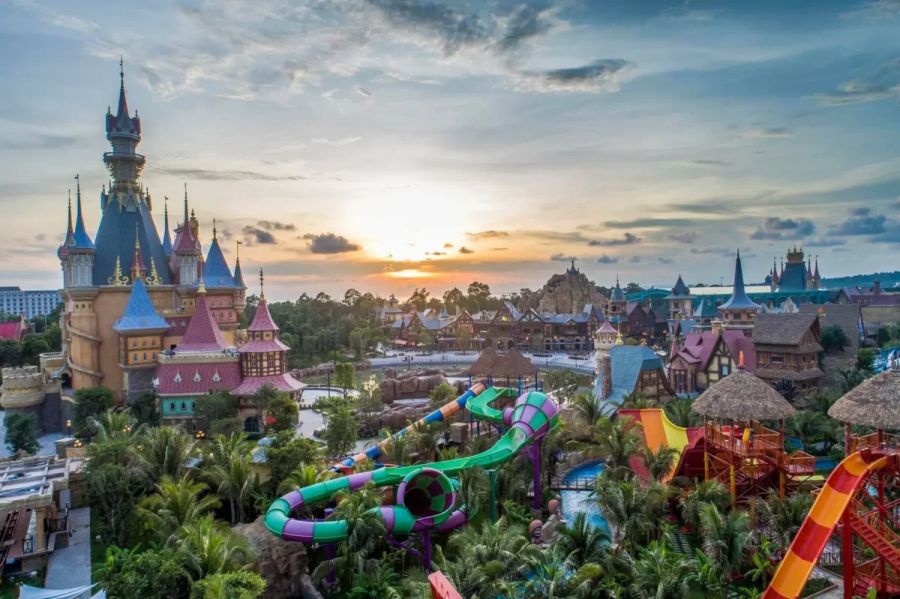
Grand World Phu Quoc

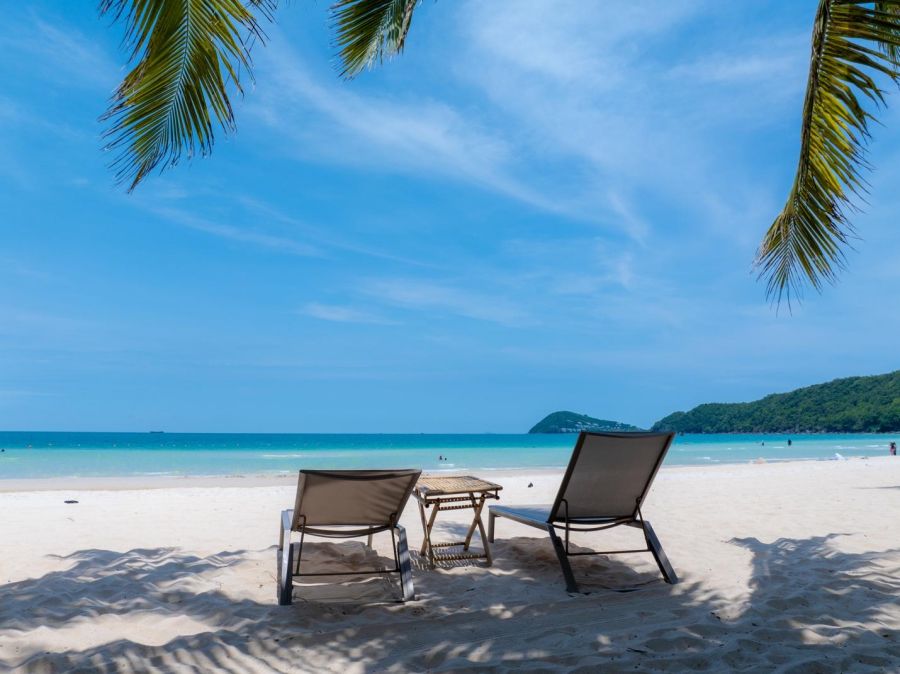
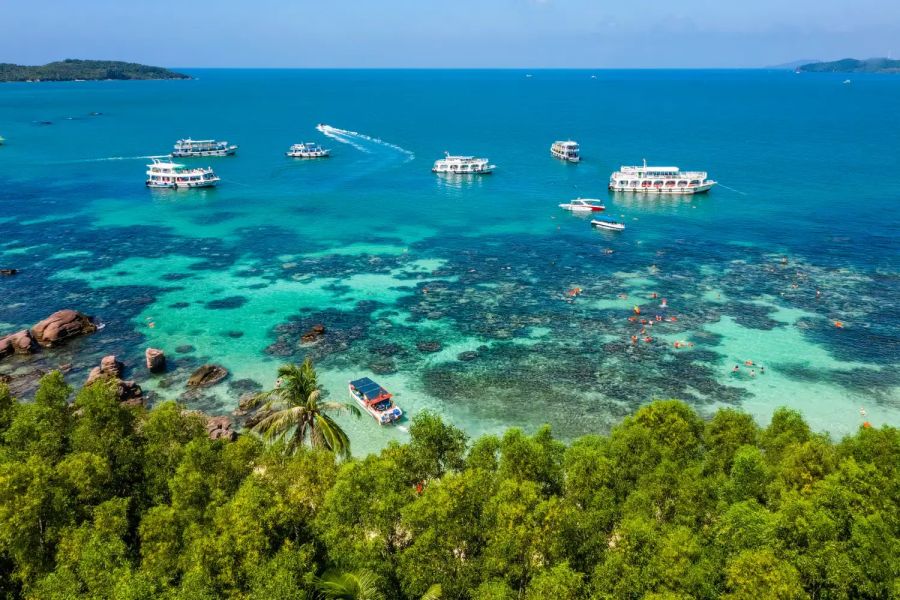
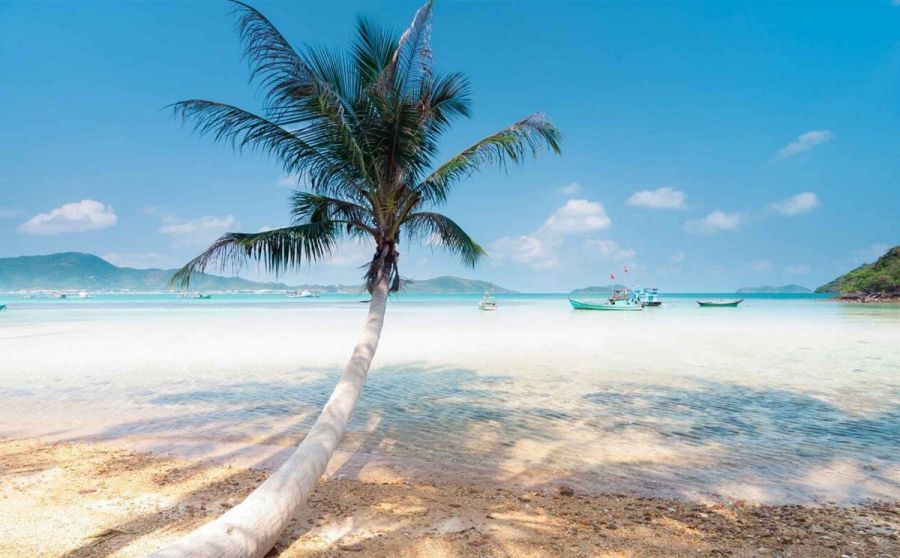
If you’re searching for somewhere warm in December, when the dry season hits, Phu Quoc is a great option. The sky and the sea are incredibly blue, the sun is golden, and the temperature is about 28-30°C, meaning it’s the perfect time for diving, sea and sunbathing, and of course a luxury holiday! Besides, the end of the year is also the time for vibrant music festivals and countdown parties on the island, especially in Bai Truong sea and the Grand World area.

Moc Chau

On the Moc Chau plateau, from the end of November to the middle of December of each year, white mustard flowers will bloom throughout the hills to create a romantic picture. This would have been an ideal time for sightseers who love nature, who want to take wedding photos, or just lie down and enjoy some fresh air in a serene, fresh space. Apart from mustard flowers, wild sunflowers and poinsettias are also being sown in some places, adding to the beautiful milieu of the plateau.

Mekong Delta
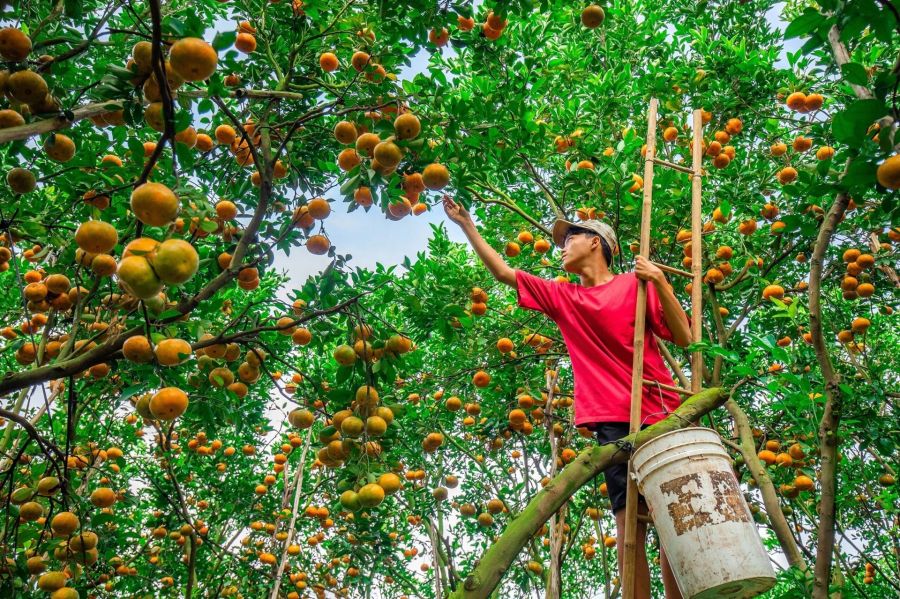
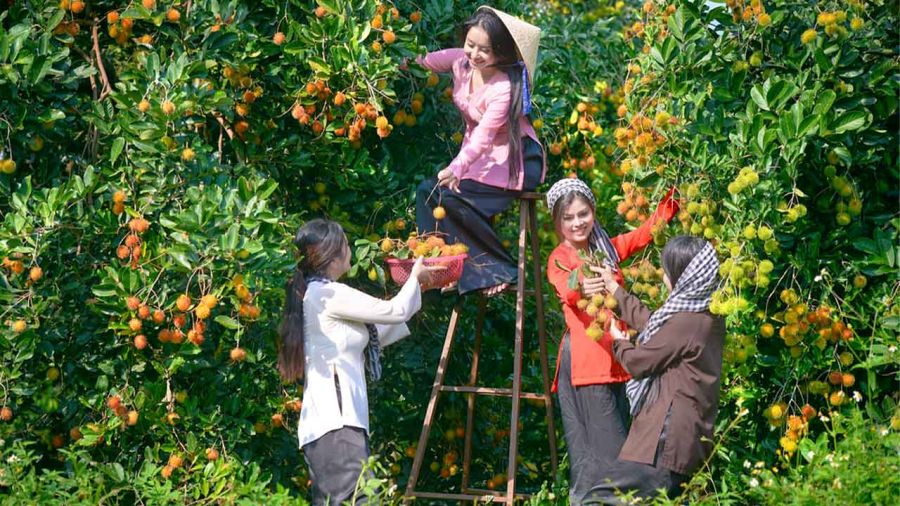
Mekong Delta in fruit harvest season

December is the best time to visit the Mekong Delta. The weather is dry and cool, with a temperature of 25 – 30 ° C after the flooding season, time for the rice harvest and fruit seasons all year in Can Tho, Ben Tre, Vinh Long, and An Giang. This is also the time of the year-end festivals of the locals.

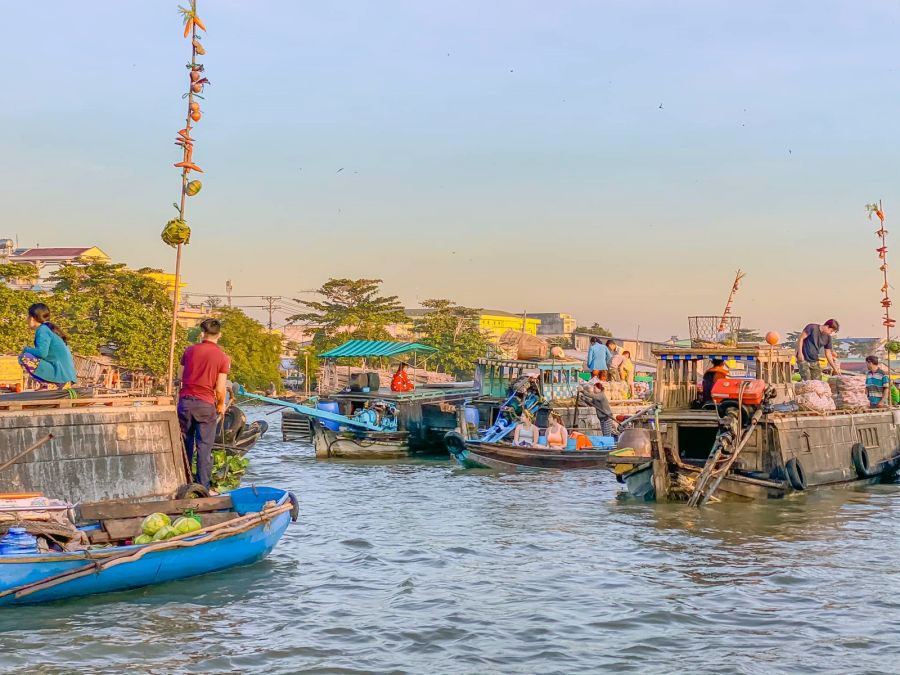
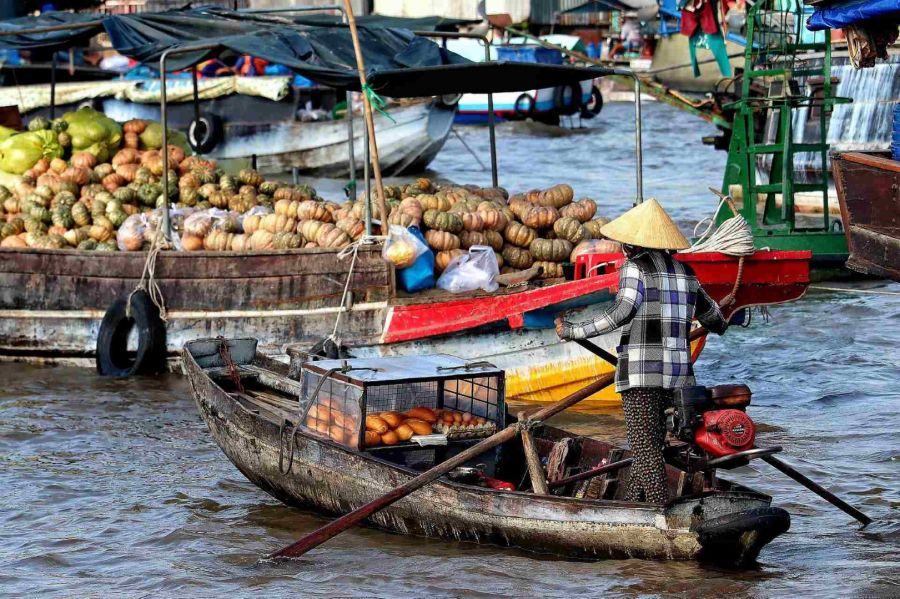
Among the unmissable experiences is the Cai Rang floating market in the morning. Hundreds of boats sell produce to a raucous backdrop of honking boats and river traffic. They may even taste traditional food such as grilled snakehead or Western pancake or row when row a boat when cool along among green coconut trees.

Ho Chi Minh City

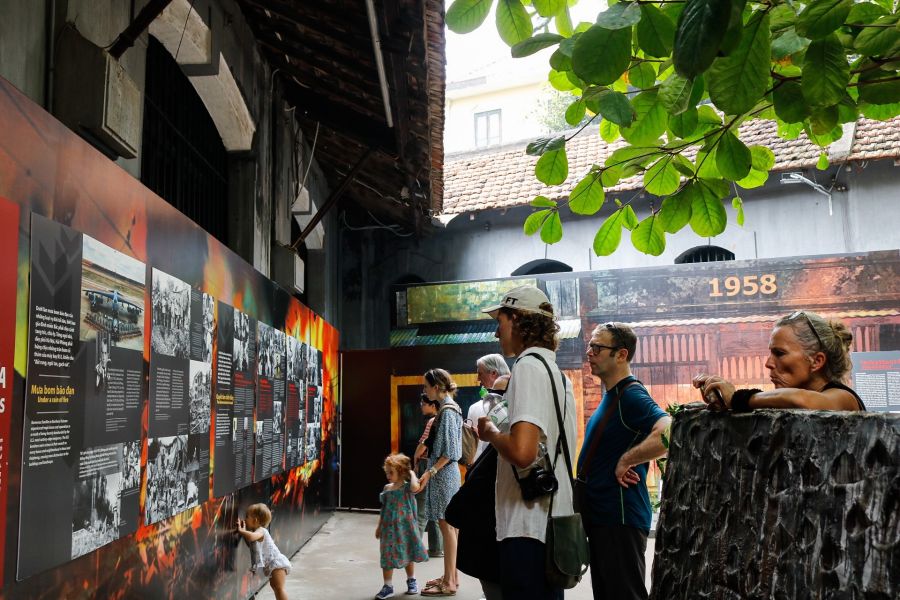
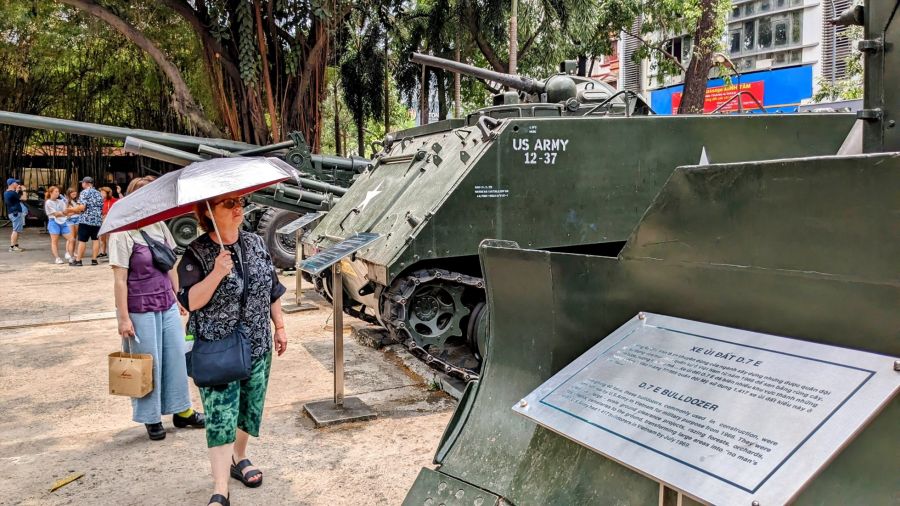
December is Ho Chi Minh City’s dry season, so it’s warm and sunny and has the conditions you’d want to have for sightseeing and nightlife. December is also one of the busiest holiday months in the city. Christmas lights line the streets, and shopping centers are covered with fantastic displays, interspersed with the occasional local concert. Visits to war memorials like the War Remnants Museum or sunset rooftop cocktails restore and energise during the year-end festivity.

What To Pack For Vietnam In December
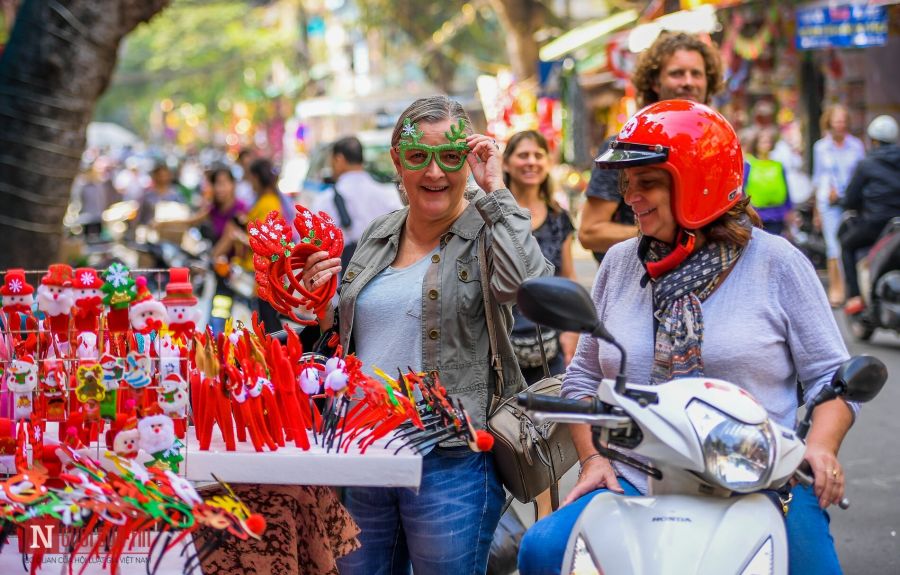
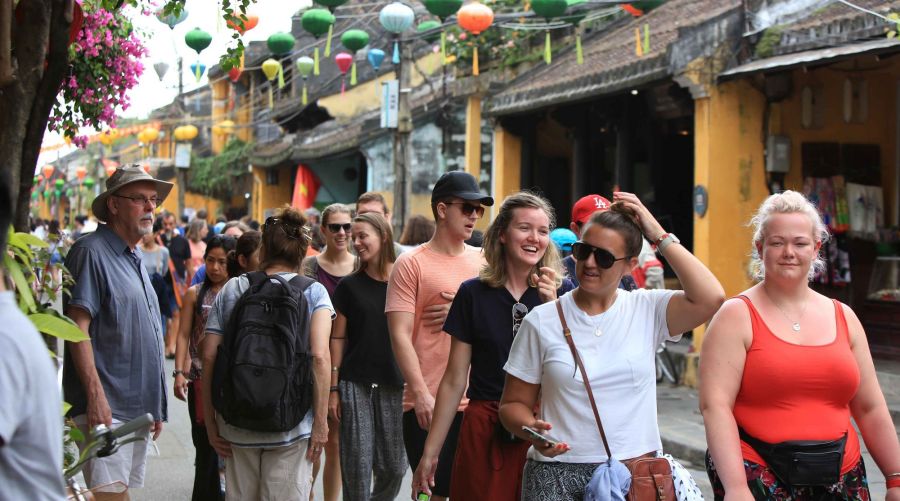
Tourists enjoy Christmas in Vietnam

It’s an exciting adventure to Vietnam, but you should consider what you pack a bit more carefully. You might encounter the differences in Vietnam temperature in December from one area of this country to another:

  • In the north, places like Hanoi and Sapa can get pretty cold, especially at night. So make sure to pack some warm layers: sweaters, light jackets, scarves, and long pants. Trust me, in these mountainous areas, you’ll be glad you did after sunset.
  • Central Vietnam is a bit of a hit-and-miss with the weather. Both light clothes and something waterproof in case of rain are good items to have with you. Opt for breathable fabrics, with maybe even a light sweater for when the sun goes down and the cold starts to roll in. And do not forget a small umbrella or a jacket.
  • If your travels take you south, get ready for some heat! Think comfortable, airy clothing such as light cotton T-shirts, shorts, loose summer dresses, and sandals. And don’t forget to take a wide-brimmed hat, some chic sunglasses, and some good sunscreen (especially as you might want to recline on the beach).
  • And a few more essentials: insect repellent if you’re heading into rural or tropical parts of the country, comfortable walking shoes will be your best friends, and a reusable water bottle is always great to keep hydrated.

Travel Tips For Visiting Vietnam In December

With a few tricks up your sleeve, you can fully take advantage of the one-of-a-kind weather, colorful culture, and holiday experience. Here’s what you need to know for a memorable visit.

  • Make a booking in advance: December is the top tourist season, particularly during Christmas and then the New Year. The best hotels and tours can fill up quickly, so book early to get your spot.
  • Get ready for crowds: The big city’s most popular tourist destinations can be quite crowded during the holidays. If you don’t like the crowds and are after a more serene experience, then consider an early morning visit.
  • Participate in local celebrations: Places such as St. Joseph’s Cathedral in Hanoi or Saigon Notre-Dame Basilica are bustling with Christmas cheer. Decorations and cultural events that immortalize the charm of the season.
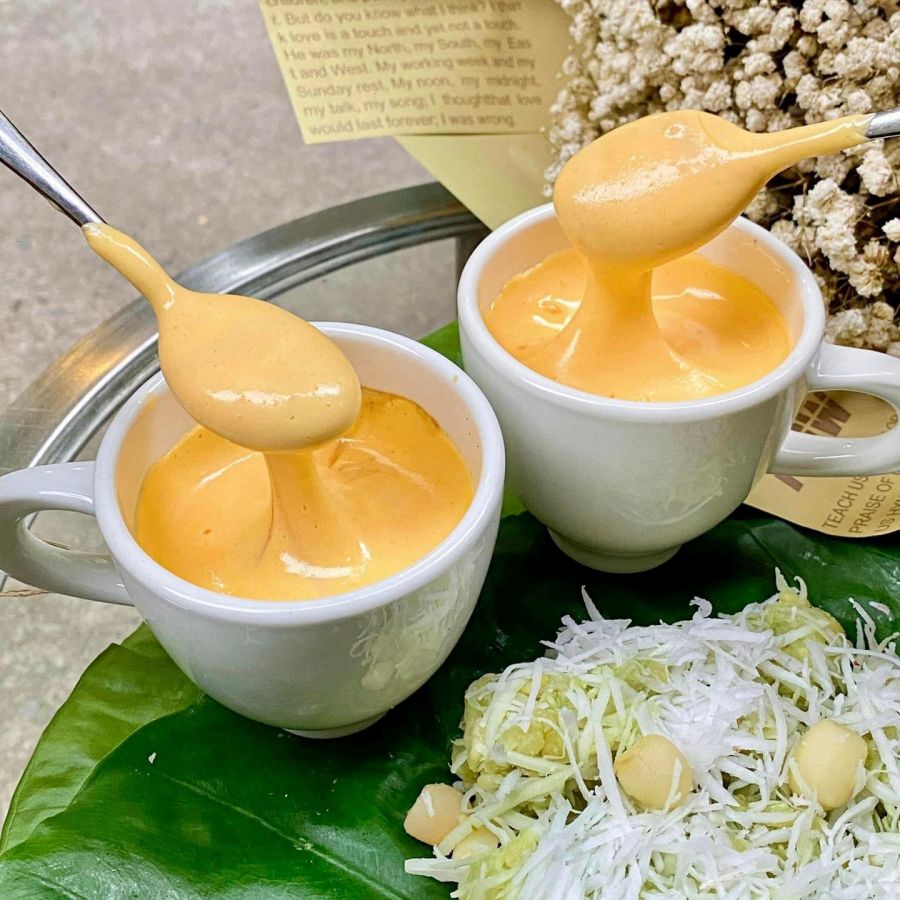
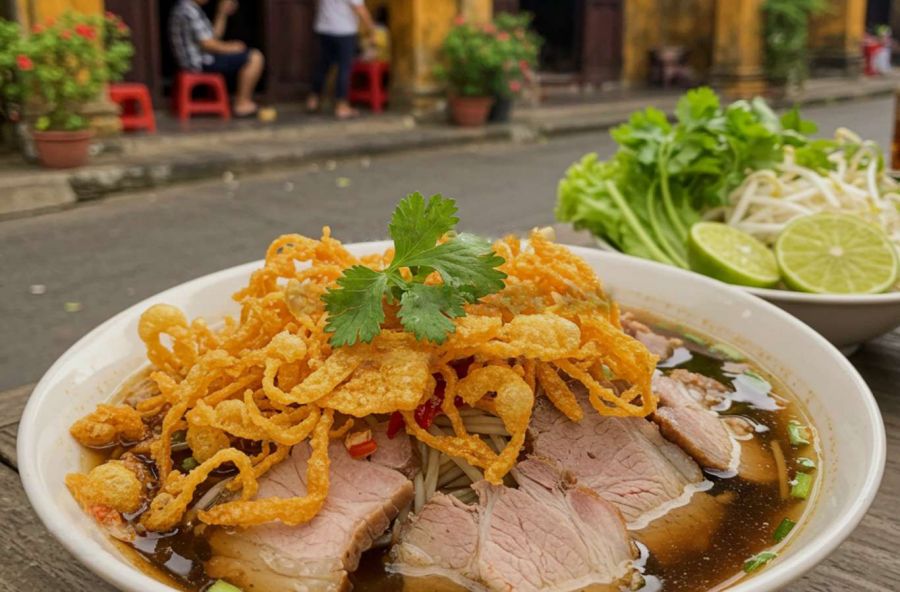
  • Try street food: It’s chilly there, so it’s the perfect weather to nibble on some warm street food such as grilled corn, scrumptious bowls of Pho, Bun Rieu, and you can’t leave without trying the famous egg coffee!
  • Prepare cash: In small towns and markets, you should use cash. It’s a good idea to have some for payments and charges.

Final Thoughts: Why December Is A Great Month To Explore Vietnam

With cool weather and festive vibes, December in Vietnam is a wonderful time to travel the country. Are you ready to start planning your trip? Get all that and more with a privately created itinerary by SeniWorld with your preferences in mind. From finding adorable accommodations to planning unforgettable guided tours, we’ve got your back. Get in touch with SeniWorld, and we’ll make your Vietnam dream getaway come true.

Where to Stay in Sapa: Best Areas and Hotels to Book

Going to Sapa for the first time may seem a bit confusing. Every place has its special aspect to show the area’s natural beauty. Enjoy learning about where to stay in Sapa so you can find a place you like.

Best Area To Stay In Sapa

People looking for where to stay in Sapa have some main areas to consider. Your choice of accommodation will depend on the purpose of your travel, as each place has special benefits.

Sapa Center

The town center is the most convenient and useful option for your stay in Sapa your first time there. It’s often the top choice when deciding where to stay in Sapa, thanks to its central location. Called the heart of Sapa, it consists of the Stone Church, Sapa Square, Cau May Street, and the main areas where you’ll find shops and eateries. You can stroll to the night market, cable car station, and many points that lead to good day hiking spots.

In addition to shopping, you will also find more food, ATMs, stores, travel offices, and locations for transportation at Sapa Center. It is often quite noisy in the area. For a fast visit, being in this location will give you the most excitement.

Recommended hotels in Sapa Center

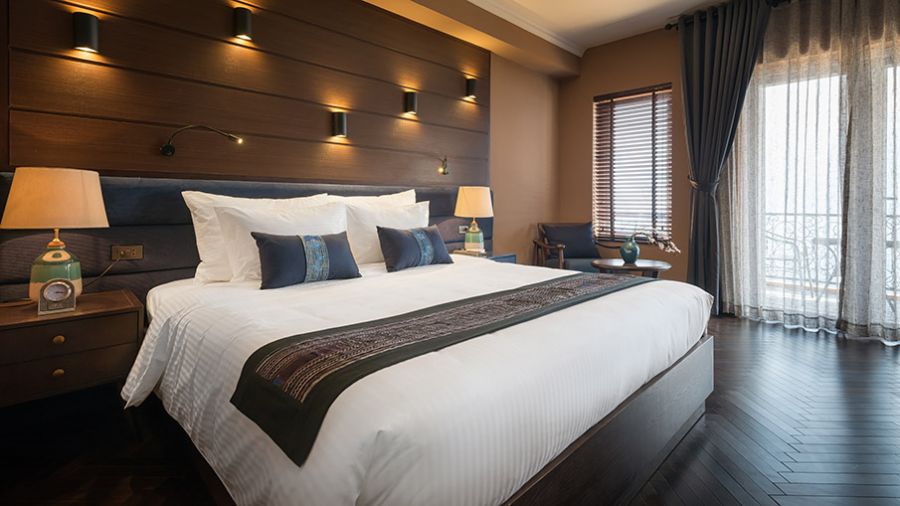
Bamboo Sapa Hotel (4-star)

Bamboo Sapa Hotel

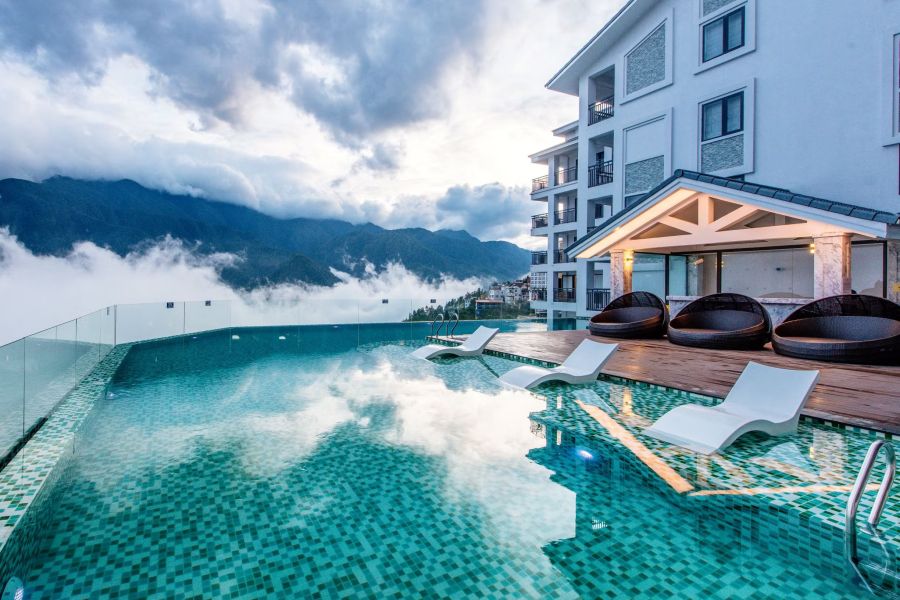
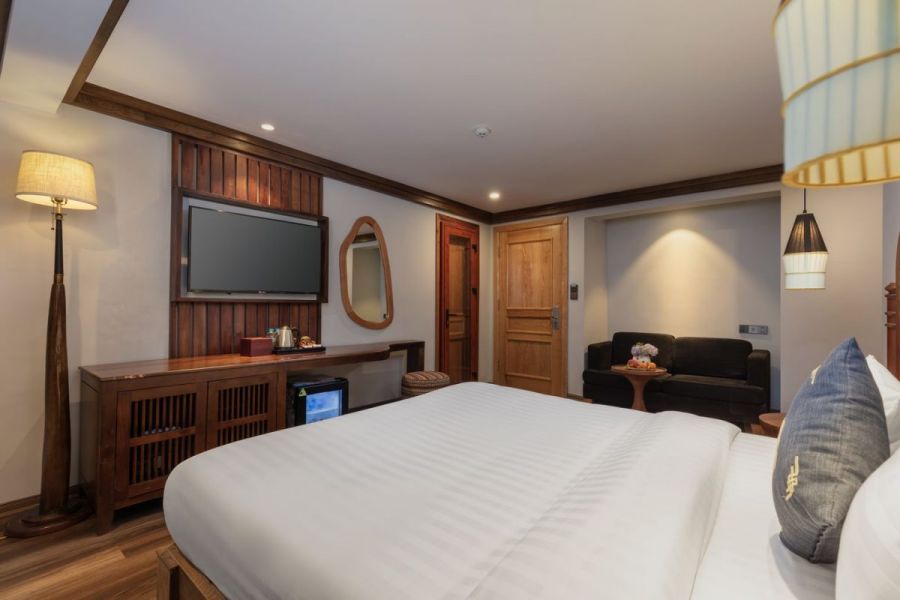
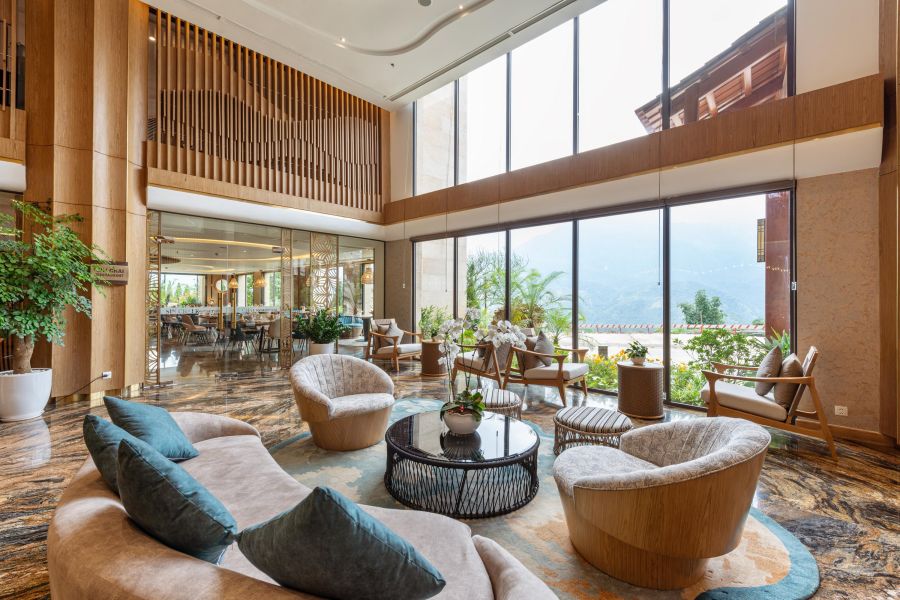
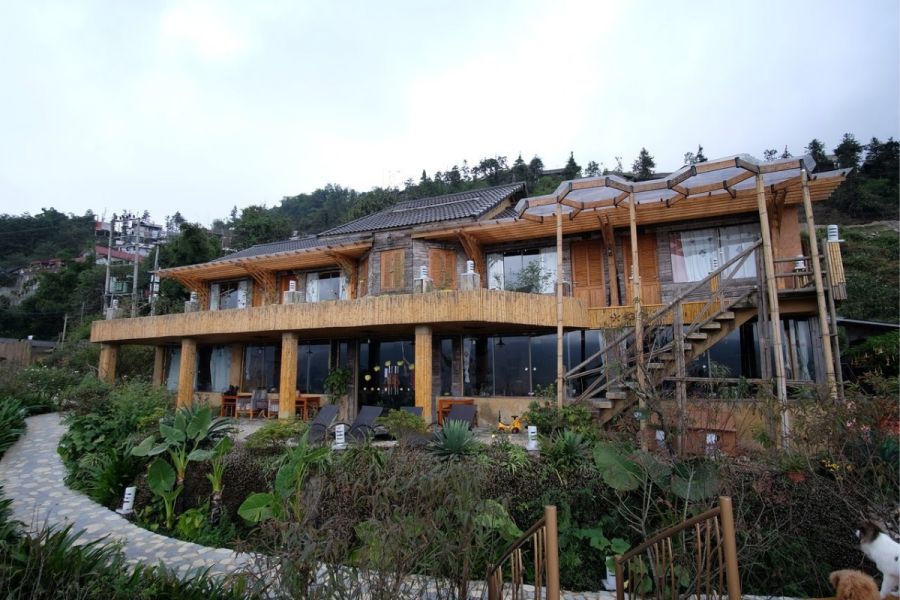
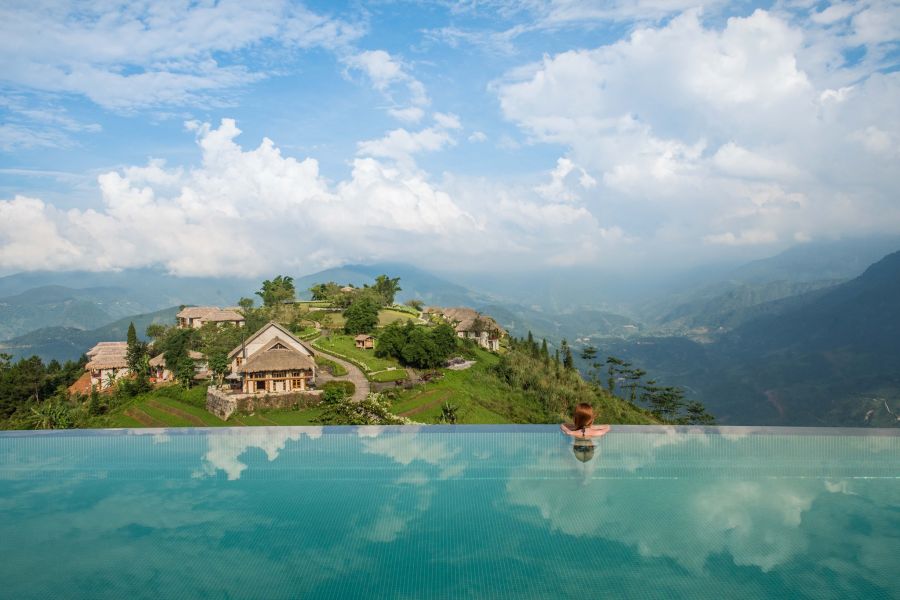
Many visitors in this area often choose Bamboo Sapa Hotel for its blend of modern conveniences and local-theme rooms. The most impressive part of the hotel is the infinity pool with amazing views of the surrounding mountains. Because both Sapa Square and the Stone Church are close by, it’s a convenient choice for people visiting Sapa for the first time. It’s often listed among the top picks when looking for the best places to stay in Sapa.

Hotel de Sapa (4-star)

Hotel de Sapa

Hotel de Sapa comes highly recommended for guests who like a more boutique experience. Thanks to cozy rooms and gentle artwork, it has both a convenient location and feels intimate at the same time. It’s tucked just slightly off the main road, so you’ll be close to everything without being surrounded by noise.

KK Sapa Hotel (5-star)

KK Sapa Hotel

In Muong Hoa Street, KK Sapa Hotel provides both luxury service and amazing valley views. The spaces are full of natural light, roomy, and newly renovated, and the hotel has a spa, fitness center, and a restaurant inside. Among options for where to stay in Sapa with top comfort and convenience, KK Hotel stands out. It’s ideal for travelers who want to base themselves in town but still feel a sense of retreat after a day of exploring.

Muong Hoa Valley

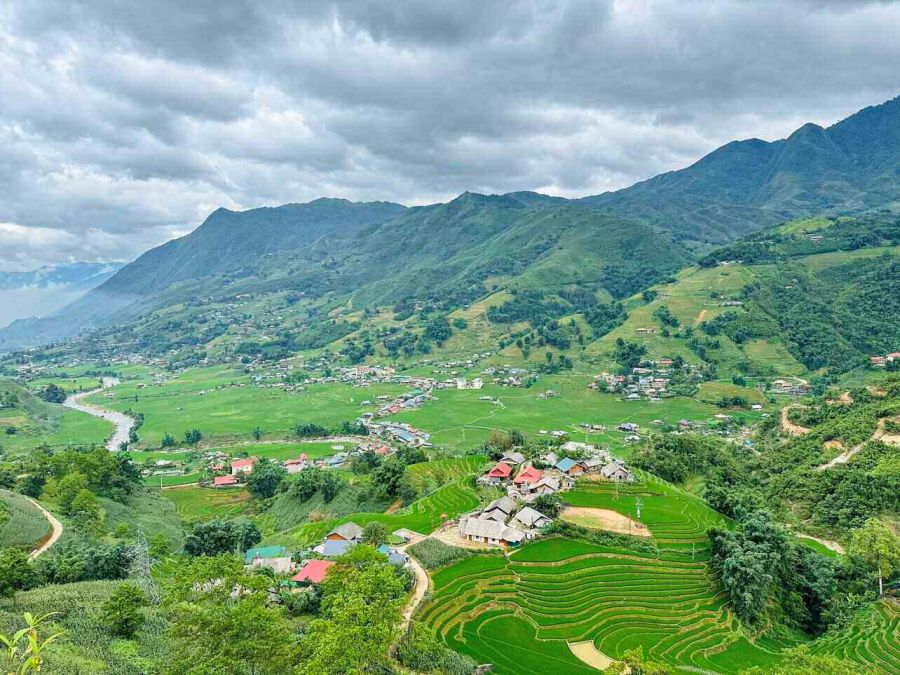
Muong Hoa Valley, one of the most peaceful answers to where to stay in Sapa, stretches out just south of Sapa Center. It’s home to several ethnic minority villages, including Lao Chai, Ta Van, and Y Linh Ho. The landscape opens up as you move downhill, terraced rice fields, bamboo bridges, and thin trails that follow the river. This area draws travelers who want to be closer to nature and local life.

The valley is quieter than the town. Morning sounds come from roosters and running water instead of traffic. Most visitors come here for homestays in Sapa, trekking, or to stay a few nights away from the crowd. The road from Sapa town is winding, but it’s only 20 to 30 minutes by car or motorbike. If you’re joining a guided hike, many of them end in this area.

Recommended hotels in Muong Hoa Valley

Sapa Clay House (3-star)

Sapa Clay House

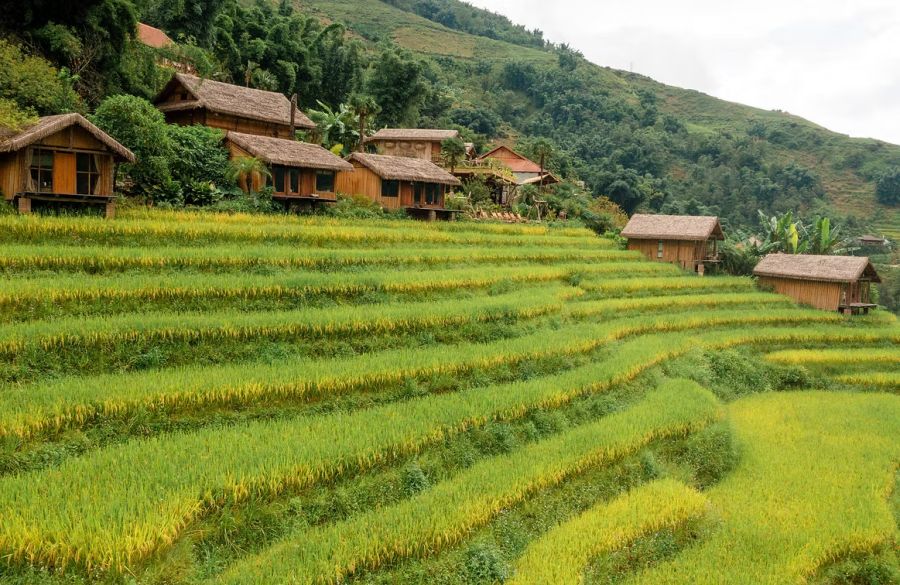
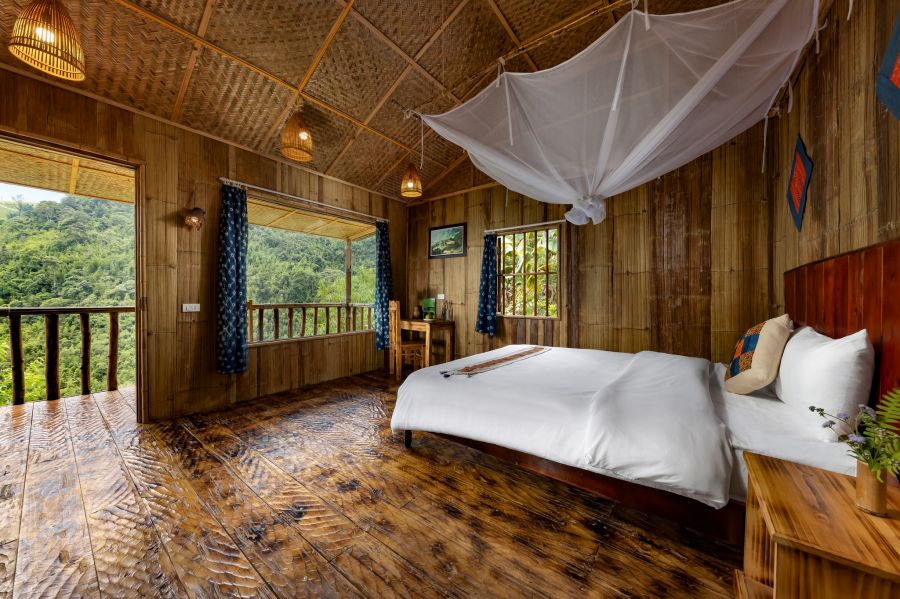
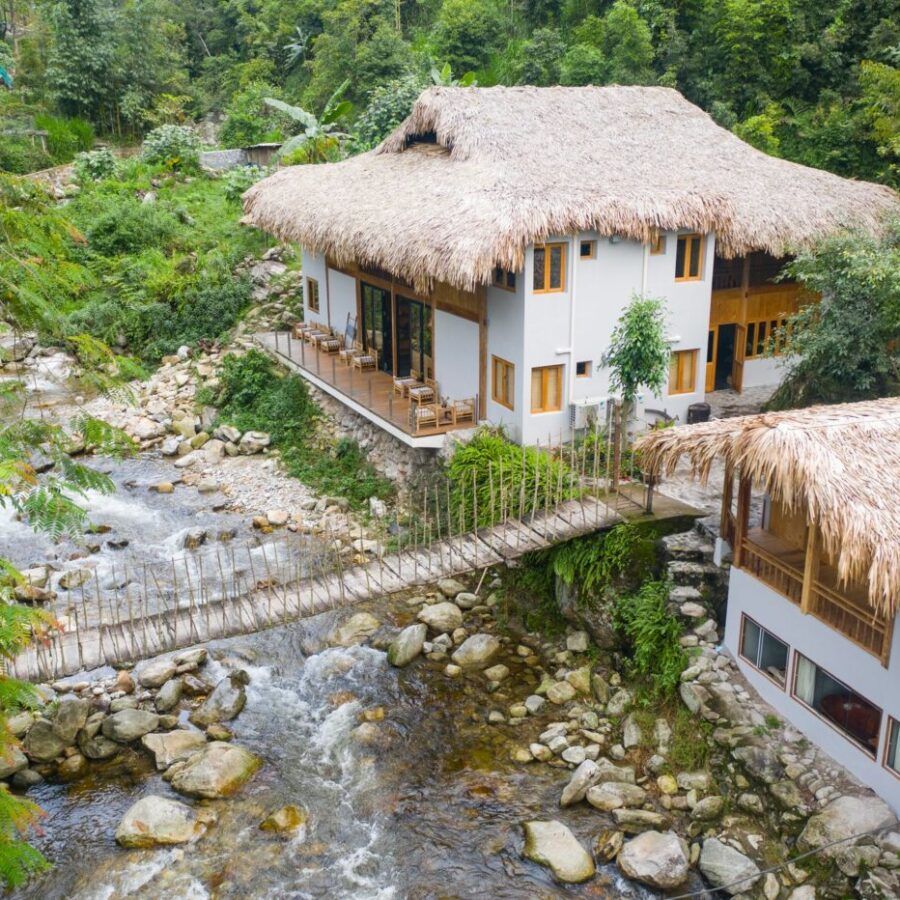
This lodge was constructed along the hill next to Lao Chai village to merge with its environment. The rooms are built with clay and wood, which imitates the usual homes in the villages. This place features a swimming pool and an open dining room that offers a view of the nearby rice fields. Staff can help you organize guides or find transport to town.

Eco Palms House (3-star)

Eco Palms House

You get direct views of Fansipan from this site. The bungalows have been spread out, making it easier for each guest to feel private. Most of the rooms consist of simple, clean lines and wide windows that let the light come in. All guests gather for meals in the same dining room—everything on the menus uses local herbs and vegetables. It’s a great option for couples or small groups deciding where to stay in Sapa with an off-grid vibe.

Cat Cat Village

Just two kilometers from the center, Cat Cat Village sits at the edge of Sapa’s hills. The area is built around a Black Hmong community, with houses spread along the slope above the stream. Most travelers visit for a few hours. But staying overnight gives you the early quiet and evening calm that day-trippers miss.

The location works well for short trips. You’re close to town, but still get the view and slower pace. The terrain is steep in places, so prepare for stairs and uneven paths. Some hostels in Sapa near the village entrance are perfect for backpackers or solo travelers.

Recommended hotels in Cat Cat Village

Chapa Farmstay – Mountain Retreat (2-star)

Chapa Farmstay - Mountain Retreat

This resort is up above Cat Cat Village, with many of its rooms giving you hill views. Every room comes with a private balcony and windows that have great views of rice fields and the forest. It takes about 10–15 minutes to reach by car from Sapa town, but staff can help with transport. Perfect for visitors who prefer a bit of space and an attractive outlook, without having to stay far from the city.

Cat Cat Garden Hotel (3-star)

Cat Cat Garden Hotel

This group of stone cottages and wood lodges is found just outside the village’s main entrance. With its many trees and plants, the setting seems well-isolated and secure. In the morning, the garden is peaceful, and you can stop for coffee at a small terrace place. The rooms are simple, but they are maintained well. You can pick this area if you want to be close to Cat Cat, but still want to go into the town easily.

Sapa Horizon Hotel (4-star) (technically in town, but on the way to Cat Cat)

Sapa Horizon Hotel

This hotel is found in the area where the town center and village path meet. It is one of the highest-end hotels, offering valley views and total service to guests. This service is good for those asking where to stay in Sapa with better facilities while still enjoying Cat Cat Village on foot.

Hmong Villages

The road after Ta Van and Lao Chai narrows, and the valley gets even deeper. This is where you’ll see small villages such as Hau Thao, Su Pan, and Ban Ho. These areas are inhabited by Hmong, Tay, and Dao communities, having fewer places to shop, fewer tourists, and more open places. Among the farms and forests, you can follow trails that are crossed by streams.

Being in villages like these is not made easy by modern standards. The scene greets you with fog moving above the rice fields and dogs barking in the hills. Food is cooked simply with the usual ingredients. This zone is ideal for people who want to stay more days and don’t mind driving outside of the town.

Recommended hotels in Hmong Villages

Topas Riverside Lodge (3-star)

Topas Riverside Lodge

Sitting by a calm Nam Cang stream, the place faultlessly combines wooden stilts with precise decoration. All the rooms have water views and balconies that get sunlight in the morning. Although the place is remote, the staff can assist guests with transportation and walking tours. As a more hidden gem in the list of where to stay in Sapa, it’s part of the Topas group, known for consistent service and local engagement.

Rock Garden Sapa (3-star)

Rock Garden Sapa

Built on a hill in Hau Thao, this eco-style resort has panoramic views over the valley. Bungalows are spaced widely apart, each with large windows and minimal design. The drive up is steep, but the reward is solitude. Popular with photographers and couples looking to disconnect.

Outside Of Sapa

Some of the most peaceful options for where to stay in Sapa are found outside the main town and valley. These places sit farther out, often 30 to 45 minutes by car, on hillsides or in remote villages where the air is colder, the crowds thin out, and the views open wide. You won’t walk into town from here. But that’s the point.

This area suits travelers who want a proper retreat. You come to read, rest, or reset. Roads are winding, and the nights are quiet. Most properties can arrange pickup from the Sapa or Lao Cai station.

Recommended hotels outside of Sapa

Topas Ecolodge (5-star)

Topas Ecolodge

Built on a ridge overlooking two valleys, this lodge is one of the most iconic in northern Vietnam. Bungalows are spread across a hillside, each with full valley views and quiet surroundings. There’s an infinity pool, a spa, and a restaurant that serves local ingredients. The lodge runs its own shuttle service from town. It’s not cheap, but few places offer this level of seclusion with this kind of view.

Sapa Jade Hill Resort & Spa (4-star)

Sapa Jade Hill Resort & Spa

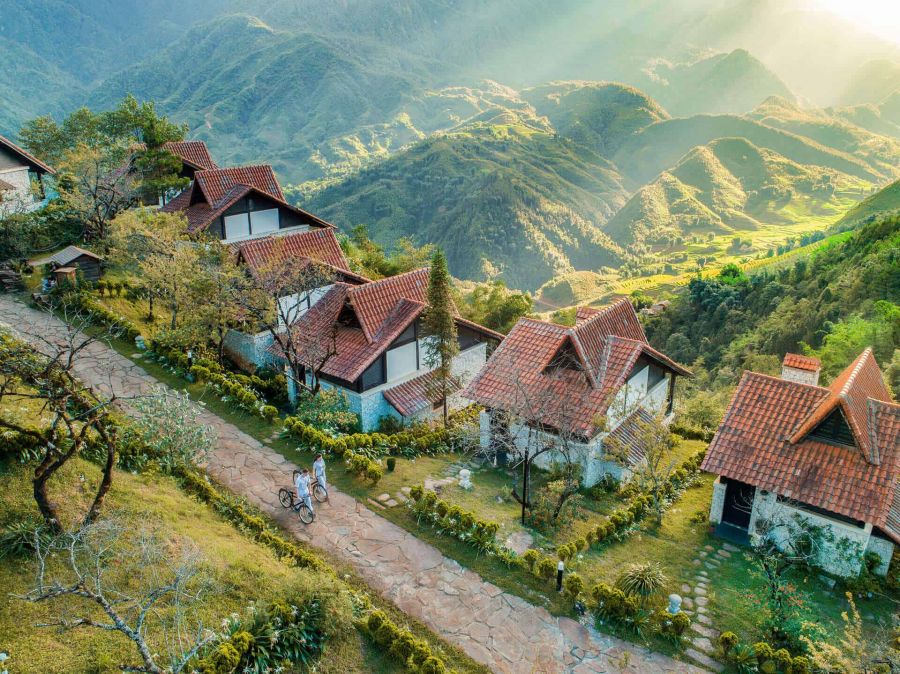
Located about 20 minutes from the center, this resort mixes modern villas with rustic mountain design. Some rooms have fireplaces and private terraces. Others open straight onto a garden or a view of the forest. It’s not as remote as Topas, but it feels removed enough to slow down. A good choice for couples or families who want comfort without going completely off-grid.

Aliana Boutique Sapa Hotel & Spa (4-star)

Aliana Boutique Sapa Hotel & Spa

Technically on the edge of town, but with a quieter feel. Rooms are larger than most in central Sapa, and many look out over Fansipan. The hotel has a small spa and restaurant, and offers shuttle service if needed. A middle ground for those deciding where to stay in Sapa that balances calm with access.

How Long To Stay In Sapa?

For most trips, two or three nights are enough to see the best of Sapa. It gives you time to explore the town, take the cable car to Fansipan, and walk into the valley without feeling rushed. You’ll have space in your schedule for a slow breakfast, a quiet evening, or a change of plans if the weather shifts. This pace suits most travelers and works well year-round.

If you stay longer, you can go farther. A night in a homestay, a visit to a more remote village, or time at a retreat becomes easier to plan. You’re not watching the clock. You can rest when you want to, walk when it feels right, and see more than just the main sights. One night is possible, but it gives you little beyond the basics. You’ll see the surface, but not much more.

Conclusion

Where to stay in Sapa decides more than just where you sleep. It shapes what you see, how far you go, and how the trip feels overall. A good base can make the journey easier, calmer, and more complete. When the location matches your plan, everything feels easier. If you’d like local advice or help finding a good fit, Seni World is just a message away.

Cat Cat Village: H’mong Traditions, Nature & Travel Tips

Cat Cat Village is located in the heart of Vietnam’s northwest mountains. Visiting this picturesque destination is like taking a step back in time, where the beauty of nature blends with the rich cultural tapestry of the H’mong.

Introduction To Cat Cat Village

Panorama of Cat Cat village

Just 2.5km from idyllic Sapa town, Cat Cat Village is one of northern Vietnam’s most popular cultural sights. At the foot of the Hoang Lien Son mountains, Cat Cat Village is a traditional land that will take you on a return to yesteryears to dive into seemingly never-ending rich cultures and stunning vistas.

Cat Cat Village is somewhat reminiscent of a living museum and a photography treasure for both lovers of a good picture and cultures. Here, you can see artisans practicing local crafts, including indigo dyeing, brocade weaving, and minutely detailed silver carving. If you’re lucky, you may even be able to join in on high-spirited ethnic dance performances and delightful local dishes. Cat Cat Village demonstrates to tourists his sustainability has stood the test of time over generations.

History Of Cat Cat Village

Cat Cat Village

Cat Cat Village has a long history stretching back to the middle of the 19th Century. The village is believed to derive from the French word “cascade,” which means waterfall. European explorers and administrators who traveled there during the French colonial period were entranced by the region’s natural beauty, particularly the striking waterfall that sits just at the village’s edge. They referred to the area using its French name, and over time, the locals modified the pronunciation to “Cat Cat”, and thus the village received its lovely name.

For centuries, the Black H’Mong minority has kept mostly traditional customs and a way of life with everlasting beauty & value of culture and a faithful attitude towards its customers. The villagers are proud of their brightly dyed indigo cloths, the fine handwoven brocades, and beautiful silver jewelry created through time-honoured methods and natural materials, with the artists paying special attention to the design of the product.

Top 5 Iconic Attractions In Cat Cat Village

Each path you stroll through at Cat Cat Village opens up a surprise. Whether you’re a keen photographer, a culture hopper, or just an enthusiastic wanderer, Cat Cat is packed with things to see that help tell its story.

Cat Cat Waterfall (Thac Tien Sa)

Tien Sa Waterfall

One of the most beautiful natural wonders of the village is Cat Cat Village Waterfall. Located at the bottom of the village, it’s a mountain waterfall that falls over rocks into growing greenery. They all set a soothing tone, which is just so good for the soul.

There’s even a little bridge across the stream, ideal for getting nearer to the waterfall or for taking great pictures. The sound of flowing water melds with the fresh mountain air and makes you just want to stop and unwind and take in peace as you walk through this lovely village.

Traditional H’Mong Houses

Traditional H’Mong Houses

As you meander around Cat Cat Village, you’ll explore rows of traditional wooden stilt houses, lovingly built by the H’Mong people using materials that can be found locally: wood, bamboo, and thatch. These homes are raised, both to keep out humidity and to protect them from flooding. Plus, the house is separated into three cozy sleeping, cooking, and storing spaces.

Some of these houses have been opened up to visitors, giving a charming insider experience of the typical village life. Guests just as effortlessly watch elderly women expertly weaving textiles, children laughing and playing with handmade toys, and master craftsmen imbuing their creativity and talent into detailed silver jewelry. A few homes even provide homestays, and you’ll get a taste of the warmth of H’Mong hospitality.

Brocade Weaving Workshops

Brocade Weaving Workshops

Cat Cat is also recognised for its handmade brocade handicraft, woven in the distinctive style of the area, which is also dyed using natural ingredients. There you find rustic weaving workshops and small, family-owned shops. There, H’Mong women skillfully work lines of wooden looms, weaving out colorful scarves, bags, and garments that are bursting with vibrant hues and complex geometric patterns.

Guests are always welcome to drop in and observe the weavers at work, have a go on a loom, and, of course, leave with a specially handmade keepsake. These workshops provide us with a pleasant opportunity to gain a deeper appreciation for the region’s rich craftsmanship heritage.

Rice Terraces

The Cat Cat Village is surrounded by beautiful rice terraces that appear to hug the mountainside. But these terraces are more than an ingenious adaptation for farming on this rugged terrain. They are also a place where people and the natural world complement each other in beautiful ways. Depending on when you drop in, you could see the fields golden as they prepare to be harvested or a lush, vibrant green as far as the eye can see, pulsing with life.

Ancient Water Mills

Ancient Water Mills

Another draw in this village is a group of old water mills dotted along the streams and in the rice fields. Made of wood and bamboo, it is marvellous how these picturesque mills tap the power of water for grinding paddy or pressing cotton for textiles! Today, these water mills are beloved cultural relics and great places for taking photos.

5 Cultural Experiences You Shouldn’t Miss

Tourists can participate in traditional games of the H'Mong people in Cat Cat village

A visit to Cat Cat Village is a trip into the culture and beauty of the Black H’Mong people and the beauty in the Hoang Lien Son mountain range. The top 5 best experiences below bring us a better understanding and make your Cat Cat trip more meaningful.

Try Local Food

One of the best things to experience in Cat Cat village is tasting H’mong local food. The cooking here is rural, flavorful, and connected to the rhythms of village life. Visitors can stumble across attractive food stalls and family-run restaurants in the streets that present traditional H’Mong dishes made from local produce. Here are some dishes you should try:

  • Thang Co (Horse Meat Stew): A very hearty traditional dish to warm up your soul, it’s perfect when it’s cold.
  • Ruou Ngo (Corn Wine): A potent homemade local spirit.
  • Xoi Ngu Sac (Five-colored Sticky Rice): A flavor explosion in your mouth, and also a stunning dish with plant-based dyes turning it into a bright rainbow of a meal.

Watch Traditional Dance And Music

Visit a little later in the afternoon, and you will witness the village turning into a lively world of traditional music and dance. These things take place on an open-air stage or in cozy courtyards just steps away from the village center.

These shows frequently include music from bamboo instruments such as a “khen”, a type of panpipe. Plus, you’ll be mesmerized by the actors in their brightly costumed H’Mong uniforms.

The folk dances are tales that have been handed down through generations. They celebrate love and the seasons and the doings of villagers. Best of all, you can even be asked on stage to participate, so it is an interactive experience you’re not likely to forget.

Join a Textile Weaving Demonstration

Weaving is an ancient H’Mong tradition. It’s fascinating to witness:

  • Skilled artisans take the cotton threads and lovingly spin, dye, and weave them into colorful patterns.
  • The magical art of making natural dyes, from leaves and tree bark to vibrant flowers, each lending a new hue.
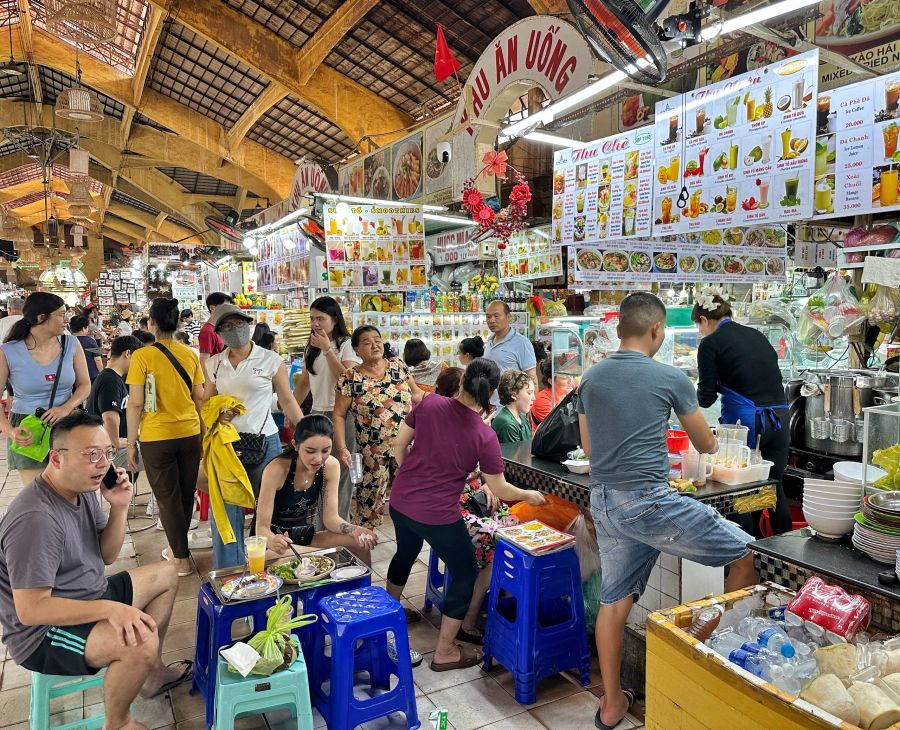
And if you get the urge, you could even try your hand at weaving, with a little bit of instruction!

Wear Traditional H’Mong Clothing

You can also rent traditional H’Mong attire, colorful and animated. Think about putting on those beautifully embroidered coats, colorful skirts, and amazing sashes, with a gorgeous headscarf and some flashy, handmade local silver jewelry.

Walking around the village in H’Mong costume will not just provide you the opportunity to take some fantastic photos, but you will also experience a more authentic connection with the culture of Cat Cat.

Learn About Local Farming

Life in Cat Cat is all about farming, with rice and corn fields. You can immerse yourself in the daily rhythms of the villagers by feeding pigs and chickens, harvesting rice by hand in the appropriate season, and foraging for fragrant herbs that locals use for cooking and traditional medicine.
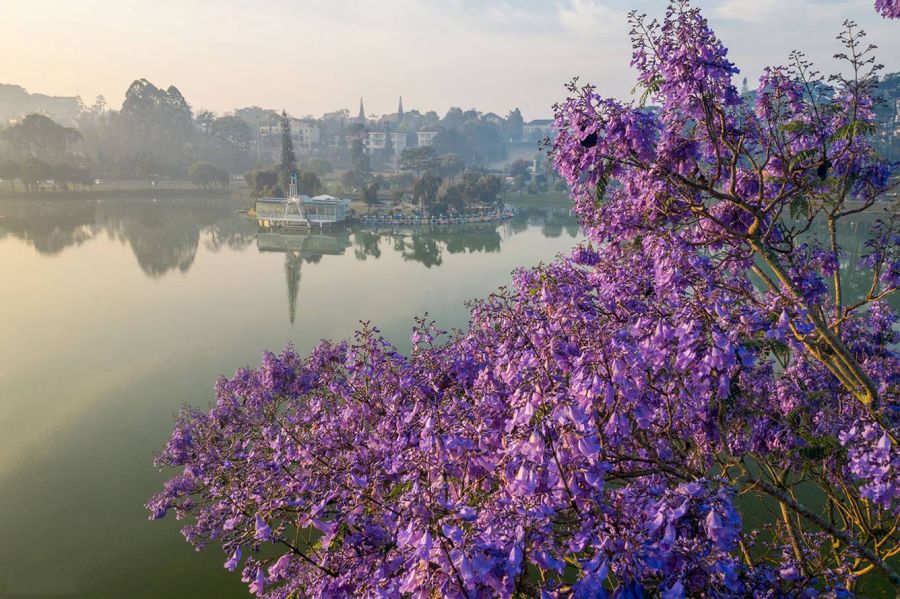
Cat Cat Village Entrance Fee

There is a small entrance fee, which goes to help keep Cat Village going and supports the local community. Here’s the information on the current entrance fee:
Visitor Category Price
Adults 150,000 VND/person
Children (1m – 1.4m height) 70,000 VND/child
Children under 1m height Free

Note: The entrance fee includes access to all areas of the village, including the waterfall, traditional houses, cultural performances, and craft demonstrations.

Cat Cat Village Opening Hours

Cat Cat village welcome gate

Cat Cat Village opens every day from 06:00 AM until 09:00 PM. You can travel to Cat throughout the year, but the best times to go are definitely between March and May, as well as September and November. During those months, the weather is just lovely, and you’ll get to see the landscapes bursting with color.

How To Get To Cat Cat Village

Cat Cat village is located very near Sapa town, around 2 km. Visitors can get to Cat Cat by taxi or by bike. But if you want to soak up the scenic splendor, it’s a nice stroll to Cat Cat village. The views along the way are stunning and worth the short detour!

Here is the price table for each type of transportation:

Transport Method Cost Time Notes
Grab/Taxi 100,000 – 150,000 VND/route 15 minutes Most convenient option
Motorbike rental 150,000 – 250,000 VND/day 10 – 15 minutes Requires valid license
Bike rental 150,000 – 200,000 VND/day 15 minutes A bit slow
Walking Free 45 – 60 minutes Scenic but challenging

Some useful notes:

  • Motorbike riders have to own a valid Vietnamese or international driving license.
  • The road to Cat Cat Village has steep parts and twisting turns.
  • You can park near the village entrance for a small cost.

Things To Know Before Traveling To Cat Cat Village

Road to Cat Cat village

Before journeying to Cat Cat Village, it’s best to prepare yourself so you can savor every minute. Here are some key factors to keep in mind to get the most from your visit.

  • Footwear: Make sure you’re wearing some comfortable shoes. You’ll be doing some walking on uneven ground, up and down steps, and possibly making your way through some slippery areas around the waterfall, so a pair of waterproof, non-slip footwear is wise.
  • Weather preparation: Mountain weather can be pretty fickle, so be ready for anything. Pack some layers and a solid rain jacket, particularly in summer. It can be pretty hot and humid, so pack travel-friendly, breathable outfits that will keep you cool.
  • Cash requirements: You will need cash for everything from entrance fees, meals, and souvenirs to transportation, renting costumes, and so on.
  • Photography etiquette: When shooting local people, particularly the older locals, be sure to ask permission first. Some may even appreciate a little tip for a photo op. And, please, be respectful of their personal spaces and any religious sites you find along the way.
  • Map preparation: As the mobile signal does not work in many areas of the village, it is recommended to download a map or bring the Cat Cat village map so as not to miss something interesting.

Final Thoughts: Is Cat Cat Village Worth Visiting?

Cat Cat village evokes a timeless feel that is as friendly as can be. There, you will experience the bold heritage of the H’Mong people, beautiful artisan crafts, and heritage ideas that reflect a complex and rich cultural tapestry. So, are you prepared to explore the magic of Cat Cat Village? Let SeniWorld take you through Vietnam tour packages, helpful travel tips for the most enjoyable moments in Cat Cat.

Explore Ta Phin Village: Culture, Herbal Baths & Local Life

Ta Phin Village is a serene ethnic village. It is famous for its Red Dao culture, herbal baths, and spectacular mountain views. Ta Phin is a true getaway for visitors to experience local life and traditional customs.

Introduction To Ta Phin Village

Ta Phin Village from above

Ta Phin Village is a lovely and quiet place that is located around 17 km from Sapa town in Lao Cai Province, Vietnam. Known as one of the most beautiful sites in Sapa, Ta Phin has cool and pleasant weather, along with the beautiful nature and culture of legendary ethnic groups.

What sets Ta Phin apart from the other villages in Sapa is its real cultural experience. Here, you’ll have the opportunity to meet with two ethnic minorities in Vietnam: the Red Dao and the Black H’mong. Visitors can traverse terraced fields, spelunk in forbidding caves, or relax with a Red Dao herbal bath. Anything you do in Ta Phin seems like the real way to immerse yourself in Vietnam’s highland culture. It has been a popular hideaway for many a traveller seeking tranquillity from the North and a glimpse of the traditional way of life in Vietnam.

History Of Ta Phin Village

The history of Ta Phin Village is very special indeed. The Red Dao are believed to have originated in southern China’s lowlands and migrated upward to the highlands of northern Vietnam hundreds of years ago. They were one of the first bands to settle in this valley. The Black H’mong followed, and they’ve lived in perfect multi-ethnic harmony.

The name “Ta Phin” of the village comes from the local dialect, meaning “place of the spirits”. It also mirrors the strong bond of humanity between the Red Dao and the natural world.

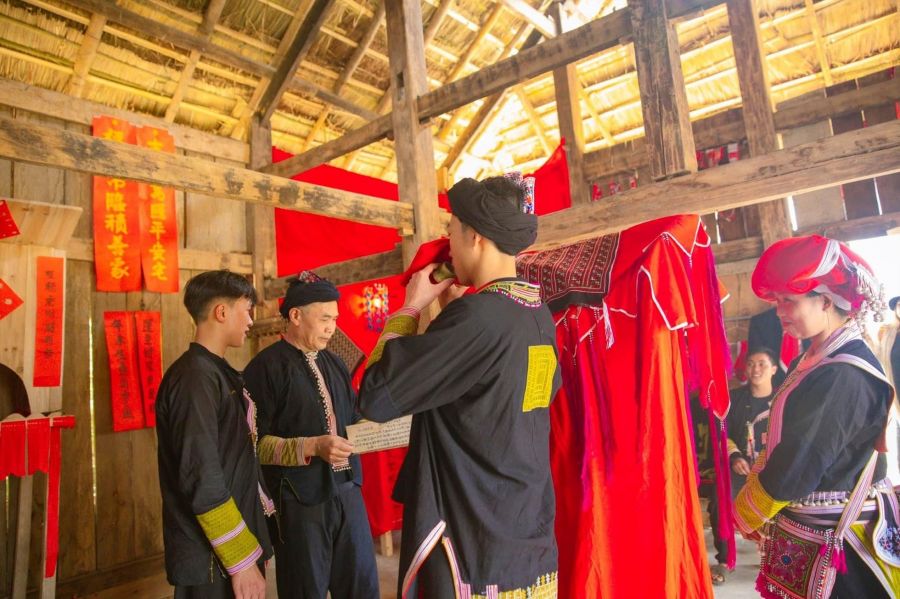
Members of the Ta Phin community have preserved the distinctive customs, languages, and spiritual practices throughout generations, despite the modern lifestyles gradually invading their lives. The Red Dao in particular is known for the production of red clothing, brocade weaving, and medicinal herbs. Their decoctions, boiled with a secret recipe of forest plants, have since turned into signature spa treatments for visitors.

Top 5 Iconic Attractions In Ta Phin Village

No matter if you hike or follow a Ta Phin village map, there is something to remember in every corner. Here are the most special sights that no visitor should miss even once.

The Ancient Ta Phin Monastery Ruin

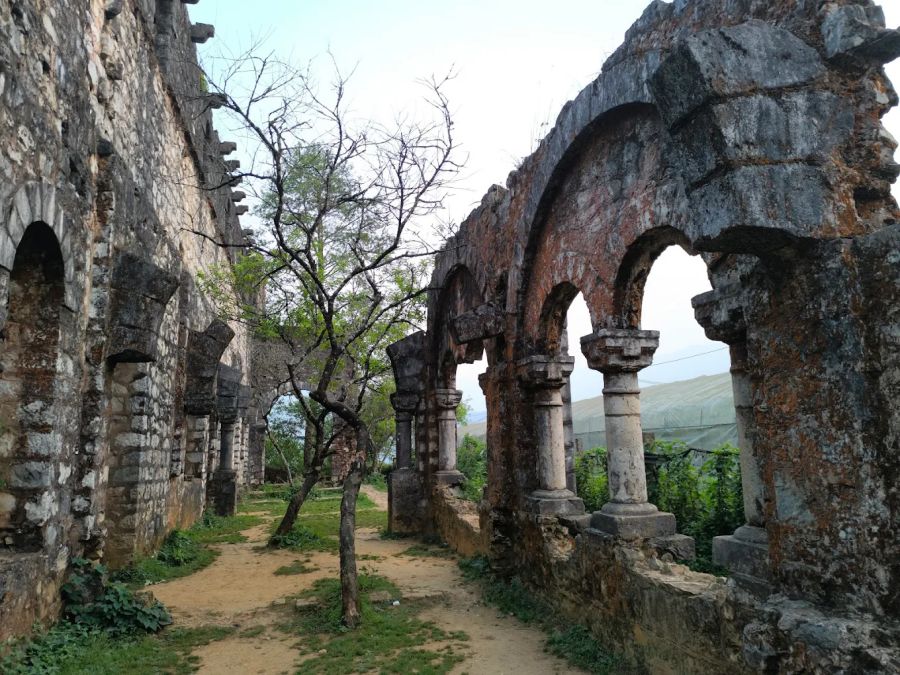
The Ancient Ta Phin Monastery Ruin

The mysterious and ancient relic and the sacred place in Ta Phin Village include the Ta Phin Monastery. Constructed in the early 1940s by French colonialists as a nunnery’s place of worship and retreat, the monastery was never completed due to political unrest and war. Now covered with moss, the stone walls and arches add to the eerie, yet peaceful, feeling of the place.

Especially in the misty morning or late afternoon, some travelers like to wander Ta Phin Village in the evening when the ruins are particularly spooky when lit under moonlight.

Ta Phin Village Waterfall

For nature lovers, Ta Phin village waterfall is an open destination for them. Located in a dense jungle around 2 kilometers from the main village area, this waterfall is small but pretty. It is a pristine spot with none of the commercialism that surrounds most places in the village, just greenery, mossy rocks, and the sound of falling water. Ta Phin waterfall is a perfect place for a picnic or simply to recline after a hike through the rice terraces.

Moreover, local trekking tours often make the waterfall a stop for a refreshing break and good photo ops. The path is fairly simple, and the serene environment allows nature-loving travelers to enjoy the surroundings. If you use an accurate Ta Phin village map, you’ll easily get to reach this beautiful place along the beautiful forest path.

Traditional Red Dao Houses

Traditional Red Dao Houses

Red Dao traditional architecture can be seen in the village, and the houses are made from natural materials. The structures show off ancient construction methods influenced by how the land can be protected and the weather in the mountains.

Homes have distinctive red-tilted solid-timber roofs, elevated seven feet off the ground to shelter from floods and create extra storage space underneath. Most houses still have a traditional living room, with a family altar, a traditional kitchen, and sleeping places mirroring aspects of the community’s value system.

Terraced Rice Fields And Herbal Gardens

Ta Phin is known for its stunning terraced rice paddy fields that shift colors with the seasons, from vibrant green in spring and summer to golden yellow in fall. These rice terraces can’t just be admired from up close as they also are a testament to the Red Dao and the Black H’mong people’s skills and agricultural traditions.

Apart from rice fields, many households also grow medicinal plants for the traditional Red Dao herbal baths. Other must-see attractions are the herbal gardens, where people can get to know the local plant species and their therapeutic qualities. Some homestays will even let you help harvest herbs or prepare a bath yourself.

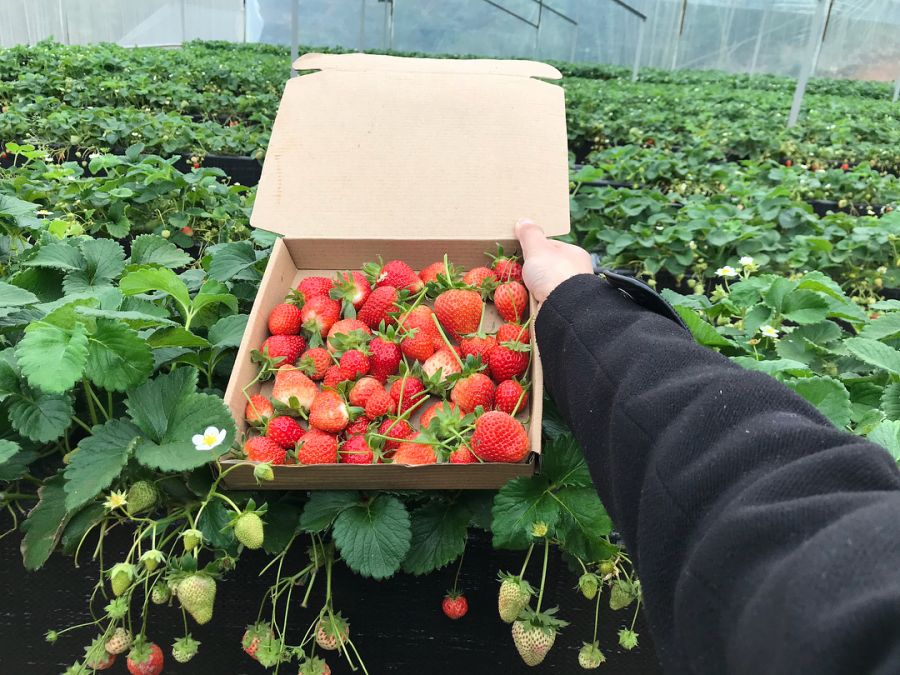
Ta Phin Strawberry Garden

Ta Phin Strawberry Garden

Cross the bridge 32, go about 1km further to Ma Tra village and Ta Phin village, and you will arrive at the strawberry garden of Thang Loi cooperative. Here you will find many types of delicious strawberry varieties from the US, Korea, Japan, and New Zealand. From January to April each year, the red fruits grow in the strawberry garden, and they droop on both sides of the pots, which are visited by so many tourists and experienced visitors.

Upon reaching Ta Phin strawberry garden, tourists can themselves pick the pretty red strawberries and taste them in a cosy corner in the garden, or make a gift for their family and relatives. The prices range from 150,000 to 300,000 VND/kg.

5 Cultural Experiences You Shouldn’t Miss

A visit to Ta Phin village would not be thorough without participating in the interesting cultural customs of this ethnic community. The experiences provide authentic travelers a chance to engage in local life, as well as to learn and participate in centuries-long traditions.

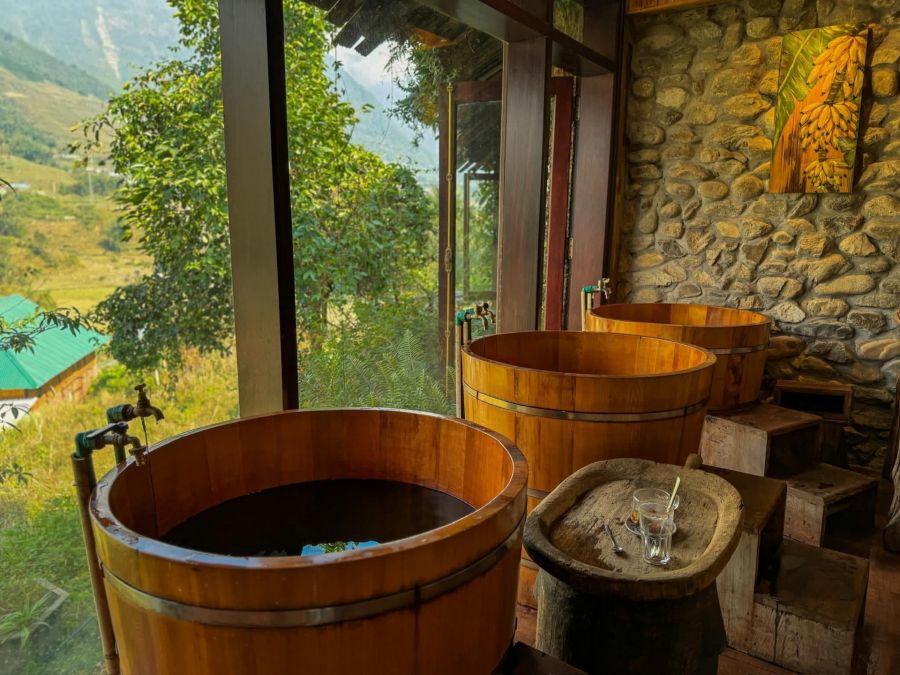
Try The Traditional Red Dao Herbal Bath

Try The Traditional Red Dao Herbal Bath

The Red Dao herbal bath is the best-known relaxation technique in Ta Phin Village. The herbal bath and about 20 medicinal plants from the nearby forest that it is made from have properties said to alleviate stress, increase blood circulation, and help skin problems. In many homestays, small wooden tubs are also available for you to soak and relax like a local. This is a must-try, especially after a long trek through the rice fields or the caves.

Learn The Art Of Traditional Embroidery

The Red Dao women are masterful hand embroiderers and utilise techniques gone by to create beautiful clothes, scarves, and home-ware. Many families welcome visitors into their homes and teach them the stitch patterns that have come down through generations of ancestors. Not only do you learn a new skill, but you also directly support local artisans by buying directly.

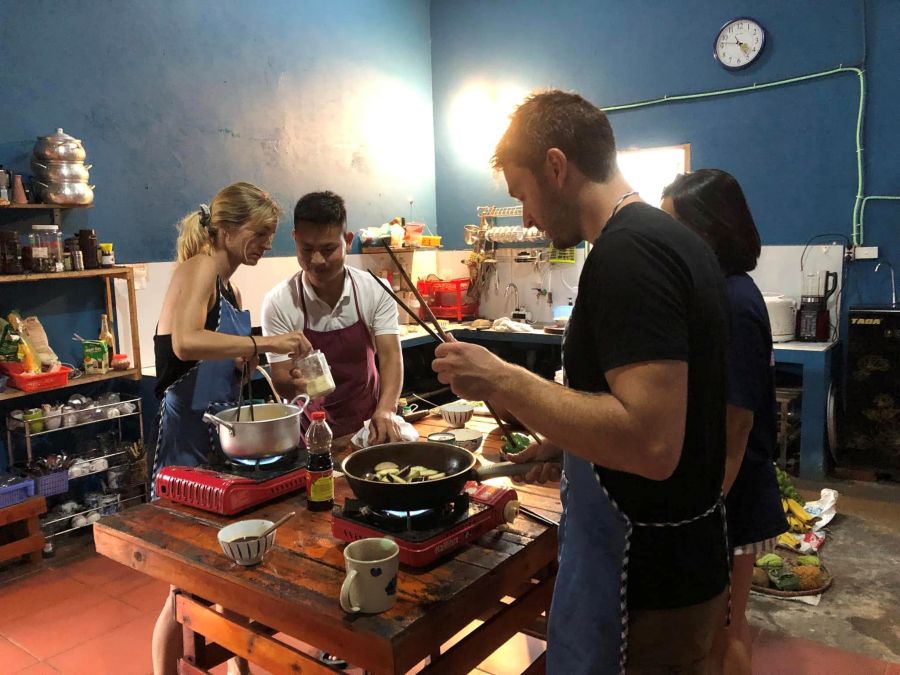
Join A Red Dao Or H’mong Cooking Class

Join A Red Dao Or H’mong Cooking Class

Cuisine is a key element of any culture, and you’ll have the option to join in on a local cooking class in Ta Phin Village. From Com Lam (bamboo-tube rice) to wild vegetable stir-fries and corn wine, the food is fresh and frequently handpicked. Cooking with villagers is fun and educational, and is a perfect family or small group activity.

Involved In Cultural Performance And Music Sessions

Evening cultural shows include traditional Red Dao music, dance, and even storytelling, performed by villagers. The programs often incorporate interactive components in which visitors can learn some basic dance steps, try out traditional instruments, or take part in group singing. These are important cultural exchange visits, and they serve to encourage the local artists and their traditions.

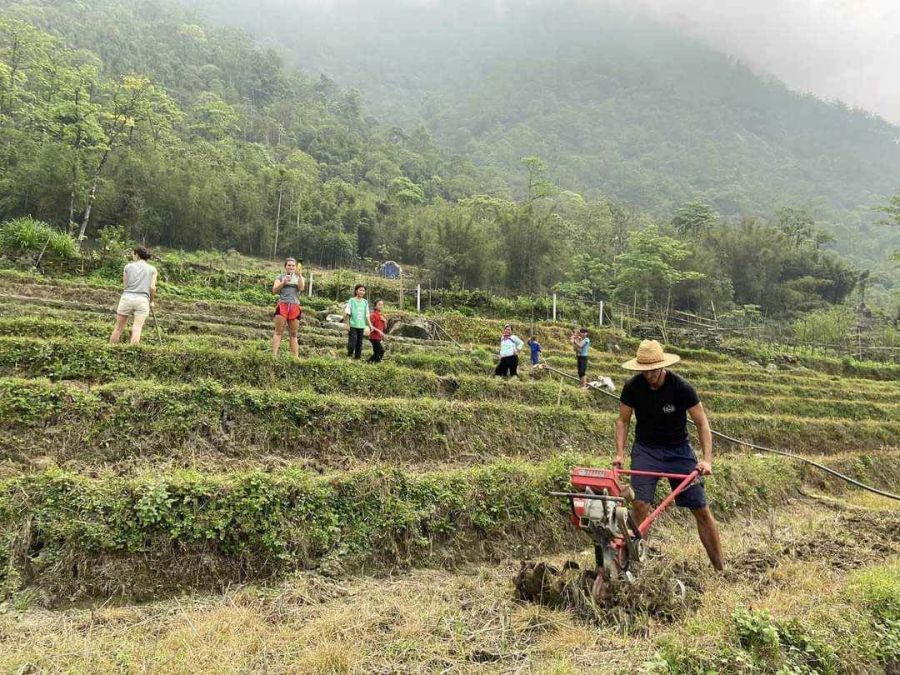
Experience A Day As A Local Farmer

Experience A Day As A Local Farmer

Many families in Ta Phin are willing to share a “farmer for a day” experience, allowing guests to assist in anything from planting rice to gathering medicinal herbs or feeding the animals. It’s an intimate lesson in how locals sustainably live off the landscape. These activities often include storytelling from elders about farming traditions, seasons, and life in the community.

Ta Phin Village Entrance Fee

Visitors have to pay a small fee for entrance, which goes toward the development of the local community and the conservation of traditional cultural values. It’s kept for road maintenance, infrastructure building at the village level, and as support for local people in their traditional crafts and tourism services.
Here is a breakdown of the current ticket prices:

Visitor Type Entrance Fee (VND)
Adults 40,000 VND
Children above 1 20,000 VND
Children under 1.2m Free

Additional notes:

  • Payment needs to be in Vietnamese Dong.
  • Guided tours are available for an extra fee, usually negotiated with locals (around 150,000 – 200,000 VND per group).

Ta Phin Village Opening Hours

Ta Phin Village can be visited at any time of the year; the village is open 24/7. But the best time to go depends on what appeals to you and the type of weather you like:

  • Spring (March – May) Green terraces and cooling breezes
  • Fall (September – November): Golden rice fields and soft air.

Avoid monsoons (May – September) when trails and views get muddied by heavy rain.

How To Get To Ta Phin Village

Local in Ta Phin Village

It’s just 12km from Sapa town, so you can visit Ta Phin Village by car, bus, or motorbike. Check the information on the methods to get to Ta Phin Village as follows:

Transportation Method Estimated Time Cost
Motorbike Rental 30 – 40 mins 100,000 VND – 150,000 VND/day
Private Taxi 25 – 30 mins 250,000 VND – 350,000 VND
Motorbike Taxi 30 – 35 mins 80,000 VND – 100,000 VND
Trekking Tour 3.5 – 4 hours 300,000 VND – 500,000+ VND

Things To Know Before Traveling To Ta Phin Village

To capitalize on your visit to Ta Phin Village, you must prepare ahead of time. The rural aspect of the area, rich cultural scenery, and unpredictable weather mean that tourists should be prepared both physically and mentally for the real village feeling.

  • Road conditions: The roads to Ta Phin are winding, narrow, and sometimes steep. Motorbikes and motorbike taxis are the most versatile means of transport.
  • Driver license: If you want to ride a motorbike, you need an international or Vietnamese motorbike licence.
  • Clothing: The weather in the Sapa region changes frequently. Temperatures can drop quickly after sunset, even during warmer months. Bring a light jacket, wear layered clothing, and carry rain gear if you’re visiting during the wet season. For the Hmong ethnic group of Ta Phin village, white linen, but not dyed with indigo, is reserved for funeral ceremonies. So visitors should avoid the white clothing made of this material. If you forget and show up in pure white linen, you can don an outer coat or a brocade scarf to hide it.
  • Respect local customs: Never take photos without permission, especially of elders or children. Do not give money or sweets to children, as it creates dependency. Small presents such as books, pens, or a notebook are preferred. Also, when having a conversation with the ethnic Ta Phin people, the tourists do not forget to use a lot of hand gestures. This indicates a form of despise and disrespect in the highland mentality, which still influences local perception.
  • Health caution for herbal baths: It’s relaxing and therapeutic to many, though for some travelers, it can cause skin irritations or allergies. If you have sensitive skin, inquire about the ingredients before soaking, or perform a skin test with just a little bit.

Final Thoughts: Is Ta Phin Village Worth Visiting?

Ta Phin Village offers breathtakingly beautiful natural panoramas, deep-rooted Red Dao culture, traditional herbal baths, and laid-back village life. If you want to do some cultural exploring, snap a few great photos, or just fancy a quiet retreat into nature, this village should be one of your stops on your Vietnam itinerary. To begin planning your visit to Ta Phin Village, SeniWorld will help you with the perfect travel guide for the most enjoyable experiences.

Vietnam in March: A Scenic, Sunny & Cultural Adventure

Vietnam in March offers a wonderful time as the country ends winter and welcomes the vibrant spirit of spring. It’s the perfect time to explore everything from the mystical, misty mountains in the north to the sun-kissed beaches down south.

Is March A Good Time To Visit Vietnam?

Sapa in March

Yes, March is one of the best months to visit Vietnam. Vietnam weather in March gets more comfortable when compared to the cold of January and February, and less sticky than the heat of April and May. You will get dry weather and nice temperatures. It is ideal to see the sights, to hike, and to hit a beach.

As for positives, the month brings out travelers of all traveler types. If you’re into cool weather, go north for misty mountains and fresh air. Visitors to the culture can absorb some of the post-Tet atmosphere when the locals return to their old routines, but the festive glow of Tet lingers on. Nature lovers can also check out flowering landscapes and lush green rural areas in mountain destinations such as Sapa or Ninh Binh. March can be somewhat light on huge festivals, although it’s much easier to travel without the crowds you encounter during peak tourist season.

But there are a couple of things to be on guard for. There are hilly areas up north where it can be a bit cooler, and you could encounter some foggy mornings that make it difficult to see. It heats up a bit to the south, around noontime, if you are in the open or in city sections. But don’t stress too much. These weather oddballs are relatively benign when compared to other seasons.

What’s The Weather Like In Vietnam In March?

Walking in Hoi An Ancient Town

Vietnam’s unique topography naturally results in various types of weather, divided into three main regions from north to south. It’s useful to know what to expect from the Vietnam climate in March for you to get the most out of your adventure.

North Vietnam In March

Winter ends in March. You will have temperatures of 15 – 22 degrees. The weather is fresh and normally dry. But there’s this magical mist that comes down and hangs over places like Ninh Binh and Sapa that sort of covers the landscape. It’s a great time for hiking and taking photos, but remember to pack a few warm layers for early mornings and evenings.

Central Vietnam In March

You will find March to be one of the best times to visit this region. Temperatures here hover between 22°C and 30°C, and the skies are mostly clear with hardly any rain in sight. Nothing is better than wandering through old towns, checking out historical sites, and soaking up the sun on the beaches without the discomfort of humidity or heat waves that arrive later in the year. In addition, visitors stroll through Hoi An’s lantern-lit streets or lounge on Da Nang’s sandy shores. The weather invites all those explorations.

South Vietnam In March

March brings hot and dry conditions. Temperatures can range from 25°C to a steamy 33°C, with little to no rainfall. This time in the Southern area is heaven for beach lovers, foodies, and anyone who thrives in a vibrant city atmosphere. Cruising along the Mekong or soaking up the sun on Phu Quoc is a great experience. Everything feels just right in this sunny, cheerful setting.

Best 7 Places To Visit In Vietnam In March

There is an enticing array of travel destinations in March, thanks to favorable weather conditions. You’re seeking calm countryside vibes or the buzz of a vibrant beach town, every region provides you with the right type.

Ho Chi Minh And The Mekong Delta

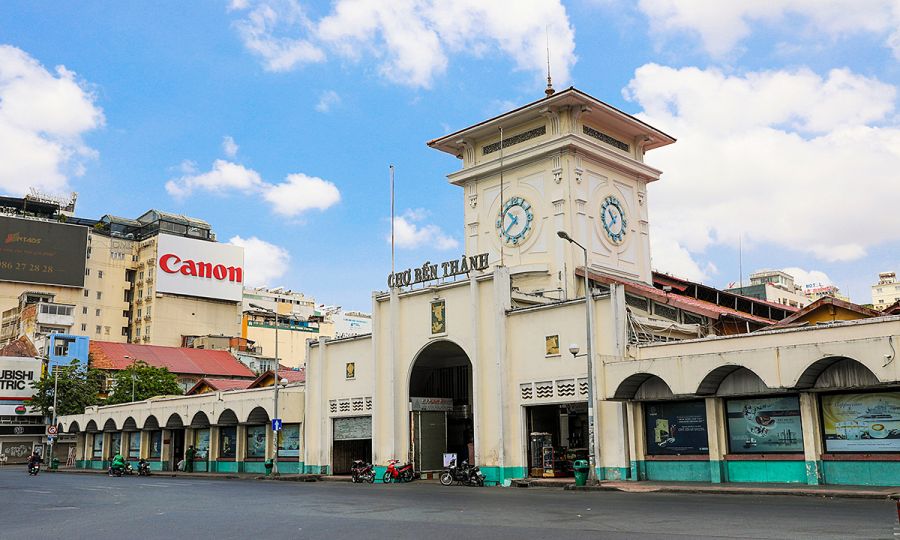
Food tour Ben Thanh Market

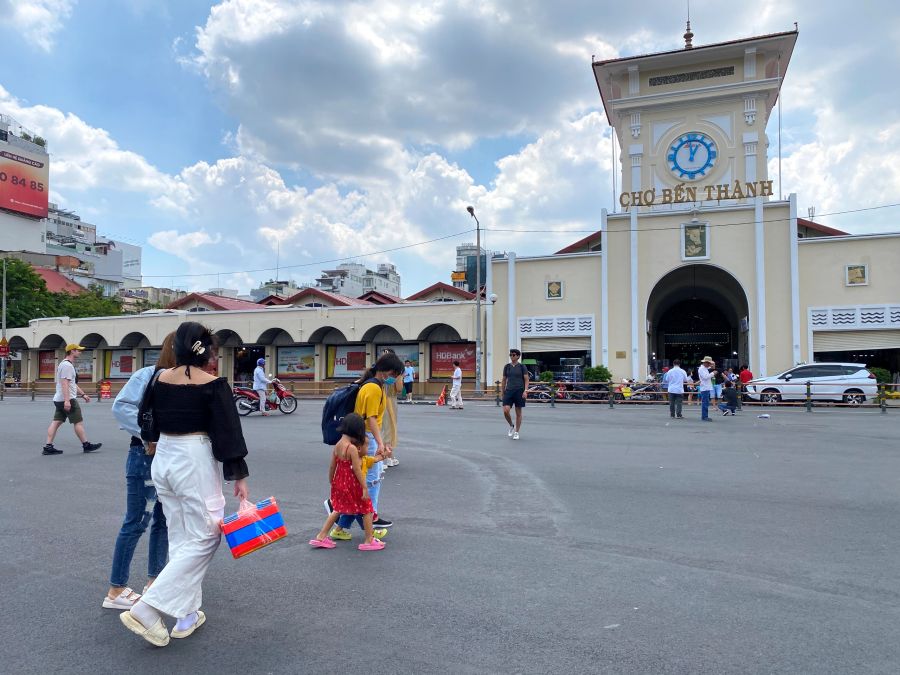
You can feel the energy in Ho Chi Minh City in March. The street markets are a riot of color and sound, while the rooftop cafés echo with the clink of tea glasses and the bustle of conversation. The perfect time for visiting the War Remnants Museum, strolling around the vibrant Ben Thanh Market, or going on a memorable food tour that will excite your taste buds.

Nearby, the Mekong Delta is a charming reprieve from the city’s hustle and bustle. On an excursion here, you can boat your way through floating markets like Cai Rang. And don’t miss the opportunity to visit the Ben Tre coconut workshops, or to feel the love at a homestay with local families. In March, everything feels just a little bit more refreshing, which has been making these outdoor adventures so much fun.

Phu Quoc Island

If you’ve been craving some time in bright turquoise waters and lolling on soft white sands, Phu Quoc Island is it, particularly in March. The weather is also perfect during this season. It’s barely raining, and visibility is at peak. It’s a great month to embark on some adventures such as snorkeling, scuba diving, and island hopping.

You’ll be able to chill on Long Beach or stroll along the beach. Don’t miss the stunning sunset at Dinh Cau Temple; it’s insane. And there’s plenty of natural beauty in Phu Quoc National Park.

Da Lat

Xuan Huong Lake in March

In March, Da Lat has its unique promises. The pines are the breath of fresh, cool air, and the characterful European villas are charming. This magical city turns into a peaceful retreat and is ideal for couples looking for romance and relaxation. And at temperatures that make a nice 14°C up to 24°C, it is perfect for long bicycle rides around the lovely Xuan Huong Lake or a thrilling hike up to the amazing Elephant Waterfall.

Or, thanks to its flower-blooming gardens, couples and nature lovers can stroll among Da Lat Flower Park’s colorful blooms, or unfurl a picnic blanket and snuggle down on the Valley of Love’s green, rolling hills.

Hoi An And Da Nang

March is an awesome time to be in Hoi An and Da Nang, as things along the coast are blessed with some of the best weather. Hoi An’s Ancient Town comes alive this time of year, with warm, sunny weather. This is the perfect setting for those beautiful nights of glowing lanterns. You might want to cycle through scenic rice paddies, learn to cook delicious Vietnamese food in a cooking class, or get crafty in a lantern-making workshop.

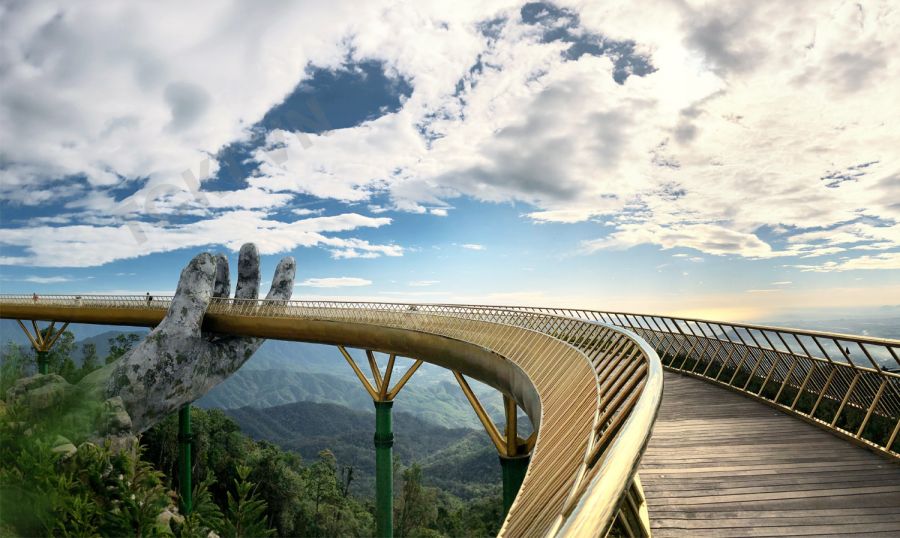
And also, Da Nang will keep you buzzing with beach relaxation in March. Besides, visitors should explore the beautiful Marble Mountains, chilling out on My Khe Beach, or an exhilarating trip up to the Golden Bridge at Ba Na Hills to check out the views.

Ninh Binh

Mua Cave

Ninh Binh weather in March is quite nice and dry. A bit of mist creates an enchanting field relic. It’s also one of the best times to visit, because you can see sights without roasting under the heat of summer sun or heavy tourist crowds.

You may want to take a boat ride either through Tam Coc or Trang An with towering limestone formations on either side, and local rice fields also nearby. This time of year, the landscape is also at its most verdant, full of life as the countryside shrugs off the winter chill. Those a little bit more adventurous can also trek up the Hang Mua Caves for stunning views that make every step of the climb both worthwhile and unforgettable.

Hanoi

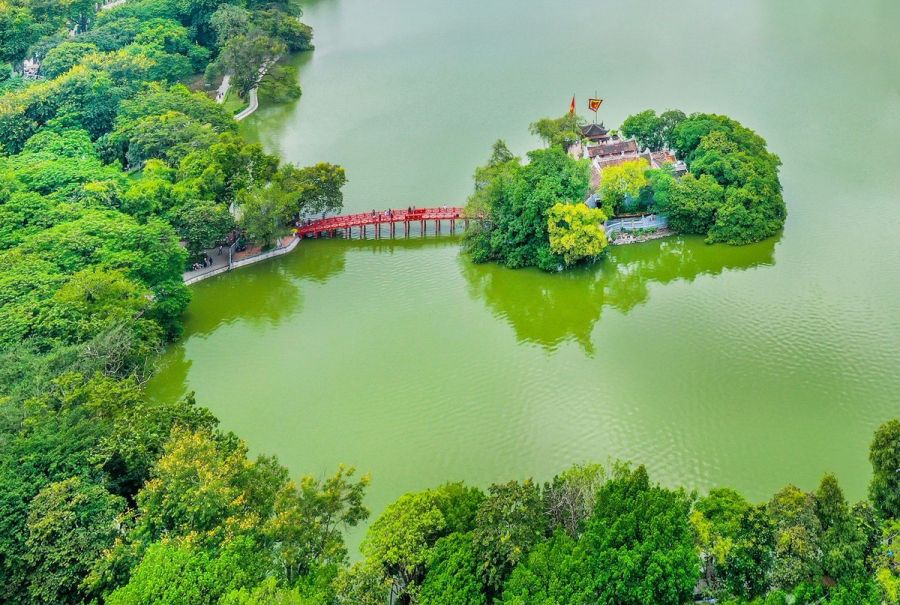
If you still wonder what to do in Vietnam in March, your visit to the capital, Hanoi, should be the most anticipated event. Hanoi in March is magic. The light fog of early spring adds an extra layer of flourishing romance to the already most romantic city in Vietnam. Walking down the street, close to 17°C to 22°C, seems such a great place to take a morning or sunset walk around Hoan Kiem Lake.

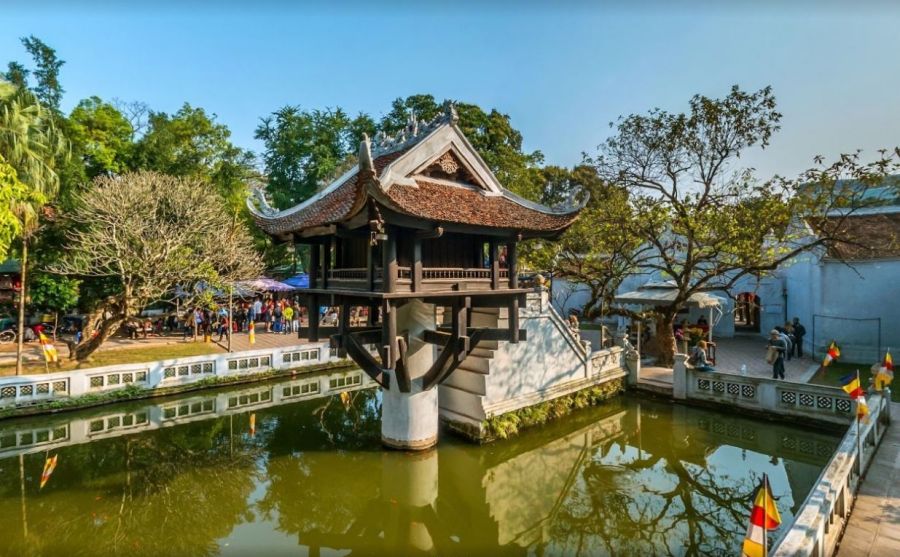
Although the Old Quarter is lively all year round, the vibes in March are quite special in that way. The city seems to fight the crowds a bit more, and it shows all the best of culture. The Temple of Literature, the Hoa Lo Prison Museum, and thousands of French colonial-style houses are waiting for you to explore them.

Sapa

Sapa trekking

March is one of those magical months up in Vietnam’s mountainous Northwest when the trekking season kicks off. March weather turns out to be ideal for those long hikes in the striking terraced fields.

Plus, travelers get to wander through colorful ethnic minority villages, take in the unique culture, and perhaps even spend a night or two in the local family’s home in a cozy homestay.

Just bear in mind that the Vietnamese Lunar New Year falls in late January or February. But if you travel to Vietnam at the start of March, the atmosphere of Tet has not disappeared completely. The streets are adorned in colourful decorations, the temples are a hive of activity, and you may even be lucky enough to catch a regional festival that is still going strong.

What To Pack For Vietnam In March?

What to wear in Vietnam in March depends on where you are planning to arrive.

If you’re aiming for the north, especially places like Sapa or Ha Giang, you’ll need to pack some warm layers. Bring long-sleeve shirts, light sweaters, and a good windbreaker or jacket. Those mornings and evenings can get pretty cold, you’ll need to have closed shoes and maybe even a scarf or hat to keep cozy.

For the Central and southern regions, all you need to pack is lightweight and breathable clothing. Cotton or linen shirts, shorts, and easy breezy dresses are perfect for those sunny days. A light rain jacket or a small umbrella would be practical in case you run into some unexpected showers, especially towards the end of the month.

Do not skip on the essentials! Sunscreen, sunglasses, a wide-brimmed hat, insect repellent, and a reusable water bottle are must-haves. If you’re planning to visit any temples or religious sites, make sure to bring some modest clothing that covers your shoulders and knees.

Travel Tips For Visiting Vietnam In March

Tourists in Hoi An Ancient Town

Vietnam in March can be an unforgettable experience, provided that you prepare well and keep yourself updated with local customs and weather updates. Here are a few good things to know as you navigate the beauty everywhere:

  • Book early: The weather is pleasant in March and tourists head to popular spots like Hoi An, Da Nang, and Phu Quoc. You should reserve your time slot in advance
  • Check visa requirements and travel policies: Before traveling, ensure that your visa is still valid, and check any updates in Vietnam’s entry policies. Visa exemptions, e-visa availability, and health-related policies may vary depending on your nationality and current regulations.
  • Stay hydrated: It can be pretty exhausting getting used to that dry heat in the south of Vietnam. Keep a reusable water bottle by your side and drink to stay hydrated. Bring some hand sanitizer or wipes in case you’re going to be going to more remote areas.
  • Respect cultural etiquette: Make sure that, when you visit a temple or a pagoda, you’re dressed modestly, you’re speaking softly, you’re asking permission before you take photos of people, and not wearing your shoes when you enter a religious space or someone’s home.

Final Thoughts: Why March Is A Great Month To Explore Vietnam

Vietnam in March is one of the most favorable months to visit Vietnam. The weather is still mildly warm, enabling visitors to see the beauty without tons of tourists crowding every square inch. In March, you can absorb all of this more than gently, surrounded by stunning beauty in Vietnam. So don’t miss this exclusive opportunity to embark on the magic of Vietnam! Let SeniWorld tailor-make your own travel story with the best of what Vietnam has to offer.

Explore Vietnam in February with Ideal Weather and Culture

You can see Vietnam bursting with color in February. The air smells different, and Vietnam is filled with a peaceful anticipation for the new year. You’ll find travel tips, weather insights, and places worth seeing in Vietnam in February below.

Is February A Good Time To Visit Vietnam?

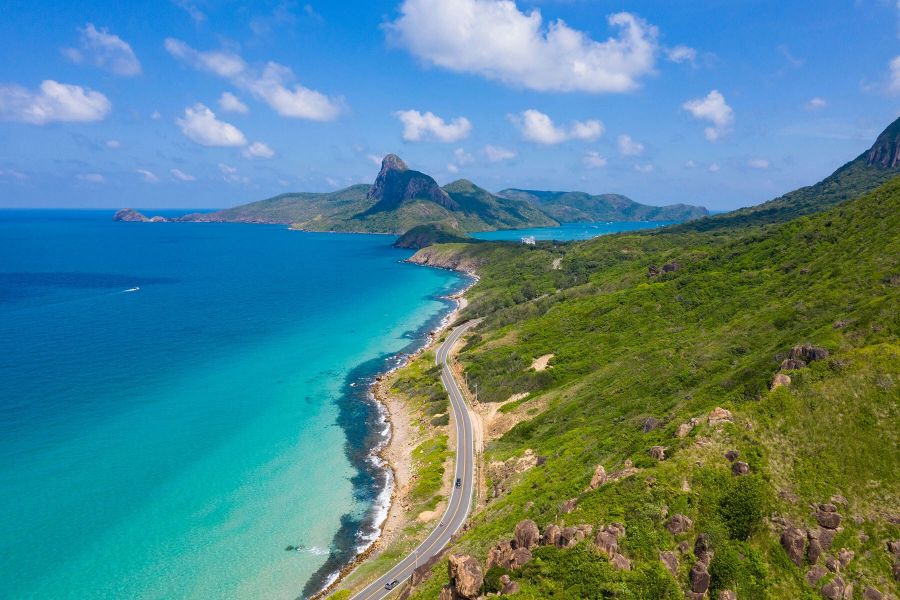
Con Dao

Vietnam in February is one of the most comfortable times to explore the country. Across the country, the weather is calm and predictable: dry skies, light breezes, and temperatures that don’t swing too far in any direction. Travelers can also experience the tail end of Tet, the Lunar New Year, which has usually passed or is winding down.

February usually brings great weather for getting around. Most places stay dry and pleasantly cool, which makes outdoor activities and sightseeing easy to enjoy. The south is warm and sunny, perfect for beaches like Phu Quoc, Con Dao, or the Mekong Delta. Early in the month, you’ll still catch the festive energy with streets decorated and temples busy.

That said, late February in the north can get a bit sticky with “nom”, a damp weather pattern that makes things feel humid inside. Travel can be busier than usual, and prices may rise a bit during the holiday season.

What’s The Weather Like In Vietnam In February?

Ha Giang trekking

Vietnam in February offers a refreshing balance of climates across different regions. It’s not too hot, not too cold, and there’s very little rain. Still, the weather feels different in each region, so it’s worth knowing what to expect before you go.

Northern Vietnam In February

February in the north is cool and cloudy. Temperatures in Hanoi and nearby cities range from 15 to 20°C. It doesn’t rain much, but the air feels moist, especially later in the month. That’s when the “nồm” weather begins, walls sweat, floors stay damp, and everything feels a bit sticky indoors. In the highlands like Sapa or Ha Giang, mornings and nights are colder, sometimes dropping below 10°C. That said, Vietnam in February still offers excellent conditions for trekking in these mountainous regions, just bring your layers.

Central Vietnam In February

The central region enjoys some of its best weather in February. Cities like Hue, Da Nang, and Hoi An see mild temperatures, often between 21 and 26°C. Hue, north of the Hai Van Pass, can still feel a bit cool and cloudy early in the month, while Da Nang and Hoi An tend to warm up faster with more sunshine as the days go by. Further inland, the Central Highlands, places like Da Lat and Kon Tum, stay dry but much colder, especially at night.

Southern Vietnam In February

Southern Vietnam in February is at its peak. Places like Ho Chi Minh City, Can Tho, and Phu Quoc stay warm and sunny. Cities like Ho Chi Minh City, Can Tho, and Phu Quoc stay warm, with temperatures between 28 and 33°C. Rain is rare, and the air feels less humid than usual. It’s perfect for boat trips in the Mekong Delta or long days by the sea. Pack light clothes, sunscreen, and stay hydrated—you’ll be outdoors a lot.

Best Places To Visit In Vietnam In February

By February, the weather has settled, and the Tet crowds have mostly gone home. It’s a good time to head south for the sun or catch the early blossoms in the north before the spring haze arrives. Below are specific places worth going this month, based on weather and local experience.

Hanoi

Hanoi Old Quarter before Tet Holiday

The weather in Hanoi in February is cool and dry, and daytime temperature often stays between 15°C and 20°C. With most travelers here for Tet, it’s the perfect moment to discover Hanoi’s beautiful historical spots and participate in the festive celebrations afterward. Peach blossoms and kumquat trees along the city’s streets add color and cheer to the streets. The air in the capital is full of New Year festivity in February, but it’s not yet as crowded as during peak season.

Sapa

At this time of year, Sapa in the north is a sight to see, with hills covered in blooming peach and plum trees. Easy trails and warm encounters with communities are possible because the cooler temperatures are between 10°C and 18°C. You’ll love the mountain scenery and explore the unique terraced rice paddies during this season.

Ninh Binh

Trang An boat trip

It takes little time to reach Ninh Bình from Hanoi, as you’ll then find a peaceful place rich in history and nature. The early months of the lunar calendar, such as February, are when you’ll often find Bai Dinh Pagoda busy with large ceremonies and visitors. It is cool and dry right now, making travelling through Tam Coc and Trang An on the river a pleasurable experience. Ninh Binh becomes more special because of the local festivals, which give depth to your February visit.

Hue

In February, Hue, the old capital, usually enjoys light and warm weather, and temperatures are around 20°C to 28°C. You’ll find fewer crowds touring the ancient citadel, royal tombs and pagodas this time of year. The views along the Perfume River and nearby areas are especially lovely right now. With its quiet and clear skies, Hue feels like a pleasant stop to make during any trip to Vietnam in February.

Da Nang

Golden Bridge

Central Vietnam’s attractions are accessible from Da Nang which also features wonderful beaches and modern facilities. Just a short distance away, Ba Na Hills has a French village, the Golden Bridge, and excellent views. Having good weather in February makes spending time at these sites even more fun.

Ho Chi Minh City

February in the south is a dry month, with it usually ranging between 25°C and 35°C in temperature. Ho Chi Minh City is full of energy, surrounded by old sites, busy markets, and lively nightspots. Now is a great chance to tour the many neighborhoods and sample different kinds of local food. Visitors to Vietnam during February can find heat and fun in the south.

Phu Quoc Island

Khem Beach

The largest island in Vietnam, Phu Quoc, is a tropical wonder in February. Because it’s warm and almost free of rain at this time, you can relax at the beach, go snorkeling, and easily explore the place. Because of the good weather, the island is great for enjoying outdoor activities and resort time this season. For most visitors to Vietnam in February, this is a great place to find peace and rest.

What To Pack for Vietnam In February

Temperatures stay moderate in most places, but the north can still get cold and humid. Packing the right layers and a few region-specific items will make your trip more comfortable.

Clothing

For the north, you’ll need a light jacket or sweater, especially in the early morning or evening. If you plan to go further up to places like Sapa or Ha Giang, bring a thicker layer, as temperatures can drop below 10°C at night. In the center and south of the country, the weather is warm, so you’ll be comfortable in T-shirts, shorts, and light pants.

Beach essentials

If you’re heading to the coast or islands, don’t forget swimwear, flip-flops, and sunscreen. Strong sun makes the south even hotter; a sun hat and sunglasses will be useful. If you have either a quick-dry towel or a sarong, you’ll find it useful for days out on a boat, beaches, or near water.

Health & Medications

Mosquito repellent is useful, particularly in the southern parts of Vietnam in February, where warm weather and water sources attract bugs. Bring basic medicine like cold tablets, painkillers, and something for digestion. After Tết, food routines shift, and stomach issues happen more often. If you rely on any prescription meds, bring enough for your whole trip. Some pharmacies may open late after the holiday.

Other useful items

Mountain weather can change quickly, so pack a light rain jacket or a foldable umbrella. In the north, late February often feels damp indoors, so moisture-wicking socks or soft slippers will make your stay more comfortable. It’s also smart to bring a few wet wipes or tissues, as some public restrooms may still be understocked after the holiday.

Travel Tips For Visiting Vietnam In February

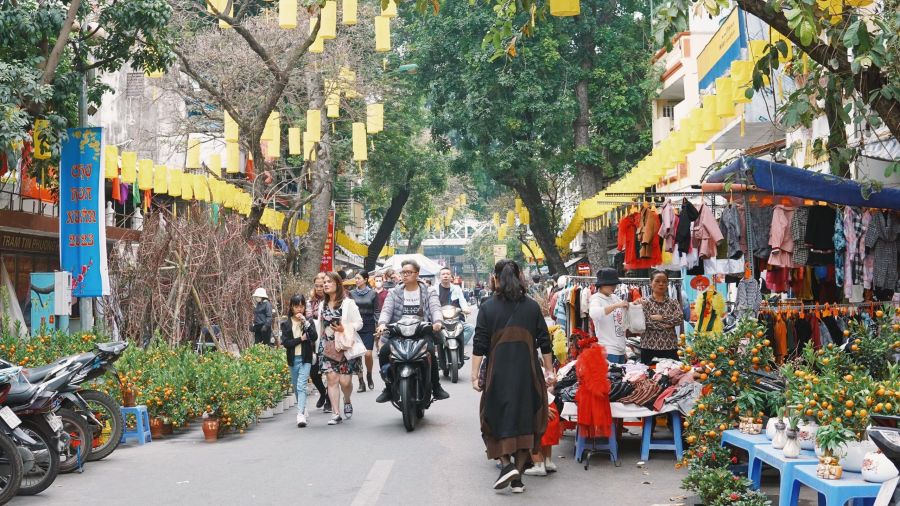
Tourists experience Tet in Vietnam

Things are calmer after the New Year, but some habits of the holiday season linger. If you’re traveling to Vietnam in February, a few small adjustments can make the trip a lot smoother.

  • Check the Tet dates: Tet holiday usually falls in late January or early February. If your trip overlaps with the holiday, expect changes in schedules and availability. Trains, buses, and flights may book out early, especially on routes between major cities.
  • Be prepared for fog in the north: If you’re going to places like Sapa, Ha Giang, or even Hanoi in the early morning or evening, thick fog can affect visibility. It’s not dangerous, but it can delay travel or block your mountain views.
  • Book transport and hotels in advance: Local travel isn’t finished once the main holiday ends. In busy destinations such as Sapa, Da Lat, and Phu Quoc, prices will likely be high even through early February. Planning your trip earlier means you won’t have to worry about things at the last moment.
  • Expect domestic crowds in tourist hotspots: At this time, it’s common for Ninh Binh, Da Lat, and Ba Na Hills to be more crowded on the weekend. After Tet, many Vietnamese take short trips as a family. It’s best to go in the morning or find a less crowded attraction nearby.

Final Thoughts: Why February Is a Great Month to Explore Vietnam

You don’t need perfect timing to enjoy Vietnam, but February makes things easier. The great weather, open roads, and a calm but active spirit after the holiday make it delightful. It’s a practical and pleasant month to see the country. There is plenty to do in Vietnam during February, and Seni World will help you decide what works for you.

What to Know About Traveling in Vietnam in January

Vietnam in January sees colder weather in the north, better temperatures in the south, and everyone joins in the holiday spirit. How beautiful and easy, or difficult, your trip to Vietnam ends up depends on the location you pick.

Is January A Good Time To Visit Vietnam?

Phu Quoc in January

Yes, and for many reasons. January combines nice weather with a lively cultural scene, so it’s a great time to explore Vietnam. The weather in January is generally cool and dry, perfect for outdoor activities and sightseeing.

January is a wonderful time to be outdoors. Clear skies and warm sunshine make the beaches in the south and central Vietnam especially inviting. In the north, the misty mornings and crisp air give cities a soft winter charm. The Vietnam temperature in January tends to be mild, though it can get chilly in mountainous areas. And if Tet falls in late January, you’ll have the rare chance to experience Vietnam’s most vibrant holiday in full swing.

Just a quick note: in the mountains like Sapa or Ha Giang, temperatures can drop quickly and feel a bit damp. Around Tet, travel and accommodation can get busy, and some shops or services might close for a short time. Still, with a bit of planning, these usually don’t cause much trouble for your trip to Vietnam.

What’s The Weather Like In Vietnam In January?

From north to south, Vietnam is 1,600 kilometers long, and the Vietnam climate in January varies across that distance. Three different climate zones will meet travelers, everyone providing a unique experience.

North Vietnam In January

Morning fog in Sapa

A few of the main regions in North Vietnam are Hanoi, Ninh Binh, Sapa, Ha Giang, Mai Chau, and Halong Bay. The north Vietnam weather in January is mostly nice but can feel a bit humid, with fog often appearing in the early mornings. The daily temperatures are close to 20 °C, while every night in the mountains it can get quite chilly. It’s common for temperatures in the mountains to fall by as much as 8°C, often during the evening.

At this time of year, the capital city seems calm, with sparsely-leaved trees on the bare streets and the sky gray. In Sapa and Ha Giang, you’ll see fog in the morning, feel the chill, and admire the beautiful mountains once the cloudy weather lifts. There’s not much snowfall, but frost sometimes appears in the higher villages.

Central Vietnam In January

This area is home to Da Nang, Hoi An, Quy Nhon, as well as sections of the Central Highlands such as Da Lat and Kon Tum. Cities such as Hue, found north of the Hai Van Pass, continue to feel the chill and see the rain. You can still expect rain early on in January, but not to the extent of the wettest months. The weather becomes much more moderate as you travel south past the Hai Van Pass to Da Nang and Hoi An. Between 18°C and 26°C, you’ll find the temperature and sunny days increase as the month progresses.

Beaches at the coast get sunny again, and tourism gradually begins after the rains. Hoi An’s lantern-lit streets and riverside cafés feel especially charming in the cool air. At the same time, the Central Highlands continue to be cold and arid. You will often find cold temperatures in Da Lat early in the morning, but you likely need a coat at night.

South Vietnam In January

South Vietnam includes Ho Chi Minh City, the Mekong Delta, Phu Quoc Island, Can Tho, Chau Doc, and Vung Tau. It’s the heart of the dry season, bringing sunny skies, warm temperatures, and low humidity. Daytime temperatures hover around 27°C to 32°C, while evenings are breezy and comfortable. Street life is vibrant yet calm, letting travelers enjoy markets, rooftop cafés, and landmarks without the summer heat and Tet crowds.

In the Mekong Delta, boat rides through coconut groves and floating markets are best enjoyed in this dry, mild weather. Phu Quoc Island is in its prime. With calm turquoise waters and golden beaches, it’s the perfect destination for swimming, snorkeling, or just unwinding. Resorts often fill up quickly this time of year, especially closer to Tet, so early booking is advised.

Best Places To Visit In Vietnam In January

January opens up a wide range of travel options across Vietnam, with each region offering something unique depending on your mood. Below are some of the best places to visit in Vietnam in January, and what makes each one stand out.

Mekong Delta And Ho Chi Minh City

Cai Rang floating market

Southern Vietnam is wonderful to visit in January and especially captures at the Mekong Delta and Ho Chi Minh City. The temperature is pleasant, there’s little rain, so visitors will enjoy venturing along busy streets, lively markets, and riverside areas. You’ll enjoy a comfortable 30℃ temperature, low humidity, and easy walks when you’re in Ho Chi Minh City. Down in the Mekong, boat trips through the canals of Ben Tre or Cai Rang’s floating market are at their best, quiet waters, sunny mornings, and lots of activity without the summer heat.

Phu Quoc Island

This is when Phu Quoc is the busiest, and it’s clear why. Because of the nice weather in January, blue skies, calm water, and golden beaches, it is the best season to visit the beach. If you spend your day snorkeling or island hopping, it’s gorgeous to watch the sunset from the West Coast afterward. Inland, the island’s pepper farms, waterfalls, and local fishing villages are easier to access during the dry season.

Da Lat

Da Lat Flower Festival

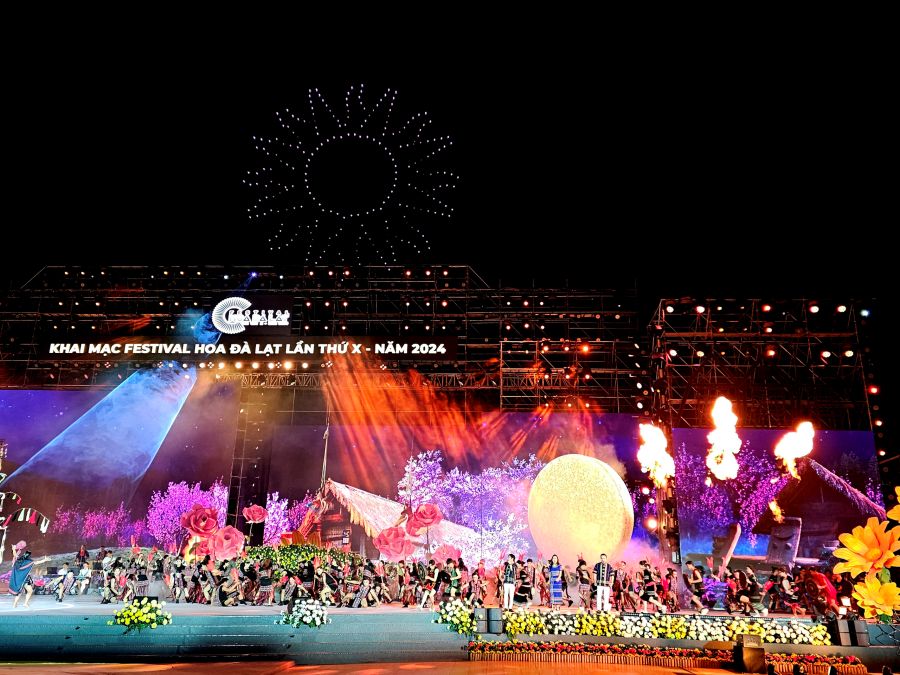
If you’re looking for a place to slow down, Da Lat offers cool mountain air, pine forests, and flower-filled streets. Temperatures sit between 14°C and 24°C, and while it’s cooler than the rest of the south, the sun still shines most days. Since January is when the Da Lat Flower Festival happens every other year, and if you visit then, you’ll see the city looking very colorful. Seasonal strawberries, beautiful sights at Pongour and Elephant Falls, and peaceful lakeside strolls are some of the highlights in the region.

Hoi An And Da Nang

In January, the weather in Da Nang and Hoi An, which are in central Vietnam, starts to improve. Although it’s probably still a little rainy in Hue, you should notice the Hai Van Pass area enjoying nice, dry days by mid-month. If you visit Hoi An now, you will find pretty lit alleys and numerous festive preparations leading up to Tet. You can enjoy the beaches on foot, and the best time to visit the Marble Mountains or Ba Na Hills is when it’s a bit cooler.

Hanoi And Ninh Binh

Egg coffee and green rice

Though January is cold and often misty in the north, this weather gives Ninh Binh and Hanoi a peaceful, cinematic feel. In Hanoi, this is the time for hot street food, slow mornings at coffee shops, and quiet walks through the Old Quarter. Just about 90 kilometers from Hanoi, Ninh Binh makes a perfect day trip destination. Ninh Binh’s landscapes, limestone karsts, rice paddies, and winding rivers are wrapped in fog, especially early in the day. Fewer tourists make this a serene time to explore Trang An by boat or hike through Mua Cave.

Bonus: Tet Festival

Tet

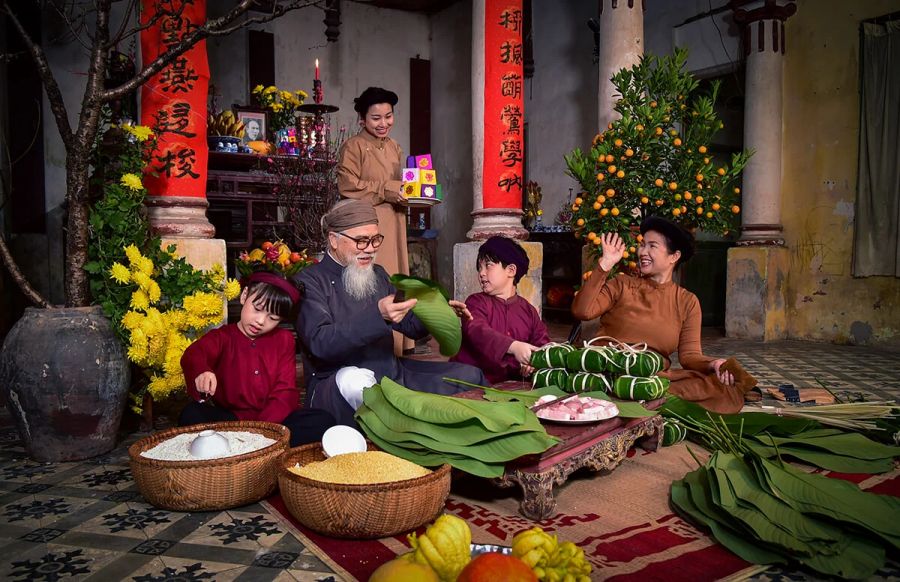
Late January also happens to be a time when many Tet preparations are going on across Vietnam. You can see people buying fresh flowers at crowded markets, families cleaning and buying the food they use on this day. Although businesses may shut down around the Tet days in early February, the weeks leading up to it are rich with festive events for the Vietnamese.

What To Pack For Vietnam In January

Because of the different weather around Vietnam, packing in January can seem a bit mixed up at first. Pack warm clothes if you’re travelling to North Vietnam. A medium-weight jacket, sweaters, and long pants are essential, especially if you’re heading to the mountains. Even though it doesn’t snow, the cold can feel sharp due to humidity, especially in places like Sapa or Ha Giang.

It’s best to keep your outfits light and easy to remove for Central Vietnam. Early morning can be very cold, but the temperature goes up throughout the day. If you’re going in early January, don’t forget to pack an umbrella or a light rain jacket. Since Hoi An and Hue sidewalks often stay damp, it’s important to have shoes that allow good airflow and work well for walking.

While you’re in the South, pick clothing that will make you comfortable in the heat. Wear breathable materials, use a pair of sunglasses, choose a hat, and apply plenty of sunscreen the next time you’re in the water. Having some swimsuits is essential if you’re going to spend time swimming at beaches or islands here.

Don’t forget basics like a universal power adapter, mosquito repellent (especially for rural or riverside areas), and a reusable water bottle. If you’re visiting during Tet, bring a small gift or red envelopes if you’re staying with locals, it’s a nice cultural touch.

Travel Tips For Visiting Vietnam In January

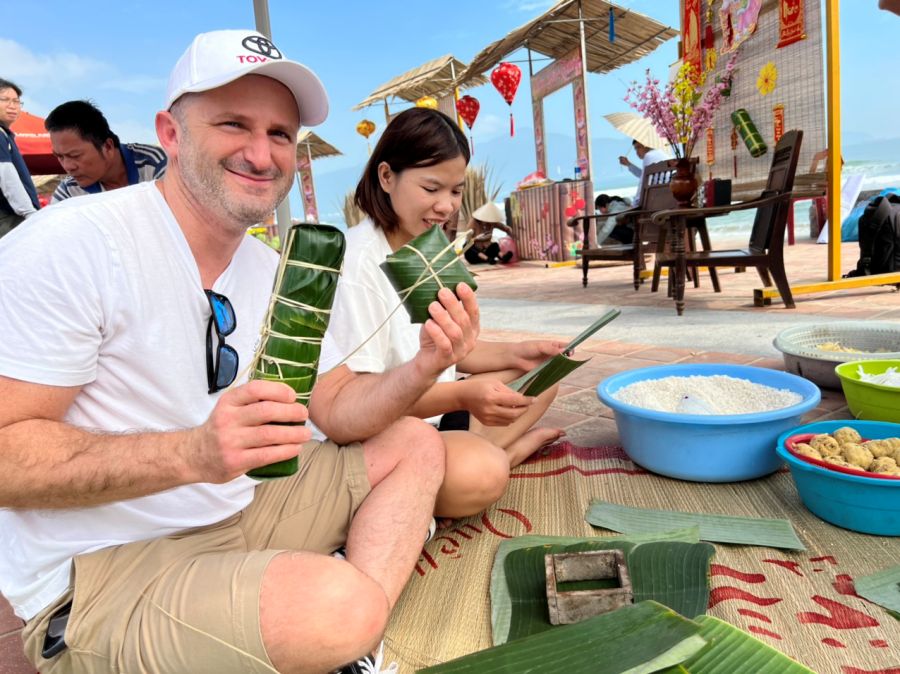
Foreign visitors experience making banh chung

Even in cold, warm, or festive areas, a journey will go smoothly if you organize and time everything well. Remember these tips to get the best out of your travel to Vietnam in January.

  • You should book travel and lodging early if you plan to go during Tet, since everything gets booked up fast.
  • Plan your itinerary based on regional weather, go south for sunshine, or north for misty scenery.
  • Remember that a number of shops and restaurants will close for several days during the Tet festival.
  • Have some cash on hand whenever you visit either the Mekong Delta or the inland highlands.
  • Take part in Tet if you can, and remember to follow the correct customs and dress when visiting temples.
  • Try not to plan tight schedules during the Tet holiday, because traffic gets very busy at that time.
  • Learn a few Vietnamese phrases; locals appreciate the effort, especially in smaller towns.

Final Thoughts: Why January Is A Great Month To Explore Vietnam

Vietnam in January brings out a quieter, more poetic side. The mist in the north, the soft light along the central coast, and the golden sun in the south all offer something different, but equally beautiful. It’s a time when the country slows down, breathes deeply, and prepares for a new beginning.

Ready to experience the magic of Vietnam in January? Start planning your trip to Vietnam with SeniWorld – your local expert for unforgettable adventures.

Vietnam Itinerary 3 Weeks From The North To The South

There are many attractions in the Vietnam itinerary 3 weeks: Hanoi, Ninh Binh, Halong Bay, Cat Ba, Hoi An, My Son Sanctuary, Hue, Ho Chi Minh City, the Mekong Delta, and Phu Quoc. Read Seni World’s blog to know more!

Why Visit Vietnam In 3 Weeks?

Taking the Vietnam itinerary 3 weeks is a great choice for travelers who are seeking a comprehensive and unhurried exploration of this fascinating country. You can become  strongly immersion in Vietnam’s various areas, rich culture, vibrant way of life, and beautiful natural landscapes in this S-shaped country.

What To Expect From The Vietnam Itinerary 3 Weeks

Perfume River boat trip

There are many cities and provinces that you will visit in the Vietnam itinerary 3 weeks. Let’s take an overview of them below!

  • Hanoi: In Hanoi, you will explore the symbols that show you the truth of Vietnam’s traditional lifestyle, pride, long-lasting history, and culture.
  • Ninh Binh: When arriving in Ninh Binh, you will go on a sampan boat journey to see karsts and paddies of Trang An or Tam Coc. Then, you will climb to the top of Mua Cave for a panoramic view.
  • Halong Bay: You board on cruise to see unique, great limestone karsts, as well as join sea sports like kayaking, swimming, and exploring mysterious, famous caves like Sung Sot Cave.
  • Cat Ba Island: You will revel in more sports on this island, like cycling around Cat Ba to explore the peaceful local life on Cat Ba Island. Moreover, let’s enjoy fresh seafood here.
  • Da Nang – Hoi An: In Hoi An Ancient Town, you will uncover historical architecture and houses, as well as the world-famous An Bang beach.
  • My Son Sanctuary: In My Son Sanctuary, you will see the historical Cham ruins and the old temples built of bricks and stones, mainly facing the East.
  • Hue: In the retro vibe of Hue Vietnam, you will visit places with classic architecture and atmosphere.
  • Ho Chi Minh City: In Ho Chi Minh City, you will discover the bustling life of Ho Chi Minh City with the nickname “the city that never sleeps” and the Cu Chi Tunnels.
  • Mekong Delta: You will find out about riverine lifestyles and visit the world-famous Cai Rang or Cai Be floating market.
  • Phu Quoc Island: On Phu Quoc Island, you will enjoy sea and water activities, explore the entertainment parks, and visit natural attractions.

Detailed Itinerary

Is 3 weeks in Vietnam enough? Don’t worry! Our tour is flexible, and Seni World will customize it to be suitable for you. We will show you a detailed Vietnam itinerary 3 weeks below:

Days 1-2: Capital Hanoi

Hoan Kiem Lake in Hanoi from above

On the first and the second day, you will travel in Hanoi, the wonderful capital of Vietnam.

You will have 2 days to explore many different iconic attractions in Hanoi, and we will help you to customize the schedule as you like. Hanoi also has rich historical and cultural destinations for you to visit, such as Hoan Kiem Lake, Ngoc Son Temple, Ho Chi Minh Mausoleum, One Pillar Pagoda,…

Don’t forget to wander the streets that are busy, bustling, but still have a peaceful atmosphere in Hanoi, and try the delicious conventional local Hanoi cuisine. You can also participate in a traditional Water Puppet Display (optional – need to buy the ticket).

Day 3: Ninh Binh

Viewpoint from Mua Caves

On day 3 of the 3 weeks in Vietnam, you will temporarily say goodbye to Hanoi and take a full-day journey to Ninh Binh, often called “Halong Bay on land”. It will take about 1.5 hours, and we will drive you from Hanoi to Ninh Binh. This time, you can take a short break in the car or the sleeper bus.

Arriving in Ninh Binh, let’s revel in a wonderful scenic sampan boat journey. The sampan boat will go through the natural, pretty karsts, as well as the green, lush rice paddies of Trang An or Tam Coc. This place is a “ground paradise” for you to take perfect photos with your friends and family. Don’t forget to climb to the top of Mua Cave for a panoramic view.

Days 4-6: Halong Bay And Cat Ba Island

Cat Ba Island

From day 4 to day 6 of the 3 weeks in Vietnam with kids, friends, and family, you can have the opportunity to unveil Halong Bay and Cat Ba Island. This will be a 1-day, 1-night trip in Halong Bay and a 2-day, 1-night trip on Cat Ba Island.

Starting with the Halong Bay journey, you will be taken from Hanoi to Halong Bay by car or sleeper bus in about 2.5 – 3.5 hours. When boarding a cruise, you will go through the unique, great limestone karsts. Activities in Halong Bay cruise normally include kayaking, swimming, and exploring mysterious, famous caves like Sung Sot Cave.

The second destination is Cat Ba Island, an island in the South of Halong Bay, which is quieter and far from the busy and noisy area. Coming to Cat Ba Island, you can choose to revel in more sports on this island, like cycling around Cat Ba to explore the peaceful local life here, or continue to relax on the cruise. Don’t forget to try fresh seafood in a local restaurant here.

Days 7-9: Hoi An

Cycle to Tra Que Vegetable Village

From day 7 to day 9, you will uncover Hoi An Ancient Town.

There are many primary places for you to discover in Hoi An like the Japanese Covered Bridge and historical houses like Tan Ky Old House. In particular, let’s cycle to Tra Que vegetable village and enjoy a cooking class here. Not only can you travel in the town center, but you can also unwind in An Bang Beach, one of the most famous beaches in Vietnam, to swim in the blue sea, lie on white sand, and sunbathe under the vibrant sun.

In Hoi An, you can have riverside dining while seeing the peaceful atmosphere in the lantern-lit ambiance. What a romantic and beautiful scenery!

Day 10: My Son Sanctuary

My Son Sanctuary

On day 10 of the Vietnam itinerary 3 weeks South to North, you will take a morning trip from Hoi An to My Son Sanctuary (about 1 hour). This is another UNESCO World Heritage site besides Hoi An Ancient Town. My Son Sanctuary is the place showcasing historical Cham ruins. The temples are built of bricks and stones, mainly facing the East – the direction of the sunrise and also the residence of the gods.

In the afternoon, return to Hoi An and you can have a chance to discover nearby craft villages around Hoi An, such as Thanh Ha pottery village or Kim Bong carpentry village. Afterwards, don’t forget to try the local food in Hoi An.

Days 11-12: Hue Vietnam

Thien Mu Pagoda

Days 11 and 12 are the time you travel to Hue Vietnam. In the morning, you will be driven from Hoi An to Hue (about 3 – 4 hours) via the scenic Hai Van Pass. Here, we can take a break for you to see the captivating scenery, as well as take some memorable photos.

You have 2 days to explore the old capital of Vietnam. First, let’s visit the Dai Noi Hue (Imperial City) to find out more about Vietnam’s final imperial dynasty. You can also explore more of Hue’s historic sites, including the Thien Mu Pagoda and a few majestic Royal Tombs like Khai Dinh Tomb and Minh Mang Tomb. One of the perfect activities in Hue that you can not miss out on is enjoying a boat ride on the Perfume River.

Days 13-14: Ho Chi Minh And Cu Chi Tunnels

Cu Chi Tunnels

The next part of the Vietnam itinerary 3 weeks South to North, is discovering Ho Chi Minh City on days 13 and 14. Ho Chi Minh City has the nickname “the city that never sleeps”. From Hue, you take a flight to Ho Chi Minh City in about 1.5 hours.

There are many wonderful attractions in Ho Chi Minh City for you to explore, including the Notre Dame Cathedral, the Central Post Office, the Reunification Palace, the War Remnants Museum, the iconic Ben Thanh Market, and the Nguyen Hue walking street,…

Especially when traveling to Ho Chi Minh City, you can have an opportunity to take a half-day trip to the world-renowned Cu Chi Tunnels. This is an elaborate underground community used by brave Vietnamese soldiers in the Vietnam War against the USA. Visiting the Cu Chi Tunnels, you can have a true and poignant perception of the proud, long-lasting history of Vietnam.

Days 15-16: Mekong Delta

Visit Coconut candy workshop

In the Vietnam itinerary 3 weeks, you will have 2 days for an experience in the Mekong Delta. We will take you to Can Tho, Ben Tre, or My Tho, which are well-known destinations for both Vietnamese and global travelers.

In these 2 days, you can enjoy boat rides, enjoy garden fruits, visit local workshops (such as coconut candy workshops or paper rice workshops), and find out about riverine lifestyles. Moreover, don’t forget to explore the floating market, which is one of the most world-famous symbols of the Mekong Delta. We can schedule for you to join a tour to the Cai Rang or Cai Be floating market. Besides, let’s participate in Don Ca Tai Tu (the traditional Mekong Delta music performance).

Day 17: Ho Chi Minh City

Bitexco Financial Tower

On day 17 of the 3 weeks in Vietnam, you will have one more day to uncover some other travel corners of Ho Chi Minh City. In the morning, let’s investigate the Bitexco Financial Tower for panoramic metropolis views from the skydeck.

Afterwards, you can discover hidden cafes and restaurants, or indulge in a road meals tour by bike or motorbike. In the evening, you can book a ticket and join a performance at the Saigon Opera House. Finally, you can wander through energetic streets and unwind with the feeling of “the city that never sleeps”.

Days 18-20: Phu Quoc Island

VinWonders Phu Quoc

Days 18 – 20, you will uncover Phu Quoc Island. After the flight from Ho Chi Minh City, you arrive at Phu Quoc Island. We will arrange a suitable schedule based on your preference.

Phu Quoc Island has many beautiful beaches, such as Sao Beach with its white sand and clear blue water, or Long Beach, which is the longest beach in Phu Quoc, or Kem Beach, a quiet seaside with many species of coral and seafood. You can also explore the Vinwonders Phu Quoc, a large entertainment place with many interesting video games and sports.

Besides captivating beaches and entertainment parks, Phu Quoc Island also has famous pagodas, like Ho Quoc Pagoda, an ancient pagoda with a unique structure. Moreover, Suoi Da Trang, a brilliant small waterfall, will be one of the best places for you to visit. Finally, let’s try local, delicious, and fresh seafood at Duong Dong night market.

Day 21: Departure From Ho Chi Minh City

Day 21 is the last of the Vietnam itinerary. Let’s see the sunrise on Phu Quoc Island and have a luxurious breakfast in the hotel. Relying on your international flight, you may both fly directly from Phu Quoc to your next vacation spot (if available) or take a flight again to Ho Chi Minh City in your onward international departure.

Final Thoughts: Is Vietnam Worth Visiting?

Vietnam itinerary 3 weeks trip will bring you a deep and great experience with many wonderful destinations. If you want to take this tour, know the Vietnam itinerary 3 weeks cost, as well as consult what to pack for 3 weeks in Vietnam, and receive support for the visa process, let’s contact Seni World, a reputable tour operator from Vietnam. We are here to help you from A to Z on your Vietnam discovery journey.

Vietnam Itinerary 14 Days: Memorable Destinations In 2 Weeks

There are many attractions for you to visit in the Vietnam itinerary 14 days, such as Hanoi, Halong Bay, Hoi An, Hue, Ho Chi Minh City, the Mekong Delta, and Phu Quoc Island . Read Seni World’s blog to know more!

Why Visit Vietnam In 14 Days?

The Vietnam itinerary 14 days will be the opportunity for you to visit, to see, to enjoy, and to feel deeply and clearly about this wonderful country. In particular, you can go to more cities and provinces, and discover more attractive attractions, natural scenery, as well as the rich history and culture of Vietnam, while still freely relaxing to refresh yourself. Let’s see the Seni World crafted Vietnam itinerary 14 days below!

What To Expect From The Vietnam Itinerary 14 Days

Hoa Lo Prison lobby

In the Vietnam itinerary for 14 days, you will go to more destinations than the 7-day or the 10-day trip in Vietnam. Let’s find out the answer to the question “What to see in Vietnam in 14 days?”

  • Hanoi: In Hanoi, let’s explore the Hoan Kiem Lake, the Ngoc Son Temple, the Ho Chi Minh Mausoleum, and the One Pillar Pagoda. In particular, don’t miss out on the Van Mieu Quoc Tu Giam (Temple of Literature), and the Hoa Lo Prison Museum.
  • Ninh Binh: You can surprisingly unveil the “Halong Bay on land”, and have the opportunity to see the beautiful Trang An scenic landscape complex and Tam Coc, and climb to the top of the Mua Cave.
  • Halong Bay: This is a cruise trip to uncover one of the UNESCO World Heritage sites. On the Halong Bay cruise, you will see natural scenery, take part in many sea sports, and enjoy many types of fresh seafood.
  • Da Nang – Hoi An: In Hoi An Ancient Town, you will go to the Japanese Covered Bridge and the Tan Ky Old House, and enjoy thousands of colorful lanterns at the Thu Bon River. Moreover, you also have a rural trip to navigate the Tra Que vegetable village.
  • Hue: Let’s visit Imperial City (Citadel), go to the famous Thien Mu Pagoda, and the Royal Tombs of Khai Dinh or Minh Mang in Hue, Vietnam.
  • Ho Chi Minh City: In Ho Chi Minh City, you can have a chance to unveil the Notre Dame Cathedral, the Central Post Office, the Reunification Palace, the War Remnants Museum, and the world-renowned Ben Thanh market. Especially, you will explore the Cu Chi Tunnel, a wonderful and complex underground community here.
  • Mekong Delta: The journey will take you to My Tho or Ben Tre to take a boat ride, to visit lush fruit orchards, the local workshop to make coconut candy, and the tropical fruit farm.
  • Phu Quoc Island: In Phu Quoc Island, you will relax on the Sao Beach, the Long Beach, the Ong Lang Beach, and uncover the Ham Ninh fishing village. In particular, you can have the opportunity to go to the Phu Quoc National Park, the Suoi Tranh waterfall, and the local Animal Care and Conservation Park to see numerous animals.

Detailed Itinerary

Is 2 weeks in Vietnam enough? Don’t worry, because this is a flexible trip that will be customized to be suitable for you. Seni World will show you a detailed Vietnam itinerary 14 days below:

Day 1: Arrive In Hanoi

On the first day, when arriving at Noi Bai International Airport, we will take you to the accommodation in the capital center. Let’s go to the Hoan Kiem Lake and take some beautiful photos with your friends and family in this picturesque area. Don’t forget to walk to the serene Ngoc Son Temple situated on Hoan Kiem Lake’s northern shore. Then, try the traditional foods in a local restaurant.

Day 2: Hanoi Full Day Trip

One Pillar Pagoda

Day 2 of the 2 weeks in Vietnam is the day for exploring the capital’s proud culture and history. First, you should visit the Ho Chi Minh Mausoleum with the respectfully dressed. Then, uncover the specific One Pillar Pagoda, and the historical Van Mieu Quoc Tu Giam (Temple of Literature), which is Vietnam’s first university.

In the afternoon, let’s go to see the French colonial architectural buildings, and finish the second day of the 14 days trip to Vietnam with a visit to the Hoa Lo Prison Museum to have deep insights into the Vietnam War against the USA. Before returning to the hotel, enjoy traditional local foods.

Day 3: Ninh Binh Full Day Trip

Tam Coc boat trip

In the North Vietnam itinerary 14 days with kids, friends, and family, you can not miss out on Ninh Binh. Early morning today, we will take you to Ninh Binh, which has the nickname “Halong Bay on land”. Here, you will be on a sampan boat ride. You can surprisingly see the tranquil waterways when going past limestone karsts, towering cliffs.

There are colourful rice paddies in the beautiful Trang An scenic landscape complex and Tam Coc. This Ninh Binh journey also has a climb to the top of Mua Cave to see a panoramic view of Ninh Binh. At the end of the day, we will take you back to Hanoi.

Day 4: Halong Bay Cruise

Halong Bay

Early morning of day 4 in the Vietnam itinerary 2 weeks, we will drive you from Hanoi to Halong Bay (about 2.5 – 3.5 hours), a UNESCO World Heritage site. Starting the Halong Bay cruise trip, you will sail through the iconic hundreds of towering limestone karsts in this area.

In the afternoon, let’s unwind with sea sports like kayaking through mysterious lagoons, swimming in the clean, emerald waters, or unveiling impressive caves, which include old stalactites and stalagmites. After a dynamic day, enjoy dinner onboard with many types of fresh seafood.

Day 5: Halong Bay – Hanoi – Da Nang

Dragon Bridge

On day 5 of the 14 days in Vietnam, you will see the sunrise on the cruise, an unforgettable memory for anyone. Then, revel in a breakfast onboard as the cruise slowly navigates again through the wonderful limestone karsts closer to the harbor. After disembarking, we will drive you back to Hanoi. From Hanoi, let’s start the next part of the North and Central Vietnam itinerary 14 days. You will fly from Hanoi to Da Nang, and it takes about 1.5 hours.

Days 6-7: Hoi An

Japanese Covered Bridge

On day 6, we will drive you from Da Nang to Hoi An Ancient Town, and this road takes about 30 – 45 minutes. You can walk or ride a bike to some iconic places in Hoi An, such as the Japanese Covered Bridge and the Tan Ky Old House. In the evening, let’s unwind in the magical and romantic atmosphere created with the aid of thousands of colorful lanterns on the streets.

Day 7 in Hoi An is a chance for you who love rural areas. You can experience the precise thrill of a basket boat trip through the wonderful green coconut-wooded place. Besides, you can also take a bicycle trip to the peaceful Tra Que vegetable village. As evening approaches, turn to the town center, and you will see an alive Hoi An. Today, you can book a boat trip on the Thu Bon River and enjoy a memorable riverside local dinner.

Day 8: Hue Vietnam

Khai Dinh Tomb

Early morning of the eighth day, you will say goodbye to Hoi An and be taken on a 3-hour drive to Hue Vietnam. Arriving in Hue, let’s investigate Vietnam’s imperial past in the Imperial City (Citadel) journey, go to the famous Thien Mu Pagoda, and visit some of the elaborate Royal Tombs of Khai Dinh or Minh Mang.

In the evening, you can immerse yourself in the retro vibe as well as the peaceful atmosphere of Hue Vietnam. Try delicious royal-style food in the local restaurant, leisurely stroll on the quiet street, and spend your night in Hue today.

Day 9: Ho Chi Minh City

Ben Thanh Market

Day 9 starts the South Vietnam itinerary 14 days. From Da Nang, you will take a quick flight (about 1.5 hours) to Tan Son Nhat International Airport. When arriving in Ho Chi Minh, we will take you to the hotel in the dynamic District 1, known as the city center area.

During the afternoon, let’s discover the famous wealthy history and iconic landmarks in Ho Chi Minh City, such as the Notre Dame Cathedral and the Central Post Office, which have the old French colonial architecture. Don’t miss out on the Reunification Palace, as well as the Ben Thanh market. After trying street food in nearby local food stalls, you will spend your night here.

Day 10: Cu Chi Tunnel

Cu Chi Tunnels

Day 10 of the Vietnam itinerary 14 days, will be separated into 2 parts. First, you will have a half-day trip to the notorious Cu Chi Tunnel, a wonderful and complex underground community utilized by Vietnamese soldiers in the Vietnam War against the USA.

Second part, in the afternoon, you will return to Ho Chi Minh city center to go to the War Remnants Museum. A real side of Vietnam’s history will be shown via famous real exhibits, photos, and military hardware. Today, have dinner in a local restaurant and you will overnight in Ho Chi Minh City.

Day 11: Mekong Delta Full Day Trip

Tropical fruit farm in Mekong Delta

On day 11, you will temporarily say goodbye to the busy Ho Chi Minh City to come to the quiet Mekong Delta, frequently known as Vietnam’s “rice bowl”. This area has a complicated river system. The journey will take you to My Tho or Ben Tre with many beautiful attractions and scenery.

You can have a chance to take a serene boat ride through slim canals, passing green, lush fruit orchards, as well as visit traditional villages. In the rural area, you should go to a local workshop, where coconut candy is made, or a tropical fruit farm . Afterwards, you will return to Ho Chi Minh City and overnight here.

Day 12-13: Phu Quoc Island

Sao Beach

On day 12, you will fly from Ho Chi Minh City to Phu Quoc Island and start your day at Sao Beach with white sand and calm waters. In the afternoon, you will discover Ham Ninh fishing village, a captivating spot with clean seafood and unique views. In the evening, let’s indulge in the colourful surroundings of the Phu Quoc Island nighttime market. Here, you will enjoy seafood and buy sea-vibe souvenirs for your friends and family.

On day 13, you can unveil the Phu Quoc National Park. You can freely take nature walks and see the Suoi Tranh waterfall. Then, let’s explore the local Animal Care and Conservation Park to see numerous animals. After watching the sunset on the beach, you can relax at Long Beach or Ong Lang Beach, or enjoy a seafood dinner at a nearby restaurant.

Day 14: Departure From Ho Chi Minh City

On the morning of the last day of the Vietnam itinerary 14 days North to South, have a local Vietnamese breakfast and buy souvenirs. Finally, we will take you to Phu Quoc Airport for your departure. Goodbye and see you soon on the next Vietnam trip!

Final Thoughts: Is Vietnam Worth Visiting?

Vietnam is a brilliant destination for you to travel in for the long 14 days from the North to the South. If you want to take a Vietnam itinerary 14 days trip, what to pack for 2 weeks in Vietnam, as well as consult the Vietnam 14 days trip cost, and receive support for the visa process, let’s contact Seni World, a reputable tour operator from Vietnam. We are here to help you from A to Z on your Vietnam discovery journey.

Uncover The S-Shaped Country With Vietnam Itinerary 10 Days

There are many attractions for you to visit in the Vietnam itinerary 10 days, such as Hanoi, Halong Bay, Da Nang, Hoi An, Ho Chi Minh City, and the Mekong Delta. Let’s read Seni World’s blog below to know more!

Why Visit Vietnam In 10 Days?

The Vietnam itinerary 10 days offers a wonderful trip, and you can have the opportunity to explore this beautiful S-shaped country, while still freely relaxing to refresh yourself. In particular, you can go to more cities and provinces, and discover more captivating attractions, scenery, as well as the culture of Vietnam. Let’s see the Seni World customized Vietnam itinerary 10 days to explore deeper into unpopular locations in Vietnam!

What To Expect From The Vietnam Itinerary 10 Days

Ta Hien - Luong Ngoc Quyen intersection

In the Vietnam itinerary for 10 days, you will go to many cities and provinces from the North to the South. Let’s find out the answer to the question “10 days in Vietnam, where to go?”

  • Hanoi: Let’s explore the Hanoi Old Quarter, walk around Hoan Kiem Lake, and go to Ngoc Son Temple. Moreover, let’s visit the Ho Chi Minh Mausoleum complex, the One Pillar Pagoda, the Temple of Literature, the Vietnamese Museum of Ethnology, and the Hoa Lo Prison Relic. These are all ancient cultural and historical sites in Hanoi.
  • Halong Bay: In Halong Bay, you will have a chance to visit Sung Sot Cave, as well as participate in water sports like kayaking, swimming, and revel in a delicious seafood dinner on board.
  • Da Nang – Hoi An: In Hoi An Ancient Town, let’s uncover the Japanese Covered Bridge, Fujian Assembly Hall, the Tan Ky Old House, and enjoy colourful lanterns lighting up the streets. Don’t forget to discover An Bang beach to relax, swim, or try a sweet coconut water.
  • Ho Chi Minh City: In “the city that never sleeps”, you will discover the Notre Dame Cathedral, the Saigon Central Post Office, the Ben Thanh market, the War Remnants Museum, the Reunification Palace, and enjoy the colourful nightlife in Bui Vien Strolling Avenue. Besides, let’s take some memorable photos of Nguyen Hue walking street.
  • Mekong Delta: You will investigate the world-renowned floating markets (like Cai Rang or Cai Be), visit a local fruit garden, a bee farm, and take a boat journey through the canals in the Mekong Delta.

Detailed Itinerary

Is 10 days enough in Vietnam? Of course, and this is a flexible trip that will be customized to be suitable for you. Seni World will show you a detailed Vietnam itinerary 10 days below:

Day 1: Arrive In Hanoi

On the first day of the Vietnam itinerary, you will arrive at Noi Bai International Airport in Hanoi, and we will pick you up at the airport and take you to your accommodation in the capital center. After checking into the hotel, let’s take a short break before the Hanoi journey in the afternoon.

In the afternoon, you will investigate the labyrinthine streets of the Old Quarter on foot or by cyclo with the iconic French colonial architecture. Then, walk around Hoan Kiem Lake and go to Ngoc Son Temple to feel the retro and peaceful feelings. Not only visit attractions, but you should also try traditional foods in the capital of Vietnam. At the end of day 1 of the 10 days in Vietnam, you will spend your night in Hanoi.

Day 2: Hanoi Full Day Trip

Khue Van Cac

Early morning, you will visit the Ho Chi Minh Mausoleum complex in modest and polite clothing. After that, don’t forget to explore the One Pillar Pagoda and the Van Mieu Quoc Tu Giam (Temple of Literature), known as Vietnam’s first national university.

The North Vietnam itinerary 10 days will be continued with the exploration of the Vietnamese Museum of Ethnology. Next, let’s go to the Hoa Lo Prison Relic for strong and historic memories. In the evening, after eating in a local restaurant, you should buy tickets and take part in a conventional Water Puppet display, a unique and famous Northern Vietnamese art form.

Day 3: Overnight Cruise in Halong Bay

Cruise on Halong Bay

In the morning of day 3 on 10 days trip to Vietnam, we will pick you up from your lodging to Halong Bay. It takes about 3 to 4 hours to move from Hanoi to Halong Bay by car or by sleeper bus. Today, you will board the Halong Bay overnight cruise. Don’t forget to take some memorable photos as you sail past the wonderful limestone karsts in Halong Bay.

Moreover, participate in water sports like kayaking, swimming, or if you want to explore more mysterious, beautiful scenery, we also arrange a cave tour for you, regularly, Sung Sot Cave unveiling. After a long day, you will revel in a delicious seafood dinner on board, and relax on the deck. At the end of the third day of the Vietnam itinerary 10 days with kids, friends, and family, you will spend your night on the cruise.

Day 4: Halong Bay – Hanoi – Da Nang

Hoi An Ancient Town

On day 4, you should wake up early to see the serene beauty of sunrise in Halong Bay. Enjoy breakfast and try a Tai Chi session on deck. You will cruise through the bay, travelling to another cave or a nearby floating village, and disembark, returning to Hanoi in the late afternoon.

From Hanoi, you will fly to Da Nang Airport in the North and Central Vietnam itinerary 10 days. Upon arrival, we will take you to the hotel you have booked before in Hoi An, which is set a 45-minute drive from Da Nang. Today, let’s overnight in Da Nang to refresh yourself after a long day of traveling.

Day 5: Hoi An Ancient Town Trip

Cao Lau

After breakfast, let’s see what to do in Vietnam for 10 days! Walk or ride a bike to see the attractive Hoi An Ancient Town. Then, visit iconic landmarks just like the Japanese Covered Bridge, Fujian Assembly Hall, as well as a historic house like Tan Ky Old House. If you want to have custom-made clothes, go to tailoring stores to order, and they can turn around orders in 24-48 hours. This is a perfect, unique point of Hoi An.

In the afternoon, you should book a cooking class to learn how to prepare local Hoi An specialties like Cao Lau and White Rose dumplings. After a local dinner at a riverside restaurant, enjoy the mysterious but peaceful environment of Hoi An with its colourful lanterns lighting up the streets. At the end of day 5, you will overnight in Hoi An Ancient Town.

Day 6: Hoi An – Beach Trip

An Bang Beach

Besides the Ancient Town trip, Hoi An is also famous for the beach trip. Let’s find out what to see in Vietnam in 10 days when traveling to Hoi An beach. In the morning, you can have 2 travel options, including discovering An Bang beach, one of the well-known beaches in Vietnam in general and in Hoi An in particular, or joining the cooking class in Tra Que vegetable village.

At An Bang beach, you have the opportunity to relax, swim, or try a sweet coconut water. If you choose to go to Tra Que vegetable village, you will travel by bicycle. Here, you will learn to cook traditional Vietnamese dishes with the chefs, and after the lesson, enjoy what you have cooked. In the evening, you will return to the Hoi An center and enjoy a delicious local dinner here. Today, overnight in the hotel in Hoi An Ancient Town.

Day 7: Hoi An – Da Nang – Ho Chi Minh City

Ben Thanh Market

On the morning of day 7 of the Vietnam south to north itinerary 10 days, we will take you to Da Nang Airport to fly to Ho Chi Minh City. Arriving at Tan Son Nhat International Airport in Ho Chi Minh City, we will take you to your accommodation in District 1, known as the city center area.

After checking and storing your luggage and taking a short break, you can visit the Notre Dame Cathedral and the Saigon Central Post Office, which have a French colonial structure. Then, let’s explore the Ben Thanh market to try street food and buy souvenirs. If you still have the energy, let’s enjoy the colourful nightlife in Bui Vien Strolling Avenue (also known as the backpacker road). Today, overnight in Ho Chi Minh City.

Day 8: Ho Chi Minh City Full Day Trip

War Remnants Museum

Early morning of day 8 in the South Vietnam itinerary 10 days, let’s visit the War Remnants Museum and the Reunification Palace for a true insight into Vietnam’s history. Afterwards, you should go to the Nguyen Hue walking street to take some memorable photos with your friends and family.

In the evening, let’s book tickets to have a Saigon River dinner cruise for an evening of city lights and see a unique angle of this energetic but still romantic city.

Day 9: Mekong Delta Full Day Trip

Cai Rang floating market

Today will be a full-day trip to the Mekong Delta. We will drive you from Ho Chi Minh City to the Mekong Delta. Visiting the world-renowned floating markets (like Cai Rang or Cai Be) is the best choice when you first arrive in the Mekong Delta.

Besides, you commonly take a boat journey through the canals, visit a local coconut sweet workshop, and try many types of fresh fruits. In the evening, you will say goodbye to the Mekong Delta and return to Ho Chi Minh City. After having dinner in a local restaurant, overnight in an accommodation here.

Day 10: Departure From Ho Chi Minh City

On the morning of the last day of the Vietnam itinerary 10 days, revel in a local Vietnamese breakfast and buy souvenirs. Finally, we will take you to Tan Son Nhat International Airport for your departure. Goodbye and see you soon on the next Vietnam trip!

Final Thoughts: Is Vietnam Worth Visiting?

Vietnam is a wonderful country for you to travel in for the long 10 days from the North to the South. If you want to take a Vietnam itinerary 10 days trip, how to spend 10 days in Vietnam, as well as consult the Vietnam 10 days trip cost, and receive support for the visa process, let’s contact Seni World, a reputable tour operator from Vietnam. We are here to help you from A to Z on your Vietnam discovery journey.