logo mobile sidebar
support-image-mobile
Share your ideas with our local expert team - we’re here to listen and help you shape a meaningful journey through Indochina.
(+84) 868 663 993
Asia Leading Tour Operator 2025
tripadvisor travelers choice awards 2024
Travelers' Choice Awards 2025

Author: Linh Nguyen

Saigon Central Post Office – A Timeless Southeast Asia Icon

The Saigon Central Post Office is one of the most recognizable landmarks of Ho Chi Minh City. It gives visitors an opportunity to experience stunning architecture and feel the sense of history and travel in a truly unique way.

Introduction To The Saigon Central Post Office

In front of Saigon Central Post Office

A constant reminder of the city’s French colonial past is the Saigon Central Post Office. Constructed by Marie-Alfred Foulhoux at the end of the 19th century, it impresses with its distinctive yellow walls and large arched windows, leading visitors to an impressive interior that feels like stepping into the past. It is one of the most visited spots in all of District 1, located just next to Notre Dame Cathedral.

More than a site in history, the post office functions as a post office today, making it possible for travelers to send letters and postcards from the historical building. There are beautiful details like old maps on the wall, vintage phones in booths, and a giant image of Ho Chi Minh hanging in the center. You can enjoy a great space and some stunning architecture and take pictures of memorable moments and places, all embedded in a piece of living history in Ho Chi Minh City.

History Of Saigon Central Post Office

Saigon Central Post Office in past

Marie-Alfred Foulhoux, a French architect best known for creating the Eiffel Tower in Paris, designed the Saigon Central Post Office, which was built between 1886 and 1891. The structure, which combines French colonial, Gothic, and Renaissance design elements, swiftly rose to prominence as one of the city’s most recognizable structures.

During the war, the post office played a key role as a communications center to help civilians connect with soldiers, and was one of the central post offices dedicated to sending news around southern Vietnam. As the years passed, the post office was renovated and upgraded to support the introduction of modern means of communication, including machines to provide faxing and photocopying, as well as typewriters for locals and businesses.

Today, the post office still operates as one of the many full operational post offices across the country, as well as a cultural and historical landmark. It is popular with both locals and tourists alike, with its French classical architecture and art exhibitions, and even an occasional cultural event. As a result, the building remains one of Saigon’s most enduring features, attracting countless visitors from around the world.

Unique Architecture Of Saigon Central Post Office

Both tourists and photographers will find the Saigon Central Post Office to be a stunning blend of European sophistication and history. The stunning design of the outside and the sophisticated decor inside capture the essence of French colonial architecture in every detail.

Classic, Elegant Exterior Architecture

Classic, Elegant Exterior Architecture

The post office building has an elegant facade designed in a European classical style. It is symmetrically laid out, with two identical two-story wings on both sides of a central three-story portion. Its bright yellow facade- the recognizable color of the postal service- is embellished with arched windows and decorative reliefs.

Centered is a large clock noting the year of construction (1886-1891) and sculptures surrounding it, including the Greek god Hermes, emphasizing the artistic features of the building. The windows and decorative panels are embellished with decorative finials and engraved names of notable scientists who contributed to the field of electricity and/or telecommunications.

Impressive Interior Of Saigon Central Post Office

Impressive Interior Of Saigon Central Post Office

Within the establishment, the post office reflects an architecture inspired by European cathedrals, with a vaulted ceiling resting above four beautifully wrought iron columns. Flanking either side of the entrance is a large display of historical maps, which don’t look out of place with a portrait of President Ho Chi Minh in the middle of the central hall.

Rows of green iron columns and organized wooden benches suggest waiting for some journeys, adding to the warm spirit of the building. The vaulted ceiling has a touch of elegance to it as well, with the way it is lit and arranged, feeling open and airy. Furthermore, you will find sheltered public phone booths on either side of the post office that continue to serve the local and visitor community.

4 Unforgettable Experiences You Shouldn’t Miss

Visiting the Saigon Central Post Office is an experience that offers more than just entering a famous historical monument; in addition, you will enjoy cultural experiences, beautiful design, and unique experiences. Here are some attractions that you should see without a doubt.

Appreciate Beautiful Architecture

Appreciate Beautiful Architecture

Saigon Central Post Office is a true architectural beauty that combines Gothic, Renaissance, and French colonial architectural styles into the signature building. The exterior has a distinctive bright yellow colour scheme and arched green windows that help capture your attention. The outside of the building has a magnificent entrance with lovely decorative features.

The interior features a tall vaulted ceiling, ornate floor tiles, and old-fashioned telephone kiosks. You will experience the feeling of being transported back in time to the late 1800s when you walk across the long hall. It is an experience in HCMC that history and architecture lovers will not want to miss.

Take Advantage Of Its Mail And Banking Services

Take Advantage Of Its Mail And Banking Services

The most unique and somewhat surprising thing about this landmark is that this is not merely a museum-like building, but an endlessly busy post office. Visitors can send postcards home, mail packages, or take advantage of express shipping and delivery services right at the facility.

In addition to mail-related requests, the post office also has other useful services that locals utilize daily, including bill payments and other banking services. To say one was able to engage those services in a historical setting is both convenient and culturally interesting.

Instagram-Worthy Photo Galleries

Instagram-Worthy Photo Galleries

For photographers, the Central Post Office is somewhere they can do a lot of shooting. Every section presents a picturesque photo opportunity, from the yellow exterior walls to the antique details on the building’s materials inside.

It’s a popular choice for couples’ wedding photos, and travelers love to be creative with their shots under the arch-shaped ceiling or in front of the massive maps painted on the walls. It’s even easier to snap a generic picture in front of the main entrance that portrays the Old Saigon class of the venue, so not to mention be sure to have your phone fully charged.

Participate In Cultural Events And Exhibitions

In addition to its role as a mailing depot, the Central Post Office is also a hub for lively cultural life. The open spaces in and around the building are used for art exhibits and cultural displays, and occasional live performances that bring the community together.

Whether it is a road show, a painting exhibit, or a musical performance, these events allow individuals to engage with Saigon’s creative community, and the vast area is an ideal venue for events like this, as Saigon’s culture and history are the same. Attending one of these events adds value to the visit, as visitors begin to think of the Central Post Office as a living cultural landmark, and not merely as a historical building.

Entrance Fee

Entrance to the Saigon Central Post Office is completely free, allowing visitors to admire the beautiful design and cultural atmosphere of the building without an entrance fee. The fee only applies if you want to send mail or use the postal service.

Opening Hours

It is simple to schedule a visit to the Saigon Central Post Office because it is open daily. Think about going on a weekday morning if you want to enjoy the atmosphere without the crowds.

  • Monday to Saturday: 7:30 AM – 6:00 PM
  • Sunday: 8:00 AM – 5:00 PM

How To Get To The Saigon Central Post Office

How To Get To The Saigon Central Post Office

Saigon Central Post Office is centrally located within District 1; thus, arriving here is extremely simple with various means of public transportation. Whether you desire comfort, affordable routes, or prefer plying the city routes, there exists a proper mode of transportation to suit each category of traveler.

By Taxi Or Ride-Hailing Services

The easiest and fastest way to go to the post office is to take a taxi or to order through Grab or Be. All you have to do is set “Saigon Central Post Office” or “Bưu điện Trung tâm Sài Gòn” into the app, and the driver will bring you directly to the door.

From Cost (VND)
Tan Son Nhat Airport 120,000 – 180,000
Ben Thanh Market 30,000 – 50,000

By Motorbike Or Scooter

Suitable for those who prefer to travel by wandering through the city’s open roads, motorcycle or scooter rentals will best fit. Recommended rental agencies are Moto Go, DC Motorbike, and 13535.

Parking: 5,000 – 10,000 VND within walking distance of destinations like Notre Dame Cathedral or Book Street.

Advice: The highway can get confusing for new riders. Always wear a helmet and ride responsibly.

On Foot (For Nearby Travelers)

If you’re near District 1 already, then the short stroll down to the post office is convenient and enables one to enjoy colonial architecture and busy street life.

  • Notre Dame Cathedral: 1 minute
  • Nguyen Hue Walking Street: 10 minutes
  • Ben Thanh Market: 15 minutes

By Public Bus

The cheapest way to get around is by riding on public buses, although this might not be too convenient for tourists who don’t know the routes or the local dialect.

  • Nearby Bus Stop: Tram Cong xa Paris, just a 1-minute walk from the post office.
  • Bus Lines: 04, 06, 19, 30, 36
  • Fare: 5,000 – 7,000 VND per trip

Things To Know Before Traveling To Saigon Central Post Office

Participate In Cultural Events And Exhibitions

Planning will allow you to make the most of your trip and not experience a crowd. The following are some important points to keep in mind while visiting this historical and iconic attraction:

  • Schedule your trip during weekdays or early morning to prevent huge crowds, particularly during weekends and holidays.
  • Take with you enough time, about 1-2 hours, to go through both inside and outside of the post office.
  • Dress tastefully and respectfully, as the post office is a cultural and historic location. Do not wear extremely short or revealing garments.
  • Be aware of other visitors and be respectful and gentle while you’re within.
  • Make use of local landmarks such as Notre Dame Cathedral and nearby alleys to make your way to the soul of Saigon.
  • If you’re planning to utilize post office facilities, pre-check service hours, and operating hours.
  • Think about guided tours to get to know better its history, architecture, and cultural relevance.

FAQs About Saigon Central Post Office

Visiting the Saigon Central Post Office will have its share of questions among first-time travelers. Here are some of the important FAQs that will aid in planning your trip and getting the best out of your visit.

May I have access to postal facilities during my visit?

Yes, visitors can avail themselves of the postal facilities found within the post office. Mails can be sent by letters, postcards, or parcels locally and overseas. Attendants are typically friendly, but cash should be brought preferably in local currency.

Is photography allowed inside the building?

Yes, photographs can be taken inside and outside the post office. Lots of tourists come to take photos of the pleasant architecture. Be careful about staff and post office customers while taking pictures.

Are there any local attractions that can be tied into my visit?

Actually, the post office is near famous attractions, including the Nguyen Hue Walking Street and Notre Dame Cathedral. The post office is within a minute’s walking distance of either of these attractions. It creates a day-long itinerary of sightseeing within Ho Chi Minh City’s center.

Final Thoughts: Is Saigon Central Post Office Worth Visiting?

The Saigon Central Post Office is more than just a letter post; it is an ever-present symbol of the city’s rich history and culture, and its eternal quality. Its glorious architecture, well-known services, and entertainment events give travelers old-world charm and modern urban life. Plan your visit with Seni World for a guide through memorable experiences at this landmark.

Explore Saigon’s Notre Dame Cathedral, A Gothic Masterpiece

Notre Dame of Saigon is the most recognizable site in Ho Chi Minh City, which is a masterpiece of French colonial architecture. With its unique architecture, this cathedral is a must-visit attraction for culture and history enthusiasts.

Introduction To Notre Dame Cathedral Of Saigon

The Square In Front Of The Cathedral

Located in downtown Ho Chi Minh City, the Notre Dame Cathedral Basilica of Saigon is known as the Cathedral Basilica of Our Lady of the Immaculate Conception. The construction of this imposing landmark was undertaken by the French from 1877 to 1880. Its impressive red brick exterior with two bell towers and French stained glass windows makes it one of the greatest examples of neo-Romanesque and French colonial architecture in Vietnam.

Going to the cathedral is not only about admiring the architecture, but also finding a quiet moment of spirituality in the heart of the city’s hustle and bustle, as well as experiencing a piece of history and culture. The statue of Our Lady of Peace, erected in front of the church in 1959, gives depth to the site and attracts worshippers and tourists alike. Though the ongoing restoration and work keep it as an active site, the area is still popular for a moment of reflection or to take pictures, or to appreciate Saigon’s colonial history.

History Of Notre Dame Cathedral Of Saigon

Notre Dame Cathedral Of Saigon in 1920-1929

Notre Dame Cathedral of Saigon was founded in the late 19th century during the French colonial presence. The French wanted to establish a large cathedral to meet the desire of the colonial community and their religious needs. After locating a small church on Ngo Duc Ke Street that quickly proved not to be large enough, Admiral Bonard permitted a larger church to be built.

On March 28, 1863, the foundation was laid for the construction of the cathedral that was to be completed in two years. In 1895, two bell towers were added that were each topped with a cross measuring 3.5 meters high and weighing 600 kilograms, giving the building a total height of 60.5 meters.

Unique Architecture Of Notre Dame Cathedral Of Saigon

The Notre Dame Cathedral of Saigon is one of the most extraordinary architectural monuments in Ho Chi Minh City. Its beauty is not only about the history of the cathedral but also about factors like its design, materials, and symbolic features to make it a memorable visit for tourists.

Materials And Architectural Style

Inside Notre Dame Cathedral Of Saigon

The cathedral was constructed in the Neo-Romanesque style, influenced by the 11th-12th century Romanesque architecture, with the characteristic rounded arches and thick walls. All the construction materials, from the cement to steel, were imported directly from France, which was a clear demonstration of an effort to preserve a European authenticity.

The red bricks on the outside of the building came from Marseille, and without ever being plastered or painted, they have remained bright red for over one hundred years, maintaining a pinkish appearance. Inside the church, there are 56 stained-glass windows produced in Chartres, France, which depict biblical figures and episodes made primarily of colored nanoparticle glass.

Cathedral Design And Layout

The base of the cathedral’s building was especially constructed to hold ten times the total weight of the structure to ensure it could last over time. Notre Dame Cathedral of Saigon, unlike many churches built in the same period, was built without surrounding fences or walls, emphasizing openness and communion with the community.

Within the interior, the nave divides into two rectangular rows of six columns on each side, representing the twelve apostles. The walls and arches are decorated with stained glass panels of 56, round rose windows of 31, and multi-colored circular designs of 25 that blend Romanesque simplicity with Gothic gracefulness.

Bell Towers

Bell Towers

The two bell towers of the cathedral are certainly one of its most recognizable features. The towers were built to a height of 36.6 meters, and extended in 1895 with pointed spires designed by the French architect Gardes, to an overall height of 57 meters. Each of the towers contains three huge bronze bells, which were cast in France, and when they all ring together, the sound can be heard from 10 kilometers away!

Father to the towers is a giant clock, weighing more than one ton and still operating accurately; the clock dates back to 1887. The overall design of the towers combines Romanesque round arches and Gothic spires and signifies the co-existence of architectural traditions from Europe in a tropical Asian setting.

The Square In Front Of The Cathedral

The square in front of the cathedral is called Paris Commune Square. It is a calm area populated with locals and tourists. In the middle of the square, you will find the statue of Our Lady of Peace, which stands as a recognized symbol of faith and hope.

The square has become a shared meeting space for young people, families, and travelers, who come to drink coffee in the square, feed birds, and take pictures with the cathedral. On weekends, the plaza is even livelier and serves not only as a sacred public site of worship; it also enjoys a status of cultural and social space in the city.

7 Unforgettable Experiences You Shouldn’t Miss

A trip to Notre Dame Cathedral of Saigon is more than just looking at a building. It’s both a spiritual and a cultural experience that reveals a piece of local life. Here are some great activities to look forward to while you’re experiencing the cathedral.

Admire The Unique Architecture

Admire The Unique Architecture

Take a moment to appreciate the cathedral’s magnificent design as it combines Gothic and Romanesque Revival designs. The imposing red-brick walls, imported from France, have a stunning effect when coupled with the arches and stained-glass windows, all built and designed by European artisans. The interior features imposing ceilings and continuous stone pillars to create an entire atmosphere of grandeur, to both elevate the space and create an air of serenity at the same time.

Discover Culture And History

The cathedral is a site of worship and a living monument to Saigon’s layered history. It was built during the French colonial period as a marriage of European architectural styles and Christian traditions with Vietnamese design. And by being present, it allows you to recognize the influences of the city, linking colonial history to the growth of Saigon as a modern, vibrant identity, in conjunction with reviewing the historical influence that faith and culture have had on the ongoing living of the community.

Find Peace And Pray

Find Peace And Pray

When you enter the sanctuary, you will immediately feel a peaceful silence and stillness in contrast to the active city outside. Many people visit here to pray, light a candle, or simply take a moment for themselves. You don’t need to practice this faith to experience the sacred space and the unique opportunity it offers to reflect, recharge, and feel peaceful in the heart of Ho Chi Minh City.

Capture Stunning Photos

The Notre Dame Cathedral is a fantastic place for photographers and casual visitors alike. The tall, prominent bell towers, the lovely rose windows, and the expansive square provide ample opportunity for photos. The sunlight hits the red bricks and stained glass differently at individual moments of day, and it creates beautiful contrasts – perfect for capturing an amazing Saigon moment.

Enjoy Coffee And Local Food

Enjoy Coffee And Local Food

Just near the cathedral, you can experience a genuine piece of Saigon’s coffee culture. Get a seat at one of the street vendors or small coffee stalls, enjoy a strong Vietnamese iced coffee, and watch the world pass by. Not only can you sip a coffee while watching the busy flow of scooter traffic, but this is also a great spot to savor the local treats, such as Banh Trang Tron or roasted peanuts, turning the experience from simply gazing to taking in the immersive street life of the city.

Play With Friendly Pigeons

The square, which lies in front of the cathedral, features flocks of pigeons as part of the charm of the area. Family members, couples, and even solo travelers are seen stopping to feed the birds and snap joyful moments of birds bursting from the ground. These little moments of activity in the square, which are quite simple to participate in, keep adding warmth to your visit and will bring you back to these feelings when looking at a photo during your travels.

Join Local Festivals

Join Local Festivals

The cathedral serves as a lively hub for Christmas, Easter, and other significant Catholic celebrations. The square will be filled with lights, music, and throngs of locals and tourists who come out to celebrate together. Attending one of these events gives you a unique opportunity to take in Saigon’s community at its most alive and welcoming.

Entrance Fee

It is free to visit the Notre Dame Cathedral of Saigon. No ticket needs to be bought, making this one of the easiest sites to visit in Ho Chi Minh City.

Opening Hours

The Notre Dame Cathedral of Saigon is open to visitors from 5:00 AM until 8:00 PM daily, which makes it flexible enough to fit with your travel plans. Early morning or late in the afternoon will be the most tranquil time to see it if you want some reflective quiet and gentle light.

If you have an interest in attending the cathedral during mass, there are several times available as part of the calendar of scheduled masses:

  • Monday to Saturday: 5:30 AM, 5:30 PM
  • Sunday: 5:30 AM, 6:45 AM, 8:00 AM, 9:30 AM (English Mass), 4:00 PM, 5:15 PM, and 6:30 PM

How To Get To Notre Dame Cathedral Of Saigon

Get to Notre Dame Cathedral of Saigon by Ride-Hailing Apps


Located in a central location with easy access through transportation methods. You could travel by a personal vehicle, bus, motorbike taxi, ride-hailing apps, or regular taxi, depending on personal preferences and your price point.

By Personal Vehicle

If traveling by a vehicle or motorbike, just follow Google Maps to 1 Cong Xa Paris Street, Ben Nghe, District 1, Ho Chi Minh City, where parking is provided in the Youth Cultural Center, Hoa Binh School, or the Independence Palace hall (nearby).

By Bus

The bus is one of the cheapest transportation methods, and some bus routes are easy to figure out. Bus routes No. 120, 30, 36, or D1 all stop within walking distance to the cathedral.

By Motorbike Taxi Or Ride-Hailing Apps

Motorbike taxis are also very popular in Ho Chi Minh City, and to use them, just act like you are trying to catch one or use a ride-hailing app, such as Grab, Gojek, or Be. Ride-hailing apps are normally faster and take you directly to the entrance of the Cathedral.

By Taxi

Lastly, traditional taxis are a comfortable choice, with taxi companies such as Vinasun, Mai Linh, and VinaTaxi. Fares are less than 15,000 per kilometer and could be a friendly group option for groups and families.

Things To Know Before Traveling To Notre Dame Cathedral Of Saigon

Prior to going to Notre Dame Cathedral of Saigon, it would be good to have a few practical pointers in mind to facilitate your trip and show due respect. These remarks will allow you to have a complete experience.

  • The cathedral is now undergoing full-scale restoration work, which will be completed by the end of 2027. Confirm the latest details about opening hours and whether it is possible to visit inside.
  • Dress modestly and tastefully. Refrain from short or tight attire as this is a religious site.
  • Speak in hushed tones and keep it peaceful, as some significant religious ceremonies are conducted here.
  • Although you might not be allowed to enter, you can appreciate and photograph its stunning Gothic-style face and setting.
  • If it is permitted to enter, allow about 90 minutes to 2 hours to explore completely, as well as take some memorable photographs.

Final Thoughts: Is Notre Dame Cathedral Of Saigon Worth Visiting?

Notre Dame of Saigon is more than a religious site; it is a representation of Saigon’s rich past, cultural mixing, and architectural magnificence. Even in its current renovation phase, it is among Ho Chi Minh City’s most visited sites. When you plan a trip, do not let this timeless masterpiece slip away without visiting it through Seni World as your most reliable guide.

Stories Of Vietnam’s Past – War Remnants Museum In Ho Chi Minh City

The War Remnants Museum in Ho Chi Minh City reminds us of Vietnam’s history through photographs, artifacts, and displays. It provides visitors with valuable insights into how the Vietnamese suffered, sacrificed, and learned about the importance of peace.

Introduction To the War Remnants Museum

Introduction To the War Remnants Museum

The War Remnants Museum is one of Vietnam’s most intense memorial establishments, and it is located at 28 Vo Van Tan in District 3 of Ho Chi Minh City. Opened in 1975, the Museum has gathered and preserved thousands of photographs, objects, and documents that illustrate the consequences and atrocities of war, particularly during the wars with France and the United States.

Going through the museum is more than looking at displays – it is an emotional dive into modern Vietnam’s past and a profound statement about the importance of peace and human rights. Through thematic displays, powerful photographs, and genuine war relics, the museum seeks to show insight into the depths of sacrifice, the psychological coping of the normal person, and the future consequences of war.

History Of War Remnants Museum

The War Remnants Museum has its roots shortly after Vietnam’s reunification in 1975. To keep the paperwork of the nation’s resistance and denounce all crimes of foreign aggressors, the local authority established the Exhibition House for Crimes of War and Aggression. Shortly thereafter, the infrastructure opened its doors to the public on September 4, 1975. The purpose of the museum was to serve as an educational opportunity for younger generations to know about the resilience of the Vietnamese people to attain freedom and peace, and to show the crimes of foreign forces.

On November 10, 1990, the physical space would change its name to the Exhibition House for Crimes of Aggression. Eventually, it received its current name, the War Remnants Museum, on July 4, 1995. The museum has then become one of the most well-visited museums in Ho Chi Minh City, with a steady flow of local and foreign visitors wanting to know about Vietnam’s past, and the global quest for peace.

Unique Structure Of The War Remnants Museum

The War Remnants Museum spans a vast space, housing a modern three-story, 4,522 m² building and has additional facilities along with a spacious outdoor exhibition area, covering an area of 3,026 m². Let’s talk about each level and the displays we will observe in detail.

Exploring The Ground Floor

Ground Floor of War Remnants Museum

The first floor will present the exhibition “The World Supports Vietnam’s Resistance Against America,” highlighting over 100 photos and 145 documents that illustrate public protests, international conferences, and demonstrations from 1954 to 1975. The floor also has gigantic war relics and artifacts seen outdoors, including tanks, aircraft, and large weapons.

There is also an important exhibition, “Prison System in Vietnam’s War of Aggression”. This display shares details of prisons built by American and South Vietnamese forces to detain revolutionaries, including models of prisons that detainees would face while imprisoned. Many visitors are moved as they stand in front of the models that depict tortures and prisons that were implemented during the move from a prison, which is a sad reality and memory for many people.

Discovering The First Floor

First Floor of War Remnants Museum

On the first floor, there are two important themes: “Crimes of Aggression” and “Consequences of Agent Orange.” Visitors will encounter 22 documents, 243 artifacts, and 125 photos that portray the savagery of war and its destructive secondary effects on Vietnamese civilians. The materials in the section on Agent Orange display the persistent human and environmental devastation of this chemical weapon.

Another incredibly impactful exhibit features the My Lai Massacre, along with the most recognized photo from the Vietnam War, nicknamed “Napalm Girl.” This iconic photo was taken by Vietnamese-American photographer Nick Ut and continues to evoke both empathy and protest against what could aptly be termed the crime of the war.

Exploring The Second Floor

Second Floor of War Remnants Museum

On the second floor, you will find the exhibition “Historical Truths,” with 66 images, 20 documents, and 153 artifacts of atrocities experienced in both the French and American wars. The exhibition “Requiem” honors journalists who died in service covering the Indochina wars with a moving exhibit of battlefield images.

The second floor also features “Vietnam: War and Peace” and “Agent Orange in the Vietnam War” with the works of Japanese photographers Ishikawa Bunyo and Goro Nakamura. Their photo essays suggest powerful emotions about the struggle of war and sacrifices made for the sake of independence for the nation.

6 Unforgettable Experiences You Shouldn’t Miss

Visiting the War Remnants Museum is an experience of connecting with the history of Vietnam and the strength of its people. These are the highlights you must experience while walking through this incredible museum.

Explore The Permanent Exhibitions

Explore The Permanent Exhibitions

The museum consists of nine permanent exhibitions highlighting themes of war crimes, the destructive impact of bombs, and the country’s rebuilding experience. Through the use of photographs, documents, and artifacts, the exhibition explores the lived experiences of the struggles Vietnam endured. Each exhibition is carefully curated to allow visitors to learn of the individual human cost and the resilience to be rebuilt from the ruins of experiences.

Discover Priceless Artifacts

The collection here is large and meaningful. There are more than 20,000 items, including documents, personal items, and photographs. Many of the donated items come from veterans, journalists, and international friends who observed the war firsthand. As you view the exhibitions, you will observe deeply impactful objects that bring a personal story beyond official recognition.

Watch Historical Documentaries

Watch Historical Documentaries

At the museum, visitors have the option to sit at booths and watch documentary films that inform the context of the exhibits. The films feature powerful footage and individuals telling their human story that brings the stories vividly alive in ways that cannot be caught by words alone. The films highlight the devastation of war and the resilience of the people living through it. For many travelers, this may be one of the most memorable experiences of the day.

Meet Living Witnesses Of History

The museum’s most impactful moment is when you have the chance to hear from eyewitnesses to history. Whether soldiers or civilians who endured the hardships of war, their reflections give life to what you see as you walk through the exhibits. Listening, they will recount the events they lived, and it transforms your visit into a much more personal and emotional experience. It provides the opportunity to connect with the living history of Vietnam.

Explore The Outdoor Exhibition Area

Explore The Outdoor Exhibition Area

Departing from the main building, you will find a large outdoor area exhibiting several large wartime relics. Fighter planes, helicopters, tanks, and other equipment once used in combat are on display. Walking among these imposing machines is a stark contrast to the personal accounts you have and will hear inside the museum. Open-air venues bring a different perspective by allowing you to imagine the scale of warfare.

Experience Culture And Reflection

The War Remnants Museum is both a historical site and a cultural attraction for domestic and international visitors. The museum creates a unique contemplative environment emphasizing reconciliation and dialogue, and before you leave the museum, you will leave with a greater sense of peace and a deeper understanding of the past that helps to shape the present and cultivate space for a better future.

Entrance Fee

The cost for entering the War Remnants Museum is 40,000 VND per individual.

Children younger than 6 years, those with disabilities, and families in poverty are free of charge.

Children from ages 6 to under 16 years, students and pupils, the elderly, those who have contributed to the revolution, and residents of remote or mountainous areas will receive a 50% discount.

Opening Hours

Discovering The First Floor

The War Remnants Museum is open every day until 5:30 PM, including weekends (Monday to Sunday). The museum is best visited during the dry season, from December to April, which is often a nice time to enjoy your travels in Ho Chi Minh City.

How To Get To the War Remnants Museum

The War Remnants Museum is very accessible due to its location in the heart of Ho Chi Minh City, and visitors may choose from many ways to get there, depending on budget and travel style.

By Personal Vehicle

If you want to drive, you can take either Cong Hoa or Truong Chinh Street, followed by a turn down Cach Mang Thang Tam Street, eventually arriving on Vo Van Tan Street, which is where the War Remnants Museum is located. The experience should be easier with the use of online map applications or GPS, which will also help prevent you from getting lost.

By Taxi Or Ride-Hailing Apps

Using a taxi or ride-hailing application (such as Grab, Gojek, or Be) is fast and simple. You only need to enter the museum’s address for the driver to take you there. You don’t have to worry about directions or parking as you sit back and enjoy yourself.

By Public Bus

This is a more economical way to get to the museum when you take routes through public transport No. 14 from Mien Dong Bus Station, No. 06 from Cho Lon Bus Station, and No. 28 from Ben Thanh Market. Be sure to check for the latest schedule and bus stops to find out how to get to the station that suits your needs.

Things To Know Before Traveling To The War Remnants Museum

Discover Priceless Artifacts

Before you go, there are some important rules that will help you to have a positive and respectful experience. These guidelines will allow you to experience the museum while honoring its solemn atmosphere.

  • Wear respectful clothing and park in the designated areas.
  • Be quiet during your visit and do not eat or drink in the museum.
  • Do not touch any exhibit without permission.
  • Do not bring weapons, unauthorized items, or smoke.
  • Follow the direction of security staff and museum guides for your visit.
  • If you are with a larger group, consider purchasing tickets ahead of time to save time.

FAQs About War Remnants Museum

Before entering the War Remnants Museum, travelers usually ask other general things, such as about tickets, regulations, and what to expect. Below are some of the general FAQs with answers that we hope will help you in your planning.

How long plan to stay at the War Remnants Museum?

On average, visitors spend about 1.5 to 2 hours at the museum. If you plan to closely read everything and view the documentary films, plan for at least 3 hours. You will likely be in and out in even less time if you are not particularly interested in history.

Is the museum appropriate for children?

The museum displays graphic images and other sensitive material that may not be appropriate for younger children. Parents will need to steer or guide their kids to decide what to see or read. However, older children and/or teenagers will find the museum educational and eye-opening.

Can I take photos inside the museum?

In fact, you are allowed to take photos in most areas of the War Remnants Museum. Photographs with flash and tripods would likely not be allowed, as they could affect the exhibits. Be courteous to others visiting the museum when taking your photos.

Final Thoughts: Is The War Remnants Museum Worth Visiting?

Not only is the museum a location, but it is also a significant departure point that reveals the history of Vietnam and its people’s resilience. The powerful exhibits, real historic American and Vietnamese artifacts, and emotional photographs portray the continued effects of war while maintaining the importance of peace. Let Seni World take you to this extraordinary site as an enjoyable and memorable part of your journey.

Explore Cho Lon Sai Gon, The Biggest Chinatown In Vietnam

Cho Lon or Saigon’s Chinatown is a cultural hub in Ho Chi Minh City. Offering markets, temples, and rich Chinese-Vietnamese culture, it gives travelers a special atmosphere with history and traditions, and plenty of local experiences.

Introduction To China Town

Binh Tay Market

Cho Lon, or Saigon’s Chinatown, is one of the oldest and liveliest neighborhoods in Ho Chi Minh City, located primarily in Districts 5, 6, and part of District 11. Historically, it is home to the Hoa (Chinese Vietnamese) community and has always been a hub of business, culture, and tradition.

A visit to Chinatown means an exhilarating sensory experience: crowded markets full of locals bargaining, elaborate temples that have stood for hundreds of years, alleyways filled with lanterns and neon signs at night, and, of course, mouth-watering, authentic Chinese-Vietnamese food. You can even find traditional medicine shops, buildings, and ways of life that depict generations of colliding cultures. For travelers who want a break from the traditional tourist scene, Cho Lon is another world within Saigon.

History Of Chinatown Ho Chi Minh City

Chinatown Ho Chi Minh City, Cholon at past

The story of Cho Lon has been associated with the growth of the South of Vietnam and has been shaped by cultural and economic nuances. Before French colonization, Saigon and Cho Lon were separate cities, which were separated by an expanse of suburban land that lay between them. The term now called Cho Lon came from an area known as “Saigon Market Street,” while the current downtown was the main city center of Saigon.

The name “Cho Lon,” or “big market,” stems from the larger Chinese market, in comparison to nearby Vietnamese markets, such as Tan Kieng. On June 6, 1865, Cho Lon City was officially founded by the Governor of Cochinchina according to a decree on the area of the villages of three cantons of Tan Long District, Gia Dinh Province, which was a significant milestone in the information administrative history of this place. By the 1930s, the area had grown to eventually create a boundary with Saigon. In 1931, a decree by the French president approved the two cities to be a single administrative unit called Saigon – Cho Lon.

In time, the name was changed multiple times to now be the “Capital of Saigon – Cho Lon” in 1951, which was then shortened to “Saigon”, in its official reference form, by 1956. Today, it is one of the busiest and most historic commercial districts in Ho Chi Minh City.

Top 4 Iconic Attractions You Should Visit

Chinatown is more than a busy trading center; it is a treasure trove of culture, religion, and heritage. Historic temples and bustling marketplaces provide countless experiences that showcase the distinct mix of Vietnamese and Chinese elements.

Many Cultural And Historical Sites

Phuoc An Hoi An - Minh Huong Pagoda

Cho Lon has some of the most magnificent temples and assembly halls in Ho Chi Minh City. Thien Hau Temple, built in 1760, is a holy site for the worship of the sea goddess Mazu. The On Lang Assembly Hall merges the worship of Thien Hau with the cultural activities of the Teochew community. Cha Tam Church is a nondescript church at first glance, but it has significant cultural and religious significance when viewed in context with the East-meets-West style of architecture.

In the corner of Nguyen Trai Street and Tran Hung Dao Street is an alley called Hao Si Phuong, with beautiful architecture that resembles that of Hong Kong. Lastly, visitors can also appreciate the incredible details of the Ha Chuong, Ong Bon, and Nghia An Assembly Halls.

Traditional Handicraft of the Chinese Community

The Chinese community in Cho Lon is famous for its craftsmanship, especially jewelry. First stop, Vietnam Silver House, where travelers can view the tradition of silver making, and even be able to make their own piece with direction from artisans. It’s also a great place to shop for custom pieces that embrace Vietnamese culture with Chinese craftsmanship.

Bustling Markets And Streets Of The Chinese Community

Bustling Markets And Streets Of The Chinese Community

A visit to Chinatown would not be complete without visiting its markets and lively streets, and shops. Binh Tay Market is the center of trade for the area, with its East–West architectural style and thousands of stalls. Also visit the Soai Kinh Lam Fabric Market, Dai Quang Minh wholesale center, and An Dong Market, which is well known for ready-made fashion.

If you are curious about traditional healing practices, head to Eastern Medicine Street, which is lined with herbal shops. Luong Nhu Hoc Lantern Street is filled with color, especially during festival time. Tran Phu Street is filled with art shops, while Nguyen Trai Street is often referred to as the “fashion paradise.”

4 Unforgettable Experiences You Shouldn’t Miss

Visiting Chinatown is more than just shopping. It is a journey into centuries-old traditions, sacred temples, and delicious Chinese food. Below is a list of unforgettable experiences that will make your visit special.

Visit Thien Hau Temple

Thien Hau Temple

Thien Hau Temple (or Tue Thanh Assembly Hall) is one of the holiest shrines in Chinatown. Built by the Cantonese community in 1760, the temple is dedicated to the sea goddess Mazu, and protector of sailors and fishermen.

The temple has a spectacularly colorful roof decorated with porcelain figures made by famous local kilns in 1908. Inside the temple is also the city’s largest incense burner, brimming with smoke from offerings. If you visit on the 23rd day of the third lunar month, you will partake in the celebration of the goddess with rituals, lion dances, and an exciting procession.

Discover Quan Am Pagoda

Quan Am Pagoda, located on Lao Tu Street, was built in the late 1700s and showcases the architectural style of the Fujian Chinese community. The rooflines that swoop upwards, together with the intricate ceramic ornamentation, demonstrate the beauty of the Chinese craft. Inside are shrines to Guanyin (the Goddess of Mercy), and you will witness people using the space as a form of spiritual refuge if they are not visiting as tourists.

As you walk through, you are enveloped in the aroma of incense and overcome by the calm you are given as you step into a sacred space tied to over 300 years of Tradition. The temple serves as both a site of worship and a cultural old-world landmark, which helps to tell the story of Cho Lon.

Taste Authentic Chinese Cuisine

Taste Ha cao

For food lovers, Chinatown is a haven for authentic Chinese food, and also in Ho Chi Minh. You can find all kinds of food from steaming hot dim sum to crispy roast pork, wonton noodles that warm your soul, and sweet Chinese desserts. Eateries such as Ha Cao Kieu Ky, which is street-side, and restaurants such as Dimsum Hoc Lac have become food enthusiasts’ landmarks.

Seni World recommends trying the traditional “coffee sock” at Ba Lu Cafe, a local icon, as well as a popular sweet soup at Che Cot Dien. Every dish has the flavors and aroma of Chinese culture tinged with Saigon energy.

Experience Traditional Festivals

Chinatown is also renowned for its vibrant festivals that celebrate the legacy of Chinese culture. The most dazzling event is the Thien Hau Temple Festival in March, which includes parades, lion dances, and ceremonies to worship the goddess of the sea. Other significant festivals include the Ong Bon Pagoda Festival and the Kim Hoan Guild Festival, which honor deities of communities and ancient vocational lineages.

These festivals are cultural as well as divine festivities, characterized by songs, food, and traditional performances from snare drums, to dramatic recitation of poetry, and folk dancing as well. If you happen to visit during one of the festivals, you will experience Chinatown at its finest and most unforgettable.

Entrance Fee

There is actually no entrance fee to visit Chinatown, even Binh Tay Market, as it is a public market open to the public. However, if you would like to visit some temples, points of heritage, or museums in the area, you may have to buy some tickets to get in.

Opening Hours

Quan Am Pagoda

Usually, Chinatown and the popular Binh Tay Market are operating from the early morning, around 06:00 AM, to 5:30 – 6:00 AM. There are markets busy every day, from one corner shop to another, selling all sorts of things.

Chinatown is best to visit in the dry season (December – April) when the weather is cooler and it rains less because you will have more peace of mind to explore the busy markets, and/or the cultural sites nearby, without fear of downpours.

How To Get To Chinatown

Get Chinatown Ho Chi Minh city by double-decker bus

Cho Lon is situated in District 5 of Ho Chi Minh City, just a few kilometers from the center of Ho Chi Minh City. You have no issues accessing Cho Lon, as there are different means of transportation you can utilize to get there.

By Personal Vehicle

If you ride your motorbike or drive your car, you can start from District 1 and go down Nguyen Trai Street, cross the Nguyen Tri Phuong Bridge, and turn onto Hong Bang Street. After that, it is only a short distance to Cho Lon in Ward 11, District 5. Just be aware that traffic can get very heavy in the area, especially during rush hour, so you should be careful and follow traffic laws.

By Bus

A bus is a cheap and environmentally friendly means of transportation. There are several bus routes that meet at or near Cho Lon, including:

  • Bus 01: Ben Thanh – Cho Lon Bus Station
  • Bus 56: Cho Lon Bus Station – New Eastern Bus Station
  • Bus 150: Cho Lon Bus Station – Tan Van T-junction

Things to Know Before Traveling to Chinatown

Here are some important notes to keep in mind before going to Chinatown that can help you have a good experience as well. If you think carefully about the following tips, you will really have a very different experience while also being safe.

  • Be careful of pickpockets and take care of your things when it gets too crowded.
  • Look for restaurants that have a lot of local options and are recommended. Good food consists of quality product, hygiene, and preparation.
  • Respect the customs, traditions, and religious practices of the Chinese-Vietnamese community.
  • For a better experience, try to come when it’s not busy, especially on weekends and holidays.
  • If you want a less crowded but unique and fun field trip, consider taking the Saigon – Cho Lon city tour on a double-decker bus.

Final Thoughts: Is Chinatown Worth Visiting?

Chinatown Saigon is recognized as one of the most interesting places to travel in Ho Chi Minh City, where culture, history, and local life mix in an amazing array of color. A visit to markets, sampling the traditional dishes, and exploring heritage temples offers an engaging perspective on the multicultural foundation of the city. It is a place of fulfillment which is both exciting and meaningful, and your time spent there will not be forgotten. If you want a deep experience of Chinatown, let the experienced team at Seni World serve you as your travel partner.

Independence Palace – Symbol Of Vietnam’s Unity And Peace

Independence Palace is in the center of Ho Chi Minh City and is a historical icon representing Vietnam’s resilient spirit. With an interesting design and a rich background, it gives visitors a glimpse into the political and cultural past.

Introduction To Independence Palace

Independence Palace from above

Independence Palace is located at 135 Nam Ky Khoi Nghia Street in Ho Chi Minh City and is a representation of Vietnam’s history and resilience. The palace was built in 1966 as the presidential residence and government headquarters during the Vietnam War, which was established as the Norodom Palace. The Palace became available for worldwide television viewership when a North Vietnamese tank crashed through its gates on April 30, 1975, representing the end of the Vietnam War and the reunification of Vietnam.

Visiting the Independence Palace provides guests with an opportunity to experience the history of Vietnam up close. Guests can enter and see preserved rooms, such as presidential offices, the war room, and underground escape rooms. The history of South Vietnam’s leaders can be found in one place. The Independence Palace is a historical and cultural site, an architectural landmark that brings together modernist architecture with Vietnamese cultural elements.

History Of Independence Palace

History Of Independence Palace

The Independence Palace has a long tradition, starting in 1867, when the French constructed a residence for the governor on what is now Nam Ky Khoi Nghia Street, replacing the former mansion on Catinat Street. In 1868, construction began under architect Achille Antoine Hermite and was completed in 1873. The complex was named Norodom Palace, after the reigning king of Cambodia at that time.

During World War II, the Japanese used the palace as their military headquarters until they were driven from Saigon in 1945. After the French left Indochina in 1954, the palace was then given to the Saigon government. Ngo Dinh Diem renamed the complex Independence Palace in 1955. In a coup d’état in 1962, the palace suffered significant damage.

Afterward, Ngo Viet Thu, architect, redesigned and rebuilt the palace into what remains today, and it was completed in 1966. The new palace remained the presidential site until 30 April 1975, then it became a historic site after that day for interested visitors.

Unique Architecture Of Independence Palace

The Independence Palace consists of three key areas, each with its own unique design and historical value. Enjoying the experience of each of these areas contributes to building an appreciation of the historical and architectural significance of the Independence Palace.

Why Independence Palace Special?

Hall of Reunification Palace

Independence Palace is a notable architectural work that merges traditional Eastern architecture with contemporary Western architecture, a feat that is meticulously executed by architect Ngo Viet Thu.

According to architect Huynh Van Muoi, the palace exhibits a combination of elements extracted, for inspiration, from symbols in Chinese characters, with its bamboo structures made to represent some of the symbols, such as Cát, Khẩu, Trung-Tam, Chủ, and Hưng. This combination of symbolism and architectural design is what makes Independence Palace more than just a governmental function, but an artistic engineering of the cultural words it represents.

The layout of the building is also amazing. The front façade, the balconies on the second and third floors, the eaves, and the wooden pillars jointly represent the character Hưng. The roof is a representation of the character Khẩu, which stands for the appropriate use of freedom of speech. When it is added, alongside a flagpole in the center, it forms Trung, and when the eaves, the roof, and an honorary balcony are put together, they form a notable Tam. Adding a vertical stroke gives a representation of Vương, then the last dot on the tower completes the character for Chủ.

Fixed Area

The Fixed Area was designed for the government officials of the time to be their work and living space. It is made up of the ceremonial hall, banquet hall, cabinet room, security council room, the office of the president, offices for other government officials, and sleeping quarters, living space, and recreational rooms. Many visitors are amazed at the elegance of the refined architecture and the simplicity of the rich appearance of the furniture designed for various rooms.

Themed Area

Themed Area

The Themed Area displays historical artifacts and, on a regular basis, hosts exhibitions for visitors. This area encourages learning about a period of Value in Vietnam, but specifically learning about the details historians frequently overlook when learning about a time of significance. This area offers an opportunity to see and further learn about details not typically included in content contextualized to the exhibit’s time period. Additionally, guided tours are available, which introduce and explain the historical stories hidden behind the interaction with themes and artifacts on display.

Supplementary Area

The Supplementary Area keeps a bounty of photographs and historical materials curated by researchers to ensure their journey forward into the future. Beyond the main areas, visitors can also visit the basement and walk the grounds of the palace. Each corner of the palace is interesting, and the lawns and trees provide beautiful photo opportunities that will give visiting families lasting memories of Ho Chi Minh City.

3 Unforgettable Experiences You Shouldn’t Miss

A trip to Independence Palace is not only about experiencing Vietnam’s history; it is packed with a number of adventures for every type of traveler. Whether traversing lovely architecture or snapping a flawless pic, there is something here for every individual.

Explore the Architecture

Independence Palace 4

Visitors can appreciate the beauty of this historic site, which was created with care, elegance, and meticulous detail. They can stroll through spacious green grounds and seamlessly witness the relationship between traditional Vietnamese characteristics and modernist architecture. The chamfered edges and multiple buildings set it apart, and every corner of the palace shows the thoughtful craft of the building’s designers.

Discover the History

Visitors can immerse themselves in Vietnam’s history through the exhibitions, particularly the one titled “From Norodom Palace to Independence Palace 1868-1966.” They can view unique artifacts, historic documents, and displays that contributed to important moments in Vietnam’s history, including those that took place during wartime periods and the reunification of the country. This journey further engages travelers in the understanding of the nation’s history, which is one of the most special experiences in Ho Chi Minh City.

Capture Memorable Photos

Capture Memorable Photos

Visitors are welcome to capture lasting memories in various locations throughout the palace. They can get images of the unique architectural details, large rooms, and peaceful gardens that showcase the charm and historical importance of the venue. Each image serves as a replica of their visit.

Entrance Fee

The visit to the Independence Palace is exceptionally affordable and a great value for visiting a historic site. There are tickets for each visitor category (adult/child/student) with either a single-site entry or a combined ticket with the exhibition.

Ticket Type Adults Students Children
Independence Palace Only 40,000 VND 20,000 VND 10,000 VND
Palace and Exhibition “From Norodom Palace to Independence Palace 1868-1966” 65,000 VND 45,000 VND 15,000 VND

Opening Hours

When people are asked about their own visit to Independence Palace, the opening hours are among the most frequently raised inquiries. In regard to the main historical building, it opens daily from 8:00 AM to 4:30 PM.

The space is also home to an exhibition titled “From Norodom Palace to Independence Palace 1868-1966,” which operates from 8:30 AM to 4:30 PM. The palace is open to guests every day of the week, and every day of the year, holidays included, with the exception that the palace will inform visitors in advance.

Opening hours can vary due to national holidays and special events, or if there are VIP group visits. We encourage visitors to confirm the hours before their visit, especially during the big holidays of Tet, April 30 – May 1, and September 2, which is National Day.

How To Get To Independence Palace

Independence Palace 6

Independence Palace is situated close to the central area in Ho Chi Minh City, so it’s accessible from virtually every location in the city. When approaching Independence Palace, it is up to you how to travel based on convenience, budget, and how comfortable you are navigating through Ho Chi Minh City traffic. Here are your options:

  • Taxi: Booking a taxi through your hotel’s lobby will be the quickest and most direct way to travel. Remember to book licensed taxi companies for a trip that is both safe and comfortable.
  • Car: You may park at Tao Dan Park or on Huyen Tran Cong Chua Street just before the palace.
  • Bus: If you are unfamiliar with the city, public buses are a popular choice. The more popular routes are 001 (Ben Thanh – Cho Lon), 002 (Ben Thanh – Mien Tay), 003 (Ben Thanh – Thanh Loc), 004 (Ben Thanh – Cong Hoa – An Suong), and 005 (Ben Thanh – Bien Hoa).
  • Motorbike: This is a very common transport option for locals or visitors from surrounding provinces. However, Ho Chi Minh City can become a bit congested. The experience may feel slower and may be challenging for new arrivals.

Things To Know Before Traveling To Independence Palace

Prior to heading to the Independence Palace, it is best to know the rules and guidelines for visiting so that you can have a safe, respectful visit. Following these tips should help you enjoy your visit while still preserving the history of the site.

  • Dress modestly and respectfully when entering this palace.
  • During your visit, please follow the directions presented on signs and any instructions from security staff members.
  • Do not bring any luggage, to the best of your ability, into the palace.
  • Food and beverages are not permitted inside the historic site.
  • Animals or pets are not permitted inside the palace.
  • Any individual could get injured from weapons, harsh chemicals, and flammable materials.
  • Lastly, you will be responsible for any academy fees you will maintain to pay for damages incurred during your visit to the palace.

FAQs About Independence Palace

If you are visiting Independence Palace, it is helpful to have a general idea of the questions that tourists tend to ask. Here are some frequently asked questions (FAQs) to assist you with your travel plans and optimize your visit.

Can I take photographs inside the palace?

Because almost all areas of the palace and grounds can be photographed, you are welcome to take photographs during your visit. While most exhibit rooms allow photographs, it is important to check the posted rules in the room if there are any restrictions. Flash photography may be restricted or prohibited to protect exhibits within the palace.

Are guided tours available at Independence Palace?

Yes, guided tours are provided by a professional tour guide who can give a detailed explanation of the palace’s history and architecture. An additional benefit of a guided tour is that it will help you better understand the historical significance of the exhibited artifacts. If you want to join a tour, Seni World recommends booking your tour in advance during peak hours of the day.

How long should I allot for a visit?

The recommended time for a visit is approximately 1.5 to 2 hours to see the key rooms, the underground bunker, and the surrounding area of the palace and grounds fully. If visitors take their time and want to enjoy the gardens or take photographs of exhibits and the outdoors, it is okay to invest more time in their visit.

Final Thoughts: Is Independence Palace Worth Visiting?

Independence Palace is not simply an iconic historical location. The palace is an extraordinary intersection of history, architecture, and culture. The palace offers a distinct insight into Vietnam’s past. It is a privilege to see the bespoke designs, incredible symbols, beautiful restored rooms, and interactive displays, creating the perfect recipe for an unforgettable trip. Plan your visit with the help of Seni World to experience this landmark to the fullest.

Explore Cu Chi Tunnels, Vietnam’s Legendary Underground Base

Visit the Cu Chi Tunnels near Ho Chi Minh City, an elaborate underground tunnel system that was used as a concealed hideout during the war. Tourists can walk through this historic tunnel system to gain insight into Vietnam’s resilience and ingenuity.

Introduction To Cu Chi Tunnels

The Cu Chi Tunnels are a large tunnel system located in the Cu Chi District of Ho Chi Minh City, Vietnam. The tunnels ran more than 250 kilometers and were an important base for the Viet Cong in the Vietnam War. They were used for hiding during combat, as well as for communication and supply routes, hospitals, food and weapon storage, and sleeping quarters for many North Vietnamese fighters.

Today, the tunnels represent the Vietnamese resilience and ingenuity under the conditions of war. Tourists can visit and view sections of the tunnels that have been preserved, and will gain an appreciation of the difficult conditions experienced by people living and fighting underground.

History Of Cu Chi Tunnels

Architecture of the Cu Chi Tunnels

The Cu Chi Tunnels originally served as a tactical base throughout the resistance to French colonialism during the years 1946 to 1948. Residents from the villages of Tan Phu Trung and Phuoc Vinh An worked together to dig small tunnels underground for hiding places, storage for weapons, and places for soldiers to hide while waiting to attack. At the beginning, each village had its own tunnel, but over time, the tunnels got connected and became a larger underground tunnel system.

When the Vietnam War began, the Viet Cong expanded and reinforced the tunnels to make them highly complicated and highly durable. The Cu Chi Tunnels became a safe location for leaders in the Saigon-Gia Dinh area, and they assisted in many military operations that contributed greatly to national reunification.

Today, the Cu Chi Tunnels are regarded as one of the amazing man-made structures in the world and among the top seven strange sites to visit while traveling in Southeast Asia. The Cu Chi Tunnels attract hundreds of thousands of people to come and visit annually from around the globe.

Unique Architecture Of Cu Chi Tunnels

The Cu Chi tunnel network is an amazing example of guerrilla engineering and survival ingenuity. Each site served various military and administrative functions during the resistance:

Preserved Sites: Ben Duoc and Ben Dinh

Preserved Sites Ben Duoc and Ben Dinh

Ben Duoc was the main base for the regional party committee and military command and is in Phu Hiep hamlet, An Nhon Tay commune. It was recognized as a National Historical – Cultural Monument in 1979. Ben Dinh, the former district party base, is located in Ben Dinh hamlet, Nhuan Duc commune, and was listed as a national historic site in 2004.

Tunnel Layout, Depths, And Functionality

The Cu Chi tunnels encompass roughly 250 kilometers of tunnels, which were built in multiple layers for more protection and tactical possibilities. The three main levels are an upper level about 3 meters underground (which could withstand artillery fire and the weight of armored vehicles); a middle level about 5-6 meters underground (where small bombs couldn’t penetrate); and a lower level of about 10-12 meters (which could withstand the most powerful bombing).

As the major network of spine tunnels connects to shorter side tunnels that branch, at times interconnect with each other, and terminate when terrain prevents further construction, several tunnels actually go underground to the Saigon River for covert movement and resupply.

Living Quarters, Facilities, And Camouflage

Living Quarters, Facilities, And Camouflage

Even though they were excavated by hand using rudimentary tools, numerous tunnels have functional rooms with distinct uses arranged within them: command centers, sleeping rooms, caches for weapons and food, field hospitals, and storage.

Tunnel entrances from level to level were small trap doors camouflaged to conform to the local terrain and made to the proportions of a Vietnamese person’s anatomy, making it difficult for foreign soldiers to fit into the entrances. The tunnels, being narrow and low, required anyone passing into, through, or between levels to crouch, which slowed and tired intruders and gave defenders an advantage on their home turf.

Airflow, Deception, And Defensive Systems

Air was circulated through ventilation shafts discreetly located every 10-15 meters; from above, they sometimes looked like termite hills. In some instances, those shafts also served as concealed firing positions. To elude detection by dogs, guerrillas used a clever approach and smeared clothing, soap, or pepper at tunnel mouths to overpower the human odor.

On the surface and near the tunnel mouths, a comprehensive defense of fighting bunkers, spike pits, minefields, and booby traps was established with a layered “village-battle” set-up that used local knowledge and equipment in devastating effect.

6 Unforgettable Experiences You Shouldn’t Miss

A trip to the Cu Chi Tunnels provides insight into the steadfast history of Vietnam and the remarkable ingenuity of its people. In addition to learning about life during the war, visitors can partake in engaging experiences, cultural displays, and even outdoor fun and games to make this experience one that you will never forget.

Explore The Incredible Tunnels

Explore The Incredible Tunnels

One of the most exhilarating parts of your trip to Cu Chi is the experience of crawling through tunnels. This experience will give you a real sense of the hardships faced by soldiers, which can cultivate admiration for their courage and determination. Additionally, near the entrance to the tunnels, you can sample traditional foods of cassava, sweet potato, and yam with sesame salt, just as the soldiers and locals ate.

Explore The War Reenactment Area

A moment’s walk from the main tunnels is a reconstructed war zone. In the small tunnel room, a large screen displays historical videos of daily life and battle during the resistance. There are also real objects from the war, such as weapons, tanks, and aircraft used by the Vietnamese forces. All objects are expertly preserved, and visitors may not touch any of these objects, as they want to shield them from wear and tear.

Moonlit Guerrilla Night Tour

Moonlit Guerrilla Night Tour

The night tour of Cu Chi emphasizes life in the tunnels under the moonlight. Visitors get to see digging tunnels, weaving, making food, cultural demonstrations, and more, while simulating the sounds of war outside. This experience allows for a vivid experience watching people with their daily routine and guerrilla fighters faced with challenges in the 1960s.

Check Out Adventurous Shooting Games

Shooting ranges are a favorite among young tourists looking for thrills as well as a competitive spirit. Options range from military-style shooting to paintball. Bullet costs range from 40,000-60,000 VND per round. Paintball is best with a group and helps strengthen team play and reflexes. The fee for using the paintball area is typically 50,000 VND per person for 60 minutes, with an additional cost of approximately 3,000 VND per ball of ammunition.

Play Water-Related Games Or Visit Outdoor Games

Play Water-Related Games Or Visit Outdoor Games

In the re-enactment section of the site, you can walk 15 minutes toward a nice spot around a lake with trees, entering an area where you can kayak, swim, or ride a bike. In addition, you will find miniature statues of famous attractions from Vietnam, such as the One Pillar Pagoda and Ho Chi Minh Museum.

Wildlife Rescue Station

The wildlife rescue station is only a few kilometers away from the tunnels and is a highlight for school groups or animal lovers. It is the largest wildlife hospital in southern Vietnam and is currently providing care for approximately 3,600 rare animals, including some species listed in the Red Book. The station is designed to resemble natural habitats as closely as possible to provide an experience you won’t forget, and which serves as a learning experience too.

Entrance Fee

Explore The War Reenactment Area

Exploring the Cu Chi Tunnels provides a wonderful view of Vietnam’s past. The fees to enter the tunnels differ depending on visitor needs, with discounts and free access provided for those who qualify. The information below is specifically for your information:

General Admission Fees

Visitor Type Ticket Price (VND)
Adults (Vietnamese citizens) 35,000 VND/person
Adults (Foreign visitors) 70,000 VND/person
Children aged 7-16, Students 50% off standard ticket
Children under 7, Disabled, Seniors, Armed Forces, Revolution Contributors, Low-income households Free

Reenactment Area Fees

Year / Activity Ticket Price (person/visit)
Reenactment Area 2024 65,000 VND
Reenactment Area from 01/01/2025 85,000 VND

Additional Activities Fees

Activity Ticket Price (person/visit)
Ticket Price (person/visit) 65,000 VND
Games / Shooting activities 50,000 VND

Opening Hours

Check Out Adventurous Shooting Games

The Cu Chi Tunnels operate from 7:00 AM until 5:00 PM every day, including Sundays and public holidays.

When you decide to visit the tunnels, it can greatly influence your experience. The dry season between December and April, for example, is the best time to see the tunnels because it’s cooler inside the tunnels and the surrounding roads are not muddy. If you want to avoid large crowds of tourists and take your time walking through the tunnels, you can choose to go in the morning hours until 9:00 AM or in the afternoon after 2:00 PM.

How To Get To Cu Chi Tunnels

Get To Cu Chi Tunnels by speed boat

Reaching the Cu Chi Tunnels from Ho Chi Minh City is easy, and you have various options, depending on your individual budget, comfort level, and speed desired.

Traveling By Motorbike Or Car

To get to the Cu Chi Tunnels, head out from the city center and then travel from Ben Thanh through Cach Mang Thang Street, then Truong Chinh, An Suong Bridge, National Route 22, Ba Trieu, and Trung Nu Vuong. You can also pass through Hoc Mon town, go over Sang Bridge, take Provincial Road 15, Ben Nay Bridge, Tan Quy intersection, and then Phu Hoa Dong Market, and you’ll be able to reach the Cu Chi Tunnels easily.

Taking A Taxi

If you are traveling with luggage, need a comfortable ride, or only want to pay for one ride, then a taxi will be a good option for you. The drive is approximately 70 km, with an average total of 500,000-600,000 VND for the taxi ride from the city center.

Using The Bus

For those on a budget, travelers can buy a ticket on bus number 13 at Ben Thanh bus station, stating the Cu Chi bus station, and then transfer to bus number 79 to the Cu Chi Tunnels. The total time is about two and a half hours.

A more fun and unique way to travel to the Cu Chi Tunnels is by canoe or boat to experience the riverside scenery and take fun photos.

Canoe Or Boat Trip

Finally, to make life easier, try to book accommodations near the city center to easily access the Cu Chi Tunnels and other attractions within Ho Chi Minh City.

Things to Know Before Traveling to Cu Chi Tunnels

It’s a good idea to be prepared before visiting the Cu Chi Tunnels so you can enjoy your trip as much as possible. Knowing a few practical tips will help you be safe and comfortable while you’re there.

  • Dress code aside, wearing neat, dark-colored clothing is highly recommended to avoid unsightly dirt while visiting the tunnels. But there is no strict dress code.
  • Comfortable sneakers or walking shoes are essential because you will be walking through multiple areas of the tunnels.
  • Be sure to wear sunscreen and bring insect repellent! This will protect you from sunburn and bugs!
  • The tunnels remain open during the Vietnamese Lunar New Year holiday from the end of January until early February, throughout the same hours as regular business days.
  • People who are claustrophobic or have high blood pressure are not recommended to visit the small tunnels and should only visit the bigger tunnels for safety purposes.

Final Thoughts: Are The Cu Chi Tunnels Worth Visiting?

A day spent visiting Cu Chi Tunnels is an unforgettable experience in both journeying into Vietnam’s fascinating history and resilience, combining excitement, education, and cultural insight. Exploring the winding tunnels offers showcases of both the ingenuity as well as courage of the people of Vietnam, both in exhibits and activities. Be sure to plan your visit with Seni World to make the most out of your visit.

Ho Chi Minh In December Travel Guide: Lights, Markets & More

In December, the weather in Ho Chi Minh City is cool with a festive atmosphere. It’s a perfect opportunity to visit historical sites and taste the famous street food in the cheerful vibe of the end of the year.

Where Is Ho Chi Minh?

Ho Chi Minh City (formerly Saigon) is Vietnam’s biggest city and the southern part of the country. It is just inland from the Saigon River, where it flows into the Mekong Delta, and is a major economic, cultural, and transportation hub in southern Vietnam.

December is one of the peak months for many travelers to Ho Chi Minh, because the rainy season is over, and there are clearer skies, cooler evenings, and warmer conditions to restart exploring outside. Combined with festive decorations and year-end parties, December becomes a perfect combination of reasonable weather and great local energy.

What Is the Weather Like in Ho Chi Minh In December?

Saigon Central Post Office

In December, Ho Chi Minh City marks the commencement of its dry season, which implies that the weather will be more stable and pleasant than the previous months of the year. The skies will generally be clearer, not so susceptible to rain shower events, as you would experience warm days and very pleasant evenings that are great for outdoor discovery and walks around the city.

Weather Aspect Details
Temperature The highs during the day will usually range around 30-32 °C; in contrast, the nighttime lows will be somewhere around 22-24 °C.
Humidity While humidity is still a variable, it feels more bearable than the rainy months, particularly early in the morning and in the evening.
Rainfall Rainfall in December is pretty minimal, with only a few rainy days forecast and plenty of dry days.
Cloud Cover Cloud cover is significantly reduced with a good chance of mostly clear to partly cloudy skies for most of the month.
Weather Pattern December is warm, mostly dry, and less humid; this makes for excellent conditions for sightseeing, street food tours, and outdoor enjoyment!

What to See and Do in Ho Chi Minh In December

December is an amazing time to visit Ho Chi Minh City because of the festive atmosphere intertwined with the history and life of the city. Whether you want to visit cultural sites or dive into local dining, you’ll find that there is no shortage of experiences on your visit.

Ben Thanh Market

Ben Thanh Market

Ben Thanh Market is one of the most famous landmarks in the city and is alive with activity from the early morning until late at night. The market is located in the prime heart of District 1, making it a fun place to shop for souvenirs, traditional handicrafts, clothing, or to simply and easily sample authentic street food. In December, the market offers even more of an exciting experience with the atmosphere combined with decorations and the holiday spirit, making it a must-see for your shopping experience and cultural experiences.

Saigon Central Post Office

The Ho Chi Minh Central Post Office is right next to Notre Dame Cathedral and is an example of French colonial architecture. It is perfect for pictures of its yellow façade, arched windows, and carved ceilings, along with being a great tourist stop and functioning post office. You can enjoy the beautiful interior of the building, send a postcard home, or be amazed by the European design and Vietnamese pride.

Tan Dinh Church

Tan Dinh Church

Tan Dinh Church, affectionately called the “Pink Church,” has a charming pastel pink appearance and is inspired by Gothic architecture. In December, the church becomes especially beautiful as its Christmas decorations contribute to the holiday cheer. Travelers and locals alike come to the church to enjoy the merriment of the holidays, making it an ideal site to take photos and enjoy the festive atmosphere.

Independence Palace

A reminder of modern history, the Independence Palace provides an incredible glimpse into the history of southern Vietnam, as it was the former residence of the president of the Republic of Vietnam, and was significant in the Vietnam War and the reunification of Vietnam in 1975. Many of the rooms are preserved, and there are also underground tunnels and exhibitions of events that shaped Vietnam’s history.

Saigon Opera House

Saigon Opera House

The Saigon Opera House, or the Municipal Theatre, is one of the finest pieces of French colonial architecture. In December, visitors can even attend ballet or opera, or other types of shows like traditional Vietnamese shows, inside the opera house. If you can’t see a show, the exterior of the building is beautiful at night when it’s lit up – perfect for a stroll!

Street Food Experiences

Ho Chi Minh City is a food lover’s delight anytime of the year, but December is an excuse to get salivating about experiencing the city’s iconic eats. Warm up with the classic Hu Tieu, a delicious noodle soup eaten at any time of day.

If you’re looking for a lighter bite, sample the local favorite, Banh Trang Tron – a mix of shredded rice paper, dried beef, mango, and tamarind sauce. You will enjoy the hidden gems and bustling food courts in the range of cuisine the city has to offer.

Celebrate Holiday Spirit With Christmas And Year-End Events

Celebrate Holiday Spirit With Christmas And Year-End Events

One of the best months to visit Ho Chi Minh City is December. You stray around the streets, churches, and shopping malls. It’s beautified with colorful lights which illuminate the streets, and enormous Christmas trees decorate every corner of the city, which helps to create a holiday festivity everywhere you go.

Iconic spots such as Notre Dame Cathedral, Diamond Plaza, and Nguyen Hue Walking Street are all big gathering points for local people and both domestic and foreign tourists to enjoy performances, Christmas markets, and holiday glitz. As the year draws to a close, many establishments will also host countdown parties and firework displays.

What To Pack For Ho Chi Minh In December

Packing well for your trip to Ho Chi Minh in December is a great way to be comfortable while taking advantage of your trip. The weather in the city is warm and vibrant, so using a variety of items will allow you to be prepared for everything from daytime activities to festive evenings.

Rain gear and sun safety

There can still be a few showers as December is the drier season, but don’t be fooled. Bring a light rain jacket or a small umbrella just in case. Sunscreen, a wide-brimmed hat, and sunglasses are also required as the UV index peaks during the daytime.

Lightweight and breathable clothing

Pack nice outfits made of cotton or linen, as it can be tropical and hot in the city. Quick-dry materials would be best as well, so that you can take off the rain gear and still be pleasant as you continue on your itinerary. A few smart-casual outfits would also be important while on your evening out.

Good footwear

There’s a lot to see, from busy markets to historical sites, so good shoes or sandals are a must-Walking will be necessary for some of these destinations, and flip-flops could be useful for quick strolls.

More personal care items

Bringing toiletries, hand sanitizer, and wet wipes will keep you fresh and clean. If you will be outside a great deal, lip balm and moisturizer will help protect your skin. Insect repellent is also recommended, especially if you will be outside during the evening.

Travel essentials & documents

Make sure your travel wallet is packed with your passport, identification, travel insurance documents, and visa documents (if needed). And if you will be renting a motorbike or car, remember your driver’s license.

Electronics & accessories

A portable charger and power adapter will be helpful. You should also have your phone or camera for taking photos, and to keep in touch with those back home. It is a good idea to pack extra memory cards for photos and videos!

Travel Tips For Visiting Ho Chi Minh In December

Street Food Experiences

The festive season in Ho Chi Minh City, specifically December, is one of the most lively times, and with that also comes the bustling streets. If you want to enjoy your trip, you may want to consider some of the logistics below to keep your trip on the right track.

  • If you intend to book flights, lodging, or tours, you want to book everything in advance since the month of December is peak travel season for Ho Chi Minh City.
  • Find lodging near popular sites or means of transportation so that you can have the maximum time sightseeing.
  • Be on guard in bustling areas, and hold on to your belongings as petty theft or snatching may occur.
  • Bring cash in small denominations when visiting small markets or street food locations, and leave some large bills behind in your hotel.
  • Bring light weather-appropriate clothing for warm weather, but consider bringing a light jacket for cool evenings.
  • Drink plenty of water and most of all, make sure to try authentic street food spots and local delicacies.
  • If you enjoy shopping, set aside a budget to do your luxury brand shopping and festive sales event shopping in Ho Chi Minh City in December.

FAQs About Visiting Ho Chi Minh In December

December is a festive and joyful time to travel to Ho Chi Minh City, yet most visitors have quite a number of questions before organizing a trip. Below are some of the most common questions, as well as in-depth answers to assist you in preparation.

Does it rain much in December in Ho Chi Minh?

December is when the dry season starts, so it rains lightly compared to earlier months. You can still have brief showers, but they are short-lived and won’t have much impact on travel itineraries. The sun is shining brightly and clearly most of the time, perfect for doing city tours, visiting outdoor markets, and even day trips out of the city.

Which events or celebrations occur during December?

December is a highly festive month in Ho Chi Minh City. Christmas lights decorate streets, shopping centers, and churches, and Nguyen Hue Walking Street is turned into a light, music, and street performance paradise. At the end of the month, countdown celebrations and firework displays to herald the New Year are all geared to charm locals and visitors alike.

Will Christmas and New Year holiday attractions be available?

Most of the big attractions, restaurants, and shopping plazas are open on holidays, as it is the tourist season peak in December. Smaller locally-based shops or family businesses might be closed on Christmas Eve or New Year’s Day, so it would be a good habit to look ahead if you have particular destinations in mind.

Would it be busy with tourists in Ho Chi Minh City in December?

Yes, it is during high season that foreign guests travel most. Popular areas like museums, Notre Dame Cathedral, and Ben Thanh Market could be more crowded than expected. To prevent inconvenience, it would be best to book accommodations, tours, and transport tickets in advance.

Final Thoughts: Is December a Good Time to Visit Ho Chi Minh?

The best part of visiting Ho Chi Minh City is undeniably seen in December, when it is a comfortable climate, many festivities, and many cultural sites to visit are available. The December experience in this city is a blend of historical sites to visit, local street food to eat, and many ways to enjoy the Christmas spirit in a very contemporary and traditional way. As you plan for the trip, make sure to have Seni World be your companion to help create the best experience for you at a destination that is full of life.

Ho Chi Minh In November Insights: Weather & Travel Advice

In Ho Chi Minh City in November, travelers can expect warm and enjoyable weather, with lower precipitation than in previous months. This is the perfect time to sample local foods, visit cultural sites, and explore the city.

Where Is Ho Chi Minh?

Ho Chi Minh City, known as Saigon, is southern Vietnam’s biggest and busiest city. It is located along the Saigon River and 1,730 kilometers south of Hanoi. Ho Chi Minh is regarded as the country’s economic, cultural, and modern lifestyle center. You can find famous French colonial buildings, crowded street markets, and vibrant nightlife that feels like it never sleeps.

Many tourists, in particular, attract tourists in Ho Chi Minh in November. When there is less rain, the humidity is much lower than in summer months. The mild and pleasant temperature creates a great time to visit historic attractions, shop in colorful markets, and have an outdoor dining experience or rooftop view. It is a season where the energy of the city, whether for first-time travelers or those who have been there before, is even more welcoming.

What Is The Weather Like In Ho Chi Minh In November?

Ho Thi Ky Flower Market

In November, the rainy season in Ho Chi Minh City will start to wind down, and the weather will be more pleasant and comfortable. Traditionally, it rains less often, and daytime skies likely clear up into the evenings. Nights are warm, daytime temperatures are warm, often quite a bit warmer than other months, visitors see somewhat of an increase in sunshine, and slightly lower humidity all contribute to a good time to visit outdoor attractions and to walk and discover the city.

Weather Aspect Details
Temperature Highs reach about 32 °C, while lows drop to around 23 °C
Humidity Still humid, though gradually easing as drier days return
Rainfall Rainfall is less in November (≈ 100 mm), with around 10 rainy days
Cloud Cover Cloud cover reduces through the month; more clear or partly cloudy days
Weather Pattern Warm, humid, with occasional showers; best outdoor days after rains taper off

What To See And Do In Ho Chi Minh In November

November is an excellent time to discover Ho Chi Minh City because the weather is more pleasant and suitable for sightseeing. The city has many things to do, and its history, cuisine, and markets will always make the city special.

Independence Palace

Independence Palace

The Independence Palace – also known as the Reunification Palace – is one of Ho Chi Minh City’s most famous landmarks. Formerly the workplace of President Ngo Dinh Diem and the Governor-General of Indochina, it became a noted landmark on April 30, 1975, when the South was liberated.

A visitor today can walk through elaborate meeting halls and presidential offices as well as through lush gardens, all of which maintain the ambiance of that historic moment. Visiting the palace offers people in the know extra depth to the understanding of Vietnam’s journey towards reunification.

Ho Chi Minh City Museum

Situated within a splendid French colonial structure dating from the late 19th century, the Ho Chi Minh City Museum is a necessity for fans of culture. In turn, the museum houses exhibits featuring the history, customs, and grisly evolution of the city across eras.

Moreover, the museum is unique in its architecture, which splendidly fuses Asian and European elements. Walking through the museum’s rooms creates a feeling of being transported in time, but still involving the present-day atmosphere of Saigon.

Cu Chi Tunnels

Cu Chi Tunnels

Just outside the city limits, the Cu Chi Tunnels rank among the most impressive sites to check out in southern Vietnam. At over 250 km in underground tunnels, this is a former living quarter, meeting room, kitchen, and hideout during the war. Walking through the narrow corridors positively gives an impression of their resilience and resourcefulness. Many visitors also enjoy an opportunity to eat the local food cooked on the traditional Hoang Cam stove and observe the life of the Cu Chi people during wartime.

Ben Thanh Market

Situated in the middle of District 1, Ben Thanh Market has been a symbol of Ho Chi Minh City for over 100 years. It’s the perfect place to experience life and culture in a day, with its four grand entrances and bustling atmosphere. Souvenirs, apparel, textiles, spices, and street foods are what occupy the stalls within. Not only do people come here to shop, but they also come to sample local cuisine such as Banh Xeo, Bun Thit Nuong, and fresh tropical fruits. Hanging out here is a memorable experience that allows you to feel the Saigon pulse.

Notre Dame Cathedral

Notre Dame Cathedral

Within walking distance of Ben Thanh Market, the Notre Dame Cathedral is among the city’s most recognizable architectural features. Constructed by the French in the late 19th century, it boasts impressive red brick façades, towering bell steeples, and beautiful stained-glass windows. Though it has undergone several restorations, the cathedral remains as enchanting as ever. Visitors can enter for a peaceful moment of prayer or simply view it from the outside and take classic photographs.

Saigon Zoo And Botanical Gardens

The Saigon Zoo and Botanical Gardens is one of the world’s oldest and most frequented family attractions and was established in 1865. The verdant oasis houses hundreds of species of flora and fauna such as giraffes, hippos, rhinos, and tigers. It makes for a great place to get away from the madness of city roads and see a more laid-back side of Saigon. For kids, this is a thrilling chance to view animals they might have known only from television or books.

Bui Vien Walking Street

Bui Vien Walking Street

At night, the Bui Vien Walking Street is the most well-known entertainment area in District 1. The “backpacker street” is full of lively nightclubs, bars, restaurants, and street performances. The area vibrates with locals and foreign visitors, and it’s an excellent spot to meet others and experience Saigon nightlife. From a cold beer to live music to people-watching, Bui Vien guarantees an excellent night out in the city.

Taste Ho Chi Minh’s Specialties In November

Food is the highlight of the Saigon experience, and the comfortable nights in November make street food eating even more enjoyable. A plate of Com Tam with grilled pork chops, broken rice, and pickled vegetables is a must-try. Another winner is Banh Mi, the classic Vietnamese baguette stuffed with an endless variety of ingredients like pate, grilled pork, and fresh herbs. Every bite embodies the city’s special mix of cultures and tastes, creating a food haven in Ho Chi Minh.

What To Pack For Ho Chi Minh In November

Saigon Zoo And Botanical Gardens

Being a smart packer will make your November trip to Ho Chi Minh easier and more enjoyable. The weather is hot and humid with a chance of rain, so if you pack the right essentials, you can explore the city without concern.

Rain Gear and UV Protection

Either pack a small umbrella or a light raincoat to protect yourself from unpredictable rain showers, because November is still considered a rainy month, but pack sunscreen, sunglasses, and a wide-brimmed hat to protect yourself from the hot sun during the sunny hours.

Lightweight and Breathable

Pack clothes made from cotton or quick-dry fabrics to keep you comfortable in the tropical heat. Outfits that are easily washed and dried come in handy during the transition from one attraction to another.

Insect repellent

The mosquitoes become active during the rainy months, and it is recommended to have bug spray on hand to stay protected while touring outside or at night during the street food tour.

Electronics and accessories

Bring along a portable charger for your phone and camera so you’re able to take photos and navigate throughout your busy days. A nice camera or smartphone will help you document all the vibrant life and stunning landmarks the city has to offer.

Important documents and cash

Always have your identification card or passport available, especially when you wish to check into hotels or rent cars. If you want to ride a motorbike, you will also require a current driver’s license. Even though most places will accept your card, it is always good to carry some cash for local markets and small shops.

Other personal care items

Also, be sure to pack basic toiletries, hand sanitizer, and wet wipes to freshen up during your busy sightseeing days! Moisturizer and lip balm can also assist in protecting you from the sun and humidity.

Travel Tips For Visiting Ho Chi Minh In November

Taste Ho Chi Minh's Specialties In November

While it is comfortable and November is generally a delightful time to visit Ho Chi Minh City, making sure you are prepared will only help make your trip more enjoyable and easier. Here are considerations to keep in mind while you are out and exploring the city:

  • Be sure to check the daily weather forecast since short afternoon rain showers can still occur, especially during the first half of November.
  • Wear comfortable shoes since you will likely be walking great distances, for example, through Nguyen Hue Walking Street, or in the bustling Bui Vien zone.
  • Keep small cash (VND) on hand for shopping, as many stalls do not accept card payments, especially at local markets, such as Ben Thanh or Ba Chieu.
  • Avoid missing the rooftop cafés or bars in District 1, especially on clear November evenings, as the views of the city are nice to have at any time of day.
  • Visit museums or other indoor attractions or shopping malls during rental spells, as they can offer some flexibility and comfort regarding your plans.
  • If you are planning a day trip to Cu Chi Tunnels or the Mekong Delta, early morning is better for both avoiding traffic and afternoon showers.

FAQs About Visiting Ho Chi Minh In November

Visiting Ho Chi Minh City in November has both charm and convenience. And to help you prepare for the trip, here are some of the most frequently asked questions from travelers before they visit.

Is there any festival or activity in Ho Chi Minh City in November?

Nguyen Hue Walking Street (HCMC), Ben Thanh Market, and Bui Vien Street are particularly lively in the late evening. It is also the time to start preparations for Christmas. So you should expect to see shops and streets decorated with Christmas lights by the end of the month.

Can I go on day trips from Ho Chi Minh City in November?

Of course. There’s plenty to see and do. You can visit the Cu Chi Tunnel, where you will be taken back in time to learn about the wartime history of Vietnam. Then, an essential day trip that cannot be missed is a boat tour in the Mekong Delta, with its floating markets, tropical fruit orchards, and rivers of leisurely life. If you need a break from the city, then Vung Tau is only a couple of hours away for a day at the beach.

Is it busy in Ho Chi Minh in November?

Tourism in November is steady rather than overwhelming. In December or January, you’ll find the streets busy with international and domestic visitors, who travel during the holidays. November strikes a good balance, where you can enjoy bustling streets, but won’t be stuck in long lines at the attractions or crowded hotels.

Final Thoughts: Is November A Good Time To Visit Ho Chi Minh?

November is a great month to explore Ho Chi Minh City, with its cooler temperature, fewer rainy days, and vibrant atmosphere. Exploring the city is enjoyable around this time, as there are a ton of famous landmarks, lively markets, and delicious street food around every corner. If you’re interested in experiencing Saigon in a truly spectacular way, come let Seni World design the ideal experience for you.
Where To Stay In Phu Quoc For Pleasant And Exciting Moments

There are various excellent hotels for you to choose from when looking for where to stay in Phu Quoc. Let’s find out more about the wonderful hotels in Phu Quoc, favored and trusted by both local people and vacationers.

Top Hotels And Resorts In Phu Quoc Island

Seni World has collected some highly recommended resorts, hotels, and hostels in Phu Quoc Island for vacationers to refer to in case you are scheduling your journey and searching for where to stay in Phu Quoc. It consists of the location, star standard, main design and style, all the amenities, services, and benefits, as well as the common price range.

Duong Dong Town

Duong Dong Town is considered the best area to stay in Phu Quoc for both local and global travelers. As Phu Quoc Island’s main city and central area, it is dynamic and busy with brilliant markets, local eateries, and pretty coffee shops. Therefore, this place combines both comfort and impression, and is a perfect spot for local people and travelers who love to enjoy an active environment. Duong Dong’s great place helps you access famous beaches in Phu Quoc Island, like Long Beach.

Nesta Phu Quoc Hotel (3 ★)

Nesta Phu Quoc Hotel

Nesta Phu Quoc Hotel has a basic and modern‐urban layout style, with clean traces, timber accents, neutral tones, and points of tropical openness. The hotel is located in Duong Dong Town, which is considered “next to the seaside”. This position gives travelers a perspective of the sea and the landscape. The rooftop restaurant of the hotel is made of wood and has an open area design, bringing natural warmth, and harmonizes with the sea and mountain vistas.

Interiors are simple but functional, and rooms are compact with efficient layouts. The hotel has an outdoor swimming pool, free Wi-Fi, a restaurant on site, 24h front desk, as well as laundry or dry cleaning, and room service. From the hotel area, you can easily go to Duong Dong Town’s convenience stores, local night markets, and attractions in Phu Quoc. The price of Nesta Phu Quoc Hotel is from $50 to $96.2 per night, according to the type of room you book for your trip and the current promotion of the hotel.

Coral Bay Phu Quoc (3 ★)

Coral Bay Phu Quoc

As one of the best answers to the question of where to stay in Phu Quoc, Coral Bay Phu Quoc is a cozy, beach-lodge style with local tropical features like wooden, rattan, and stone. The hotel also has light colorations, comfortable open corridors, verandas facing gardens or sea, and simple landscaping. Located in Dong Duong Town, and positioned at the beachfront, it is very easy for you to get access to nearby seashores and take part in island activities, such as snorkeling or island tours.

There are many modern amenities at Coral Bay Phu Quoc, consisting of air conditioning, television, and free Wi-Fi. About benefits and services, you can relax at a swimming pool, a restaurant, which frequently serves a mixture of Vietnamese and Western dishes, and enjoy at a bar. Besides, it also has housekeeping, front desk, and shuttle or transport support. The price of Coral Bay Phu Quoc is from $42.3 to $119.2 per night, according to the type of room you book for your trip and the current promotion of the hotel.
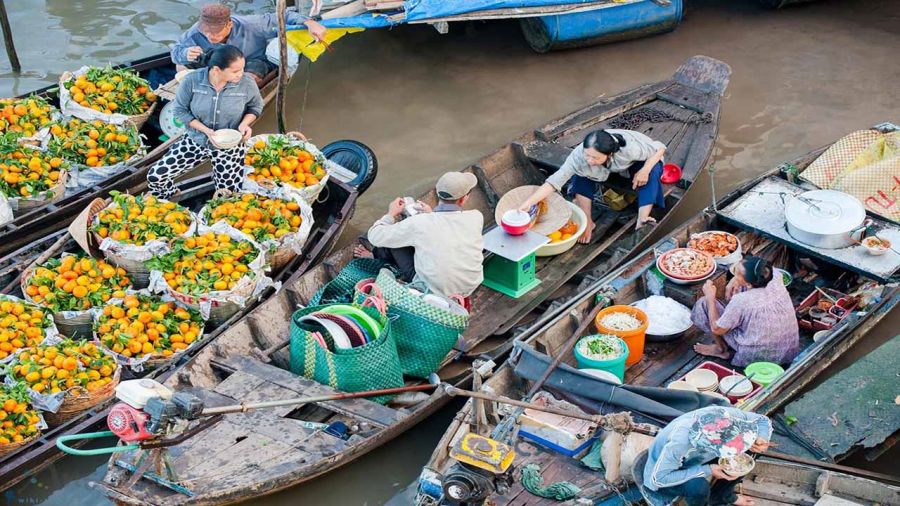
Tom Hill Boutique Resort & Spa (4 ★)

Tom Hill Boutique Resort & Spa

Tom Hill Boutique Resort & Spa is a mixture of boutique attraction with resort enchantment. The resort has thoughtful decoration, unique themed rooms, local art, and a comfy yet refined environment. The structure of Tom Hill Boutique Resort & Spa has a hillside and garden setting, terraced designs, private pathways, as well as perspectives over the sea and landscape. Interiors are styled with local materials, warm lights, and carefully focused on both detail in textures and furnishings.

The resort includes great balconies and terraces for each type of room, and upgraded amenities. They include modern spa and wellness centers, full, delicious dining selections in luxurious restaurants on site, a bar, swimming pools, and seaside access. Besides, there are concierge and excursion services, shuttle or airport transfers, and event support. The price of Tom Hill Boutique Resort & Spa is from $36.9 to $307.7 per night, according to the type of room you book for your trip and the current promotion of the hotel.

Seashells Phu Quoc Hotel & Spa (5 ★)

Seashells Phu Quoc Hotel & Spa

Seashells Phu Quoc Hotel & Spa has a fashionable, modern tropical layout with high ceilings, ground‐to‐ceiling windows. The resort’s tremendous use of both glass and open spaces, extra finishes, and resort style is complemented by beautiful spa and well-being zones. Being located in Duong Dong Town, travelers can unwind in the luxurious and pleasant feeling at this place, and easily entry to the center of the town to visit interesting sites in Phu Quoc Island.

Rooms in this resort have premium bedding, linens, bathroom fittings, and soaking tubs. They also have balconies or terraces with large views, weather management, clever lighting, and luxury services like a mini bar and a safe. You can enjoy infinity swimming pools, excellent restaurants on site, a bar, a spa, a gym, room service, a concierge, airport transfer, event planning support, and business or meeting centers. The price of Seashells Phu Quoc Hotel & Spa is from $142.3 to $161.5 per night, according to the type of room you book for your trip and the current promotion of the hotel.

Duong To Town

Duong To Town attracts travelers who are looking for a greater, laid-back yet upscale experience. This town is positioned near Phu Quoc International Airport and stretches alongside a dramatic coastline, as well as is home to many luxury hotels, resorts, beachfront villas, and high-end dining choices. In contrast to the energetic vibe of Duong Dong Town, the Duong To Town area gives a quieter vibe, with its wonderful stretches of long seashore and beautiful sunset, still being readily close to the famous sites in Phu Quoc.

SOL By Meliá Phu Quoc (5 ★)

SOL By Meliá Phu Quoc

SOL by Meliá Phu Quoc is a chic style resort, combining contemporary art and tropical points. Expect elegant interiors to mix with strong design accents, well-curved spaces at lobbies, bars, and lounges. The resort is also equipped with smart lighting and has landscaping to integrate indoor and outside spaces. Besides, when choosing this place as the answer to the question of where to stay in Phu Quoc, you can freely relax in the swimming pool and beachfront settings.

There are many modern benefits and services, consisting of restaurants on site, bars, and pretty lounges. Besides, you can have a chance to revel in a high-end spa, a gym, beach amenities, a concierge, airport shuttle or pick-up, tour desks, as well as professional event and meeting spaces. The price of SOL By Meliá Phu Quoc is from $180.8 to $359.6 per night, according to the type of room you book for your trip and the current promotion of the hotel.

Regent Phu Quoc (5 ★)

Regent Phu Quoc

Regent Phu Quoc is a luxury resort on Phu Quoc Island, and its layout is aimed at great beauty, subtle tropical luxury, blending local cultural touches and high design. Interiors include refined materials such as stone, wood, and glass, attractive decorative factors, and perspectives on the sea or garden according to each room.

The resort has some high-end restaurants and bars on site, a spa and a fitness center, some swimming pool options for children and adults, a gym, concierge, airport or private transfer services, kids’ club or family amenities, leisure activities, business or meeting centers, and meeting or event spaces with guides. The price of Regent Phu Quoc is from $1,769.2 to $5,615.4 per night, according to the type of room you book for your trip and the current promotion of the hotel.

Other Areas

Besides Duong Dong Town and Duong To Town, some other areas in Phu Quoc that are very suitable for you to stay and have a wonderful journey, including An Thoi Town and Loc Tho Ward. Let’s see more in the section below!

JW Marriott Phu Quoc Emerald Bay Resort & Spa (5 ★)

JW Marriott Phu Quoc Emerald Bay Resort & Spa

Located in An Thoi Town, Phu Quoc Island, JW Marriott Phu Quoc Emerald Bay Resort & Spa is an excellent building created by architect Bill Bensley, based on the fictional story inspiration of Lamarck University. Every building and area in the resort evokes an academic part, and a layer of history into the revel. The style is whimsical, theatrical, with themed decoration and storytelling in every element of this place.

Besides standard amenities, benefits, and services, there are many luxurious restaurants on site with great dining options, spa and fitness choices, weddings, and event services. Many visitors describe the resort as not just an accommodation, but an enjoy in artwork, tales, and luxury. The price of JW Marriott Phu Quoc Emerald Bay Resort & Spa is from $961.5 to $1,000 per night, according to the type of room you book for your trip and the current promotion of the hotel.

Best Western Premier Sonasea Phu Quoc (5 ★)

Best Western Premier Sonasea Phu Quoc

Best Western Premier Sonasea Phu Quoc is located in Loc Tho Ward, Phu Quoc Island. Its design combines contemporary luxury with a local concept, such as open tropical architecture, smooth lines, curated landscaping, and top-rate finishes. The lobby, lounges, and restaurants bring an ethereal and elegant vibe with high ceilings and high-quality materials.

Service standards of the resort align with full 5-star lodging, including high-end rooms and suites, some restaurants on site, a spa, a gym, swimming pools, beach access, concierge services, event and meeting areas, airport or transfer support, and kids’ services. The price of Best Western Premier Sonasea Phu Quoc is from $581.5 to $819.2 per night, according to the type of room you book for your trip and the current promotion of the hotel.

Tips To Select The Suitable Phu Quoc Accommodation

To feel comfortable, excited, happy, and safe in this Southern Vietnam itinerary, you need to remember the following important tips to choose the best area when searching for where to stay in Phu Quoc, as well as the great hotel or resort on this famous island.

  • Check guest reviews and feedback: Before booking the hotel or resort for your trip, you need to carefully read reviews and feedback of other visitors on online platforms. Especially, let’s focus on comments on cleanliness, service, and location of the accommodation.
  • Check cancellation policies: The weather in Phu Quoc can be unpredictable, so you should choose a hotel or resort that has flexible booking policies. They will be helpful in case of sudden changes in your plans.
  • Book lodging early: Particularly in travel seasons (from November to April), rooms in Phu Quoc accommodations fill quickly. So let’s book them early to ensure availability.
  • Find a family-friendly stay: If you travel with your family, particularly having kids, you should select a place that provides kids’ clubs, larger rooms, and indoor activities for families.

Final Thoughts

There are numerous hostels, hotels, and resorts, from low prices to high-end or luxury ones, for vacationers to book when looking for where to stay in Phu Quoc. Choosing the suitable lodging and the best places to stay in Phu Quoc Island can make your adventure feel more comfortable and memorable. If you want to be consulted about this Phu Quoc itinerary, interesting and thrilling things to see and to do in this well-known island, as well as receive support for the visa process, let’s contact Seni World, a reputable tour operator from Vietnam.

Hoi An to Nha Trang Transport Guide for Scenic and Easy Trip

A journey between Hoi An and Nha Trang has linked two extremes of Vietnamese beauty. Here is a guide on getting from Hoi An to Nha Trang as a comfortable and beautiful journey along the Vietnam coastline.

Overview Of Hoi An To Nha Trang

Hoi An to Nha Trang is a cultural, historical, and relaxing beach. Hoi An is beautiful with its lantern-lit Ancient Town, riverside markets, and centuries-old culture, and Nha Trang is overflowing with golden beaches, turquoise water, and seaside spice. A visit to both these would be a trip that would not only enrich the tourists but also be restorative as they visit streets listed by UNESCO, besides relaxing on the beach with island-hopping, snorkeling, or even a spa-like mud bath.

How Far Is It From Hoi An To Nha Trang?

It is approximately 500 kilometers between Hoi An and Nha Trang, which is not that much, but it is still long enough to make it necessary to plan it a bit. The path is on the eastern coast of Vietnam, crossing farming plots, coastal cities, and scenic areas in which the road and rail usually run along each other and then diverge through various cities.

The Hoi An to Nha Trang travel time varies according to your mode of transport. The quickest way to fly takes approximately 1 hour. The average speed of trains is 9-11 hours, and it is more comfortable to ride on the scenic views along the coast. However, both of them need a transfer to Da Nang Airport and Train Station. Sleeper buses, private cars, and motorbikes take approximately the same time, 11-14 hours, though they do not make a stop at Da Nang.

How To Get From Hoi An To Nha Trang?

All the modes of transport between Hoi An and Nha Trang provide varying rates of speed, prices, and comfort. The following will be a step-by-step account of flights, trains, buses, private cars, and motorbikes, and you will be able to compare and select which one fits your needs best and helps you have a scenic and smooth journey.

By Plane

Hoi An To Nha Trang by plane

The plane is the quickest mode of transport between Hoi An and Nha Trang, yet Hoi An lacks a home airport, and first, you need to travel to Da Nang International Airport (DAD), some 30 km away. You can take public buses as a low-end traveler, grab or taxi as a convenience, or you can use shuttle services like Hoi An Express that will directly bring you to the airport, which is great when you are taking a Hoi An to Nha Trang flight.

Da Nang to Cam Ranh International Airport (CXR) in Nha Trang flights take approximately 1 hour and 15 minutes. With the addition of transfers at each end, the overall trip is typically about 3 hours. There are currently two non-stop flights at 11:35 AM and 17:30 by Vietjet Air and Vietnam Airlines. Generally, Vietnam Airlines will land in Ho Chi Minh and then proceed to Cam Ranh Airport. The prices are also seasonal and the time of booking. Although it may be the most costly method of traveling, flying is by far the most comfortable and time-saving means of this journey.

Factors Details
Total travel time Around 3 hours (including flights and transfers on both ends)
Cost 896,000 – 1,152,000 VND for the Da Nang to Nha Trang non-stop flight
Airlines Vietnam Airlines, Vietjet Air
Notes The quickest requires a Hoi An to Da Nang transfer, weather dependent

By Train

Hoi An To Nha Trang by train

The Hoi An to Nha Trang train is among the most scenic and comfortable of the rides enjoyed by travelers who favor taking their time exploring the Vietnam coastline, but it can be a very long ride and thus not conducive to time-bound travelers. Hoi An has no railway station, so initially, you will have to travel to Da Nang Station by the same transfer methods as the airport. This is convenient because Nha Trang railway station is directly in the city center, and therefore, when you get there, it is easy to continue travelling.

Daily trains run on this route, such as SE1 (12:27), SE3 (10:51), SE5 (01:46), SE7 (23:03), SE9 (06:29), and SE21 (08:00). The ideal mode of transport is the overnight sleeper trains, where you can spend as much time as possible sightseeing as you will be at the destination in the morning.

The majority of the day trains, however, arrive in Nha Trang in the late evening. Although you might miss out on a beach swim, you will be able to experience the bustling nightlife and food of the city, and then be able to sleep and wake up fresh with the best things to do in Nha Trang the following day.

  • Soft seat: The cheapest option has simple padding. Good in the daytime, but not in long-distance overnights.
  • Hard sleeper: 6-berth (3 up, 3 down) cabins. The beds are hard and space is limited, though it is the most economical sleeping arrangement on the move.
  • Soft sleeper: 4-berth (2 up, 2 down) mattress-covered cabins to provide additional comfort. It is the most popular choice for long-distance overnight travel.
  • VIP Sleeper (on Lotus Express Train): Larger, more customized cabins with better amenities, which are ideal for travelers who love great comfort on the journey.
Factors Details
Travel time 10-12 hours (depending on train and road transfer type from Hoi An)
Cost Soft seat (A/C): 407,000 – 598,000 VND

Hard sleeper (6 berths): 601,000 – 983,000 VND

Soft sleeper (4 berths): 758,000 – 1,121,000 VND

VIP Sleeper: 1,772,000 – 2,183,000 VND

Best for Cultural immersion, scenic journey, slow-paced traveller
Notes Scenic coastal views, meet locals, taste Vietnamese cuisine on board, and at station stops

By Bus

Hoi An To Nha Trang by bus

The bus between Hoi An and Nha Trang is the cheapest means of transport amongst those that are budget-friendly. It is approximately 11-12 hours, primarily on overnight sleeper buses that have reclining seats and air conditioning. You will go through the night, wake up in Nha Trang, and be dropped off at central places which are conveniently near your hotel. The reputable firms are Queen Cafe Bus, Hanh Cafe, and Cuc Tung Limousine.

The greatest attraction of the Hoi An to Nha Trang bus is its affordability, particularly among backpackers. Even a long ride will be surprisingly comfortable and private with the booking of a VIP cabin. On a negative note, the journey may seem rocky, having several stopovers, and cleanliness or space may not be up to the standards of flights or trains. Nevertheless, it is a convenient and simple mode of transport for people who value saving.

Vehicle Type Price (VND) Departure time Notes
Standard sleeper bus (36 beds, open layout) 330,000 – 380,000 VND Around 17:00, 18:00 (overnight service) These buses are simple overnight in the open format and are an affordable direct ride.
VIP Sleeper Bus (21 – 24 private cabins) 350,000 VND Around 20:15 – 21:00
(overnight service)
It also has fewer privately owned cabins and, therefore, is more private and quiet. It features a bathroom, Wi-Fi, a charging system, blackout curtains, a television, and free beverages.

By Private Car

Hoi An To Nha Trang by private car

A Hoi An to Nha Trang private car ride seems more comfortable, private, and in control as you travel between Hoi An to Nha Trang. The journey spans approximately 500 kilometers, and it takes the coastal highway of Vietnam, passing through rice fields, villages by the coast, and mountain passes. You may even pay a visit to attractions such as the beaches of Quy Nhon or the fishing towns of Tuy Hoa along the way.

The main benefit of this alternative is flexibility. You can choose the time and place of stopping, and it is best for families or other groups that can also share the price. But it is also the priciest, and will require approximately 10-11 hours on the road, which might be a stretch for some of the passengers on the seats.

Factors Details
Duration 10 – 11 hours (depending on traffic and stops)
Cost From 6,500,000 VND per trip (varies by vehicle type and service provider)
Vehicle types 4-seat sedan, 7-seat SUV, 16-seat minivan
Service Door-to-door pick-up in Hoi An and drop-off in Nha Trang
Best For Families, small groups, and those who prefer privacy, flexibility, and comfort
Notes Professional drivers, AC, flexible stops

By Motorbike

Hoi An To Nha Trang by motorbike

Riding a motorbike between Hoi An and Nha Trang is a fun place to go, and only confident riders should take the open road. The path takes the coastal Highway 1A of Vietnam, with breathtaking views of places such as Quy Nhon, Tuy Hoa, and the pristine beaches of Phu Yen, which provide ample opportunities to take a break on the ride and experience the true life of the locals.

On the positive side, it makes you free. You can choose your own speed, pause at those scenic areas that you want to look around, and visit towns and fishing villages that are inaccessible by buses and trains. It is also among the cheapest forms of transport. The journey, however, is not simple. The weather changes rapidly, and the road may be torturous with traffic or extremely rocky. It is not an ideal choice in terms of carrying heavy luggage, or even in cases of no legitimate motorcycle license.

Safety Tips:

  • Wear safety equipment, including a helmet, gloves, and good shoes.
  • Kick-starts early to get rid of the overnight routes.
  • Check your motorbike, brakes, lights, and tires.
  • Use Google Maps or offline maps, and you may take a break and rest well.
Factors Details
Travel time 12-14 hours (depending on traffic and stops)
Cost 375,000 – 460,000 VND/day for bike rental (except fuel and bike transfer fee)
Route National Highway 1A
Best for Experienced riders only, seeking a true adventure
Notes Requires a motorcycle license and experience

Tips For Traveling From Hoi An To Nha Trang

If you are interested in how to get from Hoi An to Nha Trang in the most scenic, comfortable, and simple way, some clever hints will make your long trip easier, more secure, and pleasant.

  • Book flights, buses, or trains early, particularly in peak summer, and check on online platforms to get the best deals and services that are reliable.
  • Weather: September through December are rainy months, and thus, roads may be slippery. Bring the right clothes and think of a safer mode of transport.
  • Bring snacks, water, and light food to have a break in between.
  • With your private car trip, take timing breaks at fishing towns or lagoons, or by day to see more of the country.
  • Always carry your passport/ID, and travel insurance is also a good idea when going long distances.

Final Thoughts

The journey between Hoi An and Nha Trang can be quick by plane, nice and cozy by train, cheap by Hoi An to Nha Trang sleeper bus, flexible by private car, or thrilling by motorbike. All these options have their own way to enjoy the Vietnam coastline. Therefore, the best one will depend on time, budget, and style. To have a memorable trip, Seni World creates a Vietnam itinerary that is balanced in terms of comfort, culture, and marvelous coastal beauty.