


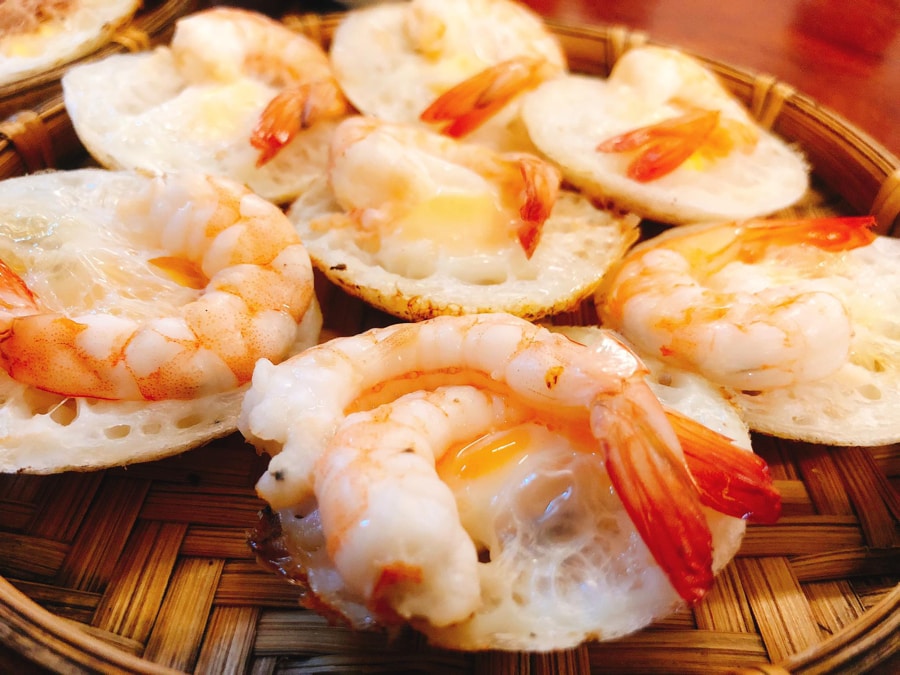
Banh Can is one of the most popular Vietnamese street foods, and it is easily recognizable due to its round shape and crispy texture. This dish, which is made from rice flour and typically includes shrimp, quail eggs, and/or pork, is cooked in special molds. Banh Can is particularly popular along Vietnam’s coastal regions and is a great way to experience the street food culture of Vietnam.
What Is Banh Can
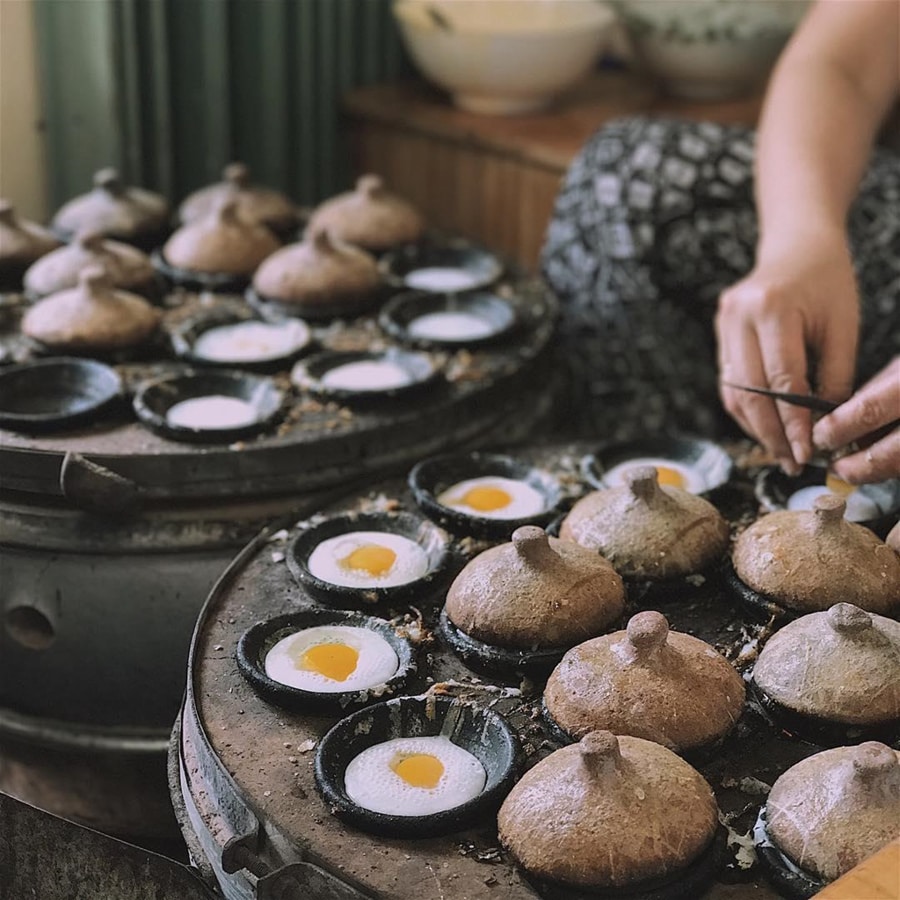
This is a traditional Vietnamese dish made from a rice flour batter, which is then cooked in small clay molds over a charcoal fire. The dish is then served with a variety of ingredients such as shrimp, eggs, squid, or pork. This combination of ingredients results in a delicious combination of crunchy outside and soft inside.
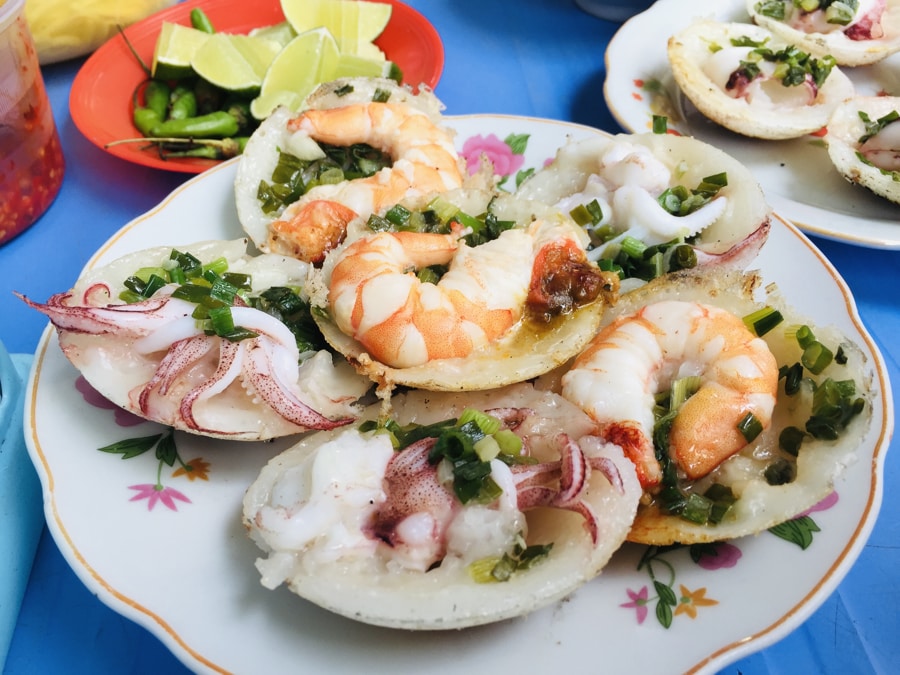
One of the reasons why this dish should be tried by travelers is the cooking method of the dish. It is a street food dish, which results in an authentic experience for the traveler. The dish is served with herbs and a fish-based sauce. This combination of ingredients results in a delicious combination of crunchy outside and soft inside.
The Origin And Cultural Significance Of Banh Can
Banh Can has its roots in the coastal regions of Central and South Central Vietnam, specifically in areas such as Ninh Thuan and Binh Thuan. These areas are known for their seafood and street food culture, which has had a significant impact on the creation of Banh Can. Traditionally, Banh Can is prepared by street food vendors using clay stoves and charcoal.
Banh Can has now become a famous street food, enjoyed by the people of Vietnam and the surrounding coastal regions. Banh Can is a symbol of the simple yet innovative food culture of the Vietnamese people, who have been able to create mouth-watering street food from simple ingredients such as rice flour and seafood. Banh Can is still enjoyed today and is a symbol of the food culture of the coastal regions of Vietnam.
How To Make Banh Can At Home (Authentic Recipe)
Even if you are not able to travel to Vietnam right now, you are still able to taste the delicious flavors of Banh Can at home. It is possible to prepare this popular Vietnamese street food at home using a few ingredients and the right cooking technique.
3.1. Main Ingredients For Making Banh Can Process
To achieve the authentic flavor of Banh Can, it is important to prepare fresh ingredients before starting the cooking process. The quantities below are suitable for about 4 people.
|
Main Ingredient
|
Quantity
|
|
Rice flour
|
300 g
|
|
Tapioca starch
|
50 g
|
|
Coconut milk
|
200 ml
|
|
Water
|
200 ml
|
|
Shrimp (peeled)
|
200 g
|
|
Quail eggs
|
12 eggs
|
|
Green onions
|
2-3 stalks
|
|
Garlic
|
3 cloves
|
|
Chili
|
1-2 small
|
|
Fish sauce
|
3-4 tablespoons
|
|
Sugar
|
1 tablespoon
|
|
Fresh herbs (lettuce, basil, perilla)
|
1 large plate
|
3.2. Step-By-Step Guide To Cooking Banh Can
After all the ingredients are prepared, the cooking process can begin. To cook Banh Can, the batter needs to be prepared, the pancakes are cooked in molds, and the dish is served with a tasty dipping sauce.
Step 1: Prepare the batter
First, we need to mix the rice flour, tapioca starch, coconut milk, and water together. After that, we need to stir the mixture well and ensure it is smooth and has no lumps. A pinch of salt should be added to the mixture for flavor. After mixing, we let the batter rest for about 20-30 minutes. This will help the rice flour absorb the liquid and improve the texture of the pancakes.
Step 2: Prepare the toppings and herbs
First, we wash the shrimp and cut them into smaller pieces if they are large. Then, we crack the quail eggs into small bowls and keep them ready for pouring into the molds. Finally, we chop the green onions and prepare a plate of fresh herbs such as lettuce, basil, and perilla. These herbs will be used later for flavoring the dish.
Step 3: Heat the Banh Can Molds
Place a traditional Banh Can pan or small round molds over medium heat. Once hot, lightly brush each of these pans with oil to prevent sticking. It’s essential to heat these pans well, as this helps cook the batter evenly. As a result, these pancakes are crispy on the edges and soft inside.
Step 4: Cook the Pancakes
Pour a little batter into each of these pans, covering about two-thirds of each pan. Immediately add pieces of shrimp and a quail egg on top of each of these pancakes. Finally, add chopped green onions over each of these pancakes. Next, cover these pans with a lid and cook these pancakes. These pancakes are ready once their edges are crispy and golden, and their fillings are cooked well.
Step 5: Prepare the Dipping Sauce and Serve
To make a dipping sauce, combine fish sauce, warm water, sugar, garlic, and chili in a bowl. Finally, stir these ingredients well, as this dissolves the sugar completely. Serve these hot Banh Can pancakes with fresh herbs and a dipping sauce. Dip each of these pancakes in the sauce before consuming them, as this helps to enjoy their authentic taste.
How To Eat Banh Can Like A Local
Banh Can is not only special because of its crispy texture and flavor, but it is also special because of the way the locals enjoy this dish. Learning the special way Vietnamese people traditionally enjoy Banh Can can help you appreciate the dish and its flavor.
Step 1: Start with the dipping bowl
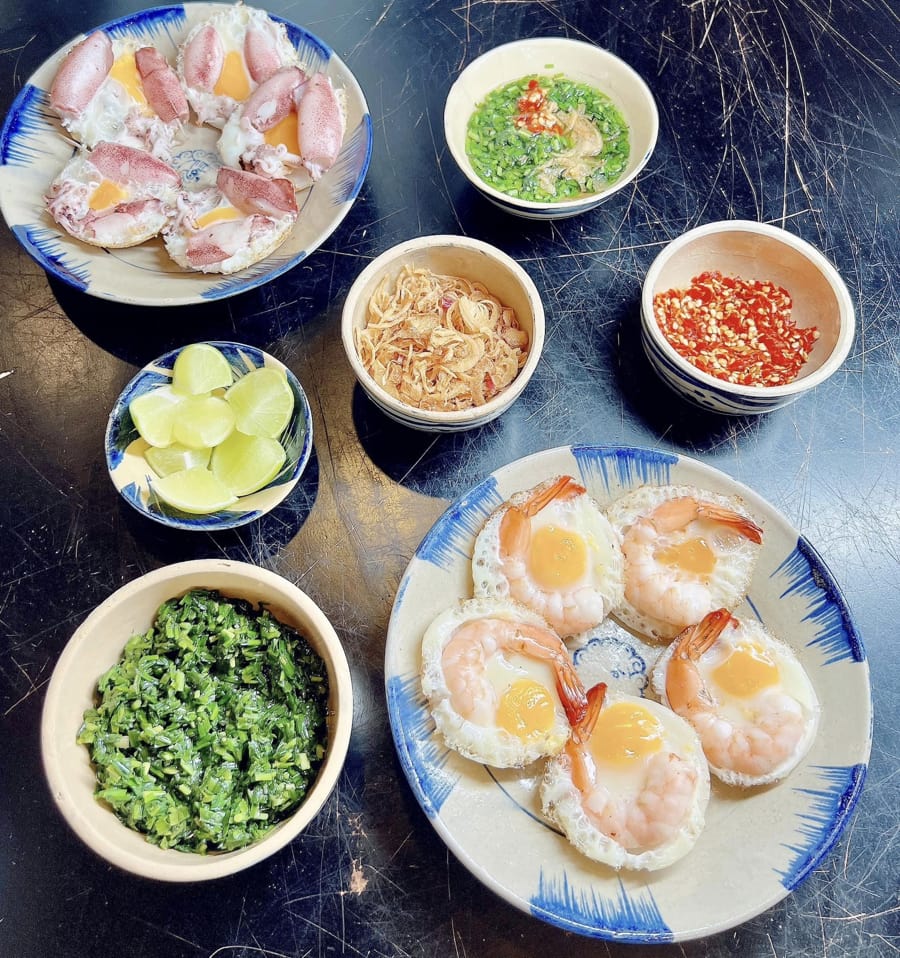
The Banh Can is normally served with a dipping bowl that contains a mixture of fish sauce, garlic, chili, and sometimes meatballs or shredded green mango. This dipping sauce is very important in enhancing the taste of the pancakes.
Step 2: Take a piece of Banh Can
The locals normally use chopsticks or a spoon to grab one or two pieces of Banh Can from the plate. This dish is normally served hot and fresh from the clay molds.
Step 3: Add herbs and vegetables
Before consuming the Banh Can, one can add fresh herbs such as lettuce, basil, and perilla leaves. This adds freshness to the Banh Can and balances the savory taste of the shrimp, egg, and/or pork.
Step 4: Dip and enjoy the flavors
Finally, one dips the Banh Can in the bowl of sauce and enjoys the flavors. This gives a rich taste experience, making Banh Can a favorite among the locals.
Where To Try The Best Banh Can In Vietnam
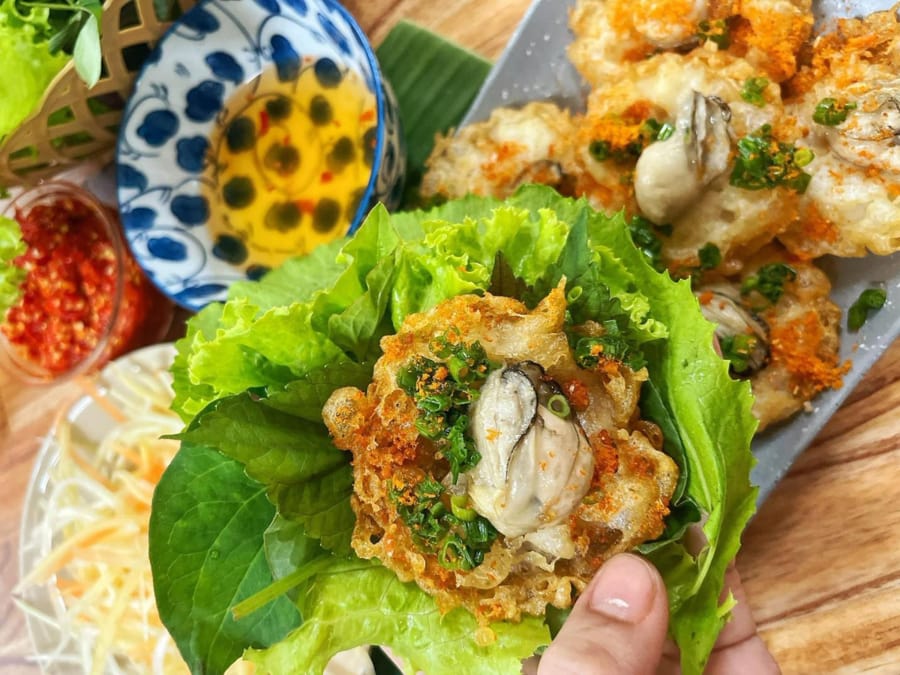
Though this dish can now be found in various parts of Vietnam, the authentic ones are often found in the coastal regions of Central Vietnam. Some of the cities that are known for their authentic Banh Can dishes include Phan Rang, Nha Trang, and Phan Thiet. These cities are known for their traditional Banh Can dishes that are often cooked in clay pots over charcoal.
Here are some well-known places where visitors can enjoy authentic Banh Can in Vietnam:
-
Banh Can Ba Bay: 7A Tran Quoc Toan Street, Phan Rang–Thap Cham, Ninh Thuan.
-
Banh Can 51 To Hien Thanh: 51 To Hien Thanh Street, Nha Trang, Khanh Hoa
-
Banh Can Co Trang: 24 Le Loi Street, Phan Thiet, Binh Thuan
-
Banh Can Nguyen Trai: 165 Nguyen Trai Street, Phan Rang–Thap Cham, Ninh Thuan
-
Banh Can Hai Dao: 32 Hoang Hoa Tham Street, Nha Trang, Khanh Hoa
Useful Tips For Enjoying Banh Can In Vietnam
Having Banh Can in Vietnam can be even more enjoyable when you follow a few local dining habits. Here are a few tips that will help you enjoy the crispy texture, rich toppings, and traditional flavor of the popular Vietnamese street food.
-
Banh Can is normally enjoyed in the evenings or at night in some cities located by the sea, as the street food vendors come alive and people gather to enjoy their hot pancakes
-
Unlike the case with the pancakes, the locals normally dip the Banh Can in a fish sauce mixture with some garlic and chili to enjoy their meals.
-
Some fresh herbs, such as lettuce, basil, and perilla leaves, are normally served with Banh Can to counterbalance the eggs, shrimps, and pork used as the fillings for the Banh Can.
-
Banh Can is best enjoyed while still hot and crispy, as the texture of the Banh Can changes if the pancakes are not eaten soon after they are made.
FAQs About Banh Can
Prior to eating Banh Can for the first time, there are a number of questions that curious tourists ask before eating this dish. The following are the answers to the questions people ask before eating this unique street food.
-
What makes Banh Can different from Banh Khot?
Banh Can and Banh Khot are both small Vietnamese pancakes, but Banh Can is prepared differently. Banh Can is prepared using a clay mold over charcoal and does not require deep-frying. Banh Khot, on the contrary, is deep-fried in oil, which makes the Banh Khot crisper and gives it a richer taste.
-
What dipping sauce is usually served with Banh Can?
Banh Can is usually served with a light fish sauce that may also contain garlic, chili, sugar, and sometimes meatballs and green mango. This dipping sauce complements the savory taste of the Banh Can and gives the pancakes a richer taste.
-
Is Banh Can usually eaten as a main meal or a snack?
In Vietnam, Banh Can is usually enjoyed as a light meal or a snack in the evenings. Banh Can is a small pancake, and its small size makes it easier to share the meal with friends and family while enjoying the meal at a street stall.
-
What toppings are commonly used for Banh Can?
Common toppings include quail eggs, shrimp, squid, and minced pork. Some places also add scallions or cheese for extra flavor. These toppings create a variety of textures and tastes.
-
When is the best time to eat Banh Can?
Banh Can is often sold in the late afternoon and evening. Many locals enjoy it as a casual snack after work or school. The warm cakes are especially enjoyable in cooler weather.
Discover Vietnam’s Banh Can Culture With Seni World
Vietnamese cuisine is closely related to regional traditions, local ingredients, and street food. Banh Can is a perfect example of this. It is especially popular in the coastal areas of Vietnam. The freshness of the ingredients used to prepare this dish is what makes it unique.
For those who wish to experience the Vietnamese food culture, eating Banh Can is a wonderful experience. Seni World will help you discover the street food scene, the bustling local markets, and the local cuisine. It will be a wonderful experience for those who wish to explore the authentic Vietnamese cuisine. Watching the street vendors prepare the Banh Can over charcoal molds will be a great experience. You will be able to taste the freshly cooked Banh Can.
Final Thoughts
Banh Can, with its crunchy texture, savory fillings, and dipping sauce, is a true reflection of Vietnamese regional cuisine. For travelers looking for authentic Vietnamese food and local food hideaways, Seni World is the best choice for an unforgettable food experience. Try out Banh Can and other authentic Vietnamese food dishes through tours arranged by Seni World and experience the true taste of Vietnam.
Content Seniworld
Subscribe
Login
0 Comments
Oldest


Related articles
Vietnam Travel Guide


