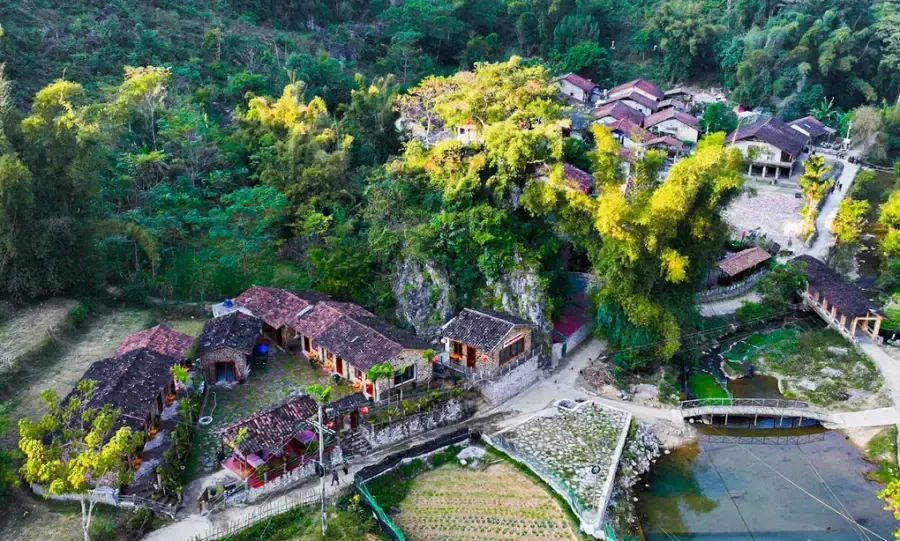


Set in Vietnam’s far north, Cao Bang changes with every season. Knowing the best time to visit Cao Bang helps you catch its purest scenes, misty mountains, and crystal falls to harvest valleys and friendly homestays in the hills.
Where Is Cao Bang
Up in the remote northeast corner of Vietnam, Cao Bang shares a border with China, roughly 300 kilometers from Hanoi. It’s a landscape of rugged limestone peaks, vibrant valleys, alongside scattered communities of diverse people. Cao Bang feels serene because it’s tucked away from the sea alongside major hubs, yet reachable within a couple of days with some planning. It delivers for those seeking untouched scenery, climbs through hills, also genuine welcomes, making it a truly satisfying Vietnamese experience.
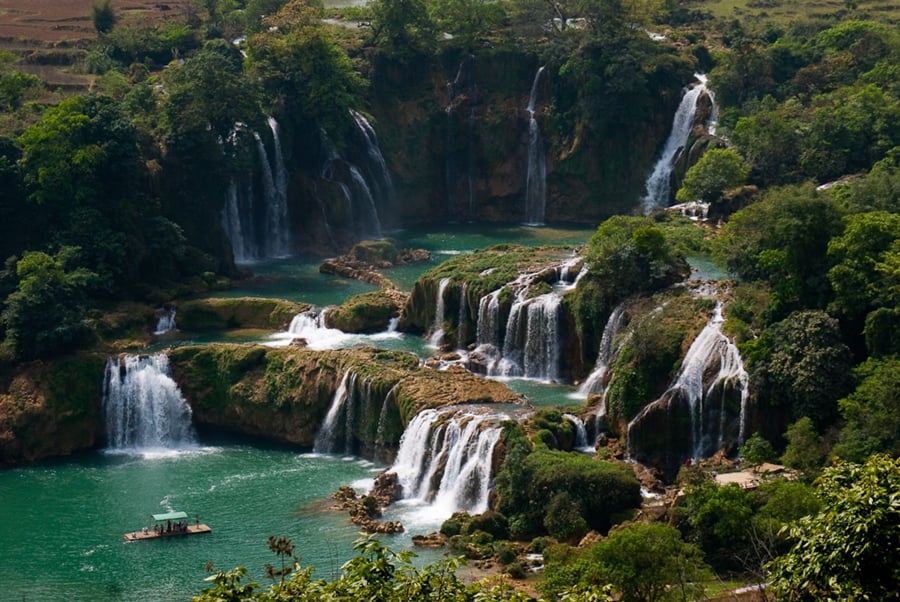
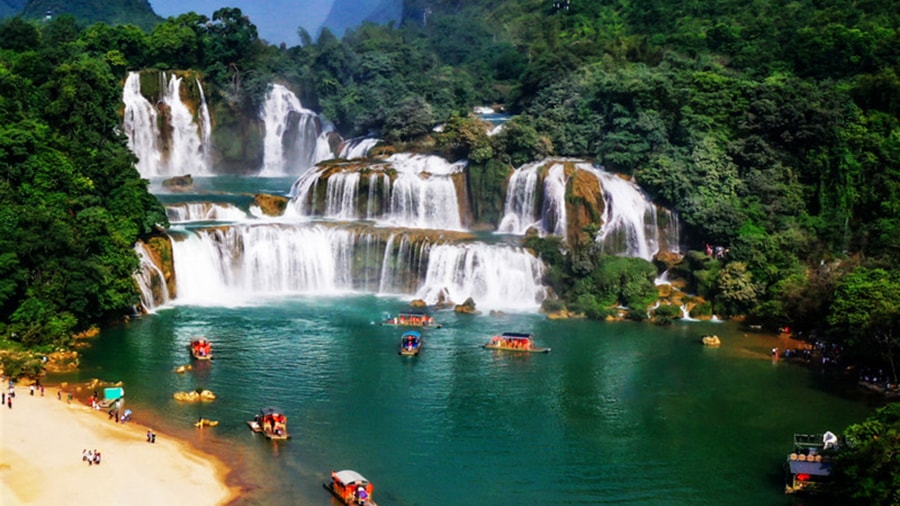
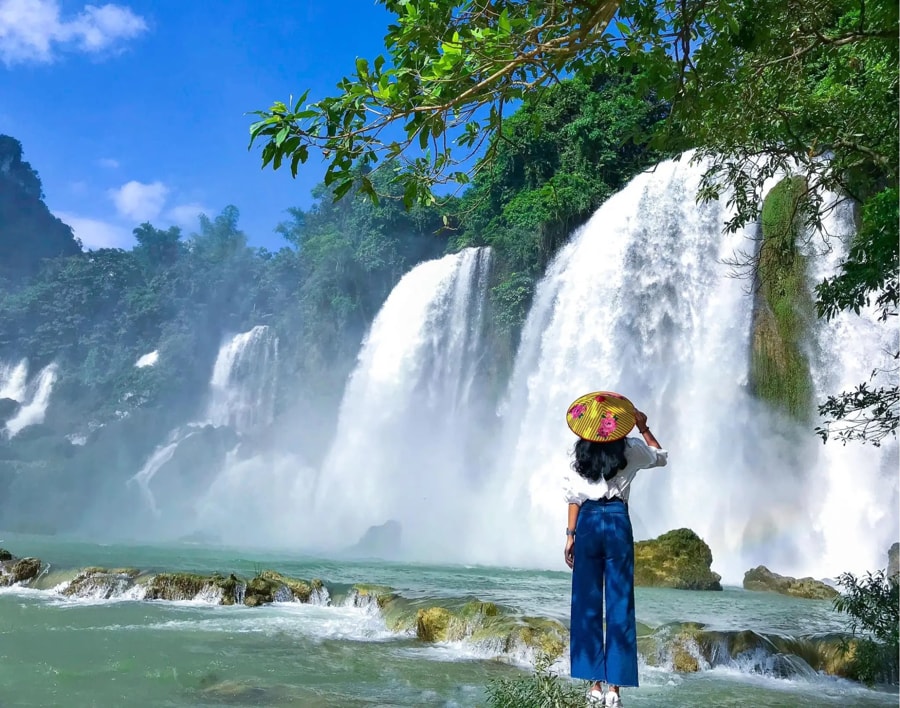
Cao Bang feels real, not manufactured for tourists. It boasts Ban Gioc Falls, frequently touted as Vietnam’s loveliest, with waters spilling over international lines into a breathtaking spectacle. Yet there’s more: Nguom Ngao Cave, the historical grounds of Pac Bo, alongside Phia Oac-Phia Den National Park, reveal diverse facets of this area, its wild landscapes, storied past, and its mountain communities.
What Is The Best Time To Visit Cao Bang?

Cao Bang shines between March–May, and also between September–November. The weather feels right then, not too hot, not too wet, making getting around easier. It’s prime time for vibrant scenes at Ban Gioc Waterfall, plus the nearby valleys. You can wander through caves, hike Phia Oac, or just soak up the mountains, free from scorching sun or downpours.
- March to May: Cao Bang truly shines in spring. Temperatures hover between a pleasant 18 and 26°C, and rain isn’t much of a worry then either. You can explore Phia Oac National Park on foot; discover villages inhabited by the Tay and Nung people; alternatively, enjoy peaceful boat trips close to the falls. The weather right now is ideal for photos, revealing vibrant mountains.
- September to November: As fall arrives, visitors discover a sweet spot, temperatures between 20–27°C, less rain, and then fields glow gold with the harvest. Motorbike trips stretch out wonderfully this time of year. You might also wander through Nguom Ngao Cave, then lose yourself within bustling local markets at their peak. The result is a blend of pleasant conditions alongside striking scenery, all without big crowds.
Cao Bang Weather Overview by Season
Tucked away in the far north of Vietnam, Cao Bang feels the seasons change distinctly. Its warm, moist climate results from its high elevation alongside the influence of monsoon breezes. High up in places such as Phia Oac, winter chills dip under 10°C; meanwhile, valley summers frequently hit 32°C. With humidity typically at 80-85%, rain falls heavily from May through September, fostering vibrant landscapes alongside powerful rivers. Knowing the seasonal changes means picking the perfect time for your trip.
| Season | Months | Temperature (°C) | Weather & Travel Experience |
| Spring | March – May | 18 – 26 | Spring brings mild, dry weather and clear skies. Morning mist fades quickly, revealing green valleys and calm rivers. Roads are smooth, ideal for sightseeing and short treks. Ban Gioc Waterfall turns turquoise, creating great conditions for photography and local market visits. |
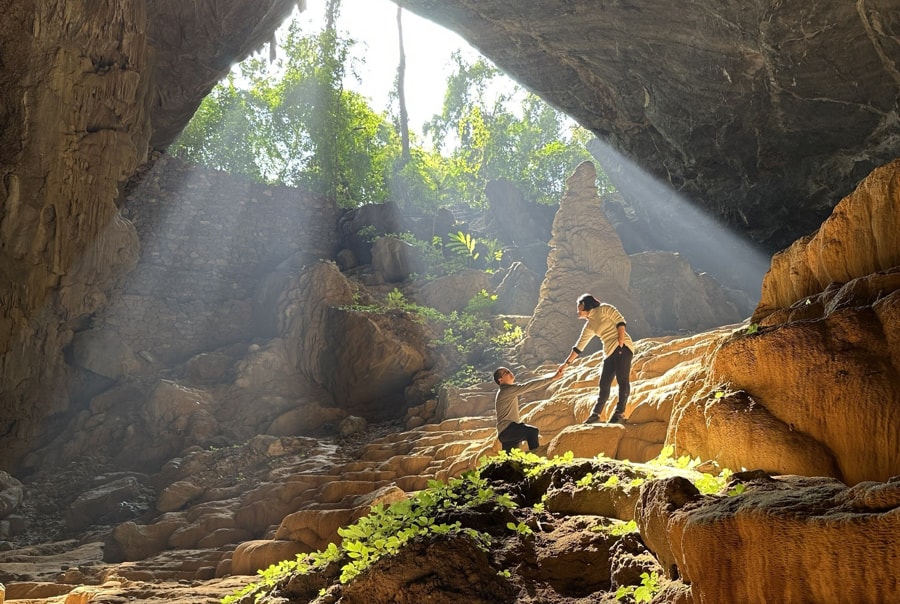
| Summer | June – August | 26 – 32 | The weather turns warm and humid with short, heavy rains in the afternoon. Travelers who enjoy nature can experience Cao Bang at its most vivid. Despite wet roads in some areas, mornings remain bright and suitable for exploring Nguom Ngao Cave, Thang Hen Lake, or taking boat rides near Ban Gioc. |
| Autumn | September – November | 20 – 28 | Autumn is considered the best season to visit Cao Bang. Rainfall decreases sharply, the air feels crisp, and light stays soft through the day. This is harvest time, when markets get lively and views along mountain passes are clearest. |
| Winter | December – February | 10 – 20 | The air turns cool and dry with light fog in early mornings. Days are comfortable for road trips and cultural visits, such as Pac Bo or local villages. This season suits travelers who prefer calm scenery, low traffic, and a slower pace of travel. |
Spring (March – May)
Spring in Cao Bang feels balanced and bright. Temperatures stay around 18-25°C, skies are mostly clear, and light fog in the early morning gives the valleys a soft glow before it fades into sunshine. The roads from Cao Bang City to Trung Khanh or Phia Oac are dry and smooth, so moving between attractions is easy. This is when Ban Gioc Waterfall turns its clearest turquoise and when the villages start planting their new crops. Travelers who come in these months will find peaceful roads, gentle air, and landscapes just coming back to life after winter.
If you like light adventure, spring offers plenty to do without weather concerns. You can spend the day exploring Nguom Ngao Cave, trek short trails in Phia Oac National Park, or take a boat under Ban Gioc when the water runs calm. Early spring also brings local markets and festivals after the Lunar New Year, which are small but lively.
Summer (June – August)
Summer brings Cao Bang into its most vivid form. The weather turns warm and humid, with temperatures hovering between 26-32°C, and short rains appear almost every afternoon. Though travel requires more planning, this season rewards visitors with deep green hills, powerful rivers, and Ban Gioc Waterfall at its strongest.
For travelers who don’t mind a bit of unpredictability, summer is exciting. You can visit Thang Hen Lake when its water level rises, ride a motorbike between fruit orchards, or join locals at small markets selling plums, peaches, and wild honey. It’s also a great time for photography because the post-rain light brings a rich contrast between the blue sky and the red mountain soil.
Autumn (September – November)
Autumn is considered the best time to visit Cao Bang, when the weather stays stable around 20-28°C and rainfall drops sharply after the summer storms. Roads from Cao Bang City to the northern districts are dry and safe for long drives, while visibility is wide and the air feels crisp. Ban Gioc Waterfall still carries a strong flow, but the water looks clearer than in July or August, making it ideal for sightseeing and photography.
Many events take place during this period, such as the Ban Gioc Waterfall Tourism Festival in October, which features cultural shows, local food, and traditional crafts. This is also the peak season for short trekking routes in Phia Oac National Park or visiting ethnic markets in Nguyen Binh District. Best accommodation in Cao Bang fills faster in these months, so early booking helps
Winter (December – February)
Winter in Cao Bang is dry and cool, with average temperatures from 10-20°C, sometimes dropping below 8°C in highland areas like Phia Oac. Mornings often have fog, but afternoons turn sunny and clear. Rain is rare, so travel remains smooth, though the chill can be sharp at night. For travelers who prefer quiet routes and steady conditions, this is one of the easiest times to travel around the province.
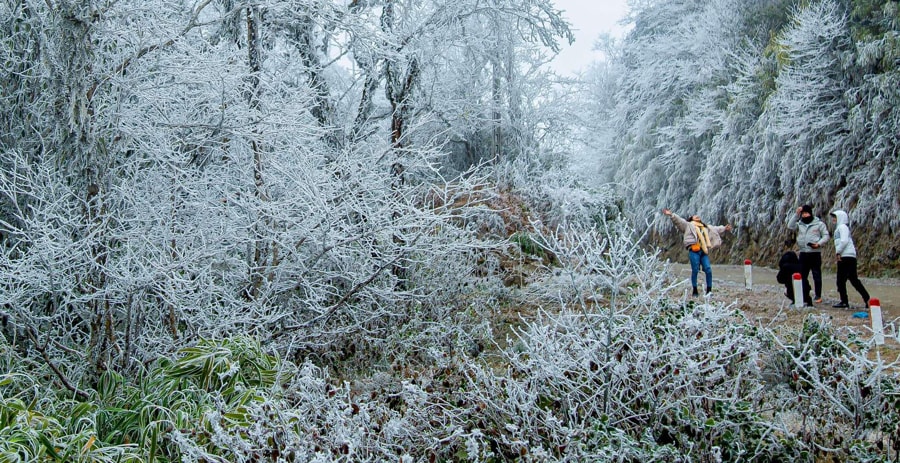
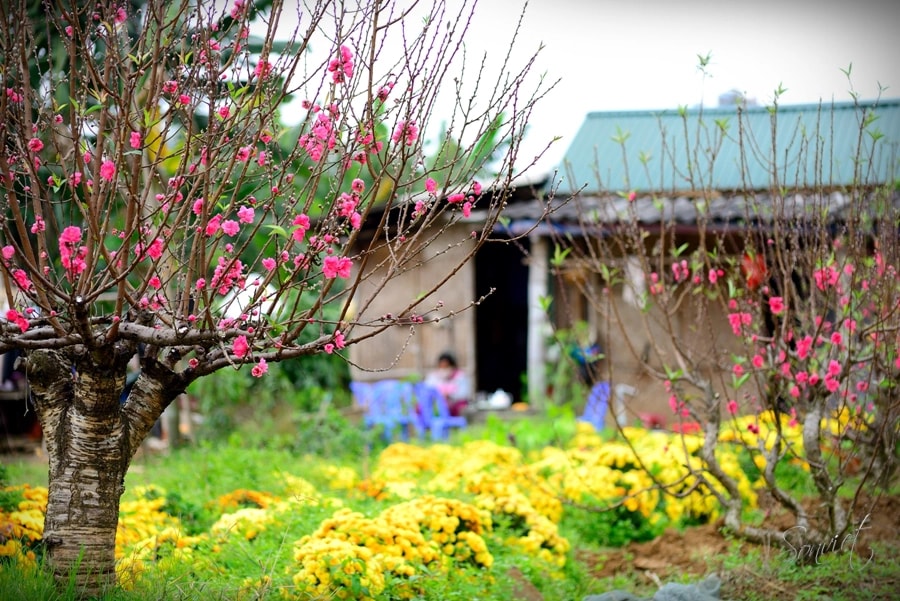
Most outdoor activities still run normally. You can visit Pac Bo Historical Site, explore Nguom Ngao Cave, or ride along Ma Phuc Pass without heat or crowds. Late January often marks the blooming of plum and peach flowers, signaling the change to spring. Packing warm layers is essential. While it’s not the best time to visit Cao Bang for trekking, winter still offers calm roads, mild weather, and a peaceful atmosphere that many travelers appreciate.
Tips for Visiting Cao Bang in Different Seasons
Knowing the best time to visit Cao Bang helps you plan each day more comfortably and understand how the local weather shapes life in the mountains. These notes may help you see more, stay safer, and enjoy the journey the way locals do.
- In the spring, most guesthouses will be fully opened after the winter season, so it is helpful to select a homestay with a view of the mountains, rather than stay in town, as you will awake to fresher air with mist rolling over the fields in the early morning hours.
- The evenings in highland villages can be much colder than in the city, even during spring, so taking along a light thermal layer will make for a more comfortable sleep than loading extra warm sheets or blankets on the bed.
- In the case of electric outages due to the storms that may impact electricity in the mountains, a rechargeable battery is very helpful for charging your cameras and phones, especially on multiple-day trips.
- In Cao Bang, most drivers to and from the various tourist sites or hiking trails are from the local communities, and the vendors know how to deal with whatever the weather throws at them; so, having them drive you for a day or two can save time and fuel.
- It is always best to be flexible with transportation if you can, especially on your days of departure. Foggy or rainy conditions can affect several buses leaving for Hanoi, so leaving your schedule open for half a day is a good idea if you don’t want to miss a bus connection.
FAQs About The Best Time To Visit Cao Bang
Knowing the best time to visit Cao Bang helps you plan each day more comfortably and understand how the local weather shapes life in the mountains. These tips could offer a smoother, safer trip, giving you a glimpse into local living.
Does Ban Gioc Waterfall have water all year round?
The waterfall is a constant presence, yet never quite the same. Come summertime, July through October, it really roars following the wet season. However, spring, specifically March to May, delivers crystal-clear turquoise waters alongside ideal conditions for capturing pictures.
Is Cao Bang too cold to travel in winter?
Honestly, it isn’t too bad. Temperatures generally hover between 10 and 18°C – a bit chilly, yet comfortable with layers. Trails typically remain passable; moreover, places such as Pac Bo alongside Nguom Ngao cave welcome visitors.
Can I swim at Ban Gioc Waterfall?
You can’t swim by the big waterfall, it’s too risky. However, a quick boat trip will get you right to the bottom. From March through May, the water settles down, so the journey is both peaceful also offers great views.
Which month is most suitable for trekking or motorbiking?
Roads are driest, temperatures are mild, and views are clear in April, October, or November. These months also mean safer travel on trails within Phia Oac National Park.
Can I hike these trails whenever I like?
It’s true, though springtime or fall offer the best conditions. Trails around Phia Oac, likewise Nguyen Binh, become slick with mud during midsummer; conversely, they remain solid throughout winter. Knowledgeable locals will point you toward passable paths.
Final Thoughts: Are Cao Bang Worth Visiting?
Cao Bang remains one of the few northern provinces where each season still feels distinct and authentic. Spring and autumn stand out as the best times to visit Cao Bang, when the weather stays balanced, roads are reliable, and the landscape reveals its clearest colors. Planning the right season helps you see how life here unfolds through moments of local life and activity in Cao Bang. If you need help choosing routes, stays, or timing your Vietnam trip for the best experience, Seni World can guide you with updated travel insights and local recommendations.