


The Mekong Delta charms visitors with its maze of rivers, floating markets, and endless green fields. Knowing the best time to visit Mekong Delta helps you plan the perfect, unforgettable trip through this tranquil region.
Where Is The Mekong Delta?

Down in southern Vietnam, the Mekong River spills out into nine waterways just before reaching the ocean – that’s the Mekong Delta. Twelve provinces make up this area, like Can Tho, An Giang, Ben Tre, alongside Soc Trang. To the north lie Cambodian lands; southward extends the East Sea. Ho Chi Minh City sits roughly 165 kilometers from Can Tho, the Mekong Delta’s central hub, a drive that takes three or four hours. Getting there is simple; buses, cars, and even quick flights from places such as Hanoi and Da Nang offer access.
This place really matters to Vietnam, shaping how people live alongside its traditions. It’s where most of the nation’s rice comes from, yet farmers grow mangoes, catch fish, and craft items by hand, too. Water is everything; rivers function as streets, as places to trade with boats being commonplace. People journey here to immerse themselves in a different lifestyle, relish the tranquil landscapes, and discover fun things to do, like market boats, river cruises, alongside artisan workshops. Knowing when to go ensures good weather while you take it all in.
What Is The Best Time To Visit Mekong Delta?
December through April is the best time to visit the Mekong Delta. Expect sunshine, agreeable temperatures, alongside easier journeys because of good weather. Skies are clear; humidity isn’t oppressive during those months. You can forget rain and go ahead and book a boat trip, wander through riverside marketplaces, or lose yourself among orchards. The delta shifts throughout the year, offering its own charm even outside peak season.
- December to February: The season locals favor, with mornings that are crisp, air is dry. The Mekong Delta bursts into flower as communities gear up for Tet, Vietnam’s biggest celebration. Right now is a sweet spot-warm day alongside lively festivals. Expect temperatures between 75-86°F, perfect for wandering around, taking boat trips, or simply soaking up the energy of the town.
- May to August: Summer’s warmth descends, often between 27°C and 35°C. It’s harvest time too; fruit trees overflow, offering chances to tour orchards, selecting and then savoring ripe tropical flavors. A quick shower might pop up later, though it shouldn’t mess with your plans. If countryside views alongside tasty regional dishes appeal to you, this could be ideal.
- August to November (Floating Season): When the rivers swell, the delta transforms fields become shimmering lakes, and pathways turn into waterways. Journey by boat to witness vibrant blooms, savor meals featuring just-caught fish alongside greens gathered from the banks. Even with increased rainfall, many come during these months seeking genuine Mekong experiences; they watch locals navigate a world reshaped by high water.
Mekong Delta Weather Overview By Season
The Mekong Delta enjoys warm weather all year, typically between 75°F and 91°F. It really only experiences two times of year, when it doesn’t rain much, and then when it does. How humid things feel shifts with the amount of rainfall. Typically, things are drier between December and April with sunshine, steady rivers, and simpler journeys.
Then, come May through November, expect brief daily rains keeping everything lush. Consequently, the delta can be visited anytime; however, seasons shift how one experiences it, as floral displays come in springtime, while fall brings watery views.
| Season | Months | Temperature (°C) | Typical Weather | Travel Experience |
| Dry Season | December – April | 25 – 33 | The sun shines warmly on cloudless days; with air with humidity hovers near seventy percent. Rainfall seldom interrupts journeys. | Now’s the moment to wander without a hitch; sunshine makes everything easier. It’s great for snapping photos, puttering along rivers by boat, or setting off on longer trips from place to place. |
| Rainy Season | May – November | 24 – 32 | The air gets thick, 85-90% humidity, with quick afternoon downpours. Everything brightens, landscapes flush green while rivers rise. | For those seeking peaceful views alongside a lighter flow of tourists, now is an ideal moment. Picture yourself witnessing how communities gracefully adjust when waters swell from September through November. |
Dry Season (December – April)
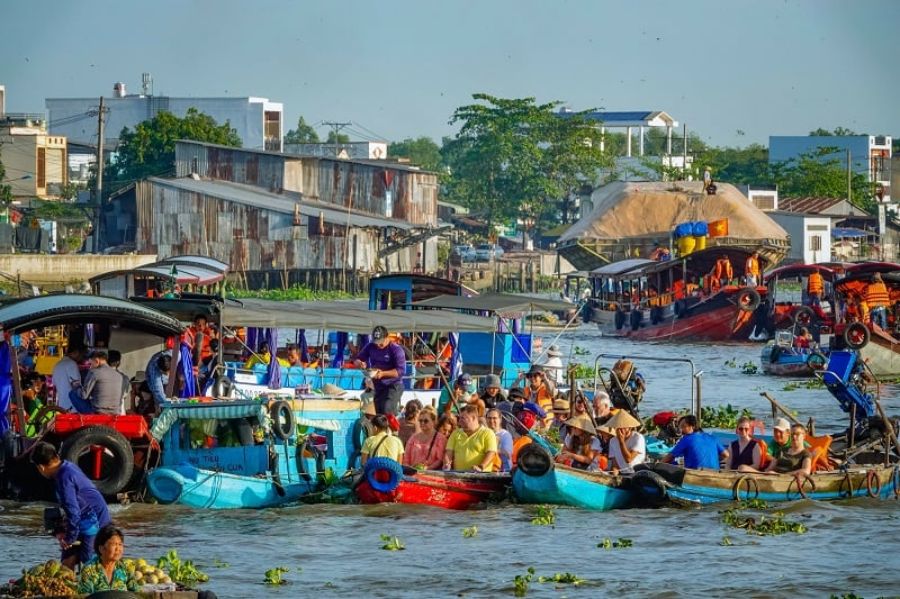
The Mekong Delta enjoys its best weather when the rainfall is less. Temperatures typically range from 25 to 33°C alongside comfortable humidity, roughly 70 to 75 percent. Typically, rain doesn’t fall often; instead, the sky remains clear throughout much of the daylight. Traveling far, enjoying the outdoors, or going from one region to another shouldn’t pose any problems because the weather is quite pleasant.
- December marks the start of the dry months, bringing cooler mornings at around 24°C and mild afternoons near 30°C. The air feels fresh, and rainfall is almost absent.
- January continues with cool temperatures and light breezes, perfect for long walks, boat tours, or early-morning market visits.
- February becomes slightly warmer but stays dry. This is also Tet season (Vietnam’s Lunar New Year), when flower villages and local markets burst with color and activity.
- March brings more sunlight, temperatures rise to 30-32°C, and the weather stays ideal for river cruises or day trips across provinces.
- April is the warmest month, often peaking at 33°C, but the heat remains bearable thanks to lower humidity and steady winds. Roads are dry, rivers are calm, and travel remains comfortable across the delta.
If you’re planning a trip to the Mekong Delta, these months offer smooth sailing. Imagine yourself at the Cai Rang floating market near Can Tho, wandering Vinh Long’s orchards, or biking along Ben Tre’s palm-lined routes, all under dry skies. Days begin crisp and bright, ideal for photos; nights beckon with river strolls alongside tasty food.
Rainy Season (May – November)
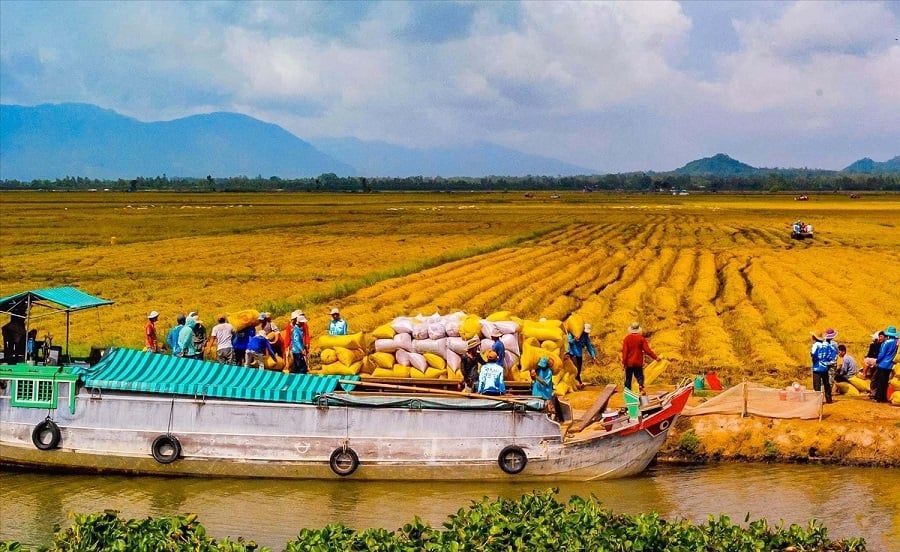
From May through November, rain defines life in the Mekong Delta – a time of muggy air, overcast skies, alongside quick downpours each day. Temperatures generally range from 24°C to 32°C, while moisture levels frequently exceed 85%. Rain shows up often, yet seldom sticks around long.
- May signals the beginning of the rainy months. Temperatures reach about 34°C, making it the second hottest month of the year.
- June sees slightly cooler weather around 32°C with more regular afternoon rain. This month also marks the start of the fruit season, when durian, rambutan, and mango are widely available in local orchards.
- July remains warm but more comfortable, averaging 31°C. Rain becomes heavier, yet the steady winds help balance the humidity. July is also known as the peak of the rainy period, so morning trips are often recommended.
- August feels cooler thanks to stronger winds and shorter bursts of rain. Temperatures stay near 32°C, and the weather begins shifting toward the floating season.
- September is the most humid month, averaging 80–85% humidity. Water levels in canals rise, creating a fuller river landscape that is characteristic of the Mekong Delta.
- October continues with occasional heavy rain and occasional thunderstorms, though most days still have several dry hours suitable for travel.
- November marks the end of the rainy season. Temperatures drop slightly to 28–30°C, and rainfall decreases. The landscape remains green and lively after months of rain, making this a refreshing transition into the dry season.
This time of year feels special for visitors. From June through August, fruit growers are at their peak, and you can actually gather ripe fruit right where it grows. Later, from September to November, comes the “floating season,” a unique experience where life moves onto the waterways because of rising tides. Rain sometimes throws a wrench into things, yet witnessing the Mekong Delta brimming with life feels truly rewarding if you value genuine experiences away from throngs of tourists.
Tips For Visiting The Mekong Delta In Different Seasons
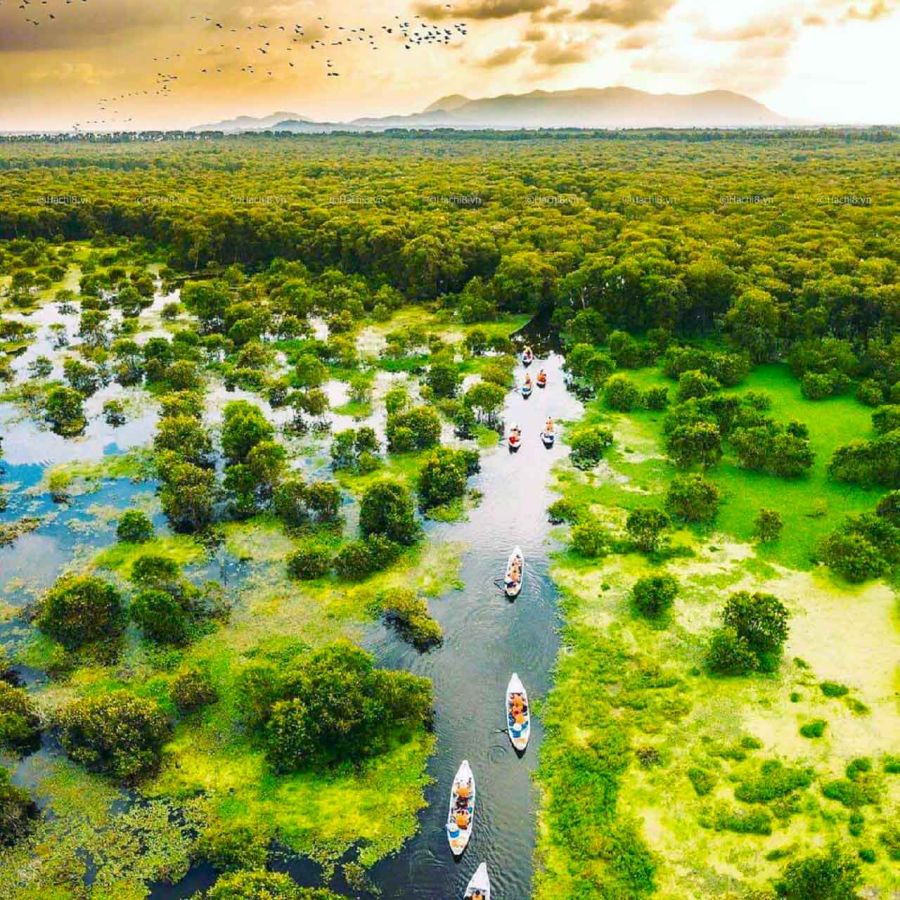
Travel in the Mekong Delta feels easier once you match your plans to the rhythm of its two main seasons. The right timing and a few smart decisions can help you enjoy more and avoid common travel issues.
- If you prefer sunny days and calm waterways, visit between December and April, when dry weather makes it easier to travel by boat and explore rural canals without sudden rain.
- During the rainy months from May to November, afternoon showers bring cooler air and vivid green landscapes, so plan your outdoor trips early in the day and keep a light raincoat handy.
- The floating season from September to November offers the rare chance to see villages turn into river networks; joining a small sampan lets you witness how locals trade, cook, and commute entirely on water.
- From May to August, the delta overflows with fruit, mangoes, rambutans, mangosteens, and visiting family-run orchards in Vinh Long or Ben Tre lets you pick and taste them right where they grow.
- Because local travel peaks from December to April, booking your hotels and boat tours in advance ensures better prices and avoids last-minute shortages, especially in Can Tho and My Tho.
- For an authentic experience of where to stay, choose riverside lodges or homestays near the floating markets, where you can watch dawn unfold over the river before breakfast.
- Pack light cotton clothes, quick-dry sandals, and insect repellent, since heat, humidity, and muddy paths are all part of daily life in the delta.
- Above all, give your schedule some breathing room. The delta moves at its own pace, and the unplanned moments, like a sudden rain or a local festival, often become the stories you remember most.
FAQs About The Best Time To Visit Mekong Delta
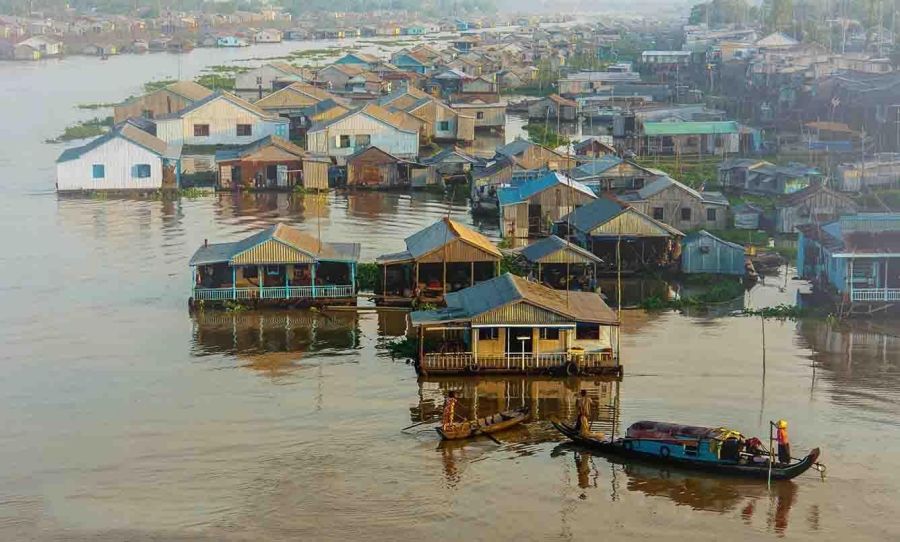
Many travelers share the same questions when planning the best time to visit Mekong Delta. The answers below cover what most people want to know before deciding when to go and how to make the best of the Mekong Delta for each season.
Are mosquitoes or insects a big problem in the wet season?
They appear more often from May to October, especially near canals or gardens. Light long-sleeve clothing and standard repellent are usually enough to stay comfortable.
Is it worth joining a guided tour, or can I explore on my own?
You can travel independently between provinces by bus or car, but guided day tours help save time if you want to combine markets, orchards, and small villages in one route.
Does the floating season affect hotel availability?
Most accommodations stay open year-round. The busiest time is actually the dry season, so you’ll find more options and lower prices between September and November.
Which month has the most colorful scenery for photography?
October and November stand out for vibrant reflections on high water, while February brings blooming flower villages near Tet. Both seasons offer great light and fewer crowds.
Are the floating markets open all year round?
Yes, but activity changes with the season. Markets are busiest in the dry months when the weather is steady, while some smaller ones slow down during heavy rain.
Final Thoughts: Is the Mekong Delta Worth Visiting?
The Mekong Delta is worth visiting at any time of the year, though the dry months from December to April offer the easiest travel and the most pleasant weather. Still, the best time to visit Mekong Delta is simply when its landscapes match your curiosity, maybe the calm rivers of the dry season, the lush orchards of summer, or the floating waters that turn villages into gentle reflections of the sky. For more travel ideas or personalized support for your Vietnam journey, Seni World is always ready to help you explore the delta at its best.


Related articles


