


Bun Bo Hue is one of Vietnam’s most savory noodle dishes, hailing from the ancient city of Hue. Famous for its rich broth, thick rice noodles, and tender slices of beef and pork, this dish promises a robust mix of spicy, savory, and aromatic flavors that signify the culinary essence of central Vietnam.
What Is Bun Bo Hue
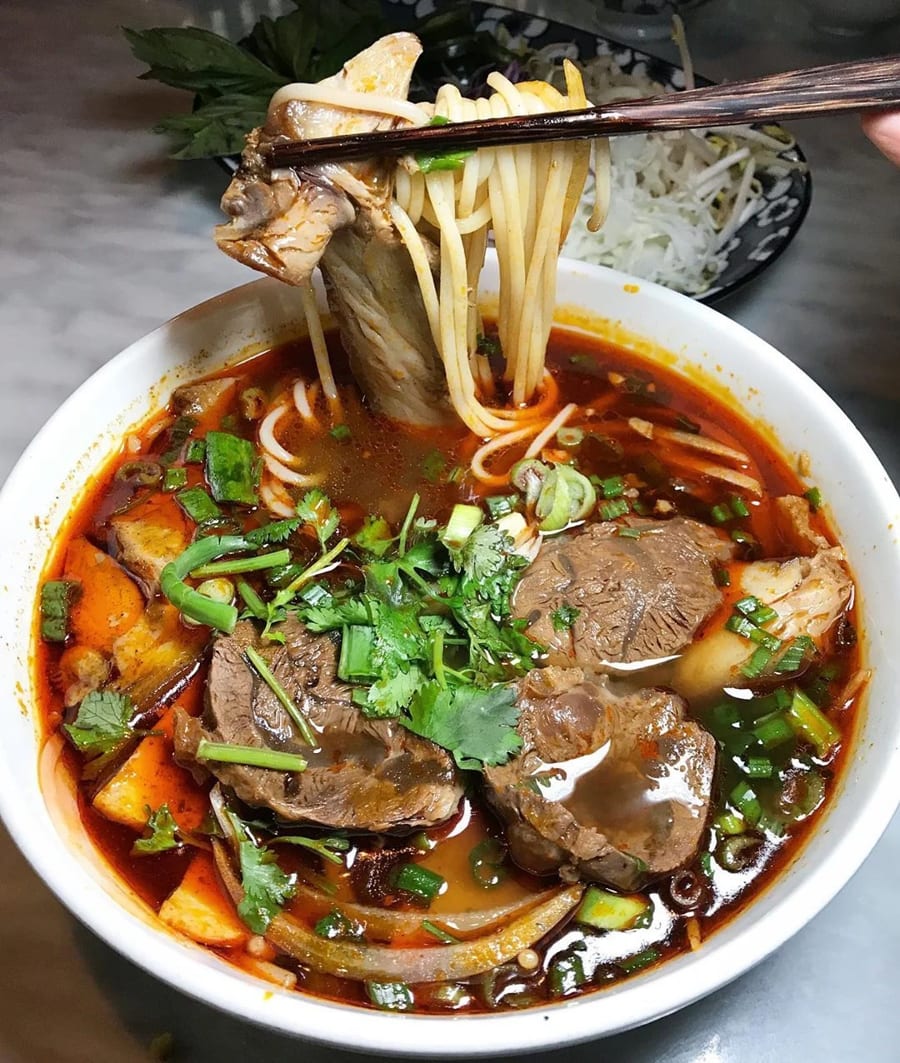
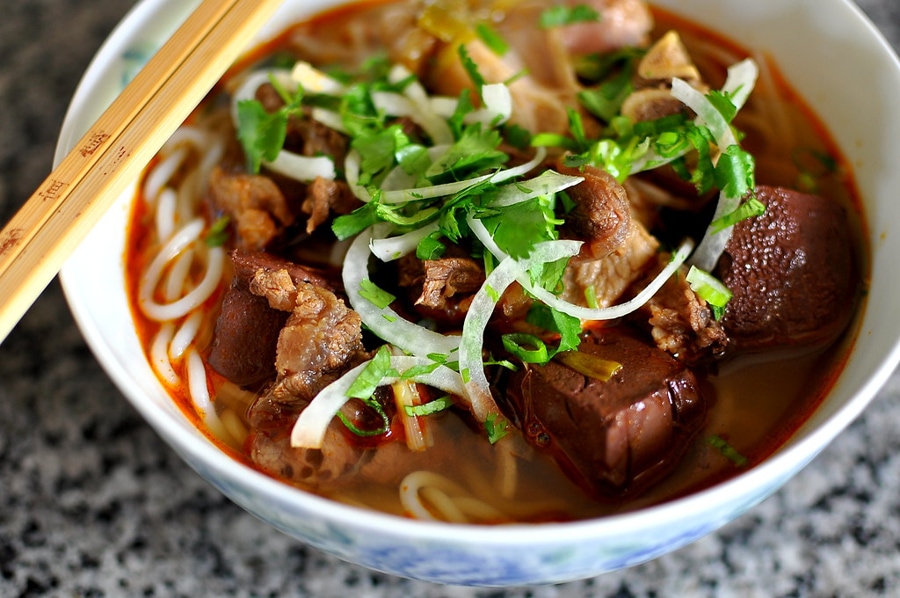
Bun Bo Hue is one of Vietnam’s most popular and unique noodle soup dishes that originates from the ancient city of Hue in Vietnam. The dish consists of a flavorful broth made from simmered beef bones, lemongrass, chilies, and shrimp paste. It is a unique Vietnamese noodle soup that is different from other popular Vietnamese noodle soup dishes. Bun Bo Hue is usually served with thick rice vermicelli noodles, beef pieces, pork knuckles, and herbs.
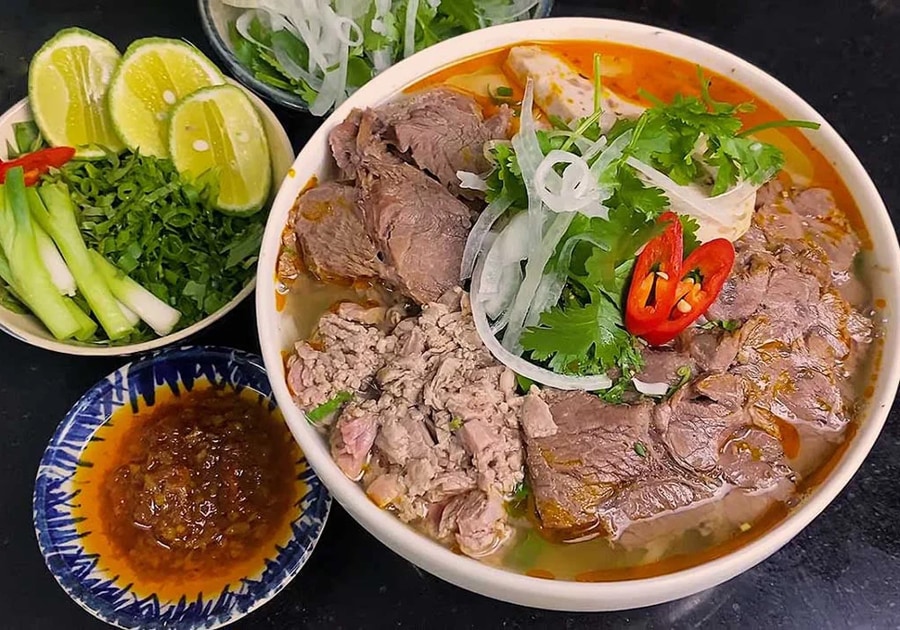
The uniqueness of Bun Bo Hue is that it is a perfectly balanced noodle soup dish that consists of a mix of spicy, savory, and tangy flavors. The flavor of Bun Bo Hue is a reflection of Hue’s food culture and its connection to Vietnamese cuisine. Bun Bo Hue is a popular Vietnamese noodle soup dish that is a must-try for tourists and travelers who want to learn more about Vietnam’s food culture.
The Origin And Cultural Significance Of Bun Bo Hue
The origins of Bun Bo Hue can be traced back to the imperial city of Hue, which was the capital of the Nguyen Dynasty in the past. Hue is famous for its royal cuisine, which is known for its refined taste. The city has a distinct food culture that combines refined cooking techniques with local flavors. Bun Bo Hue has come a long way from being a local dish to one of the most popular noodle dishes in Vietnam.
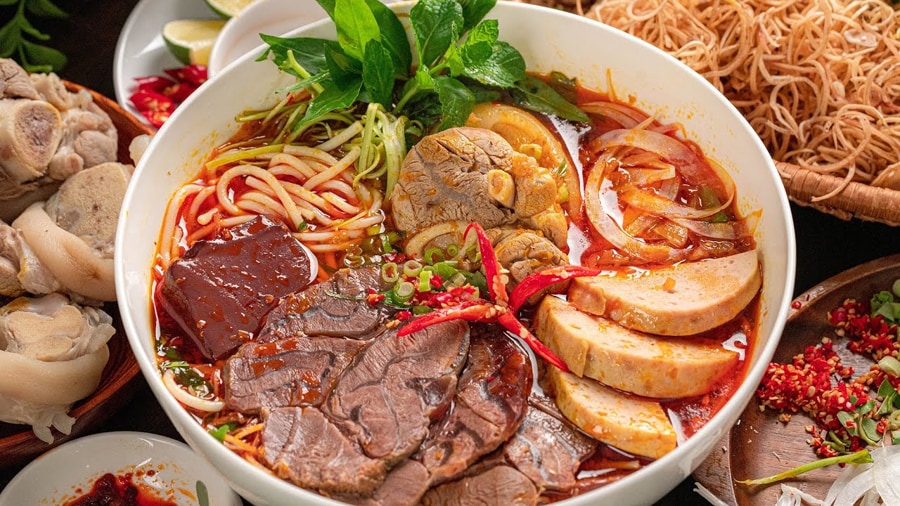
Bun Bo Hue has traditionally been cooked by street food sellers, who have refined the recipe over the years. The dish is a true representation of Hue’s food culture, which is known for its strong flavors, proper cooking techniques, and artistic presentation. However, the best way to enjoy Bun Bo Hue is in Hue or the central region of Vietnam.
How To Make Bun Bo Hue At Home (Authentic Recipe)
Even though you are not yet able to travel to Hue, it is possible for you to taste the genuine taste of Bun Bo Hue at home. By using the appropriate ingredients and techniques, it is possible for you to cook this popular Vietnamese dish at home.
3.1. Main Ingredients For Making Bun Bo Hue Process
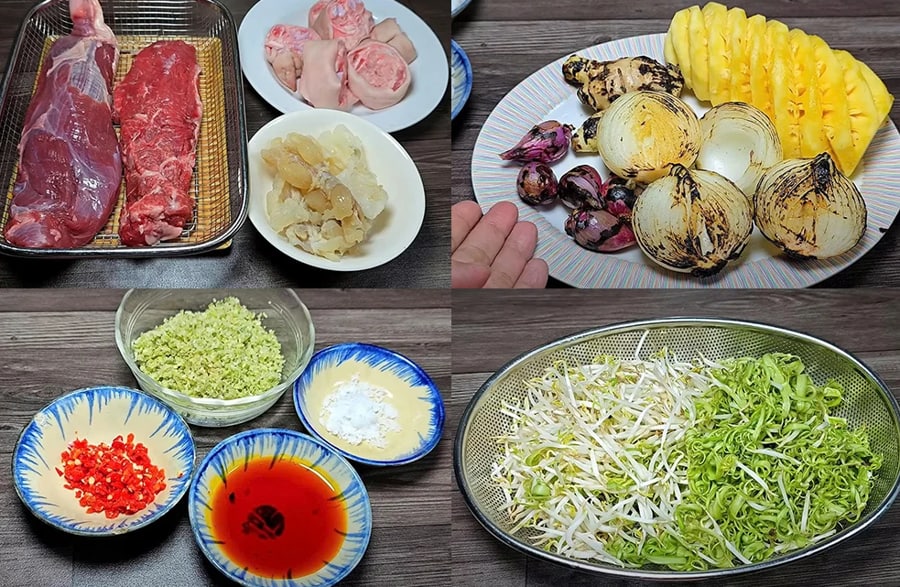
Before proceeding with the actual cooking, it is important to prepare the main ingredients that make the signature dish Bun Bo Hue. The ingredients provided are commonly used in traditional recipes and are suitable for four people.
|
Main Ingredient
|
Quantity
|
|
Beef bones
|
1 – 1.2 kg
|
|
Beef shank
|
400 g
|
|
Pork hock
|
500 g
|
|
Thick rice vermicelli noodles
|
800 g – 1 kg
|
|
Lemongrass stalks
|
5 – 6 stalks
|
|
Vietnamese shrimp paste (Mam Ruoc)
|
1 – 2 tablespoons
|
|
Garlic, shallots
|
A small amount
|
|
Chili oil
|
2 tablespoons
|
|
Fish sauce
|
3 – 4 tablespoons
|
|
Lime
|
2 limes
|
|
Banana blossom, bean sprouts, herbs
|
1 large plate
|
3.2. Step-By-Step Guide To Cooking Bun Bo Hue
Once all the ingredients are ready, it’s time to begin cooking. To make Bun Bo Hue, one has to go through a process that involves making the broth, cooking the meat, and then assembling the final dish.
- Step 1: Prepare the Broth Base
First, wash the beef bones and pork hock under clean water, and then boil them in a pot filled with boiling water for a few minutes to clean them further. After that, rinse the bones under cold water and place them in a large pot filled with clean water. Add a few pieces of crushed lemongrass stalks to the pot and let the broth simmer over a low heat for two hours or so, until the bones are cooked and turn into a rich base that characterizes the Bun Bo Hue dish.
- Step 2: Season the Broth
Once the broth has been simmering for a while, it is now ready to be seasoned with a few ingredients that give the dish its unique and spicy taste and aroma. The seasonings include shrimp paste, fish sauce, and a bit of sugar, all stirred well in the broth so that they are evenly distributed and well combined in the dish. At this point, a bit of chili oil is added to the pot so that the color and aroma of the chili are well infused in the soup, and then it is allowed to continue simmering in the pot.
- Step 3: Cook the meat
Next, we add the beef shank and pork hock into the pot and let the meat cook slowly in the simmering broth until it is tender and tasty. Depending on the size of the meat, this process takes around 45 minutes to an hour or so. Once the meat is cooked, we take it out of the pot and let it cool a bit, and then we slice it into thin pieces, which will later be arranged nicely in the serving bowls.
- Step 4: Prepare the noodles and vegetables
While the broth is still simmering, we prepare the rice vermicelli noodles according to the package’s instructions, and then we place them in the bowls. At the same time, we prepare the fresh vegetables and herbs that are usually served with Bun Bo Hue, such as banana blossom, bean sprouts, and herbs like mint or cilantro, which help balance the richness of the soup.
- Step 5: Assemble the dish
To assemble the dish, noodles should be placed in the bowl, followed by the sliced beef and pork. Care should then be taken to pour the hot, fragrant broth over the noodles and the sliced meat. Finally, the dish should be garnished with chili oil, herbs, and vegetables. The dish should then be consumed immediately while the broth is hot so that the taste of the Bun Bo Hue can be savored.
How To Eat Bun Bo Hue Like A Local
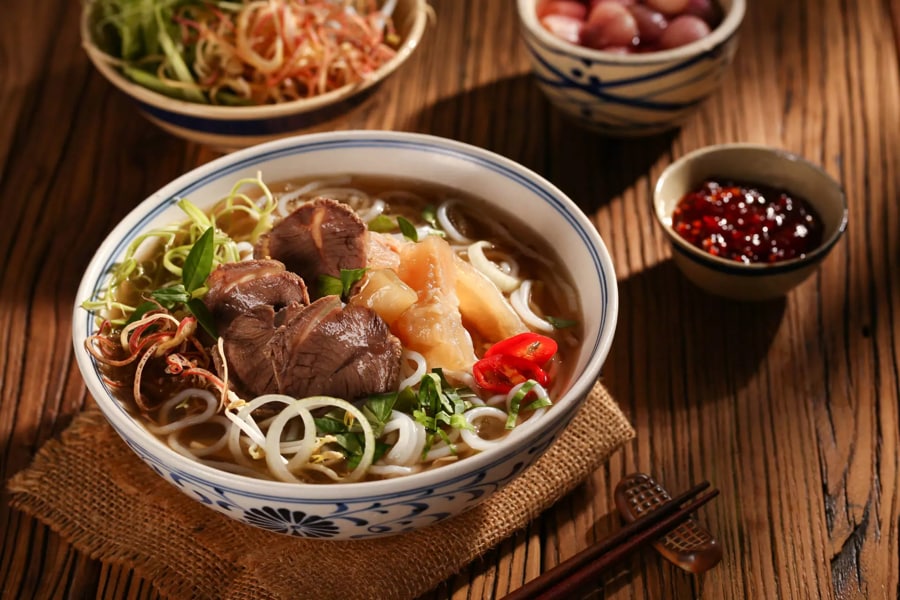
However, it is not enough that one simply relishes the flavors of Bun Bo Hue. One should also learn how the people of Hue typically eat this dish. By learning the traditional way of eating Bun Bo Hue, one can better appreciate the flavors of this dish.
- Step 1: Taste the broth
The locals usually begin their meal by tasting a spoonful of the broth before adding any other ingredients. You can then appreciate the original flavor of the broth, which is derived from simmering the bones of beef, lemongrass, and shrimp paste. Bun Bo Hue is known for its distinctive, bold, and fragrant flavor combined with a hint of spiciness. You can then understand how the original savory, spicy, and fragrant flavors combine to make this popular Vietnamese dish.
- Step 2: Add fresh herbs and vegetables
The locals then add fresh herbs and vegetables to their bowls of Bun Bo Hue. Some of these fresh ingredients include bean sprouts, sliced banana blossoms, mint leaves, and cilantro. Not only do these fresh ingredients add a fresh flavor to Bun Bo Hue, but they also add a crunchy feel to the meal. Adding these fresh ingredients to the Bun Bo Hue soup allows their flavors to combine naturally.
- Step 3: Mix the noodles and toppings
You can mix the thick rice vermicelli noodles and the slices of beef and pork using chopsticks. This will enable the noodles to soak up the broth and create a well-balanced taste. The locals mix a little bit of noodles, meat, and herbs to create a well-balanced taste that complements each ingredient and enhances the unique taste of Bun Bo Hue.
- Step 4: Adjust the flavor to your preference
This is probably one of the greatest advantages of having a bowl of Bun Bo Hue. The locals can adjust the taste of the food to their desire by adding a bit of chili paste or a squeeze of lime juice and a pinch of fish sauce. This allows each person to create a unique taste that they enjoy while still retaining the spicy and savory taste of the food.
- Step 5: Enjoy the dish slowly
Lastly, it is highly recommended that Bun Bo Hue be enjoyed slowly, especially if it is still hot and aromatic. This allows the locals to enjoy a few bites of the noodles, meat, and herbs all at once, providing them with a feel for a mix of different tastes and flavors. Moreover, it allows the locals to feel the warmth of the dish and to appreciate the ingredients that are used in preparing this culinary delight, which is a true embodiment of the culture in Hue.
Where To Try The Best Bun Bo Hue In Vietnam
While Bun Bo Hue is readily available all over Vietnam, the authentic taste is still found in its place of origin, Hue. There are many traditional eateries in the area that still make the dish according to traditional recipes that have been around for a long time.
Here are some popular places where you can try authentic Bun Bo Hue in Vietnam:
-
Bun Bo Hue Sen – 69 Vo Thi Sau, Phu Hoi Ward, Hue
-
Bun Bo Hue Nha An – 45 Nguyen Cong Tru, Phu Hoi Ward, Hue
-
Bun Bo Hue Co Linh – 9 Nguyen Cong Tru, Phu Hoi Ward, Hue
-
Madam Thu Restaurant – 45 Vo Thi Sau, Phu Hoi Ward, Hue
-
Vi Hue Restaurant & Cafe – 61 Vo Thi Sau, Phu Hoi Ward, Hue
Useful Tips For Enjoying Bun Bo Hue In Vietnam
Not only can one enjoy the Bun Bo Hue dish in Vietnam, but it can also be a much more enjoyable experience if one is aware of a few local “dos and don’ts” when it comes to dining in the country.
-
Bun Bo Hue is usually served for breakfast or lunch in various cities, especially Hue. Many local food stalls in Hue usually open their businesses in the early morning and may run out before the afternoon.
-
You can add fresh herbs like mint leaves, cilantro leaves, or sliced banana blossoms to your Bun Bo Hue. They can help you achieve a good balance in terms of flavor.
-
You can also add chili paste or chili oil according to your preference for spiciness. Bun Bo Hue is popular for its spicy broth.
-
You can add a little lime juice to your Bun Bo Hue if you want a brighter and tangier flavor. It can also help you achieve a good mix of flavors.
-
Bun Bo Hue is usually served with Vietnamese iced tea or a cold drink. It can help you achieve a good mix of the spicy and savory flavor of the Bun Bo Hue
FAQs About Bun Bo Hue
Before trying Bun Bo Hue for the first time, many tourists are interested in learning more about how this popular dish is served and how it makes it different from other Vietnamese cuisines. The following are the most asked questions about this iconic dish from Hue.
-
What makes Bun Bo Hue different from Pho?
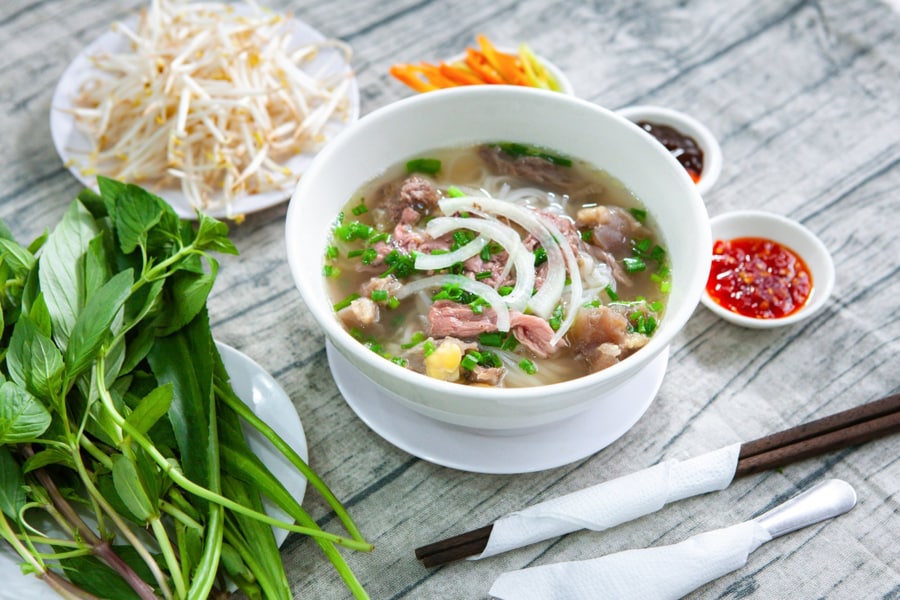
Although both dishes are Vietnamese noodle soups, there are a number of differences between Bun Bo Hue and Pho, and the main differences are that Bun Bo Hue has a stronger and spicier taste than Pho, and its broth is usually made with lemongrass and shrimp paste, which give it a stronger aroma than Pho, where the broth is clear and lighter in color. Bun Bo Hue is also served with thicker rice vermicelli noodles and has a number of pieces of beef and pork in it.
-
Is it easy for tourists to find Bun Bo Hue in Vietnam?
Yes, Bun Bo Hue is easily found in Vietnam, and tourists can find it in almost all street food stalls and traditional food establishments. Although the dish is originally from Hue, Vietnam, tourists can easily find it in other cities like Hanoi and Ho Chi Minh City. However, food enthusiasts claim that the real taste and essence of the dish can only be experienced in Hue, Vietnam.
Discover Vietnam’s Food Culture With Seni World
Vietnamese food is known for its incredible diversity, freshness, and regional distinctiveness. Whether it is the aromatic noodle soups from central Vietnam or the lively street food scene found throughout Vietnam, every dish has a story to tell about local culture and lifestyle. Dishes like Bun Bo Hue from Vietnam are a testament to the perfect blend of flavors and traditional food preparation that provide a culinary delight for travelers.
If you are planning to explore Vietnamese food and culture beyond the usual tourist destinations, then Seni World is a great place to look for curated travel experiences that provide a window into Vietnamese culture and food. With the help and support of local guides, you can try iconic dishes like Bun Bo Hue and learn more about the stories, history, and culture behind Vietnamese food, which is so distinct from the rest.
Final Thoughts
Bun Bo Hue is a tasty icon of the culinary culture of Hue and is a must-try dish if you are ever in Vietnam. The rich broth, meat, and herbs in this dish make for a great culinary experience, and its bold character is a testament to the bold character of Vietnamese cuisine in general. If you want to try this iconic dish in the most authentic setting, look no further than Seni World and discover the real taste of Vietnam!
Content Seniworld
Subscribe
Login
0 Comments
Oldest


Related articles
Vietnam Travel Guide


