


Planning a trip to Cambodia? These essential Cambodia travel tips will help you navigate visas, currency, transportation, culture, and local customs with ease. From exploring ancient temples to enjoying street food, smart preparation ensures a smooth, safe, and unforgettable journey through this fascinating Southeast Asian destination.
Before You Go: Planning Your Cambodia Trip
Preparation before your departure will make your Cambodia experience smoother and more enjoyable from the very start. Knowing the visa requirements, passport validity, and entry requirements before your departure will save you from any unexpected problems at the airport or border crossing.
Visa And Entry Requirements
It is important to understand visa requirements before traveling to Cambodia. The majority of tourists require a tourist visa, which can be acquired online via the official e-Visa website or upon arrival at major international airports and certain land borders. The tourist visa allows a stay of 30 days in the country, and the passport should be valid for at least six months from the date of entry.
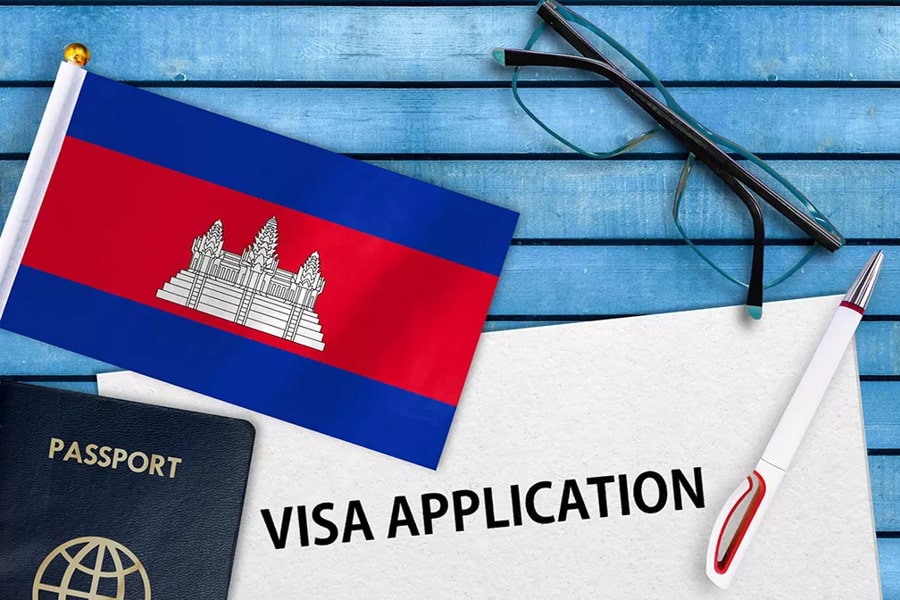
To make arrival in Cambodia easier, you will need a passport photo, a copy of your accommodation, and confirmation of onward travel. The cost of visas is usually in US dollars, and it is a good idea to have small denominations of cash with you.
Best time to visit
The dry season, from November to April, is the best time to visit Cambodia, as the climate is warm and sunny, making it ideal for exploring. The weather is clear, and the humidity is low, making it the best time to visit temples, cities, and islands. This is also the peak tourist season, so it is advisable to book your hotel and flights well in advance.
The rainy season, from May to October, is characterized by tropical showers in the afternoon, which are heavy but of short duration. Although the humidity is high, the countryside is lush and green, making it a beautiful sight for photography. The season is also less crowded, and the hotel rates are lower, making it an ideal time for budget travelers.
How many days do you need?
The length of days you should spend in Cambodia depends on your travel plans, but generally, 5 to 7 days is the best duration to explore the key attractions of the country. In this short span, you can witness the ancient temples, the bustling markets, the cultural sites, and relish the local cuisine of Cambodia.
However, if you are a traveler who wants to experience the best of Cambodia at a leisurely pace or explore the offbeat sites beyond the popular tourist spots, then 10 to 14 days is the best time to spend in Cambodia. In this extended period, you can explore the hidden gems of the country, unwind on the beautiful islands, visit the countryside, and delve into the history and culture of Cambodia.
Travel insurance
It is highly advisable to purchase travel insurance when traveling to Cambodia to cover yourself against unforeseen travel risks. Even though Cambodia is a safe destination for tourists, accidents, sudden illnesses, flight cancellations, and lost luggage can happen at any time.
The healthcare facilities in the major cities of Cambodia are good enough to handle minor ailments, but in cases of serious health problems, it may be necessary to evacuate patients to neighboring countries for proper medical attention. A good travel insurance plan should have medical insurance, emergency evacuation, and personal liability insurance. Purchasing travel insurance gives you a sense of relief so that you can travel to Cambodia with confidence.
Booking flights
Organizing flights to Cambodia in advance is easier and more economical, especially during the dry season, which runs from November to April. The two international airports in Cambodia, Phnom Penh and Siem Reap, have direct flights to the main Asian hubs, ensuring a relatively smooth journey for travelers. It is possible to compare flights and monitor price changes to get the best deals.
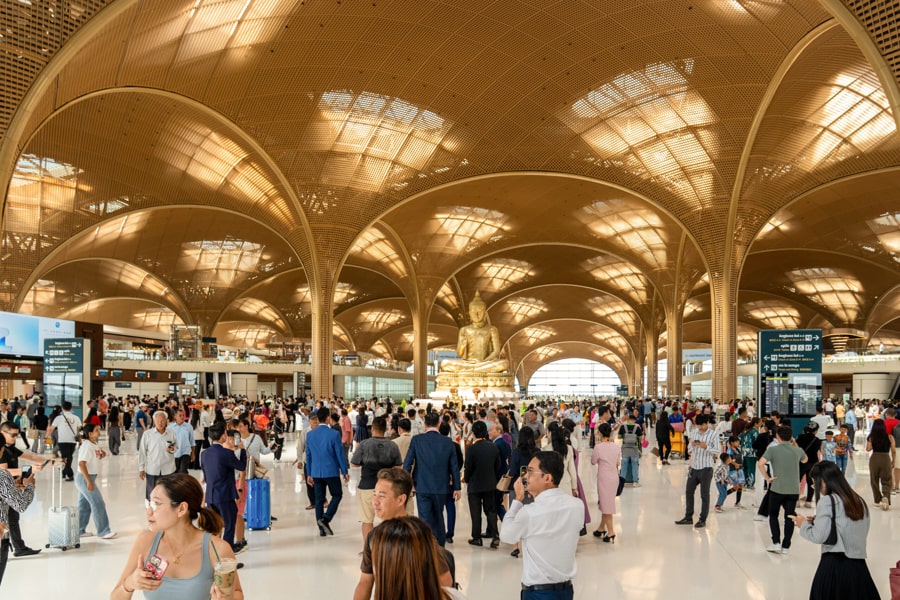
To get the best deals, it is advisable to book flights two to three months in advance and be flexible with the time of travel. Flights during the middle of the week are also cheaper than those that travel over the weekend. It is also crucial to be aware of the airline’s luggage and change fees.
Money And Budget Cambodia Travel Tips
By being prudent in managing your travel budget, you will be able to enjoy Cambodia without worrying about money. Knowing how much you are spending on a daily basis and the prices of things in Cambodia will make it easier for you to plan your trip.
How much money per day
The daily budget in Cambodia would generally vary from $25 to $40 for budget travelers. This would include the cost of staying in a hostel, eating local food, using local transport, and visiting various sites. Mid-range travelers would need to shell out $50 to $90 per day. Cambodia is one of the cheapest places to visit in Southeast Asia.
Those who are traveling in luxury would need to budget $120 or more per day. This would depend on the type of resort they are staying in, the mode of transport they are using, and the activities they are participating in. The budget could go up during the peak season, which is from November to April. To budget properly, one should set aside money for staying, eating, and transport, and also have some emergency money in US dollars.
USD vs Cambodian riel
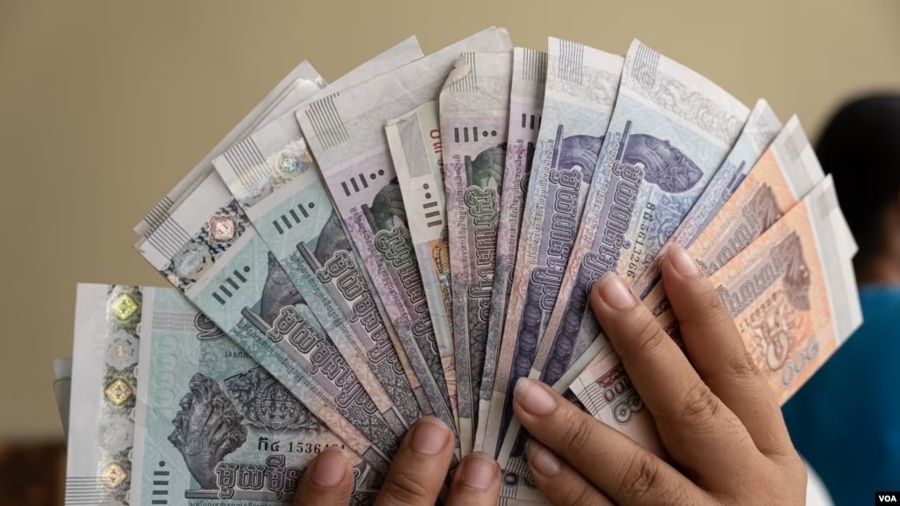
The US Dollar (USD) is the main currency used in Cambodia for most tourism transactions, such as hotel bookings, tours, meals, and transportation. Most prices are quoted in USD, and for bigger transactions, dollars are always used. It is best to bring small bills like $1, $5, and $10 denominations because bigger bills may be hard to exchange or use for small purchases.
The Cambodian Riel (KHR) is used for small purchases, like street food, and in rural areas. Although you can use USD for most transactions, change received for amounts less than one dollar is usually given in riel. Using both currencies will make transactions easier and help you manage your daily expenses more effectively during your Cambodia holiday.
ATMs & exchange
ATMs are common in large cities like Phnom Penh, Siem Reap, and Sihanoukville, and it is easy for tourists to withdraw money while on holiday. The majority of the ATMs are linked to US dollars, but some also offer Cambodian riel. Debit and credit cards are accepted, but a withdrawal fee might be charged. It is important to confirm with your bank before traveling.
Currency exchange services are offered at the airport, banks, and exchange booths in tourist areas. The exchange rates are favorable, but it is important to compare rates before exchanging a large amount of money. It is important to avoid money changers to avoid being scammed. A combination of small USD and Cambodian riel facilitates transactions.
Typical prices (food, hotel, transport)
Knowing the usual prices in Cambodia will also assist tourists in budgeting their daily expenses. Prices are still very reasonable compared to other countries in Southeast Asia, making Cambodia a popular destination for budget and mid-range travelers.
Street foods in Cambodia cost between $2 to $5 per meal, while eating at mid-range restaurants will cost between $6 to $15 per person. Budget hotels and guesthouses start at $15 to $30 per night, while boutique hotels that offer comfort start at $40 to $80 per night. Transportation in Cambodia is also very cheap, with short tuk-tuk rides costing between $2 to $5, while bus fares to other provinces cost around $10 to $20.
How to avoid overpaying
To avoid overpaying in Cambodia, it is essential to have an understanding of the local prices and do a little bit of research before purchasing. This will enable you to know the average price of food, transportation, tours, and accommodation and avoid overpaying as a tourist.
When transacting in markets or hiring tuk-tuks, it is essential to agree on the price before settling for the service. When bargaining in local markets, it is acceptable to be polite, but do not be unreasonable. It is also important to use reputable tour companies and have small USD bills to avoid rounding up.
Transportation Tips: Getting Around Cambodia
Transportation within Cambodia is quite easy and accessible, especially in the major tourist cities. Familiarity with the local means of transportation and the local rates can help tourists navigate the country without any issues related to pricing.
Tuk-tuks (how much to pay)
The most common and convenient means of traveling short distances in cities such as Phnom Penh and Siem Reap is by tuk-tuks. The cost of a short ride in the city center will normally range between $2 and $5, depending on the distance and the time of day. For longer journeys or half-day rentals for temple visits or other attractions, the cost may range between $15 and $25. It is essential to agree on the cost before embarking on the journey to avoid any misunderstandings.
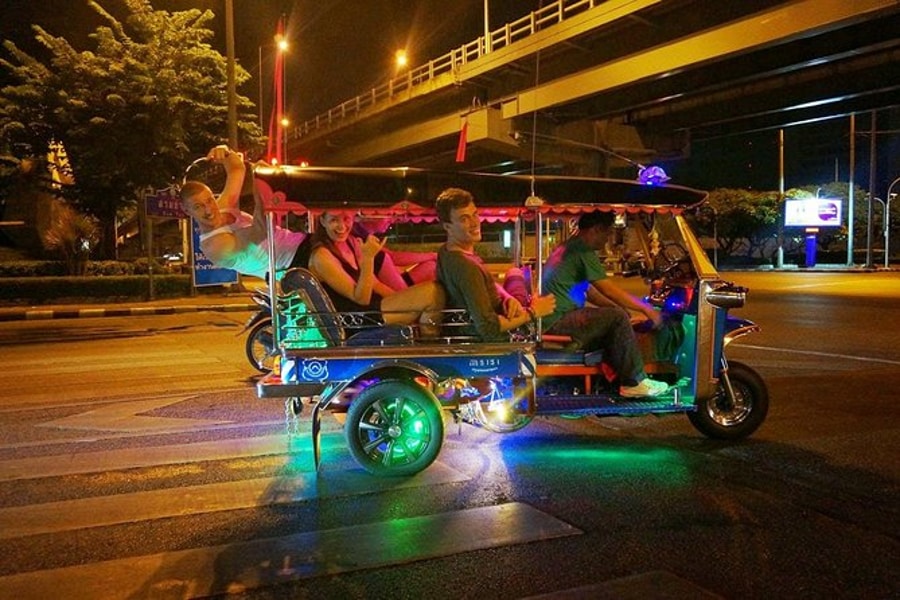
To avoid being overcharged, you can inquire about the average cost of tuk-tuks from your hotel or use ride-hailing services if they are available. When negotiating, be polite and reasonable. It is also important to have small bills in USD to make the payment process easier, and you should also establish whether the cost is per person or per vehicle before setting out.
Buses between cities
Buses are among the cheapest and most convenient means of traveling between cities in Cambodia. The major routes include Phnom Penh, Siem Reap, Sihanoukville, and Battambang, with regular departures throughout the day. The cost of tickets varies between $8 and $20, depending on the distance, type of bus, and quality of services. Passengers can opt to travel by standard buses, VIP buses, sleeper buses for overnight travel, or minivans for faster transport.
To have a hassle-free journey, it is advisable to purchase tickets from reputable bus companies that operate on fixed timetables and charges. Booking seats in advance during peak periods will also give you priority access to departure times. It is recommended that you arrive at the departure point at least 30 minutes prior to the scheduled departure time, verify the luggage policy, and ensure that your ticket is easily accessible.
Motorbike rental
Renting a motorbike is a convenient and economical means of getting around Cambodia, particularly in smaller towns and by the beach. The cost of renting a motorbike per day is between $5 to $10, depending on the condition of the motorbike and the location. It is advisable to check the motorbike thoroughly, take pictures of any existing damages, and check if a helmet is provided before finalizing the contract.
Motorbikes are ideal for those who want to explore Cambodia at their own pace, but safety should always be the number one concern. It is advisable to have an international driving permit, and in some cases, the rental shop may ask for your passport as a guarantee.
Domestic flights
Domestic flights in Cambodia are a great choice for those who want to make the most of their time and travel in comfort between the major tourist destinations. Flights between Phnom Penh and Siem Reap/Sihanoukville take less than an hour, which is a huge time saver compared to traveling by bus or car. The cost of domestic flights in Cambodia varies between $40 and $120, depending on the time of year and how early you book your ticket.
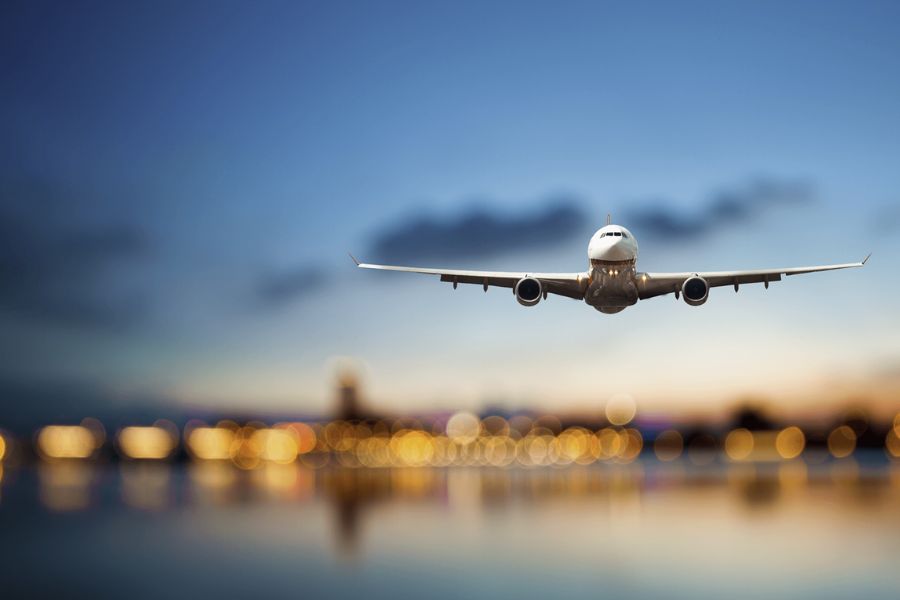
While domestic flights in Cambodia are more expensive than traveling by land, they are more comfortable and convenient. It is advisable to book your flights well in advance, especially during the peak season, which runs from November to April. It is also important to check the flight details to ensure a smooth journey.
Border crossings
Crossing the borders in Cambodia is easy if you are prepared with the necessary documents in advance. The country has land borders with Thailand, Vietnam, and Laos, and there are several border checkpoints open to international visitors. Visitors can easily get a visa on arrival at the major land border checkpoints, but this depends on individual nationalities. It is essential to have a passport that is valid for at least six months, a passport photo, and US dollars for visa charges.
The processing time may vary depending on the border checkpoint, and some unofficial charges may be required at times. To avoid any hassles, it is important to use reputable international border checkpoints and be firm but polite if any unexpected charges arise.
Accommodation Tips: Best Areas for First-Time Visitors
Picking the right place to stay in Cambodia can really add to your first trip to the country. Each place has a different vibe, ranging from bustling cities to laid-back islands, so it’s essential to pick the right one based on your travel style.
Siem Reap
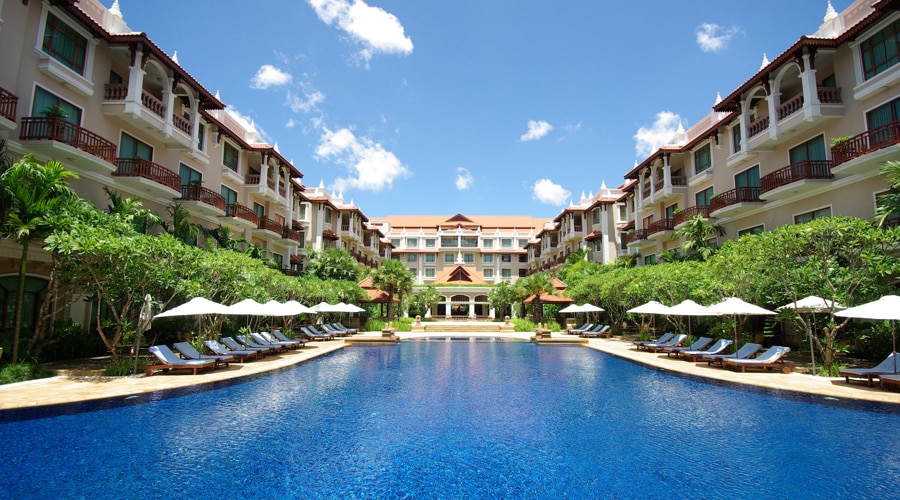
Siem Reap is the best option for first-time travelers to Cambodia because of its lively atmosphere and well-developed tourist infrastructure. Siem Reap is the primary entry point to the globally renowned Angkor temple complex, making it the most convenient location for temple explorations. There are plenty of options for accommodation, from budget-friendly hostels to high-end resorts with pools and spa facilities.
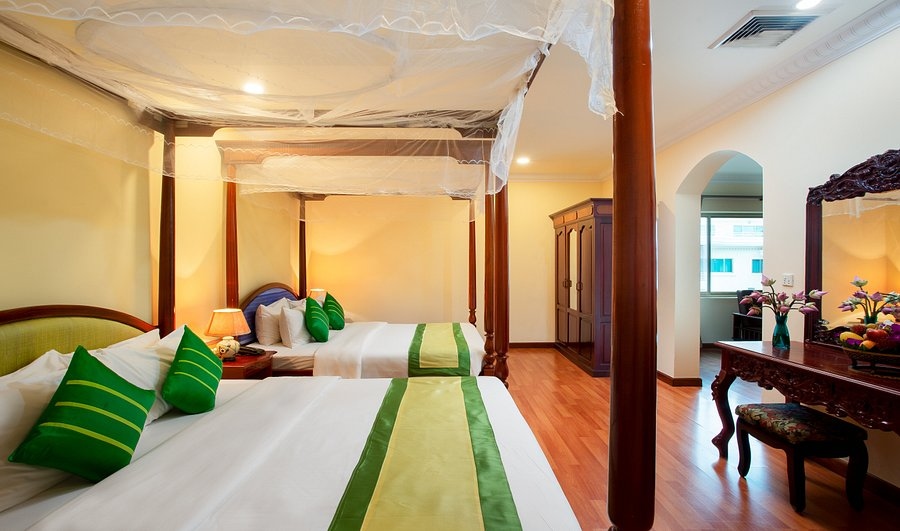
A location close to the city center or Pub Street provides easy access to restaurants, night markets, cafes, and travel agencies. The area along the river is a more peaceful option while remaining close to the most popular attractions. Siem Reap is a safe, pedestrian-friendly, and transportationally well-developed destination, making it a perfect spot for tourists who value comfort, convenience, and cultural experiences.
Angkor Wat
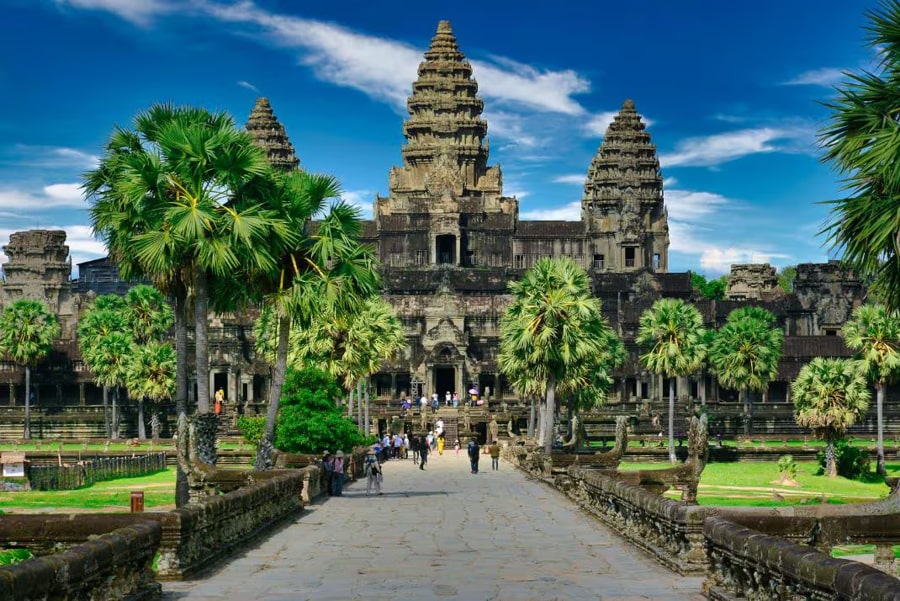
Angkor Wat is the most recognizable landmark in Cambodia and a must-visit for first-time visitors. Angkor Wat is a UNESCO World Heritage Site near Siem Reap and is renowned for its magnificent Khmer architecture, intricate bas-reliefs, and stunning sunrises. Early morning visits to Angkor Wat will prevent tourists from getting caught up in the crowds and allow them to explore the temple complex in the cooler morning temperatures.
In preparing for your trip to Angkor Wat, make sure to purchase a genuine temple ticket and secure good transportation like a tuk-tuk or guided tour. Proper clothing, sunscreen, and hydration are also necessary because of the tropical environment. Visiting Angkor Wat is more than just a sightseeing adventure; it is a cultural and historical odyssey that will encapsulate any Cambodia travel experience.
Phnom Penh
Phnom Penh, the capital of Cambodia, is a vibrant blend of history, culture, and city life. As the political and economic hub of the country, it boasts broad boulevards, scenic riverfronts, and famous sites such as the Royal Palace and National Museum. The city offers a range of accommodations, from budget-friendly guesthouses to luxury hotels.
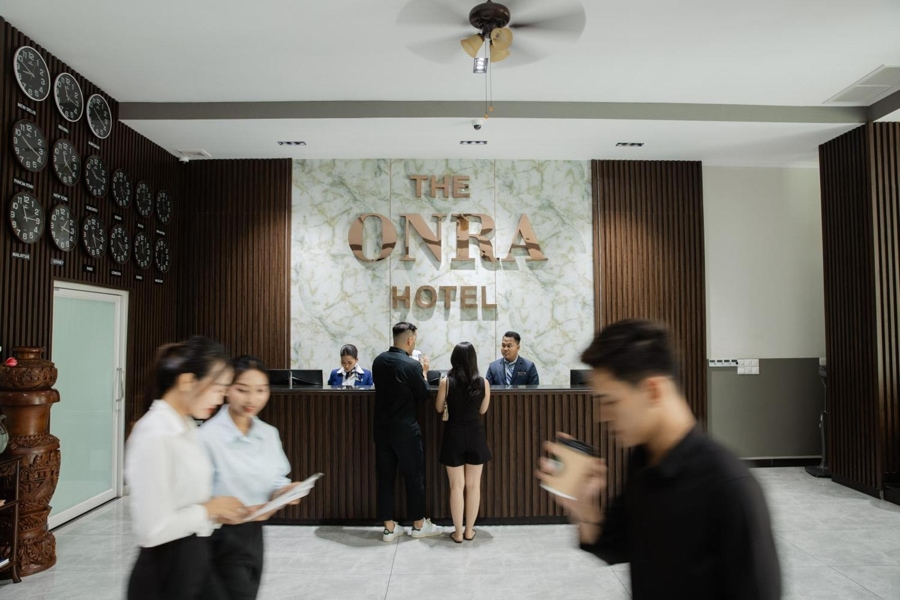
First-time visitors to Phnom Penh will find that staying in the Riverside or BKK1 areas is the most convenient. These areas are close to the main attractions, international cuisine, cafes, and entertainment. Phnom Penh is a great destination for those who want to experience history, city life, and authentic Cambodian culture with modern amenities.
Koh Rong
Koh Rong is a beautiful island getaway in Cambodia, famous for its white sandy beaches and turquoise waters. Situated off the coast of Sihanoukville, this tropical heaven is ideal for travelers looking for a relaxing getaway, swimming, snorkeling, and enjoying breathtaking sunsets. This island is a serene retreat for those looking to get away from the hustle and bustle of city life and tourist hotspots.
Koh Rong Island offers a variety of accommodations, ranging from budget-friendly beachside bungalows to mid-range resorts and eco-lodges. Staying close to the main pier makes it convenient to access restaurants and boat services, while staying on a secluded beach ensures complete privacy and solitude. Koh Rong Island is a great destination for first-time travelers who want to experience the culture and beauty of a tropical island.
Battambang
Battambang is a beautiful riverside town famous for its colonial buildings and laid-back lifestyle. It is a great destination for those who want to experience the authentic side of Cambodia, away from the crowds and chaos of popular tourist spots. One can visit markets, art galleries, temples, and the popular bamboo train in Battambang.
Hotels in Battambang are budget-friendly and provide comfortable stays to tourists. Boutique hotels and family-run guesthouses in Battambang are mainly located in the city center. This makes it convenient for tourists to access restaurants, cafes, and transportation services in Battambang. Battambang is a great destination for tourists who want to experience the cultural richness and natural beauty of a peaceful place, away from the hustle and bustle of popular tourist spots.
Safety Tips And Common Scams to Avoid
While traveling in Cambodia, you can feel safe, but it is always important to stay alert and aware of your surroundings to avoid common pitfalls. Familiarity with basic safety guidelines and common travel scams will help you have a smooth and safe trip.
Tuk-tuk scams
Tuk-tuks are a great means of transportation in Cambodia, but tourists should also be aware of some tuk-tuk scams. Knowing the standard price and agreeing on it before the trip can help avoid any confusion and additional costs during your stay.
One of the most popular scams is when the driver initially agrees on a low price but later asks for additional payment for fuel, waiting time, or other stops. It is always best to agree on the price and destination before hiring the service. Another popular scam is when the driver takes you on a “special tour” to some shops or places where they get commissions, which can result in overpricing. To avoid any issues, it is best to hire reputable drivers or use ride-hailing services where prices are fixed and shown upfront.
Overpriced tours
Overpriced tours are a common problem in tourist spots, especially around famous landmarks. Some street vendors or freelance tour guides may give you “exclusive deals” that seem very tempting but come with overpriced rates or unnecessary detours. To steer clear of overpriced tours, it is essential to compare tour prices online, look up recent reviews, and book tours with legitimate travel agencies or your hotel.
Beware of tours that try to convince you to commit on the spot or pay the full amount without clear explanations. Ask for what is included in the tour price, such as entrance fees, transportation, meals, and guide fees. A little research goes a long way in ensuring better value for your money and a more transparent travel experience.
Pickpocketing
Pickpocketing is one of the most prevalent petty crimes that affect tourists in Cambodia, especially in crowded areas like night markets, riverfronts, busy roads, and tourist sites. Although violent crimes against tourists are uncommon, opportunistic thefts can occur suddenly, especially in Phnom Penh and Siem Reap. Motorbike bag snatching is also a problem in crowded areas, where thieves quickly snatch loosely held handbags or mobile phones.
To avoid becoming a victim, use anti-theft bags with secure zippers and keep your valuables close to your body. Avoid using your mobile phone near the road and never keep your wallet in your back pocket. Carry limited amounts of cash and keep your passports and valuable documents in your hotel safe. By being mindful and following proper travel safety guidelines, you can have a safe and enjoyable trip.
Health & food hygiene
Health and food hygiene are factors to take into consideration when traveling to Cambodia, particularly if it is your first time. Although many eateries and hotels are clean and of good hygiene, it is not always the case. Selecting clean and reputable restaurants to eat at will help to ensure that you do not have any problems with your stomach during your stay in Cambodia.
In order to keep healthy, you should drink bottled or filtered water only and not ice, unless you are sure that it has been made from purified water. Eat hot meals that have been cooked fresh, and be careful with raw vegetables and raw meat. Before eating, wash your hands or use hand sanitizer, especially if you have been to the market or taken public transportation.
Emergency contacts
It is important to know emergency contact numbers in Cambodia to ensure a safe and worry-free journey. Although Cambodia is a friendly and safe country to visit, unforeseen circumstances like accidents, robbery, or health problems can still occur. Saving the right emergency numbers on your phone will help you respond promptly and confidently in case of emergencies while traveling in Cambodia.
For emergencies in Cambodia, you can call 117 for the police, 118 for fire services, and 119 for ambulance. However, English-speaking operators may not be readily available, particularly in rural areas. Therefore, it is helpful to get assistance from your hotel. It is also a good idea to have the contact numbers of your embassy, as well as your passport and travel insurance information, handy in case of serious emergencies.
Cultural Etiquette And Things You Shouldn’t Do
Knowledge of cultural norms in Cambodia will enable you to travel in the country with respect and allow you to establish good relations with the locals. Cultural awareness will not only help you avoid misunderstandings but also make your travel experience richer.
-
Manners when interacting with monks: Be polite in your speech and dress humbly when interacting with monks. Women should not touch monks or pass things to them directly; instead, they should put things down or ask a man to help.
-
Bargaining politely: When bargaining in local markets, always smile and be polite. Quote reasonable prices calmly without appearing aggressive or frustrated.
-
Local customs: Do not touch a local’s head or point your feet at them or at religious icons. Keep your voice calm and display respect in public.
-
Public conduct: Refrain from public displays of affection and public arguments. Keeping a composed and polite demeanor is considered an important aspect of Cambodian culture.
-
Temple etiquette: Refrain from climbing on top of ancient structures and from touching statues when taking photographs. This is an important aspect of temple etiquette in Cambodia.
-
Greetings: When greeting locals, use a sampeah greeting, where the palms are pressed together with a slight bow. This is an important aspect of Cambodian etiquette.
-
Photography etiquette: Refrain from taking photographs of locals without their permission, especially monks or children.
FAQs About Cambodia Travel Tips
Organizing a trip to Cambodia can also bring up some questions that are not necessarily related to visas, transportation, or costs. Whether it is connectivity, traveling with family, health-related information, or payment options, it is always helpful to have some knowledge in advance.
-
Is Cambodia a good place to visit with family?
Yes, Cambodia can be a good destination to visit with family, especially in places like Siem Reap and the coastal regions. Hotels in these places have family rooms and swimming pools. Parents should, however, organize transport for the family and ensure that the heat of the dry season is avoided.
-
Can I use credit cards in Cambodia?
Credit cards are accepted in many hotels, high-end restaurants, and larger shopping centers. However, small businesses, markets, and rural areas tend to prefer cash. It is always a good idea to carry small denominations of USD for everyday purchases.
-
Are Wi-Fi and internet access reliable?
Wi-Fi is widely available in hotels, cafes, and restaurants in tourist areas. Internet speeds are normally stable in cities but can be slower on islands or in remote provinces. It is easy and cheap to purchase a local SIM card with internet access.
-
Do I need to get vaccinations before traveling to Cambodia?
Recommended vaccinations include routine ones, and some travelers choose to get additional vaccinations depending on their travel plans. It is always best to consult a travel health clinic before traveling. Mosquito protection is also necessary due to the risk of dengue in some seasons.
Final Thoughts
Cambodia is an interesting destination that has a lot to offer when it comes to history, culture, and breathtaking scenery. With the right information on how to travel in Cambodia, you will be able to plan your trip effectively and make the most out of your experience. Whether it is budgeting, transportation, culture, or safety, planning ahead will make a world of difference. Are you ready to explore Cambodia with confidence? Find more travel guides and inspiration at Seni World.
Content Seniworld
Subscribe
Login
0 Comments
Oldest
Related articles

Cambodia Travel Guide


Cambodia Travel Guide