


Can Gio Mangrove Forest is a vast coastal wetland near Ho Chi Minh City, known for its rich biodiversity, winding waterways, and lush mangrove ecosystems. It offers a refreshing eco escape for nature lovers and responsible travelers.
Introduction To Can Gio Mangrove Forest
Can Gio Mangrove Forest is a renowned eco-tourism destination located southeast of Ho Chi Minh City, recognized as a UNESCO Biosphere Reserve. Covering thousands of hectares, the forest features dense mangroves, winding rivers, and diverse wildlife, including birds, monkeys, and aquatic species. Once heavily damaged by war, the area has been carefully restored and now stands as a symbol of successful environmental recovery. Its peaceful atmosphere and rich ecosystems make Can Gio Mangrove Forest an ideal destination for travelers seeking nature, education, and cultural insight close to the city.
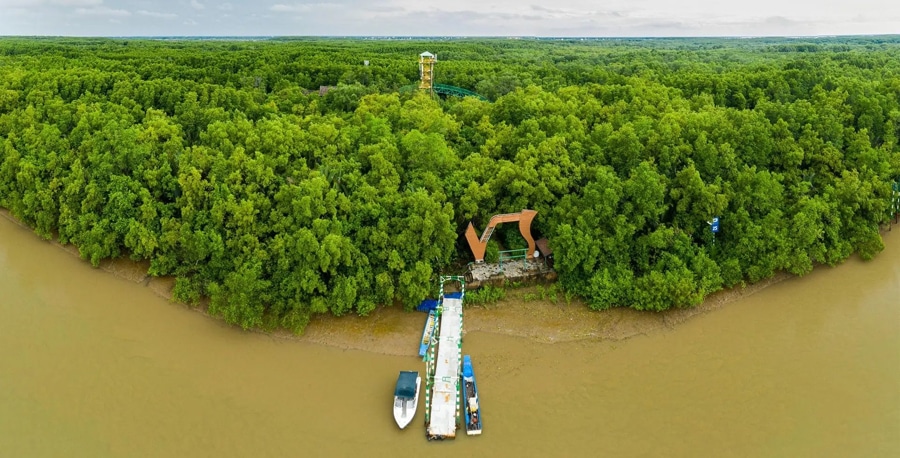
Visiting Can Gio Mangrove Forest offers a refreshing escape from urban life while promoting sustainable travel. Visitors can explore scenic waterways by boat, walk along elevated wooden paths, and learn about mangrove conservation efforts. The forest’s fresh air, calm surroundings, and unique biodiversity provide excellent opportunities for photography, birdwatching, and relaxation. Easy access from Ho Chi Minh City also makes Can Gio an ideal day trip for those looking to experience Vietnam’s natural beauty without traveling far.
History Of Can Gio Mangrove Forest
Can Gio Mangrove Forest has a history closely linked to war, restoration, and environmental protection. During the Vietnam War, the mangrove ecosystem was heavily damaged, leaving large areas destroyed. After the war, large-scale reforestation programs were implemented, helping the forest gradually recover. These efforts transformed Can Gio into one of the most successful mangrove restoration areas in Vietnam and led to its recognition as a UNESCO Biosphere Reserve.
For generations, local communities have lived in and around Can Gio Mangrove Forest, depending mainly on fishing, salt production, and aquaculture. Their daily lives are deeply connected to the tidal system and natural resources of the mangroves. Through traditional practices and sustainable livelihoods, local residents have contributed to protecting the forest, ensuring a balance between economic activities and long-term environmental conservation.
Top 5 Iconic Attractions In Can Gio Mangrove Forest
Can Gio Mangrove Forest offers a variety of iconic attractions spread across its vast wetland ecosystem, combining nature, wildlife, and history. These five must-visit sites showcase the forest’s ecological importance and create a complete eco-travel experience near Ho Chi Minh City.
Monkey Island (Dao Khi)
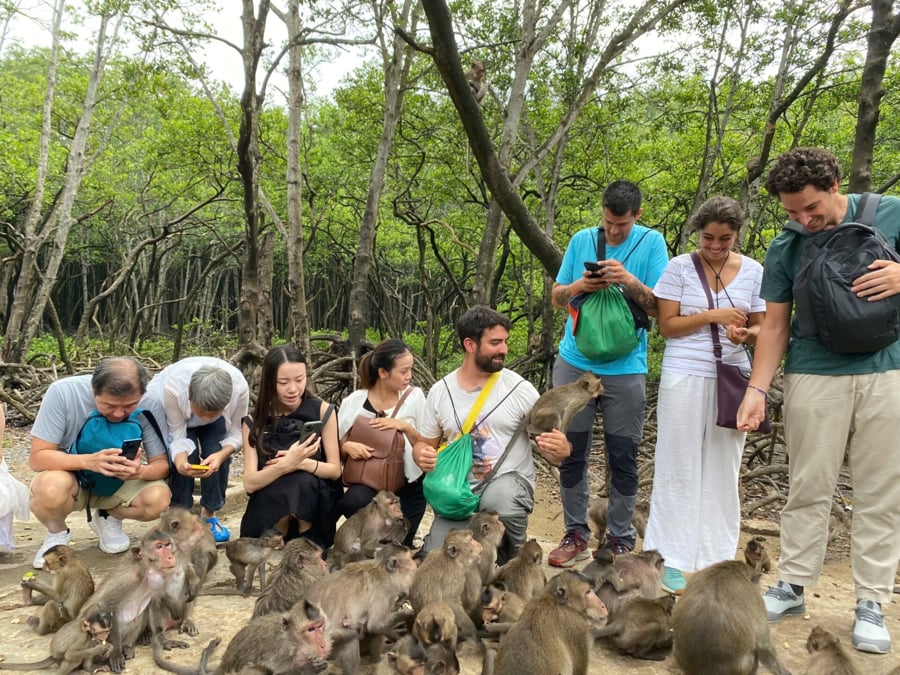
Monkey Island is one of the most popular attractions in Can Gio Mangrove Forest, home to thousands of free-roaming monkeys. Visitors can walk along forest paths and observe monkeys interacting naturally within their habitat. The area also features simple facilities and educational signs that explain local wildlife and conservation efforts. While lively and entertaining, Monkey Island highlights the rich biodiversity of the mangrove ecosystem and is especially appealing to families and first-time visitors.
Vam Sat Ecological Tourist Area
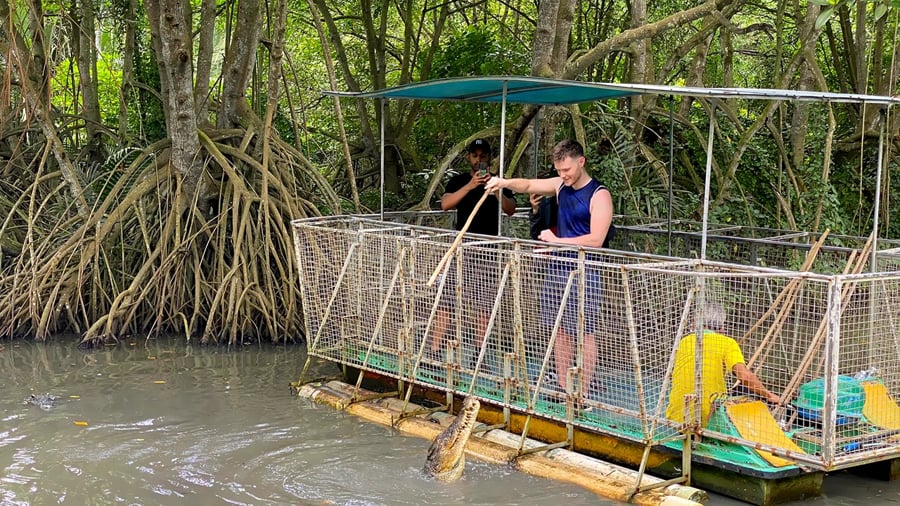
Vam Sat is a key eco-tourism zone known for its dense mangroves and diverse wildlife. Visitors can explore the area by boat through narrow canals, climb observation towers for panoramic forest views, and visit bird sanctuaries or bat lagoons. The site focuses on environmental education and sustainable tourism, helping travelers understand the role of mangroves in coastal protection, climate regulation, and biodiversity conservation.
Rung Sac Guerrilla Base
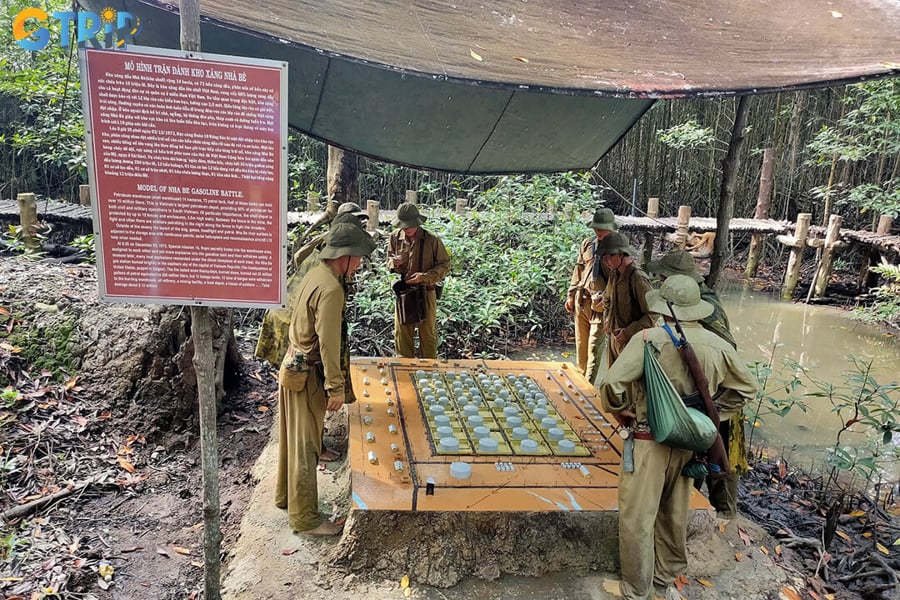
Rung Sac Guerrilla Base is a historically significant site located deep within the mangrove forest. During the Vietnam War, it served as a strategic base for resistance forces who survived and operated in harsh wetland conditions. Today, visitors reach the site by boat and explore reconstructed shelters, exhibits, and memorial areas. This attraction adds historical depth to the Can Gio experience and connects nature tourism with Vietnam’s wartime heritage.
Can Gio Mangrove Biosphere Reserve Museum
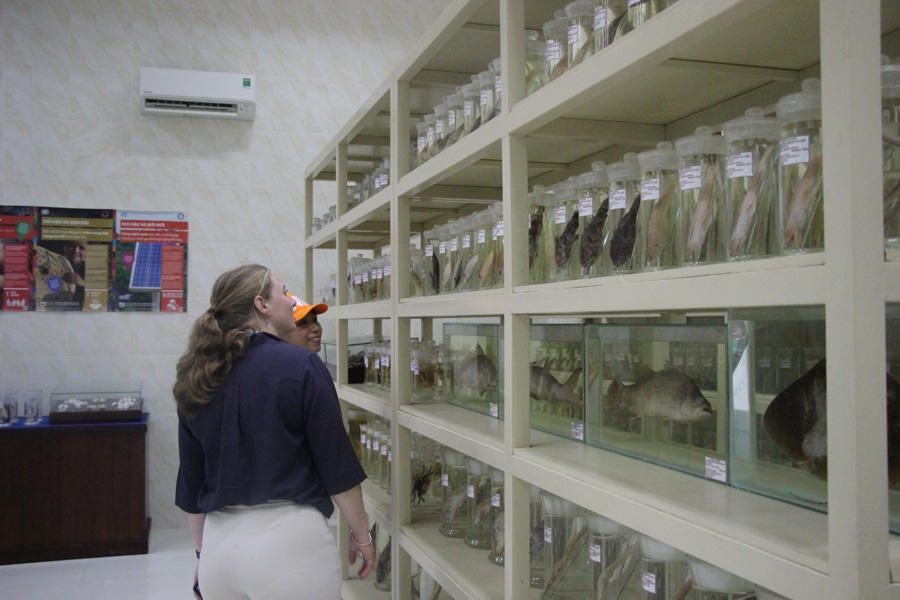
The Can Gio Mangrove Biosphere Reserve Museum provides valuable insight into the forest’s formation, restoration, and ecological value. Exhibits display information about mangrove species, wildlife, and the large-scale reforestation efforts after the war. Visitors can learn about sustainable development and the balance between human activities and nature. This stop is ideal for travelers who want a deeper understanding of why Can Gio is recognized as a UNESCO Biosphere Reserve.
Tang Bong Tower
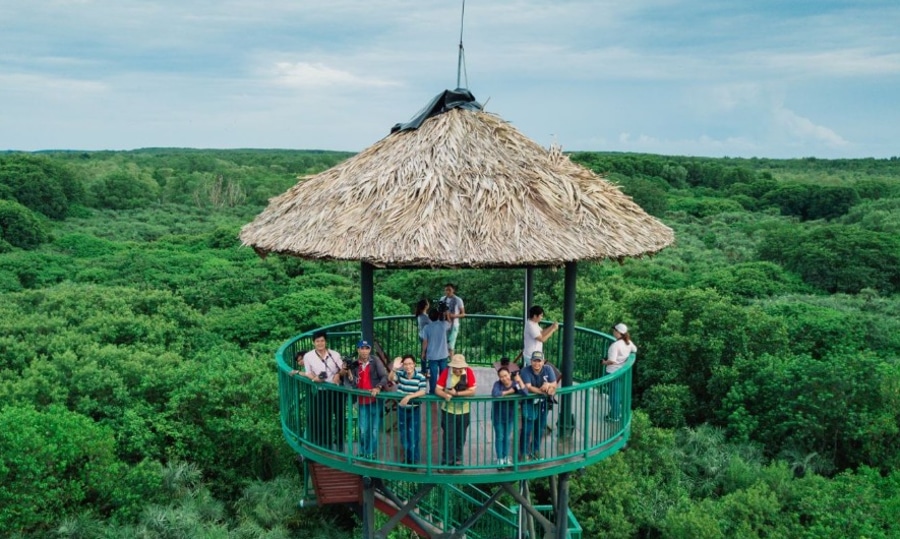
Tang Bong Tower is the highest observation point in Can Gio Mangrove Forest, offering sweeping views over the dense mangrove canopy. From the top, visitors can clearly see the winding waterways and vast green landscape stretching to the horizon. The tower is a favorite spot for photography and quiet observation, allowing travelers to appreciate the scale and beauty of the mangrove ecosystem from above.
5 Unforgettable Experiences You Shouldn’t Miss
Can Gio Mangrove Forest offers more than sightseeing, with hands-on activities that help visitors connect deeply with nature and local culture. These unforgettable experiences highlight the forest’s biodiversity, daily life, and eco-tourism values.
Explore Mangrove Waterways by Boat
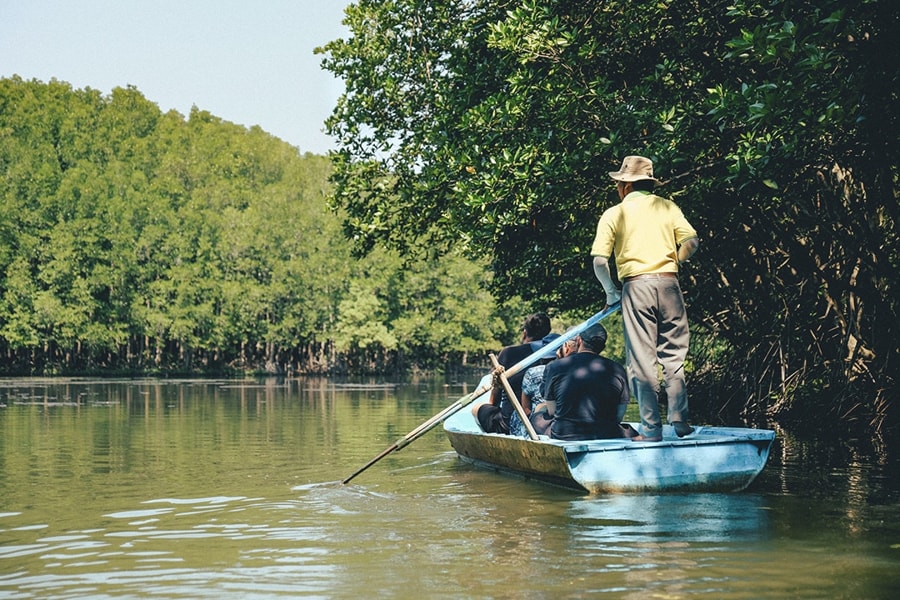
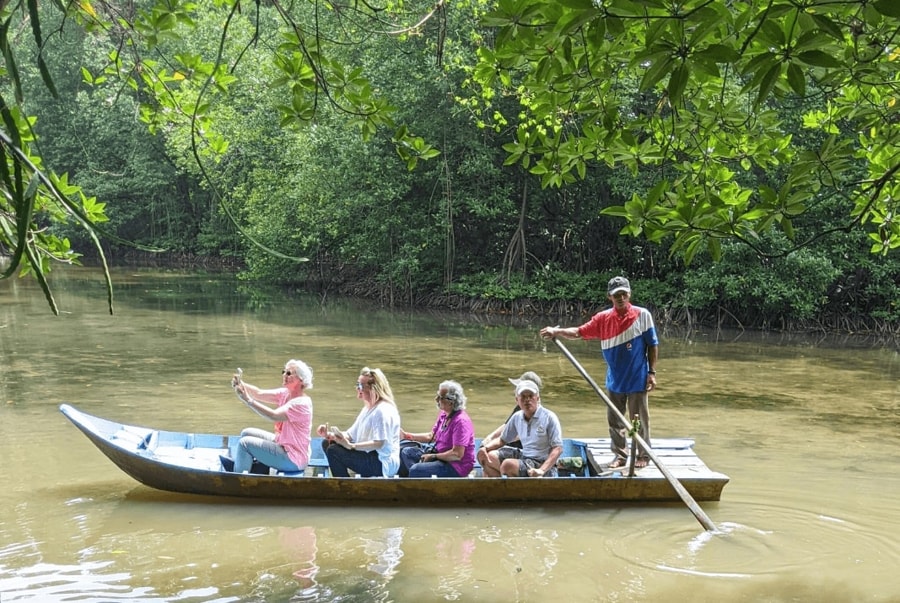
A boat trip through the mangrove canals is one of the most memorable experiences in Can Gio Mangrove Forest. Visitors glide along narrow waterways surrounded by dense mangroves, gaining a close view of the ecosystem. This experience allows travelers to observe aquatic life, birds, and plant species while learning how mangroves protect coastlines and regulate the environment.
Observe Wildlife in Their Natural Habitat
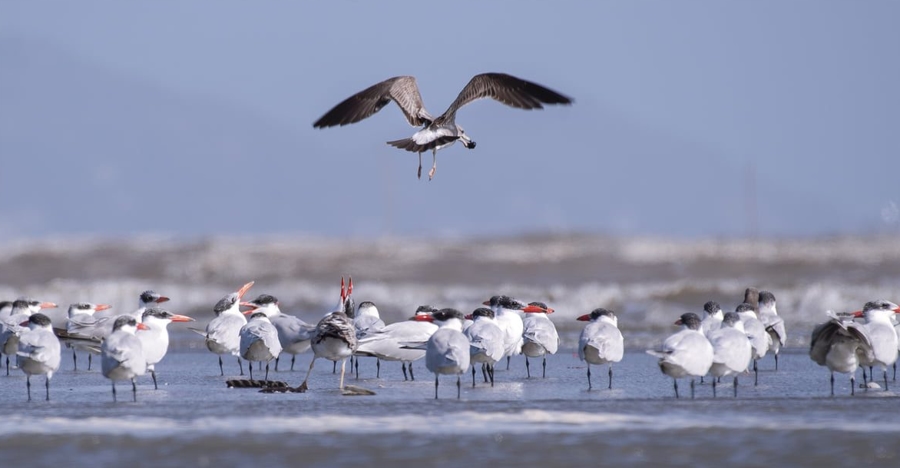
Can Gio Mangrove Forest is home to monkeys, birds, reptiles, and many aquatic species. Walking through designated areas or visiting conservation zones gives visitors the chance to observe wildlife up close without disturbing their natural behavior. This experience is ideal for nature lovers, photographers, and families who want to better understand biodiversity in a protected wetland environment.
Visit Rung Sac Guerrilla Base by Canoe
Traveling by canoe to Rung Sac Guerrilla Base offers a unique mix of history and nature. The journey through quiet mangrove channels recreates the conditions faced by soldiers during the war. On-site exhibits and reconstructed shelters help visitors understand survival strategies and historical significance, adding emotional depth to the Can Gio travel experience.
Enjoy Fresh Local Seafood
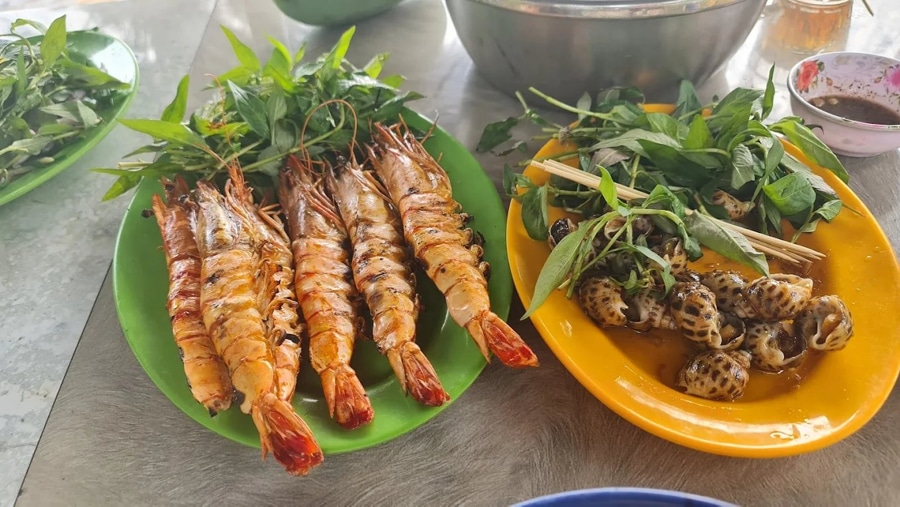
Trying local seafood is a must when visiting Can Gio Mangrove Forest. Restaurants near the forest serve fresh crab, shrimp, clams, and fish sourced directly from the surrounding waters. This experience reflects the close relationship between local communities and the mangrove ecosystem, while giving travelers an authentic taste of coastal cuisine.
Climb Tang Bong Tower for Panoramic Views
Climbing Tang Bong Tower is an unforgettable way to appreciate the scale of Can Gio Mangrove Forest. From the top, visitors can see endless green mangroves, winding rivers, and distant coastlines. This quiet, scenic experience is perfect for photography, relaxation, and gaining a deeper appreciation of the forest’s vast and vital ecosystem.
Entrance Fee
Entrance fees at Can Gio Mangrove Forest are affordable and clearly structured, making it easy for international visitors to plan their trip. Below is a simple price table with VND and estimated USD values for better reference.
| Ticket Type | Price (VND) | Approx. Price (USD) | Notes |
| General entrance fee | 60,000 | 2.5 USD | Access to the main mangrove forest area |
| Children under 6 | Free | Free | Free entry |
| Children 6–11 | 30,000 | 1.3 USD | 50% of adult ticket |
| Monkey Island entrance | Included | Included | Part of the main entrance |
| Rung Sac Guerrilla Base entry | 35,000 | 1.5 USD | Historical site ticket |
| Boat/canoe service (optional) | 20,000 to 185,000 | 0.8 to 7.5 USD | Depends on route and activity |
| Tang Bong Tower | Included | Included | Included in the main entrance |
Prices are approximate and may vary slightly by season or service provider. USD values are estimated based on average exchange rates for international travelers.
Opening Hours
The best time to visit Can Gio Mangrove Forest is during the dry season from December to April, when the weather is cooler and rainfall is minimal. This period offers comfortable temperatures and clear skies, making it ideal for boat trips, walking trails, and wildlife observation. Peak travel months are January to March, when both domestic and international visitors come to enjoy nature close to Ho Chi Minh City. The forest is generally open daily from early morning until late afternoon, allowing visitors enough time to explore key attractions.
From May to October, Can Gio enters the rainy season, with higher humidity and occasional heavy showers. However, this is also when the mangrove ecosystem is at its greenest and bird activity increases, especially during nesting season. Early mornings are the best time to visit year-round, as temperatures are cooler and wildlife is more active.
How To Get To Can Gio Mangrove Forest
Reaching Can Gio Mangrove Forest from Ho Chi Minh City is simple, with several transport options suitable for both independent travelers and groups. Below is a clear guide comparing travel methods, estimated costs, and travel time to help you plan efficiently.
| Transport Option | Estimated Time | Cost (VND) | Cost (USD approx.) | Notes |
| Motorbike | 1.5 to 2 hours | 50,000 to 80,000 | 2 to 3.5 | Includes fuel and ferry fee |
| Private car / Taxi | 1.5 hours | 700,000 to 1,200,000 | 28 to 48 | One-way, flexible schedule |
| Public bus + ferry | 2.5 to 3 hours | 30,000 to 40,000 | 1.2 to 1.6 | Budget-friendly option |
| Guided day tour | Full day | 900,000 to 1,500,000 | 36 to 60 | Includes transport and guide |
Travel notes:
Visitors traveling by motorbike must carry a valid driving license and wear a helmet, as police checks are common on main routes. The route includes a ferry crossing, which operates daily but may be crowded on weekends and holidays, so early departure is recommended.
Things To Know Before Traveling To Can Gio Mangrove Forest
Before visiting Can Gio Mangrove Forest, it is helpful to know a few practical tips to ensure a safe, comfortable, and enjoyable eco-travel experience. These essential notes will help visitors plan better and avoid common travel inconveniences.
- Bring insect repellent to protect against mosquitoes, especially when exploring mangrove trails, boat routes, and shaded forest areas.
- Wear lightweight, breathable clothing and comfortable walking shoes suitable for humid weather and uneven wooden paths.
- Visit early in the morning to avoid crowds, enjoy cooler temperatures, and observe more active wildlife.
- Keep personal belongings secure, as monkeys in some areas may grab food, bags, or loose items.
- Carry cash in small denominations because many local services and boat rides do not accept card payments.
- Follow eco-tourism rules by not littering, feeding wildlife, or damaging mangrove plants and natural habitats.
- Check weather forecasts in advance, especially during the rainy season, to plan boat activities safely.
FAQs About Can Gio Mangrove Forest
Travelers often have common questions when planning a visit to Can Gio Mangrove Forest, especially regarding activities, accessibility, and travel planning. The following frequently asked questions provide helpful insights to make your trip smoother and more enjoyable.
Is Can Gio Mangrove Forest suitable for a day trip from Ho Chi Minh City?
Yes, Can Gio Mangrove Forest is ideal for a day trip thanks to its close distance from Ho Chi Minh City. Most visitors spend half to a full day exploring Monkey Island, Vam Sat Ecological Area, and observation towers. Early departure allows enough time for boat rides, walking trails, and local seafood meals before returning to the city in the evening.
Do I need a guide to visit Can Gio Mangrove Forest?
A guide is not mandatory, as the main attractions are clearly marked and easy to access. However, hiring a local guide or joining a tour can enhance the experience by providing detailed information about mangrove ecosystems, wildlife behavior, and historical sites like Rung Sac Guerrilla Base, especially for first-time visitors.
What wildlife can I see in Can Gio Mangrove Forest?
Can Gio Mangrove Forest is home to monkeys, birds, reptiles, and many aquatic species. Visitors commonly see long-tailed macaques, water birds, and crabs along the trails. Wildlife sightings vary by season and time of day, with early mornings offering the best chances for birdwatching and photography.
Is Can Gio Mangrove Forest safe for families and children?
Yes, the forest is generally safe for families and children when basic precautions are followed. Visitors should supervise children closely, especially near waterways and Monkey Island areas. Wearing proper footwear, using insect repellent, and following safety guidelines help ensure a comfortable, family-friendly visit.
Final Thoughts: Is Can Gio Mangrove Forest Worth Visiting?
Can Gio Mangrove Forest is worth visiting for its rare combination of untouched mangrove landscapes, rich biodiversity, and historical significance just outside Ho Chi Minh City. Visitors can enjoy peaceful boat rides, wildlife observation, and fresh coastal air while learning about successful ecosystem restoration. Easy access, affordable costs, and diverse activities make it ideal for day trips and nature-focused travelers. If you are seeking a meaningful eco-travel experience near the city, start planning your Can Gio journey with practical guides and inspiration from Seni World.


Related articles


