


Can Tho Bridge is the longest cable-stayed bridge in Vietnam, crossing the Hau River and connecting Can Tho City with Vinh Long Province. It plays an important role in transport, trade, and tourism for the entire Mekong Delta region.
Introduction to Can Tho Bridge
The Can Tho Bridge is considered one of the most popular landmarks in southern Vietnam and is a symbol of modernization in the Mekong River Delta region, as it crosses over the water of the Hau River, joining Can Tho City and Vinh Long Province for more convenient traveling in the region and providing travelers and tourists with a great architectural marvel in its cable-stayed style and over 2.7 kilometers in length.
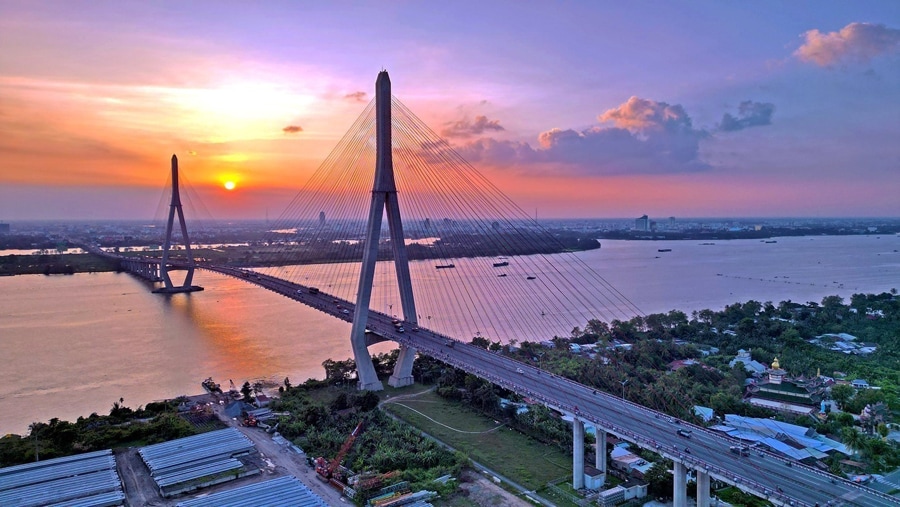
But why should you miss visiting the Can Tho Bridge? Apart from the function that it undertakes, the bridge itself presents a unique sightseeing experience where tourists get to behold the life of the Mekong Delta along the Hau River. Towards the riverbanks and viewpoints, tourists are able to behold an amazing sight as the sun sets or as the night falls. The Can Tho Bridge is the epitome of functionality and aesthetics and, therefore, a must-see site for tourists visiting the southern part of Vietnam.
History of The Can Tho Bridge
The Can Tho Bridge symbolizes an important milestone in the development of modern infrastructure in Vietnam. The construction of the bridge was initiated in the first decade of the 2000s, objectives being to enhance connectivity in the transportation of goods over the Hau River, which is an important branch of the Mekong River. However, after encountering technical problems on the course of its construction, the bridge was officially completed and opened to traffic in the year 2010, thus being the longest cable-stayed bridge in Southeast Asia at the time.
In addition to the modern history of the Can Tho Bridge, the bridge bears significant ties to the traditional cultures of water-based communities in the Mekong River area, as the majority of the movement between the Hau River was through ferry until the construction of the bridge, and the bridge represents progress and the past, signifying a new chapter in which modernity and the rich cultural heritage of the water-based communities come together.
Unique Architecture of Can Tho Bridge
Can Tho Bridge is not only notable for its length but also for its beautiful cable stay structure, which is the hallmark of modern Vietnamese engineering. Below are the notable architectural features that accord the bridge an impressive status as a landmark in the Mekong Delta.
Cable-Stayed
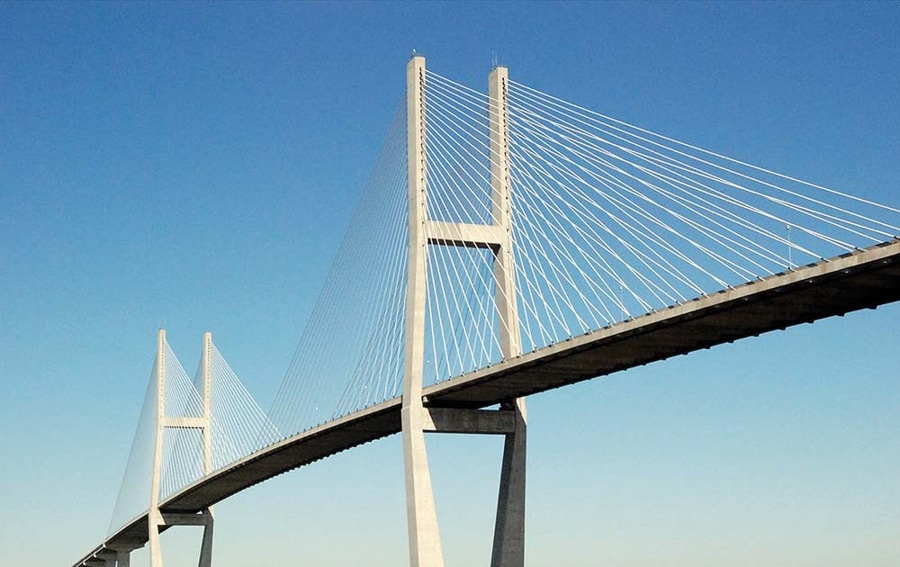
The most distinguishing architectural feature is the cable-stayed system. Tall pillars of the cable-stay system stretch elegantly over the Hau River. This feature is the hallmark of the architectural style of the Can Tho Bridge. Metal cables branch out from the pillars, providing stability to the bridge. At the same time, the symmetrical system of the cable-stay provides an aesthetically graceful form to the bridge. This allows the bridge to stretch over long distances without the need for pillars in the water.
Central Pylons and Towers
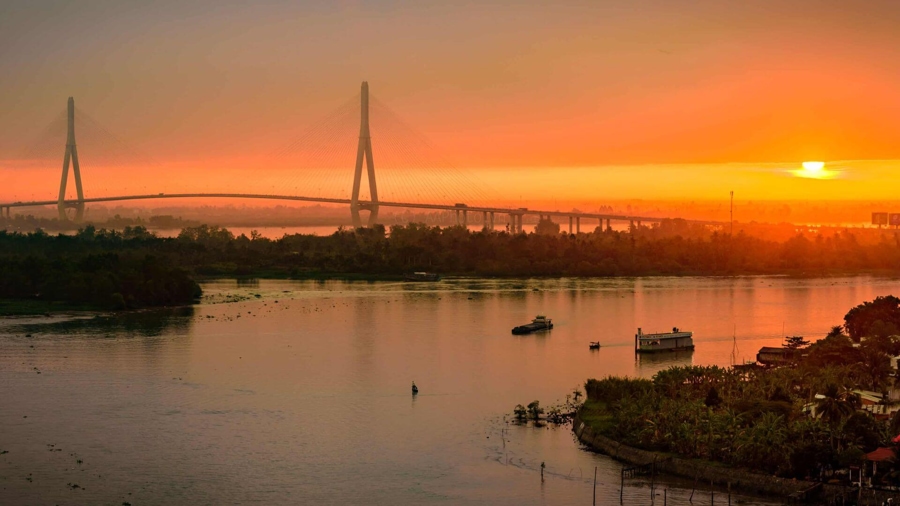
The main pylons of Can Tho Bridge play the roles of structural anchoring and architectural focal points. These towers stand proudly above the river and symbolize strength, while binding the two banks together. The clean lines and symmetry in their forms reflect modern engineering aesthetics, blending with the openness of the river landscape. The pylons change with time due to the visual effects they create, especially at sunrises and sunsets, as light reflects off the cables and steel surfaces.
Bridge Deck and Traffic Design
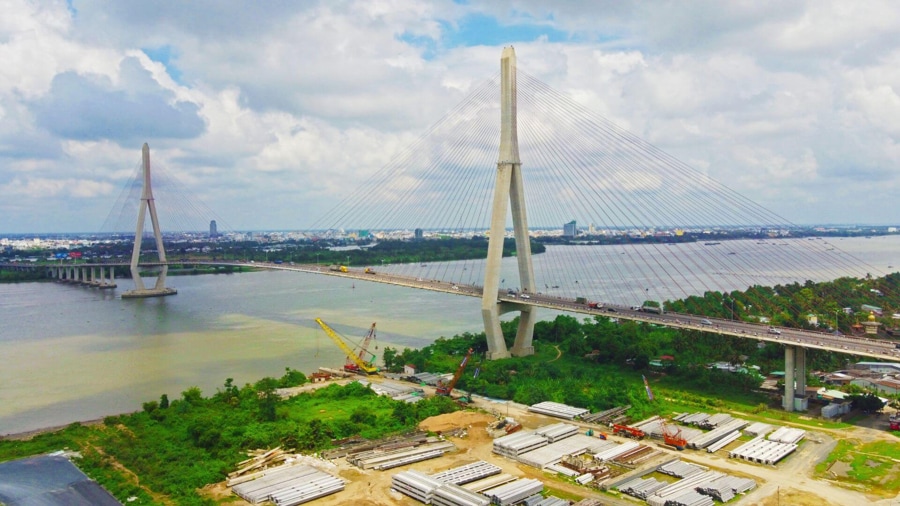
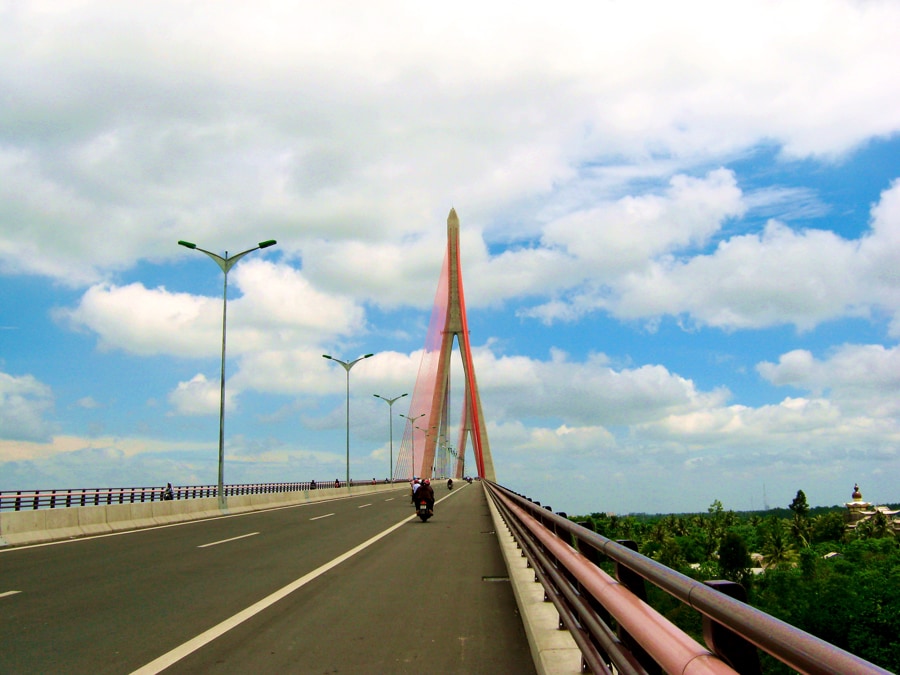
The deck of Can Tho Bridge has been designed keeping in mind its function and durability. The deck allows for various lanes of traffic, ensuring the smooth flow of traffic and its capacity to bear weight. The broad deck and strong barriers ensure safety, and the smooth curve of the road adds an aesthetic touch to the overall structure. The design has been innovative, suiting both its functions and beauty.
Night Lighting System
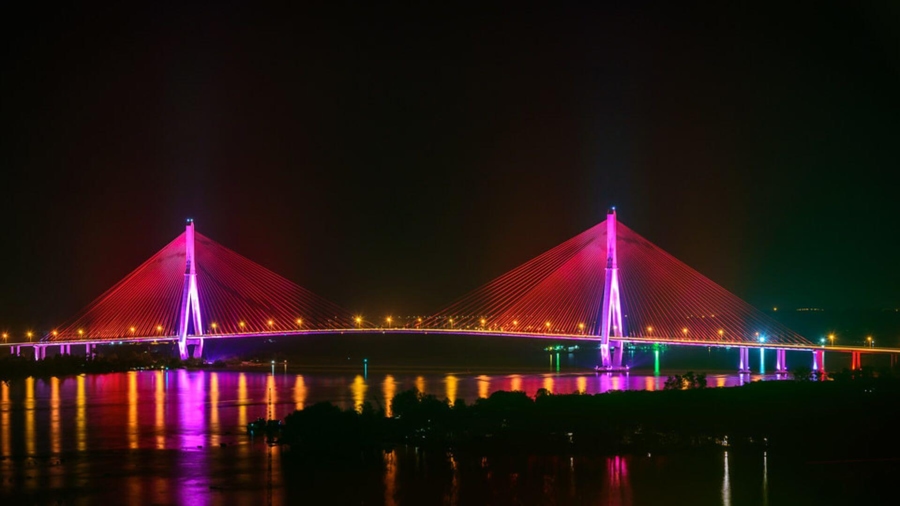
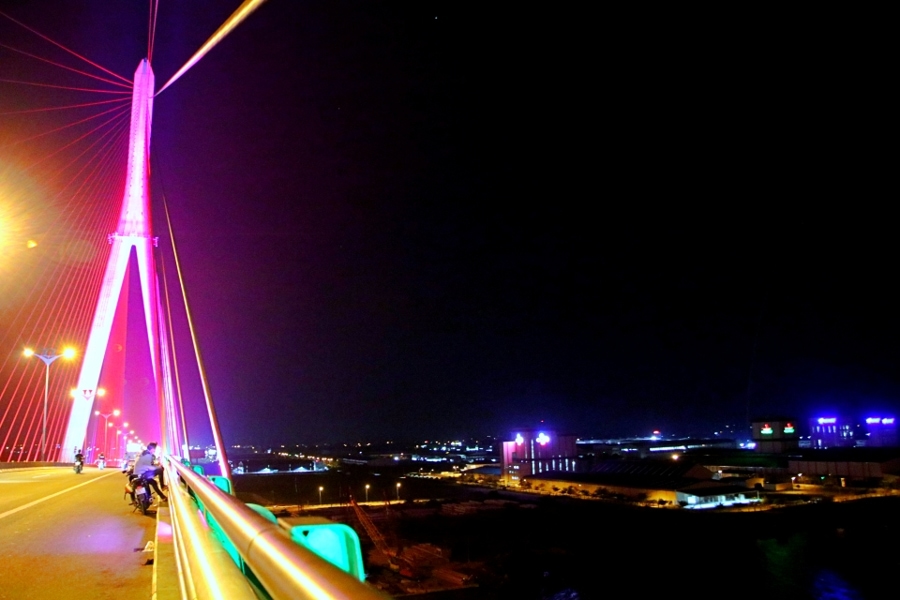
During nighttime, Can Tho Bridge is also changed into a beacon of light with its modern lighting system. The placement of lights provides illumination of the cables and towers, resulting in a spectacular view reflected on the Hau River. The placement of lights also accentuates the architectural design of Can Tho Bridge in the evening. The presence of this feature makes Can Tho Bridge a tourist destination for sightseeing in Can Tho City.
4 Unforgettable Experiences You Shouldn’T Miss
Visiting Can Tho Bridge is not just about appreciating the structure itself but, rather, an opportunity to be a part of the bustling life in the Mekong Delta. These unforgettable activities around the bridge give travelers an opportunity to connect with the local culture, scenery, and daily river life.
Enjoy Sunrise and Sunset Views
Viewing the sunrise or sunset from the Can Tho Bridge will surely be a wonderful memory for anyone to cherish. At sunrise in the early morning, the light reflects nicely on the Hau River, and boats begin their day as well. During sunset, the changing hue of the sky makes for beautiful photos, making this moment most suitable for relaxation and sightseeing.
Explore Local Food Near The Bridge
Areas near Can Tho Bridge are known for offering a variety of good local food, especially the local food stalls and restaurant areas near the river. People can have a sampling of Mekong Delta cuisine, which includes dishes like Banh Xeo, Hu Tieu, and seafood. Having a meal while overlooking the river gives a true experience of Southern culture.
Experience A River Cruise Along The Hau River
One of the things an individual could do is take a boat cruise along the Hau River, which is near a bridge in Can Tho. The bridge will be viewed from a different perspective, and an individual will also get a chance to see the size of the bridge. During the cruise, an individual will also get some information about the livelihood of the people, houses, and villages.
See Night Views and City Lights
At night, the Can Tho Bridge is one of the premier attractions of the landscape. As the cables and towers shine, they beautifully illuminate the water. Visitors can walk the area next to the water or grab a coffee and enjoy the bridge from an evening perspective. This is one way to see the new-world appeal of Can Tho City.
Entrance Fee
There is no entrance fee for visitors at Can Tho Bridge since it is a public infrastructure. Travelers can cross the bridge by motorbike, car, or bus freely and anytime they want without a ticket. For sightseeing, photography, or enjoying views from nearby public areas, there are no visiting charges either. This makes access to the bridge very easy and budget-friendly, both for domestic and international travelers. Visitors need only to consider transportation costs while abiding by the proper rules of traffic and stopping at designated viewing areas near the bridge.
Opening Hours
The bridge operates 24 hours a day, and therefore, visitors have the ability to visit the bridge at any time of the day. Can Tho Bridge is a public transportation bridge, which means visitors do not have a limited period within which to visit the bridge. This means that visitors have the opportunity to visit the bridge anytime they want to have a view of the serene environment in the early hours of the day or at night.
The best time to visit Can Tho Bridge is during the dry season, i.e., between December and April. This is also considered the peak season for travel in the Mekong Delta region. The months between December and April are extremely pleasant, with relatively less rainfall, making it an optimal time for travel. Visitors can visit this place in the early morning or during the evening for a mesmerizing view.
How to Get to Can Tho Bridge
Getting to Can Tho Bridge is easy and convenient due to its location in the Mekong Delta region. This guide assists visitors in picking the most appropriate means of transport to reach Can Tho Bridge, including estimated time and cost in USD.
| Transport Option | Starting Point | Travel Time | Estimated Cost (USD) | Notes |
| Taxi / Ride Service | Can Tho City Center | 10 to 15 minutes | 5 to 8 | Comfortable and suitable for groups or families |
| Motorbike Rental | Can Tho City | 15 to 20 minutes | 6 to 8 per day | International visitors must carry a valid driving license |
| Private Car | City Center / Airport | 15 to 25 minutes | 10 to 15 | Flexible schedule and ideal for sightseeing |
| Local Bus | Can Tho City | 20 to 30 minutes | 1 to 2 | Budget-friendly but limited stops near viewpoints |
When traveling by motorbike, it is recommended to put on a helmet as well as obtain a license to ride a motorbike in Vietnam. In terms of sightseeing, designated areas are recommended, and tourists are not allowed to stop at the bridge.
Things to Know Before Traveling to Can Tho Bridge
To have a pleasant and safe experience at Can Tho Bridge, it is essential to learn a few key facts beforehand. The essential travel tips outlined below will greatly benefit overseas tourists visiting the Mekong Delta for the first time.
- As the Can Tho Bridge is in use as a traffic road bridge, one cannot stop or walk on the bridge, but instead must go to a viewpoint for sightseeing.
- The ideal times for a visit are early morning or evening, presumably, since it will be cool and the light will be good for photographs.
- When traveling via motorbike, it is important to wear a helmet, in addition to carrying a driving license in Vietnam.
- Weather in the delta changes quickly, so sun protection or a light rain jacket is recommended regardless of the time of year.
- Obey local traffic rules and adhere to safety signs, particularly during peak hours when traffic volume across the bridge is high.
FAQS About Can Tho Bridge
Can Tho Bridge is one of the most familiar identifiers in the Mekong Delta region. Everyone has common questions before traveling to the location, and the following FAQs will guide you in the right context.
Is The Can Tho Bridge Open to Pedestrians and Tourists?
Can Tho Bridge is dedicated to the passage of vehicular traffic and does not encourage pedestrian walking on the bridge. There is no option to stop and walk on the bridge because of safety and security issues. However, it is possible to get quite scenic views of the surrounding area from the riverbanks and other related areas near the Hau River.
What Are The Best Times of Day to View The Can Tho Bridge?
The best time to visit Can Tho Bridge is either early in the morning or in the evening. Visitors can enjoy an overcast temperature and serenity on the river in the mornings, while sunset colors adorn the evenings, and the night view of Can Tho looks great when its roads are brightly lit. It’s the best time for capturing photos and sightseeing without heavy traffic and very hot midday temperatures.
How Can International Travelers Explore Can Tho Bridge Safely?
For international travelers, it is advised that the Can Tho Bridge be explored using taxis, personal cars, or licensed motorbike services. When in Vietnam, individuals must abide by road laws and never halt the vehicle on the bridge while crossing. For the views, travelers should select a safe public spot near the river. A Vietnamese guide for the tour can prove particularly helpful in this context.
Final Thoughts: Is Can Tho Bridge Worth Visiting?
To tourists who want to experience the heart of the Mekong Delta, the visitation of Can Tho Bridge is worthwhile. It is not just a means of transport but has more attractive architecture, scenery along the river, and is closely related to the locals’ daily life. From the reflection of sunrise to glowing lights, the bridge serves up magical moments in every season. Plan your journey along with inspiration at Seni World. Local insights and expert guides through unforgettable travel experiences across Vietnam await you.


Related articles


