


Cho Lon or Saigon’s Chinatown is a cultural hub in Ho Chi Minh City. Offering markets, temples, and rich Chinese-Vietnamese culture, it gives travelers a special atmosphere with history and traditions, and plenty of local experiences.
Introduction To China Town
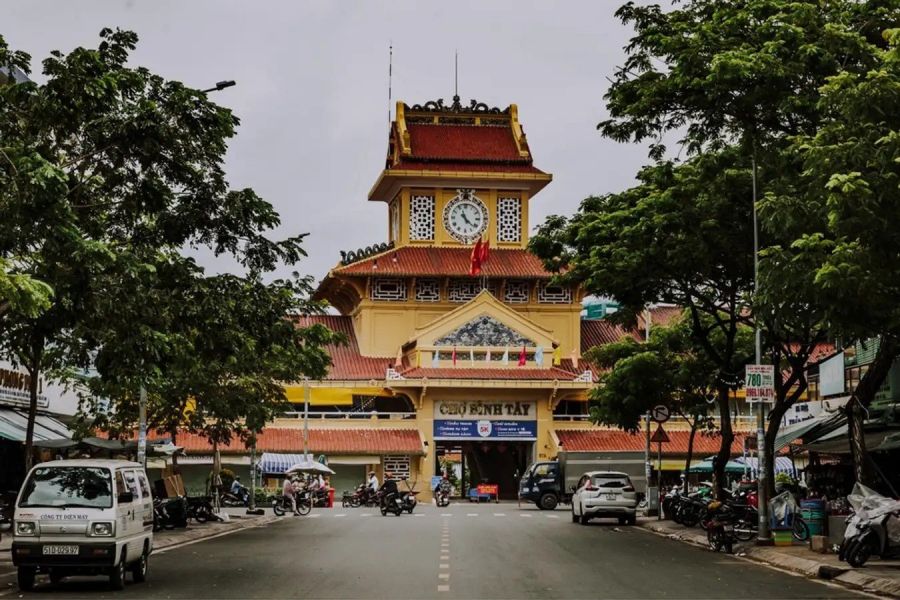
Cho Lon, or Saigon’s Chinatown, is one of the oldest and liveliest neighborhoods in Ho Chi Minh City, located primarily in Districts 5, 6, and part of District 11. Historically, it is home to the Hoa (Chinese Vietnamese) community and has always been a hub of business, culture, and tradition.
A visit to Chinatown means an exhilarating sensory experience: crowded markets full of locals bargaining, elaborate temples that have stood for hundreds of years, alleyways filled with lanterns and neon signs at night, and, of course, mouth-watering, authentic Chinese-Vietnamese food. You can even find traditional medicine shops, buildings, and ways of life that depict generations of colliding cultures. For travelers who want a break from the traditional tourist scene, Cho Lon is another world within Saigon.
History Of Chinatown Ho Chi Minh City
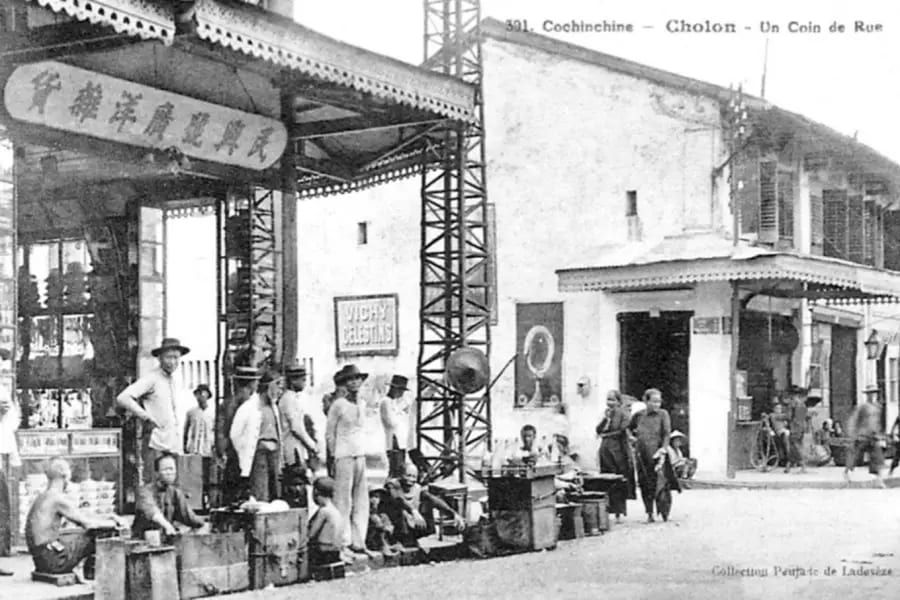
The story of Cho Lon has been associated with the growth of the South of Vietnam and has been shaped by cultural and economic nuances. Before French colonization, Saigon and Cho Lon were separate cities, which were separated by an expanse of suburban land that lay between them. The term now called Cho Lon came from an area known as “Saigon Market Street,” while the current downtown was the main city center of Saigon.
The name “Cho Lon,” or “big market,” stems from the larger Chinese market, in comparison to nearby Vietnamese markets, such as Tan Kieng. On June 6, 1865, Cho Lon City was officially founded by the Governor of Cochinchina according to a decree on the area of the villages of three cantons of Tan Long District, Gia Dinh Province, which was a significant milestone in the information administrative history of this place. By the 1930s, the area had grown to eventually create a boundary with Saigon. In 1931, a decree by the French president approved the two cities to be a single administrative unit called Saigon – Cho Lon.
In time, the name was changed multiple times to now be the “Capital of Saigon – Cho Lon” in 1951, which was then shortened to “Saigon”, in its official reference form, by 1956. Today, it is one of the busiest and most historic commercial districts in Ho Chi Minh City.
Top 4 Iconic Attractions You Should Visit
Chinatown is more than a busy trading center; it is a treasure trove of culture, religion, and heritage. Historic temples and bustling marketplaces provide countless experiences that showcase the distinct mix of Vietnamese and Chinese elements.
Many Cultural And Historical Sites
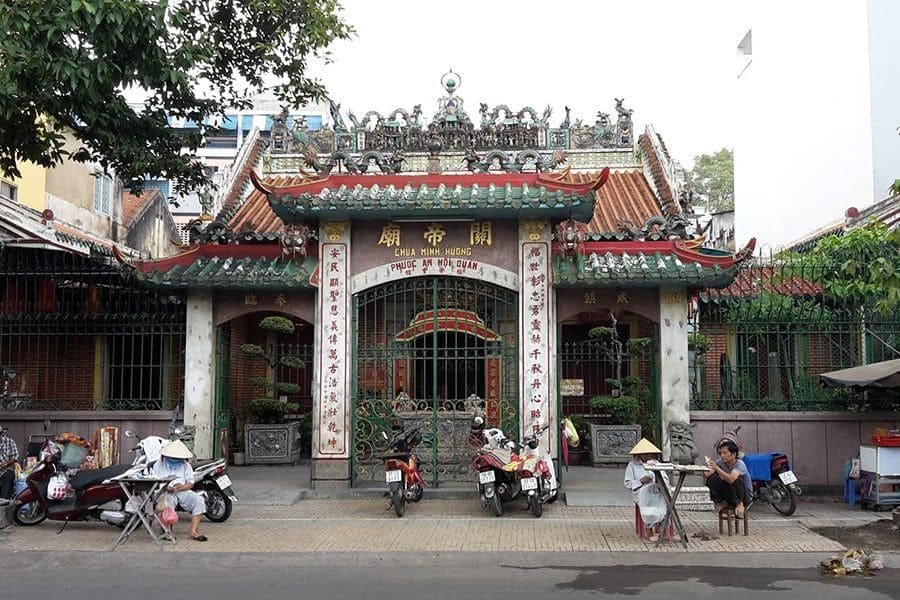
Cho Lon has some of the most magnificent temples and assembly halls in Ho Chi Minh City. Thien Hau Temple, built in 1760, is a holy site for the worship of the sea goddess Mazu. The On Lang Assembly Hall merges the worship of Thien Hau with the cultural activities of the Teochew community. Cha Tam Church is a nondescript church at first glance, but it has significant cultural and religious significance when viewed in context with the East-meets-West style of architecture.
In the corner of Nguyen Trai Street and Tran Hung Dao Street is an alley called Hao Si Phuong, with beautiful architecture that resembles that of Hong Kong. Lastly, visitors can also appreciate the incredible details of the Ha Chuong, Ong Bon, and Nghia An Assembly Halls.
Traditional Handicraft of the Chinese Community
The Chinese community in Cho Lon is famous for its craftsmanship, especially jewelry. First stop, Vietnam Silver House, where travelers can view the tradition of silver making, and even be able to make their own piece with direction from artisans. It’s also a great place to shop for custom pieces that embrace Vietnamese culture with Chinese craftsmanship.
Bustling Markets And Streets Of The Chinese Community
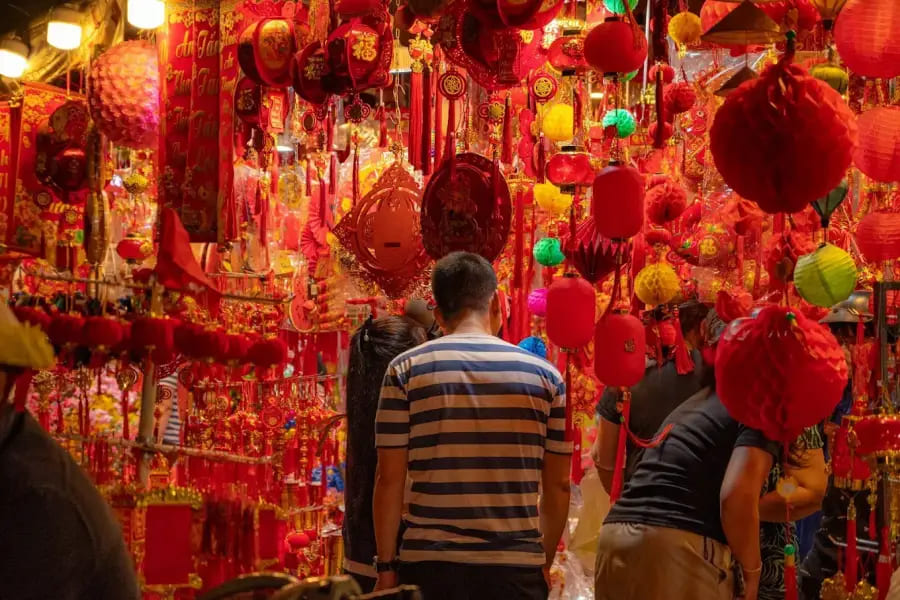
A visit to Chinatown would not be complete without visiting its markets and lively streets, and shops. Binh Tay Market is the center of trade for the area, with its East–West architectural style and thousands of stalls. Also visit the Soai Kinh Lam Fabric Market, Dai Quang Minh wholesale center, and An Dong Market, which is well known for ready-made fashion.
If you are curious about traditional healing practices, head to Eastern Medicine Street, which is lined with herbal shops. Luong Nhu Hoc Lantern Street is filled with color, especially during festival time. Tran Phu Street is filled with art shops, while Nguyen Trai Street is often referred to as the “fashion paradise.”
4 Unforgettable Experiences You Shouldn’t Miss
Visiting Chinatown is more than just shopping. It is a journey into centuries-old traditions, sacred temples, and delicious Chinese food. Below is a list of unforgettable experiences that will make your visit special.
Visit Thien Hau Temple
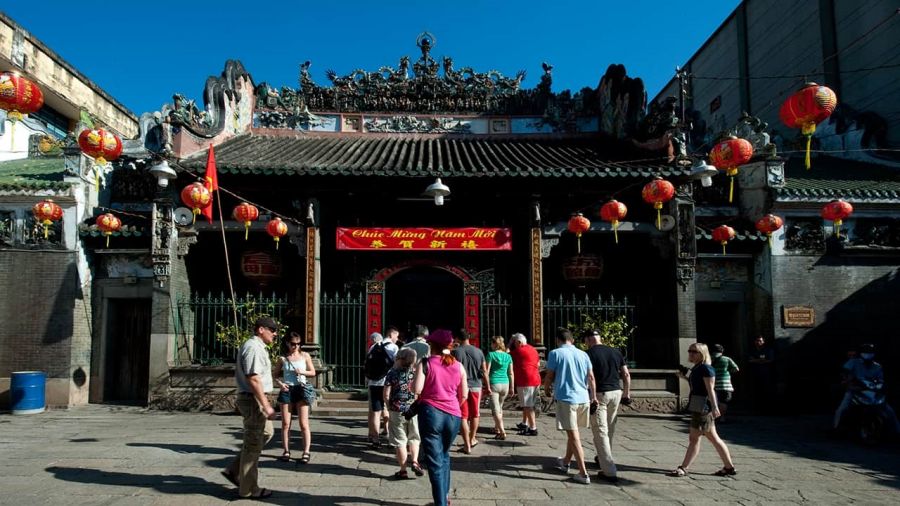
Thien Hau Temple (or Tue Thanh Assembly Hall) is one of the holiest shrines in Chinatown. Built by the Cantonese community in 1760, the temple is dedicated to the sea goddess Mazu, and protector of sailors and fishermen.
The temple has a spectacularly colorful roof decorated with porcelain figures made by famous local kilns in 1908. Inside the temple is also the city’s largest incense burner, brimming with smoke from offerings. If you visit on the 23rd day of the third lunar month, you will partake in the celebration of the goddess with rituals, lion dances, and an exciting procession.
Discover Quan Am Pagoda
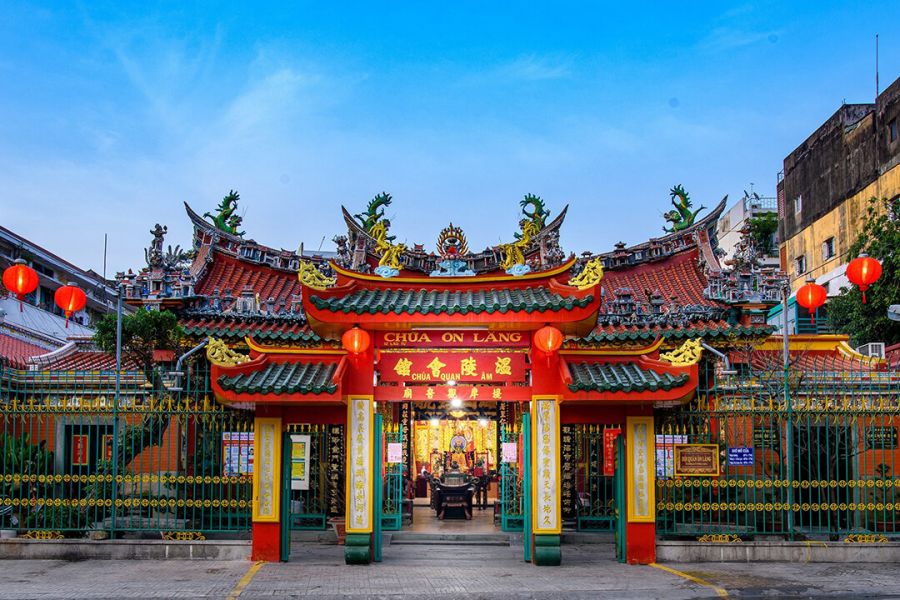
Quan Am Pagoda, located on Lao Tu Street, was built in the late 1700s and showcases the architectural style of the Fujian Chinese community. The rooflines that swoop upwards, together with the intricate ceramic ornamentation, demonstrate the beauty of the Chinese craft. Inside are shrines to Guanyin (the Goddess of Mercy), and you will witness people using the space as a form of spiritual refuge if they are not visiting as tourists.
As you walk through, you are enveloped in the aroma of incense and overcome by the calm you are given as you step into a sacred space tied to over 300 years of Tradition. The temple serves as both a site of worship and a cultural old-world landmark, which helps to tell the story of Cho Lon.
Taste Authentic Chinese Cuisine
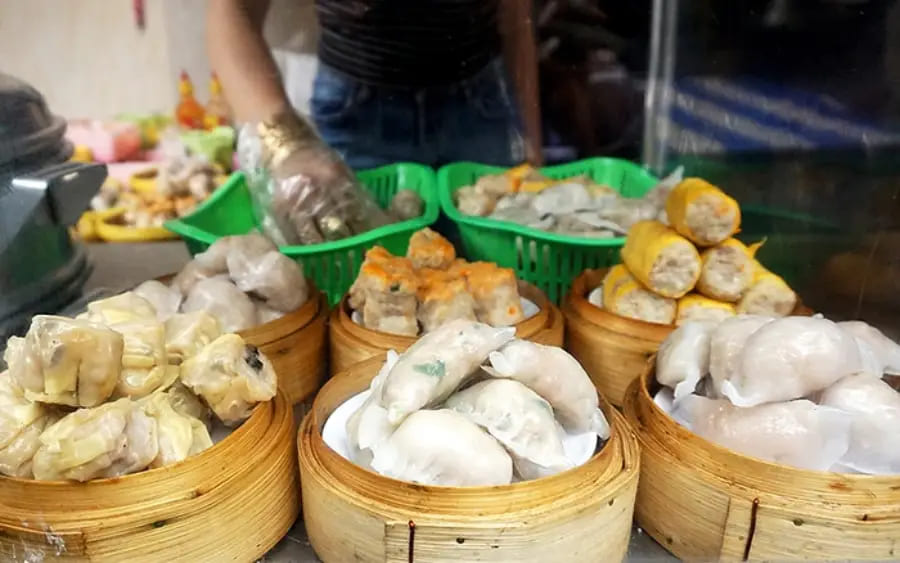
For food lovers, Chinatown is a haven for authentic Chinese food, and also in Ho Chi Minh. You can find all kinds of food from steaming hot dim sum to crispy roast pork, wonton noodles that warm your soul, and sweet Chinese desserts. Eateries such as Ha Cao Kieu Ky, which is street-side, and restaurants such as Dimsum Hoc Lac have become food enthusiasts’ landmarks.
Seni World recommends trying the traditional “coffee sock” at Ba Lu Cafe, a local icon, as well as a popular sweet soup at Che Cot Dien. Every dish has the flavors and aroma of Chinese culture tinged with Saigon energy.
Experience Traditional Festivals
Chinatown is also renowned for its vibrant festivals that celebrate the legacy of Chinese culture. The most dazzling event is the Thien Hau Temple Festival in March, which includes parades, lion dances, and ceremonies to worship the goddess of the sea. Other significant festivals include the Ong Bon Pagoda Festival and the Kim Hoan Guild Festival, which honor deities of communities and ancient vocational lineages.
These festivals are cultural as well as divine festivities, characterized by songs, food, and traditional performances from snare drums, to dramatic recitation of poetry, and folk dancing as well. If you happen to visit during one of the festivals, you will experience Chinatown at its finest and most unforgettable.
Entrance Fee
There is actually no entrance fee to visit Chinatown, even Binh Tay Market, as it is a public market open to the public. However, if you would like to visit some temples, points of heritage, or museums in the area, you may have to buy some tickets to get in.
Opening Hours
Usually, Chinatown and the popular Binh Tay Market are operating from the early morning, around 06:00 AM, to 5:30 – 6:00 AM. There are markets busy every day, from one corner shop to another, selling all sorts of things.
Chinatown is best to visit in the dry season (December – April) when the weather is cooler and it rains less because you will have more peace of mind to explore the busy markets, and/or the cultural sites nearby, without fear of downpours.
How To Get To Chinatown
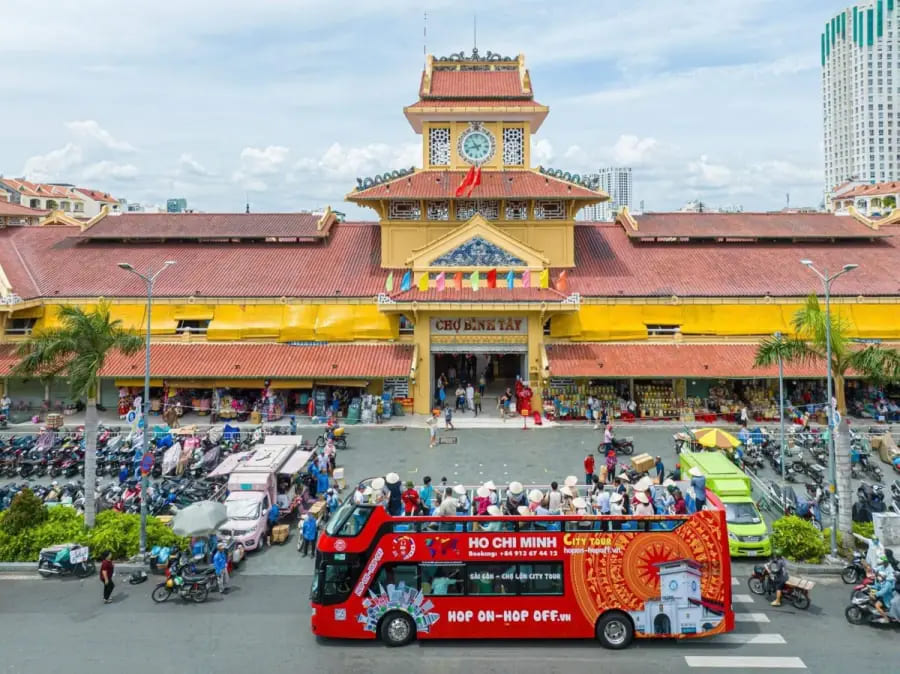
Cho Lon is situated in District 5 of Ho Chi Minh City, just a few kilometers from the center of Ho Chi Minh City. You have no issues accessing Cho Lon, as there are different means of transportation you can utilize to get there.
By Personal Vehicle
If you ride your motorbike or drive your car, you can start from District 1 and go down Nguyen Trai Street, cross the Nguyen Tri Phuong Bridge, and turn onto Hong Bang Street. After that, it is only a short distance to Cho Lon in Ward 11, District 5. Just be aware that traffic can get very heavy in the area, especially during rush hour, so you should be careful and follow traffic laws.
By Bus
A bus is a cheap and environmentally friendly means of transportation. There are several bus routes that meet at or near Cho Lon, including:
- Bus 01: Ben Thanh – Cho Lon Bus Station
- Bus 56: Cho Lon Bus Station – New Eastern Bus Station
- Bus 150: Cho Lon Bus Station – Tan Van T-junction
Things to Know Before Traveling to Chinatown
Here are some important notes to keep in mind before going to Chinatown that can help you have a good experience as well. If you think carefully about the following tips, you will really have a very different experience while also being safe.
- Be careful of pickpockets and take care of your things when it gets too crowded.
- Look for restaurants that have a lot of local options and are recommended. Good food consists of quality product, hygiene, and preparation.
- Respect the customs, traditions, and religious practices of the Chinese-Vietnamese community.
- For a better experience, try to come when it’s not busy, especially on weekends and holidays.
- If you want a less crowded but unique and fun field trip, consider taking the Saigon – Cho Lon city tour on a double-decker bus.
Final Thoughts: Is Chinatown Worth Visiting?
Chinatown Saigon is recognized as one of the most interesting places to travel in Ho Chi Minh City, where culture, history, and local life mix in an amazing array of color. A visit to markets, sampling the traditional dishes, and exploring heritage temples offers an engaging perspective on the multicultural foundation of the city. It is a place of fulfillment which is both exciting and meaningful, and your time spent there will not be forgotten. If you want a deep experience of Chinatown, let the experienced team at Seni World serve you as your travel partner.


Related articles


