


Cambodian cities are a rewarding and eclectic mix of ancient history, modern metropolises, and local culture. Whether one wants to explore temple cities or riverfront capitals, each travel option presents a different set of experiences.
Siem Reap
Siem Reap is an attractive city located in north-western Cambodia, particularly famous for being the primary entry point to the Angkor Archaeological Park, which is recognized by UNESCO as a World Heritage Site. The city is located close to Tonle Sap Lake, inheriting Khmer history while at the same time offering an engaging but also very relaxed environment. The environment of Siem Reap entails ancient temples, natural countryside, and villages; it is characterized by a striking contrast between historical sites and developments catering to tourism.
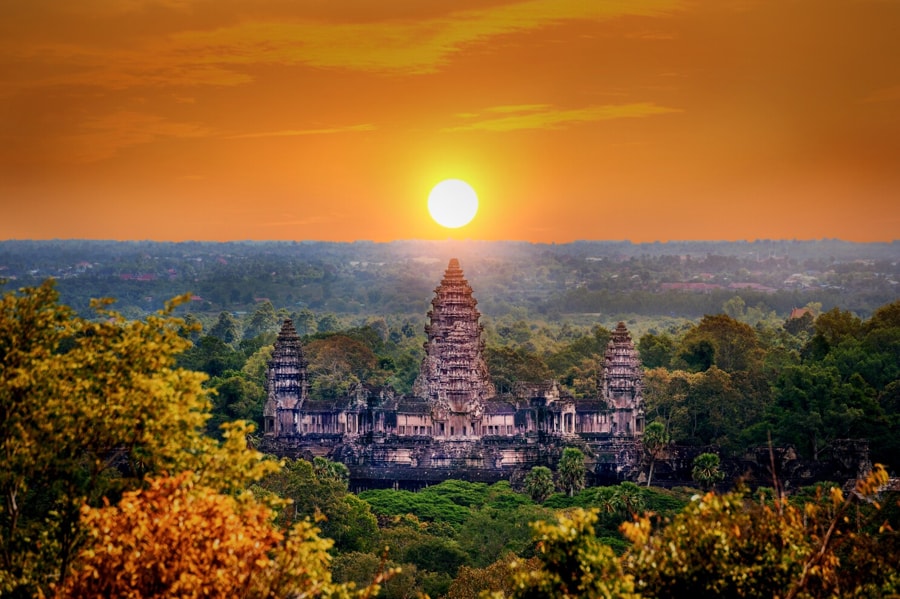
Siem Reap, located in Cambodia, is accessible by air and offers visits to famous Angkor temples such as Angkor Wat, Angkor Thom, and Ta Prohm, particularly during sunrise or sunset hours. Additionally, there are cultural activities such as visiting floating villages on Tonle Sap Lake, Apsara traditional performances, and exploring local markets and shops. Siem Reap offers various culinary delights, including street food and fancy Khmer restaurants. Being culturally and naturally significant and boasting a great deal of activities, Siem Reap is a must-visit destination for people traveling to Cambodia.
Phnom Penh
Phnom Penh is the capital and largest city of Cambodia, standing at the junction of the confluence of the Mekong, Tonle Sap, and Bassac rivers. The city is also the political, economic, and cultural center of Cambodia. Because of this, the city’s complex history can be reflected in its rapidly modernizing development. Phnom Penh, therefore, bears striking French colonial architecture, royally poignant landmarks, and modern edifices, fitting into a diverse urban landscape. Riverside boulevards, tree-lined streets, and historic sites such as the Royal Palace and Silver Pagoda add to the city’s scenic and cultural value. Despite the fast pace, Phnom Penh still retains areas of calm along the riverfront.
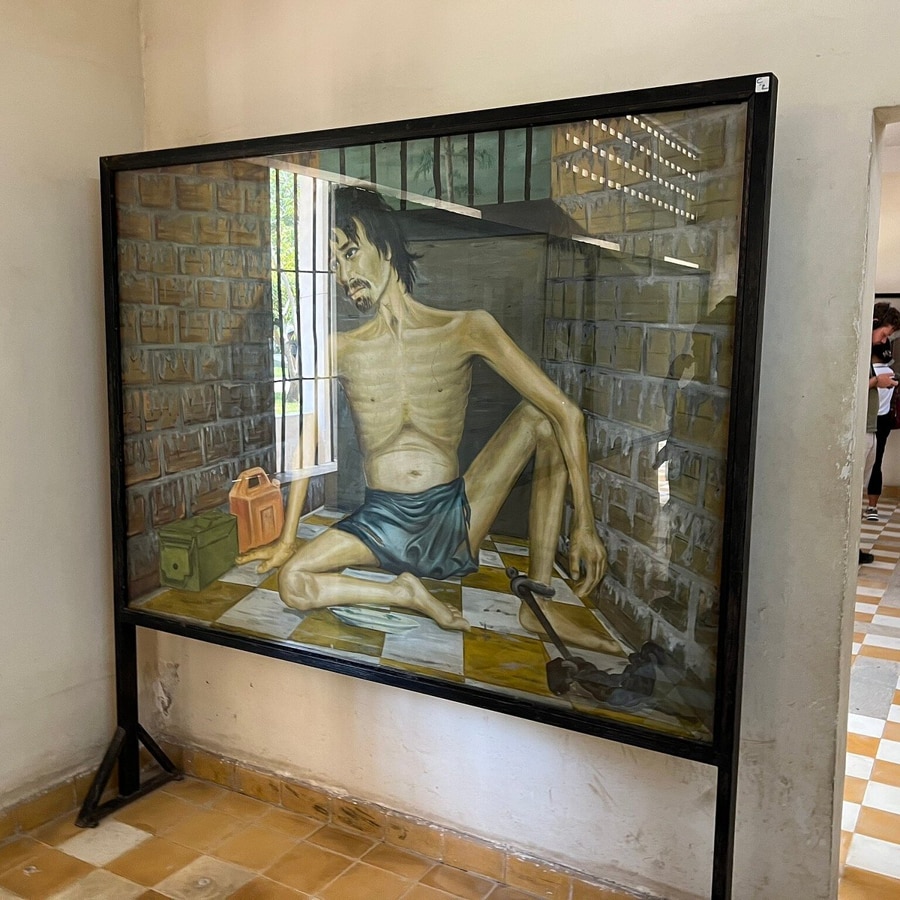
Travelers in Phnom Penh can visit significant historical spots like the Royal Palace, National Museum of Cambodia, Tuol Sleng Genocide Museum, and the Killing Fields, which offer valuable knowledge about Cambodian history. For relaxation, one can stroll along Sisowath Quay, enjoy sunset boat rides in the river, visit markets, and relish Khmer food at riverside eateries in Phnom Penh. The lively nights of Phnom Penh, coffee shops, and performances also await adventurous tourists in this capital of Cambodia. Thanks to its river views, rich history, and lively culture, Phnom Penh has something appealing to offer every tourist visiting Cambodia in search of knowledge as well as a modern city experience.
Sihanoukville
Sihanoukville is an important beachside city found in the southwestern part of Cambodia, particularly along the Gulf of Thailand. It is recognized for its beaches, ports, and proximity to other islands and is considered one of the critical tourism hubs of Cambodia and an important locality for sea trade and navigation. Sihanoukville is characterized by sand beaches, headland areas, and island areas that have blue and clear water. Beach areas such as Ochheuteal, Otres, and Serendipity have varying settings from lively ones along the beach to peaceful areas by the beach, and thus offer varying tourist attractions and sites based on the chosen area of stay.
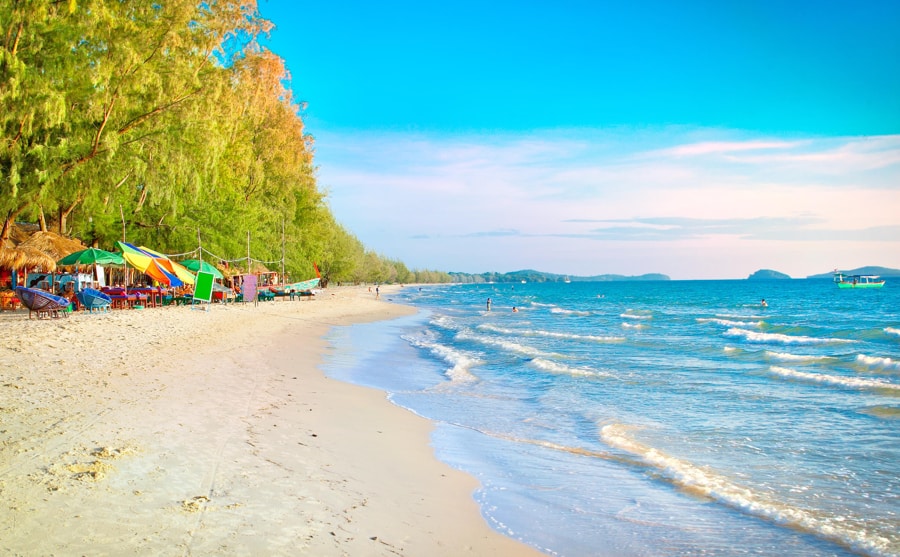
The visitors of Sihanoukville can have a rest on the beach, swim, and try fresh seafood in the restaurants on the seashore. Island-hopping trips rank among the greatest activities that include snorkeling, diving, or relaxing on white-sand beaches offshore. The coastal experience is enhanced with sunset views, boat tours, and seaside walks. While the city itself keeps on growing rapidly, Sihanoukville continues to be an important base for beach holidays and island exploration. Due to its coastal scenery and easy access to the nearby islands, Sihanoukville is ideal for travelers who seek sun, sea, and relaxation in Cambodia.
Battambang
Battambang is a charming Cambodian city in the northwest, on the Sangker River near the Thai border, with a relatively well-preserved French colonial architectural style and a vibrant art identity. Battambang gives a more relaxed atmosphere compared to the bigger cities of Cambodia. The countryside is ripe with fertile rice fields and villages that have barely changed over time, reflecting its important function as an agricultural hub. The streets along the river, historical buildings, and local neighborhoods create a serene atmosphere that epitomizes common Cambodian life.
Visitors to Battambang can see many cultural sites, including the Battambang Provincial Museum, galleries, and especially Phare Ponleu Selpak Circus School, which has gained world acclaim. Activities include taking a ride on a Bamboo Train, visiting local temples and caves like Phnom Sampeau, and cycling through countryside villages. Watching sunsets over the Sangker River and markets gives one a glimpse into local culture and food. With its spirit of creativity, natural surroundings, and culturally rich experiences, Battambang proves to be a great tourist destination for all who choose to explore it, apart from popular tourist spots in Cambodia.
Kratie
Kratie is an unassuming riverside town that lies in the east of Cambodia, along the banks of the Mekong River. Kratie is recognized for being a peaceful place with beautiful Mekong views and an intrinsic tie with Mekong culture. Kratie’s town is quite compact with colonial architecture, lined with palms and observational points that look out on vast Mekong banks. However, this is set against the backdrop of villages and wetlands surrounding Kratie and the tranquil environment of this Cambodian province, which differs from other larger Cambodian cities.
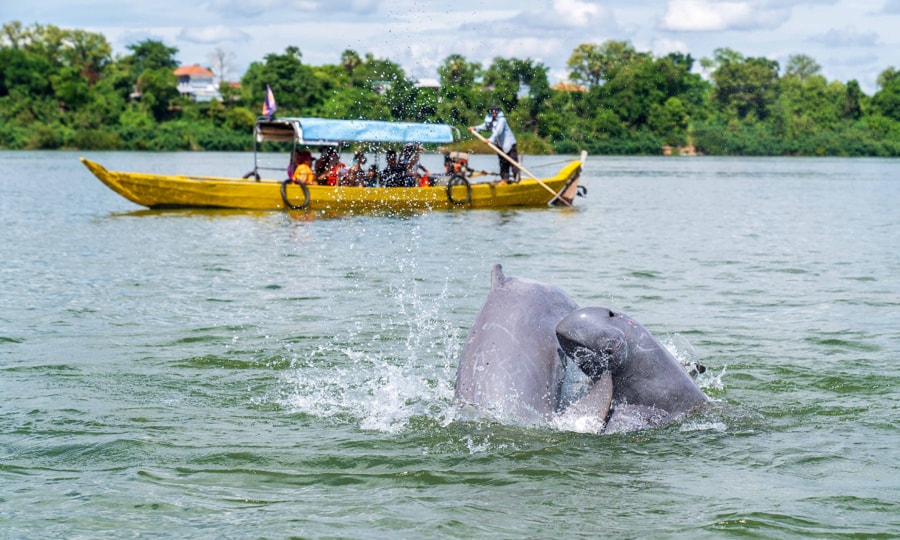
People come to Kratie basically to witness the existence of the Irrawaddy dolphins that inhabit the Mekong River at Kampi. A boat ride and an escorted walk along the riverside are good ways to relax and appreciate the surroundings and the fishing villages along the way. By cycling around Kratie and exploring Koh Trong Island, visitors can experience rural Cambodia and the rural way of life of the villages. Kratie is the place to be for people who want to appreciate nature and the natural habitat of Cambodia, and those who want to get away from the bustling life of the city.
Kampot
Kampot is a tranquil town that borders a river in southern Cambodia. It is located along the banks of the Preaek Tuek Chhu River in the vicinity of the Elephant Mountains. Kampot is recognized for its laid-back culture and its rich colonial architecture inspired by the French colonial period in the country. There is a serene environment in Kampot that distinguishes it from other major cities with a hustle and bustle culture in Cambodia. Kampot is a world-renowned producer of quality pepper crops.
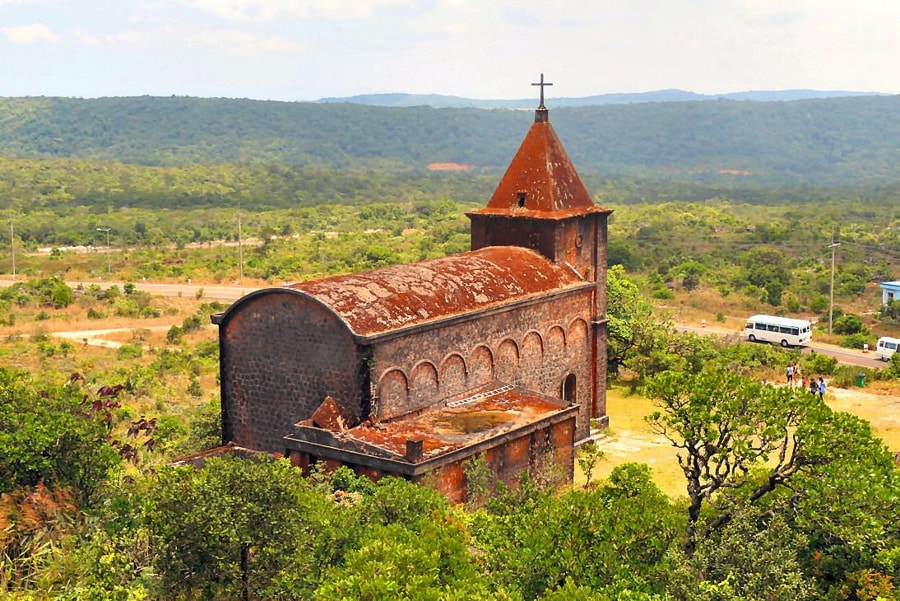
There are boat rides along the river for tourists to enjoy, particularly at sunset, or cycling or motorbike rides for those who wish to explore the outskirts of Kampot. Activities for tourists include visiting pepper farms, trekking or driving to Bokor National Park, or spending time at river cafes. There are also caves, salt farms, and markets for tourists to explore to get an insight into the lives of the locals. The natural setting, pace of life, and activities of this beautiful southern Cambodian town make it an attractive place for tourists to vacation.
Kep
Kep is a quaint seaside town in southern Cambodia, situated along the Sihanoukville Province of the Gulf of Thailand and near the Vietnamese border. Originally a popular seaside destination in French colonial Cambodia, Kep today is recognized for its peaceful ambiance, sea breezes, and laid-back lifestyle. The seaside town boasts a beautiful coastline with hills and Kep National Park that engulf the entire municipality in shades of green. The seaside location of Kep creates the optimal destination for those escaping from bustling city life due to its sea breezes and beaches.
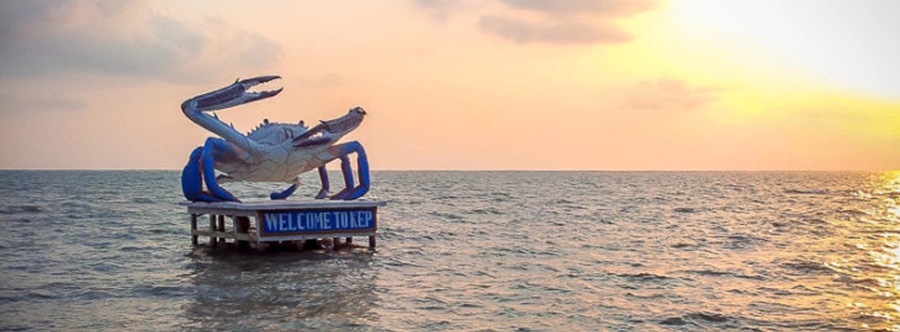
Visitors to Kep can enjoy leisurely walks along the seaside promenade, explore hiking trails in Kep National Park, and relax by the ocean. Among activities to be named, one of the most popular things to do here is a visit to the famous Crab Market, where seafood, especially blue crab, is a local specialty. Boat trips to Rabbit Island (Koh Tonsay) offer a chance to swim, snorkel, and enjoy simple beach time. With its peaceful coastal scenery, fresh seafood, and easy-going pace, Kep is perfect for travelers seeking a tranquil Cambodian seaside getaway.
Koh Ker
Koh Ker is an isolated archaeological site in Northern Cambodia, and it lies in the deep jungles between Siem Reap and Preah Vihear. Koh Ker was the capital of the Khmer Empire in the 10th century, and the site is famous for its unusual temples and beautiful surrounding landscape. This place has dense jungles, water reservoirs, and more than one hundred ancient structures scattered in a large area. The most impressive monument here is the Prasat Thom Temple, a seven-level pyramid that stands tall above the jungle and gives a remarkable view of the surrounding area.
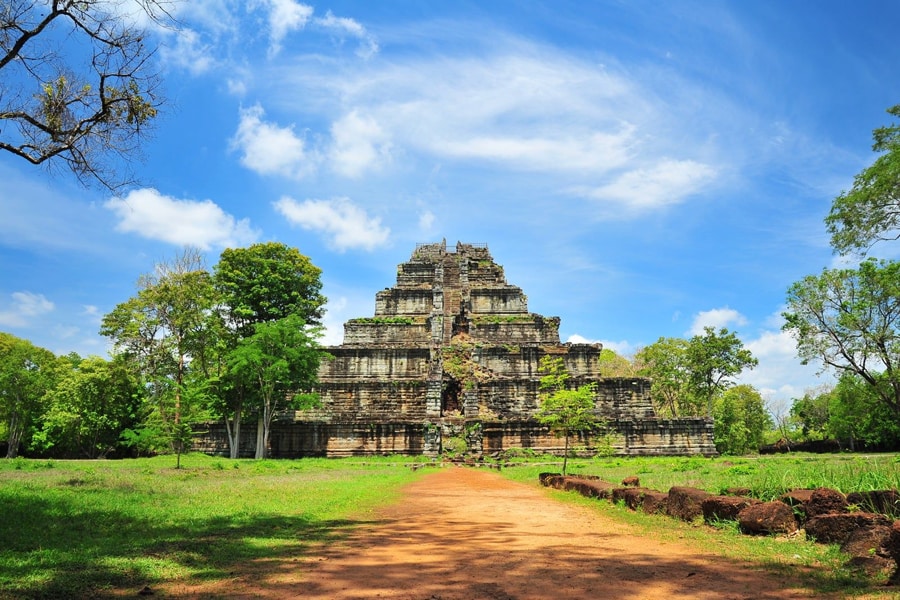
Those who come to Koh Ker can walk among the temple ruins, exploring and finding sculpted stone temples, lingas, and religious areas nestled within dense tree cover. A trek up Prasat Thom is one such experience, offering not only historical knowledge but also panoramic views. The peaceful, pristine environment lets visitors feel as though they are exploring Cambodia itself, and its ancient history in an adventure-seeking, unconventional manner. Nature treks, photography, and guided tours are obviously very popular within Koh Ker, which is so conducive to exploration by those interested in history, archaeology, and adventure trekking in Cambodia.
Kampong Cham
Kampong Cham is an unassuming town in eastern Cambodia, lining the banks of the Mekong River. The town is recognised as one of the oldest in Cambodia and is distinguished for its laid-back atmosphere, beautiful riverbank outlooks, and agricultural environment. The town boasts broad streets, colonial architecture, and corresponding temples in addition to lively landscapes and riverscapes. The agricultural land, rubber plantations, and rivers in and around Kampong Cham give it an agriculturally rural look despite being in an urban area. The Mekong River interacts with everyone in this town in beautiful and peaceful ways.
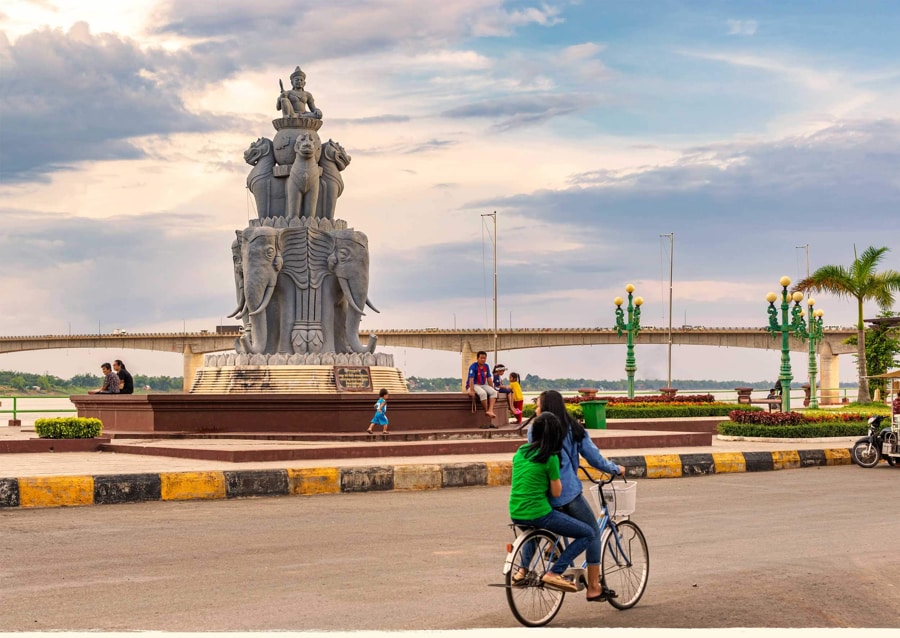
People travelling to the region can visit sites such as Wat Nokor, which is a rare temple complex featuring both ancient and new buildings designed alongside each other, and cross over to Koh Paen Island using the popular bamboo bridge available only in the dry season. One can also go on a ride along the bank of a river using cycles and get to see rubber plantations and local marketplaces. The setting sun on the Mekong River and peaceful strolls along its banks feature added advantages for people coming to this region.
Stung Treng
Stung Treng, which is pronounced “stung treng,” is an isolated riverside provincial town in north eastern Cambodia. Situated at the junction of the Mekong River and Sekong River, it is very close to the border of Laos. Because of its natural scenic environment and tranquillity, Stung Treng boasts an incredible number of river islands, floodplains, and flood forests. Stung Treng is also still unattractive to industrial development, giving visitors to this region of Cambodia an authentic experience of natural Cambodia. The broad rivers, as well as changes in water levels, have significant effects on this region.
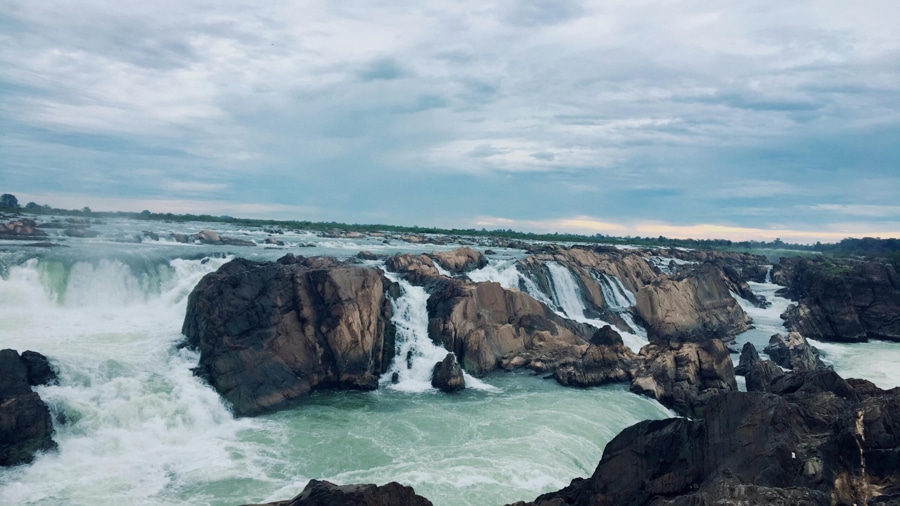
In Stung Treng, tourists can take a riverboat to explore the water system and explore islands, fishing villages, and various bird species. Riverboat tours to see the inundated forest and Ramsar sites are other ecotourism activities offered in this region. In addition, cycling tours in this region help tourists to view the villages and river environments slowly. Sunset views along the Mekong River have long been a unique experience for many tourists. Poised in a tranquil environment and in a region rich in biodiversity with strong links to water environments, Stung Treng has been considered an appropriate destination for nature and unexplored tourists in Cambodia.
Ratanakiri
Ratanakiri is a far-flung region in the northeast of Cambodia, with rugged terrain, volcanic lakes, and ethnic diversity. The region is based around the town of Banlung and is marked by red soil roads, hills, forests, and waterfalls. Unlike the big cities of Cambodia, which are found in the lowland areas, Ratanakiri has a cooler climate and is very natural and close to nature. The region has many minority groups of people, whose natural way of life brings a richness of culture to the region. Ratanakiri is very beautiful and unique, and it is among the regions of Cambodia.
Tourists to Ratanakiri also get to enjoy swimming and relaxing at Yeak Laom volcanic lake and discover waterfalls such as Kachanh and Ka Tieng. Additionally, there is jungle trekking guided by local guides. Tourist attractions also include visiting ethnic communities, where one can discover more about their habits and handmade products. Adventure seekers will also get to enjoy trekking, searching for wildlife, and four-wheel-drive excursions. Ratanakiri has everything that would appeal to adventure seekers and those interested in learning more about Cambodia beyond tourist trails.
Final Thoughts: Are Cities In Cambodia Worth Visiting?
The cities in Cambodia represent a harmony of ancient heritage, riverside scenery, coastal charm, and the real local culture. From historic temple gateways to serene provincial towns, every destination offers meaningful experiences far beyond usual tourism. Explore Cambodia’s cities with Seni World to reveal culture, nature, and unforgettable journeys.


