


Laotian cities tend to have a serene fusion of cultural heritage, waterways, and indigenous communities. Whether looking at historical cities or new ones still popping up, all share cultural authenticity, natural beauty, and a laid-back travel experience.
Vientiane, the Peaceful Capital Of Laos
Vientiane, the capital and largest city of Laos, sits on the bank of the Mekong River near the border with Thailand. Unlike many busy Southeast Asian capitals, Vientiane is known for its calm atmosphere, wide boulevards, and a relaxed pace of life. The city blends the traditional Lao way of life with French colonial influences in its architecture, cafes, and tree-lined streets. Iconic landmarks like Pha That Luang, the national symbol of Laos, and Patuxai Monument, identify the cultural and historical importance of the city. Riverside areas add scenic charm, especially in the evenings.
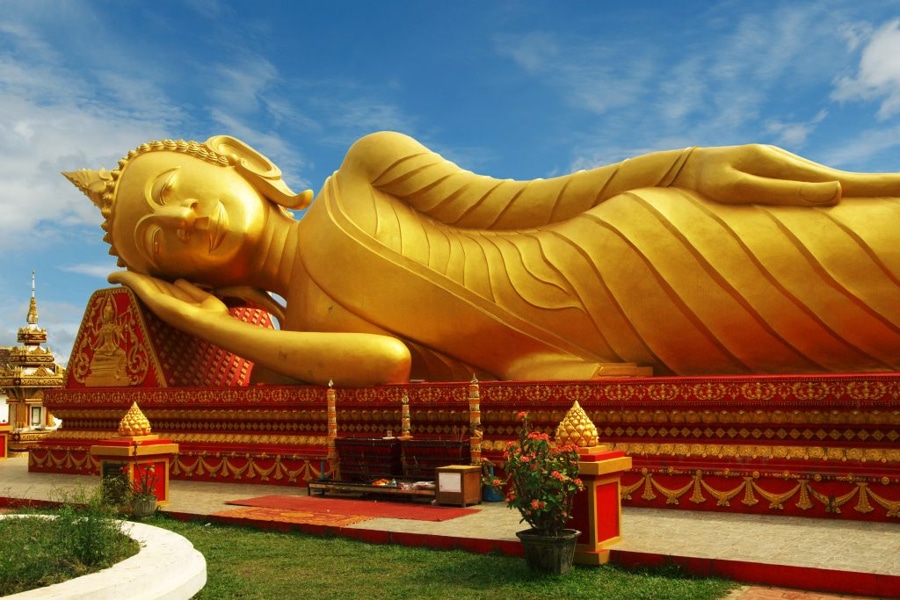
There is a lot to see in Vientiane, including Buddhist temples to visit, a riverbank promenade along which to stroll, and a chance to experience village life at local markets in Vientiane. The possibilities include visiting cultural sites in Vientiane, eating riverside Lao food in restaurants in Vientiane, and exploring the back streets of Vientiane by bike in Vientiane. Alternatively, in Vientiane, visitors can sit at cafes in Vientiane, take a riverbank walk in Vientiane during sunset in Vientiane, and take a brief boat trip along the Mekong in Vientiane.
Luang Prabang
Luang Prabang is a historic town in northern Laos. The town is found where the Mekong River joins another river called the Nam Khan River. The historic town is a former royal capital city that is now a UNESCO World Heritage Site. The town is renowned for having retained its temples, traditional wooden houses, and colonial buildings. The town is set against a background of lush mountains and rivers; hence, it is a place where you can find peace. The town’s environment is combined with a very tranquil life, making it among the most beautiful towns in Southeast Asia.
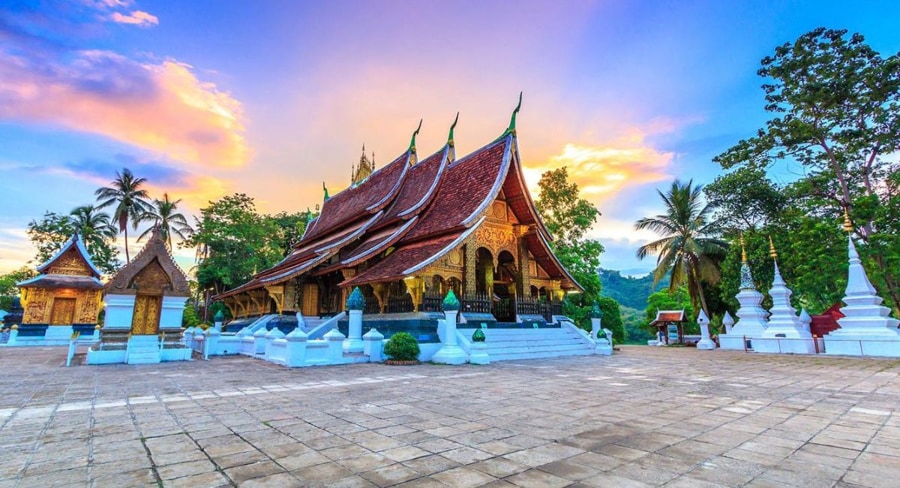
In and around Luang Prabang, visitors can visit famous temples, including Wat Xieng Thong, participate in the early morning ceremony of alms giving, and enjoy sunset views of the Mekong River. Activities include visits to Kuang Si Waterfall, a walk through the night market, and sampling typical Lao dishes. Boats on the Mekong and bike trips into rural areas provide more in-depth exposure to life in this country. The diversity, charm, and laid-back lifestyle found in Luang Prabang make it a great place to visit if a traveler is looking to have more meaningful encounters in Laos.
Vang Vieng
Vang Vieng is a small riverside town in central Laos, lying between Vientiane and Luang Prabang along the Nam Song River. The dramatic limestone mountains, lush valleys, and rice fields surrounding the town create some of the most scenic landscapes in the country. Once known mainly as a backpacker stop, Vang Vieng has developed into a well-rounded destination that pairs natural beauty with eco-friendly tourism. The karst formations, caves, and river views make it an exceptional position for anyone who loves the outdoors and loves photography.
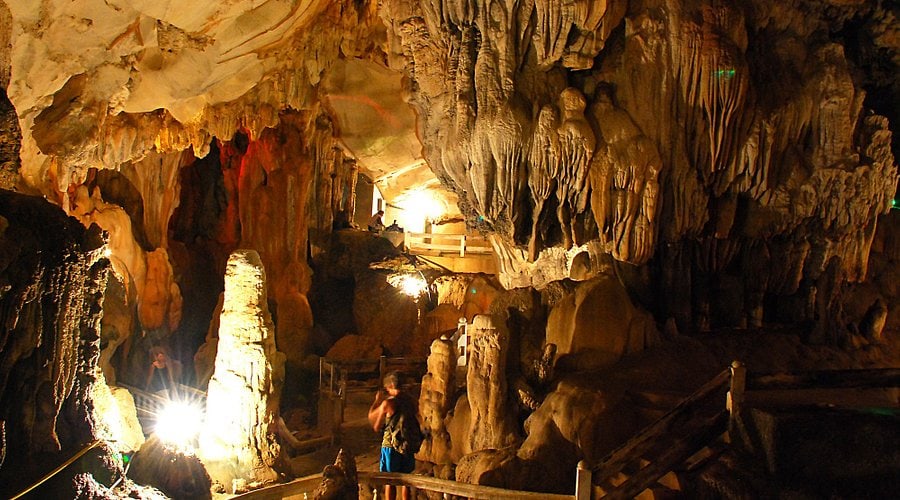
Vang Vieng is more famously known as a destination for adventure and nature-related pursuits. There are many things to do, such as kayaking and tubing on the Nam Song River, cave exploration at Tham Chang and Tham Phu Kham caves, and trekking to the viewpoints which give a glimpse into the valley below. The overall experience is topped off with a hot air balloon ride over the sunrise view for a sight which is nothing short of spectacular. For a more laid-back experience, one can opt to lounge at one of the many café bars along the riverbanks or go cycling through the nearby villages.
Savannakhet
Savannakhet is an old city in Southern Laos, situated on the Mekong River and close to the Thai border. As the country’s second-largest city, it is recognized as an amalgamation of Lao culture and colonial French architecture. The old town section of the city retains features of its laid-back lifestyle in its low-rise buildings, quiet roads, and Mekong River waterfront. There is an interesting cultural side to the city as it is the birthplace of Kaysone Phomvihane, the country’s founding leader.
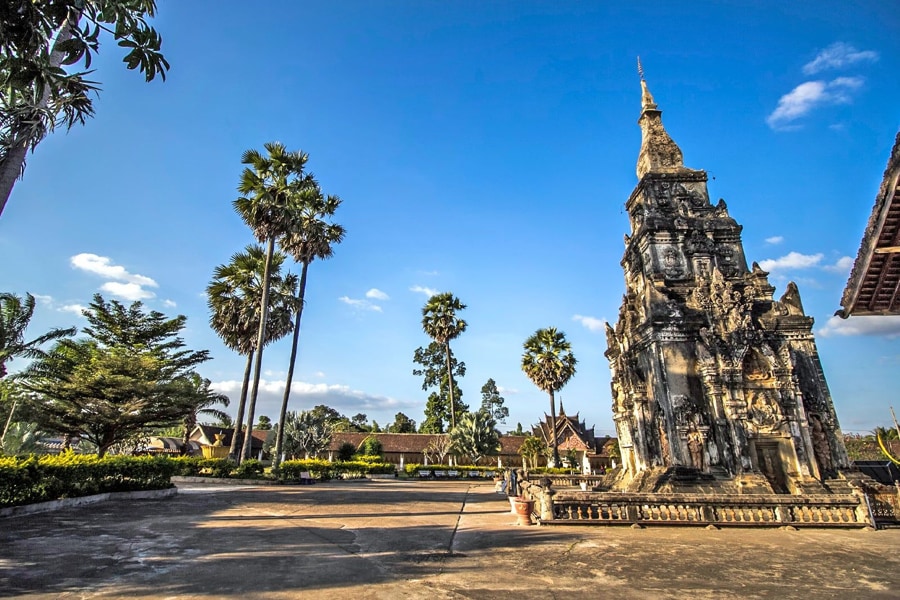
People traveling to Savannakhet can discover colonial architecture, visit temples such as That Ing Hang Stupa, and walk along the banks of the Mekong River during sunset. The atmosphere of Savannakhet provides a serene experience for travelers when visiting this region on foot or on a bicycle to discover local markets and experience local daily life. One can enjoy local cuisine, coffee, and café cuisine while experiencing local and daily life, and enjoy and discover history and views in this region when traveling to Savannakhet.
Kaysone Phomvihane
Kaysone Phomvihane, also known as Savannakhet City, is a small but developing urban area in southern Laos and serves as the capital of Savannakhet Province. Geographically situated near the banks of the Mekong River and along its shared boundary with Thailand, Kaysone Phomvihane serves as a vital trading post in terms of transportation and commerce in its region. Kaysone Phomvihane has a relatively modern character compared to other historic towns in other countries, as it has wide roads and residential areas compared to its historic counterparts.
In Kaysone Phomvihane, visitors are able to experience local life without being in a typical tourist area. Walking along the banks of the Mekong River, touring local temples, and visiting local markets are ways in which visitors can experience local life in this city. Kaysone Phomvihane is also a great starting point for people who are interested in visiting other area attractions, such as local countryside areas and historical sites in Savannakhet Province. Cafes and riverside eateries are available for visitors to enjoy local cuisine and view sunsets in this quiet town and prime location.
Pakse
Pakse is an exciting city in the south of the country, situated where the Mekong River meets the Xe Don River. The city is the capital of Champasak Province in Laos and is an essential transportation and commercial center between the neighboring countries of Laos and Thailand, as well as the country of Cambodia. This city is where one gets to enjoy the delights of the city as well as the natural environment surrounding it, including its scenic waterfalls and the Bolaven Plateau.
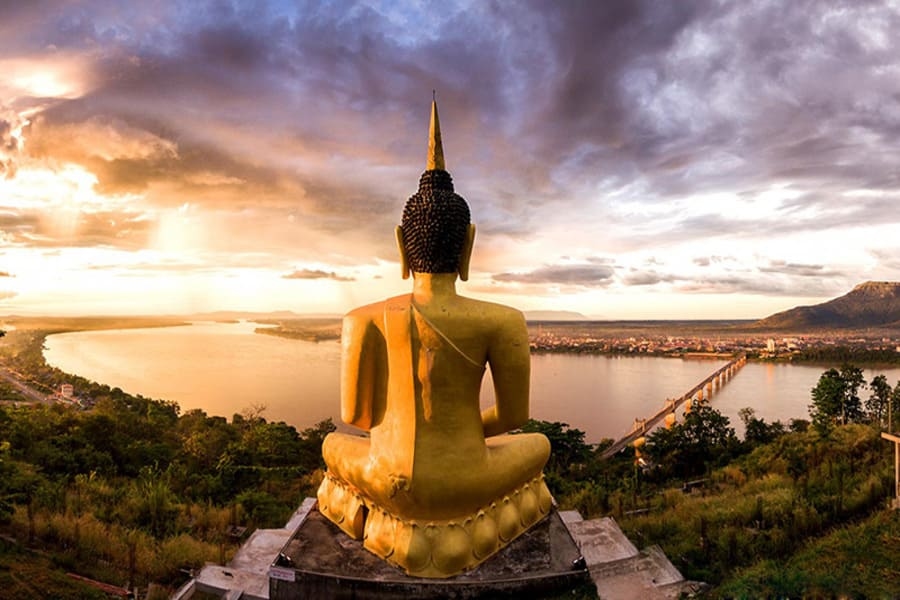
Pakse is also a great place to visit if you are interested in visiting other sites in and around Pakse, such as Wat Phou, a UNESCO World Heritage Site that is renowned for its ancient Khmer architecture, and the scenic waterfalls that are found on the Bolaven Plateau, such as Tad Fane and Tad Yuang Waterfalls. Pakse itself provides a pleasant riverside walk, local markets, and restaurants that provide great views of the Mekong River, and it is a great staging post if you want to go on a motorbike tour of coffee plantations and rural villages around Pakse.
Thakhek
Thakhek is an unpretentious riverside town in the center of Laos, situated along the Mekong River and close to the Thai border. Being the capital of the province of Khammouane, Thakhek is famous for its stunning karst landscape and colonial buildings. There is an air of tranquility in this town because of the broad roads, old buildings, and the scenic views of the river. Thakhek is situated close to hills, caves, and countryside, making it an essential hub to explore the natural wonders of Laos.
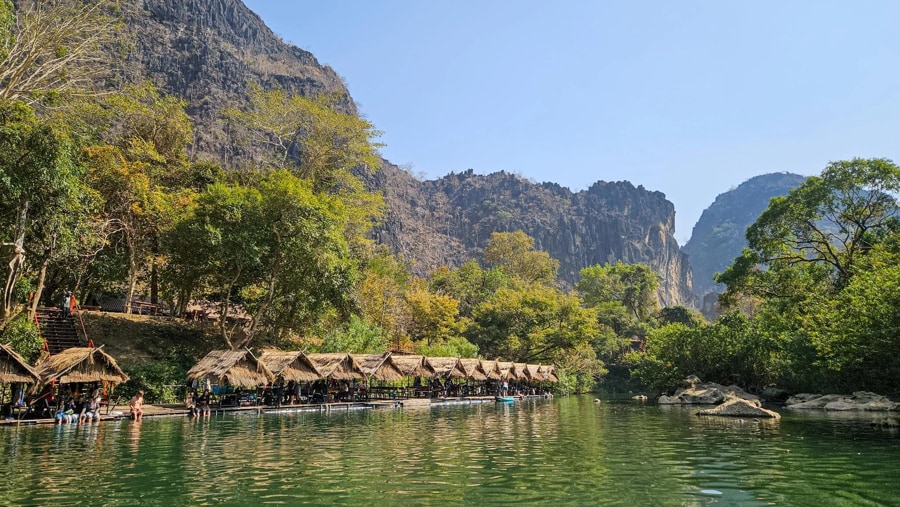
Tourists who visit Thakhek usually do so because of the outdoor adventures it provides. The Thakhek Loop is one of the main tourist attractions in Thakhek, as it is an exciting motorbike ride through limestone ranges, caves, and local villages. The main attractions in the Thakhek Loop include the Kong Lor Cave, which is characterized by an underground river passing through an enormous karst cave, and the smaller caves dotted in various parts of the region. Furthermore, tourists can choose to cycle, kayak, or take walks along the riverside in Thakhek.
Luang Namtha
Luang Namtha is a smaller town in the northern region of the country, close to the boundaries of China and Myanmar. The topography of the region, that is, mountains, rivers, and dense forests, has made Luang Namtha famous as the entry to the Nam Ha National Protected Area, a region that is of prime importance in the protection of the region’s environment and biodiversity. Luang Namtha provides a peaceful environment and a rich sense of ethnic diversity, with several ethnic groups such as Akha, Lante, and Khmu found in the surrounding villages.
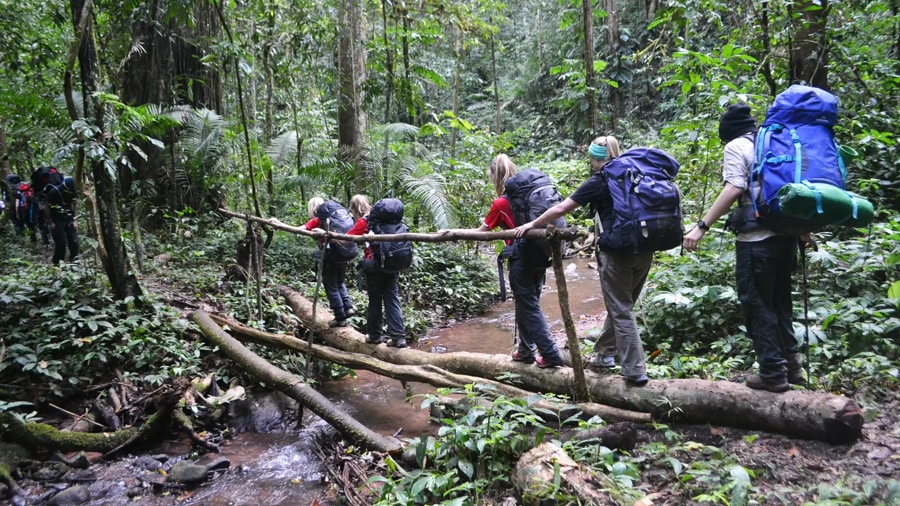
Luang Namtha tourism also offers visitors opportunities to undertake trekking, jungle walking, and home-stay programs where visitors get to understand the local ways of living. Visitors can also take part in kayaking along rivers, cycling through countryside environments, and forest walking guided by professionals within the national protected area of Luang Namtha. Luang Namtha contains local markets for visitors to explore and offers Lao and hill tribe foods for visitors to get a taste of local culture. Luang Namtha stands out due to its emphasis on sustainability, nature, and visiting cultures.
Final Thoughts: Are Cities In Laos Worth Visiting?
The cities of Laos are a joy to explore, offering a distinct fusion of cultural heritage, landscapes of grace, and a pace of life. Whether it’s the cultural hubs of Luang Prabang or other places of serenity by a river, or developing metropolises, all of these places have something to offer travelers when it comes to immersing themselves in local culture and enjoying lovely landscapes without any crowds. For all your travel needs to explore the most stunning cities of Laos, get organized itineraries and expert travel solutions from Seni World.


