


Cold Food Festival is an East Asian festival and holiday of ancestral remembrance and heritage. During the Cold Food Festival, people refrain from cooking with fire and eat cold dishes while paying respect to ancestry and heritage.
Introduction To Cold Food Festival
The Cold Food Festival is a unique kind of food festival, which is mainly recognized in Vietnam and several other parts of the world. The essence of this festival solely lies in enjoying cold dishes that have been prepared beforehand with motifs of frugality, remembrance, and paying respect to ancestors. While it is very closely tied to foods such as bánh trôi and bánh chay in Vietnam, in other cultures, it stresses seasonal eating and historical customs. This has developed over time into a significant occasion for food appreciation combined with cultural identity.
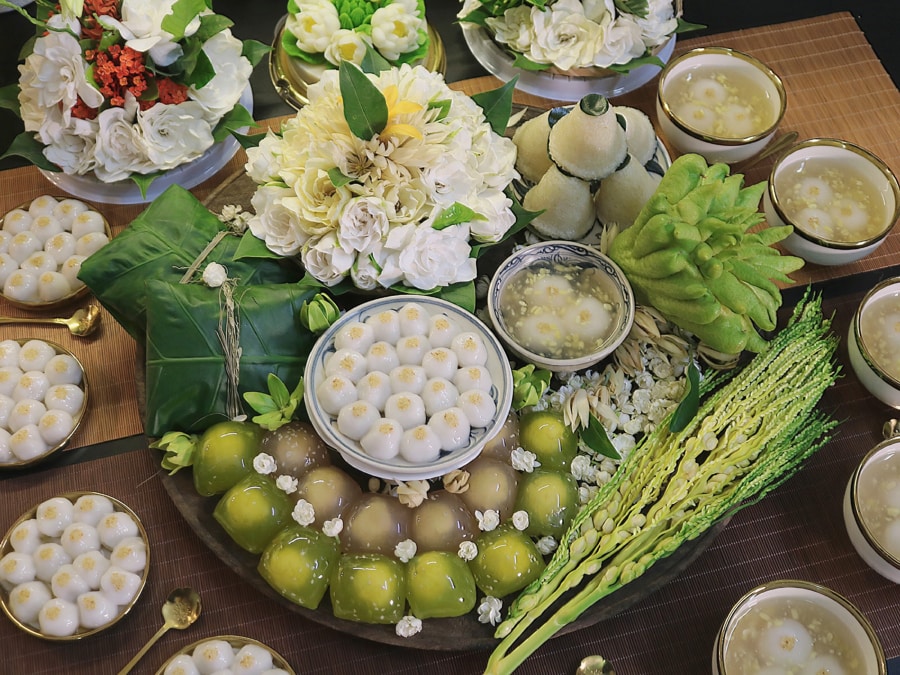
The experience of the Cold Food Festival allows people to slow down and connect with cultural values anew in the context of food. People get to experience each food’s symbolism and meaning, its traditional ways of preparation, and the history behind each traditional dish’s creation. The experience also promotes the idea of eating and having families, which might be appealing to those who want to connect with culture as they travel. The simplicity and depth of the Cold Food Festival make it worth visiting even in today’s global world.
History Of Cold Food Festival
The Cold Food festival has its origins in ancient cultures in East Asia, particularly in the celebrations of the Chinese Hanshi festival, which dates back over two thousand years. According to historical records, the festival is celebrated by commemorating a loyal officer named Jie Zitui, who died in a fire. To honor his memory, the Chinese abstained from using fire on this day and instead ate only cold food. Today, this has been turned into a cultural tradition to honor loyalty and the commemoration of the past.
With the further assimilation of the festival in areas including Vietnam, the meaning also evolved in sync with the native culture. In Vietnam, the Cold Food Festival falls on the third day of the third lunar month and has a connection with the reverence of ancestors rather than the original story. The nomenclature ‘Cold Food Festival’ signifies simplicity, deliberation, and intergenerational continuity through the metaphor of food, like ‘bánh trôi’ and ‘bánh chay.’ Although it does not feature public celebrations, the festival holds cultural importance in terms of kinship, reverence for the forefathers, and the tradition of food values.
Unique Traditions And Highlights Of Cold Food Festival
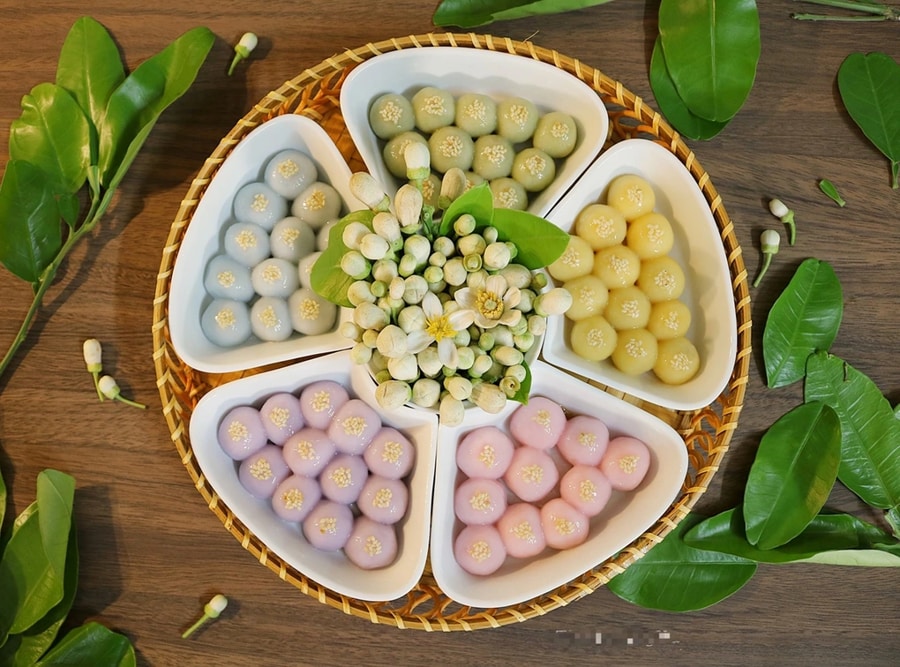
The Cold Food Festival is distinguished by simple and yet important traditions related to food and ancestor remembrance rather than public celebrations. It includes preparing dishes in advance and avoiding fire on the day of celebration. Banh Troi and Banh Chay are traditional dishes in Vietnam. They represent harmony, purity, and appreciation. First, these dishes are offered to ancestors and then shared among the families.
Another significant highlight of the Cold Food Festival is the ancestral worship at home. This involves cleaning the altar at home to signify respect and commemoration for the festival. The unique feature of the Cold Food Festival is that it does not require cultural activities to be performed in public. Instead, it requires people to focus on their cultural values, which signify not only awareness but also respect towards history and the promotion of food culture obtained over the years.
3 Unforgettable Experiences You Shouldn’t Miss
Cold Food Festival has activities that are deeply rooted in tradition, family, and self-reflection. With the activities, tourists are able to have a closer connection to the culture through these traditional and symbolic activities.
Try Traditional Cold Food Dishes
Having traditional cold dishes is the most important thing to enjoy during the Cold Food Festival. In Vietnam, people enjoy traditional cold foods in Vietnam such as Banh Troi and Banh Chay, which are made from glutinous rice. It symbolizes purity, unity, and respect. Cold foods are also historically significant, and living in harmony with nature is also important. When visitors taste these foods during the festival, they can absorb cultural value, which is often related to ingredients used, in a peaceful atmosphere like that of families.
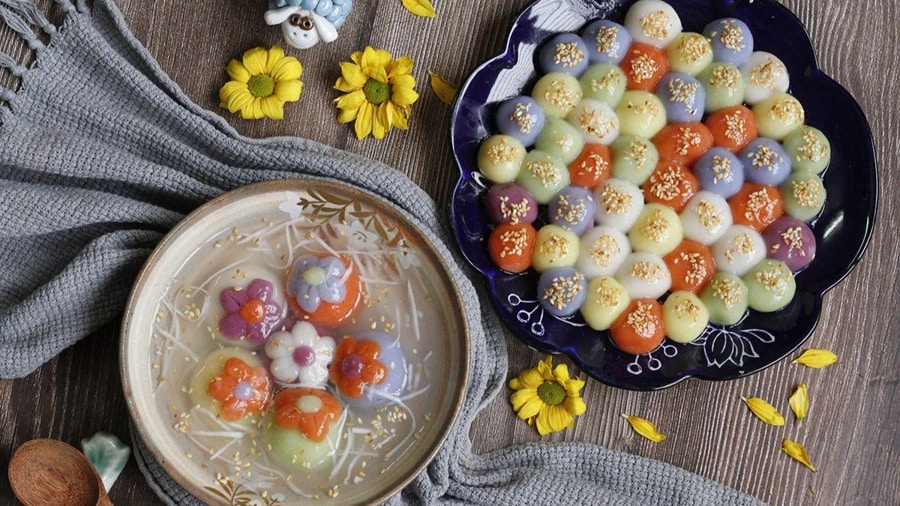
Participate In The Rituals Of Ancestral Offerings
One can feel a much stronger cultural attachment to the Cold Food Festival when ancestral offering rituals are involved. Families prepare house altars with cold food and incense for ancestors in a respectful manner. Visitors can also go and witness or share in these quiet ceremonies to learn about appreciation, memory, and family values. The quiet moments of reflection, continuity of culture, shared traditions, and meaningful home practices today make the spiritual tone of the festival emerge, where food becomes a bridge between generations, history, and daily life.
Prepare Cold Food Dishes With Local Families
It is an important hands-on activity to participate in cold food dish preparation at the Cold Food Festival. Families bond in making rice dumpling shapes, boiling, and storing them for future usage in the festival. People can participate and get involved in preparing cold food dishes with locals and learn how and why they have been doing it for such a long time. It is an activity that encourages patience, cooperation, and commitment to traditions, helping one connect with their cultural heritage and identity through food and its annual celebration worldwide today.
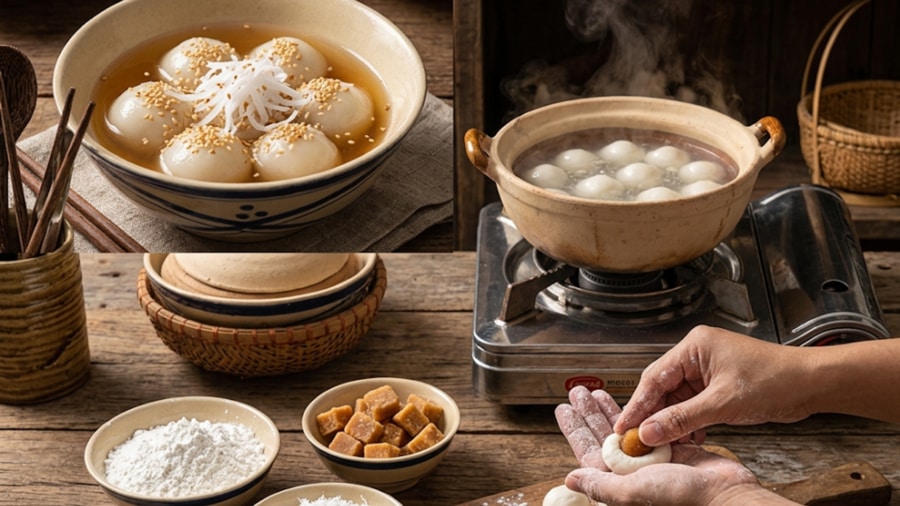
Entrance Fee
There are no entrance fees at the Cold Food Festival because people celebrate it at home and with their families. The activities conducted during the festival are also free of charge, apart from cultural classes and food expenses, which may range from 2 to 6 dollars for each individual. People can also prepare offerings to place at different pagodas or altars to pay respects to ancestors according to their will and belief; however, such activities do not impose a compulsion on tourists to pay any specific fee.
Opening Hours And Event Schedule
The Cold Food Festival is held annually on the third day of the third lunar month, which normally falls in March and April. As it is a traditional community-based festival, there are no set hours of opening. The rituals and food offerings take place in the morning, ranging from 7:00 AM to 11:00 AM, whereas a visit to temples and pagodas occurs between 8:00 AM and 5:00 PM.
The best time to visit the Cold Food Festival would be during the morning hours of the day when the people prepare their offerings and when the traditional atmosphere is more visible. This would be the right time even for visitors to avoid large crowds and to observe traditional activities in peace. The late morning would be the best time to try the food related to the festival.
How To Get To Cold Food Festival
There are no special places to go to enjoy the Cold Food Festival, since it is a traditional celebration held across Vietnam by families in different places. Instead of converging at a particular venue to enjoy the festival, people celebrate this event at home and in various places in their neighborhoods and various markets. Since people celebrate it in different places, it means that one does not have to go to a particular place to enjoy the event.
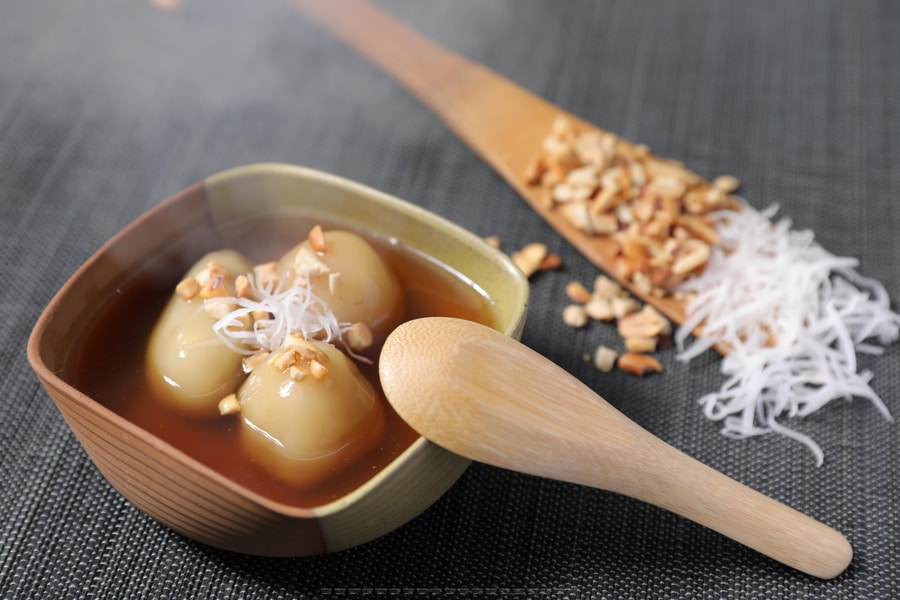
In order to experience the Cold Food Festival, tourists can simply be present in Vietnam on the day of the festival. In addition, tourists can also visit different residential areas or traditional markets to witness the traditions and practices of locals during the festival season. The festival has a decentralized pattern; thus, one can easily experience and access the festival by visiting different locations.
Things To Know Before Enjoying The Cold Food Festival
The Cold Food Festival is an introverted, traditional celebration that predominantly focuses on family rituals and cultural values without excessive forms of public events. By understanding the local customs, visitors will participate in the festival respectfully and meaningfully.
-
Because the festival falls on the third day of the third lunar month, it is recommended that visitors plan, considering the lunar calendar, to avoid missing the celebration day.
-
Most traditional activities occur during the morning, which includes the preparation of cold dishes and ancestral offerings, thus making the early hours the best for observing authentic customs and cultural practices.
-
At homes, temples, or pagodas, visitors should dress modestly and speak in a low tone of voice to show respect for spiritual places and family-centered traditions.
-
Traditional cold foods carry symbolic meanings pertaining to purity, harmony, and remembrance, so learning about such dishes develops appreciation beyond just tasting.
-
Photography must be done discreetly and when appropriate, for instance, during private rituals or prayer moments in life, as a respect for personal belief and cultural sensitivity.
FAQs About Cold Food Festival
The Cold Food Festival is a traditional ceremony that carries significant cultural relevance and serves to commemorate deceased ancestors. Here are some of the most popular questions about this festival, along with answers that make it easier to understand its role and influence in Vietnam.
-
What is the Cold Food Festival, and why celebrate it?
The festival mainly focuses on cultural activities like ancestor remembering and consuming food. During the festival, people eat pre-made food items at cold temperatures to show their thanks to history and the cultural importance of family values. Likewise, in the case of Vietnamese culture, people basically express their thanks to their ancestors rather than conducting any festival or celebration related to the festival.
-
When is it best to experience the Cold Food Festival?
The festival is celebrated on the third day of the third month of the lunar calendar, usually in late March or early April. The optimal time to experience and participate in this festival is in the morning when families make their offerings and breakfasts. This time allows visitors to get an authentic experience with minimal crowds and an insight into how culture is practiced at various homes and families.
-
Are international visitors permitted to take part in the Cold Food Festival?
Yes, it is actually possible to participate and have a chance to witness the Cold Food Festival by observing local customs, local markets, and local temples or pagodas. It does not demand particular language skills or prior preparation. Visitors can actually participate by showing respect, being modestly clothed, and reading up on the symbolism of traditional food.
Final Thoughts: Is A Cold Food Festival Worth Visiting?
If you are thinking of visiting a spot where you can experience a peaceful yet culturally enriching encounter, then the Cold Food Festival is definitely worth attending. This celebration of cold food in Vietnam may not present anything relevant to thrill seekers and adventure enthusiasts, but for a culture-conscious tourist who wants to experience cultural richness and history, this festival is definitely not to be missed. Let Seni World help you experience the cold food festival in Vietnam today.
Content Seniworld
Subscribe
Login
0 Comments
Oldest


