


The Prison of Con Dao is one of the most haunted yet historically important locations in Vietnamese history. What was known as “Hell on Earth” is now a national memorial dedicated to the bravery of thousands of Vietnamese revolutionaries.
Introduction To Con Dao Prison
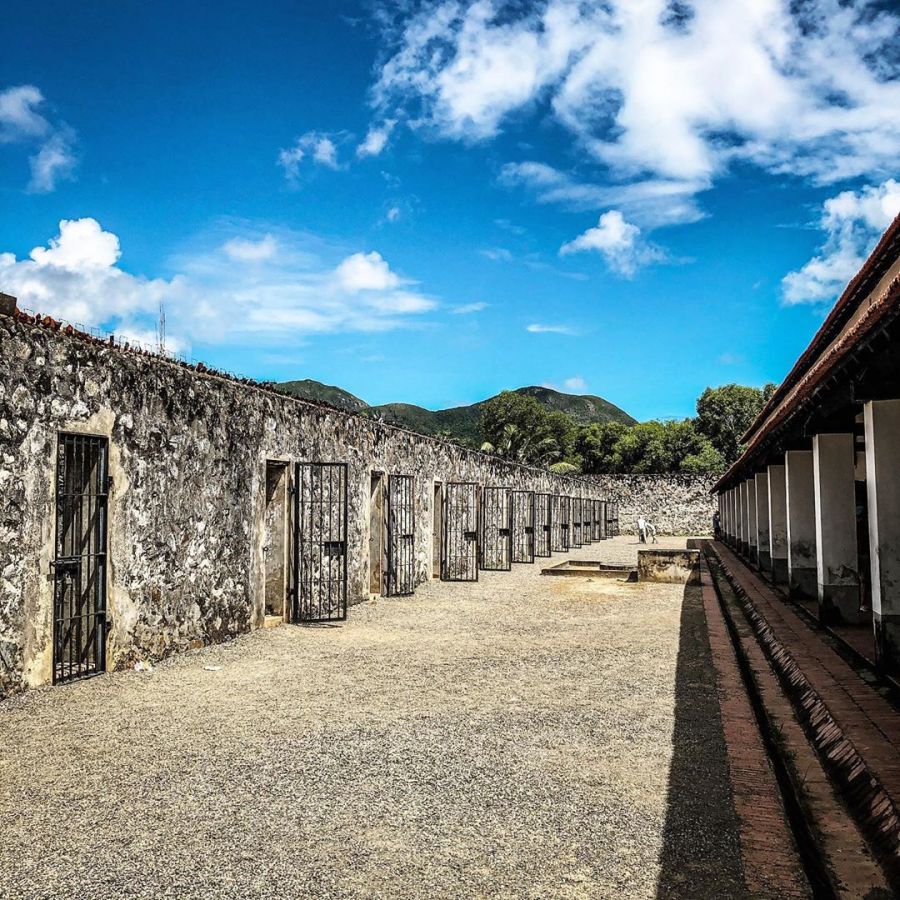
Con Dao Prison is one of the most significant yet eerie locations you’ll visit in Vietnam, located on the isolated Con Dao archipelago off southern Vietnam. Constructed by the French in 1862, and later utilized by the Americans, the prison housed thousands of Vietnamese revolutionaries and political prisoners during the struggle for independence. Today, the prison serves as a living museum that preserves the painful, yet heroic memories of those who died for the nation’s freedom.
Walking the grounds of Con Dao Prison allows travelers to step into history. You will walk through the notorious “tiger cages,” stone cells, and displays of artifacts and stories of survival. And while you will certainly feel the heaviness of its history, the site is also the embodiment of a message of hope, courage, and the indomitable spirit of the Vietnamese people. A visit to the prison is certainly an unforgettable cultural moment on Con Dao Island.
History Of Con Dao Prison
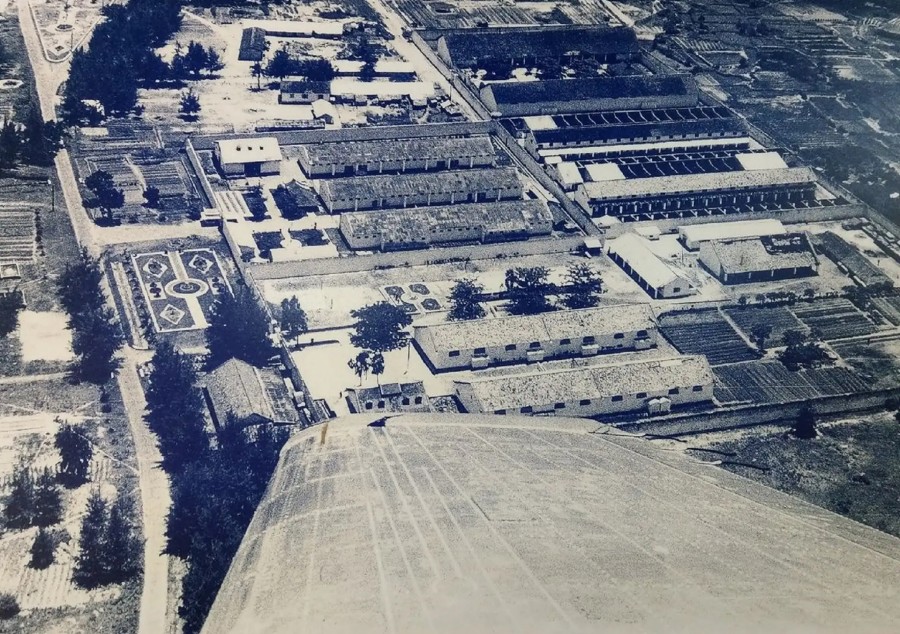
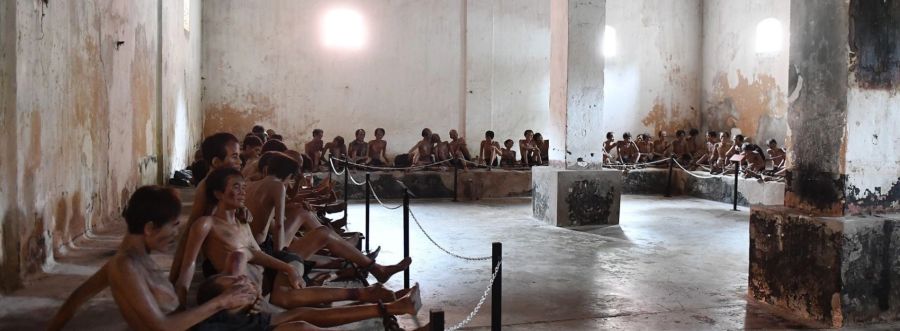
Con Dao Prison has its origins in the French colonial years, starting in 1862, when Governor Bonard ratified a decree changing the island into a detention place for political prisoners. The prison architecture was created during this era and developed into a system with notably terrible facilities, including the notable Phu Hai, Phu Tường, and the aptly-labeled “French Tiger Cages.” Prisoners suffered in small, dark rooms while undergoing brutal torture. The prison represents extreme measures of colonial torment.
In the post-French victory of 1954, South Vietnam, under a firm alliance with the United States, assumed control of the island. The prison was further expanded to add additional compounds, which in 1954-1975 included the American Tiger Cages and Phu Binh Camp, among other cells, in which revolutionary soldiers experienced additional torture. Prison repression increased drastically during this time, and thousands of prisoners endured torture in extremely poor conditions.
After reunification in 1975, the former Con Dao Prison was officially closed. In 1979, the Ministry of Culture and Information recognized the site as a national historical monument and preserved 17 relics related to the site. The prison had roughly 200,000 political prisoners during its 113 years in operation, with around 20,000 prisoners dying in Côn Đảo. The remaining memorial sites, including the French and American Tiger Cages, the Stone Cell, and the Cow Dung Cell, contribute to our history of suffering and heroism in Vietnam.
Unique Architecture Of Con Dao Prison
The Côn Đảo Prison complex is an immense historical site that is divided into various segments, each with a different architectural design. The various buildings indicate the harsh prison environment created by the French, later extended by the Americans, which was meant to govern, isolate, or punish political offenders. Now, we will discuss the most important parts of this historical site.
Phu Tho Camp (Camp 1)
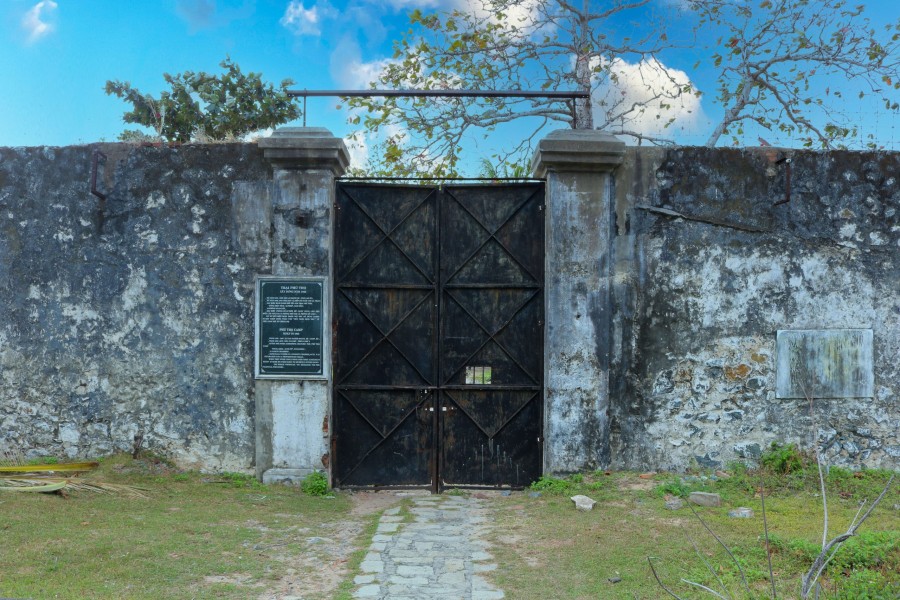
The camp was constructed in 1928. The camp’s size is measured at 12,700 square meters. It comprises three cell blocks, a kitchen, a medical station, a mess hall, and solitary-confinement cells. Other isolation cells and detention blocks, including the ‘Tiger Cages’, which saw extreme torture of the convicts, were constructed during the French regime as well as by the Americans.
Phu Hai Camp (Camp 2)
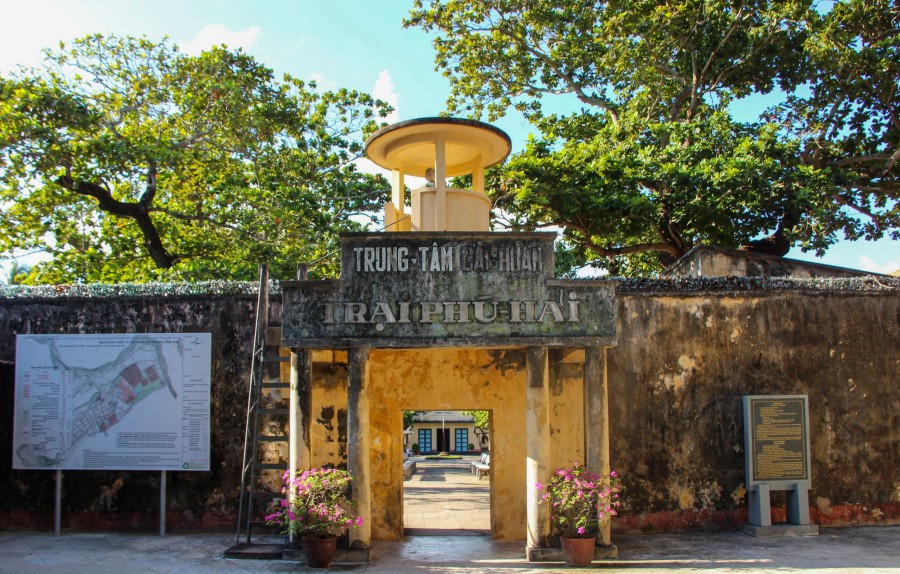
Established in 1862, the Phu Hai Camp is the oldest among the camps, measuring an impressive 12,040 square meters. It comprises two cell blocks, 20 solitary cells, a chapel, a lecture hall, a quarry, as well as an office for the warden. This was one of the prisons where Vietnamese revolutionaries languished.
Phu Son Camp (Camp 3)
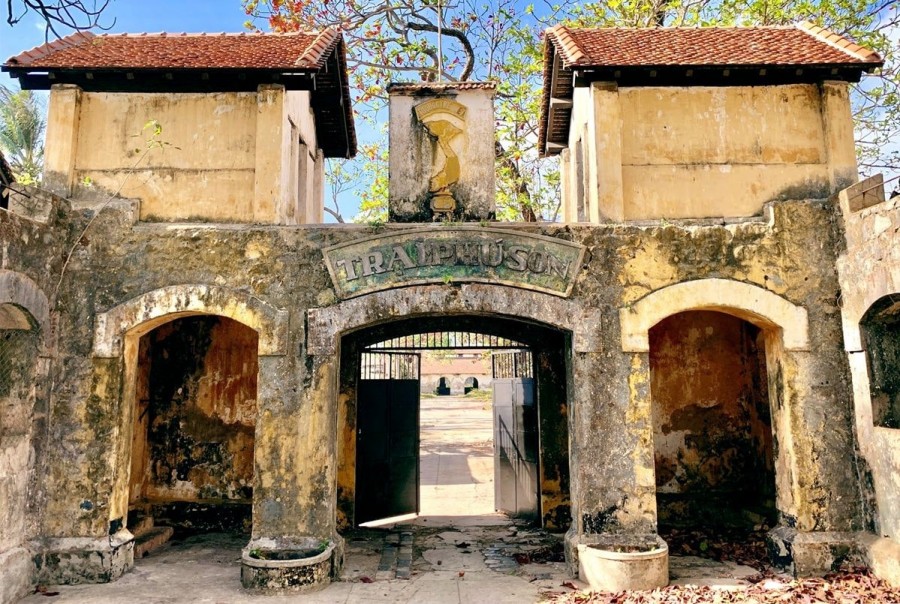
Constructed in the year 1916, this camp measures 13,228 square meters, consisting of 13 large cells, 14 solitary cells, a warden’s office, a temple, and courtyards. The building, despite its ominous usage, represents the architectural designs of the early 20th century.
Camp 4 & Camp 5
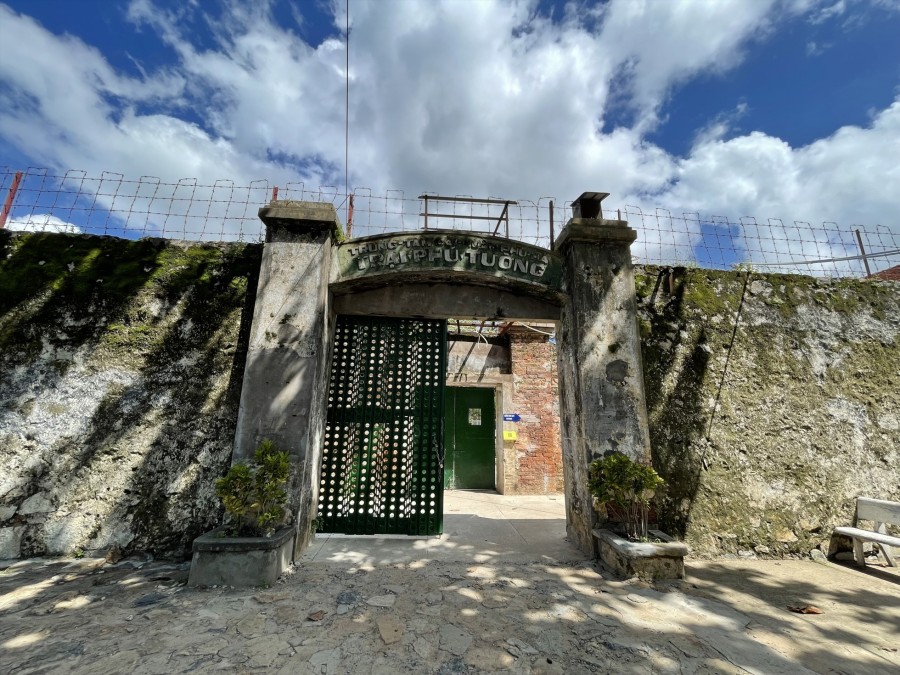
The area of Camp 4 measures 5,804 square meters. It has eight cells, a store room, a sick bay, as well as a kitchen. The smaller Camp 5 consists of 12 communal cells aligned in three tiers, together with a food-preparation area. The inmates of both camps comprised those during the later periods of French or American administrations.
Phu An Camp (Camp 6)
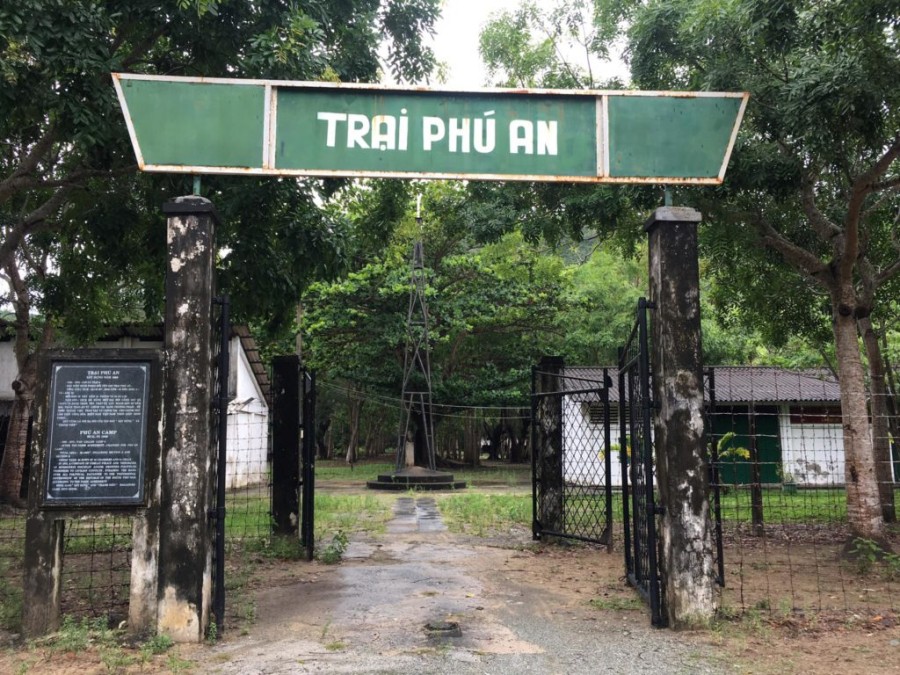
Spanning 42,140 square meters, this camp was divided into two zones, each with 10 rooms and 4 solitary confinement cells. It also included a medical room, kitchen, and multiple gates, reflecting the expansion of the prison during wartime.
American Tiger Cages (Phu Binh Camp/Camp 7)
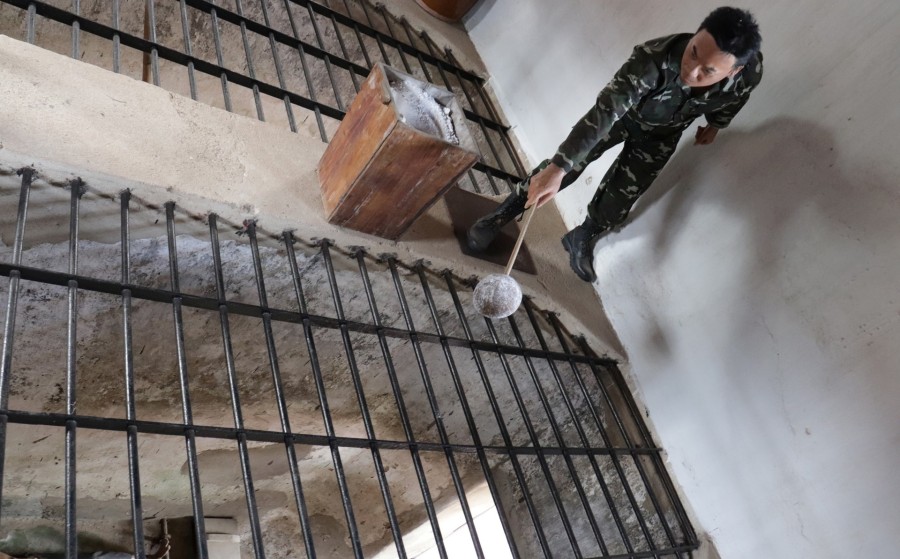
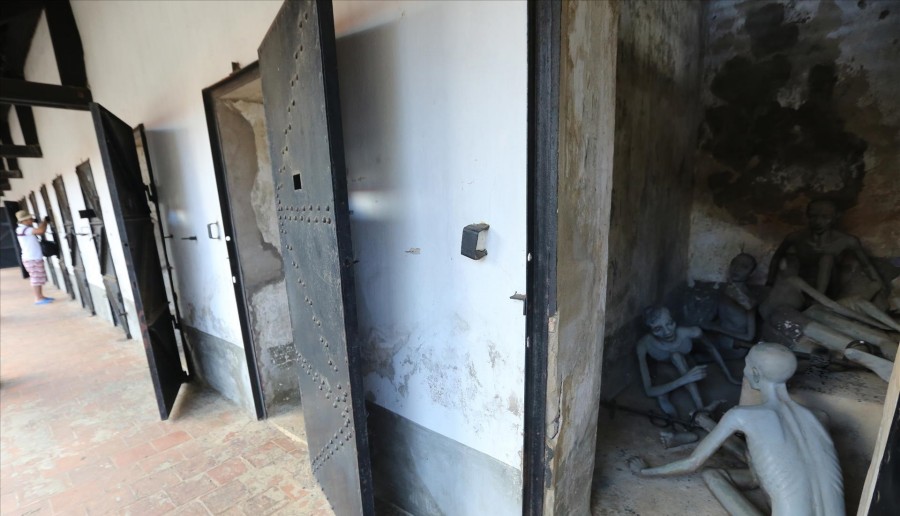
Spanning an area of more than 25,000 square meters, this area was divided into eight zones from A to H, each consisting of 48 ‘tiger cages’. The inmates of this cell received sunlight, food was denied, and they were subjected to intense light and noise. Today, this is one of the most horrifying spots from the war period.
Phu Hung Camp
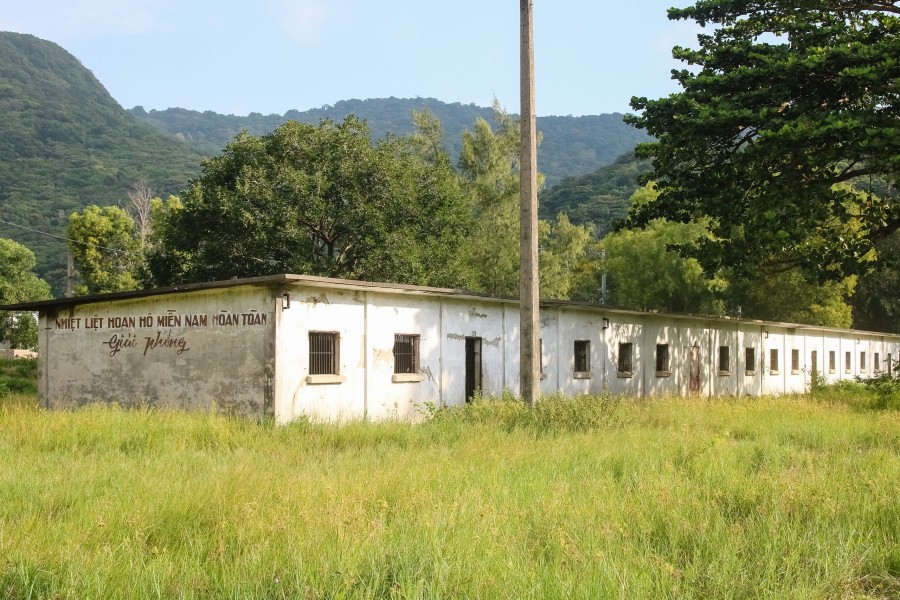
The smaller camp was constructed with two tiers of cells, ten detention cells, a watchtower, as well as a warden’s office. The camp was mainly intended for use near the closure of the prison.
Cow Shed Area
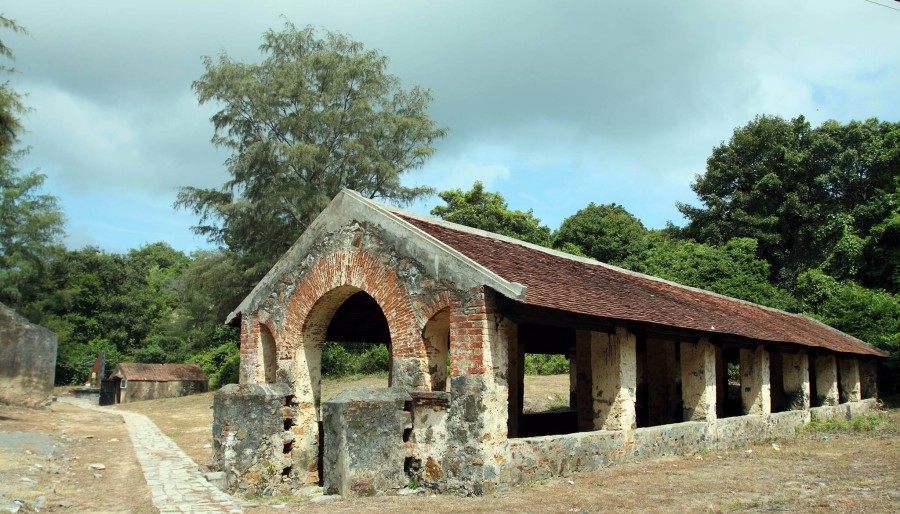
This was one of the toughest parts of the prison. The region housed detention cells, pigsties, as well as a pit that was 3 meters deep, where prisoners could be immersed in sewage. This can best be identified as an indication of the inhumanity that the inmates experienced.
Lime Kiln
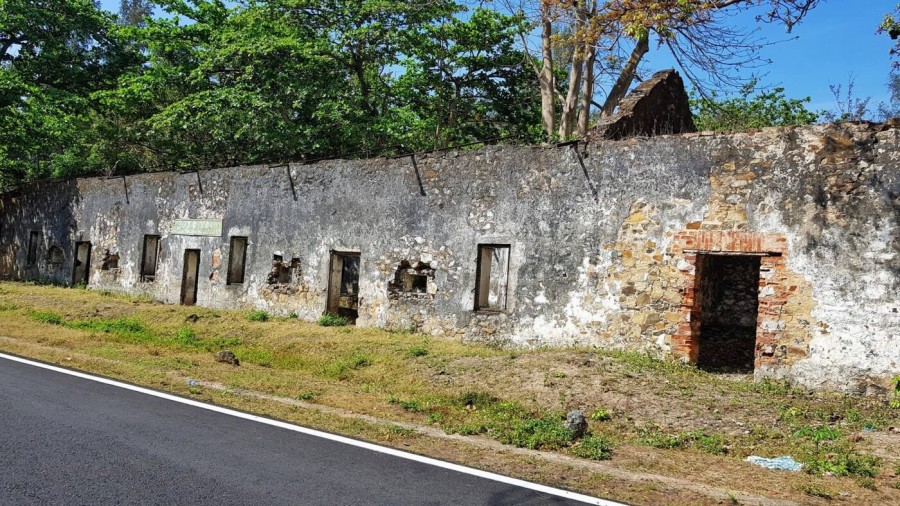
This section was used to compel the inmates into forced labor. Many inmates died there. They died from exhaustion, heatstroke, or suffocation.
Governor’s House
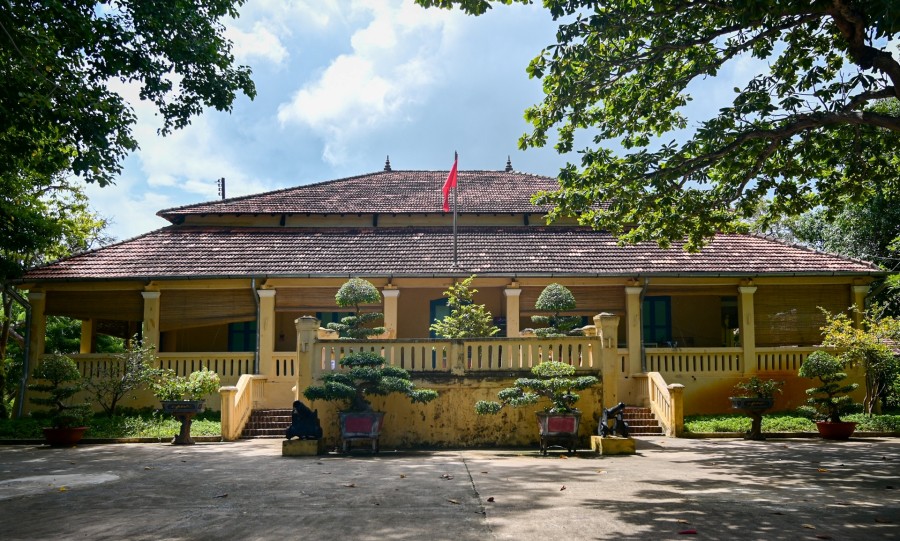
The building covered an area of 18,600 square meters. It was the home and office of 53 prison governors throughout history. It was later turned into an exhibition house after the year 1975, which shows the history of the island as well as the history of the inmates.
Public House
This was home to the famous French composer, Charles Camille Saint-Saëns, who finished his opera ‘Brunchida’ on this site. Today, it stands as a historical landmark. The site’s measurements amount to 850 square meters.
Hang Duong Tomb
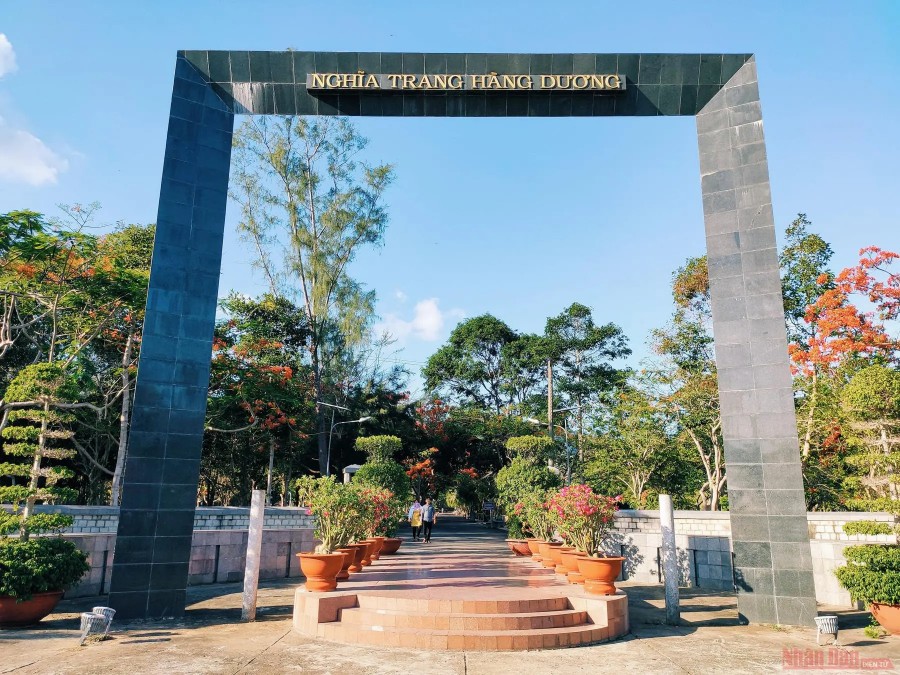
Covering an area of 20 hectares, it is the resting ground of tens of thousands of revolutionaries/patriots in graves built by the colonizers/imperialist oppressors themselves. It is a sacred site that millions of Vietnamese visit annually.
914 Pier
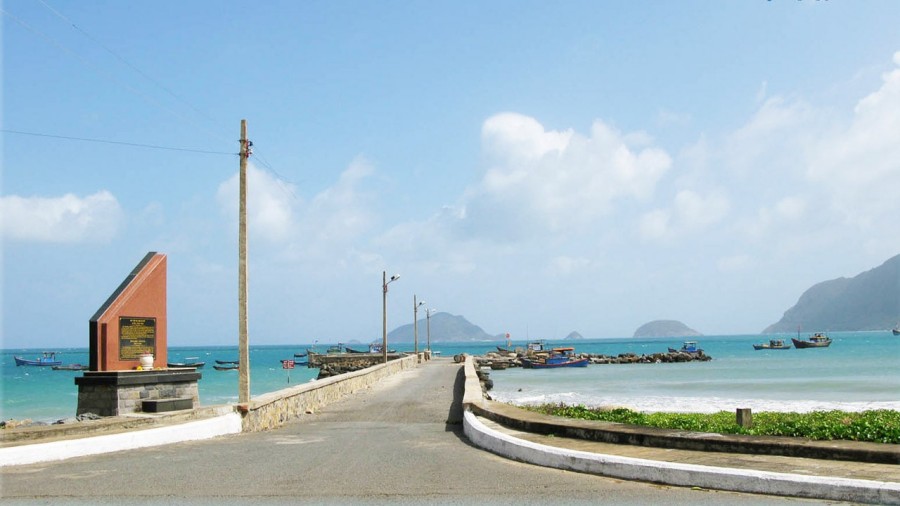
Constructed in 1873, this pier is 130 meters long and 4.8 meters wide. The naming of this pier, ‘914 Pier’, represents the number of prisoners who died during its time of construction.
Ma Thien Lanh Bridge
The structure was built from 1930 to 1945. The incomplete structure resulted in more than 400 prisoners losing their lives through forced labor and harsh conditions. Today, it serves as a place of commemoration of lives lost in the fight for freedom.
3 Unforgettable Experiences You Shouldn’t Miss
Visiting the Con Dao Prison is not merely an experience of a historical site, but it is an experience of traveling through time. There are a few experiences that one must not miss during their visit to this historical site. The experiences will transport them into another world of emotions.
Experience the Harsh Reality of Prison Life
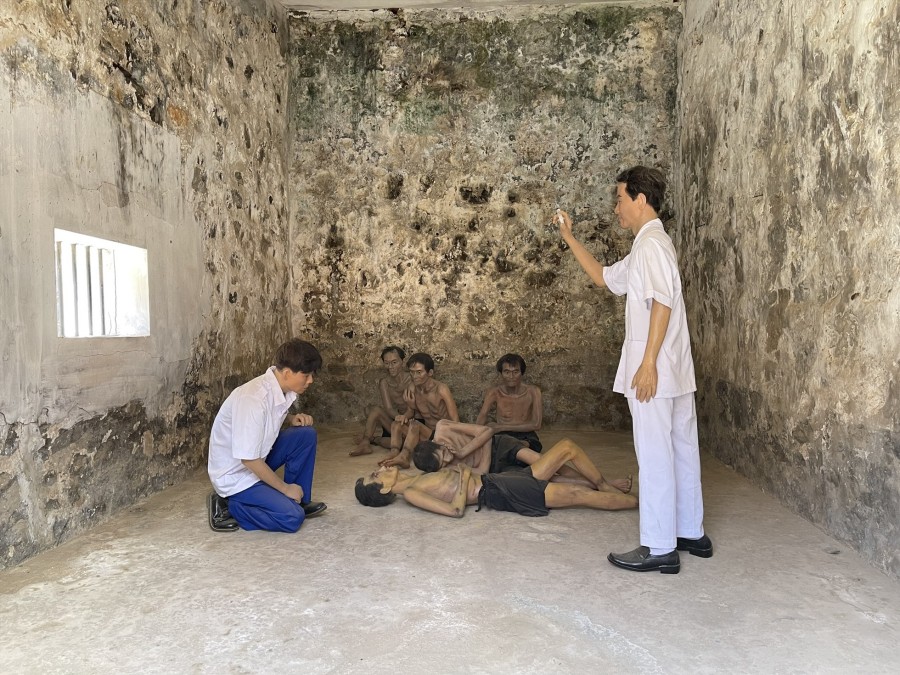
Enter the dark cells and experience firsthand the cold environment that the prisoners had been forced to endure. The world-famous “tiger cages” or “sunbathing cells” offer a glimpse into the harsh punishments that were meted out here. The rusty irons, the dim lighting, and the stifling environment all speak of experiences of agony. Coming into this area can give you a true sense of injustice.
Learn About Vietnamese History and National Spirit
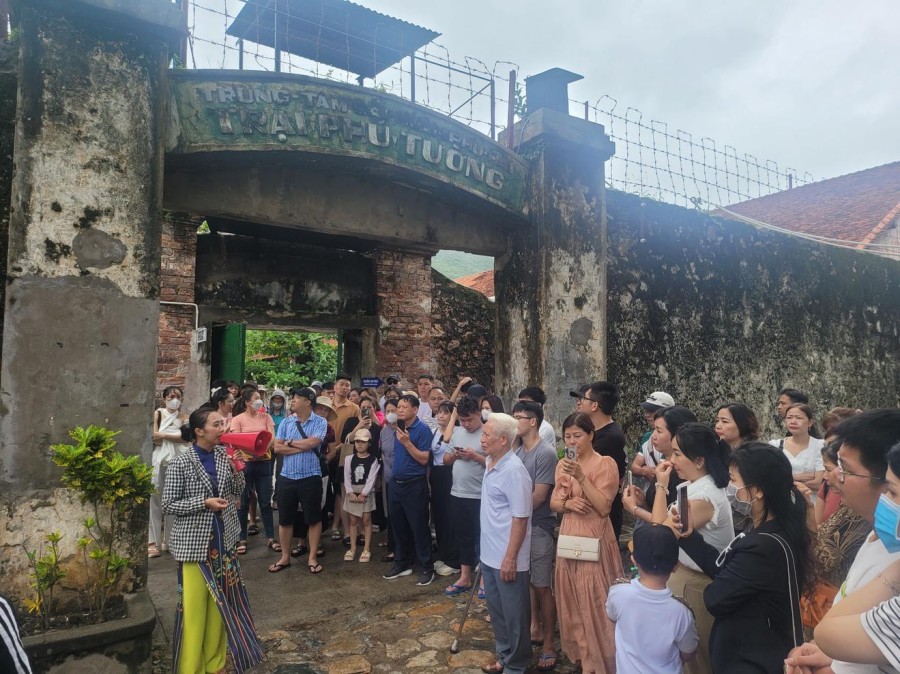
The Prison of Con Dao is not only an expression of suffering, but it also represents resilience and courage. While walking through this prison’s courtyards, tourists will understand the history of the Vietnamese battle for independence. Every single item on display, every document, every preserved relic speaks of the undying spirit of people who gave their lives to their nation. It is a deeply emotional experience in Con Dao.
Discover the Infamous ‘Cow Shed’ Region
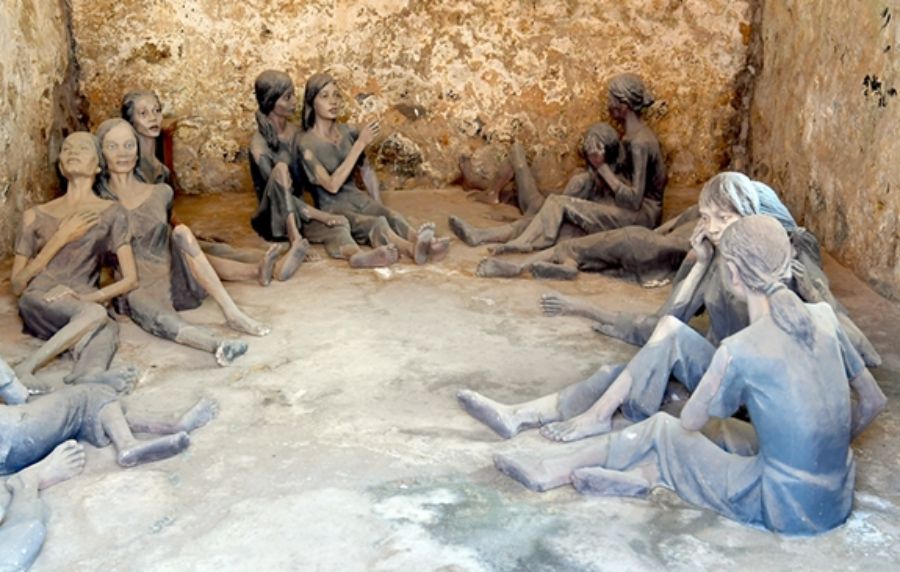
Aside from the main prison complexes, it is not worth overlooking the ‘Cow Shed’, which is arguably one of the most disturbing locations within the camp. This particular location was used as a place of punishment where inmates could be trapped inside dark and dirty cells, as well as immersed in animal feces. Today, this location remains a grim reminder of human intolerance and the resilience of those inmates.
Entrance Fee
Prior to visiting the Con Dao Prison, there is an entrance fee that allows tourists access to various historical points of interest inside. The cost of this entrance fee is very reasonable, making it convenient for all individuals to visit and understand the history of Vietnam. Using one entrance fee, tourists can visit all four historical points of interest, including the Phu Hai Prison, Phu Tuong (French Tiger Cages), Phu Binh (American Tiger Cages), as well as the Governor’s Palace.
Opening Hours
The Con Dao Prison is open from 7:30 AM until 11:30 AM, then it reopens from 1:30 PM until 5 PM. Visiting during the earlier part of the day is ideal since it will help you avoid the hot sun of midday.
The best time to visit this historic location, as well as the rest of the island of Con Dao, is from December to April of every year, which is the dry season. The climate is cool, with clear skies and a delightful sea breeze. If you visit from May until November, there will be rain showers, which could pose a problem in planning your itinerary. However, it will still be very serene.
How To Get To Con Dao Prison
Travelers can easily travel to Con Dao Prison, as you can access Con Dao Island by either air or sea. At Con Dao Airport, several airlines will have direct flights departing from locations such as Ho Chi Minh City (from 940,000 VND), Hanoi (from 2,000,000 VND), and Can Tho (from 1,600,000 VND).
For those who are more inclined toward sea travel, high-speed ferries to Con Dao can be accessed from various major cities, including Ho Chi Minh City, Vung Tau, Can Tho, and Soc Trang, for a price range from 360,000 to 950,000 VND, depending on class price and point of departure.
Once you reach the island, Con Dao Prison is located centrally in town, and bicycle, motorbike, or electric car rentals are available to facilitate getting to Con Dao Prison. The roads are very easy to travel down, which provides for a pleasurable travel experience throughout this island.
Things To Know Before Traveling To Con Dao Prison
Prior to visiting the Con Dao Prison, it is important that you consider the serious nature of this tourist destination. Here follow some guidelines which will ensure that you enjoy a significant visit:
- Wear proper attire, which means no scantily clad or garish outfits, as this is a place of significant historical value.
- Do not touch or disturb any of the artifacts on display or in the prison.
- Bring some light snacks and water, but make sure that you dispose of all trash.
- Keep your voice down and avoid making loud noises to maintain the solemn atmosphere.
- Come here early in the morning or in the late afternoon to escape the heat of the sun.
- Think of hiring a local guide. This will give you more insight into the history of the place.
- Be sure to be respectful. It’s not only a tourist site but also a place of remembrance of those who fought for the right to freedom.
Final Thoughts: Is Con Dao Prison Worth Visiting?
Con Dao Prison is a haunting yet powerful reminder of the history of Vietnam and the strength of its people. When you visit this site, you gain a raw emotional experience of the country’s struggle for freedom and learn about the many sacrifices made on its behalf. Con Dao Prison is a unique experience that lives inside of you. Today, explore this monument and more of Con Dao’s wonders with Seni World.


Related articles


