


The Dong Van Karst Plateau is a UNESCO Global Geopark located in northern Vietnam. Visitors can see breathtaking limestone formations, steep valleys, and traditional ethnic minority villages. The ancient karst landscape offers stunning views and cultural riches you will never forget.
Introduction To Dong Van Karst Plateau
Situated in the northern highlands of Ha Giang, the Dong Van Karst Plateau Geopark covers more than 2,356 km², at elevations of between 1000-1600 m. As a UNESCO Global Geopark, it features striking limestone summits, deep valleys, and cultural richness in its diversity across four districts.
Travelers are fascinated by the beautiful landscape and its ancient geology, over 400 million years old, and unique ethnic communities. There is stunning scenery, unique stone formations, and a genuine village experience, making for a top bucket-list location in northern Vietnam.
History Of Dong Van Karst Plateau
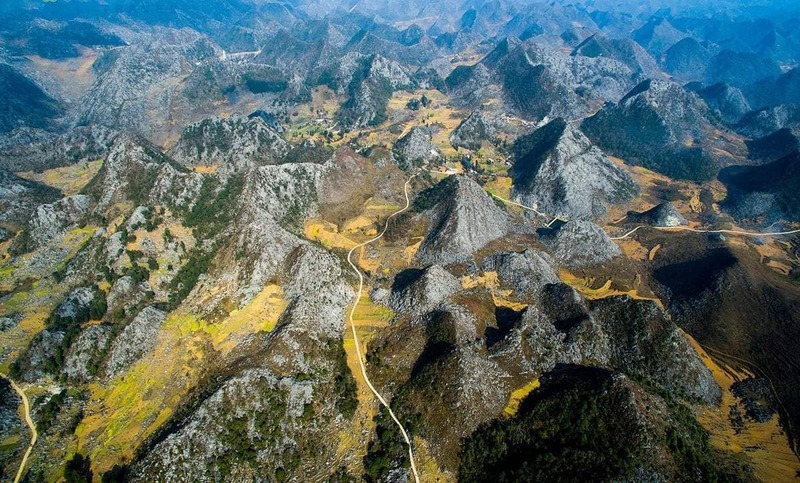
Dong Van Karst Plateau is one of the oldest geological areas in Vietnam, derived from the ancient block of South China. The region had once been a part of the supercontinent Gondwana that formed hundreds of millions of years ago.
The sedimentary rock layers exposed at Dong Van Karst Plateau were formed as recently as the Cambrian Period over 550 million years ago, and have experienced as many as seven geological ages. The area has plentiful fossils, signs of karst formation, and evidence of tectonic history that tells of planet Earth’s long-lasting and varied history.
The limestone mountains, deep dark caves, and deep sink holes have already been shaped by natural forces every day over millions of years. The spectacular karst landscape and geological layers of ancient rock will help visitors appreciate the length of geological time.
Given the distinctiveness of both geological and cultural values, Dong Van was approved as the first Global Geopark in Vietnam on October 3, 2010. Dong Van was designated the second Global Geopark in Southeast Asia.
Unique Architecture Of Dong Van Karst Plateau
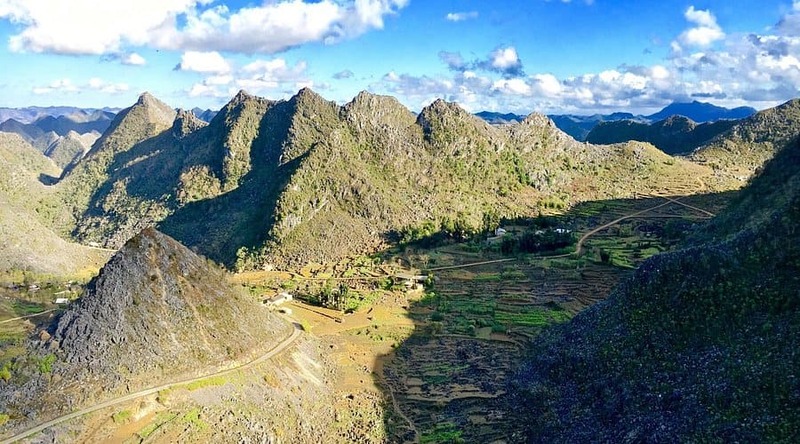
The Dong Van Karst Plateau consists primarily of enormous limestone mountains, which results in a rugged yet beautiful landscape that combines summit and foothill plateaus, hills, low mountains, and valley landforms. Located in the northern part of Ha Giang, the Dong Van Karst Plateau includes regions within four districts: Quan Ba, Yen Minh, Dong Van, and Meo Vac.
The Dong Van Karst Plateau is a spectacular landscape of limestone peaks, valleys, rivers, and hills with karst features that reach up to 2,000 meters in elevation, deep faults, and 500 million years of multiple geological strata that are beautiful yet also scientifically fascinating.
8 Cultural Experiences You Shouldn’t Miss
Dong Van Karst Plateau is not only characterized by amazing cliffs and rock formations, but it is also a place with rich traditions, great history, and honest rural life. Here are essential experiences that will help you to do this great area justice.
Visit The Old Quarter Of Dong Van
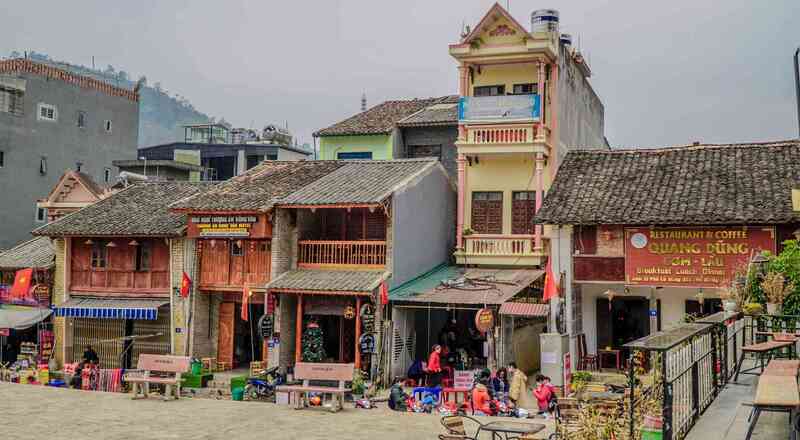
Located in the centre of Dong Van town, the Old Quarter of Dong Van has existed for over a century, and the charm of its houses is created in a U-shape and built with yin-yang tiled roofs and thick earthen walls according to the architecture of ethnic minorities.
Early in the morning or in the late afternoon, the entire street is bathed in the same romantic, golden light; a great time to take pictures and enjoy the course of the daily life of the locals. Don’t forget to enjoy a hot coffee at Café Pho Co (translation: Old Quarter Café), this coffee shop is located in a quaint 100-year-old house.
Cross Tham Ma Pass
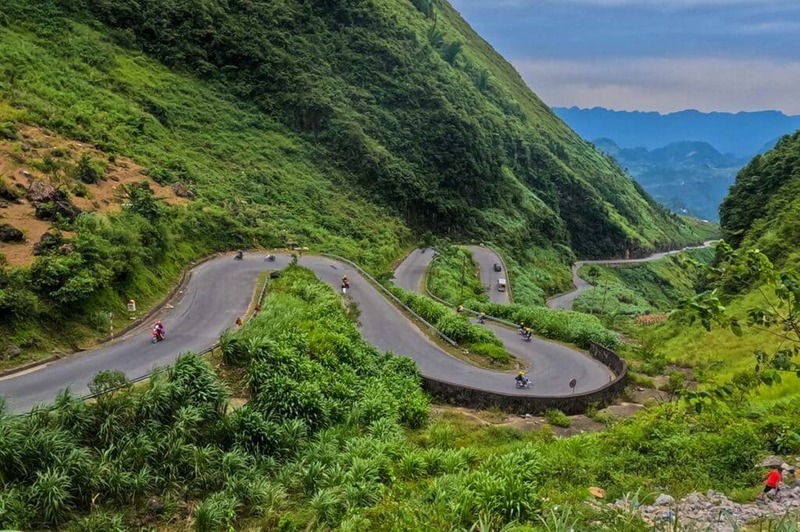
Tham Ma Pass is not just one of the most exciting roads in Northern Vietnam; it also stands as a symbol of hardship and perseverance. It is around 5 km, with nine sharp, turning curves, and connects Yen Minh and Dong Van districts. The name Tham Ma comes from a historical tale about testing the strength of horses on the steep pass. Today, it is a frequently visited spot for travelers seeking to push their limits and take stunning panoramic views of the highlands.
Visit The Palace Of The Hmong King
Otherwise known as the Vuong Family Mansion, this majestic building is the former home of a very powerful Hmong royal family. Construction started in the early 1900s and took over 8 years to finish. To this day, the property combines traditional Chinese architecture while making use of local materials like stone. rare wood and clay tiles.
The property also includes stone fortifications and towering sa moc (cypress) trees, and was originally built to prevent invasions. The property shows the wealth and clout of the Hmong people during this period. The property is now a protected national heritage site, giving visitors a taste of the past in the region.
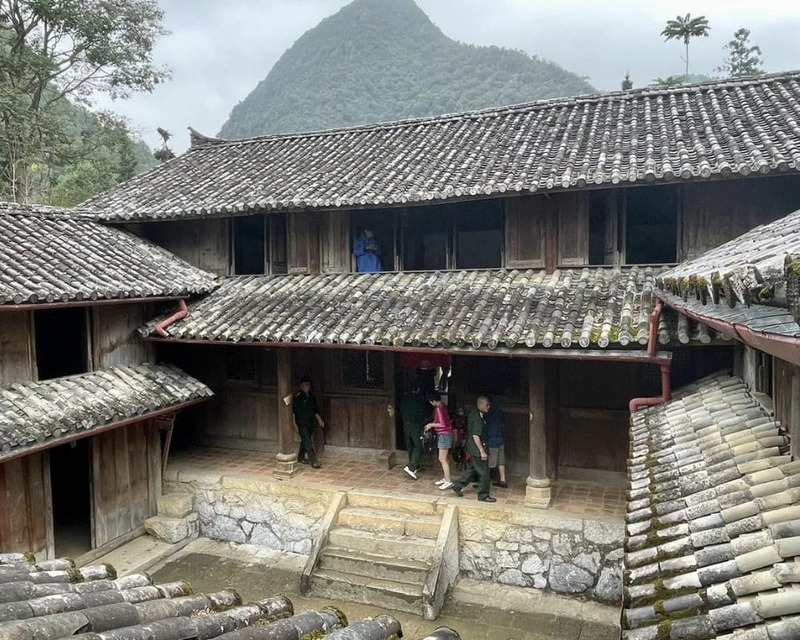
Nho Que River Boat Trip
Drifting down the jade-green waters of the Nho Que River is an experience like no other in Ha Giang, blissfully tranquil, and provides another opportunity to look at the spectacular Dong Van Karst Plateau. Instead of looking down on the plateau from a mountain viewpoint, you will look up at the limestone mountain walls of Tu San, making it much different from your mountain exploration. Whether you row yourself in a kayak or hire a motorboat to carry you. Take your time, relax, and float.

Visit Lung Cu Flag Tower
Lung Cu Flag Tower, located on Dragon Mountain at an elevation of 1470m above sea level, is a proud representation of Vietnam’s sovereignty and is modeled after the Flag Tower in Hanoi. It is also the northernmost point of Vietnam. The steep steps up may not be for everyone, but if you make it to the top, you have quite the reward: a panoramic view of terraced fields, villages, and borderlands as far as the eye can see. This is an emotional and patriotic place for many Vietnamese visitors.
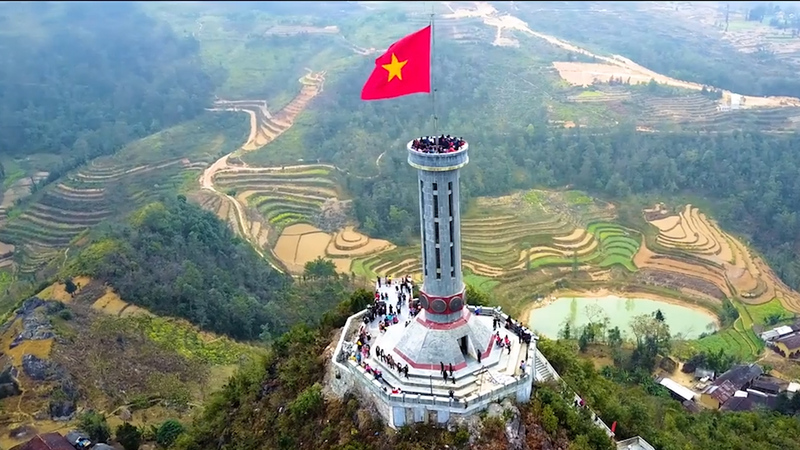
Marvel At Buckwheat Flower Fields In Sung La
In October and November, the hills in Sung La are gently blanketed in soft pastel pink and purple as buckwheat flowers bloom. These flowers are delicate, and their romantic symbolism, representing Ha Giang, attracts thousands of photographers and lovers of nature each year. When walking through the peaceful villages of Sung La on a winding stone path, you will feel as if you are walking in a fairy tale. The local ethnic families plant buckwheat for food, but buckwheat has recently become a cultural symbol and a highlight for tourism.

Visit To The House of Pao
Nestled in the village of Lung Cam in Sung La, you will discover the House of Pao. This magical place is famous for the award-winning Vietnamese film The Story of Pao, which was filmed on this site. The House of Pao is a traditional Hmong house built in 1947 and features a stone courtyard and the use of wooden beams throughout its interior.
The house is designed to be harmonious with nature. In and around the house are various fruit trees and flowering shrubs and blossoms that add to the poetic beauty of the place, particularly during the spring. Visiting the House of Pao will provide a nostalgic glimpse of cinematic and cultural history.
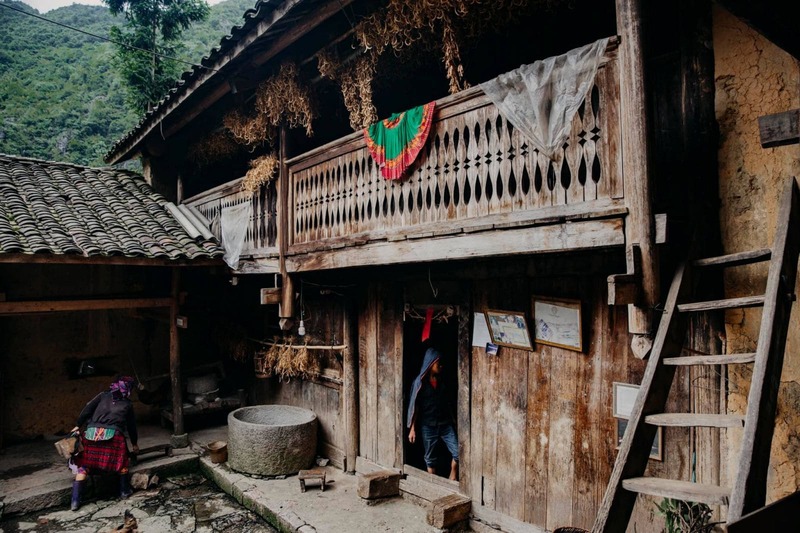
Discover Pho Bang Ancient Town
Pho Bang is a truly unexpected surprise. Situated close to the Vietnam-China border, it is a sleepy little town populated primarily by the ethnic Hoa and the Hmong. The streets are lined with traditional houses with mud walls and solid wooden doors, adorned with faded red lanterns. The quietness and beautiful streets give it a peaceful charm that brings nostalgia of childhood.
There are very few travelers who come to this area, meaning that travelers to this area are those looking for a quiet place to experience a local culture and showcase the everyday lives and traditions of communities.
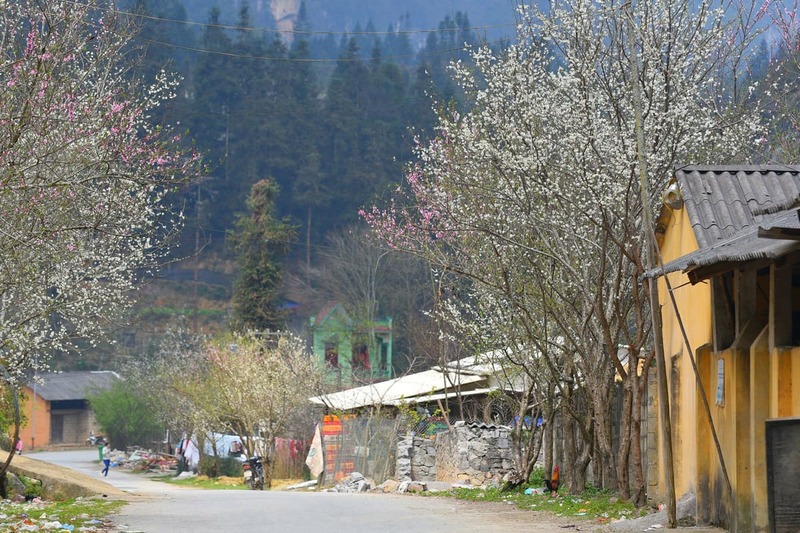
Entrance Fee
Visitors to Dong Van Karst Plateau can find one entrance fee when paying through their accommodation provider. Local tourist attractions within the geopark may have extra entry fees.
| Attraction | Price |
| Daily Geopark Fee | 30,000 VND (General) |
| Dong Van Old Quarter | Adults: 50,000 VND |
| Children (above 1.2m): 50,000 VND | |
| Lung Khuy Cave | Adults: 50,000 VND |
| Children (above 1.2m): 20,000 VND |
The Best Time To Visit Dong Van Karst Plateau
The Dong Van Karst Plateau is beautiful at any time of the year, but each season provides a different idea of beauty. Here are the best times to visit based on what you want to see:
- Spring (January – March): When you see the peach and plum blossom in full bloom all over the plateau. There is a lively mix of ethnic spring markets that are great for experiencing local culture and traditions.
- Summer (June – August): With a cool, comfortable climate for treks into the rugged rock highlands.
- Rice harvest season (September): Rice terraces turned golden provide the most beautiful views with fresh mountain air and great panoramic photographs taken on a climb.
- Buckwheat flower season (October – November): The entire area becomes a magical sea of pink and purple buckwheat flowers, an iconic sight from Ha Giang that draws nature lovers and all forms of photography.
How to Get to Dong Van Karst Plateau
Dong Van Karst Plateau is approximately 150 km north of Ha Giang City. The standard route is to travel on National Highway 4C, which is very scenic but also a winding mountain road. Depending on comfort or adventure, travelers can choose from a range of options for transportation.
| Transportation | Route | Travel time | Estimated cost |
| Bus | Hanoi → Ha Giang (then transfer to Dong Van) | 6–7 hours to Ha Giang, and 4–5 hours to Dong Van | 250,000 – 400,000 VND (Hanoi–Ha Giang); then shared minivan to Dong Van: ~150,000 VND |
| Motorbike | Hanoi → Ha Giang → Dong Van | 10–12 hours total (or split into 2 days) | Fuel + rental (~150,000 – 200,000 VND/day) |
| Private car | Hanoi → Dong Van | 7–9 hours | ~2,000,000 – 3,000,000 VND/trip (for group) |
Things to Know Before Traveling To Dong Van Karst Plateau
Before traveling to Dong Van Karst Plateau, it would be good to make your preparations to cope with the different terrains and weather conditions. Below are some travel tips to help your venture:
- Watch the weather before you travel. Mountain weather can change quickly. Bring warm clothes even in summer, particularly for evenings.
- Wear shoes that comply with the journey. You are on rocky and uneven terrain; thus, decent and firm walking or trekking shoes are required.
- Be ready to spend a long time going to Dong Van. Be ready for a long driving time with winding mountain roads; you will have snacks, water, and motion sickness remedies as necessary.
- Plan accommodation in advance because homestays and hotels can be in high demand during flower seasons and during festivals.
- Please observe customs, Dong Van is full of ethnic groups. Dress modestly and ask for consent if needing to take photos of people.
- Take cash. You will not find ATMs in most remote areas, as the amount of cash needed for meals, entry tickets, and for souvenirs.
- Be prepared to stay connected. Mobile signals may be weak in some areas. Thus, you can remain in touch by downloading maps and info that you may need pre-trip.
Final Thoughts: Is Dong Van Karst Plateau Worth Visiting?
Dong Van Karst Plateau is not just a place to visit; it is a living museum of geology, history, and ethnic culture. Many people are attracted to the unique limestone formations, colorful markets, and calm mountain villages of the region. This UNESCO Global Geopark is an exceptional travel destination, and Seni World would be happy to help you plan your adventure in this unique part of Vietnam!


Related articles


