


The cuisine of Battambang follows the daily cycle of life, incorporating many aspects of the local landscape. From its roots in the land and water, to the way families have traditionally prepared food using traditional Khmer methods, Battambang has something unique to offer all types of tourists.
Amok Trey (Steamed Fish Curry)
Amok Trey is commonly known as the heart of Cambodian cuisine. When you eat this dish in Battambang, you have the advantage of eating it with fresh river fish and aromatic herbs native to the area. Amok Trey is made by combining coconut milk with a finely ground mixture of lemongrass, turmeric, galangal, kaffir lime leaves, and garlic. The result is a curry-like dish that has both depth of flavor and lightness.
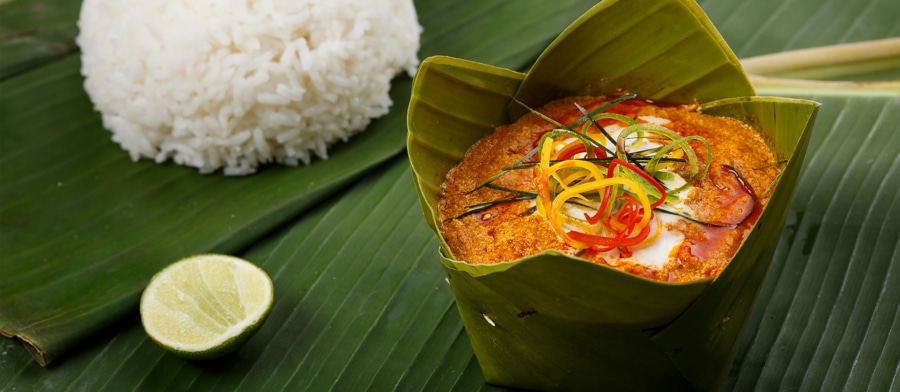
The way Amok Trey is cooked makes the dish unique in that the mixture is not boiled or fried. Rather, it is steamed on a bed of banana leaves, thus giving it a soft, custardy texture that feels very smooth and comforting. Amok Trey is a milder type of sweet flavor with a nutty aroma and creamy texture that is easily adaptable to Western palates. When served with jasmine rice, Amok Trey is more than just a meal; it is a sophisticated introduction to Khmer cooking.
Lap Khmer (Khmer Beef Salad)
While many Southeast Asian meals can be heavier and fattening, Lap Khmer is an excellent opportunity to experience something lighter. Lap Khmer is an example of how much Cambodian cuisine relies on fresh fruit and vegetables and the many different uses of various herbs, vegetables, and spices in creating delicious, nutritious dishes. In this case, Lap Khmer uses lime juice to create a marinade that not only delivers wonderful flavour but also tenderises the beef whilst still maintaining the richness of the beef.
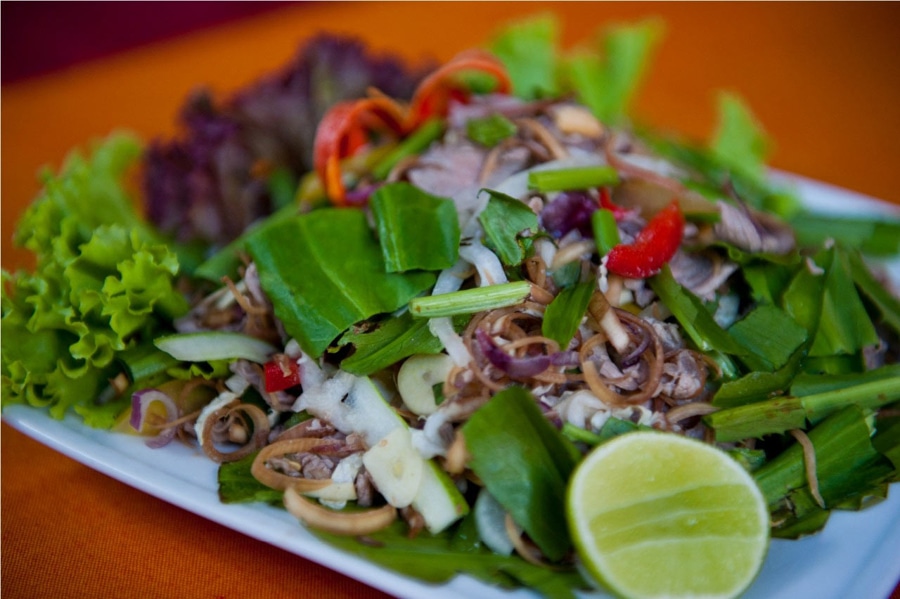
Along with beef, the recipe calls for a combination of onions, herbs, and a nice, tangy fish-sauce-based dressing. The result is a dish that combines sour, salty, and subtly spicy flavours. With each bite, the experience is enhanced by the aroma and flavour of the fresh mint and basil. For Western tourists who may be accustomed to a similar dish of steak tartare or ceviche, Lap Khmer has a very аналогичный but adventurous quality, making it an ideal sharing dish or starter.
Kuy Teav (Cambodian Noodle Soup)
Kuy Teav is more than a type of noodle soup. It’s a ritual that’s part of the daily life of people in Battambang, and has become an integral part of their morning routine. It has a light and nourishing broth made by simmering pork bones over low heat, which gives it a clear colour with a sweet taste that is easily digestible. The soft rice noodles are served with slices of pork, shrimp, and crispy fried garlic, and are topped with fresh herbs, spring onions, and a squeeze of lime juice.
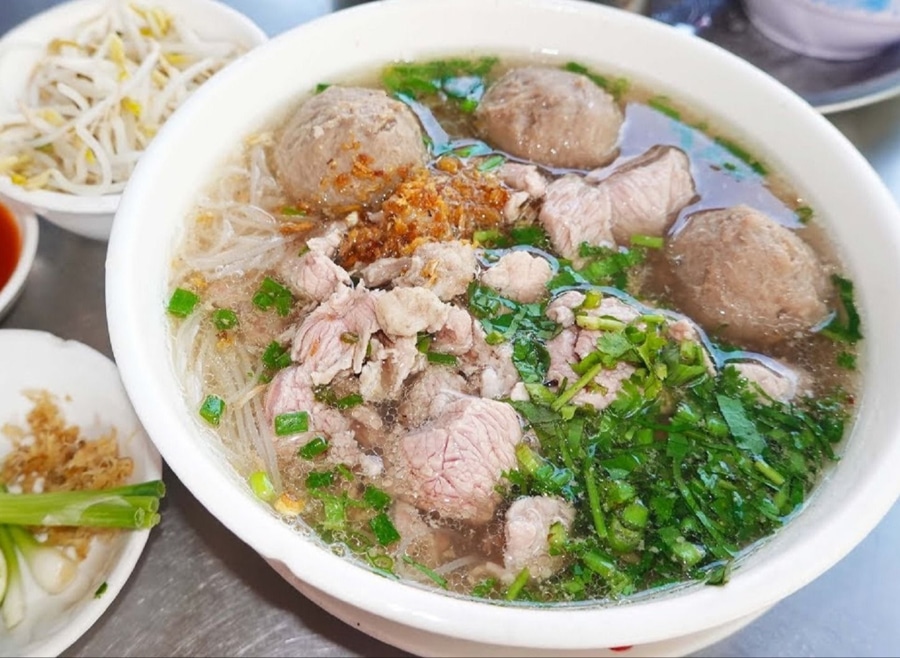
Once your bowl is ready to eat, you are welcome to add your own toppings. You will find limes, chili peppers, soy sauce, etc., available to add to make your bowl unique to your personal preference. Kuy Teav reminds Western visitors of the many different comfort soups they are accustomed to eating while still having its unique Cambodian flavor and feel.
Nom Banh Chok (Khmer Fish Curry Noodles)
The traditional Cambodian breakfast dish called Nom Banh Chok depicts the traditional cadence of daily Cambodian life. A light fish curry with turmeric and lemongrass is poured over freshly made rice noodles, giving a savory, sweet, aromatic flavor instead of a spicy flavor.
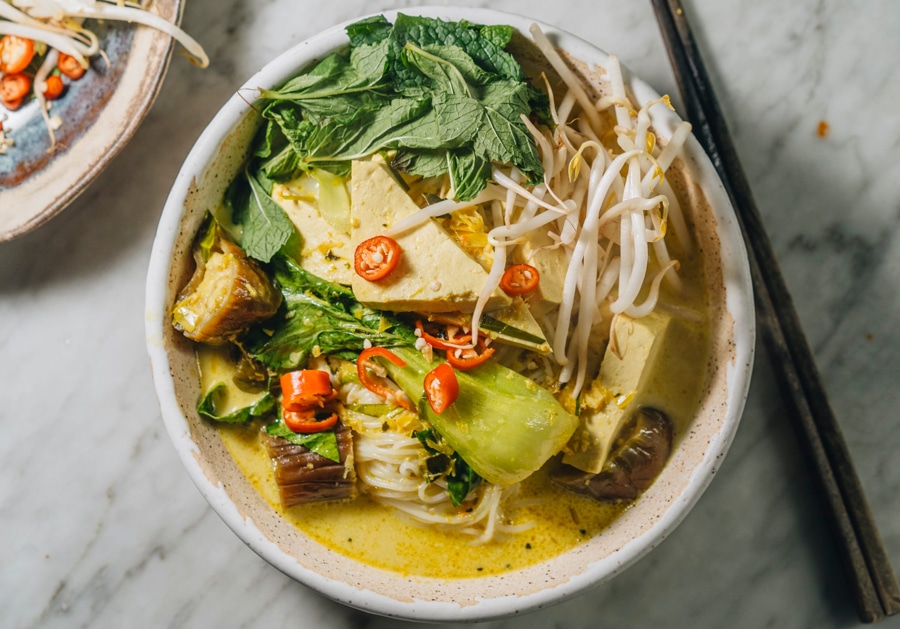
Nom Banh Chok is special due to the wide variety of herbs and vegetables served with it, such as cucumber, banana flower, and local herbs, which provide texture and freshness. When you buy Nom Banh Chok from a vendor on the street, it is an experience that will provide you with the most authentic experience of Battambang since locals have been eating this dish for years.
Fresh Tropical Fruits
One of the areas of Cambodia with the most abundant fruit is Battambang. The area has a very low density of people compared to the rest of Cambodia, so much of the produce sold is produced in Battambang and is a lot fresher than what you would find in a tourist area.
The local market and the side of the road will have mangoes, bananas, rambutans, durian and fresh coconut with the added benefit that they were picked only hours before you purchase them. The fruits are so sweet and flavourful that you will want to enjoy the fruits fresh from the market after they have been chilled by the hot sun in Cambodia.
Although sampling local produce may seem an easy experience, it is also an enjoyable one for Western travellers who are accustomed to having their produce shipped halfway around the world before they get to try it. In addition to being a refreshing way to cool off, many Westerners will also gain a greater connection with Battambang’s agricultural history through their experiences tasting the locally grown fruits.
Kralan (Cambodian Bamboo Sticky Rice)
The traditional snack of Kralan is a testament to Cambodia’s rural heritage and local cultural traditions as a shared way to eat together. The preparation of this snack involves combining sticky rice and black beans with coconut cream and palm sugar, then placing this mixture in tightly packed bamboo tubes and cooking over a charcoal fire. The bamboo is heated while food is cooking in order to create a pleasant smokiness, which enhances the sweet flavour of the sticky rice.
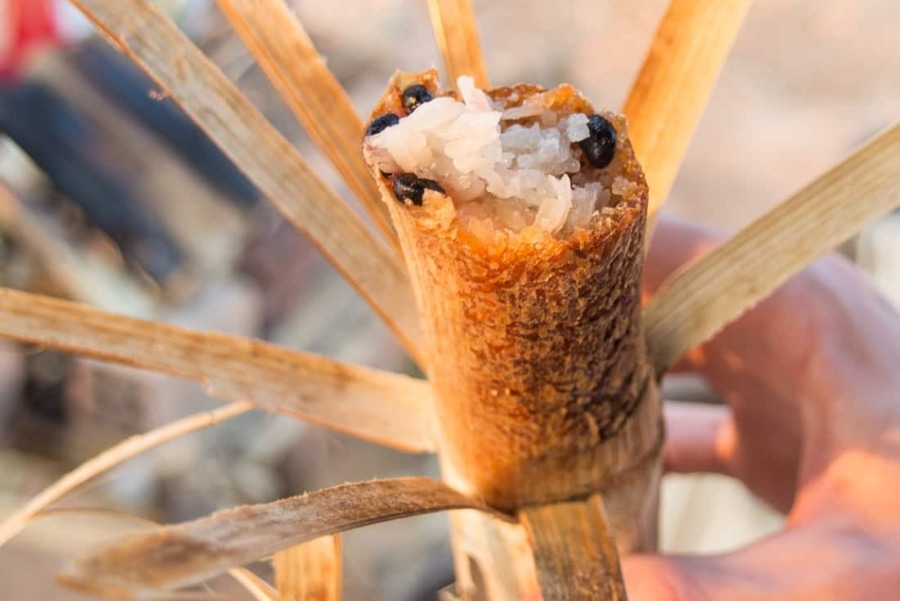
The Kralan snack is considered to be a warm, hearty and very comforting snack that is great to enjoy while travelling in rural areas or visiting local markets. The taste of Kralan is important, however, so are the methods used in preparing the Kralan, which have been passed down through many generations.
Chha Kdam (Crab Stir-Fried with Kampot Pepper)
Chha Kdam encompasses both boldness and aroma. One of Cambodia’s most well-known ingredients is used in this dish, Kampot Green Pepper. This dish is prepared using crab meat stir-fried with garlic and herbs to create a very fragrant dish. Whole clusters of Kampot Green Peppercorns will provide a lovely heat that delivers outstanding spiciness with a distinctive flavor profile.
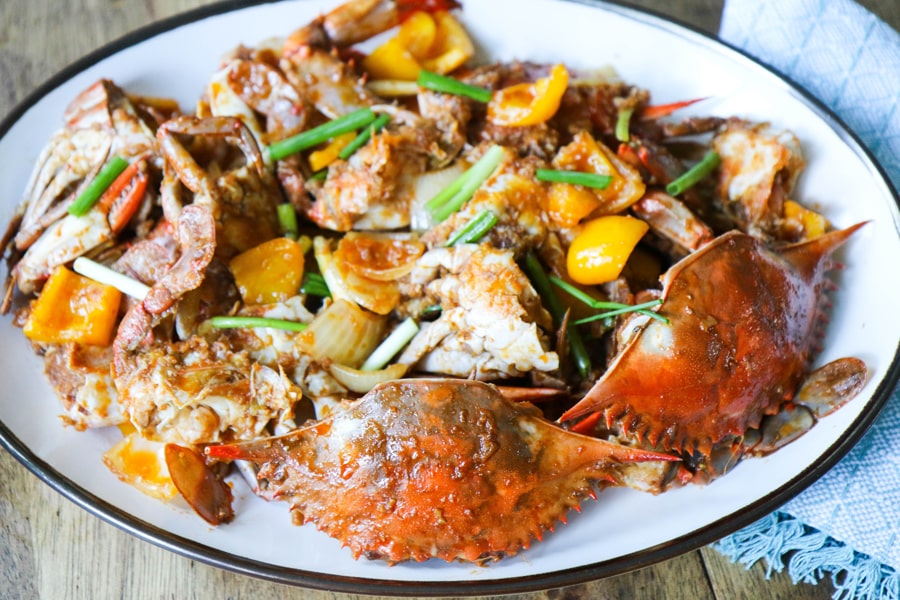
Western diners who enjoy seafood with flavour and depth regularly rave about Chha Kdam. This dish tends to be eaten at dinnertime and is traditionally served with steamed rice. This dish has so much character that it exemplifies Cambodia’s coastal and culinary heritage as well.
Bai Sach Chrouk (Grilled Pork with Rice)
Bai Sach Chrouk is a traditional, well-loved Cambodian breakfast dish that epitomizes the idea that simple ingredients can create a dish that is extremely satisfying. Thin slices of pork ‒ marinated with garlic and palm sugar ‒ are grilled slowly over some charcoal until they are lightly caramelized and tender. The pork is served atop a bowl of steamed rice and garnished with pickled vegetables as well as a light broth.
The flavor profile of this dish is mild, sweet, and comforting. Therefore, this is an excellent choice for Western tourists who may be looking for a taste of home yet wish to sample local cuisine. Eating Bai Sach Chrouk in the morning is like looking at a slice of Cambodian daily living.
Lort Cha (Stir-Fried Short Noodles)
Lort Cha is a traditional Cambodian dish that has become well known for its delicious taste and rich texture. Short rice noodles are cooked quickly on high heat with eggs and a mix of either beef or pork and vegetables. Because they are done over high heat, the noodles tend to have a crisp outer edge while remaining soft on the inside. Lort Cha is lightly seasoned and served with chili sauce on the side, which allows guests to add their own desired level of spice.
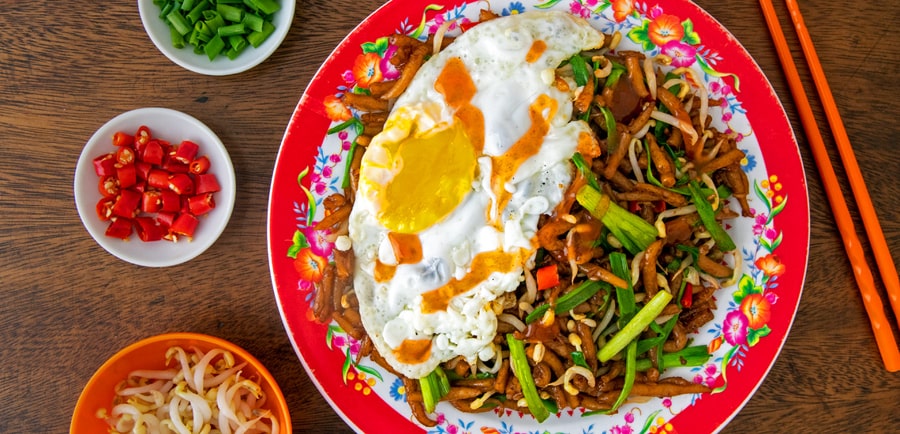
For visitors from Western countries, Lort Cha will remind them of many other types of Asian noodle dishes, but Lort Cha has a unique Cambodian flavour that makes it a great option for a quick meal in Battambang.
Samlor Machu Kroeung (Traditional Khmer Sour Soup)
Samlor Machu Kroeung is considered to be one of Cambodia’s most comforting dishes and is eaten daily by many local families as part of their shared meal. This soup has a mildly aromatic and lightly flavored broth created from the blending of the kroeung paste with tamarind or other natural souring agents, such as fruits. Additionally, fresh vegetables are used to enhance the flavor of the broth, such as morning glory, pineapple, or tomato.
The taste of Samlor Machu Kroeung is mildly herbed and sour rather than spicy; thus, Samlor Machu Kroeung is an excellent introduction to Khmer cuisine for most Westerners, as it can help to balance the heavier grilled dishes that many people have when they travel to Cambodia. For visitors, Samlor Machu Kroeung gives them an idea of how native Cambodians typically cook, with all the essential flavors of the dish present but without being excessively overwhelming.
Num Pang (Cambodian Baguette Sandwich)
Num Pang is an iconic street sandwich from Cambodia that illustrates the combination of French culinary traditions with local Cambodian ingredients. The name refers to the crispy, flaky baguette that is filled with grilled pork, chicken, or beef and could also include pâté, pickled carrots and daikon, sliced cucumber, chopped fresh herbs, and light chili sauce. The play of all of the different textures creates the ultimate experience for the taste buds: crunchy baguette, juicy meat, and fresh, crunchy vegetables!
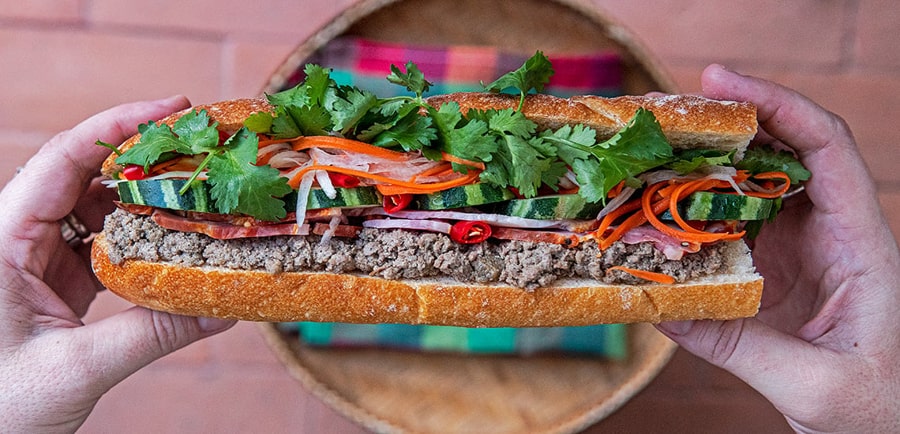
Num Pang is both familiar and exotic to Western visitors. It embodies the best of both worlds, combining the essence of a gourmet sandwich with the spice of Southeast Asia. Num Pang is perfect for breakfast or for lunch while you explore the markets and colonial streets of Battambang. It is a delicious way to eat on the go, and it is a must for anyone who visits Cambodia!
Prahok Ktiss (Fermented Fish and Coconut Dip)
Prahok Ktiss is a dish steeped in tradition and has roots in Cambodia’s long-running history of using fermentation and preservation techniques. The main ingredient used in this dish is prahok, which is a fermented fish paste that undergoes a long, slow cooking process with coconut milk, minced pork, and an array of spices to achieve a more palatable flavor profile. The result is a creamy, rich, and savory dip with an intense aroma and flavor that is less overpowering than other types of dips.
If you are a traveler from the West, this dish may appear overwhelming, but when you take your time to enjoy it, you’ll find that it’s a truly rewarding experience. Rather than serving as a source of comfort, this dish serves as a way to connect with Cambodia’s rich culinary traditions through authentic Khmer cooking.
Sach Ko Ang (Grilled Beef Skewers)
Sach Ko Ang, thinly sliced beef marinated in garlic, sugar, and spices, and grilled on a charcoal grill until tender with a slightly caramelized flavor, is one of Battambang’s most well-known street foods throughout all of Cambodia. The aroma of the grilling meats fills the air before people reach the skewers, which adds to their attraction. The dish might also include a lime and black pepper dipping sauce that complements the beef’s natural taste.
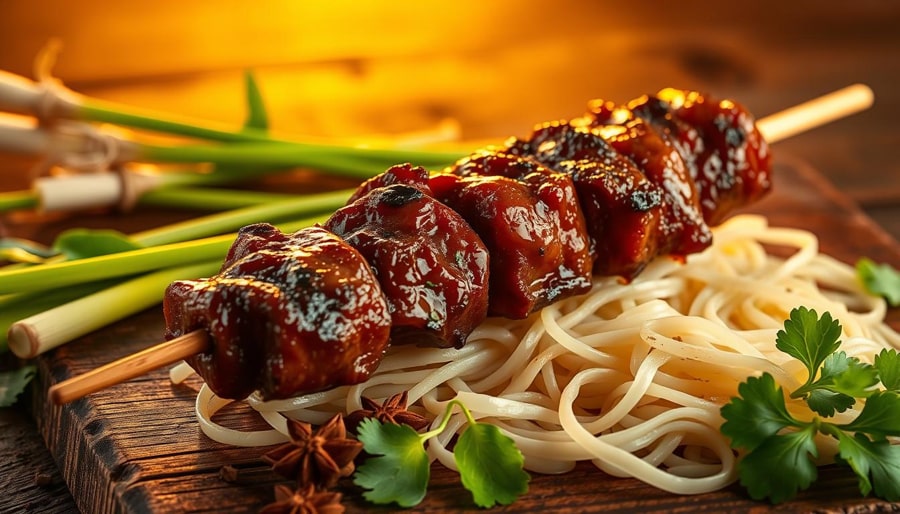
Western tourists generally enjoy this dish because it reminds them of cooked barbecues or skewered grilled meats, making it easy to consume, economical, and convenient for snacking on while exploring Battambang.
Mee Kola (Battambang Signature Noodles)
Local to Battambang, Mee Kola is a one-of-a-kind noodle dish made up of thinly sliced rice noodles, combined with various herbs, veggies, peanuts, and either beef (or seafood), and served dry, unlike the traditional noodle soup that most think of.
Because Mee Kola is served dry or at room temperature, it gives off a light and airy vibe, while combined with a nutty flavor and a hint of sweetness and herbal flavor, it does not feel heavy or stifling when eaten. For the Western world, this dish is lighter than expected, while still being full of flavor, ideal for hot summer days. Creating an excellent way for visitors to experience Battambang culture through local food is by trying Mee Kola while you are there.
Final Thoughts: Is The Food in Battambang Worth Trying?
The culinary scene in Battambang is definitely worth experiencing and is perfect for travelers seeking authentic flavors of genuine Cambodian culture that go beyond tourist destinations. From aromatic fish amok to hearty noodle soups to refreshing tropical fruits and enjoyable street foods, each dish eaten is in tune with locals and traditions. Allow Seni World to introduce you to superior food experiences in Battambang, and go around Cambodia on amazing trips.


Related articles


