


The Ha Giang Loop varies greatly in curves and beautiful karst landscapes. There are experiences, like seeing ancient culture and experiencing scenic beauty, that make the loop a great adventure for everyone.
Introduction To Ha Giang Loop
The Ha Giang Loop is an iconic motorbike journey through northern Vietnam’s highlands, consisting of 300 km of stunning limestone karst, deep valleys, and terraced fields. Entered around the towns of Ha Giang, Quan Ba, Yen Minh, Dong Van, and Meo Vac, the route encapsulates dramatic scenery with vibrant ethnic dimensions. Whether you self-ride or travel with an easyrider guide, the Loop will provide thrills, local flavor, and profound contact with the wonderful hospitality of the mountain communities.

History Of Ha Giang Loop
In the historic Ha Giang Loop-also the Happiness Road- the road was built between 1959-1965, and was built by thousands of young volunteers and local workers to connect the remote northern highlands of Ha Giang to the center of the province.
This road was not only a transport project, but also a symbol of unity, toughness, and the Vietnamese spirit to triumph over adversity and improve the lives of ethnic groups living in this rugged plateau. Today, it is a living monument to the spirit of collaboration and national development.
Unique Architecture Of Ha Giang Loop
The Ha Giang Loop isn’t a man-made architecture in the traditional sense, but it’s very much an eye-catching road trip on natural design and topography. This loop is so iconic for Southeast Asia, typically over 350 kilometers long. Labeled a loop, it winds through four remote highland districts of the Dong Van Karst Plateau: Quan Ba, Yen Minh, Dong Van, and Meo Vac.
What distinguishes this trip is the twisty route of deep valleys, narrow cliffside roads, and constantly sharp mountain passes. The road delays elevation, ancient rocks, and terraced rice fields, coming up through pine forests, on limestone peaks and cliffs.
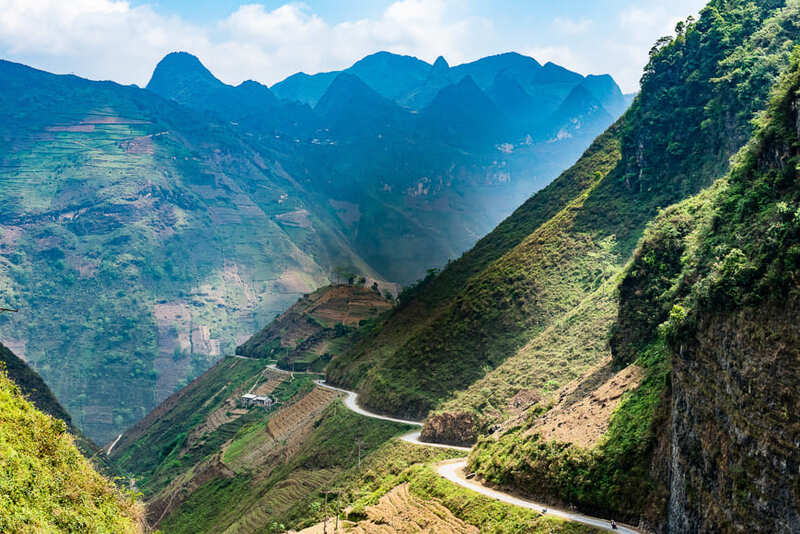
One of the architectural highlights of the loop is the Ma Pi Leng Pass – one of the “Four Great Passes of Vietnam”, with the road clinging to towering mountains overlooking the bright emerald of the Nho Que River below.
10 Cultural Experiences You Shouldn’t Miss
The Ha Giang Loop is more than just a journey about the roads. You will discover many pieces of rich culture, traditions, and beautiful nature from the northern region of Vietnam along the way.
Ma Pi Leng Pass
Ma Pi Leng Pass is one of the “Four Great Passes” in Vietnam. It offers some of the most amazing mountain scenery in Southeast Asia over about 20 kilometers. This road climbs high above the Nho Que River on cliff hangers, and simply driving is enough to bring a thrill. It is worth the ride alone to see an endless rich panorama of deep valleys and limestone peaks.
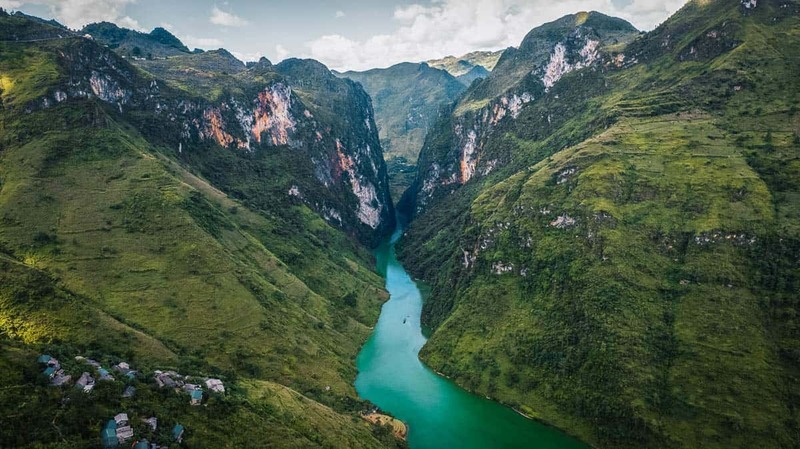
Nho Que River
Riding a boat on the Nho Que River will definitely be one of the highlights of the Ha Giang Loop, especially gliding between the high cliffs of the Tu San Canyon, which is the deepest canyon in Southeast Asia. The Nho Que River has the most stunning, intense emerald-green water that actually goes beautifully with the dark stone, creating a scene that feels surreal but still so incredibly beautiful. This will definitely be one of the most tranquil and memorable experiences, and it provides a nice poetic moment in your trip.
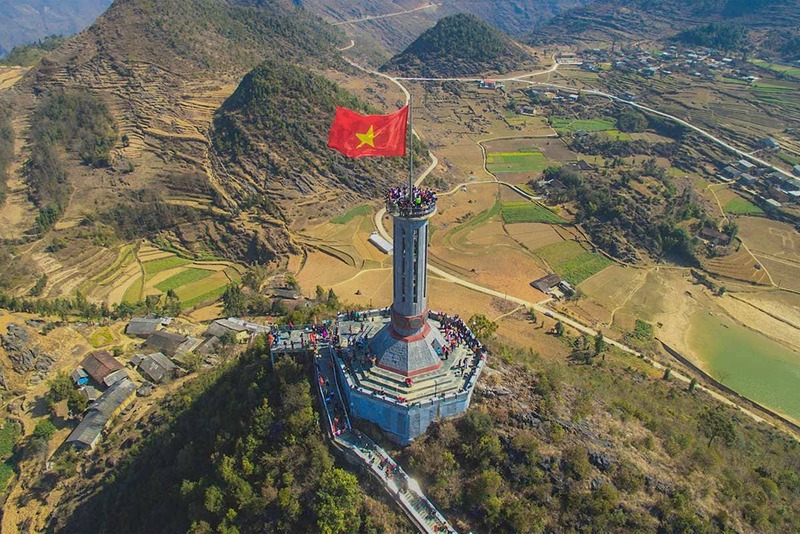
Lung Cu Flag Tower
Located on Dragon Mountain, Lung Cu Flag Tower is the northernmost point of Vietnam as well as a symbol of national pride. There are more than 200 stairs to reach the top, where you will be rewarded with a 360-degree view of the terraced fields, remote villages, and borderland that lies far away in the distance. This is a very meaningful and iconic stop while you are doing the loop.
The House Of Pao
Nestled in a peaceful village in Sung La Valley, the House of Pao is a traditional H’mong house that has been lovingly preserved. Featured in the award-winning documentary The Story of Pao, the house is constructed in the region’s typical stone-and-wood architecture. When visiting, a great opportunity to not only take pictures but to enter the cultural heart of the area.
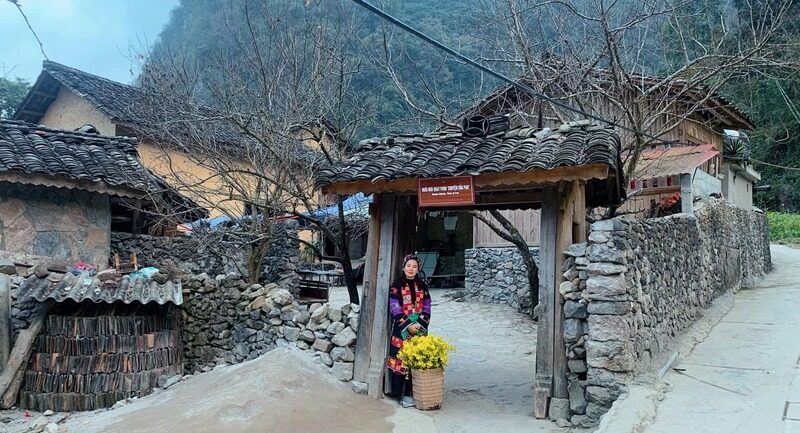
Sung La Valley
Sung La Valley is commonly referred to as Ha Giang’s “green gem”, and one can see why. This quiet village sits amidst karst mountains and is well known for its spectacular fields of flowers, most especially the tam giac mach (buckwheat flower). These flowers bloom late October – November and are stunning against the mountainous backdrop. With the tranquil roads, fields of bloom, and traditional houses, it is an idyllic and surreal photo opportunity.
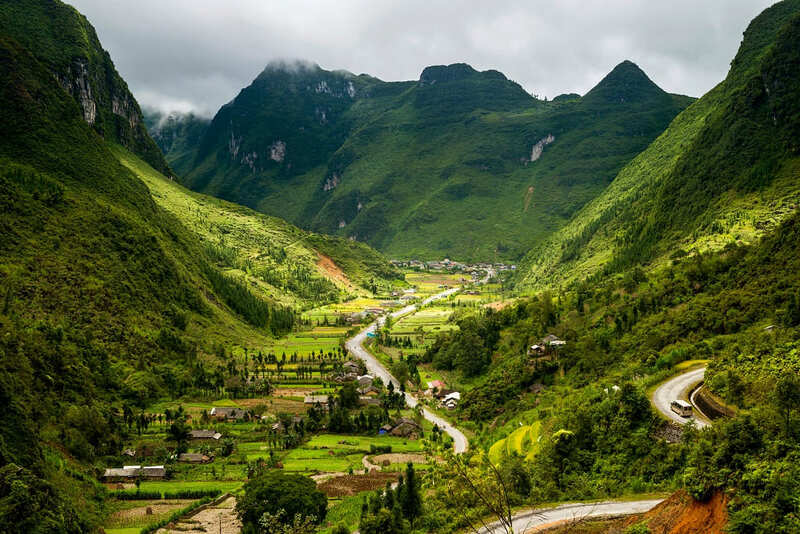
Lung Khuy Cave
Currently, Lung Khuy Cave is in Quan Ba District. While it has only recently been discovered, it has been embraced because of how largely pristine and untouched it is. The cave is about 1 km in length and is beautiful inside with lots of stalactite formations, and the short walk to reach the mouth of the cave is also remarkably beautiful with mountain views. Overall, Lung Khuy Cave is charming and slightly off the beaten path, making it a refreshing experience to add to your itinerary.
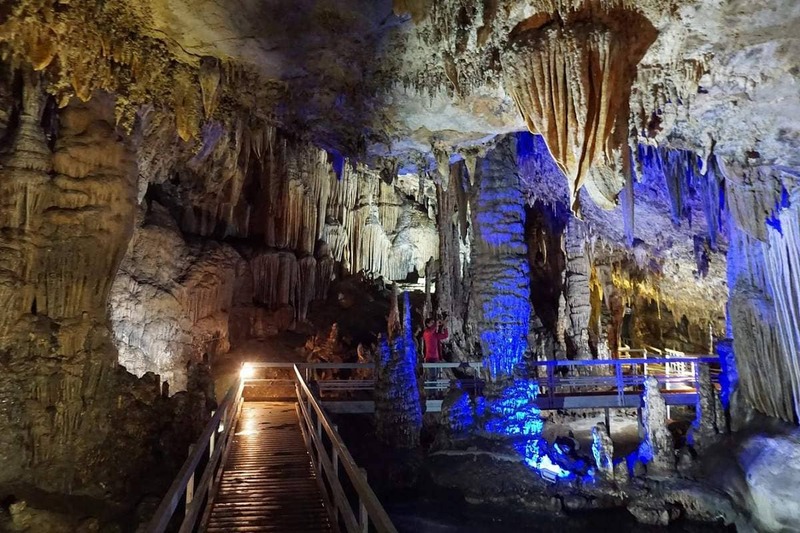
Dong Van Old Quarter
The Old Quarter in the heart of Dong Van Plateau still has the charm of centuries-old stone houses and narrow cobbled streets. On the weekend, the Old Quarter transforms from a charming town into a burst of colour, with local hot pot vendors serving up food and local ethnic groups gathering in the colourful market to trade, eat, and catch up with travellers from other cultures. It’s an area steeped in rich culture and history, perfect for anybody who enjoys architecture, culture, and local life.
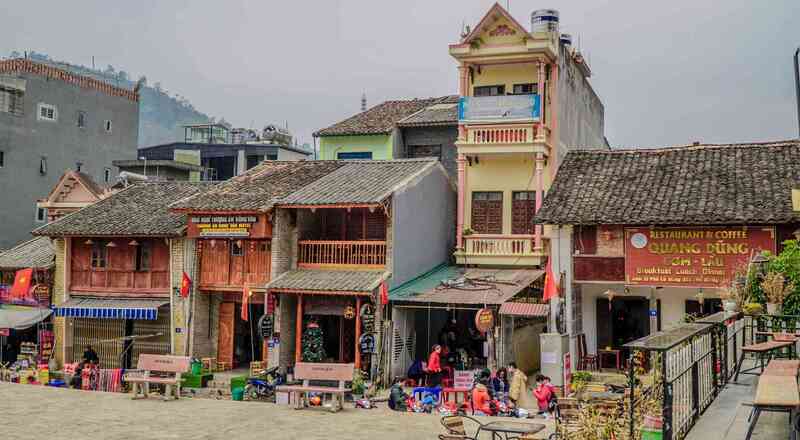
Quan Ba Heaven Gate
From Quan Ba Heaven Gate (Cổng Trời Quản Bạ) at 1,500 meters above sea level, you get panoramic views of Tam Son Valley (Thung lũng Tăm Sơn) and Twin Mountains (Nui Doi Co Tien). The scenic viewpoint is not only about the views; it is also the point of entry for the adventure to start with the beautiful, rough, and ruggedness of Ha Giang.
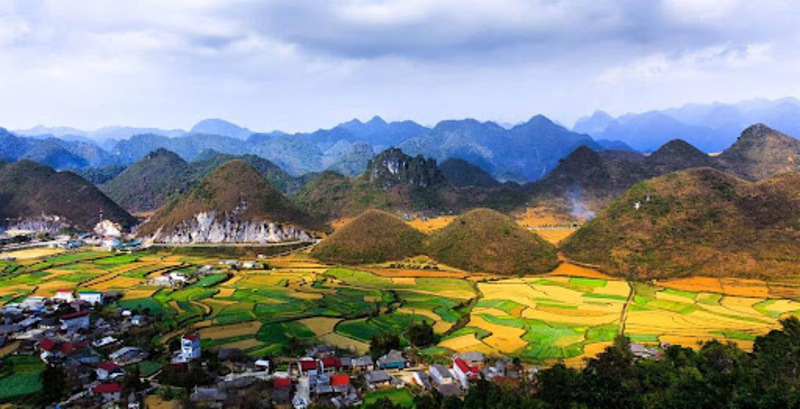
Hoang Su Phi Terraced Fields
Hoang Su Phi is located in the southwestern area of Ha Giang and is renowned for its incredible terraced rice fields, which are cut into the steep hills. The best time to visit Hoang Su Phi for the perfect photos is during harvest (September-October) and water (May-June). Although a bit remote, it is well worth the visit, especially for photographers and those who love nature.
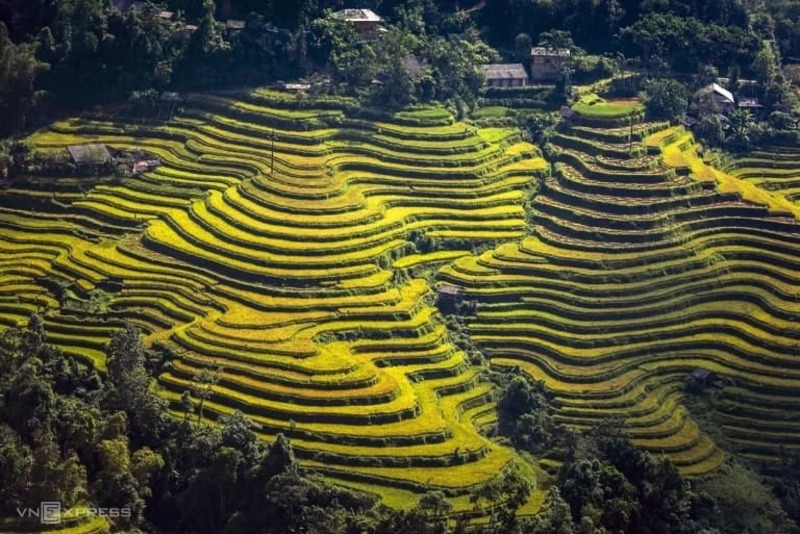
Du Gia Cultural Village
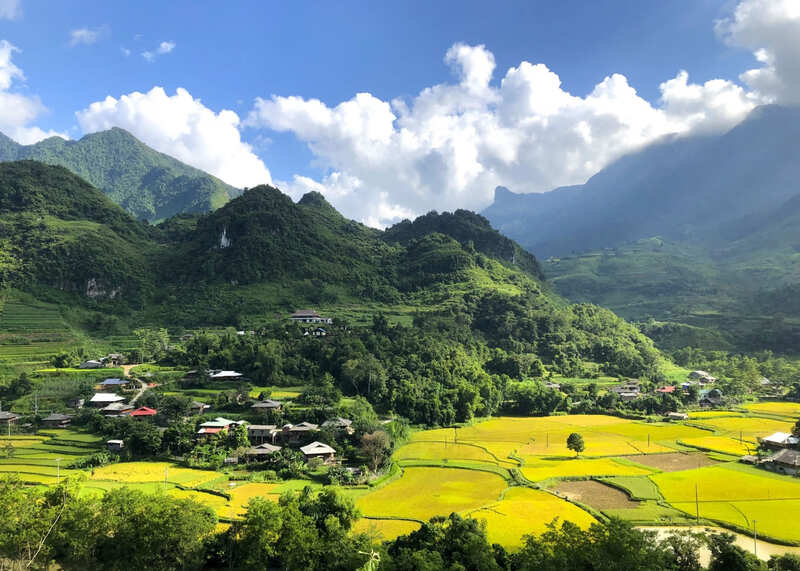
Du Gia is a quaint, authentic village in a lush valley that is often a good stopping point for travelers. Staying in a homestay, you can eat with a host family, participate in traditional dances, or just relax to the sounds of nature. This village is ideal for travelers who want to go slow and interact with the people and culture of Ha Giang.
Entrance Fee
The Ha Giang Loop is a public road, therefore 100% free! There is no fee to ride on this amazing scenic route. You can ride along the Ha Giang Loop and take in the magnificent scenery for free.
That said, if you’re wanting to visit sites along the way, there may be a charge to enter locations like: Lung Cu Flag Tower, Vuong Family Mansion, or Lung Khuy Cave; usually 10,000 – 50,000 VND per person.
It’s advisable to bring some cash in Vietnamese Dong if you plan to stop at these optional sites and for local services like parking, meals, or to hire a guide in some remote villages.
Best Time To Visit Ha Giang Loop
Ha Giang has a cool mountainous climate throughout the year with an average temperature of 21-23 °C. Due to the high elevation, it will always be refreshingly colder than the lowland regions, and remains an attractive destination no matter the time of year. You could visit Ha Giang Loop any time of the year, though each season has its beauty:
- October to December is the prime time to visit. This is when the buckwheat flowers blossom pink, white, and purple, and the mustard flowers color the valleys yellow. The air will be crisp, and clear skies will give way to great rides and stunning photos.
- Golden September to early October is when the terraced rice fields are harvested and glowing yellow. It is simply stunning, and the golden hour is the favorite for photography as well as nature lovers, who happen to be ogling as they ride.
- Spring (February to April) is when the peach and plum trees bloom while lending their dreamy white and pink landscapes across the hills, an occasion for cultural respite.
- May marks water season, or when we fill the terraces with water for a new rice planting cycle. The sunlight reflecting off the shimmering, sodden fields creates a mirror-like effect, totally unique and photogenic.
- June and July are in the rainy season. Expect many rain showers, increased humidity, and, while the scenery can be green, the roads can be slippery and a little more difficult to travel.
How To Get To Ha Giang Loop
Depending on where you are starting your trip and your budget, there are multiple options to get to Ha Giang. Most travelers will start from Hanoi, either self-driving, taking a sleeper bus, or joining group tours.
If you are flying from the southern provinces (such as Ho Chi Minh City), you can fly directly into Noi Bai International Airport in Hanoi and transfer directly to Ha Giang. The trip from Noi Bai to Ha Giang takes about 6–8 hours, depending on traffic and rest stops.
From central Hanoi, most travelers leave around 7:00 AM, traveling via Highway 2C through Tuyen Quang Province and making it into Ha Giang around lunchtime.
| Mode of Transport | Route | Duration | Estimated Cost (per person) |
| Sleeper Bus | Hanoi → Ha Giang | 6–7 hours | 200,000 – 300,000 VND |
| Private Car with Driver (7-seater) | Hanoi → Ha Giang | 6–8 hours | ~3,000,000 – 3,500,000 VND/day (shared among group) |
| Motorbike Rental in Ha Giang | Ha Giang City → Loop journey | Flexible | 150,000 – 200,000 VND/day |
| Motorbike Taxi (with rider) | Full Ha Giang Loop tour | 3–5 days | ~1,000,000 VND/day (includes guide/driver) |
Things To Know Before Traveling To Ha Giang Loop
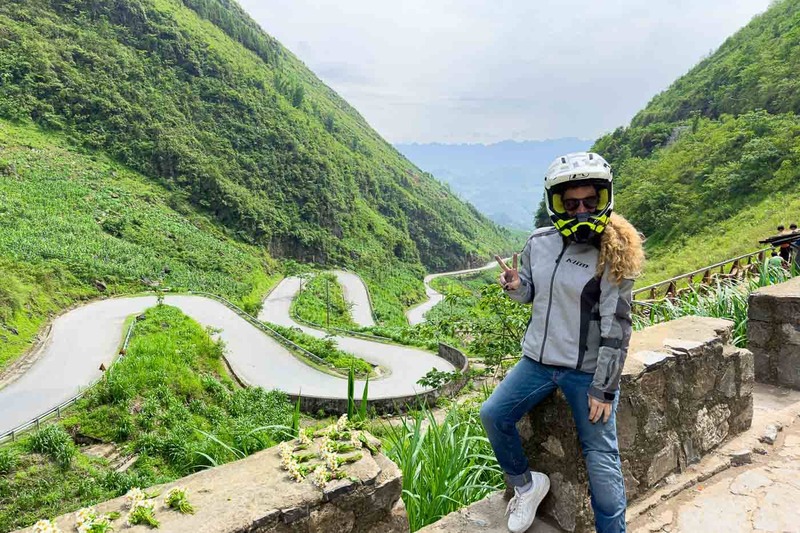
Before embarking on the Ha Giang Loop, it is essential to prepare yourself both mentally and physically. This is more than a picturesque ride; it is a complicated ride consisting of uphill mountain passes, turn after sharper turn, and inclement weather.
Riding experience is a must
Riders should possess the ability to ride the motorbike well, have confidence navigating mountain roads, and remain focused and calm while negotiating more challenging situations.
Limit alcohol consumption while riding
Ha Giang’s roads are narrow, winding and often do not have street lighting. Riding under the influence, and especially at night in Ha Giang, is particularly dangerous.
Respect local people
If you plan to stay overnight in a local home, ask permission first. Do not take pictures of people without consent or ask if that is okay; this is especially important in ethnic minority villages.
Be careful with steep mountain passes
Mountain passes like Ma Pi Leng are exotic and breathtaking; however, they are also steep, possibly slippery, and can be foggy. Ride slower up and down mountain passes, use your horn when approaching blind corners, and refrain from speeding, especially if conditions are wet.
Fill up your tank when you can
Filling stations are infrequently located in the more remote areas of this route, so ensure your fill up in larger towns like Ha Giang City or Dong Van.
Be prepared for limited phone signals
There are places along the route that have little or no mobile reception; please download the route beforehand.
Final Thoughts: Is Ha Giang Loop Worth Visiting?
One of Vietnam’s most unique road tours is the Ha Giang Loop, featuring exquisite mountainous roads, beautiful landscapes, and engaging ethnic culture. Whether you enjoy the adventure aspect or want to find peace while in nature, the Ha Giang Loop offers tourists enjoyment, beauty, and fun! Now let Seni World bring you a safe, scenic, and wonderful journey of the Ha Giang Loop.


Related articles


