


The Hmong King Palace at Hà Giang is an impressive historical site, as it has distinctive architecture and a lot of history associated with cultural heritage, as well as an interesting history about the royal family of the Hmong tribe.
Introduction To The Hmong King Palace
Located in Sa Phin Valley, Dong Van District, on the Ha Giang karst plateau, the Hmong King Palace (known as Vuong Palace and Dinh Vua Meo) is considered to be one of the most beautiful historical mansions in Vietnam. Constructed in the last quarter of the 19th century or the beginning of the 20th century, this majestic building was created for H’Mong King Vuong Chinh Duc, who ruled over an area of Vietnam called Dong Van; however, it also served as a fortress for the H’Mong people. The H’Mong Palace is a testimony to the prestige and power of the H’Mong people in Northern Vietnam.
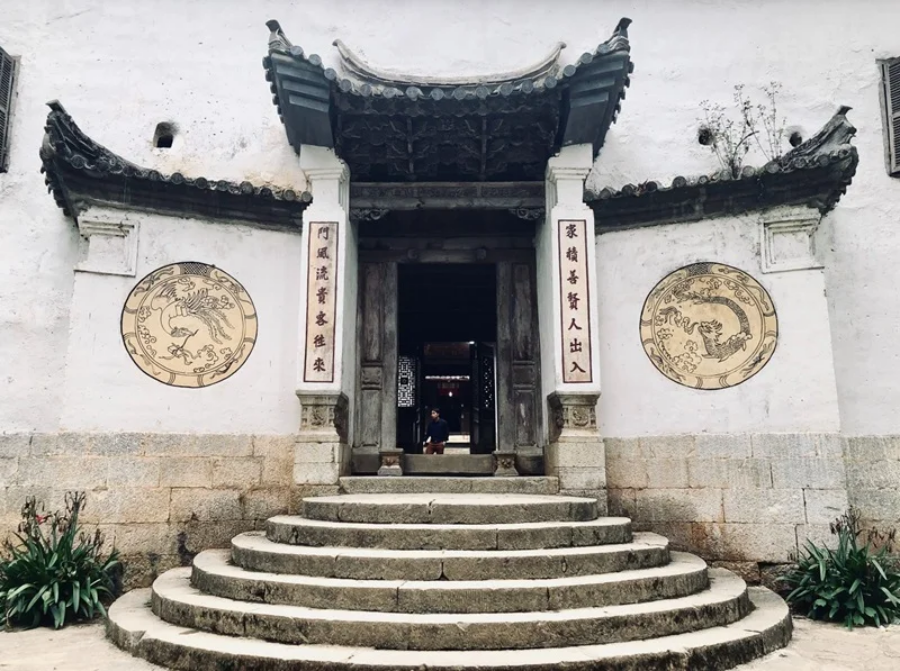
The Hmong King Palace attracts visitors who want to see an interesting mix of H’Mong, Chinese, and French styles of architecture or to examine 64 unique rooms, numerous courtyards, and learn about the diverse cultural heritage of Ha Giang. Today, it is preserved as a historic museum and continues to provide visitors with insight into the H’Mong dynasty, which was once the most powerful dynasty in this area, through original furnishings, intricate carvings, and many historical events related to Dong Van Plateau and Ha Giang.
History Of The Hmong King Palace
The Hmong King Palace or “Palace of the ‘Mèo King’” construction took place between 1898 and 1907, with a total construction cost of 150,000 French Indochina silver coins, which is approximately 150 billion VND nowadays.
It took five years to lay its foundation and structures by human effort without the aid of modern machinery. Designed by artisans from Yunnan Province, China, this palace has an area exceeding 1,200 square meters on 3,000 square meters of land. Being a historical treasure and an important part of cultural heritage, it has been classified as a national heritage site by the Vietnam Ministry of Culture, Sports, and Tourism in 1993, close to a hundred years since its construction.
Unique Architecture Of Hmong King Palace
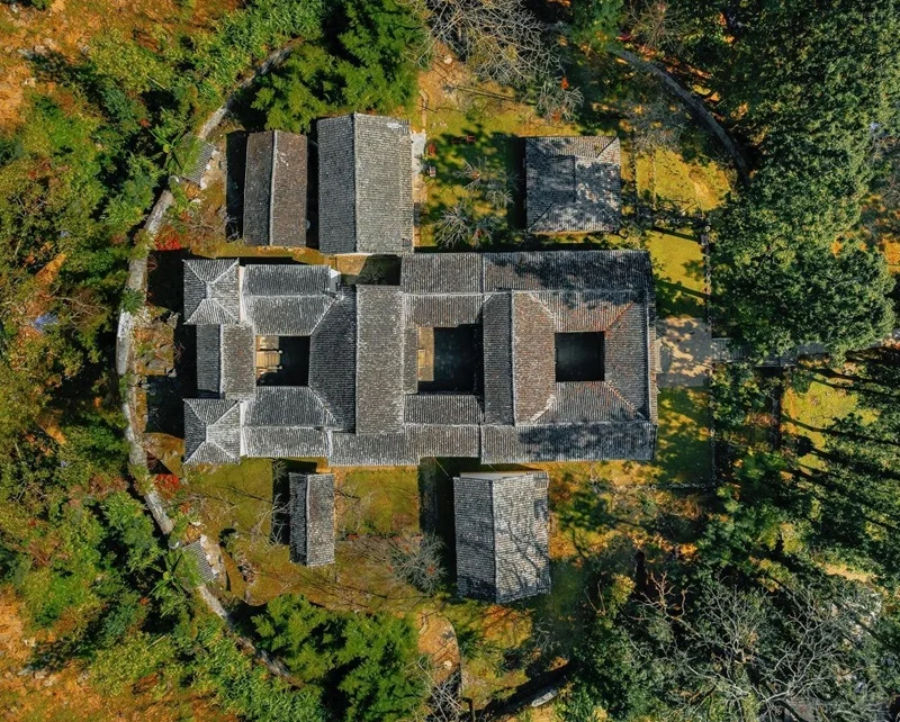
The Hmong King Palace, covering nearly 3,000m², is a fascinating blend of Hmong, Chinese, and French architectural styles. Built by skilled craftsmen from Yunnan, China, alongside local Hmong artisans, the palace combines beauty, functionality, and defense. Its layout is divided into three main areas, each with a unique purpose and design.
Main House
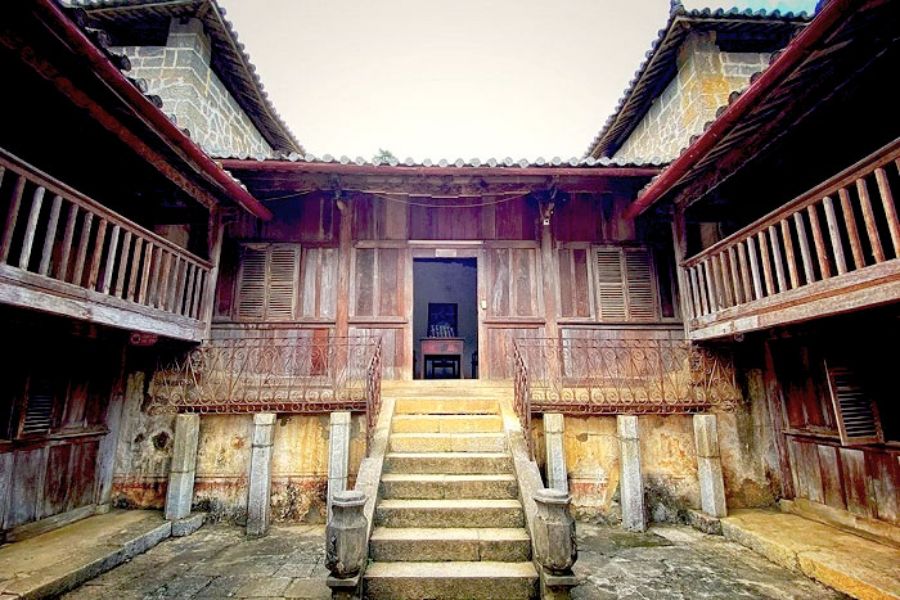
The Main House is where the royal family lived and worked. Inside, the house has huge, ornate wooden columns, tumbled stone walls that show their history, and traditional tiled roofs, showcasing the great wealth and status of the Vuong family. The Main House has many luxurious and functional interior designs, including windows with European-style shutters, marble fireplaces, and hand-crafted furnishings. The Main House also represents not only the royal family’s home but also the power and art of the Hmong King.
Auxiliary Buildings
The auxiliary buildings were utilized as host for any official reception events, administrative functions and guest hosting. Each of these auxiliary buildings were carefully connected to the ‘main house’ creating harmony of design while serving various functional uses. In doing so, the auxiliary buildings illustrate the clever combination of traditional Hmong architecture and foreign influences. The stone foundations are complemented by the framed wood structures that are affixed with hand carved decorative components. A walk through this area gives visitors the ability to visualise the royal family having celebrations, as well as dealing with court matters occurring within the palace.
Gardens
The royal family used to enjoy a quiet getaway in the palace gardens to relax and recuperate from a busy schedule. The combination of the surrounding abundant plant life along with the majestic peaks of the mountain range in the background, creates an atmosphere of both peace and majesty for the palace. There are many walking paths that lead to a number of plant displays where you can admire all types of decorative plants, take photos, etc. The palace gardens are a continuation of the Palace itself because the two environments blend together perfectly with one another.
Interior And Artifacts
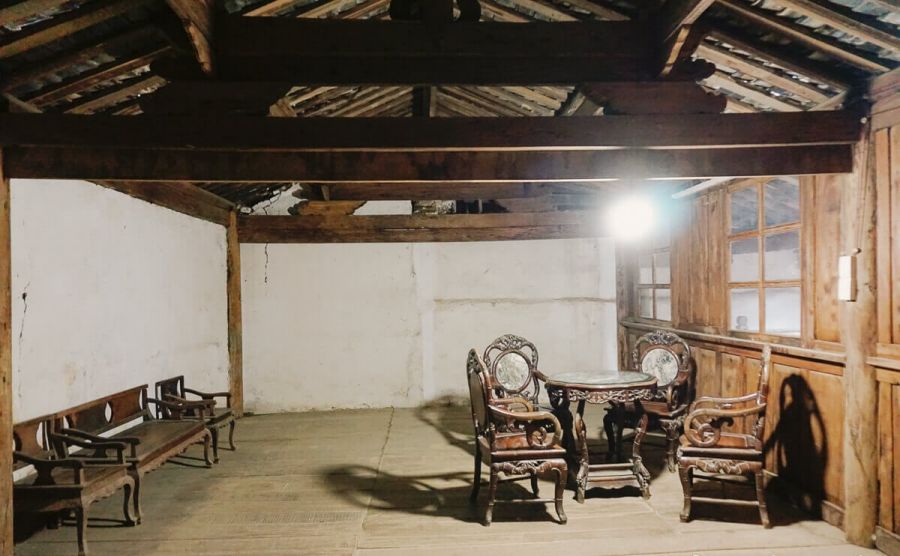
The interior of the palace still maintains its original furniture and artifacts. The wood carvings engraved on the columns are designs of flowers and local patterns. Furniture made of stone pine wood, later replaced by lim wood and ironwood, depicts the artistic traditions of the Hmong King’s period. The special features of the palace include marble bathtubs, goat milk bowls, granite doorframes, and European-style shutters on the windows. Upon entering these halls, a sense of being in the past permeates the visitor.
5 Unforgettable Experiences You Shouldn’t Miss
A visit to the Hmong King Palace is a great experience as it gives a fascinating insight into the rich history, royal life, and distinct culture of the Hmong community. Each nook and corner of the palace is a story itself, be it the majestic architecture of the palace or the intriguing stories of the Vuong family.
Explore the Ancient Architecture
A walk around the Palace of the Hmong Kings transports you back to a time over 100 years ago. Everything is built of beautiful logs and carved with intricate and authentic design, as well as rustic stone walls with great character, and tiling on the roofs that have seen their share of weathering from time and the elements.
You can see the wealth and power of the Vương Family represented in every room, hallway, and terrace. You will also discover fine craftsmanship inspired by both Hmong tradition and Chinese styles of architecture. It has intricate architectural details such as windows and doors, stairways, and ceiling beams that share stories of luxury, prestige, and the blending of cultures, and represent an architectural gem for those who have a strong interest in history and art.
Listen To The History Of The Vuong Family
In the palace, one can hear stories and legends associated with the famous Vương family, including the likes of Vuong Chinh Duc and Vuong Chi Sinh. From opium trading to the administration of the area and the wars fought, the stories are an interesting depiction of what life was like in the Hà Giang hills a century ago.
Such stories are at times accompanied by examples of royal rituals, family customs, and struggles of ruling over a far-off mountainous area. Interaction with such stories makes tourists feel linked to the palace and builds an emotional connection with it by understanding how historical events have created a culture surrounding the palace.
Capture Photos In The Majestic Courtyard
Surrounding the palace grounds are extravagant limestone hills, coupled with abundant pine tree vegetation, making them fantastic for taking pictures. The palace entrances, stone staircases, carved wooden doors, and every other angle afford photographers the opportunities to create artistic representations of beauty in their images.
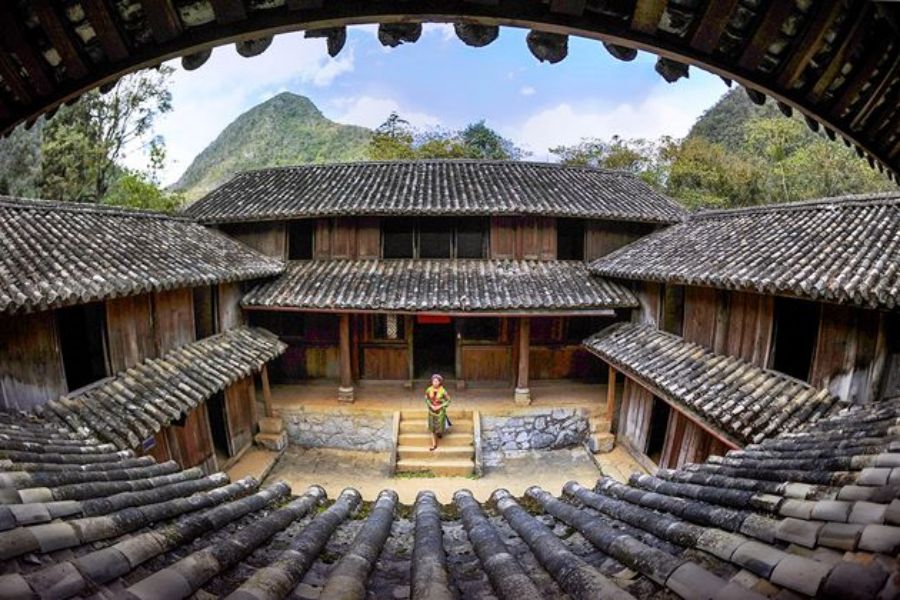
Photographers can develop creative images of light reflecting off the moss on the roofs, or they can incorporate the natural scenery behind the palace into their photo. The photographers can create unique images that convey the sophistication of an ancient building and the magnificence of the mountainous forests of Ha Giang. Therefore, the experience of capturing images contains elements of nature, history, and personal creativity.
Experience Traditional Hmong Culture
The Hmong King Palace is an architectural and historical site, as well as a way for visitors to learn about the living Hmong Culture. Visitors can view traditional garments, adornments, and household goods while gaining insight into Hmong customs and traditions, crafts, and all Hmong items.
Visitors can also take part in hands-on demonstrations like traditional weaving and festivals. Participating in these cultural activities gives the traveler insight into what life was like for the Hmong people, their values, how they express art, and so forth. It creates an experience between today and yesterday for the guest at Hmong King Palace.
Attend Local Festivals And Events
Your timing may coincide with local festivities, which would allow you to observe and participate in traditional Hmong festivals that occur outside and around the palace grounds on the same dates as your visit. These festivals feature colorful dances and music, in addition to various ceremonies that have been perpetuated from generations of ancestors past.
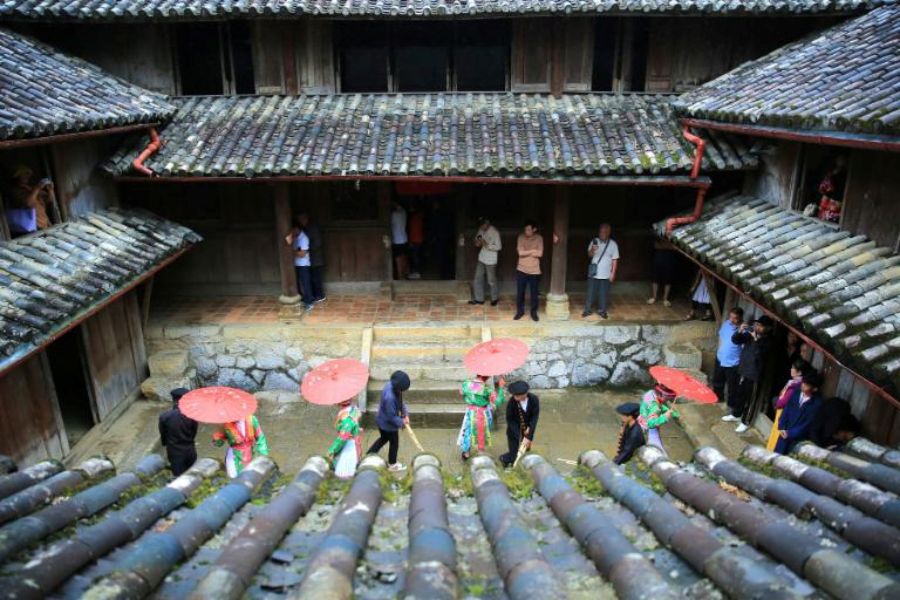
Participating in or viewing these festivals provides visitors with an opportunity to witness the joyfulness of the cultural traditions of the Hmong people, thus enriching their overall experience during their historical visit to the palace. Visitors will also have an opportunity to witness how the traditions and customs come to life within an environment filled with history and the legacy of kingship.
Entrance Fee
The Hmong King’s Palace offers an inexpensive way for visitors to see a historical site at little to no cost. The cost of admission is low, so families can bring children of all ages with them at no cost.
| Ticket Type | Price |
| Adults | 20,000 VND / ticket (~0.85 USD) |
| Children over 1m | 20,000 VND / ticket (~0.85 USD) |
| Children under 1m | Free |
Opening Hours
The opening hours of Hmong King Palace run from 7:00 AM to 5:00 PM every day. You can visit this place at any time of the year. However, visiting during the dry season, which lasts from October to April, is best because of its cool climate.
For integrating the visit with the blooming buckwheat flowers, the best time to visit would be October and November. For a spring picture with peach and plum blossoms, the best time to visit would be from January to March. Also, the summer and early autumn months would be an apt choice for the fresh atmosphere and greenery of the Dong Van limestone plateau.
How To Get To the Hmong King Palace
The Hmong King’s Palace is in the commune of Sa Phin in Dong Van District. The Palace is about 15 km away from Dong Van’s marketplace and around 130 km away from Ha Giang City. For trips to the Palace from Hanoi, travelers can take a sleeper bus or limousine to Ha Giang City, then rent a motorbike or a taxi to travel along Highway 4C, also known as “Happiness Road,” which connects travelers through Quan Ba and Yen Minh to Sa Phin Commune.
The scenic drive to the Palace is along winding mountain passes, past limestone mountain peaks, and ethnic minorities’ markets. Travelers taking guided tours to Sa Phin will have their tour bus drop them off right at the Palace entrance, making this an ideal option for those on vacation who want to maximize their travel time.
Things To Know Before Traveling To the Hmong King Palace
A few practical tips can smooth things out and deepen your enjoyment if you’re planning a trip to the Hmong King Palace. They will actually help you explore the place, get a feel for its history, and soak in the surrounding scenery.
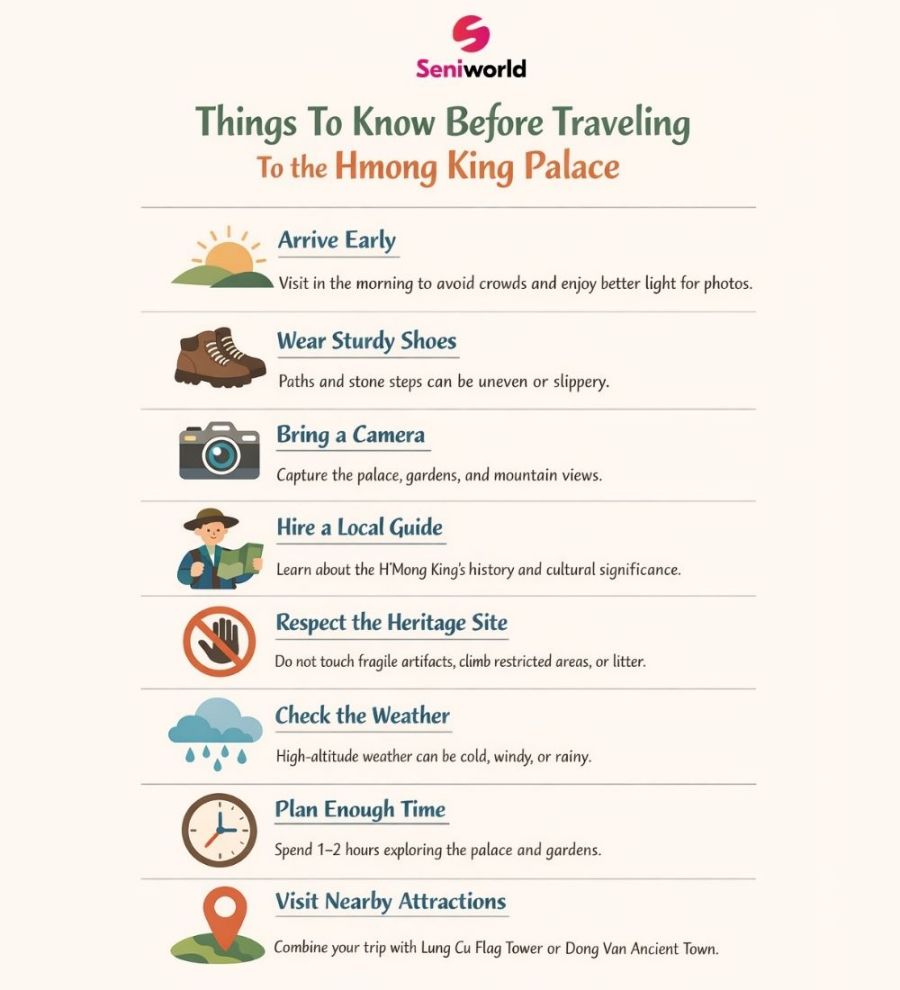
- Head in early to avoid the crowds, take in the peaceful feel of the building grounds, and get the best light for photos around some architectural details worthy of a closer glance.
- Wear comfortable, sturdy shoes. The site contains uneven pathways, stone steps, and slopes that can be slippery after rain. Good shoes are important.
- Bring a camera or a phone that has enough charge and memory to shoot the palace and its gardens, and also the mountain views nearby. Perfect for photos and video shots.
- If possible, try to hire a local guide or join a tour. A knowledgeable guide can unpack the H’Mong King’s history, explain the palace’s cultural significance, and tell stories you won’t read in any guidebook.
- The heritage site should be respected by not touching artifacts that may be easily broken, entering places that should not be climbed, or littering, so that when one visits, the palace will still look preserved.
- You should check the weather forecast before visiting to prepare yourself for the trip, as the climate can turn out to be quite chilly and windy, along with rain, as the region has high altitudes.
- Spend at least 1-2 hours exploring the palace and its gardens, including other surrounding structures, to give sufficient time to admire the architecture and absorb the historical setting.
- If it is feasible, it is always a good idea to visit other nearby sites, such as the Lung Cu Flag Tower or the Dong Van Ancient Town, when visiting the Hmong King Palace to maximize your experience in the province of Ha Giang.
Final Thoughts: Is the Hmong King Palace Worth Visiting?
If you’re traveling to Ha Giang, the Hmong King Palace is a great place to stop and explore. The building is beautifully designed and combines elements of the H’Mong architectural style, French, and Chinese influences. The palace provides visitors with an opportunity to explore and learn about the history of the royal family in Ha Giang and to experience the rich culture. Before your unique journey through Northern Vietnam’s history, you should contact Seni World to ensure your visit to the Hmong King Palace is one of your best memories.


Related articles


