


Ho Quoc Pagoda, also known as Truc Lam Ho Quoc Zen Monastery, is one of Phu Quoc’s most sacred spiritual sites, famous for its seaside location, peaceful atmosphere, and stunning panoramic views overlooking the ocean.
Introduction to Ho Quoc Pagoda
Ho Quoc Pagoda, officially known as Truc Lam Ho Quoc Zen Monastery, is one of the most famous spiritual attractions in Phu Quoc Island. Located on a hillside overlooking the sea, the pagoda offers a harmonious blend of traditional Buddhist architecture and breathtaking natural scenery. With its grand gates, stone stairways, and serene courtyards, Ho Quoc Pagoda attracts both pilgrims and travelers seeking a peaceful cultural experience. The calm atmosphere and panoramic ocean views make it a standout destination among Phu Quoc’s religious landmarks.
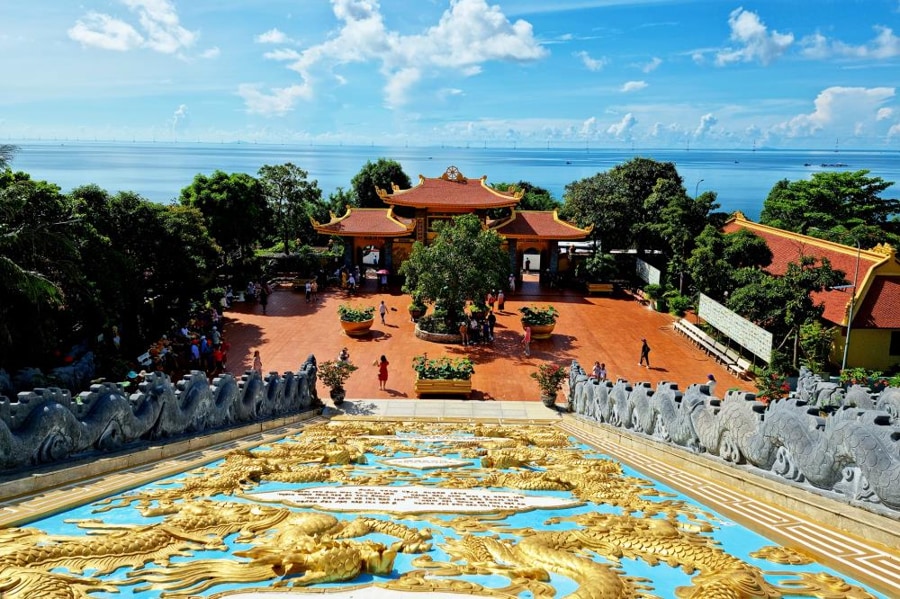
Visiting Ho Quoc Pagoda is a meaningful way to explore the spiritual side of Phu Quoc while enjoying stunning coastal landscapes. The pagoda is an ideal place for meditation, quiet reflection, and learning about Vietnamese Buddhism. In addition to its spiritual value, Ho Quoc Pagoda is also popular for photography and sightseeing, especially at sunrise and sunset. Easy access and free entry make it a must-visit stop for anyone looking to combine culture, nature, and tranquility during their Phu Quoc journey.
History Of Ho Quoc Pagoda
Ho Quoc Pagoda, officially named Truc Lam Ho Quoc Zen Monastery, was built between 2011 and 2012 as part of the Truc Lam Zen tradition in Vietnam. Situated on a coastal hillside in southern Phu Quoc, the pagoda was designed to harmonize Buddhist architecture with the surrounding sea and forest landscapes. Since its inauguration, Ho Quoc Pagoda has become the largest and most important Buddhist monastery on Phu Quoc Island, serving as a spiritual center for monks, locals, and visiting pilgrims.
Over the years, Ho Quoc Pagoda has played a significant role in preserving Buddhist teachings and promoting meditation practices rooted in the Truc Lam Zen philosophy. The pagoda regularly hosts religious ceremonies, festivals, and community activities that reflect Vietnam’s long-standing Buddhist traditions. Today, its historical value combined with its dramatic seaside setting makes Ho Quoc Pagoda not only a place of worship but also a culturally meaningful destination for travelers interested in history, spirituality, and Vietnamese heritage.
Unique Architecture Of Ho Quoc Pagoda
Ho Quoc Pagoda stands out for its majestic Truc Lam Zen architecture, harmoniously set between the mountains and the sea of Phu Quoc. Every structure is carefully designed to reflect Buddhist philosophy while highlighting the pagoda’s dramatic coastal landscape.
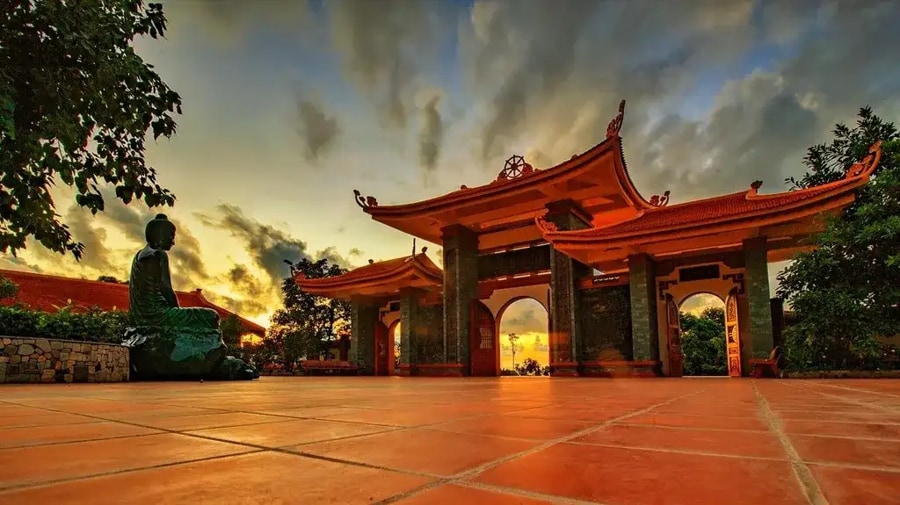
Tam Quan Main Gate
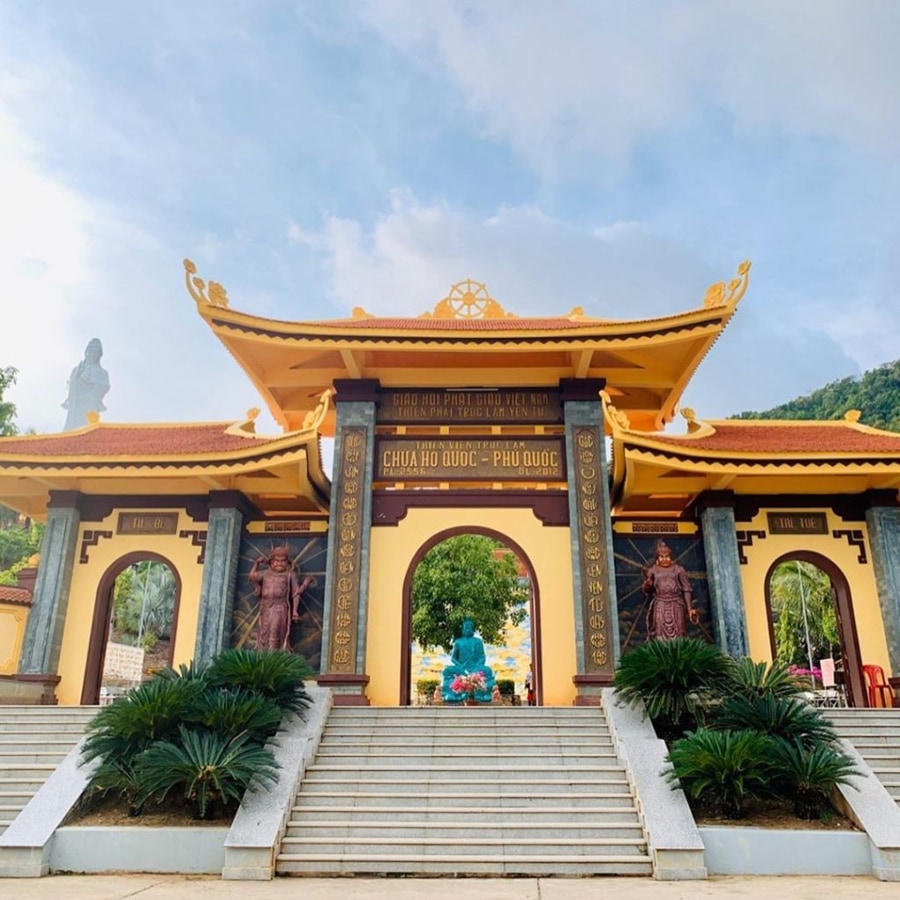
The Tam Quan main gate of Ho Quoc Pagoda is constructed from solid stone and designed in a traditional Buddhist style. It symbolizes the three paths to enlightenment and creates a solemn first impression. Facing the sea, the gate perfectly connects spiritual meaning with the surrounding natural landscape.
Main Hall (Chinh Dien)
The Main Hall is the spiritual heart of Ho Quoc Pagoda, featuring impressive Buddha statues and finely detailed wooden carvings. Positioned on elevated ground, it offers panoramic ocean views that enhance the sense of peace. This space is used for worship, meditation, and important religious ceremonies.
Stone Stairways to the Sea
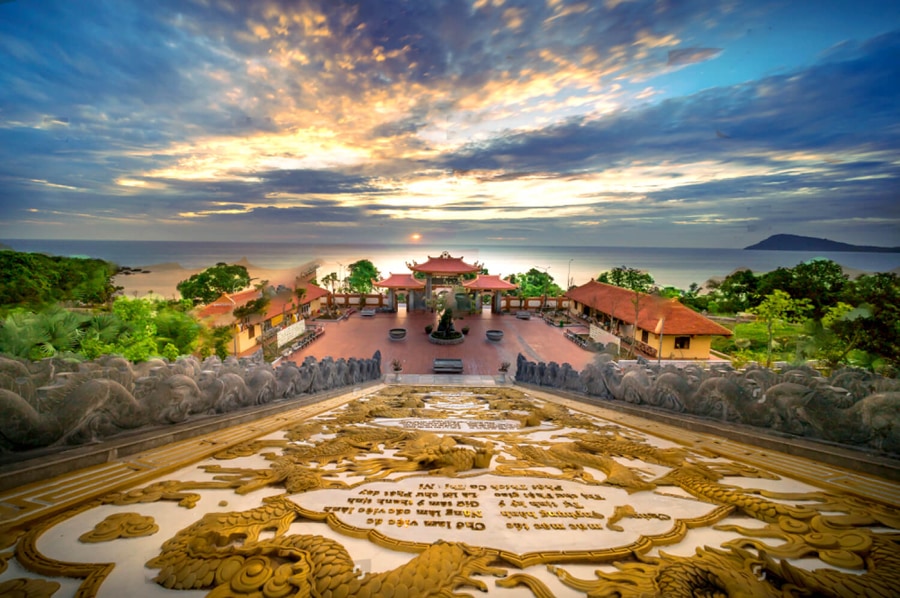
The long stone stairways leading toward the coastline are among the most iconic architectural features of Ho Quoc Pagoda. They represent the spiritual journey between land and sea. Walking along these steps allows visitors to enjoy tranquil moments with breathtaking coastal scenery.
Lotus-Inspired Design Elements
Lotus motifs appear throughout the pagoda’s architecture, symbolizing purity and spiritual awakening in Buddhism. These decorative details are subtly integrated into structures and carvings. The lotus designs add elegance while reinforcing the pagoda’s deep religious meaning and cultural identity.
Meditation Courtyards and Terraces
The open courtyards and terraces are designed as quiet spaces for meditation and contemplation. Built with stone surfaces and minimal decoration, they emphasize simplicity and harmony. Overlooking the sea, these areas create a strong connection between nature, spirituality, and inner peace.
Monk Living Quarters
The monk living quarters follow minimalist Truc Lam Zen architecture, focusing on simplicity and balance. Made from natural materials, the buildings blend seamlessly into the landscape. Their design reflects the disciplined lifestyle of the monks and the core values of tranquility and mindfulness.
5 Unforgettable Experiences You Shouldn’t Miss
Ho Quoc Pagoda offers more than spiritual significance, providing visitors with peaceful moments, cultural discovery, and breathtaking coastal scenery. From quiet meditation to scenic views, each experience creates lasting memories on Phu Quoc Island.
Enjoy the Peaceful Spiritual Atmosphere
Spending quiet time at Ho Quoc Pagoda is an unforgettable experience for many visitors. The calm surroundings, gentle sea breeze, and sound of temple bells create a perfect setting for meditation, reflection, and spiritual relaxation away from the busy tourist areas.
Admire Panoramic Ocean Views
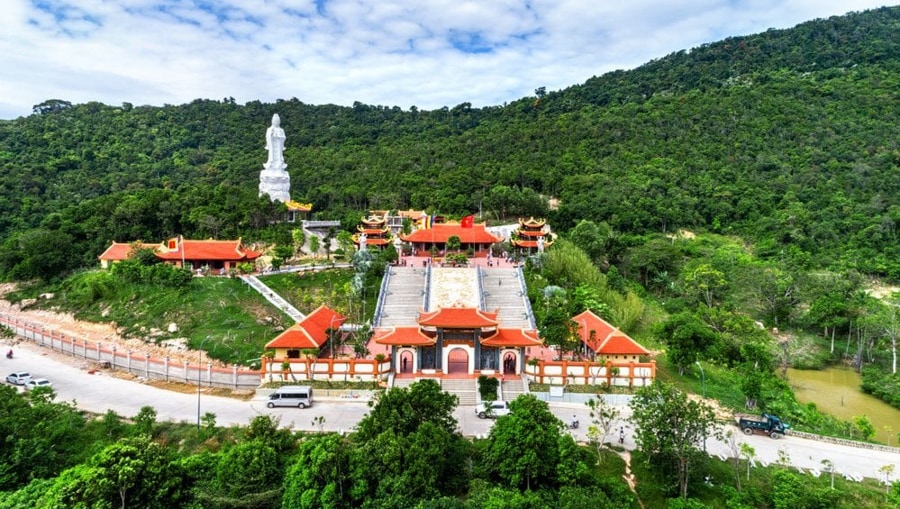
One of the highlights of Ho Quoc Pagoda is its breathtaking view overlooking the sea. From the terraces and stairways, visitors can enjoy wide ocean vistas, especially during sunrise and sunset, making it an ideal spot for photography and quiet sightseeing.
Explore Traditional Buddhist Architecture
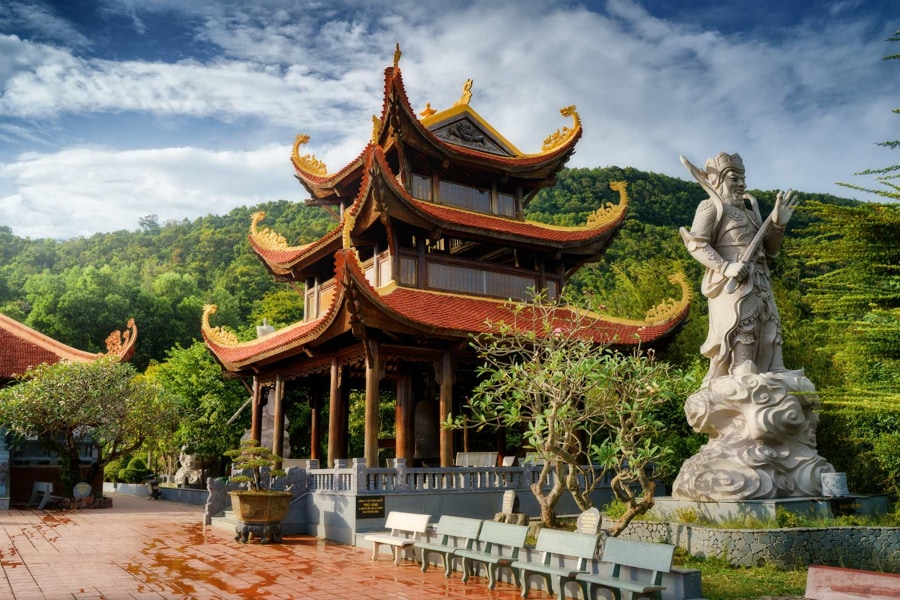
Walking through the pagoda complex allows visitors to admire traditional Truc Lam Zen architecture. From the grand main gate to the main hall and stone stairways, each structure reflects deep spiritual meaning and careful craftsmanship rooted in Vietnamese Buddhist culture.
Experience Buddhist Rituals and Ceremonies
Visitors may have the chance to observe or participate in daily prayers and special Buddhist ceremonies. These rituals offer insight into local religious practices and provide a meaningful cultural experience, especially for those interested in spirituality and Vietnamese traditions.
Capture Stunning Travel Photography
Ho Quoc Pagoda is a favorite destination for photographers thanks to its unique location between mountains and sea. The combination of stone architecture, open sky, and coastal scenery creates striking photo opportunities at every corner of the temple grounds.
Entrance Fee
Entrance to Ho Quoc Pagoda is completely free, making it an accessible destination for all visitors to Phu Quoc Island. Travelers can explore the temple grounds, admire its architecture, and enjoy peaceful ocean views without purchasing tickets. Although there is no entrance fee, visitors are welcome to make voluntary donations to support temple maintenance and religious activities. This free admission policy allows everyone to experience the spiritual atmosphere, cultural value, and natural beauty of Ho Quoc Pagoda comfortably and respectfully.
Opening Hours
Ho Quoc Pagoda is open daily from 6:00 AM to 6:00 PM, allowing visitors to explore the temple throughout the day. Early morning hours are ideal for those seeking a quiet, spiritual atmosphere, while late afternoons offer cooler temperatures and beautiful coastal views. The pagoda may become busier during weekends, public holidays, and major Buddhist festivals, so visiting on weekdays is recommended for a more peaceful experience.
The best time to visit Ho Quoc Pagoda is during the dry season from November to April, when the weather is sunny and comfortable for sightseeing. Sunrise and sunset are especially popular, as the soft light enhances the pagoda’s architecture and ocean scenery. Visiting during these times provides a memorable blend of spirituality, nature, and tranquility.
How To Get To Ho Quoc Pagoda
Ho Quoc Pagoda is easily accessible from Duong Dong town and Phu Quoc International Airport by various transport options. Choosing the right vehicle helps visitors enjoy a smooth journey while admiring Phu Quoc’s coastal scenery along the way.
| Transportation | Estimated Travel Time | Approximate Cost (USD) | Notes |
| Taxi / Car | 30 to 40 minutes | 15 to 25 USD | Comfortable, suitable for families |
| Motorbike | 35 to 45 minutes | 5 to 7 USD (rental/day) | Flexible, ideal for independent travelers |
| Private Tour | Half-day | Varies | Often includes multiple attractions |
Note: If traveling by motorbike, visitors should have a valid driving license and ride carefully, as some coastal roads near the pagoda can be steep and windy, especially during the rainy season.
Things To Know Before Traveling To Ho Quoc Pagoda
Visiting Ho Quoc Pagoda is a spiritual experience that blends spirituality with coastal scenery. Preparing in advance helps travelers respect temple etiquette, enjoy the visit, and make the most of their time in Phu Quoc.
- Dress modestly by covering shoulders and knees to show respect when visiting the pagoda, especially during prayer times and religious ceremonies attended by monks and local worshippers.
- Visit early in the morning or late afternoon to enjoy cooler weather, fewer crowds, softer lighting, and peaceful moments ideal for meditation, photography, and quiet spiritual reflection.
- Bring water, sun protection, and comfortable shoes since the temple complex is spacious, with stone stairways and open terraces exposed to sunlight for long periods during visits.
- Maintain silence, avoid loud conversations, and follow posted guidelines to preserve the sacred atmosphere, showing consideration for monks, worshippers, and other visitors seeking spiritual calm and mindfulness.
- Check weather forecasts before traveling, as rainy conditions can make roads slippery, especially for motorbike riders heading to the pagoda from central Phu Quoc areas, safely.
FAQs About Ho Quoc Pagoda
Ho Quoc Pagoda is one of the most visited spiritual attractions in Phu Quoc, raising many common questions among travelers. The following FAQs help visitors plan a respectful, comfortable, and meaningful visit to this sacred seaside temple.
Is there an entrance fee to visit Ho Quoc Pagoda?
No, Ho Quoc Pagoda is completely free to enter for all visitors. There is no ticket booth or required fee to access the temple grounds, main hall, or viewing terraces. However, donation boxes are available for those who wish to contribute voluntarily to temple maintenance and religious activities. These donations are optional and not expected, allowing travelers to enjoy the pagoda regardless of budget while still supporting its preservation if they choose.
What is the best time of day to visit Ho Quoc Pagoda?
The best time to visit Ho Quoc Pagoda is early in the morning or late in the afternoon. Morning visits offer a quiet atmosphere ideal for meditation and spiritual reflection, while afternoons provide cooler temperatures and beautiful ocean views. Sunrise and sunset are especially popular for photography, as the natural light enhances the temple’s architecture and coastal scenery.
What should visitors wear when visiting Ho Quoc Pagoda?
Visitors should dress modestly when visiting Ho Quoc Pagoda to respect Buddhist traditions. Clothing should cover the shoulders and knees, and overly revealing outfits are discouraged. Comfortable footwear is recommended due to stone stairways and walking paths. Wearing respectful attire helps maintain the sacred atmosphere and ensures a pleasant experience for both visitors and worshippers.
Final Thoughts: Is Ho Quoc Pagoda Worth Visiting?
Ho Quoc Pagoda is truly worth visiting for travelers seeking a peaceful blend of spirituality, culture, and natural beauty in Phu Quoc. Its majestic seaside setting, traditional Buddhist architecture, and tranquil atmosphere create a meaningful escape from busy tourist spots. With free entry, easy access, and stunning sunrise and sunset views, the pagoda appeals to both cultural explorers and nature lovers. Add Ho Quoc Pagoda to your Phu Quoc itinerary and discover more inspiring destinations with Seni World.


Related articles


