


The Jade Emperor Pagoda in Ho Chi Minh City is a well-known spiritual site, popular for its beautiful architecture and holy ambiance. Visitors come to seek peace, blessings from the gods, and are part of Vietnam’s cultural practices.
Introduction To Jade Emperor Pagoda
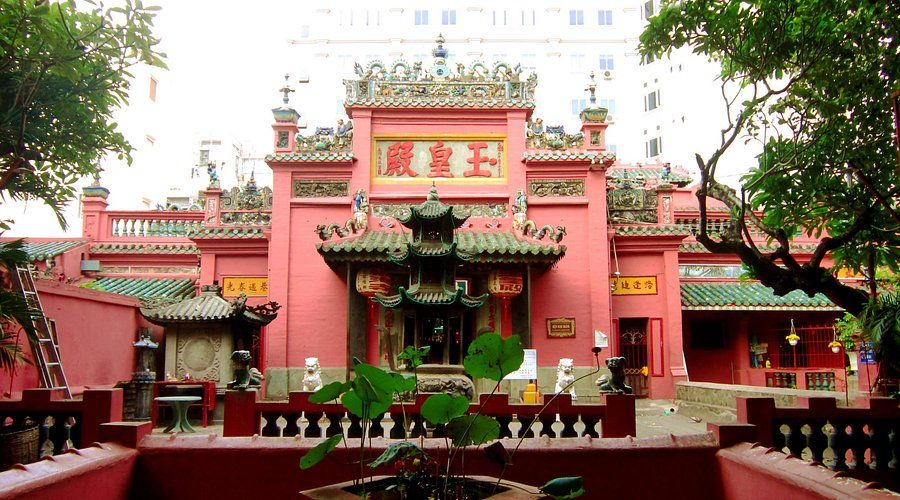
The Jade Emperor Pagoda (Ngoc Hoang or Phuoc Hai Tu) is an important Taoist-Buddhist temple in the center of Saigon’s District 1 at 73 Mai Thi Luu Street. Built in 1909 by the Cantonese community, it is one of Ho Chi Minh City’s most atmospheric and sacred historical landmarks, characterized by incense smoke, elaborate wooden carvings, and mystical statues.
People come to Jade Emperor Pagoda for religious functions, but also for the profound and culturally charming, and meaningful spaces. It recognizes Ngoc Hoang (Jade Emperor), along with many other themes from Taoist deities and folk figures, woven in a multifaith space filled with Taoism, Buddhism, and local Vietnamese beliefs. Its quiet courtyards, painted twelve zodiac women, and religious halls depicting judgments in the afterlife, make it a remarkable place to visit for both worshippers and curious travelers.
History Of Jade Emperor Pagoda
The Jade Emperor Pagoda in Ho Chi Minh City was established in the early 20th century by a Chinese person named Luu Minh, also known as Luu Dao Nguyen. In the beginning, the temple was built to honor the Jade Emperor, the chief god of Taoism, while simultaneously being a secret venue for plots to revolt against the Qing Dynasty.
In 1982, the pagoda was taken over by Venerable Thich Vinh Khuong, and at this time, the pagoda became part of the Vietnam Buddhist Sangha. Soon after, in 1984, it was changed to the Phuoc Hai Tu. Through the years, the Jade Emperor Pagoda has emerged as not only a religious site but also a well-known cultural site near the Saigon River. Presently, people from the locality and tourists visit here to pray for children, love, and peace in life, and provide that spiritual significance in modern-day Saigon.
Unique Architecture Of Jade Emperor Pagoda
The Jade Emperor Pagoda is meaningful as a worship space and a beautiful example of architecture from both Taoist and Buddhist traditions. The pagoda is divided into three main sections: the central hall, the right wing, and the left wing, each with its own various altars for different deities.
The Main Hall (Hall of the Jade Emperor)
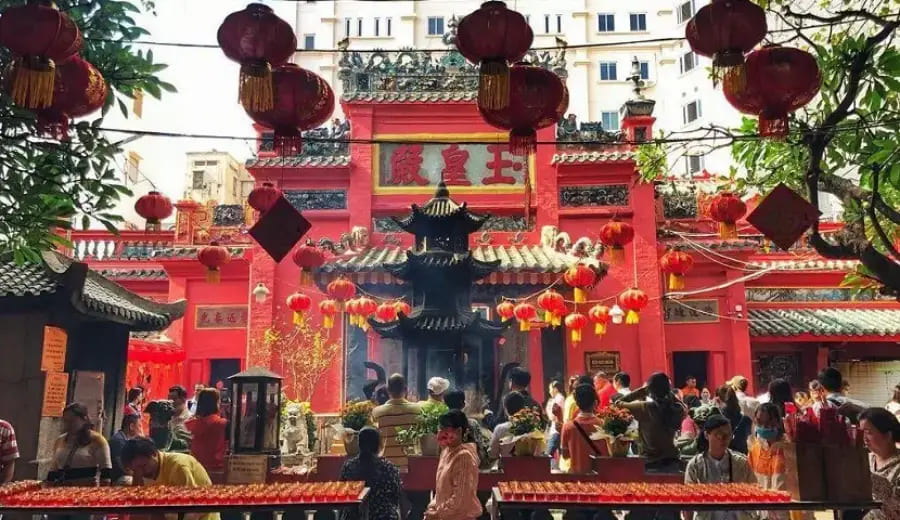
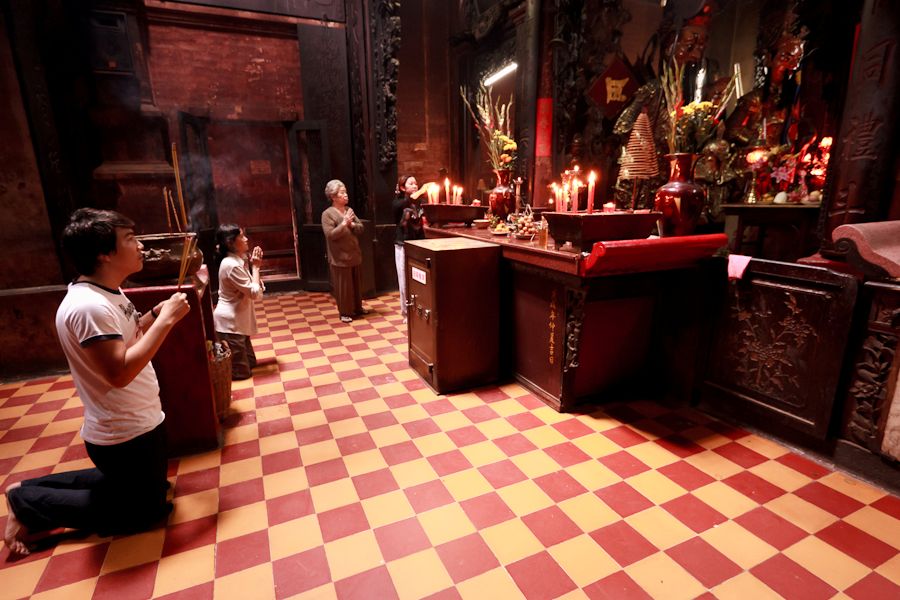
The heart of the Jade Emperor Pagoda is the central hall, which is dedicated to the highest deity, Jade Emperor, the symbol of wisdom and power. It feels serious inside, with decorated carvings of dragons representing strength and tigers representing protection. Two deities, from left to right – Huyen Thien Bac De and Buddha Chuan De – stand as guardians of the hall. Many visitors come to this hall to light incense and seek serenity and protection for themselves and their families. Traditionally, this hall is the most sacred space in the pagoda.
Hall Of The City God
The City God’s Hall, situated to the left of the Great Hall, honors several protective deities: Lo Ban (patron of carpentry), Thai Tue (god of fortune and misfortune), and Ma Tuong Quan (a helmeted general with a black face). These deities are responsible for strength, justice, and guarding their land and people. Worshippers regularly stop here to request safety, guidance, and protection from misfortunes. This hall’s spirit embodies a solemn energy strengthened by the energy of worshippers praying for help. For that reason, this is an important stop inside the temple.
Kim Hoa Goddess And The Twelve Midwives
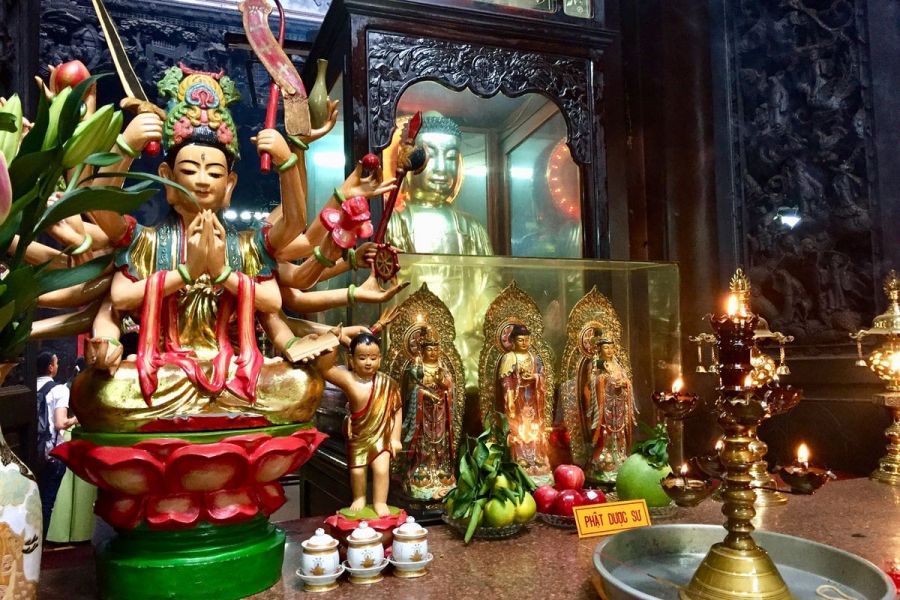
This smaller shrine, also to the left, honors Kim Hoa Thanh Mau and the twelve midwives. Each statue is made of a rare ceramic and displays different postures to indicate them as divine midwives during childbirth. The followers believe that this goddess and the midwives will protect mothers during pregnancy and allow for safe and healthy births.
Couples wishing for children come to this shrine to pray with sincere hope for the blessings of fertility and family happiness. Besides the sanctuary of praying, the shrine has become one of the most popular altars in the pagoda over time.
God of Wealth And Earth Deity
Another significant temple in the left wing is for Than Tai (God of Wealth) and Tho Dia (Earth Deity). These two revered figures are essential in Vietnamese folk beliefs about wealth, prosperity, and the protection of land. On the first and fifteenth days of every lunar month, the altar is covered in fruits, cakes, and votive papers. People come to pray for business success, financial stability, and general fortune in life.
The Ten Hells Of The Underworld
Next to the God of Wealth’s shrine, there is an area with representations of another important belief in Vietnamese culture, namely the Ten Kings of Hell and their rulership over the underworld. In the altar, you’ll see ten wooden statues depicting the various phases of judgment and punishment for souls after passing away.
This area of the shrine has a humbling quality that reminds visitors of the law of karma and serves as motivation for visitors to live an honorable life and perform good acts. Of the few temples in Vietnam, the Jade Emperor Pagoda has maintained such vivid detail in its display of this belief.
Other Deities And Altars
In addition to the main halls, the pagoda contains an altar for many other deities as well. The Medicine Buddha (Phat Duoc Su) is used for the purpose of healing ailments in either the body or mind. The well-known couple, Ong To and Ba Nguyet, who weave the red thread of destiny, are prayed to for love and marriage. The kind Bodhisattva Guan Yin is also present, providing blessings of mercy and protection.
The temple also recognizes the 13 Masters, spiritual figures who immediately educate one on moral teachings and the direction of souls to Buddha consciousness. These altars to other aspects of practice add to the cultural and spiritual presence of the Jade Emperor Pagoda.
3 Unforgettable Experiences You Shouldn’t Miss
With its Taoist origins and a worshipping culture of many gods, the Jade Emperor Pagoda has been a holy destination for people praying for children, love, and peace. Here are some of the most remarkable experiences that you shouldn’t miss during your visit to this legendary temple.
Praying For Children At The Jade Emperor Pagoda
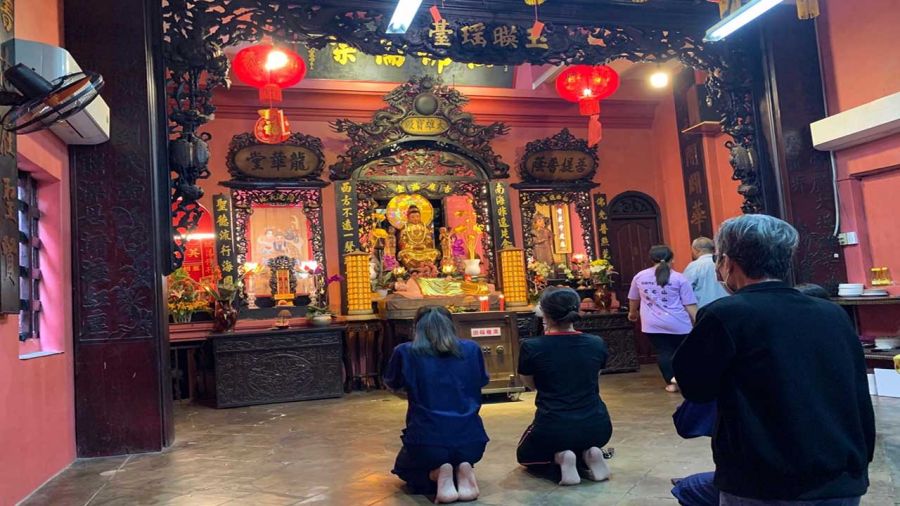
The Jade Emperor Pagoda is well-known for having the shrine of Kim Hoa Thanh Mau with the twelve midwives, and is well-known for blessing families with children. This temple has served for generations as a hope for couples who have had difficulty with infertility.
Next to the main hall where the Jade Emperor is worshipped is the altar of the Kim Hoa Thanh Mau (Holy Mother), where many worshippers come to pray. This altar is generally the most populated each time of the year, but especially at any significant festival. With simple offerings and clear instructions on how to pay your respects by the temple staff, worshippers simply go to the Holy Mother’s altar, lay out their offerings and burn incense, and pray for the wishes they would like fulfilled. Many believe that miracles come after worshipping in sincerity here, especially when done with a good heart and good deeds.
Seeking Love And Marriage Fortune
The Jade Emperor Pagoda is also known as a sacred space for couples as well as young people to pray for love and ask for marriage. People who have a partner often come here to pray for their happy marriage and lifelong harmony.
After burning incense and earnestly reading both their name and their partners, worshippers gently touch the deities of Match Making, Ong To, and Ba Nguyet, to pray for a binding of fate. It is believed that the Holy Mother hears the wishes of humans and entrusted the couple’s love story to the divine matchmakers for a lovely path together.
Praying For Peace And Good Health
In addition to love and fertility, numerous visitors also visit the Jade Emperor Pagoda to pray for health, safety, and to seek peace in life. For those who wish for the blessings of health, the statue of the legendary healer Hoa Đà is a special stop.
Each year, the 9th day of the first lunar month is reserved for the big Jade Emperor’s festival. This is the auspicious, welcoming day of this temple and is believed to be the best in bringing good fortune. During the Jade Emperor’s festival, it is very crowded with worshippers and visitors, and creates a boisterous yet spiritual feeling in attendance. It is a great opportunity to both involve yourself in a prayer and also the traditions this cultural festival celebrates in Saigon.
Entrance Fee
There is no sign-up fee for visiting the Jade Emperor Pagoda. Visitors may bring or buy offerings, including fruits, flowers, and incense, according to their ability and desire.
Opening Hours
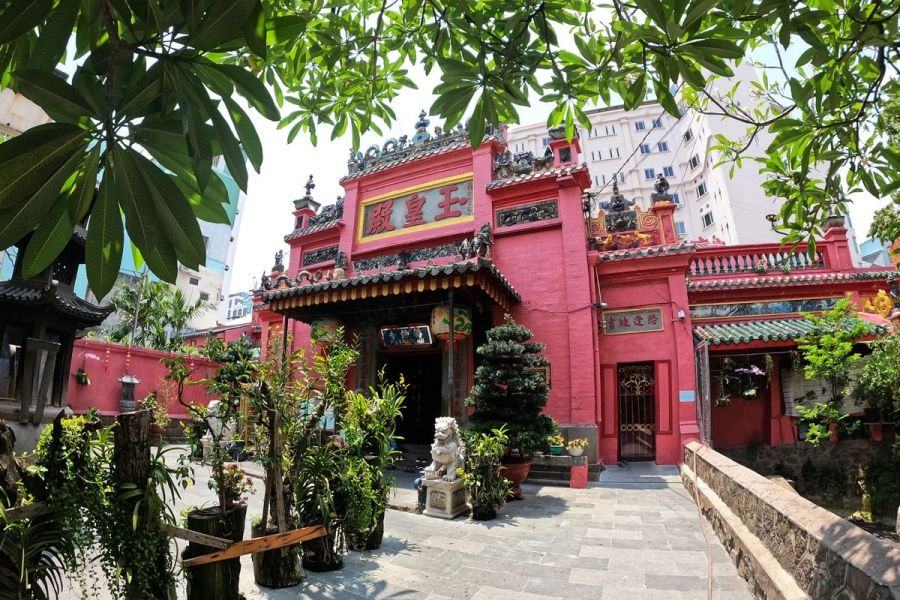
The Jade Emperor Pagoda is open daily from 7:00 AM to 5:30 PM. On the 1st and 15th days of the lunar month, the pagoda is also open earlier, from 5:00 AM to 7:00 PM, to allow for additional worship on special spiritual days.
To maximize your experience, it is preferable to visit during the morning when the atmosphere is calm and peaceful. Coming on regular weekdays will also provide you with an experience of the tranquility of the temple, rather than the large crowds that are typical of festival days during the lunar calendar.
How To Get To Jade Emperor Pagoda
Jade Emperor Pagoda is situated in District 1, right in the heart of Ho Chi Minh City; therefore, access is really easy. Visitors can travel by motorbike, automobile, or even simply book a ride through popular apps like Grab, Be, or Gojek. If you are starting from nearby districts like District 3, District 5, or Binh Thanh, it most likely only takes about 10-15 minutes.
For affordable transportation, several bus routes, including 18, 36, and 45, have nearby stops to the pagoda. Plus, because of the location in the middle of town, visitors could easily combine visiting the Jade Emperor Pagoda and visiting many of the other renowned attractions found nearby throughout the city.
Things To Know Before Traveling To Jade Emperor Pagoda
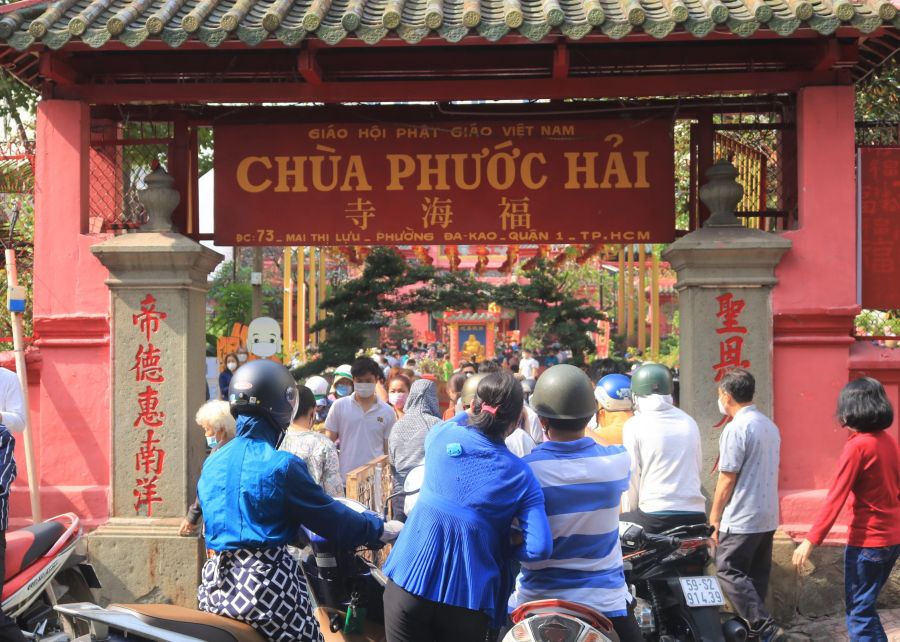
Prior to visiting the Jade Emperor Pagoda, it is a good idea to prepare yourself with a few basic tips in order to have a respectful, seamless experience visiting a sacred place. Practicing respectful behavior and appropriate attire will add to the value of your visit because this is a holy place.
- Dress in a modest, respectful manner and do not wear flamboyant or revealing clothing.
- Keep the pagoda as clean as possible, do not litter around, and do not disturb the sacred atmosphere and sanctity of the pagoda, especially during special events or festivals.
- If you are going to pray, please wait to be guided in prayer, and comply with the pagoda’s directions in regards to praying.
- Always record or take photos after asking the permission of the temple’s governing manager to show your respect.
Final Thoughts: Is Jade Emperor Pagoda Worth Visiting?
Of course, the Jade Emperor Pagoda is not merely a spiritual institution but rather a cultural icon showcasing the beauty in Vietnam’s spiritual practices and architectural beauty. With intricately carved and moody altars, the scent of incense wafting in the air, and prayers filling all spaces, the pagoda provides unique opportunities to connect with history and spirituality. As you plan your travels to Ho Chi Minh City, rely on Seni World as your trusted guide to help you navigate the unique experiences this vibrant city has to offer.


Related articles


