


Lao Chai is a charming rural village of the H’mong ethnic minority, situated deep in Muong Hoa Valley of Sapa. This region is famous for its breathtaking terraced rice paddies, stilt houses, and rich cultural identity, giving visitors an insight into rural life in northern Vietnam’s mountains.
Introduction To Lao Chai Village
Lao Chai Village is a scenic ethnic minority settlement located in the centre of Muong Hoa Valley (7-8 km southeast of Sapa Town). It is known for its beautiful terraced rice fields, winding streams, and rural setting, which are completely different from the hustle and bustle of the cities around the world. The changing landscape at Lao Chai depicts the transition between Season and Rest, similar to the transition from the lush green fields of Summer into the Golden colours of Autumn, making it a popular spot for nature enthusiasts and photographers alike.
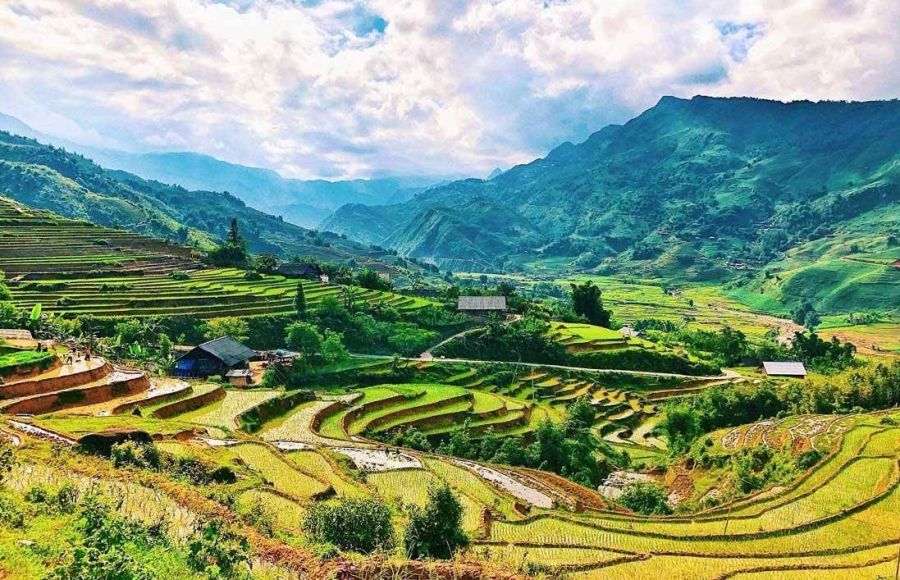
Natural beauty aside, visitors to Lao Chai Village are also attracted by the rich culture and traditions of the Black H’Mong and Giay people, who have lived in this area for hundreds of years. Walking down narrow trails, you will see homes made from wood and other materials, nice people going about their lives, and there are many opportunities to take part in daily life by seeing local customs, handicrafts, and food. Walking, or trekking for those that want to trek, from Sapa to Ta Van Lao Chai provides an opportunity to experience and learn about the rich cultural history and charm of the northern highlands of Vietnam.
Top 6 Iconic Attractions In Lao Chai Village
A trip to Lao Chai Village would not be complete without visiting its most famous sites. Each location is a journey to the rich culture, natural beauty, and way of life of the Black H’Mong and Giay communities in Lao Chai Village.
Muong Hoa Valley
Located inside the Muong Hoa Valley, Lao Chai Village has been called a “poetic muse” of Sapa. The rice terraces stretch beautifully through the hills, painting a breathtaking picture of a colorful tapestry of green, golden, and brown depending on the season. During the wet season, the rice fields mirror the color of the sky, while in spring, the fields regain their bright green color. However, as soon as Autumn sets in, the rice fields glow like a golden masterpiece. Trails of the valley and by the side of the stream allow visitors to observe fish swimming in the clear waters.
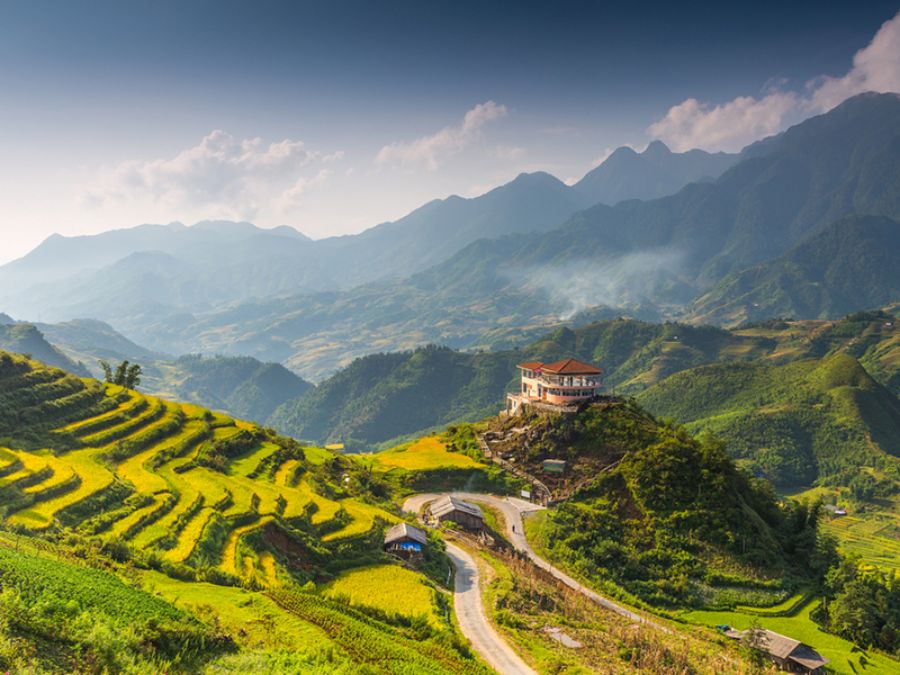
Furthermore, the sound of the Muong Hoa stream provides a gentle background melody while soaking up the sights of this breathtaking scenery. Sunrise and sunset moments would be truly magical as the soft mist covers the whole valley, making this natural scenery a dream to see.
Lao Chai Suspension Bridge
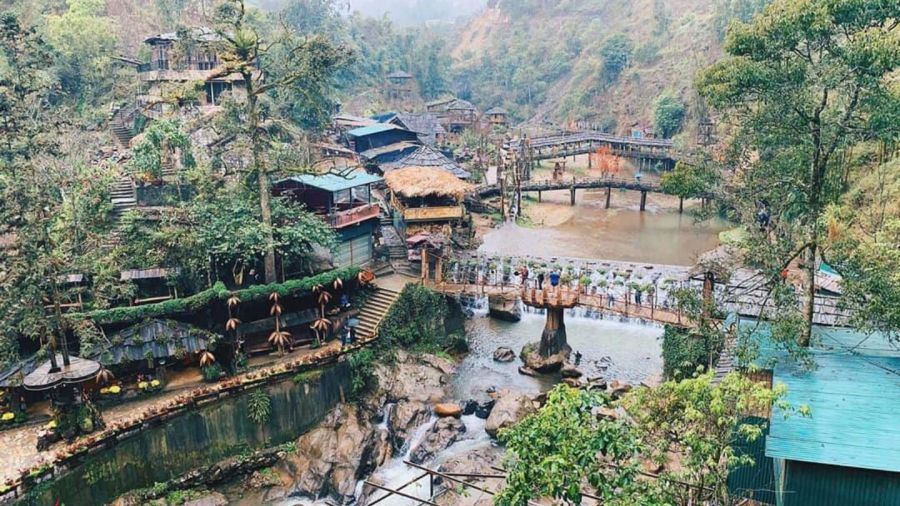
Extending over the peaceful Muong Hoa River is the elegant Lao Chai Suspension Bridge, which not only acts as a means to cross over to the other side of the village but is also a popular sightseeing spot. On the bridge, tourists can enjoy the day-to-day activity of farmers cultivating their lands, children playing near the riverbank, and handicraft vendors lining the walkway. Additionally, come rainy days, wildflowers grow around the bridge to provide an ambiance that looks straight out of a fairy tale. This is also an ideal location to take photographs of the village’s surroundings.
Lao Chai San 2 Suspension Bridge
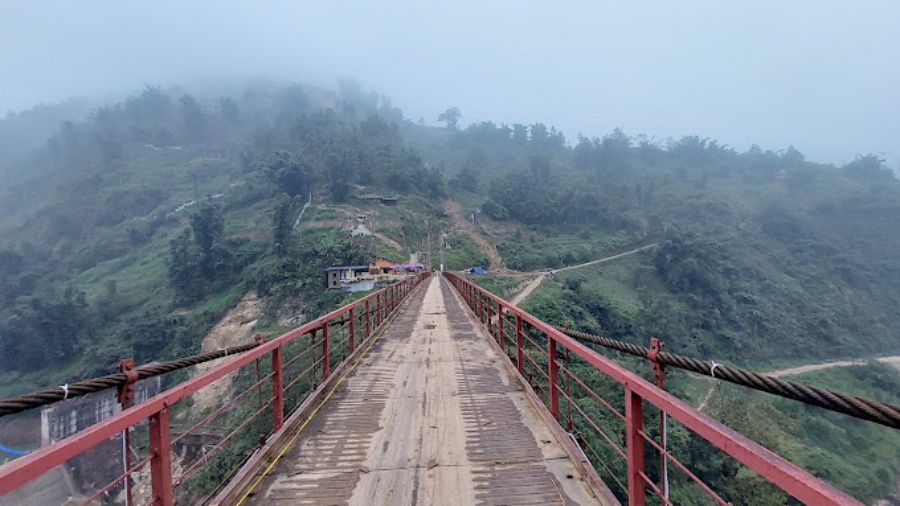
Unlike its counterpart in Lao Chai Village, Lao Chai San 2 spans over the reservoir of Y Linh Ho with a modern cable suspension system. Its red cables appear suspended over the water, harmoniously mixing with the morning fog. It is one of the must-visit places for trekkers, photographers, or nature enthusiasts, especially during May or June when golden butterflies are abundant. From this spot, trekkers can capture a striking view of the valley and reservoir with modern installations harmoniously coexisting in nature.
Ta Van Girl Shrine
Hidden behind a small hill, Ta Van Girl Shrine is a religious sanctuary for the locals. The shrine honors the figure of the Muong Va girl, who exists as a god in the folk belief of the Upper Northern Mountains. The site is a serene place that allows tourists to acquaint themselves with the particular spiritual culture of the H’Mong and Giay ethnic groups.
Moreover, during the festivals and Tet holidays, tourists have the opportunity to observe the ‘Hau Dong’ ritual. By visiting the shrine, tourists can experience the cultural and religious beliefs of the residents of Lao Chai Village.

Provincial Road 152
The route to Lao Chai, especially in the Muong Hoa Valley, is one of the favorite places to stop over to admire the panorama. From there, tourists can have a comprehensive view of Lao Chai, Ta Van, and the surrounding mountains as they come out from the misty clouds. The scenic areas to stop over on the route to Lao Chai have become favorite locations of photographers and adventure tourists to capture the beauty of Northwest Vietnam in different seasons.
Y Linh Ho Hydroelectric Dam
Located beneath the Lao Chai San 2 Bridge, the Y Linh Ho Hydroelectric Dam is an unobtrusive but essential part of the scenery, providing the village and surrounding areas with electricity. Despite the fact that the dam itself is rather small, it combines perfectly with the natural scenery of the terrain. The sound of the water that rushes when the dam releases water during the rainy season reverberates throughout the valley as if singing an endless concert amidst the mountains. Coming here allows tourists to see the combination of sustainable development and pristine landscapes that characterize Lao Chai.
7 Unforgettable Experiences You Shouldn’t Miss
Tourists visiting Lao Chai Village can get a true feel for the lifestyle, culture, and beauty of Sapa’s ethnic minority groups. Tourists will experience a variety of activities while visiting the village, such as exploring the amazing terraced rice paddies, participating in lively local festivals, and generally experiencing something new and exciting to enhance their understanding of northern Vietnam.
Check In At Terraced Rice Fields
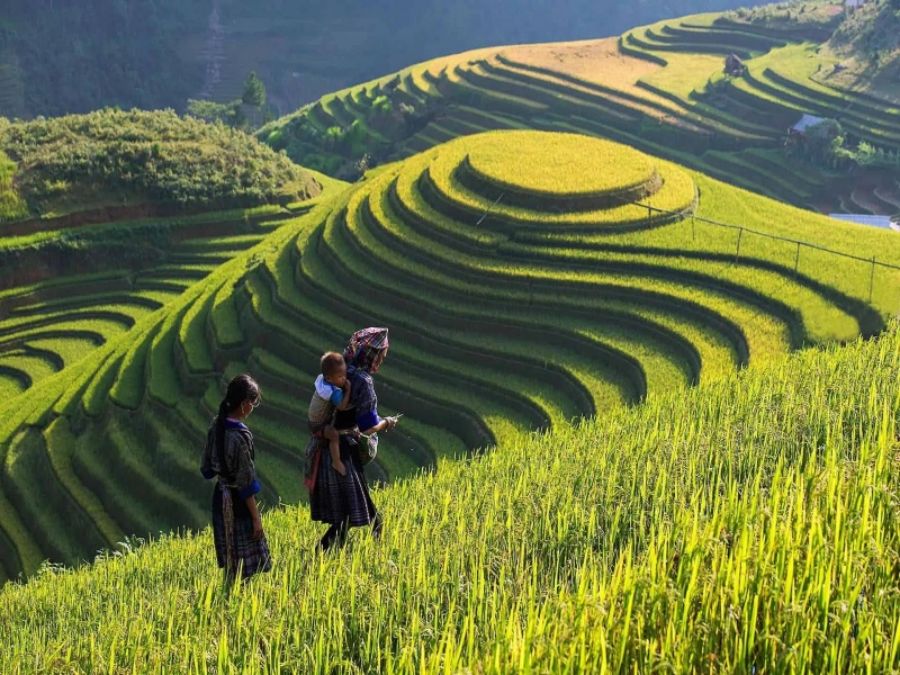
The terraced rice fields in Lao Chai are no doubt one of the most striking things about this village. These rice fields cover the hills around Lao Chai, changing with each season from green to gold. Nature brings out these striking changes when plants turn golden during harvest season, but turn brown thereafter. However, these fields can also serve as a walking route that could lead tourists to some great photography sessions or even inspire tourists with the hard work that goes on in these rice fields. Taking pictures of these rice fields during sunrise is one of the most fascinating things about Lao Chai.
Visit The Local Weekend Market
Weekends are when the local markets in Lao Chai are set up, and they are what bring colors, aromas, and sounds to the village. It is at this place that you get to see handmade fabrics, traditional garments, and handicrafts made by the Black H’Mong and Giay ethnic groups. Produce from their farms, cuisine, as well as herbs with rich aromas, are also sold at this market in an effort to give you a taste of village life.

Engage In Local Festivals
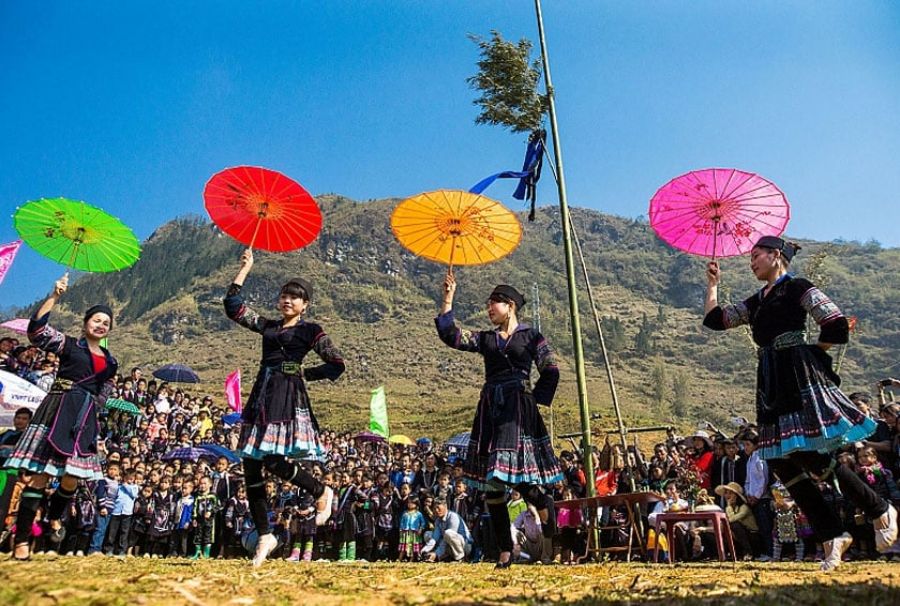
Attending Lao Chai during spring or special occasions gives visitors the opportunity to experience the colorful celebrations inherent among locals. The celebrations involve local games, group dances, singing, and performances by bonfires. The events are filled with joy and energy, offering a rich opportunity to experience the cultures of the H’Mong and Giay communities. The experience enables visitors to interact with locals, observe their ancient traditions, and understand the significance associated with the events.
Treks through Hidden Trails And Scenic Paths
Lao Chai has many natural surrounding features like hills, bamboo trees, and streams, which make it an attractive destination for trekkers. Trekking routes differ depending on the terrain and allow the visitor to explore villages, rivers, and secret waterfalls that lie deep within the mountains.

All the routes are characterized by breathtaking scenery and the chance to participate in village life by observing people like the farmer tending to the fields or the children walking to school. Trekking gives the visitor an opportunity to get away from the city and get connected, as well as find some quiet time in the peaceful surrounding scenery.
Learn Traditional Handicrafts
Visitors have the opportunity to interact with the locals and understand various arts and crafts like weaving, embroidery, and natural dyeing. By experiencing it firsthand, the hard work that goes into the preparation of each fabric and piece of apparel becomes apparent. One can learn the art of creating small items as souvenirs and understand the hard work that goes into it. It is also a great way of interacting with the locals.

Homestay And Cultural Exchange
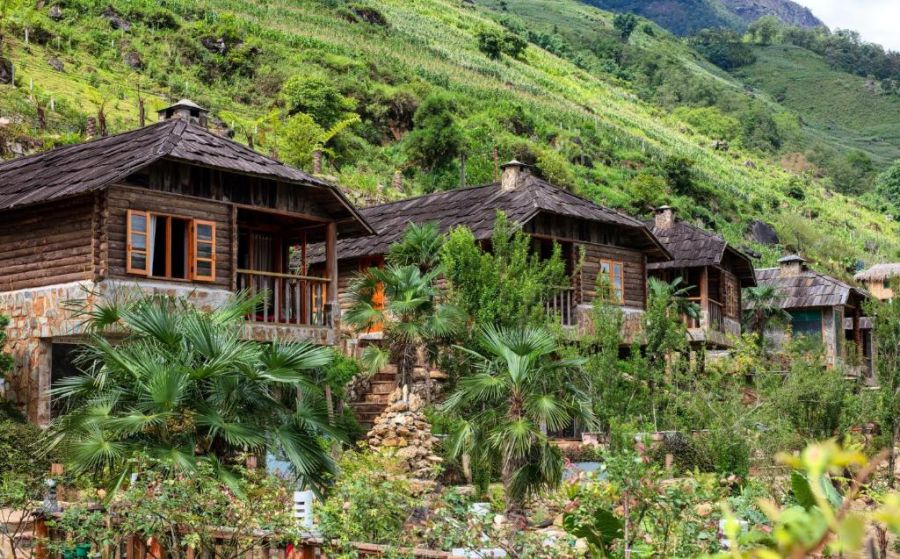
An overnight stay at Lao Chai homestay gives an incomparable chance to learn about the lifestyle of the villagers. The stay allows the tourist to engage with the daily chores of the villagers, such as the preparation of meals on the wood fire, tending to the animals, or even the preparation of herbal medicine. Living with the family allows the tourist to learn about the culture of the H’Mong and Giay ethnic groups, as well as learn about the ceremonies performed by the locals.
Optional: Bamboo Rafting On The Stream
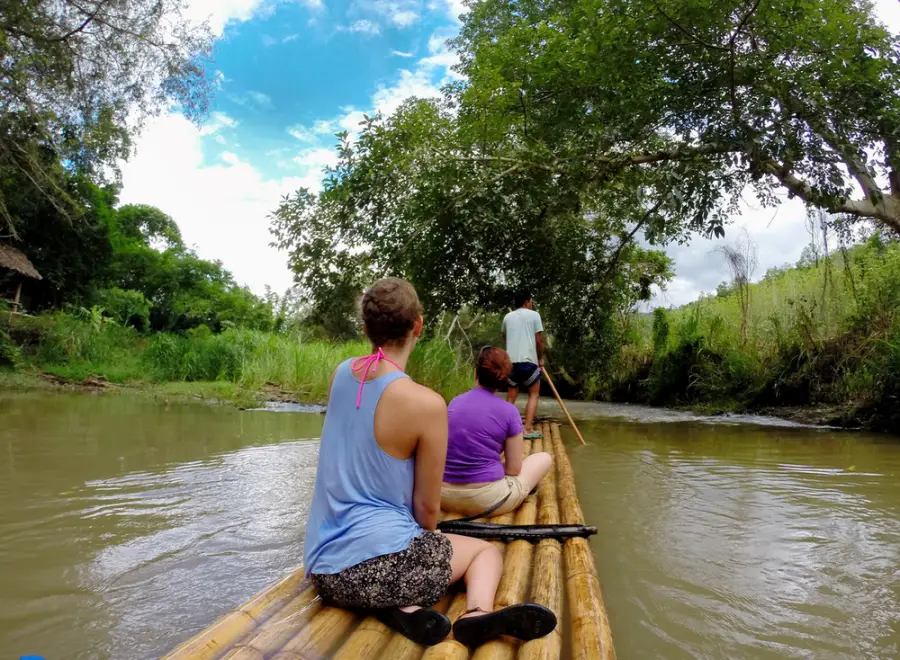
This action will appeal to those with an adventurous spirit! These small waterways are perfect for bamboo rafts. Travelers can ride on the smooth, still water without having to paddle, “create waves” or “appear clumsy”; they simply enjoy the calmness of the water while viewing the beautiful reflection of Rice Terraces upon the still surface of the water and listening to the gentle sounds of nature as they pass by. Bamboo rafting provides a serene, reflective atmosphere in which travelers can take time to enjoy the tranquillity and majestic beauty of their environment.
Entrance Fee
In order to enter Lao Chai Village, a joint entrance ticket to the entire Muong Hoa valley area is required:
- Adults: 150,000 VND (6 USD)
- Children aged 6-12: 100,000 VND (4 USD)
- Children under 6: free of charge
Note: Prices may vary depending upon the season.
At the same time, you can combine your trip to Lao Chai with other villages in the vicinity, like Ta Phin or May Village. These options are also breathtakingly beautiful and full of rich cultural experiences.
Best Time To Visit Lao Chai Village
Lao Chai Village is picturesque any time of the year, but there are three particular times to take in the full beauty and poetic scenery of this area:
- During the water-filled phase (May to June), the early rains of summer turn the paddy fields into giant mirrors, reflecting the blue sky and moving clouds. It appears as if the paddy fields are coming alive after a long dry season, a phase so mesmerizing as to be almost magical.
- During the lush green phase (July-August), the entire valley remains draped in green. The pleasant climate and clear weather make it ideal for a stroll through the region. One can take the opportunity to inhale the fresh air and appreciate the balance of nature and the village.
- In the golden harvest season, when September gives way to October, the whole village radiates an aura of bright yellows from the mature rice. The aroma of mature rice wafts in the air, symbolizing a good harvest season and welcoming tourists to absorb the colorful essence of nature.
How To Get To Lao Chai Village
From the center of Sapa, go to the Love Market, then turn onto Cau May Street. At the T-junction, turn left onto Muong Hoa Road and proceed on Provincial Road 152. After the Thuan Duyen grocery store, turn right to enter Muong Hoa Valley, and after a few hundred meters, you will be in Lao Chai Village. The distance of around 7 km would take some 20 minutes by the following transport:
- Motorbike: Recommended for those who enjoy adventure and traveling on mountainous roads. Motorbike rental costs between 100,000 and 150,000 VND (4 to 6 USD)/day, while a motorbike taxi will cost between 50,000 and 70,000 VND (2-3 USD)/trip.
- Car: It is suitable for large groups of people, families that travel with older people, or children. Its charge is approximately 100,000 to 120,000 VND (4 to 5 USD).
Things To Know Before Traveling To Lao Chai Village
Before going to Lao Chai Village, it is significant to be prepared in order to appreciate the beauty of nature as well as the culture. Here are the tips for your safe, enjoyable, and respectful visit to the village.
- Dress in layers and wear proper trekking shoes, as the weather in Sapa may change drastically, and trekking in the fields may require proper shoes with a strong grip.
- If you are going to the gardens during the peak summer months, do not forget to take a hat, sunscreen, and sunglasses to protect your skin from harsh UV rays.
- Be mindful of local norms when visiting residential areas, and never enter a home without permission, or sit alongside altars unless specifically invited.
- Bring drinking water and snacks, as there are few stores inside the village, and the hike through the rice fields can be strenuous.
- If you intend to photograph the local population, it is always better to seek their permission first, particularly old people or those undertaking rituals.
- Money should be carried in small denominations for spending, as cards and large denominations are not accepted in most stalls and homestays in the village.
- Timing your visit early in the morning will allow you to capture the misty sunrise amidst the terraced fields, which will also be less crowded.
- Refrain from trekking along the edges of rice terraces, as they may be slippery and narrow. Consider hiring a guide for your trek, as they possess knowledge of the area.
Final Thoughts: Is Lao Chai Village Worth Visiting?
Lao Chai Village offers natural scenery and ethnic culture at the same time, while providing a peaceful retreat from city life. People find both the scenery from the terraced rice fields and the kindness of the Black H’Mong and Giay people make it feel like each moment is real and unforgettable. Hiking in this area allows you to see how these people live, eat their food, and create handicrafts, which is ideal for both photographers and cultural travellers alike. Book your trip with Seni World and enjoy all the beautiful sights and peaceful atmosphere that are found in Lao Chai Village, in northern Vietnam.


