


Meo Vac Market, a lively market held every Sunday, allows travelers to gain a meaningful experience of local life and culture. At Meo Vac Market, visitors can experience the local livestock market, local crafts, and local cuisine in a lively highland environment.
Introduction To Meo Vac Market
Located in Meo Vac Town, and at the centre of the famous Dong Van Karst surrounding area, Meo Vac Market is one of the most lively markets in the north of Vietnam. Each week, locals from nearby ethnic minority villages come together for a day of shopping and socializing. The community atmosphere, traditional dress, and the way locals conduct business will provide you with an authentic insight into the rural way of life in the highlands of Vietnam.
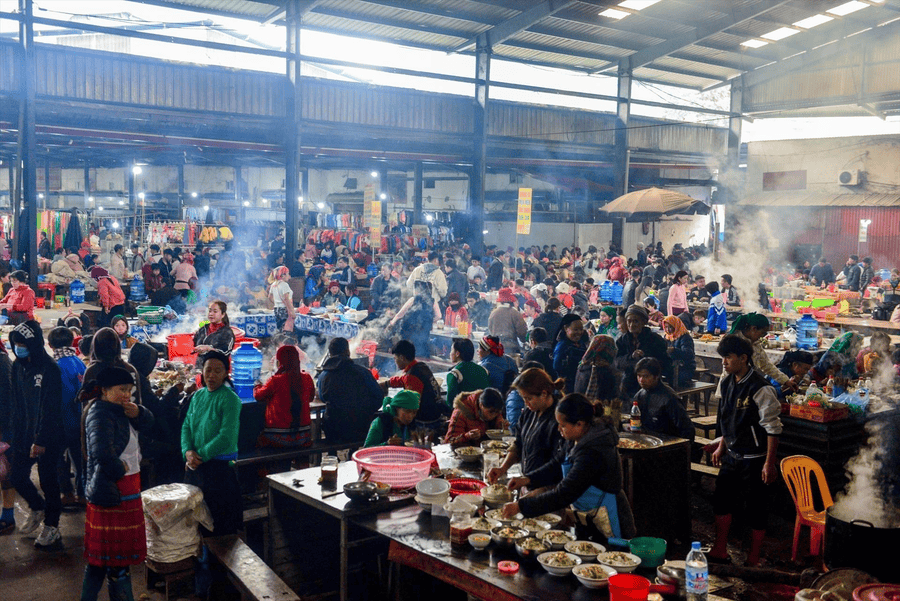
As well as being an exciting place to shop, Meo Vac Market is a sensory experience – the sounds of numerous visitors and traders, the scents of delicious local foods, the bright colours of textiles and fresh produce, the trading of livestock, and the stories and jokes exchanged between friends and merchants all add to the many different facets of the market that showcase the wide variety of ethnicities and cultures that call Ha Giang home, including the H’Mong, Dao, Tay, Lo Lo and many more.
Top 3 Iconic Attractions In Meo Vac Market
Meo Vac Market is a bustling place to visit, divided into several sections that correspond to the type of merchandise being sold there. Each section gives visitors a glimpse into the lives, customs, and rich cultural heritage of ethnic groups in Ha Giang.
Livestock Market (Outdoor)
Meo Vac Market has a very active outdoor area that specializes in livestock. In this area, farmers from other areas would bring their livestock (buffaloes, cows, pigs, goats, and horses) to sell or trade with local farmers. Many farmers travel long distances from their villages to trade or sell animals at the market.
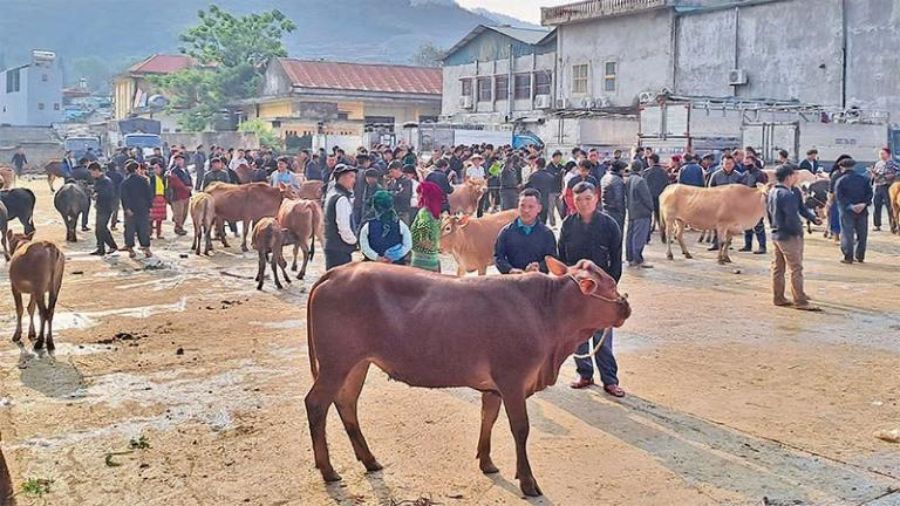
Not only is this outdoor area where the majority of trades occur, but it is also an area that represents the way of life of the indigenous or local population of the highlands and is an example of community bonding. The sounds created by negotiations and animal sounds are combined into one to create an experience where visitors can see and be part of the agricultural way of life in the highlands of northern Vietnam. Small indigenous pigs produce very popular meat and attract local customers as well as tourists who are curious to try this pig meat.
Essential Goods Market (Mainly Outdoor)
The section of basic goods that is found outdoors is a delight to the senses. There are vegetables, herbs, and spices. Stalls have colorful vegetables and sweet corn as well as wild herbs picked from the nearby mountains.
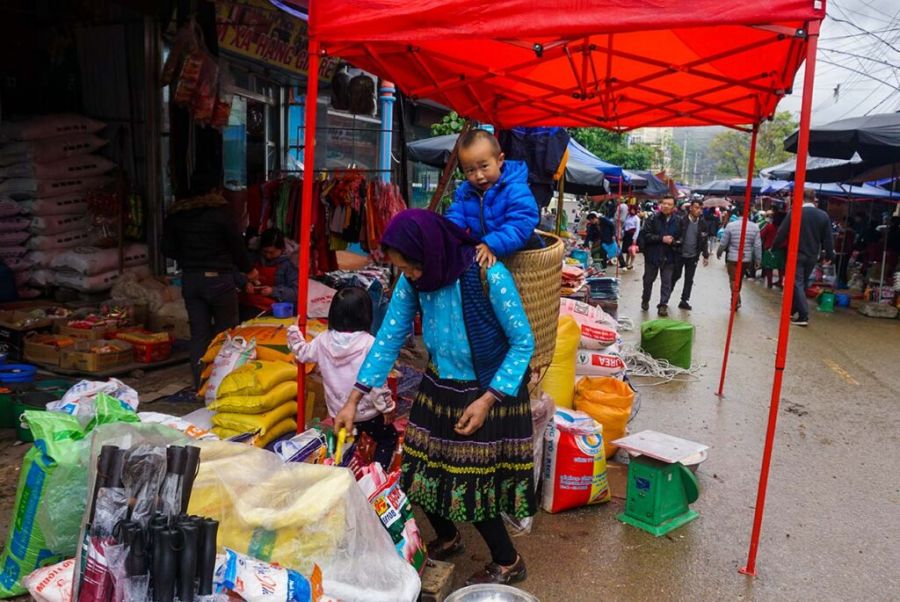
Handwoven fabrics and traditional clothing of H’Mong, Tay, and Dao cultures are among the attractions. Every product represents a story that has been woven through intricate designs and colorful hues, which symbolize the rich craft heritage of the area. Besides that, you could also discover wooden kitchen tools, baskets, and other handmade products that are necessities in the lives of people in the highland areas. Vendors of street foods line up the walkways too, serving fried cakes, sticky rice, roasted corn, and other specialties.
Food Market (Mainly Indoor)
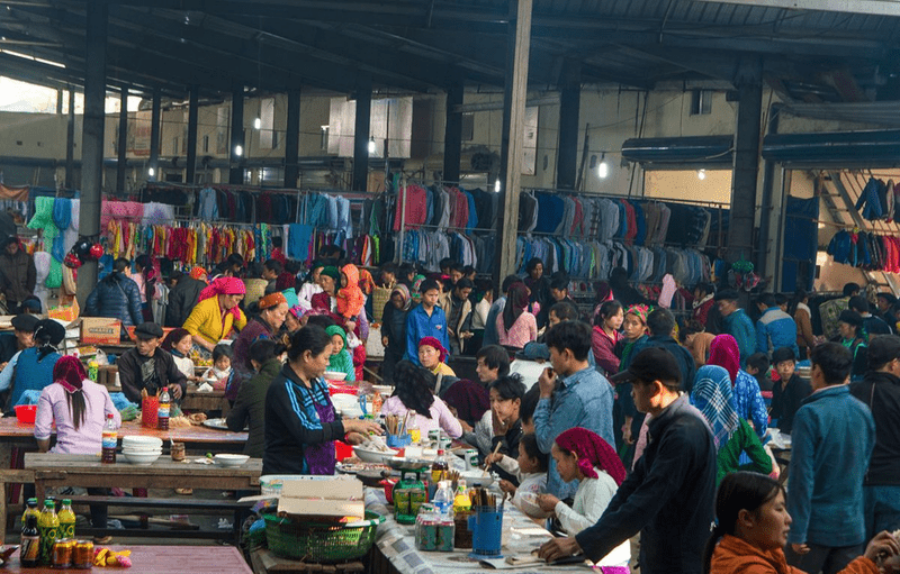
Another section of the indoor market is the food section. This section offers quite a different environment. There is the smell of grilling meat and boiling soups mixed with the sound of the chatter of traders and visitors. It is covered and stretches over two floors with different experiences:
Ground Floor
The ground level is the heart of the food market, and there are busy food stalls that offer steaming bowls of regional specialties such as Thang Co (horse meat stew), local pork, black chicken, Men Men (steamed corn flour), and regional noodles. This is the place to head if a hearty breakfast is what you are looking for at incredibly affordable prices.
Second Floor
The ground floor is devoted to the sale of fresh meat, where the locals buy pork, beef, and chicken. The butcher effectively processes the meat on the spot, and there is no dearth of haggling between the butcher and the customers. The lively environment, complete with rhythmic chopping and negotiating, gives the onlooker a glimpse into Ha Giang’s upland lives.
3 Unforgettable Experiences You Shouldn’t Miss
Meo Vac Market is a lively cultural hub where visitors can immerse themselves in the vibrant life of the northern highlands. Each activity highlights the unique traditions, flavors, and artistry of the local ethnic communities, making the market an unforgettable experience for travelers.
Admire Intricate Handicrafts
Throughout the outdoor area of Bac Ha Market, there are many stalls filled with handcrafted items that artisans have produced. These items include detailed woven fabrics, embroidered clothing, silver jewellery, and carved wooden items of the highest quality, and lasting handcrafted bamboo baskets; all of which are a result of years of accumulated skills and cultural heritages.
While shopping at Bac Ha, you can also find many artisans creating their handicrafts on the spot at their stalls. This gives visitors a unique view of how these artisans produce their products. In addition, by speaking with and connecting with artisans, you get to learn about the history of each item you buy as a souvenir. The variety of colours in the fabrics and the intricacy of stitching on the garments are just two examples of what is likely to leave you in awe and almost guarantee that you will return to this market in the future.
Savor Authentic Local Cuisine
A true food lover’s paradise, the indoor food section offers a variety of delicious scents from roasted meats to simmering soups, as well as the heavenly smell of baked corn cakes. The large pots of Thang Co (stew from horse meat) simmer with local herbs and spices that entice both locals and tourists searching for a unique local dish.
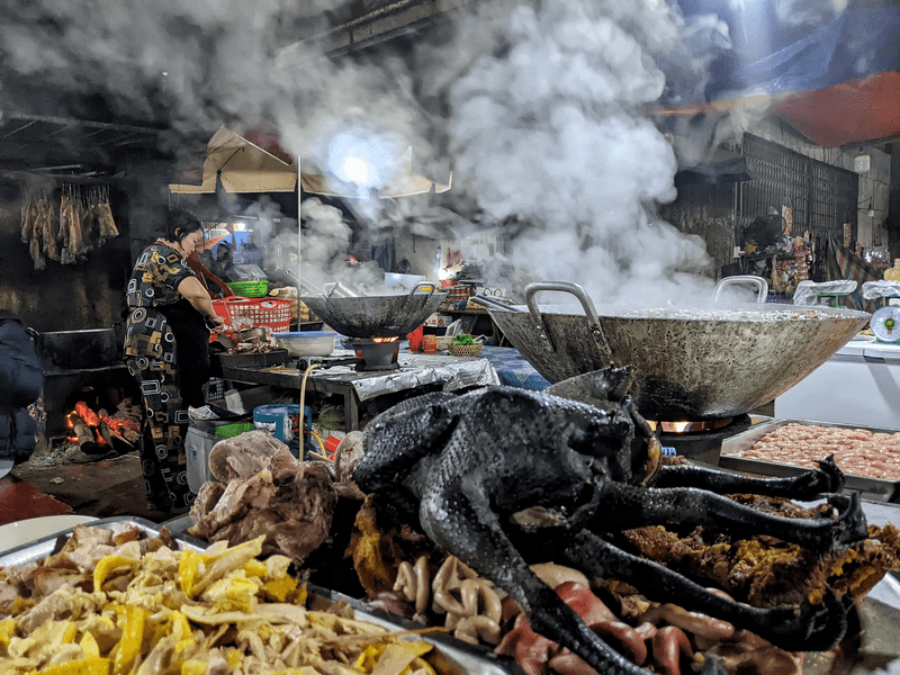
You can also find vendors cooking bowls of Thang Co close to an open fire using natural chicken and tender pork, usually served with Men Men (a lightly sweet steamed corn flour blend). If you want an authentic highlander experience, try pairing your meal with a steaming cup of mountain tea made from leaves collected from the fog-covered hills around Bac Ha Market. All the local tastes, coupled with rustic cooking techniques and the vibrant atmosphere at Bac Ha Market, provide a genuinely immersive experience in the region’s culinary culture.
Join Traditional Music And Dance Performances
Each weekend, the main public area of Bac Ha Market features spontaneous local dances and musical performances featuring traditional music and dance. Men, women, and youth of the H’Mong, Dao, and Lo Lo communities come together dressed in beautiful hand-embroidered clothing to perform using traditional instruments such as bamboo flutes and jaw harps while performing traditional folk songs.
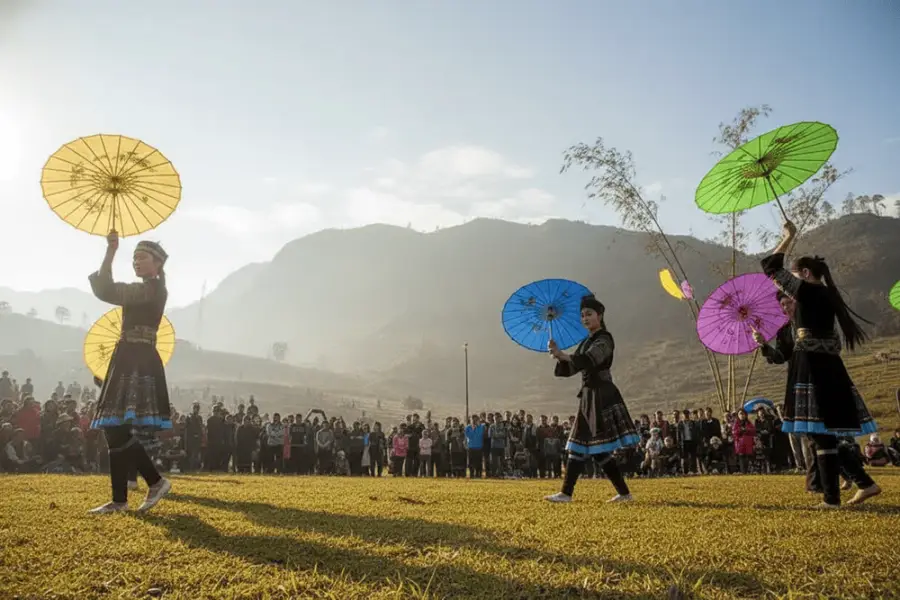
The music’s upbeat tempo encourages the audience to participate, as well as adding to the atmosphere’s excitement and energy. The dances, which were initially completed as courtship rituals, allow the participants to express themselves freely through their movements and gestures. Visitors to Bac Ha Marketplace are invited to watch and even take part in these lively celebrations of the vibrant culture and unbridled hospitality of the northern mountain regions.
Entrance Fee
Meo Vac Market is a vibrant marketplace reflecting the culture of the surrounding area and is also free to access, unlike attractions such as the Hmong King Palace, where you would have to pay. You can visit this market on any Sunday, as it is most active.
Opening Hours
On Sundays, Meo Vac Market is open for business. The best time to go would be from 4:00-5:00 AM when the early morning light shines down on the bustling market. By getting there at this hour, you’ll have the opportunity to mingle with the local people as they buy and sell livestock, fruits, vegetables, and kitchen items. You will have an unparalleled opportunity to experience the culture of the Highland People.
How To Get To Meo Vac Market
Meo Vac Market is over 150 kilometers from Ha Giang and about 30 kilometers from Dong Van, hidden along the curvaceous routes through the mountains. You can choose transportation according to your financial flow and convenience. From the heart of Ha Giang province, there are three ways that link Meo Vac Market:
- Route 1: Beginning at QL34 and QL4C towards the center of Meo Vac town and continuing for approximately 400 meters to the market. The estimated time of travel is 4.5-5 hours.
- Route 2: Take Route 4C via Routes 182, 176, and DT182 to the center of Meo Vac, then walk or drive the remaining 400m to the market. The time for this journey is about 4 hours and 45 minutes.
- Route 3: Continue on route QL34 through route TL176 and DT182 to the medical station in the town, then turn right and go another 850 meters to the market. Time estimate: 5 hours, 10 minutes.
Things To Know Before Traveling To Meo Vac Market
Meo Vac Market is an active market in the highland region that wakes up every Sunday, giving you a rare glimpse into the typical life of the local ethnic groups. To make your trip a success, you need to follow these tips:
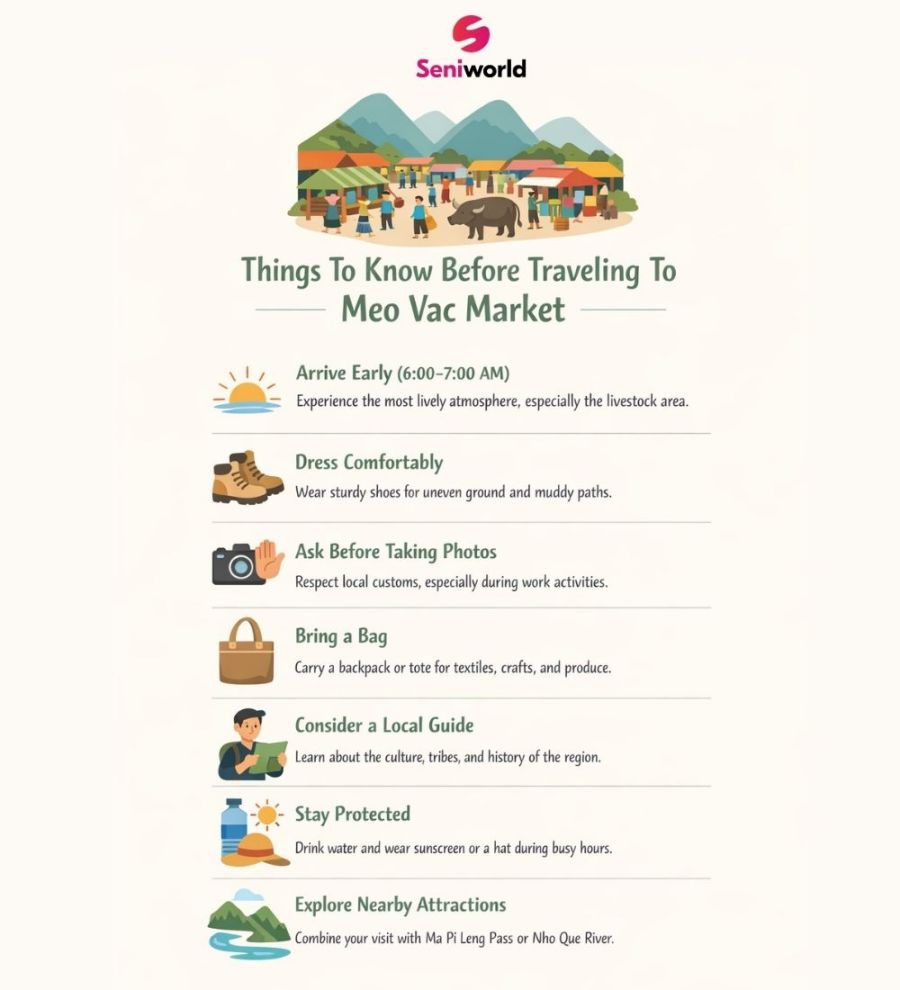
- Try to come early in the morning, around 6:00 to 7:00 AM, to experience the lively atmosphere of the market, particularly the livestock trading area.
- Dress comfortably and wear robust footwear, since the marketplace is both indoor and outdoor, with uneven ground, cobblestones, and mud when wet.
- Be mindful of local customs by asking permission before photographing people, especially if they are engaged in activities related to their livelihoods.
- Bring a backpack or tote bag to carry your purchases, as handicrafts, textiles, and produce often come in quantities that can fill your bag.
- If you want to get more information about the history, culture, or tribes of the region, it might be advisable to consider the services of a local guide.
- Drink water and slather on sunscreen or wear a hat, especially when the markets can be full in the middle of the day.
- You may combine your excursion with a journey to some scenic locations such as the Ma Pi Leng Pass or the Nho Que River.
FAQs About Meo Vac Market
Meo Vac Market is an active market in the mountains that is rich in culture and local products. Below are some common queries that tourists ask prior to visiting the place.
What can I buy at Meo Vac Market?
The market provides a variety of products ranging from vegetables, herbs, spices, traditional fabrics, hand-crafted products, to farm livestock such as pigs, goats, and cows. Each item exudes the culture and skills of the various ethnic minority groups, such as the H’Mong, Dao, and Lo Lo. Street food stalls supply local specialties such as Banh Ngo, Thang Co, and roasted corn, a treat for the palate of the highlands. Most products, especially fabrics, are unique and worth keeping as a souvenir.
Is Meo Vac Market appropriate for families with kids?
Yes, families will enjoy taking a walk through the markets, including an examination of the colored stalls, and sampling some of the regional cuisine. Yet, some of these markets may feature animal pens that are crowded and noisy, so it is essential that parents closely monitor their young ones. Going early in the morning will prevent a crowded experience.
Final Thoughts: Is Meo Vac Market Worth Visiting?
Meo Vac Market is definitely a must-visit site for people who are interested in experiencing the cultures of northern Vietnam. With its energetic ambience and colorful traditional garments and products, the site offers viewers a unique perspective of highland culture. Apart from those activities mentioned above, tourists are able to indulge in the local foods and have fun communicating with the locals. Taking photos is also a possibility at the site and encompasses the essence of the Dong Van Karst Plateau Geopark.


Related articles


