


Thousands of artifacts, sculptures, and traditional artworks are on display at the National Museum of Cambodia in Phnom Penh, which highlights the nation’s rich history. It is a must-visit location for those interested in culture and history because of its magnificent Khmer architecture and varied collections.
Introduction To the National Museum Of Cambodia
Richly displaying Cambodia’s cultural and artistic heritage, the National Museum of Cambodia, located within close proximity to the Royal Palace in Phnom Penh, has over 14,000 artefacts such as stone and bronze sculptures, ancient pottery, as well as relics from the Angkor period. This makes the National Museum an essential destination for anyone interested in Khmer history and culture, while also including people globally.
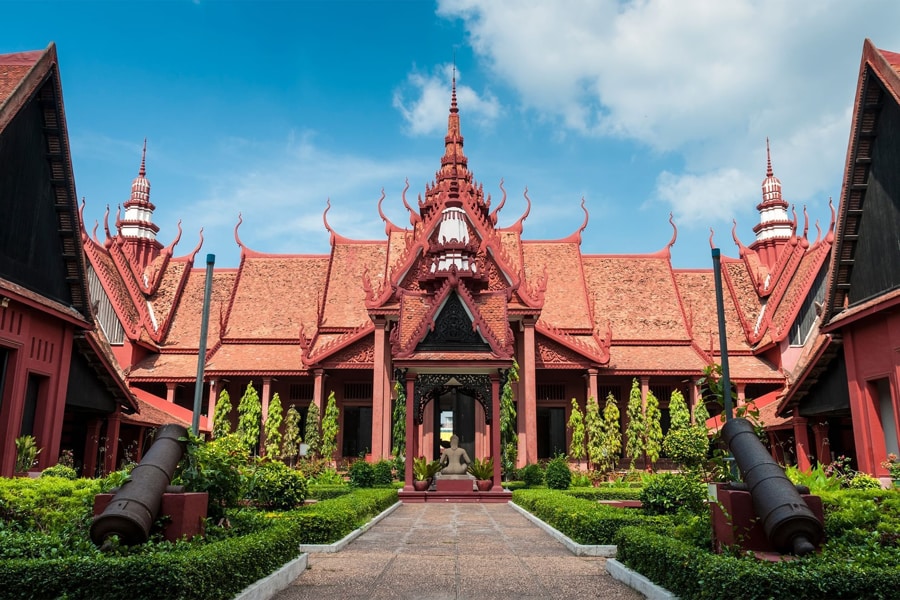
The visitor can peruse through galleries that are beautifully displayed. These galleries can take the visitor through a history of Cambodia’s artistic development over many centuries, from what is thought to be the beginning of Cambodia’s prehistory until the peak of the Khmer Empire. The museum’s traditional Khmer architectural style and tranquil environment help to enhance a visitor’s experience and provide a visitor with the opportunity to immerse themselves in the rich history and cultural identity of Cambodia.
History Of the National Museum Of Cambodia
The National Museum of Cambodia, located on Street 13 in Sangkat Chey Chumneas, Khan Daun Penh, is located just north of the Royal Palace of Phnom Penh. George Groslier, who was both a historian and author, was responsible for the creation and building of the National Museum of Cambodia. His work has contributed to the promotion of the traditional art and crafts of Cambodia.
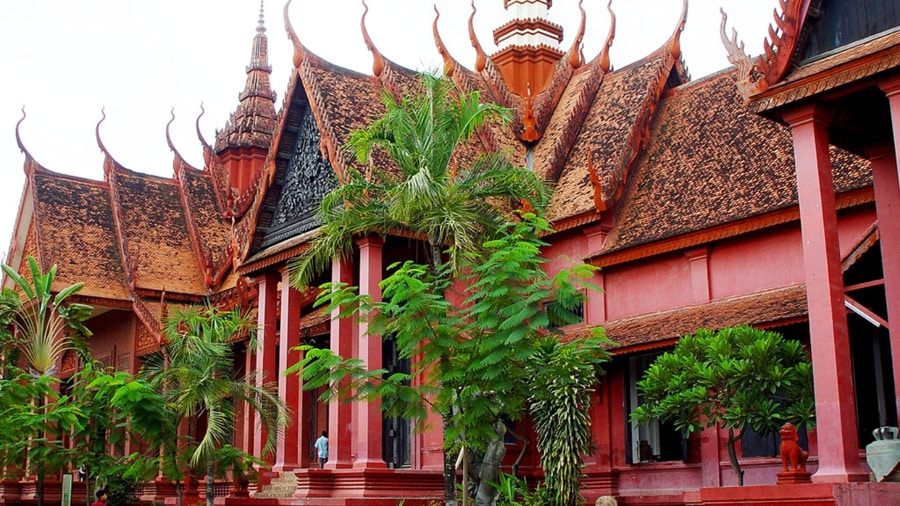
The foundation was laid for the museum on August 15, 1917. After approximately two-and-a-half years of construction, the museum officially opened for the Khmer New Year on April 14, 1920. Since its opening, the National Museum has been a significant part of Cambodia’s cultural heritage and has maintained thousands of artifacts and artworks that represent Cambodia’s remarkable history.
Unique Architecture Of the National Museum Of Cambodia
A visit to the National Museum of Cambodia is an amazing exploration of Cambodia’s 1,600 years of Khmer art and culture. The Museum’s design of each gallery is specifically designed to expose visitors to the history of Cambodia from its prehistoric times through the Angkor and Post-Angkor periods, highlighting how art, religion, and craftsmanship have evolved through the centuries.
The Bronze Gallery
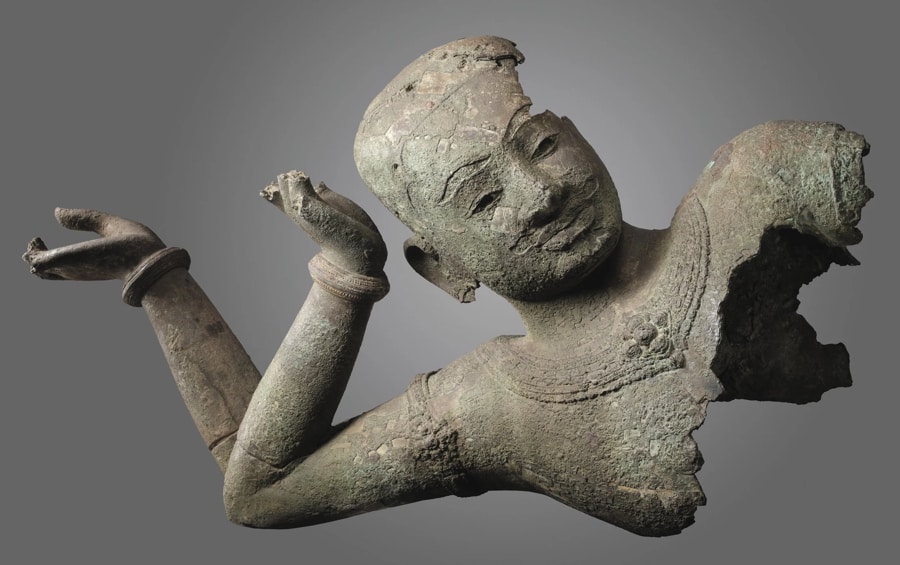
The Bronze Gallery contains a collection of artifacts dating from the 7th century to the 20th century in the form of bronze. This gallery contains numerous religious and ceremonial artifacts, including statuary representations of the Hindu and Buddhist deities, ceremonial (or ritual) items such as candle holders and bells, and a number of the many types of beautifully decorated jewelry items like rings and headdresses. The development of bronze as a metallurgical medium in Cambodia was first influenced by Indian culture and peaked during the Angkor period with unique sculptures such as the Vishnu statue.
The Prehistory Gallery
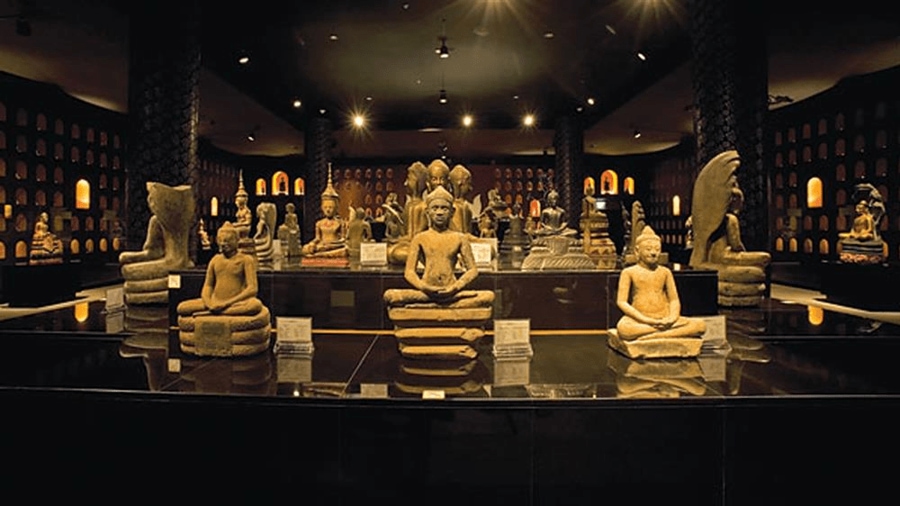
The Cambodian History Gallery allows visitors to gaze into the ancient world of Cambodia, showcasing stone tools and metal weaponry from Cambodia’s past. These artifacts and objects provide insight into the everyday lives, technological advancements and cultural practices of Cambodia’s earliest inhabitants, allowing visitors to explore the development of the Khmer Empire and the historical context of later artistic achievements.
Workshops for Conservation and Restoration
During this time, the Museum of Cambodian History has hosted workshops focused on the preservation and repair of priceless works of art as well as all materials related to them. A great example of these types of workshops is the Reclining Vishnu, which has been restored to the point that it illustrates how much detail and skill go into the preservation of Cambodian culture over the ages. There will also be many objects from these workshops, including statues of many Buddhist deities and examples of many sacred items used in Khmer religious traditions.
The Pre-Angkorian Sculpture Gallery
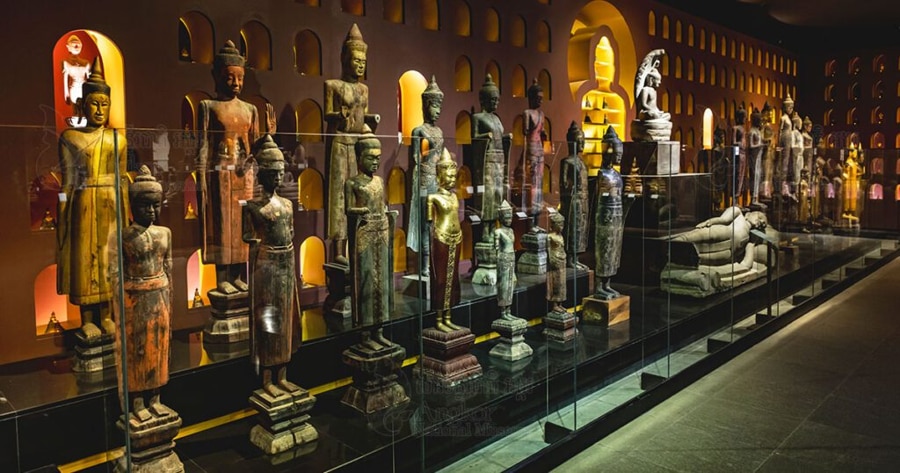
The Gallery of Pre-Angkorian Sculptures includes numerous examples illustrating the evolution of Khmer Sculpture within the timeframe of the 5th to 8th centuries CE, or before the establishment of the Angkor Kingdom. The Gallery also holds examples of great importance, such as the eight-armed Vishnu from Phnom Da and the mixed form statue depicting the combined image of both Shiva and Vishnu (Harihara).
The artefacts of the Buddhist period from this era also demonstrate the impact that the development of Buddhist Art has had upon the history of Cambodia.
Angkorian Gallery
Examples of the Angkor period Masterpieces can be found in the Angkor Gallery. These include large sculptures depicting animals (such as Garuda) and humans, Shivabhairava (Shiva) statues dating from 9th – 13th century, a magnificent stone stele illustrating the life of Shiva, and images of King Jayavarman VII in Bayon style. Additionally, the display also features ceremonial barges and accessories for the royal palanquins adorned with elaborately carved wooden ornamentation.
Post-Angkorian Gallery
The Post-Angkorian Gallery contains wooden sculptures, decorated objects made from a combination of mother-of-pearl inlay and ivory, and other finely carved items that exhibit the high degree of craftsmanship achieved by Khmer artisans. The items within this gallery illustrate day-to-day life, religious beliefs/practices, and the development of artistic techniques after the fall of the Angkorian Empire.
4 Unforgettable Experiences You Shouldn’t Miss
The National Museum of Cambodia is much more than just a place to keep ancient objects. It also takes you on a journey through many different centuries of Khmer culture and history. When you visit the museum, you will have the chance to visit the well-organized gallery exhibits, walk through beautiful garden settings, and learn about traditional Cambodian arts.
Explore The Museum Gallery
When you first enter the museum, start your visit by walking through the various galleries that display a chronological history of Cambodia’s cultural history. The Bronze Gallery highlights many different religious and ceremonial items from the 7th to the 20th centuries. The Prehistory Gallery illustrates the daily lives of early Cambodians using stone tools, bronze weapons, and ceremonial objects.
The other galleries contain many examples of the evolution of Khmer art from Pre-Angkorian times to Angkorian times, until the end of the Angkorian period. The artwork is arranged chronologically to show how Khmer artistry changed over time.
Enjoy the Serene Green Courtyard
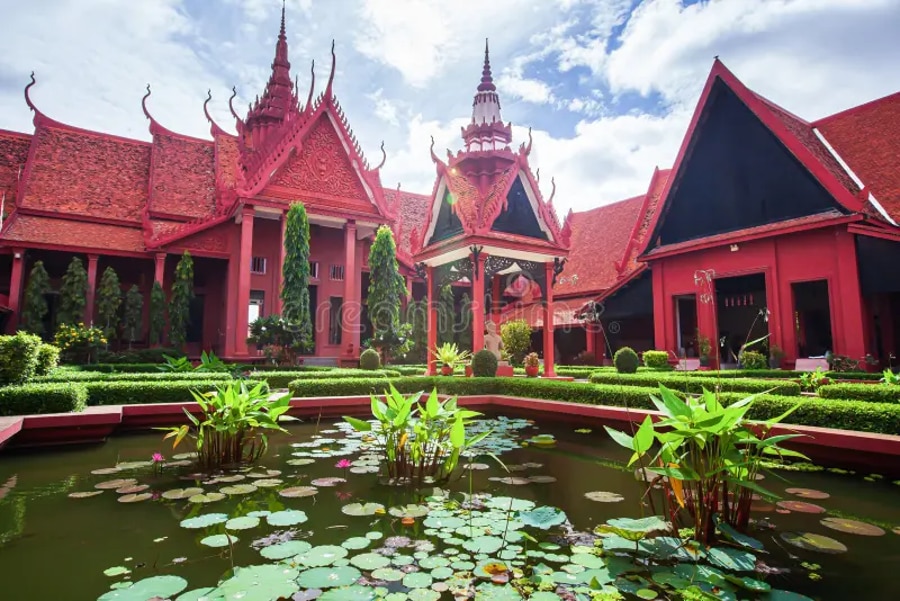
Encircled by verdant gardens and covered walkways, the museum grounds are ideal for a leisurely stroll. Calm ponds with fish and lotus flowers contribute to the serene ambiance and provide a pleasant escape from the tropical heat of Phnom Penh. After touring the galleries, this outdoor area is perfect for taking pictures and unwinding.
See Traditional Cambodian Living Arts Performances
Visitors can witness live performances of traditional Cambodian dance every evening from 7:00 to 8:00 p.m. These live music-accompanied performances tell tales from the Angkorian palaces to daily life. You can gain a deeper understanding of Cambodian culture, music, and customs by watching these dances.
Take Part in Workshops or Guided Tours
On occasion, the museum hosts workshops and guided tours where specialists discuss the significance and background of important artifacts. At certain special events, visitors can participate in hands-on activities and learn about traditional Khmer craftsmanship and ancient sculpting techniques. Your visit becomes more engaging and unforgettable as a result of these experiences.
Entrance Fee
Adult admission to the National Museum of Cambodia is $10 USD. An audio guide is available for an extra $5 USD for those who want to use it. Children and school groups are admitted free of charge. In order to give visitors a deeper understanding of the history, culture, and significance of the artifacts on display, the museum also provides guided tours in both English and French. Visitors can easily fully appreciate the rich Khmer heritage as a result.
Opening Hours
The National Museum of Cambodia is open every day from 8:00 AM to 5:00 PM; tickets close at 4:30 PM. The cooler months of November through February are the ideal time to visit, as the weather in Phnom Penh is more conducive to exploring the museum and its surrounding gardens. You can avoid midday crowds and have a more tranquil experience by going early in the morning or late in the afternoon.
How To Get To the National Museum Of Cambodia
Here are some useful details to help you plan your trip and get an idea of how much it will cost. Here is a detailed explanation of how to travel to and around Phnom Penh, along with an estimate of the cost in USD:
Visiting Phnom Penh
It’s very easy to get to Phnom Penh, and you can pick the option that best suits your schedule and budget. This is what you should know before embarking on your adventure.
- By air: Flying to Phnom Penh International Airport (PNH) is the quickest option. A motorbike taxi costs between $5 and $7, while a taxi to the city center costs between $10 and $15.
- By long-distance bus: Well-known companies like Kumho, Sapaco, Mekong Express, and Mai Linh Express offer trips from Ho Chi Minh City that cost between $20 and $25 and take about 6 to 7 hours.

Traveling Through Phnom Penh
With a wide range of affordable transportation options, getting around the capital is simple. The most popular and practical routes to the museum are listed below.
- Taxi: Reliable and practical, short city rides typically cost between $3 and $5.
- Tuk-tuk: Depending on distance, this affordable and cultural experience usually costs between $2 and $4.
- Walking: If you’re staying close by, it’s easy to walk to the museum because of its central location.
Things To Know Before Traveling To The National Museum Of Cambodia
It’s a rewarding experience to visit the National Museum of Cambodia, but you can get the most out of your trip if you know a few useful tips. These rules guarantee a seamless, courteous, and pleasurable visit to this cultural icon.
- To show respect for Cambodian culture, dress modestly and respectfully, covering your knees and shoulders.
- To avoid crowds and have a more tranquil experience, arrive early in the morning or late in the afternoon.
- Most places permit photography, but keep an eye out for signs and don’t use flash on fragile artifacts.
- For a more thorough understanding of the exhibits, think about hiring an English/French-speaking guide or renting an audio guide.
- Drink plenty of water, particularly when strolling through the museum’s outdoor gardens.
- The museum’s collection covers everything from prehistoric times to contemporary Khmer art, so take your time perusing each gallery.
- If you are visiting with a group, check with the ticket counter to see if children and students are eligible for free admission.
Final Thoughts: Is the National Museum Of Cambodia Worth Visiting?
The National Museum of Cambodia contains a wealth of historical, artistic, and cultural artifacts that provide a glimpse into the Khmer civilization. Each of the museum’s galleries is filled with numerous works of sculpture, artifacts, and traditional art. With the beautiful displays, peaceful environment, and the opportunity to learn about Khmer culture and history through these objects, a visit to the museum will allow visitors to create a lasting memory. Visitors should plan their tour of the museum with Seni World for the most enjoyable experience when they visit.


Related articles


