


O Quy Ho Pass is one of the most beautiful passes in Vietnam and brings the most vibrant view as well as an interesting experience. ItIt0 high altitude and panoramic views draw nature lovers and adventure seekers year-round.
Introduction To O Quy Ho Pass

O Quy Ho Pass is one of Vietnam’s greatest natural landscapes. As one of the “Four Great Passes” of Northwest Vietnam’s mountains and forests, O Quy Ho Pass will certainly be the ultimate check-in point for the wild and poetic mountain and forest beauty. Situated atop the scenic National Highway 4D, this magnificent pass is almost 2,000 meters above sea level, serving as a land bridge between two provinces while offering visitors an unforgettable journey through Vietnam’s most dramatic landscapes.
The pass, which extends about 50 kilometers and is an important transportation route, is also, however, something entirely separate for the traveler. O Quy Ho Pass is also called Cloud Pass because white clouds cover the pass’s summit all the time. Together with its mystical ambiance, difficult trekking paths, and beautiful landscape, it’s one for the adventure junkies and nature lover’s checklist of things to do in Sapa.
History Of O Quy Ho Pass
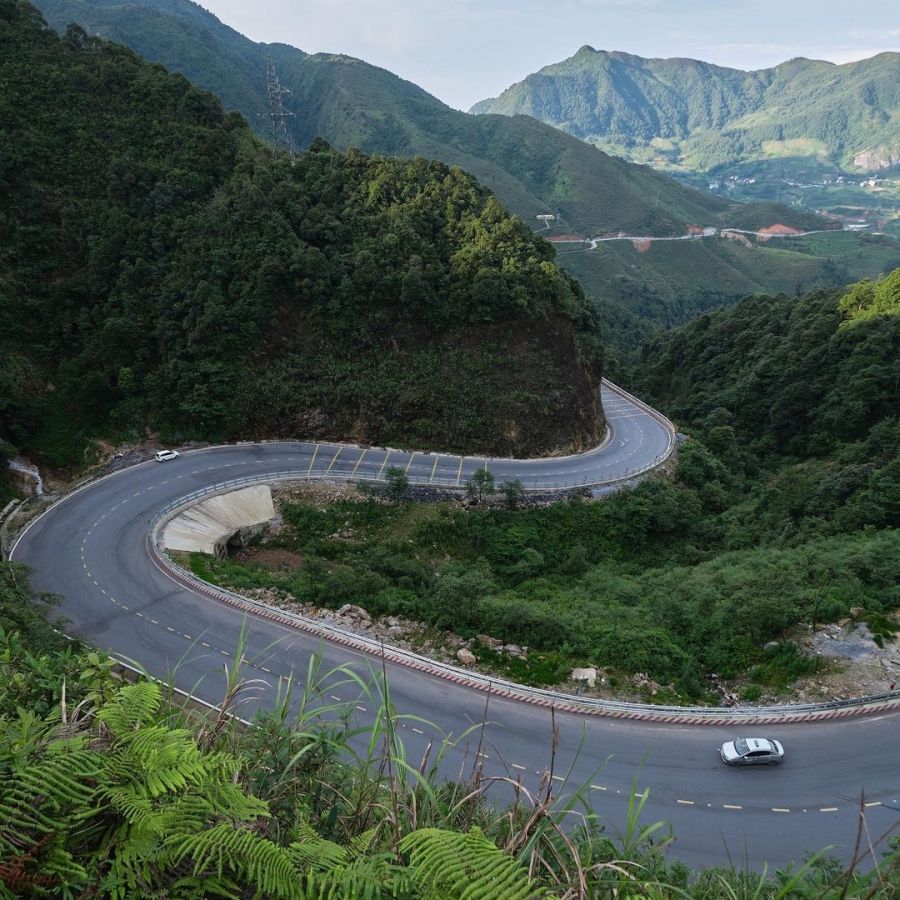
A local legend handed down from generation to generation explains the origins of the name of O Quy. It was the tragic love story between O Quy Ho, the son of the Mountain God, and the seventh fairy, the daughter of Jade Emperor. He didn’t agree with their relationship and forbade the Seven Fairies from going down to earth. The Jade Emperor also turned O Quy Ho into a black turtle on the top of the pass, close to the waterfall.
The fairy missed him so much and fell sick, then died. She has become a phoenix, stretching her wings and flying over the summit pass every afternoon, continually crying: O Quy Ho! Inspired by the couple’s beautiful but unfinished love story, people named the top of the pass O Quy Ho Pass and the waterfall the Love Waterfall.
Historically, the pass has long been an important crossing point between Lao Cai and Lai Chau, frequented for centuries by traders and villagers. The H’mong, recognized for their bright clothing and deep affinity for the land, frequently cultivate terraced rice fields on the slopes of the mountains. The Dao people, on the other hand, are renowned for their healing remedies; herbal baths and spiritual rituals are their forte. This long-standing culture adds to the experience of O Quy Ho.
Top 4 Iconic Attractions Around O Quy Ho Pass
What makes the trip over O Quy Ho Pass special is not only the road but the unforgettable stops and hidden treasures that make the whole adventure worthwhile. Along the way, every stop reveals a different aspect of the grandeur of Northern Vietnam, both in terms of landscapes as well as culture.
Cong Troi O Quy Ho (Heaven Gate)
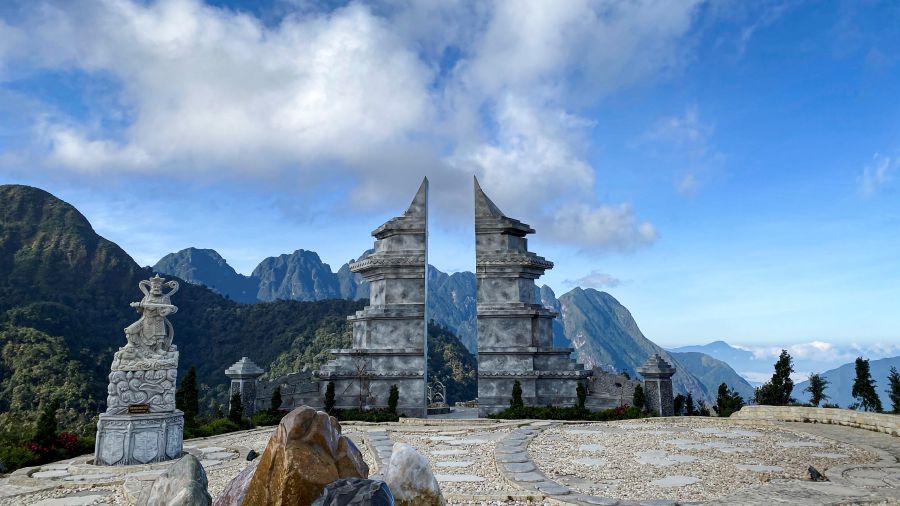
Heaven Gate is located at the highest point of the pass. Here, clouds often waft between your feet and the panoramic view spreads out to layers of foggy mountain ridges, meandering roads, and terraced rice fields in the distance. And on clear days, you can even see the snowcapped top of Fansipan, the highest mountain in Indochina. Lots of visitors also come here early in the morning and near sunset for the most spectacular lighting. It’s a great spot for panoramic photography, drone footage, or just to take in the fresh Mountain air and serene quiet.
Thac Bac (Silver Waterfall)

Silver Waterfall is situated only about 12km from Sapa town. It looks like flowing silk, and is full of allure and serenity, surrounded by pine forests and bright green vegetation. Near its base, a small bridge crosses the stream from which visitors can feel the spray and hear the thunder of the water. Local stalls selling dried fruits, grilled eggs, and souvenirs on the side of the road make for a pleasant rest stop, combining nature with culture.
Thac Tinh Yeu (Love Waterfall)

To get to Love Waterfall, you have to hike a 1.4 km forest trail, which is equally impressive. On the way, you will pass bamboo groves, mossy rocks, and chirping birds. The waterfall itself is a pretty, gentle cascade that flows into a crystal-clear pool. It is popular with both couples and nature enthusiasts. Be sure to stop on the bridge when you cross the creek and enjoy the peaceful view. The legend of Love Waterfall is closely connected with the origin of the O Quy Ho Pass.
Cau Kinh Rong May (Glass Bridge)
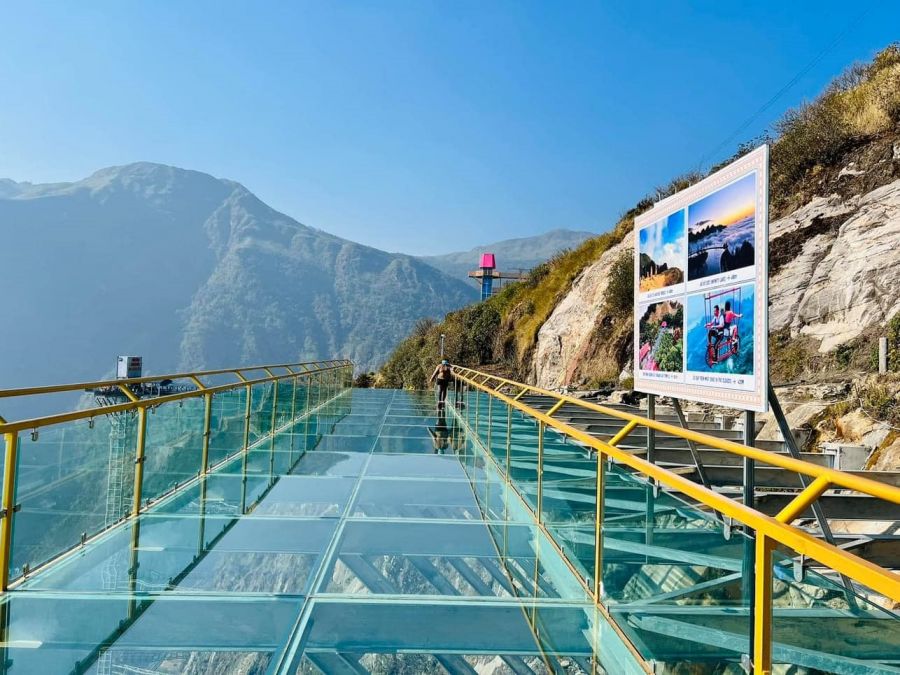
Situated about 15 km from the peak of O Quy Ho Pass, the Sapa Glass Bridge is one of the most exciting and unusual attractions in the area. Dangling at an altitude of 500 meters over a deep valley, the bridge provides unparalleled panoramic views of the Hoang Lien Son mountain range, cloudy peaks, and meandering mountain passes which seem to go on forever.
When the sun is out, the view is wide and surreal; with clouds, you find yourself walking beneath them. The combination of natural magnificence and man-made marvel adds up to a trip of a lifetime that thrills nature lovers.
5 Cultural Experiences You Shouldn’t Miss
In addition to its beautiful natural scenery, O Quy Ho Pass and the locality around it are home to a colorful array of cultures. Through that, you can gain insight into the daily life of the highland ethnic groups in Vietnam. Here are essential cultural experiences you just cannot miss:
Visit Ethnic Minority Markets
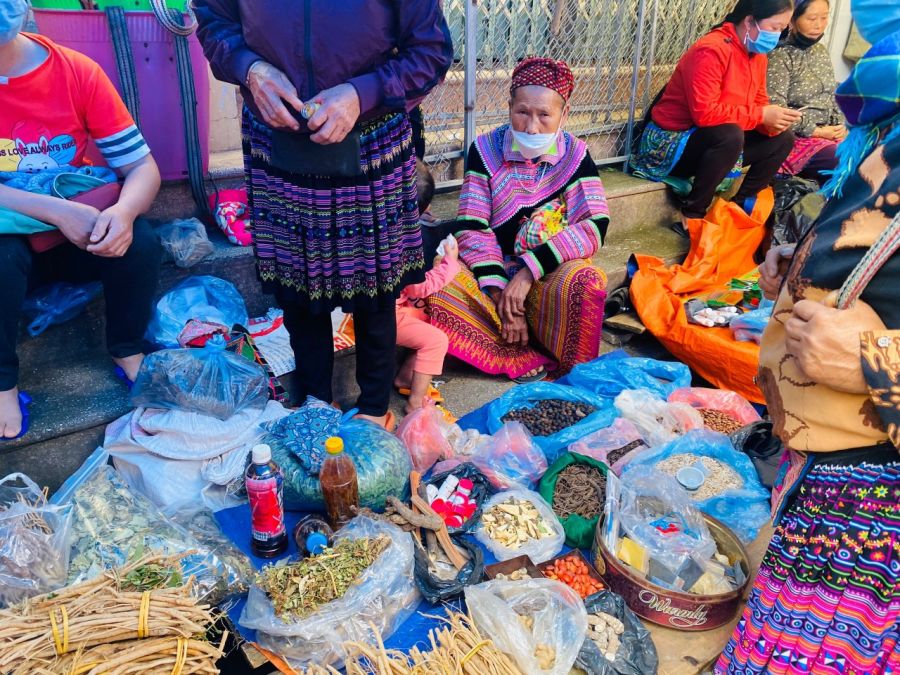
Daily local markets in surrounding villages like Sapa, Ban Khoang, and Ta Phin are held every day of the week. You see, these markets are not just about trading in goods; they are lively social markets where ethnic groups come together, all in their bright traditional dresses, to sell hand-woven fabrics, medicinal herbs, livestock, and homegrown produce. Get there early, like between 07:00 and 08:00 AM, to see the market in full action. Don’t miss the opportunity to try local specialities such as Thang Co (a H’mong traditional stew), Xoi Nep (Grilled sticky rice), and Ruou Ngo (corn wine).
Take A Traditional Herbal Bath
The Red Dao in Ta Phin Village, 20km from O Quy Ho pass, are known for their traditional herbal baths. Twenty or more kinds of forest plants and herbs are boiled for hours to create these baths, which are poured into big wooden tubs. It’s thought to help with fatigue, promote circulation, and clear aching muscles. Exactly, this is what you need after a hard trek or motorbike ride up through the mountains.
Join A Local Homestay And Farm Experience

For a more full-on experience, you should have a night or two in a local homestay. You will sleep in typical stilt houses or earthen homes among the people of the village, assist with cooking meals over a wood fire, and share conversations with a host family, often translated by English-speaking guides.
In villages like Ta Van, Lao Chai, and Sin Chai, some homestays also offer “day-in-the-life” experiences, including the chance to help plant or harvest rice in the terraced field.
Attend A Traditional Dance
In the evening, performances are arranged for tourists who stay overnight in many local communities, particularly around the villages of Ta Phin and Cat Cat. They perform their bamboo stick dances, love songs, and spiritual dances with handmade instruments, including leaf flutes and H’mong mouth harps. Joining and learning some basic dances are also interesting moments.
Admire The Rhododendron Flowers
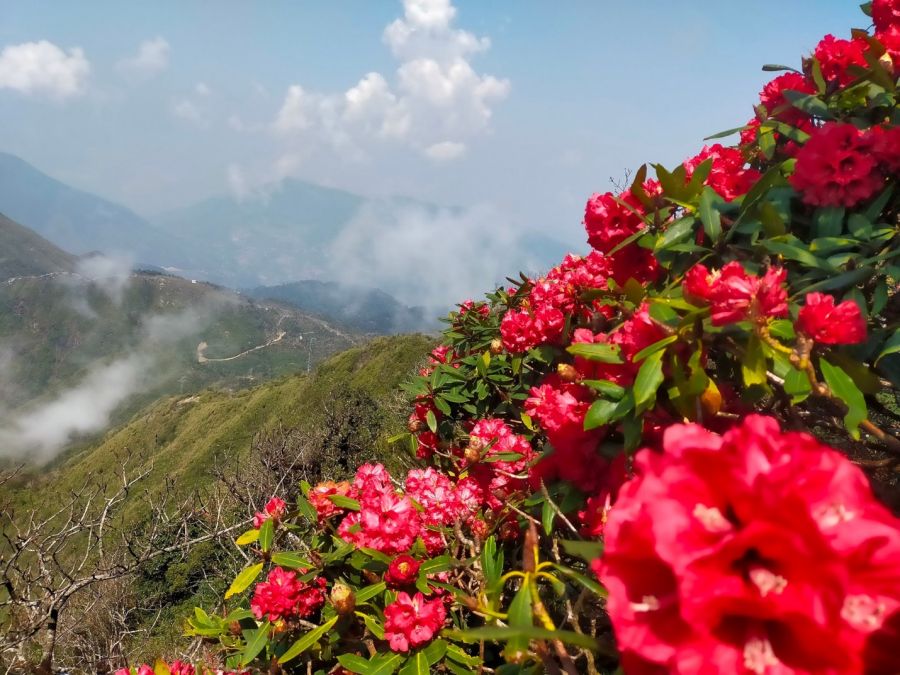
March is the month when the Rhododendrons burst into flower over the Hoang Lien Son range and on O Quy Ho pass. Rhododendrons are the signature flowers of Sapa and are a mark of this town. The landscape is such that when people come here, they fall in love. The best time is March and April every year is also the time Sapa has many people calling on. Visitors to the O Quy Ho pass can watch the Rhododendrons from a distance.
O Quy Ho Pass Entrance Fee
Though there is no fee to travel along O Quy Ho Pass proper, there are attractions at either end that charge a small fee for maintenance and tourism management. Here are the details:
| Attraction | Fee (VND) | Notes |
| O Quy Ho Pass (Highway) | Free | Public road access |
| Hoang Lien National Park | 30,000 | Park entrance fee |
| Love Waterfall | 70,000 | Scenic viewpoint |
| Silver Waterfall | 20,000 | Viewing platform access |
| Heaven Gate Viewpoint | 30,000 | Cloud hunting |
| Parking fees | 10,000 – 20,000 | Various locations |
Opening Hours
O Quy Ho Pass opens 24/7 as it’s a public highway. However, some tourist attractions operate within set hours.
- O Quy Ho Pass: Open 24/7
- Attractions nearby: 07:00 AM – 05:00 PM
The best time to visit O Quy Ho Pass is between October and April. It is the dry season when the roads are clearest with ideal visibility. The sky is clearer, so it is great for photography and sightseeing. Avoid the wet season, the fog, and the slippery roads represent danger.
How to Get to O Quy Ho Pass
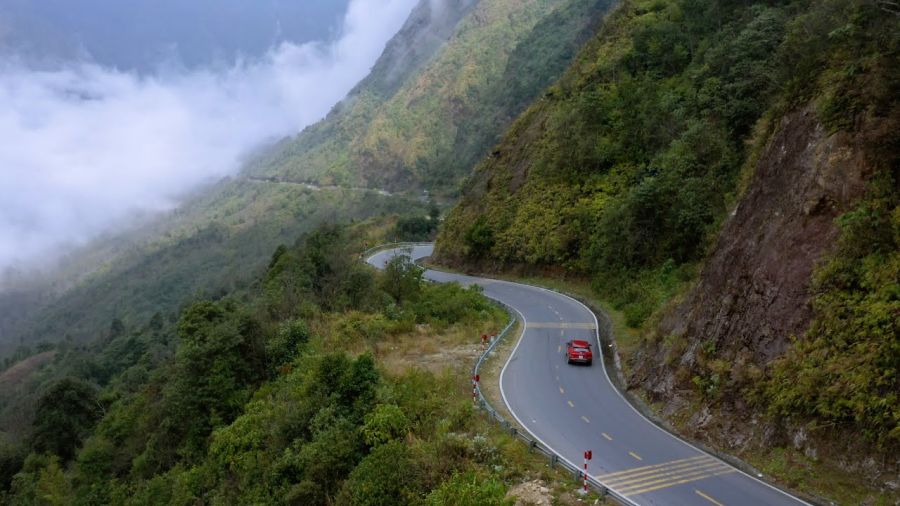
To get to the pass, tourists should travel from Sapa town to National Road 4D. The distance is about 15 kilometers.
| Transportation | Cost (VND) | Duration | Notes |
| Motorbike Rental | 150,000 – 250,000/day | 40 – 45 minutes | Requires a valid license |
| Taxi or Private Car | 800,000 – 1,200,000/day | 25 – 30 minutes | Driver included |
| Bicycle Rental | 100,000 – 150,000 | 1 hour | More adventurous |
Travel tips:
- If renting a motorbike, have a valid driver’s license.
- Be sure to check the weather in advance.
- Fill up fuel in Sapa; there are a few gas stations along the pass.
- Wear your helmet and drive carefully, especially when it is foggy or lightly raining.
- Using a digital map or an offline navigation app is strongly recommended, especially in areas where the phone signal might drop.
Things To Know Before Traveling to O Quy Ho Pass
In order to have a safe, comfortable, and memorable journey, these are some things you absolutely must know and be aware of before you leave:
- Clothes preparation: The weather at O Quy Ho Pass can turn on a dime. If the morning starts sunny, the afternoon may be hit with an unexpected fog, wind, or light sprinkle. You should bring a thermal base layer, a fleece or insulated jacket, and a windbreaker or raincoat. Bring waterproof hiking shoes or sneakers with good tread if you want to hike to some nearby waterfalls or villages.
- Vehicle safety: If you’re planning to be on the road on the pass on a motorbike or in a car, check that your vehicle is in perfect condition. You will need to have a current driver’s license with an ID.
- Driving safety: You need to follow road signs, signals, and traffic rules. Reduce your speed when taking curves or when heavily banked. You also need to keep an eye out for other vehicles on the road, particularly big trucks or buses. You should not drive to the wrong side of the road, against traffic, or opposite-lane driving.
- Physical health: The height of about 2,000 meters may present a problem to some visitors, especially those with respiratory or heart diseases. It’s advisable to rest, hydrate, and the slow elevation gain for acclimatization. The curvy roads may give your sensitive traveler motion sickness as well.
- Photography equipment: There are some great photo opportunities on the O Quy Ho Pass. However, harsh conditions make it necessary to have good equipment prep. Pack extra batteries that drain quickly in cold weather, materials to clean your lenses from fog and moisture, and a protective cover for your cameras, should the weather change suddenly.
Final Thoughts: Is O Quy Ho Pass Worth Visiting?
O Quy Ho Pass is more than just a beautiful road. It’s a chance to blend the natural beauty, culture, and personal adventure. From the opportunity to stand at the Heaven Gate to trying the Dao herbal baths, a trip here is rich in culture. So you’re ready to get started on your O Quy Ho Pass adventure? Contact SeniWorld now to book your dream Vietnamese mountain adventure.


