


When traveling from Pakse to Don Det, it is an excellent way to see the beautiful countryside of Laos. You can experience all the beauty of the rivers and the laid-back life on the islands at the same time.
Overview Of Pakse To Don Det
The overland journey between Pakse and Don Det is one of the most commonly used routes among tourists venturing into the southern part of Laos. Pakse has all the makings of an important tourist hub, with markets, a riverfront, and links to other tourist destinations, compared to the peaceful haven in the middle of the 4000 Islands in the Mekong River that Don Det provides.
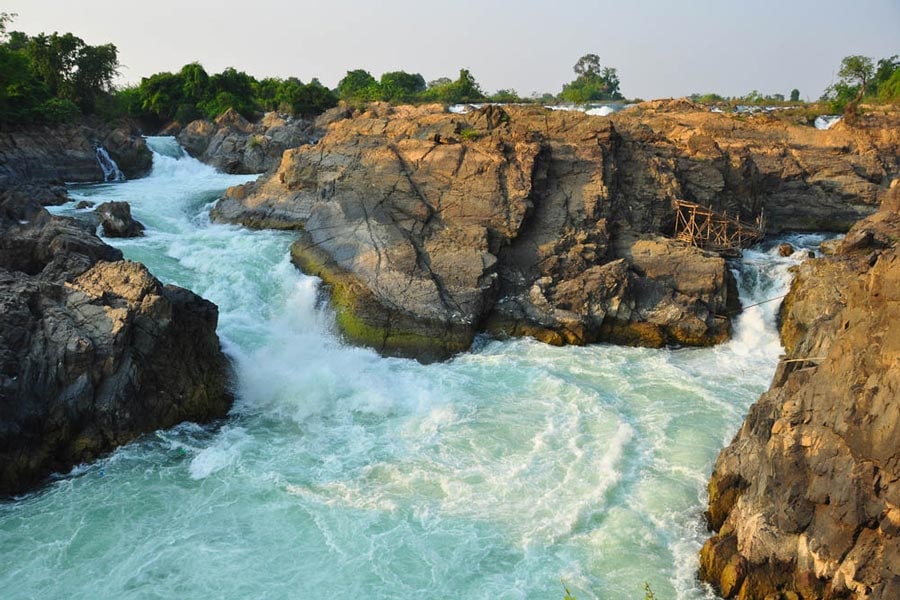
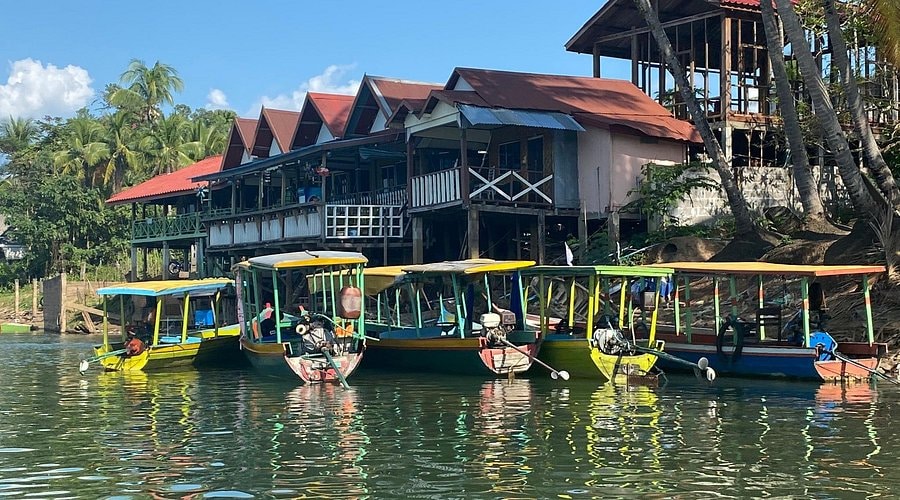
Quite a few travelers combine these two destinations in order to be able to experience the vibrancy and energy of urban Laos and the relaxing atmosphere and lifestyle on the island. While in Don Det, tourists can enjoy riverboat cruises, cycling tours in villages, and experiences in local ways of life, some of which have still not been impacted by tourists.
How Far Is It From Pakse To Don Det?
Pakse to Don Det is only about 153 km away, meaning it’s a pretty quick trip through southern Laos. By either bus or car, the average duration for travelling this route is approximately 3 hours and 45 minutes, but this will depend greatly on road and traffic conditions.
Most travellers will take the more scenic route running parallel to the banks of the Mekong River, where they can see small villages and a lot of green space, along with local markets. The road itself is generally clean and easy to follow. Thus, making it perfectly safe to travel via both private vehicle and public transportation. Furthermore, many visitors to this area choose to make this journey a part of their itinerary by also visiting other sites located in the 4000 Islands area, where they can also find other attractions along the way.
How To Travel From Pakse To Don Det?
There are numerous ways in which you can travel from Pakse to Don Det, and all options are quite viable, no matter what your pocketbook looks like. Using a shared van, bus, or taxi, you can reach the 4000 Islands.
By Minibus And Ferry
The most popular and available option would be a package deal that combines the overland transportation to Nakasang Pier and the ferry ride to Don Det. Some minivan and bus services operate from Pakse in the mornings, between the hours of 6:00 AM and 12:00 PM.
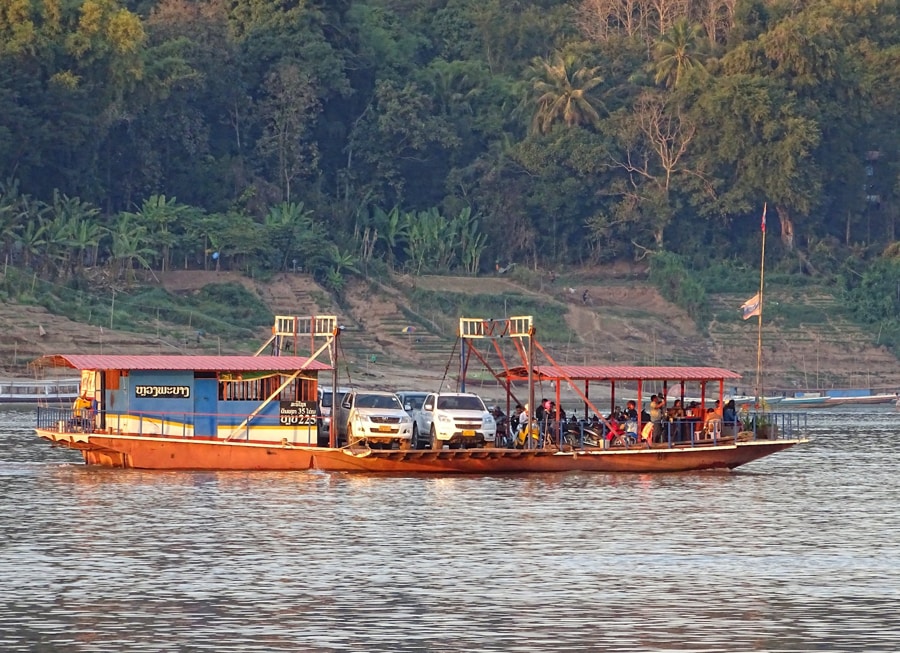
The travel time varies between 2-5 hours, depending on the waiting time, and the fastest travel time would be 1 hour and 45 minutes. The cost would be approximately 8-16 USD, equivalent to 200,000-400,000 VND. The recommendation would be to book the entire ticket package through travel agencies in Pakse in order to have a seamless connection between the road and ferry components.
By Private Taxi
In terms of convenience and flexibility, a private taxi would be the best choice, although this would cost considerably more. The travel time would still take 2-5 hours, just like the van and bus, and you can leave at any time you like, provided it fits your schedule. The price would range from about 125 USD and would only include transportation to Nakasang Pier, and you would have to pay extra for the ferry ride to Don Det.

Tips For Traveling From Pakse To Don Det
Traveling from Pakse to Don Det isn’t difficult; however, when viewed in the context of the traveler’s needs, the trip could be improved with some hints or recommendations. Although you may travel by bus, car, or boat, here are some ideas on how to effectively plan for your trip.
- During high season, you must make your transportation arrangements (bus or private car) before arriving in Don Det to ensure a secure destination.
- Because of the limited number of ATMs in Don Det, you will need to have cash available in smaller notes for purchasing ferry tickets, snacks, and the local charges.
- Consider bringing a lightweight backpack containing travel necessities (water, sunscreen, etc.) when you visit Don Det. Although Don Det is located in a tropical location and offers a relaxed atmosphere, convenience stores do not exist on Don Det.
- If traveling by boat, check the weather prior to leaving to avoid possible delays resulting from the weather or water current.
- If possible, be an early riser, which will allow you to maximize your time visiting Don Det and the adjacent 4000-Island region.
- Make sure you have a good pair of shoes or sandals available that are comfortable to wear while you are walking on unpaved roads and along the riverbanks.
Recommended Stops Along the Way
The ride from Pakse to Don Det is much more than a direct route from one location to another; there are interesting stops along the way where you can get a sense of local culture and enjoy the scenery.
Bolaven Plateau
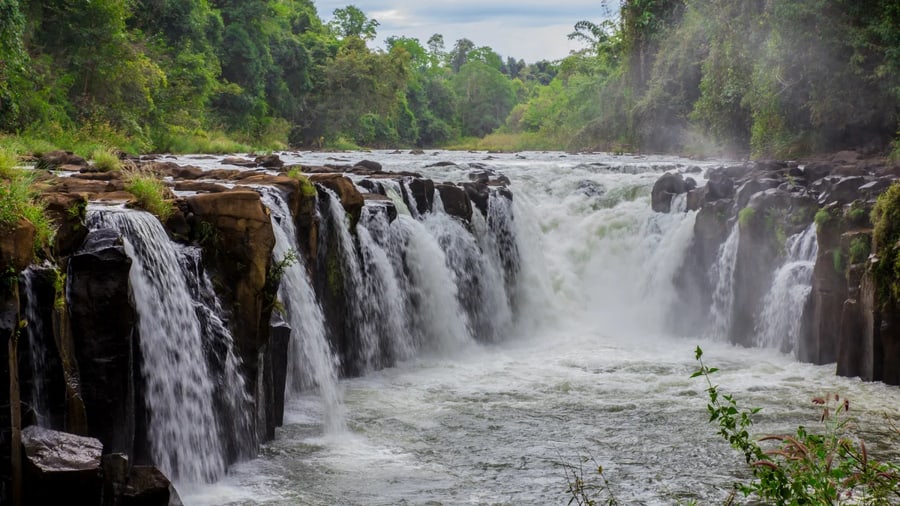
The Bolaven Plateau represents a highland region distinguished by its cool climate, greenery, and waterfalls. There are tourists who come through this area specifically to visit Tad Fane and Tad Yuang waterfalls. The spot has become renowned, too, because of coffee plantations where you get an opportunity to taste coffee grown in those regions and even learn the process through which it was prepared. The location acts as a break before you go even further south.
Champasak Town
Champasak Province has a small town called Champasak on the banks of the Mekong. The town has plenty of culture and history, and there are tourist attractions like the Wat Phu, a UNESCO site that features the ruins of an old temple and Mekong river views. The town has nice cafes and local markets where tourists can stop and have a quick bite.
Si Phan Don (4000 Islands)
Before arriving in Don Det, tourists experience the general region commonly referred to as the 4000 Islands, including Don Khone and Don Khong. These island destinations provide opportunities to explore the islands by Mekong River cruises, relaxed cycling through peaceful trails, and a visit to the fishing villages. In addition, tourists can witness the Irrawaddy dolphin, a rare species, in the Mekong River near Don Khone.
Mekong Riverside Villages
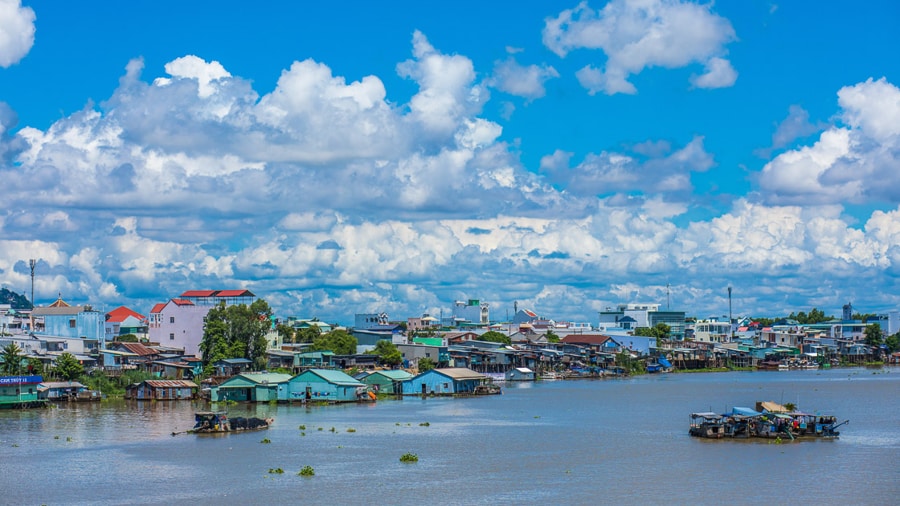
Tourists can get a taste of the rural Laos lifestyle at small villages bordering the Mekong River. They can visit these villages to try regional food, view local fishing operations, or spend some time relaxing along the banks of the river. This is a great way for travellers to experience a traveler’s interaction and immersion into the local culture and environment.
FAQs About Traveling From Pakse To Don Det
The journey between Pakse and Don Det is a very popular route for tourists visiting the south of Laos, but many tourists have questions about transport, border crossing, and what they can expect to find while visiting the islands. Below are some commonly asked questions that may aid in making this trip a smooth one.
Do I need a visa to travel between Pakse and Don Det?
Yes, most international visitors will not need to cross an international border when travelling from Pakse to Don Det; therefore, they will not need a visa to enter or leave either of these locations, as they are both in Laos. However, if you plan to visit some of the islands that are closer to the Cambodian border, you may need a visa to enter the border area.
What is the ideal season for travelling from Pakse to Don Det?
The best time to travel from Pakse to Don Det is during the dry season (from November to April). During this time, many of the roads are easier to drive on, and the weather tends to be nicer. However, during the rainy season (from May to October), some of the roads can be very slippery, and it takes longer to drive over them; this is especially true in the area of the Mekong River and the islands.
Are there any other places to visit besides Don Det?
Absolutely! The 4000 Islands area includes Don Khone and Don Khong as well as multiple smaller islands that tourists frequently visit to take in the scenery and see waterfalls, cycle, and get to know the locals. Additionally, you can see the rare Irrawaddy dolphin swimming in the Mekong River near Don Khone.
Is it safe to travel on roads from Pakse to Don Det?
Yes, the roads leading from Pakse to Don Det are well maintained by both buses and private vehicles. Locals are friendly and welcoming to travelers. However, travelers should use standard safety precautions while traveling, such as keeping an eye on their possessions, using a seatbelt if one is available, and checking ferry schedules. Travelers also say that they feel safe walking around Don Det, as well as the other islands.
What should I bring for the journey to Don Det?
Travelers to Don Det are advised to pack water, snacks, sunscreen, insect repellent, and a small, lightweight backpack. Wearing comfortable walking shoes will be useful while walking over the bumpy and uneven terrain on the islands of Don Det and the surrounding areas. Being prepared with these items will improve your overall travel experience, especially if you choose to use an independent transportation method.
Is it safe to travel alone from Pakse to Don Det?
Traveling alone from Pakse to Don Det is generally very safe, given that this route is heavily trafficked by tourists and the local communities are very welcoming to visitors. However, as with any solo travel, you should practice standard safety precautions, keep an eye on your personal items, and try to avoid travelling at night. Many solo travellers report having smooth, hassle-free experiences while commuting on this route.
Final Thoughts
A trip to Don Det from Pakse can provide you with the most relaxing and convenient form of travel, allowing you to enjoy the scenery from the river, the laid-back island lifestyle, and the rich culture of Laos. With several ways to get there, including bus, car, or boat, your journey will be simple and enjoyable. You can enjoy a peaceful escape from the noise of the city by being in Don Det, allowing you to take your time exploring and discovering what is available to you. You can begin your journey now with Seni World to make the most of your experience.


