


Pho ranks as one of Vietnam’s defining dishes, prized for its rich broth, silky noodles, and thin slices of beef or chicken. The broth is cooked with spices like star anise, cinnamon, and ginger to give it a rich and balanced flavor. Served with herbs and lime juice, Pho offers a delicious and satisfying taste of Vietnamese cuisine.
What Is Pho
Pho is a quintessential symbol of Vietnamese cuisine, which has earned it global recognition and admiration. This popular Vietnamese dish consists of flat noodles cooked in a fragrant broth made by simmering beef or chicken bones with aromatic spices such as star anise, cinnamon, ginger, and cloves. Thin slices of meat, herbs, bean sprouts, and a squeeze of lime juice are added to create a dish that is both aromatic and soothing.
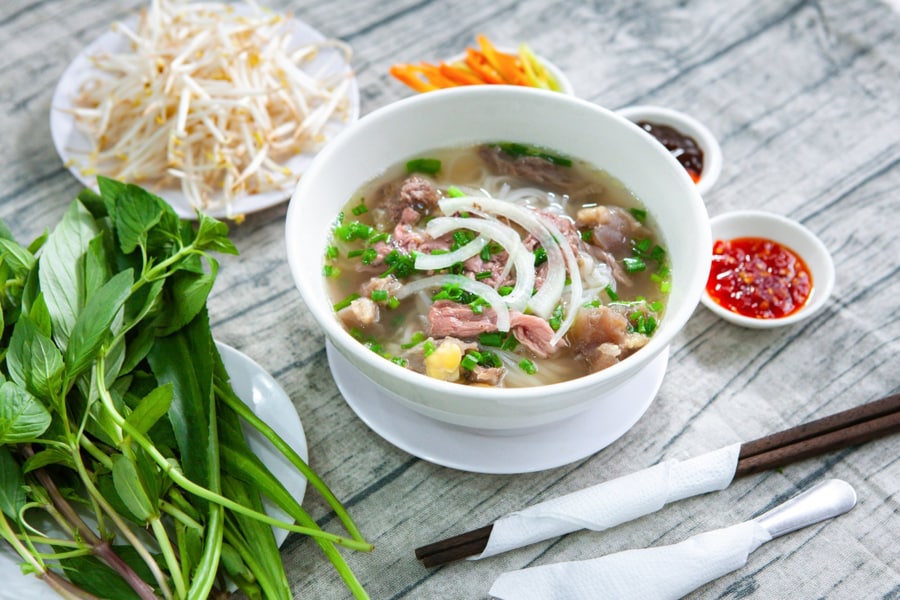
Pho is not only a delicious dish, but it is also a culturally significant dish for the people of Vietnam. This popular dish originated in Northern Vietnam during the late 19th or early 20th century and eventually spread to become an integral part of everyday life. While it has evolved into different versions during its journey across Vietnam, it has always remained a powerful symbol of Vietnamese cuisine. For many tourists, nothing can be more authentic than slurping a bowl of Pho at a local eatery or street food stall.
The Origin And Cultural Significance Of Pho
Pho is now celebrated as Vietnam’s national dish, and its origin is still a mystery, although there are a number of theories and ideas that have been advanced by scholars and historians over the years regarding its origin.
The Cantonese “Nguu Nhuc Phan” Theory
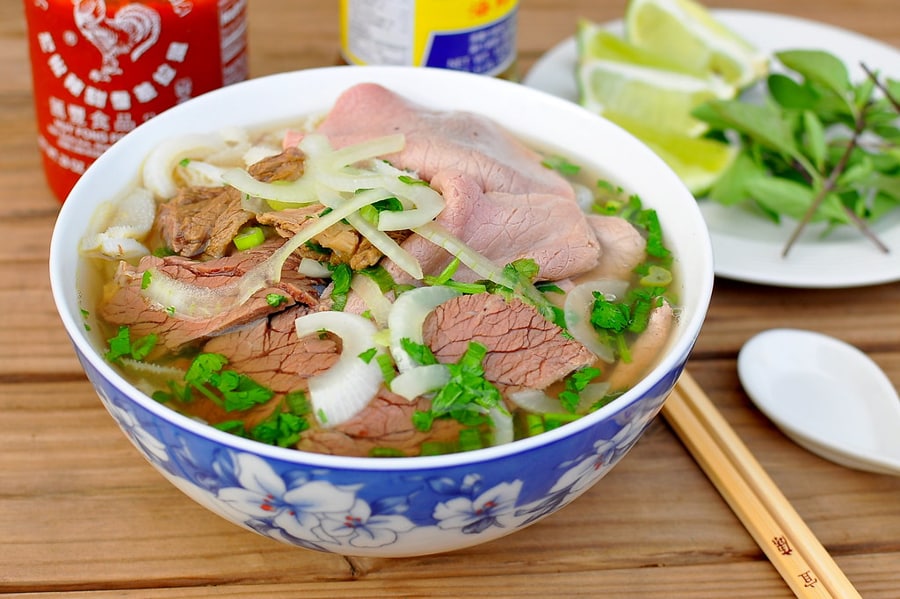
One theory is that the name “Pho” could be related to a Cantonese dish called “nguu nhuc phan,” or beef rice noodles, which was popular among the Chinese in Hanoi. “Nguu nhuc phan” is a noodle soup made from beef and noodles. However, the cooking methods and tastes of “nguu nhuc phan” are very different from those of Vietnamese pho.
The French Pot-au-Feu Theory
Another theory is that pho has a link to a French dish called pot-au-feu, a slow-cooked soup made with beef bones that originated during Vietnam’s colonial period. Some theorize that the word “pho” could be derived from the French word feu. However, pot-au-feu has a variety of vegetables, such as carrots and turnips, and is cooked differently.
The “Xao Trau” Folk Legend
According to local lore, pho originated from another dish called “xao trau,” which was commonly eaten by the people of the Red River Delta in the early 1900s. The dish began with buffalo meat, buffalo bones used for broth, noodles, and herbs. Beef gradually replaced buffalo meat over the years, as it was readily available and less expensive.
The Van Cu Village Theory
Another well-known theory on the origin of pho points to Van Cu village in Nam Dinh Province in the late 1800s. Here, the inhabitants created a noodle dish from rice sheets that were sliced and cooked in a broth with beef and bones, and then sold it to workers in textile factories in the area, contributing to its spread to larger cities.
How To Make Pho At Home (Authentic Recipe)
If you’re craving the real Pho experience but can’t fly to Vietnam anytime soon, well, bring it home! With the right ingredients and a little patience, you can make this iconic Vietnamese noodle soup in the comfort of your home.
3.1. Main Ingredients For Making Pho Process
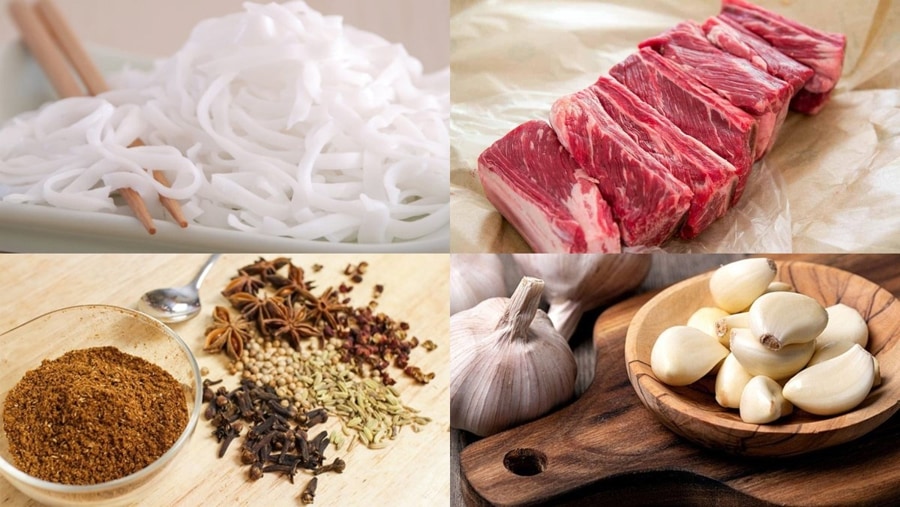
Prior to cooking Pho, it is essential to prepare the main ingredients that will result in a savory and aromatic Pho broth. The quantities provided are for 4 to 5 portions.
|
Main Ingredient
|
Quantity
|
|
Beef bones (marrow bones)
|
1.5 kg
|
|
Beef fillet (thinly sliced)
|
200 g
|
|
Beef meatballs
|
500 g
|
|
Rice noodles (banh pho)
|
800 g – 1 kg
|
|
Shallots, scallions, onion
|
1-2 onions and a few shallots
|
|
Ginger
|
1 small root
|
|
Lime
|
1-2 fruits
|
|
Pho spices (star anise, cloves, cardamom, cinnamon)
|
1 small spice mix
|
|
Rock sugar
|
1-2 tablespoons
|
|
Salt (coarse salt)
|
1 tablespoon
|
|
MSG (optional)
|
1 teaspoon
|
3.2. Step-By-Step Guide To Cooking Pho Vietnam
To prepare a delicious Pho dish, it is essential to be patient and careful, particularly when making the Pho broth. By following these steps, it is possible to make Pho at home with an authentic taste.
- Step 1: Prepare the ingredients
First of all, beef bones should be washed thoroughly. Soaking the beef bones in water with a small amount of coarse salt and lime for approximately 30 minutes can help eliminate the smell of the bones. After this, beef bones should be blanched in boiling water and washed once more to keep the broth white and transparent.
Meanwhile, the washed onion should be lightly toasted using low heat until fragrant. The beef fillet should also be cleaned and sliced thinly in order to cook quickly once hot broth is poured over it.
- Step 2: Simmer the broth
Put the cleaned beef bones in the pot with about 1 liter of water, and add a teaspoon of salt and the roasted onion. The bones must be simmered to extract the natural sweetness from the meat.
After about 30 minutes, the pot must be supplemented with more water and the Pho meatballs and spices such as cloves, cardamom, cinnamon, and star anise. The pot must be set over medium heat without the lid, and the foam must be skimmed regularly to keep the soup clear and aromatic. After another 30 minutes, the bones and spices must be removed, and the broth must be seasoned with rock sugar, salt, and some MSG.
- Step 3: Assemble the bowl
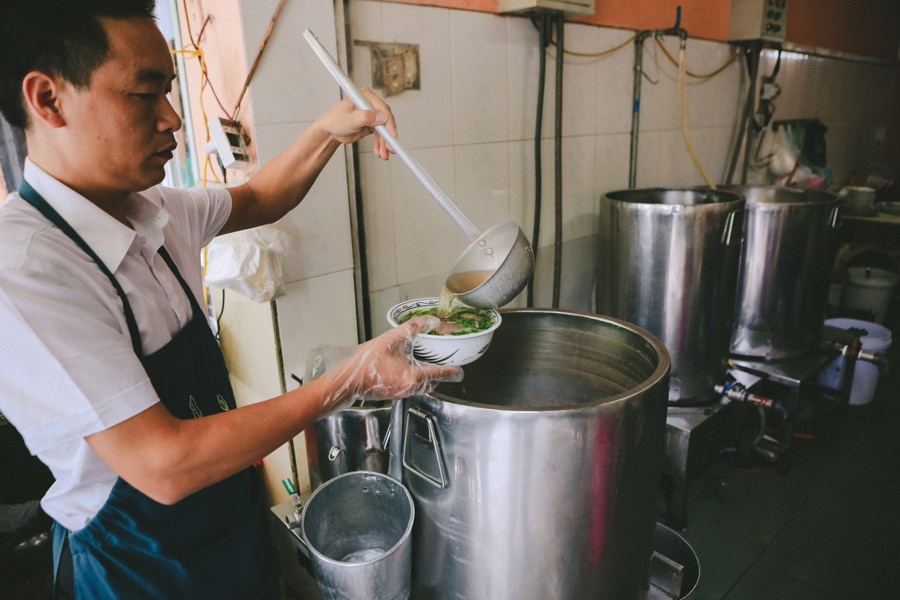
To prepare the final dish, we need to put some rice noodles in a bowl, then add slices of raw beef on top of the noodles, followed by some chopped scallions. After that, we need to add some hot broth to the bowl so that it can cook the slices of beef. The Pho bowl is now ready to eat.
- Step 4: Enjoy with herbs and condiments
A traditional bowl of Pho is usually served with herbs, bean sprouts, lime, and chili on the side. This is because the ingredients enable the consumer to customize the Pho to their desired taste, making the dish not only aromatic and warm but also embodying the spirit of Vietnamese cuisine.
How To Eat Pho Like A Local
However, not only is the experience of having a bowl of Pho noodle soup in Vietnam a culinary delight, but it is also a chance to experience the combination of taste and local tradition as well. By following a series of steps, you can experience Pho as the Vietnamese people do.
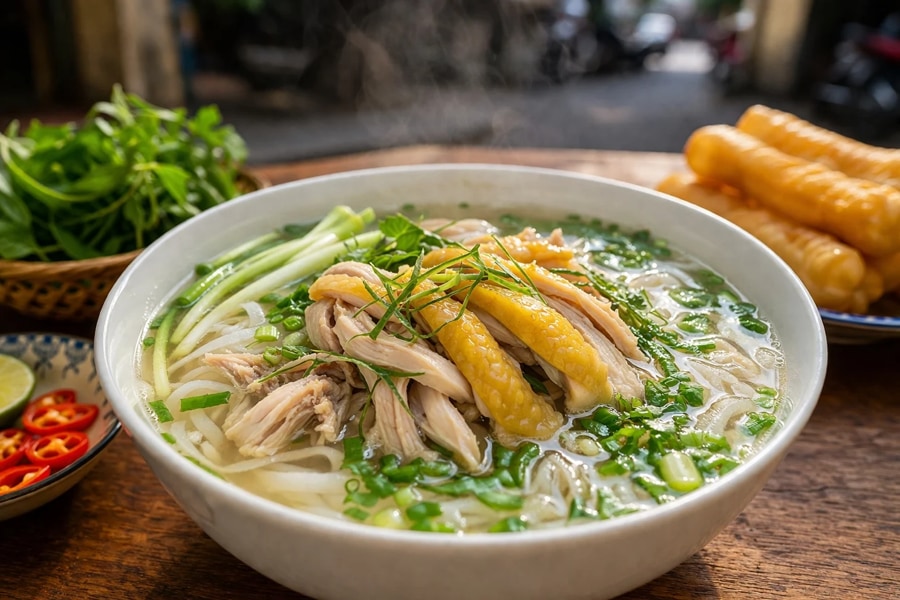
- Step 1: Taste the broth first
Before adding any condiments, locals usually take a few spoonfuls of the broth. This is to appreciate the flavor that is naturally created by slow-cooked bones and spices.
- Step 2: Add fresh herbs and vegetables
Next, add some bean sprouts, basil, or cilantro, or any other herbs that are available in the bowl.
- Step 3: Adjust the flavor with lime and chili
If desired, squeeze a little lime juice and add sliced chilies for a different taste. This will add flavor to the broth without changing the main taste.
- Step 4: Mix the noodles and toppings
Use chopsticks and a spoon to mix the noodles, meat, and herbs together. This will help the ingredients combine with the broth for a balanced taste.
- Step 5: Eat while the soup is hot
The best way to eat pho is to eat it while the broth is still steaming hot. Enjoy your noodles, sip your broth, and take little bites to appreciate the full flavor of this traditional Vietnamese dish.
Where To Try The Best Pho In Vietnam
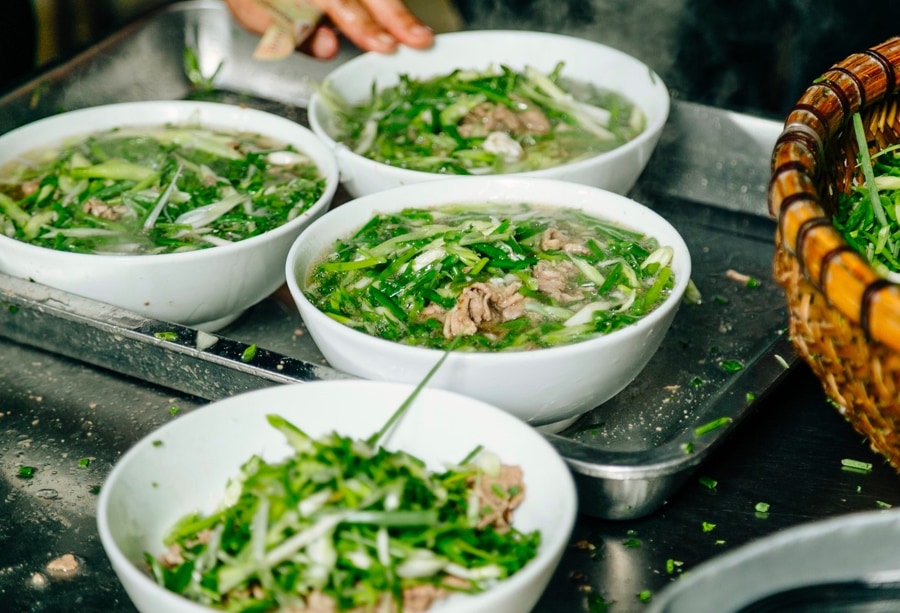
Pho is ubiquitous in Vietnam, but Hanoi is considered the best place to taste Pho with authentic, traditional flavors. There are many famous Pho restaurants in Hanoi, which have been serving this iconic dish for many years, and it is cherished by locals as well as tourists. Some of these famous places where you can taste Pho in Vietnam are:
-
Pho Bat Dan: 49 Bat Dan, Hoan Kiem, Ha Noi
-
Pho Thin Lo Duc: 13 Lo Duc, Hai Ba Trung, Ha Noi
-
Pho 10 Ly Quoc Su: 10 Ly Quoc Su, Hoan Kiem, Ha Noi
-
Pho Suong Co Muoi: 36B Mai Hac De, Hai Ba Trung, Ha Noi
-
Pho Phu Xuan: 36 Hang Da, Hoan Kiem, Ha Noi
-
Pho Khoi Hoi: 50C Hang Vai, Hoan Kiem, Ha Noi
-
Pho Ga Nguyet: 5B Phu Doan, Hoan Kiem, Ha Noi
Useful Tips For Enjoying Pho In Vietnam
Pho in Vietnam is an experience you won’t forget if you follow some local customs while eating. The following are some easy tips to help you enjoy the true taste of Pho and consume it as the locals do.
-
For breakfast, Pho is a must-have in Vietnam. Pho shops are open in the early morning, and the broth is at its best at the start of the day.
-
Generally, people drink the broth first, followed by the sauce and other accompaniments, in order to enjoy the pure fragrance and taste of the broth.
-
Fresh herbs such as basil, cilantro, and onions are usually served on the side. They should be added slowly to enhance the soup without overpowering the broth.
-
Adding a squeeze of lime or some chili helps bring out the taste. The soup is often customized according to the diner’s taste.
-
Sauces such as hoisin or chili are good, but there is often too much used, and this overpowers the taste of the broth.
-
Pho is best enjoyed with steaming hot broth so that the aroma of the spices is not lost.
-
Typically, a glass of Vietnamese iced tea is served with the Pho to help offset the rich taste of the soup.
FAQs About Pho
Pho is probably the most recognized dish in Vietnamese cuisine, yet there are many things that travelers are curious about. The FAQs below will give you a clearer idea about the dish.
-
What are the most common types of Pho?
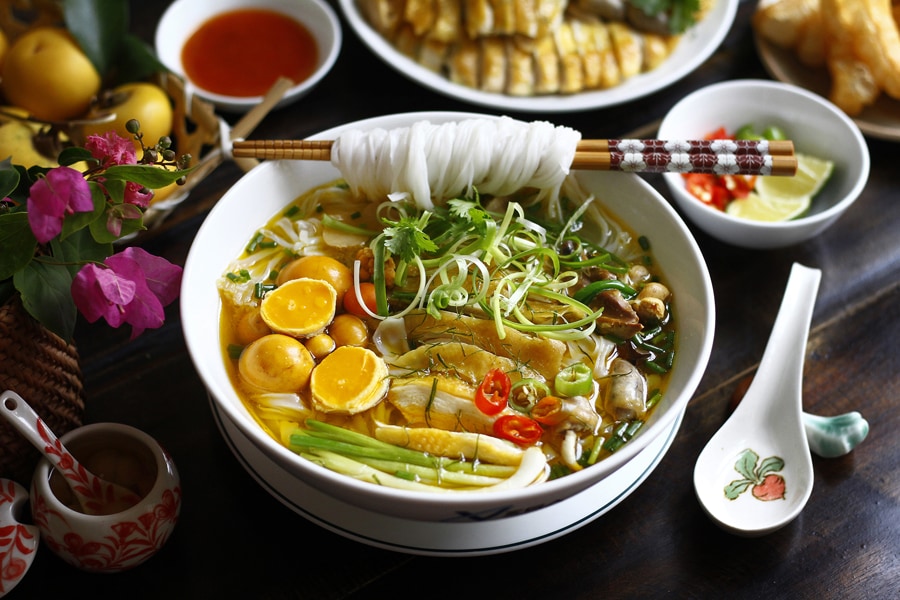
Pho is available in two main versions, one with beef, known as pho bo, and another with chicken, referred to as pho ga. For Pho Bo, it is common to find sliced beef, brisket, or even meatballs in a flavorful broth. Pho Ga, on the other hand, consists of chicken in a light broth. The two versions of pho are built around a common foundation of rice noodles mixed with aromatic herbs.
-
Is Pho popular outside Vietnam?
Pho has gained popularity worldwide over the past few decades. The Vietnamese community introduced the dish in many countries, and the comfort food and pure ingredients of Pho soon gained popularity worldwide. Pho is now featured in restaurants worldwide and is recognized as the symbol of Vietnamese cuisine.
Discover Vietnam’s Food Culture With Seni World
Vietnamese cuisine has played an integral role in the nation’s history and culture, and dishes like Pho are evidence of this in one bowl. The rich broth and herbs that come with it represent the balance and simplicity found in Vietnamese cuisine. One of the best ways to understand Vietnam’s lifestyle and cuisine is to try out local dishes.
For travelers with an appetite to try out the authentic cuisine in Vietnam, Seni World has designed Vietnam packages to take you through Vietnam’s exciting culinary scene. Be it enjoying a steaming bowl of Pho at one of the local eateries or scouring the cities to find tucked-away eateries in Vietnam, Seni World ensures you have a memorable culinary experience to try out the authentic cuisine in Vietnam.
Final Thoughts
Pho is not only one of Vietnam’s most famous dishes but also a symbol of the country’s rich culinary heritage. The broth is resting gently, the meat is tender to the bite, and herbs enhance the aroma in a warm and inviting bowl that embodies all the flavors of Vietnam. For many travelers, a meal of Pho in a restaurant or food stall nearby is a highlight of their trip. If you are looking for a chance to experience genuine Vietnamese cuisine and discover where locals eat their favorite food, Seni World can direct you to the best food places in Vietnam. Join a Seni World tour and make your trip a gastronomic adventure in Vietnam’s thriving food scene.
Content Seniworld
Subscribe
Login
0 Comments
Oldest


Related articles
Vietnam Travel Guide


