


Po Nagar Temple in Nha Trang is an ancient Cham cultural monument that dates back to the 7th century. It is an architectural marvel of red bricks, a mystical atmosphere, and a panoramic view of the river.
Introduction To Po Nagar Temple
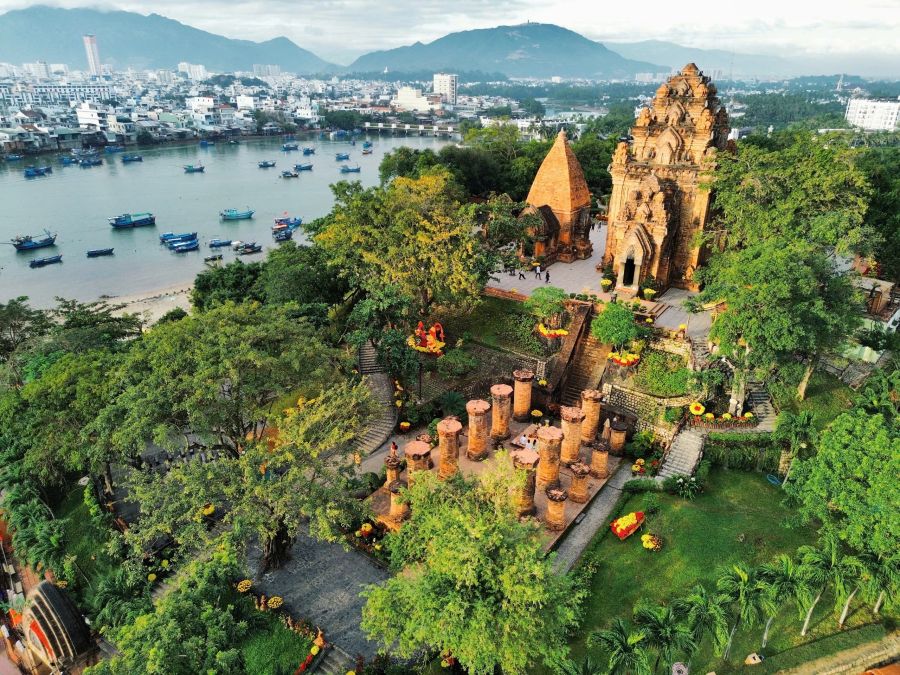
Po Nagar Temple, or Po Nagar Cham Towers, is one of the most important monuments in the history and culture of Nha Trang. Built by the Cham people from the 8th to 13th centuries, the temple was devoted to Yan Po Nagar, the mother nature goddess and the guardian goddess of the land. The red brick towers, stone carvings, and old objects are evidence of the craft and faith of an ancient civilization that once bloomed on Vietnam’s central coast.
Today, Po Nagar Temple continues to be a religious site for the locals and pilgrims, and its worth-seeing experience has encouraged enormous visitor traffic from all over the world. There is a unique charm of Po Nagar for travelers to experience a calm and relaxing atmosphere, to admire the unique Cham architectural style, observe local spiritual cultures and ceremonial practices, and enjoy the breathtaking views of the Cai River and Nha Trang Bay from this hilltop temple site. Visiting Po Nagar Temple will both enhance your knowledge of the spirituality of the region and add to your overall experience in Nha Trang.
History Of Po Nagar Temple
The Po Nagar Temple was constructed sometime between the 7th and 13th centuries, in the height of Hinduism and the Cham Kingdom in central Vietnam. The temple, also called Yang Po Inư Nagar or Yang Po Ana Gar, was dedicated to the goddess Po Ina Nagar, who was honored as Mother of the land. The Cham people believed that Po Ina Nagar was the creator of the earth, trees, and rice, that she was a divine protector against storms and flooding, and that she brought prosperity and peace to her people.
Over its long history, Po Nagar Temple has served as an important spiritual and cultural center for the Cham people. It features a distinct architecture, old carvings, and many mysteries that show both the devotion and artistry of the Cham civilization. Po Nagar Temple, listed among the national architectural monuments in 1979, is now a sacred place of worship as well as one of Nha Trang’s most loved tourist places.
Unique Architecture Of Po Nagar Temple
Nha Trang’s Po Nagar Cham Towers are separated into four general sections with very different architecture and contrasting histories. It is possible to walk through each of the sections and appreciate the craftsmanship of the old Cham people as well as the cultural depth enshrined within the temple complex.
Grand Entry Gate
The entrance gate is an impressive creation intended to blend with the rest of the temple complex. While the gate itself has weathered away, the stone steps leading up to the intermediate level have survived. Though partly ruined, the sheer size and original layout of the gate still evoke a glimpse of the original glory of the temple.
Mandapa (Forecourt)
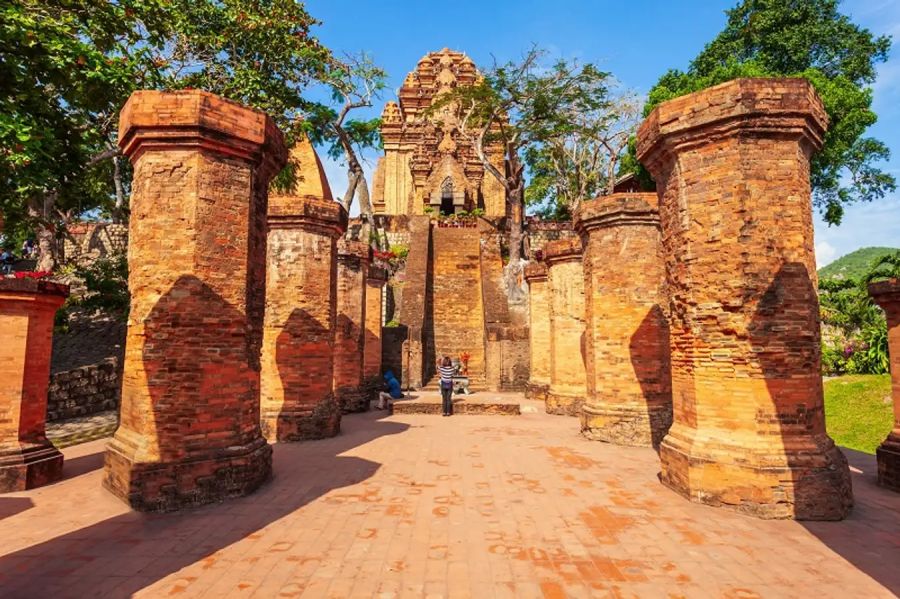
As visitors proceed through the gates, they find themselves in the Mandapa, which is where the Cham people prepared their offerings before offering their prayers. Today, only two full rows of eight-sided brick pillars remain, five large and six small under each row. They are perfectly aligned. This mid-level is connected to the upper temple level by a steep brick staircase, which serves a purpose while demonstrating architectural magnificence and ingenuity.
Majestic Brick Temple Towers
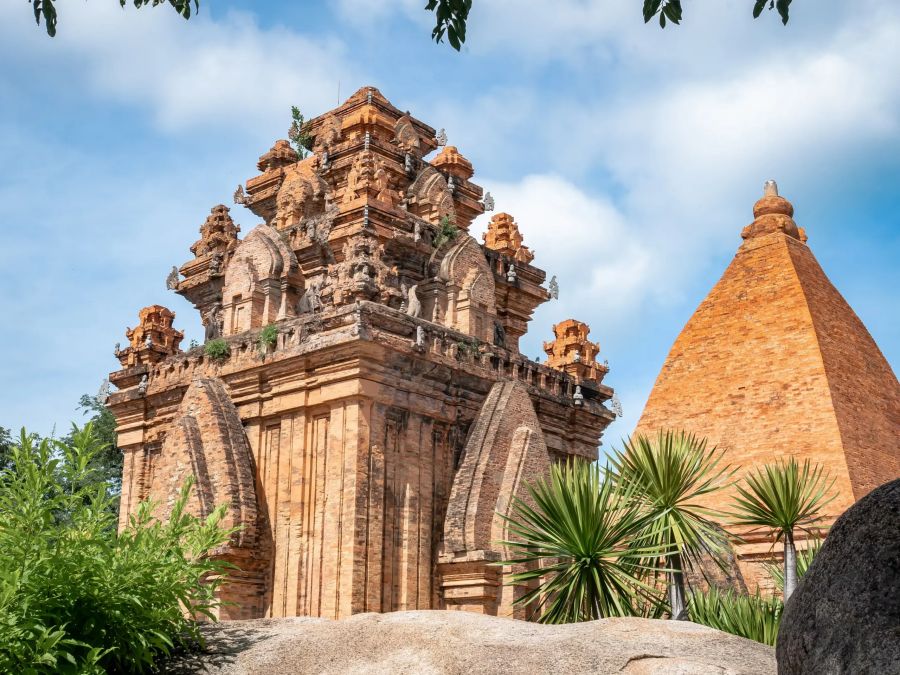
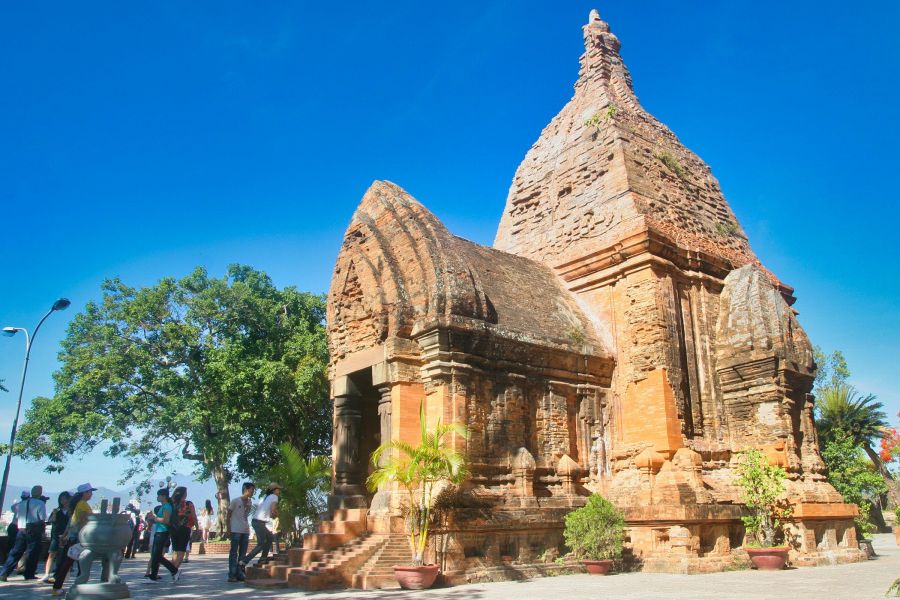
The upper temple area contains two lines of towers within four stone walls that still exist only as the western wall and the southern wall. In the front row, there are three towers, and the largest is called the Po Nagar Tower, directly in the middle of the line of towers. In the second row, there were originally three towers; however, only one still exists.
Each tower has a hollow inside, an entrance that faces east, decorative ridges, pilasters, and cornices. The tops of the towers contain small tower-shaped decorations, and the outside of the towers contains statues and reliefs of gods, heavenly beings, and sacred animals.
Stele Area

An additional feature of Po Nagar is a series of ancient steles, each linked to the history of Po Nagar or events that took place there. The first stele is located at the rear of the towers as one enters the site. It provides mythological information about the goddess Thien Y A Na, which was written by the Cham and relocated to this site. It was transcribed into the Han-Nom language in 1856 by Phan Thanh Gian.
The second stele, installed in 1871 by eight officials from Khanh Hoa and Binh Thuan, celebrates the friendship between the two provinces. The third stele, put in place in 1972, describes the goddess Po Ina Nagar in modern Vietnamese script. The fourth and latest stele, installed in 2010, provides a history of the Temple complex of Po Nagar, including as much of the site as possible.
5 Cultural Experiences You Shouldn’t Miss
A visit to Po Nagar Cham Towers is also about taking a step into the storied past of the Cham people. Some of the things that you should not miss when you visit this ancient complex are:
Admire Ancient Cham Architecture
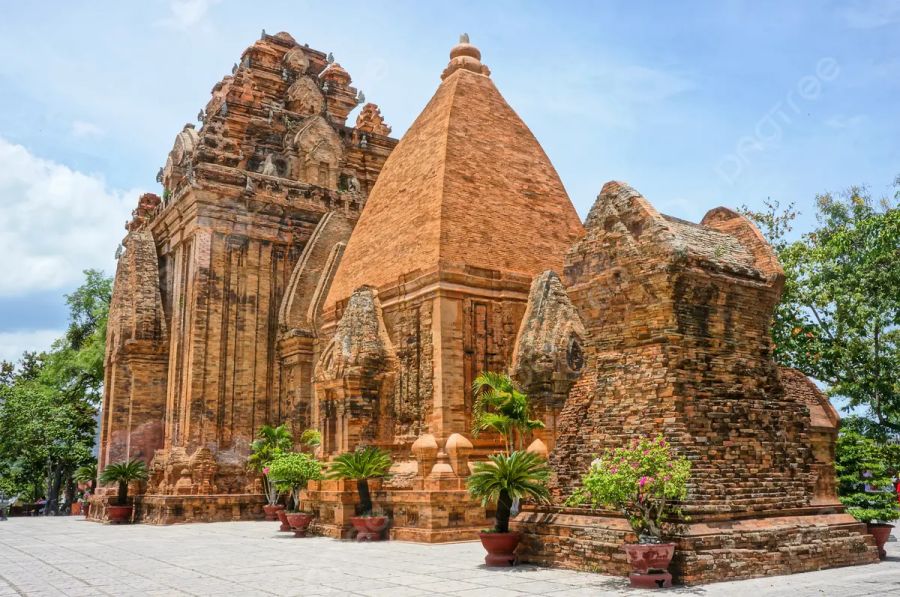
Po Nagar Towers is a perfect example of the ancient Cham civilization. From the chiseled stones to the towers’ alignment, every detail bespeaks advanced construction methods that have withstood the test of centuries. The secret of how the towers have stood the test of time for centuries is still one that leaves historians and tourists astounded. Beyond their historical importance, the towers give a glimpse into the excellence of building that still inspires awe to this day.
Uncover Diverse Cultural Festivals
In addition to the towers themselves, tourists may also witness the vibrant local celebrations in Po Nagar. The most popular is the Po Nagar Festival, held between March 20-23 of the lunar calendar, in honor of the goddess Po Nagar, who ensured prosperity for the Cham people. During the festival, you can witness traditional rituals, offer offerings, watch lion dances, participate in floating flower lanterns, and enjoy folk performances.
Indulge In Enchanting Cham Dance Shows
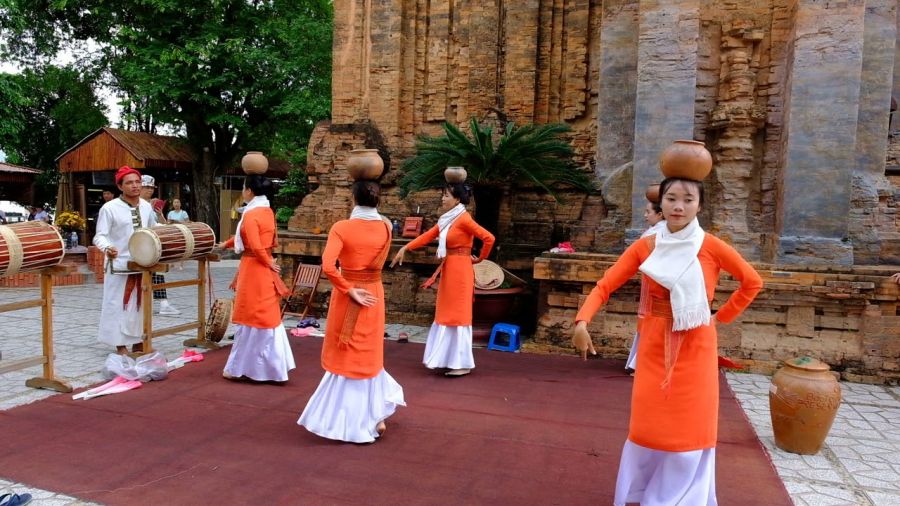
The dance performances of Cham at Po Nagar are not entertainment; these are life-like histories about an ancient civilization. The dancers dressed in traditional costume move effortlessly and precisely, recounting stories of the earth and mankind. Tying oneself back to the old courtyard, hearing traditional music, and observing the dancers, one feels as if traveling through time.
Take In The Luxurious Surroundings And Panoramic Views
Po Nagar is not just a historic monument but a peaceful retreat nestled in the middle of greenery. The bird’s eye views of the peaceful Cai River and green landscape below from atop the hill are added perks. The mossy walls, weathered stone staircase, and natural landscape provide a photographer’s haven and a perfect place to de-stress. People tend to find this peaceful atmosphere a good place to relax, take deep breaths of the fresh air, and lock moments.
Enjoy The Mystical Nightlife Atmosphere
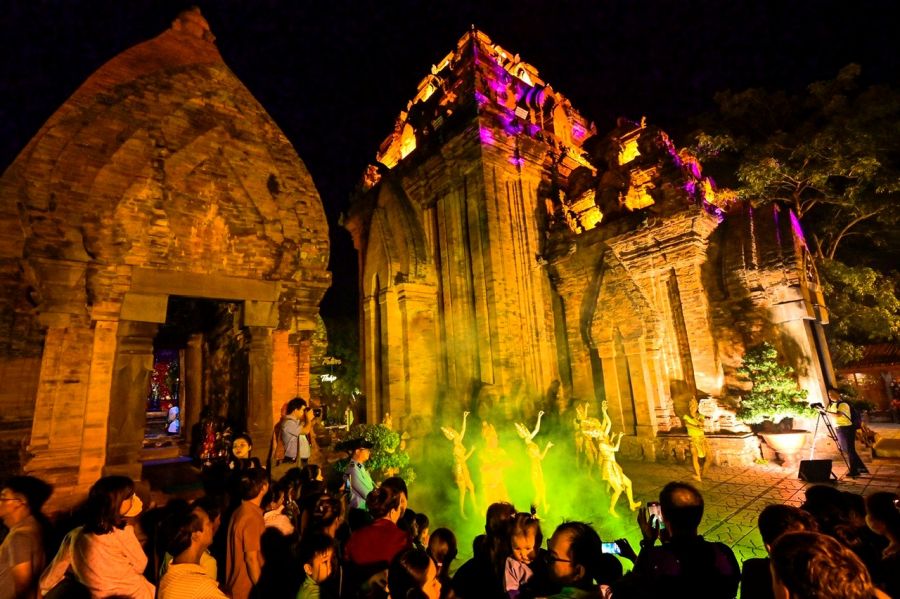
At night, Po Nagar is a fairyland. The towers are lighted up with lanterns and candles, which highlight the complexity of the carvings and evoke a fantasy atmosphere. Strolling down the shaded stone structures, you feel an interesting fusion of the past and contemporary magic. The nighttime atmosphere brings in an added sense of mystery and romance, which leaves tourists perceiving the holy site in a whole new light.
Entrance Fee
Entry to the Po Nagar Cham Towers site is inexpensive, so this is a culturally enriching experience that is affordable for all. Here are the particulars of the entrance cost:
- Adults: 30,000 VND/person
- Children: 15,000 VND/person
There is no additional charge for walking on the temple grounds. If, however, you decide to combine your visit with a trip to sites such as Ba Ho Waterfall or mud bath experiences, there may be added costs for those experiences.
Opening Hours
The Po Nagar Cham Towers are open from 8:00 AM to 6:00 PM every day. The ideal time to go is between April and June, when the weather is sunny and dry, making it the best time to sightsee in Nha Trang.
This is also the height of tourist season, so accommodations and travel services are also priced higher, but if you would like to get the best price rate possible, it is suggested to book flights to Nha Trang 1-2 months in advance from either Hanoi or Ho Chi Minh City.
How To Get To Po Nagar Temple
Reaching Po Nagar Cham Towers involves two steps: getting to the city of Nha Trang, and getting to the Po Nagar Cham Towers from the city center of Nha Trang. Here is a full guide for some transportation options:
Traveling From Ho Chi Minh City To Nha Trang
| Transport | Duration | Price Range | Notes |
| Bus | 8 – 10 hours | 200,000 – 900,000 VND | This depends on the bus company and service class |
| Train | 8 – 9 hours | 250,000 – 700,000 VND | Secure and cozy option. The SE2, SE4, SE6, and SE8 trains run at different times throughout the day |
| Flight | ~1 hour (plus travel to airport) | 500,000 – 1,500,000 VND | Take a flight to Cam Ranh Airport and then drive for 35 km to the Nha Trang town center |
| Self-driving / Rental Car | 8 – 9 hours | Varies | Flexible option for timing and route. Distance: about 430 km from Ho Chi Minh City |
Tip: If you plan to travel during holidays or busy tourist seasons, be sure to book your tickets ahead of time and double-check schedules and prices before you go.
Getting To Po Nagar From Nha Trang City Center
The easiest way to get to the Po Nagar Towers is to just follow Tran Phu Street north, cross Tran Phu Bridge, and turn onto the final street called Thap Ba Street. This street will lead you right to the Po Nagar towers complex. The trip from the city center should take roughly 10-15 minutes by car or taxi, and a few minutes longer by motorbike or public bus.
Things To Know Before Traveling To Po Nagar Temple
Po Nagar Cham Towers is a place of worship, and the local community expects that you will respect its significance as both a religious and cultural site. Take a moment to read the following helpful suggestions and acceptable norms, and Seni World trusts you will have an enjoyable and respectful visit.
- Please refrain from making stupid humor or derogatory comments about the goddess or sacred representations in the temple.
- Please do not bring food or drinks from outside or eat or litter in the temple.
- Dress appropriately. If planning on entering the inner sanctuary for incense, offerings, or prayer, you should dress modestly and respectfully.
- Consider bringing some sunscreen, sunglasses, a hat, or an umbrella to protect yourself from the sun & heat to have a more pleasant visit.
- Once in the temple, please follow all posted signs, instructions, and advisories as well as guidelines in the temple complex for both safety and to respect the site.
Final Thoughts: Is Po Nagar Temple Worth Visiting?
Po Nagar Temple is not only an ancient Cham temple, but it’s a living part of history, where culture, spirituality, and its magnificent architecture come together. Its distinct red brick towers, all of which look down on the Cai River, to its peaceful environment full of incense, help travelers go back in history to connect with Cham each time they visit. Let Seni World be your leader in discovering Nha Trang and other amazing adventures.


