


This is the most prominent representation of Quang Ninh’s cultural heritage and is found in Ha Long. It includes exhibits on the region’s early history, natural resources, and coal mining. If you are interested in culture or history, this museum is a must-see!
Introduction To Quang Ninh Museum
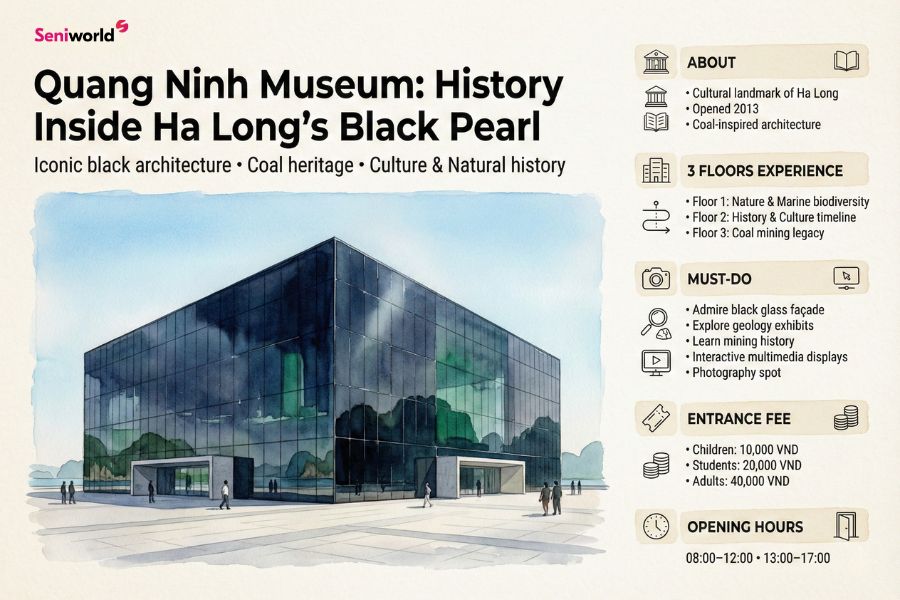
The Quang Ninh Museum, located in Ha Long City, is a visually appealing place to see all the beauty and history that surrounds Quang Ninh Province. With its contemporary architecture that represents the unique coal industry within the region, the museum is an important part of the coastal route and features a dramatic glass and concrete façade, which is very similar to the scenery represented in Ha Long Bay.
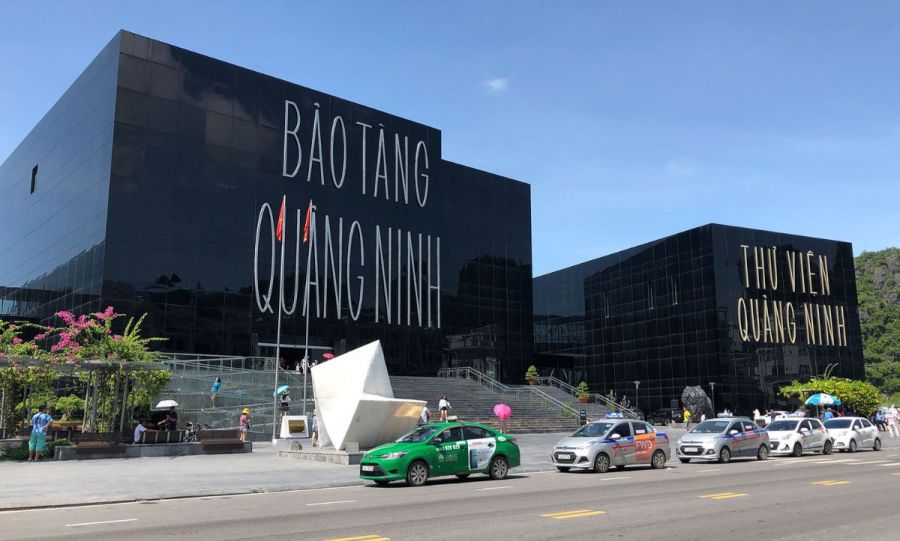
At the Quang Ninh Museum, visitors can examine a wide range of exhibits detailing the region’s geological features, its traditional arts and crafts, and its history, including information on all types of marine biodiversity, many prehistoric objects, the history of coal mining, and historical and cultural accomplishments. There are educational displays, collection displays, and also places where people can relax, such as a café and a library. The Quang Ninh Museum is a perfect place for visitors to find inspiration in learning about the many things that can be learned about history, culture, and the world around us!
History Of Quang Ninh Museum
The first incarnation of the museum (the Hong Quang Zone History & Revolution Museum) was set up in 1960 at 5B Cau Cao Street, Hon Gai Town. This early establishment marked an important step toward the preservation of the revolutionary heritage and cultural history of the Quang Ninh Province.
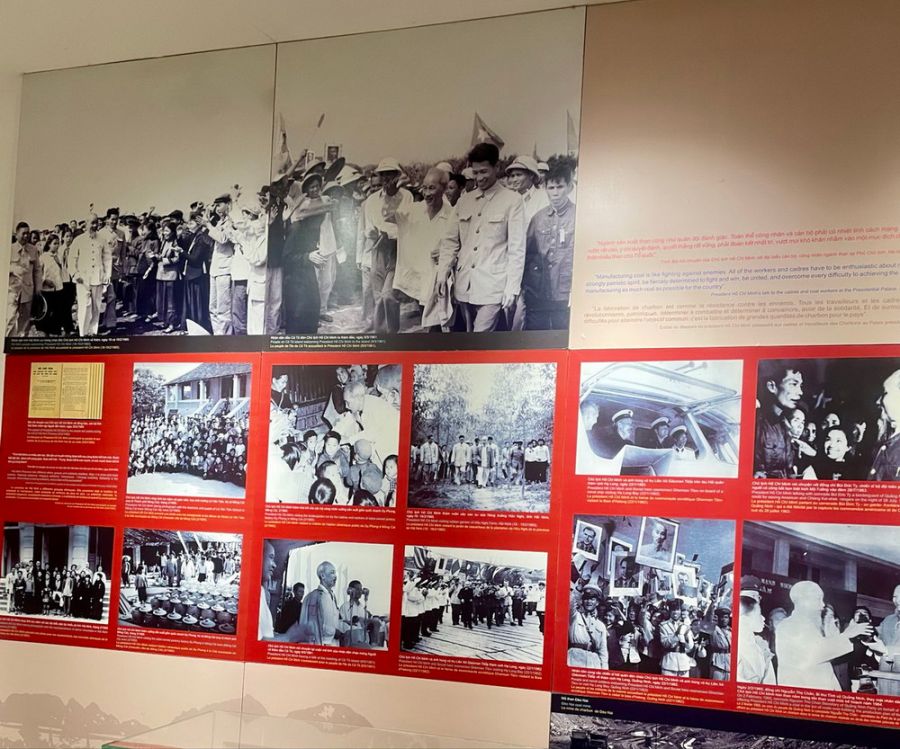
The museum officially became Quang Ninh Provincial Museum on October 30, 1963, when the Hong Quang Zone was merged into the new Provincial Government with Hai Ninh Province to create Quang Ninh Province, and so served to preserve and maintain the cultural history of both provinces. In 1990, the Provincial People’s Committee converted the former headquarters of the Quang Ninh Import-Export Company at 165 Nguyen Van Cu Street, Ha Long City, into a new home for the museum, thus providing the museum with a greater exhibition and storage space.
A major achievement was attained in 2012 via the funding and development of the contemporary Quang Ninh museum complex as part of the province’s cultural development strategies. The museum opened its doors to the public on 13 October 2013, and it has since been referred to as one of the most notable cultural heritage sites in Ha Long, due to its architectural importance and its contribution toward maintaining the area’s historical identity.
Unique Architecture Of Quang Ninh Museum
At Quang Ninh Museum, an environment filled with multiple layers of storytelling has been designed to illustrate Quang Ninh’s identity using architecture and exhibits; the architecture guides the flow of exhibits. The museum is divided into multiple stories that provide a view of the province, allowing visitors a greater understanding of Quang Ninh through its natural resources, its history, and industry.
Floor 1: A Vivid Portrait Of Nature And The Sea
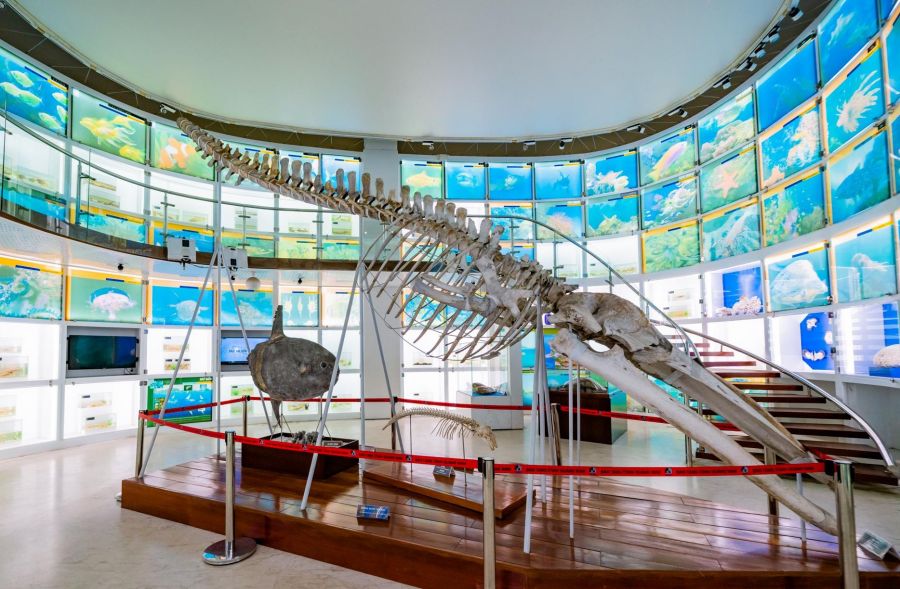
The first floor of the Quang Ninh Museum features a very strong visual representation and understanding of Quang Ninh’s natural environment, particularly the coastline and Ha Long Bay, a UNESCO World Heritage Site, as well as providing information about the geology, marine ecosystems, and biodiversity within Quang Ninh through extensive models and realistic displays, and on-site programs. The first floor of the Quang Ninh Museum is of particular appeal to the nature enthusiast because it illustrates the environmental significance and importance of preserving our natural treasures.
Floor 2: Preserving Rich Historical And Cultural Heritage
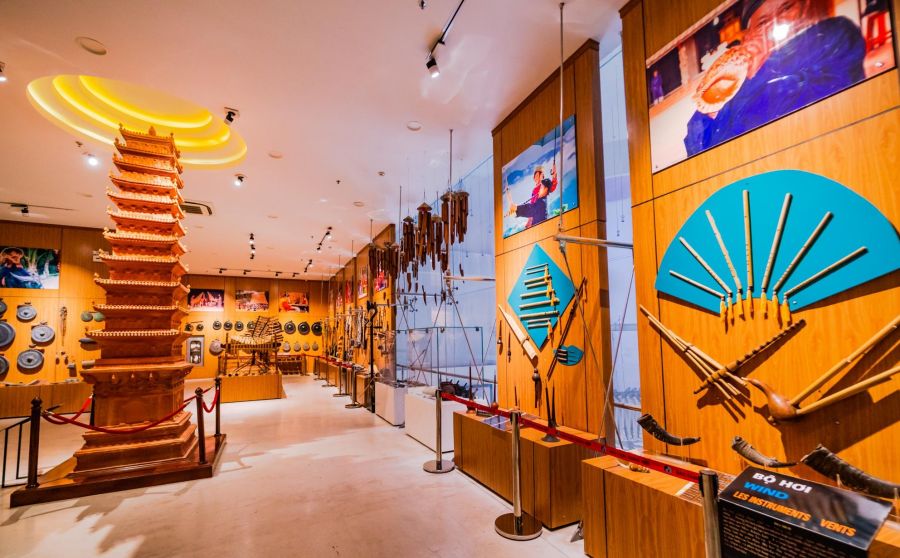
On the 2nd floor, you will travel through the extensive history of Quang Ninh, which includes many layers over thousands of years, from prehistoric culture to its development as the country of Dai Viet. The space is designed in the shape of a traditional boat and has many ancient relics from the Tran dynasty and exhibitions of Yen Tu Buddhism, along with documents on the Vietnamese resistance during the wars against the French and American invasions.
You will also see many examples of local traditional tools, ceramics, handicrafts, and tools used to extract coal. Together, these objects show how local communities lived and worked in Quang Ninh and provide a glimpse into their cultural identity.
Floor 3: Recreating The Legacy Of Coal Mining
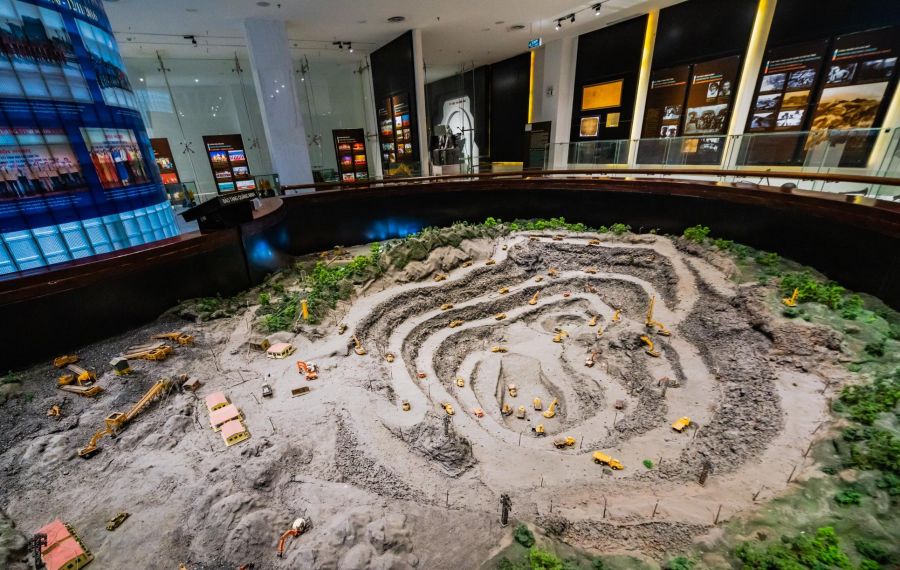
The 3rd floor is dedicated entirely to the coal mining tradition in Quang Ninh. This industry has been a part of the province’s economy for more than a hundred years. Visitors to this level will be able to explore the coal mining industry through interactive displays of mining tools and technology, as well as a summary of the evolution of coal mining from early manual processes to the current state of the art. This floor also provides insights into how coal mining affected the development of Quang Ninh society and the lives of the workers and residents who were affected by coal mining.
6 Unforgettable Experiences You Shouldn’t Miss
The Quang Ninh Museum is just more than viewing artifacts behind glass; it is a thoughtful journey to pursue to make you understand the soul of the province through space and lighting. By taking enough time with every experience below, you will surely gain more personal emotions toward the natural resources, culture, and people of Quang Ninh.
Admire The Iconic Black Glass Architecture From Every Angle
Its distinctive black glass frontage is one of the most recognizable contemporary architectural designs in northern Vietnam. In honor of coal, Quang Ninh’s lifeline, the design is modeled on the reflection of the sky, ocean, and urban environment.
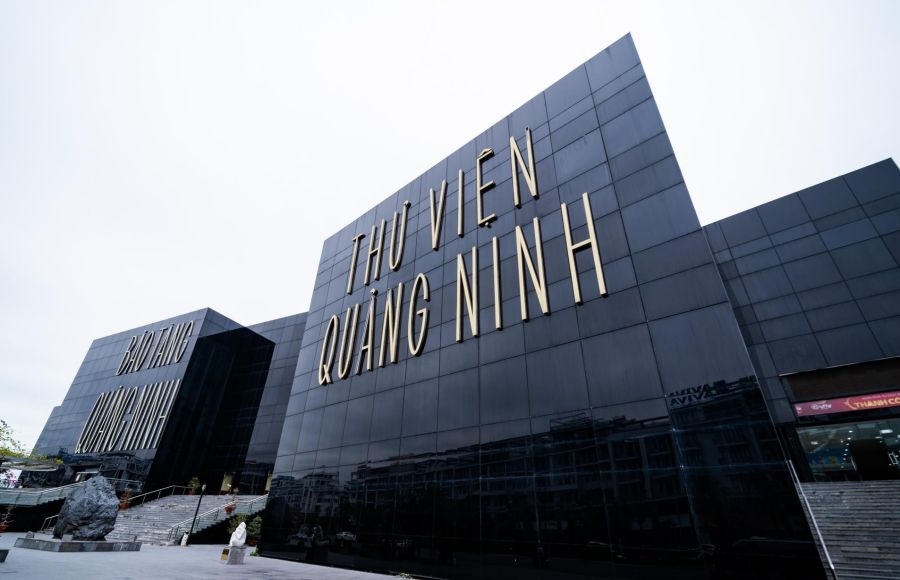
In the morning, when the sun is shining, the building provides a subtle contrast with the blue background. In the late afternoon, the building provides a beautiful contrast with the background environment. The best time to take a stroll around the building will allow one to note the integration of architecture and environment. It is also the best time to take photographs of the museum, one of the best activities in Halong Bay.
Explore The Natural World Of Ha Long Bay
The ground floor of the museum provides visitors with a broad overview of the natural heritage of the province of Quang Ninh, and of course, Ha Long Bay. The museum tour explains, through well-organized exhibits, the geological process of the formation of limestone karsts, caves, and islands over the course of millions of years, and this knowledge will provide viewers with the necessary perspective on the significance of this natural phenomenon. The models of the sea creatures and the organs of the earth showcase the incredible biodiversity of Ha Long Bay, where the tranquil surface of the water hides this secret world of unusual beauty.
Walk Through The Cultural And Historical Timeline
The second floor is where tourists get to experience the cultural and historical evolution in Quang Ninh in great detail. The timeline stretches from the prehistoric era to the feudal era, right through to the modern era, with a convenient and chronological structure to the exhibits that makes it very easy to follow. There are exhibits that showcase tools, pottery, and religious objects, to name a few, indicating how these people used to spend their daily lives.
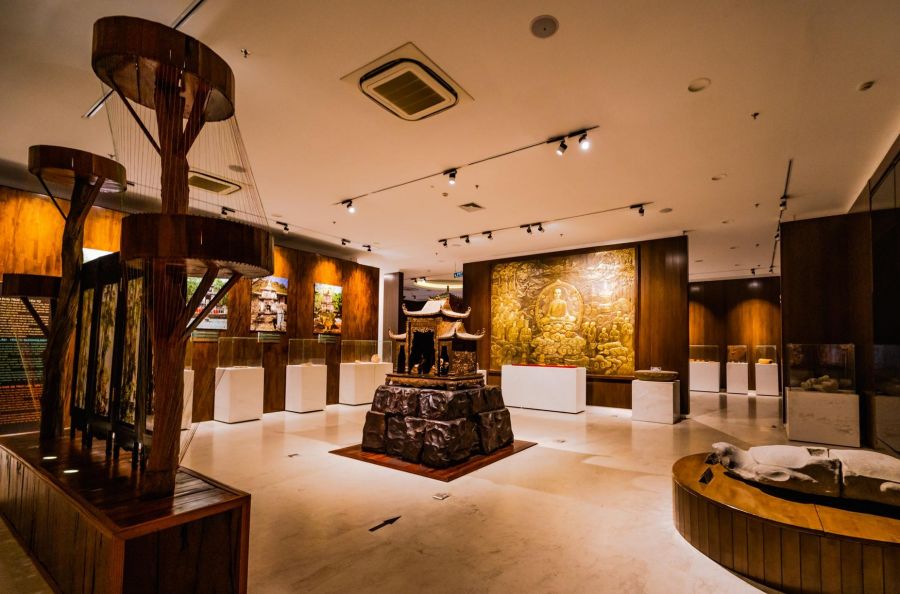
Buddhism at Yen Tu and regional resistance in war times add depth and emotion to the tour. A boat structure layout helps capture the dynamic element within history and makes it seem alive. At this point, history is no longer static.
Experience The Lives Of Coal Miners
On the 3rd floor of the Quang Ninh Museum, visitors will find one of the most unforgettable experiences relating to the coal mining industry, which has played such an important role in the economy and identity of the province. Visitors are presented with large-scale replicas of mine sites, along with tools, equipment, and work environments, as well as multimedia presentations of the same. Visitors can see firsthand how extremely difficult the conditions of work were and the reality of life for coal miners.
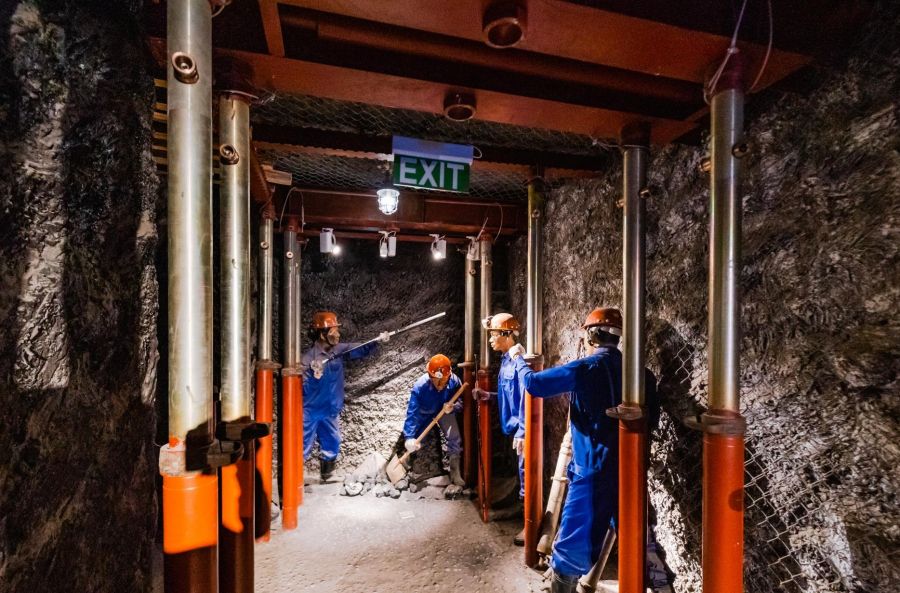
By examining these exhibits, visitors can better appreciate the commitment, support, and loyalty given by the coal miners to create industrial success for their region. Because of this experience on the third floor, many visitors will develop an emotional attachment to the miners and therefore will gain greater respect for those men who helped create the modern-day Quang Ninh.
Learn Through Interactive And Multimedia Exhibits
Visitors can interact with the museum through interactive technology such as touchscreen displays, digital maps, and video-based exhibits that allow individuals to discover information at their own pace and based on their individual preferences and interests.
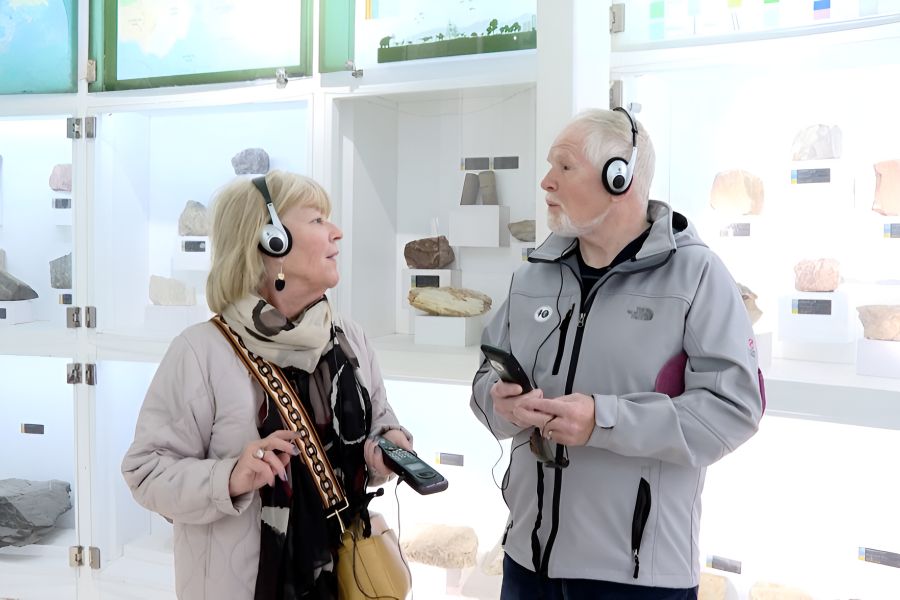
Family groups and youthful visitors will find these features particularly appealing because they create an engaging way for families to learn about artefacts and history that are often complex and difficult for children to engage with. Through the various ways in which interactive technologies have been introduced into the museum, the current generation of visitors can easily access and explore information from their own worldview, while also linking events from thousands of years ago to contemporary life.
Entrance Fee
The Quang Ninh Museum is an affordable place for everyone to see and learn about their province’s past. There are three different entry fee tiers for the different categories of visitors to the Quang Ninh Museum:
| Visitor Type | Ticket Price (VND/person/visit) |
| Children | 10,000 VND |
| Students | 20,000 VND |
| Adults | 40,000 VND |
Opening Hours
The Quang Ninh Museum is open daily, and its operating hours are convenient enough to enable visitors to plan their visit accordingly. The museum runs on two shifts: from 08:00 to 12:00 in the morning, and then from 1:00 to 5:00 PM. This allows sufficient time to visit the museum’s three floors.
As far as visiting the museum at its best time is concerned, it would be more enjoyable during the dry seasons in Halong Bay from April to October, as it is the peak tourist time at Halong Bay. Additionally, this is the time when the weather is pleasant enough to make a museum tour combined with other places worth visiting. In this case, visiting the museum either morning or the afternoon on working days would make the place appear less crowded.
How To Get To Quang Ninh Museum
Visitors can get to the Quang Ninh Museum from Ha Long City with little difficulty and enjoy the museum’s proximity to several other popular tourist destinations within the city. Depending upon your starting point, below are some recommended ways to reach the Quang Ninh Museum.
From Hanoi To Ha Long City
The journey from Hanoi to Ha Long City is quite convenient and can be done in a number of ways, depending on the cost and comfort desired. If using a limousine van or a tourist bus, the journey can take about 2.5-3 hours and costs about USD 10-18 per person.
Alternatively, if flexibility and privacy are a priority, traveling by a private car or a taxi can be considered. This can take about the same amount of time but costs about the same, at around USD 90-130. Buses are the most economical option from major bus stations in Hanoi. This costs about USD 6-8 per person.
From Ha Long City To Quang Ninh Museum
Once in Ha Long City, transportation to the Quang Ninh Museum is quite easy since it’s central. The easiest way, especially if you come from Bai Chay Beach or Hon Gai, is by taxi or private car, for which the usual prices are in the range of USD 2-5, depending on how far you’re traveling.
As a budget-conscious traveler, you can take bus numbers 04 and 10 from Bai Chay, which will bring you close to the museum for a fee estimated at USD 0.30-0.50 one-way. Another option, if you are staying in town or along Tran Quoc Nghien Coastal Road, is to push for a walk to the museum, giving you a chance to view Ha Long’s urban environment.
Things To Know Before Traveling To Quang Ninh Museum
It is beneficial to know a few things about the Quang Ninh Museum before visiting to have a better experience and enjoyment of your visit. In doing so, you will prepare for your visit and be able to visit the museum in comfort, and invest quality time during your visit, looking at the exhibits and the architectural design of the building.
- You can easily combine your trip to the Quang Ninh Museum with other nearby attractions that are located close to Bai Chay Bridge in Ha Long City, such as Ha Long Bay or Bai Chay Beach.
- Quang Ninh Museum offers three large floors of exhibit space, so we recommend wearing comfortable shoes before you arrive to allow for comfortable walking while viewing all the exhibits during your visit.
- You can avoid the crowds by visiting Quang Ninh Museum during weekdays and in the early morning to have more opportunities to review the exhibit information and to take photos without interruption.
- Most of the museum will allow photo taking, but it may be prohibited in some of the exhibit areas when flash photography is used for the protection of the museum artifacts.
- If you take your time viewing the exhibits at the Quang Ninh Museum, plan to allocate a minimum of one and a half hours to two hours to see everything in detail.
- You will find information in English in several of the exhibit areas, but if you have a basic knowledge of Vietnamese history, your overall experience of the museum will be more enjoyable.
FAQs About Quang Ninh Museum
Before you proceed to the Quang Ninh Museum, there are some questions that frequent visitors to this museum ask. The FAQs below should prepare you for a seamless and enjoyable experience when you visit this cultural highlight of Ha Long.
How Long Does It Take To Visit The Museum?
Typically, most visitors take about 1.5 to 2 hours to visit the museum. If you are one to take time reading exhibits or take photos, then you would most certainly require more time. The fact that every level deals with a different theme ensures that your visit to the museum is well-paced. Guided tours may also add to the time taken.
Is Quang Ninh Museum Suitable For Children?
Of course, the museum is child-friendly for all ages. Some parts of the exhibit cater to the visual interests of children, keeping them engaged. The vast area makes room for families to freely roam through the exhibit sections. Meanwhile, it also serves as an educational destination that combines fun and learning.
Final Thoughts: Is Quang Ninh Museum Worth Visiting?
A museum like no other, the Center for Cultural Management and Preservation of Quang Ninh Museum caters to the needs of the tourist who wants more than just a superficial experience when visiting the stunning coastal province. The black glass façade sets the tone for the tour experience, and the carefully curated displays are the guide you need on a tour through the natural, mining, and marine riches that the province has in store. A pit stop like no other, the museum provides the perfect backdrop for a tour experience like no other. Experience the best of Quang Ninh with Seni World – a tour experience in a league of its own!


