


The Royal Palace Museum in Luang Prabang is a permanent historical establishment that affords guests the opportunity to witness Lao royal heritage. Visitors will make their way into the royally preserved living quarters, view sacred objects, and enjoy traditional architecture.
Introduction To the Royal Palace Museum
The Royal Palace Museum in Luang Prabang is something you have to see. It represents the story of the Lao royal family. The palace was built in 1904 during the French colonial period and was originally the home of King Sisavang Vong – a stunning blend of French architecture and traditional Lao design. At the end of a palm-lined avenue and close to the Mekong River, the palace seems elegant and even tranquil while keeping the interest of travelers.
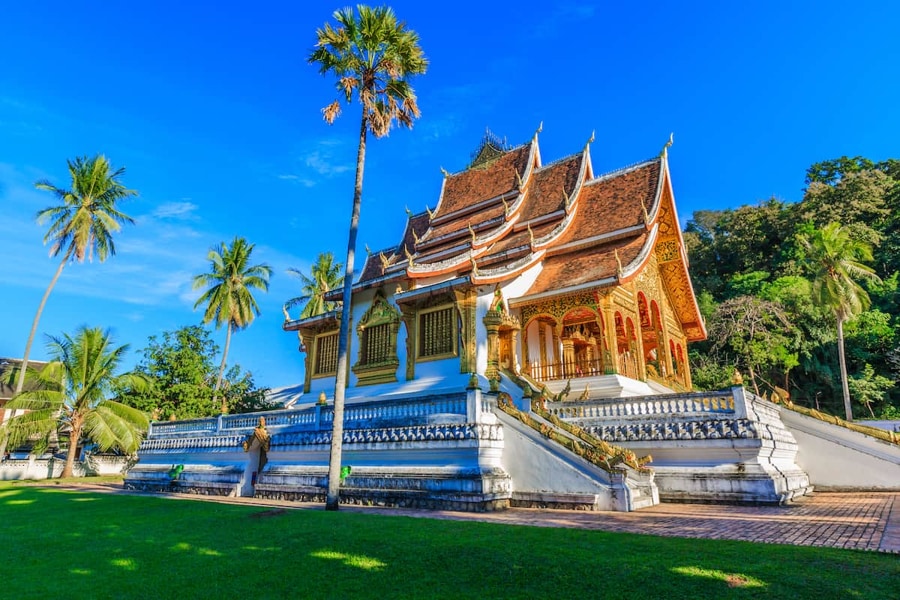
Now it sits as a museum, welcoming the curious traveler to roam the grand reception rooms, the private living areas, and one or two cultural treasures. You will see a variety of royal furniture, gifts of diplomacy, photographs, and, of course, the revered sacred Buddha Prabang. Visiting the Royal Palace Museum is a great opportunity to engage with Lao history and royal culture in a genuine and timeless venue.
History Of The Royal Palace Museum
The Royal Palace of Luang Prabang was built in 1904 during the French colonial period as King Sisavang Vong’s royal residence and his family’s place of habitation. Upon King Sisavang Vong’s death, Crown Prince Savang Vatthana became the final member of his royal family to reside within the palace walls before being relocated himself after the royal family was evicted following the Royal Family’s ousting during the 1975 Communist Revolution.
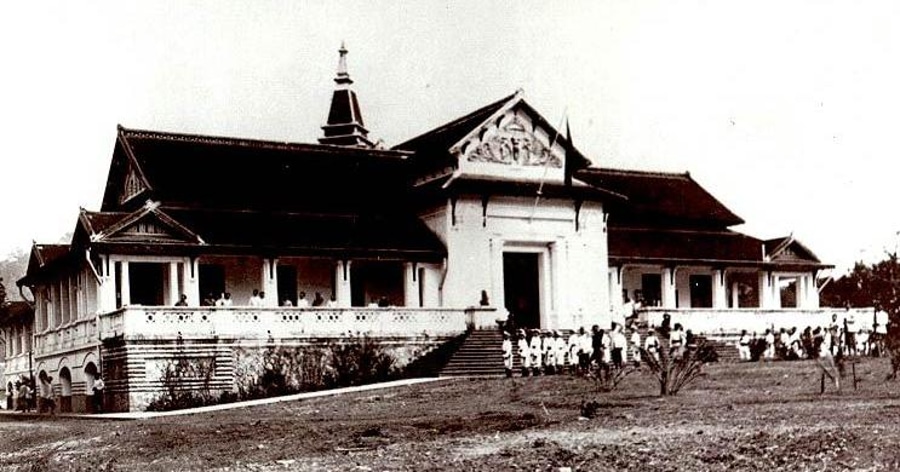
It was not until two decades later, in 1995, that this former palace became a museum containing some of the nation’s most prized royal artifacts and documents, as well as its religious and Lao cultural treasures. Perhaps its most prized is the Prabang Buddha Statue, one of its most valuable national treasures.
Unique Architecture Of The Royal Palace Museum
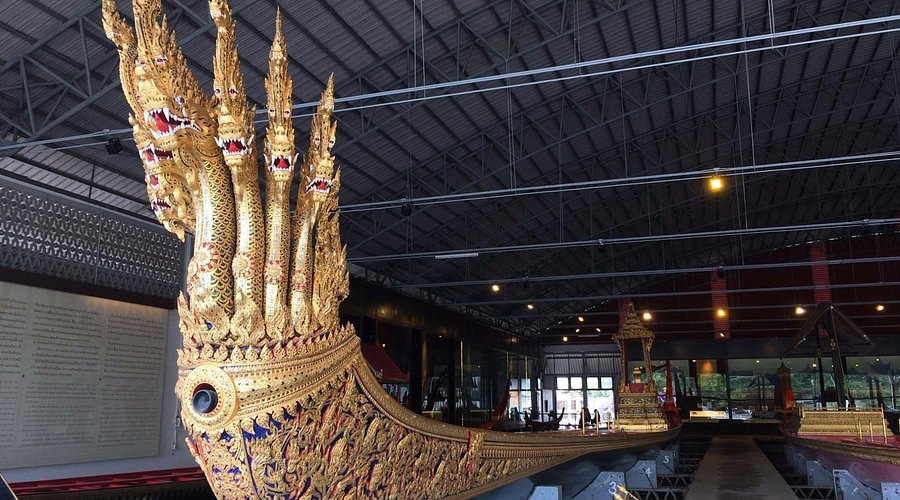
Upon entering the Royal Palace Museum, visitors are welcomed by an inviting garden with plenty of greenery and a peaceful lotus pond. There is a bronze statue of King Sisavang Vong and several historical canons in the garden. The palace complex features several important structures, including the Royal Barge House situated adjacent to the residential area, the main throne hall, and Haw Pha Bang, a beautifully decorated hall with the noted standing Buddha statue, Prabang.
Previously, Prabang and several other religious items were stored in the front wing of the palace.
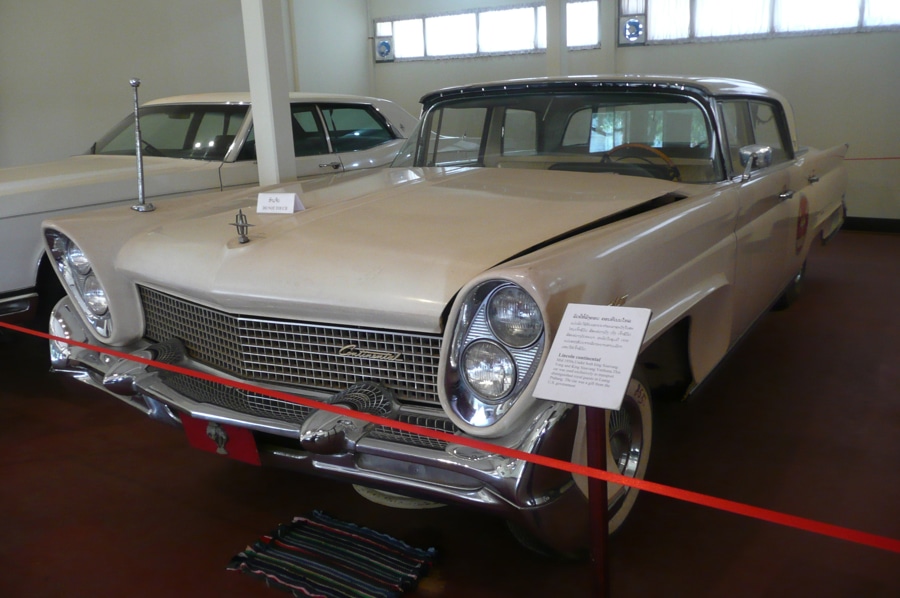
Additionally, the complex features a structure housing the collection of royal cars, which mostly consists of American vehicles between the years 1950-1970. Along the back of the garage is another building containing rotating exhibition galleries. All of the work and disassembled items are beautifully preserved and demonstrate the previous splendor of the royal palace. The palace consists of three main sections: the Front Wing with entrance areas, the Throne Hall in the middle, and the Rear Wing, which was the residential section.
Front Wing
The Front Wing features the reception hall for the King, which has busts, paintings of the kings of Lao, and two large folding screens with gold leaf made from Ramayana. The walls are painted with murals that depict rural life in Lao, which were painted by a French artist in the 1930s. Next to the reception hall are the most valuable pieces of art in the palace, including the Buddha statue Prabang that is made of gold, silver, and bronze weighing 48 kg and 83 cm tall. On Lao New Year, the statue goes to Wat Xieng Thong for an annual ritual of cleansing with water and flowers.
On the left side of the reception is the place for the former secretary to meet guests and receive gifts from foreign leaders to the Lao monarchy. The gifts range from a socialist state to a capitalist country. The Queen’s former reception room includes paintings of King Savang Vatthana, Queen Khamphoui, and Crown Prince Vong Savang by a Russian artist in 1967, friendship flags from China and Vietnam, and molded replicas of sculptures at the National Museum of New Delhi.
Throne Hall
The Throne Hall, utilized for meetings and other occasions, contains a throne resembling a chair on the back of an elephant, deeply carved with eagle designs. The Throne Hall was where essential decisions were made by the king. From the Throne Hall, the reception area leads to the residential wing, which exhibits a multitude of crystal Buddha statues transferred from Wat That Makmo. The walls are ornamented with mosaics including mirrors, echoing Wat Xieng Thong.
Rear Wing (Residential Area)
The Back Wing acted as the residential section for the royal family and included bedrooms, a dining room, a library, and exhibition spaces featuring traditional Lao dancing masks and musical instruments. This section of the palace is largely intact from 1975 and provides an insight into the lifestyle of the Lao royal family.
4 Unforgettable Experiences You Shouldn’t Miss
A trip to the Royal Palace Museum is about finding living cultures, customs, and the stories that formed Laos. Here are some of the highlights you won’t want to miss as you explore this historic site.
Witness The Performance Of The Traditional Phra Lak Phra Ram Dance
One of the unforgettable experiences at the Royal Palace Museum is enjoying the Phra Lak Phra Ram dance performance, a breathtaking artistic version of the Lao version of the Ramayana. The performance is presented in the theater on the museum grounds and features live music, exquisitely designed costumes, and storytelling through movement. The dancers will take you into the ancient Kingdom of Lane Xang and allow you to truly feel Lao history and culture. There is no photography at the show (e.g., no videos, cell phone pics, etc.) to enhance everyone’s experience.
The performance is typically two hours long and occurs on select evenings a week, depending on the season. Tickets can be purchased ahead of time and vary by location of seating.
Discover The Story Of The Lao Royal Family
A visit to the museum provides much greater insight into the life and legacy of the last monarchy of the country. Each of the rooms, including royal reception rooms, bedrooms, and ceremonial rooms, is preserved and allows visitors to imagine how the royal family lived. The informative exhibits and guided explanations allow visitors to recognize the political, cultural, and personal accounts that contributed to modern Laos.
If you are a traveler who’s interested in context, this is one of the best experiences in Luang Prabang for a front-row seat to see the transition from a traditional kingdom to a modern state. The museum helps bring the past alive and personal; it is not just something to be read in a history textbook.
Marvel At The Exceptional Royal Structure Of The Palace
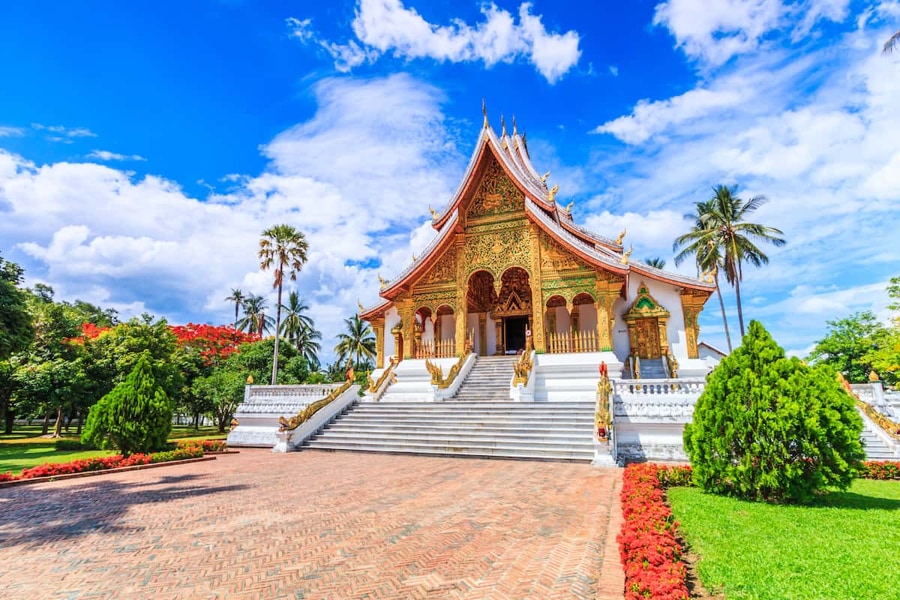
The Royal Palace Museum is distinguished for its captivating combination of French Beaux-Arts architecture and distinctive Lao style. The building’s appealing features, including its golden embellishments, red roofs, and graceful stylization of columns, place it within the category of Luang Prabang’s most dazzling sights.
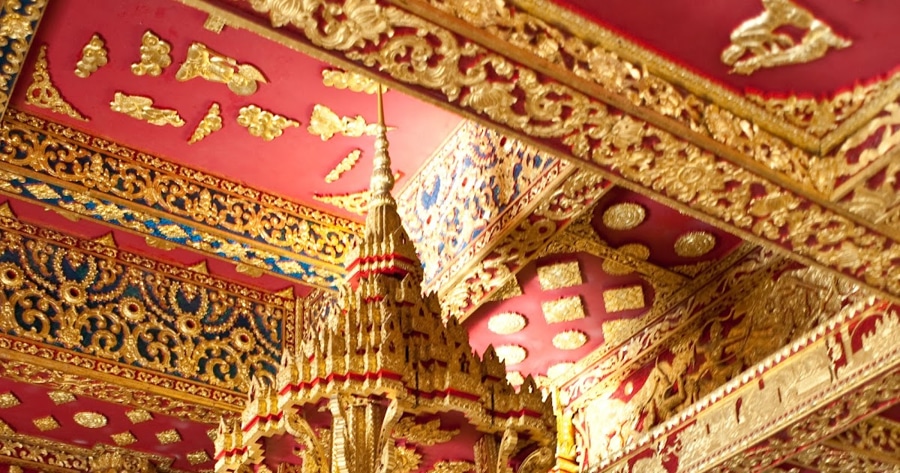
Visitors can roam the manicured grounds and observe decorative motifs, thematic carvings, and detailed traditional design elements. Several items catch the eye at different spots around the structure, whether it’s examples of royal insignia, historical murals, or Buddhist designs. Standing in front of the Palace evokes a sense of grandeur & serenity in many travelers that echoes Luang Prabang’s soul; a perfect juxtaposition for photos and tranquil reflection.
Discover The Unparalleled Collection Of Cultural Treasures
The museum has an impressive array of unique objects and exhibits that mark the heritage of Lao royalty. Some of the exhibits include religious art, royal regalia, handcrafted instruments made for ritual use, ceremonial gifts from world leaders to Laos, and other culturally significant items preserved over generations. Each artifact reflects not only the art of craftsmanship, but also the evolution of Laos’ political and spiritual history.
Entrance Fee
Access to the Royal Palace Museum costs 30,000 Kip (around 1.38 USD). This ticket applies to the museum building only; walking around the lovely gardens and gawking at the palace exterior is free. Therefore, if you are a traveler on a budget, this is a great option.
Opening Hours
The Royal Palace Museum is operational daily and opens its doors to visitors in the morning between 8:00 AM and 11:30 AM, and also between 1:30 PM and 4:00 PM in the afternoon. The last entry is at 3:30 PM daily but closes 30 minutes earlier on Thursday afternoons. This is because Royal Palace Museum officials are very rigid regarding opening and closing hours and may deny entry to any visitor arriving late by even one minute past opening time.
The Royal Palace Museum is best visited between November and January in Luang Prabang, when the weather is cool and dry, with comfortable daytime temperatures. From June to October, Luang Prabang receives heavy rains that may result in closed shops, flooded roads, and reduced access to some areas.
On the other hand, the period between March and May falls into Laos’s slash-and-burn season. The sky at this time is commonly covered with smoke haze, and sometimes an acrid, persistent burning smell fills the air, affecting overall travel comfort and experience.
How To Get To The Royal Palace Museum
The Royal Palace Museum is situated in the center of Luang Prabang, within walking distance of other popular tourist attractions. The museum address is 27 Ounheun Road, although the main entrance is on Sisavangvong Road. People will recognize the museum right away thanks to its large and impressive façade.
The museum is located on the peninsula between Mount Phousi and the Mekong River, just a 2-minute walk from the Night Market and the main tourist area of the city. There are several methods of travel to the museum besides walking, such as by motorbike, taxi, or tuk-tuk, all of which make it very easy to add to a Luang Prabang travel itinerary.
Things To Know Before Traveling To The Royal Palace Museum
Prior to visiting the Royal Palace Museum, there are a few basic rules that would be important to make your experience comfortable. Since this place represents a very important cultural and historical landmark, visitors must behave according to certain guidelines during their visit.
- Dress modestly, taking care to cover your shoulders and knees, out of respect for the fact that the museum is still a former royal residence.
- Photography inside most exhibition halls is strictly prohibited to protect historical artifacts and preserve their condition.
- Large backpacks, luggage, or other bulky items must be checked at the entrance. Do not carry more than needed.
- The museum gets quite crowded during mid-morning and late afternoon, so arriving early helps you enjoy the exhibits more calmly.
- Visitors should remove hats and sunglasses before entering indoors as a sign of respect, just like dress etiquette in temples.
- Opening hours are worth checking in advance because the museum can sometimes be closed unexpectedly for an official ceremony or some special event.
- Keep some cash handy to pay for entrance fees, as not all places, especially smaller ticket counters, allow for credit card payment.
Final Thoughts: Is the Royal Palace Museum Worth Visiting?
The Royal Palace Museum in Luang Prabang is a must-see when experiencing history, culture, or traditional Lao architecture. The beautifully preserved royal living quarters, sacred objects, and rich exhibits will provide visitors with a unique view of Laos’ royal past. Visitors will see exquisite craftsmanship and learn about the life of Lao royal individuals and the country’s spiritual heritage at the Royal Palace Museum. Please join us at the Royal Palace Museum with Seni World to augment and have the experience of a lifetime while you are in Luang Prabang.


Related articles


