


Sapa in August offers a stunning combination of lush landscapes, cool breezes, and rice paddies nearing their peak. With its mild weather and dramatic scenery, it’s one of the most rewarding times to explore this highland town.
Where Is Sapa?
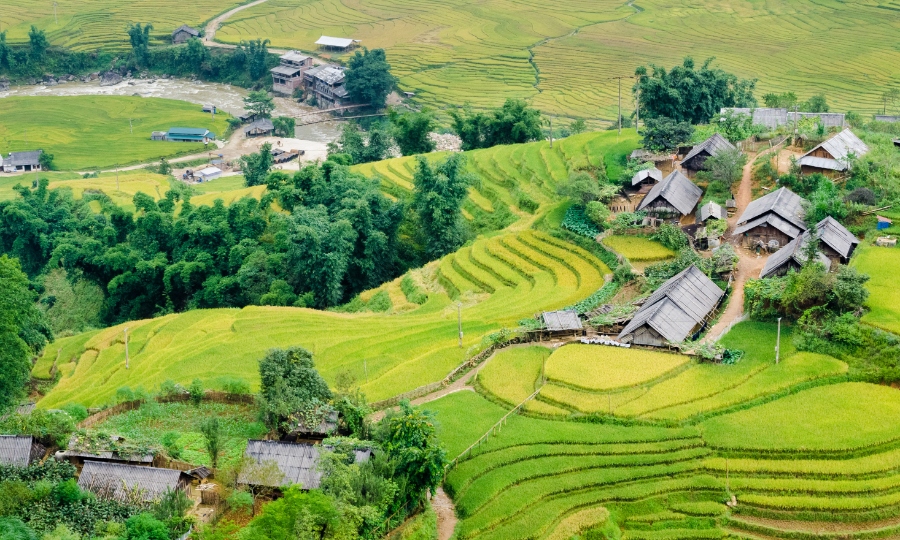
Sapa is a small mountain town in Lao Cai Province, about 320 kilometers northwest of Hanoi. It sits at an altitude of 1,500 to 1,600 meters, giving it a cool, temperate climate year-round. It lies in the Hoàng Liên Sơn mountain range, near Vietnam’s border with China, and is home to several ethnic minority communities such as the Hmong, Dao, and Tay.
August draws a large number of travelers because it marks the peak of the rice-growing season. The terraced fields are at their most vivid, and local villages are alive with farming activity and traditional markets. It’s also a popular time for trekking routes like Lao Chai – Ta Van and for exploring ethnic culture firsthand.
What Is the Weather Like In Sapa In August?
August is one of the wettest months of the year in Sapa, but it’s also one of the most visually striking. While rain is frequent, it usually comes in short afternoon showers rather than all-day downpours, leaving mornings and early afternoons relatively clear and fresh.
To give you a clearer idea of Sapa weather in August, here are the typical conditions.
| Weather Element | Details |
| Average daytime temperature | 22°C – 25°C (72°F – 77°F) |
| Average nighttime temperature | 16°C – 19°C (61°F – 66°F) |
| Rainfall | ~350–400mm total rainfall |
| Humidity | High (80–90%) |
| Fog | Possible in early mornings, especially in valleys |
| Storm risk | Occasional tropical storms or heavy rain late in the month |
| UV index | Moderate to high (use sun protection when it’s sunny) |
August is not cold, but thanks to Sapa’s altitude, the air stays cooler than in most parts of Vietnam. It’s still summer, so you’ll feel the humidity, especially right before it rains. The upside? The landscape is at its greenest and most photogenic. Expect misty mountain views in the morning, dramatic skies in the evening, and vibrant rice terraces in between.
What To See And Do In Sapa In August?
This is the time when rice fields near harvest, festivals take place, and the weather still allows for outdoor trips. If you’re visiting Sapa in August, these are the activities that make the most sense to try.
Join The Mong Rice Festival In Cat Cat Village
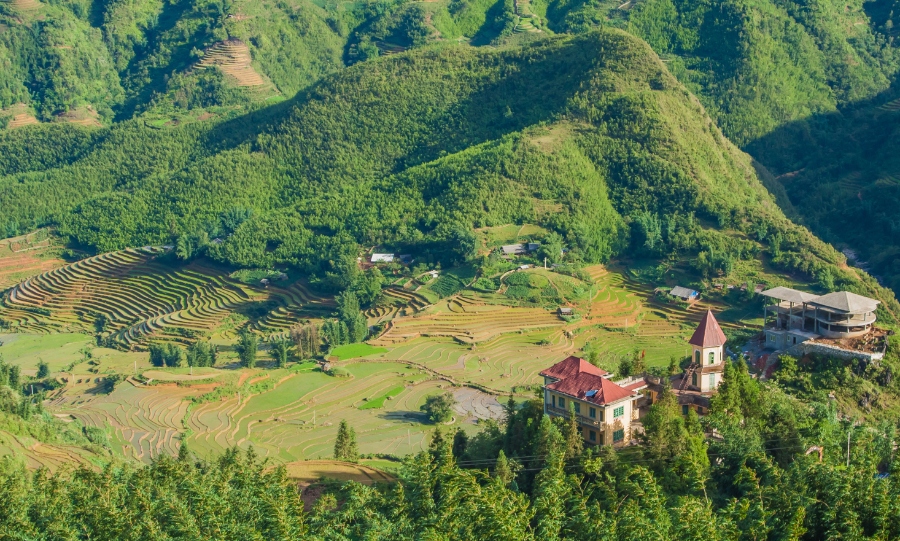
Every year around late August, the Mong people in Cát Cát Village hold a harvest festival to give thanks for the growing season. As the rice fields near harvest, local Hmong families gather to celebrate the season with music, dancing, and quiet rituals in the heart of the village. Visitors can walk around freely, join locals in simple games, or enjoy grilled corn, sticky rice, and herbal drinks. The event usually takes place in the village square. Entrance to Cát Cát costs around 90,000 VND, and you don’t need a separate ticket to attend the festival.
Ride Or Watch The “Golden Season” Cycling Race
Note: This event is often held, but may not occur annually. Please check with local organizers for confirmation.
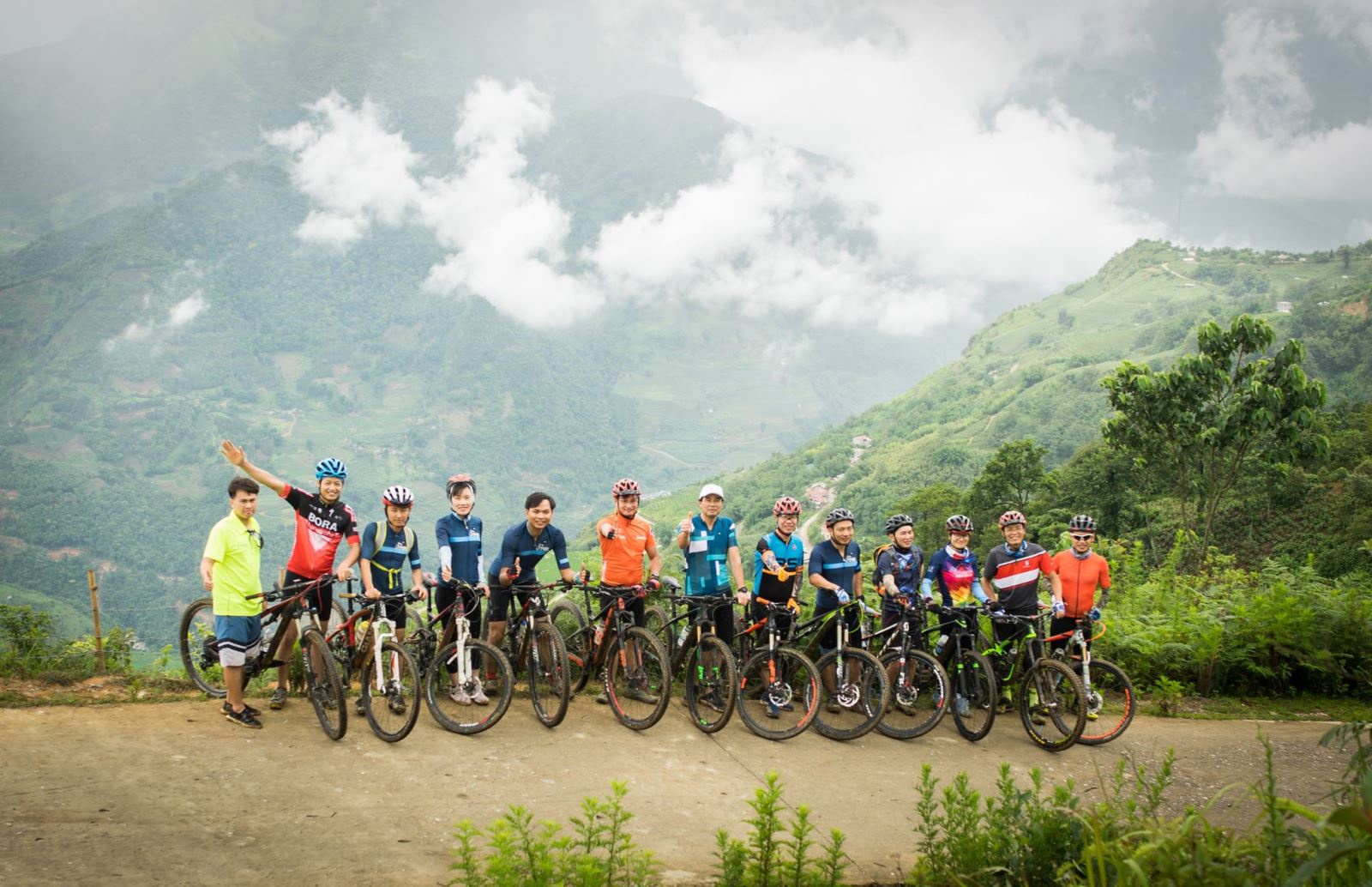
This race is held at the end of August, when the rice terraces in Muong Hoa Valley are at their brightest green. The route passes through Lao Chai and Ta Van, attracting both local riders and adventurous tourists. Even if you’re not joining the race, it’s worth coming early to catch the energy with village music echoing through the valley, and unbeatable views. Spectators can watch for free at various points along the road. Registration for cyclists usually costs between 10 to 15 USD.
Visit Sunflower Hill Near O Quy Ho Pass
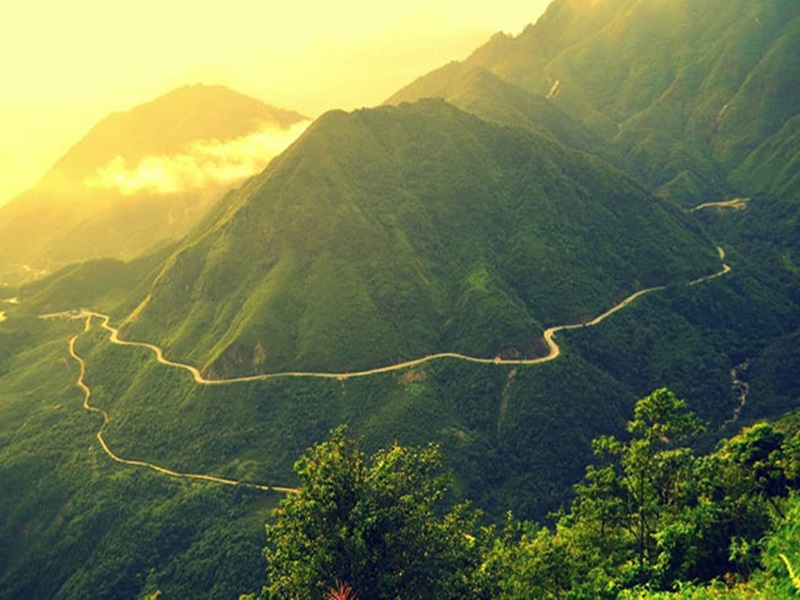
This seasonal flower field is located around eight kilometers from Sapa Town, just off the road to O Quy Ho Pass. The sunflowers usually bloom in mid to late August, covering the hillside with bright yellow flowers. While not a large tourist site, it offers a short stop for photos and a quiet view across the valley, especially in the late afternoon when the lighting is better. Entry is around 30,000 VND. The road is easy to access by motorbike or taxi, but can get muddy if it rains the night before.
Experience Vu Lan “Ghost Month” Lantern Release
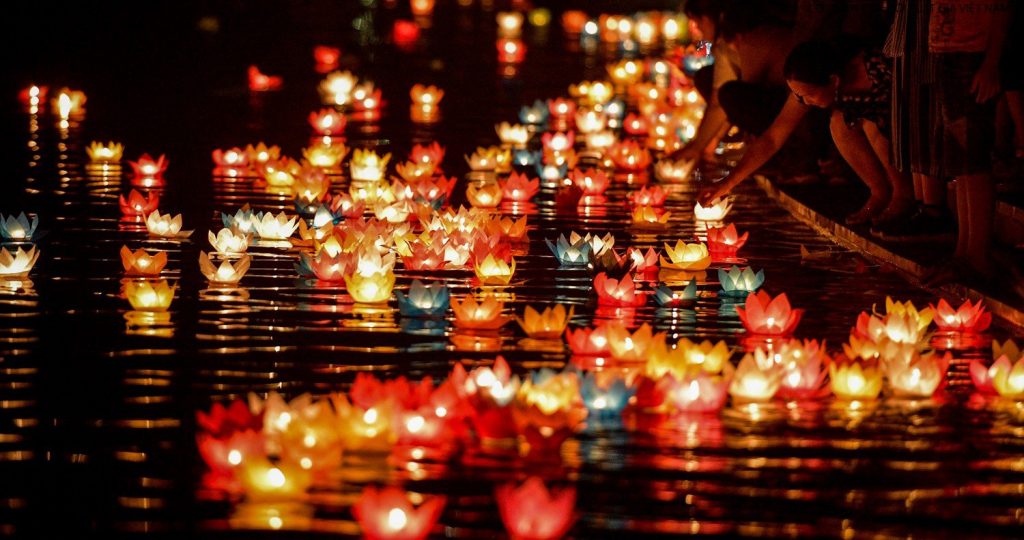
Vu Lan falls in the middle of August, which is one of the most significant Buddhist festivals in Vietnam. Locals in Sapa tend to meet in Thanh Phuc Temple in Sa Pa Ward to commemorate their ancestors and also have a silent lantern release at night. The temple is tiny but vibrant, and has its ceremonies and relaxing atmosphere along the hillside. There’s no ticket required, but if you want to release a lantern, a small donation of 20,000 to 30,000 VND is expected.
Cloud Hunting At Ham Rong Or Hang Da
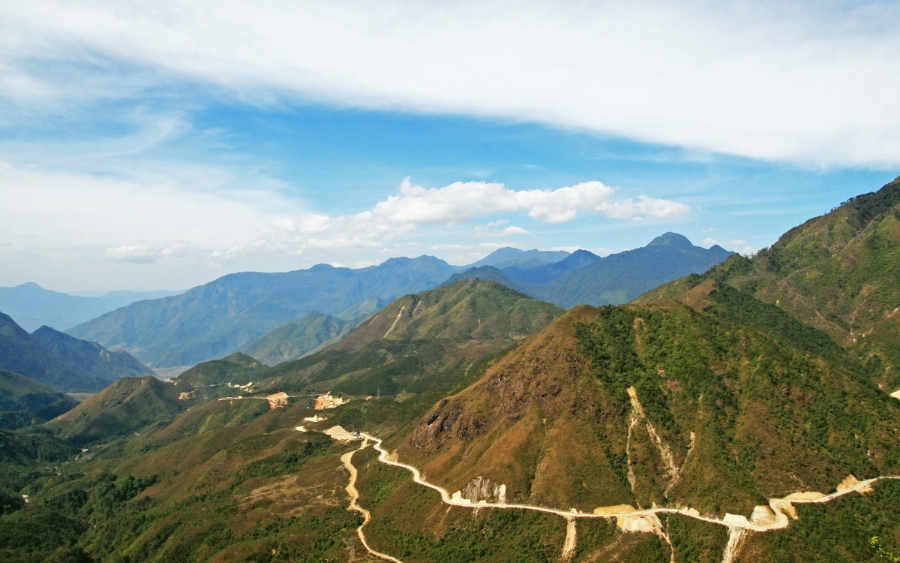
From Ham Rong Mountain, located just behind Sapa Church, you can reach several viewpoints on foot within 30–45 minutes. It’s a managed site with marked paths, flower gardens, and an entry fee of 70,000 VND per person. Hang Da Village, Hau Thao Commune, is more difficult to access, but does not charge to enter, and is much less crowded. These two location points give panoramic vistas of the rice terraces, particularly during sunset and sunrise hours. You should be there by 6 a.m., and make sure to check the weather forecast the previous night.
Join A Rice Harvesting Experience In Ta Van Or Ban Ho
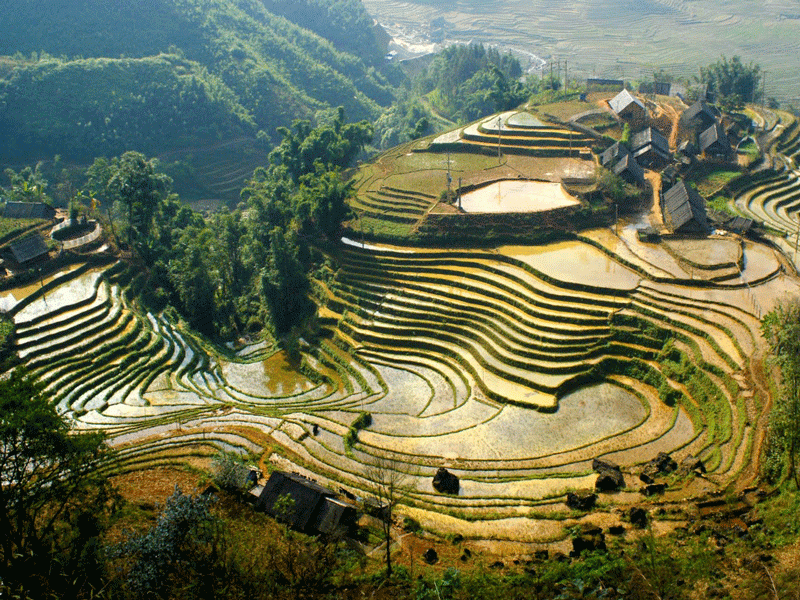
August marks the beginning of harvest season in many villages around Sapa. In Ta Van or Ban Ho, some households welcome travelers to join the work in the fields for a few hours — cutting rice by hand, tying bundles, and carrying them home. It’s not a performance or a show, so expect real farm work with real tools. Most of these activities are arranged through local homestays or guides. Waterproof shoes and a hat are highly recommended.
Explore Silver Waterfall And Love Waterfall
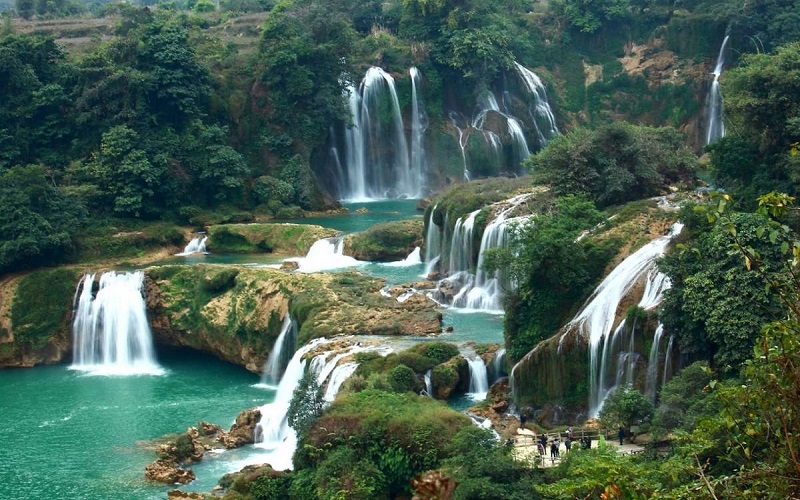
The two falls are off the road northbound O Quy Ho Pass to the nearest distance of Sapa Town, which is about 12 kilometers. Silver Waterfall lies directly on the road, and it can be visited in less than 30 minutes. You can follow the staircase and take a closer view, and take several photos alongside the road. Love Waterfall has a 1.5-kilometer forest walk, but the trail is properly taken care of. The price of admission to any of the sites is 70,000 VND.
Visit The Sapa Night & Weekend Love Market
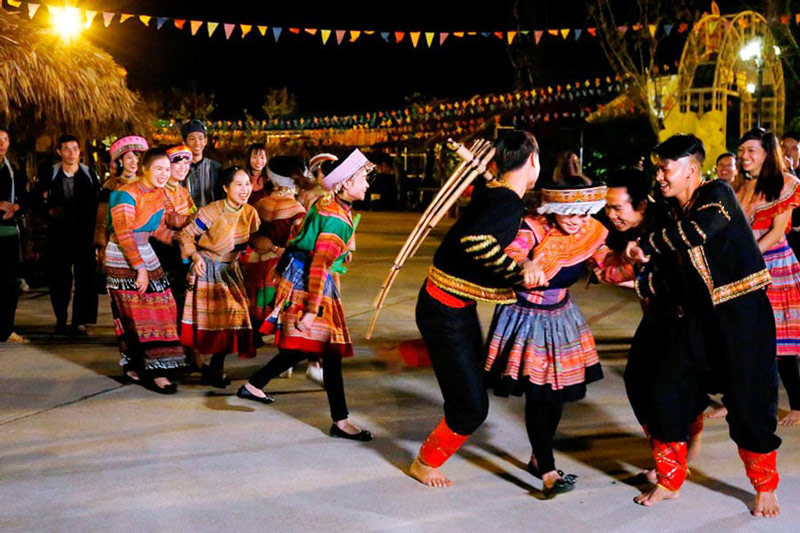
Sapa Night Market opens daily from around 5:00 PM, near the stone church, but it gets livelier on weekends. Most stalls sell grilled skewers, corn wine, and handmade items from Dao and Hmong vendors. On Saturday nights, you might come across small groups playing traditional instruments near the square, an informal version of the once-famous love market. It’s a good place to catch a glimpse of local youth culture and pick up small souvenirs. This area is walkable and free to enter, but expect crowds after 7:00 PM, and bring cash for food or souvenirs.
Kayaking Or Boating In Sapa Lake
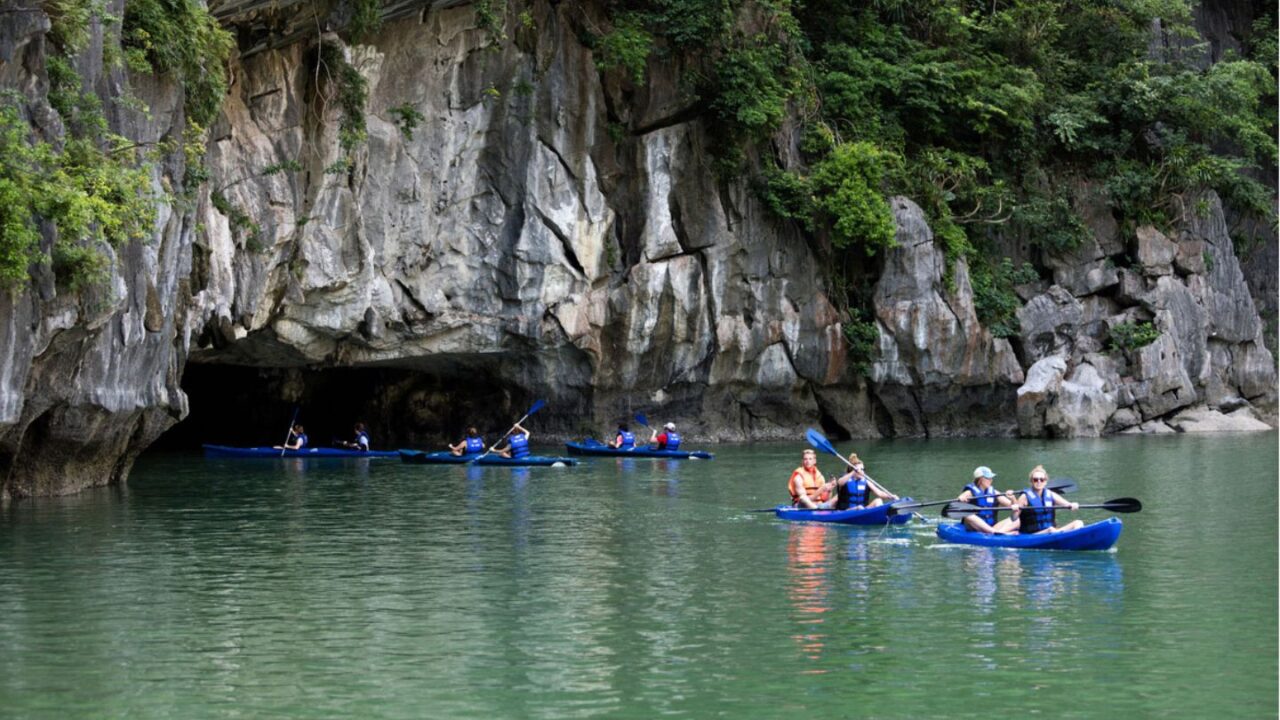
Sapa Lake sits right at the edge of town and is often overlooked by travelers heading straight to the hills. In August, when the water level is stable and the weather cools down, it’s a peaceful spot for a short break. Local services offer small boats and kayaks for rent by the hour, with options for solo or two-person rides. It’s a quiet way to see the town from a different angle, especially in the early morning when the water is calm. Rental prices range from 100,000 to 200,000 VND per 30 minutes, depending on the type of boat.
What To Pack For Sapa In August?
When planning what to pack for Sapa in August, you should prepare for cool mornings and rapid weather changes. There are a couple of small things that save you a heap of bother by the time you get there.
Clothing
Sapa temperature in August is humid during the day, whereas the nighttime weather is cooler. You are to bring along lightweight and long clothes that dry easily. Some light jackets or hoodies would assist during the morning or after the rain.
Shoes
The trails in Sapa get muddy easily, even after a short shower. Choose shoes with a solid grip and good support. Many travelers bring trail runners or hiking shoes. Flip-flops work in town but are unsafe for anything off-road.
Rain protection
You’ll likely run into short rain showers during your trip. A compact rain jacket or poncho fits easily in your daypack and keeps you dry when walking or riding a bike. If you’re carrying electronics or spare clothes, use a waterproof bag or a backpack cover.
Electronics
Moisture and dirt can damage your gear. Store your phone and camera in waterproof pouches when you’re outside for long periods. A power bank is useful on full-day trips, especially if you use your phone for photos or maps.
Personal care
Mosquitoes are common around rice fields and streams. Bring repellent if you plan to spend time outdoors in the late afternoon. Sunscreen is still important at high altitudes, even on cloudy days. Wet wipes and tissues are useful
Documents and cash
Hotels will ask for your passport, so don’t leave it in Hanoi. ATMs are fine in town, but smaller shops or food stalls only take cash. I usually carry small bills in a zip pouch so I don’t have to dig through my main bag every time.
Medication
Finding a pharmacy in Sapa isn’t hard, but they don’t always carry what you’re used to. I bring the basics—headache pills, something for the stomach, and motion sickness tablets for the winding road up from Lao Cai.
Travel Tips For Visiting Sapa In August
August in Sapa can be beautiful and challenging at the same time. These tips are based on what actually matters when you’re there.
- The month of August in Sapa can be attractive and also tough. These are tips on what really counts when you arrive there.
- Most hotels and buses fill up quickly on weekends, so it’s better to book a few days in advance.
- Afternoons are frequently rainy, and thus morning treks are safer and drier.
- Small shops, markets, and taxis usually don’t take cards, so it’s helpful to carry cash in small bills.
- It would be wise to get yourself of carrying a rain jacket in your day bag because the weather can change quickly.
- After rain, trails may be slippery, which is why it is a good idea to check the local conditions before doing anything.
- Local events don’t always follow a fixed schedule, so flexibility helps more than planning.
- The majority of villagers do not mind photos, but it is quite polite to ask before photographing.
- Not every village will be equipped with shopping or even clean water, so it is a good idea to carry your own bottle.
- he road from Lao Cai to Sapa is winding—motion sickness pills can make the ride easier.
Final Thoughts: Is August A Good Time To Visit Sapa?
If you don’t mind a bit of rain, August is one of the most rewarding months to explore Sapa. The rice terraces are nearly ready for harvest, the hills are alive with color, and local villages feel full of energy. It’s not the driest time of year, but it’s a chance to see Sapa at its most natural, before the crowds of September roll in. Sapa’s already good. But Seni World knows a few that make more sense.


