


Visualizing misty mountains, peach blossoms, and a hint of snow in the dream? Sapa in February has it all and more. Let’s dive into what makes Sapa in February a rare and unforgettable travel experience.
Where Is Sapa?
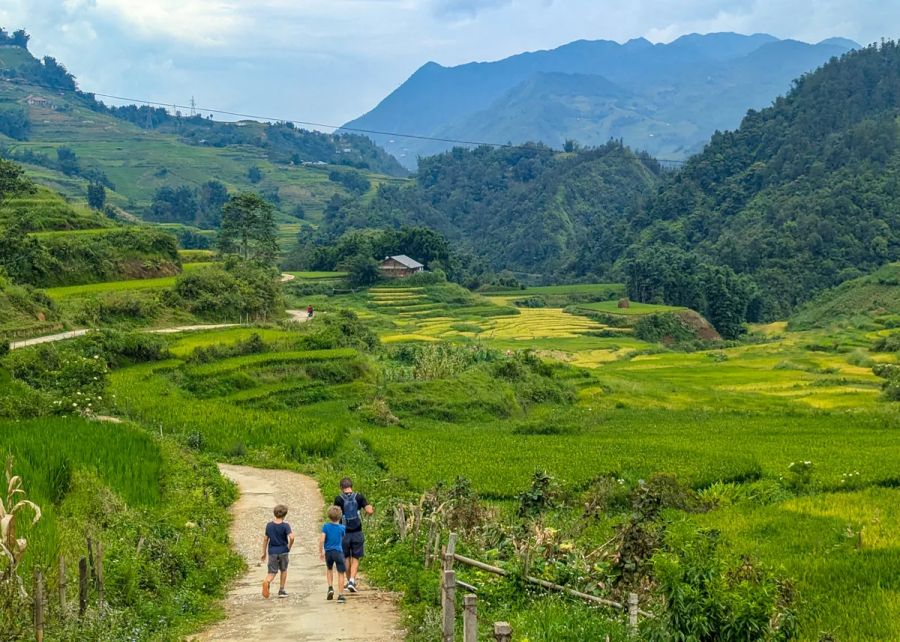
Sapa is located in Lao Cai Province, in the mountainous region of northern Vietnam. At some 1,500 meters above sea level, it has a fresh mountain climate in sharp contrast to the tropical heat of Hanoi and the south of Vietnam. Sapa is a long-time favorite tourist destination of nature lovers and photographers because of its cool air and scenic beauty. In recent years, more travelers have chosen to visit Sapa in February. This is a transitional period between winter and spring, when early peach and plum blossoms begin to appear across the hillsides. Travelers who come this month can have more space to explore and interact with locals in an unhurried setting.
What Is The Weather Like In Sapa In February?
February in Sapa is cold, damp, and often foggy, very different from most other parts of Vietnam. It is cloudy, foggy, and occasionally sleet or a light fall of snow in some of the mountain ranges, such as the O Quy Ho pass. The cold may be biting, but this is the time when the first green hints of spring begin to appear.
February may not be the most weather-friendly time for trekking due to cold and damp conditions. However, it offers a quiet, moody landscape that’s ideal for travelers who enjoy misty views, soft light for photography, and a peaceful atmosphere without crowds.
The following is a brief weather overview for those planning to visit Sapa in February:
| Weather Aspect | Details |
| Daytime Temperature | 10°C – 15°C |
| Nighttime Temperature | 3°C – 8°C (can feel colder with windchill) |
| Rainfal | Low to moderate (20–50 mm for the month) |
| Humidity | Around 85–90%, especially in the early morning |
| Fog and Mist | Common, especially in the early morning and late evening |
| Snow or Frost | Rare, but possible on high passes like O Quy Ho |
What To See And Do In Sapa In February?
February brings a quieter, more local side of Sapa. The experiences below offer a closer look at its seasonal charm.
Admire Peach and Plum Blossoms in Ta Phin and Ban Khoang
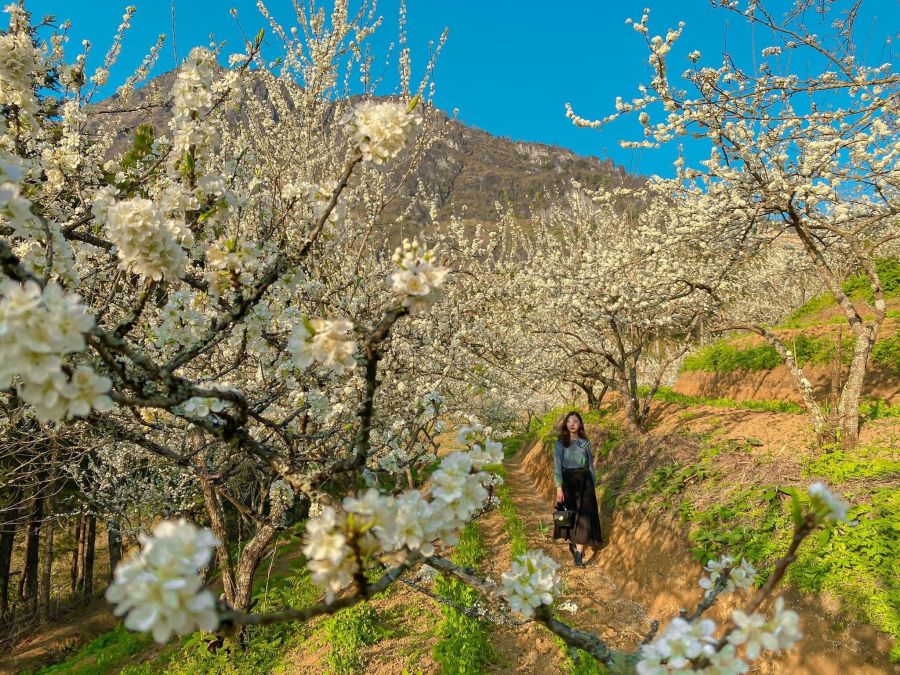
From early February, wild peach and plum blossoms start blooming in Ta Phin and Ban Khoang, around 12–20 km from Sapa town. These places are hotter and at a lower altitude, so the flowers bloom earlier than in the central part of the town. There are motorbikes that you can hire or a car to get to the villages. Mornings are the best time when hazy sight and soft light occur. There is no entrance ticket, although certain homestays might demand payment for parking or walking tours.
Ride The Fansipan Cable Car To Vietnam’s Highest Peak
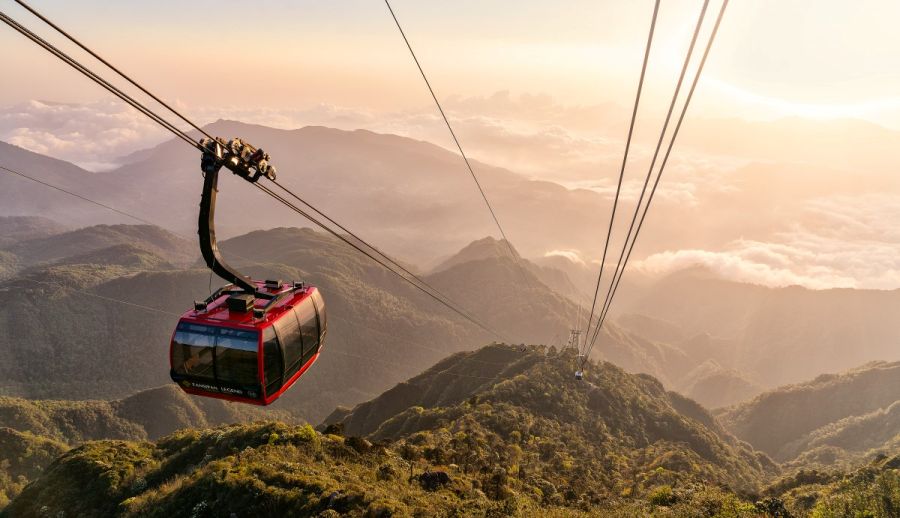
The Fansipan cable car is operational throughout the year and transports people to the peak in approximately 15 minutes at 3,147m. At this time of year, (February), the higher regions will either have frost or shall have light snow, especially in the morning. Be prepared to wear lots of layers, since it can even be under 5 °C at the summit. The ticket prices vary slightly depending on the day of the week. Below is the basic fare for the cable car and funicular services:
Cable Car Ticket Prices (Round Trip)
| Ticket Type | Weekdays (Mon–Fri) | Weekends & Holidays |
| Adults (over 1.4m in height) | 800,000 VND | 850,000 VND |
| Children (1m–1.4m in height) | 550,000 VND | 550,000 VND |
| Children (under 1m in height) | Free of charge | Free of charge |
Note: The cable car can also halt temporarily because of high winds; hence, one should check the weather conditions before visiting.
Join Tet Nhay Festival In Ta Phin Village
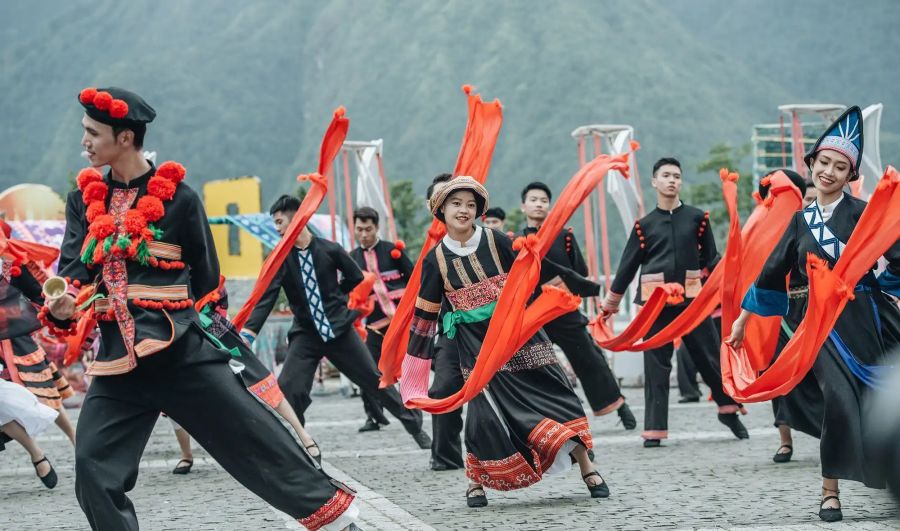
In case you come to visit in the period of Tet (Vietnamese Lunar New Year), you can observe the Tet Nhay festival in Ta Phin organized by Red Dao people. This festival involves some ritual dancing with ancestors and is performed between the 1st and the 3rd day of the lunar year. The spectators who want to watch are welcome, but must be dressed decently and must not interrupt the ceremony. No entrance fee is charged, although you can donate as you please.
Hike Through The Muong Hoa Valley
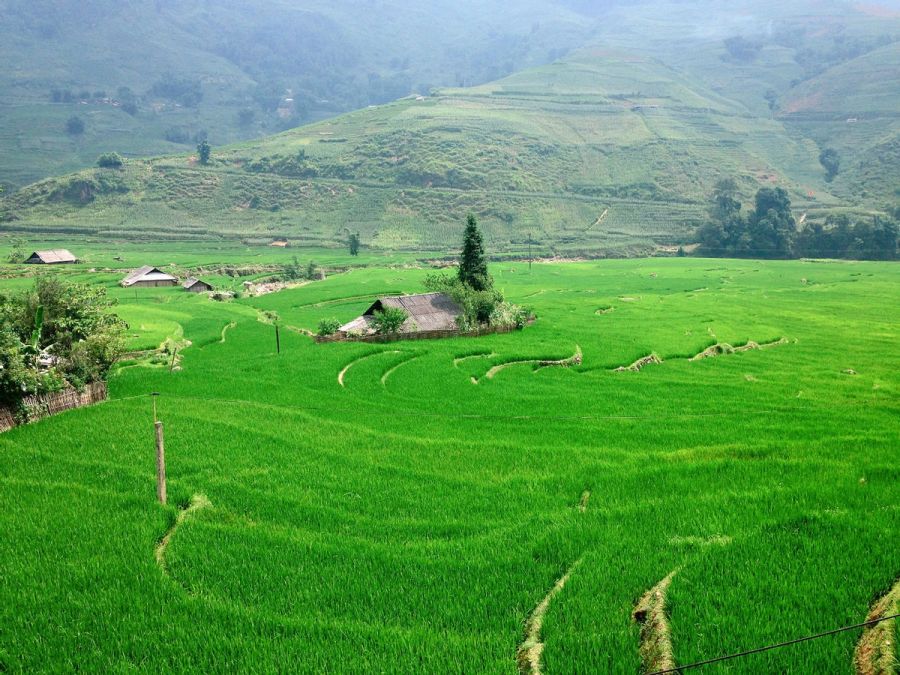
It is one of the finest locations to have short treks in Sapa, even during cold weather. The trail links up villages such as Lao Chai, Ta Van, and Y Linh Ho, and the rice terraces adorn the sides of the trails, and the paths are there and easy to walk. Before you get into the valley, you will pay an entrance fee per person to get into the valley at 75,000 VND. Bring a local guide with you in case you want to navigate more easily, as well as have some authentic tales to hear from the villagers.
Visit Silver Waterfall and Love Waterfall

Both waterfalls lie along the road to O Quy Ho Pass, about 20 minutes by car from Sapa town. Silver Waterfall is right by the roadside and costs 20,000 VND to enter. Love Waterfall is further in and requires a short forest walk; the entrance fee is 70,000 VND. February is a great time to visit, as water levels remain strong and the crowds are gone. Wear good shoes, paths can be wet and slippery.
Take Photos At Heaven Gate On O Quy Ho Pass
Heaven Gate is the highest viewpoint on the O Quy Ho Pass, looking down into misty valleys between Sapa and Lai Chau. It’s free to stop by and take photos from the roadside, but there’s a developed check-in point nearby charging 120,000 VND. Early morning is often foggy, while late morning to noon can bring clear skies if you’re lucky. Avoid riding a motorbike unless you’re experienced. This pass is steep and can be slick in February.
Explore Local Ethnic Markets In Bac Ha Or Coc Ly
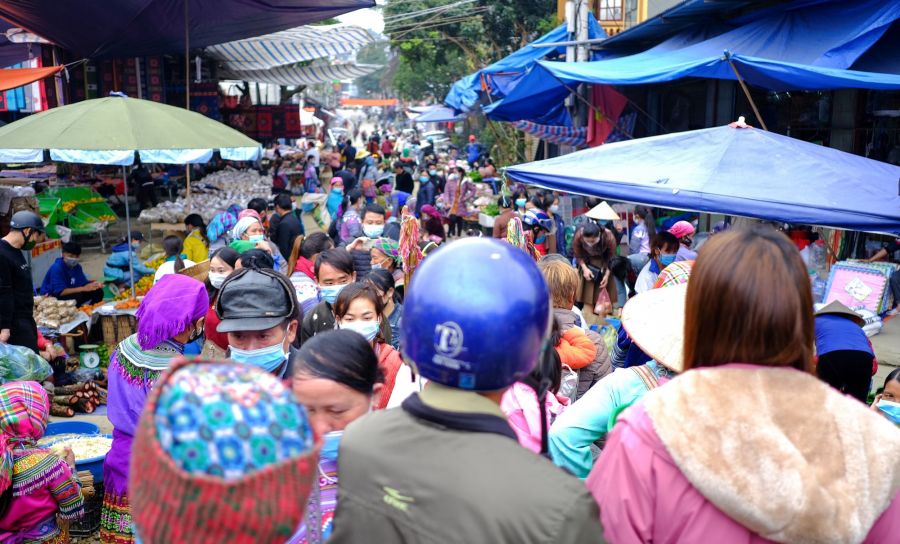
If you’re staying in Sapa for more than a few days, it’s worth checking if ethnic markets like Bac Ha (Sunday) or Coc Ly (Tuesday) are open. These markets aren’t just places to buy things. They’re vibrant meeting points where ethnic communities come to trade, socialize, and show off their traditional outfits. In February, the festive mood of Tet often lingers, making the colors and energy feel even more alive. Note that Bac Ha is around 2.5 hours by car, so this works best as a day trip with a private guide or small group tour.
Warm Up With A Red Dao Herbal Bath In Ta Phin
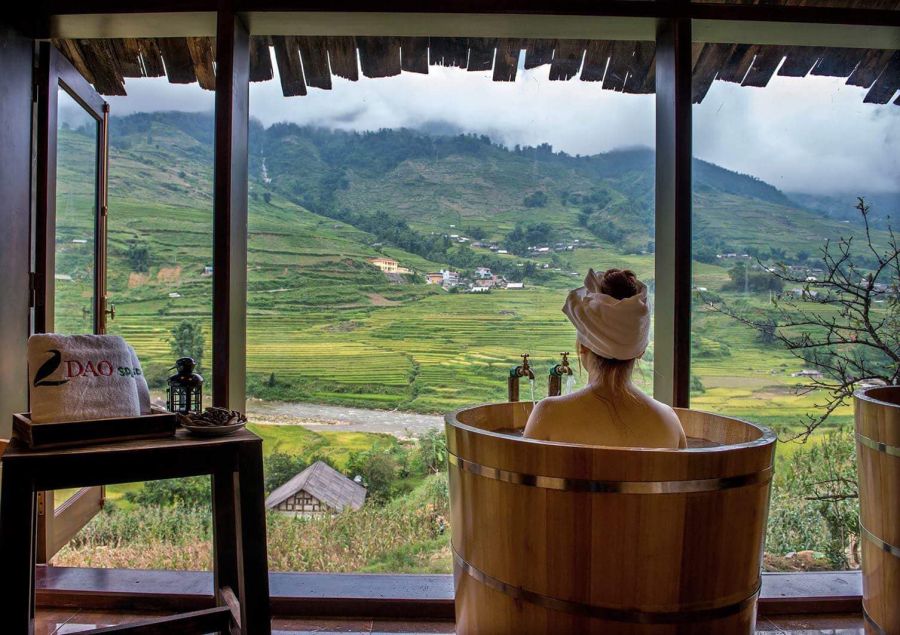
This is one thing your body will appreciate after a day of walking around in cold air. The local Red Dao women are seen to prepare steaming wooden tubs containing herbs that have been boiled in the forest around the Ta Phin Village. The aroma is heavy, down to the earth, scratchy, placating, and the heat slices through the cold. Prices vary, but most homestays charge around 100,000–150,000 VND per person. It’s not fancy, but the experience is honest and deeply rooted in local tradition.
Watch Traditional Games During Spring Festivals
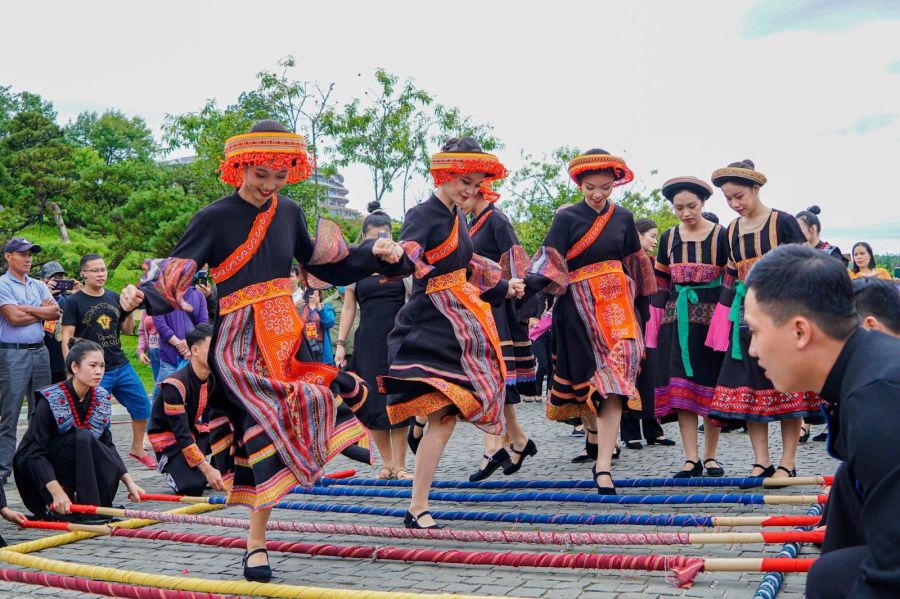
Spring festivals in Sapa’s ethnic villages often include games that are both playful and symbolic. You may find some top-spinning in the case of young men, or bamboo dancing in the case of girls, or tug-of-war in the case of older people. These activities usually take place during the first two weeks after Tet in such villages as Ta Van or Thanh Phu. Ask your homestay or tourist guide whether any cultural festival takes place while you are staying with them.
Stroll Around Sapa Town And The Stone Church
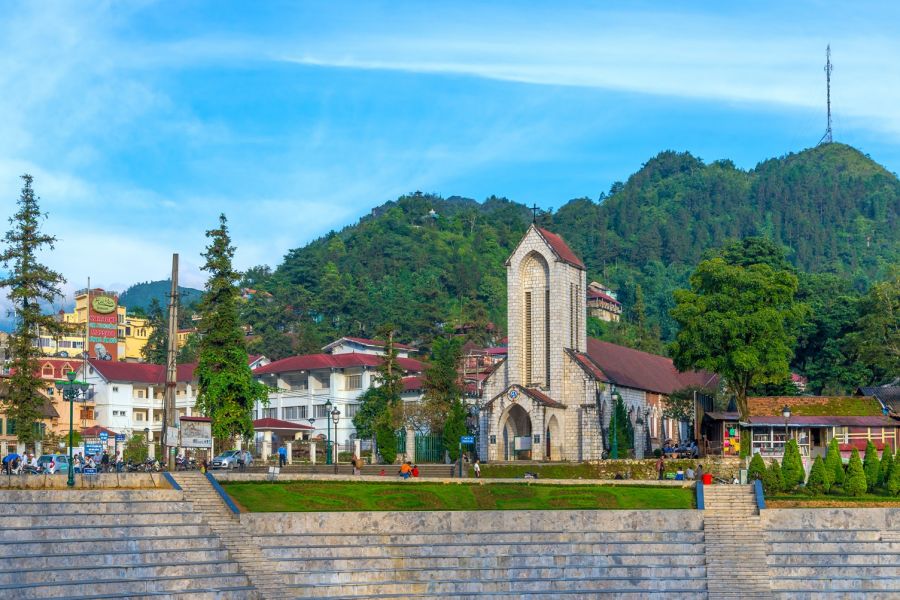
Sapa town alone offers plenty of pleasures even without having to go far. Small cultural performances can be observed in the central square in the evenings. And Stone Church is a nice place to rest or to take pictures in the mists that roam around. Grilled street food and boiling corn wine can be tasted, and small cafes with misty mountain views are available surroundings of the church. There is no entrance fee at the church or the other places surrounding the church.
What To Pack For Sapa In February
Sapa in February is cold, humid, and frequently misty. By bringing the right items, you will stay comfortable and warm during your travel time.
Warm clothes
You’ll need more than just a light jacket. A proper winter coat or insulated outer layer is essential, especially for early mornings and evenings. It’s also smart to pack thermal underwear, sweaters, and a fleece—these layers help trap body heat and let you adjust as the temperature changes throughout the day.
Footwear and cold-weather gear
Village roads and paths may be muddy and even slippery, so a pair of hiking shoes with good grip will help a lot. Wool socks are better in the cold than cotton. Don’t forget gloves, a beanie, and a scarf—these small items make a big difference when the wind picks up at higher elevations.
Personal care items
Lip balm and moisturizer will be necessities because the air is both cold and dry. In case you wish to use an herbal bath or a hot spring, carry your own towel and an extra set of clothes. Hand sanitizer and tissues come in handy as well when one visits local homes or markets where facilities are primitive.
Day-use essentials
Most travelers spend full days out exploring, so it’s worth bringing a small backpack to carry water, snacks, and extra layers. A reusable water bottle is very convenient and environmentally friendly. Batteries are more likely to deplete in cold weather. So it would be a decent idea to bring a power bank with you in case you want to take a lot of pictures or use your maps to navigate.
Travel Tips For Visiting Sapa In February
Sapa in February can be both charming and challenging. With the right timing and a few small adjustments, you can avoid the typical cold-season pitfalls and enjoy the best of what the region offers.
- During Tet, opening times of such services as the Fansipan cable car may alter, so it is always better to check this information with your hotel or with the local guide.
- There is usually a thick fog before 9 a.m. An afternoon is a more suitable time to begin outdoor activities.
- Hotels and transportation may be overbooked in Tet, and the easiest way is to reserve a hotel or any form of transportation at least two weeks before.
- Some of the trekking paths may turn slippery after a light rainfall; thus, walking sticks are advisable even on a short route of trekking.
- Most of the neighborhood stores and food outlets do not support cards, and you should carry sufficient Vietnamese cash.
- In Sapa, weather apps are not the most reliable tool, and it is usually advisable to consult locals to learn what to expect.
- It is likely to be busy during weekends, so going and looking at the main sights on weekdays will be a quiet experience.
Final Thoughts: Is February A Good Time To Visit Sapa?
Visiting Sapa in February is also advisable as you can avoid the cold and the slower movement process. It is less crowded, transport can be reserved last minute, and events just before Tet holiday in the village allow travelers access to local traditions. Although fog and cold weather may interfere with the schedule of a given trip, they make the journey peaceful and atmospheric. A winter Sapa trip will be surprisingly rewarding with proper planning, and Seni World can assist you in getting the details right.


