


Sapa in January is one of the few places in Vietnam where snowfall is possible, though it’s rare and short-lived. The quiet season makes it a good time for travelers who want nature and local culture without the crowds.
Where Is Sapa?
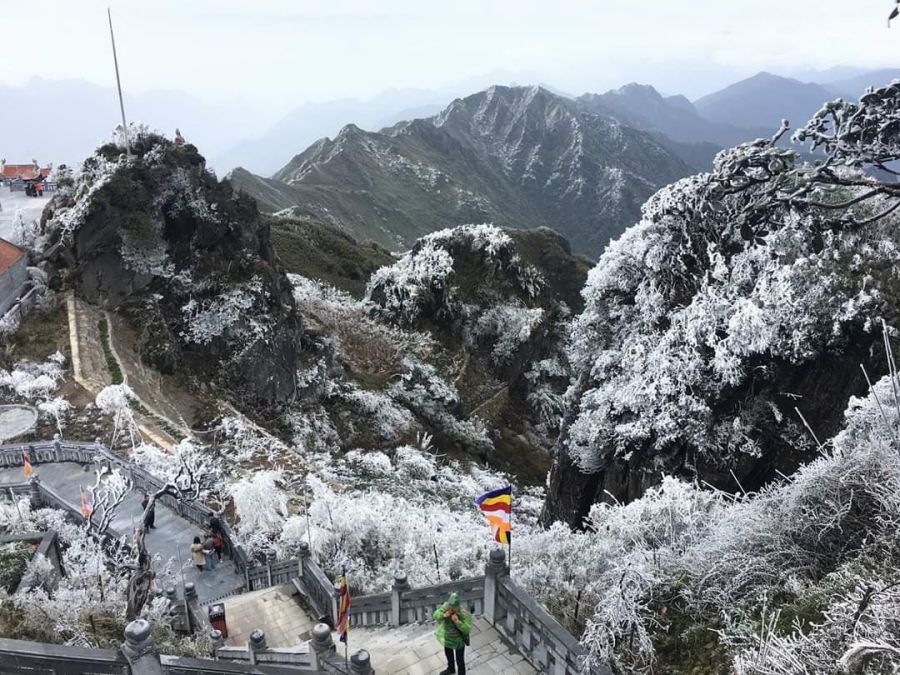
Sapa is a mountainous township in Lao Cai Province, far north of Vietnam, near the Chinese border. It is situated about 1,500 meters above sea level and is surrounded by steep hills, deep valleys, and the stepped rice terraces. It has a number of ethnic minority groups, and it is also a well-known place because of its proximity to Fansipan, the peak of Vietnam.
January is not the usual tourist season in Sapa, but that’s exactly what makes it interesting. The town is peaceful, the air is chill, and the landscape acquires a muffled, serene quality. It does not snow very often, but it may. And a lot of Vietnamese tourists visit it at this period with the hope of seeing at least a trace of it. Others will find the charm in hiking on deserted paths and witnessing a different rocky face of the northern highlands.
What Is the Weather Like in Sapa In January?
The month of January is the coldest month in Sapa. The temperatures during the day traditionally remain around 8-12°C, although nighttime can be as low as 3°C or even less. In severe instances, particularly when cold spells travel down from China, temperatures as low as below freezing point may be experienced, and frost or light blankets of snow might be seen.
Sapa is also known for its fog during this time of year. Mornings are often covered in thick mist that doesn’t always clear by noon. The humidity stays high, but rainfall is low compared to summer. The air feels damp and chilly, especially when there’s little sun. More to this, roads and walking paths may be slippery, and visitors must be ready to experience wet and muddy conditions when trekking or visiting the villages.
Weather Overview
| Weather Aspect | Details |
| Daytime Temperature | 8°C – 12°C |
| Nighttime Temperature | 3°C – 7°C (can drop lower) |
| Snowfall | Rare, short-lived |
| Fog | Frequent, thick in the morning |
| Rainfall | 20 – 30 mm |
| Humidity | 85% – 90% |
What to See and Do in Sapa In January
Although January is not the high season in Sapa, yet there are a lot of valuable things to do. Colder weather highlights a different character of the town that people miss in warmer months.
Explore Cat Cat Village And Have A Barbecue Street Food
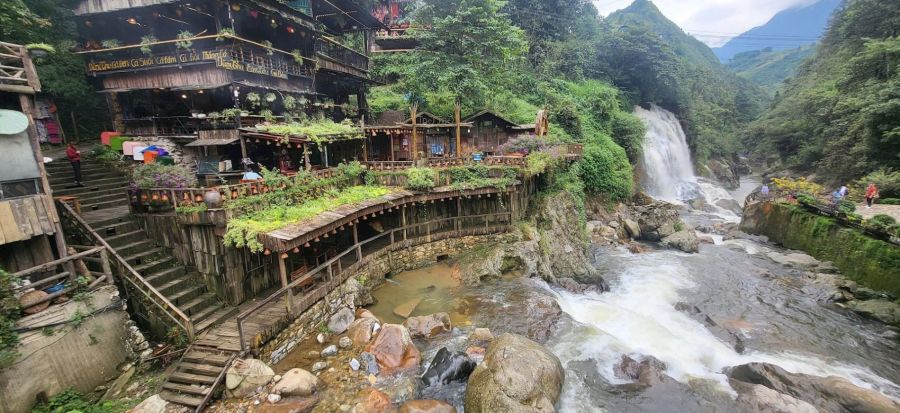
Located just a short downhill walk away from the center of Sapa, Cat Cat Village is one of the most popular destinations among first-time travelers. Visitors can rent H’mong-style clothing for photos, explore the handicraft shops, and watch traditional weaving demonstrations. There are hawkers selling grilled pork on sticks, sticky rice wrapped in bamboo shoots, and hot roasted chestnuts near the entrance and along the main path. They are basic street foods that are so suitable for the cold weather.
Trek From Y Linh Ho To Lao Chai And Ta Van Villages
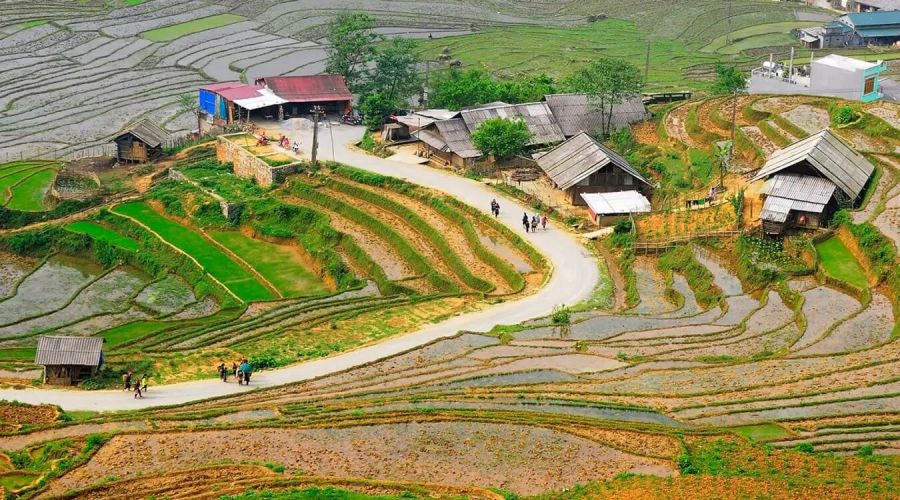
This is a trekking trail which leads further into Muong Hoa Valley crossing some of the remote villages and terraced mountains. The path may be slippery, yet the prize is a quiet stroll between ethnic enclaves with a minimal number of tourists about. Along the way, you’ll find local homes and homestays offering warm hospitality. They usually offer hot herbal tea, corn wine, and simple mountain food such as stir-fried buffalo with lemongrass or pumpkin soup with native greens.
Take The Fansipan Cable Car On A Frosty Morning
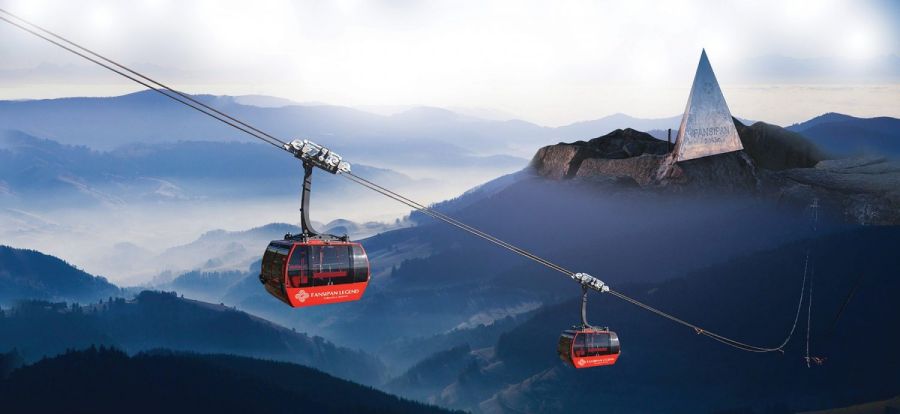
January is among the few months when snow and frost may be expected on the peak of Fansipan. It’s often foggy at the top, but temperatures can drop below 0°C, and if you’re lucky, you might catch frost or even snow. A one-way ticket costs around 750,000 VND. The Fansipan cable car usually operates daily from 7:30 AM to 5:30 PM, though opening time may vary slightly by season or day. Please check the official schedule before your visit. To get the best viewing possibility of frost or snow, it is advisable to get up early in the morning following a cold front.
Drive up To O Quy Ho Pass For A Winter Sunset
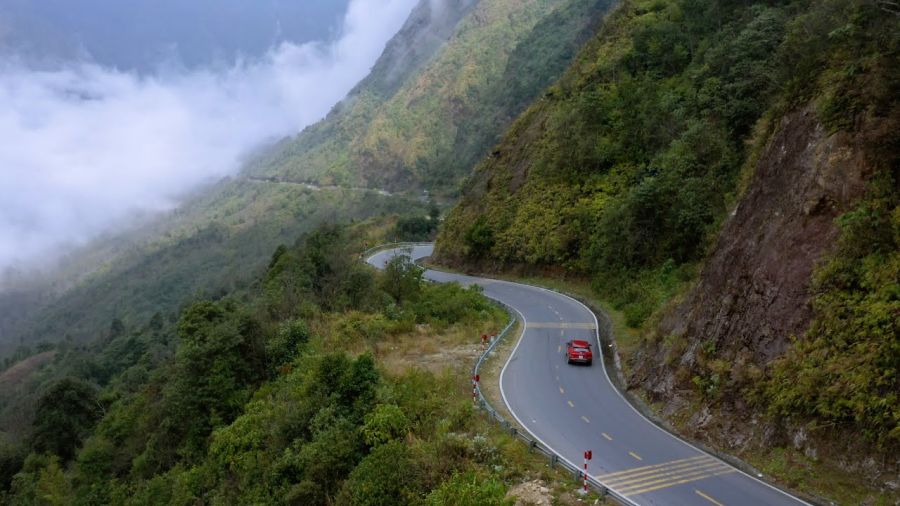
O Quy Ho is one of the highest passes in Vietnam, connecting Lao Cai and Lai Chau. In January, temperatures at the top can drop below 5°C, and the view is often covered in mist. But on clear days, the sunset is stunning, especially between 5 PM and 5:30 PM. You can drive up by motorbike or car, and there are roadside stalls selling grilled corn and tea to warm you up.
Soak In Ban Ho Hot Spring
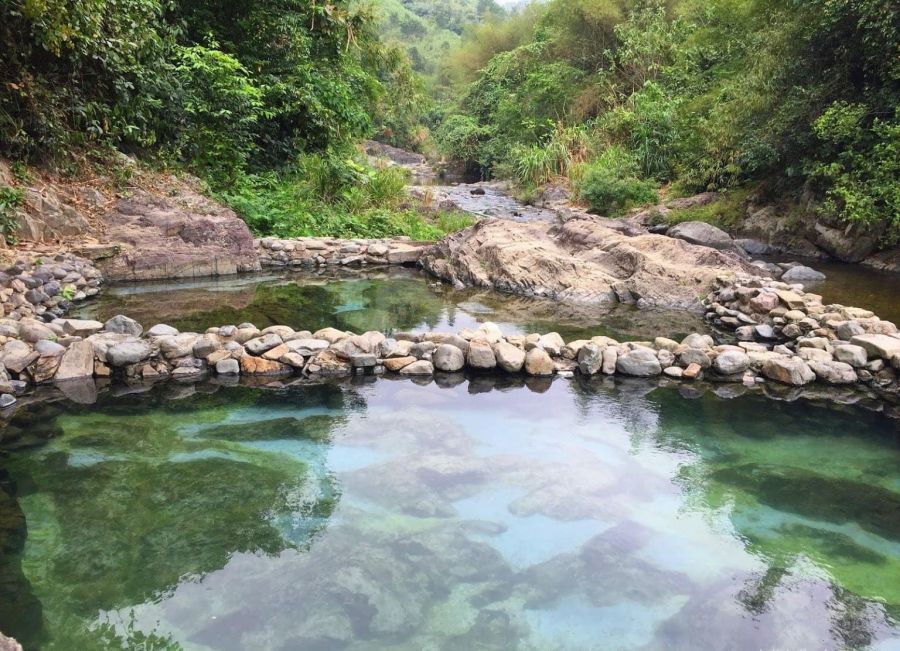
About 30 kilometers from Sapa, Ban Ho Hot Spring is a quiet, no-frills spot to relax when the cold starts to wear you down. Surrounded by forested hills and stilt houses, the pools are simple but naturally warm, with water around 40°C even in winter. It’s especially nice after a long walk or ride. And on weekdays, you might have the whole place nearly to yourself.
Catch Early Peach And Plum Blossoms
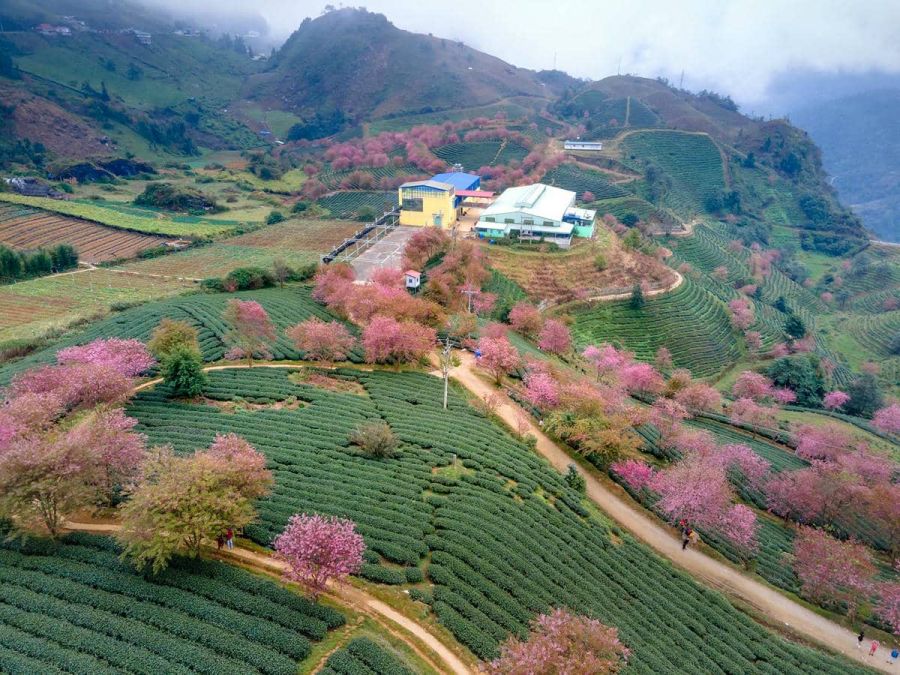
In some high-altitude areas like O Long tea hill or the slopes around Ta Phin, wild peach and plum trees begin to bloom, usually after a few days of sunshine. For the best views, head to O Long Tea Hill (≈8 km from Sapa) or Ta Van Chu. Ta Van Chu gardens often charge a small entrance fee of around 20,000 VND, and many spots are free. You can get there by motorbike rental or a half-day private car/jeep tour directly from Sapa.
Join Ethnic Festivals Like Tet Nhay And Roong Pooc
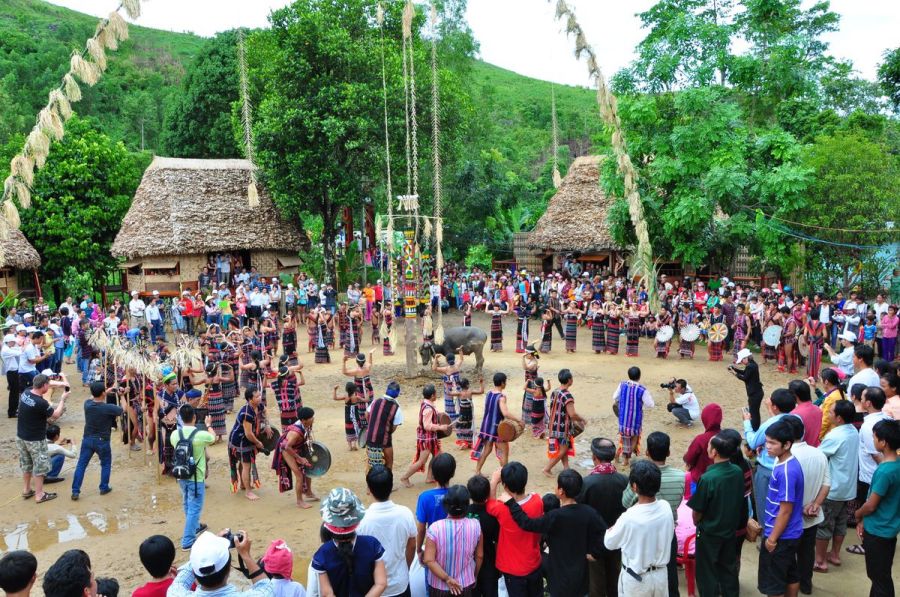
In January, some ethnic groups in Sapa begin celebrating their versions of the new year. The Red Dao in Ta Van hold the Tet Nhay festival, filled with ancestral rituals, fire jumping, and symbolic dances passed down for generations. The Giay people in Muong Hoa celebrate Roong Pooc to pray for a good harvest, gathering in traditional clothes with drums and singing. These events don’t follow a fixed schedule, but if you’re around when one happens, it’s something you won’t forget.
Visit Bac Ha Market For A Low-Season Cultural Dive
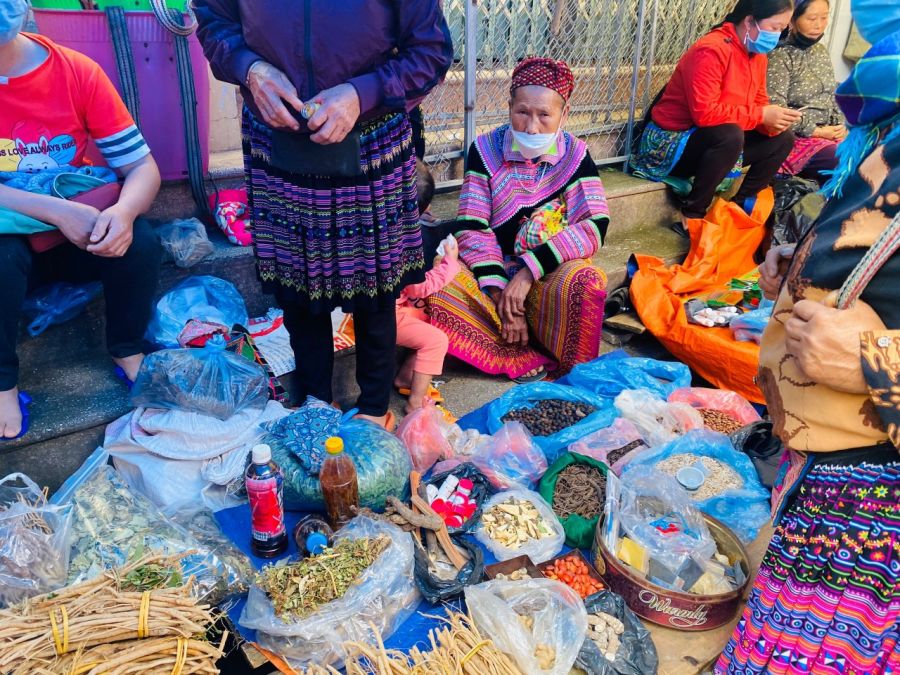
Located about three hours from Sapa, Bac Ha Market remains active in January, though with fewer tourists. You’ll see Hmong and Dao families in traditional dress selling handmade goods, produce, and hot street food. The market feels more local this time of year, and interactions are less rushed.
Visit Silver Waterfall And Love Waterfall During The Quiet Season

These two cataracts are well-known places near Sapa, yet in January, they are much quieter than they usually are. Silver Waterfall can be reached easily and is grandiose even when seen on the road. Whereas Love Waterfall requires a brief walk through a bamboo forest and mossy boulders. It is subdued color-wise during this time of year. If you go very early in the morning, you may have the place to yourself.
What To Pack For Sapa In January
Sapa in January is very cold, wet, and unpredictable, and having the correct gear will greatly determine how much you will enjoy your trip. The following are the basics to make you warm, dry and comfortable.
Warm layers for freezing mornings
January in Sapa can feel much colder than expected, especially in the early morning and late evening. You should pack thermal base layers, sweaters or fleeces, and a thick insulated jacket. If you’re sensitive to the cold, heat packs or thermal underwear can make a big difference.
Waterproof outerwear
Fog, light rain, and constant moisture are common. A waterproof jacket or windbreaker with a hood is essential, even if it doesn’t rain heavily. Quick-drying pants or leggings are better than jeans, which stay wet and cold for hours.
Proper footwear for slippery trails
During January, paths near and in Sapa may be very muddy and bouncy. You should bring hiking shoes or boots with a good grip. Don’t bring flat-soled sneakers or fashion boots, just in case you would like to walk through villages or rice terraces.
Cold-weather accessories
You should not neglect such small but important things as gloves, a scarf, and a warm beanie. The wind can be biting when you’re riding a motorbike or visiting Fansipan. These simple items can make cold days a lot more comfortable.
Other useful items
A refillable water bottle, sweat-wicking socks, and a folding umbrella can come in handy. You will also find power banks useful, as the cold drains batteries faster than usual. When you intend to be out the whole day, a simple medical kit and some snacks come in handy.
Travel Tips For Visiting Sapa In January
Traveling to Sapa in January can become a trip to remember, yet some difficulties are easy to forget about. These hints will assist you in having a safe, comfortable trip and enjoying it as much as possible.
- It is worth looking at the weather forecast before going out every day, in particular, in case you want to catch snow.
- Tight travel schedules should be avoided since there is a likelihood of delay due to fog or slippery roads.
- Most shops and restaurants in local villages do not accept cards, so you should prepare some cash in advance.
- It is a good idea to book accommodation well in advance, as this season has a lot of domestic travelers who visit Sapa on weekends.
- Make sure to book a hotel or a homestay that has heating or at least electric blankets to keep yourself warm at night
- It is strongly advised that you employ a local guide in case you are trekking, particularly on the less popular trails.
- Having hot meals frequently and hydrating your body will help your body adapt to the cold.
- It is preferable to take permission before clicking the photos of locals, as it is a matter of respect and will avoid any embarrassing moments.
- When the weather is foggy or wet, it is better not to use a motorbike taxi; it is better to walk or order a car (when it is a long distance).
Final Thoughts: Is January a Good Time to Visit Sapa?
Sapa in January isn’t for everyone. The weather can be rough, the views unpredictable, and the cold gets into your bones if you’re not ready. But for those who don’t mind the chill and want a slower, less polished version of Sapa, this might just be the best time to go. And in case that is your idea of a dream trip, Seni World can provide the local knowledge and reliable contacts to make it happen, in the simplest manner.


