


It’s summer, but Sapa doesn’t feel like it. While the lowlands sweat, this mountain town slows down in the mist. So what exactly happens up here in Sapa in July? Let’s take a closer look.
Where Is Sapa?
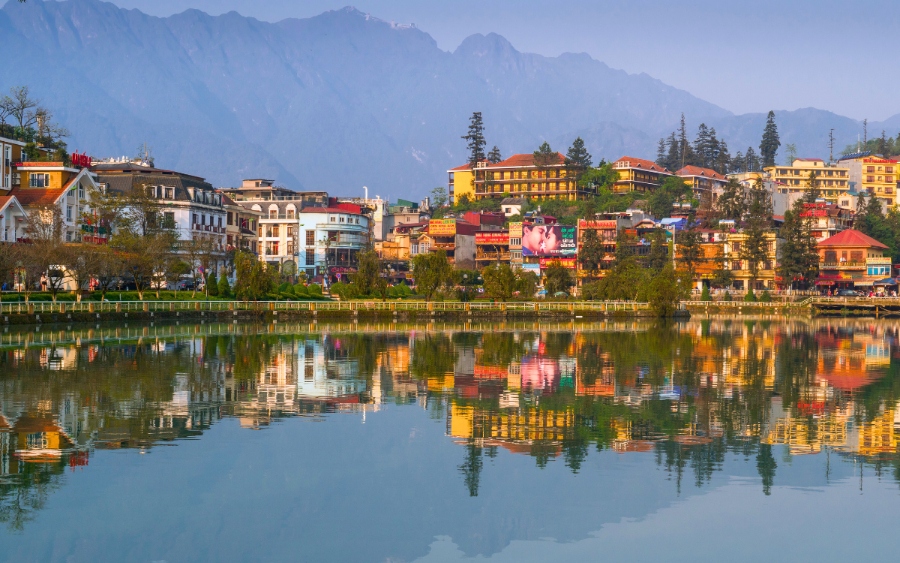
Sapa is an altitude town in Northern Vietnam, stereotypically known due to its farms and terraced rice fields as well as the ethnic minority lifestyle. It’s about six hours from Hanoi by highway or overnight train. It is perched almost 1,500 meters above sea level and provides an excellent relief to the summer heat that covers most parts of the country.
The town itself is extended on a ridge, but in July, it is noticed mostly in the valleys below. The rice fields around Lao Chai and Ta Van, studded with terraces of growing rice, are at their greenest. The scene is calmed down with fewer visitors following the June holidays, and the local markets are more relaxed.
What Is The Weather Like In Sapa In July?
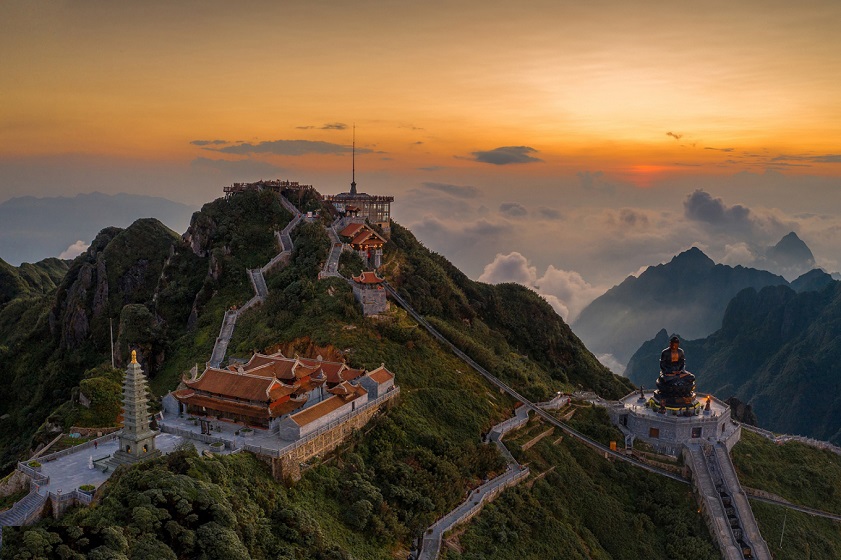
Sapa weather in July is unpredictable; morning fog, midday sun, and sudden afternoon showers can all happen in a single day. But it’s this variety that gives the town its quiet charm in the off-season. When the weather clears, Sapa turns crisp and wide open, just like the postcard scenes you’ve probably seen online.
It is one of the wettest months of the year, and it will mostly rain in short periods in the afternoon or in the evening. Morning is mostly dry, which is the most appropriate time to trek or visit local villages. Thanks to Sapa’s elevation, Sapa temperature in July stays cool even at midday, and nights can feel chilly, especially after rain.
Weather Overview: Sapa in July
| Factor | Typical Range/Condition |
| Daytime temperature | 24°C – 27°C |
| Nighttime temperature | 17°C – 20°C |
| Rainfall | 300 – 400 mm/month, ~14–15 days |
| Humidity | 85% – 90% |
| Fog | Common after rain or early morning |
| Sunlight | Up to 12–13 hours/day |
What To See And Do In Sapa In July?
This is the month when Sapa shifts pace. Instead of classic sightseeing, you’ll find seasonal moments that only appear in the mist and rain.
Bamboo Rafting On Swollen Muong Hoa Streams
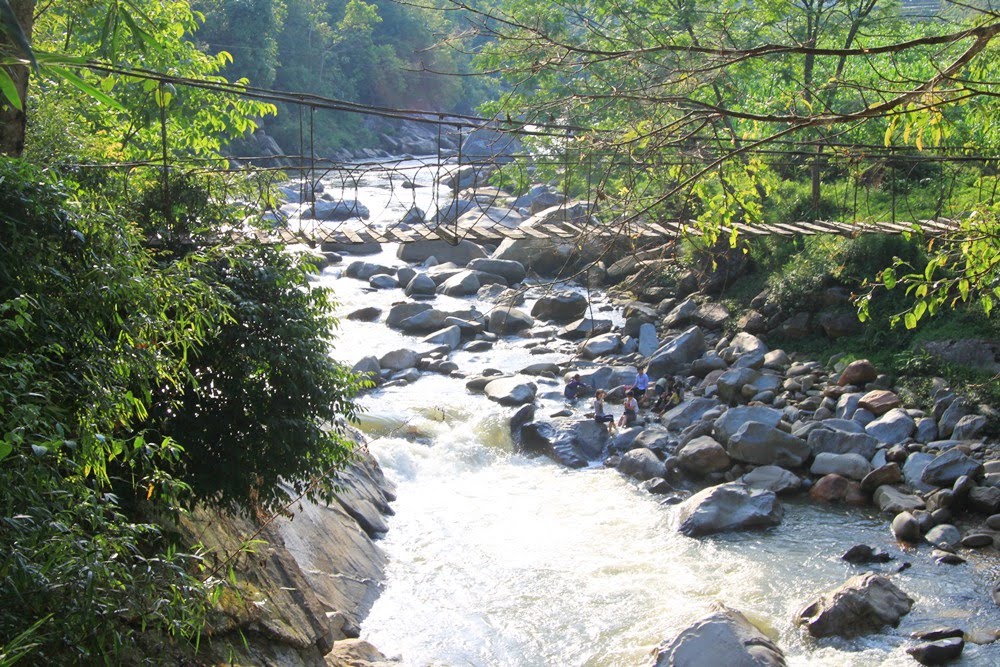
In July, the streams running through Muong Hoa Valley often rise just enough after rain to allow bamboo rafting. Local Hmong guides offer short rides on traditional rafts, passing through terraced rice fields with views of surrounding hills. Trips usually last 30 to 45 minutes and cost around 150,000 to 200,000 VND per person.
The best time to go is in the morning between 9 AM and noon, when the water is calm and before afternoon showers begin. You can book directly through homestays in Ta Van or Lao Chai, but availability depends on recent rainfall.
Catch The Rice Flower Scent In The Air
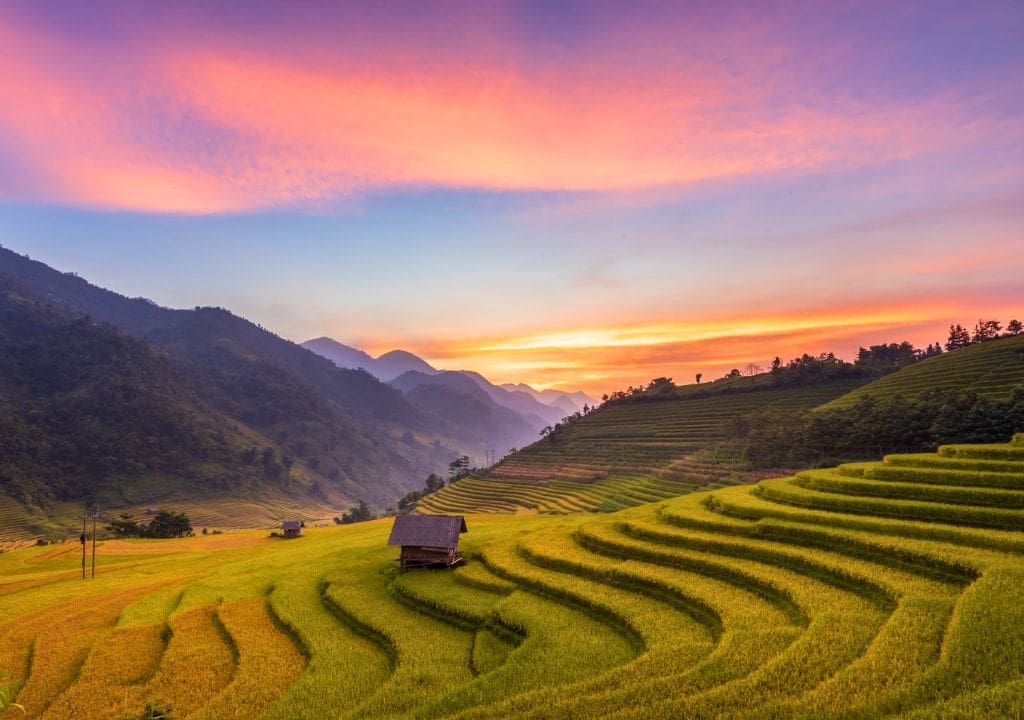
Late July is when rice in Lao Chai and Ta Van begins to flower, an early indicator of harvest. Early mornings bring a gentle scent of rice blossoms carried by valley fog. This subtle fragrance is rarely noted in other seasons and offers a unique sensory layer to your trek. Local homestays or trekking guides can point you to the best viewing fields between 6–8 AM.
Sunrise Cloud-Hunting At O Quy Ho Or Fansipan
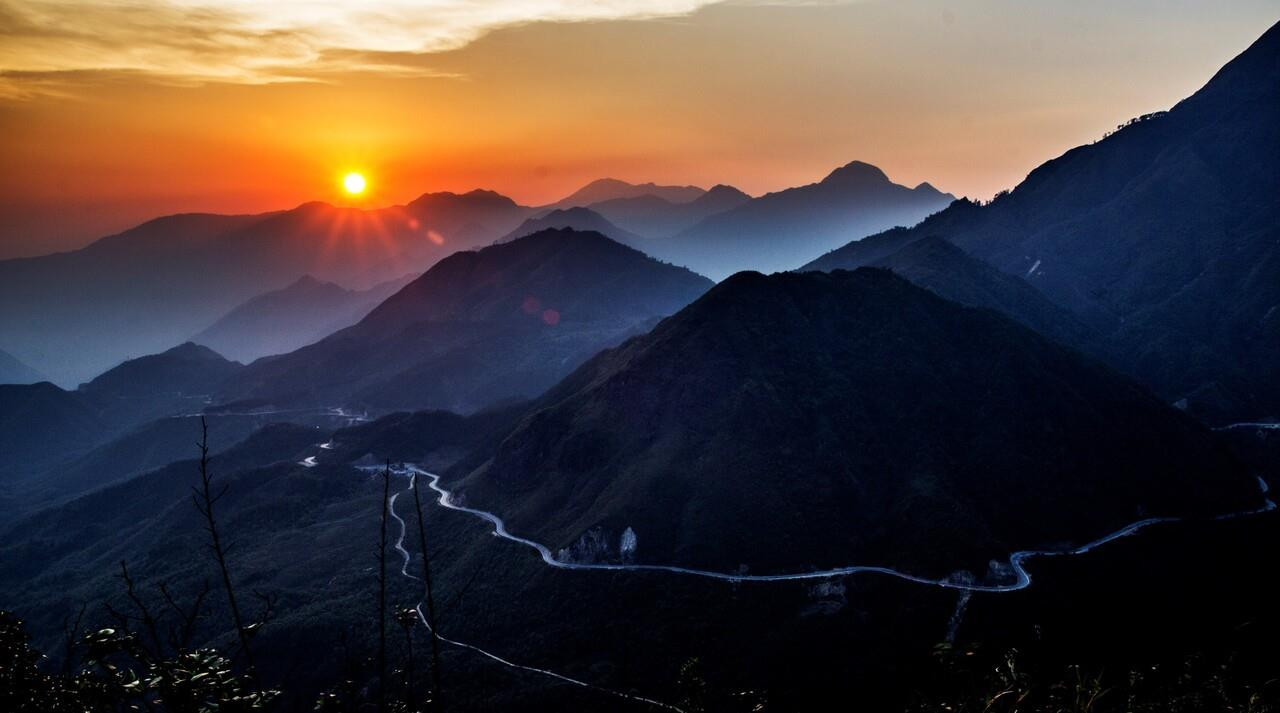
Early mornings in July often bring thick clouds that settle low in the valleys. From 5 to 7 AM, you can head to O Quy Ho Pass or the Fansipan cable car station to catch the ridgelines peeking through a sea of mist. It’s a short window—30 to 60 minutes—but when the light hits just right, it’s unforgettable. Tours usually cost 500,000 to 700,000 VND per person, and booking one day ahead is a safe bet.
Sunflower Hill At Fansipan Station
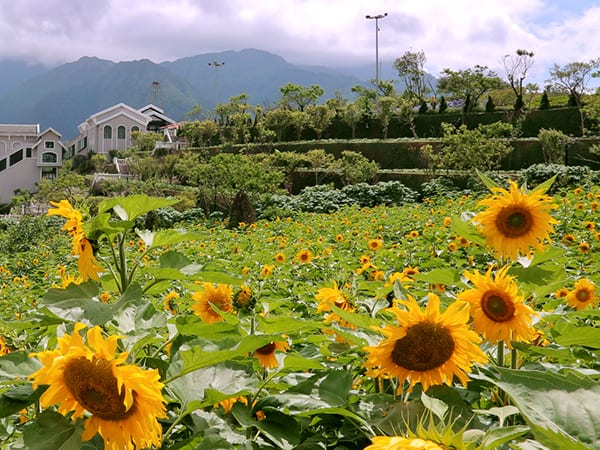
Around mid-July, a quiet slope near the Fansipan cable car station surprises visitors with a sea of blooming sunflowers. Covering more than 15,000 square meters, the hill becomes one of the most colorful spots in Sapa during the rainy season. The garden opens daily, and the entrance fee is about 80,000 VND. The hill is located near the lower station of the Fansipan cable car, and it’s easy to find on your own.
Morning Walks In The Pine Forest

After a night of rain, the pine forests around the Fansipan base become cool, misty, and almost silent. Early morning, around 7 AM, is the best time for a quiet walk through this natural “steam room.” The air smells fresh with pine and damp earth, and the trails are soft but manageable. The entrance fee is usually between 100,000 and 150,000 VND, depending on the route. It’s a good idea to wear proper walking shoes and a light jacket; it’s cooler than you’d expect.
Plum Picking In Local Gardens
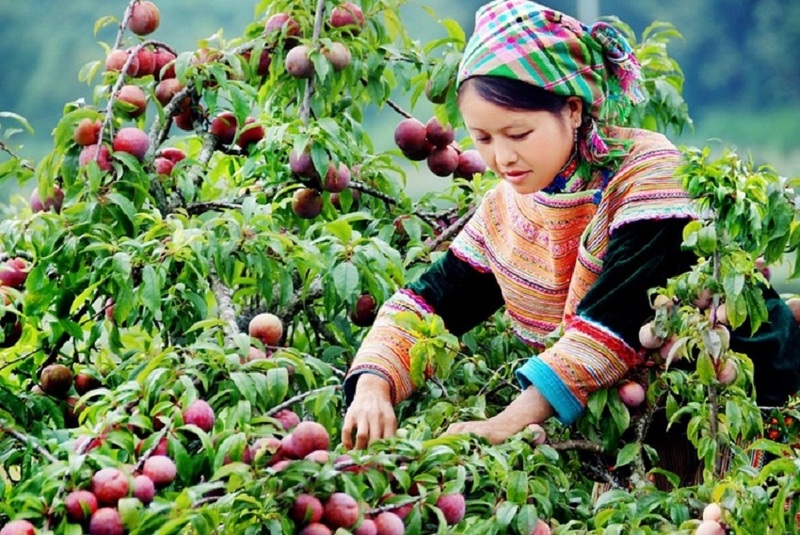
July marks the tail end of plum season in Sapa, and it’s the perfect time to pick ripe, sweet fruit straight from the tree. Several homestays in Lao Chai or Ta Van offer access to small family-run gardens where you can wander freely and fill a basket. The experience is informal: no tickets, just ask and pay for what you pick. Prices usually range from 20,000 to 30,000 VND per kilogram, and most hosts will let you try some on the spot.
Monsoon Markets And Love Market Evenings
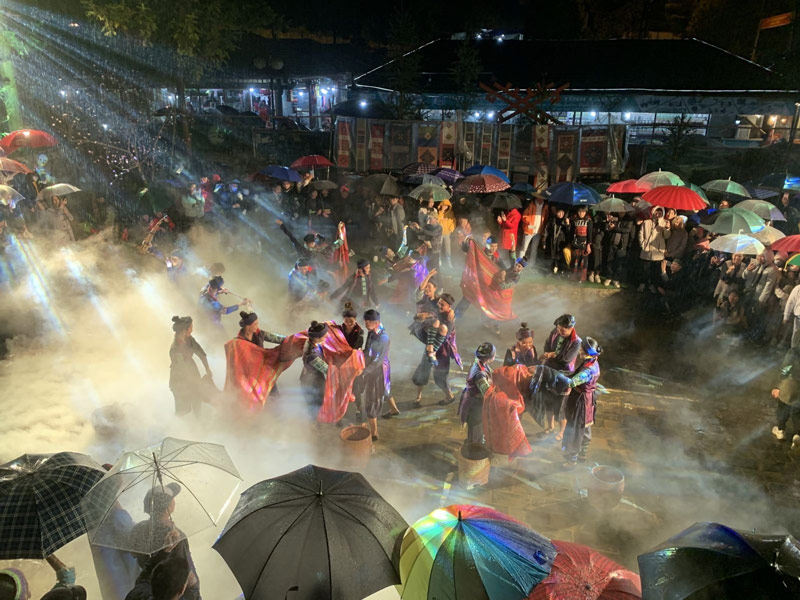
Sapa’s local markets take on a different energy during the rainy season. On weekends, you may catch a “love market” event in the town square, where local ethnic groups share music, dance, and regional snacks. Markets usually run from late afternoon until 9 PM, depending on the weather. You’ll find a mix of grilled street food, handmade textiles, and local produce for sale.
Soak In A Local Hot Spring Or Mud Spa
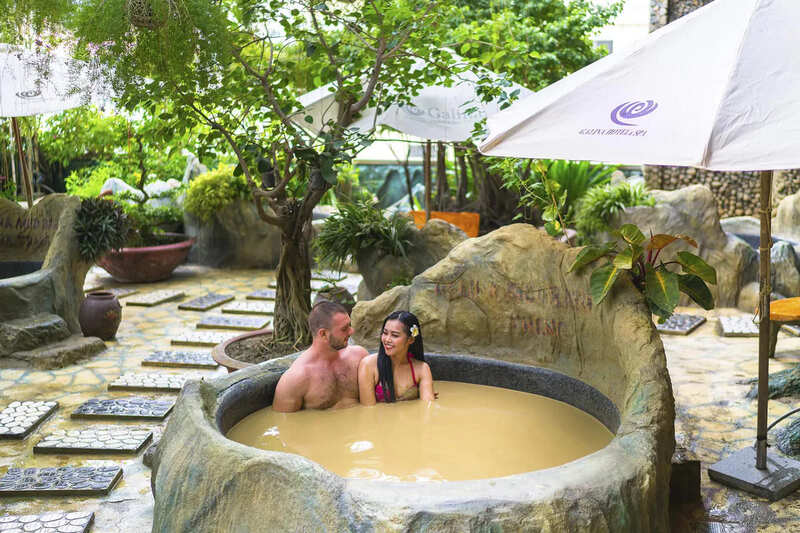
After a rainy hike, few things feel better than sinking into a hot herbal bath or mud spa. The cool air of July makes these experiences extra soothing. Some eco-lodges like Sapa Clay House, Sapa Green Spa, or Red Dao House Spa offer traditional Red Dao herbal baths, natural hot tubs, and even mud therapy treatments. Prices range from 100,000 to 350,000 VND, depending on the service. You don’t have to stay overnight—many spas welcome walk-in guests in the afternoon or early evening.
Visit The Gladiolus Festival In Sapa
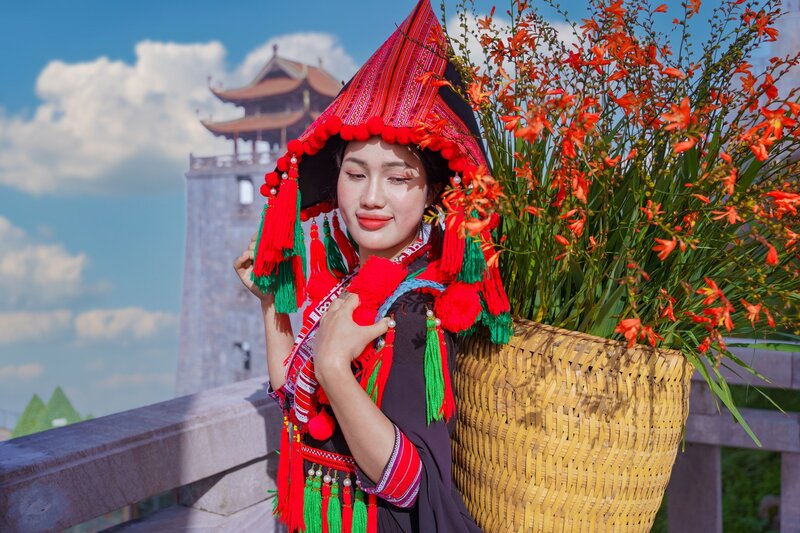
The Gladiolus Festival takes place annually from late July to the end of August across several areas in Sapa. The main site is the Fansipan cable car station, which turns into a colorful hillside garden filled with blooming gladiolus flowers. Access to this area usually requires a cable car ticket or a tour package. The good news is, tickets are often discounted during the festival period, sometimes up to 50% off for select visitor groups.
Join A Village Cooking Class With Fresh Forest Ingredients
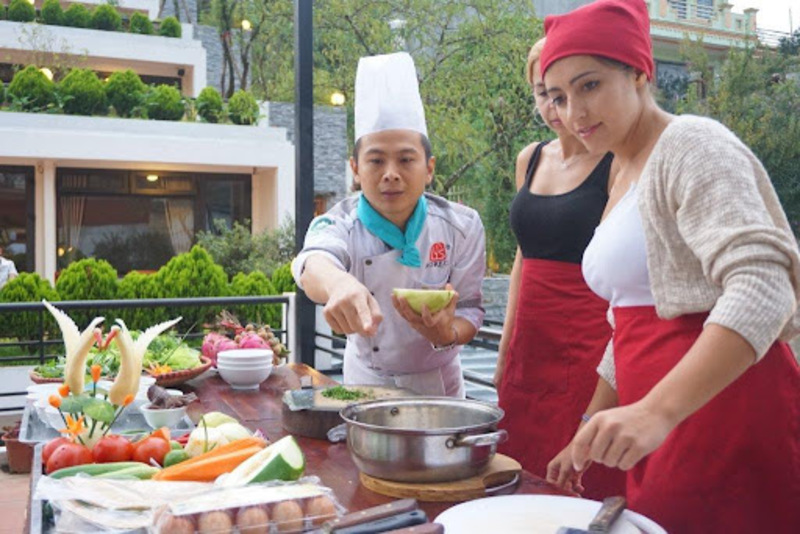
Several homestays in Lao Chai or Ta Van host small cooking classes with local families. Guests are invited to pick herbs and vegetables straight from the garden before preparing seasonal mountain dishes like stir-fried forest greens or grilled pork. The session takes place in a family kitchen, includes a full meal, and costs around 250,000–300,000 VND per person. It’s best to arrange the class at least one day in advance, especially during weekends.
Explore O Long Tea Hill And Sample Local Leaf Varieties
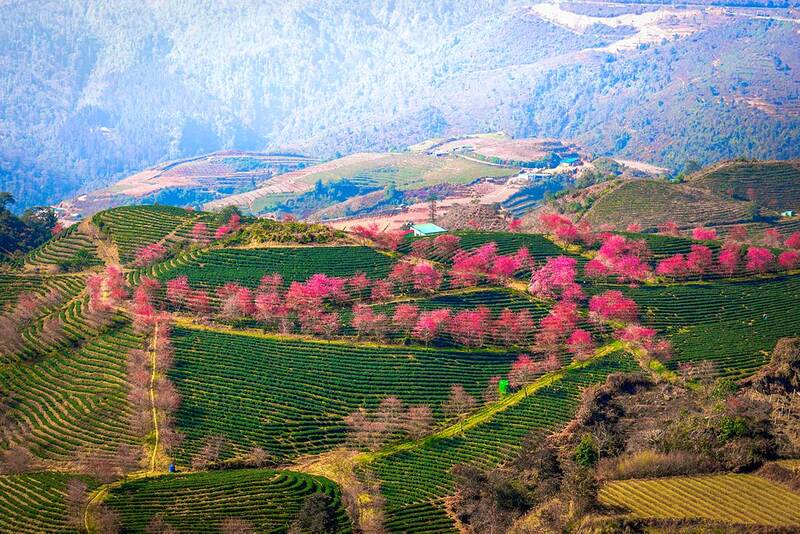
About 10 km from Sapa Town, O Long Tea Hill offers peaceful walking trails and sweeping mountain views. Visitors can stroll through neatly arranged tea rows and enjoy a fresh cup of oolong at family-run tea shops. The area is accessible by taxi (around 300,000–400,000 VND round trip) or motorbike rental (about 100,000 VND/day). Most travelers explore on their own. A tasting session typically costs 20,000–30,000 VND, and misty mornings after rain are ideal for photos.
What To Pack For Sapa In July
July in Sapa brings cool air, muddy paths, and afternoon showers. What you wear can shape how much you enjoy it.
Clothing
July in Sapa is warm but damp, so breathable, quick-dry shirts and pants are best. A thin sweater or fleece is still needed for early mornings or after rain, when the air turns cool. A light raincoat or waterproof layer is essential due to sudden afternoon showers.
Footwear
Trails get muddy and slippery after rain, especially in the valleys. Trekking shoes with a solid grip are a must if you plan to explore beyond town. For evenings or indoor use, bring a pair of sandals that dry quickly.
Accessories
Humidity can soak your bag as fast as your clothes, so pack a rain cover or plastic liner for your backpack. Insect repellent is important when visiting farms or walking through rice fields. A foldable umbrella also comes in handy during light rain or sun.
Basic medicine
Tourists going to Sapa during the July months are likely to experience extreme changes in temperature, between hot, cold and rain. That’s why it’s wise to keep some flu tablets and digestive aids on hand.
For people who are sensitive to damp weather, a few warming patches or menthol oil can make evenings more comfortable.
Cash and offline access
Even today, villages such as Lao Chai and Ta Van still mostly use cash, especially on rainy days when internet and mobile service can be unstable. It’s helpful to carry some small change and a printed map to avoid wasting time on shopping or asking for directions.
Travel Tips For Visiting Sapa In July
Visiting Sapa in July leads to experiencing the variable skies and wet paths, yet it could be a paradise with proper preparations.
- Morning hours in Sapa often bring clearer skies, making them the best time for trekking and sightseeing.
- Most rain falls in the afternoon, so early starts help avoid getting caught in sudden showers.
- The dates of local markets are subject to weather change, so it is usually a better option to ask your host than to check online.
- Sapa’s weather can delay the Fansipan cable car, especially on stormy days, so it’s worth checking the schedule early.
- Occasionally, there might be electricity cuts during storms, so it is a good practice to carry a power bank or flashlight.
- Umbrellas are not that effective in windy weather as raincoats and waterproof covers.
- Train and bus schedules to and from Hanoi may change due to landslides in extreme weather, so it’s safer to allow some buffer time.
- Shoes with a solid grip and fast-drying socks can make a big difference on slippery village trails.
- Lightweight thermal layers are useful for sudden temperature drops after rain.
- Booking homestays with heated showers or drying spaces adds comfort after wet days.
- Waterproof phone cases and quick-dry towels come in handy more times than not.
- Always have small cash on hand, as card machines or ATM might not work in bad conditions.
Final Thoughts: Is July A Good Time To Visit Sapa?
It is not everyone who has July in mind when arranging a trip to Sapa, yet a visit during this month usually gives such people something to be amazed by. If you don’t mind a bit of rain, this is a great time to explore the valleys, enjoy the local crops in season, and see a less touristy side of the town.
Want to have practical advice and the best current recommendations? What you need is hot tourism information and up-to-the-minute news, and Seni World has it all.


