


Many travelers choose to combine them in one trip, drawn by the contrast between mountain and city life. The Sapa to Hanoi journey has become a highlight itself, offering different ways to move, see, and experience.
Overview Of Sapa To Hanoi
Traveling from Sapa to Hanoi means moving from a quiet mountain town in Lao Cai province back to the heart of Vietnam’s capital. Depending on what mode of transport you want to use, it may take a duration of five to ten hours. You may use the bus, train, your own car, or even a motorbike.
A large number of travellers will combine Sapa and Hanoi in specified them as the two extremes of a north trek. Sapa has a cool climate, hiking routes, as well as the culture of ethnic minority groups. Besides, Hanoi is a city of food, markets, museums, and old town vibes. The shift between the two locations is obvious, but not shocking. The view of all of them together creates a complete impression of how northern Vietnam feels.
How Far Is It From Sapa To Hanoi?
The Sapa to Hanoi distance is about 315km by road, or roughly 333km if you travel by bus via Lao Cai. The journey is much faster nowadays, as most of the travel is now done on highways. Most operators currently provide flexible departure dates and wide seats to endure the long journey.
The trip to the resort is typically done by bus or limo in five to eight hours, depending on weather conditions and traffic. Those traveling by private car can be at least a bit faster, depending on whether they make stops or not. The trains require between eight to nine hours, with a transfer between Sapa and Lao Cai stations. For motorbikers, it may take anywhere from eight to twelve hours, depending on the route they choose and the number of stops they make along the way.
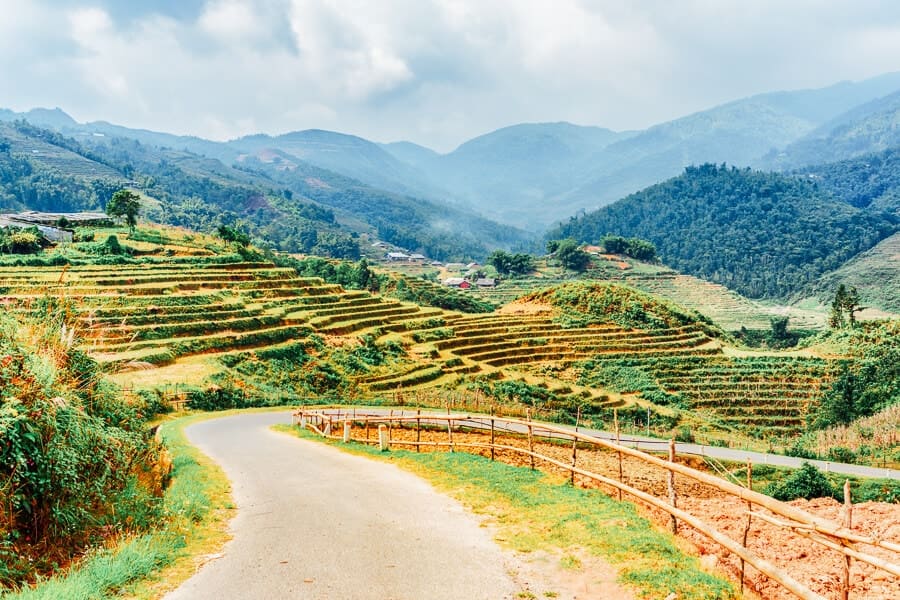
How to Travel From Sapa To Hanoi?
There’s no single “best” way. Each way offers a different pace and experience. What works best depends on how much time you have and what kind of journey you’re after.
By Motorbike
Riding a motorbike from Sapa to Hanoi is only recommended if you’re an experienced rider. It is a long, not always predictable road that leaves unforgettable tracks due to the freedom and the views. You’ll pass through misty mountain passes, riverside towns, and endless rice fields. It’s also a great way to explore local life outside the tourist zones.
That said, the ride isn’t easy. The early morning or rainy season could be quite risky when there is fog, rain, and also sharp turns. Closer roads to Hanoi are louder, but smoother, with many more trucks. If you’re not used to riding in Vietnamese traffic, this trip can be exhausting. Do not go on the expressway (CT05) because motorbikes are prohibited. It is also advisable to pack offline maps, simple supplies, and leave on time so as not to experience riding at night.
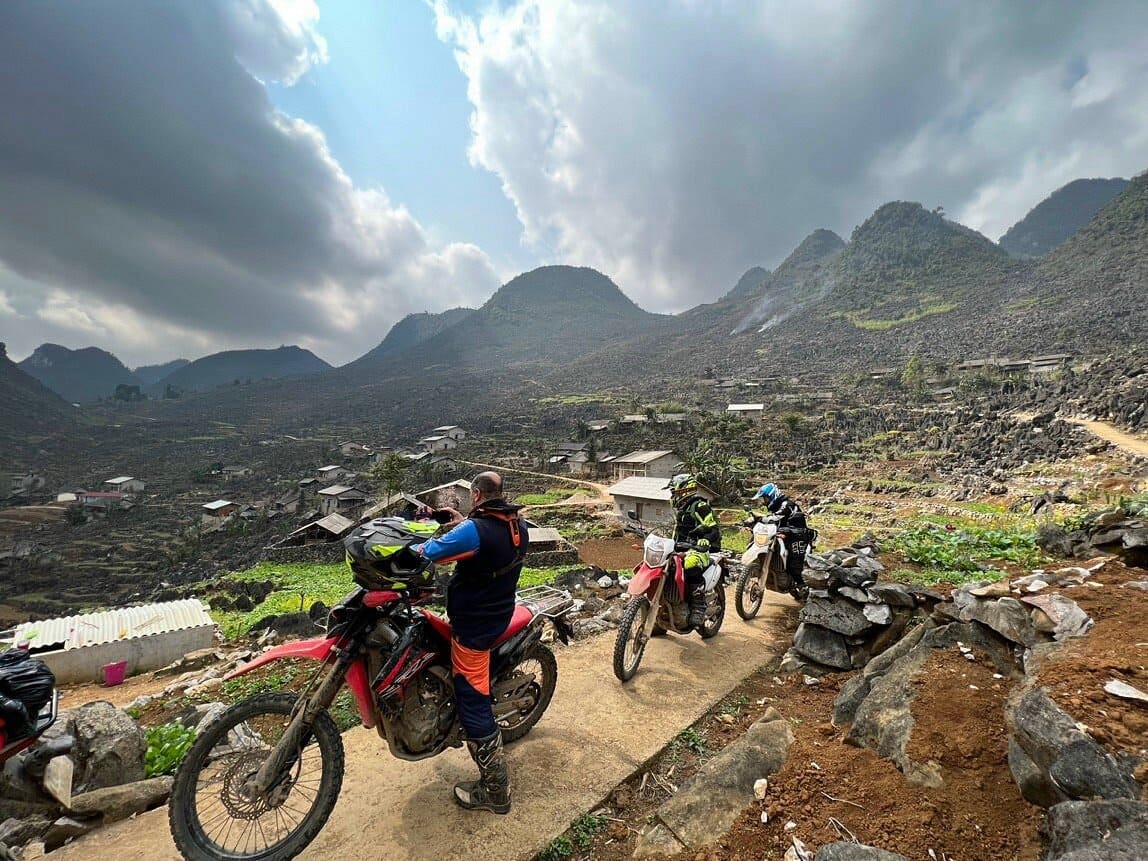
If you’re considering this option, here’s a quick breakdown of the key details to help you
| Aspect | Details |
| Route | Sapa → Lao Cai (QL4D) → Pho Lu → Bao Ha → Yen Bai → Viet Tri → Hanoi (QL70). CT05 is faster but not open to motorbikes |
| Distance | Approx. 320 – 340 km, depending on your chosen route |
| Travel Time | Usually 9 – 12 hours, including breaks. Total time is subject to road and weather |
| Suggested Stop | The halfway point is good in Yen Bai in case you wish to divide the ride into two. There are simple accommodations and eats |
By Bus or Minivan
The Sapa to Hanoi bus is among the most commonly used options for both locals and tourists. You will mostly travel using the buses and minivans during your Sapa to Hanoi trip because of their convenience and frequent usage. One can make reservations or even on the traveling day itself.
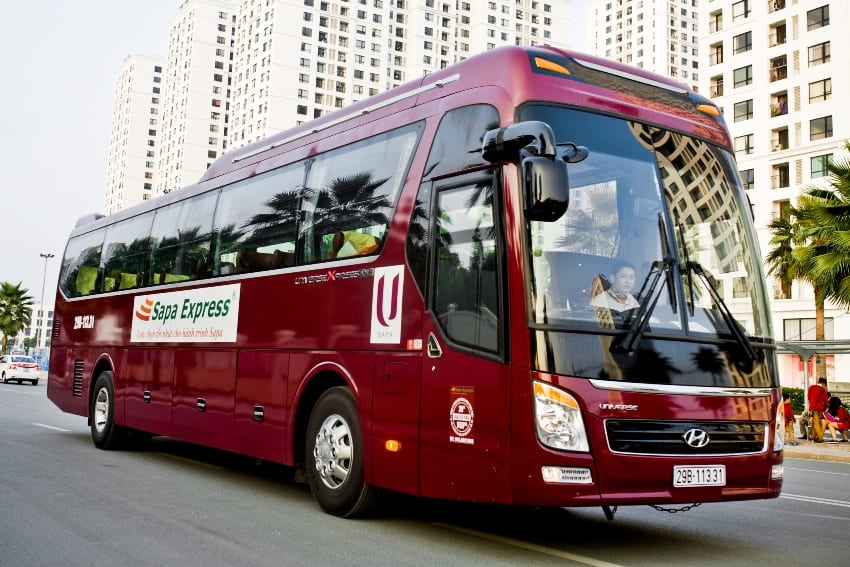
See below: a comparison of the most common operators so you can decide.
| Company | Vehicle Type | Price (VND) | Travel Time | Notes |
| Sapa Express | VIP Bus (28 – 32 reclining seats) | ~374,000 | ~5.5 hours | This company has a reputation for timely services, neat buses, and departures twice daily. It has brief breaks on the route |
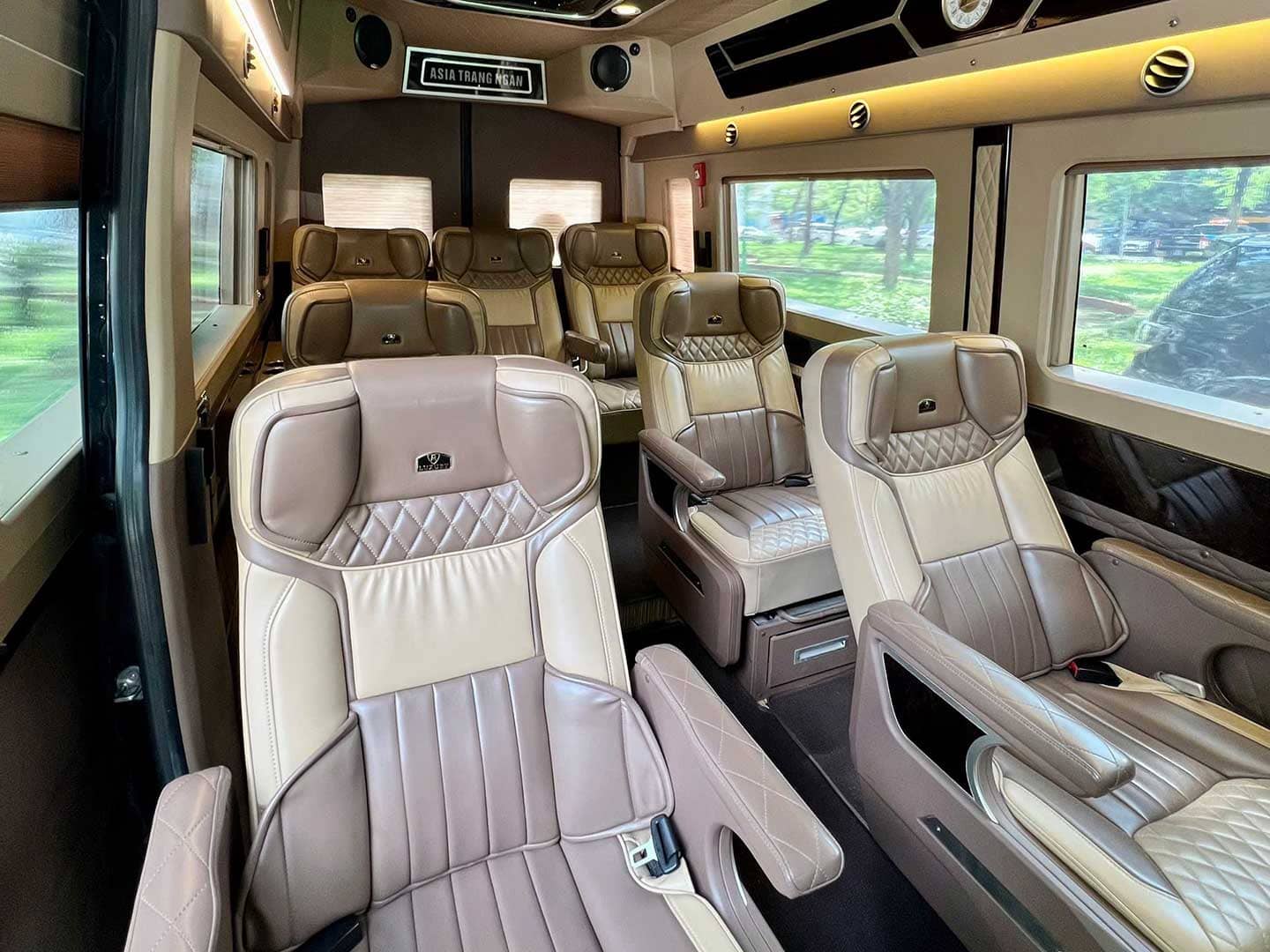
| Inter Bus Lines | Limousine Minivan | 350,000 – 400,000 | 5.5 – 6.5 hours | The vans have leather seats and fewer occupants. Other tours offer pick up and drop off at hotels in Hanoi |
| Eco Sapa Limousine | VIP Limousine (9 – 11 seats) | 400,000 – 450,000 | 5 – 5.5 hours | This is one of the most cosiest ones, it has wide reclining seats, charging ports and free Wi-Fi onboard |
| Green Bus / G8 / Sao Viet | Sleeper Bus / Cabin Bus | 250,000 – 450,000 | 5.5 – 7 hours | This operator has boosted the departures. The Green Bus is not too cheap but both G8 and Sao Viet are normally good when one cannot make a booking at a good time |
Easy hints: Eco Sapa/Inter Bus Lines would be your way to go in case the priority is comfort. Green Bus / Sao Viet will be able to do in case you want the cheapest way possible to get there. Sapa Express sits somewhere in the middle—decent service, reasonable price.
By Private Car
There is the option of using private cars to be able to have full control of their time and to have more levels of privacy. It’s more expensive than buses, but ideal for families or small groups who prefer quiet, direct transport without any transfers or fixed departure times.
| Car Type | Estimated Price (VND) | Travel Time | Best For |
| 4‑seater sedan | 3,000,000 – 3,500,000 (~$120 – 145) | 5.5 – 6.5 hours | This is ideal for solo travelers and couples who want privacy and the luxury of comfort without having to go all the way |
| 7‑seater SUV | 3,500,000 – 4,000,000 (~$145 – 165) | 5.5 – 6.5 hours | It’s ideal for small families or groups who need a bit more room for luggage and want a more spacious ride |
| 16‑seater van | 4,000,000 – 4,500,000 (~$165 – 180) | 6 – 7 hours | This option works well for bigger families or groups who want to travel together in the same car and still be very comfortable |
Quick Booking Tip: A vehicle can be booked through any hotel in Sapa, or local travel agents, and trusted Facebook travel groups may also be helpful. Confirm price, car type, and pick-up details before paying.
Night Train Self-Drive Car Rental
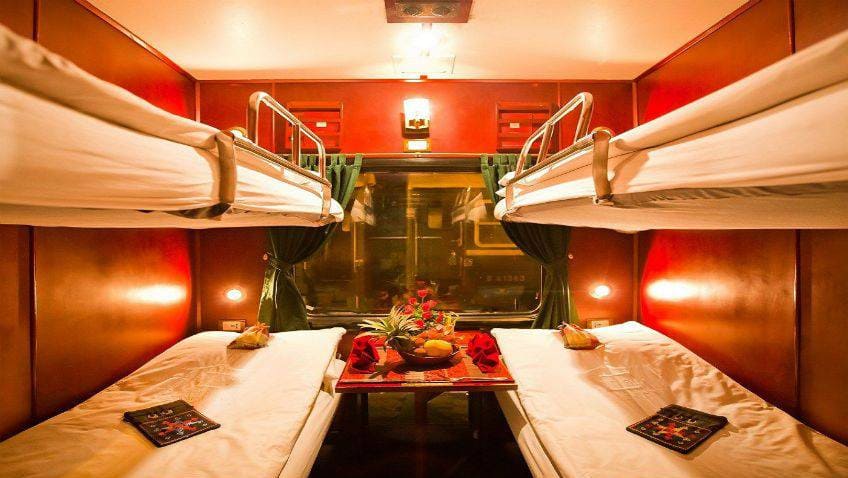
The Sapa to Hanoi train is one of the most recommended options for international travelers making the journey from Sapa. It’s safe, comfortable, and allows you to rest overnight while avoiding the stress of mountain roads. The train departs from Lao Cai station, about 1 hour from Sapa town.
| Aspect | Details |
| Travel Time | An average of about 8 hours. Most trains depart between 08:00 – 10:00 PM and arrive in Hanoi between 04:30 – 06:30 AM the next morning |
| Cabin Types / Options | Soft (4-berth), VIP (2-berth individual), and hard. There are services where the whole cabin could be booked to enjoy more privacy |
| Required Documents | Passengers are only required to present their passports or ID when boarding the train. A printed ticket or a QR code on your phone is generally accepted when boarding |
| Estimated Price | 350,000 – 800,000 VND/person (~$15 – $35 USD), depending on class and operator |
| Who It’s For | The choice fits the tourists who seek a safe, relaxed, and real travel experience. It is particularly convenient for families, singletons, and small groups |
| What You Should Prepare | |
| In case you are noise-sensitive or feel cold, you ought to carry earplugs and a light blanket to cater to your needs on the voyage | |
| It is important to have your ticket ready, either printed or in digital format, before arriving at the station | |
| You should also make sure to be at the station at least 30 minutes before departure to avoid any last-minute issues |
Although night trains are safe and original, facilities might be different depending on the operators. The cabins may be simple and even noisy on older trains. Unless you are a sound sleeper or expect hotel-level comfort, you should consider booking a VIP cabin that is not shared with others.
Tips For Traveling From Sapa To Hanoi
Even though this route is popular, thoughtful planning can make a big difference, especially if it’s your first time visiting northern Vietnam. These travel tips are based on real experiences and can help you avoid common hassles.
The weather may influence comfort or safety
The best weather with cooler temperatures and increased visibility is between March to April and September to November. Rains may cause road closures or make parts slick from May through August, particularly on mountain passages such as O Quy Ho.
Wise packing eliminates the traveling stress
Bring motion sickness tablets if you’re sensitive to winding roads. You will need a rain jacket, layers, and a power bank. The weather can also be temperamental in the mountains, and it is always good to carry layers and a rain jacket.
Make reservations a day before the trip
Buses and trains are crowded during the weekend and in peak season (October to December). Many hotels in Sapa will make reservations without extra cost. The fact that you take an early bus also enhances your choice of seat.
Departures are less hectic and safer in the mornings
Leaving between 6–8 AM means better visibility through the mountains and less traffic near Hanoi. It is also not as tedious, especially on the curvy routes between Sapa and Lao Cai. If you’re taking a minivan or driving yourself, earlier is always better.
Riding on motorbikes needs earnest planning
It is a scenic route, though not suitable as a beginner route. The route also has very tight turns, variable weather, and minimal night light. Use Google Maps offline, plan a midday break in a town like Yen Bai or Viet Tri, and don’t ride at night. A good helmet and a functional headlight are needed.
Offline maps and a local SIM card are life-saving
Viettel and MobiFone both provide good coverage and 4G data at less than 150,000 VND ($ 6 USD). Reception goes down in outlying areas, so download maps before you leave. You’ll need them for navigation or emergencies if you’re on a bike or a private car.
Cash works best on the road
Small roadside shops cannot easily split big bills such as 500,000 VND. Try to carry at least 100,000–200,000 VND in small notes. It assists with the parking fees as well as snacks, and in some stopovers, even in the toilets.
Watch out for festival crowds
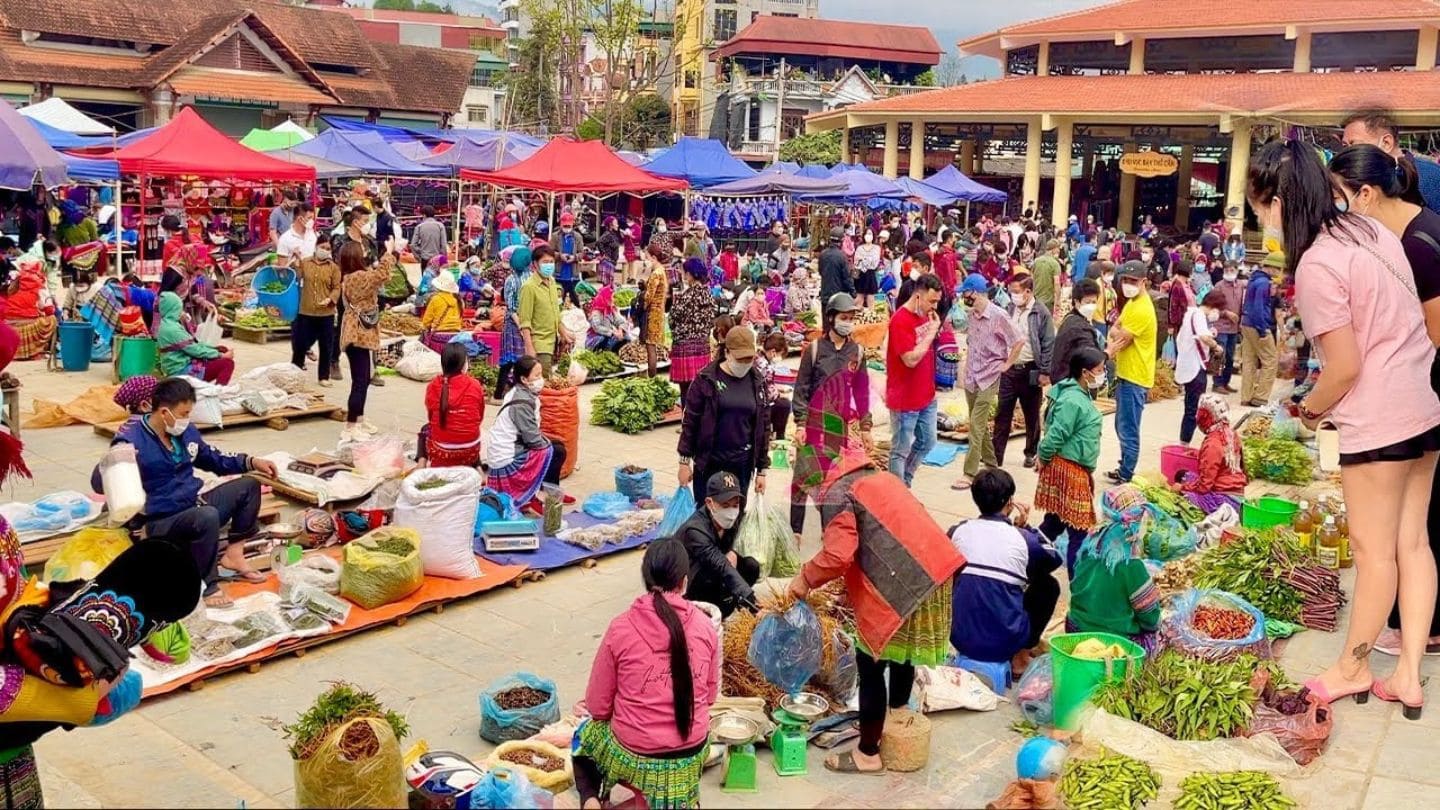
Tet (usually in late January or February) and Bac Ha Sunday Market draw heavy local crowds. Transport is often fully booked, and roads get packed. If your schedule overlaps, reserve transport 5–7 days ahead and leave extra time for delays, especially by bus.
Altitude shift may cause fatigue
Coming down from 1,500m elevation in Sapa to Hanoi’s lowlands can leave some travelers feeling drained. Consider skipping overnight buses on the same day you’ve done a long trek, and aim for some downtime after arriving in Hanoi.
Final Thoughts
Many travelers remember the Sapa to Hanoi stretch as more than just a connection between two places. It’s a shift in pace, in landscape, and in the kind of Vietnam you get to see. With the right plan, this journey adds just as much value to your trip as the destinations themselves. If you’re not sure where to start, just reach out. Seni World has helped many travelers make this route smooth, safe, and surprisingly memorable.


