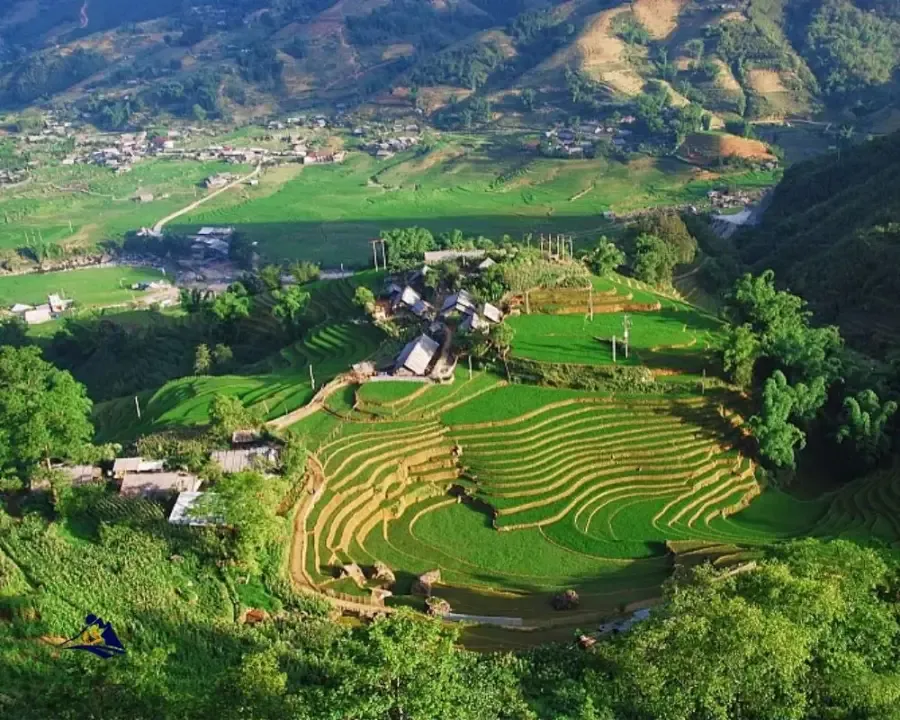


Sin Chai Village was a quiet Black Hmong hill tribe village near Sapa that was also famous for mountainous landscapes, authentic wooden houses, and the authentic lifestyle of the people there.
Introduction To Sin Chai Village
Nestled at the base of the Hoang Lien Son Mountain Range, Sin Chai Village is an idyllic and traditional mountain community that boasts spectacular views and an authentic rural lifestyle. It is surrounded by terraced rice crop fields, verdant hills, and cool mountain breezes. It is a remote Hmong settlement located within walking distance of Sapa.
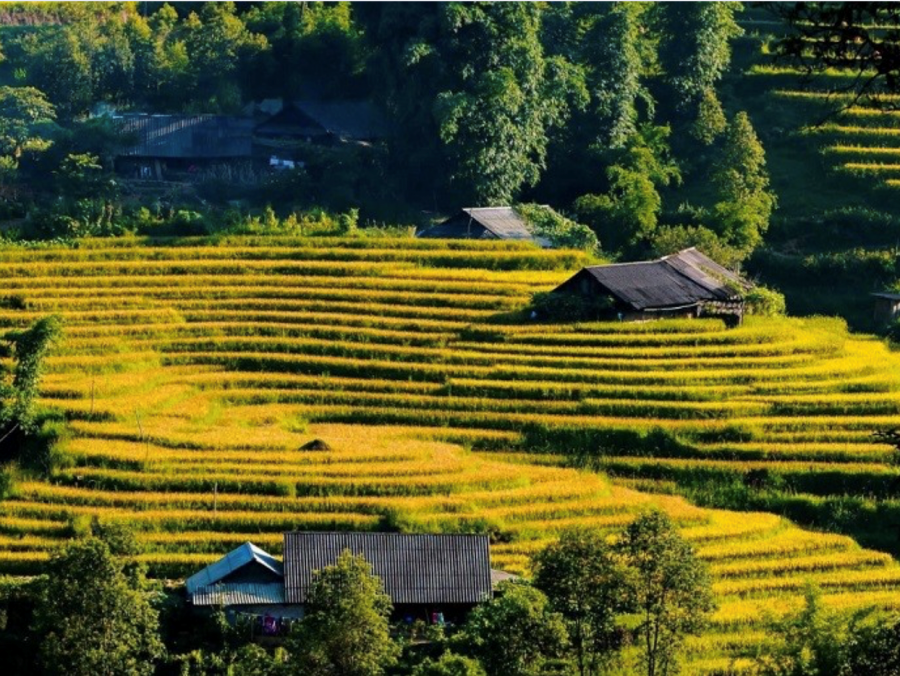
Sin Chai Village is the place to visit if you wish to immerse yourself in the culture and everyday life of the Black Hmong people. It is a remote village where traditional wooden dwellings, indigo-dyed garments, and age-old customs thrive. Visitors can expect to go trekking through beautiful, densely wooded trails, watch the creation of woven textiles and herbal medicines, and take in all the hospitality of the villagers. Sin Chai offers the traveller an authentic cultural experience into the highland beauty of Vietnam.
History Of Sin Chai Village
The name Sin Chai represents both its original meaning as well as its cultural purpose, as it reflects the H’mong, who have inhabited this area since ancient times and created their terraced fields and forest-covered mountains.
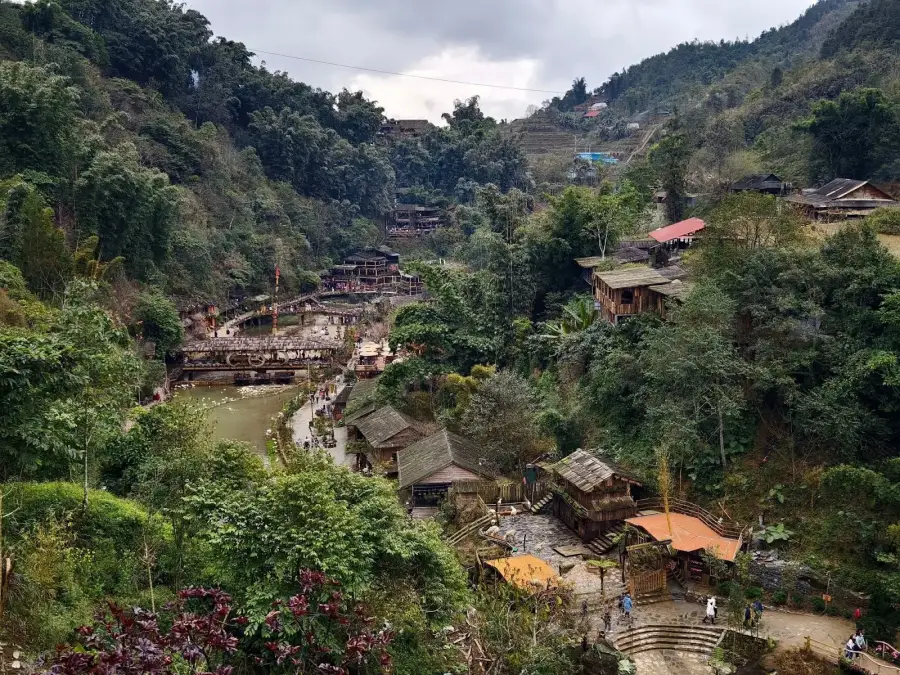
Hmong means “the Hmong”, while Chai refers to a village or settlement. Together, the term represents “the village of the Hmong”. The name evokes images of a simple, rustic community that exists in harmony with nature. For centuries, Sin Chai Village has represented highland culture and thus has preserved many of the original customs, farming methods, and ways of life that continue to provide an opportunity for visitors to experience authentic cultural experiences in Northern Vietnam.
Top 5 Iconic Attractions In Sin Chai Village
Sin Chai Village is not where you come for iconic sights but for intimate, significant spots that together form an upland setting, serene and characteristic of the region. In every nook of the village, there exists an intimate affinity between the Black Hmong tribes, nature, and their culture.
The Terraced Rice Fields of Sin Chai
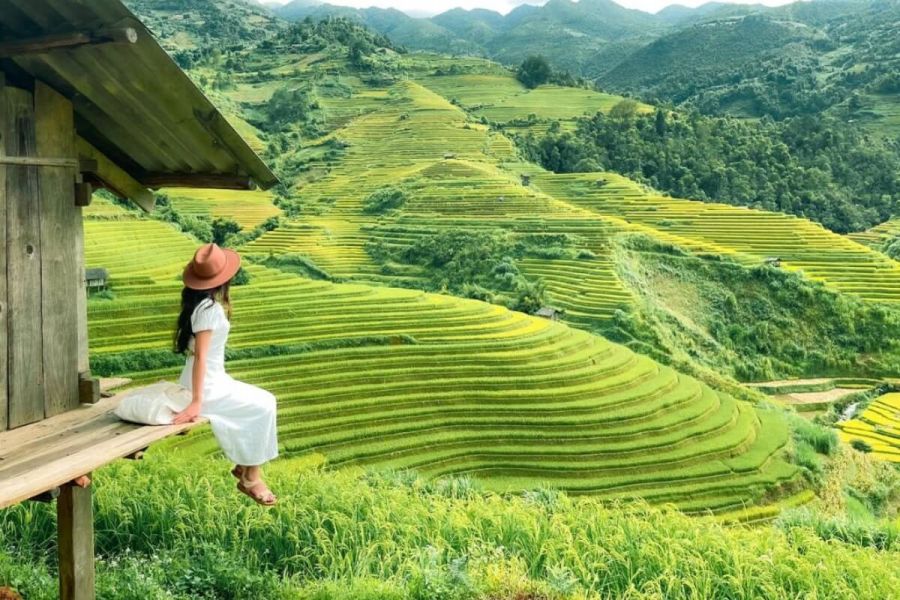
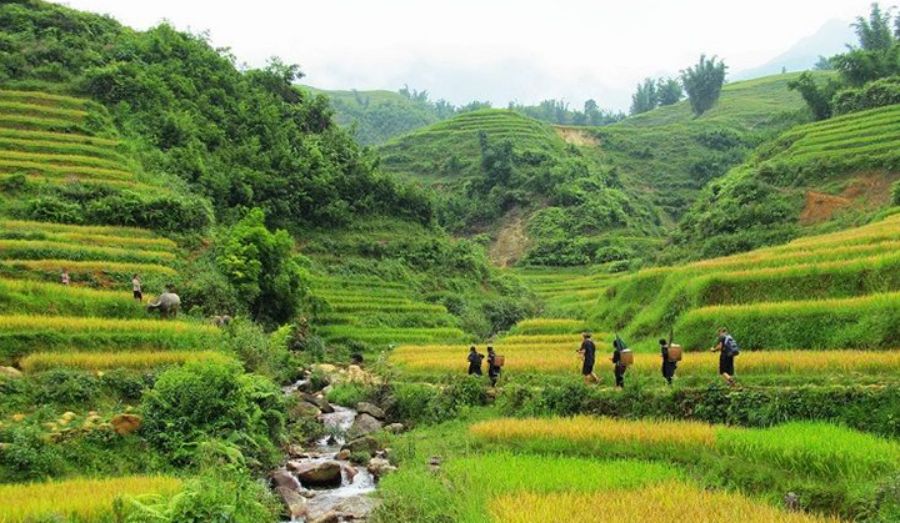
Terraced rice fields are one of the most recognizable natural formations in Sin Chai Village and are set in a beautiful slope down a mountain range. These carefully manicured fields change with the seasons from a young green plant to golden waves in harvesting seasons. Taking a walk along these fields is not only an option to get a great view but also to watch farmers tilling in their fields with minimal farming aid. Early morning and late afternoons are ideal to visit when a soft touch and fog create a serene atmosphere.
Traditional Black Hmong Housing
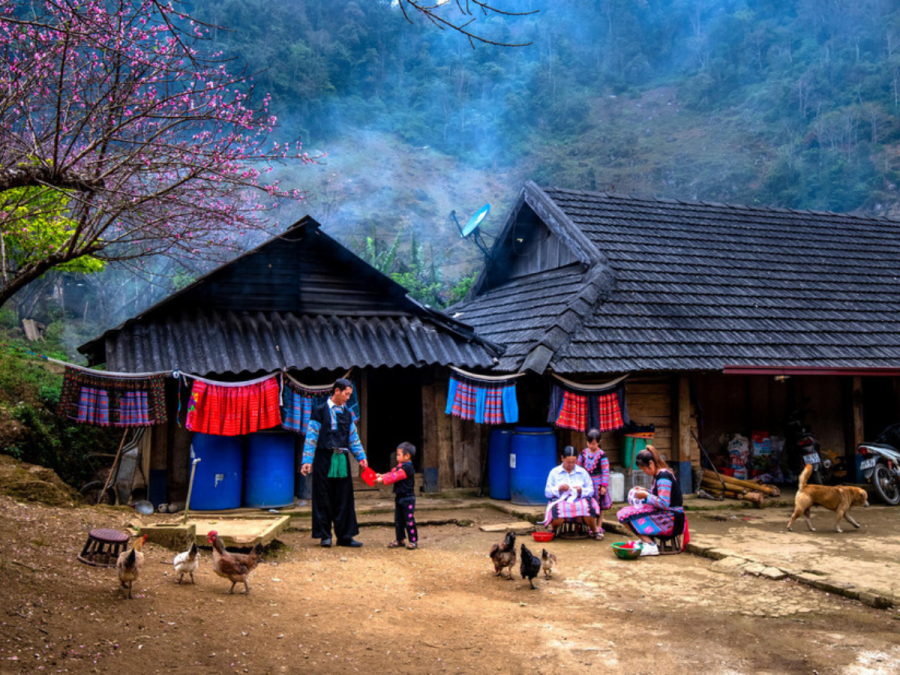
In this village, houses of the Black Hmong community, made of wood, stone, and earth, are scattered about. The dwellings are low-set and robust, providing much protection from cold air and rainfall, which is a suitable condition in the mountainous regions. The houses, in fact, are quite basic but cozy, usually gathering the members of each family around a cooking fire. An experience in this region enables the visitors to have a glimpse into the lifestyle, traditions, and close-knit families of the people.
Village Paths and Stone Trails
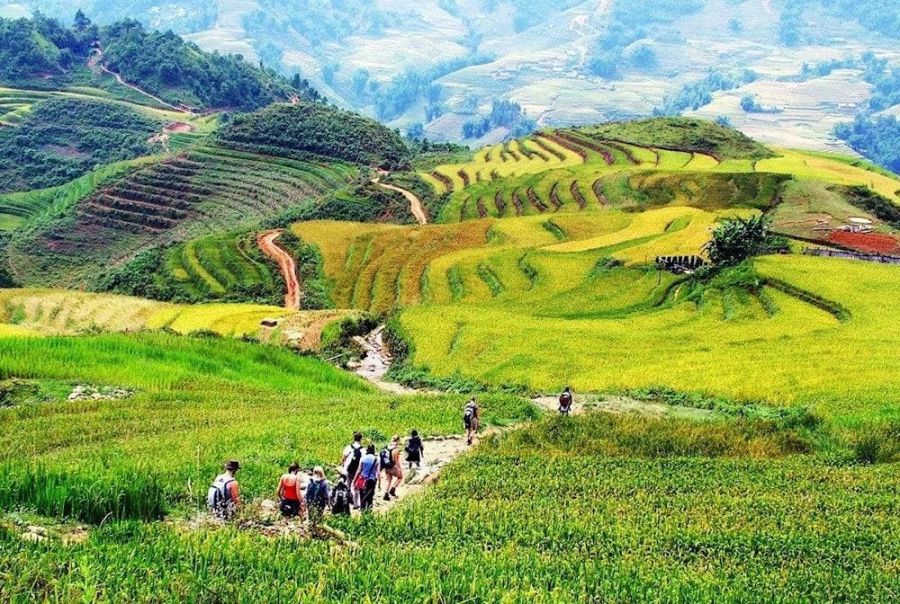
The pedestrian trails in Sin Chai Village add fascination on their own to the overall experience. These trails connect homes, farmlands, and gardens, and help tourists traverse through village life. As you walk through these trails, you will observe children at play, elders relaxing, and farmers with baskets of farm fresh crops. The trails further lead you to serene points of view of valleys and mountains.
Surrounding Mountains and Viewpoints
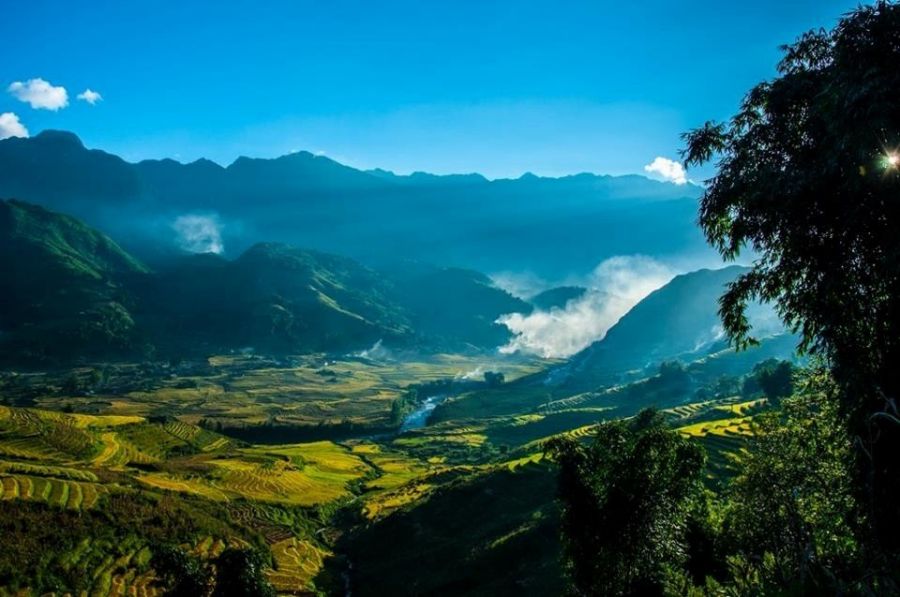
The surrounding mountains of Sin Chai Village provide an impressive natural landscape and are also home to some impressive viewing spots in the region. From these elevated locations, travelers are able to appreciate scenic views of valleys, hills, and cloud formations. The viewing spots are also ideal during the early morning hours and sunset moments when the scenery assumes a rich hue due to the incoming sunlight.
Local Gardens and Farming Areas
Small gardens and farmlands surrounding the village introduce visitors to the self-reliant lifestyle that the Black Hmong people live. Within these gardens, vegetables, corn, herbs, and rice are cultivated. The gardens, which appear simple, bear the wisdom that has been acquired over the years concerning how to plant and grow crops within the mountainous terrain.
5 Unforgettable Experiences You Shouldn’t Miss
A more relaxed and authentic experience can also be found in Sin Chai Village. Here, the lifestyle seamlessly merges into the landscape. You can experience this through interactions with the locals to moments of serenity in the midst of magnificent surroundings.
Trek through Mountain Trails and Terraced Rice Fields
An amazing experience in Sin Chai is walking the scenic trails through terraced rice fields and climbing to the higher mountain trails. The trails will lead you through lush green hillsides and past fields of gold, where you may capture unlimited picture-perfect moments!
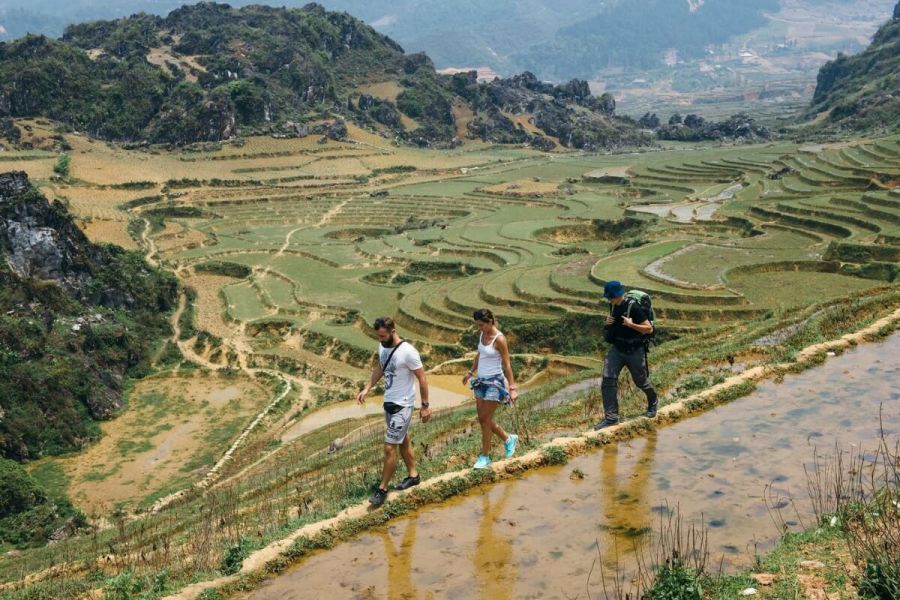
This trek also provides a unique opportunity to observe what is done on a daily basis by the farmers in the area and how they have such an important role in the structure of the village community. We encourage you to wear comfortable shoes and to take a local guide to have the best and safest time possible while trekking through these beautiful areas.
Live and Experience the Daily Life of the Black Hmong People
Staying overnight at a homestay with a Black Hmong family in Sin Chai Village is an experience that you will always remember. By staying with a Black Hmong family, you get to see the lifestyle of their everyday life, which has not changed for many generations.
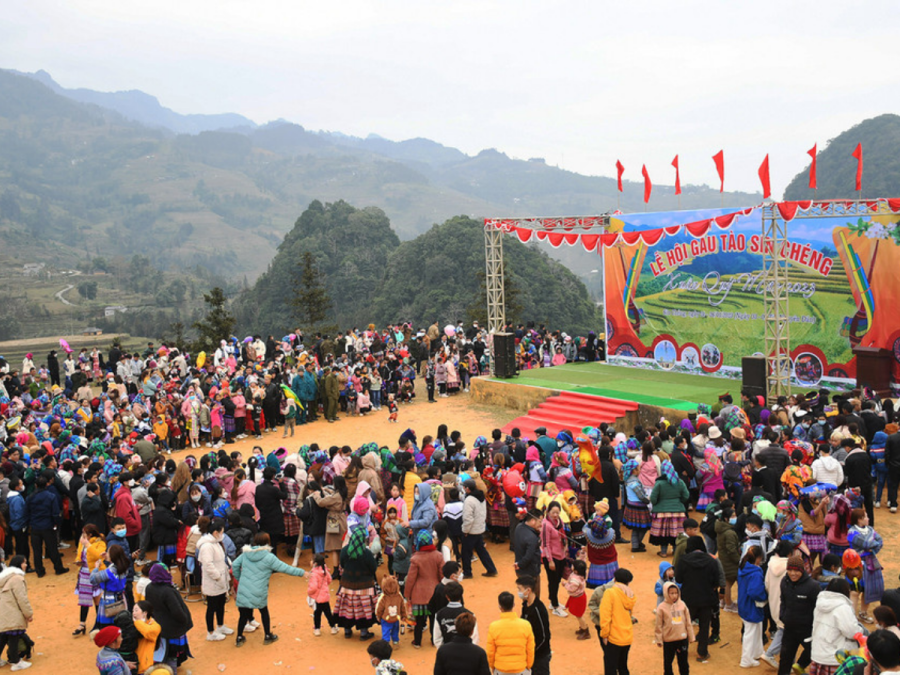
You can help cook on the wood fire when preparing meals, see how food is traditionally cooked, or you can sit around the hearth at night and tell stories. The meals served are very basic; however, they will be good because they will consist of homegrown vegetables and local ingredients. The homestay also provides you with the opportunity to feel comfortable and safe while also being part of the family. You will need to follow the house rules and the behaviour expected in that area so that you get the most out of your time there and respect your homestay family.
Admire Traditional Architecture and Village Scenery
When you walk through Sin Chai Village, it feels as though you have been transported back in time. The homes are made of timber or stone with earth as the base, making them suitable for living in the mountainous environment, and they blend well into the surrounding area. There are narrow paths that connect the different groups of houses; these paths lead through gardens, animal pens, and small courtyards. The design of each house shows the blend of traditional knowledge and customs that have been passed down from generation to generation by the Black Hmong.
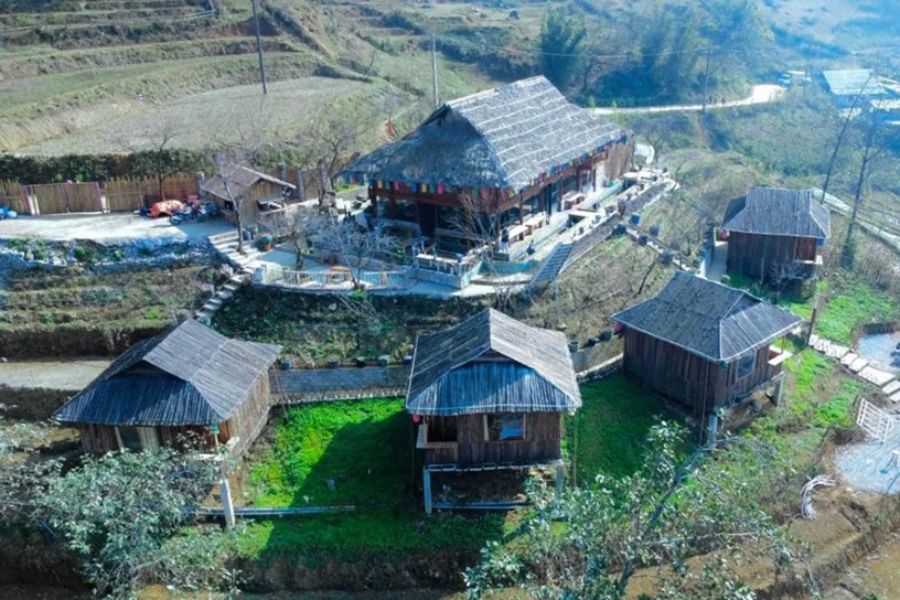
Walking slowly through the village allows you to observe the details of these design features as well as to see how people live in their everyday lives and to take beautiful photographs, especially during the early morning, when the mist floats softly around the tops of the roofs.
Join Seasonal Farming and Traditional Handicraft Activities
Visitors can take part in seasonal farming activities like planting rice, harvesting crops, and drying corn and rice close to their homes, depending on the time of year. Visitors will learn about the demanding work and patience that are needed to survive in the mountains, and they will experience these activities firsthand.
In addition, visitors will see traditional handicrafts, such as weaving and embroidery, which serve as an important part of their cultural identity. Seeing local women create patterns by hand allows visitors to gain a better understanding of the significance of traditional clothing and the time commitment associated with creating each item. Experiencing these activities will enhance visitors’ appreciation for the culture of the village.
Enjoy Sunrise, Sunset, and Magical Cloud-Hunting Moments
The position of Sin Chai Village high up allows for many opportunities to see and experience clouds and sunrises. The valley is filled with thick clouds in the early morning, giving it an ethereal appearance as we look toward a distant mountain range that is illuminated by the sunrise. At the same time as we are watching the sun rise over the high peaks of the mountain range, the light casts a warm golden glow across the terraced fields and rooftops at sunset, creating a tranquil and romantic atmosphere.
These times of day are ideal for photography, meditation, or just appreciating the beauty of untouched nature. A great reward for simply being in Sin Chai Village is that you are able to enjoy an experience that will provide some of the greatest views of your trip if you arrive at Sin Chai Village with warm clothes and wake early.
Entrance Fee
The majority of visitors to Sin Chai Village visit after they have visited Cat Cat Village. The entrance fee for Cat Cat Village is approximately 6 USD for adults and 3 USD for children, whereas Sin Chai Village currently does not charge an entrance fee, allowing guests to visit and see how local people live without having to pay an extra charge.
Best Time To Visit Sin Chai Village
Depending on the type of scenery and culture that you’re looking for in Sin Chai Village, the best time to visit is generally September through to October in Sa Pa (rice harvest season), as it transforms the terraced fields into golden waves with the aroma of ripe sticky rice in the air. It creates great conditions for photographing! October to November is the buckwheat flower season. Soft pink and purple fields bloom across the mountains, and there’s a cool, dry climate and festive atmosphere.
In December, yellow mustard often blankets the hillsides, and they contrast beautifully against misty mornings and chilly days. From January to February, visitors can enjoy the Lunar New Year celebrations, come see the peach blossoms in full bloom, and look for clouds, so it’s an excellent opportunity for cultural exploration and great mountain romance!
How To Get To Sin Chai Village
Visitors can easily and quickly access Sin Chai Village since it’s located near Sapa Town. The mountainous terrain is not very challenging. Therefore, most travelers will find the route to Sin Chai much simpler than they expected. The village is located beyond Cat Cat Village, so visitors can begin their discovery in Cat Cat, then, after finishing their time there, spend only a few minutes travelling to enjoy Sin Chai Village.
Motorbikes can be rented in Sapa for approximately 5-8 USD per day, allowing travelers to explore at their own pace. Tourists who choose to participate in a tour package will most likely have an opportunity to include a visit to Sin Chai Village in their itinerary as part of the service offered by the travel agency’s vehicle. In contrast, individuals who prefer to travel independently and are fit enough to do so would rather go it alone to Sin Chai Village.
The best way to experience Sin Chai Village is by trekking from Sapa. Trekking this route will provide you with an opportunity to see the stunning natural beauty throughout the journey, including gorgeous terraced rice paddies and breathtaking mountain vistas. Bring plenty of drinking water and some light snacks, as there are not many shops available along the trail! It’s recommended to wear walking shoes that are comfortable and durable to safely navigate the steep, hilly areas so that you can enjoy your trek to the fullest!
Things To Know Before Traveling To Sin Chai Village
Before entering Sin Chai Village, here are a few things that one should know in advance to ensure a smooth and respectful visit to the community. These tips will enable one to better connect with the Black Hmong community.
- Permission should always be sought to visit a local’s home. Visiting without permission is viewed as impoliteness by the local community. If in the locality, thorny branches, green leaves, or barriers made of woven material are visible near the entrance of homes, it is prohibited to gain entry through the structure when these objects are visible.
- When sharing meals, exercise caution with seating arrangements and avoid areas close to the family altar or where senior citizens are normally seated, as such zones carry spiritual or cultural significance.
- During meals, it is important to wait for ancestral prayers or blessings from the host before eating and refrain from rushing for food or overturning your plate once finished.
- Be sure to follow your host’s directives if you are Overnight guests, and never point your feet at the altar when sitting, which will be seen as disrespect.
- Drinking water and some snack foods should be brought with you when wandering around the village since there are no facilities in this quiet rural settlement.
- Wear comfortable footwear, as village paths may often be steep, muddy, or slippery, particularly during the rainy season.
- Clothing should be modest, avoiding the display of skin, to be respectful of the local culture.
- Always ask for permission before photographing people, dwellings, and daily activities, especially if the community is private about their culture.
Final Thoughts: Is Sin Chai Village Worth Visiting?
Travelers looking for untouched nature and real ethnic culture will find a lot to love about Sin Chai Village. In addition to being home to a peaceful atmosphere, the Black Hmong way of life and beautiful trekking opportunities create a great deal of connection between the mountains of Sapa and Sin Chai Village. This experience is different from most tourist areas where you’re likely to encounter many tourists, while in Sin Chai you can expect to meet local people without many others around you. With Seni World, you can find out about Sin Chai Village and have a truly authentic and memorable experience.