


Slow travel attempts to put in mind a much better way to experience this world by slowing down and focusing on in-depth experiences instead of moving more quickly to another destination. In essence, by being in one location, people will get to associate with the culture, people, and nature.
What Is Slow Travel?
Slow travel is an ongoing approach to exploring a destination that requires a traveler to take time at each location. It is a philosophy that requires one to take the time to “slow down” so that it all works towards a better understanding of a particular destination, rather than rushing through it with a scheduled tour. Quality is what matters in slow travel, not quantity. That is, a person is meant to take his or her time to one location.
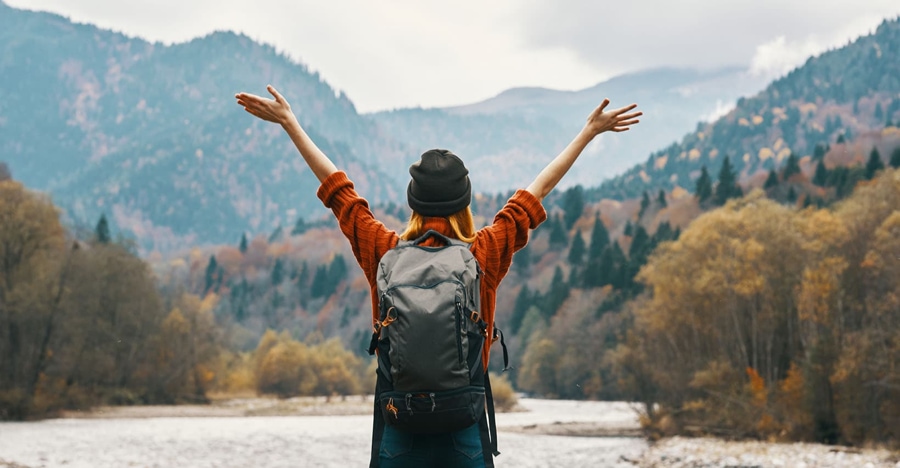
Fundamentally, slow travel concentrates on mindfulness, sustainability, and connection. It encourages travelers to make environmentally friendly choices, such as using local transportation, engaging with small businesses, and avoiding unnecessary travel. Moreover, by slowing down, travelers have opportunities to connect with new places and people, thus avoiding travel fatigue and creating unique and enduring travel memories beyond those enjoyed by tourists.
Why Slow Travel Is Becoming So Popular in 2026
“Slow travel” has picked up tremendous pace in 2026 as travelers are increasingly focusing on health and mental well-being. Over time, many travelers have become accustomed to hectic lifestyles and screen time, and hence, they are looking for a relaxed way of living by reducing the time for faster travel. The global travel surveys have revealed that 60%+ travelers desire fewer destinations with longer stays.
Sustainability is another major driver. Overtourism has pushed travelers to rethink both how and where they travel. Many travelers want their trips to have less environmental impact, leading to increased interest in slower transport, local businesses, and lesser-known destinations. Slow travel would, of course, support this naturally by reducing the amount of frequent movement and encouraging responsible tourism.
Key Benefits Of Slow Travel
Not only does slow travel provide a different means for traveling, but, even more importantly, it reconfigures the manner in which one experiences the world with different, greater, and enhanced benefits, both individually and socially.
Deeper Cultural Connection
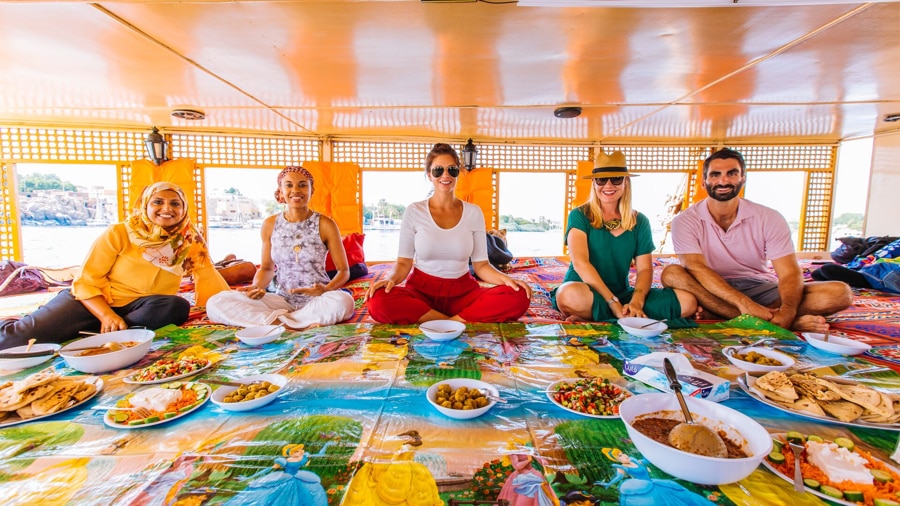
Slow travel provides an opportunity for a traveler to form meaningful cultural connections since they spend longer durations in a particular place. A traveler gets to experience culture and life in a foreign place rather than just scratching the surface of particular experiences. When one stays in a place for an extended period, they get to participate in a community and develop an appreciation for the culture of the people in that community.
Lower Travel Costs
By curtailing the back-and-forth traffic between destinations, slow travel can greatly reduce travel costs. This is because the costs of transport, such as flights and trains, are reduced, as are the costs associated with accommodation, especially since they are usually on discounted prices for longer stays. Slow travel may also lead tourists away from highly priced tourist attractions, opting for alternative meals and experiences at local eateries and markets instead. Eventually, this would lead to a more balanced travel cost.
Less Stress & Better Mental Health
A slower pace of travel minimizes pressure, fatigue, and decision overload. With more relaxed itineraries and no feeling of constant packing and moving, travelers can be more present. In this way, the slow travel approach takes care of mental well-being by allowing rest, contemplation, and spontaneity. It is also a good approach in which travelers are helped to disconnect from digital stress and reconnect to themselves by turning travel into a restorative experience rather than an exhausting one.
More Sustainable & Eco-Friendly
Slow traveling is a practice that also aids sustainability since it minimizes environmental destruction from transportation while also practicing responsible consumption. Staying in one location for a long time reduces the carbon footprint that is usually left behind due to traveling. At the same time, the local economy is supported by local businesses since they are relatively small. People then become aware of their sustainability and opt to be environmentally friendly by preserving the environment.
More Authentic Experiences
This way, slowing down helps travelers get exposure to genuine experiences that would have otherwise been overlooked in a rush. Time helps travelers engage in unexpected interactions with locals, get travel tips from them, and experience moments that bring out the authentic essence of a place. Be it participating in a local event or finding a hidden café, what matters most with slow travel is genuine experiences over tourist sites.
Best Destinations For Slow Travel
Such destinations where slow travel is fostered include those with attributes favoring longer stay durations and simple traditions. Many destinations in Vietnam, Laos, and Cambodia naturally lend themselves to slow travel through towns or communities.
Hoi An, Vietnam
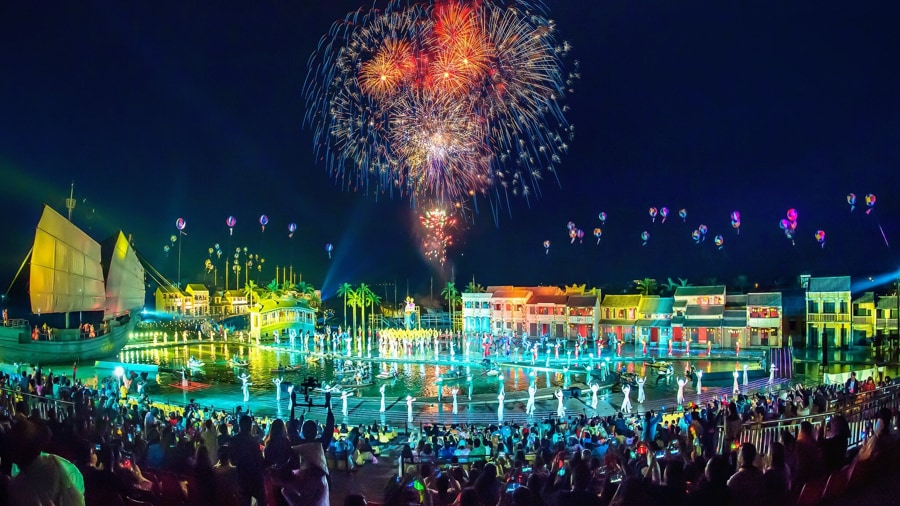
Hoi An is one of the best places in Vietnam to try slow travel, and this is due in part to its small size and tranquil pace of life. Hoi An’s heritage streets are perfectly walkable, and the pace of life allows travelers the chance to engage in this way without needing a mode of transport. By visiting Hoi An and making an extended stay, tourists are able to engage in a culture beyond merely touring around and can enter a pace of life that allows them to make meaningful connections
Luang Prabang, Laos
Luang Prabang is a perfect example of slow travel, with its spiritual atmosphere and relaxed pace. The daily rituals, like morning almsgiving, create a rhythm in life that invites one into a mindfulness of reflectiveness. With few distractions and little traffic, visitors naturally take their time as they spend it in the temples, local markets, and along the Mekong River. With longer stays, travelers are allowed to delve deep into the culture, and these traditions are understood not as some kind of performance but as part of their normal way of life.
Kampot, Cambodia
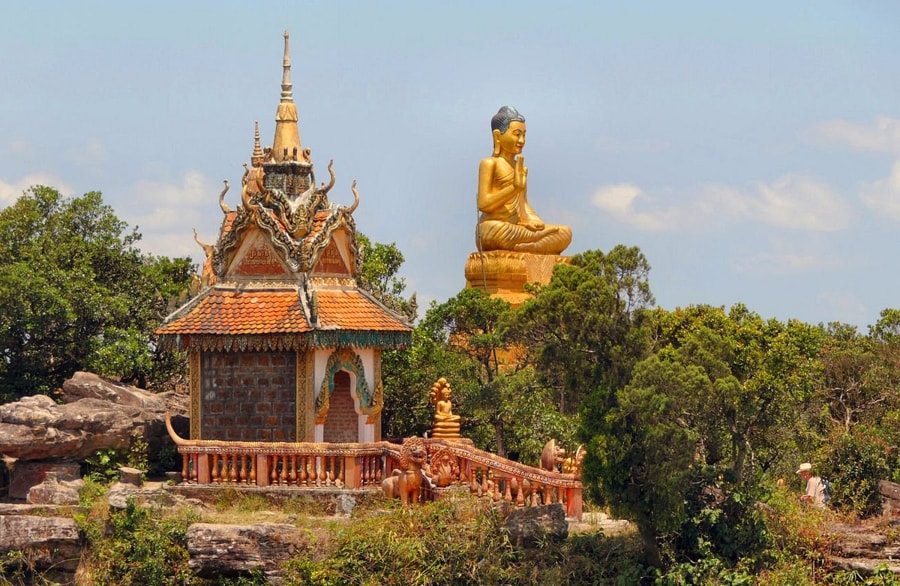
Kampot is an ideal slow travel destination for those looking for a laid-back life in a quiet riverside town. Life is slow here: mornings are long by the river, the café culture is casual, and nature is always nearby. Travelers often stay for weeks, exploring pepper farms, the nearby countryside, and local neighborhoods at their own relaxed pace. Kampot is simple, and that simplicity lends to presence and routine-easily let go of rush and reconnect with the day-to-day here.
Common Mistakes To Avoid When Slow Traveling
This is where Seni World comes in with its approach to slow travel; an approach that has the hope of allowing those who participate in the journey to actually experience the journey on a greater scale rather than merely traveling slowly. However, there are certain pitfalls that the first-time slow traveler could fall into, and that could actually keep them from embracing the real meaning of philosophy.
Overplanning
Probably one of the main mistakes people make when slow traveling is in overplanning every single detail of a trip. Most travelers carry over fast-travel habits into the slow variety, filling out schedules with activities to be done, checklists, and unyielding timelines. This makes for undue pressure and provides little room for spontaneity-the very foundation of slow travel. Seni World encourages travelers to allow room for flexibility, letting daily plans work themselves out naturally with local rhythms, personal energy levels, and unexpected experiences. True slow travel values presence and adaptability over constant structure.
Moving Cities Too Often
Slow travel would not have any purpose if one changes cities too rapidly. When one changes cities too fast, they are not gaining familiarity; they are stuck in transit mode. In a way, Seni World emphasizes that staying longer in one place helps the tourist establish a routine, build further connections, and better understand a daily way of life beyond the tourist attractions. By not changing cities too rapidly, one can rest and establish a better connection with the places they are visiting.
Staying Only In Tourist Areas
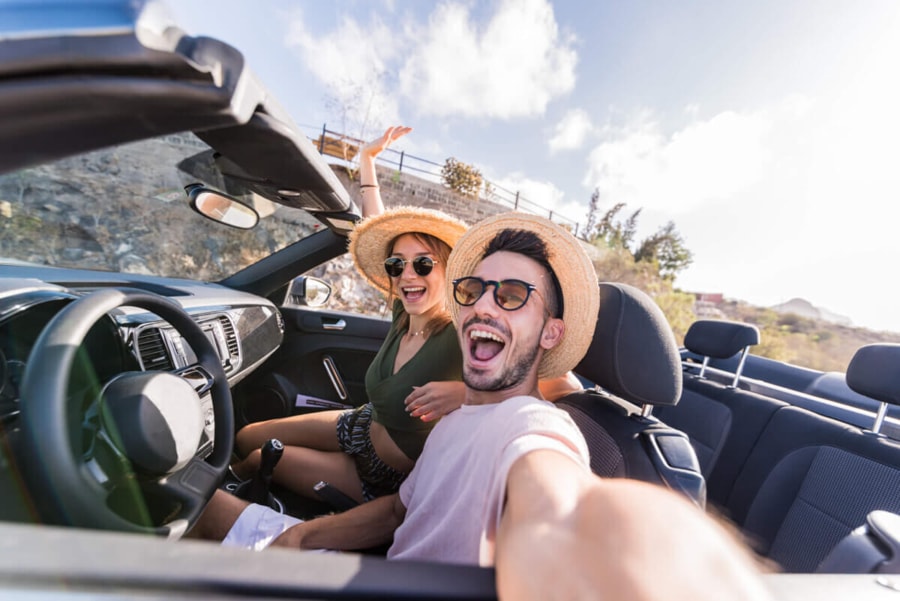
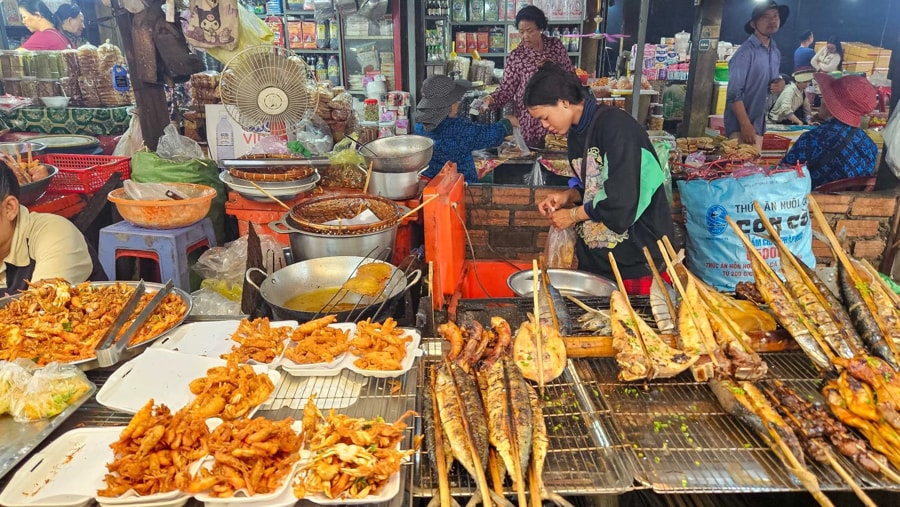
Many slow travelers wrongfully restrict their stay within tourism zones, thinking that ease translates into comfort. In truth, tourism zones disconnect tourists completely from real life and culture. According to Seni World, slow travelers should explore and stay in residential areas, markets, and other areas where locals really interact and engage in their lives. When we do this, we change slow travel from merely observing life into participating in life, and we gain a real sense of the place we visit.
Not Learning Local Culture
Lacking an appreciation of local cultures is another major mistake if the depth of slow travel is considered. While learning about cultures does not require someone to learn a particular language, there is a need for someone to remain curious and interested. Seni World suggests that learning simple terms, cultures, and social norms is important for meaningful travel. Lacking cultural understanding, however, can lead to slow travel being viewed as mere consumption, not as a two-way phenomenon.
Skipping Rest Time
Some tourists forget about rest, thinking that slow travel means exploring something new every day. In fact, rest is at the heart of slow travel. Without rest, there is exhaustion and a lack of being present. Seni World communicates that rest is intentionally taking time for reflection, looking around, and headspace. Whether it is a morning spent in a quiet café or an afternoon break, rest allows travelers to truly internalize what’s happening. For slow travel, there’s also a balance in understanding that a good trip is made of motion and rest, combined.
Final Thoughts: Why Slow Travel Might Change the Way You See the World
Slow travel asks you to receive an invitation to experience the world in terms of intention, presence, and awareness. As you start to travel slowly, you begin to notice the world, and traveling becomes less about moving around and more about meaning. Are you ready to have an experience of a truly slow journey-one of the trendy journeys in the world? Well, rest assured that at Seni World, we have people ready to customize an unforgettable journey that suits your travel pace, interests, and style.
Content Seniworld
Subscribe
Login
0 Comments
Oldest


