


Ta Prohm Temple is one of the most atmospheric ruins at Angkor and is renowned for its immense tree roots, which have grown through and around the old stone ruins. This temple has barely received any restoration work and gives the eerie impression of nature claiming back what once was a very powerful Khmer religious sanctuary.
Introduction to Ta Prohm
Ta Prohm is one of the most unique and atmospheric temples at Angkor Archaeological Park due to its dramatic mixing of nature and architecture. Unlike most other temples that have been refurbished, Ta Prohm has been left virtually intact. The trees growing around this temple have huge roots that extend from the ground and wrap around the stone walls, forming incredible patterns with the stone walls. This ancient Buddhist temple was constructed in the latter half of the 12th century, and now has become a popular site for tourists from all over the world because of its eerie beauty.
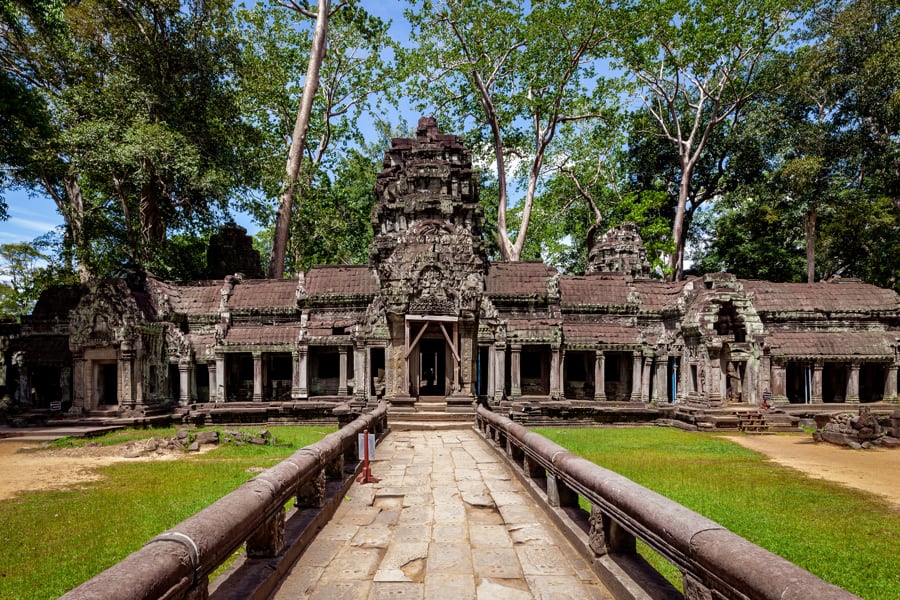
People travel to Ta Prohm to see the incredible wall structures coated in tree roots, but also to experience the uncertainty of mystery and adventure while at the same time travelling through the temple complex. The incredibly long roots of silk-cotton and strangler fig trees cover door openings, columns, and hallways at numerous angles and at different light sources to create wonderful places of beauty, wonder, and mystery. Because of its striking visual appeal, Ta Prohm is one of the most photographed temples within the Angkor Archaeological Park and is heavily featured on the travel itineraries of many Cambodians who travel to the area.
History of Ta Prohm
Ta Prohm dates back to the year 1186 AD, which was the pinnacle of the Khmer Empire during the reign of King Jayavarman VII. Then, a Buddhist monastery and institution of higher learning referred to as the “Rajavihara or Royal Monastery,” Ta Prohm reflects King Jayavarman VII’s visionary plans for the strengthening of religious, educational, and social foundations within the empire. This religious and educational institution served as a vital link for the spiritual and administrative aspects of life.
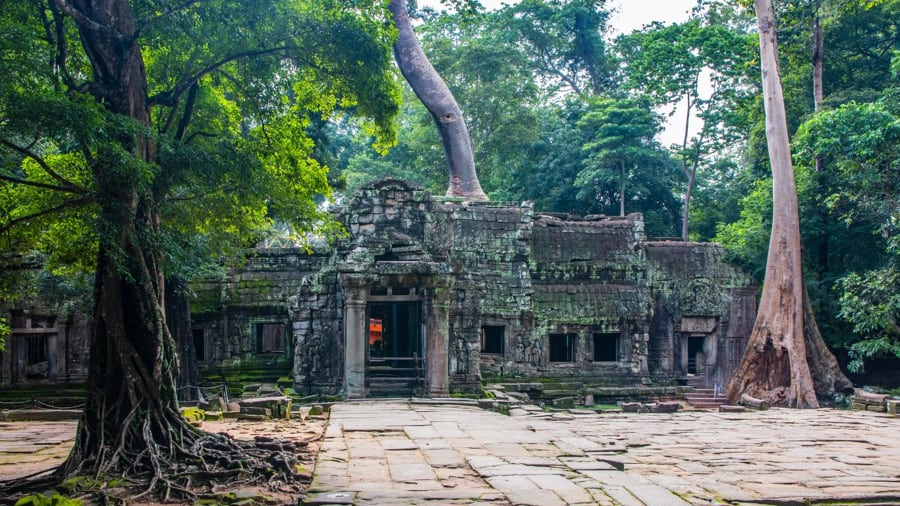
This temple was meant to pay tribute to King Jayavarman VII’s family, whose central deity, Prajnaparamita, was carved to represent the image of the king’s mother, symbolizing wisdom. Other aspects of this temple include those that paid homage to members of his family and his teachers. Ta Prohm was identified to have a complement in Preah Khan, a large temple that was constructed in 1191, honoring the king’s father, because it was also erected during the same period. Ta Prohm was meant to house 12,500 people, consisting of high priests and 600 Apsara dancers, to cater to 800,000 villagers.
Ta Prohm was abandoned and left to the jungle when the Khmer Empire collapsed in the 15th century and remained that way for many centuries. When the French explorers chanced upon the temple in the late 19th century, they unconventionally decided to leave the temple as they found it, overgrown with giant roots and vegetation. This has resulted in the beautiful sight that exists today, where nature and ancient architecture blend miraculously at Ta Prohm Temple. This has made the temple at Ta Prohm one of the most atmospheric in the entire Angkor Temples complex.
Top 4 Iconic Attractions in Ta Prohm
Ta Prohm is breathtaking because of its unique integration between old architectural styles and natural setting, which exudes a mystical and timeless ambiance. When exploring this temple that is covered by the jungle, every corner offers distinct architectural features that speak with compelling stories of history, mysticism, and natural dominance.
The Entrance to Ta Prohm Temple
The entrance to the temple is a gateway into an enchanting world. The carvings depict guardian spirits and deities, which are meant to offer protection and symbolize divine power. Over time, the entrance has been enveloped by vines, moss, and a series of tall trees, which create a very curious entrance that feels almost as if you have gone back in time and slowed down time.
Giant Tree Roots
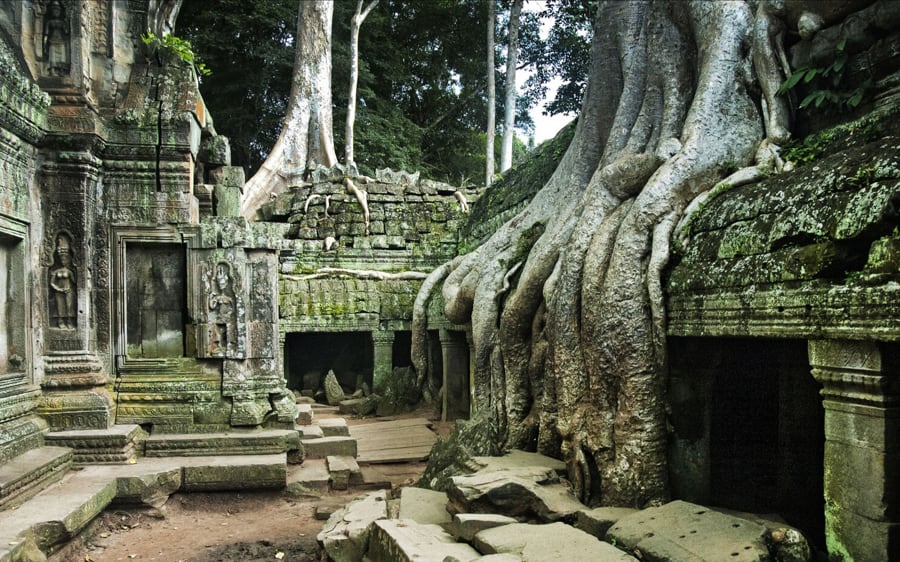
The most recognizable features of Ta Prohm Temple are the large, ancient trees, primarily silk cotton trees and strangler fig trees. The tree’s massive roots grow over the walls, through doorways, and cling tightly to the structure of the temple, creating stunning, natural works of art. Instead of destroying the temple, the roots wrap around the temple like a hug. The juxtaposition of nature and architecture existing together in perfect harmony is what makes Ta Prohm different from any other Angkor temples.
Ruins of Corridors and Express Ways
Visiting the ruined hallways of Ta Prohm is similar to visiting an ancient site from another civilization. These long hallways go deeper into the darkness, and their walls made from stone are cracked and partially fell into themselves due to being left without maintenance for many years. Tree roots have invaded the area, covering both the walls and floors with green plants that grow from the soil. The light coming from the dimness creates a unique adventure setting, where every step can lead to something new.
Shrines with Intricate Stone Carvings
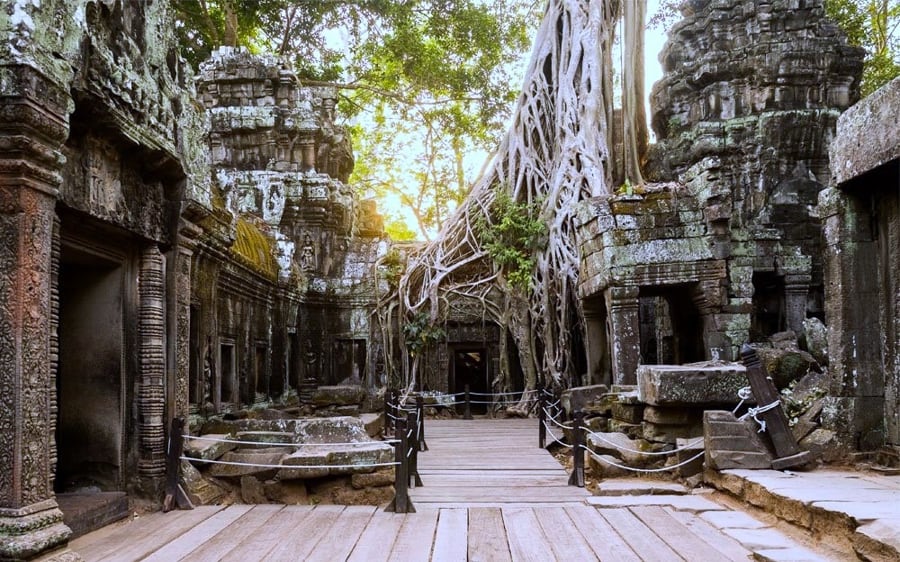
At Ta Prohm, there are many places to visit or worship within a small shrine or sacred area. Inside, there are carved statues of Buddha or Hindu gods that were all beautifully made. These types of carvings were all etched on stone and have their own story or pictures illustrating a story of the Khmer’s day-to-day activities or what they believed in. The artistry shown by the carvers has survived through many storms over the years, but the carvings still tell a beautiful story, and you will learn a lot about what those people believed in and the culture of that time period
4 Unforgettable Experiences You Shouldn’T Miss
Ta Prohm is a place where one can feel a personal connection to the history of the temple as it has been taken over by nature. Each experience at Ta Prohm has its own unique elements, allowing the visitor to connect with the history, atmosphere, and emotion of Ta Prohm in ways that are not experienced from simply viewing.
The Temple Intertwined with Huge Tree Roots
Walking through the ruins of the temple at Ta Prohm means walking under very large trees which have roots that are intertwined around towers, walls and doorways. The ancient roots appear to support and crush the stone structure, creating a sharp contrast between the natural and manmade objects. As each tree has grown, so too has the temple developed into a living work of art that changes with the light, shadow, and the passage of time, thus defining the Ta Prohm experience for every visitor who walks through it.
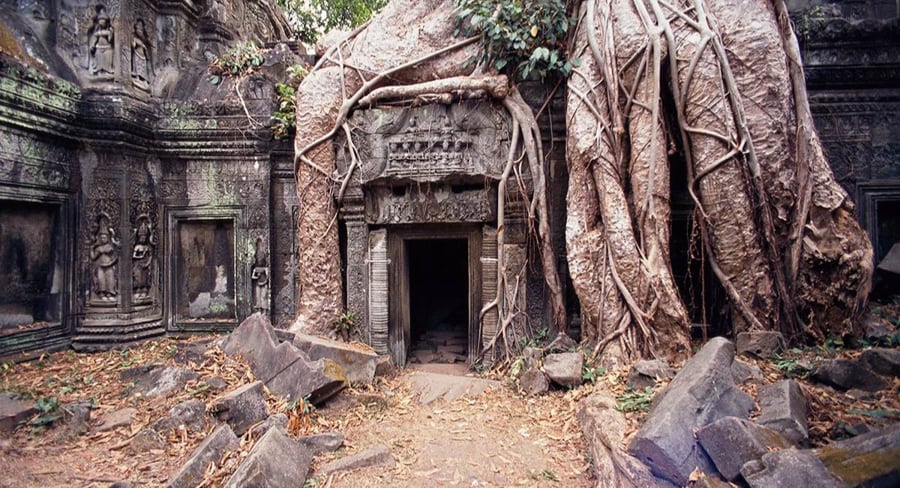
Explore The Chilling Ruins of Ta Prohm
Ta Prohm has a long series of corridors, broken galleries, and open-air courtyards that contribute to a chill environment where you are free to take as long as you need to explore. Many areas are slightly collapsed, so the stones and vegetation creeping up the walls provide a sense of mystery. The ambient sounds and silence make it easy for you to visualize what it was like when this temple served as a center of worship and education. Visit Ta Prohm in the early morning or late afternoon for a more serene experience in a cooler climate.
Create Unique Images In An Iconic “Tomb Raider” Location
Ta Prohm is internationally renowned as the setting for the popular video game Tomb Raider and also one of the most stunningly photogenic temples at Angkor Wat. The many dramatic roots of the trees, moss-covered stones, and narrow doorways provide you with striking images from all angles. Whether you are using a smartphone or a high-end professional camera, there are virtually unlimited photography opportunities here. The soft lighting from the morning or the warm golden hour light can provide additional depth and texture to your images.
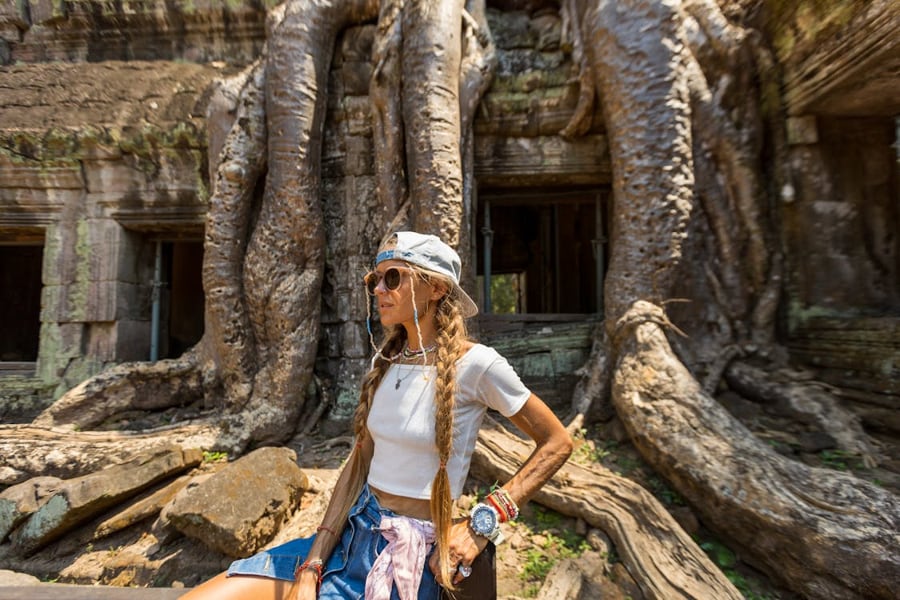
Find Ancient Reliefs, Statues, and Hidden Shrines
Ta Prohm has more subdued areas with tiny shrines, Buddha statues, and delicate stone carvings beyond the main walkways. If you rush, it’s easy to overlook these details, but if you take your time, you’ll gain a deeper understanding of Khmer spirituality and artistic expression. Numerous reliefs show everyday life and mythological scenes, providing a window into the customs and beliefs of the people who once called this place home. This discovery gives your visit a more personal and significant dimension.
Entrance Fee
Ta Prohm, which is situated within the Angkor Archaeological Park and is roughly 12 kilometers from the city center of Siem Reap, does not require a separate admission ticket. During the pass’s validity period, you can freely visit Ta Prohm and other well-known temples within the Angkor complex if you purchase an Angkor Pass, also referred to as the Angkor Wat ticket.
| Ticket Type | Price (USD) | Validity |
| 1-Day Pass | 37 USD | Valid for 1 day from the time of purchase |
| 3-Day Pass | 62 USD | Valid for 7 days from the time of purchase |
| 7-Day Pass | 72 USD | Valid for 1 month from the time of purchase |
Opening Hours
Visitors will benefit from plenty of time to visit Ta Prohm Temple on a daily basis, with an open time interval from 5:30 AM – 5:30 PM. Ta Prohm is part of the Angkor Archaeological Park. Therefore, Ta Prohm will follow the same opening hours as the majority of the major temples at Angkor.
The best time to tour Ta Prohm is between 6:00 AM – 8:00 AM because there are usually very few people during this time frame, the temperature is relatively pleasant, and the lighter colours of the natural light that enter through the many cracks in the buildings enhance the beauty of both the tree roots growing over the rocks and the temple’s stone structures.
Additionally, the late afternoon tour option (4:00 PM – 5:30 PM) provides great photographic opportunities because the angle of the sun provides warm golden tones as the crowds tend to dissipate during this time period.
How to Get to Ta Prohm
Ta Prohm Temple is situated close to Angkor Thom within the Angkor Archaeological Park. Travelers typically take Sivatha Boulevard or Pokambor Road from central Siem Reap, then proceed via Tusamuth Road to Charles De Gaulle Boulevard, which leads to the Ta Prohm area and Angkor Wat. Selecting a local driver is the simplest and least stressful choice if you are not familiar with the routes.
- Tuk-tuk: The most well-liked and practical option. Depending on how well you negotiate and how long you stay at the temple, a round-trip ticket from Siem Reap typically costs between 10 and 15 USD.
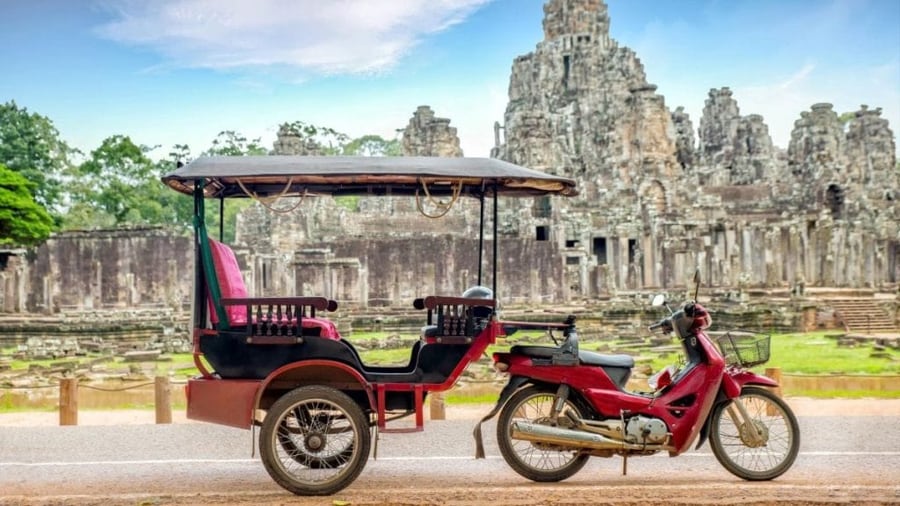
- Bicycle: Perfect for energetic tourists who prefer leisurely exploration. The cost of renting a bike is between $2 and 5 USD per day, but be ready for the heat and longer commute.
- Motorbike: Ideal for seasoned riders with a permit to drive internationally. When visiting several temples, renting a motorcycle gives you more freedom and costs about USD 8-12 per day, fuel excluded.
Things to Know Before Traveling to Ta Prohm
Among the temples at Angkor, Ta Prohm remains one of the most atmospheric, where nature, with its rich vegetation, seems to blend with ancient ruins to a great extent. To better enjoy a visit to this attraction, a couple of tips should, therefore, be considered.
- The best time to go there is early morning and late afternoon so that you can avoid many people, especially because Ta Prohm is one of the most visited sites within the Angkor complex.
- Wear comfortable footwear for walking, as the ground may be uneven and slippery, as well as covered in tree roots and moss.
- Dress appropriately with your shoulders and knees covered, as Ta Prohm is an active religious site with continued spiritual significance for the local population.
- Caution is required when accessing steps and/or narrow corridors because some of the structures are quite delicate, and some have been restored.
- You need to bring enough water along, since shaded areas are minimal and a humid climate is common in Siem Reap.
- Follow the paths and signs to protect both yourself and the ancient temple ruins, and refrain from touching the carvings or resting on the ancient stones.
Final Thoughts: Is Ta Prohm Worth Visiting?
For those who want to connect to the emotional side of antiquity at Angkor, Ta Prohm is an extraordinary place to visit! Ta Prohm offers visitors the chance to marvel at its natural splendour as well as its architectural magnificence. The intertwining of tree roots and stone work contains all the emotion associated with ages past, making Ta Prohm one of the most unforgettable places in Cambodia. To get the most meaningful experience from this iconic temple, let Seni World take you on a journey through Ta Prohm and the ancient wonders of Angkor!


Related articles


