


The Temple of Literature is an iconic attraction in the capital of Vietnam, which shows Vietnam’s long tradition of both education and meritocracy. Seni World’s travel guide will show you its history, culture, attractions, and essential travel tips.
Introduction To The Temple Of Literature
Traveling to the Temple of Literature (also known as Van Mieu – Quoc Tu Giam) is a wonderful attraction for you in the Northern Vietnam itinerary in Hanoi. You can have a chance to appreciate Vietnam’s deep-rooted appreciation for education, scholarship, and Confucian philosophy. As Vietnam’s first nationwide university, travelers can see the long-lasting physicians’ stelae of scholars.
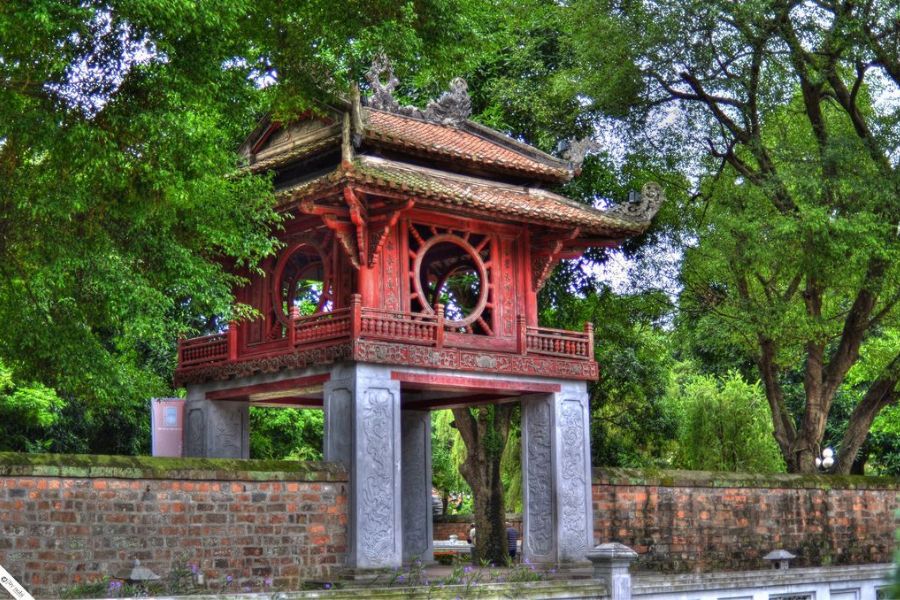
It is no longer only a peaceful and beautiful ancient architectural complicated, it is a symbol of Vietnamese educational culture. In particular, many Vietnamese students pray for luck before important exams here, which is a unique tradition of the Temple of Literature. You can also witness conventional ceremonies and art forms like calligraphy here.
History Of The Temple Of Literature
The Temple of Literature in Hanoi is Vietnam’s first nationwide university and stands as a profound image of the country’s reverence for training, scholarship, as well as Confucianism. The Temple of Literature was built in 1070, while Emperor Ly Thanh Tong ordered the construction of it to honor Confucius and renowned Vietnamese scholars. Then in 1076, Emperor Ly Nhan Tong hooked up the Imperial Academy (Quoc Tu Giam) in the temple grounds, making it the primary organization in Vietnam.
Even though closely damaged for the duration of durations of warfare, particularly the French colonial, the Temple of Literature has been meticulously restored and preserved. At present, it remains a perfect cultural and historic destination, attracting both Vietnamese students praying for precise luck before important exams, local travelers, and global visitors who love to discover Vietnam’s wealthy academic and philosophical heritage.
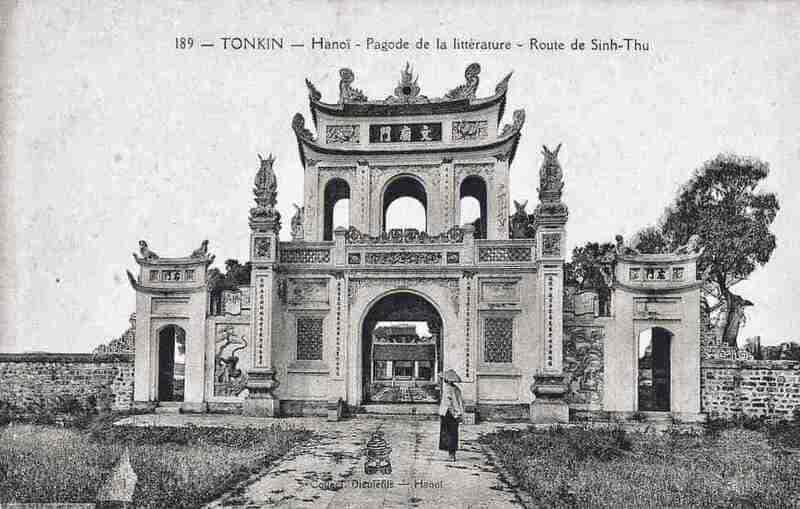
Top 5 Iconic Attractions In The Temple Of Literature
The Temple of Literature is not only an attraction, but it also has significant historical and architectural value. Here are 5 iconic attractions of the Temple of Literature in Hanoi:
The Well Of Heavenly Clarity And The Doctor’s Stelae
Gieng Thien Quang, or known as The Well of Heavenly Clarity and The Doctor’s Stelae, which have been among the best attractions in Hanoi, symbolizes balance and purity. The Well of Heavenly Clarity is placed in the 1/3 courtyard, and has the rectangular-shaped Thien Quang, which is perfect for the meaning “well of heavenly clarity” in its name.
Surrounding this peaceful pond are the excellent 82 health Vietnamese doctors’ stelae. They are at the backs of stone turtles (in Vietnamese culture, it is the symbol of toughness and understanding) and are inscribed with the names, birthplaces, as well as achievements of scholars who were the winners of the imperial examinations between 1442 and 1779.
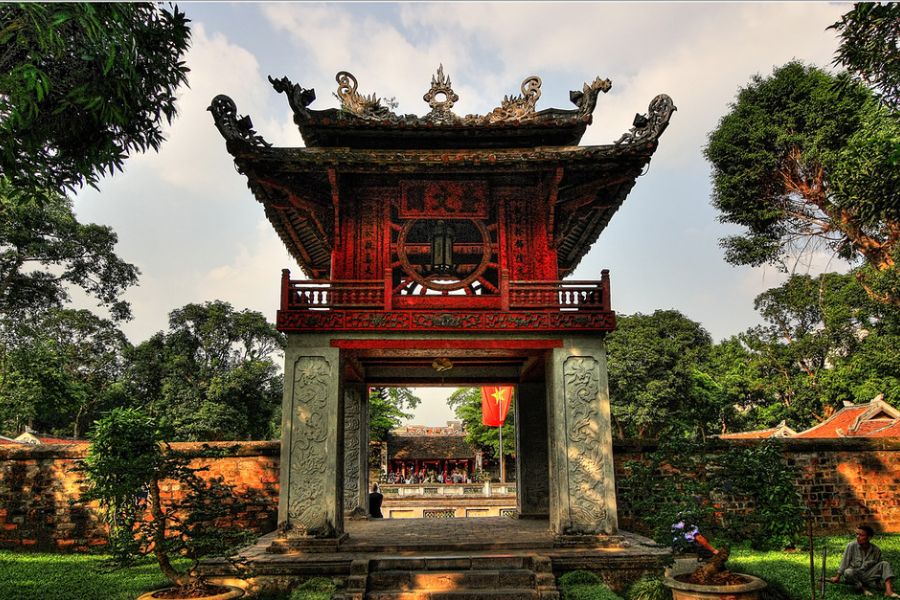
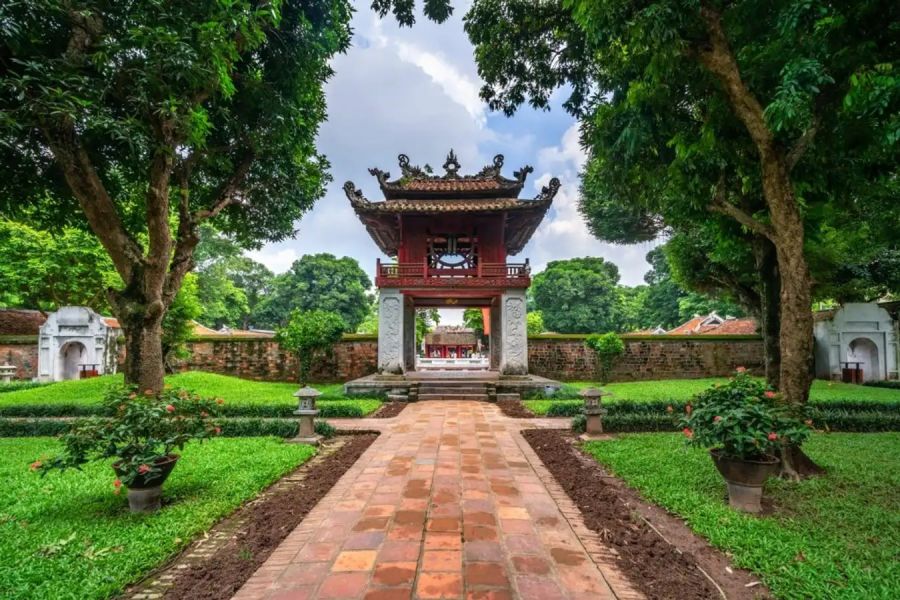
Khue Van Cac (The Pavilion of Constellation)
Khue Van Cac or also called The Pavilion of Constellation, is considered the best iconic image of the whole Temple of Literature complication or even of the capital, Hanoi. At present, this image is proudly featured on the 100,000 VND banknote of Vietnam.
Constructed in 1805, this elegant, two-tale wooden pavilion has brilliant red-painted beams, complicated carvings, and beautiful circular windows that stand on 4 stone pillars inside its second courtyard. The Pavilion of Constellation represents the beauty of literature as well as scholarly excellence, symbolizing the “constellation of literature” (in Vietnamese is Khue Van) shining brightly.
Dai Trung Mon (The Great Middle Gate)
Dai Trung Mon or also called The Great Middle Gate, is the second and most distinguished gate after the preliminary Van Mieu Gate. It is the grand front to the heart of the Temple of Literature complication. With its traditional, great red pillars and elegant tiled roof, this place is a point of transition from the mundane world to an area of wisdom, awareness, and learning.
The flank of The Great Middle Gate is 2 smaller gates, consisting of Dai Tai Mon, or known as Gate of Attained Talent, and Thanh Duc Mon, called Gate of Accomplished Virtue.
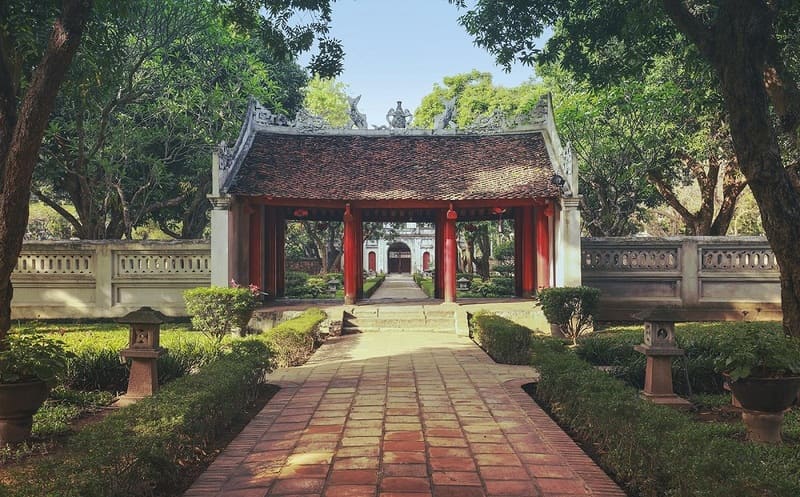
Dai Thanh Mon And Dai Thanh Sanctuary
Visiting Dai Thanh Mon, or known as The Gate to Great Synthesis, and Dai Thanh Sanctuary, is the next journey among the wonderful things to do in Hanoi. It leads into the fourth courtyard of the Temple of Literature, which houses the principal sanctuary devoted to Confucius and his four primary disciples. The Gate to Great Synthesis is decorated with conventional calligraphy and Vietnamese-style complex carvings.
Beyond it is the Dai Thanh Sanctuary, which is the residence of ceremonies and the religious core of the entire complex. You can have a chance to see ancient altars, light incense, and showcase your respect for the Vietnamese long culture. Here, you can learn more about Confucian rituals and the historical meaning of this place as an area of worship and ceremony.
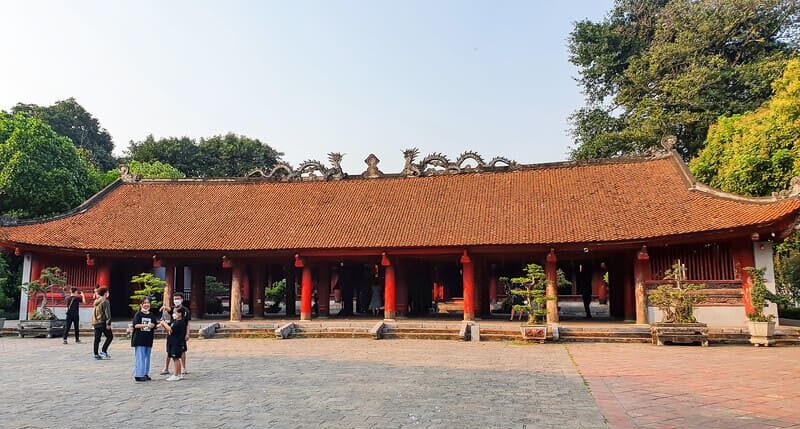
Nha Thai Hoc (The Grounds Of Imperial Academy)
Nha Thai Hoc, or known as The Grounds of Imperial Academy, is placed within the fifth and last courtyard in the Temple of Literature. The Grounds of Imperial Academy was founded in 1076 and was Vietnam’s first nationwide university, and has always been a symbol of the top of Vietnamese education. This place commonly houses statues of key figures like Chu Van An, who was the first rector of the academy, as well as numerous Vietnamese kings who contributed to its establishment and protection.
3 Cultural Experiences You Shouldn’t Miss In The Temple Of Literature
Besides discovering the iconic Temple of Literature, you can also enjoy cultural experiences in the surrounding area. Here are 3 cultural experiences you shouldn’t miss when investigating the wonderful area around the Temple of Literature:
Witness Calligraphy Demonstrations
The calligraphy demonstration is a seasonal event at the Temple of Literature, typically held during the Lunar New Year or in conjunction with other unique cultural events. You can have an opportunity to see professional calligraphers create beautiful characters with traditional ink and brush. This is a fascinating cultural art shape rooted in Vietnamese and East Asian cultures. If you want to experience this calligraphy demonstration, let’s ask for the real-time schedule.
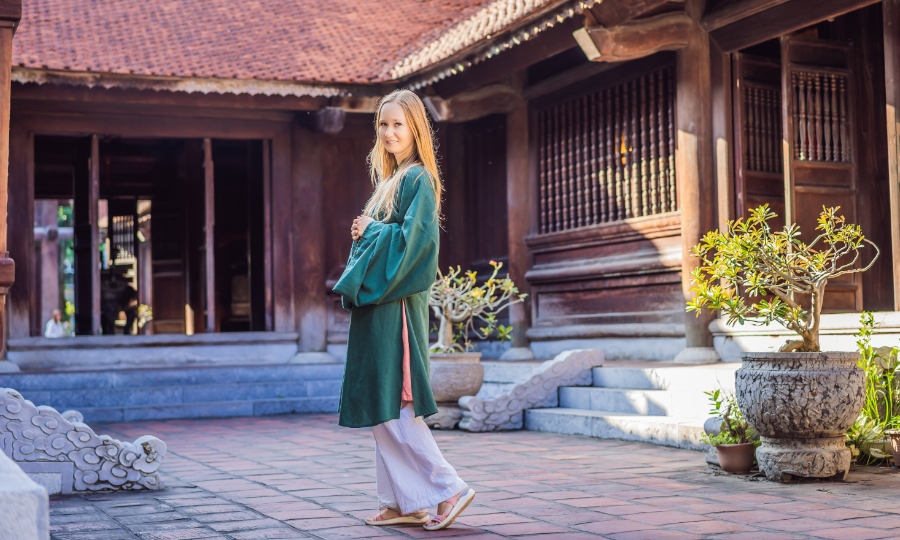
Seeing The Ao Dai Lifestyle
You may often see communities of Vietnamese students, especially young girls, when they visit the Temple of Literature dressed in traditional Ao Dai for taking photos or cultural outings. This creates a genuine cultural scene, showcasing the beauty of Vietnam’s national dress against a backdrop of an educational atmosphere. Seeing them, you can politely ask to take a photo with them to save memories here. This is also a way that contemporary Vietnamese youth connect with their history and culture.
Listening To Traditional Vietnamese Song Performances
Sometimes, Temple of Literature hosts performances of traditional Vietnamese song using conventional gadgets like Dan Bau (monochord), Dan Nguyen (two-stringed lute), and Dan Tranh (zither). These captivating performances regularly have the participation of musicians in ancient apparel, offering an impressive auditory cultural enjoy that “brings your spirit” returned to the past. Let’s check on the official website or confirm with the Temple of Literature’s manager for schedules.
Entrance Fee Of The Temple Of Literature
Here is a table that Seni World has summarized the entrance fee of the Temple of Literature. There are also some notes for you to follow easily:
| Visitor Category | Entrance Fee | Notes |
| Adult (both Vietnamese and foreign) | 70,000 VND | This is the standard fee for most travelers. |
| Students (with valid ID) | 35,000 VND | If the traveler is a student, let’s show the student card for this discounted rate. |
| Seniors (Vietnamese citizens 60+) | 35,000 VND | You need to show your ID or any documents for age verification. |
| Children under 15 years old | Free | You need to show your children’s ID or any documents for age verification. |
| Group tours (over 20 members) | Discount available | You need to contact the Temple of Literature’s manager in advance for a group rate. |
Opening Hours Of The Temple Of Literature
The opening hours of the Temple of Literature are from Monday to Sunday, from 07:30 AM to 05:30 PM. This place opens daily, including all public holidays in Vietnam.
However, in Spring (from January to March), especially on Tet Holiday (also known as Lunar New Year), which is also the best time to visit Hanoi in general and the Temple of Literature in particular, the open hours may be different. Both local people and global tourists will visit this place to pray for luck, education, and success. It is crowded. So you need to confirm with the Temple of Literature’s manager in advance.
How To Get To The Temple Of Literature
In this Temple of Literature in Hanoi itinerary, you should choose the right way to get to this attraction to be comfortable, as well as have an affordable price. Here are hints from Seni World about how to get to the Temple of Literature from the Hanoi Old Quarter:
| Mode Of Transport | Typical Travel Time (From Hanoi Old Quarter) | Estimated Cost (VND) | Notes |
| Walk | About 20 – 25 minutes | Free | Walking from the Hanoi Old Quarter to the Temple of Literature, you can see a scenic route, but it is not ideal under hot or rainy weather. |
| Taxi | About 10 – 20 minutes | About 40,000 – 80,000 VND | This is a convenient and fast transportation, and the price will vary based on each brand. |
| Motorbike Taxi | About 10 – 15 minutes | About 15,000 – 40,000 VND | The motorbike taxi is the fastest option during traffic hours. You must remember to wear a helmet. |
| Cyclo | About 30 – 45 minutes | About 100,000 – 150,000 VND | Cyclo is an iconic, cultural experience for international travelers to Vietnam. Let’s try it for sightseeing. |
| Bus | About 20 – 30 minutes | 7,000 VND | This type of transportation is budget-friendly, but slower than others. |
| Private Car | About 10 – 20 minutes | About 200,000 – 300,000 VND | A private car is the best choice for small groups or families because of the flexibility and comfort. |
Things To Know Before Traveling To The Temple Of Literature
To have a memorable and exciting journey in the Temple of Literature in Hanoi, please don’t forget the following important travel tips. These tips will help you explore this destination comfortably, but still respect the culture and protect yourself best:
- Dress modestly: As a destination of historic and cultural reverence, you need to dress modestly, politely, and respectfully when traveling here, especially covering your shoulders and knees.
- Photography notes: Taking photos is usually allowed throughout the complicated. However, be respectful and polite if there are ceremonies taking place.
- Live hydrated: On hot days, you need to drink enough clean water to ensure your health within this outdoor journey.
- Restroom available: Restroom facilities are available within the complex, so you don’t need to worry about this when exploring here for a long time.
- Sun safety: Let’s put on a hat and use sunscreen, as plenty of this complex is open-air and has a lot of sun in hot weather.
- Footwear: You should wear comfortable walking shoes and socks as you will be doing a lot of walking on paved paths in the Temple of Literature.
Final Thoughts: Is The Temple Of Literature Worth Visiting?
The Temple of Literature is an iconic attraction in the capital of Vietnam, which shows Vietnam’s long tradition of both education and meritocracy. If you want to take a Temple of Literature adventure, as well as consult interesting things to do in Hanoi, and receive support for the visa process, let’s contact Seni World, a reputable tour operator from Vietnam. We are here to help you from A to Z on your Temple of Literature Hanoi discovery journey.


