


The National Oceanographic Museum of Vietnam in Nha Trang is an exciting location where visitors can study marine life, coral reefs, and exotic sea creatures. It is educational and informative, making it a necessity for ocean lovers and families alike.
Introduction To The National Oceanographic Museum Of Vietnam

The National Oceanographic Museum of Vietnam (sometimes called the Nha Trang Institute of Oceanography) is an important center for research and education about oceanography in the country. It was established in 1922 during the time of French colonial rule. The museum has more than 20,000 specimens of more than 4,000 species from marine life, including colorful reef fish, turtles, coral, and even rare skeletons.
The museum is located in Nha Trang city located at No.1 Cau Da Street, near both the water of the coast and Cau Da Port. The location offers nice surroundings and scientific wonder. Visitors go to the museum not just to learn about marine biodiversity, but they may be fascinated by the interactive exhibits, large aquariums, and older, historical specimens. The museum is a nice stop for families, nature lovers, and anyone with an interest in Vietnam’s ocean environment.
History Of The National Oceanographic Museum Of Vietnam
The National Oceanographic Museum of Vietnam was first founded on September 14, 1922, under the title of the Department of Fisheries Oceanography of Indochina. Over the years, the institution underwent a series of name and organizational changes. In 1993, it officially became the Institute of Oceanography. The museum and institute are now located on a 20-hectare area adjacent to Cau Da Port in Nha Trang. This is the best location because of its proximity to international waters and is within one of the deepest coastal areas in Vietnam.
During its distinguished history, the institute has grown into the largest center of marine science and technology in Vietnam, producing thousands of research papers and hundreds of specialized books, many of which have been applied to environmental protection, sustainable marine resource management, and safeguarding Vietnam’s sovereignty in the sea.
The institute operates a sizeable national marine database established from over 6700 surveys and 149,000 data stations in the East Sea. Such a strong scientific establishment develops the museum into an interesting tourist spot, yet an important center of oceanographic research in Vietnam.
Unique Architecture Of The National Oceanographic Museum Of Vietnam
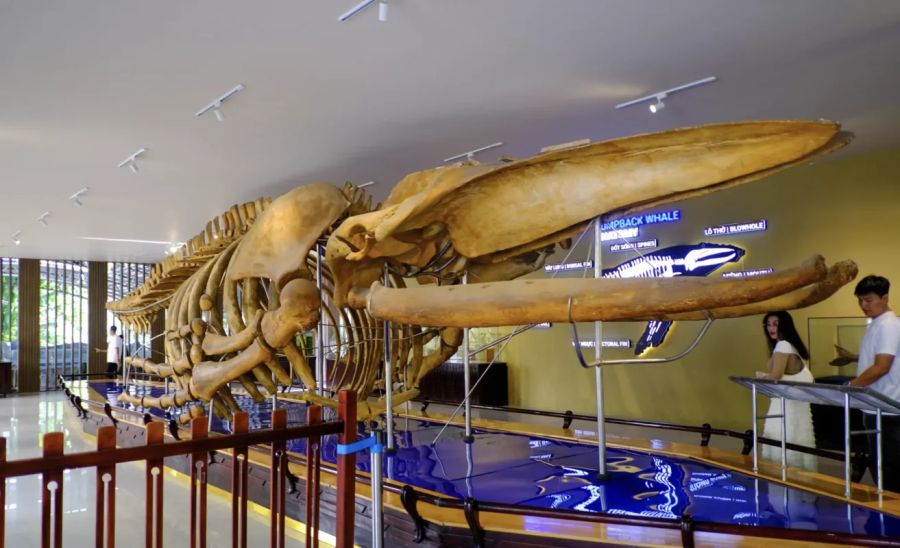
The National Oceanographic Museum of Vietnam is organized into different zones, featuring research and education while embracing visitors into the world of the ocean. Inside, you’ll find exciting marine specimens, live exhibits, and interactive zones that provide a true engagement experience.
- Marine specimen museum: A collection of preserved marine specimens ranging from common species to rare and valuable specimens.
- Live exhibition zone: An area where visitors can view marine life in almost real-life settings, making the tour more lively and real.
- Scientific research area: Developed for marine study and to assist Vietnam’s emerging development in the ocean.
- Education & conservation zone: Featuring education and activities to educate the public about the importance of protecting the ocean.
6 Unique Experiences You Shouldn’t Miss
A visit to the National Oceanographic Museum of Vietnam is not simply a visit to a museum! From incredible marine displays to important cultural exhibitions, here’s what you can’t miss.
Appreciate A Miniature Ocean World
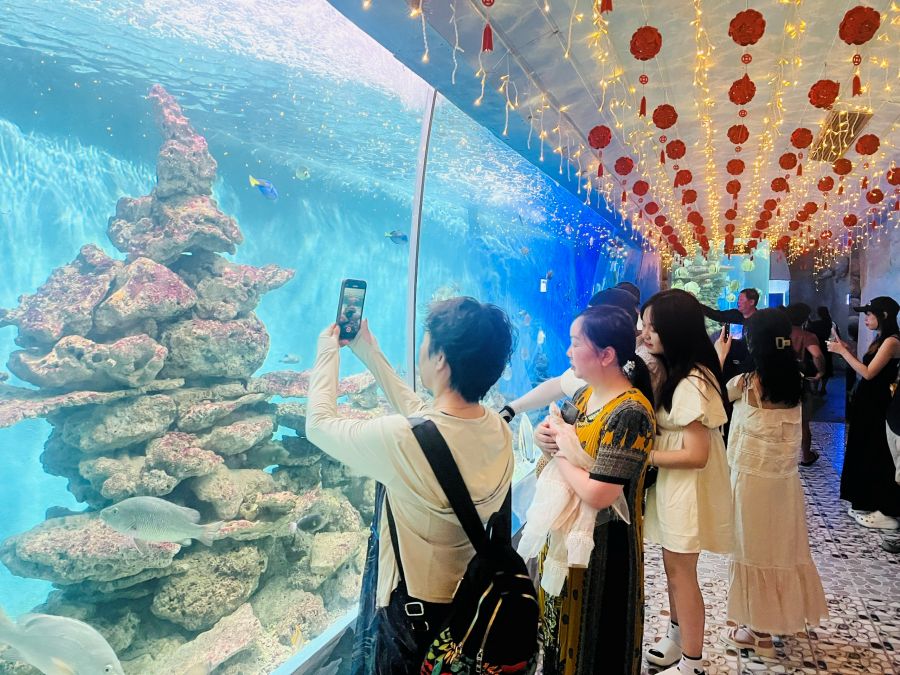
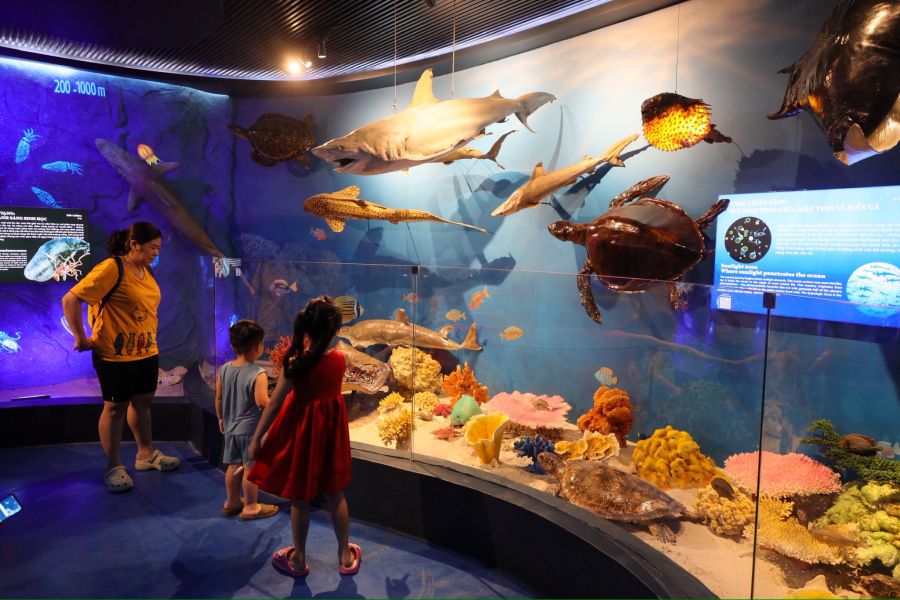
The aquarium building inside the museum is often termed a small ocean by those from the heart of Nha Trang, and rightly so. Large rectangular tanks extend into rows with uncountable varieties of marine creatures-from small tropical fish to weird and colorful sea animals you may never have laid eyes on. When traversing the aquarium glass corridors, it strongly feels like entering a second world with colorful fish darting around corals and unique species gliding by slowly.
In each tank, signage educates visitors about the ecosystem and characteristics of the animals inside the tank. This area is not just for science lovers-the famous check-in spot is also loved by families, couples, and younger tourists to immortalize memories through photographs.
Explore The Marine Specimen Storage
With 23,000 preserved specimens of 5,000 species, from here it just feels like entering a treasure vault under the ocean. Rare specimens that few really get to see-the legendary kingfish, giant clams, moonfish, and indeed a few marine mammals, including seals-are on display in the marine specimen storage. Every specimen is meticulously preserved and displayed, which really increases the scientific value of the specimen and also fills one with awe at the richness of the seas.
This space embodies over 90 years of work and collection by Vietnamese marine scientists. For any student of biology, it is like walking through a living encyclopedia of the sea, each corner revealing something new and extraordinary.
See The Hoang Sa Islands Exhibit
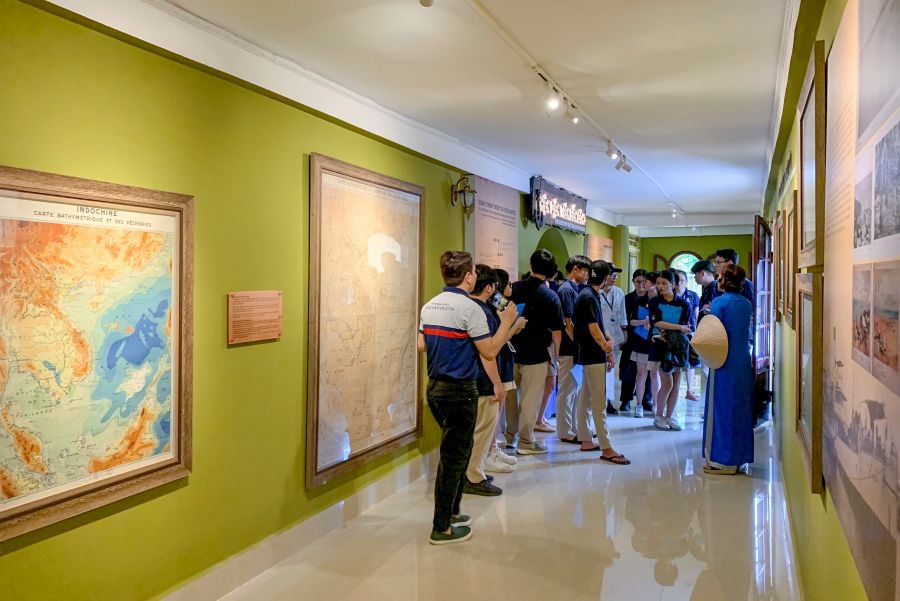
The Hoang Sa Islands exhibition stands for maritime sovereignty over Vietnam; thus, it’s not merely a museum display window. Through documents, maps, and artifacts, one gets to know the accounts of the Hoang Sa archipelago and its place in national history. The public has access to resources and can learn the inshore fishing culture whilst appreciating the waters’ geopolitical implications. The exhibition interlaces the islands’ very essence and natural beauty with profound cultural and historical ramifications.
For the people of Vietnam, the show is a source of pride and patriotism while providing foreign visitors with insights into the nation’s eternal association with the sea; thus, it turns every museum visit into a worthwhile cultural experience.
Visit the Marine Life Exhibit
There was truly nothing more marine at the marine life exhibition. From various glass tanks came selections of shapes and sizes of lifeforms from the earthly realm: little ones to keep company on one side, from crabs, mighty ones to provide some awe on the other, like sharks, various stingrays, and dolphins. Setups exist where one can observe these animals up close, appreciate their nuances in movement, and perhaps just marvel at those nuances being so different in nature.
Very often, the wonderful gymnastic feats of a school of unassuming fish will delight children, while adults, as a matter of reflection, are left doubting how much remains concealed in the lagoons of an ocean far, far away. This section of the museum strikes a balance between education and entertainment: scientific explanations teach, whereas the simple joy of watching marine life acts as a valuable reward stunt.
Partake in an Outdoor Sea Excursion
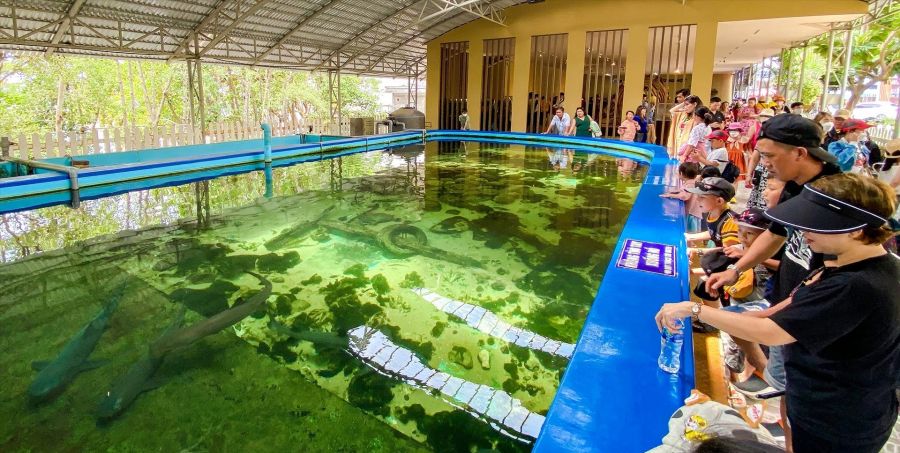
An outdoor sea excursion is one of the best highlights of your trip to Nha Trang from 9:00 AM – 11:00 AM. This is your opportunity to get beyond glass cases and view the ocean in the outdoors. A glass-bottom boat gets you out into the water with coral and schools of fish swimming below you; it is a remarkable experience to view brilliant corals shining under the sunlight, surfacing on the water.
You may also consider diving at the museum (for an additional cost) and experience not only the coral and fish, but also so many more. Visualize yourself floating amongst coral, learning about species not even seen in your ocean, all while feeling the energy during your dive. This particular activity is not just at the museum, but so educational, adventurous, and fun; it becomes real science and real discovery.
Admire the Fossil Skeletons Collection
The greatest attraction at this museum that draws the attention of any tourist, young or old alike-has to be the collection of fossil skeletons along with many other exhibits. The show includes gigantic skeletons of marine giants-the Humpback whale, the Dugong, and one of the rarest fish, like Nang Hai. Standing next to this colossal bone structure must have surely ingrained in one’s mind the perception of how huge the beings that had once roamed the ocean were.
Most of these skeletons have been skillfully assembled and preserved, thus presenting themselves as more than a visual feast rather than a scientific medium. The dugong holds special importance since it is now endangered and thus stands as a reminder for visitors on the necessity of conservation of marine ecosystems.
Entrance Fee
Everyone can reach and afford a visit to the National Oceanographic Museum of Vietnam, which makes it the recommended place to visit in Nha Trang. For a small price, you can have a fascinating experience in the ocean world by checking out thousands of fascinating marine specimens.
| Ticket Type | Price (VND) | Notes |
| Adults | 40,000 | Standard admission fee |
| Students | 20,000 | Valid student ID required |
| Pupils | 10,000 | Applies to primary and secondary school students |
| Children under 6 years old | Free | Admission is free of charge |
Opening Hours
The National Oceanographic Museum of Vietnam opens its doors to visitors every day, Saturday through Friday, from 6:00 AM to 6:00 PM. Please note the museum is closed during public holidays and Tet (the Lunar New Year).
The museum is open to visit all year round, but you will find mornings and late afternoons most comfortable for a visit. The scorching summer months can be especially warm. The summer months (June – August) and public holidays see the highest volume of visitors, so consider visiting during weekday early mornings or late afternoons for a better experience.
How To Get To The National Oceanographic Museum Of Vietnam
Visitors to Nha Trang can get to the National Oceanographic Museum from the center of the city through numerous means of transport. The two most convenient and most used methods are either a motorbike or a public bus.
If going by motorbike, you will want to start from 2/4 Square in Nha Trang Ward and head southeast for roughly 4 kilometers. It is a short trip and will allow you to enjoy the coastal area in the process.
If you choose public transportation, it is as easy as taking bus route No. 4 from the city center. The last stop is directly at the entrance to the museum, making it a budget-aware, easy way of getting there.
Things To Know Before Traveling To The National Oceanographic Museum Of Vietnam
Prior to the museum visit, keep a few practical tips in mind to make your visit smooth, comfortable, and respectful. This advice will allow you to enjoy the experience while simultaneously protecting the exhibits and marine animals.
- Follow the rules: There will be notice boards in each section of the museum. Please read them and follow the instructions. Please avoid loud sounds and refrain from feeding any marine animals with external items you bring to the museum.
- Dress appropriately: Wear respectful, modest clothing that keeps you and your visit clean by the timely disposal of trash.
- Comfortable footwear: The museum area is very large, so put on sneakers or flat shoes to move around as lightly as possible and maintain your feet.
- Be careful with the specimens: When you visit the storage area for specimens, please refrain from touching or playing around the specimens, for they are fragile and valuable.
- Combine with the attractions: After you visit the museum, make a trip to some of the nearby attractions, such as Tram Huong Tower (4.4 km), Nha Trang Cathedral (5.8 km), Long Son Pagoda (6.8 km), or Ponagar Cham Towers (8.4 km).
Final Thoughts: Is The National Oceanographic Museum Of Vietnam Worth Visiting?
The National Oceanographic Museum of Vietnam is more than a museum; it’s a doorway to discovering the ocean’s wonders. The tiny ocean world, rare specimen collections, and fascinating marine displays provide visitors with a well-balanced experience of education and exploration. Whether you’re a nature buff, an adult visiting with children, or simply curious about Vietnam’s ocean life, the museum will inspire and amaze visitors. Be sure to visit the museum with Seni World and add even more to your experience in Nha Trang!


