


Vietnamese fruits are celebrated for their vibrant flavors, tropical freshness, and impressive seasonal variety. From the juicy sweetness of ripe mangoes to the refreshing coolness of dragon fruit, each fruit reflects the country’s diverse climate and fertile landscapes. Beyond their taste, these fruits are deeply connected to Vietnam’s culture and long-standing agricultural traditions, making them an essential part of daily life and local cuisine.
Durian
- Price: ~ USD 5-15 per kilogram (depending on variety, season, and origin)
Sau Rieng, or the tropical fruit known as Durian, is a Southeast Asian fruit whose origins stretch back to Malaysia and Indonesia, eventually spreading throughout Thailand, Vietnam, and southern China. Dubbed the “King of Fruits,” the fruit is easily identifiable due to its size, thick outer shell, and strong scent. Although the smell of the fruit is renowned for being particularly strong, the taste of the fruit is often surprising for those who are not familiar with it. Described as having a creamy yellow flesh and a taste that is both sweet and creamy, the taste of the fruit is often compared to vanilla, butter, custard, and even cheese.
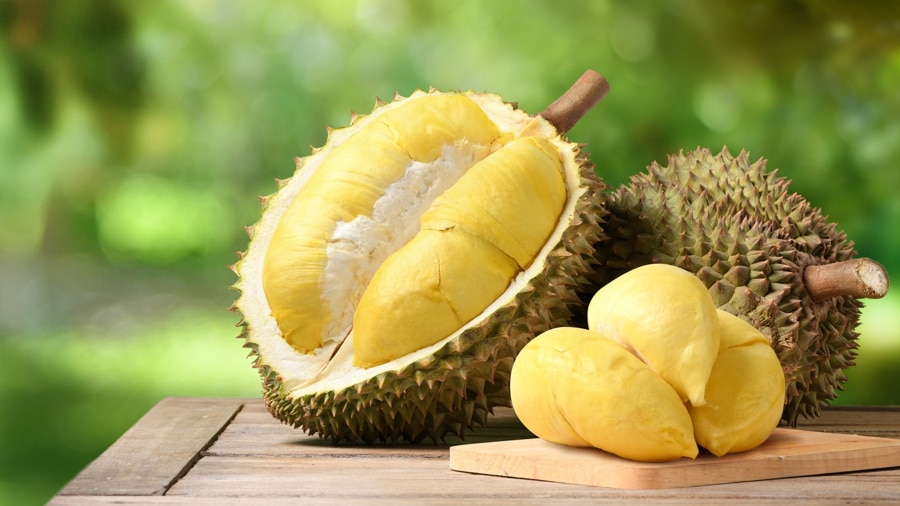
Durians are particularly appreciated by European and American food connoisseurs who enjoy exotic and adventurous tastes and food experiences. Durians’ high nutritional content, which includes healthy fats, dietary fiber, and natural energy, is also a contributing factor. In Vietnam, durians are mainly cultivated in the Mekong Delta and Central Highlands regions, including provinces like Dak Lak, Tien Giang, and Lam Dong. Travelers can buy fresh durians at local markets, fruit gardens, and specialty stores, while international durian enthusiasts can buy frozen durians or durian pulp at Asian stores and specialty food stores.
Mangosteen
- Price: ~ USD 6-12 per kilogram (depending on season and quality)
Mangosteen is another popular tropical fruit that is originally from Southeast Asia, specifically from Indonesia and southern Thailand. Today, Vietnam is home to many mangosteen plantations. It is popularly known as the ‘Queen of Fruits’ because of its thick, purplish rind and its snow-white interior. What is most unique about mangosteen is its taste, which is perfectly balanced between sweet and slightly sour. It has floral and citrus notes that are cooling rather than overwhelming. Its soft, juicy flesh is perfect even for those who are trying tropical fruits for the first time.
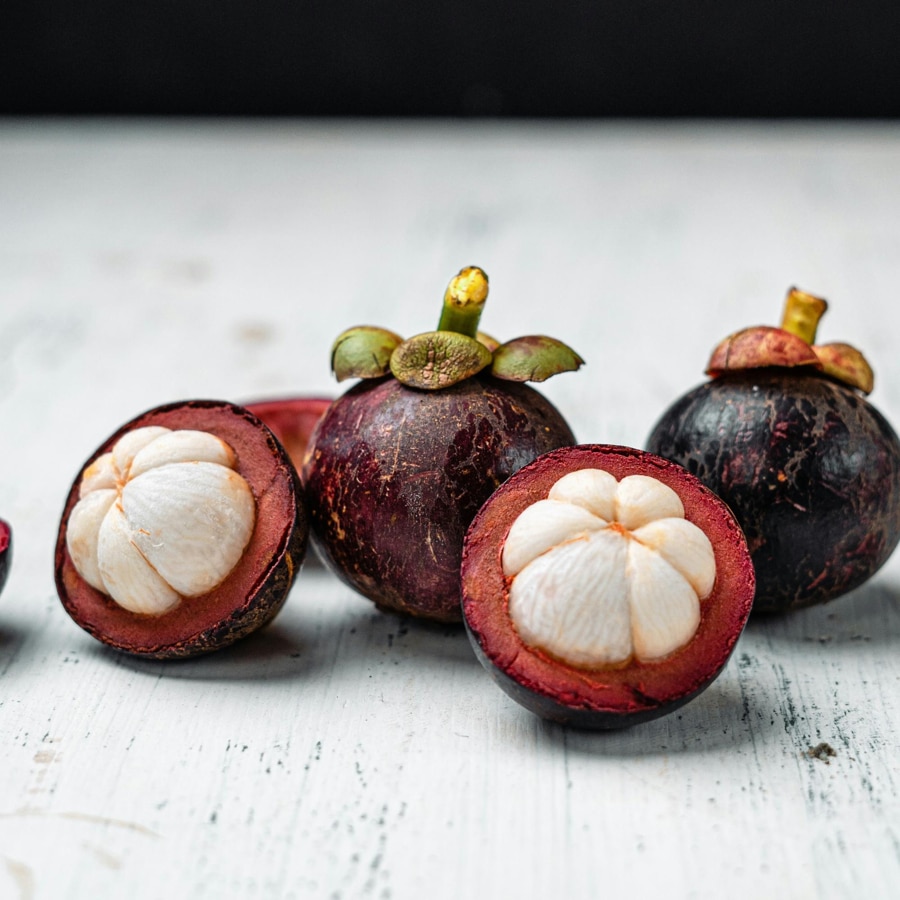
Mangosteen is particularly favored by European and American consumers due to its pure taste, beautiful appearance, and reputation as a “luxury fruit.” Additionally, mangosteen has a sense of familiarity and foreignness for consumers who are accustomed to stronger-smelling fruits. Thus, mangosteen is a good option for those who want to try Southeast Asian fruits. Furthermore, mangosteen is rich in antioxidants. In Vietnam, mangosteen is mainly produced in the Mekong Delta and Southeast regions, particularly in Ben Tre, Tien Giang, and Binh Duong. Mangosteen is regarded as a specialty fruit in these regions. Consumers can buy fresh mangosteen at traditional markets, fruit orchards, and high-end fruit stores. On the other hand, overseas consumers can buy imported fresh mangosteen or frozen mangosteen pulp at Asian grocery stores and specialty food stores.
Jackfruit
- Price: ~ USD 1.5-4 per kilogram (depending upon the ripeness and variety)
One of the biggest fruits cultivated on trees is the jackfruit, and its origin is traced back to South and Southeast Asia, with India being the first country to cultivate the fruit. Currently, the fruit is widely cultivated in Vietnam, Thailand, and Sri Lanka. The rough exterior of the fruit has a beautiful yellow interior with a firm and tender texture. When ripe, the fruit has an inherent sweet taste with hints of banana, mango, and pineapple, and an aroma similar to honey.
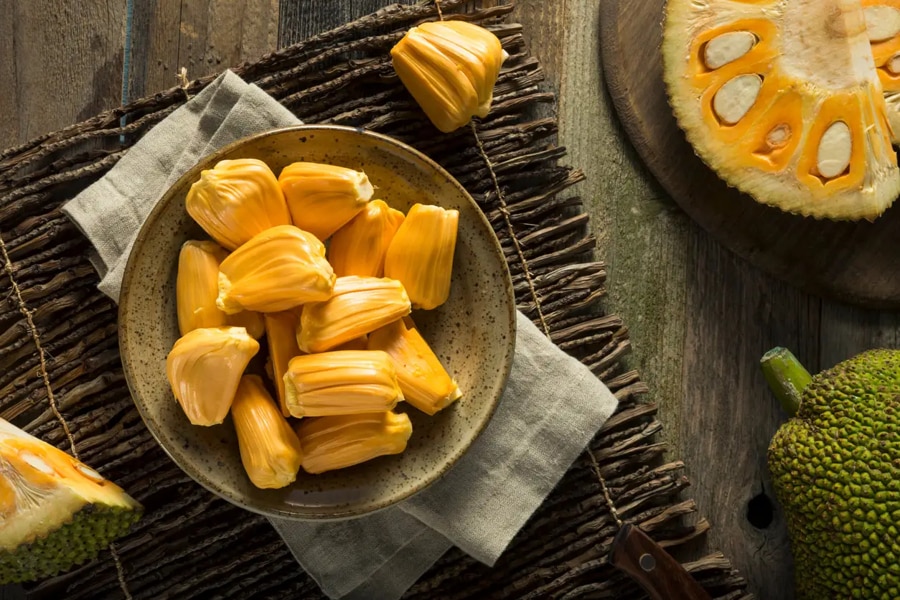
Jackfruiti especially loved by consumers from Europe and America for its flavor and versatility. Fresh ripe ackfruit is savored as a sweet and refreshing dessert from the tropics, and young ackfruit is commonly used as an alternative meat substitute for vegetarian and vegan food enthusiasts due to its meaty texture and ability to absorb flavor. In Vietnam, the Mekong Delta and Central Highlands are the major areas for jackfruit cultivation, with Tien Giang, Dong Nai, and Dak Lak being some of the key locations where it is recognized as a local delicacy. Fresh ackfruit is available in traditional stores, fruit gardens, and modern shopping malls, and for consumers from other countries, vacuum-sealed, frozen, or canned ackfruit is available from Asian stores and food stores.
Rambutan
- Price: ~ USD 3–7 per kilogram (depending on the season and freshness)
Rambutan is a tropical fruit, originally from Southeast Asia, with the history of cultivation recorded in Malaysia and Indonesia, and now grown in Vietnam and Thailand. The name “rambutan” is derived from the Malay word “rambut,” which means “hair,” because of hair-like protrusions covering bright red skin. The inner part of the rambutan is filled with translucent white pulp, crunchy and juicy to the taste. The taste is slightly sweet with a hint of floral, reminiscent of grapes and lychee, but less pronounced and more refreshing.
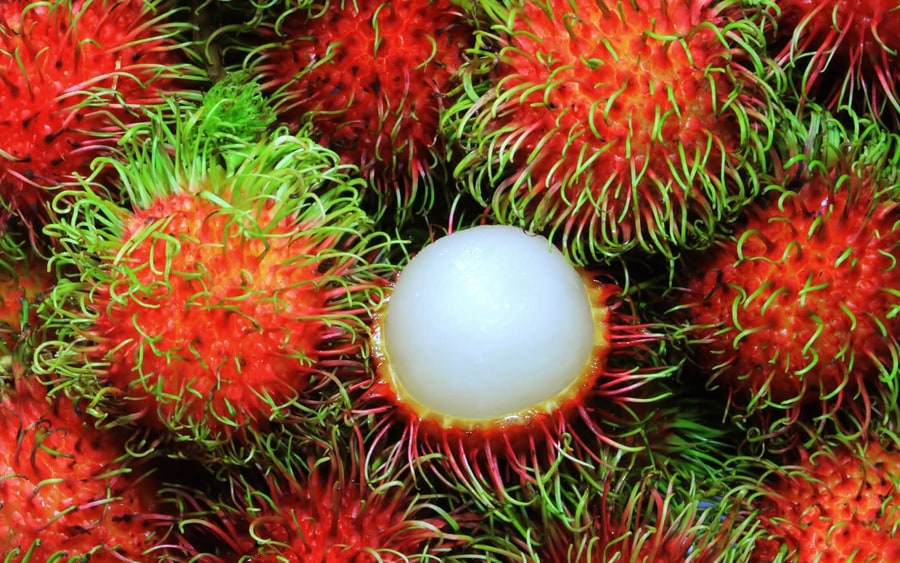
Rambutan also has a special appeal to Europeans and Americans because it looks unusual yet tastes familiar and accessible. It has no odor, a clean, sweet taste, and a playful look, making it appealing to adults as well as kids. Rambutan also has high vitamin C and hydrating content, which makes it a healthy snack. Rambutan is grown in the Mekong Delta region of Vietnam, particularly in the provinces of Tiền Giang, Vĩnh Long, and Ben Tre, which consider it a local delicacy. Fresh rambutans can be found in local markets, fruit farms, and stores, while international buyers may look for them in Asian stores or as imported seasonal fruits.
Longan
- Price: ~ USD 4-8 per kilogram (depending upon the season and quality)
Longan is a tropical fruit that originally grew in southern China and Southeast Asia, and it has been cultivated for centuries in Vietnam and Thailand. The term longan literally means “dragon eye,” which is a play on its round shape, its transparent flesh, and its dark “dragon eye” at the center. Underneath its thin, light-brown skin, longan has juicy white flesh that is soft and slightly crisp in texture. Its flavor is mild and slightly sweet, with a hint of honey.
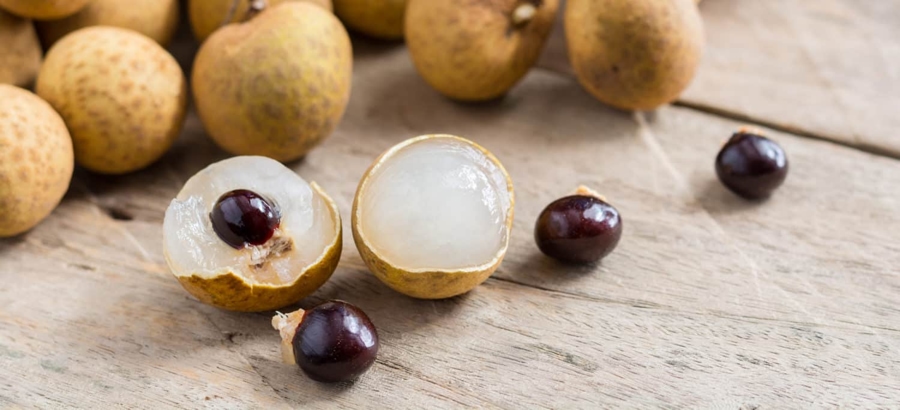
Longan is a fruit highly appreciated by European and American consumers for its pure taste, sweetness, and ease of eating. It has no distinctive aroma, making it accessible for first-time tropical fruit consumers who like balanced tastes. In addition, longan is a fruit commonly eaten fresh, dried, or used in desserts and beverages. In Vietnam, longan is mainly cultivated in the Red River Delta and Mekong Delta regions. Specialty areas for longan production include Hung Yen and Dong Thap. Fresh longan is commonly found in local markets, supermarkets, and fruit farms. As for international consumers, they can find imported fresh longan or dried longan at Asian stores and specialty food stores.
Star Apple
- Price: Approximately 4-8 USD per kilogram, depending on season and quality.
Chrysophyllum cainito, also called star apple or milk fruit, is a delicacy in the tropical regions originally found in the Caribbean and Central America before it spread to Southeast Asia. In Vietnam, it is especially cultivated in the Mekong Delta Region, especially in Tien Giang and Can Tho. This fruit has a star-like pattern in the middle when it is cut in half horizontally. It is called a star apple due to this feature. Its outer cover is smooth and can be either purple or green in color. Inside the fruit is jelly-like with a glossy finish.
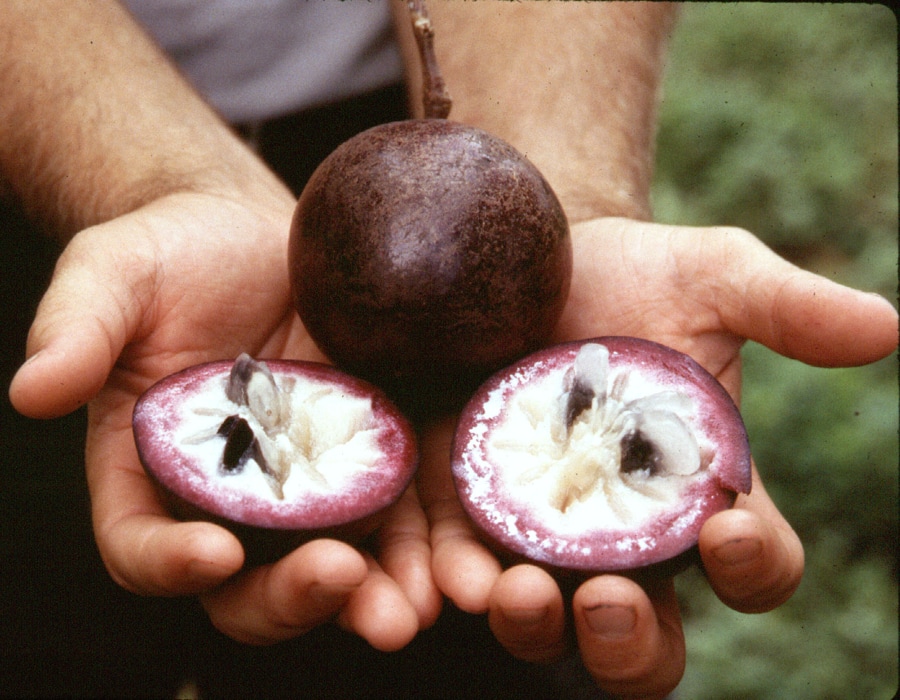
Star apple is especially favored due to its sweet taste with a creamy flavor and a hint of caramel and vanilla. This fruit is especially favored by people in European and American countries who prefer exotic fruits with a relatively low acidic taste. Unlike other fruits with a sour taste, the star apple has a smooth taste that can be eaten with a spoon. It is commonly found in the markets of southern Vietnam.
Soursop
- Price: Approximately 3 – 6 USD per kilogram, depending on season and size.
Annona muricata, also known as soursop or graviola, is a tropical plant that is originally from Central and South America. However, it is also grown in Southeast Asia, especially in southern Vietnam. Soursop is characterized by the green spiky skin on the outside, while the inside is soft and white. Soursop is grown mainly in the Mekong Delta region in Vietnam, where the climate is favorable, and the soil is rich, enabling the cultivation of quality soursop all year round.
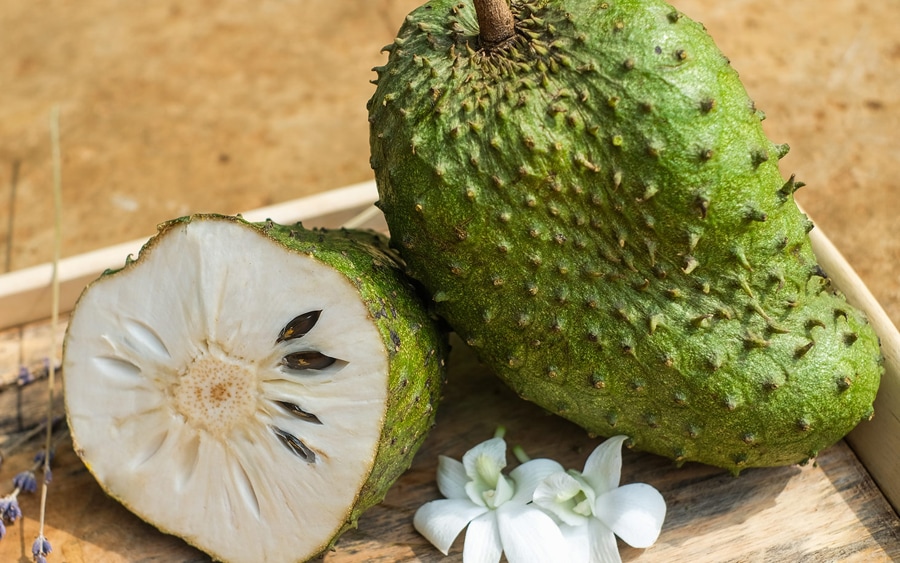
Soursop is also popular among consumers from Europe and America due to the unique sweet and sour taste, which is often compared to the combination of pineapple, strawberry, and citrus. It is also liked by many due to the refreshing taste and aroma. Soursop can be found in the local market, supermarket, or store selling fruits in the southern region of Vietnam.
Sapodilla
- Price: ~ USD 3–6/kg (depending on the level of ripeness and seasonality)
Sapodilla, also referred to as Sapoche, is a tropical fruit originally from Central America and southern Mexico, later extending to Southeast Asia during the colonial period. The fruit has a round or oval shape, with thin brown skin and a soft, grainy interior. The taste is naturally sweet and rich, often compared to caramel, brown sugar, or pear, with a hint of malty flavors, which makes it more like a dessert than a fruit. When ripe, the sapodilla is extremely smooth and juicy.
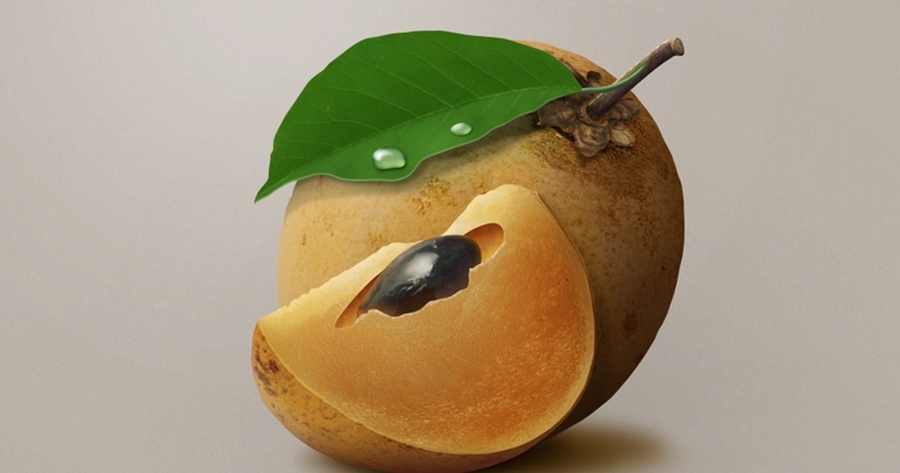
Sapodilla is particularly attractive to European and American consumers who prefer sweet flavors without any sharpness from acids. The familiar taste and smooth texture of sapodilla are easy to digest and can be readily eaten as fresh fruit even by people who are not familiar with tropical fruits. Additionally, the filling and rich energy content of the fruit contribute to its popularity as a healthy snack. In Vietnam, sapodilla is cultivated in the Red River Delta and Mekong Delta regions, especially in areas such as Hung Yen, Vinh Long, and Tien Giang, where it is considered a local specialty. Fresh sapodilla is available for purchase in local markets, gardens, and shopping centers, while for foreigners, it is available as imported products from Asian stores and retailers.
Cempedak
- Price: ~USD 2-5/kg (depending on season and ripeness)
Cempedak is a tropical fruit that is native to Southeast Asia, specifically Malaysia and Indonesia. Cempedak is also related to jackfruit. Although it is smaller and softer compared to jackfruit, it still has a thin and spiky skin, as well as deep yellow to orange-colored flesh. Although it smells quite strong and distinct, it tastes surprisingly rich and complex. When ripe, it tastes sweet and rich, with notes of custard, honey, and banana, making it a bold experience unlike other tropical fruits.
Cempedak is being appreciated and enjoyed by food enthusiasts in Europe and America, particularly those looking for unique and adventurous food flavors. Its creamy texture and sweetness are the reasons for its popularity. Cempedak is also being fried or made into desserts in Asian cuisine, making its appeal wider for adventurous food enthusiasts around the world. In Vietnam, the variety of cempedak known as “mít nghệ” is mainly cultivated in the Mekong Delta and the southern provinces of An Giang, Dong Thap, and Can Tho. This variety of fruit is a regional specialty of the southern province of Vietnam. The fresh variety of the fruit is available in the markets and fruit orchards of the province, while the frozen variety of the fruit or the packaged product is available for international consumers.
Langsat
- Price: ~ USD 4–8/kg (depending on season and quality)
Langsat is a tropical fruit indigenous to Southeast Asia, particularly Malaysia and Indonesia. It is also commonly found in the southern parts of Thailand and Vietnam. Langsat grows in clusters and has a light yellow or light brown peel, which is easily removable. When one peels a langsat, he/she will find white segments inside. These segments are juicy and tender. Langsat has a delicate balance between sweet and sour tastes. It has a hint of citrus and grape flavors.
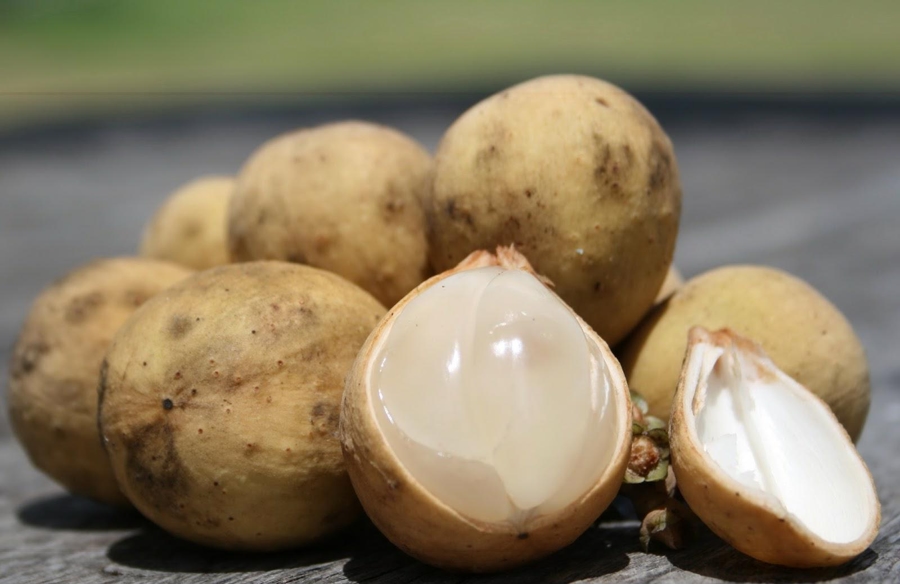
Langsat is particularly appealing to European and American consumers because it has an exotic look but is still light and easy to consume. The mild, sweet, and sour taste makes it a favorite among people who like refreshing fruits rather than those that are too rich in taste. It is also consumed fresh as a snack or chilled for added freshness, which makes it even more appealing in tropical countries. In Vietnam, langsat, also known as a local specialty, is largely cultivated in the Mekong Delta, especially in the provinces of Tiền Giang, Vĩnh Long, and Bến Tre. Fresh langsat can be sourced from local markets, fruit farms, and fruit stalls, while foreign consumers can find it in Asian grocery stores or as imported fresh fruit.
Dragon Fruit
- Price: ~ USD 2–5/kg (depending on variety and season)
Dragon fruit, also known as Pitaya, is originally from Central America and was later introduced to Southeast Asia, where it is now commonly farmed. This fruit is easily identifiable because of its bright pink or yellow color and white or red flesh filled with small black seeds. The taste of dragon fruit is mild and slightly sweet, and its taste is similar to that of kiwi and pear. Its light and juicy taste also makes the dragon fruit best when consumed cold.
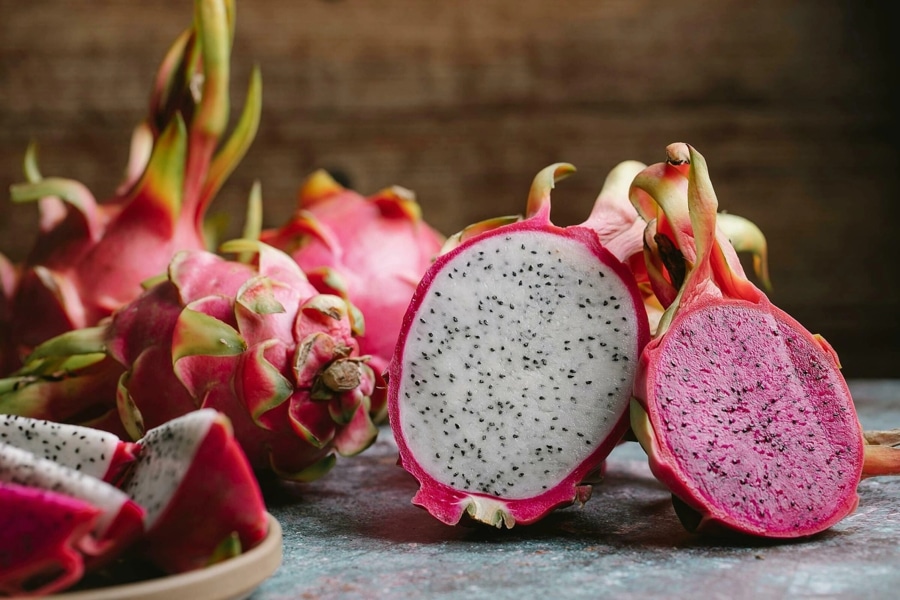
Dragon fruit is greatly enjoyed by European and American consumers because of its taste, appearance, and health benefits. It is low in calories, high in fiber, antioxidants, and vitamin C, which makes it a great addition to the diet of health-conscious individuals. Additionally, the taste is mild, which makes it great for those who are trying tropical fruits for the first time. In Vietnam, dragon fruit is one of the agricultural specialties, with the main growing areas including Bình Thuận, Long An, and Tiền Giang, which are considered the top agricultural areas in the country. Fresh dragon fruit is readily available in the local markets, supermarkets, and fruit farms, while international consumers can readily purchase imported dragon fruit from Vietnam in most supermarkets.
Lychee
- Price: ~ USD 5-10/kg (depending on season and quality)
Lychee is a tropical fruit that is native to southern China and has been cultivated for over two thousand years in East and Southeast Asia. Lychee is small and round with rough red skin that can be easily peeled to reveal translucent white flesh. Lychee is appreciated for its fragrance and juicy flesh that provides sweet and floral flavors with hints of citrus. The flavor is invigorating and makes Lychee one of the most elegant and recognizable tropical fruits worldwide.
Lychee is particularly popular among European and American consumers because it offers an exotic taste yet remains relatable and accessible. It has a sweet taste without being too heavy, which makes it perfect for consumption as a snack, a dessert, or a cocktail. Lychee also has a number of health benefits, including a high concentration of Vitamin C and antioxidants, which makes it appealing to health-conscious consumers. In Vietnam, lychees, particularly the famous Bac Giang and Hai Duong varieties, are considered a seasonal product and a major agricultural export product. Fresh lychees can be found in local markets and stores during the harvest season, while international consumers can purchase imported fresh lychees, canned lychees, or frozen lychees from Asian stores and specialty food stores.
Pomelo
- Price: ~ USD 1.5-3.5/kg (depending on variety and season)
Pomelo is the largest citrus fruit in the world and is native to Southeast Asia. Pomelo has been cultivated for centuries in Southeast Asia. Pomelo has a thick green or yellow skin that reveals pale yellow or pink segments that are firm, juicy, and easy to separate. The segments are slightly sweet with mild acidity and citrus aroma. Pomelo is less bitter and drier than grapefruit. The taste is balanced and is one of the major reasons for its popularity.
Pomelo is also attractive to European and American consumers who prefer refreshing fruits that have a light and crisp texture. Pomelo also has a low bitterness and sweet taste, making it attractive to people who do not prefer the sharpness of grapefruit. Pomelo also contains vitamins and fiber, making it attractive to people who follow health-oriented diets. Pomelo is grown on a large scale in the Mekong Delta and the Red River Delta of Vietnam. Some of the specialty pomelo-growing areas of Vietnam are Bến Tre, Vĩnh Long, and Phúc Trạch in Hà Tĩnh. Pomelo can be easily obtained from local markets, supermarkets, and fruit farms. Imported Vietnamese pomelo can also be obtained from Asian grocery stores and specialty produce markets.
Star Apple
- Price: ~ USD 4–9/kg (depending on variety and season)
Star apple is a tropical fruit originally from Central America and the Caribbean region, and later introduced to Southeast Asia, where it flourishes in the tropical climate. The star apple is round with a smooth green or deep purple color. When cut open, the star apple displays a lovely star design inside. The milky white flesh is soft and creamy with a subtle sweetness and a hint of vanilla and coconut. The star apple is a refreshing and rich treat when chilled.
Star apple is becoming more and more sought after by European and American consumers due to its dessert-like appearance and comforting taste. Unlike other tropical fruits, the star apple lacks a sharp acidity and a strong aroma. Therefore, it is a good option for first-time buyers who want to venture into exotic fruits. Additionally, star apple is eaten with a spoon like a custard, and this has contributed to its popularity. In Vietnam, star apple is mainly cultivated in the Mekong Delta region, particularly in Tien Giang and Can Tho Provinces.
Final Thoughts: Vietnamese Fruits Worth Visiting?
Vietnamese fruits are indeed one of the best experiences for travelers who want to enjoy authentic flavors, rich local culture, and fresh farm-to-table experiences. Whether it is the busy fruit markets or the orchards in the Mekong Delta, every region has its own specialties and seasonal fruits that are worth trying. Experiencing Vietnamese fruits is not just a food experience but also a learning experience about the local culture and traditions. If you are planning a culinary trip to Vietnam, Seni World will guide you to the best fruit experiences in Vietnam.


Related articles


