


Learning Vietnamese phrases is an important resource for interacting with locals and gaining insight into life in Vietnam. From basic greetings to travel phrases, knowing a few key phrases can help visitors communicate effectively, demonstrate respect for the culture, and have more meaningful experiences.
Why Learn Basic Vietnamese Phrases?
Learning a few basic phrases in Vietnamese can make a world of difference to your experience in Vietnam. Even basic phrases help you communicate better and reach out to the people of Vietnam.
English is Not Commonly Spoken in Rural Areas
Although English is becoming more popular in large cities such as Hanoi or Ho Chi Minh City, it is still not very common in rural areas. Being able to speak a few key phrases in Vietnamese will enable you to ask basic questions and prevent confusion if English is not spoken.
Useful for Taxis, Food, and Prices
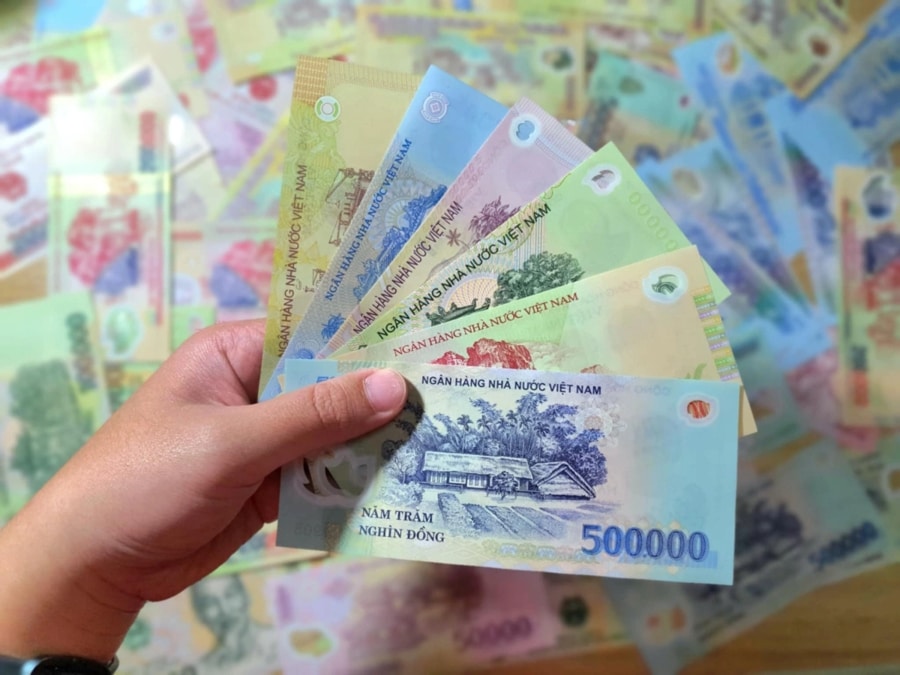
Whether you’re telling a taxi driver where you want to go, ordering street food, or asking “bao nhiêu tiền?” (how much?) Basic phrases are extremely useful. They allow you to double-check prices, understand menu items, and get around town with more confidence without relying solely on translation apps.
Respects Locals
Even attempting to speak Vietnamese, such as using common phrases like “xin chào” (hello) or “cảm ơn” (thank you), goes a long way in showing respect for the local culture. This is often met with positive reactions from the locals, who may then treat the traveler with warmth and hospitality.

Makes Travel Easier
When you are able to deal with small talk by yourself, your travel experience will be less stressful. Whether it is checking into a guesthouse, shopping at a local market, or asking for directions, learning basic Vietnamese phrases will make all of these processes easier and more efficient.
Basic Greetings And Polite Expressions
Basic greetings and phrases are very important in Vietnamese communication. Learning how to greet someone correctly not only helps you initiate conversations with confidence, but it also indicates your familiarity with the culture and your friendliness.
Hello in Vietnamese
To say hello in Vietnamese, you can say: “Xin chao” (pronounced: sin chow), meaning “Hello.” This is a polite and neutral greeting that works in both formal and informal situations. “Xin” adds politeness, while “chao” means greeting. Because Vietnamese is tonal, “chao” has a falling tone, so your voice should go slightly down at the end.

Goodbye in Vietnamese
To say goodbye, you can say: “Tam biet” (pronounced: tahm bye-et), meaning “Goodbye.” This is commonly used in more formal situations or when leaving someone you do not know well. In daily life, many people simply say “Chao anh,” “Chao chi,” or “Chao em,” depending on who they are speaking to. If you expect to see the person again, you can say: “Hen gap lai” (hen gap lie), which means “See you again.”
Thank You in Vietnamese
To say thank you, say: “Cam on” (pronounced: gahm uhn), meaning “Thank you.” This is the standard and most widely used expression of gratitude. In real conversations, Vietnamese speakers usually add a pronoun after it, such as “Cam on anh,” “Cam on chi,” or “Cam on em,” to show respect. For stronger appreciation, you can say: “Cam on nhieu,” which means “Thank you very much.”
Sorry in Vietnamese
To apologize or say sorry, say: “Xin loi” (pronounced: sin loy), meaning “Sorry” or “I apologize.” “Xin” makes the phrase polite, and “loi” means mistake or fault. This phrase can also be used like “excuse me” when you need to get someone’s attention. You can add pronouns to make it more respectful, such as “Xin loi anh” or “Xin loi chi.”
Please in Vietnamese
Vietnamese does not always use one single word for “please,” but you can say: “Lam on” (pronounced: lahm uhn), meaning “Please,” especially when asking for help. For example, “Lam on giup toi” means “Please help me.” In more formal situations, you may hear “Vui long” (vwee long), which also means “Please,” such as in “Vui long doi mot chut,” meaning “Please wait a moment.” A polite tone and respectful pronouns are just as important as the words themselves.
How Are You in Vietnamese
To ask “How are you?” you can say: “Ban khoe khong?” (pronounced: ban kweh khong?), meaning “Are you well?” This is a neutral and safe option when speaking with someone around your age. If speaking to someone older or younger, you can adjust the pronoun, such as “Anh khoe khong?” or “Em khoe khong?” To respond, you can say: “Toi khoe, cam on,” meaning “I am fine, thank you.”
Vietnamese Phrases for Restaurants & Food Orders
Trying local food is one of the best parts of traveling in Vietnam, and knowing a few useful phrases can make your dining experience smoother and more enjoyable. Below are essential expressions to help you confidently order food, ask questions, and handle payment in Vietnamese restaurants.
Ordering Food
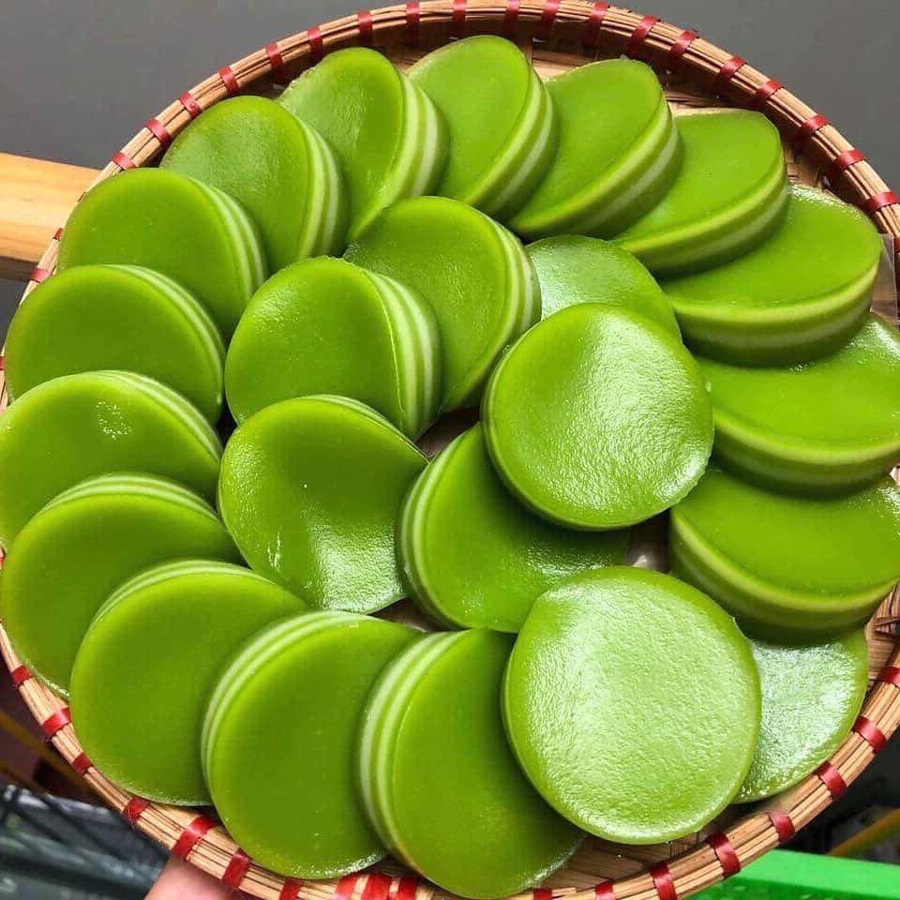
A simple and polite way to order is: “Cho toi…” (pronounced: chaw toy), which means “I would like…”. For example, “Cho toi mot pho bo” means “I would like one beef pho.” You can also say “Lam on cho toi…” (lahm uhn chaw toy), meaning “Please give me…”, to sound more polite when ordering dishes or drinks.
Asking for the Menu
To ask for the menu, say: “Cho toi xem menu” (pronounced: chaw toy sem men-yu), which means “Please let me see the menu.” In smaller local restaurants, you might hear “thuc don” instead of “menu,” as it means the same thing. Saying this politely with a smile will usually get a quick and friendly response.
Vegetarian Phrases
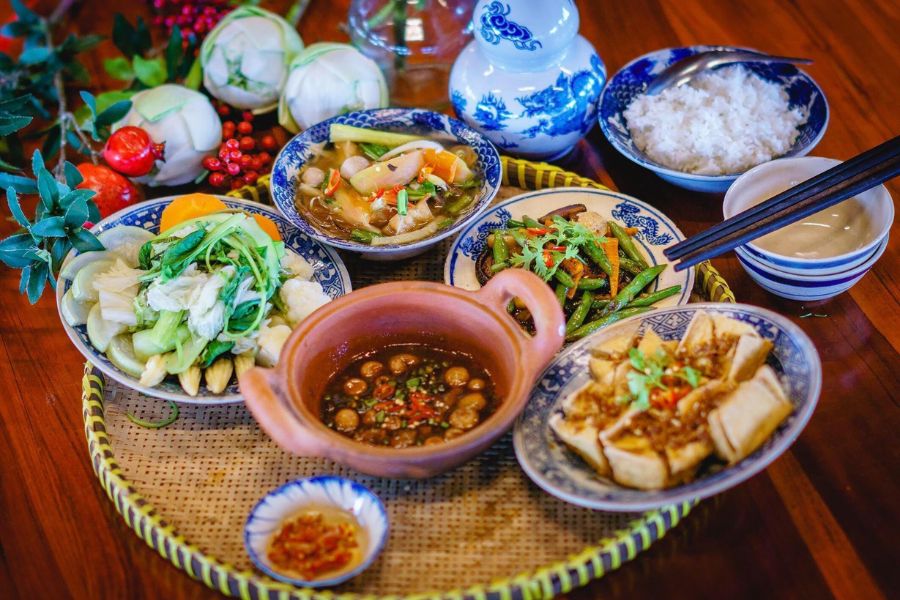
If you are a vegetarian, you can say: “Toi an chay” (pronounced: toy an chai), meaning “I eat vegetarian food.” To ask whether a dish contains meat, say: “Mon nay co thit khong?” (mon nai kaw tit khong?), which means “Does this dish have meat?” These phrases help avoid misunderstandings, especially in local eateries.
Asking the Price
To ask how much something costs, say: “Bao nhieu tien?” (pronounced: bao nyew tyen?), meaning “How much is it?” Vendors may respond with the price in Vietnamese numbers, so learning basic numbers can be helpful. This phrase is useful not only in restaurants but also in markets and street food stalls.
Paying the Bill
When you are ready to pay, say: “Tinh tien” (pronounced: ting tyen), which means “Please calculate the bill.” You can also say “Cho toi thanh toan” (chaw toy tahn toan), meaning “I would like to pay.” Using these phrases makes the payment process smoother and shows respect for local language and culture.
Vietnamese Phrases for Transportation
Getting around Vietnam can feel busy at first, especially in big cities with heavy traffic and many motorbikes. Knowing a few key transportation phrases will help you communicate clearly with drivers and feel more confident when taking taxis, ride-hailing services, or local buses.
“How much?”
To ask the price of a ride, say: “Bao nhieu tien?” (pronounced: bao nyew tyen?), which means “How much is it?” If you want to ask about a specific destination, you can say: “Den [place name] bao nhieu tien?”, meaning “How much to go to [place]?” This phrase is especially useful when taking traditional taxis or motorbike taxis where prices may need to be agreed upon before departure. Learning Vietnamese numbers can also help you better understand the driver’s response.

“Stop here.”
When you want the driver to stop, say: “Dung o day.” (Northern pronunciation: zoong uh day; Southern pronunciation: zoong uh zai), meaning “Stop here.” For extra politeness, add “Lam on” at the beginning: “Lam on dung o day.” This phrase is very practical when you see your destination ahead or need to get off quickly. You can also gently point to the location while speaking to make your request clearer.
“Go straight.”
To tell a driver to continue forward, say: “Di thang.” (Northern: yee thang; Southern: zee thang), which means “Go straight.” This phrase is helpful if you are giving directions manually or correcting a route. You can combine it with simple hand gestures to avoid confusion, especially if pronunciation is not perfect. Knowing this phrase helps you feel more in control during your journey.
Vietnamese Phrases for Shopping & Markets
Shopping at local markets in Vietnam is a fun and cultural experience, especially when you know a few useful phrases. Whether you are buying souvenirs, street food, or handmade products, these expressions will help you communicate more confidently and politely.
Asking Price
To ask the price of an item, say: “Bao nhieu tien?” (pronounced: bao nyew tyen?), meaning “How much is it?” If you want to refer to a specific item, you can say: “Cai nay bao nhieu tien?” (kai nai bao nyew tyen?), which means “How much is this?” Sellers will usually respond with the price in Vietnamese numbers, so listening carefully is important.
Bargaining
Bargaining is common in traditional markets. To negotiate politely, you can say: “Bot di duoc khong?” (pronounced: bot zee duoc khong?), meaning “Can you reduce the price?” Another simple way is “Giam gia duoc khong?”, which means “Can you give a discount?” Always smile and keep a friendly tone, as bargaining in Vietnam is usually lighthearted and respectful.
Numbers & Money
Understanding basic numbers will make shopping much easier. For example, “mot” (1), “hai” (2), “ba” (3), “muoi” (10), “tram” (100), and “nghin” (1,000). The Vietnamese currency is called “dong.” When sellers say the price, they may shorten large numbers, so paying attention to context is helpful to avoid confusion.
Discounts
If you want to ask directly about promotions, say: “Co giam gia khong?” (pronounced: kaw zam za khong?), meaning “Is there a discount?” In some shops, especially larger stores, prices may be fixed, so bargaining might not apply. However, in markets or when buying multiple items, asking politely for a small discount is quite common and often accepted.
FAQs About Vietnamese Phrases
Knowing some basic Vietnamese words can ease your travel and help you relate better to the locals. Here are some of the basic questions tourists usually ask at the beginning of their learning of basic Vietnamese words.
- Is it hard to pronounce Vietnamese words?
Vietnamese pronunciation may be tricky at the beginning, but it is not extremely difficult. This is because it is a tonal language with six tones in the Northern accent. The meaning of words changes according to the tone used. However, after careful attention to the pronunciation of native speakers, it is easy to learn basic words and phrases.
- Do Vietnamese people appreciate foreigners speaking Vietnamese?
Yes, the people of Vietnam appreciate and welcome foreigners who show some interest in learning and using some of the basic Vietnamese words. For example, using a simple word like “xin chao” for “hello” and “cam on” for “thank you” can give you a warm welcome.
-
Is English commonly spoken throughout Vietnam?
Yes, English is commonly spoken, especially in big cities, tourist areas, hotels, and restaurants. Nevertheless, if you are traveling through rural areas, such as local markets, English might not be spoken so well. It is always a good idea to know a few basic Vietnamese phrases, which can be very useful, especially if you are not staying in big cities.
-
Do I need to know Northern or Southern Vietnamese phrases?
Both the northern and southern accents are generally understood throughout Vietnam. Although the northern accent, based on Hanoi, is usually taught, the southern accent, based on Ho Chi Minh City, has a softer sound.
-
Is English commonly spoken throughout Vietnam?
Yes, English is commonly spoken, especially in big cities, tourist areas, hotels, and restaurants. Nevertheless, if you are traveling through rural areas, such as local markets, English might not be spoken so well. It is always a good idea to know a few basic Vietnamese phrases, which can be very useful, especially if you are not staying in big cities.
-
Do I need to know Northern or Southern Vietnamese phrases?
Both the northern and southern accents are generally understood throughout Vietnam. Although the northern accent, based on Hanoi, is usually taught, the southern accent, based on Ho Chi Minh City, has a softer sound.
Final Thoughts: Speak A Little, Travel Better
Making an effort to learn Vietnamese phrases can really make a big difference in enhancing your travel experience by allowing you to connect with people in a more endearing manner. While traveling to Vietnam, making an effort to speak a few words in Vietnamese can really make a big difference in enhancing your travel experience by allowing you to connect with people in a more endearing manner. If you are interested in exploring Vietnam in a more meaningful manner, then look no further than Seni World.
Content Seniworld
Subscribe
Login
0 Comments
Oldest


Related articles

Vietnam Travel Guide


