


The Vu Lan Festival is significant and marks an important Buddhist event in the celebration of filial piety and expressing gratitude towards one’s parents. It takes place in Vietnam every year through spiritual rituals and includes family values and compassionate activities.
Introduction To The Vu Lan Festival
The Vu Lan Festival is generally celebrated as one of the most meaningful and most popular Buddhist festivals in Vietnam and even in several other nations that follow Buddhism, such as China, Japan, and Korea. It is held in the seventh month of the lunar calendar and includes rituals as well as cultural activities, providing a peaceful environment. Temples look beautiful, families observe prayers, and traditional festivals are conducted to pay tribute to parents and ancestors. Over the years, the Vu Lan Festival has transformed into not only a spiritual festival but also a joyful cultural festival.
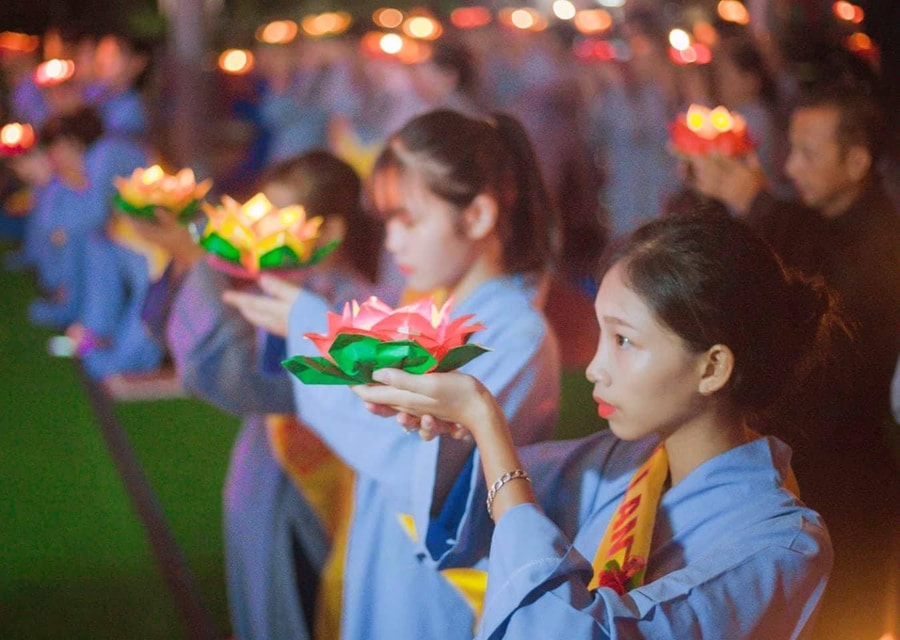
There are opportunities to gain better insight into the values of the people in Asia, including those of gratitude, compassion, and family values, while being present at the Vu Lan Festival. Individuals can experience the moving rituals and traditions of the people, the calm settings of the temples, and symbolic activities conducted there. Rather than being simply celebrated, the event serves as an occasion for contemplation and practicing kindness and respect towards loved ones, making it very significant for visitors interested in cultural and spiritual experiences.
History Of Vu Lan Festival
The roots of the Vu Lan Festival are closely related to the teachings of Buddhism, especially to Maudgalyayana, a story about one of the most devoted disciples of Buddha, known in Vietnam as Mục Kiền Liên. According to the Buddhist sutras, he resorted to supernatural powers to trace his mother in the afterlife and found that she was miserably suffering in the realm of hungry ghosts. Under the guidance of the Buddha, he then learned a way to save his mother’s soul: offering food and donations to monks in the seventh lunar month. This kind act has then become the very grounding for Vu Lan, signifying gratitude and filial devotion.
The term “Vu Lan” literally means “Ullambhana” in Sanskrit, and it stands for “liberation from suffering or bondage.” The history of the Vu Lan festival begins at a time when the Asian continent was colonized by culture and tradition. Over time, the tradition found its way into various nations around the world, with Vietnam being no exception, slowly transforming into one of the national cultural events with the theme of honoring the parents, living and deceased, and beyond, the actual history, it has been made evident while keeping the tradition alive, it has become synonymous with spiritual values over time.
Unique Traditions And Highlights Of Vu Lan Festival
In the Vu Lan Festival, rituals and symbolic traditions show great respect for parents and ancestors. One of the most touching practices is the Rose Ceremony, where participants wear a red rose if their parents are alive and a white rose if they have passed away. This simple yet emotional ritual reminds people to cherish family bonds and express gratitude while they still can. The most important tradition is offering prayers and donations at temples, where families present food, incense, and flowers as offerings to ancestors in thanksgiving or pray for peace and well-being.
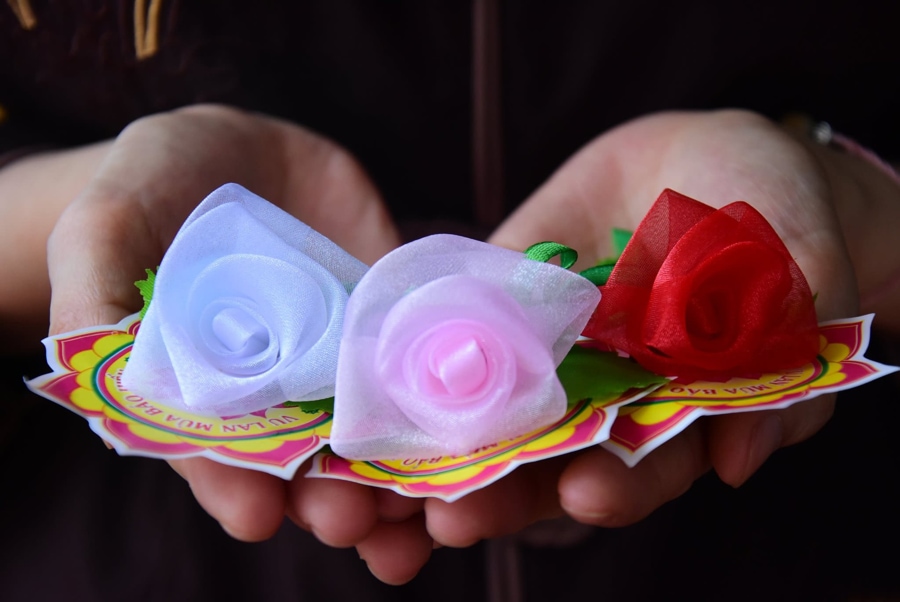
A key highlight of Vu Lan is making merit. Many people donate food, money, or daily necessities to monks and charitable groups. They believe these good deeds help relieve suffering for both the living and the dead. Freeing animals, chanting sutras, and vegetarian meals also prevail through these occasions. This combination of customs, therefore, creates a calm yet reflective atmosphere, making Vu Lan not only a religious observation but also a cultural event predominantly centered on mercy, gratitude, and morals.
3 Unforgettable Experiences You Shouldn’t Miss
It is an enriching cultural and spiritual experience where one can feel a deep attachment towards the local traditions. Each activity, from sacred rituals to common customs, reveals gratitude, compassion, and family bonds within Vietnamese culture.
Joining Temple Ceremonies And Prayer Rituals
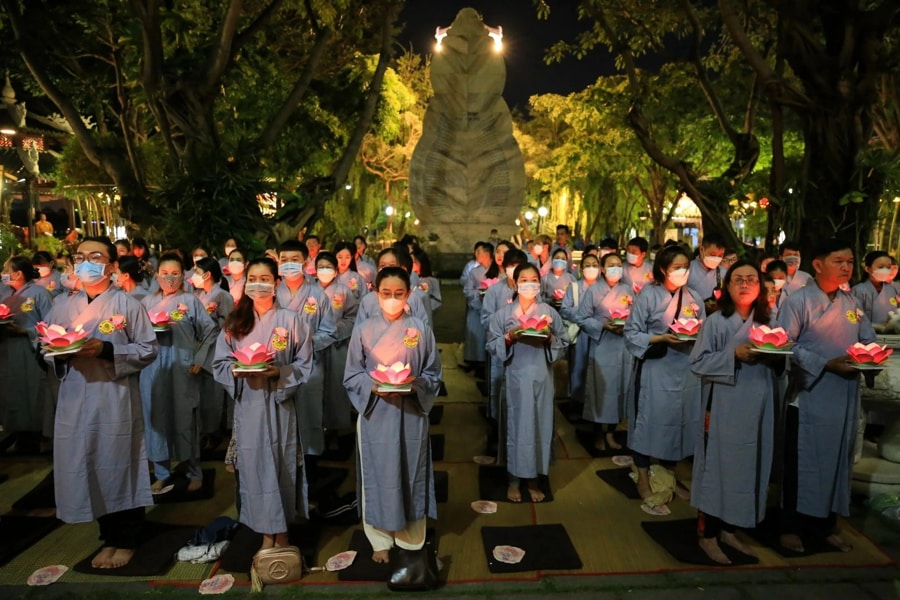
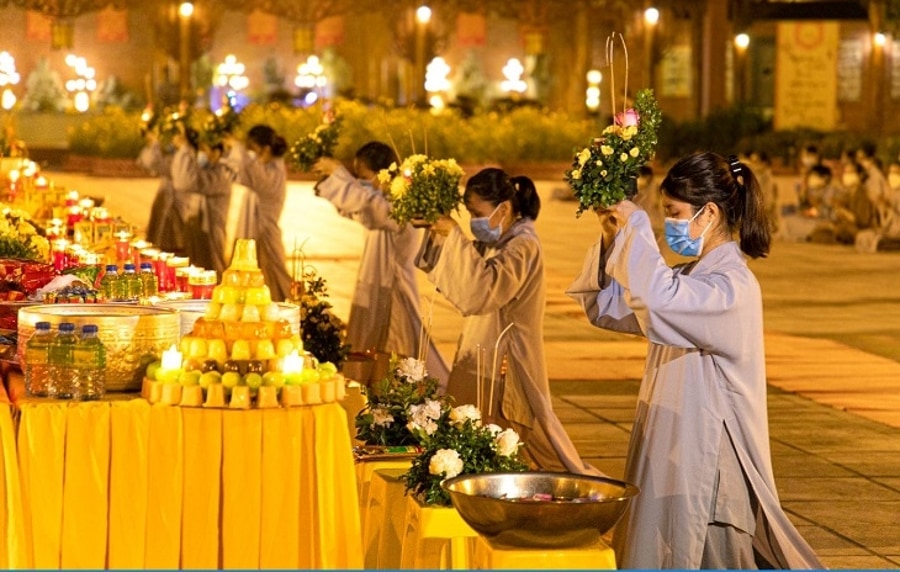
Visiting a Buddhist temple during the Vu Lan Festival is a moving experience when you visit Vietnam, where one can witness chanting ceremonies, offerings of incense sticks, and prayers to their parents and ancestors executed with great devotion. The monks carry out these rituals and emphasize the values of compassion, kindness, and gratitude. One can try to participate to understand more about Buddhist ideals and realise the importance of filial respect. The rituals are not only a great experience but also a rare opportunity to witness genuine religious practices born out of tradition and centuries of history.
Experience The Rose Ceremony Of Gratitude
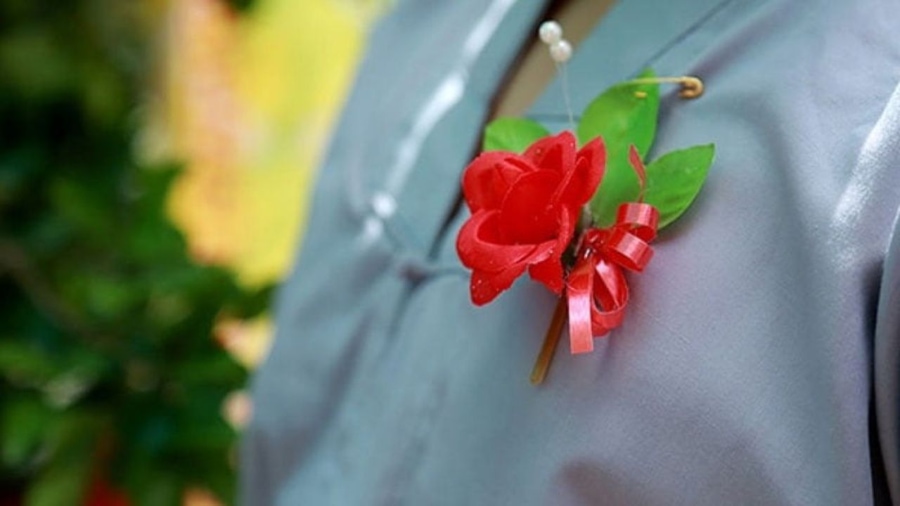
One of the most symbolic activities of the Vu Lan Festival could be the Rose Ceremony, where the participants are given the chance to wear either a red rose if they wish to honor their living parents or a white rose to commemorate their deceased parents. This seemingly simple activity has great and meaningful emotional value, making visitors remember the activity and the festival at large. Engaging in the activity would give one a chance to reflect on the importance of their parents and how they appreciate them.
Enjoy Vegetarian Food and Acts of Charity
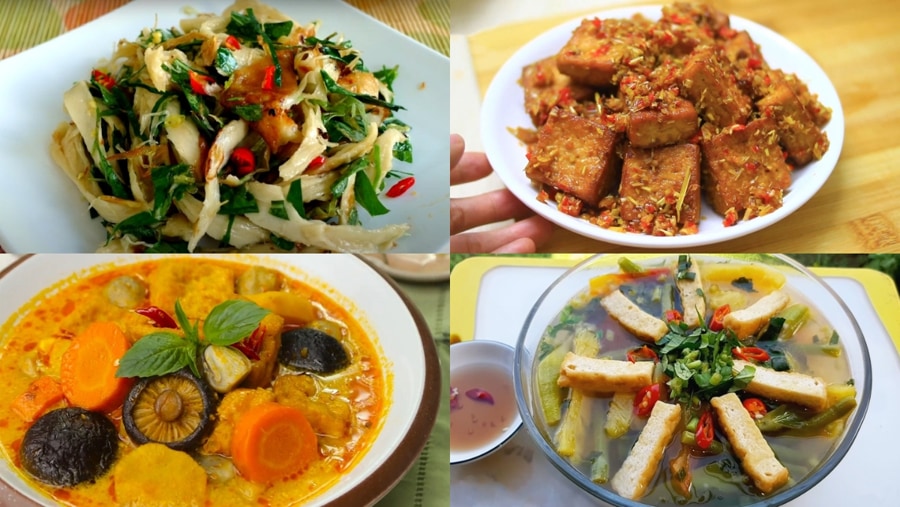
A vegetarian diet is often consumed during the Vu Lan Festival, promoting a sense of compassion and mindfulness among visitors. There is a wide variety of vegetarian food available for travelers at the temple or at various food shops around the site. Therefore, acts of charity, including the donation of food, funds, or daily items, are promoted throughout the festival event. By participating in these activities, tourists get to learn how kindness is also significant in the culture of the Vu Lan Festival, along with being significant during the Buddhist occasion.
Entrance Fee
The occasion of the Vu Lan Festival does not require spending a single penny, and all this is because the greatest part of the activities takes place in Buddhist temples that allow visitors free access. However, though there is no requirement, a person may like to contribute or bring along things such as incense, flowers, fruits, or vegetarian food items that may be offered during prayer, besides the fact that they also create a connection between the visitor and the true meaning behind the occasion.
Opening Hours And Event Schedule
The Vu Lan Festival occurs during the seventh lunar month, specifically during the 15th day, which is full moon. Buddha temples are usually open from the early morning till the evening, and visitors are free to participate in prayer and ritual chanting throughout the day. There are peak times during the morning and late afternoon, while the evenings are quiet and peaceful.
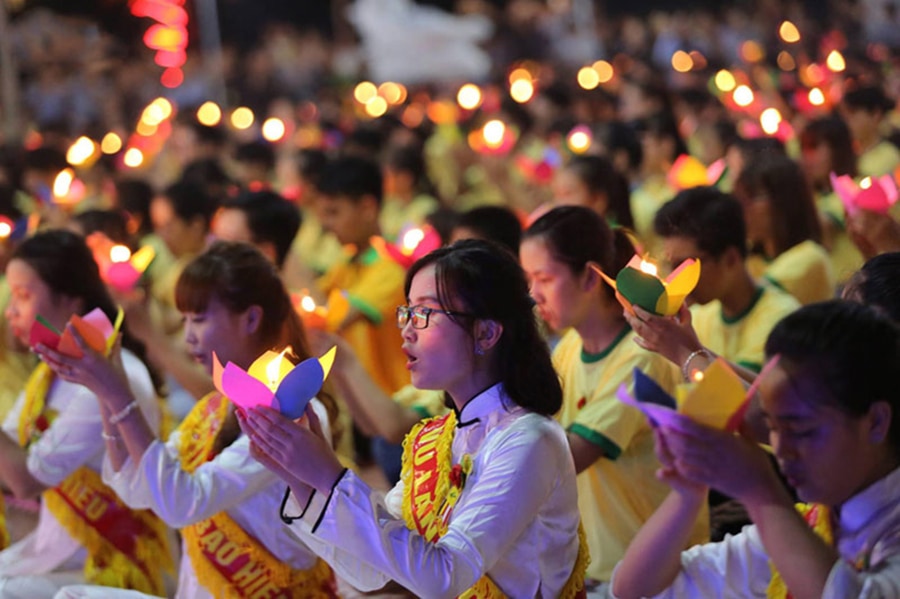
The best time to visit the Vu Lan Festival is during the full-moon season, and one can attend the rituals and rose ceremonies organized during this time at the temples participating in the festival. Visiting the place early in the morning or during weekdays can be helpful in avoiding the crowds and obtaining an authentic experience.
How To Get To Vu Lan Festival
Vu Lan Festival is celebrated all over the country, and therefore, there is no requirement to travel to a specific place. This festival is observed at various Buddhist temples across the country during the seventh month of the lunar calendar, which makes it easily accessible regardless of your location. Metropolises like Hanoi, Ho Chi Minh City, Hue, and Da Nang celebrate grand festivals at famous temples, while other places also conduct special festivals.
To visit the Vu Lan Festival, tourists need to reach the destination they have chosen and then visit the temples around the places during the festival time. Generally, tourists can reach the temples using a taxi, motorbike, or any other vehicle to reach the temple. They need to check the timing in the temple beforehand in order to have a better experience during the festival time.
Things To Know Before Enjoying The Vu Lan Festival
Vu Lan Festival is a major Buddhist holiday steeped in importance to illustrate themes of gratitude, family traditions, and kindness. Recognizing local customs and norms will allow tourists to have a proper and pleasant experience while traveling.
-
Dress modestly at temples, covering your shoulders and knees while respecting Buddhist customs and the relaxed, sacred ambiance at the temples themselves.
-
It is recommended that you visit the sites in the early morning when fewer people visit the sites, and you get a chance to witness authentic spiritual ceremonies performed in the temples.
-
If you want to say your prayers, consider bringing some offerings such as incense, flowers, or fruits; however, donation is optional.
-
Respect the temple rules, lower your voice, and show respect during prayer or chant rituals.
-
Taking pictures is often allowed, but before taking pictures of monks or those worshiping, permission must be asked.
-
Join in the Rose Ceremony by wearing red or white roses to honor your parents and ancestors.
-
Opt for vegetarian dishes when you eat out during Vu Lan as a way of showing compassion and respect for Buddhism as you travel.
FAQs About Vu Lan Festival
Vu Lan Festival is one question that is often on the mind of travelers interested in Buddhism and in Vietnamese traditions in general. Here are some answers to the most frequently asked questions about the festival.
-
What is the meaning of the Vu Lan Festival in Vietnam?
Vu Lan is a Buddhist festival that entails filial piety, gratitude, and compassion to parents and ancestors. It also draws from Buddhist teachings that relieve suffering and show gratitude. In Vietnam, this festival portrays respect to both living parents and ancestors and the deceased loved ones by offering prayers, performing charity, and symbolic rituals, such as the Rose Ceremony.
-
When is the Vu Lan Festival celebrated each year?
The Vu Lan Festival is celebrated in the seventh lunar month, with major events occurring during the fifteenth day, or during the full moon. The exact time varies from year to year, depending on the lunar calendar. During this time, special events and activities are scheduled in all temples throughout Vietnam.
-
Will foreign visitors be able to participate in the activities?
Yes, foreign tourists are welcome to participate in Vu Lan Festival events held at Buddhist temples in Vietnam. The entrance is free of charge, and it is open to all. Tourists are reminded to don modest attire and respect temple practices and ceremonies. Making a simple offering or engaging in a charitable activity is also optional but appreciated.
Final Thoughts: Is the Vu Lan Festival Worth Visiting?
For the travelers who look for culturally and spiritually meaningful events, Vu Lan Festival is worth spending time in. Its sincere rituals, quiet atmosphere of the temple, and a strong message of gratitude make this celebration stand out in Vietnam. More than sightseeing, Vu Lan shares moments of quiet contemplation and touching emotions with local traditions. For further impressions in experiences of Vietnamese culture and Buddhist values, find more about Vu Lan Festival and other exciting trips in Seni World.
Content Seniworld
Subscribe
Login
0 Comments
Oldest


Related articles


Vietnam Travel Guide