


Vung Vieng Fishing Village is a traditional floating community in Ha Long Bay, where locals live on stilt houses and boats. Visitors can experience authentic fishing culture, enjoy scenic waterscapes, and witness the daily life of a vibrant coastal village.
Introduction To Vung Vieng Fishing Village
Vung Vieng Fishing Village is a serene floating community nestled amid the spectacular limestone karsts of Bai Tu Long Bay, part of the greater Ha Long Bay heritage area. Known for its peaceful atmosphere and timeless charm, it offers visitors an authentic glimpse into traditional life on the water, where small floating houses, fish farms, and quiet waterways blend harmoniously with dramatic natural scenery.
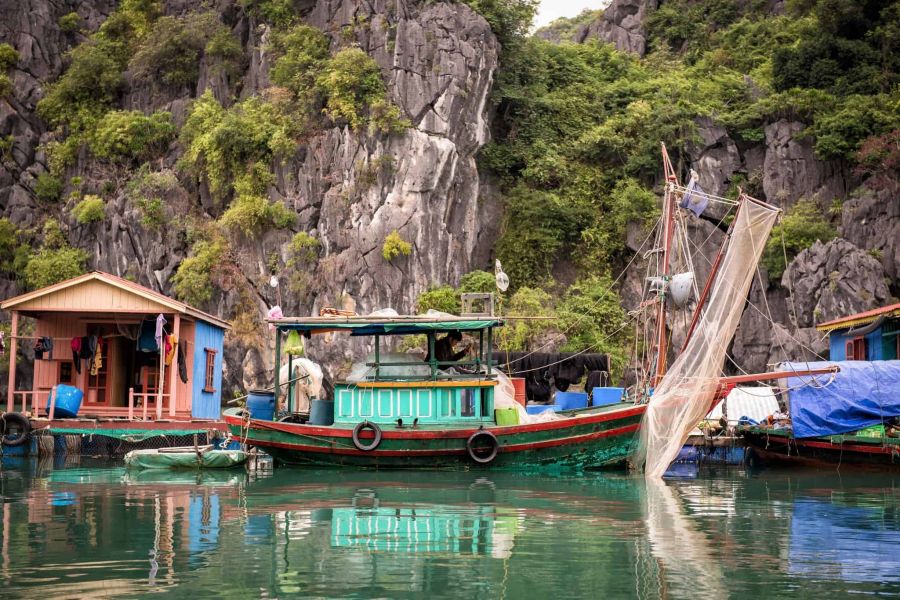
This historic village dates back to the 19th century, born when fishermen anchored here to shelter from storms and trade amid the calm waters. Although most families moved to the mainland in recent years, a number of households still live and work on floating homes, maintaining their aquaculture traditions and sharing their way of life with visitors. Travelers can explore the village by boat or kayak, observe aquaculture practices, and enjoy the unspoiled beauty of the bay, making Vung Vieng a must‑visit destination for those seeking culture, nature, and authentic local experiences.
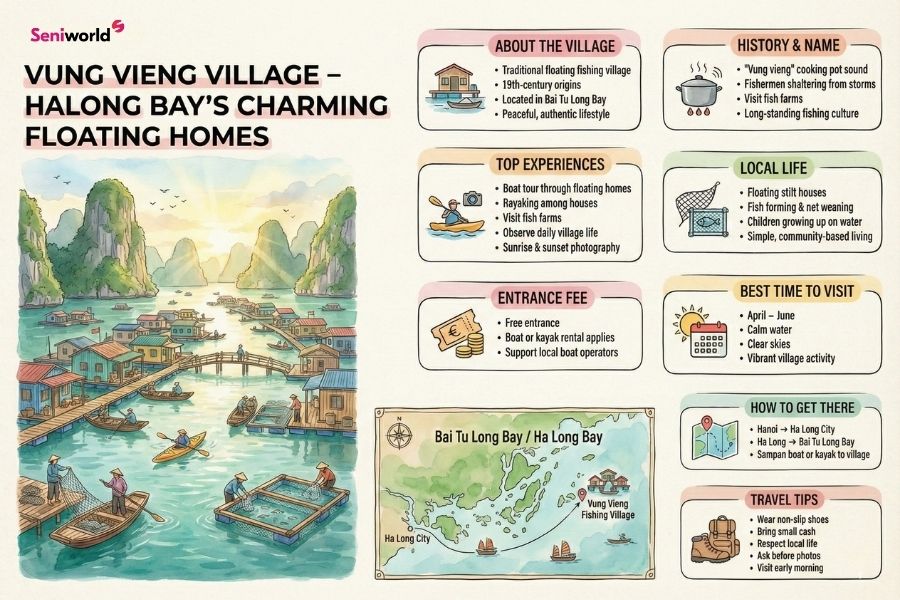
History Of Vung Vieng Fishing Village
According to local belief, Vung Vieng Fishing Village got its unique name from the “vung vieng” sound produced when the lids of cooking pots clatter in the midday breeze, as locals cook and trade. The name reflects a simple life closely connected to the sea, showcasing the traditional fishing culture of Ha Long Bay. Once a quiet residential village for fishermen, it has now become a charming and popular tourist destination.
5 Unforgettable Experiences You Shouldn’t Miss
Exploring Vung Vieng Fishing Village offers a rare chance to immerse yourself in traditional life on the water while surrounded by the stunning landscapes of Ha Long Bay. From joining fishermen in their daily routines to wandering through floating homes, every moment here provides a unique cultural and scenic experience.
Take A Boat Tour Through The Floating Village
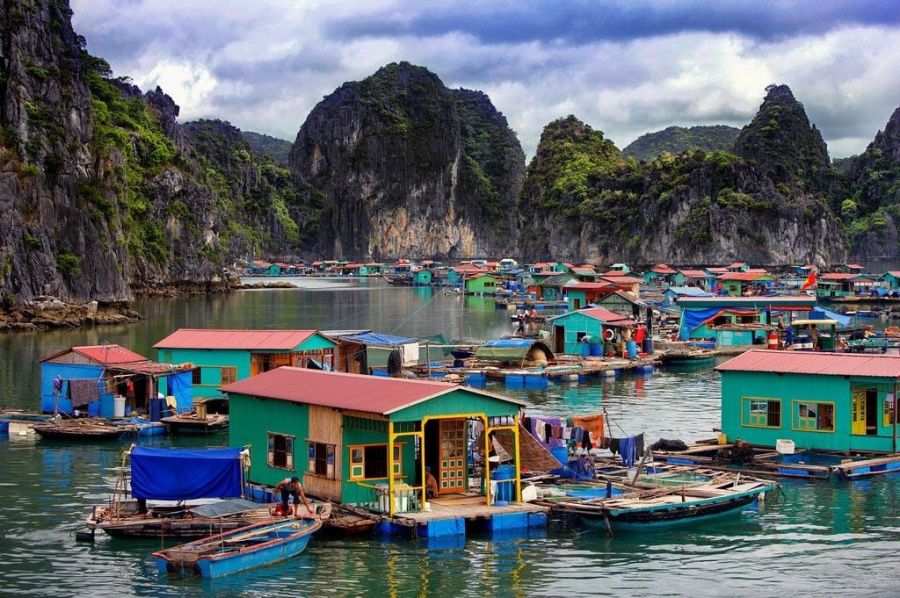
Step aboard a small boat and glide slowly through the calm waters of Vung Vieng, where every corner reveals the charm of daily life on the bay. As you float past colorful stilt houses and clusters of boats, you’ll observe families cooking, repairing nets, and children playing in the water. The gentle ripples, the limestone karsts rising dramatically around you, and the reflections of floating homes create an almost magical setting. Guides often share stories about the village’s history, adding depth to your journey. This boat tour is perfect for taking photos, relaxing, and truly absorbing the rhythm of life on the water.
Experience Traditional Fishing Techniques
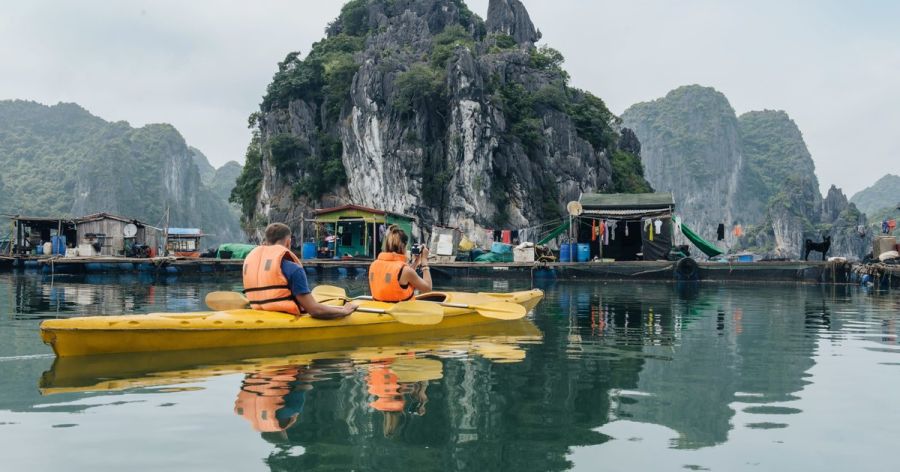
Engage directly with local fishermen and learn ancient fishing methods still in use today. You can try casting nets, baiting traps, or even catching small fish with your hands, following the techniques passed down through generations. The experience is interactive and educational, giving insight into how the villagers sustain themselves and live in harmony with nature. Some fishermen may invite you to cook your catch on the spot or taste dishes made from the freshest seafood. Participating in these activities in Halong Bay not only supports the local economy but also creates meaningful connections with the community
Explore Floating Homes And Local Life
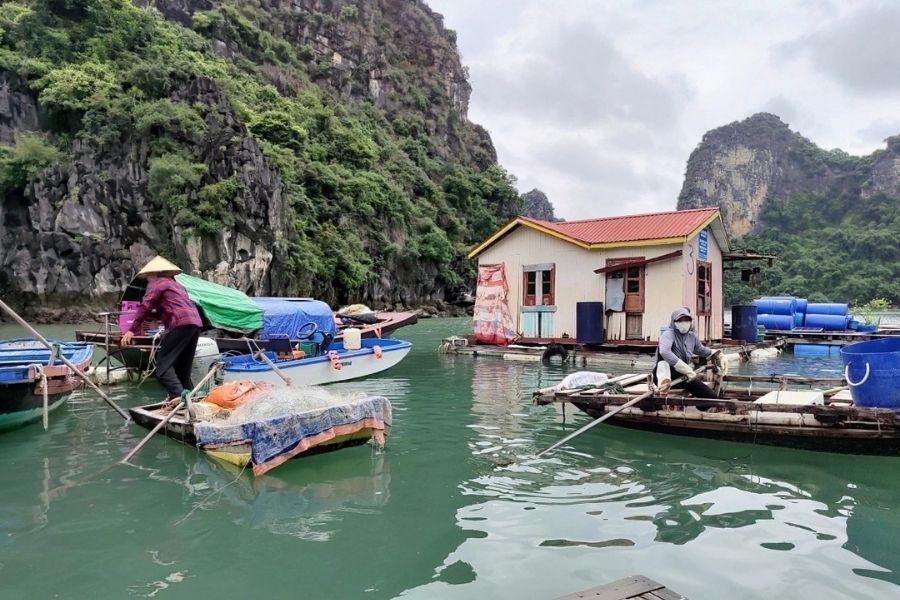
Step off the boat and walk along the wooden walkways connecting floating homes, observing life as the villagers live it. Each home tells a story, from kitchens where seafood is cleaned and cooked, to small gardens where vegetables flourish on rafts. Children often wave as you pass, and friendly locals may invite you in for a closer look at their lifestyle, from weaving nets to tending pets.
Walking through these floating neighborhoods gives a rare chance to understand the social structure, traditions, and daily challenges of living on water. It’s a fascinating cultural immersion, where you feel part of the village rather than just a visitor.
Enjoy Fresh Seafood And Local Cuisine
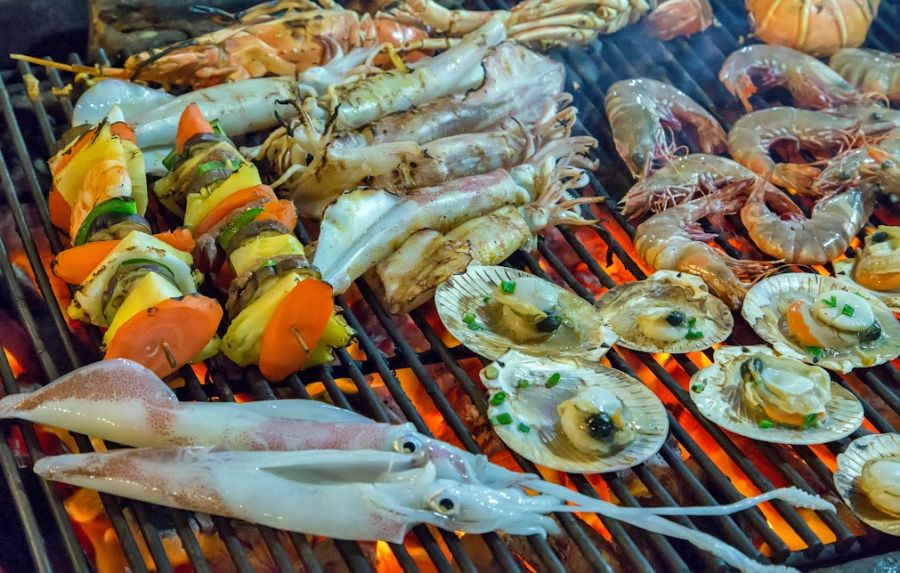
Delight your taste buds with freshly caught seafood prepared in traditional ways by village families. Floating kitchens and small eateries serve dishes like grilled fish, squid, clams, and shrimp, often accompanied by local herbs and homemade dipping sauces. The flavors are simple but intensely fresh, and sharing a meal with locals allows you to hear stories of the bay and its history.
Dining here is not only about savoring food but also about experiencing the communal and family-oriented lifestyle of the floating village. Meals are often eaten on small floating platforms or rafts, creating an unforgettable dining atmosphere.
Capture Stunning Scenery And Sunrise Views
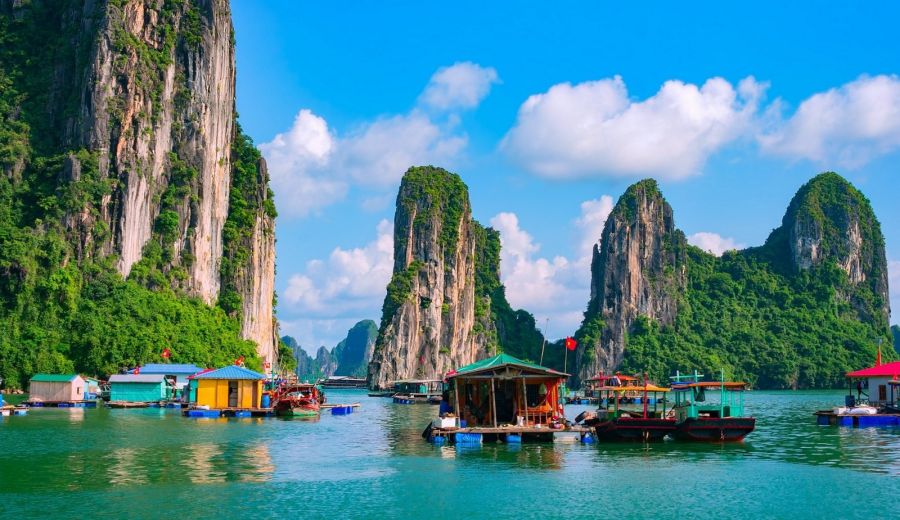
Wake early to witness the sunrise over Vung Vieng, when the calm waters reflect limestone cliffs, floating houses, and fishing boats in a breathtaking panorama. Every moment offers unique photo opportunities, whether it’s mist rising over the water, the silhouette of a lone fisherman paddling through the bay, or children playing near their homes. Sunset brings equally mesmerizing colors, with golden light illuminating the village. Even a simple stroll along the walkways becomes magical as you take in the scenery. Photographers and travelers alike will find themselves mesmerized by the serene beauty and peaceful energy of this floating community.
Entrance Fee
Visiting Vung Vieng Fishing Village is completely free of charge. As a traditional and open-floating village, there are no entrance fees, allowing travelers to explore the area freely and enjoy the local life without any cost.
Best Time To Visit Vung Vieng Fishing Village
The best time to visit Vung Vieng Fishing Village is generally from April to June, when the weather is warm, sunny, and ideal for exploring the bay. During this period, the skies are mostly clear, the water is calm, and the temperature is comfortable, making it perfect for boat tours, kayaking, and walking through the floating village.
Staying in these months also allows you to experience local life at its liveliest, as fishermen are active, families go about their daily routines, and the village hosts cultural activities and seafood gatherings. While other months are still beautiful, April to June provide the best combination of weather, scenery, and vibrant village life for an unforgettable experience.
How To Get To Vung Vieng Fishing Village
To explore the charming Vung Vieng Fishing Village, you first need to reach Ha Long City, the gateway to Bai Tu Long Bay. Once in Ha Long, there are several options to continue your journey to the floating village, depending on your preference and budget.
Getting To Ha Long
Travelers from Hanoi or nearby provinces can reach Ha Long by various means:
- Coach/Bus: Take a regular coach from My Dinh Bus Station, with tickets ranging from 100,000-180,000 VND (4-7 USD). The journey takes about 3.5-4 hours. Limousine services are also available at around 220,000 VND (9 USD) per trip for a more comfortable ride.
- Tourist Bus: Departing from Kim Ma Bus Station, tourist buses run every 15 minutes starting at 6:00 AM. Tickets are slightly more expensive, and travel time is about 3-4 hours.
- Airplane: For long-distance travelers, flights to Van Don Airport are convenient. From the airport, it’s about a 90-minute drive to Ha Long City. You can book flights directly via Traveloka or other apps for discounted rates.
From Ha Long Bay To Vung Vieng
Once in Ha Long, you can reach Vung Vieng Fishing Village by boat, kayak, or traditional sampan:
- Traditional Wooden Boat (Sampan): This is the most common way to visit the village, offering an authentic local experience. Prices vary depending on distance and arrangement with local boat operators.
- Kayak or Tour Boat: You can also join a Halong Bay tour that includes kayaking or a small tour boat ride. Passing through Hang Cao, the natural gateway of the village, adds a scenic touch to your journey. The boat ride allows you to enjoy the calm waters and floating houses up close while experiencing life in the fishing village.
Things To Know Before Traveling To Vung Vieng Fishing Village
Exploring Vung Vieng Fishing Village is a unique chance to experience the authentic life of Vietnam’s floating communities. To make the most of your visit, here are some practical tips to help you prepare for a smooth and memorable trip:
- Plan your boat trip: Most visitors reach Vung Vieng by boat, so booking a tour or hiring a private boat ahead ensures availability and better timing for sunrise or sunset views.
- Bring cash in small denominations: The village is remote and has limited banking facilities; small bills are useful for tips, souvenirs, or local services.
- Dress comfortably and modestly: Lightweight, breathable clothes and a hat are ideal, as you’ll spend time on boats and walking along floating structures.
- Wear non-slip footwear: Wooden planks and floating platforms can be slippery, so sturdy, non-slip shoes help prevent accidents.
- Carry essentials for sun and rain protection: Sunscreen, sunglasses, and a light rain jacket are recommended, as the weather can change quickly on the water.
- Respect local customs: Ask before taking photos of people and avoid touching fishing equipment or nets without permission to honor the villagers’ privacy and livelihood.
- Pack a small camera or smartphone with an extra battery: The scenery of floating houses, calm waters, and limestone karsts provides countless photo opportunities you won’t want to miss.
FAQs About Vung Vieng Fishing Village
Exploring Vung Vieng Fishing Village can raise many questions for first-time visitors. Here are some frequently asked questions to help you plan your trip and make the most of this unique floating village experience.
Do I need an entrance fee to visit the village?
No, Vung Vieng Fishing Village is free to enter. Travelers can explore the floating houses, local markets, and surrounding waters without paying any admission. However, if you join a boat tour or rent a kayak, additional charges may apply for the rental or guided services.
How can I get to Vung Vieng Fishing Village from Ha Long?
The most common way is by traditional wooden boat (sampan) or kayak, often arranged through local operators or tour agencies. Depending on your choice, the trip can take between 30 minutes to 1 hour. Some Halong Bay tours also include the village in their itinerary for a convenient all-in-one experience.
When is the best time to visit the village?
The ideal period is from April to June in Halong Bay when the weather is mild, sunny, and less rainy. This timing allows you to fully enjoy water activities and witness cultural events or fishing routines. Avoid the stormy season from August to September, as rough seas may affect boat travel.
Can I stay overnight in the village?
Vung Vieng is primarily a working fishing village, and there are limited accommodations on the floating houses. Most visitors stay in nearby Ha Long or Bai Chay and make a day trip. However, some tour operators may offer overnight experiences on boats for a more immersive visit.
What activities can I do in Vung Vieng?
You can go kayaking, take a boat tour, interact with locals, try fishing, or enjoy the scenic beauty of the bay. Photography and exploring floating markets are also popular. Participating in cultural activities helps you better understand the life of Vietnamese fishermen.
Final Thoughts: Is Vung Vieng Fishing Village Worth Visiting?
Vung Vieng Fishing Village is a hidden gem of Bai Tu Long Bay, offering travelers a rare glimpse into authentic floating village life amid stunning limestone karsts. Its peaceful waters, traditional aquaculture, and charming floating homes create an unforgettable cultural and natural experience. Visitors can immerse themselves in local daily life, enjoy scenic boat rides, and capture beautiful landscapes that feel untouched by time. Explore this unique destination with Seni World for a memorable journey filled with culture, nature, and authentic experiences.


